
大理
Dali
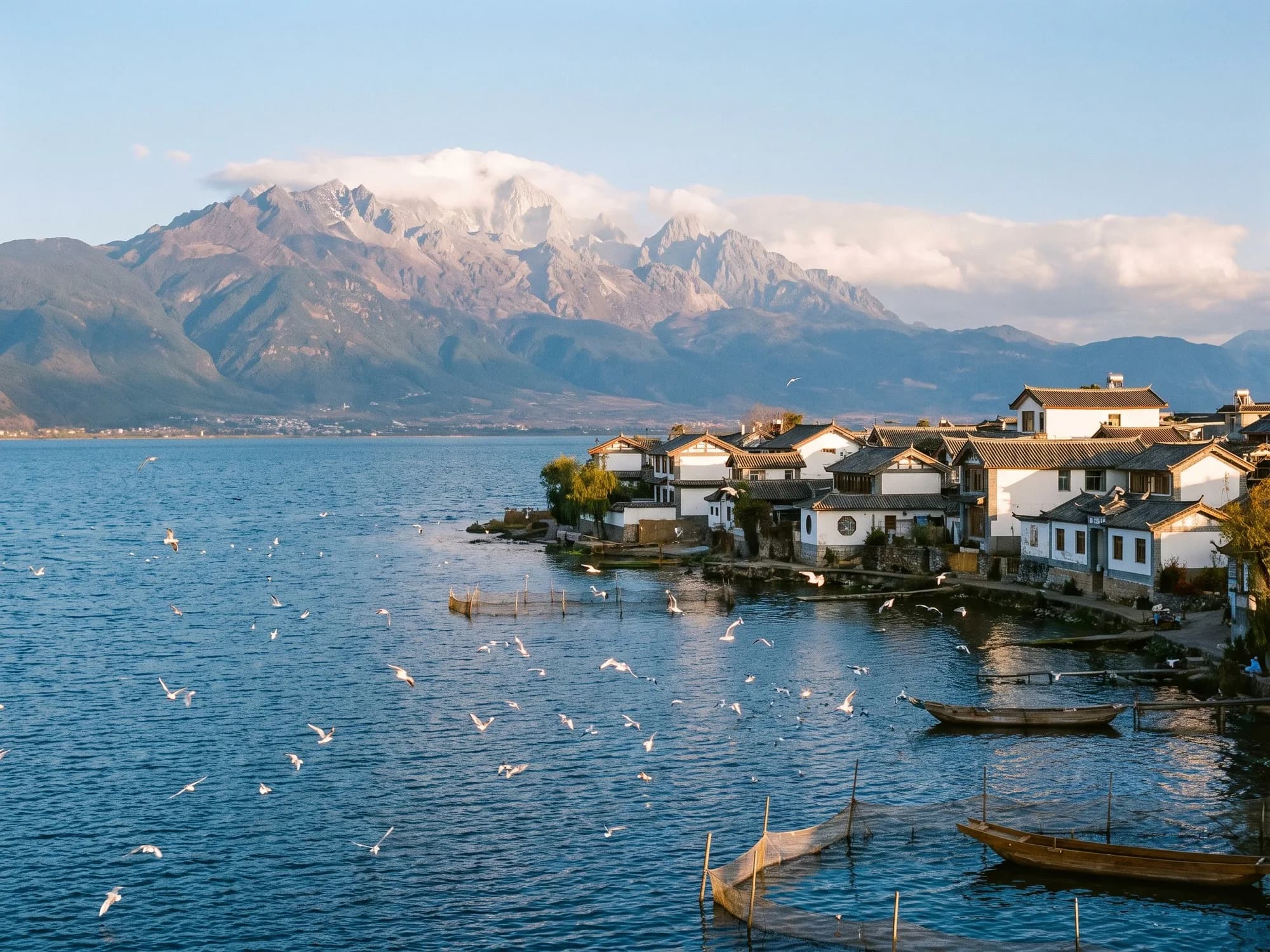
Dali is not just an ancient city, but a travel area spread between the high ridges of Cangshan Mountain and Erhai Lake. Bai ethnic communities, the history of Nanzhao and Dali, lakeside wetlands and mountain routes are suitable for a few days to slowly understand. The Erhai Lake Loop is very long, so you should choose a section of the lakeshore or a group of villages for an in-depth tour instead of completing the circle in a hurry.
At a glance
- Stay
- 3–5 days
- Best seasons
- Mar–May, Sep–Nov
- Airports
- Rail or road access
- Region
- Southwest China
Last updated: 9/29/2026
First visit
Arrive and settle in Dali
Start with arrival and where to stay, then choose your sights. Recheck transport and accommodation details before booking.
Getting there+
Dali (DLU) has flights from Kunming and the big cities. Trains from Kunming take about two hours to Dali station in the new town (Xiaguan), then a 30-minute bus or taxi to the old town. Lijiang is two hours north by train.
Rail tip. Your passport is your ticket. Book on 12306 or Trip.com, then go straight to the gate. See Getting around. The Trip.com link earns us a small commission at no cost to you (how that works).
Stay online. Google, WhatsApp and Instagram are blocked on Chinese networks; a travel eSIM that roams gets around it. Install one before you fly — Saily takes US$5 off a first plan with the code CHINA. See Staying online. The code earns us the same amount in Saily credits, at no cost to you (how that works).
Where to stay+
Old town
大理古城
Walkable, sociable, a little touristy. Fine for a first night.
Guesthouses in every lane. Renmin Road is the café strip; the quieter courtyards are north and west of it.
first visitcafésconvenience
Xizhou
喜洲
A Bai village of merchant mansions among the fields.
Twenty minutes north of the old town. Restored courtyard houses to stay in, a morning market, and the famous baba flatbreads.
architecturequietfood
Shuanglang and the east shore
双廊
Lakeside guesthouses with the mountains across the water.
Boutique inns stacked on the shore. Views are the point; it is a longer trip to anything else.
lake viewssunsets
Booking. Compare hotels in Dali on Trip.com, filtered to its China travel essentials list: English-speaking staff, foreign cards, guest rating 8 or higher. See Where to stay. Booking through this link earns us a small commission at no cost to you (how that works).
Overview+
GUANGXIHAINANCHONGQINGSICHUANDali
The old town is a Bai walled town with a backpacker layer on top. It is pleasant, but the reason to come is the landscape: the lake to the east, the 4,000-metre ridge to the west, and villages of white-walled Bai houses in between.
Rent a bike or scooter and ride the lake road through Xizhou and Shuanglang. Take the cable car up Cangshan and walk the Cloud Traveller's Path. Eat rushan cheese from a stick.
Yunnan runs on Beijing time but sits far to the west, so sunsets come late. Evenings are long and the light is famous.
Where next?
Save places you like, then use your saved list to build a trip.
Practical travel guides
Places to explore in Dali
Erhai Lake loop
洱海
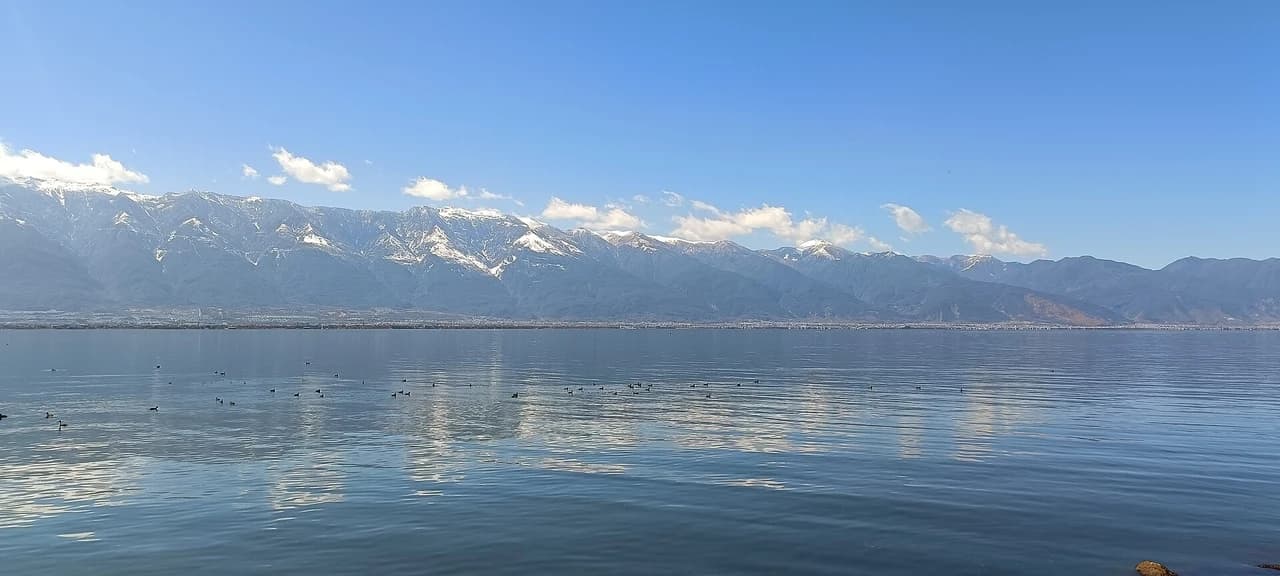
Erhai Lake is the second largest plateau lake in Yunnan, located in the north of Dali City. It is named because it looks like a human ear and is the location of the "moon" in "Wind, Flowers, Snow and Moon". The lake is about 1972 meters above sea level. The nineteen peaks of Cangshan Mountain are reflected in the lake, forming a classic scene of "Snow on Cangshan Mountain and Moon on Erhai Lake". Dotted around the lake are Longchun Wharf, Fengxi S Bay, Covered Bridge, Shuanglang Ancient Town, Wenbi Village and other internet celebrity spots. There are ecological corridors in Haixi (motor vehicles are not allowed), and the scattered scenic spots in Haidong are more suitable for self-driving.
Three Pagodas
崇圣寺三塔
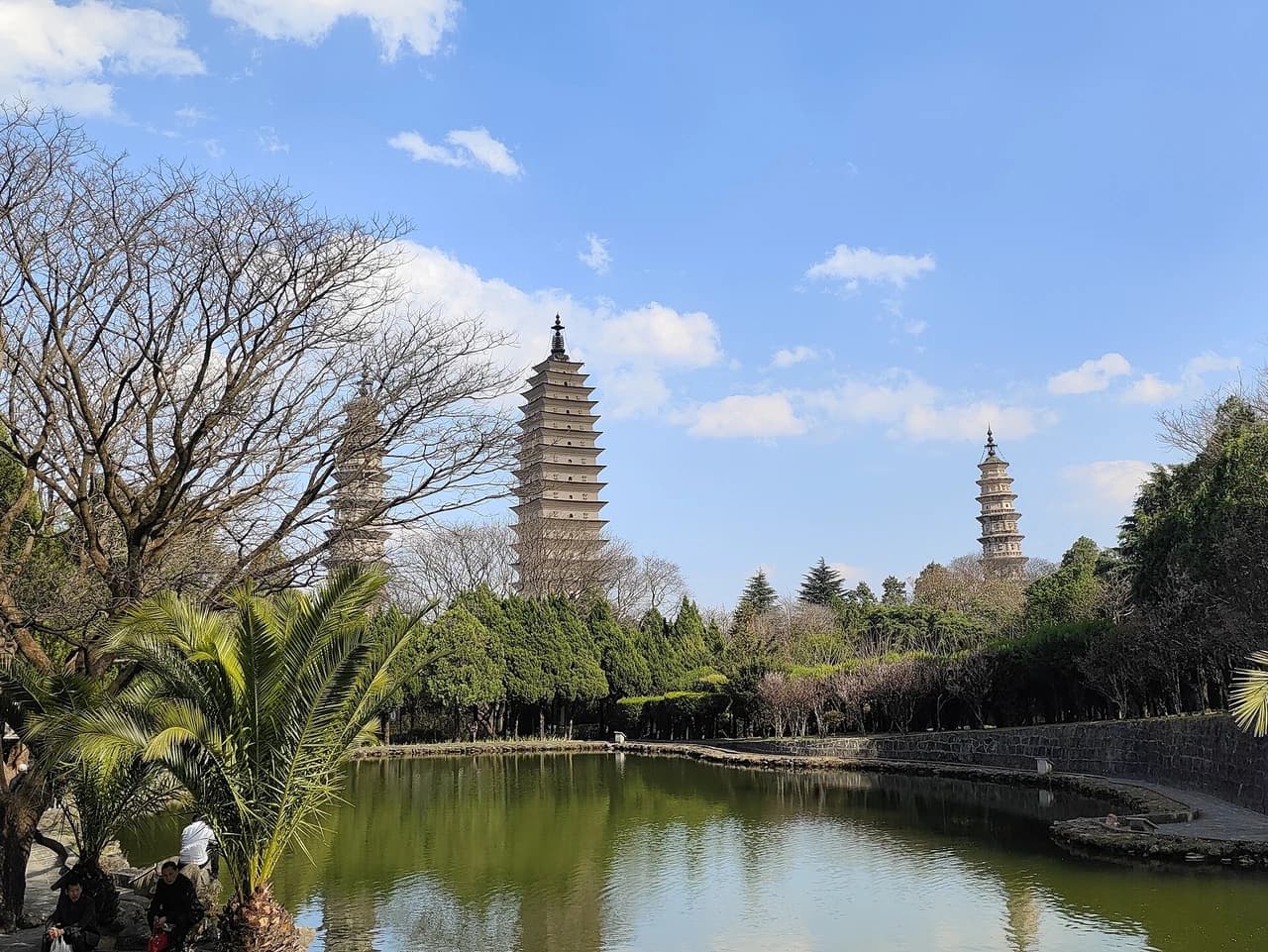
The Three Pagodas of Chongsheng Temple are located about 1 km northwest of the ancient city of Dali. They are the only 5A scenic spot in Dali and a symbol of "a famous country with literature". The Three Pagodas were built in the Nanzhao period. The main tower, the Qianxun Pagoda, is about 60 meters high and is one of the tallest existing ancient pagodas. The Three Pagodas still stand after the 1925 earthquake. The words "Eternal Shake the Mountains and Rivers" are engraved under the towers to express the people of Dali's wish for good weather. The "Tianlong Temple" in Jin Yong's "Tianlong Babu" is based on this.
Cangshan Mountain
苍山
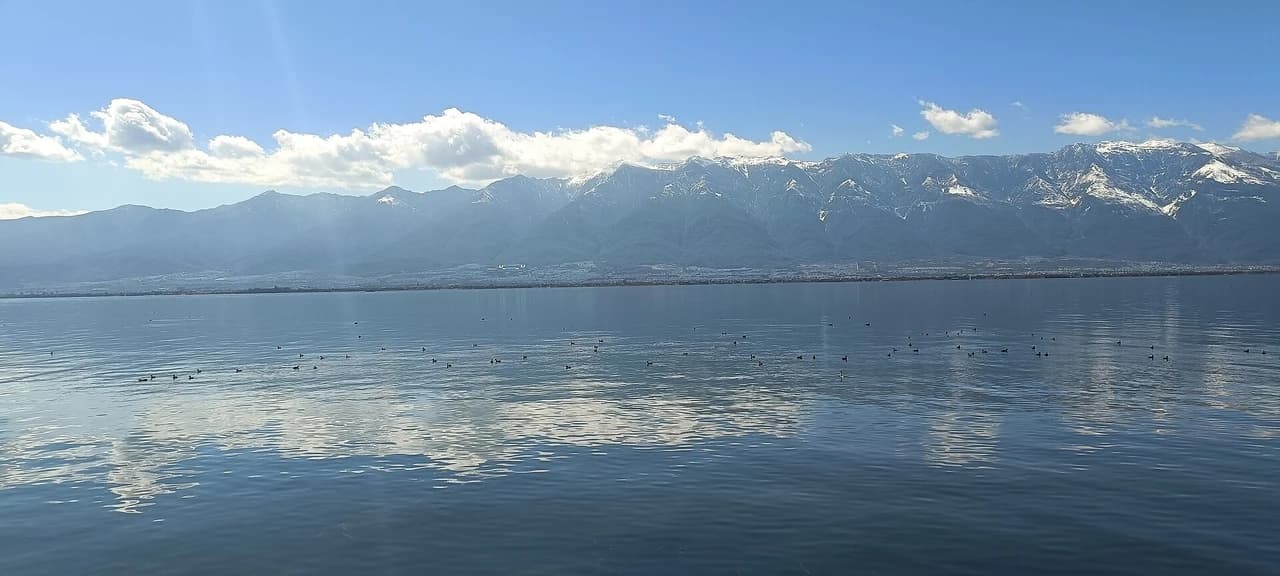
Cangshan Mountain forms the steep western barrier of the Dali Dam area. Nineteen peaks, valleys and vegetation change vertically to form a complete mountain system. Different ropeways lead to different altitudes and not all are connected. The Yudai Yunyou Road unfolds horizontally along the central contour line. First of all, it is a high-altitude mountain environment. It is not just a cableway for viewing. The weather changes much faster than on the Erhai coast.
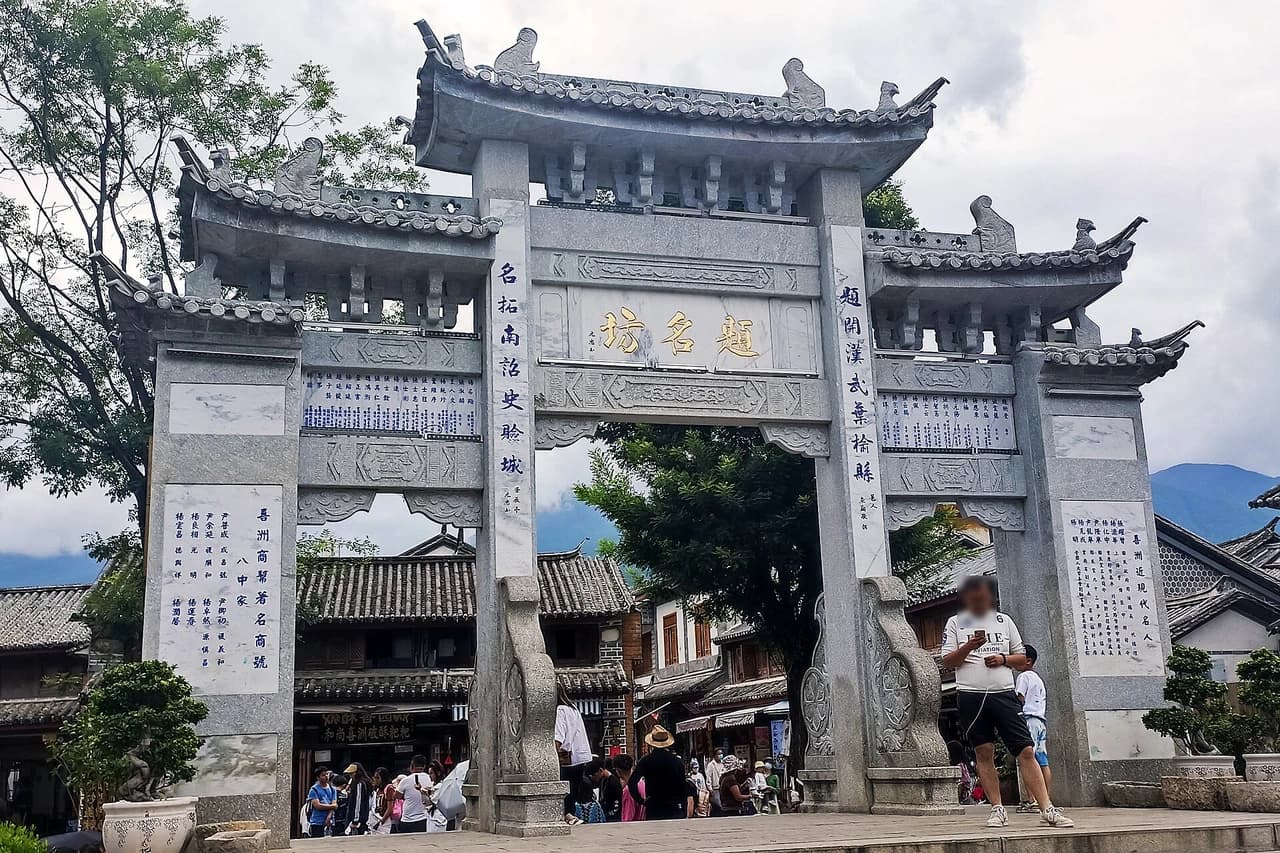
Xizhou village
喜洲古镇
Xizhou lies about 20 kilometers north of Dali Old Town. Traditional Bai homes, village streets and surrounding rice fields make it a quieter place to explore local architecture and rural life. The fields change color with the seasons, and sites such as Sifang Street and the Yan Family Courtyard reward a slower visit.

Dali Ancient City
大理古城
The ancient city of Dali is located between Cangshan Mountain and Erhai Lake. The current checkerboard pattern was mainly formed during the reconstruction of the Ming Dynasty, and also inherited the earlier history of Nanzhao and Dali Kingdom. The city gates, preserved courtyards, religious buildings and everyday streets and lanes tell a better story about the ancient city than the liveliest commercial main street. Its value also lies in serving as a base for understanding the historical layers of Bai culture and local politics.
Local snacks
What to eat in Dali
These cards describe dishes, not restaurants.

Milky and slightly sour, it can be crispy or chewy depending on how you cook it.
Bai Milk Fan
乳扇
The fresh milk is solidified by physalis and then stretched into thin slices and placed on bamboo racks to dry, forming Bai specialty dairy products. Milk fans can be baked, fried, plain, sweetened or rolled in fillings.
You can try a small portion for the first time and confirm the cooking oil and fillings; different forms have different storage conditions and should not be treated as room temperature souvenirs.

Crispy and rich, can be sweet or salty
Xizhou Baba
喜洲粑粑
Xizhou Baba is a layered wheat flour cake that is shortened with oil and then baked or pan-fried. It can be filled with sweet or salty fillings. Crispy on the outside and soft on the inside, it is a common pastry in local markets and is not an ordinary rice cake.
Suitable for eating while hot; if you have dietary restrictions, you should confirm whether lard or meat fillings are used.

Flexible and rice-flavored, the flavor mainly comes from the sauce
Dali Erkuai
大理饵块
Cooked rice is pounded into firm and tough slices or chunks and then roasted, stir-fried or cut into soups. On the street, grilled bait pieces are often spread with salty sauce and rolled in vegetables and optional meat.
Fillings should be chosen clearly and eaten fresh, as the bait pieces will gradually harden as they cool.

Sour, salty and garlicky, the spiciness can be adjusted
Cold Chicken Rice Noodles
凉鸡米线
Cold rice noodles mixed with shredded chicken, soy sauce, vinegar, garlic, chili peppers and local pickles. It has a refreshing taste but bright seasoning. It is a common snack in Dali.
If you cannot eat spicy food, you can inform it in advance and choose a stall with a stable customer flow and standardized storage of cooked chicken and cold ingredients.