Explore China
Cities for every pace.
Compare practical essentials first, then open a city for neighbourhoods, arrival notes and local context.
Filter by region
 North China北京
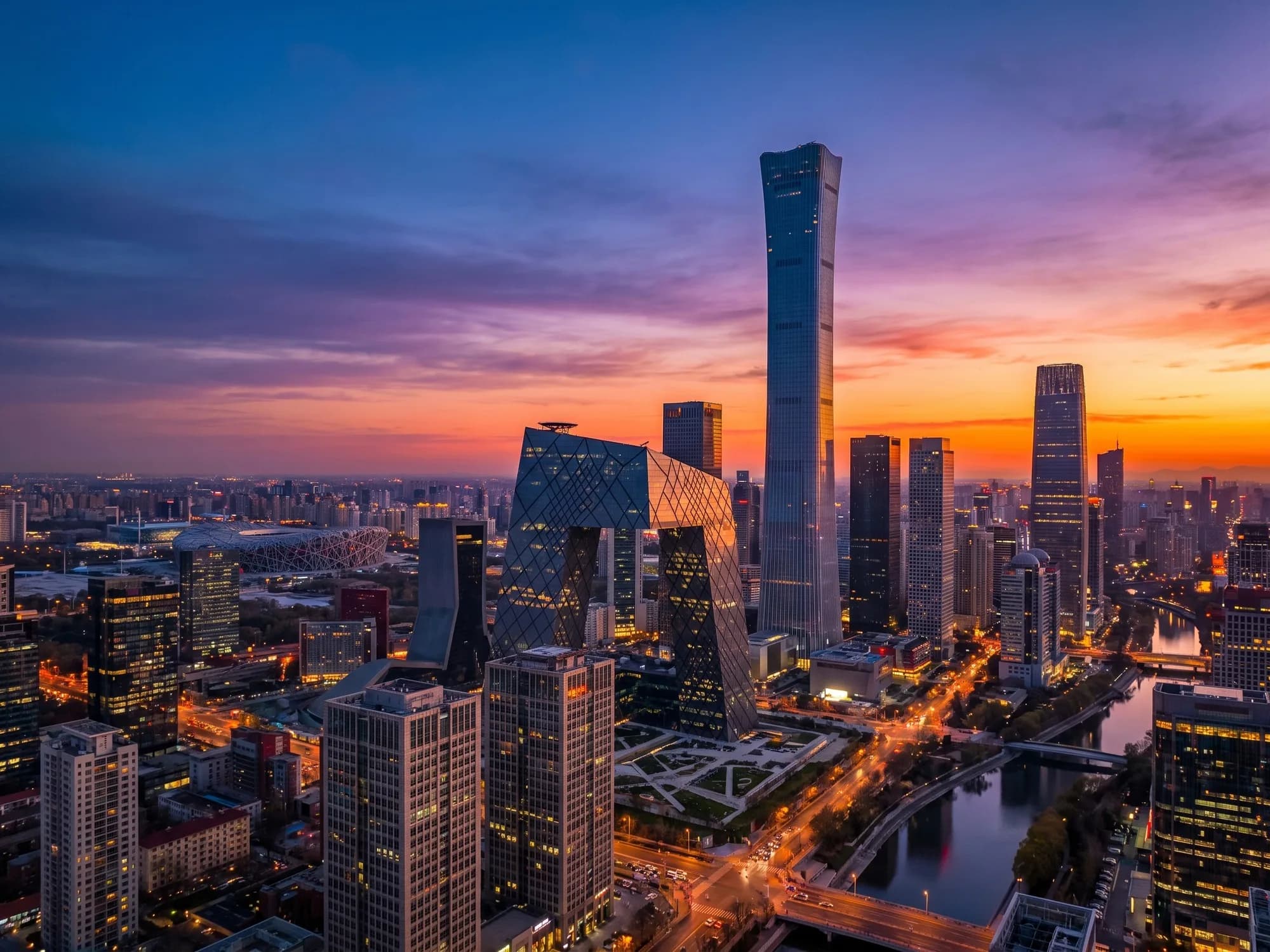
Beijing
PEK · 4–5 days
The capital is vast, formal and surprisingly gentle once you step off the ring roads. Give it four days: one for the palaces, one for the Wall, two for wandering.
 Southwest China成都
Chengdu
TFU · 3–4 days
Chengdu is the unhurried capital of China. People sit in teahouses for whole afternoons, dinner takes three hours, and nobody minds. Three days in the city, then the mountains.
 Southwest China重庆
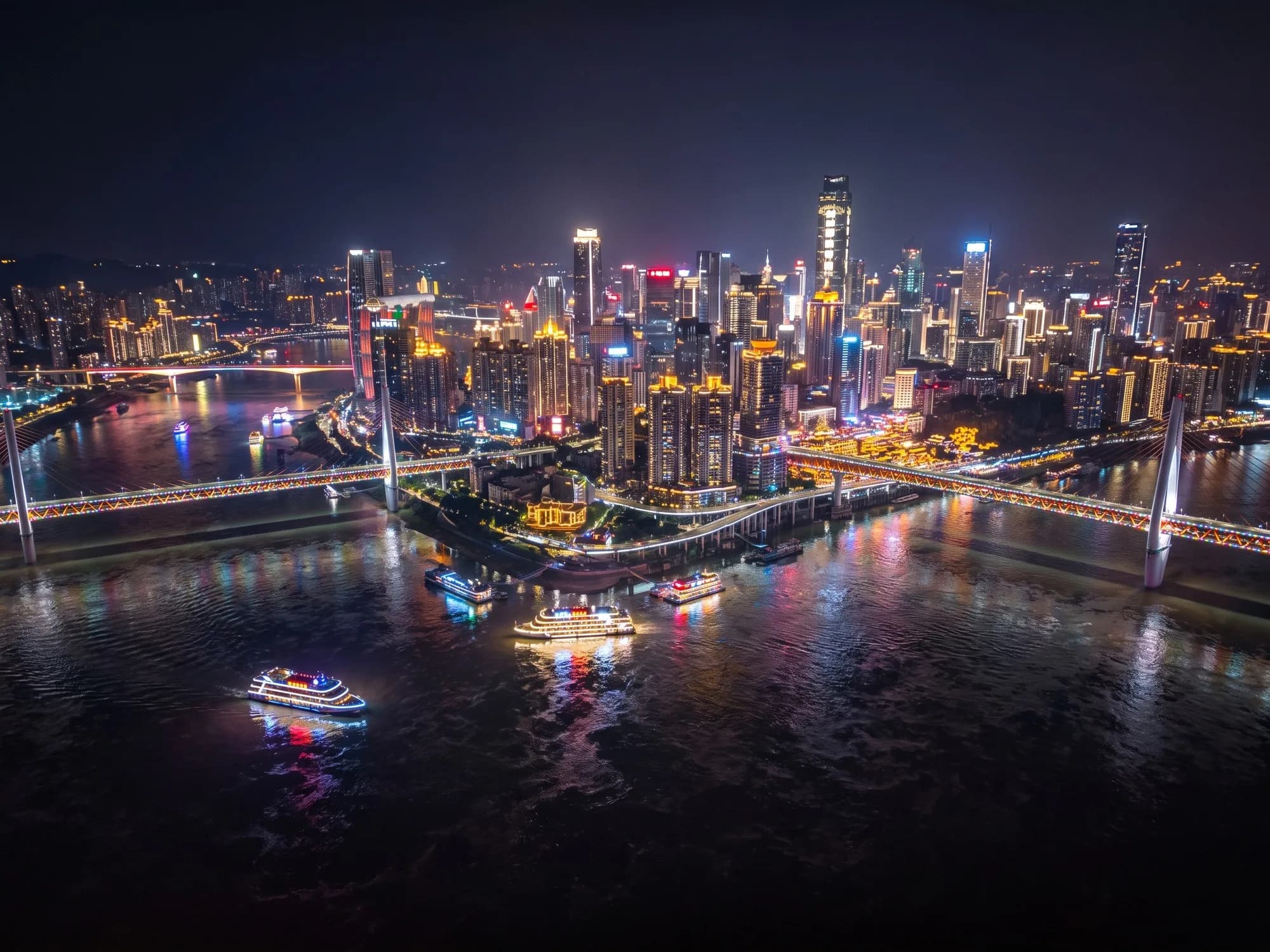
Chongqing
· 2–3 days
Chongqing stacks itself up the hillsides where the Yangtze meets the Jialing. It is disorienting, dramatic and delicious. Two days, and eat hot pot on the first night.
 Southwest China大理
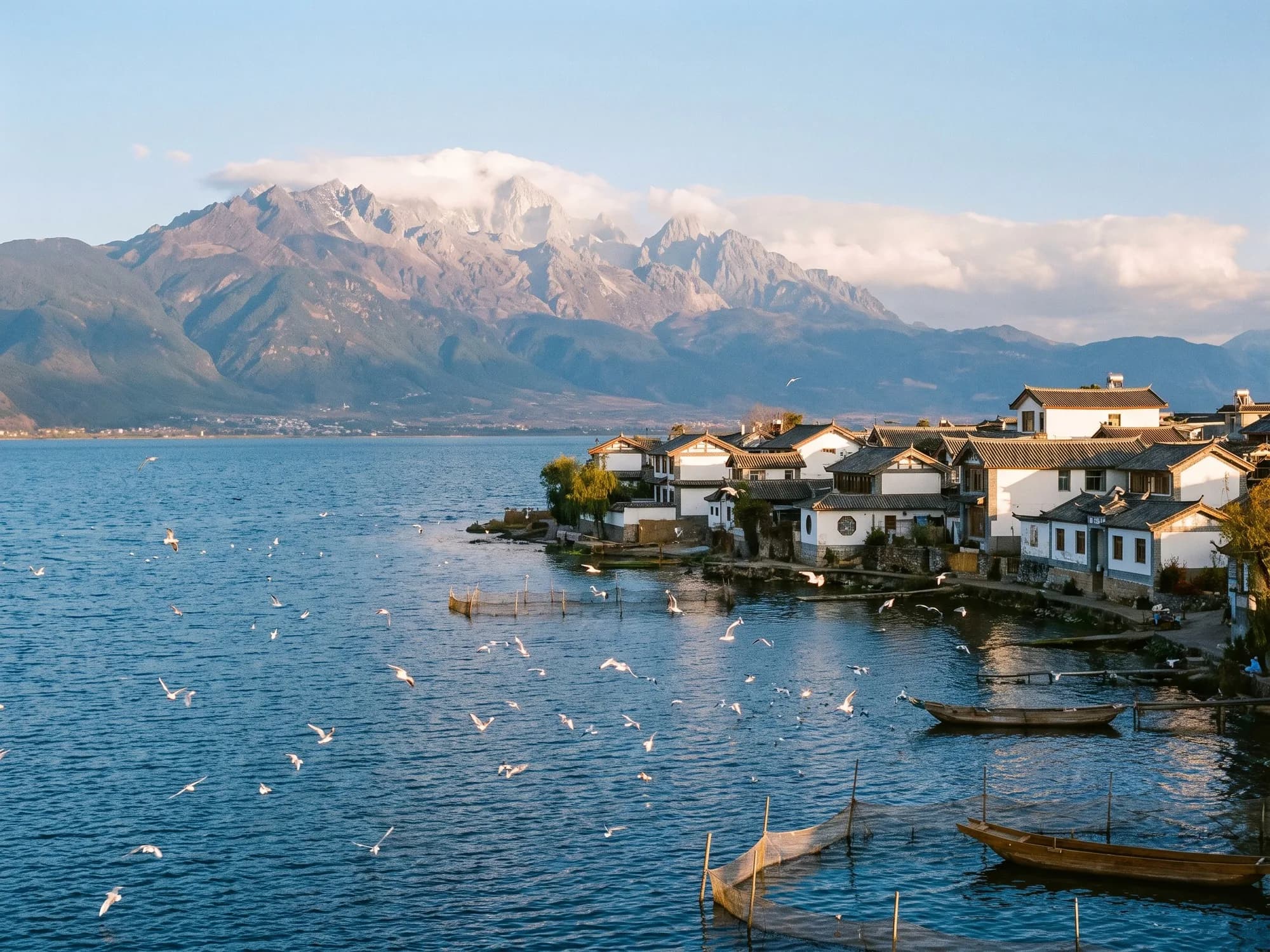
Dali
· 3–5 days
Dali sits between Erhai Lake and the Cangshan range, and people who came for two days stay for two weeks. Cycle the lake, walk the mountain, do very little.
 Northwest China敦煌
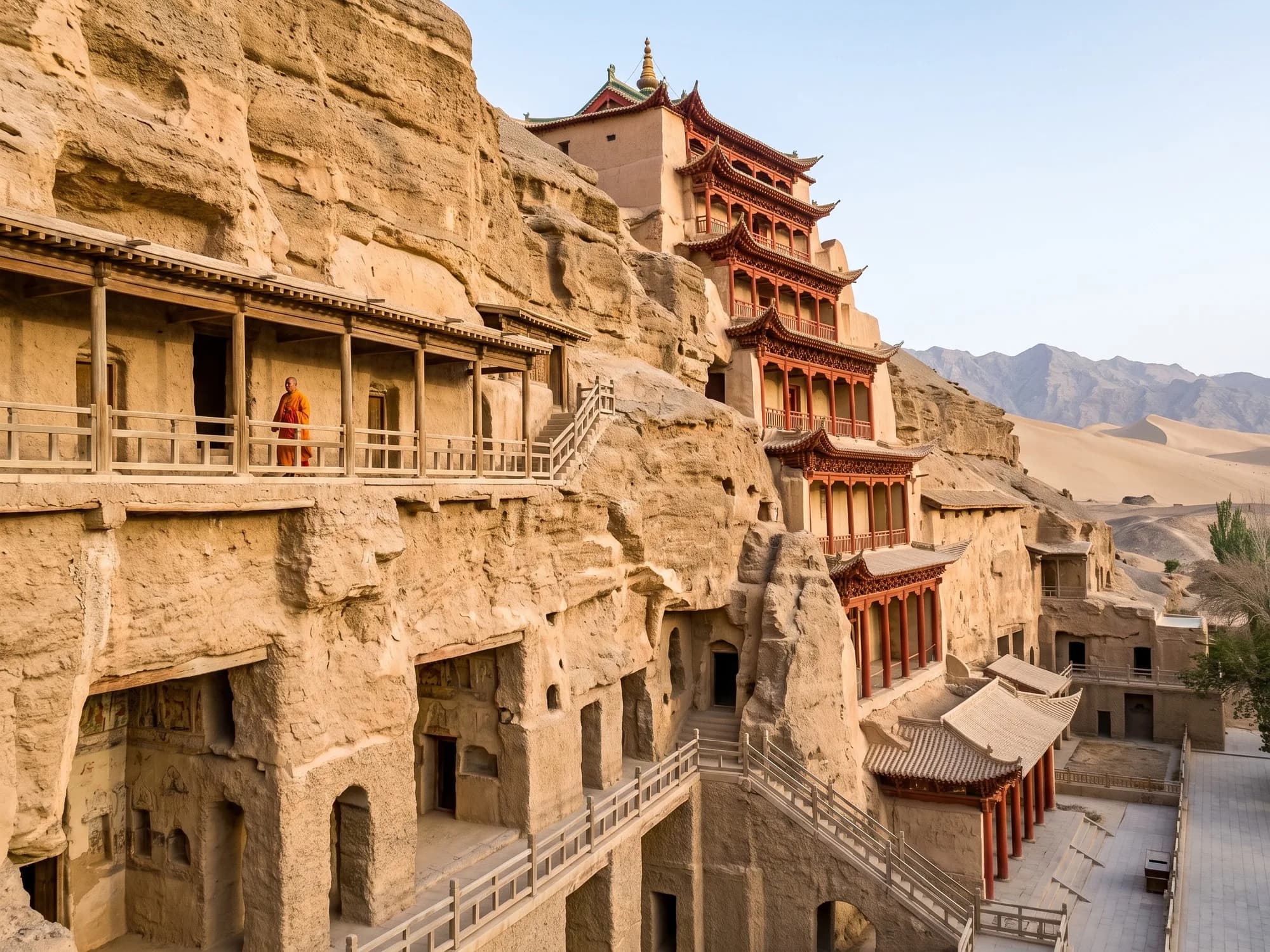
Dunhuang
· 2–2 days
Dunhuang is a small town at the end of the Hexi Corridor, with the Mogao Caves on one side and the singing dunes on the other. It is far from everywhere and worth the journey.
 South China桂林
Guilin
· 3–4 days
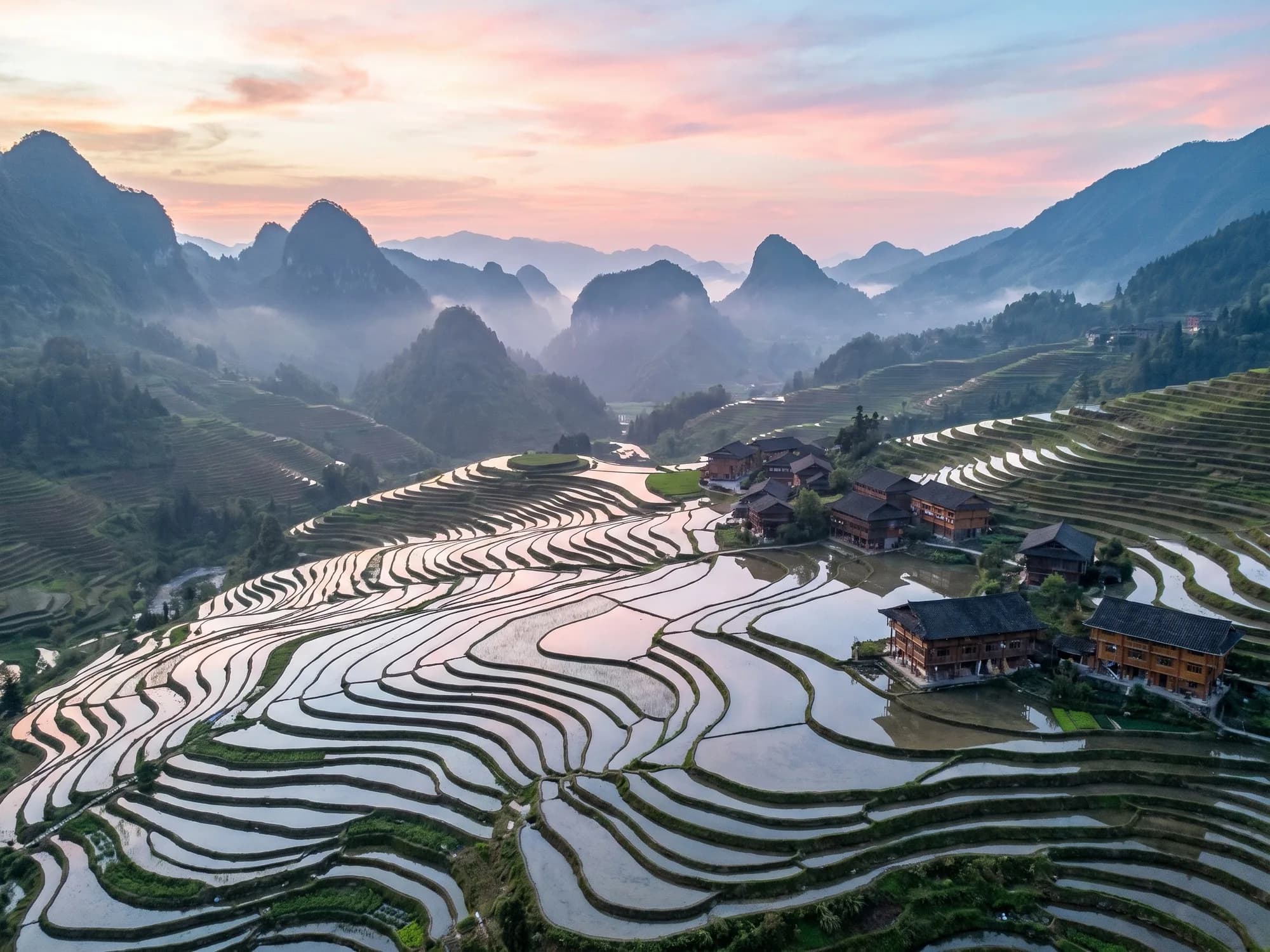
The landscape on the twenty-yuan note. Use Guilin city as the gateway, drift down the river, and stay in the countryside around Yangshuo.
 East China杭州
Hangzhou
· 2–3 days
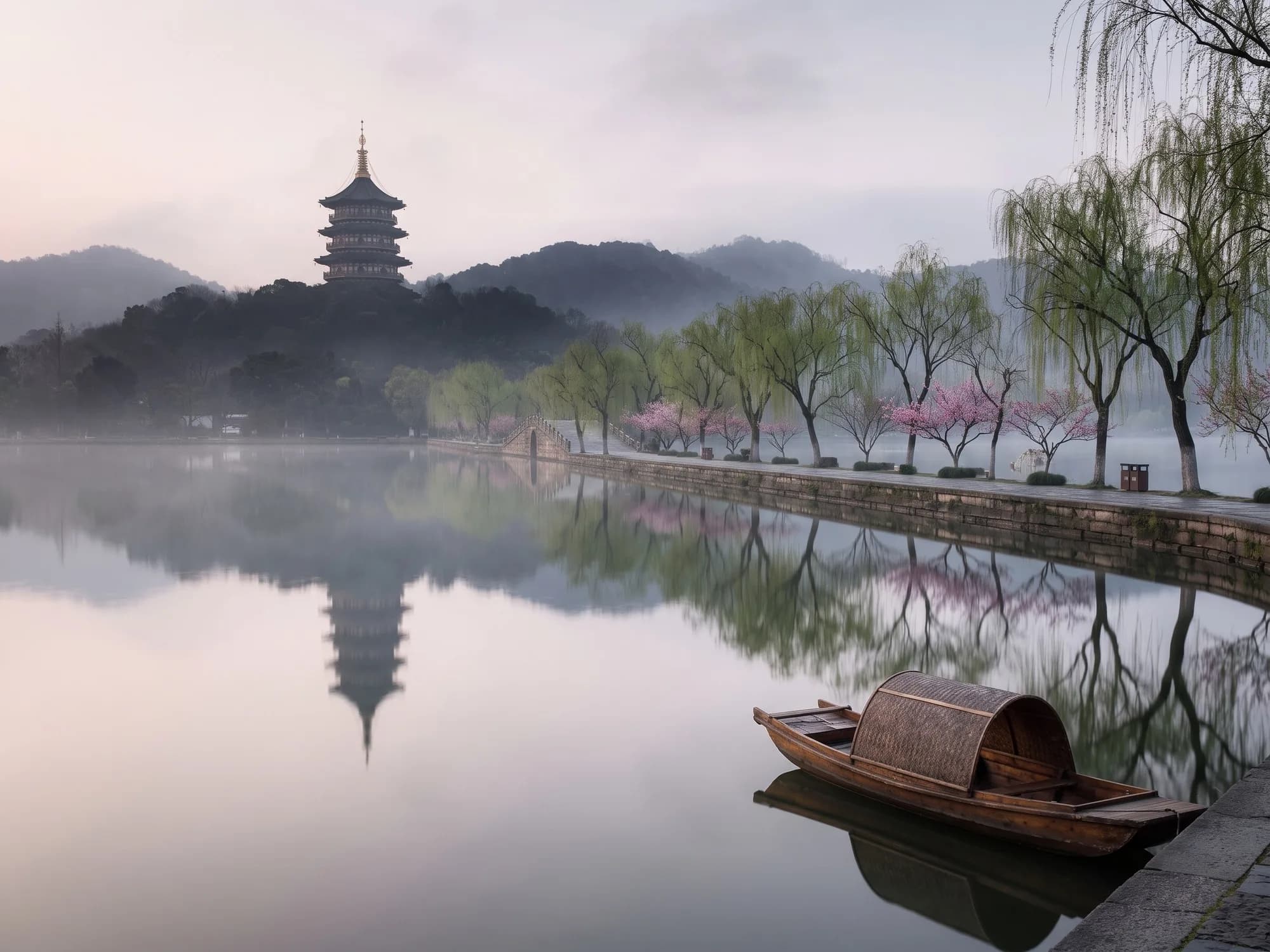
Hangzhou is the lake and the hills around it. Two days lets you walk the lake, cycle to the tea villages and drink a lot of Longjing.
 East China上海
Shanghai
PVG · 3–4 days
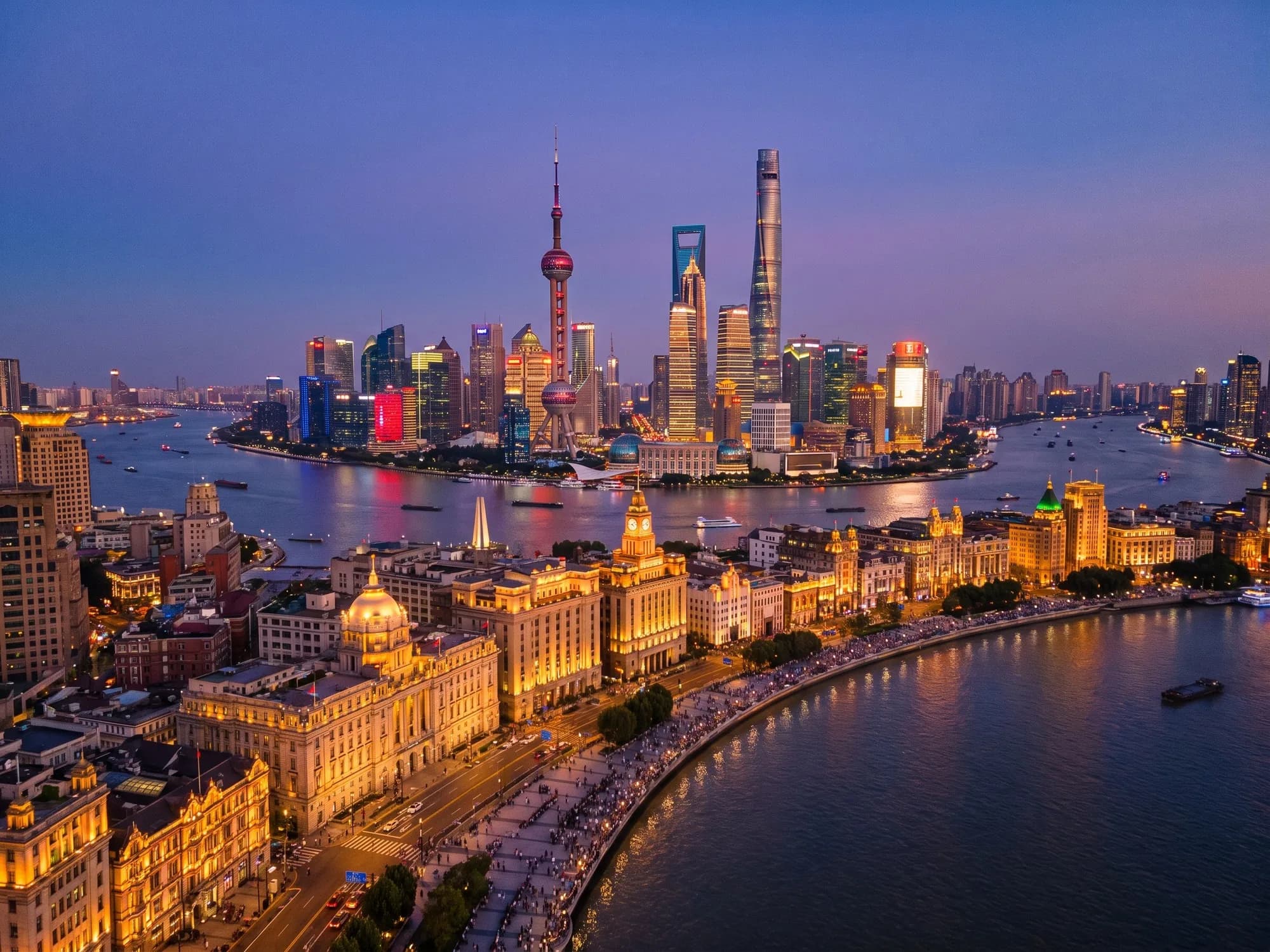
Shanghai is the easy entry point: signage in English, a metro that goes everywhere, and neighbourhoods built for walking. Three days is enough for the city; add Suzhou or Hangzhou as day trips.
 Northwest China西安
Xi'an
· 2–3 days
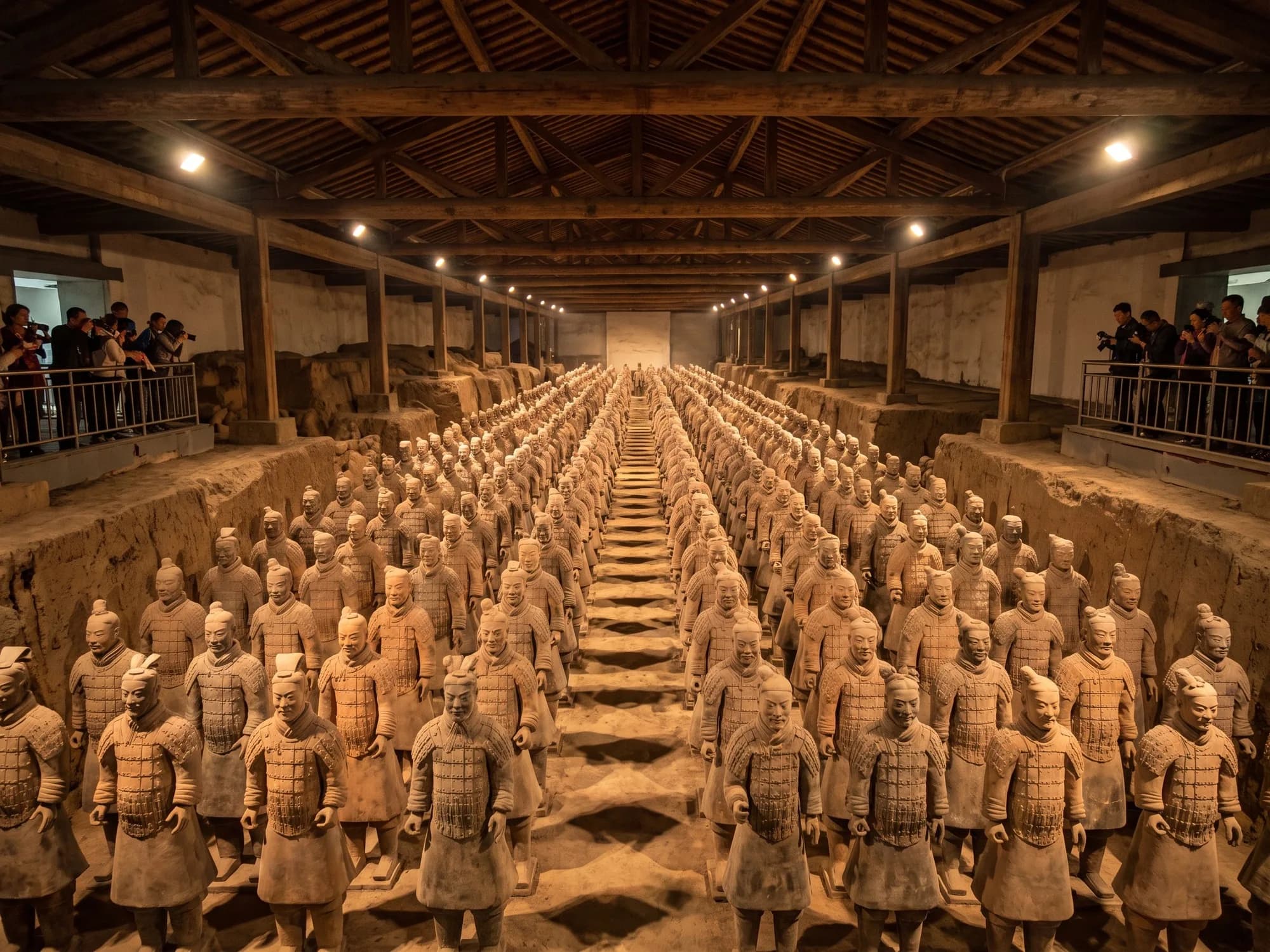
The old capital of thirteen dynasties has one world-famous sight and a lot of quieter ones. Two full days covers it; a third lets you slow down.
 Central China郑州
Zhengzhou
· 2–2 days
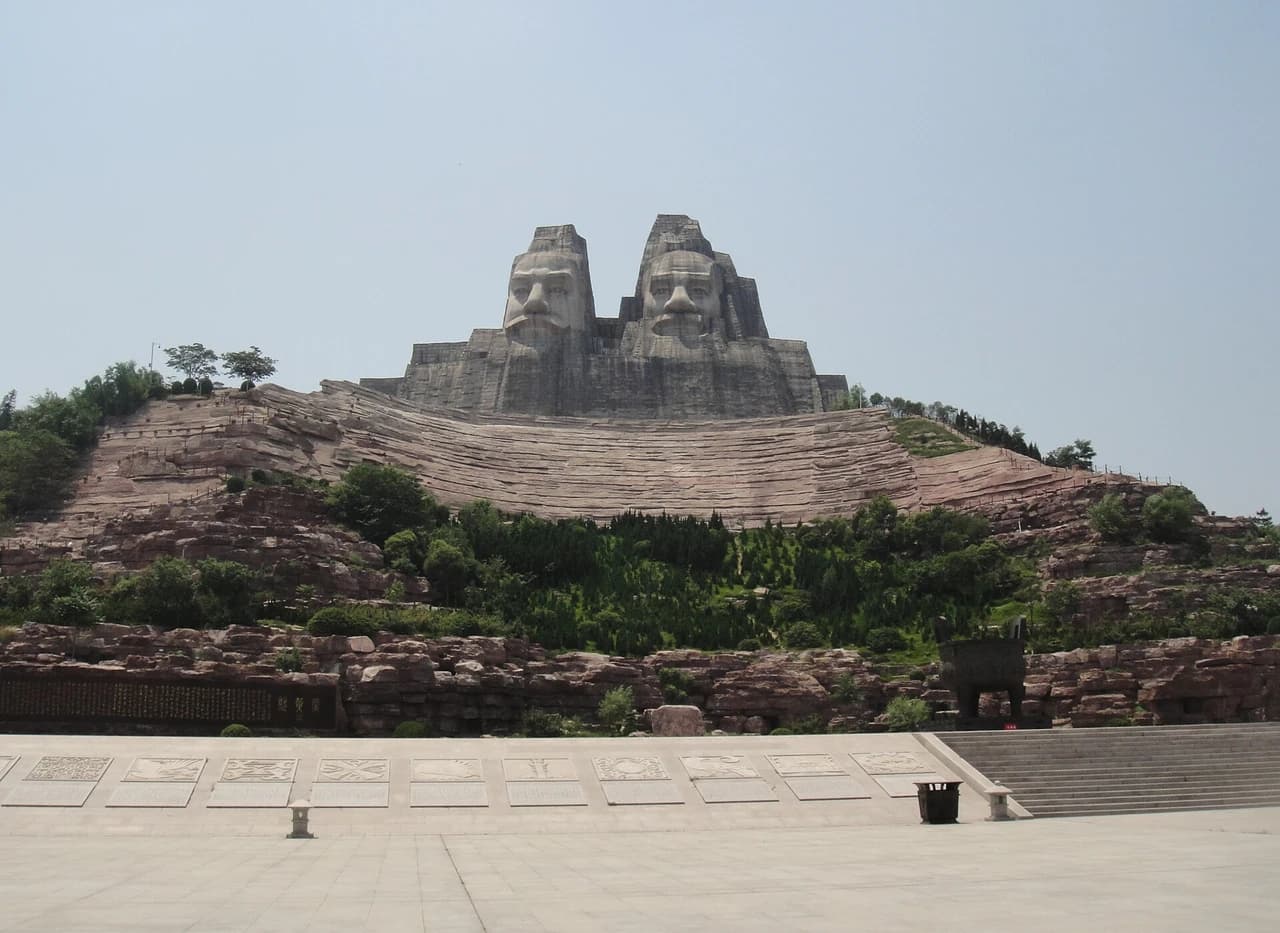
Most visitors change trains in Zhengzhou without leaving the station. Stay a day and you get one of the country's best provincial museums, 3,600-year-old earth walls running through the middle of town, and the Songshan monuments ninety minutes south-west.
 East China苏州
Suzhou
· 2–2 days
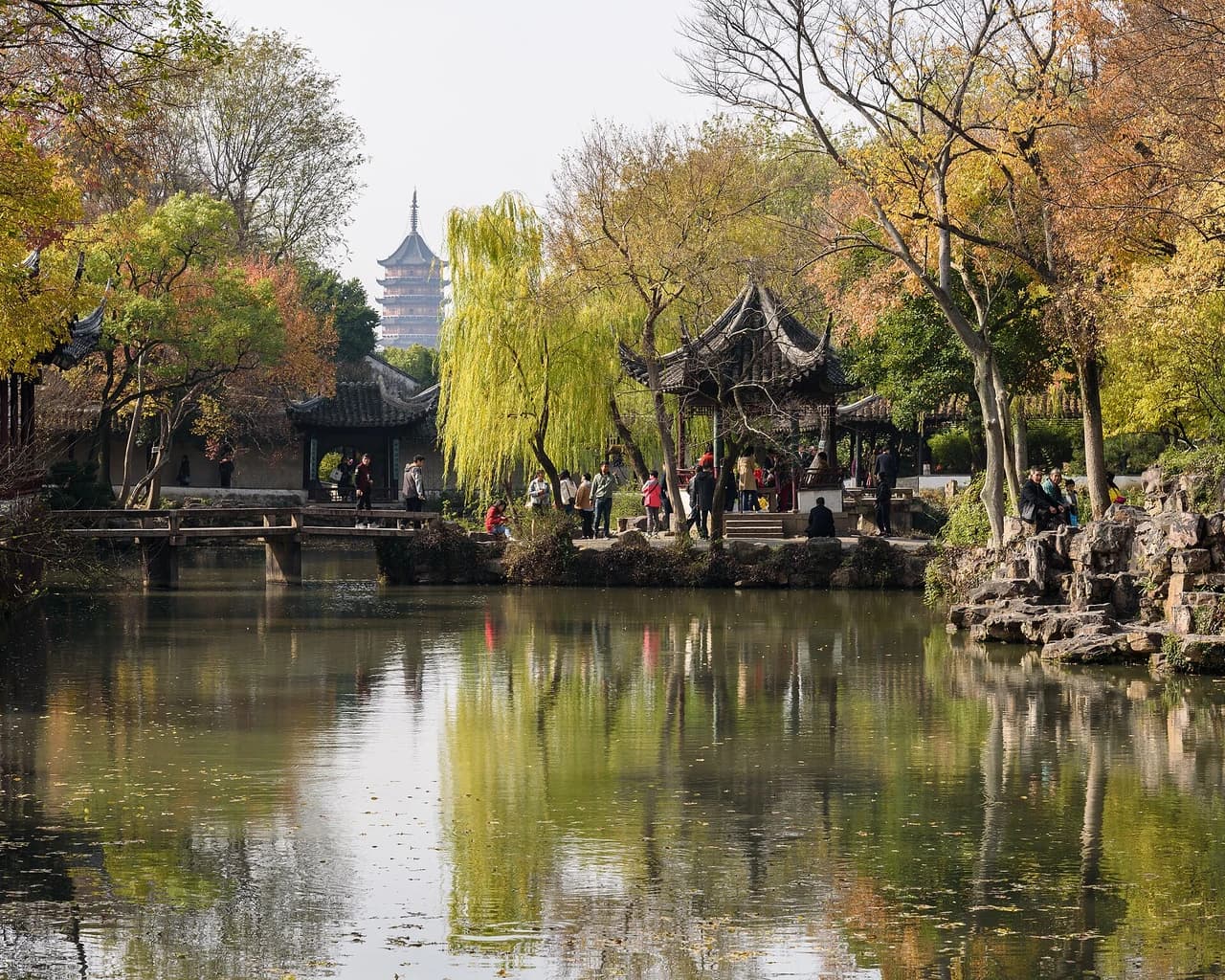
Suzhou's gardens are small, perfect and best seen one or two at a time. Stay a night in the old town rather than day-tripping, and see them at opening before the groups.
 North China平遥
Pingyao
· 1–2 days
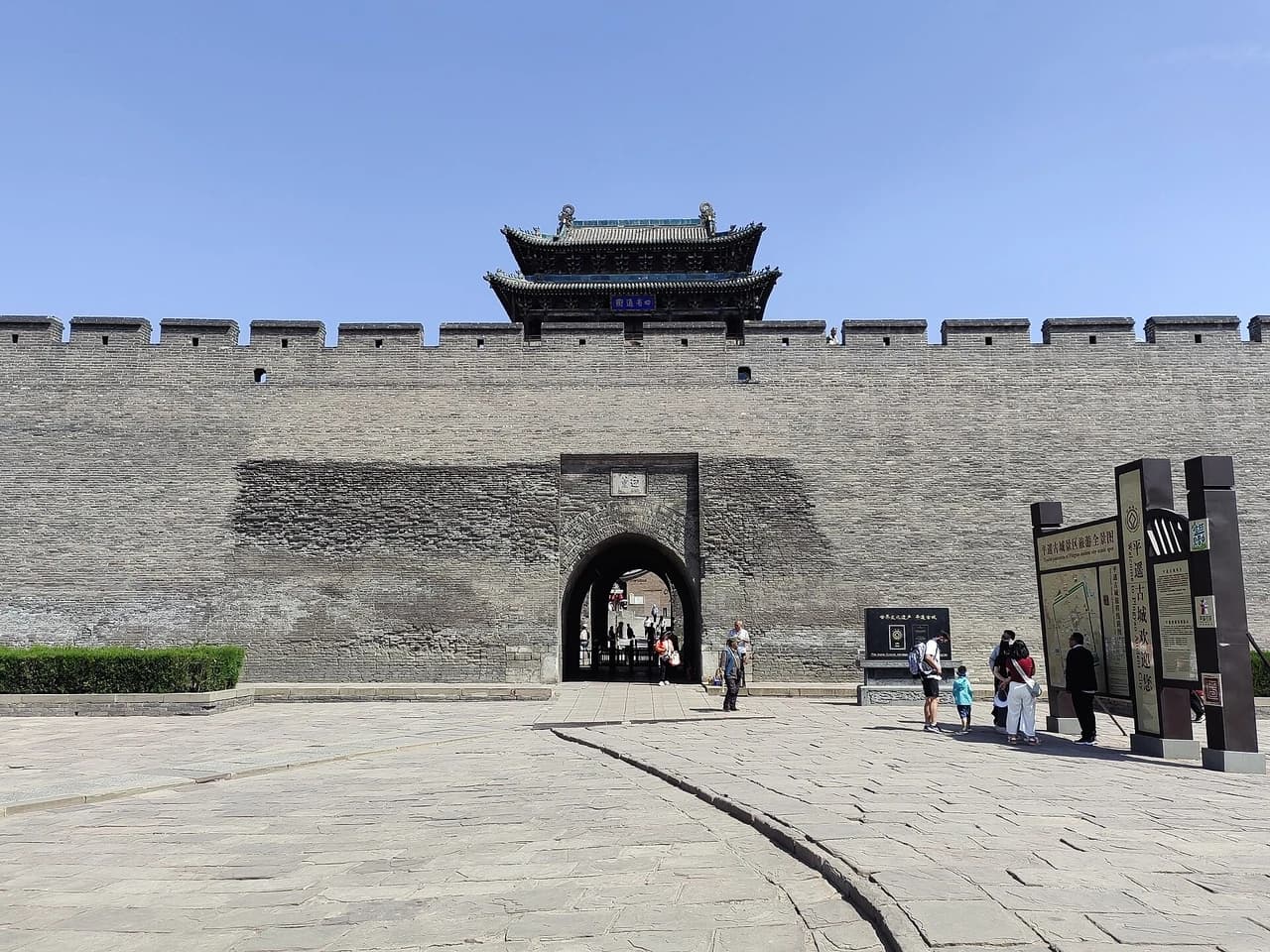
Pingyao is the best-preserved walled town in China, a grid of grey courtyards inside a six-kilometre wall. Sleep inside the walls and the evenings are yours.
 South China广州
Guangzhou
· 2–3 days
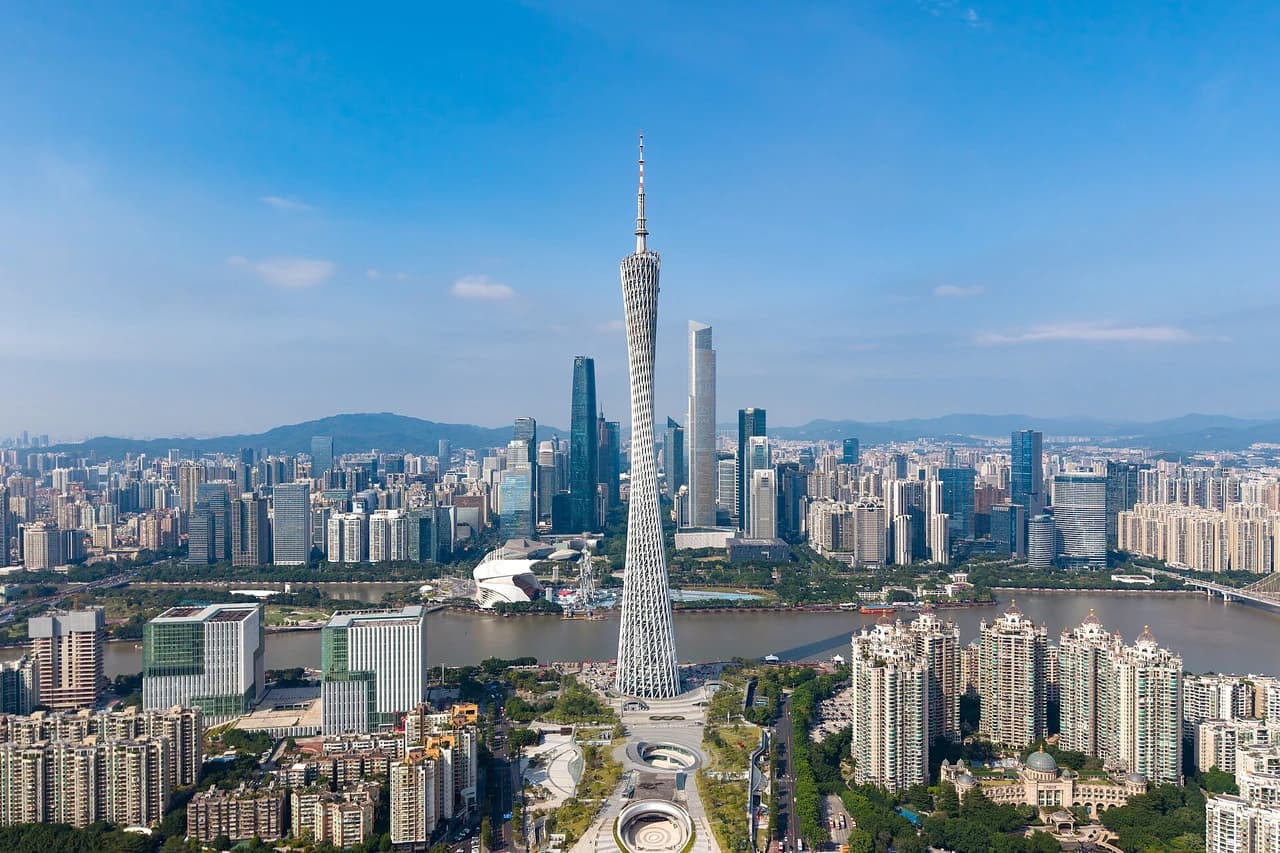
Guangzhou is Canton: the old trading port at the head of the Pearl River delta, with a food culture that starts at dawn. Skip the skyline, stay in the old west of the city, and eat.
 East China南京
Nanjing
· 2–3 days
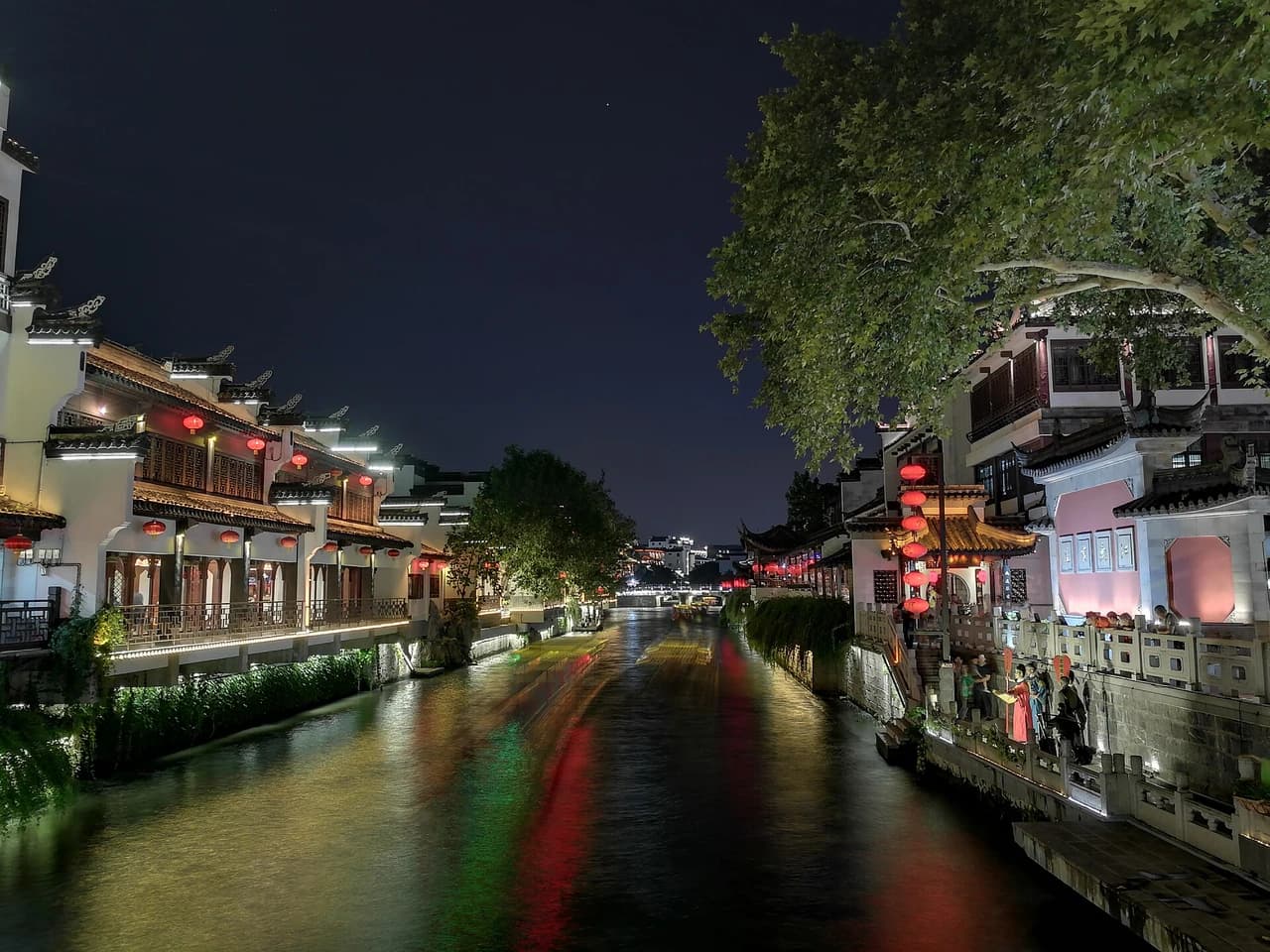
Nanjing was the capital six times and keeps the scale of one: a thirty-kilometre city wall, boulevards under plane trees, and Purple Mountain rising at the east gate. An hour from Shanghai, and a different tempo.
 East China厦门
Xiamen
· 2–3 days
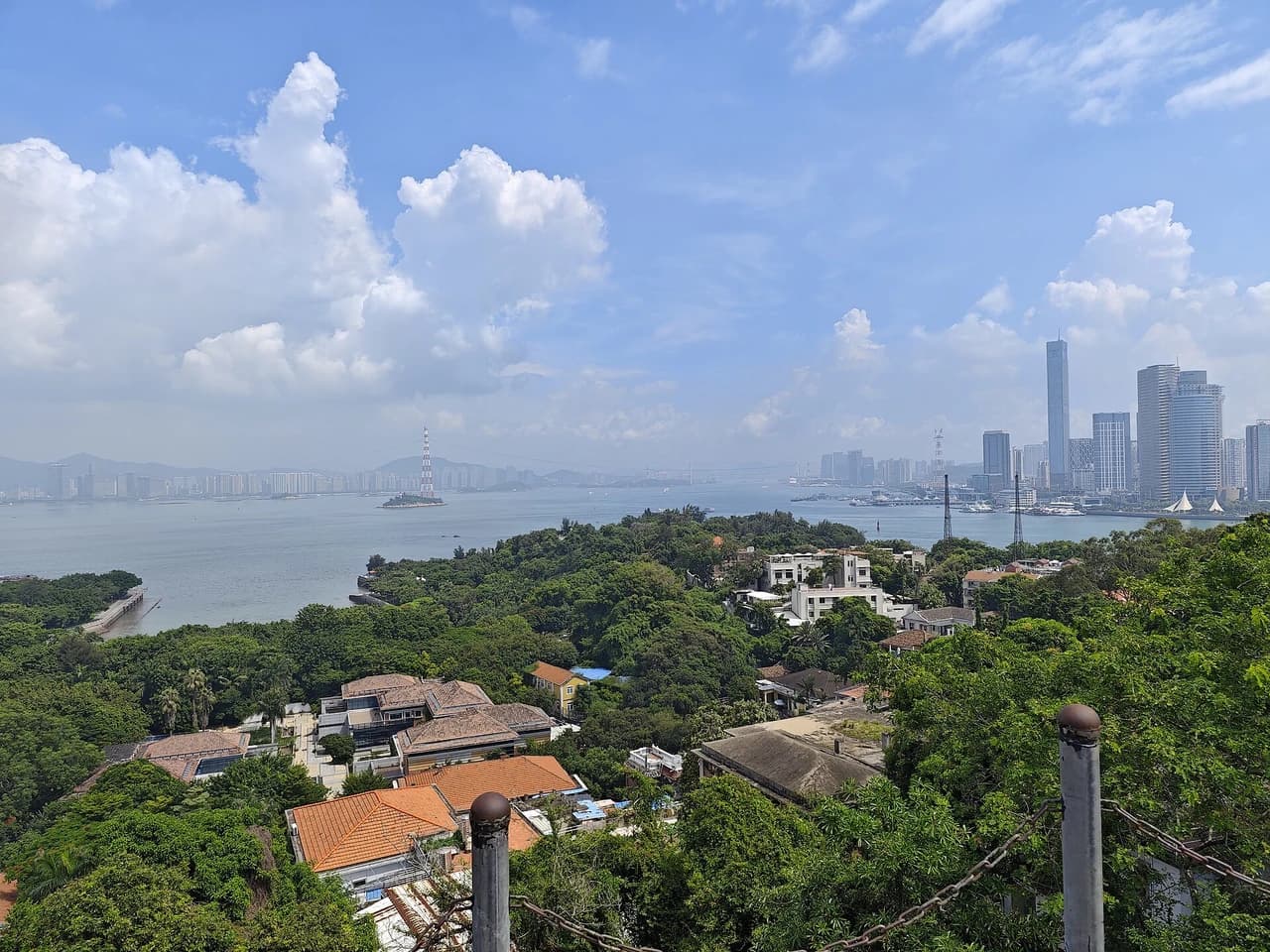
Xiamen is the gentlest city on the south-east coast: a walkable island of arcaded streets and seafront paths, with Gulangyu, a car-free island of colonial villas, five minutes away by ferry. Come for the pace, not a checklist.
 Southwest China昆明
Kunming
· 2–2 days
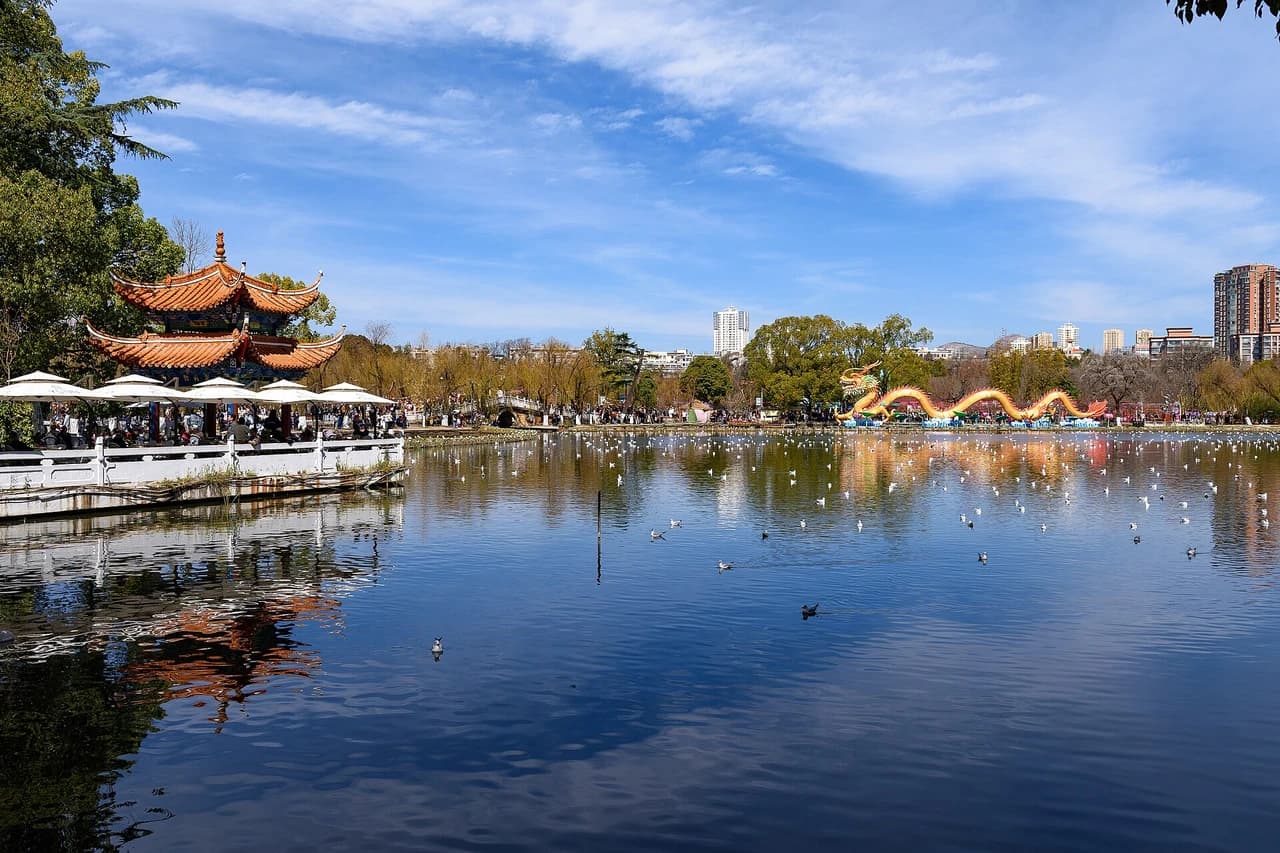
Kunming is the gateway to Yunnan and a good city in its own right, at two thousand metres with weather that never gets extreme. Give it a day or two around Green Lake before heading west to Dali and Lijiang.
 Southwest China丽江
Lijiang
· 2–3 days
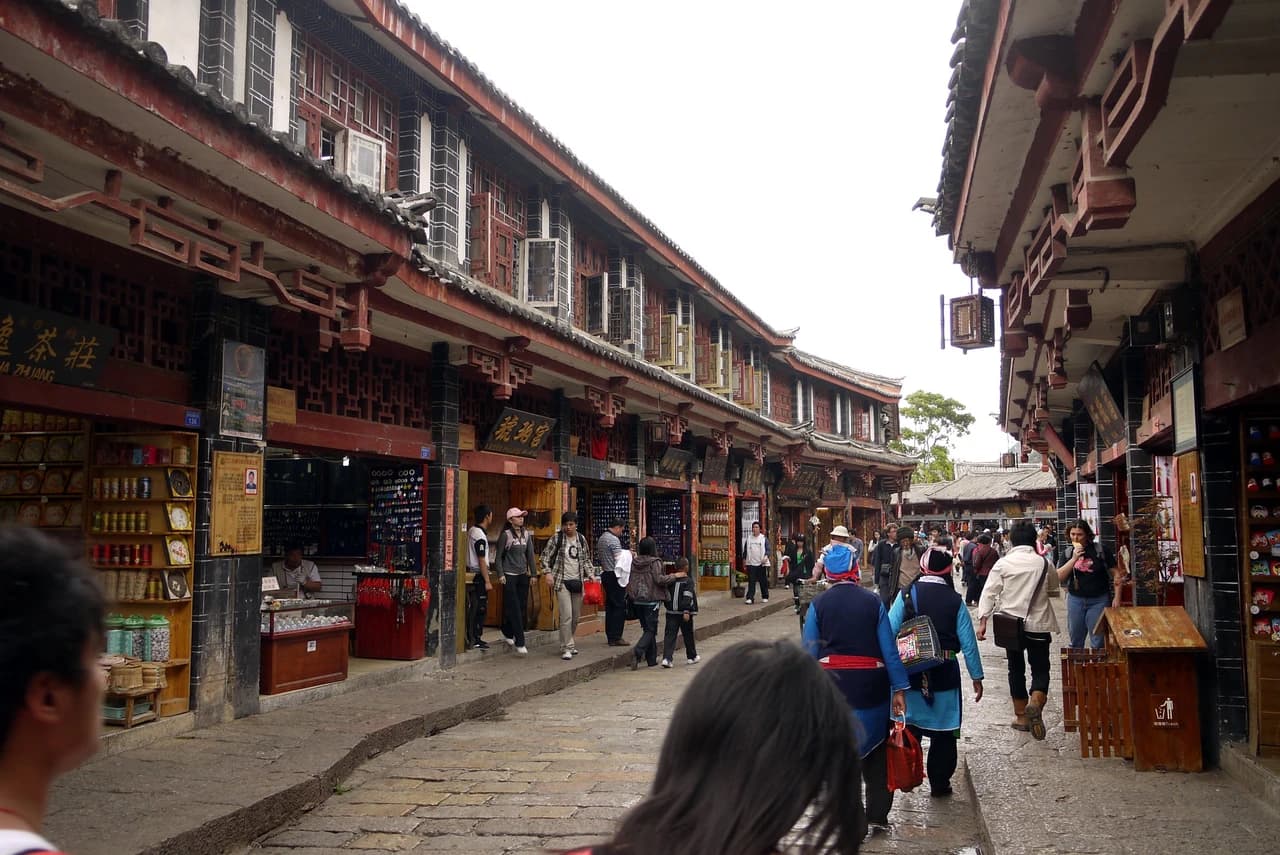
Lijiang is three Naxi towns on a plain under Jade Dragon Snow Mountain. Dayan, the famous one, is beautiful and overrun; Shuhe and Baisha next door are the same architecture at a fraction of the volume.
 East China青岛
Qingdao
· 2–3 days
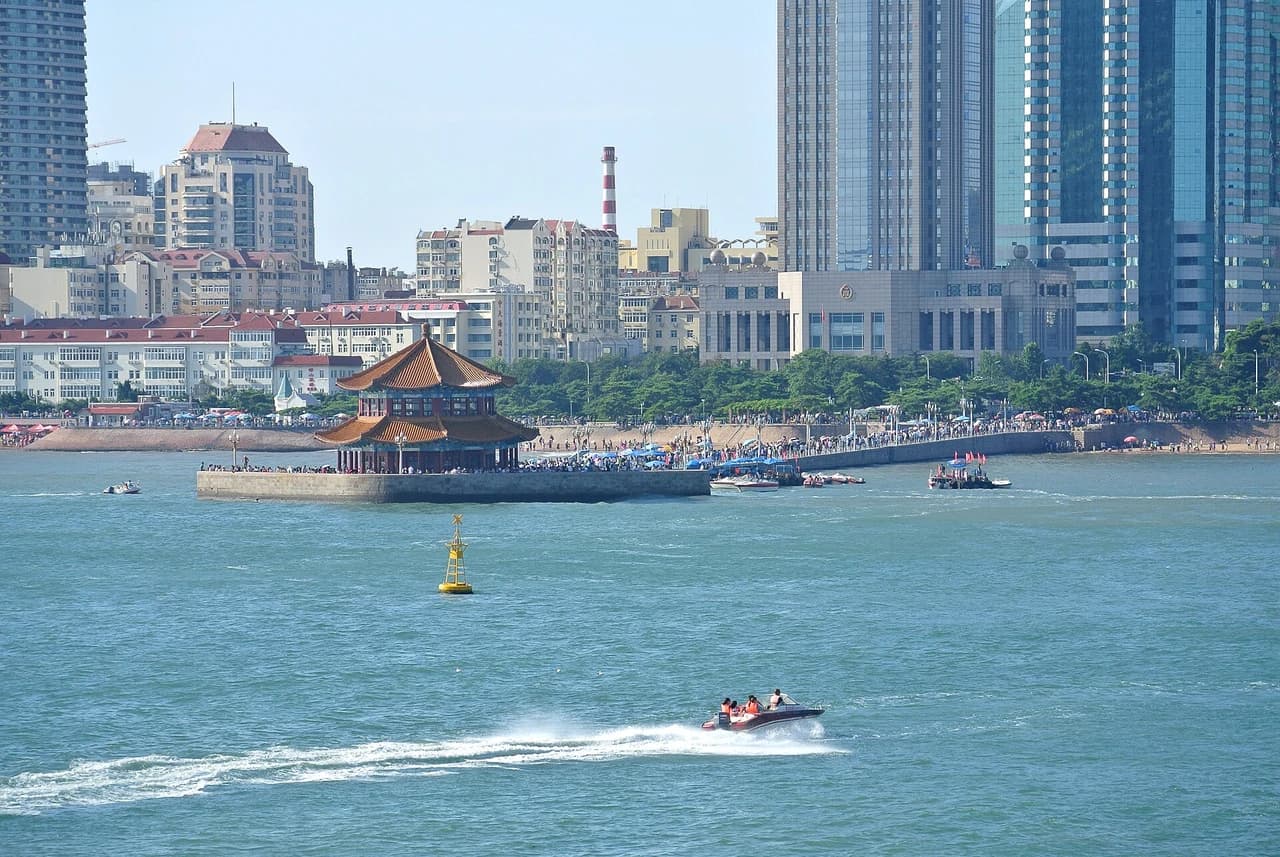
Qingdao is the seaside city of the north: a hilly German-built old town of red tiles and granite, beaches along the bay, and Laoshan's Taoist mountain at the end of the coast road. Three hours from Beijing and a different climate.
 Central China武汉
Wuhan
· 2–3 days
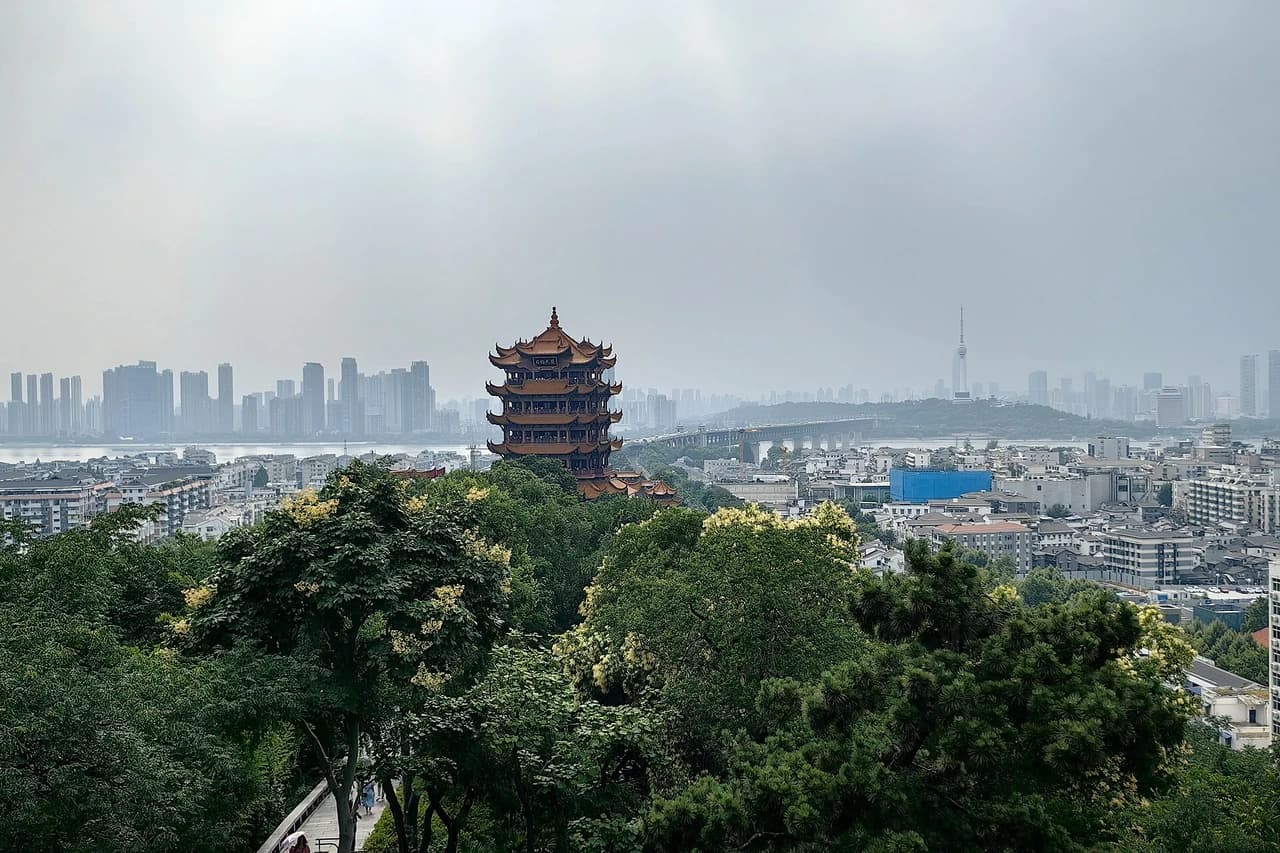
Wuhan is the crossroads of China: every train passes through, and the river that made it is still the point. Come for the breakfast culture, the old concessions of Hankou, the East Lake greenway, and the ferry across the Yangtze at dusk.
 Central China长沙
Changsha
· 2–2 days
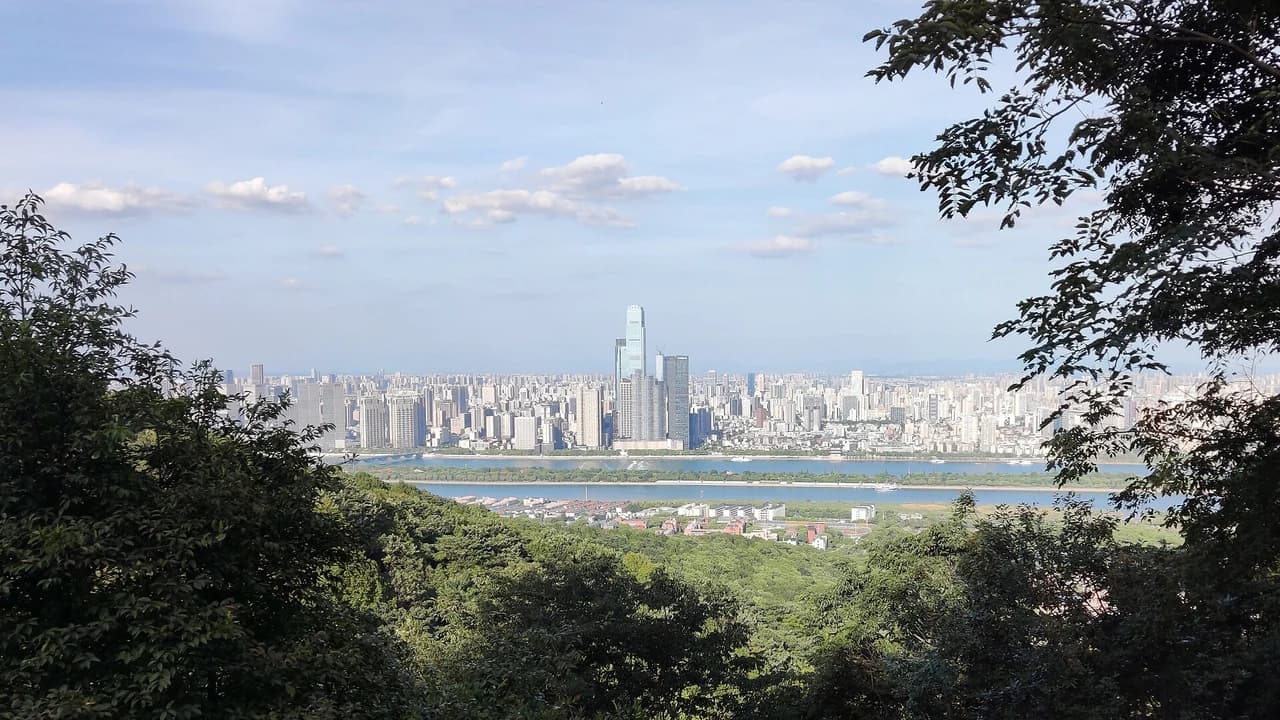
Changsha is Hunan's capital and its kitchen: chillies, stinky tofu, crayfish and milk tea, eaten late. By day there is a museum with a 2,100-year-old woman in it and a wooded mountain across the river with a thousand-year-old academy.
 East China泉州
Quanzhou
· 2–2 days
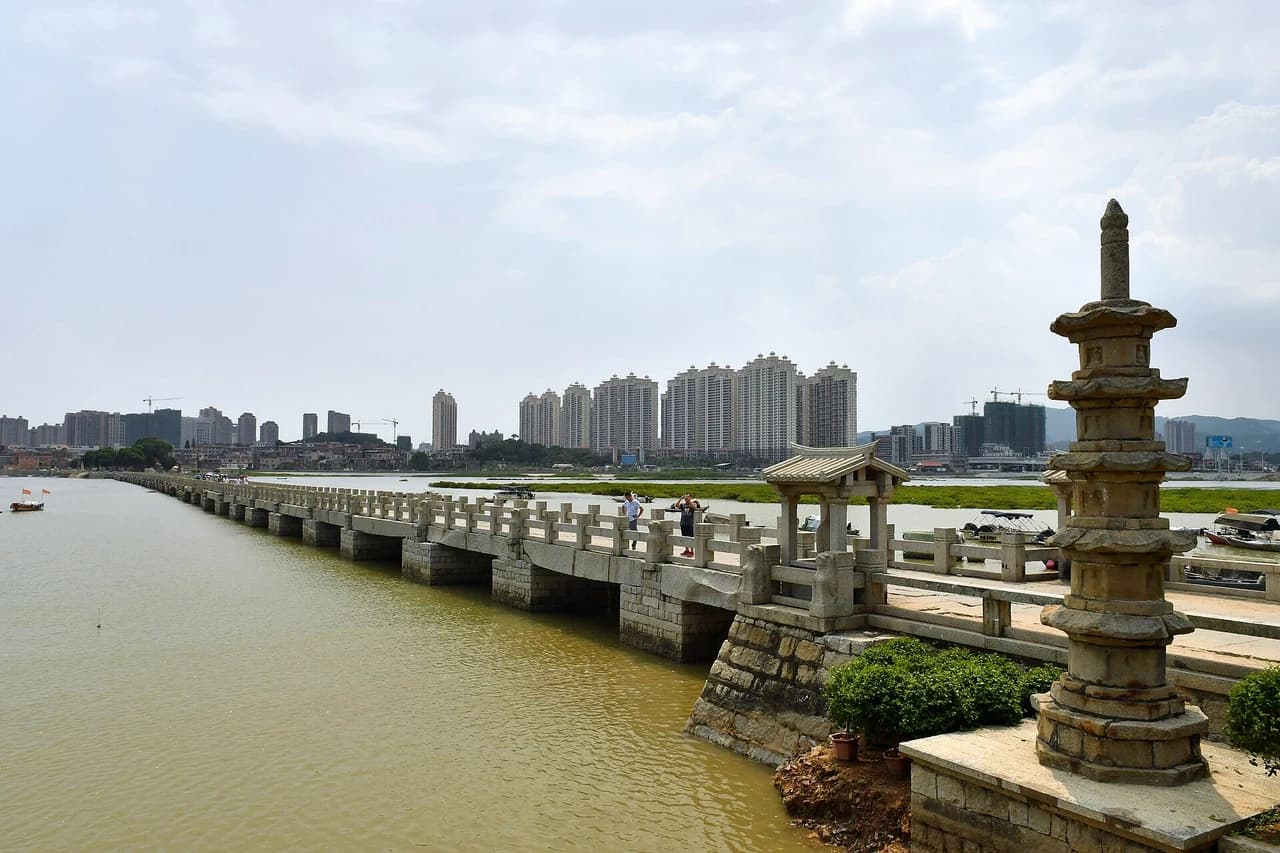
Quanzhou was the largest port in the world in the Song and Yuan, and the old town keeps the evidence: a Tang Buddhist temple, a Song mosque, Manichaean and Hindu carvings, and a living street culture of temple fairs and noodle stalls. Half an hour from Xiamen and almost no foreign visitors.
 Northeast China哈尔滨
Harbin
· 2–3 days
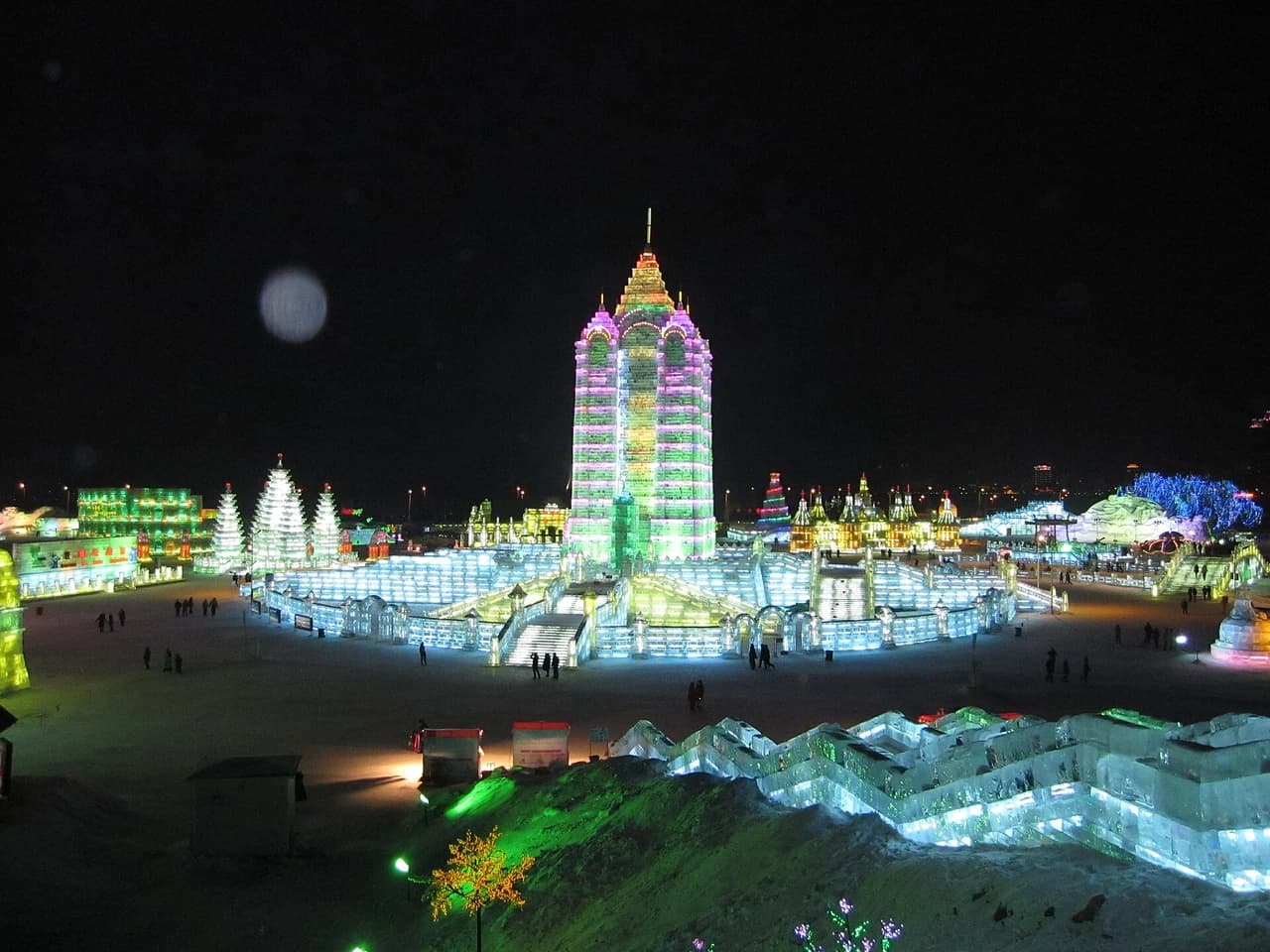
Harbin grew up around a Russian railway and still looks it: onion domes, cobbled Central Street, sausage and black bread. In winter the river freezes and the city builds a town out of ice. Summer is green and mild and nobody comes, which is its own argument.
 Northwest China兰州
Lanzhou
· 1–2 days
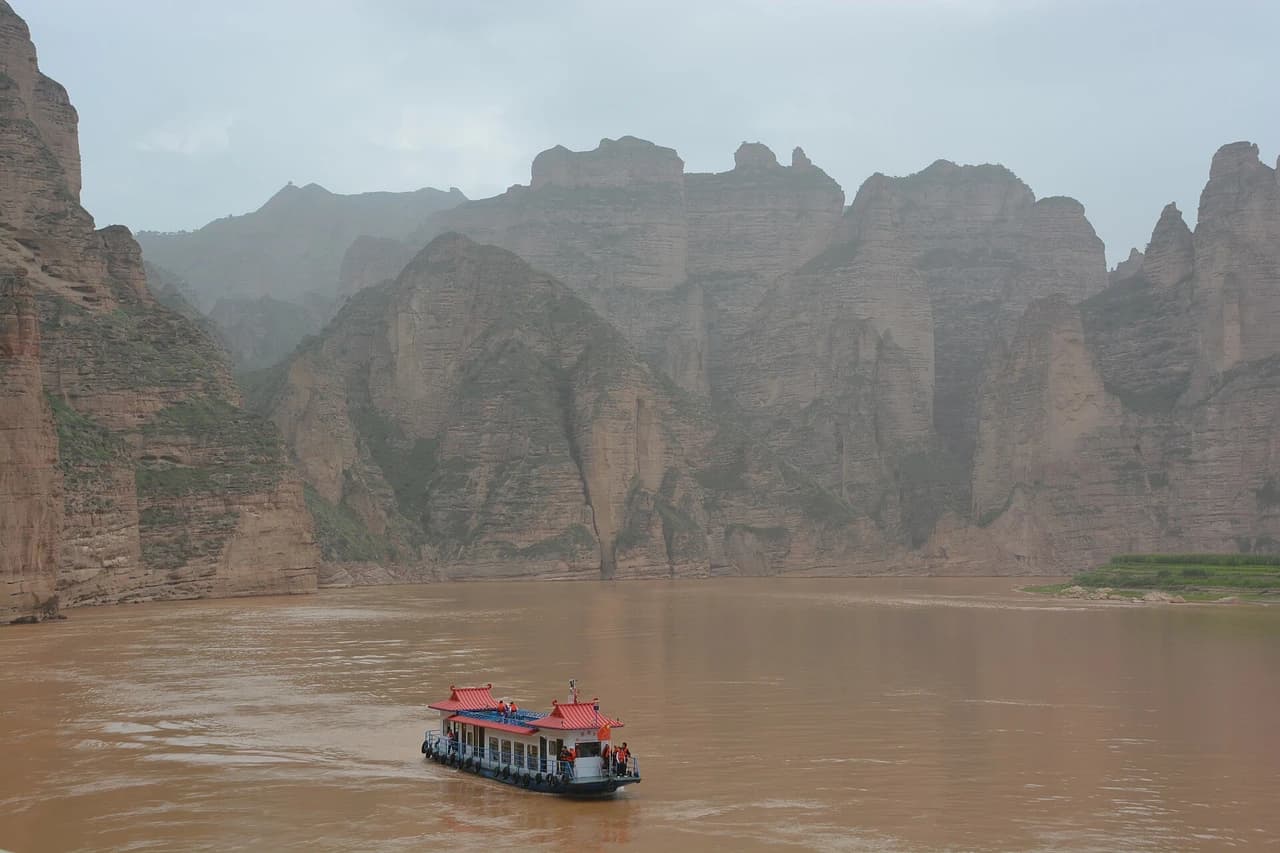
Lanzhou is a long thin city squeezed between hills along the Yellow River, and the place the Silk Road routes west begin. Come for a night on the way to Dunhuang or Xining, eat the noodles, walk the river, and see the museum.
 South China阳朔
Yangshuo
· 3–4 days
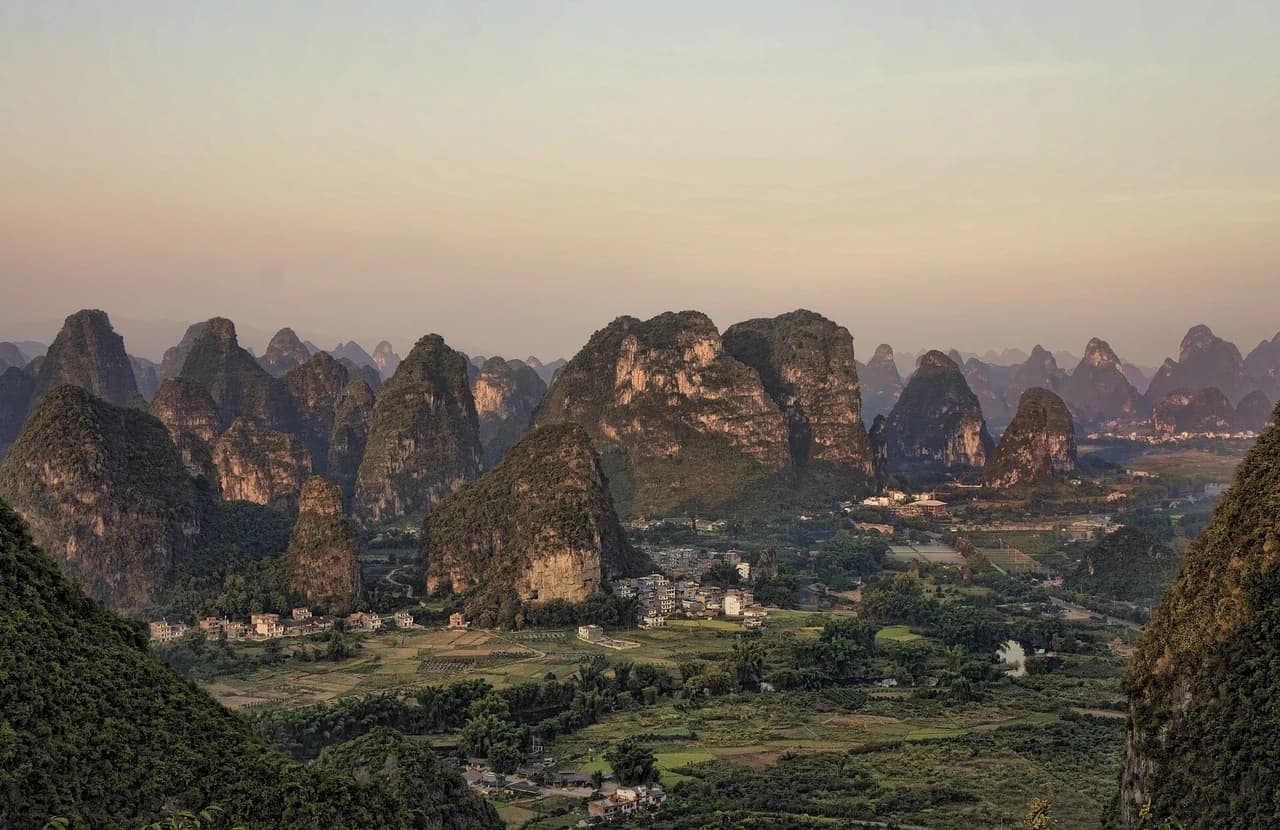
Yangshuo is the countryside south of Guilin where the karst peaks stand in rice fields and every road is worth cycling. The town is noisy; the villages along the Yulong River, ten minutes away, are the slowest days in China.
 North China大同
Datong
· 2–2 days
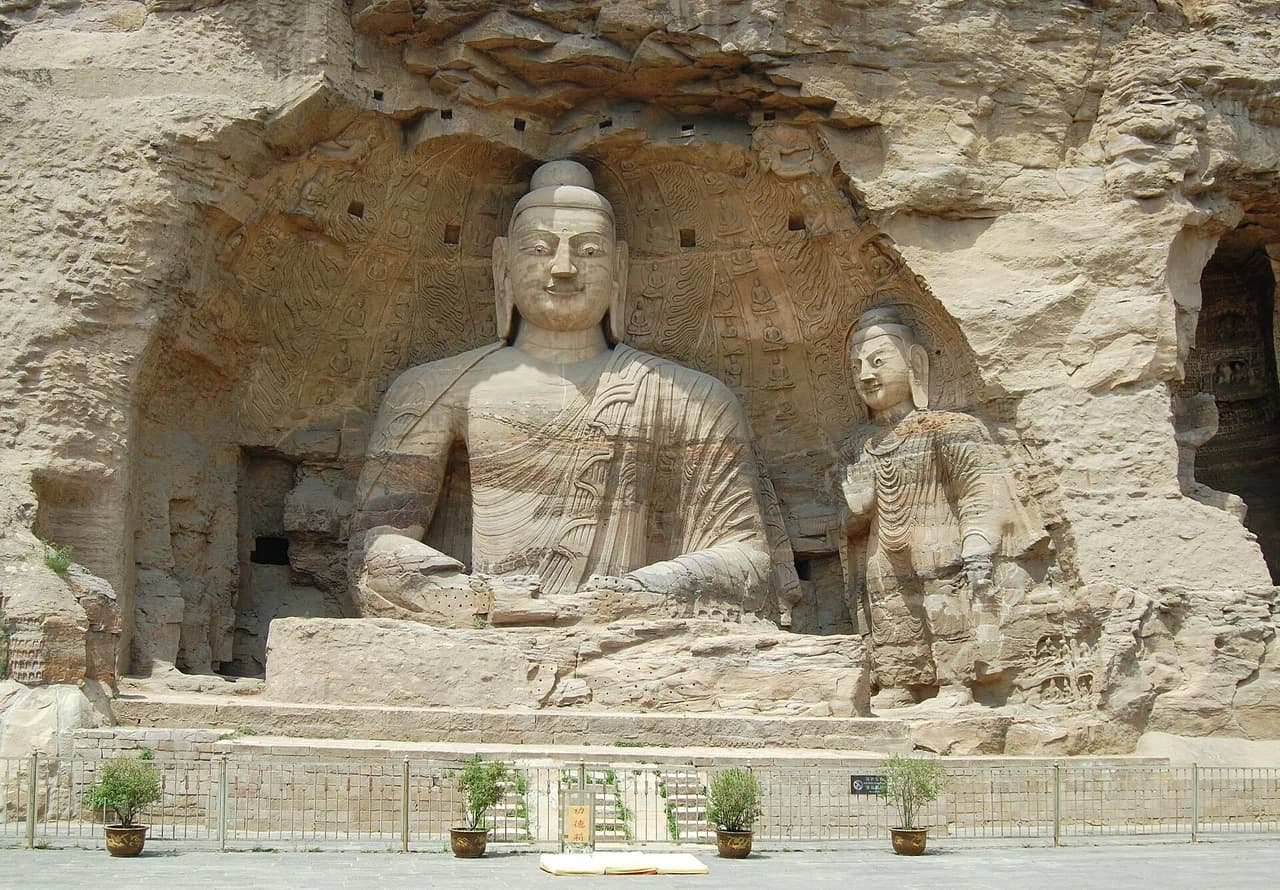
Datong was a Northern Wei capital in the fifth century, and the caves they carved at Yungang are the earliest great Buddhist art in China. Add two Liao-dynasty monasteries in the old town and the Hanging Temple an hour away.
 Central China洛阳
Luoyang
· 2–2 days
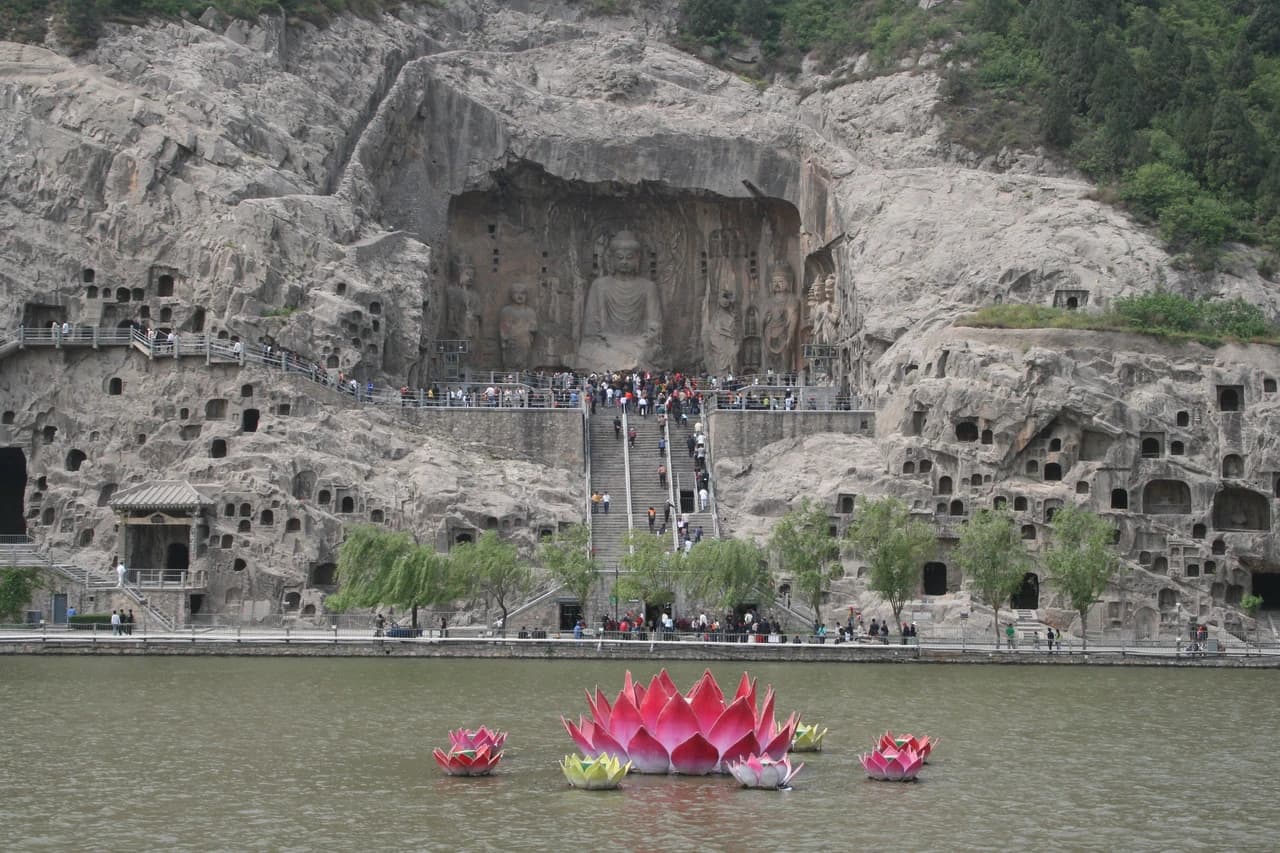
Luoyang was capital to thirteen dynasties and keeps the best of it on the edge of town: the Longmen Grottoes along a river cliff, the White Horse Temple, and a museum of what was dug up in between. Ninety minutes from Xi'an by train.
 Central China开封
Kaifeng
· 1–2 days
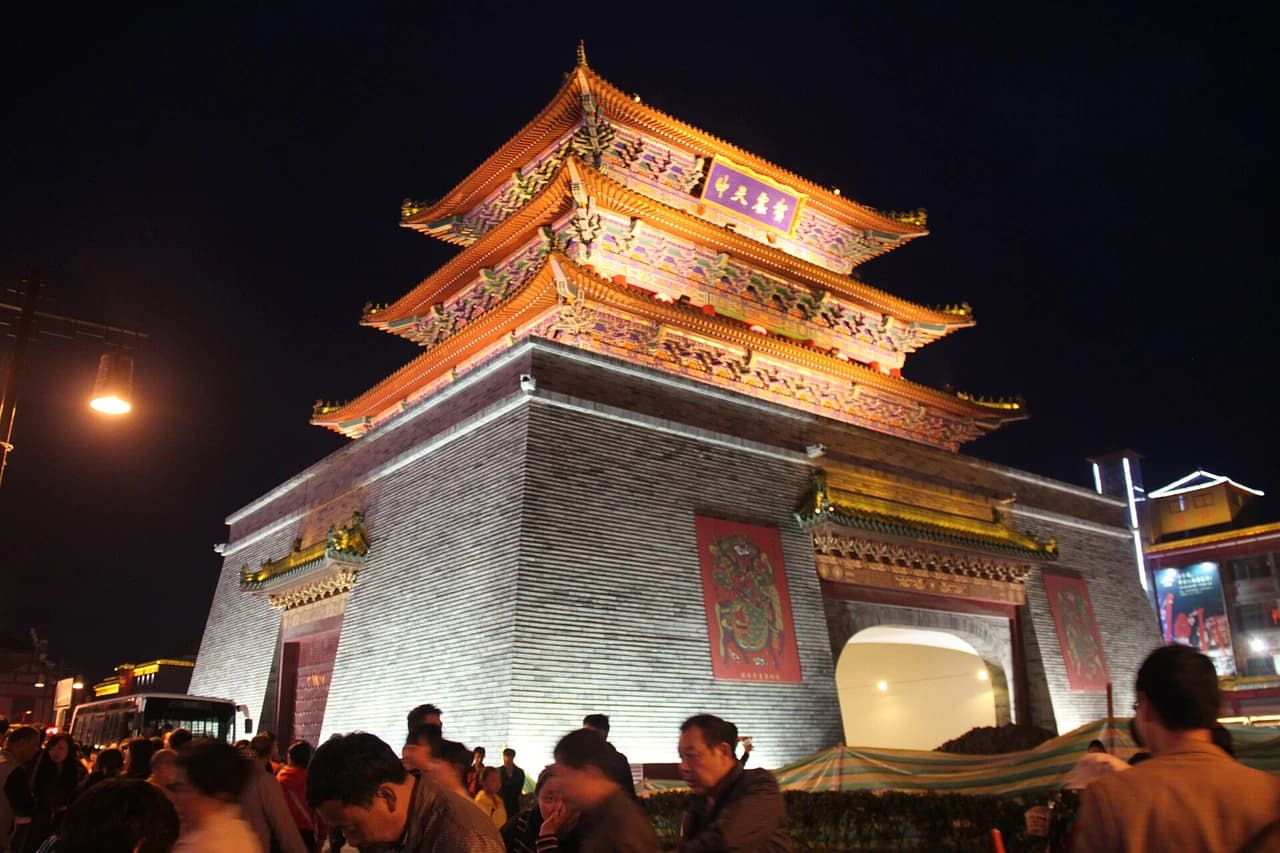
Kaifeng was the largest city in the world a thousand years ago. Floods buried that city metres deep, but the town on top keeps a slow, provincial charm, a great night market, an eleventh-century pagoda, and an old street of bookshops.
 East China绍兴
Shaoxing
· 1–2 days
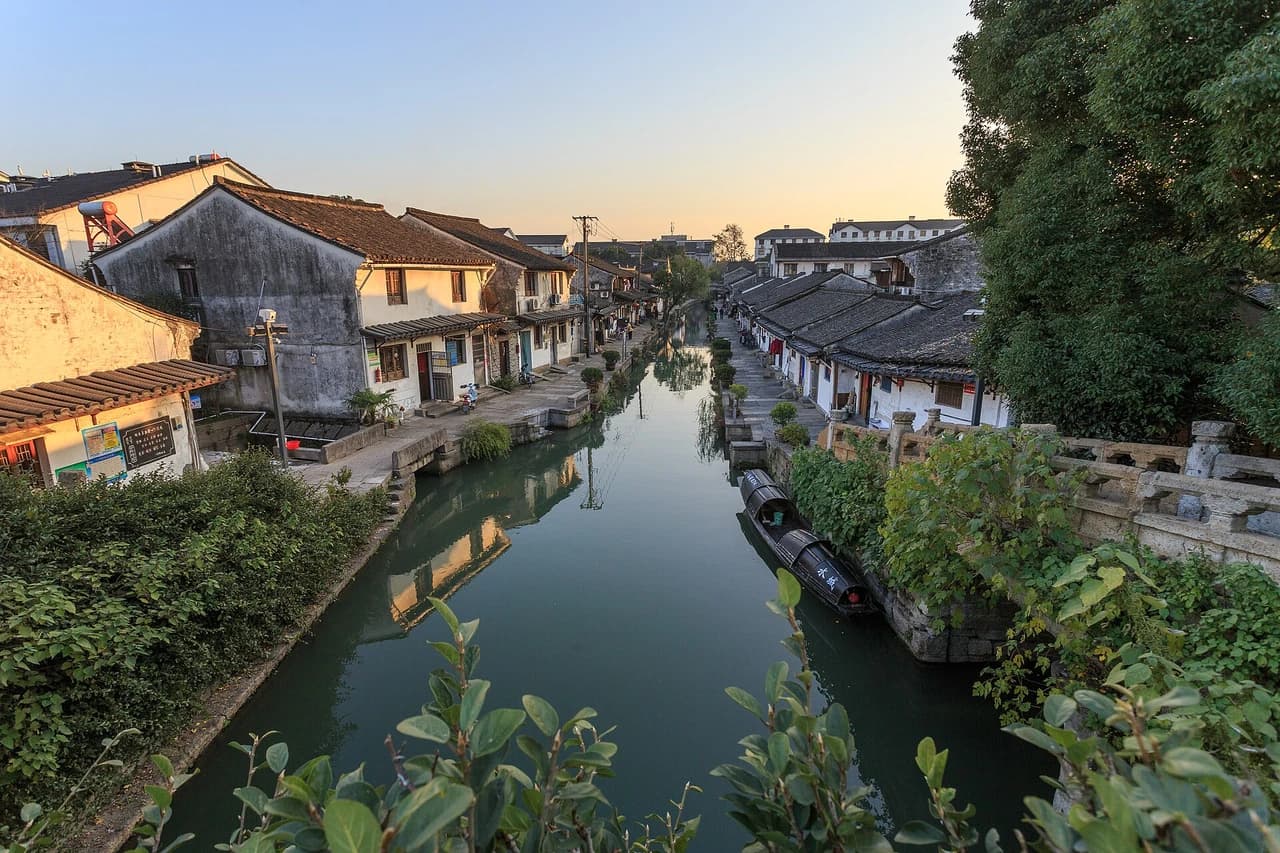
Shaoxing is a canal city of the old Jiangnan kind, twenty minutes from Hangzhou, where people still live along the water. It has the writer Lu Xun's childhood, the calligrapher Wang Xizhi's pavilion, and the wine that carries its name.
 Southwest China贵阳
Guiyang
· 2–2 days
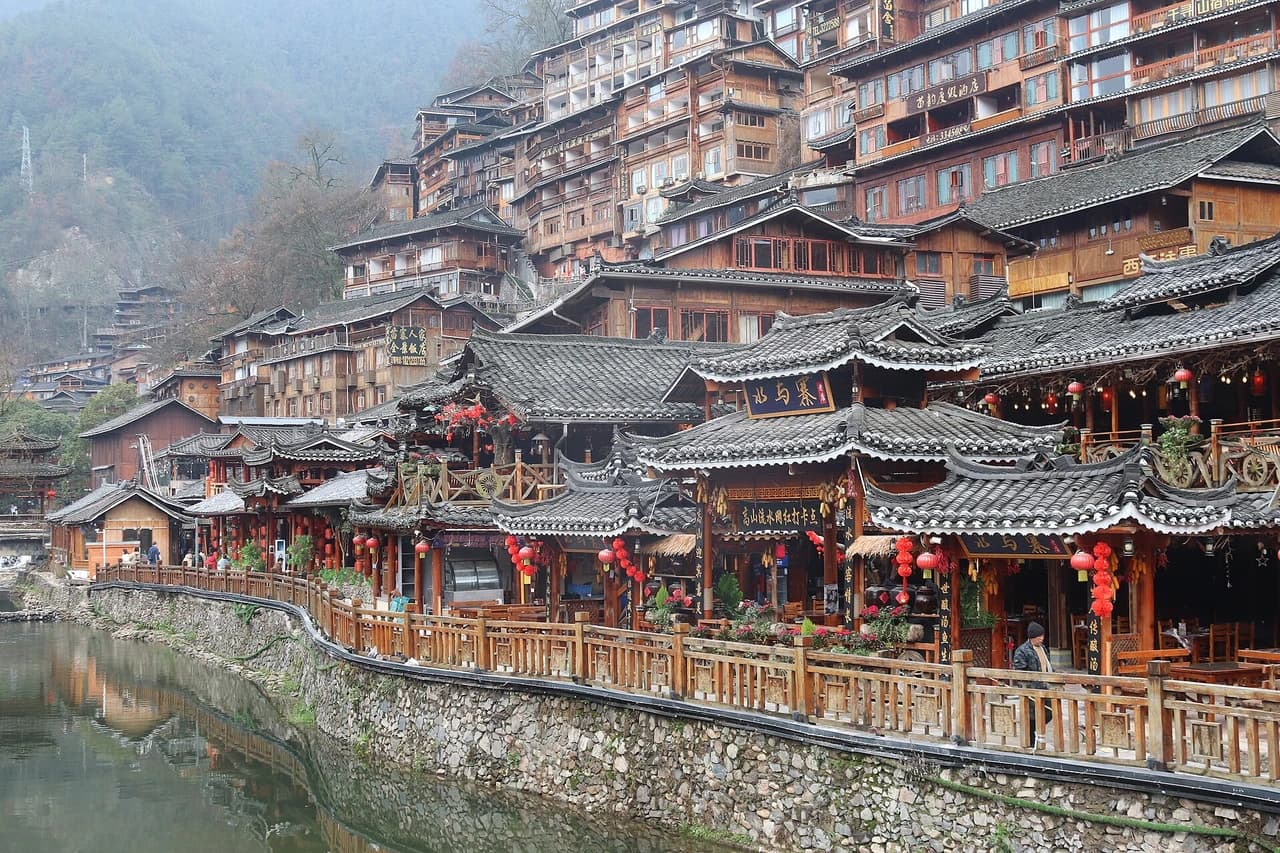
Guiyang is the mountain capital of Guizhou, cool in summer and set among green hills, and the gateway to the Miao and Dong villages, the Huangguoshu falls, and a province most travellers still miss. Two days here, then out.
 Northwest China西宁
Xining
· 2–2 days
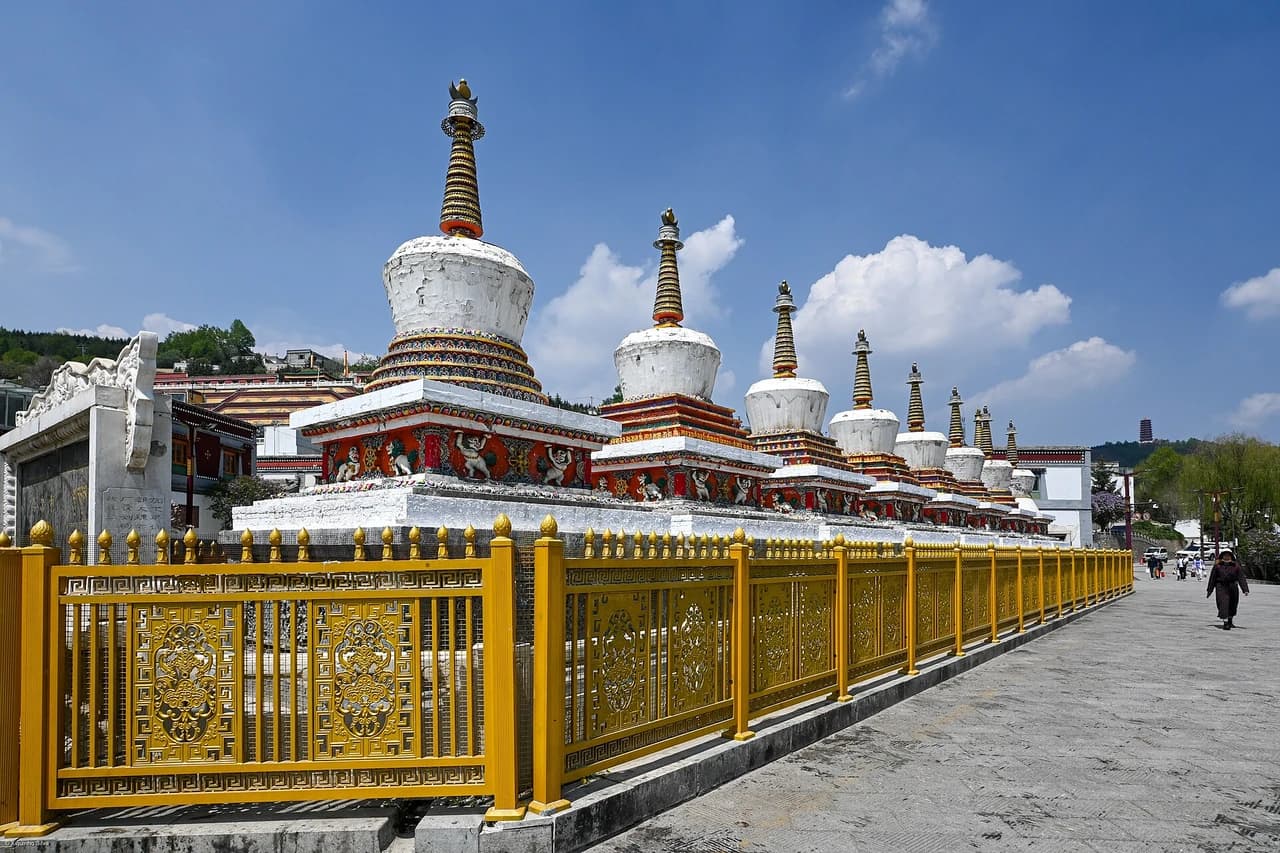
Xining is the doorway to the Tibetan plateau: 2,300 metres up, cool in summer, half Hui Muslim and half Tibetan in its streets and food. Kumbum Monastery is half an hour away and Qinghai Lake a long day out.
 South China深圳
Shenzhen
· 2–2 days
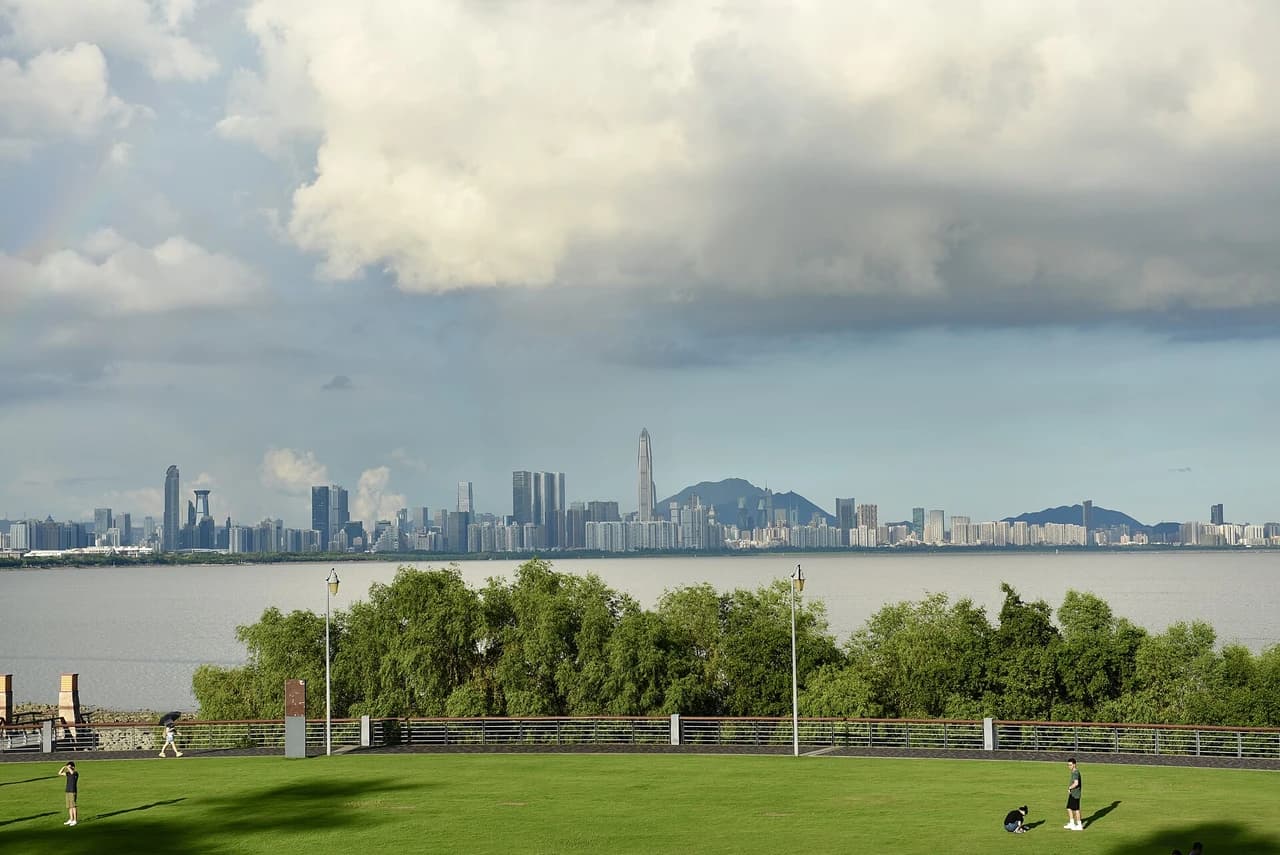
Shenzhen was a county of villages and oyster beds until the zone was drawn in 1980; it now holds eighteen million people, almost none of them born here. Give it two days: one for the coast and the old walled towns the city grew around, one for markets, art and the crossing to Hong Kong.
Tai'an
· 2–3 days
Tai'an grew at the foot of Mount Tai, where geology, imperial ritual, popular pilgrimage, inscriptions and modern tourism occupy the same landscape. The city is not merely a place to sleep before a sunrise climb: Dai Temple explains the ceremonial axis, Dawenkou opens a much earlier archaeological history, and western forest routes offer alternatives to the crowded central stairs.
Daocheng
DCY · 4–6 days
Daocheng is a high-altitude county of glacial valleys, sacred peaks, pastoral land, Tibetan villages and important Palaeolithic research. Yading is its best-known protected landscape, but a responsible visit begins with acclimatisation and respect for living communities rather than racing directly to the highest lakes. Build spare days into the route because weather, health and ecological controls can override plans.
Hulunbuir
HLD · 4–7 days
Hulunbuir is a vast border region rather than a single compact city: Hailar, grassland rivers, Erguna wetlands, Greater Khingan forests, lakes and communities of many cultural traditions are separated by long journeys. Plan it as a circuit with realistic driving time, and understand grassland, wetland and forest as working protected ecosystems—not empty scenery available for off-road shortcuts.
Nyingchi
LZY · 4–6 days
Nyingchi spans deep river gorges, forested valleys, glacial lakes, sacred peaks and living Tibetan, Monpa and Lhoba communities across a large southeastern Tibetan region. Its lower valleys can feel gentler than central Tibet, but routes still cross high passes and remote terrain. Plan separate geographic clusters, respect community and religious boundaries, and treat every mountain view as weather-dependent rather than guaranteed.
Deqin
· 3–5 days
Deqin occupies a steep highland borderland where the Lancang, Jinsha and Nu river systems cut through the Three Parallel Rivers landscape beneath Meili and Baima snow mountains. Tibetan villages, pilgrimage routes, vineyards and historic religious sites are separated by demanding roads and large elevation changes. Travel slowly, respect sacred mountains and living communities, and keep spare time for weather and road disruption.
Lhasa
LXA · 4–6 days
Lhasa is both a high-altitude regional capital and a living centre of Tibetan Buddhism. The Potala Palace, Jokhang Temple and Norbulingka form a UNESCO-listed ensemble, while monasteries, museums, neighbourhood tea houses and contemporary civic life extend far beyond the postcard skyline. Build in acclimatisation time, use official reservation channels and approach worshippers and residential streets with restraint.
Ili
YIN · 5–8 days
Ili is a broad Tianshan river-valley region rather than one compact destination. Kazakh pastoral landscapes, multi-ethnic urban quarters, grasslands, spruce forests, border trade and historic settlements are separated by long mountain roads. Choose one geographic cluster at a time and treat working pastures and neighbourhoods as lived places, not open-air sets.
Nujiang
· 4–7 days
Nujiang Prefecture follows one of China's deepest river gorges between the Gaoligong and Biluo mountains. Lisu, Nu, Dulong, Tibetan and other communities, suspension bridges, churches, terraces and forests share a landscape of extreme relief and fragile roads. Distances are slow, villages are private communities, and weather must control the itinerary.
Anshun
AVA · 2–4 days
Anshun combines major waterfall systems and karst caves with Ming military-settlement heritage, old urban lanes and diverse Buyi and Miao communities. Huangguoshu is only one part of a dispersed landscape. Use the city as a base, group sites by direction and distinguish living traditions from staged visitor programmes.
Linfen
LFQ · 2–4 days
Linfen spans the Fen River basin and Yellow River edge, linking early-state archaeology, major Buddhist architecture, migration memory and Hukou Waterfall. Sites lie across a large prefecture rather than one downtown circuit. Base plans on geography and conservation access, not on squeezing every landmark into a day.
Shigatse
RKZ · 4–7 days
Shigatse stretches from fertile Yarlung Tsangpo farming valleys to the world's highest Himalayan terrain. Major monasteries, fortress towns, barley culture and border landscapes are separated by long high-altitude roads; acclimatise in the city before remote travel and treat monasteries as living institutions.
Kangding
KGT · 3–6 days
Kangding sits where Sichuan basin routes climb into the eastern Tibetan plateau, linking Dadu River history, Tibetan monasteries, trading traditions and the high landscapes around Gongga. The municipality covers valleys and passes far beyond the compact town; group outings geographically and respect pasture, worship and village privacy.
Altay
AAT · 5–8 days
Altay is a vast northern Xinjiang region of the Altai Mountains, Irtysh watershed, taiga, steppe, villages and winter snow culture. Kanas, Hemu and Keketuohai are separate long-distance destinations, not suburbs of Altay city. Plan by corridor, use official transfers and respect pastoral and forest communities.
Ngari
NGQ · 7–12 days
Ngari occupies an immense, sparsely settled high plateau of sacred mountains and lakes, wildlife habitat, earth forests and archaeological remains. Distances, altitude and permits define every journey. Travel with authorised logistics, respect pilgrimage practices and protected areas, and never treat remoteness as permission to go off-route.
Yichang
YIH · 2–4 days
Yichang is a Yangtze gateway where the Three Gorges landscape meets modern hydropower, relocated heritage, Qu Yuan traditions and Tujia communities. Dam infrastructure, river cruises, museums and rural scenic areas use different booking and security systems. Choose whether a day is about engineering, landscape or cultural history instead of rushing all three.
Golog
GMQ · 4–7 days
Guoluo lies in the Sanjiangyuan highlands around the upper Yellow River, Animaqing range and extensive Tibetan pastoral landscapes. Ecological protection and sacred geography take priority over sightseeing. Settlements are far apart, services are limited and several formerly promoted areas now have strict or closed access.
Aba
JZH · 4–7 days
Aba Prefecture combines world-famous travertine and lake systems with high mountains, grassland wetlands, Tibetan and Qiang communities and earthquake memory. Jiuzhaigou, Huanglong, Siguniang and Ruoergai lie in different corridors. Slow transfers, conservation capacity and community boundaries must shape the plan.
Huangshan
TXN · 3–5 days
Huangshan joins the granite peaks of Mount Huangshan with Huizhou villages, merchant history, ancestral architecture and the living city of Tunxi. Mountain and village heritage require different rhythms. Spread them across days, use public transfers and read residences as social history rather than decorative façades.