
敦煌
Dunhuang
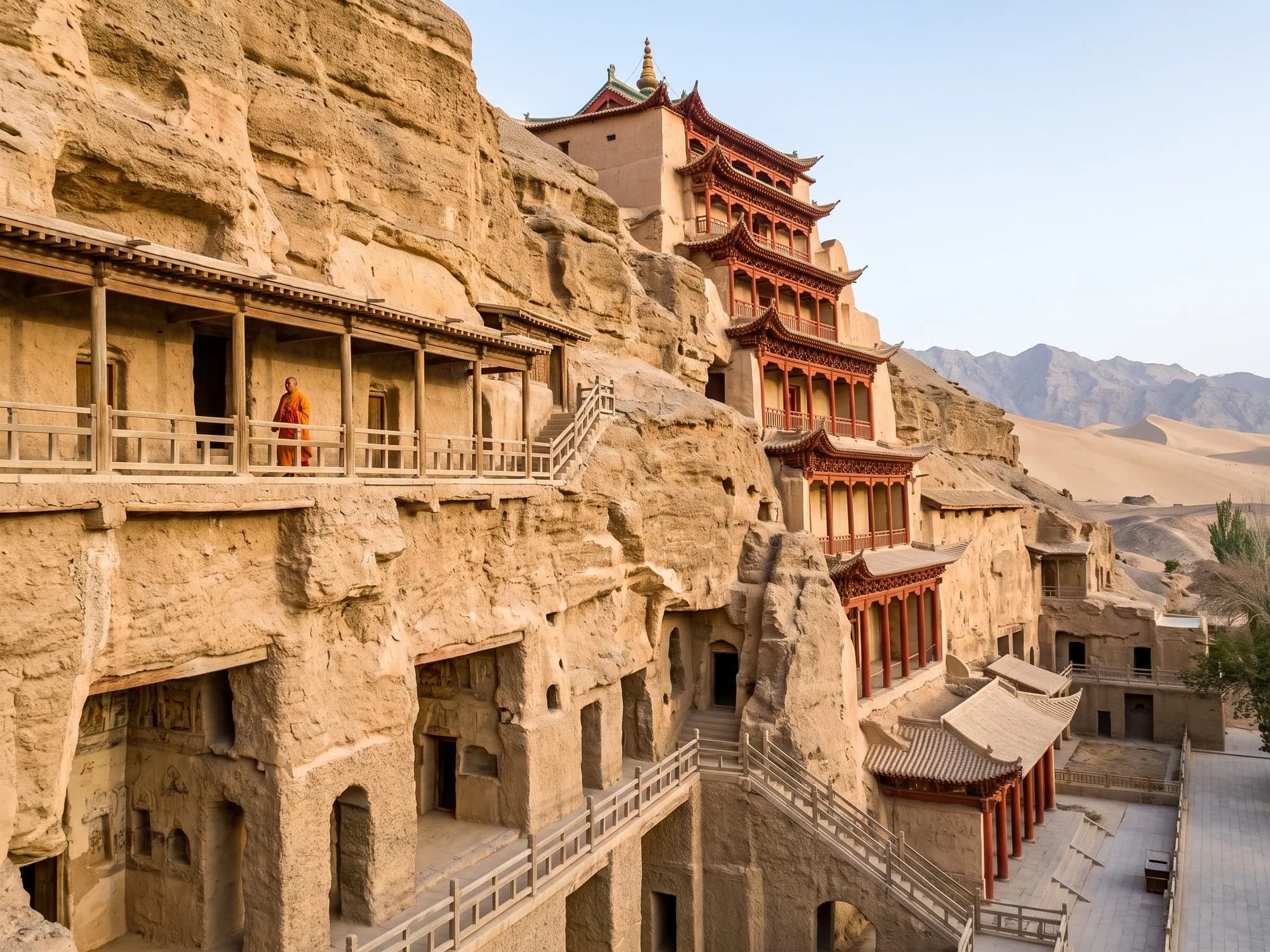
Dunhuang is a desert oasis. Buddhist grotto art, Han Dynasty frontier fortress ruins and the still-cultivated oasis landscape jointly present different chapters of the Silk Road. The main attractions are far apart and the reservation systems are independent. A reasonable itinerary should match a cultural site that requires focus with a desert or border route, rather than cramming all landmarks in one day.
At a glance
- Stay
- 2–2 days
- Best seasons
- May–Jun, Sep–Oct
- Airports
- Rail or road access
- Region
- Northwest China
Last updated: 9/29/2026
First visit
Arrive and settle in Dunhuang
Start with arrival and where to stay, then choose your sights. Recheck transport and accommodation details before booking.
Getting there+
Dunhuang (DNH) airport, 13 kilometres east, has flights from Xi'an, Lanzhou, Beijing and, in season, Shanghai and Chengdu. Dunhuang station is next to the airport: trains from Lanzhou take seven to eight hours by day, or there is an overnight sleeper; Zhangye is about four hours, Xining around seven. Liuyuan South , on the main high-speed line, is 130 kilometres away and a two-hour transfer.
Rail tip. Your passport is your ticket. Book on 12306 or Trip.com, then go straight to the gate. See Getting around. The Trip.com link earns us a small commission at no cost to you (how that works).
Stay online. Google, WhatsApp and Instagram are blocked on Chinese networks; a travel eSIM that roams gets around it. Install one before you fly — Saily takes US$5 off a first plan with the code CHINA. See Staying online. The code earns us the same amount in Saily credits, at no cost to you (how that works).
Where to stay+
Town centre
市区
Small, flat and walkable. Hotels of every grade, the night market in the middle.
Everything is within fifteen minutes on foot. The dunes are a short taxi south, the caves twenty-five minutes east.
first visitconveniencefood
Mingsha Mountain edge
鸣沙山·月牙泉小镇
Guesthouses and courtyard hotels where the town meets the dunes.
Walk to the dunes at dawn before the ticket gates get busy. Taxis to town are cheap and frequent.
dune viewssunsetsquiet
Booking. Compare hotels in Dunhuang on Trip.com, filtered to its China travel essentials list: English-speaking staff, foreign cards, guest rating 8 or higher. See Where to stay. Booking through this link earns us a small commission at no cost to you (how that works).
Overview+
HEBEISHANXIINNER MONGOLIAHENANHUBEICHONGQINGSICHUANTIBETSHAANXIQINGHAININGXIAXINJIANGDunhuang
For a thousand years travellers on the Silk Road stopped here to pray before the desert, and the caves they paid for at Mogao hold the finest Buddhist wall paintings in the world. Visits are strictly managed, in small groups with a guide, and the ticket is the one thing about the trip you must arrange ahead.
The town itself is easy: a grid of streets, a night market, poplar trees along the irrigation channels. The dunes of Mingsha Mountain start at the southern edge, with the Crescent Lake in a hollow among them.
Summer is hot and busy; winter is cold and empty, with cheaper tickets and more caves open. The shoulder months are the answer. The desert forts and yardang landscape to the west make a long, wonderful day.
Where next?
Save places you like, then use your saved list to build a trip.
Practical travel guides
Places to explore in Dunhuang
Yadan Geopark
雅丹地质公园
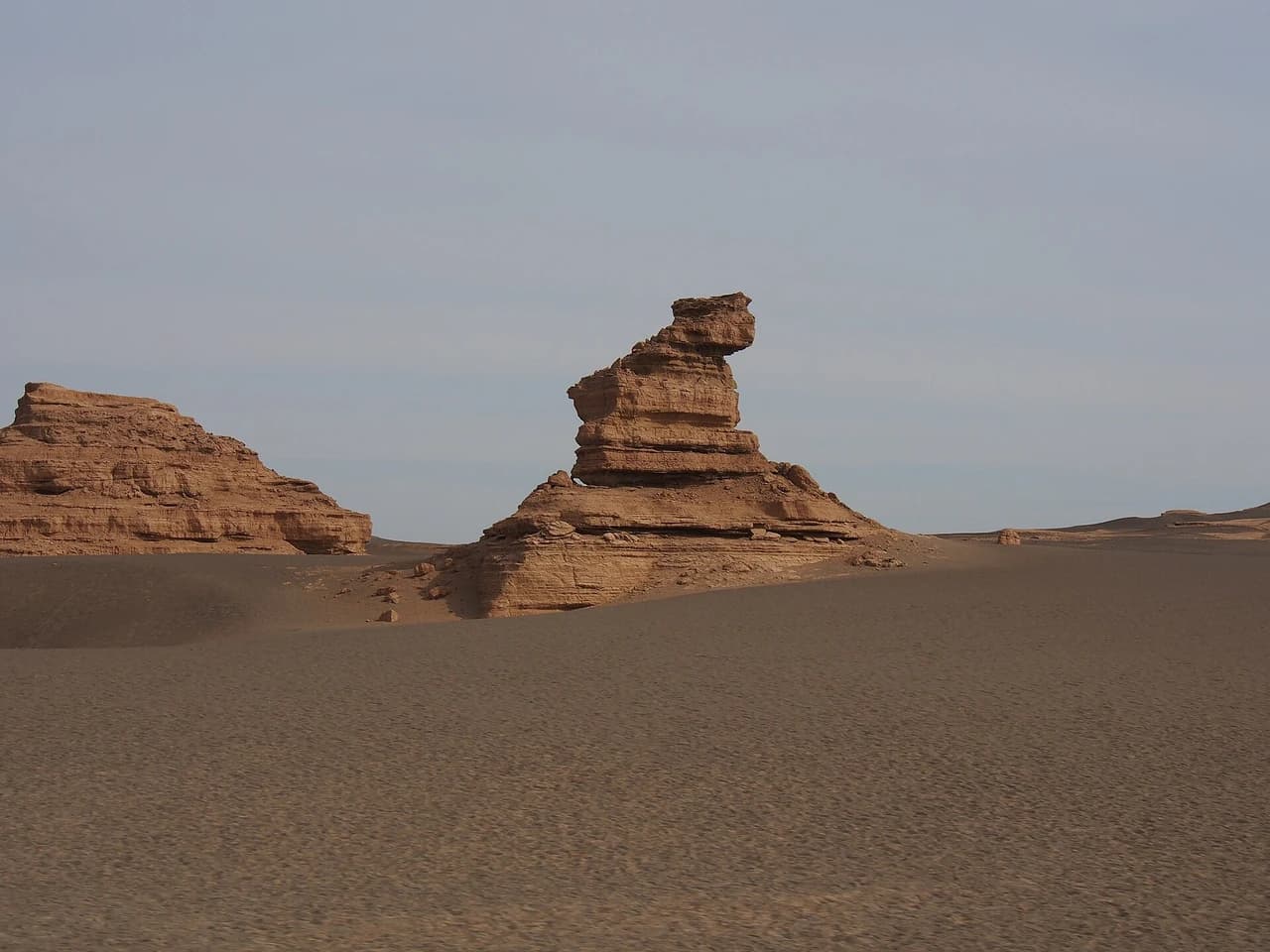
Dunhuang Yadan is a huge landform area formed by long-term wind erosion of arid sedimentary layers. Ridges, towers and wind erosion corridors are scattered deep in the Gobi. Only by walking along the management route can you understand its scale, and the low-angle light will enhance the sense of ups and downs and loneliness. These forms are geological records of long-term erosion, not ancient castles; the remote environment is both part of the experience and a major transportation challenge.
Mogao Caves
莫高窟
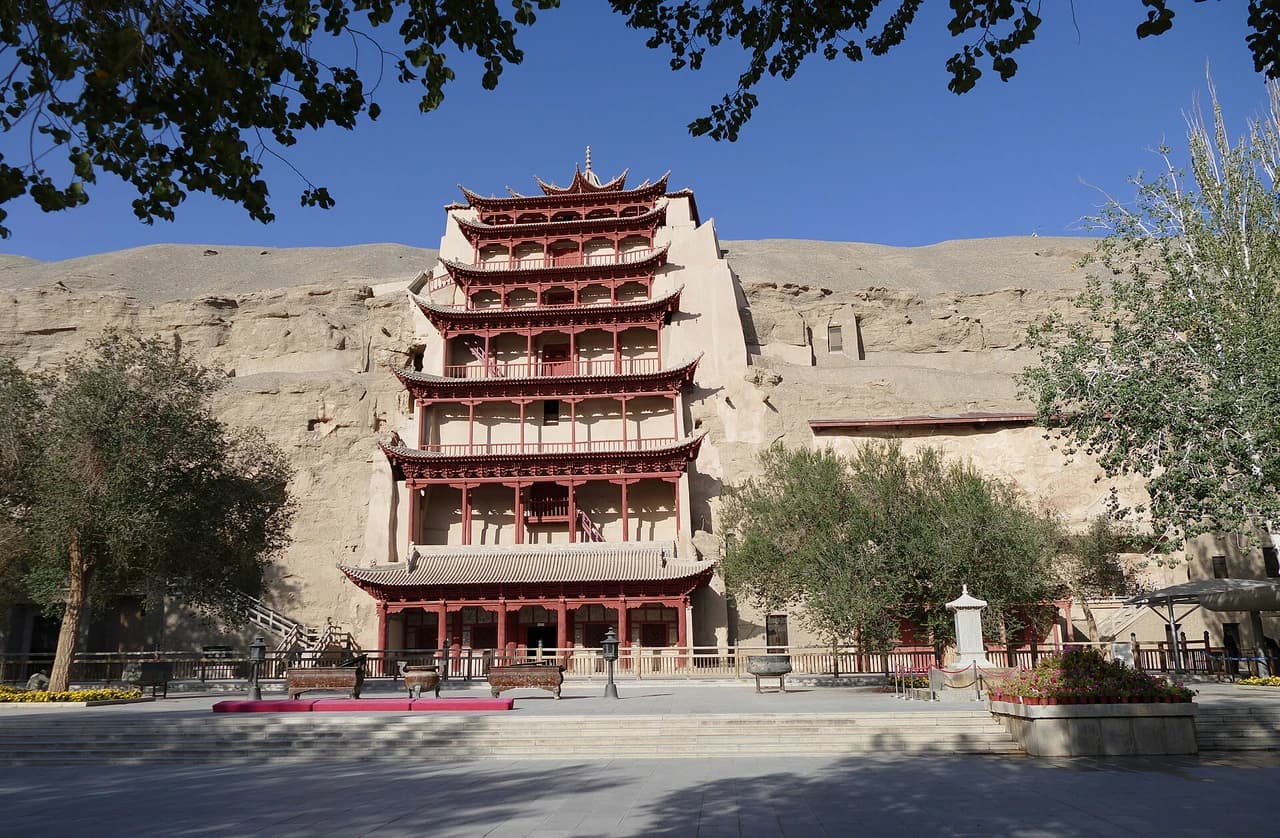
The Mogao Grottoes preserve Buddhist murals, painted sculptures and cave architecture that have lasted for thousands of years since the 4th century AD. They are important archives of cultural exchanges in the Silk Road oasis. Subject to the protection of cultural relics, the tour starts from the Digital Exhibition Center, and then takes the official shuttle bus into the cave area, where the guide will lead you to view some of the caves that are open on a rotating basis. This is not a gallery that you can walk through freely, but an extremely fragile religious art heritage.
Yumen Pass
玉门关
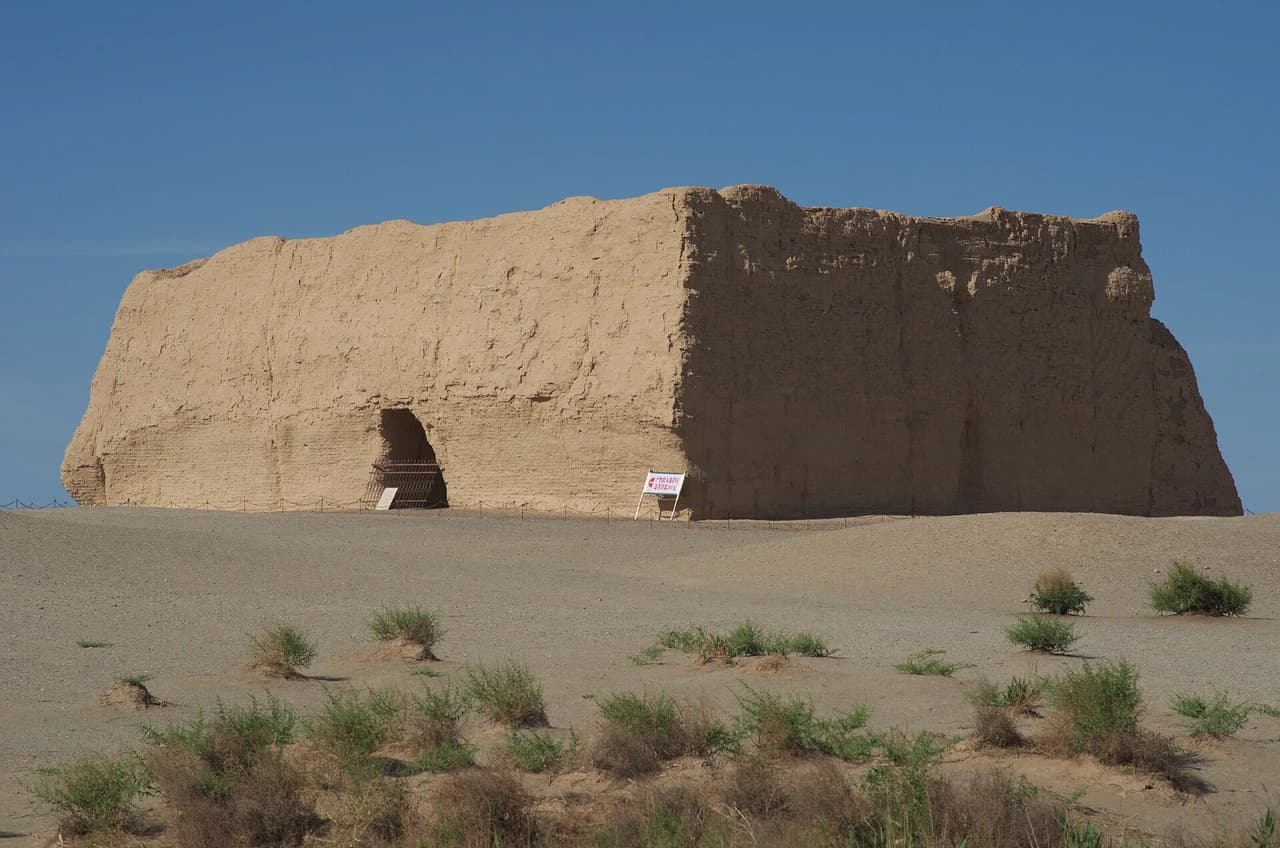
Yumen Pass was an important border pass from the Hexi Corridor to the further west in the Han Dynasty. The rammed-earth small square city, the beacon towers and the remains of the Han Great Wall must be understood as a whole in the open desert. As an integral part of the Silk Road World Heritage route, it records the transportation, fortification and communication system, rather than an isolated magnificent building.
Mingsha Mountain and Crescent Lake
鸣沙山月牙泉
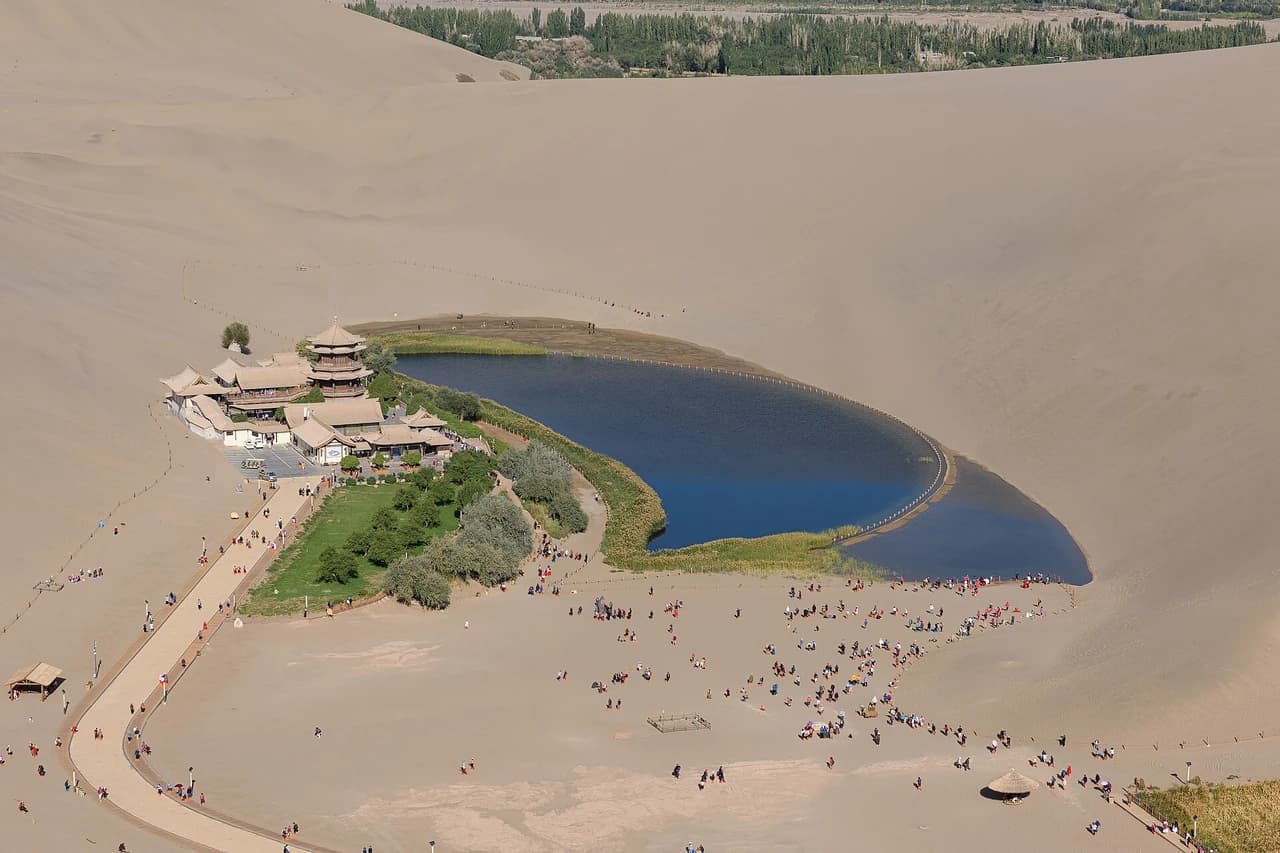
Mingsha Mountain Crescent Spring is located about 5 kilometers south of Dunhuang City. The sand mountains surround the crescent spring. The sand and springs have coexisted for thousands of years and are known as "the most beautiful scenery outside the Great Wall". The highlights are: Crescent Moon Spring: a crescent-shaped spring in the desert. The Yuequan Pavilion beside the spring stands next to the water, which is the soul of the scenic spot. Mingsha Mountain: Climb the sand mountain to the top for a panoramic view of the Crescent Spring, and watch the sunset in the desert in the evening. This is the best filming location.

Dunhuang Museum
敦煌市博物馆
The Dunhuang City Museum is suitable for establishing a historical framework of the oasis before heading to the scattered ruins. The exhibition connects prehistoric settlements, border counties of the Han Dynasty, Silk Road trade, Buddhist culture and local life in later generations through unearthed artifacts, documents and models, making grottoes, passes and desert routes no longer just unrelated attractions.
Shazhou Night Market
沙州夜市
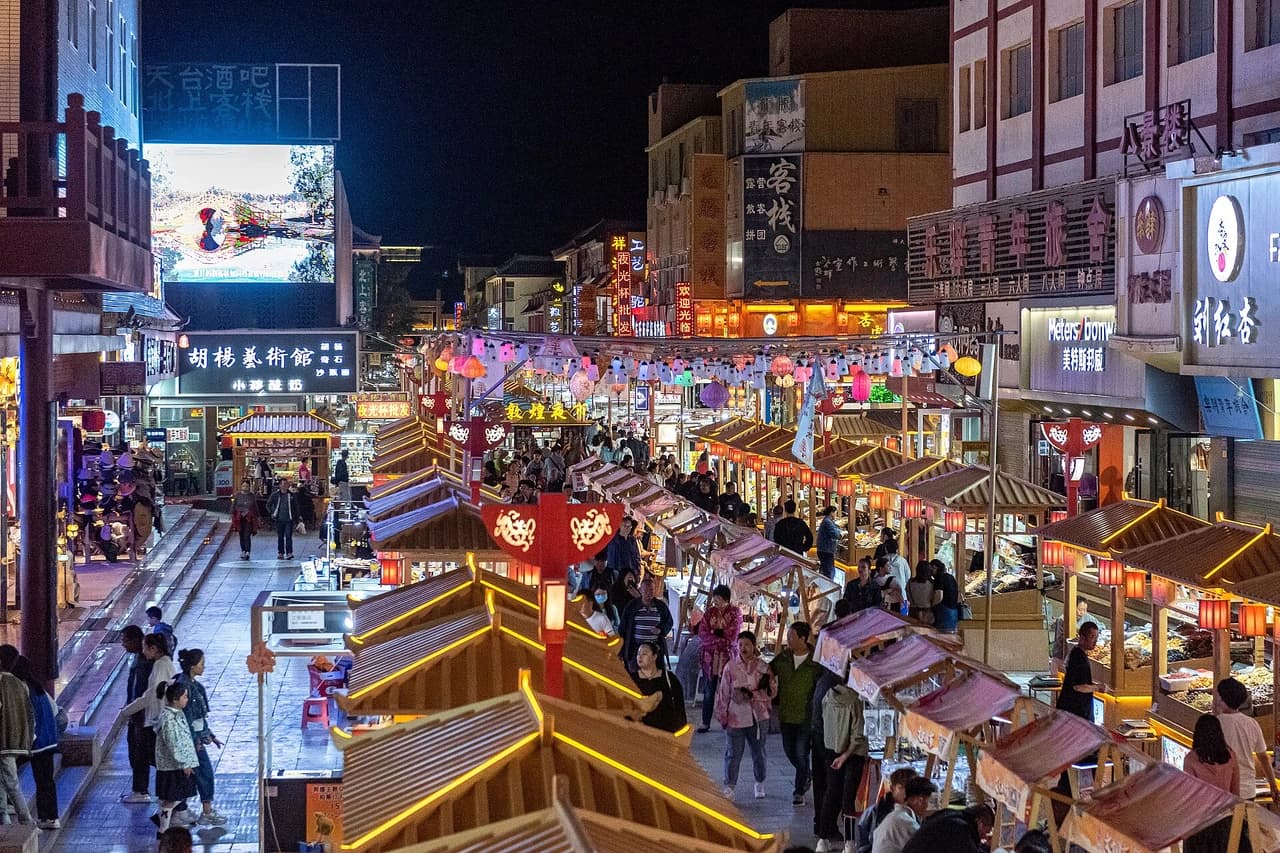
Dunhuang was called Shazhou in ancient times. Shazhou Night Market (Dunhuang Night Market) is a night market integrating northwest cuisine, cultural creativity and specialties. The core area is the "Shazhou Shiyi" intangible cultural heritage snack area. Highlights include: Mobei Grilled Fish: Top-rated in the night market, with crispy skin, fresh and tender fish, sweet and sour, and slightly spicy. Beef patties with scallions and scallions: The king of the queue, with crispy skin and sautéed beef with scallions.
Yulin Caves
榆林窟
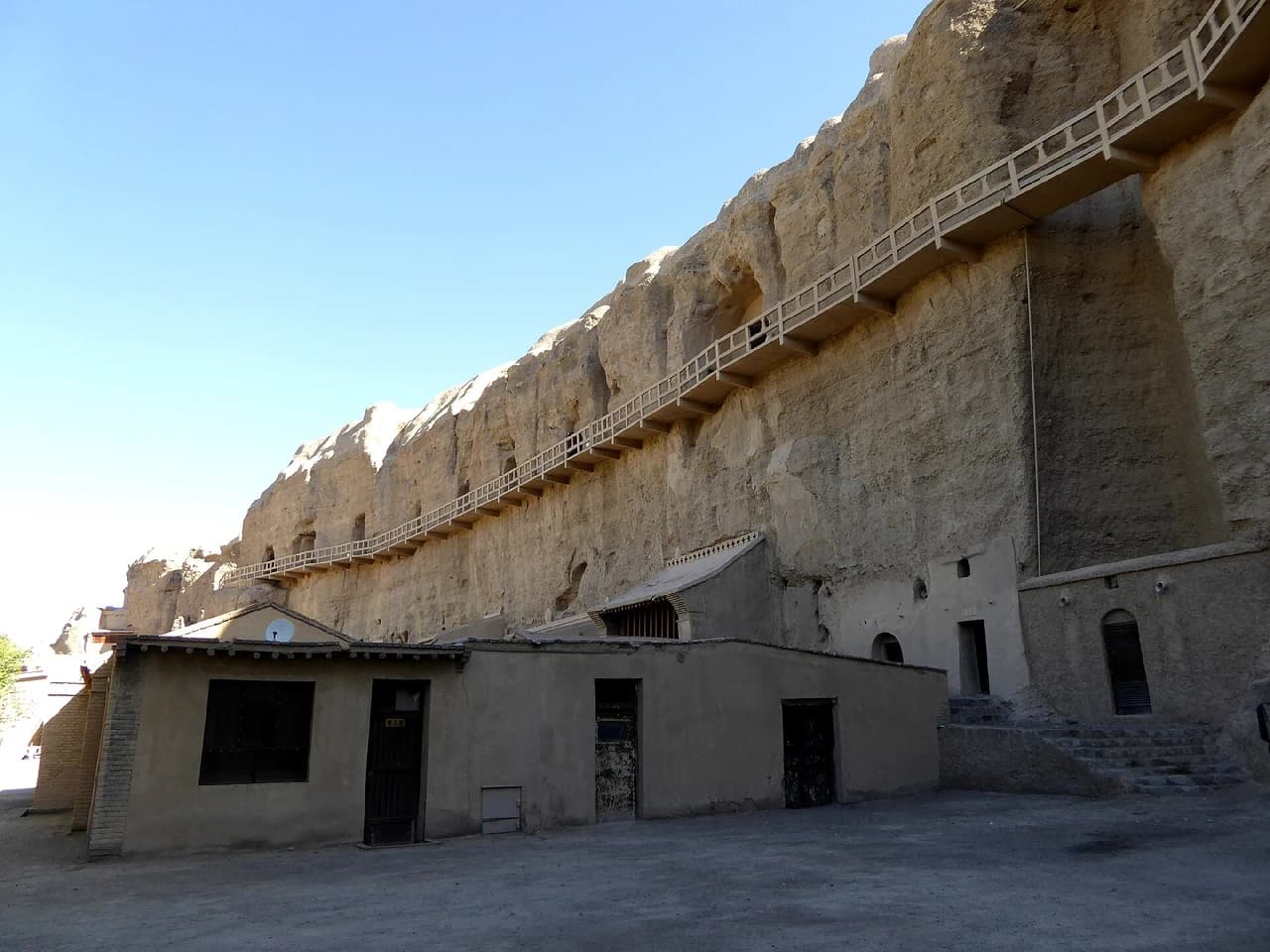
Yulin Grottoes is located on the cliffs on both sides of the Yulin River Gorge in Guazhou. It is also known as Wanfo Gorge. It is the "sister cave" of Mogao Grottoes and a national key cultural relics protection unit. It was excavated in the Tang Dynasty and flourished in the Five Dynasties, Song and Xixia Yuan Dynasties. It is the main Buddhist worship place for the Xixia royal family and the most complete group of Xixia Grottoes. Highlights are concentrated in: Cave 25: "Viewing the Infinite Life Sutra Changes" and "Maitreya Sutra Changes" in the Mid-Tang Dynasty. The color composition can be called the Dunhuang mural ceiling, and the preservation state is excellent. Xixia murals in Cave 2 and 3: Water Moon Avalokitesvara, Samantabhadra, Thousand-Hand Avalokitesvara, and the earliest picture of Xuanzang's Buddhist scriptures (earlier than "Journey to the West").
Local snacks
What to eat in Dunhuang
These cards describe dishes, not restaurants.

The chewy texture is salty and the braised aroma is obvious.
Donkey Meat with Yellow Noodles
驴肉黄面
Handmade yellow gluten dish, topped with mushroom and vegetable marinade, and sliced donkey meat is usually served cold on a separate plate. This is the most representative combination meal in Dunhuang, and the meat does not necessarily have to be mixed directly into the noodles.
Donkey meat is often ordered in separate portions, suitable for sharing among many people; this combination is not suitable for vegetarians or halal eaters.

Sweet and sour, fruity aroma
Apricot Peel Drink
杏皮水
The skin and pulp of local apricots are dried and boiled into a sweet and sour amber drink, which is suitable for dry and hot weather after being refrigerated. The sweetness varies greatly depending on the method, and other dried fruit flavors may also be added.
Ask about sweetness and choose a product that is sealed or refrigerated; it can provide relief from the heat, but is no substitute for drinking water in a desert environment.

Sour, garlicky, sesame, spicy
Dunhuang Niangpi
敦煌酿皮
Wheat starch is steamed into a dough and then cut into wide strips. Gluten, vinegar, garlic, chili oil and sesame seeds are mixed in for seasoning to form a chewy and smooth texture that is a common cold dish in the northwest.
The spiciness should be stated, and those with allergies should confirm sesame or peanut products, and choose a cold food stall with good hygienic conditions.

Strong salty, wheat and spice flavors are evident
Braised Hu Sheep with Flatbread
胡羊焖饼
The mutton is first simmered with spices, and then wide slices of flatbread are spread in the pot to absorb the rich steam and soup. It is a solid shared dish that combines northwest animal husbandry and oasis food traditions.
You should order according to the number of people in your party and allow time for simmering. You can also ask about the fatness and thinness; if you need halal standards, you should directly confirm the operating specifications with the restaurant.