

临汾
Linfen
Linfen straddles the Fenhe Basin and the edge of the Yellow River, linking early national archeology, important Buddhist architecture, immigrant memories and Hukou Falls. The attractions are spread over a vast urban area, not a city center loop. The itinerary should be based on geographical location and conservation status, rather than cramming all the attractions into one day.
At a glance
- Stay
- 2–4 days
- Best seasons
- Summer, Autumn
- Airports
- LFQ
- Region
- North China
Last updated: 9/29/2026
First visit
Arrive and settle in Linfen
Start with arrival and where to stay, then choose your sights. Recheck transport and accommodation details before booking.
Arriving+
Flights use LFQ. Confirm the arrival airport before planning your transfer.
Where to stay+
Choose a central neighbourhood near a metro interchange for a first visit, then trade convenience for character on a return trip.
Why go+
Yellow River landscapes and southern Shanxi heritage sites make Linfen a useful regional base.
Where next?
Save places you like, then use your saved list to build a trip.
Practical travel guides
Places to explore in Linfen
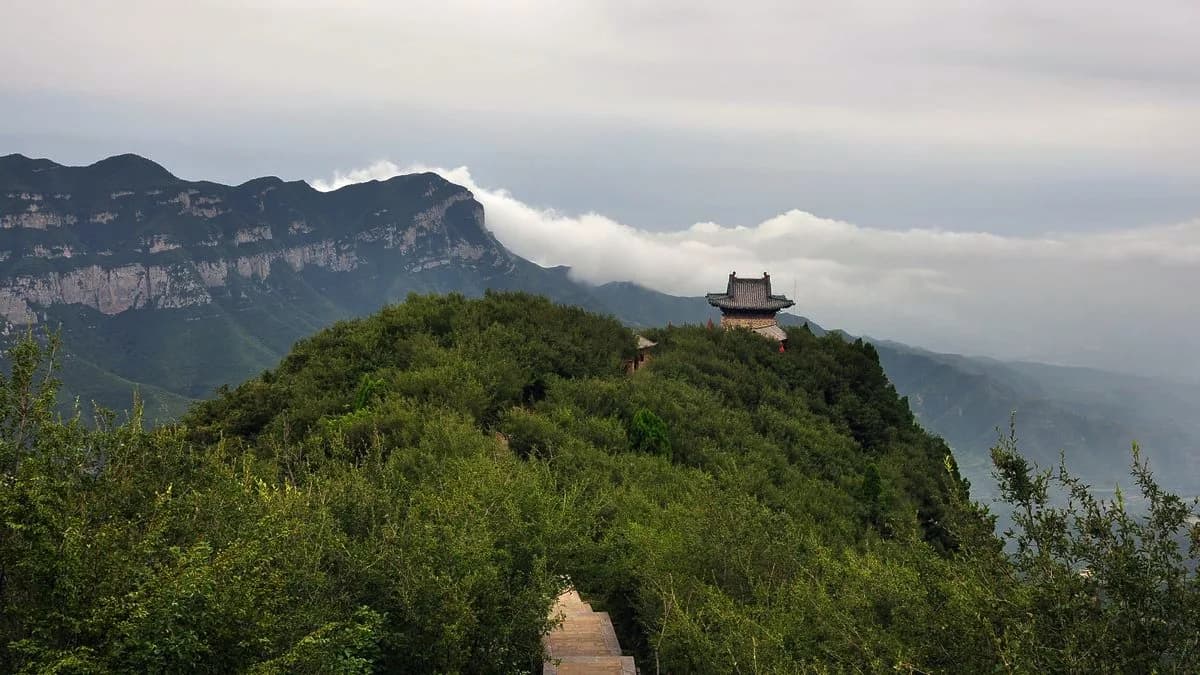
Yunqiu Mountain Scenic Area
云丘山景区
Yunqiu Mountain combines mountain trails, old villages and ice caves. Choose sites such as Yuhuang Summit, Ta’erpo and Kangjiaping according to fitness and interests. High views are strongly weather-dependent, and cloud seas are not a permanent sight. These historical reference images mainly record summit views and mountain paths. Ice-cave openings and equipment requirements need separate confirmation.

Hukou Waterfall
壶口瀑布
Hukou Falls is formed by the Yellow River's sharp convergence in a narrow rock trough. The water volume, color, ice and open platforms continue to change. The water here is strong, the rock surface is slippery and may be eroded. You must view it from a managed viewing area and adjust your itinerary in the event of flooding, ice or strong wind closures.

Hukou Waterfall, Shanxi Side
黄河壶口瀑布(山西侧)
At Hukou, the broad Yellow River is forced into a narrow rock trough, forming strong falling water, water mist and seasonal ice. The color, volume and available platforms of the water are constantly changing; this is both a geomorphological event and a cultural symbol of the Yellow River, and must be viewed from a managed platform.

Guangsheng Temple
广胜寺
The upper and lower temples of Guangsheng Temple are famous for their glazed Feihong Pagoda, historical wooden structures, murals and the relationship between "Zhao Cheng Jin Zang". Its value lies in the relationship between architecture, scriptures, statues and Huoquan landscape, rather than an isolated colorful tower.

Taosi Site Museum
陶寺遗址博物馆
Taosi is an important late Neolithic urban center in the Fen River Basin. Important evidence of high-level tombs, handicrafts, rammed earth buildings and discussions of early complex society have been discovered. Restoration displays explain research hypotheses, and unearthed artifacts and strata are the evidence.

Hongdong Great Locust Tree Memorial Park
洪洞大槐树寻根祭祖园
The commemorative landscape revolves around the collective memory of official immigrants related to Hongdong in the early Ming Dynasty. The existing ancient Sophora japonica imagery and the park serve as symbolic functions for genealogy and homecoming ceremonies, and are not literal evidence of the departure of each family; the exhibition should be read in conjunction with the documented history of immigration.

Linfen Museum
临汾市博物馆
The Linfen Municipal Museum connects the prehistoric settlements in the Fenhe Basin, the Bronze Age government, Jin culture, religious art and later life into a timeline, providing a background for understanding scattered sites such as Taosi Temple, Guangsheng Temple and Hukou, and is especially suitable for archaeological focus visits.
Local snacks
What to eat in Linfen
These cards describe dishes, not restaurants.

The local flavor is distinctive, and the salty, sweet and cooking methods vary from store to store.
Linfen Beef Meatball Noodles
临汾牛肉丸子面
Wheat noodles and firm beef balls in red and spicy soup are common noodles in Linfen.
Ask about specific ingredients, allergens, and shared equipment, and choose products that are hygienically stored, freshly prepared, and served in small portions.

The local flavor is distinctive, and the salty, sweet and cooking methods vary from store to store.
Linfen Pressed Hele Noodles
临汾饸饹面
The harder grain dough is directly pressed into boiling water, and then served with meat dumplings or vegetable toppings.
Ask about specific ingredients, allergens, and shared equipment, and choose products that are hygienically stored, freshly prepared, and served in small portions.

The local flavor is distinctive, and the salty, sweet and cooking methods vary from store to store.
Hongdong Lamb Offal Soup
洪洞羊杂烩
Slice the cleaned haggis into hot spice soup, often sprinkle with herbs and serve with bread.
Ask about specific ingredients, allergens, and shared equipment, and choose products that are hygienically stored, freshly prepared, and served in small portions.

The local flavor is distinctive, and the salty, sweet and cooking methods vary from store to store.
Linfen Fermented-grain Porridge
临汾油粉饭
The sour grain or legume slurry is cooked with millet, noodles or vegetables to make warm porridge and rice.
Ask about specific ingredients, allergens, and shared equipment, and choose products that are hygienically stored, freshly prepared, and served in small portions.