
青岛
Qingdao
Qingdao is a hilly port city with rocky Yellow Sea shores, fishing traditions, modern architecture and modern marine industries adjacent to each other. The old town is suitable for walking but the slope is obvious, while Laoshan and the outer coast require a full-day schedule. The waterfront should be understood as a functioning maritime urban space, rather than as a strip of beach, beer, and historic buildings compressed into a resort strip.
At a glance
- Stay
- 2–3 days
- Best seasons
- May–Jun, Sep–Oct
- Airports
- Rail or road access
- Region
- East China
Last updated: 9/29/2026
First visit
Arrive and settle in Qingdao
Start with arrival and where to stay, then choose your sights. Recheck transport and accommodation details before booking.
Getting there+
Jiaodong (TAO) is 40 kilometres north-west; metro line 8 reaches Qingdao North station in about an hour. High-speed trains from Beijing take around three hours, from Shanghai about four and a half, and from Jinan an hour and a half, arriving at Qingdao station on the old-town waterfront or Qingdao North on the metro.
Rail tip. Your passport is your ticket. Book on 12306 or Trip.com, then go straight to the gate. See Getting around. The Trip.com link earns us a small commission at no cost to you (how that works).
Stay online. Google, WhatsApp and Instagram are blocked on Chinese networks; a travel eSIM that roams gets around it. Install one before you fly — Saily takes US$5 off a first plan with the code CHINA. See Staying online. The code earns us the same amount in Saily credits, at no cost to you (how that works).
Where to stay+
Old town
老城区
German villas, the pier, the cathedral. Stay on the hill.
Between Qingdao station and Signal Hill. Boutique hotels in restored houses along Guanhai and Huangxian Roads; the metro is at the station.
first visitarchitecturewalking
Badaguan and Taipingjiao
八大关·太平角
A quiet villa quarter by the sea. Leafy and slow.
The eight streets named for eight passes, each planted with a different tree. Guesthouses in old villas, the second beach at the end of the road.
quietsea views
May Fourth Square and the marina
五四广场·奥帆中心
The modern waterfront. Big hotels, night lights, an easy metro.
Chain hotels along Fushan Bay. Fine for arriving late; a taxi to the old town is fifteen minutes.
convenienceskyline
Booking. Compare hotels in Qingdao on Trip.com, filtered to its China travel essentials list: English-speaking staff, foreign cards, guest rating 8 or higher. See Where to stay. Booking through this link earns us a small commission at no cost to you (how that works).
Overview+
BEIJINGTIANJINHEBEIJIANGSUHENANQingdao
Germany held Qingdao for sixteen years and left it a cathedral, a governor's mansion, a brewery and a grid of villas on the hills above the harbour. The old town is the reason to come: walk up from the Zhanqiao pier through the granite streets to Signal Hill and look down over the roofs.
East of it the city becomes modern and long, following the coast for thirty kilometres past beaches, the Olympic sailing marina and the May Fourth Square towers. Laoshan, at the far end, is a real mountain dropping straight into the sea.
August brings the beer festival and the crowds. Early summer and autumn are clear and mild; the sea is warm enough from July into September.
Where next?
Save places you like, then use your saved list to build a trip.
Practical travel guides
Places to explore in Qingdao
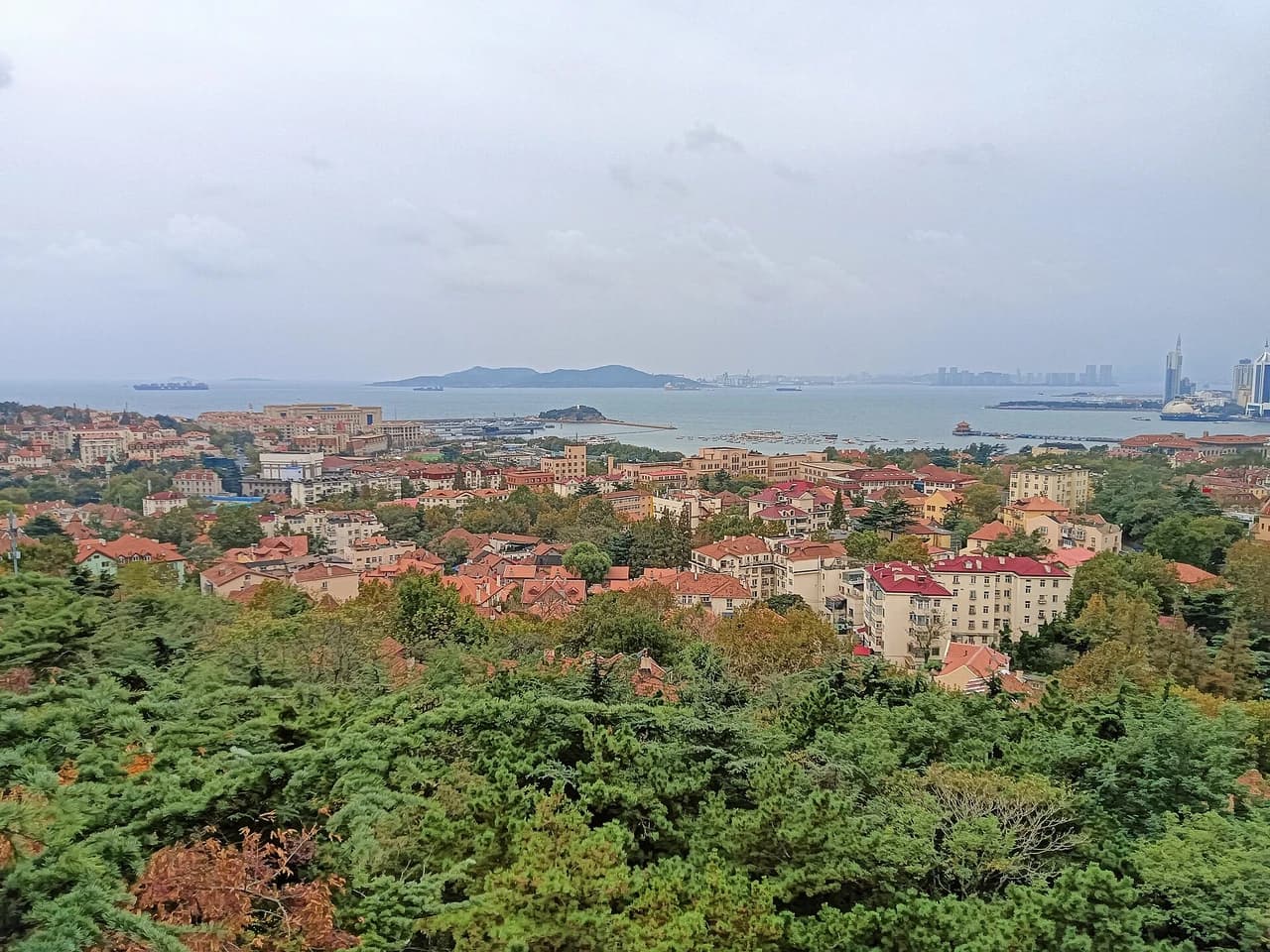
St Michael's Cathedral and Signal Hill
浙江路天主教堂·信号山
Zhejiang Road Catholic Church·Signal Hill is a local travel entry. For specific visit information, please refer to official channels.
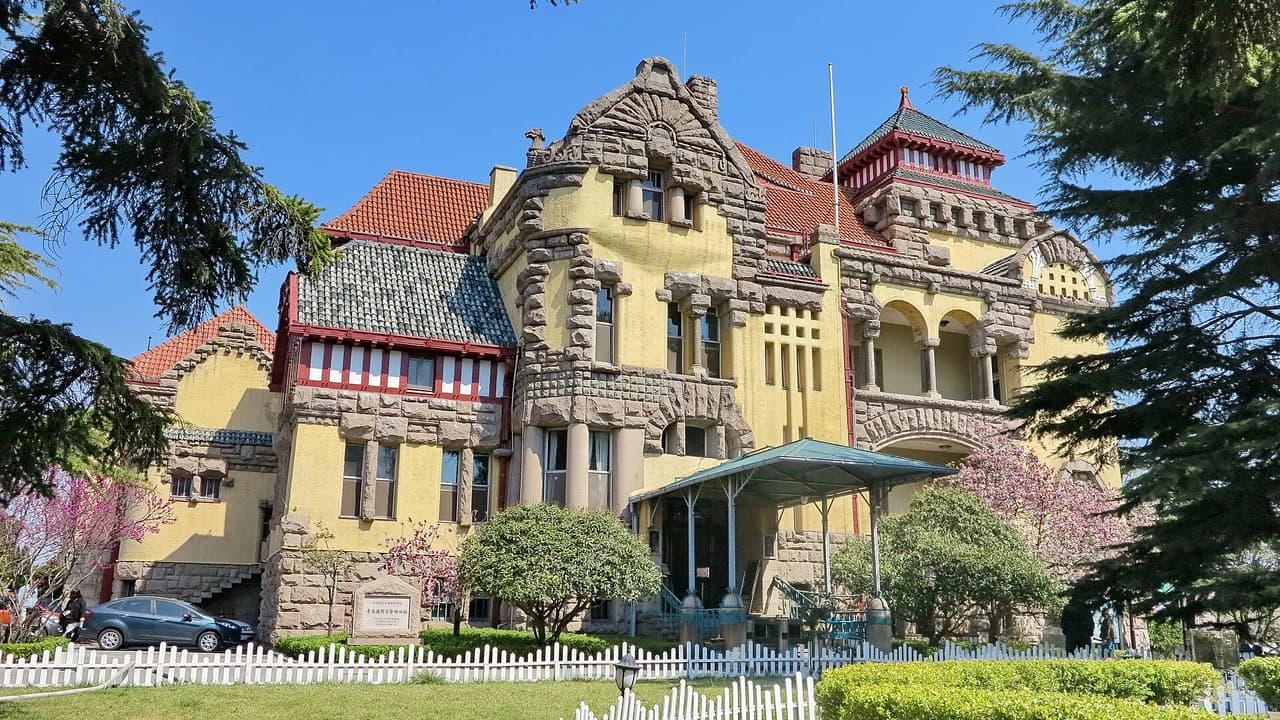
Old Governor's Residence
青岛德国总督楼旧址
Founded in 1905, it was the official residence of the Governor of Jiaoao during the German occupation. It is a European castle-style building and is known as the highest representative of "German architectural art in China". It has been opened as a museum since 1999.
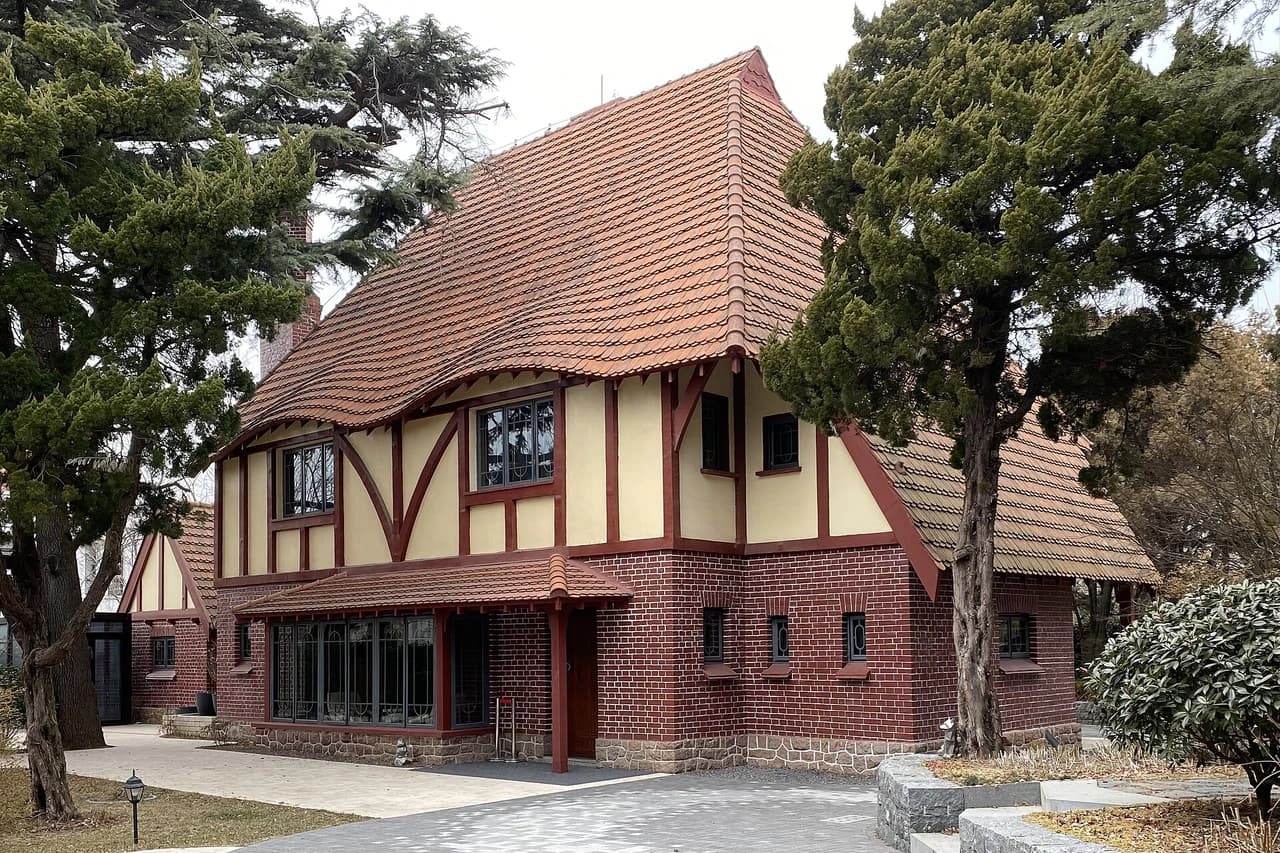
Badaguan
八大关
Badaguan is not a single scenic spot. It is a collection of eight roads named after eight ancient passes such as Shanhaiguan, Juyongguan, and Jiayuguan. It brings together villas with styles from more than 20 countries, including Russia, Britain, France, Germany, and Denmark, and is known as the "Architecture Expo of All Nations."
Zhanqiao Pier
栈桥
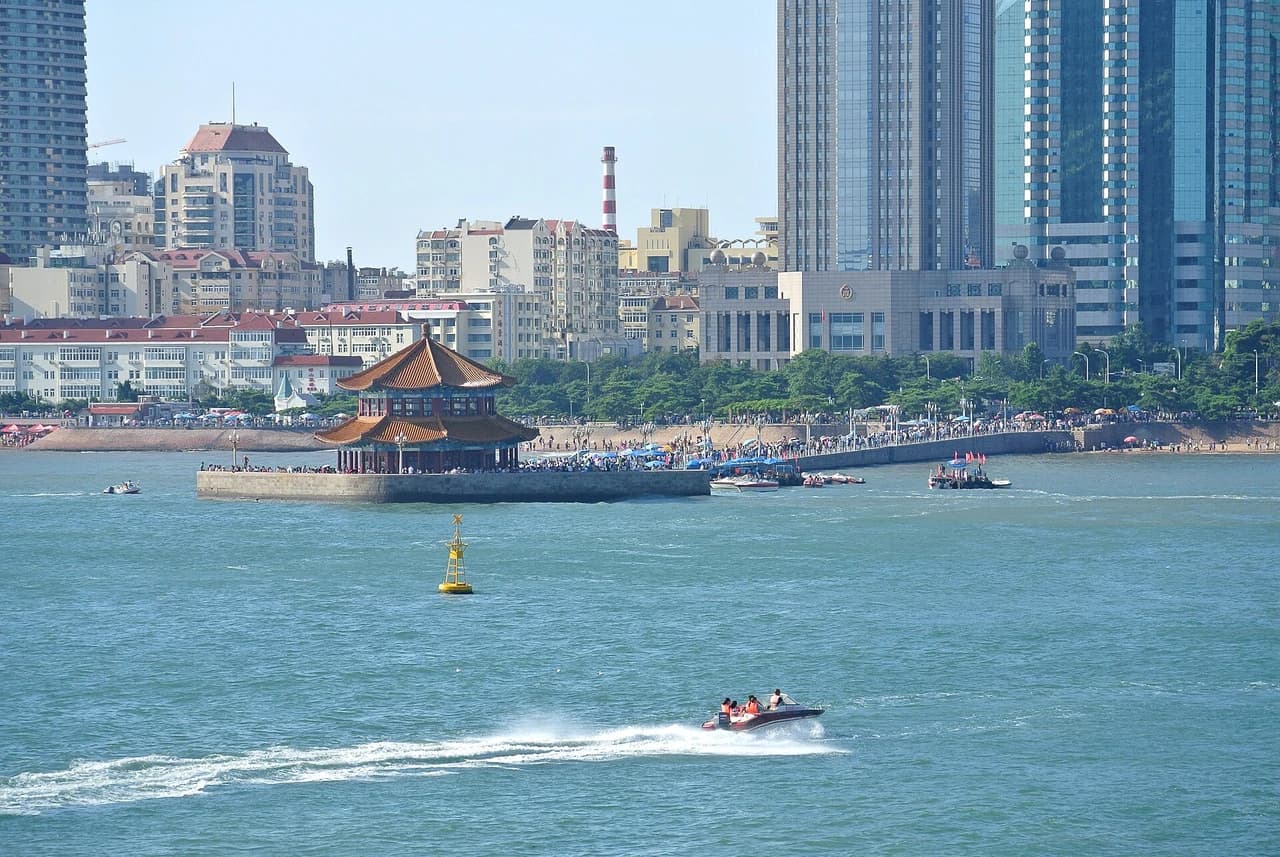
First built in 1891, the 440-meter-long bridge stretches into Qingdao Bay, with Huilan Pavilion at the end. It is Qingdao's city card and the first of the ten "Fei Pavilion Huilan" sceneries.
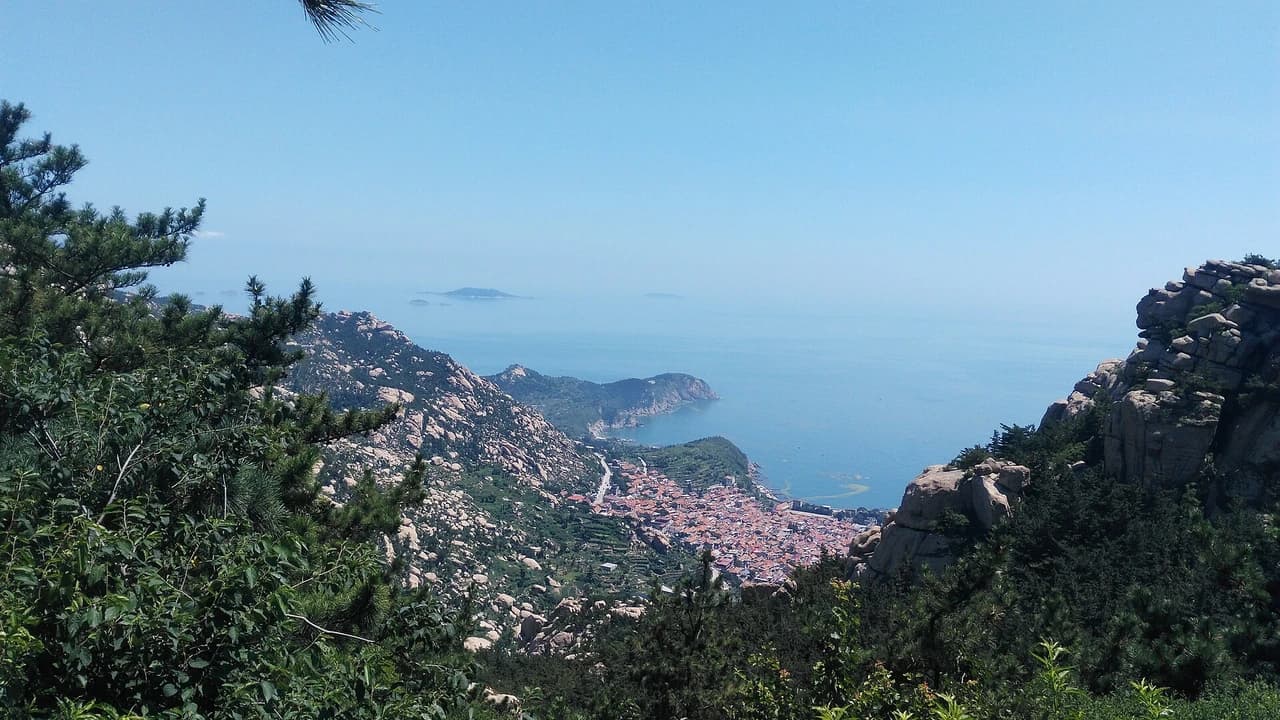
Laoshan
崂山
Mount Laoshan is the highest mountain on China's coastline. It is divided into five tourist areas: Jufeng, Taiqing, Huayan, Yangkou, and Jiushui. They are divided into south line/middle line/north line. For the first time, I recommend the south line (Taiqing + Yangkou + Huayan). The mountains and sea are in the same frame, and the Taoist culture is profound.
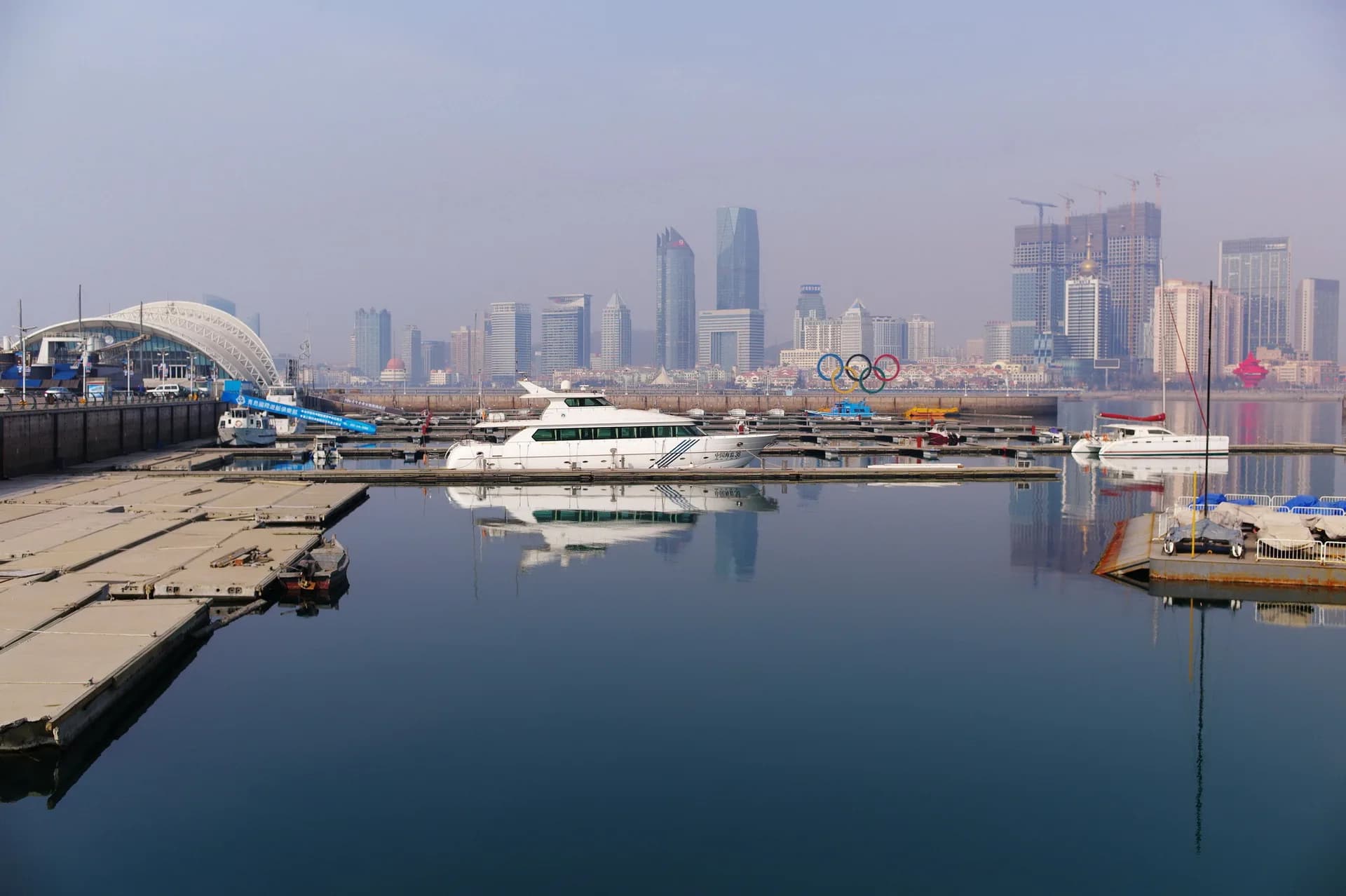
Olympic Sailing Marine Culture Tourism Area
奥帆海洋文化旅游区
This tourism area consists of the Olympic Sailing Center and Qingdao Underwater World. The sailing center offers harbor walks exploring sailing and Olympic culture, while Underwater World provides indoor marine-themed visits. They are not adjoining venues behind one entrance. The current gallery shows the sailing center’s piers, harbor and buildings; Underwater World images are still to be added. Boats in historical photographs do not imply the same trips are offered today.
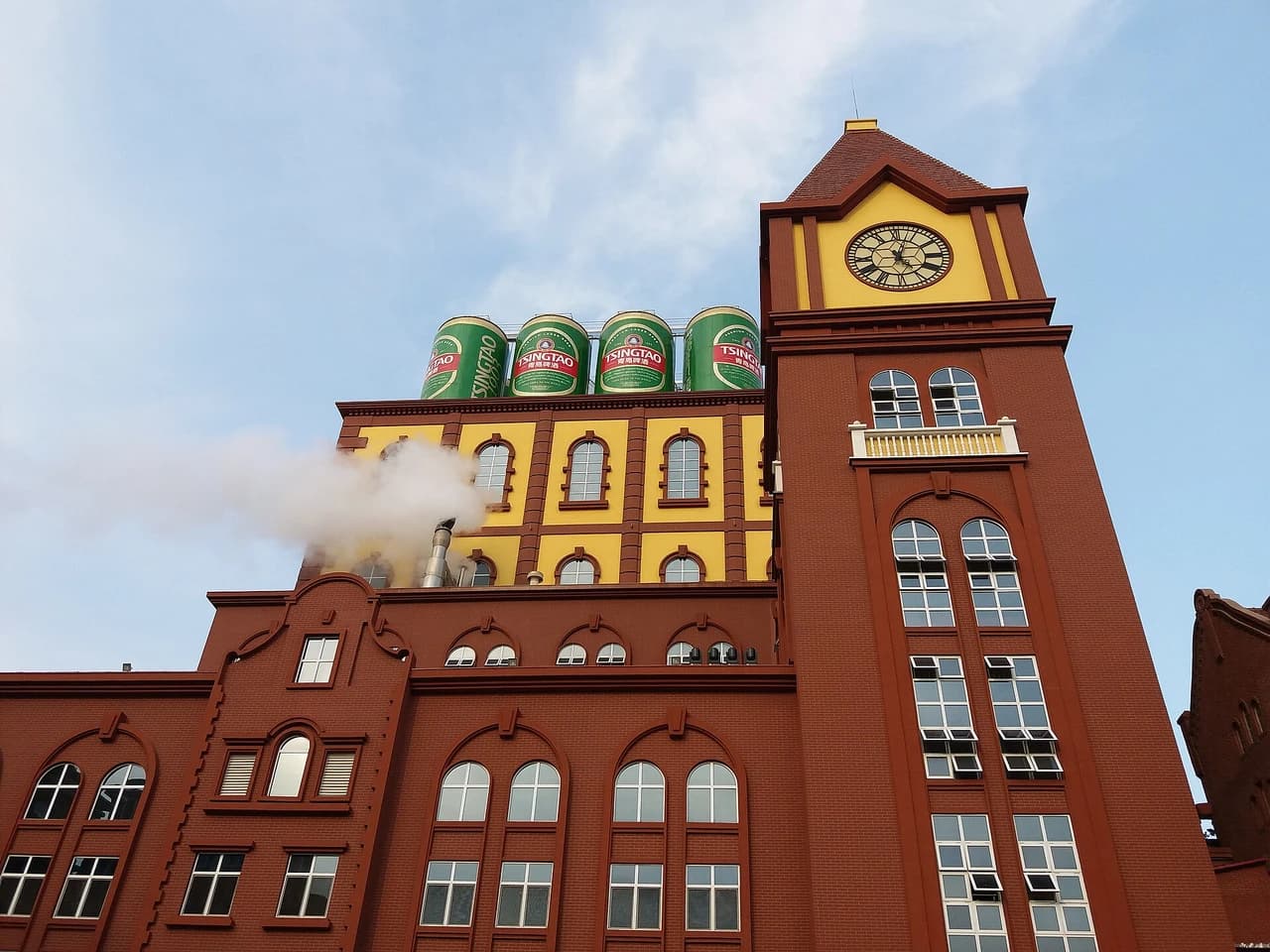
Tsingtao Beer Museum
青岛啤酒博物馆
Located at the former site of Qingdao Co., Ltd., a German beer company founded in 1903, it is divided into Hall A (a century-old history) and Hall B (brewing technology). You can see the real filling line and drunken cabin.
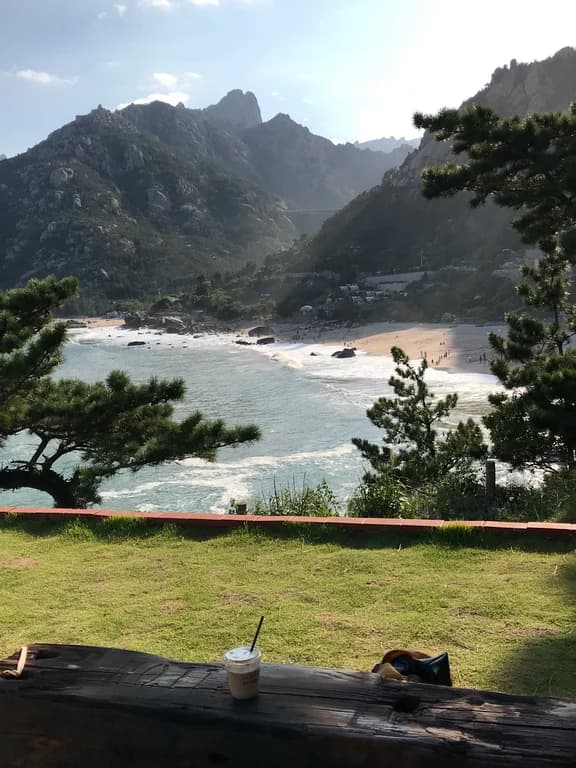
Laoshan Scenic Area
崂山风景区
The granite mountain of Laoshan directly faces the Yellow Sea, and the peaks, sea cliffs, valleys, villages and long-standing Taoist cultural landscapes are combined with each other. Taiqing, Yangkou, Jufeng and Beijiushui belong to a tour system with different entrances, routes and characters, and are not just a few stops on a simple loop; mountain geology, marine weather and community life together constitute its complete value.
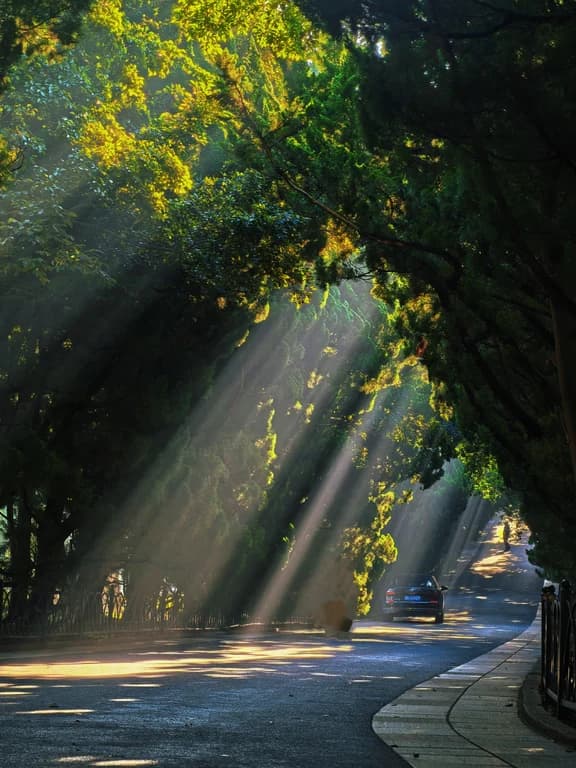
Badaguan Historic District
八大关历史文化街区
Badaguan is a landscaped residential area composed of winding roads, mature trees and a variety of early 20th century style villas. The name and street system refer to China's historical passes, while the architecture records Qingdao's complex colonial and modern history. This should be understood as the terrain, plants and buildings as a whole, rather than as several isolated photographed facades.
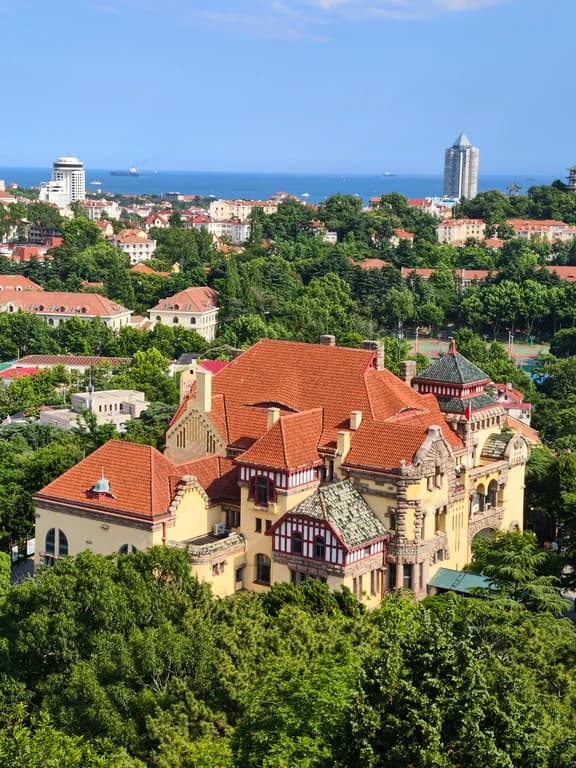
Former German Governor's Residence
青岛德国总督楼旧址博物馆
The Governor's Building was built from 1903 to 1907. It is located on the signal hillside with its stone, asymmetrical volume and exquisite interior decoration. Subsequent use by political figures added new historical layers. The building was used to demonstrate colonial power, and the materials and room sequences preserved today also illustrate elite residential technology of the time.
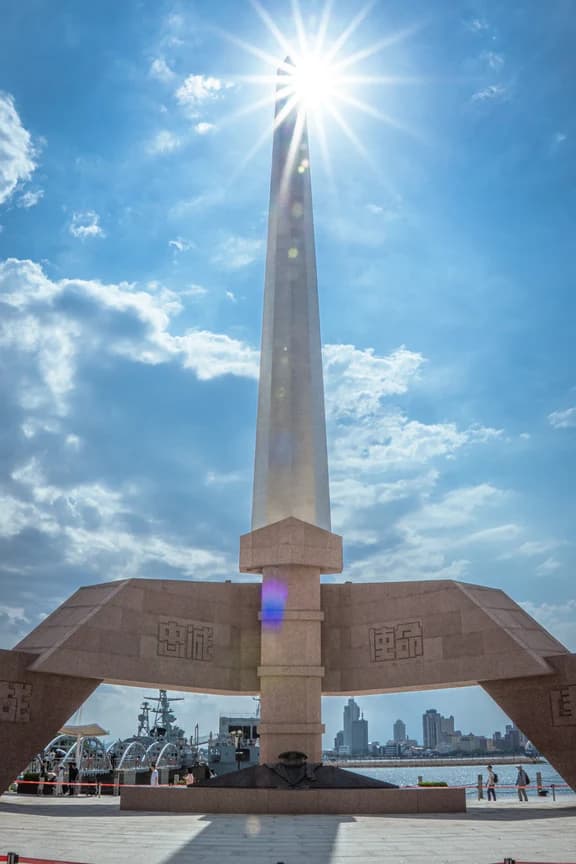
PLA Navy Museum
中国人民解放军海军博物馆
The Naval Museum displays the development of China's modern navy through documents, equipment, aircraft and large ships anchored in Qingdao Bay. Outdoor shipboard and indoor historical exhibits connect technology to the nation's maritime history, and the bayfront location makes it easy to compare military, commercial, and public uses of the same harbor.
Local snacks
What to eat in Qingdao
These cards describe dishes, not restaurants.
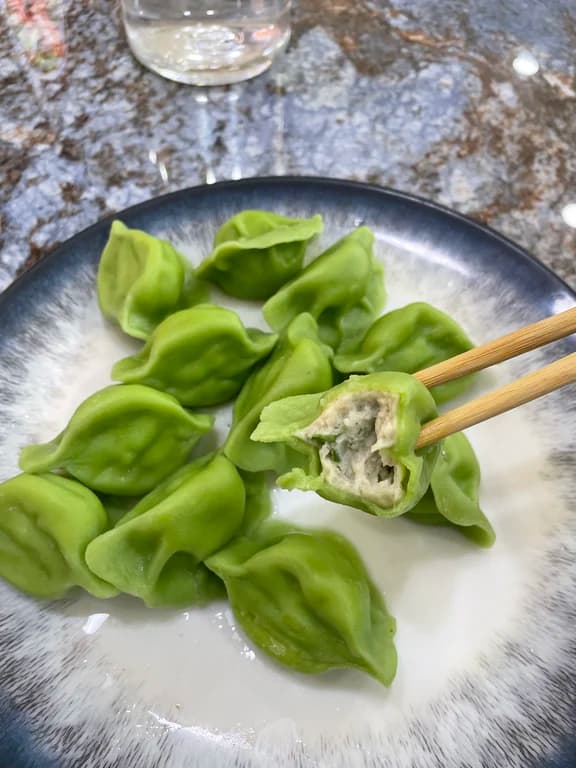
Delicious, juicy, salty and fragrant with chives
Spanish Mackerel Dumplings
鲅鱼水饺
The mackerel meat is carefully processed and mixed with leeks and seasonings to form a soft and juicy filling, which is then wrapped in wheat dough and boiled. This is a coastal specialty that relies on fresh fish and careful removal of bones.
People with fish and gluten allergies should avoid it, eat it while it's hot, and check if lard or other seafood is added to the filling.
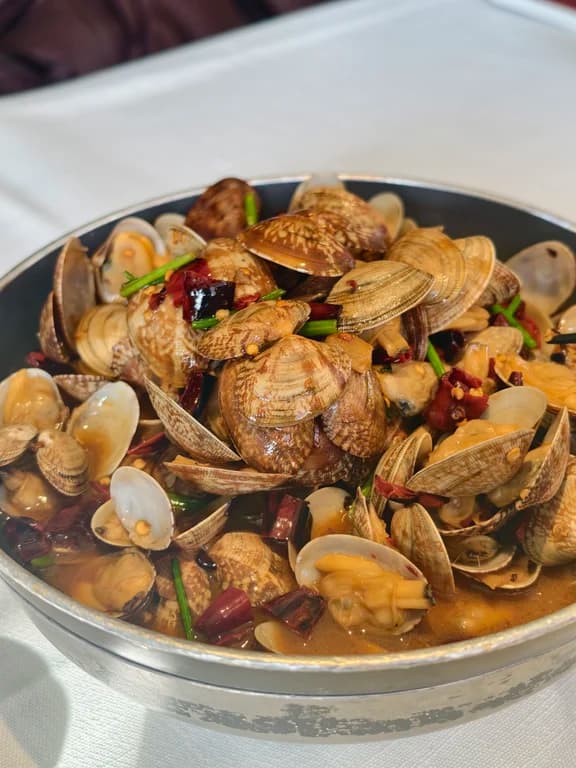
Salty seafood, garlic, spicy
Spicy Stir-fried Clams
辣炒蛤蜊
Small local clams are quickly stir-fried with chili, garlic and spices until they open their shells, creating a savory seafood sharing dish that is often paired with other seafood and staple dishes.
Choose a seafood restaurant with a steady flow of customers, do not eat unopened shells, and confirm the pricing unit before ordering.
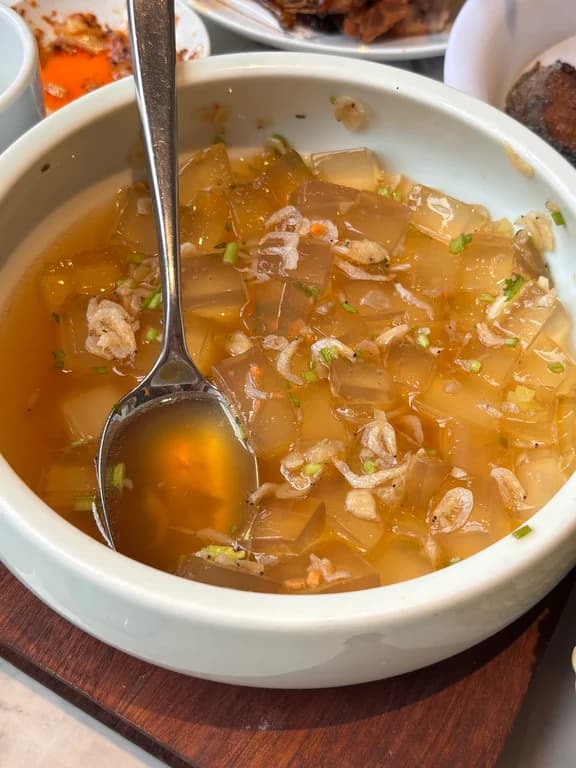
Cool and sour aroma, garlic flavor and light seafood flavor
Seaweed Jelly Noodles
海菜凉粉
Local seaweed is boiled to make a transparent and firm jelly, which is cut into strips and served with vinegar, garlic and sesame seeds. It has a refreshing taste, which is obviously different from inland starch jelly.
Choose fresh products that are refrigerated in a regulated manner, and those with allergies must ensure that sesame seeds, peppers, and cold dishes are shared.
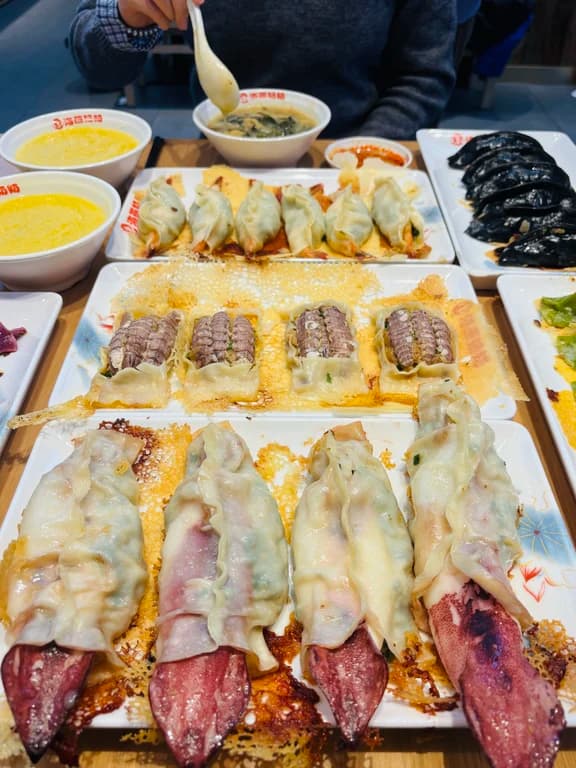
Crispy bottom, juicy and salty filling
Qingdao Seafood Potstickers
海鲜锅贴
The dough is filled with fresh shrimp, fish or mixed seafood, and pan-fried to create a crispy bottom while keeping the inside juicy. It is a combination of northern dumpling techniques and Qingdao seafood.
Specific seafood fillings should be confirmed and allowed to cool slightly before biting, common crustacean, fish and gluten allergens.