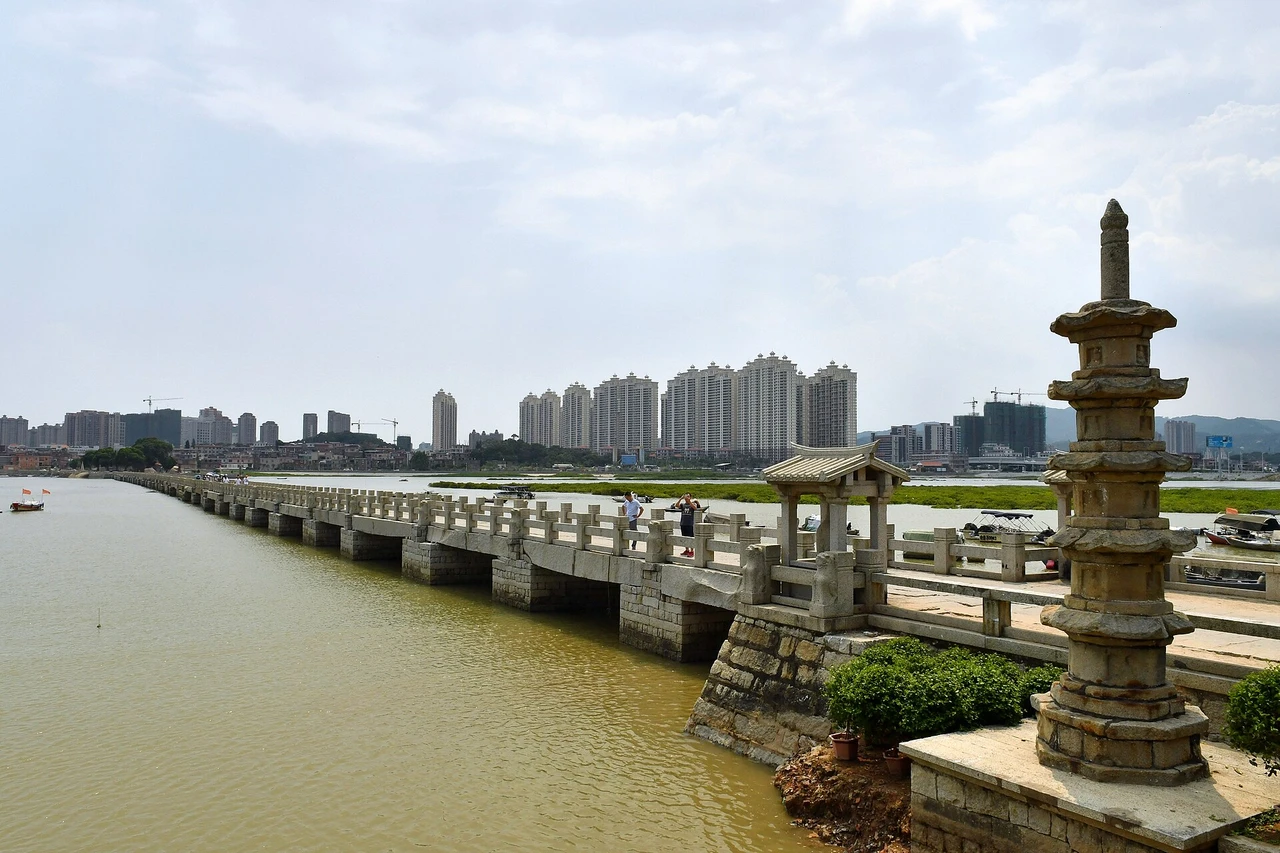
泉州
Quanzhou
Quanzhou was the largest port in the world in the Song and Yuan, and the old town keeps the evidence: a Tang Buddhist temple, a Song mosque, Manichaean and Hindu carvings, and a living street culture of temple fairs and noodle stalls. Half an hour from Xiamen and almost no foreign visitors.
At a glance
- Stay
- 2–2 days
- Best seasons
- Oct–Apr
- Airports
- Rail or road access
- Region
- East China
China Unhurried editorial team · Owner-authored
Places to begin
Make the city tangible.
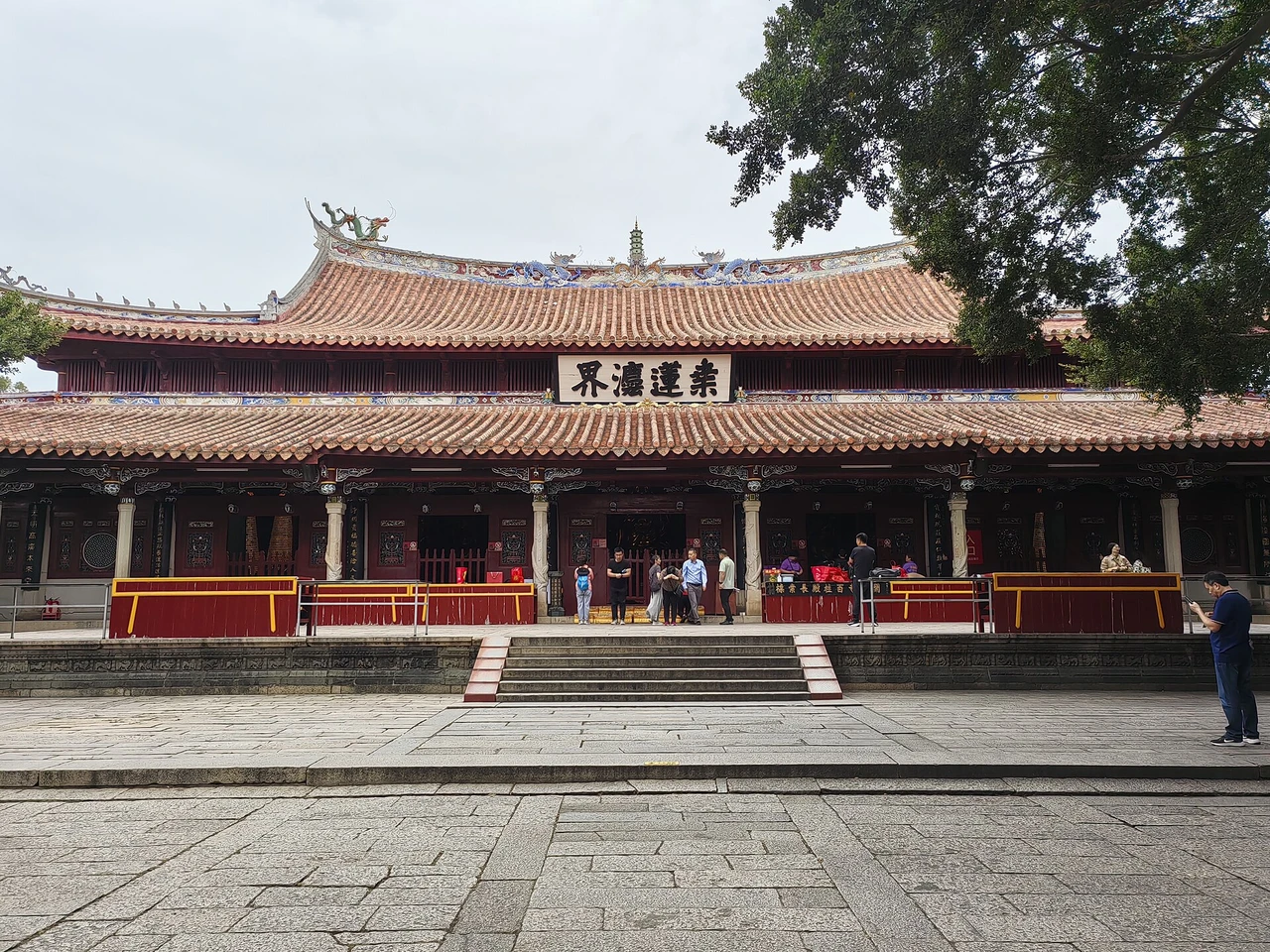
开元寺
Kaiyuan Temple
A Tang temple with twin stone pagodas and Hindu carvings on the pillars. Free.
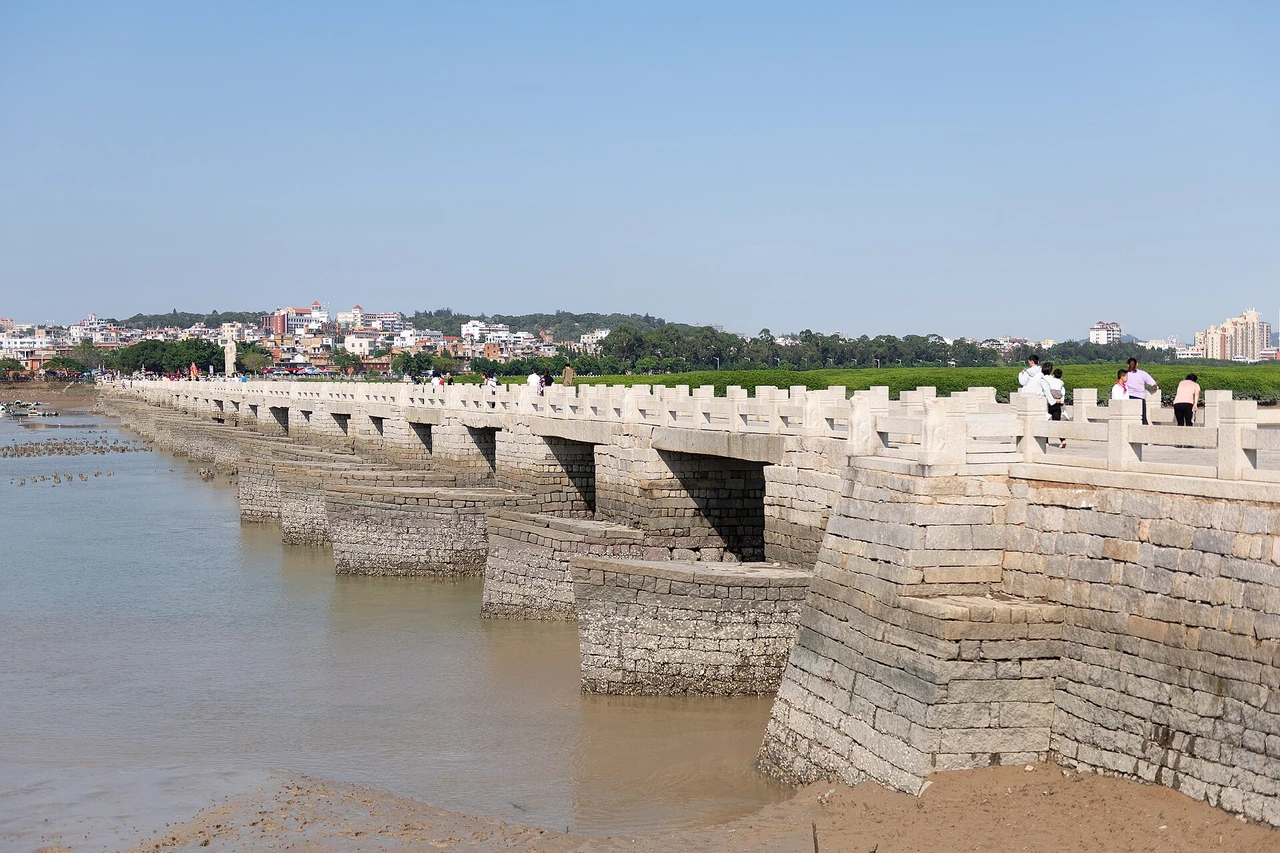
洛阳桥
Luoyang Bridge
A Song stone bridge across an estuary, its piers grown with oysters on purpose.
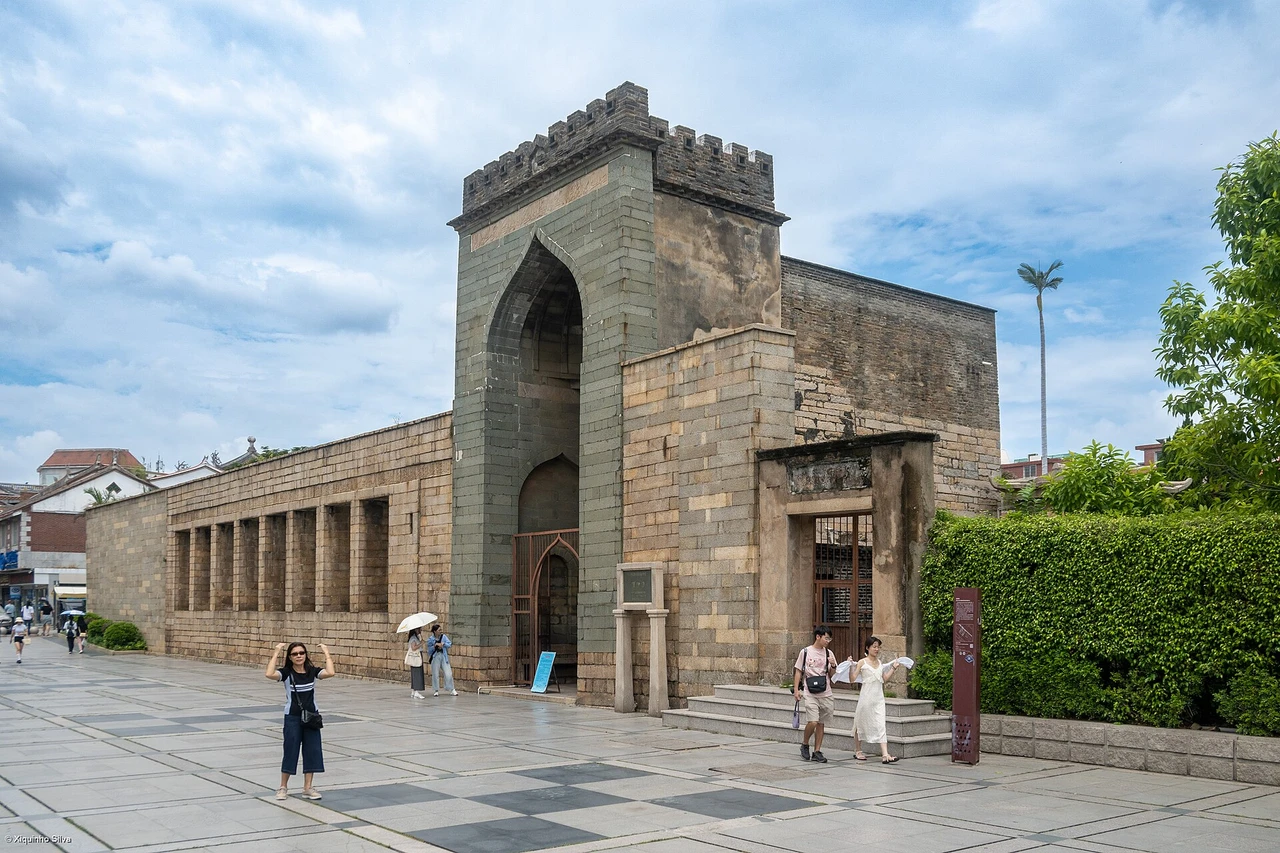
清净寺
Qingjing Mosque
A mosque from 1009 in Arab style, roofless and quiet. The oldest in China.
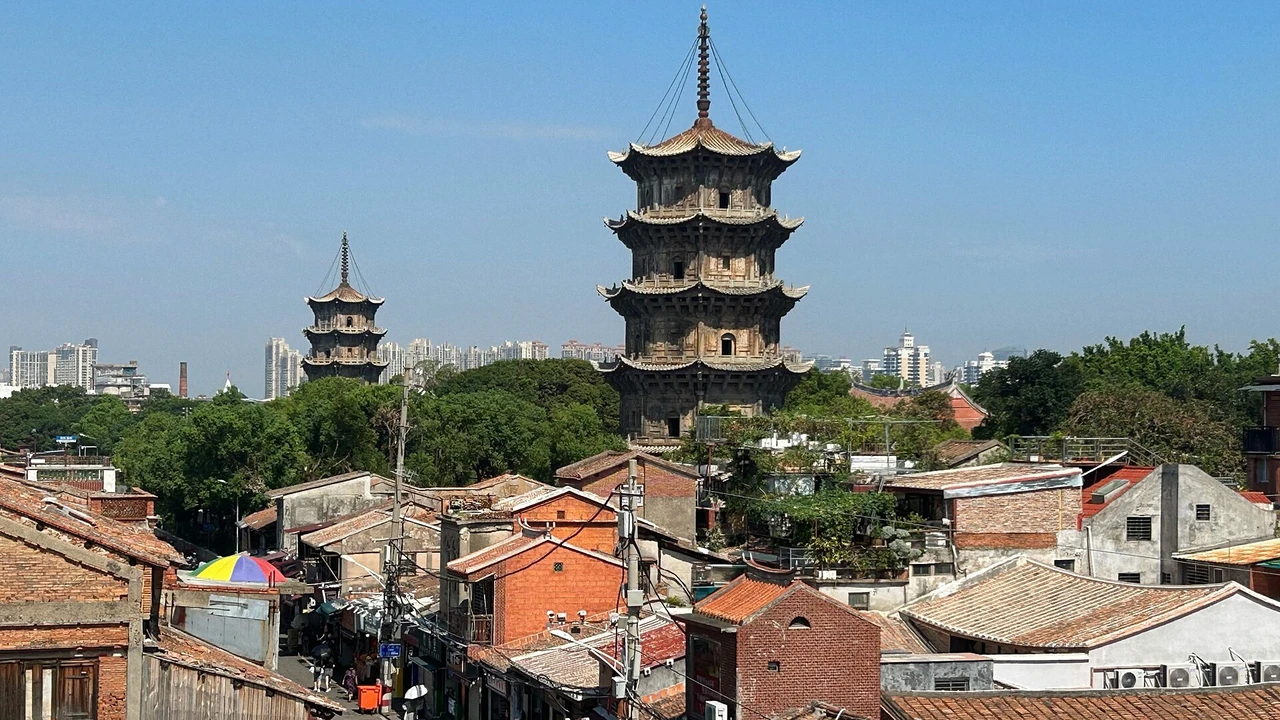
西街
West Street
The old high street, red brick and snack stalls, with lanes worth every detour.
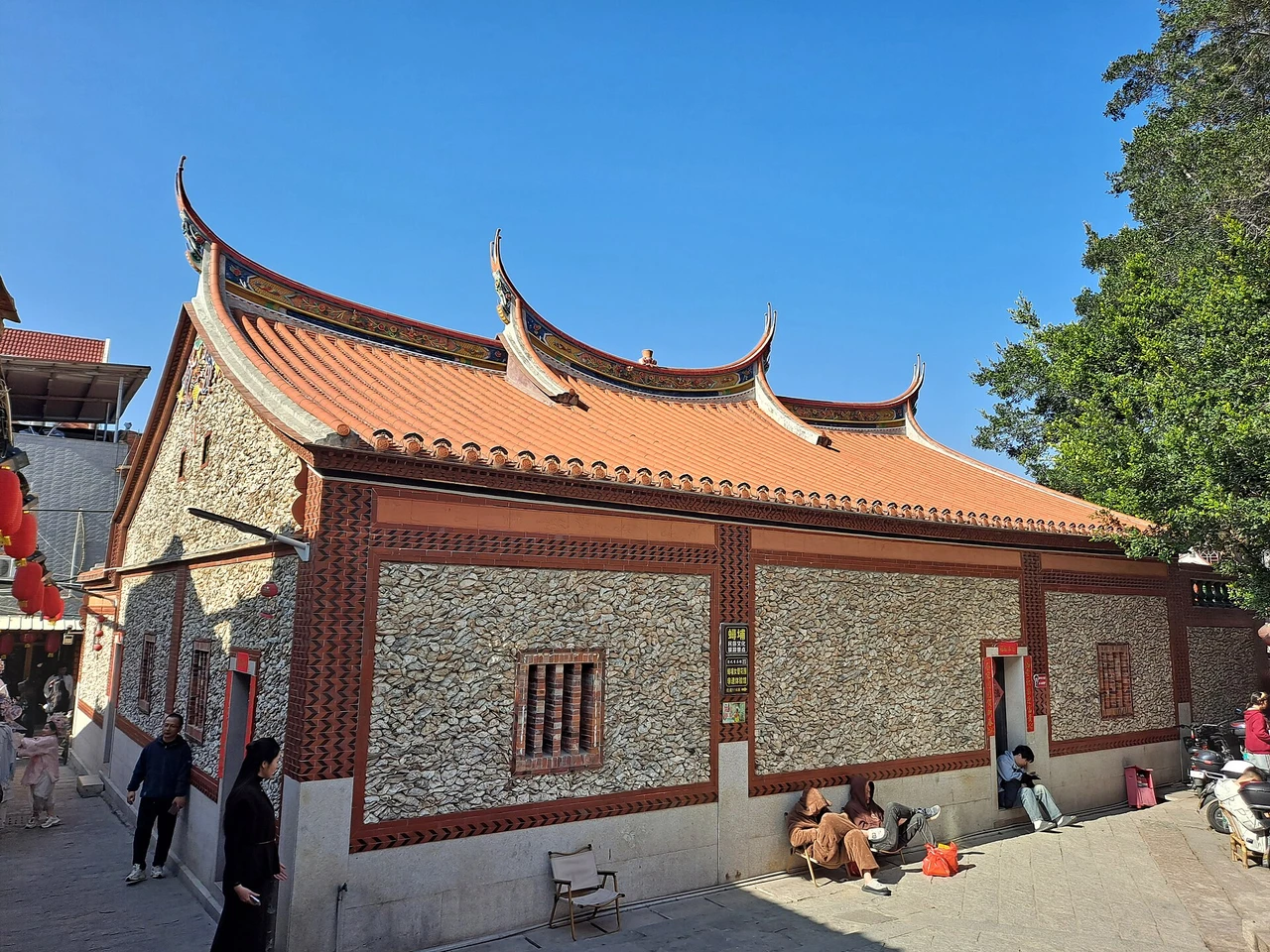
蟳埔村
Xunpu village
A fishing village of oyster-shell houses where the women wear rings of fresh flowers.
泉州天后宫
Quanzhou Tianhou Temple
Quanzhou Tianhou Temple is one of the most important surviving centres of Mazu worship, positioned near the former southern gate and harbour approaches. Its successive halls, decorative roofs and ritual spaces show how seafarers and merchants sought protection before dangerous voyages. The temple also reveals the outward movement of beliefs with Fujian communities across coastal China and overseas trade networks.
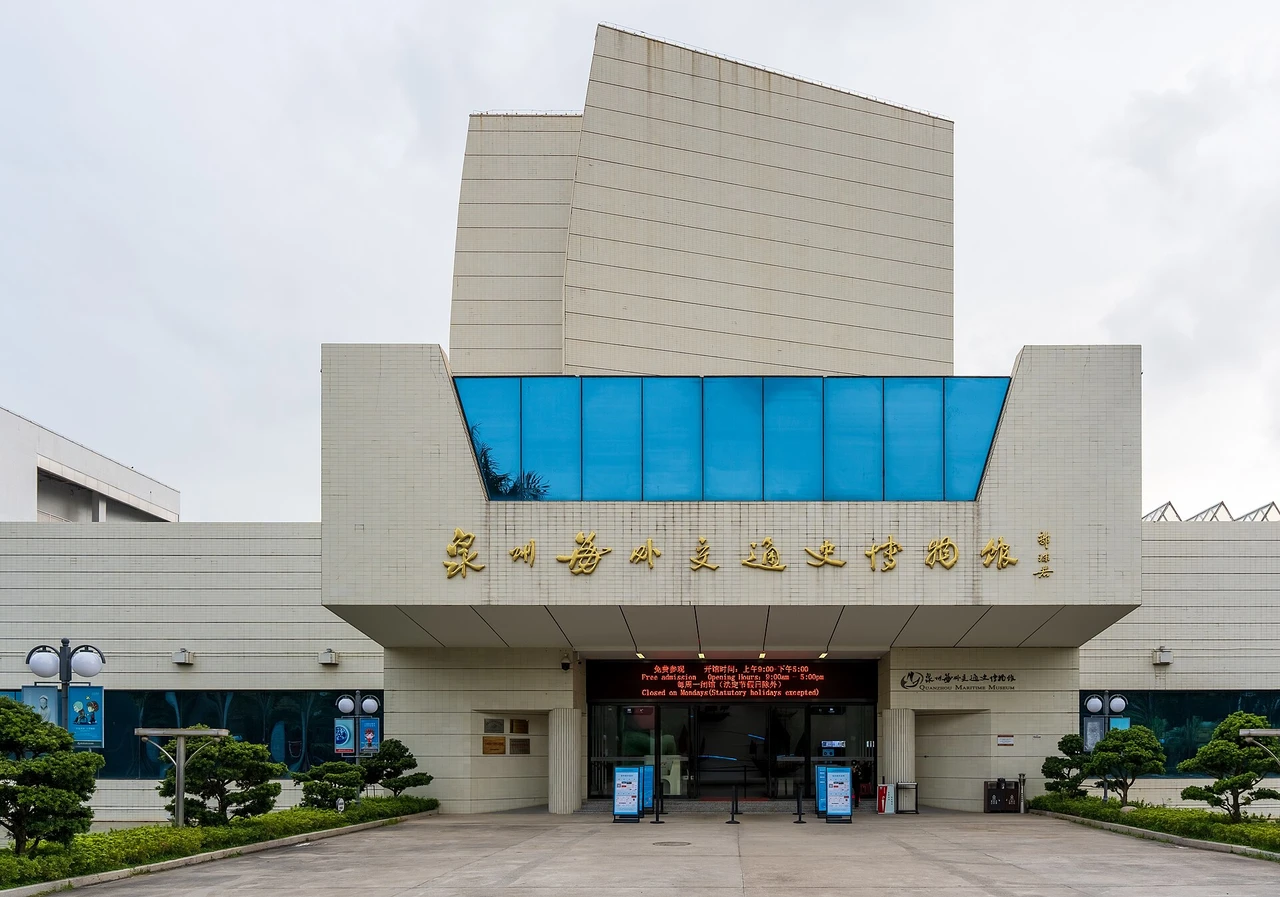
泉州海外交通史博物馆
Maritime Museum
Tombstones in Arabic, Syriac and Latin, and a Song sea-going ship. Free.
Local snacks
Taste the city, one dish at a time.
These cards describe dishes, not restaurants. Images are added only after their license and attribution are verified.
Rich, sticky, savoury and gently sweet
Quanzhou Meat Zongzi
泉州肉粽
Glutinous rice is wrapped with a generous savoury filling that can include braised pork, mushroom, dried seafood, chestnut or egg yolk, then served with sweet-chilli or peanut-based sauce.
Fillings vary widely. Ask about pork, shellfish, peanuts and egg before ordering, and share one if sampling several old-city foods.
Aromatic, warming, savoury and gingery
Ginger Duck
姜母鸭
Duck is slowly braised with abundant old ginger, sesame oil, rice wine and spices until the meat absorbs a warm, aromatic sauce and the ginger softens.
Usually ordered as a shared pot rather than a small snack. It contains bones, sesame and cooking alcohol; confirm portion size and dietary concerns.
Briny, crisp-edged, soft and savoury
Quanzhou Oyster Omelette
海蛎煎
Small oysters are bound with a sweet-potato-starch batter, egg and often garlic chives, then pan-fried so the edges crisp while the centre stays soft and briny.
Eat hot and ask about shellfish handling if you have allergies. Texture differs from a dry omelette because the starch centre is intentionally soft.
Silky, savoury and highly customisable
Mianxian Paste
面线糊
Very fine wheat noodles are cooked into a silky, lightly thickened broth and customised with toppings such as seafood, pork offal, egg, fried dough or herbs.
Common at breakfast. Point to toppings one by one and ask whether the broth contains pork or shellfish; the noodles contain gluten.
City essentials
The practical details, when you need them.
Places and local food come first. Open these notes for context, arrival and neighbourhood advice.
Overview+
ZHEJIANGJIANGXIGUANGDONGHONG KONGQuanzhou
Zaytun, as Arab traders called it, sent silk and porcelain out and took in every religion that arrived by sea. UNESCO listed the whole trading system in 2021, and the sites are scattered through a town that has not been tidied up for tourists: incense in the lanes, opera on temple stages, scooters everywhere.
West Street and the Kaiyuan Temple are the centre of it. From there everything is walkable, in red-brick lanes with swallowtail roof ridges. Go out to Xunpu, where the women wear flowers in their hair and the houses are built from oyster shells, and to the Luoyang Bridge, a Song stone causeway across an estuary.
Quanzhou is hot and humid from May to September. Winter is mild and the best time to walk.
Getting there+
**Quanzhou** station is on the coastal high-speed line, ten kilometres north of the old town: Xiamen North in about half an hour, Fuzhou an hour, Shanghai around five and a half. **Jinjiang (JJN)** airport is half an hour south with domestic flights; most people fly to Xiamen.
**Rail tip.** Your passport is your ticket. Book on 12306 or [Trip.com](/go/trip?to=trains&from=city-rail), then go straight to the gate. See [Getting around](/guides/getting-around). The Trip.com link earns us a small commission at no cost to you ([how that works](/about#affiliate)).
**Stay online.** Google, WhatsApp and Instagram are blocked on Chinese networks; a travel eSIM that roams gets around it. Install one before you fly — [Saily](/go/saily?from=city-esim) takes US$5 off a first plan with the code **CHINA**. See [Staying online](/guides/staying-online). The code earns us the same amount in Saily credits, at no cost to you ([how that works](/about#affiliate)).
Where to stay+
West Street and the old town
西街·古城
Lanes around the Kaiyuan Temple. Guesthouses in old brick houses. The place to be.
Everything in the old town is within twenty minutes on foot. Ask for a room away from West Street itself, which is loud in the evening.
first visitatmospherefood
Fengze
丰泽
The newer district toward the station. Bigger hotels, less character.
Close to the high-speed station and the bus routes. A short taxi to the old town.
conveniencetransit
**Booking.** Compare hotels in Quanzhou on [Trip.com](/go/trip?to=hotels&city=quanzhou&from=city-stay), filtered to its China travel essentials list: English-speaking staff, foreign cards, guest rating 8 or higher. See [Where to stay](/guides/where-to-stay). Booking through this link earns us a small commission at no cost to you ([how that works](/about#affiliate)).