
厦门
Xiamen
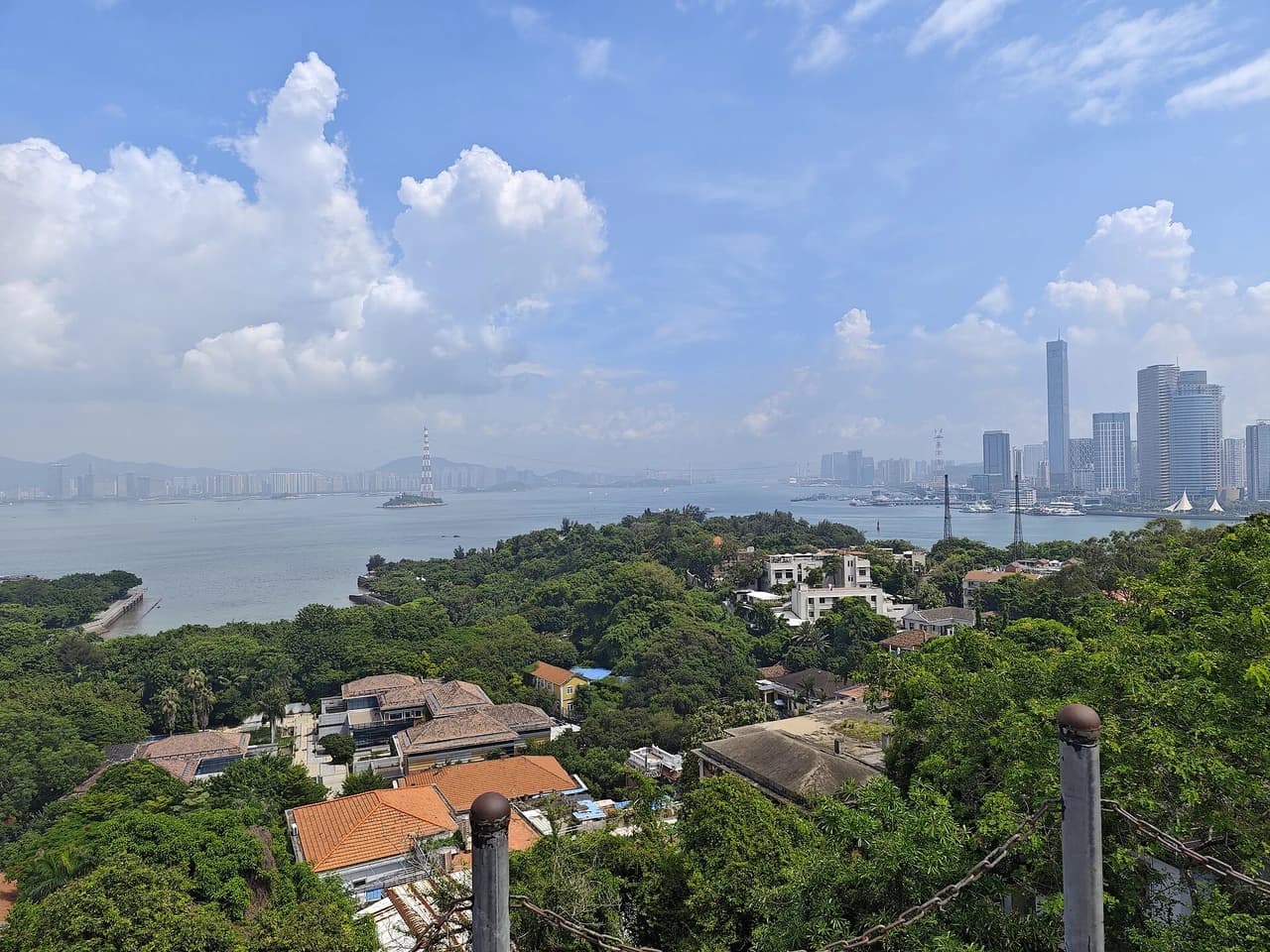
Xiamen is a subtropical port city. The historical international community of Gulangyu Island, Minnan temples and forts, university districts and the still living island coast together form the urban character. Ferry and cross-island transportation require advance planning, but each area is suitable for walking; the beach belongs to the urban coastline, and swimming conditions and the impact of typhoons must be confirmed on site.
At a glance
- Stay
- 2–3 days
- Best seasons
- Oct–Dec, Mar–Apr
- Airports
- Rail or road access
- Region
- East China
Last updated: 9/29/2026
First visit
Arrive and settle in Xiamen
Start with arrival and where to stay, then choose your sights. Recheck transport and accommodation details before booking.
Getting there+
Gaoqi (XMN) is on the main island, twenty minutes from the centre by taxi or metro line 1. High-speed trains from Fuzhou take about an hour, Shenzhen two and a half, Guangzhou four, Shanghai five to six. Most of them use Xiamen North on the mainland, a metro ride away; some use Xiamen station on the island.
Rail tip. Your passport is your ticket. Book on 12306 or Trip.com, then go straight to the gate. See Getting around. The Trip.com link earns us a small commission at no cost to you (how that works).
Stay online. Google, WhatsApp and Instagram are blocked on Chinese networks; a travel eSIM that roams gets around it. Install one before you fly — Saily takes US$5 off a first plan with the code CHINA. See Staying online. The code earns us the same amount in Saily credits, at no cost to you (how that works).
Where to stay+
Gulangyu
鼓浪屿
Villa guesthouses on the car-free island. One night at least.
Book ahead; the island's guesthouses are small. Ferries stop late in the evening, so you are committed once you are there, which is the point.
atmospherequietarchitecture
Shapowei and the old town
沙坡尾·中山路
Harbour cafés, arcaded streets, the university next door.
The south-west corner of the main island. Everything is walkable, the ferry pier is close, and there are hotels of every size.
first visitcaféswalking
Zengcuo'an and the coast road
曾厝垵·环岛路
A fishing village turned guesthouse strip on the beach. Fun, not quiet.
Busy with snack stalls and hostels. Good for a night if you want the sea outside the window and do not mind noise.
beachyoung crowd
Booking. Compare hotels in Xiamen on Trip.com, filtered to its China travel essentials list: English-speaking staff, foreign cards, guest rating 8 or higher. See Where to stay. Booking through this link earns us a small commission at no cost to you (how that works).
Overview+
ZHEJIANGJIANGXIGUANGDONGHONG KONGXiamen
The main island holds the old town, the university and a coastal road that loops the whole thing. Across a short strait sits Gulangyu, a former international settlement with no cars, no bikes, and several hundred villas in various states of elegant decay. Sleep on Gulangyu for a night if you can: the day-trippers leave on the last ferry and the lanes go quiet.
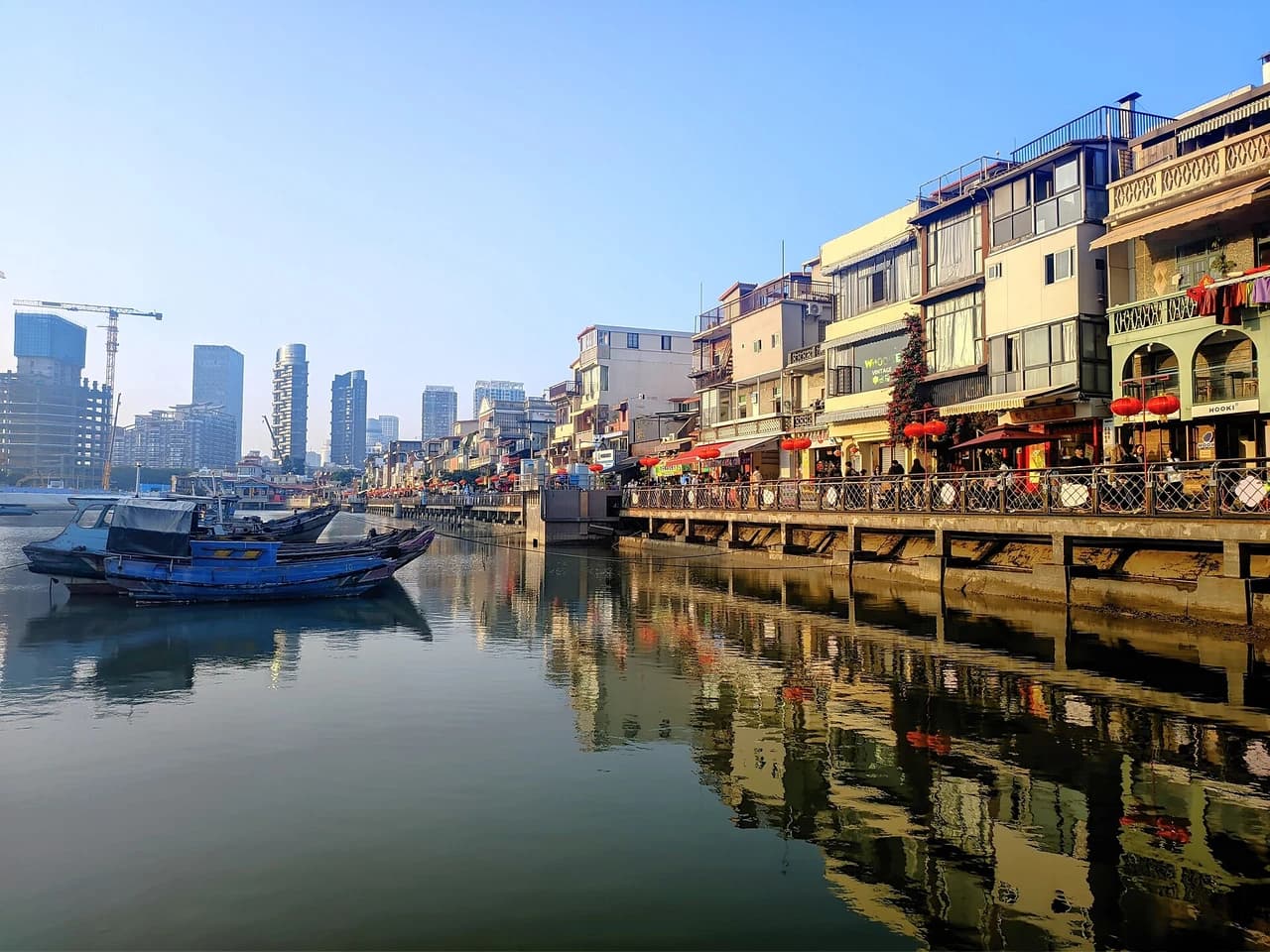
Back on the main island, Shapowei is the old fishing harbour turned café quarter, Zhongshan Road is the arcaded shopping street, and the university campus and Nanputuo Temple sit together at the south end.
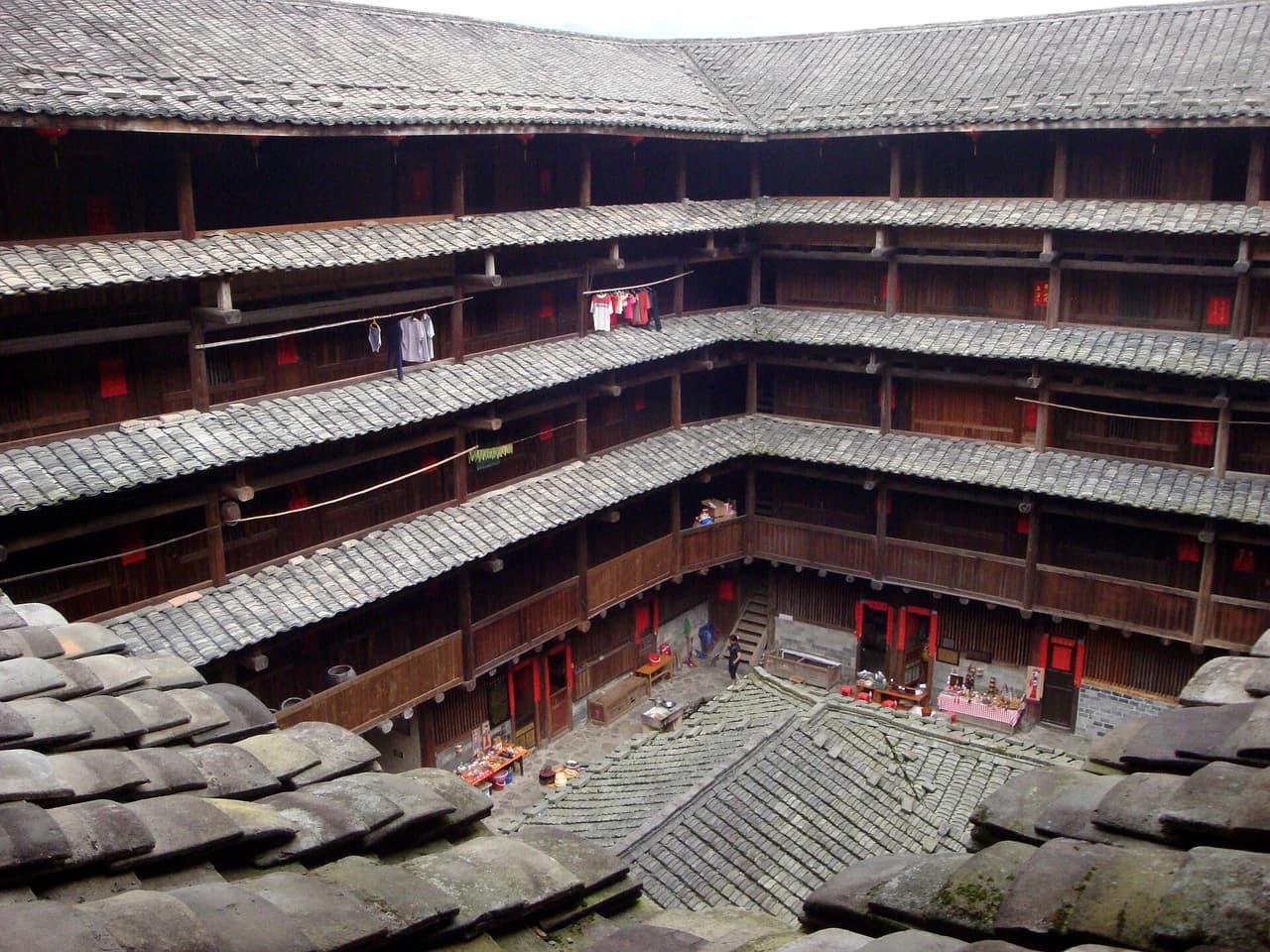
It is a coastal city, so plan for rain in spring, typhoons in late summer, and the loveliest weather from October to December. The Hakka tulou roundhouses are three hours inland and make a good overnight.
Where next?
Save places you like, then use your saved list to build a trip.
Practical travel guides
Places to explore in Xiamen
Shapowei
沙坡尾
Xiamen's century-old fishing port is a cultural and artistic district renovated. The Art West District, Shelter, and Daxue Road are concentrated, blending the old and the new. It is the filming location for movies and TV shows such as "The Beginning" and "Secretly Can't Hide".
Gulangyu
鼓浪屿
Located in the southwest corner of Xiamen, facing Xiamen Island across the Lujiang River, it covers an area of approximately 1.88 square kilometers. In 2017, it was listed as a World Heritage Site as a "Historic International Community" and is known as the "Architecture Expo of All Nations" and "Piano Island".
Fujian tulou
福建土楼
Fujian earth buildings are traditional Hakka rammed earth buildings. They are mainly distributed in Zhangzhou Nanjing (Tianluokeng "Four Dishes and One Soup", Yunshuiyao, Yuchang Building) and Longyan Yongding (Chengqi Building "Tulou King", Zhencheng Building "Tulou Prince", Chuxi Tulou Group). They are not Xiamen attractions. Their inclusion in the "Xiamen Tourism Platform" is a platform classification issue and needs to be marked separately. Many earth buildings are world cultural heritage.
Huandao Road
环岛路
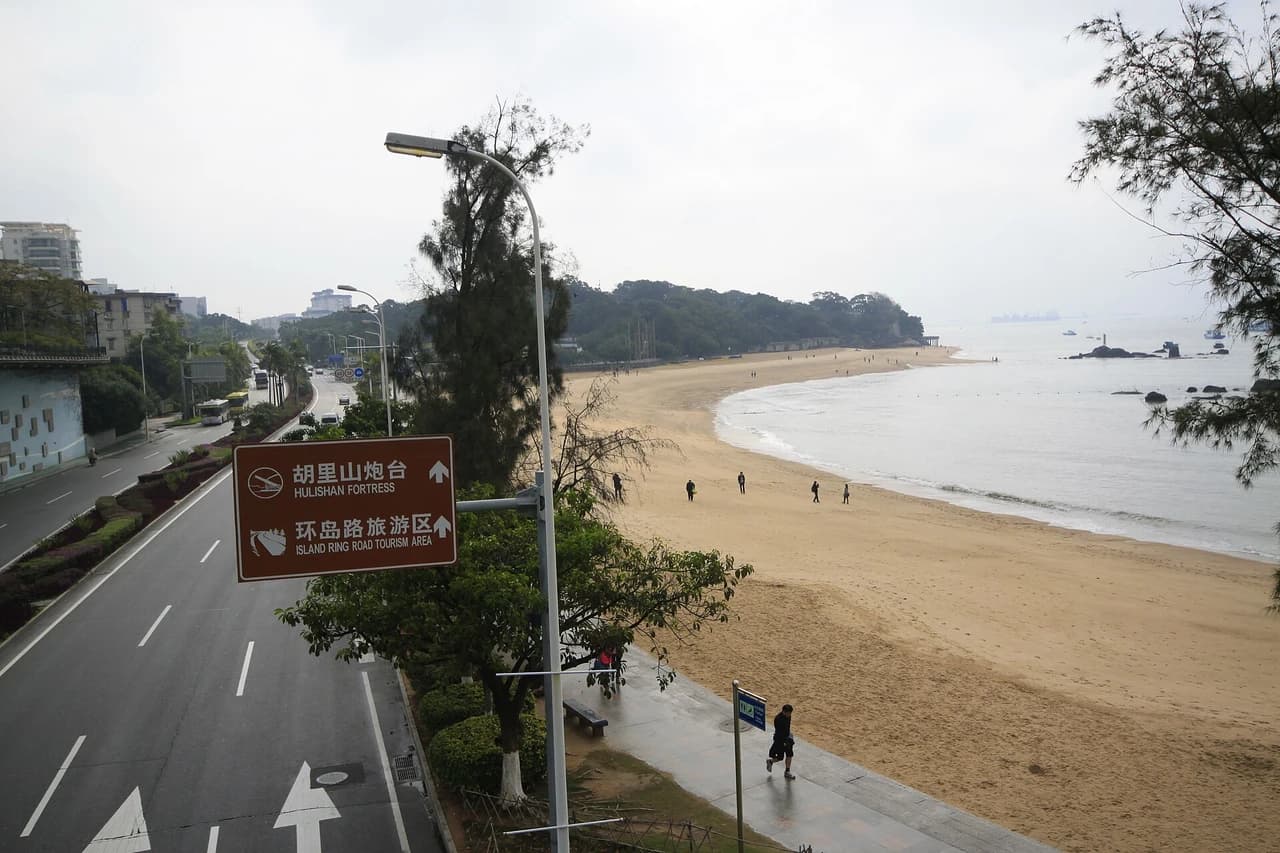
Xiamen's "most beautiful coastline" is surrounded by mountains and the sea, connecting Baicheng Beach, Zengcuo'an, Huangcuo Beach, Yefengzhai, etc. It is a classic route for cycling to see the sea and chase the sunset.

Kulangsu Historic International Settlement
鼓浪屿历史国际社区
Gulangyu Island is a pedestrian-oriented island community that was shaped by residents of southern Fujian, overseas Chinese, and expatriates from multiple countries after the opening of Xiamen. The value of the World Heritage is not only in individual villas, but also includes streets, gardens, coastal environments, and architectural complexes that integrate multiple traditions and form Xiamen's decorative style, recording cultural exchanges from the mid-19th century to the mid-20th century.
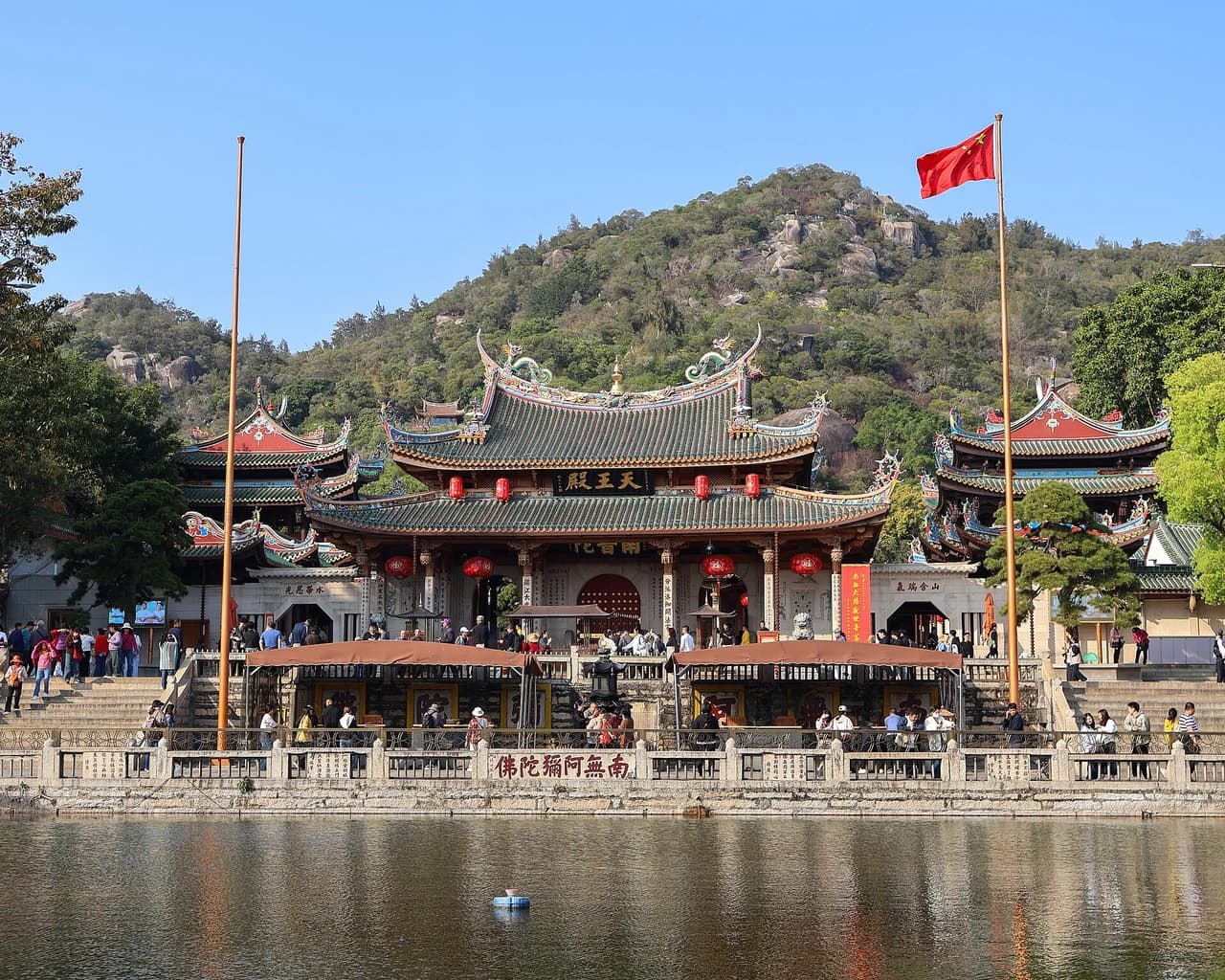
Nanputuo Temple
南普陀寺
Nanputuo Temple is located at the foot of Wulao Peak. The Buddhist hall is spread out along the rising central axis, with cliff inscriptions and tree-shaded courtyards. The temple has been built many times in the past dynasties, and today it is still a place for religious activities, rather than simply an ornamental attraction. The space for worshiping Buddha, the vegetarian tradition and the mountain background all illustrate its continued influence in Xiamen.

Xiamen Botanical Garden
厦门园林植物园
The Xiamen Garden and Botanical Garden stretches along hills, reservoirs and granite landforms, with specialized gardens for tropical plants, succulents and rainforests. The distance between each area is not short, and it is necessary to plan the route first; this is not only a scientific plant collection, but also an urban ecological space, and should not just be used as a highly staged background.
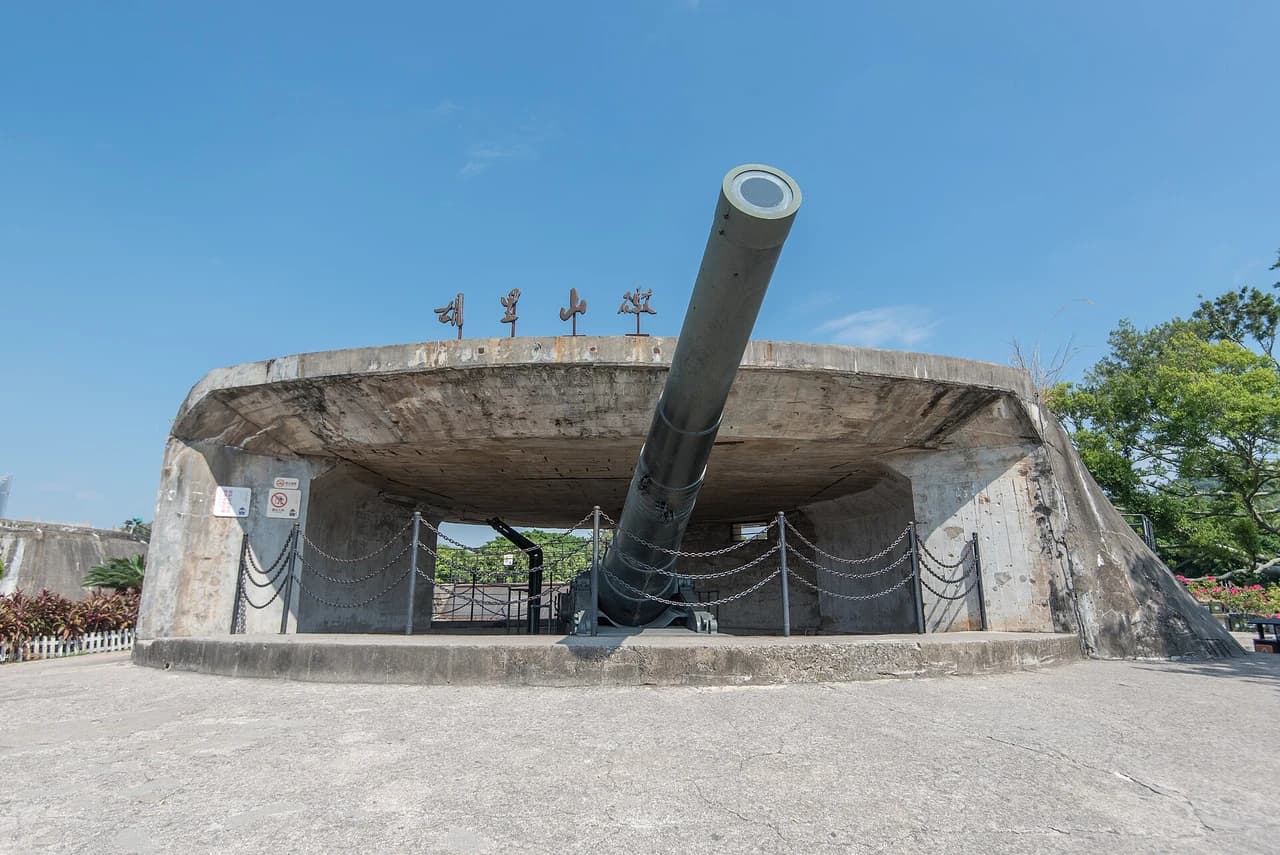
Hulishan Fortress
胡里山炮台
Hulishan Fort was built in the late Qing Dynasty and is part of Xiamen's coastal defense system. Granite walls, barracks, tunnels and artillery remains, including the large Krupp gun, show how foreign military technology was embedded in China's coastal defense projects; the location facing the strait links the history of technology with real maritime geography.

Jimei School Village
集美学村
Jimei Mei Village originated from the educational institution founded by overseas Chinese leader Tan Kah Kee. The campus and public buildings combine southern Fujian roofs, arcades and modern structures into a distinctive Kah Kee style. It still serves an educational function today, and its value lies in the continued use of a public cultural landscape rather than a closed building park.
Local snacks
What to eat in Xiamen
These cards describe dishes, not restaurants.

Nutty, salty, sweet and spicy
Xiamen Satay Noodles
沙茶面
The noodles are put into a rich and slightly spicy sand tea soup base, and then you choose seafood, soy products, meatballs, offal or vegetables. The seasoning reflects the trade exchanges between southern Fujian and Southeast Asia.
Ingredients should be selected on an item-by-item basis and allergies or dietary restrictions such as peanuts, sesame seeds, crustaceans and offal should be confirmed.

Seafood, egg flavor, soft and chewy with sweet and spicy taste
Xiamen Oyster Omelette
海蛎煎
Small oysters are combined with eggs and sweet potato powder, and fried with vegetables until the edges are slightly crispy and the inside is soft. It is usually served with sweet and spicy sauce.
It should be eaten hot and choose a restaurant with a steady flow of customers. This snack is not suitable for people with allergies to crustaceans and eggs.

Sweet, peanut flavor, soft and waxy
Xiamen Peanut Soup
花生汤
Peeled peanuts are slow-cooked until they are very soft and glutinous. The soup is milky white and sweet. It is a warm dessert that is often paired with fried dough sticks or snacks.
People with peanut allergies must avoid it and ask about sweetness and fried foods before ordering.

Cold, salty, garlicky and sour
Sea-worm Aspic
土笋冻
After the colloid-rich seafood star worms are boiled, the soup is cooled and condensed into a transparent salty jelly, which is served with garlic, vinegar and chili. The "bamboo shoot" in the name is just a description, and the raw material is actually marine star worms.
Before ordering, you should identify the ingredients and choose a store with standardized refrigeration, stable customer flow and good sanitary conditions.