
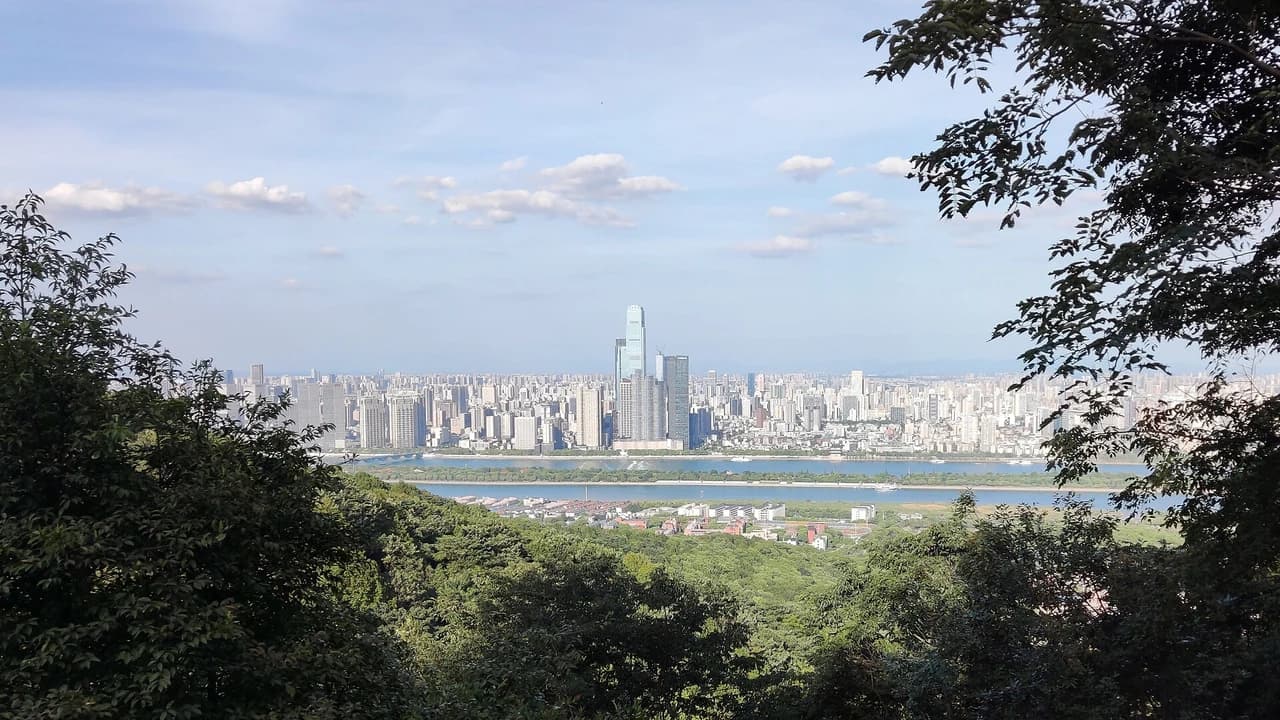
长沙
Changsha
Changsha is a vibrant Xiangjiang city where archeology, millennium academies, modern history, media culture and nighttime food economy overlap. The Xiangjiang River separates the main areas, but the subway connection is convenient; museums, Yuelu Mountain woodlands and community early mornings should be arranged outside the busy commercial core to avoid only seeing high-volume nightlife images.
At a glance
- Stay
- 2–2 days
- Best seasons
- Mar–May, Oct–Nov
- Airports
- Rail or road access
- Region
- Central China
Last updated: 9/29/2026
First visit
Arrive and settle in Changsha
Start with arrival and where to stay, then choose your sights. Recheck transport and accommodation details before booking.
Getting there+
Changsha South is the high-speed station: Wuhan an hour and a half, Guangzhou two and a half, Guilin about three, Shanghai around five. Metro line 2 runs from it through the centre. Huanghua (CSX) airport is linked to South station by a maglev in 20 minutes.
Rail tip. Your passport is your ticket. Book on 12306 or Trip.com, then go straight to the gate. See Getting around. The Trip.com link earns us a small commission at no cost to you (how that works).
Stay online. Google, WhatsApp and Instagram are blocked on Chinese networks; a travel eSIM that roams gets around it. Install one before you fly — Saily takes US$5 off a first plan with the code CHINA. See Staying online. The code earns us the same amount in Saily credits, at no cost to you (how that works).
Where to stay+
Taiping Street and the old town
太平街·老城
The lanes by the river where the night market is. Lively, central, walkable.
Between Wuyi Square and the river. Guesthouses in the old lanes and big hotels on the avenues. Everything eats within ten minutes.
first visitfoodnightlife
Yuelu
岳麓
Across the river under the mountain, among the universities. Green and calm.
Hotels and guesthouses around Hunan University and the foot of the mountain. Metro line 2 crosses the river to the centre in a few stops.
quietwalkingstudents
Booking. Compare hotels in Changsha on Trip.com, filtered to its China travel essentials list: English-speaking staff, foreign cards, guest rating 8 or higher. See Where to stay. Booking through this link earns us a small commission at no cost to you (how that works).
Overview+
HUBEIGUANGDONGGUANGXICHONGQINGGUIZHOUChangsha
Changsha eats and stays up. The old streets around Taiping Street and Pozi Street fill after dark with stalls and queues, and the city's tea shops have become a national obsession. It is young, loud and friendly, and the food is as spicy as its reputation.
The daytime city is quieter than you would expect. The Hunan Museum's Mawangdui galleries hold the tomb of Lady Dai, buried in 168 BC and found in 1972 with her skin still soft, along with silks, lacquer and the earliest maps in the country. Across the river, Yuelu Mountain is a forested park with the Yuelu Academy at its foot, teaching since 976.
The Xiang River divides the city; Orange Isle sits in the middle of it. Summer is hot and wet; the shoulder seasons are pleasant.
Where next?
Save places you like, then use your saved list to build a trip.
Practical travel guides
Places to explore in Changsha
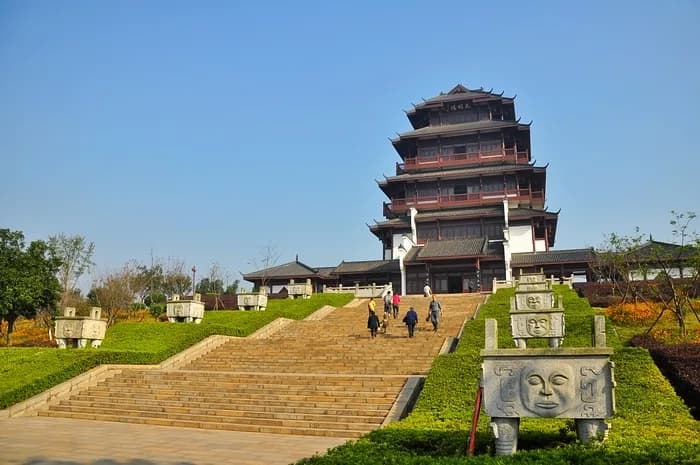
Huaminglou Scenic Area
花明楼景区
Huaminglou’s visitor route connects Liu Shaoqi’s former residence, memorial museum and surrounding gardens. Learn about his life through the exhibitions, then walk by the lake and pavilions. The residence, commemorative facilities and garden buildings differ in age and purpose; consult the on-site descriptions. Reference photographs show pavilions, lakeshores, the Wande ceremonial vessel and an aircraft display, not confirmation that every exhibition area is currently open.
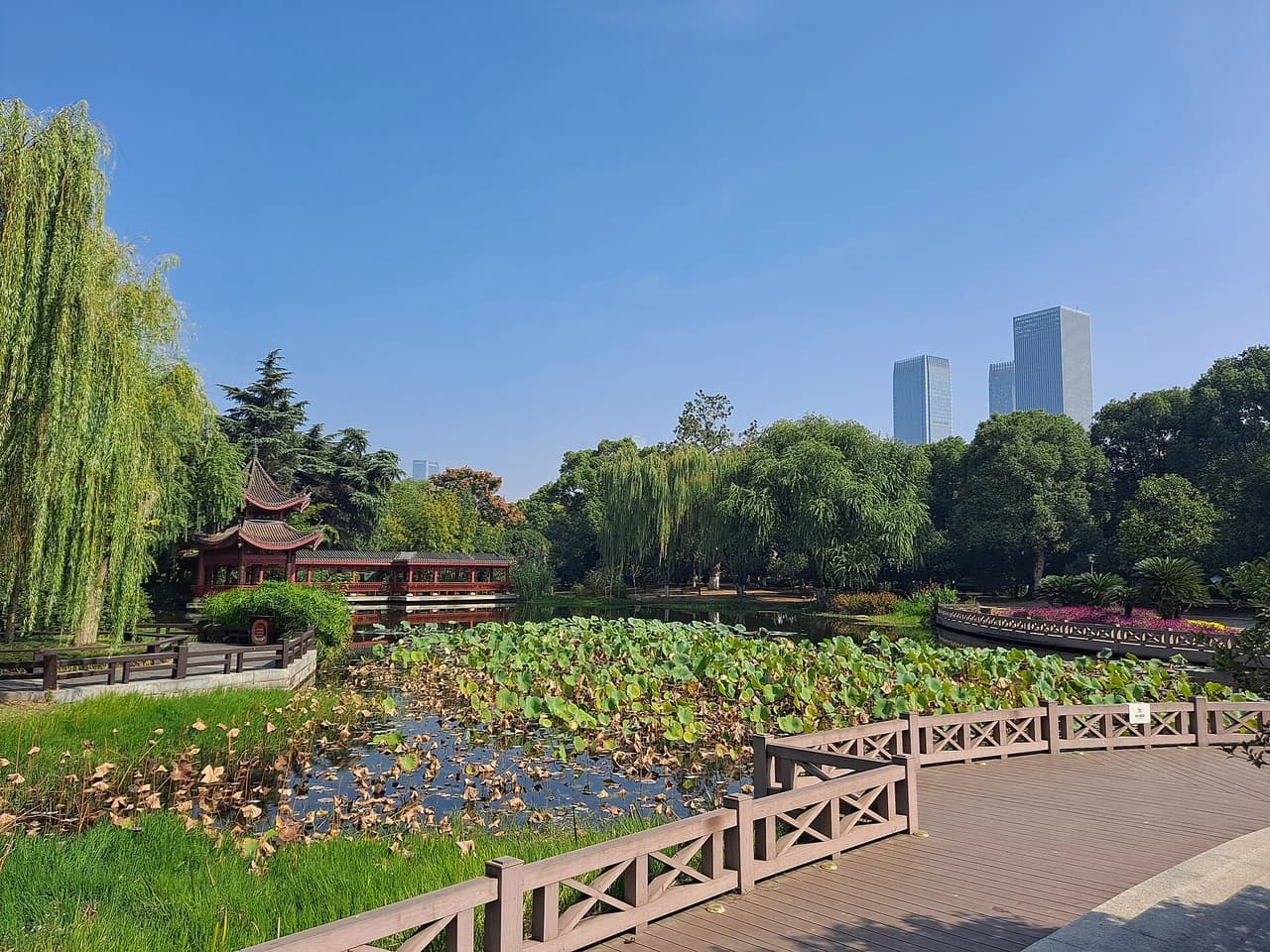
Orange Isle
橘子洲
Orange Isle is a long sandbar in the Xiang River, closely associated with Mao Zedong's poem 'Changsha'. A large sculpture of the young Mao stands near its tip and is one of the city's best-known landmarks. Metro Line 2 serves the island; check current access and shuttle arrangements, especially during holidays.
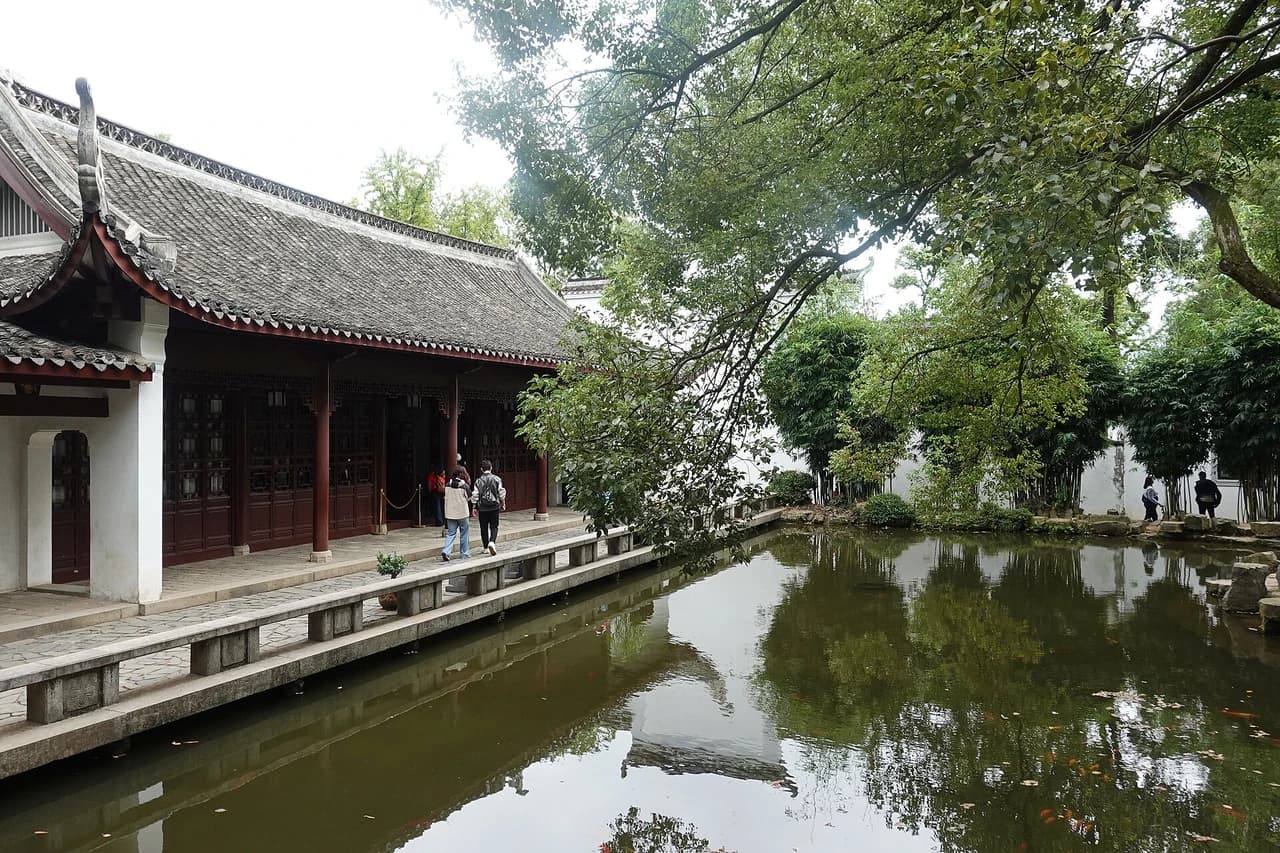
Yuelu Mountain and Academy
岳麓山·岳麓书院
Yuelu Mountain rises west of the Xiang River in Changsha, with views over the city and water. Yuelu Academy and Aiwan Pavilion at its foot connect the wooded landscape with local cultural history, while autumn maples draw many visitors. The mountain and academy may have different opening and reservation arrangements; check each official notice before you go.
Kaifu Temple
开福寺
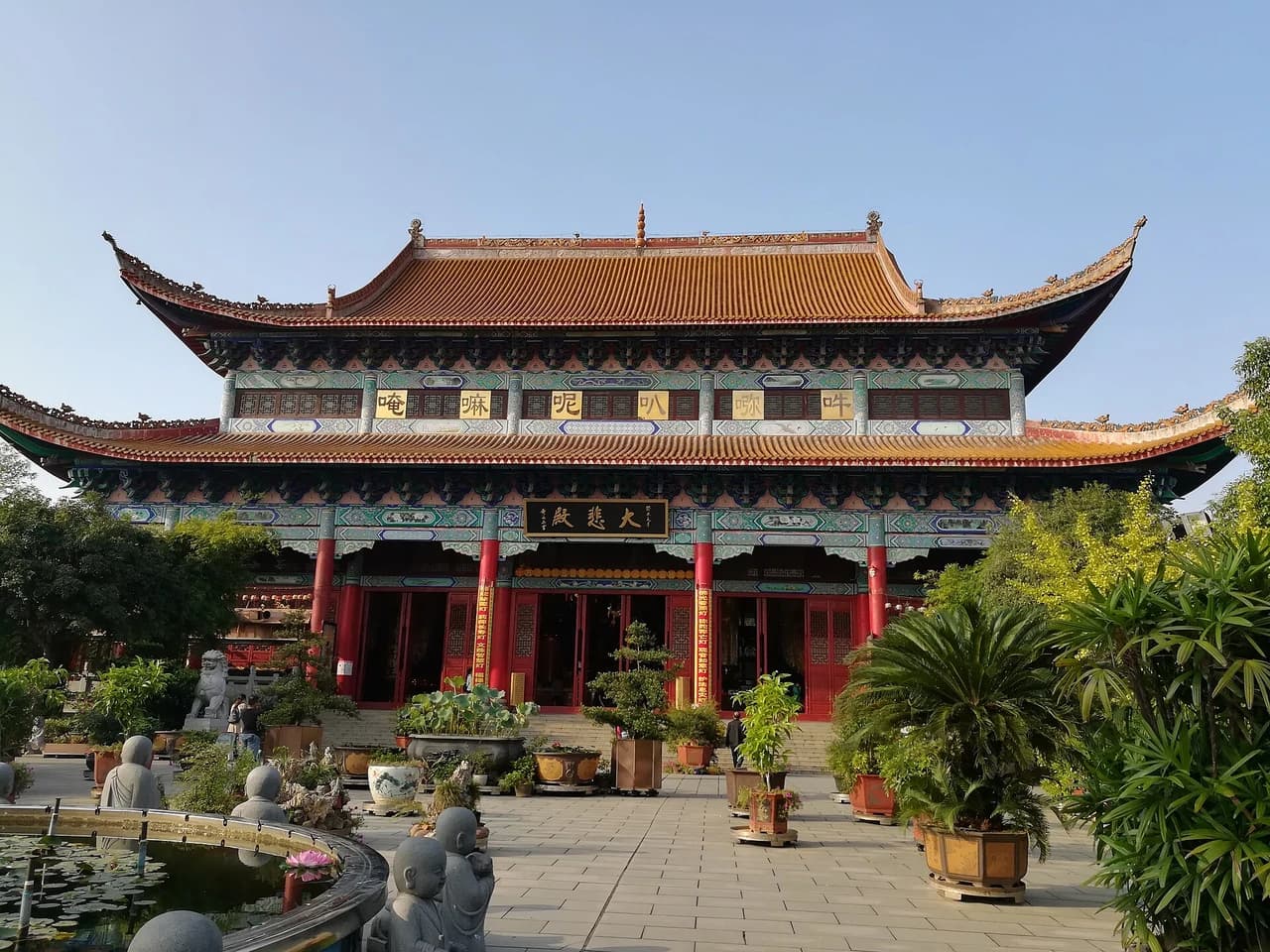
Kaifu Temple Ancient Kaifu Temple is a thousand-year-old temple in Changsha. It is a temple of the Yangqi sect of the Linji Sect of Zen Buddhism. It was built in the second year of Tiancheng (927) of the Later Tang Dynasty in the Five Dynasties. There is a saying among the people that "there was Kaifu Temple first and then Changsha City", and Kaifu District got its name from this. Take Exit 1 of Kaifusi Station of Metro Line 1 and walk about 300 meters. Please dress appropriately and do not take pictures of Buddha statues in the temple.
Taiping Street
太平街
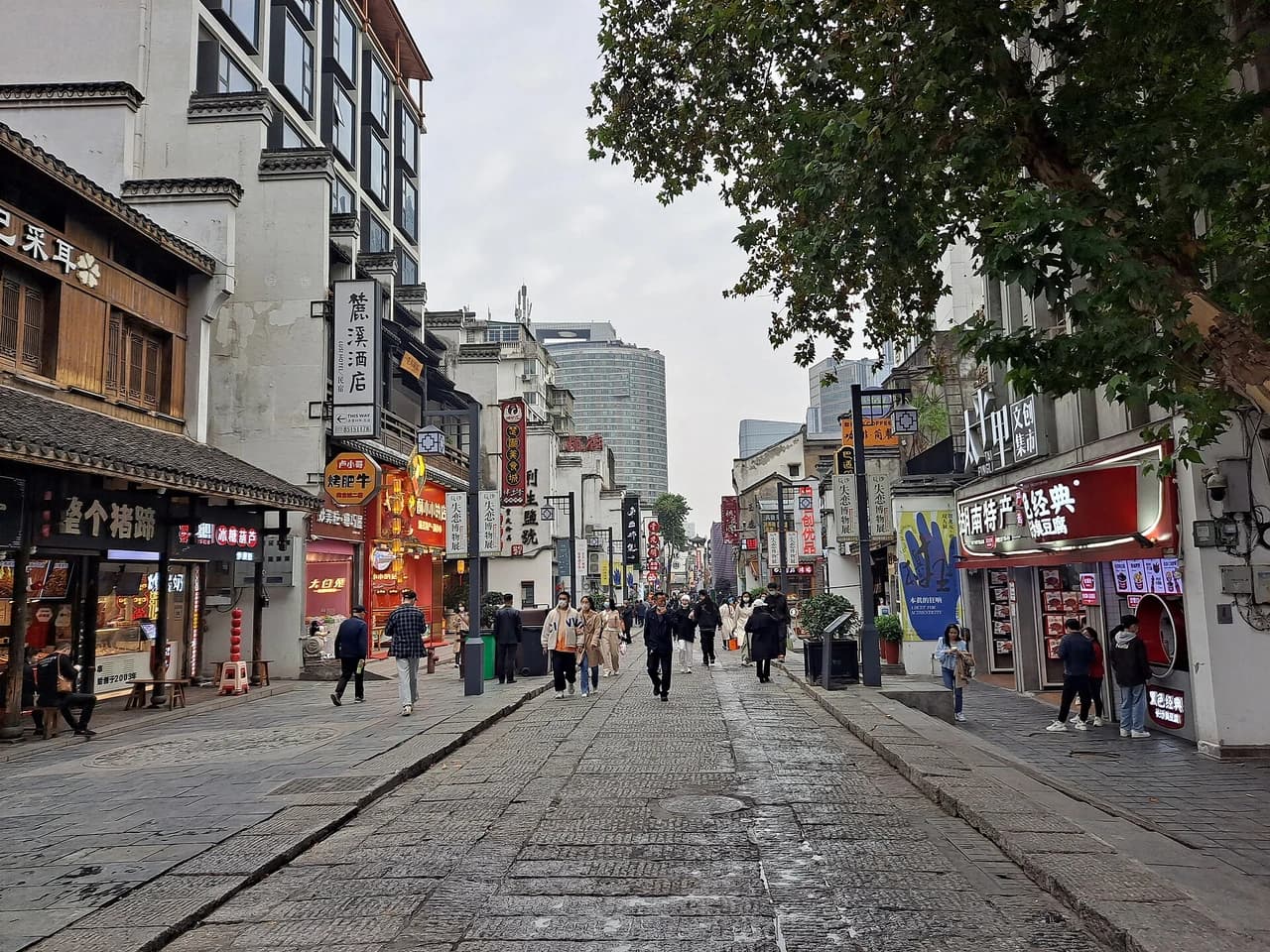
Taiping Street Taiping Street is one of the most complete thousand-year-old ancient streets in Changsha. The bluestone road, horse head wall, and wooden lattice windows reveal the charm of the Ming and Qing Dynasties. There are historical relics such as Jia Yi's former residence (Taifu Well is the oldest well in Changsha) in the street. You can get there from Huangxing Square Station on Metro Line 1 or Xiangjiang Middle Road Station on Line 2. There are Internet celebrity shops such as Black Classic Stinky Tofu and Cha Yan Yuese on the street, but the snacks on the main street are more tourist-priced. If you want to eat authentically, you can go to Nanmenkou and Dongguashan areas.
Zhangjiajie
张家界
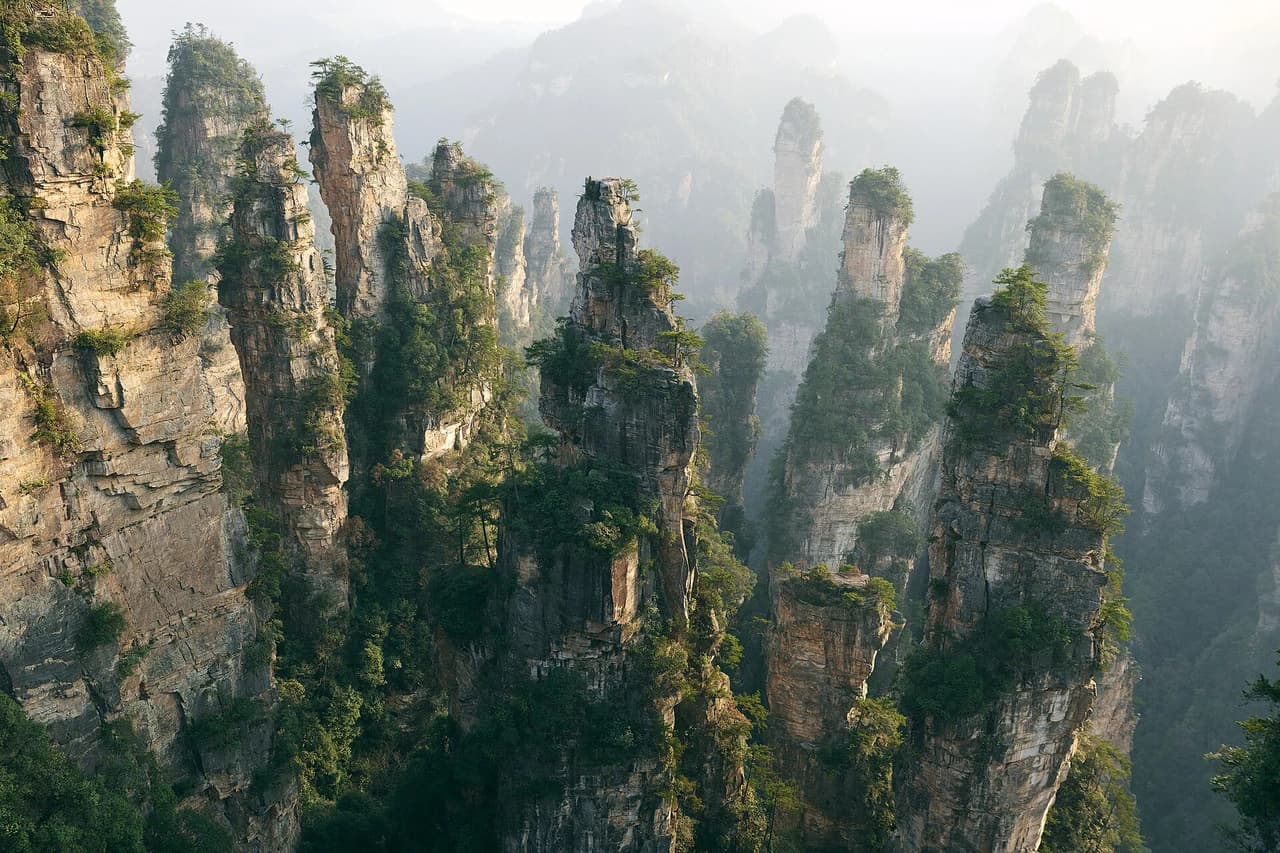
Zhangjiajie is located in the northwest of Hunan Province, not within Changsha City. Wulingyuan's quartz sandstone peaks, Jinbian Creek and Tianmen Mountain are its main natural landscapes; traveling from Changsha is a cross-city itinerary.
Yuelu Academy
岳麓书院
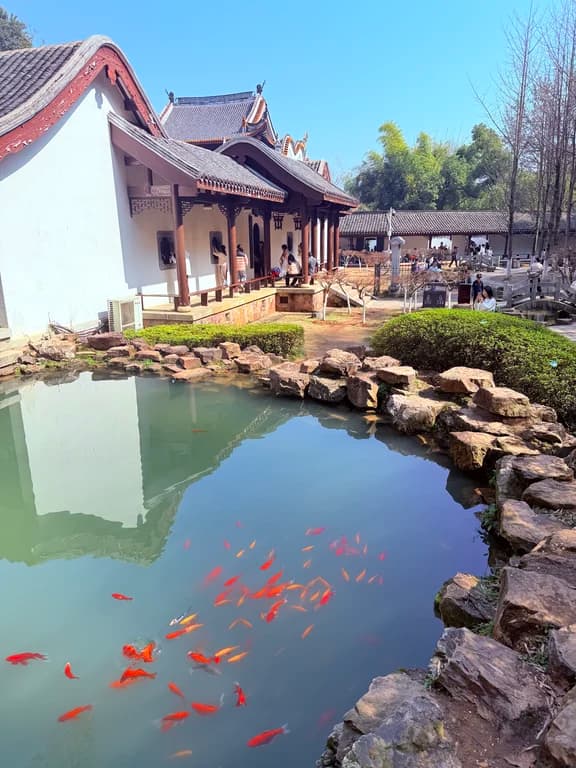
Founded in 976, Yuelu Academy has continued the Confucian educational tradition through the generations and gradually developed into the educational context of Hunan University. The gate, lecture hall, ancestral hall, inscriptions and gardens reflect how learning, etiquette and landscape are combined; the ongoing academic environment makes it different from the static restoration attractions, and also requires visitors to respect the university campus that is still in use.
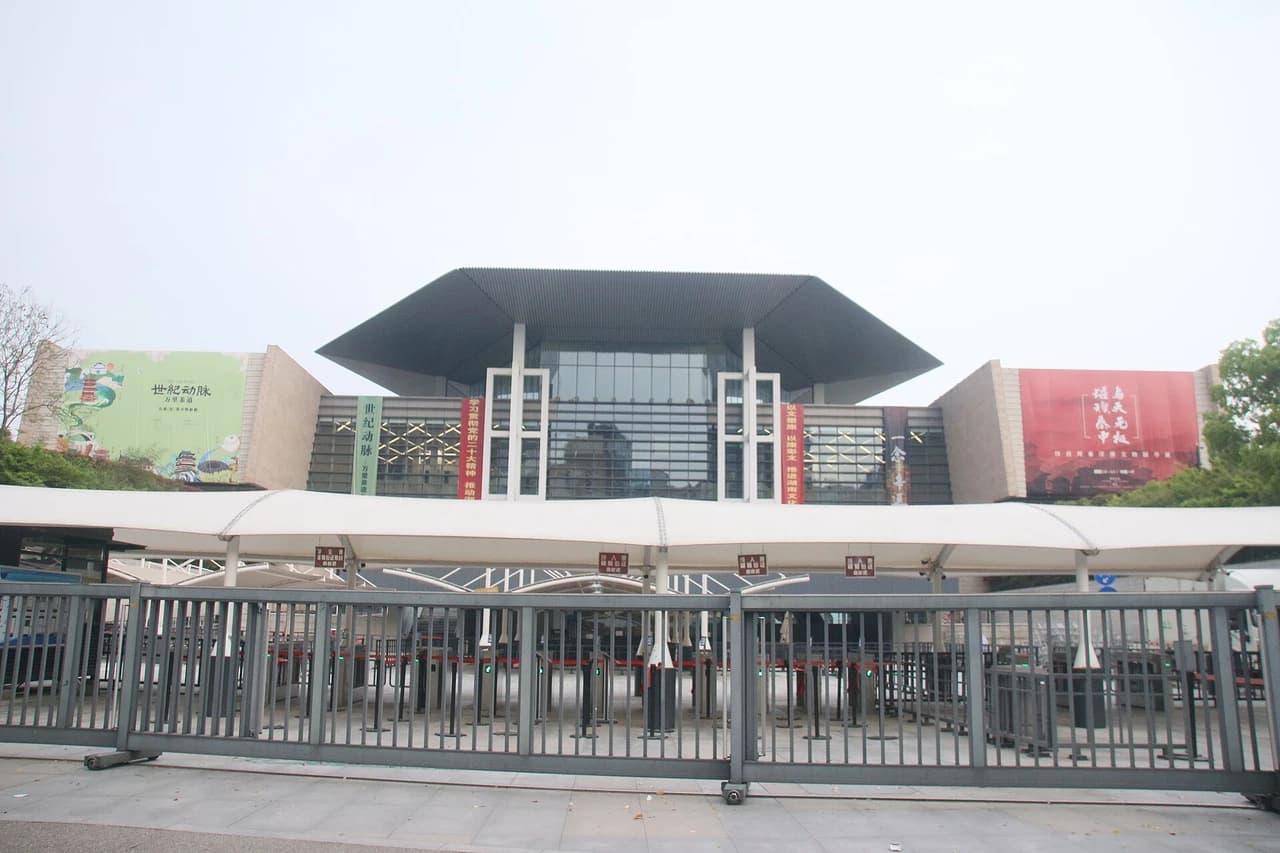
Hunan Museum
湖南博物院
The Hunan Museum takes the discovery of the Mawangdui Han Tomb as the core. Lacquerware, silk fabrics, silk books, painted coffins and the specially preserved remains of Xin Zhui jointly reconstruct the diet, medicine, cosmology and aristocratic life of more than 2,000 years ago. Other galleries place the tomb within the context of Hunan archeology and art history, with value far beyond viewing a famous body.
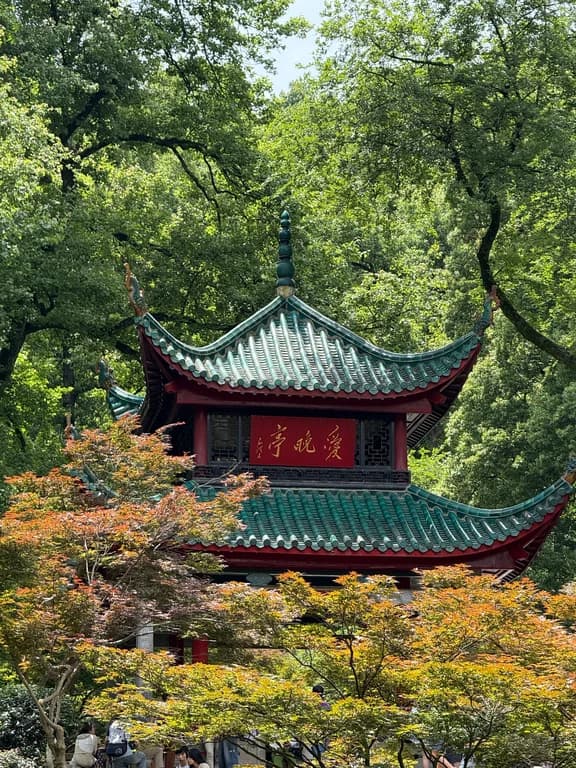
Yuelu Mountain
岳麓山
Yuelu Mountain is an urban mountainous area with lush forests. Trails connect Yuelu Academy, Aiwan Pavilion, historical tombs and modern memorial sites. The dense cultural relics reflect the educational and political history of Changsha, and the forest provides a refreshing contrast to the hot river city; different mountain gates and ridge routes have their own experiences, and should not be compressed into a rush to the summit.
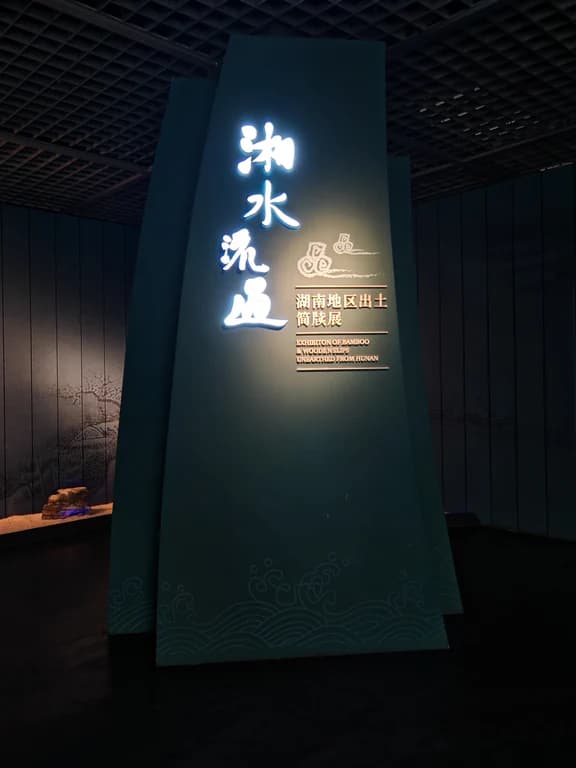
Changsha Bamboo Slips Museum
长沙简牍博物馆
The Changsha Bamboo Slips Museum specializes in collecting and displaying locally unearthed bamboo and wooden slips. These fragile documents record administrative, legal, taxation and daily affairs before the popularization of paper. The exhibition also explains the process of excavation, conservation and interpretation of ancient texts, allowing people to directly understand how local government and ordinary transactions were written and managed.
Local snacks
What to eat in Changsha
These cards describe dishes, not restaurants.
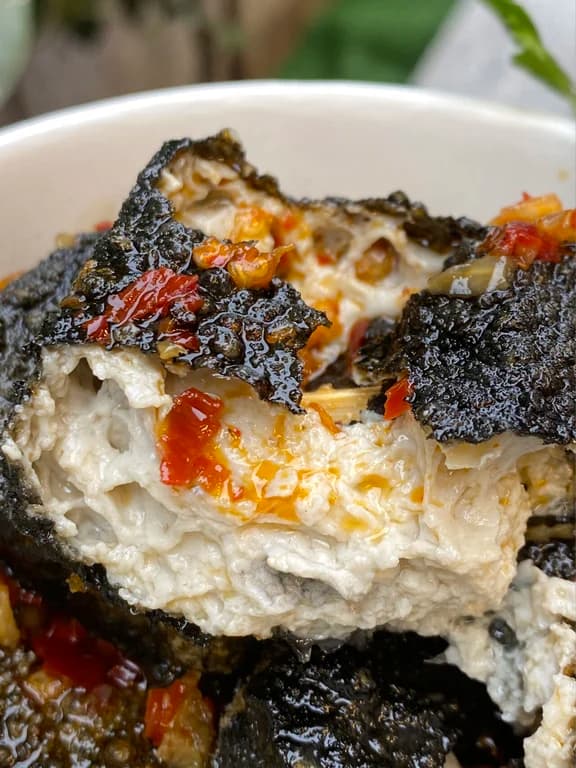
Strong fermentation flavor, crispy and juicy outside, spicy garlic flavor
Changsha Stinky Tofu
长沙臭豆腐
The fermented tofu is deep-fried until the black skin is crispy, and then added with chili, garlic, pickles and salty soup. It has a strong smell but remains soft on the inside.
Eat it immediately while it is hot and state the spiciness level. Choose a stall with a steady flow of customers and hygienic frying and ingredients handling.
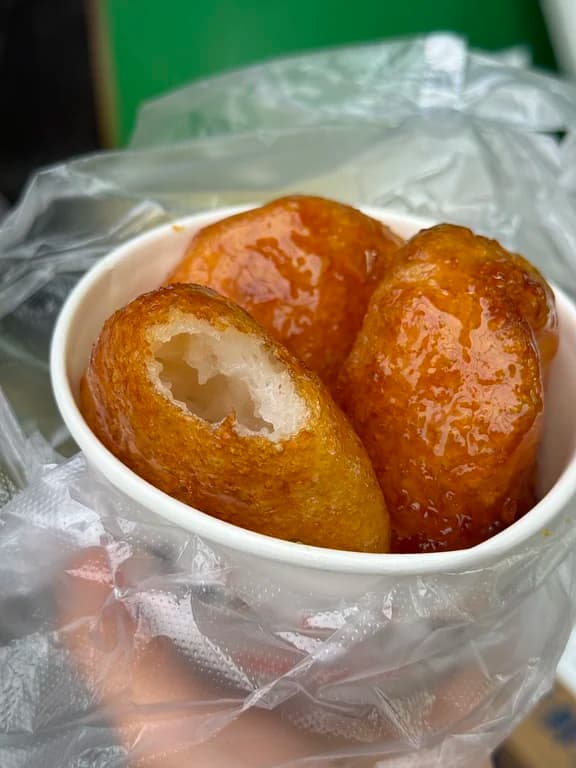
Sweet, soft, caramel aroma
Sugar-oil Glutinous Rice Cakes
糖油粑粑
Small pieces of glutinous rice balls are fried or simmered in oil and dark syrup, resulting in a shiny surface, soft and glutinous interior, and a caramelized edge.
The syrup stays warm for a long time, so it should be cooled slightly before eating; the sweetness and fat content are high, so it is suitable for sharing.
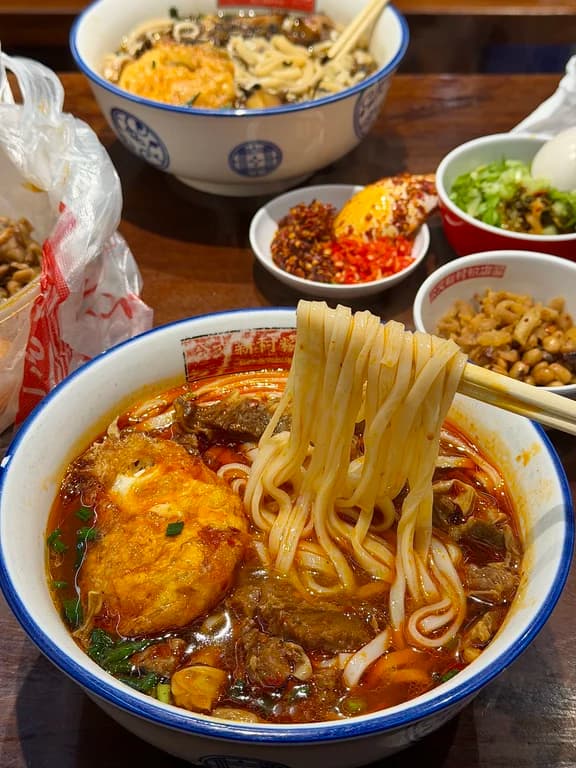
Fresh, salty and sour, you can add spiciness to your taste
Changsha Rice Noodles
长沙米粉
Fresh rice noodles can be served with soup or lightly mixed, and you can choose from shredded pork, beef, pickled beans and chili. The breakfast noodle shop emphasizes quick and self-selected combinations.
The code and spiciness level should be clearly selected, and if necessary, confirm whether the soup base contains pork.
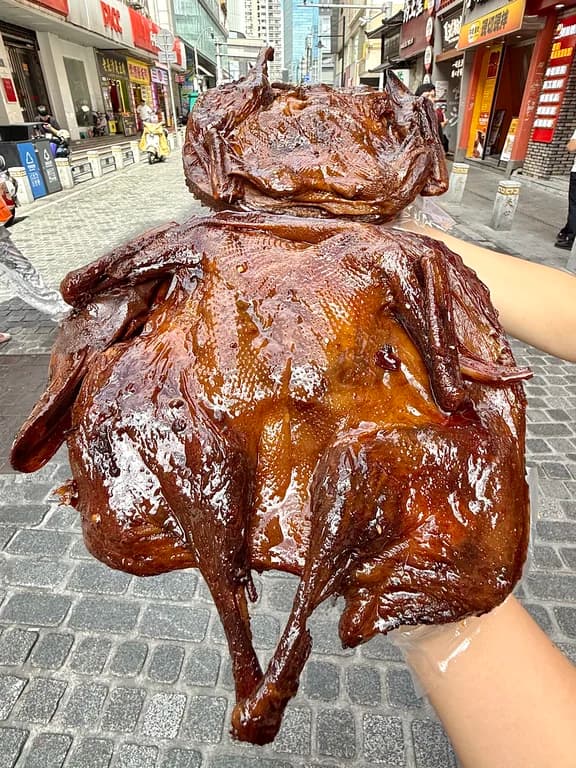
Salty, spicy, spicy and chewy
Spicy Salted Duck
酱板鸭
The duck meat is marinated, braised with spices and air-dried to create a firm and chewy texture, making it a delicious snack or cold dish with a spicy Hunan flavor.
The spiciness level and packaging date should be checked, as they have a high salt content and often have tiny bones.