
大同
Datong
Datong brings together layers of Northern Wei capital history, Liao and Jin Buddhist architecture, Ming-era defenses and a modern coal city in a cold, dry basin. The Yungang Grottoes lie west of the city, while the Hanging Temple is a separate trip to Hunyuan County. Although notable old temples survive within the reconstructed old town, not every street is an original historic structure. Plan visits by period and location.
At a glance
- Stay
- 2–2 days
- Best seasons
- May–Oct
- Airports
- Rail or road access
- Region
- North China
Last updated: 9/29/2026
First visit
Arrive and settle in Datong
Start with arrival and where to stay, then choose your sights. Recheck transport and accommodation details before booking.
Getting there+
High-speed trains from Beijing North take about two hours to Datong South ; from Taiyuan about an hour and a half, from Pingyao Ancient City around two and a half with a change at Taiyuan. The old Datong station is closer to the walls. Yungang (DAT) airport, 15 kilometres east, has a few domestic flights.
Rail tip. Your passport is your ticket. Book on 12306 or Trip.com, then go straight to the gate. See Getting around. The Trip.com link earns us a small commission at no cost to you (how that works).
Stay online. Google, WhatsApp and Instagram are blocked on Chinese networks; a travel eSIM that roams gets around it. Install one before you fly — Saily takes US$5 off a first plan with the code CHINA. See Staying online. The code earns us the same amount in Saily credits, at no cost to you (how that works).
Where to stay+
Old town
古城
Inside the rebuilt walls, near the two monasteries. Courtyard hotels, quiet nights.
The Drum Tower and Huayan Monastery are the centre. Hotels in reconstructed courtyard houses; the wall walk is minutes away.
first visitatmospherewalking
Around Datong South
大同南站
The new district by the high-speed station. Practical, characterless.
Chain hotels and a twenty-minute taxi to the walls. Only for very early trains.
transit
Booking. Compare hotels in Datong on Trip.com, filtered to its China travel essentials list: English-speaking staff, foreign cards, guest rating 8 or higher. See Where to stay. Booking through this link earns us a small commission at no cost to you (how that works).
Overview+
HEBEIJIANGSUSHANDONGHENANSHAANXIGANSUNINGXIADatong
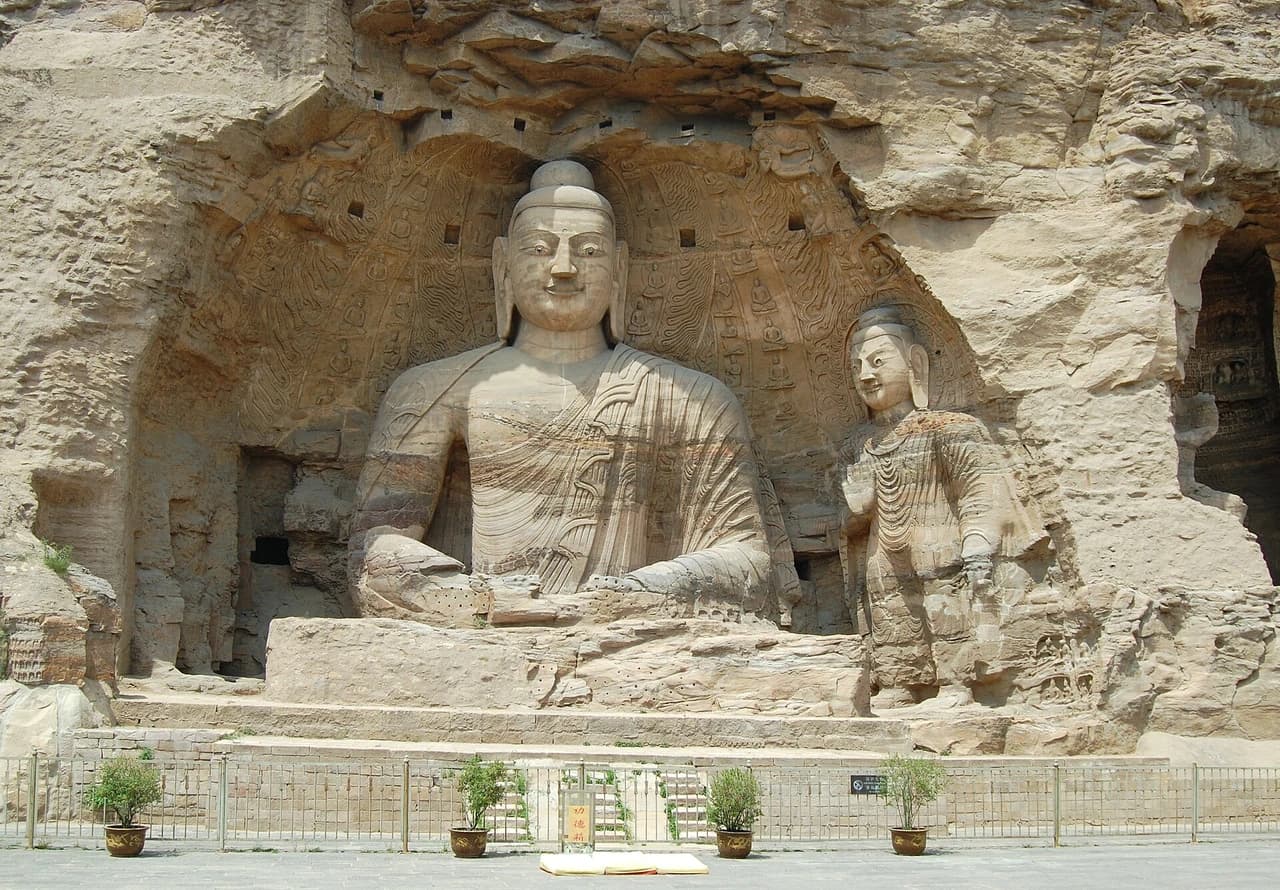
The Tuoba rulers of the Northern Wei made Datong their capital in 398 and, over the next century, cut fifty thousand Buddhist figures into a sandstone cliff west of the city. Yungang is where Indian and Central Asian styles first became Chinese, and the big exposed Buddha of Cave 20 is one of the country's great faces.
The city itself rebuilt its Ming walls and old town in the 2010s, controversially and completely. Inside, the Huayan and Shanhua monasteries are the real thing: Liao and Jin halls from the eleventh and twelfth centuries with painted clay figures to match.
The Hanging Temple, pinned to a cliff face in a gorge south-east of the city, and the wooden pagoda at Yingxian, the oldest and tallest timber tower in the world, make one long day. Datong is high, dry and cold from November to March.
Where next?
Save places you like, then use your saved list to build a trip.
Practical travel guides
Places to explore in Datong
Shanhua Monastery
善化寺
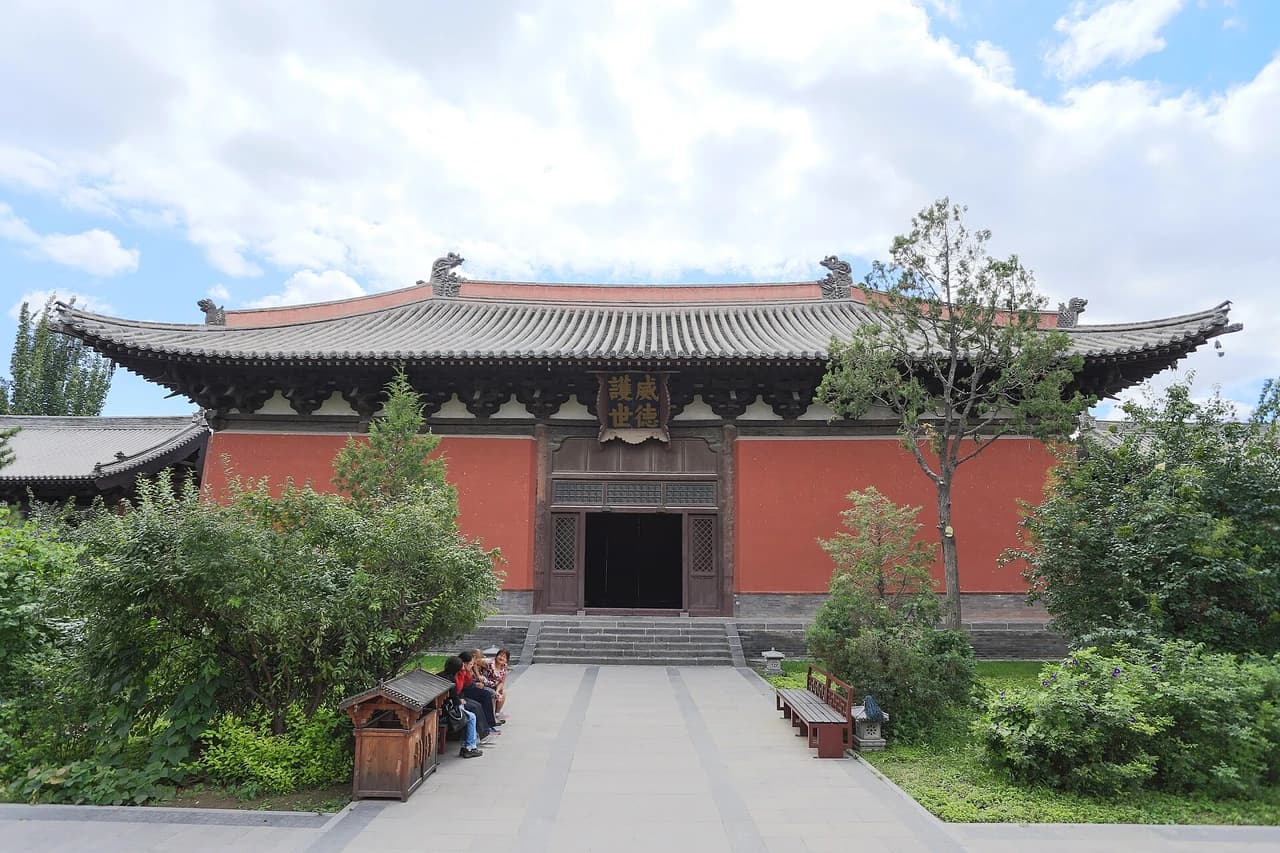
Shanhua Temple History, Humanities and Geography: Shanhua Temple is located at No. 6 Nansi Street in the ancient city of Datong. It was built in the Tang Dynasty and flourished in the Liao and Jin Dynasties. It is the most complete preserved Liao and Jin architectural complex in China. The temple has four original Liao and Jin structures including Qishanmen (Tianwang Hall), Sansheng Temple, Main Hall and Puxian Pavilion. The mountain gate is the largest existing Jin Dynasty mountain gate in China. The three holy halls have Jin Dynasty lotus oblique arches. The Main Hall is one of the eight major Liao structures. The Auspicious Goddess (Great Auspicious Merit Heaven) in the hall is known as the most beautiful statue of the Liao and Jin Dynasties. Public transportation: The ancient city is within walking distance, and the ancient city ring bus has the "Shanhua Temple" stop.
Huayan Monastery
华严寺
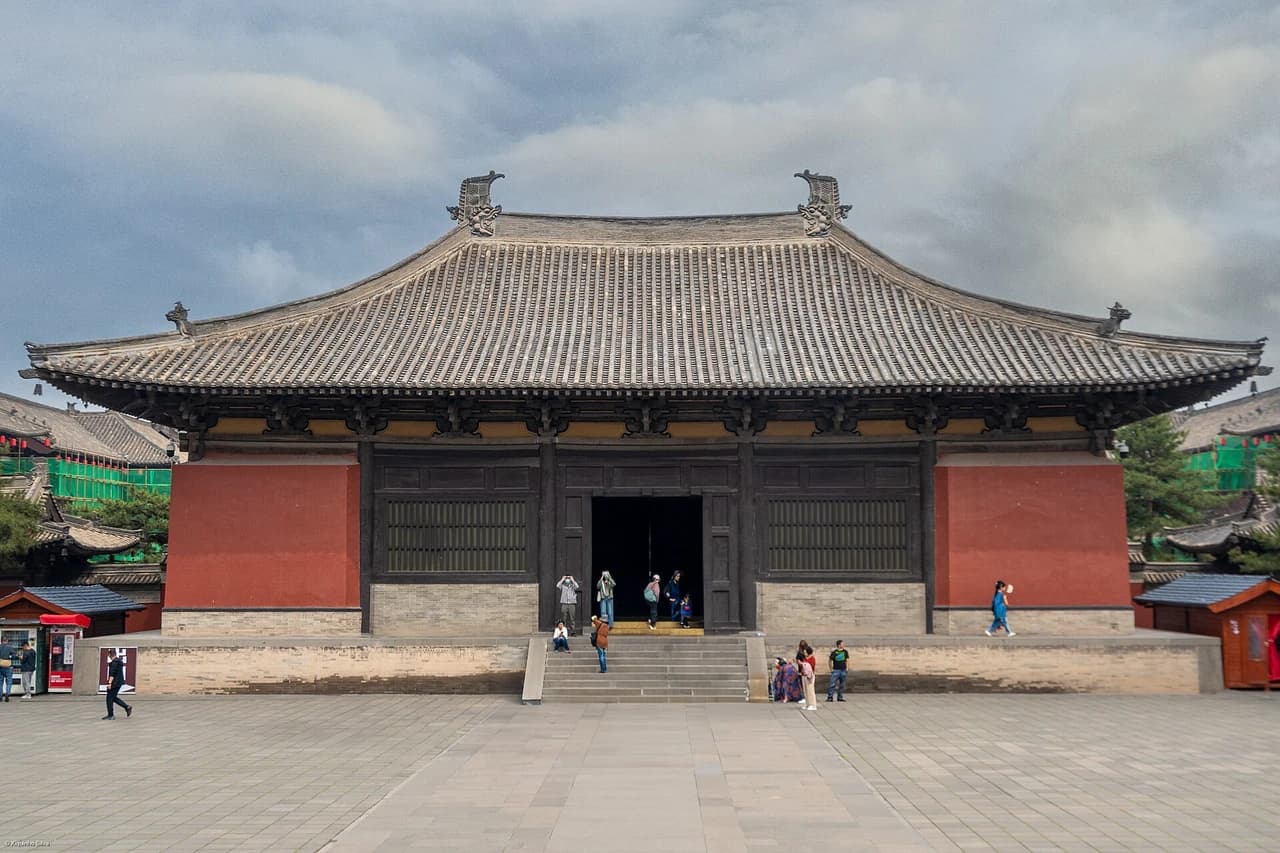
Huayan Temple History, Humanities and Geography: Huayan Temple is located in the southwest corner of the ancient city of Datong. It was built in the seventh year of Chongxi of the Liao Dynasty (1038). It is the best-preserved royal temple of the Liao and Jin Dynasties in China. It faces east from the west and originates from the Khitan people's custom of worshiping the sun. The Main Hall is the largest existing Buddhist temple in the country during the Liao and Jin Dynasties. The 4.5-meter-high glazed owl kiss on the top of the hall is the largest in the country; the clasped-toothed Bodhisattva in the Boji Temple is known as the "Oriental Venus"; the Huayan Pagoda is 43 meters high, and under the tower is the pure copper underground palace of Thousand Buddhas.
Hanging Temple
悬空寺
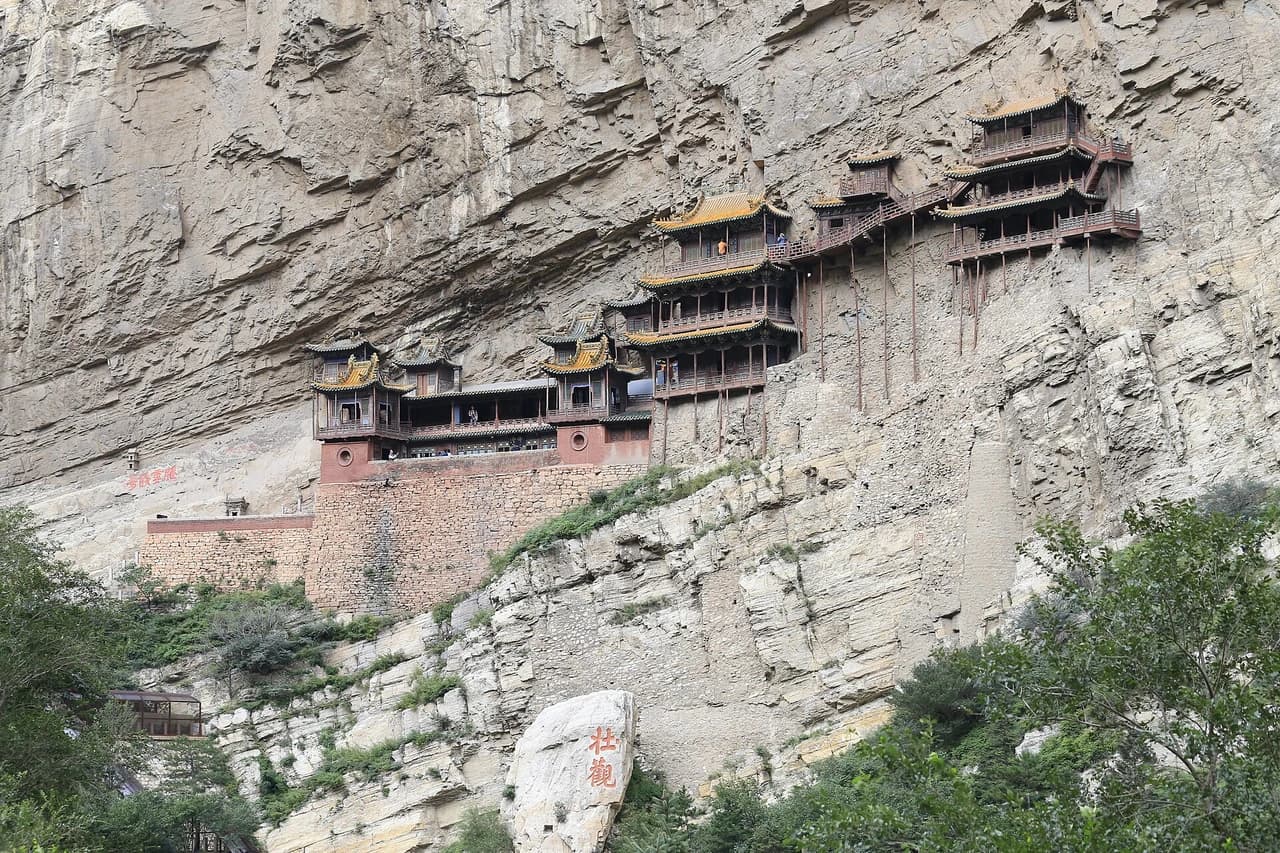
Hanging Temple History, Humanities and Geography: Hanging Temple is located on the cliff of Cuiping Peak in Jinlong Gorge, Hengshan County, Hunyuan County, Datong City. It was built in the 15th year of Taihe in the Northern Wei Dynasty (491). It is the earliest and best-preserved high-altitude wooden cliff building in China. It is also the only temple that integrates Buddhism, Taoism and Confucianism. Climbing is not recommended for those who are afraid of heights, the elderly, and children. The view from the foot of the mountain is equally stunning.
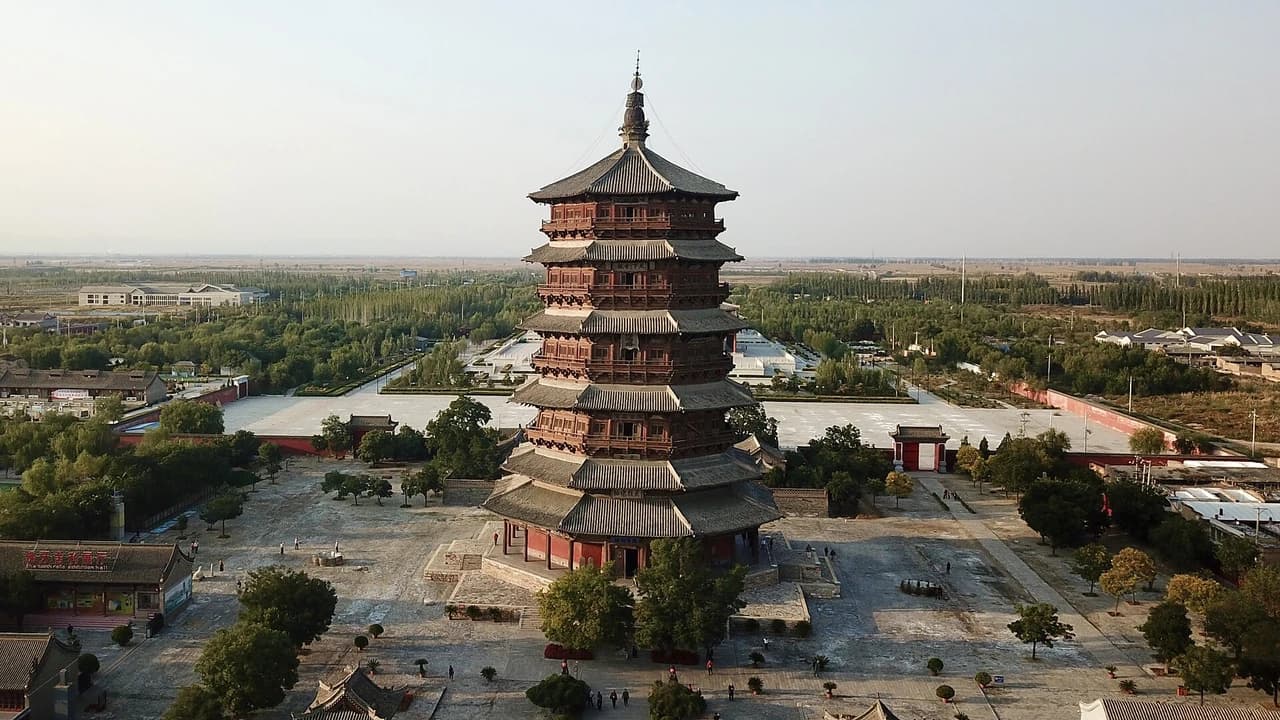
Yingxian Wooden Pagoda
应县木塔
Yingxian Wooden Pagoda (Yingxian County, Shuozhou City) History, Humanities and Geography: Yingxian Wooden Pagoda (Foggong Temple Sakyamuni Pagoda) is located in Yingxian County, Shuozhou City, and is not part of Datong City, so you need to travel across the city. The wooden pagoda was built in the second year of Qingning in Liao Dynasty (1056), with a height of 67.31 meters. It is the tallest and oldest existing pure wooden structure pavilion-style pagoda in the world. The whole pagoda has no nails or rivets and relies on 54 types of brackets and mortise and tenon joints. It is known as one of the "Three Wonderful Pagodas in the World". At present, the tower body has tilted to the northwest, with only the main hall on the first floor open, and the second floor and above are closed for protection.
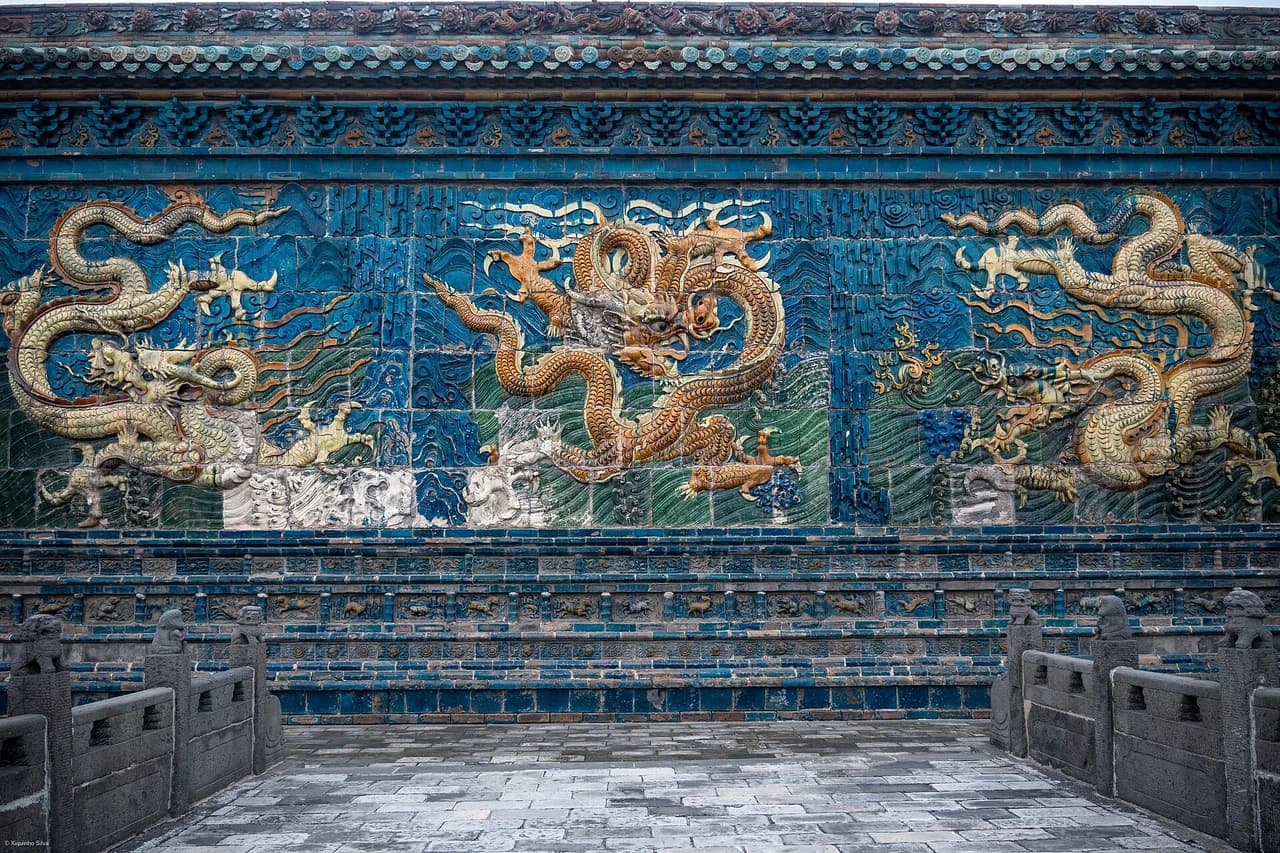
City wall and Nine Dragon Screen
大同城墙·九龙壁
Datong Ancient City Wall and Nine Dragon Wall History, Humanities and Geography: Datong Ancient City is located in the city center, covering an area of about 3.45 square kilometers and an almost square outline. The existing city wall was built on the basis of the old city by General Xu Da of the Ming Dynasty in the fifth year of Hongwu in the Ming Dynasty (1372). It has a circumference of about 7.24 kilometers. The four archways are the center of the ancient city, and the street pattern is completely preserved. The Nine Dragon Wall was built in the 25th year of Hongwu in the Ming Dynasty (1392). It is a screen wall in front of the palace of King Zhu Gui. It is 45.5 meters long and 8 meters high. It is made of 426 pieces of colorful glazed glass. It is the earliest and largest glazed Nine Dragon Wall in China, about 300 years earlier than the Beihai Nine Dragon Wall in Beijing. The dragons on the wall all have four claws, which was regulated by the Ming Dynasty vassal kings.
Yungang Grottoes
云冈石窟
The Yungang Grottoes were mainly excavated from the 5th century to the early 6th century and present imperial Buddhism of the Northern Wei Dynasty with giant Buddha statues, narrative reliefs and ever-changing statue styles. The Tan Yao Five Grottoes formed an early unified group, and subsequent caves showed more complex architectural imagery, as well as increasingly Chinese costumes and decorations. Weathering and conservation are themselves part of the heritage story, and local closures and light control should be understood as conservation measures.

Datong City Wall
大同古城墙
Today's Datong City Wall reconstructs the Ming Dynasty defensive circuit based on historical patterns, archeology and documentation, but includes large-scale modern reconstruction. From the top of the wall, city gates, temples, drum towers and new construction areas can be identified along the axis, allowing for an intuitive understanding of urban planning. The value of visiting lies in distinguishing the historical layers, archaeological remains and 21st century reconstruction projects, rather than treating all bricks and stones as original.
Local snacks
What to eat in Datong
These cards describe dishes, not restaurants.

Chewy wheat flavor, salty and rich
Datong Knife-cut Noodles
大同刀削面
The chef cuts the hard wheat dough into curved pieces and puts them directly into the boiling water to cook medium-thick noodles with thin edges, which are then served with minced meat, soup and pickles.
Choose the flavor and quantity before ordering. Noodles contain gluten, roux may contain pork or mutton, and soup bases vary from store to store.

Strong grain aroma, sticky and slightly sweet
Steamed Yellow Millet Cake
大同黄糕
Millet noodles are steamed into a firm and elastic yellow staple food, which can be served plain with pickles, or stuffed and fried for festivals.
The texture is firm and sticky and should be eaten slowly and in small bites; ask whether it is fried and what kind of fillings are used.

Juicy, salty, onion and meaty flavor
Datong Shaomai
大同烧麦
The thin wheat skin is gathered up to wrap up the juicy fillings, usually mutton or pork with onions, and the top folds remain light and thin after steaming.
Check the meat before ordering and pay attention to the hot soup inside; it contains gluten and is suitable for sharing freshly out of the cage.

Rich pepper flavor, salty and warm
Lamb Offal Soup
羊杂汤
Various types of haggis are cooked in seasoned soups and served hot with herbs, chilies, and sometimes local vermicelli, especially in cold weather.
The types of haggis parts and vermicelli vary from store to store. You should ask about the raw materials and choose a store with stable customer flow, thorough heating, and hygienic insulation.