深圳
Shenzhen
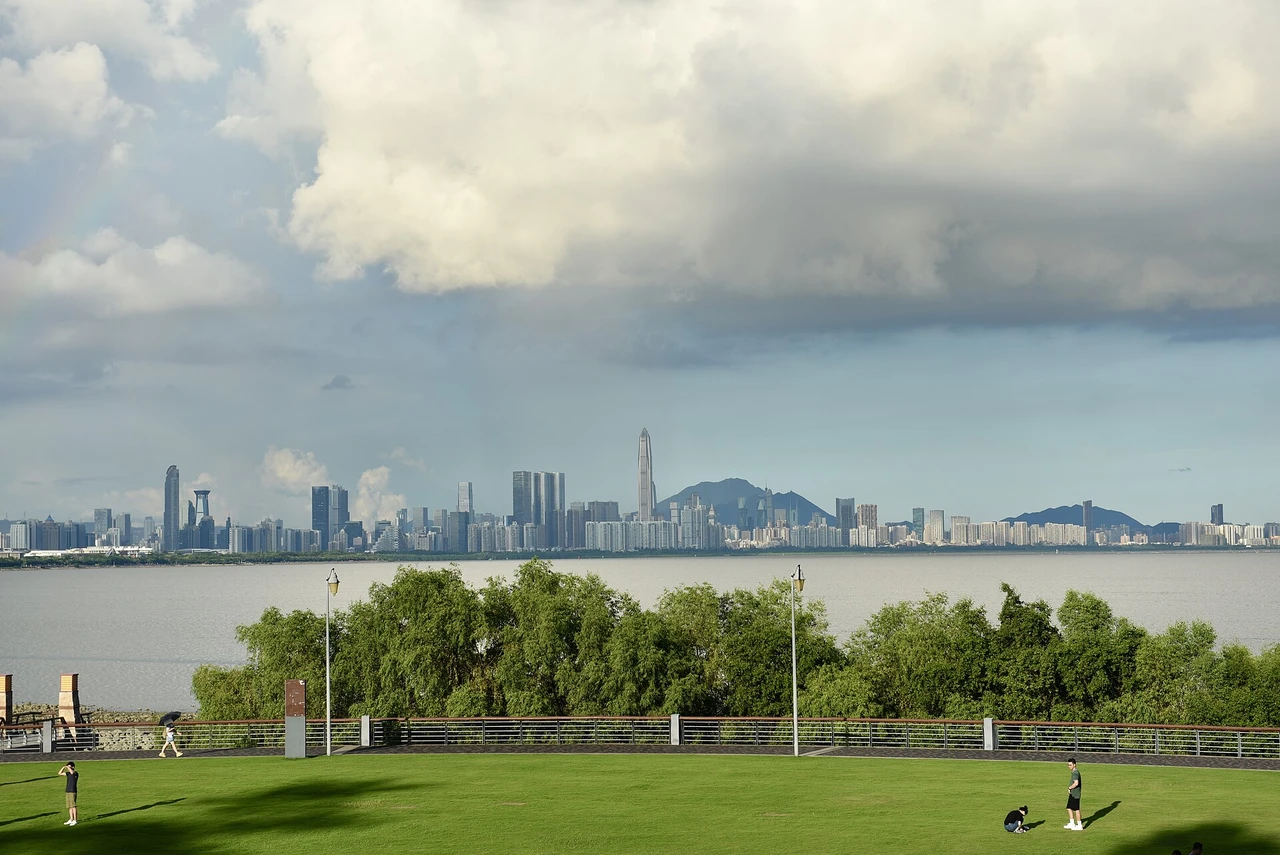
Shenzhen was a county of villages and oyster beds until the zone was drawn in 1980; it now holds eighteen million people, almost none of them born here. Give it two days: one for the coast and the old walled towns the city grew around, one for markets, art and the crossing to Hong Kong.
At a glance
- Stay
- 2–2 days
- Best seasons
- Oct–Dec, Mar–Apr
- Airports
- Rail or road access
- Region
- South China
China Unhurried editorial team · Owner-authored
Places to begin
Make the city tangible.
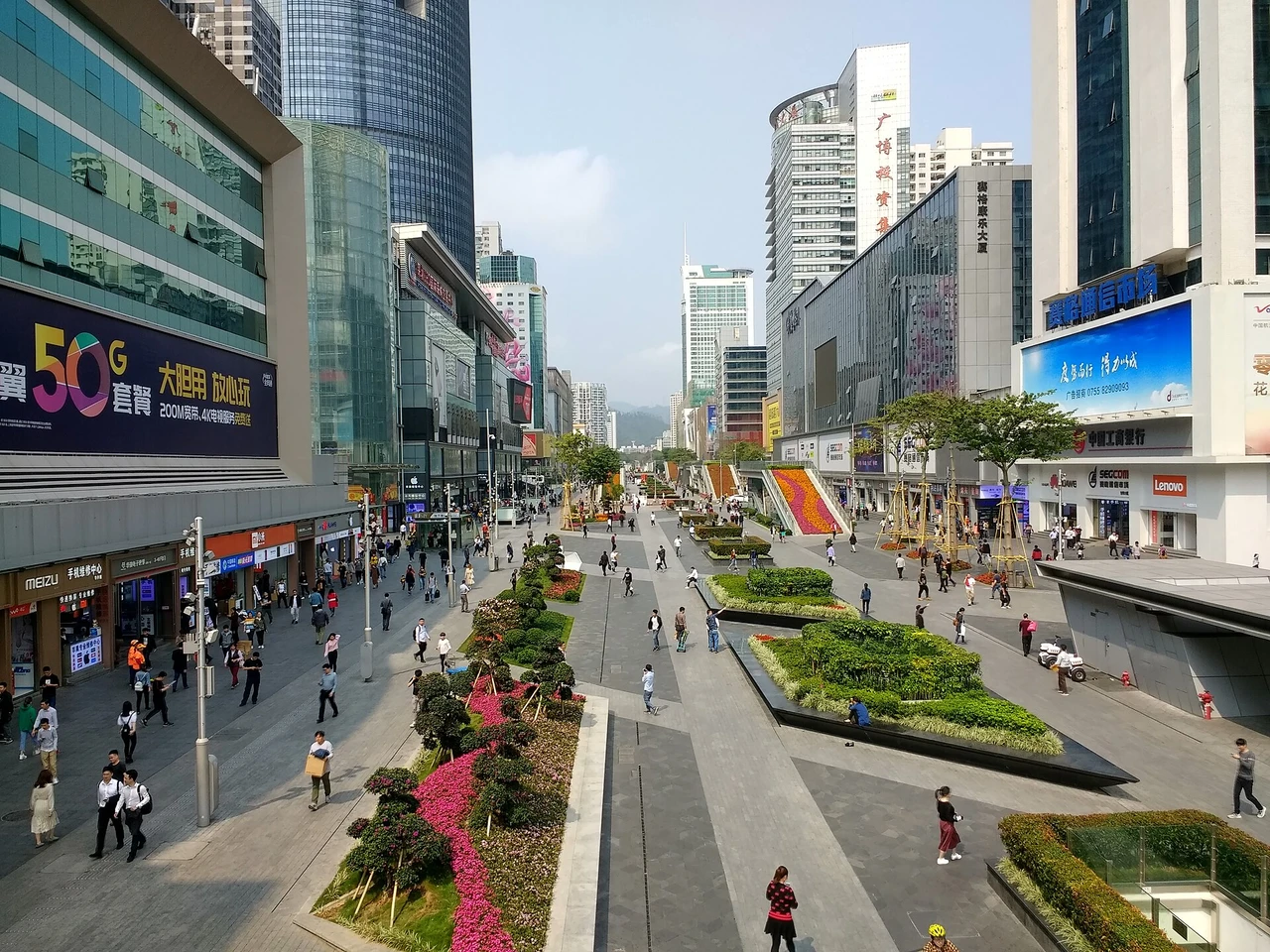
华强北
Huaqiangbei
The electronics market: several blocks and many floors of components, repairs and whatever shipped this month.
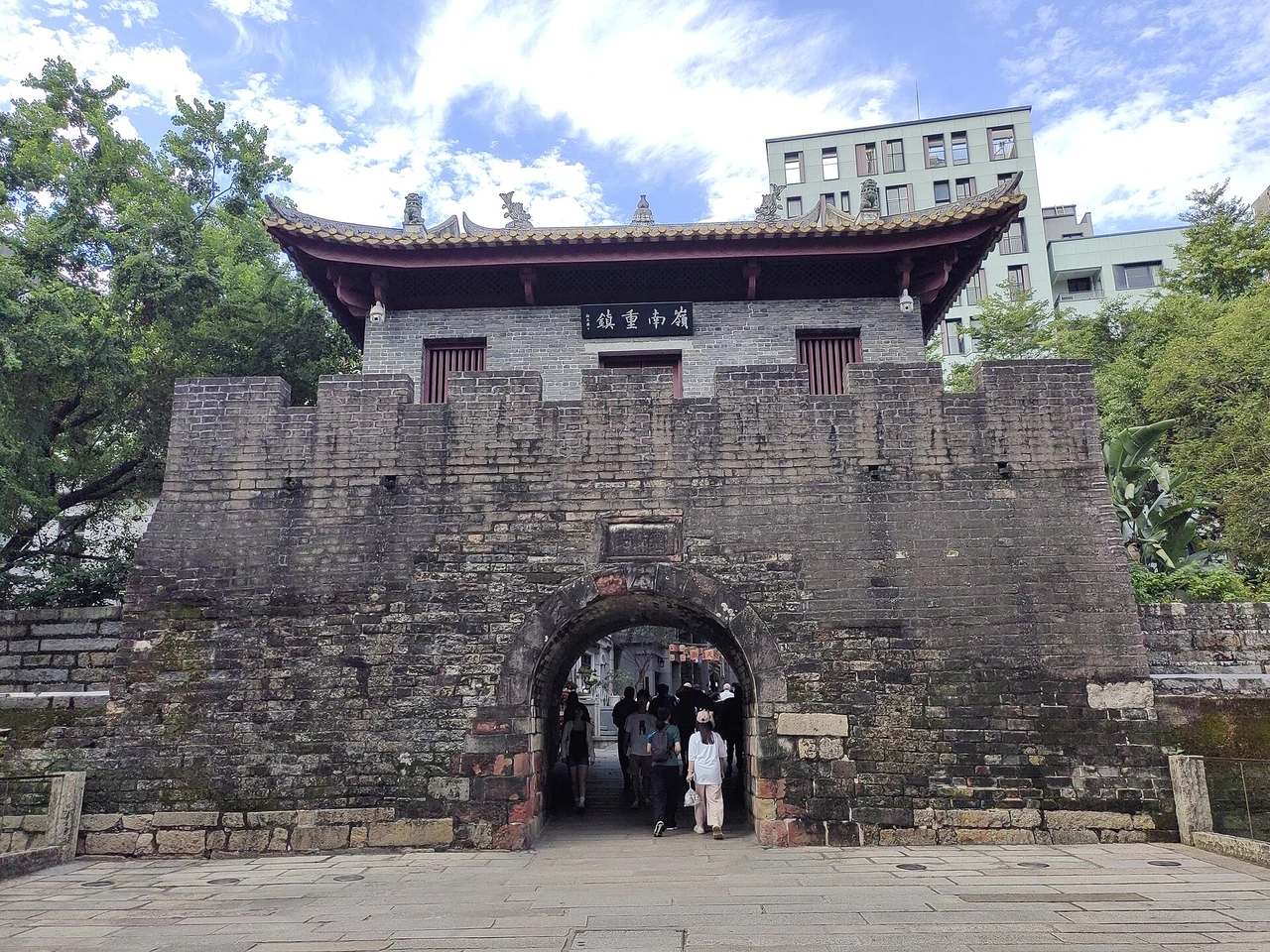
南头古城
Nantou Ancient City
The county seat that governed this coast for sixteen centuries, with an urban village grown inside its walls.
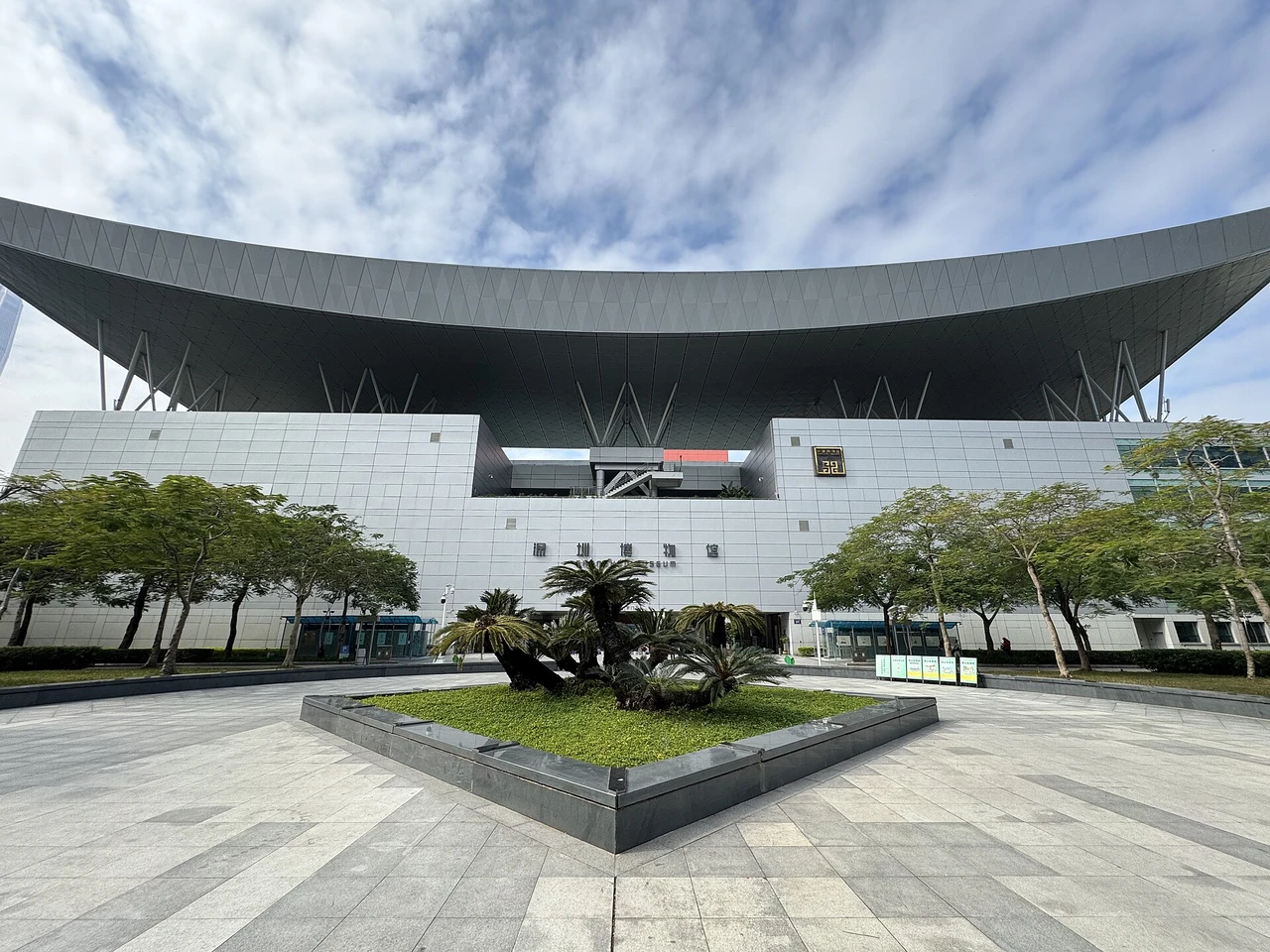
深圳博物馆·历史民俗馆
Shenzhen Museum of History and Folk Culture
How a county of villages became this. The one museum that explains the city you are standing in.
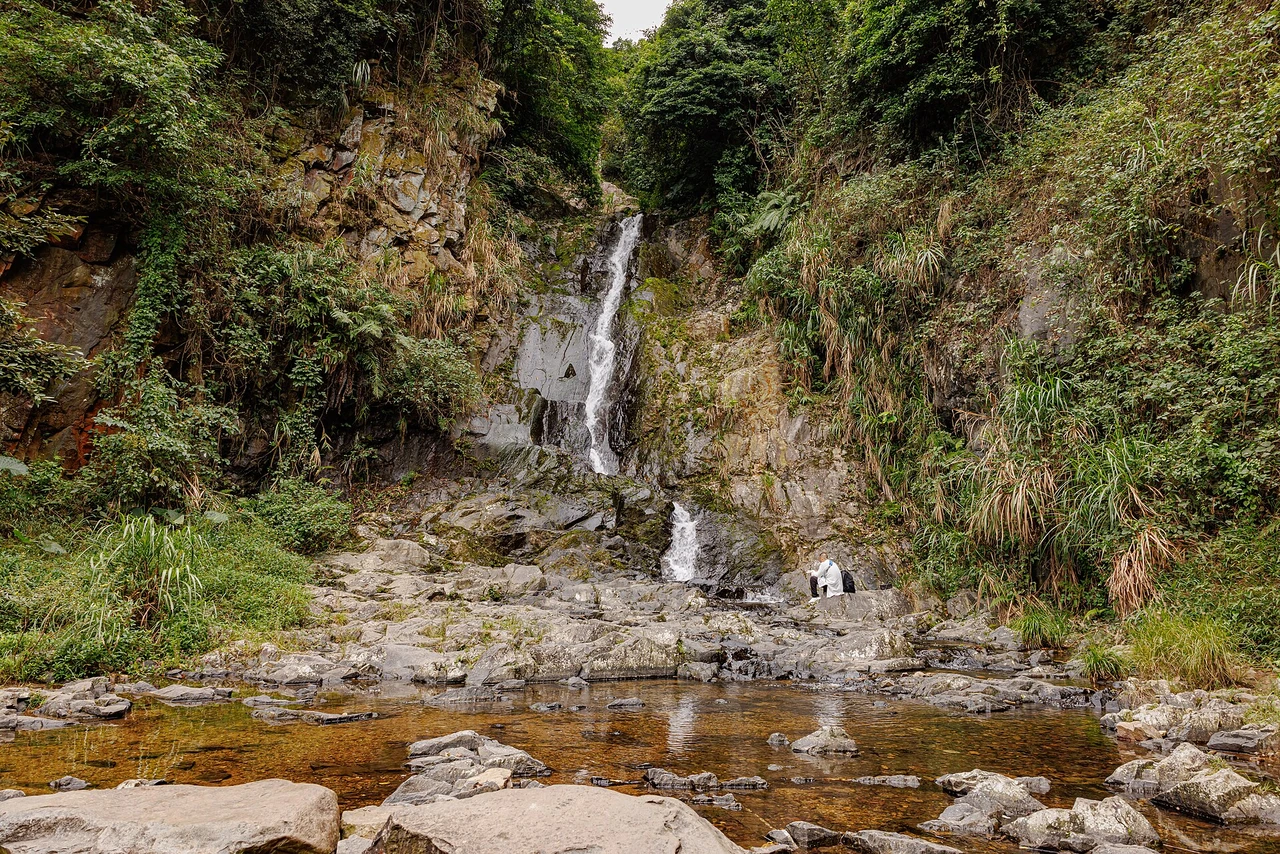
梧桐山
Wutong Mountain
The city's high point at 944 m, two or three hours up through forest, with the bay and Hong Kong on the far side.
深圳改革开放展览馆
Shenzhen Reform and Opening-up Exhibition Hall
The exhibition hall uses documents, products, photographs, models and everyday objects to explain Guangdong's reform period and Shenzhen's transformation from a border region into a globally connected metropolis. Material evidence makes policy, labour, manufacturing, housing and migration visible beyond a simple success narrative. Pair it with the nearby city axis to compare planned civic imagery with the social history presented inside.
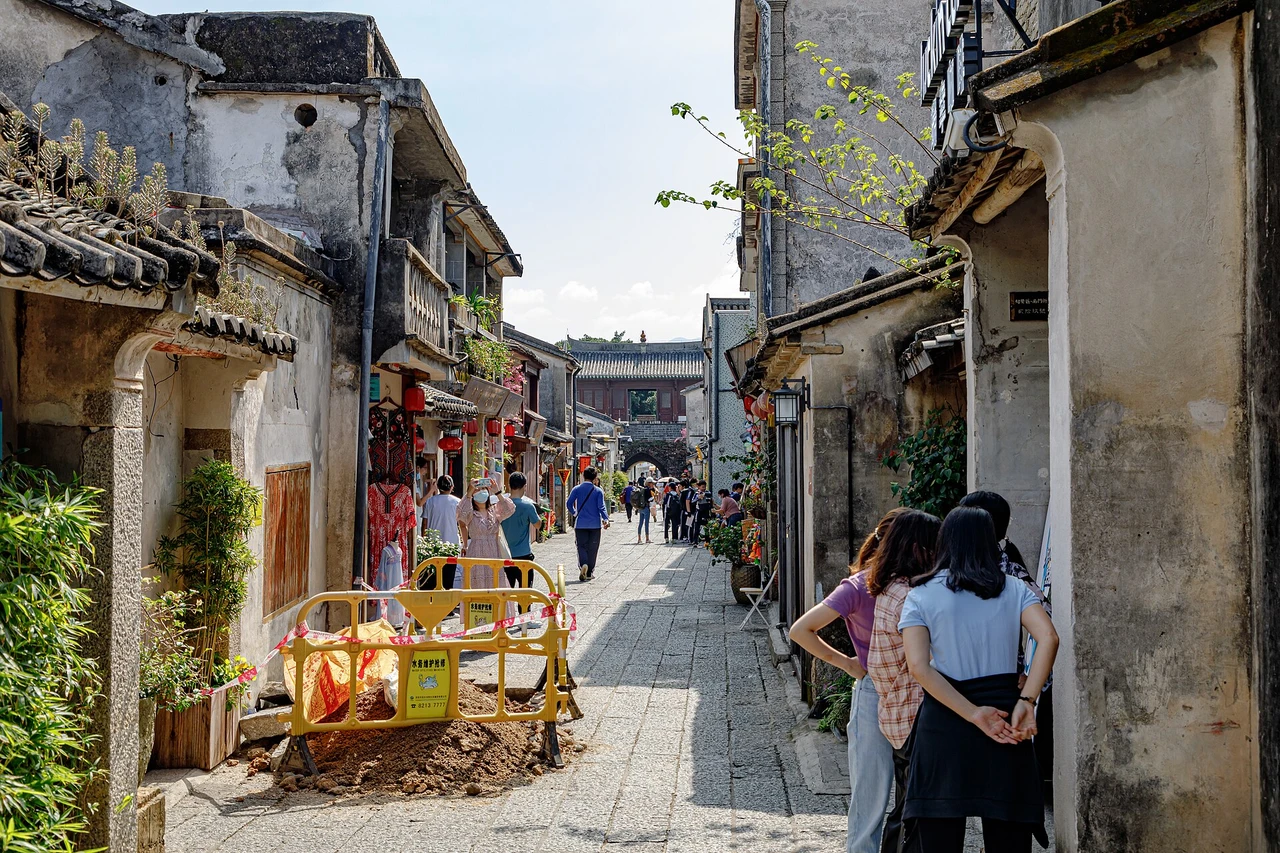
大鹏所城
Dapeng Fortress
A walled Ming garrison town on the eastern peninsula, an easy walk from the beaches.
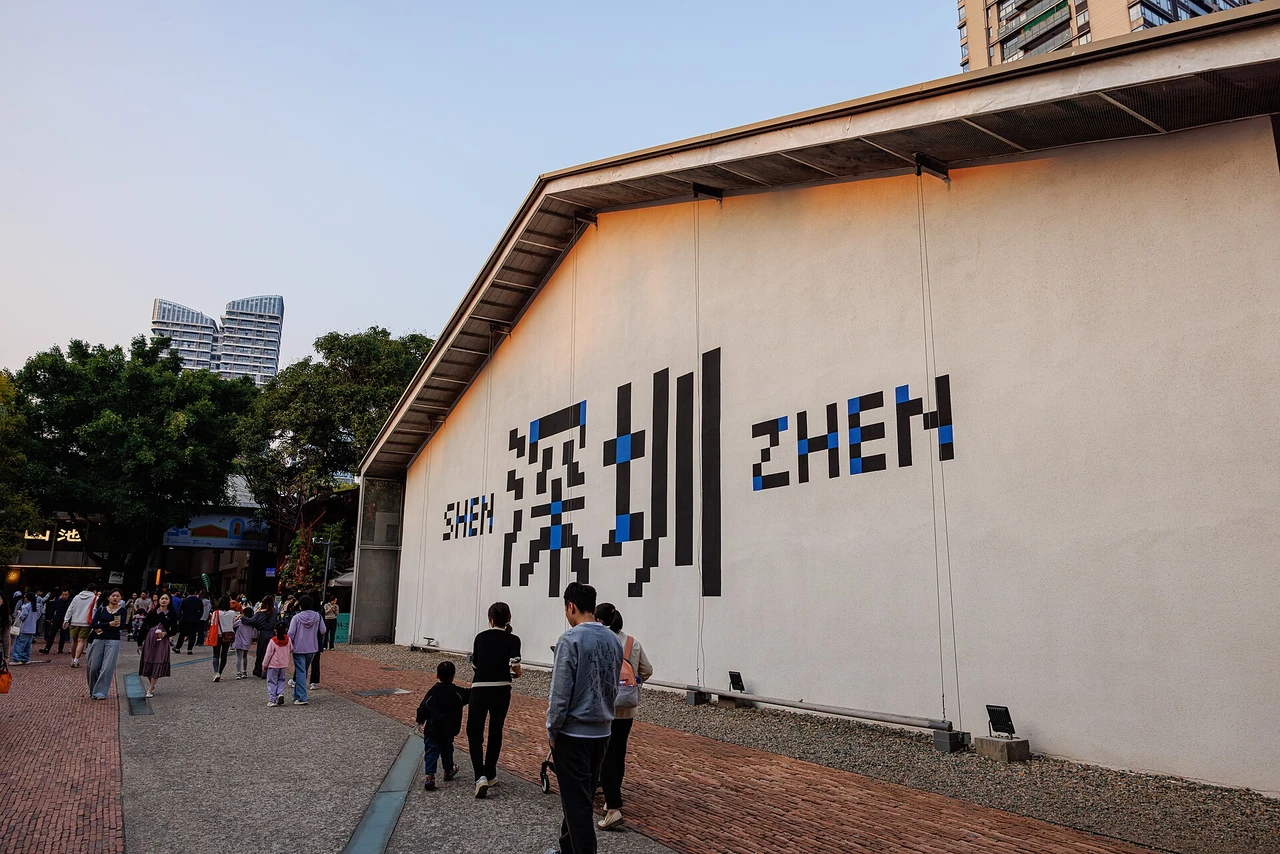
华侨城创意文化园
OCT-LOFT
Eighties electronics factories turned into galleries, bookshops and coffee, and still the best afternoon indoors.
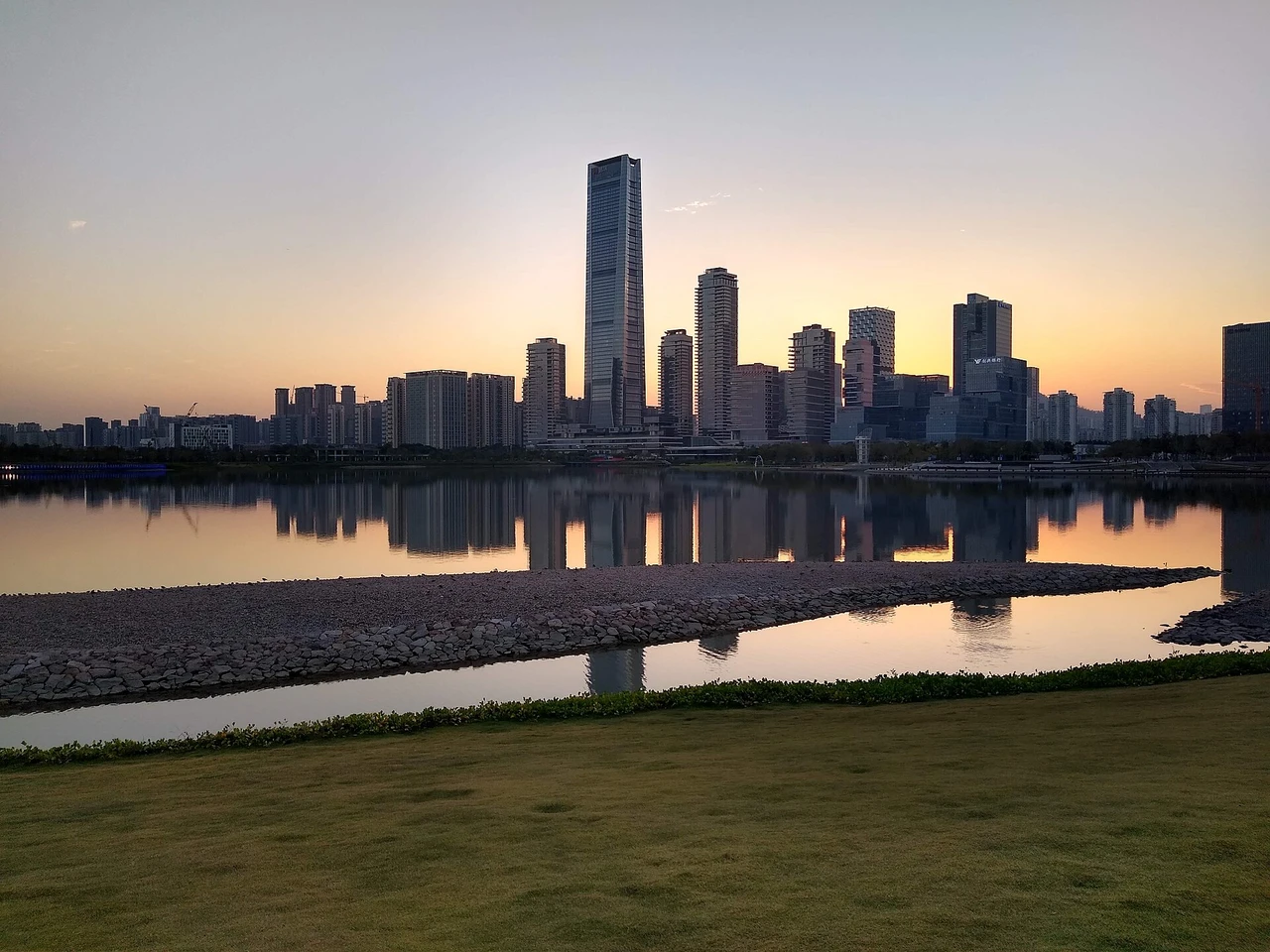
深圳湾公园
Shenzhen Bay Park
Thirteen kilometres of promenade facing the Hong Kong hills, with mangroves and wintering birds at the eastern end.
大鹏半岛国家地质公园
Dapeng Peninsula National Geopark
The geopark protects volcanic and coastal landscapes of the Dapeng Peninsula and uses its museum to explain rocks, minerals, landform development and urban geological risk. Forested mountain routes add scale to the indoor interpretation, but paths can close independently for restoration, fire prevention or severe weather. A good visit begins with the museum and treats summit access as conditional, not guaranteed.
Local snacks
Taste the city, one dish at a time.
These cards describe dishes, not restaurants. Images are added only after their license and attribution are verified.
Briny, crisp, savoury and tender
Shajing Oyster Cake
沙井蚝饼
Small oysters are bound with a seasoned starch-and-egg batter and pan-fried until the edges crisp, carrying the food memory of Shenzhen's historic oyster-farming communities.
Eat freshly cooked and ensure oysters are thoroughly heated. It contains shellfish and egg; ask about shared oil, gluten-containing batter and seasonal sourcing.
Crisp-skinned, savoury and juicy
Guangming Crisp Pigeon
光明红烧乳鸽
A young pigeon is seasoned and cooked so the skin becomes deeply coloured and crisp while the meat remains juicy, a long-standing food symbol of Guangming.
Share carefully around small bones and eat from a reputable kitchen. It contains poultry and usually soy and gluten; verify full cooking and allergen ingredients.
Roasted, rich, savoury and crisp
Gongming Roast Goose
公明烧鹅
Goose is marinated, air-dried and roasted for lacquered crisp skin and rich meat, a banquet and market tradition associated with old Gongming.
Order a portion rather than a whole bird for small groups and watch for bones. Sauces commonly contain soy and gluten, and the dish is high in fat and sodium.
Soft, slippery and gently savoury
Loucun Rice Noodles
楼村濑粉
Thick rice noodles are pressed directly into hot water and served in broth with scallion and savoury toppings, reflecting a local Guangming craft tradition.
Eat hot and ask what broth and toppings are used. Rice noodles may be gluten-free, but soy sauce, stock and shared preparation can introduce gluten or other allergens.
City essentials
The practical details, when you need them.
Places and local food come first. Open these notes for context, arrival and neighbourhood advice.
Overview+
FUJIANGUANGXIHAINANShenzhen
Nobody comes to Shenzhen for the history, which is exactly why the history is worth finding. The special economic zone was drawn on the map in 1980 over a county of rice fields, oyster beds and Hakka villages, and the city that grew on top of it has no local accent, no settled way of doing things and not much reverence for the past.
Some of it survived anyway. Nantou, marooned in the middle of Nanshan, was the county seat that governed this whole coast — Hong Kong included — for most of sixteen hundred years, and the walled town is still there with a village grown through it. Dapeng, two hours east, is a Ming garrison behind granite gates. Between them the shore runs from mangrove flats full of wintering birds to the fifteen sand beaches of the Dapeng peninsula. The nineties theme parks — Window of the World, Happy Valley, Splendid China — are still going too, and still the right answer if you are travelling with children.
Get around on the metro: six hundred kilometres of it, signed in English, reaching the airport, three of the Hong Kong crossings and most of what follows. The city is long from east to west, so pick a base on a line you will actually use rather than a district that sounds central. Summers are hot, wet and typhoon-prone from July into September; October to December is dry, mild and the reason to come then.
Getting there+
**Bao'an (SZX)** is on the west coast: metro line 1 into Luohu, line 11 to Futian in about 35 minutes, and a ferry pier next door with sailings straight to Hong Kong airport if you are connecting.
High-speed rail uses two stations. **Futian** , underground in the middle of the CBD, runs trains to Hong Kong West Kowloon in fourteen minutes. **Shenzhen North** (metro lines 4, 5 and 6) is the main one: Guangzhou South in about 30 minutes, Changsha three hours, Xiamen three and a half, Shanghai eight.
For Hong Kong on foot, **Luohu** (end of metro line 1) and **Futian** (lines 4 and 10) are the quickest, **Shenzhen Bay** suits anyone heading for Hong Kong airport or the western New Territories, and **Huanggang** runs around the clock. Take your passport and avoid weekend mornings. **Shekou** has ferries to Hong Kong airport in about 30 minutes, to Sheung Wan, and to Macau.
**Rail tip.** Your passport is your ticket. Book on 12306 or [Trip.com](/go/trip?to=trains&from=city-rail), then go straight to the gate. See [Getting around](/guides/getting-around). The Trip.com link earns us a small commission at no cost to you ([how that works](/about#affiliate)).
**Stay online.** Google, WhatsApp and Instagram are blocked on Chinese networks; a travel eSIM that roams gets around it. Install one before you fly — [Saily](/go/saily?from=city-esim) takes US$5 off a first plan with the code **CHINA**. See [Staying online](/guides/staying-online). The code earns us the same amount in Saily credits, at no cost to you ([how that works](/about#affiliate)).
Where to stay+
Futian
福田
The planned centre: museums, the Hong Kong trains and the electronics market. The obvious base.
The Civic Center and its museums, Lianhua Hill park with the view back down the axis, Huaqiangbei to the east, and both the high-speed station for Hong Kong and the Futian crossing underneath. Hotels at every price and metro lines in every direction.
first visitconvenienceHong Kong
Nanshan and Shekou
南山·蛇口
Sea, parks, art and the old walled town. The pleasantest place to stay.
The west of the city: the Shenzhen Bay promenade, the OCT arts district, Nantou's walled town, and Shekou, where the ferries leave and the seafood restaurants around Sea World stay busy late. Further from the Hong Kong crossings, closer to everything else.
walkingseafamilies
Luohu and Dongmen
罗湖·东门
The original downtown. Cheapest beds, oldest streets, the border at the end of the line.
Where the city started in 1980, and it still looks its age in a good way: the Dongmen pedestrian streets, wholesale markets, old Cantonese restaurants and the Luohu crossing to Hong Kong. Rooms undercut Futian, and the buses to Wutong Mountain leave from here.
valuestreet foodmarkets
Dapeng
大鹏
Beaches and guesthouses two hours east. Worth a night, not a base.
The peninsula at the far eastern end of the city, beyond the metro: the guesthouse strip at Jiaochangwei beside the old garrison town, Yangmeikeng and Xichong for sand, and hills to walk between them. Come midweek if you can — on weekends and holidays, driving in needs a plate booking.
beachesslow days
**Booking.** Compare hotels in Shenzhen on [Trip.com](/go/trip?to=hotels&city=shenzhen&from=city-stay), filtered to its China travel essentials list: English-speaking staff, foreign cards, guest rating 8 or higher. See [Where to stay](/guides/where-to-stay). Booking through this link earns us a small commission at no cost to you ([how that works](/about#affiliate)).