武汉
Wuhan
Wuhan is the crossroads of China: every train passes through, and the river that made it is still the point. Come for the breakfast culture, the old concessions of Hankou, the East Lake greenway, and the ferry across the Yangtze at dusk.
At a glance
- Stay
- 2–3 days
- Best seasons
- Mar–Apr, Oct–Nov
- Airports
- Rail or road access
- Region
- Central China
China Unhurried editorial team · Owner-authored
Places to begin
Make the city tangible.
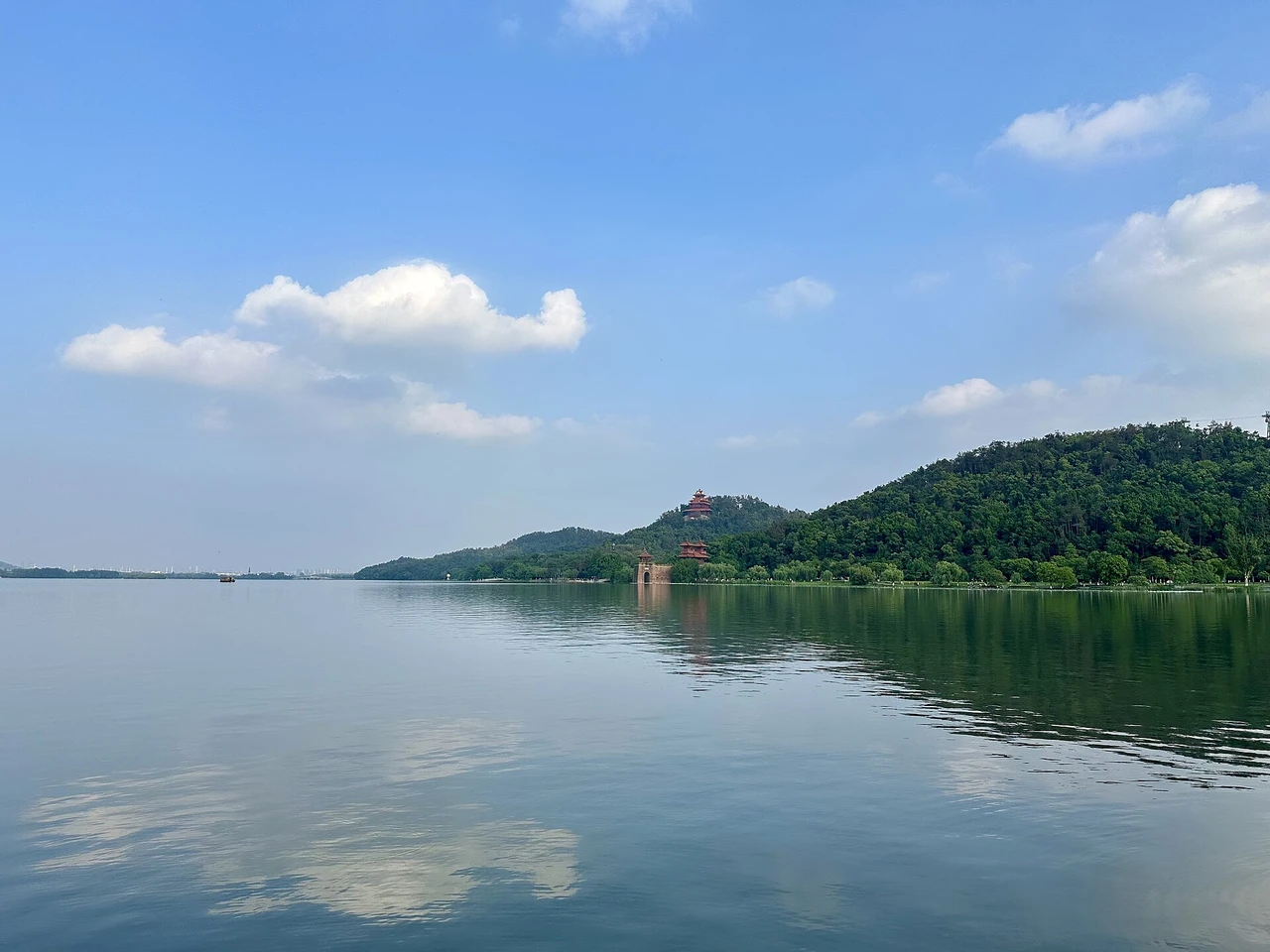
东湖绿道
East Lake Greenway
A hundred kilometres of car-free lakeside paths. Rent a bike and pick a section.
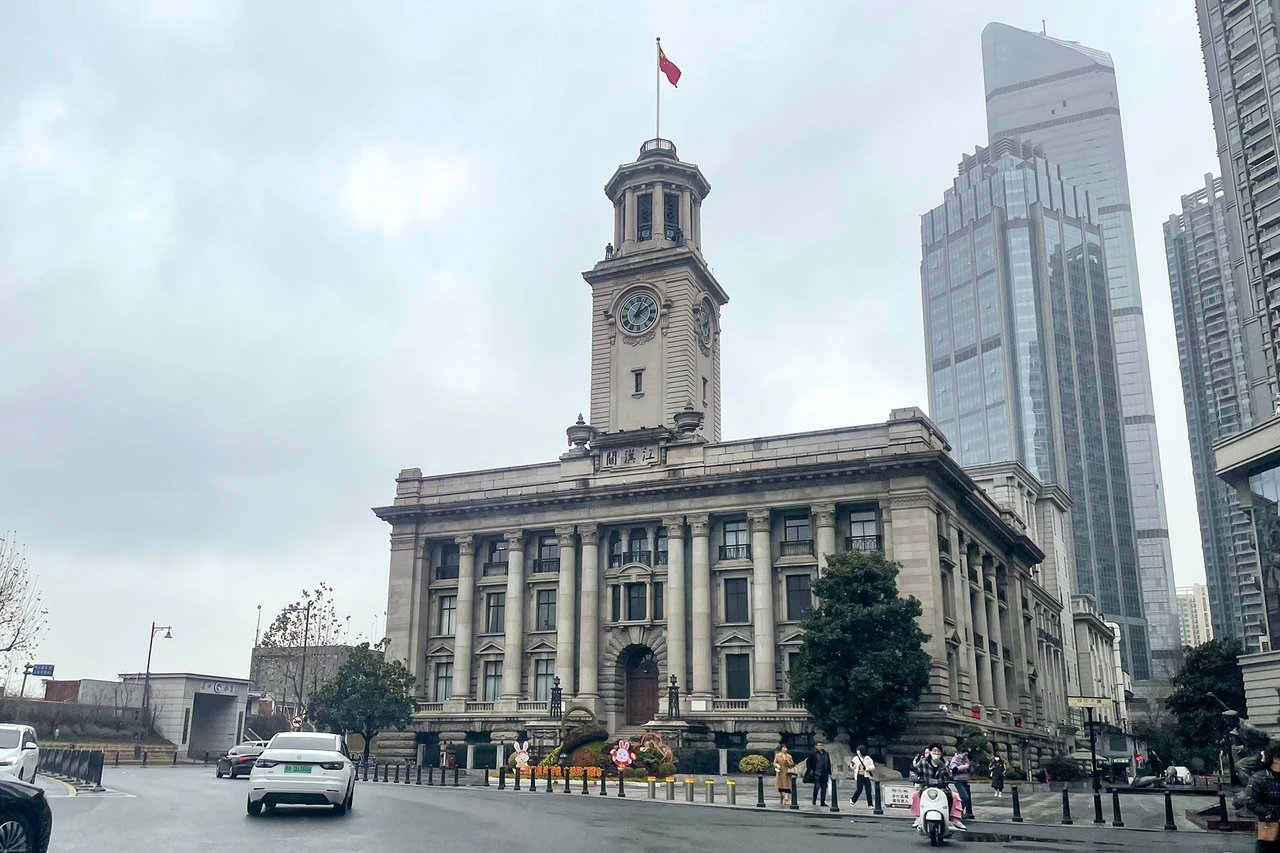
汉口老租界
Hankou old concessions
Five foreign concessions' worth of banks, churches and villas, along the Yangtze.
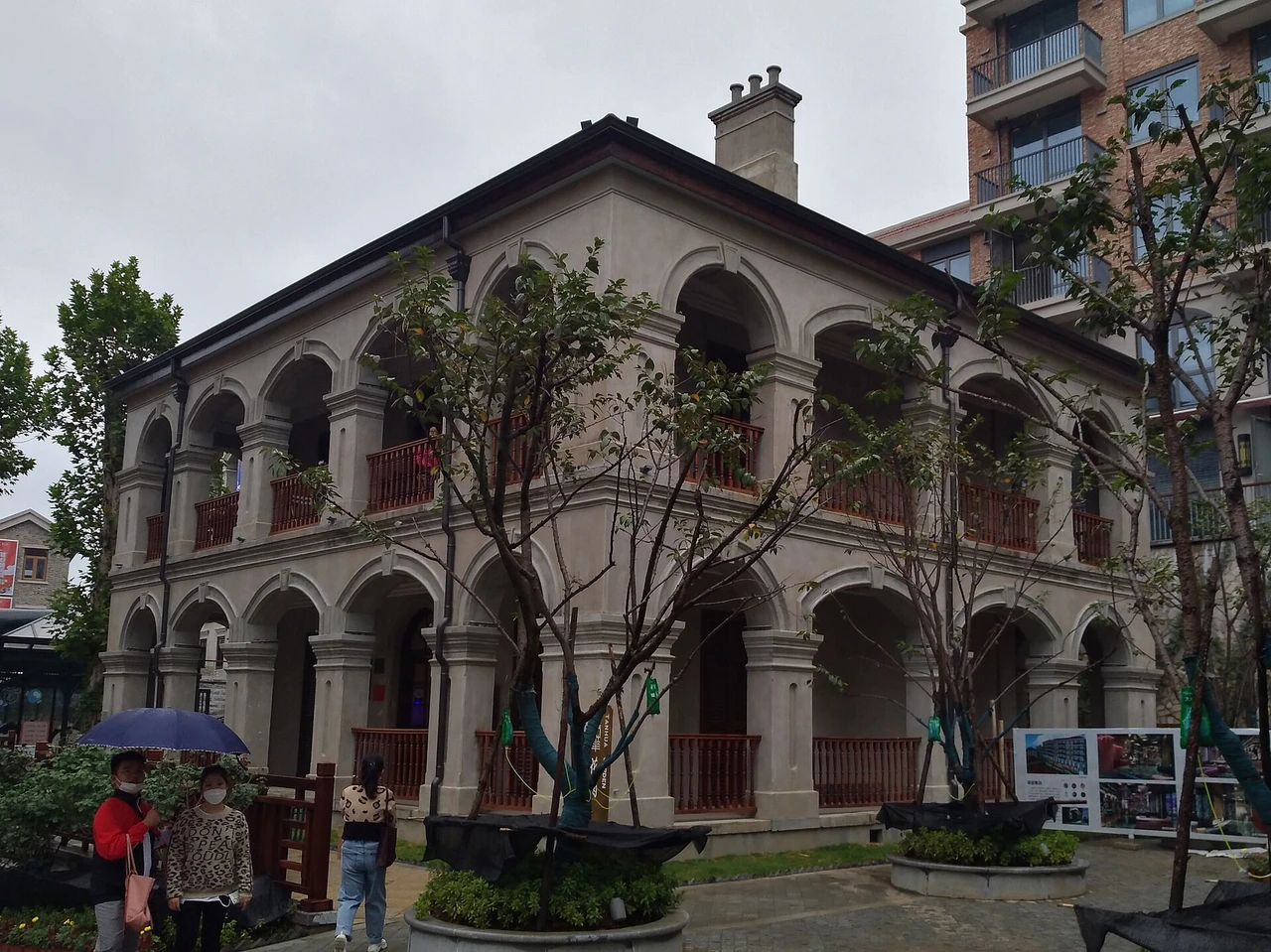
昙华林
Tanhualin
A hillside street of old mission buildings, studios and cafés in Wuchang.
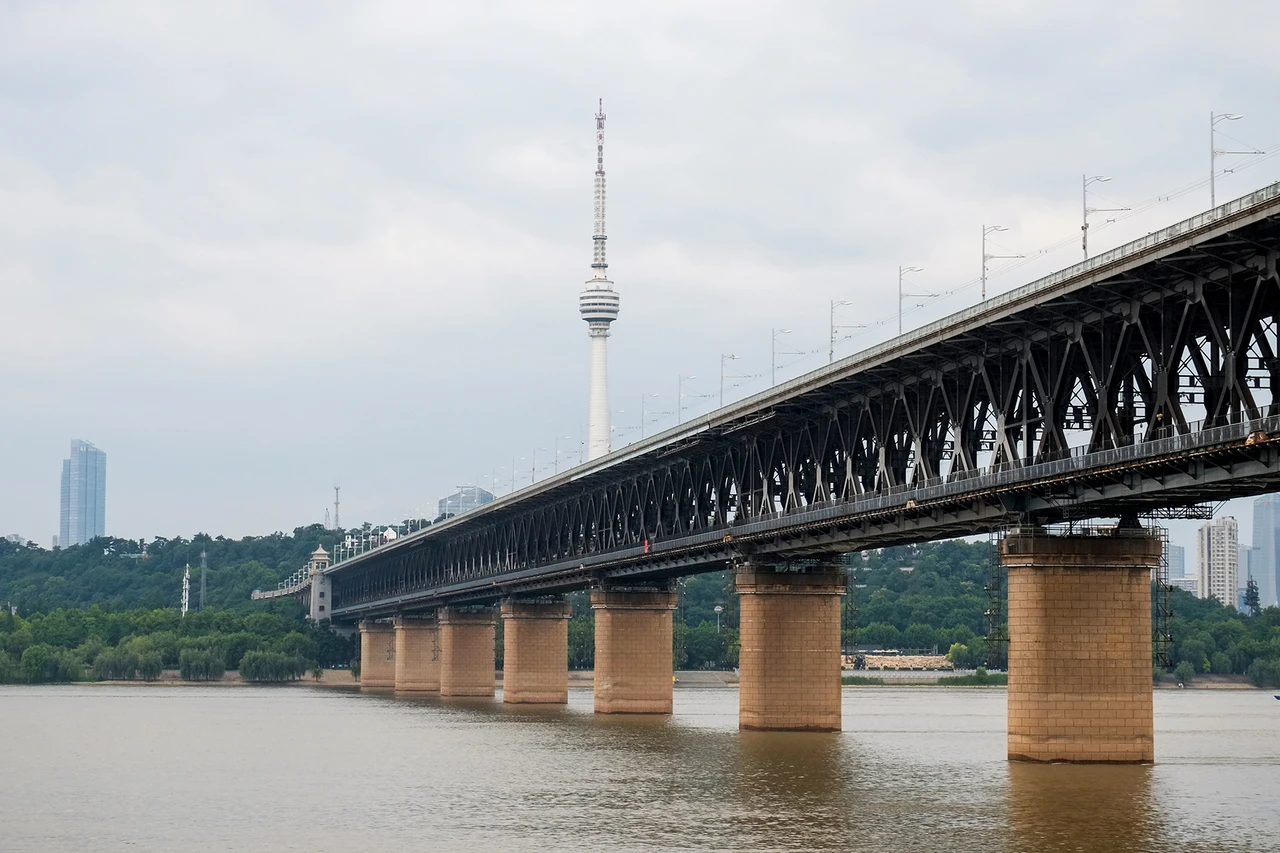
武汉长江大桥·轮渡
Yangtze River Bridge and the ferry
Walk across the 1957 bridge, then take the two-yuan ferry back at sunset.
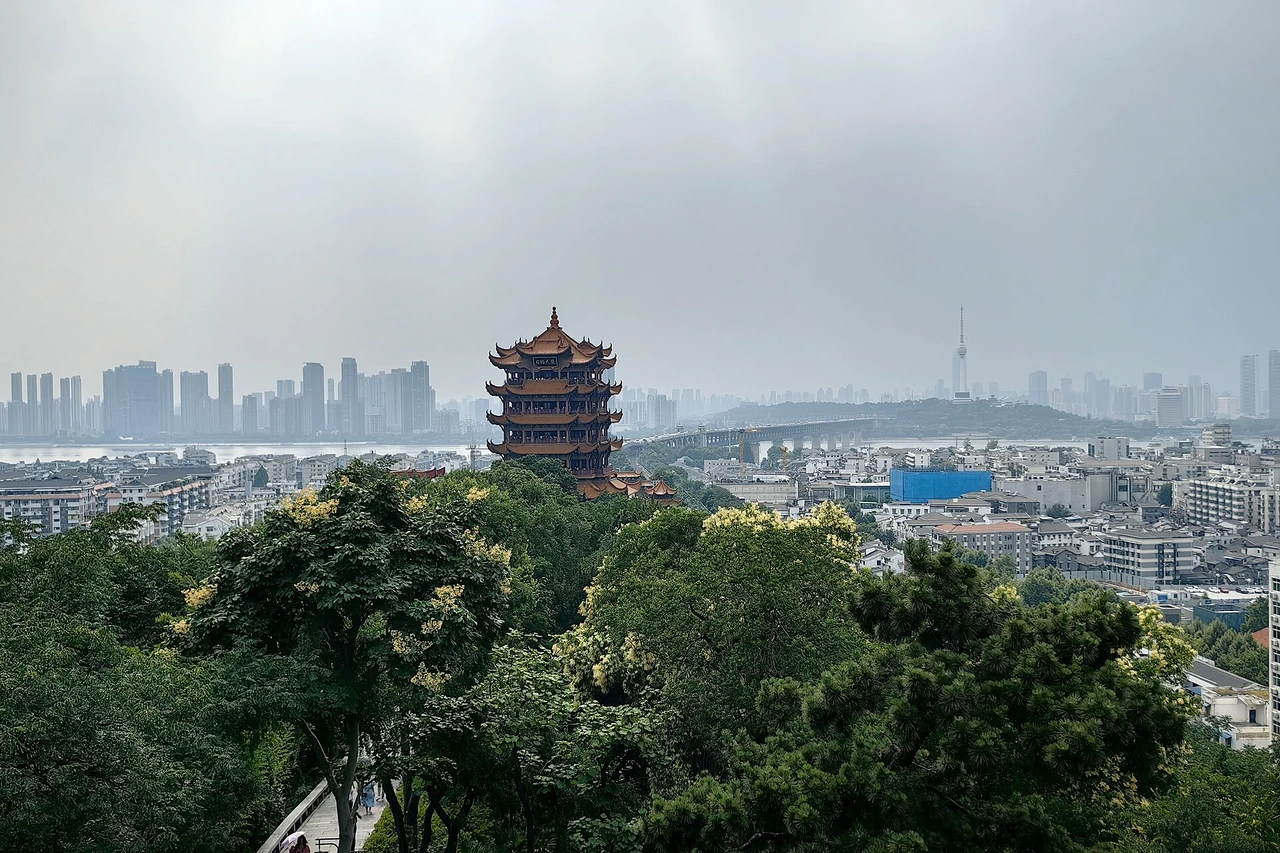
黄鹤楼
Yellow Crane Tower
The tower every Tang poet wrote about, rebuilt in 1985 on the hill over the bridge.
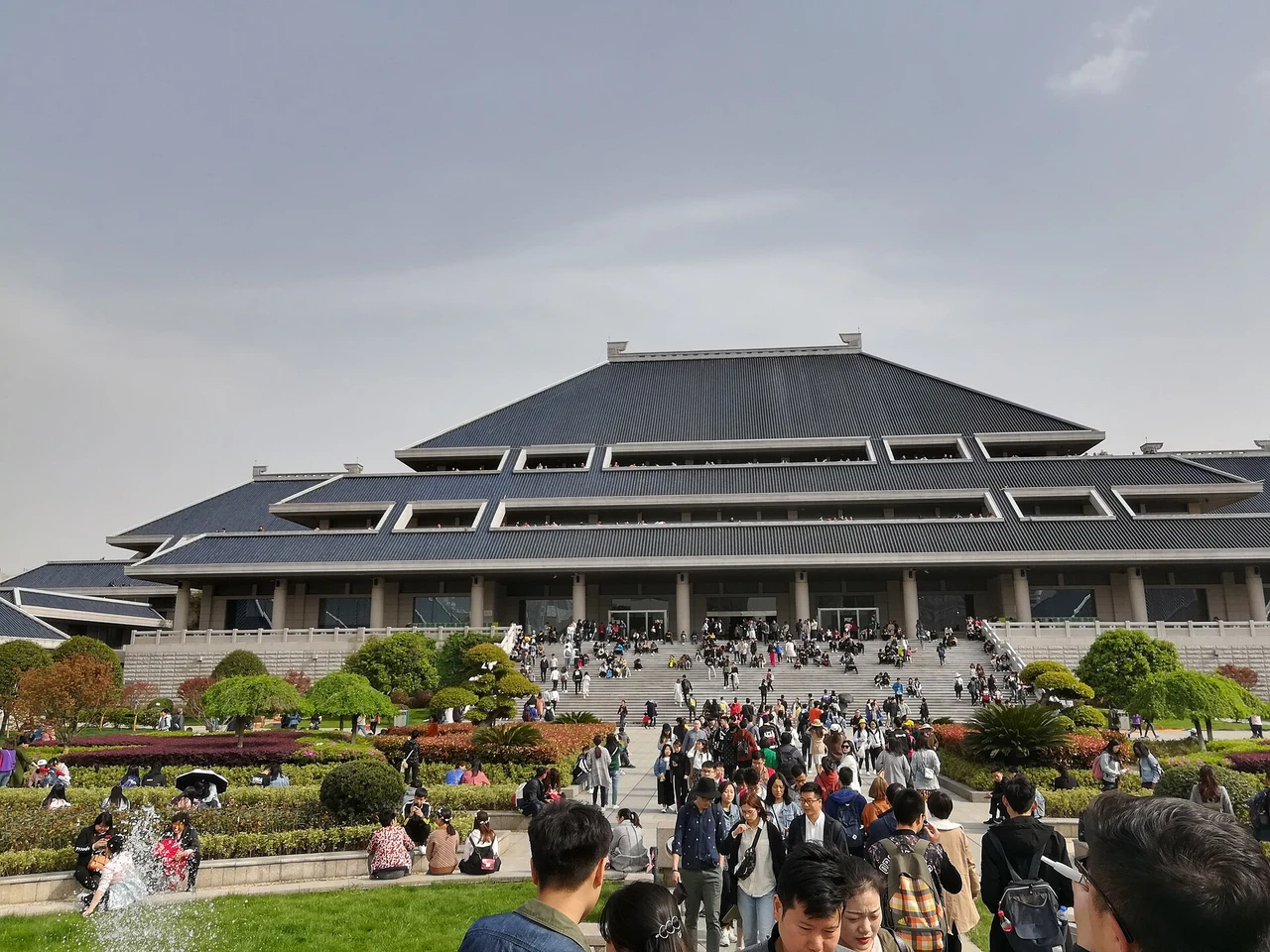
湖北省博物馆
Hubei Provincial Museum
The bronze bells of Marquis Yi, 2,400 years old and still in tune. Free with a booking.
武汉东湖
Wuhan East Lake
East Lake is an enormous urban lake system with greenways, wetlands, wooded peninsulas, gardens and university edges spread across many kilometres. Tingtao, Moshan and Luoyan offer different landscapes and entrances; they cannot all be covered on a casual walk. The lake functions as habitat, flood and climate infrastructure as well as the city's major recreation landscape.
汉口历史风貌区与江汉关
Hankou Historic Riverfront and Customs House
Hankou's riverfront grew into a major commercial port after the nineteenth-century opening of treaty concessions. Former banks, trading houses, churches and the Customs House stand behind a vast modern embankment, revealing both foreign-controlled spaces and Chinese commercial networks. Walking from streets to river helps explain how trade, flooding and transport shaped modern Wuhan.
武汉长江大桥
Wuhan Yangtze River Bridge
Opened in 1957, Wuhan Yangtze River Bridge carries road traffic above and railway lines below, creating the first fixed crossing of the Yangtze in the city. It physically linked the three-town metropolis and reshaped national north-south transport. Views from nearby hills, ferries and riverbanks often explain its engineering and urban scale better than attempting a long roadside crossing.
Local snacks
Taste the city, one dish at a time.
These cards describe dishes, not restaurants. Images are added only after their license and attribution are verified.
Nutty, savoury, aromatic and optionally spicy
Wuhan Hot Dry Noodles
热干面
Alkaline wheat noodles are cooked, oiled, reheated and rapidly mixed with sesame paste, soy seasoning, pickles and optional chilli. Despite the name, they are warm and sauced rather than literally dry.
Mix immediately before the paste thickens and confirm sesame, peanut and gluten allergens.
Crisp, sticky, savoury and aromatic
Wuhan Three-delicacy Doupi
三鲜豆皮
A thin egg and mung-bean-flour skin is filled with sticky rice, diced pork, mushrooms and bamboo shoots, then griddled until the outside is golden and crisp.
Eat hot and confirm pork, egg and mushroom ingredients; one portion can be filling.
Crisp, savoury and scallion-scented
Wuhan Mianwo
面窝
Seasoned rice and soybean batter is fried in a ring-shaped ladle, producing a thin crisp centre and thicker, softer rim scented with scallion and ginger.
Eat freshly fried and ask about shared oil; soy allergy and cross-contact matter.
Juicy, savoury and lightly sweet
Wuhan Soup Buns
武汉汤包
Thin wheat wrappers enclose seasoned pork and aspic that melts into hot broth during steaming. Wuhan versions are commonly served in small baskets with vinegar and ginger.
Lift carefully, pierce or cool before biting and note the very hot broth inside.
City essentials
The practical details, when you need them.
Places and local food come first. Open these notes for context, arrival and neighbourhood advice.
Overview+
ANHUIFUJIANJIANGXIHENANHUNANCHONGQINGGUIZHOUSHAANXIWuhan
Wuhan is three cities that grew together at the meeting of the Yangtze and the Han: Wuchang on the south bank with the universities and the lake, Hankou on the north with the old foreign concessions and the money, and Hanyang in between. The 1957 bridge joined them and you can still walk across it.
The city eats breakfast standing up. Guozao, passing the morning, is a ritual of hot dry noodles, doupi and fried dough bought from windows and eaten on the move. Do it on Liangdao Street in Wuchang rather than the tourist alley.
East Lake is six times the size of Hangzhou's West Lake, with a hundred kilometres of cycle paths and cherry blossom in March. Summer is brutal; Wuhan is one of the furnace cities. Spring and autumn are the seasons.
Getting there+
Wuhan has three big stations. **Wuhan** station, in the east, is on the Beijing–Guangzhou line: Beijing four hours, Guangzhou four, Changsha an hour and a half. **Hankou** station serves Shanghai in about four hours and Chongqing in five to six. Both are on the metro. **Tianhe (WUH)** airport is on metro line 2, about an hour to the centre.
**Rail tip.** Your passport is your ticket. Book on 12306 or [Trip.com](/go/trip?to=trains&from=city-rail), then go straight to the gate. See [Getting around](/guides/getting-around). The Trip.com link earns us a small commission at no cost to you ([how that works](/about#affiliate)).
**Stay online.** Google, WhatsApp and Instagram are blocked on Chinese networks; a travel eSIM that roams gets around it. Install one before you fly — [Saily](/go/saily?from=city-esim) takes US$5 off a first plan with the code **CHINA**. See [Staying online](/guides/staying-online). The code earns us the same amount in Saily credits, at no cost to you ([how that works](/about#affiliate)).
Where to stay+
Wuchang and Tanhualin
武昌·昙华林
Old streets, the university quarter, the lake close by. The relaxed side.
Around Tanhualin and Liangdao Street, between the Yellow Crane Tower and East Lake. Guesthouses in old houses, breakfast windows on every corner, metro lines 2 and 5.
first visitwalkingcafés
Hankou concessions
汉口老租界
Banks and villas from the treaty-port years, along the river. Grand, and central.
Between Jianghan Road and the riverfront. Hotels in old bank buildings, bars on Lihuangpi Road, the ferry pier at the bottom of the street.
architectureconveniencenightlife
**Booking.** Compare hotels in Wuhan on [Trip.com](/go/trip?to=hotels&city=wuhan&from=city-stay), filtered to its China travel essentials list: English-speaking staff, foreign cards, guest rating 8 or higher. See [Where to stay](/guides/where-to-stay). Booking through this link earns us a small commission at no cost to you ([how that works](/about#affiliate)).
Traveller community