
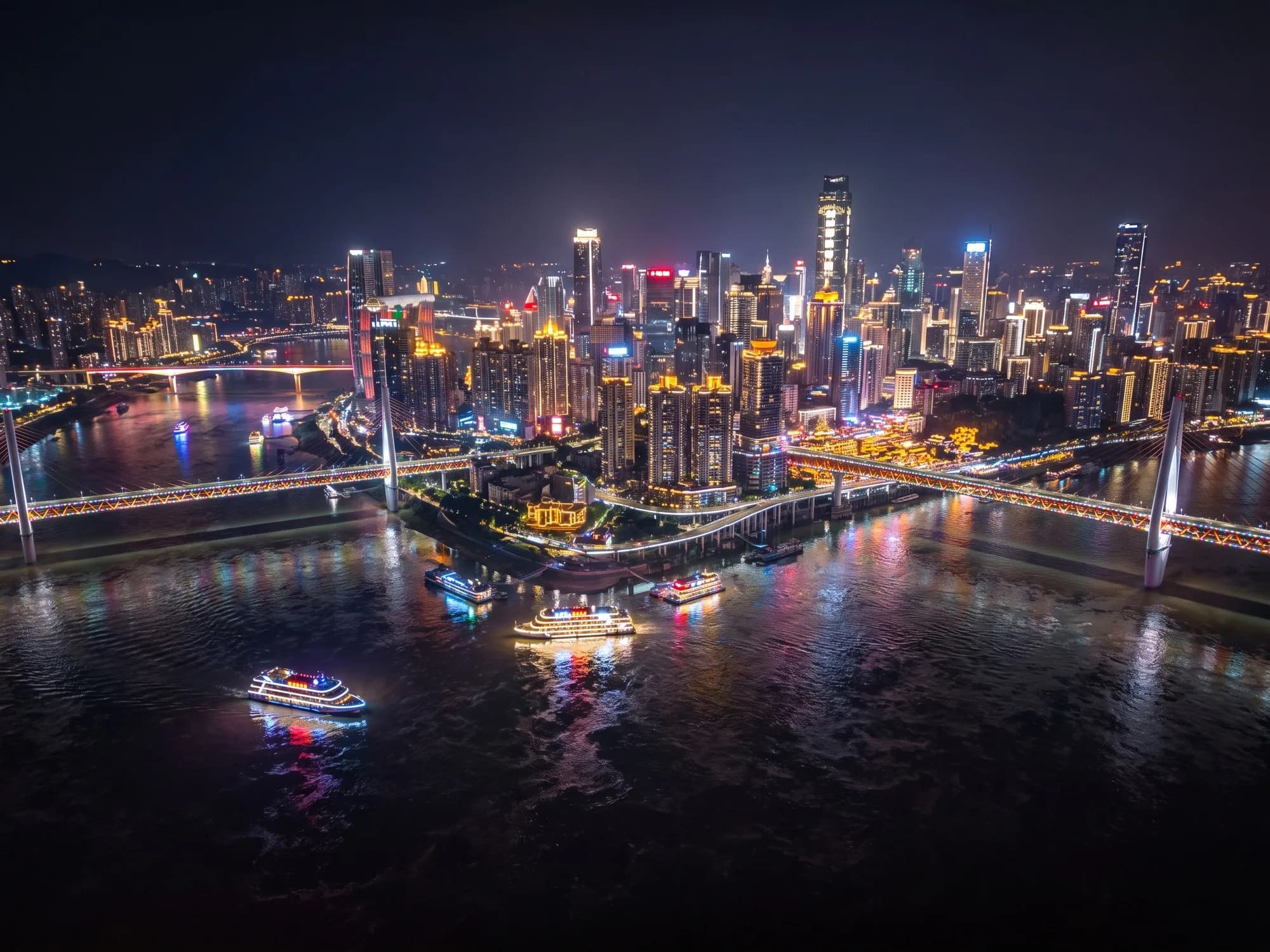
重庆
Chongqing
Steep streets, three-dimensional transportation and night views of the two rivers make traveling in Chongqing itself a part of the travel experience.
At a glance
- Stay
- 2–3 days
- Best seasons
- Mar–May, Oct–Nov
- Airports
- Rail or road access
- Region
- Southwest China
Last updated: 9/29/2026
One thing to check before you arrive
Check the entrance level as well as the walking route
Chongqing’s slopes and multi-level roads can turn a short distance on the map into a detour. When choosing a meeting point in hillside areas such as Hongyadong, specify the road name, entrance and level. If carrying luggage, check for lifts or accessible routes first; do not plan your timing solely by straight-line map distances.
Read the official visitor guidance (opens in a new tab)Arrival tips checked on 16 October 2026. The Chongqing section is itinerary advice, not a guarantee of accessible facilities.
Plan your visit
Plan Chongqing by area: see the monorail at Liziba, explore Ciqikou and leave time for hillside streets. Check entrances and transfers before joining the sights.
What should I see on a first visit to Chongqing?
Choose a few areas rather than treating the entire municipality as one compact city centre. Liziba offers the familiar view of a monorail passing through a building; Ciqikou is a historic neighbourhood in Shapingba. These are separate stops with different experiences, so plan the transfer before adding more sights.
How should I plan walks and monorail stops?
Check the actual entrance and street level of each destination. In this hilly city, places that look close on a flat map may involve stairs or a different road level. At Liziba, decide whether you want to watch from the viewing area or ride a train; a station name does not identify your photography spot. Leave time for the walk back and the onward journey.
Can I combine city sightseeing with distant excursions?
Start with a city-area day, then plan outlying excursions separately after checking their exact locations. This is an editorial planning suggestion, not a fixed tour. Confirm museum bookings, performance tickets and any transport products individually; a neighbourhood walk does not include admission to every attraction. Current prices, operating hours and foreign-passport booking remain to be confirmed with each operator.
Reviewed 26 October 2026 using the municipal route information. Route advice is editorial; transport times, attraction bookings and passport procedures have not been tested.
First visit
Arrive and settle in Chongqing
Start with arrival and where to stay, then choose your sights. Recheck transport and accommodation details before booking.
Getting there+
Jiangbei (CKG) is on metro line 3 and line 10, about 45 minutes to the centre. High-speed trains from Chengdu take just over an hour to Chongqing West or Shapingba ; from Xi'an about five hours.
Rail tip. Your passport is your ticket. Book on 12306 or Trip.com, then go straight to the gate. See Getting around. The Trip.com link earns us a small commission at no cost to you (how that works).
Stay online. Google, WhatsApp and Instagram are blocked on Chinese networks; a travel eSIM that roams gets around it. Install one before you fly — Saily takes US$5 off a first plan with the code CHINA. See Staying online. The code earns us the same amount in Saily credits, at no cost to you (how that works).
Where to stay+
Jiefangbei
解放碑
The peninsula tip. Central, busy, the classic base.
Malls, the monument, Hongya Cave a short walk downhill, and both rivers within reach. Noisy but easy.
first visitconvenience
Nan'an, south bank
南岸
Across the Yangtze with the view back at the skyline.
Hotels around Nanbin Road face the city across the water. The cable car brings you over in four minutes.
viewsquieter
Shapingba
沙坪坝
University district, big transport hub, cheaper.
West of the centre with the high-speed station underneath a mall. Student prices and student energy.
valuetransit
Booking. Compare hotels in Chongqing on Trip.com, filtered to its China travel essentials list: English-speaking staff, foreign cards, guest rating 8 or higher. See Where to stay. Booking through this link earns us a small commission at no cost to you (how that works).
Overview+
HUBEIHUNANChongqing
Maps do not work in Chongqing. Roads stack on top of each other, the metro passes through an apartment block, and the street outside your hotel may be the eighth floor. Accept it and walk.
The river confluence is the centre of everything. Cross on the cable car, look down from the ridge at Eling Park, and come back after dark when the whole hillside lights up.
The city is humid, foggy and known for heat in both senses. Its hot pot is the numbing, oily, beef-tallow original, and it is a point of pride.
Where next?
Save places you like, then use your saved list to build a trip.
Practical travel guides
Places to explore in Chongqing

Zhuoshui Scenic Area
濯水景区
Zhuoshui Scenic Area connects Zhuoshui Ancient Town, the covered Wind and Rain Bridge, the Puhua Underground River and other areas. The old streets reflect riverside trade and local life, the covered bridge offers views of the riverbanks and architecture, and the underground river provides a different waterborne karst experience. These photographs mainly show the ancient town and riverbanks; they do not indicate that the underground river is open on your visit date.

Jinfo Mountain Scenic Area
金佛山景区
Jinfo Mountain is a karst mountain scenic area whose main sights include cliffs, forests, caves and elevated trails. Open boardwalks offer close views of the rock faces and distant mountain ranges. Your entrance and means of ascent affect the route you can take. Winter rime and seas of clouds occur only in particular weather conditions and cannot be seen throughout the year.

Youyang Taohuayuan Scenic Area
酉阳桃花源旅游景区
Youyang Taohuayuan combines karst caves and rural courtyards with the cultural imagery of The Peach Blossom Spring. Ancient Taoyuan suits leisurely walking, Taigu Cave presents underground karst scenery, and Youzhou Ancient Town offers a different streetscape. This is not Taohuayuan in Changde, Hunan. These photographs mainly show rural courtyards and walking areas.

Wushan Lesser Three Gorges–Mini Three Gorges Tourist Area
巫山小三峡—小小三峡旅游区
The Lesser Three Gorges follow the Daning River and comprise Longmen, Bawu and Dicui gorges. The Mini Three Gorges lie along its tributary, the Madu River, with narrower waterways and steep cliffs. Visits focus on views from the water, taking in gorges, shorelines and vegetation. These reference photographs show the Daning River’s Lesser Three Gorges and associated viewing perspectives.

Yunyang Longgang Scenic Area
云阳龙缸景区
Yunyang Longgang centers on a karst sinkhole, cliffs and gorges. The Cloud Bridge and open elevated paths provide high viewpoints, while cave areas offer a different karst experience. Visits depend considerably on weather and visibility. Visitors with a fear of heights can choose routes suited to their own comfort.

Simian Mountain Scenic Area
四面山景区
Simian Mountain features forests, Danxia cliffs, lakes and waterfalls. Areas including Wangxiangtai, Tudiyan and Honghai offer different mountain-and-water perspectives. Allow time for trails and waterfall viewing rather than stopping at just one viewpoint. Transport between the areas also needs planning.

Wuling Mountain Great Rift Valley Scenic Area
武陵山大裂谷景区
The Wuling Mountain Great Rift Valley features escarpments, canyons and narrow rock fissures. Open routes connect mountain paths with confined spaces between rock walls. Areas such as Qingtian Gorge offer views of rock strata and changing light. Significant elevation changes mean physical effort should not be estimated solely from straight-line map distances.

Baidicheng–Qutang Gorge Scenic Area
白帝城·瞿塘峡景区
Baidicheng stands at the entrance to Qutang Gorge. Historic buildings, Three Kingdoms stories and poetry provide themes for a visit, while riverside viewpoints reveal the mountains on either side of Kuimen. Walking around Baidicheng and taking a boat through Qutang Gorge are different itineraries. Choose according to your available time rather than rushing between them just to tick off sights.

Ayi River Scenic Area
阿依河景区
Ayi River features canyon waterways, waterside walking and water activities. Observe woodland, cliffs and the river, or choose bamboo rafting or white-water rafting when open and safe. Walking and rafting differ in physical demands, duration and cost and should be planned separately.

Wansheng Black Valley–Longlin Stone Sea Scenic Area
万盛黑山谷—龙鳞石海风景区
This 5A scenic area comprises Black Valley and Longlin Stone Sea. The former follows canyon streams through forest, waterfalls and walkways; the latter focuses on stone-forest landforms. They do not share an entrance and are best explored in stages according to fitness and transport. This image set mainly shows Black Valley’s stream and canyon environment.

Wulong Karst
武隆喀斯特
Wulong is part of the Karst World Natural Heritage in South China. The high-level inland karst has been uplifted and eroded to form huge sinkholes, natural bridges, canyons and caves. Landscapes such as Tiansheng Sanqiao can intuitively represent the geological scale, but Wulong's scenic spots are distributed in vast mountainous areas and are not a compact park.
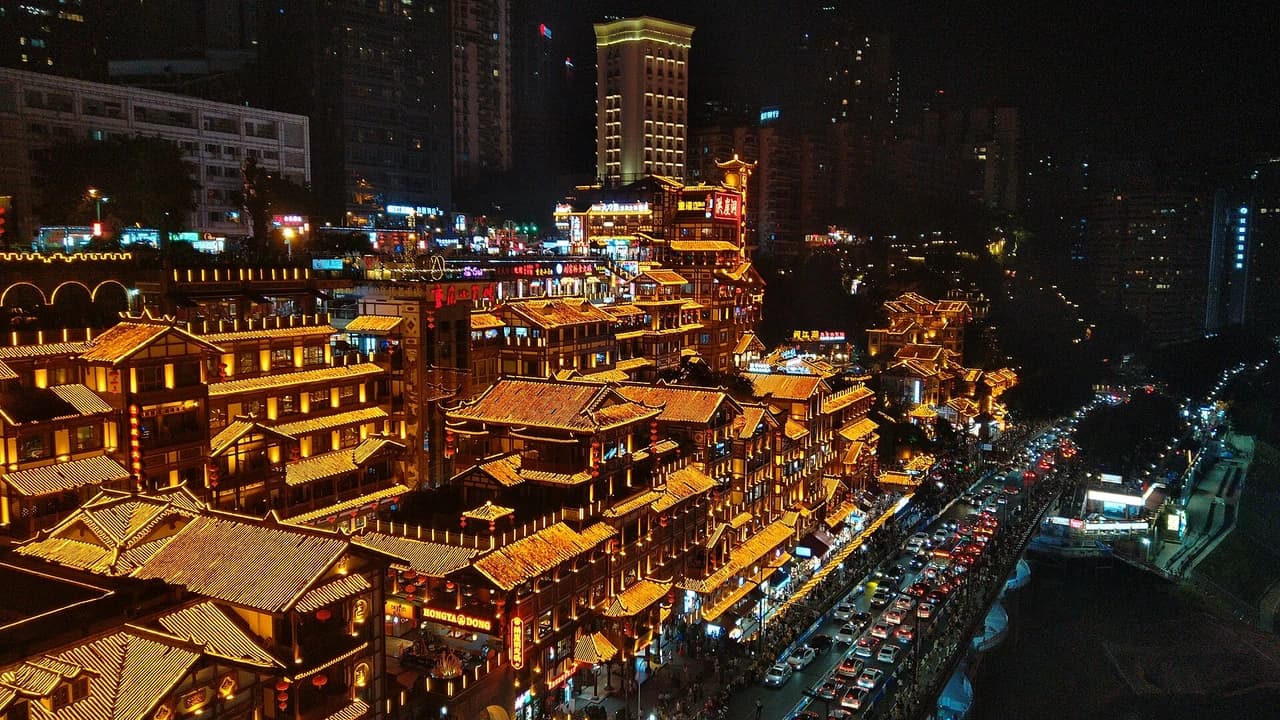
Hongya Cave
洪崖洞
Hongyadong is a group of modern commercial buildings that spreads downward along the steep cliff of the Jialing River. It visually draws on the form of stilted buildings in the mountains. Its real value to first-time visitors lies in the spatial experience: different floors can be directly connected to city roads, bridges span from above, and the riverside platform shows how Chongqing vertically superimposes transportation and life; this is not an unmodified historical village.
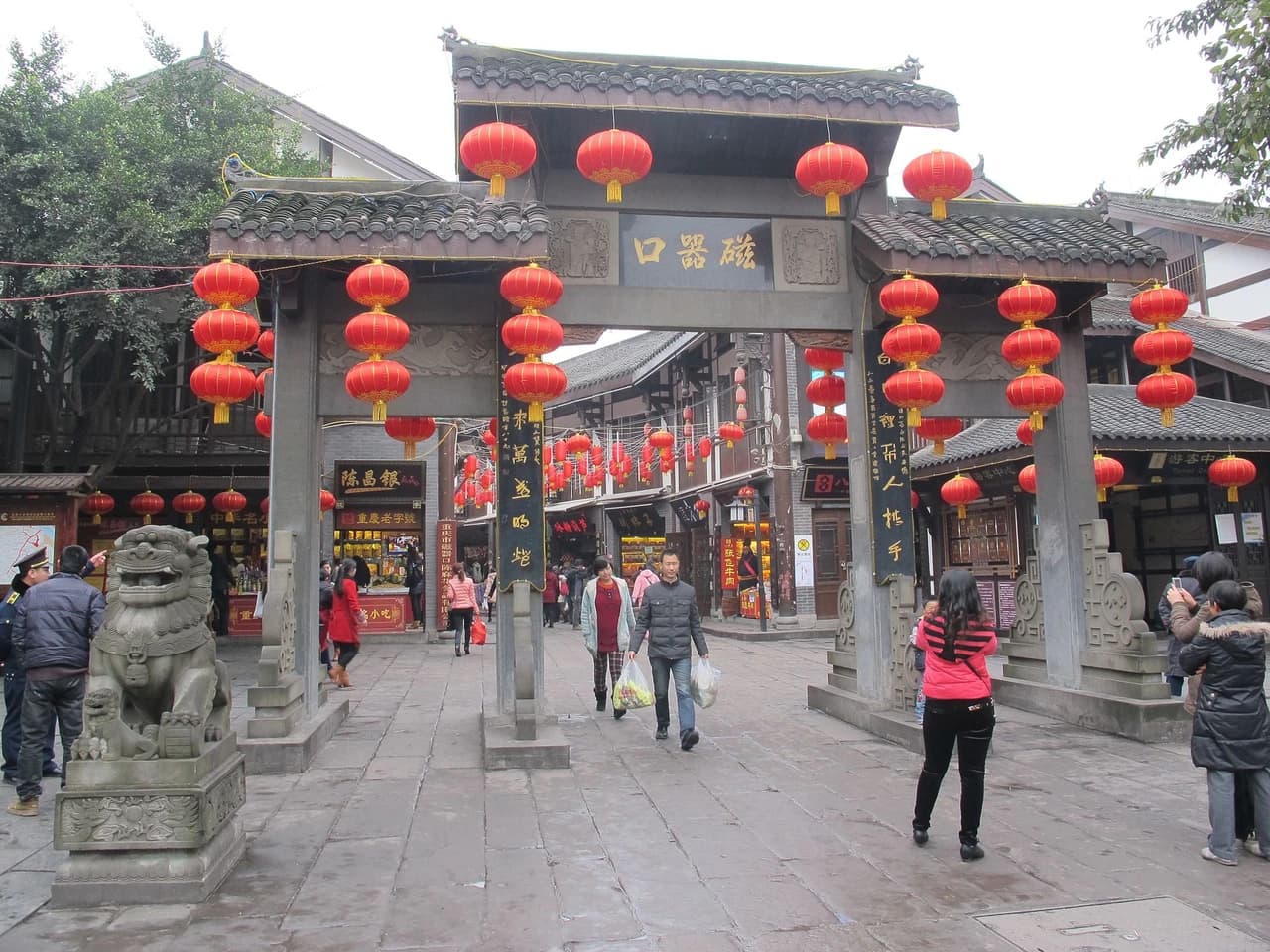
Ciqikou
磁器口
The thousand-year-old Bayu Wharf Ancient Town and a national AAAA-level scenic spot was first built in the Xianping reign of Emperor Zhenzong of the Song Dynasty (998). It was first named Baiyanchang. According to legend, Emperor Jianwen took refuge here and was also called Longyin Town. In the Qing Dynasty, it was named "Ciqikou" because of the prosperity of the porcelain transfer wharf. During the Anti-Japanese War, it was the core of the Shaci Cultural Zone. Core attractions: Baolun Temple, Zhongjiayuan, Huangjueping Archway, Diaojiaolou Square, Longyinmen Wharf, as well as delicacies such as Chen Mahua, Maoxuewang, and Guzhen Chicken Offal.

Liziba Station
李子坝轨道站
Liziba Station belongs to Chongqing Rail Transit Line 2. The trains pass through the track space designed integrally with the building. It shows how rail infrastructure can adapt to the scarcity of flat land and the steep terrain, where the real place to observe is from the official viewing platform below, rather than disturbing the building's residents and users.

Ciqikou Ancient Town
磁器口古镇
Ciqikou developed into a river port and a town due to the water transport of the Jialing River. Mountain streets, temples, courtyard houses and commercial relics are still preserved in a highly touristized neighborhood. Only by leaving the main snack street and entering the quieter side alleys can the topography of the ancient town, community history and modern tourist commerce be distinguished.
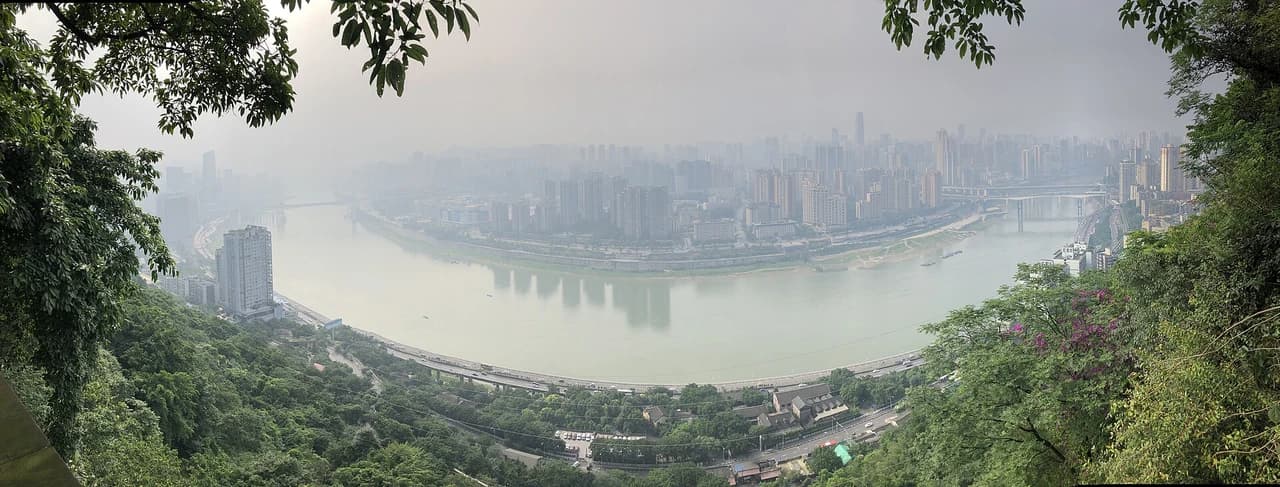
Eling Park
鹅岭公园
Located at No. 176 Eling Main Street, Yuzhong District, on the Eling Ridge between the Yangtze River and Jialing River, it is one of the commanding heights of the Yuzhong Peninsula and the earliest private garden in Chongqing. Founded in 1909, it was formerly the private garden "Liyuan" of Li Yaoting, a wealthy businessman in the late Qing Dynasty. During the Anti-Japanese War, it was an area for foreign affairs activities and was turned into a park in 1958. Key attractions: The seven-story tower building of Kansheng Tower (Liangjiang Pavilion) offers a 360-degree view of the Yangtze River Jialing River, as well as Su-style gardens, lotus ponds, stone rope bridges, Exiang Villa, Feige, etc.
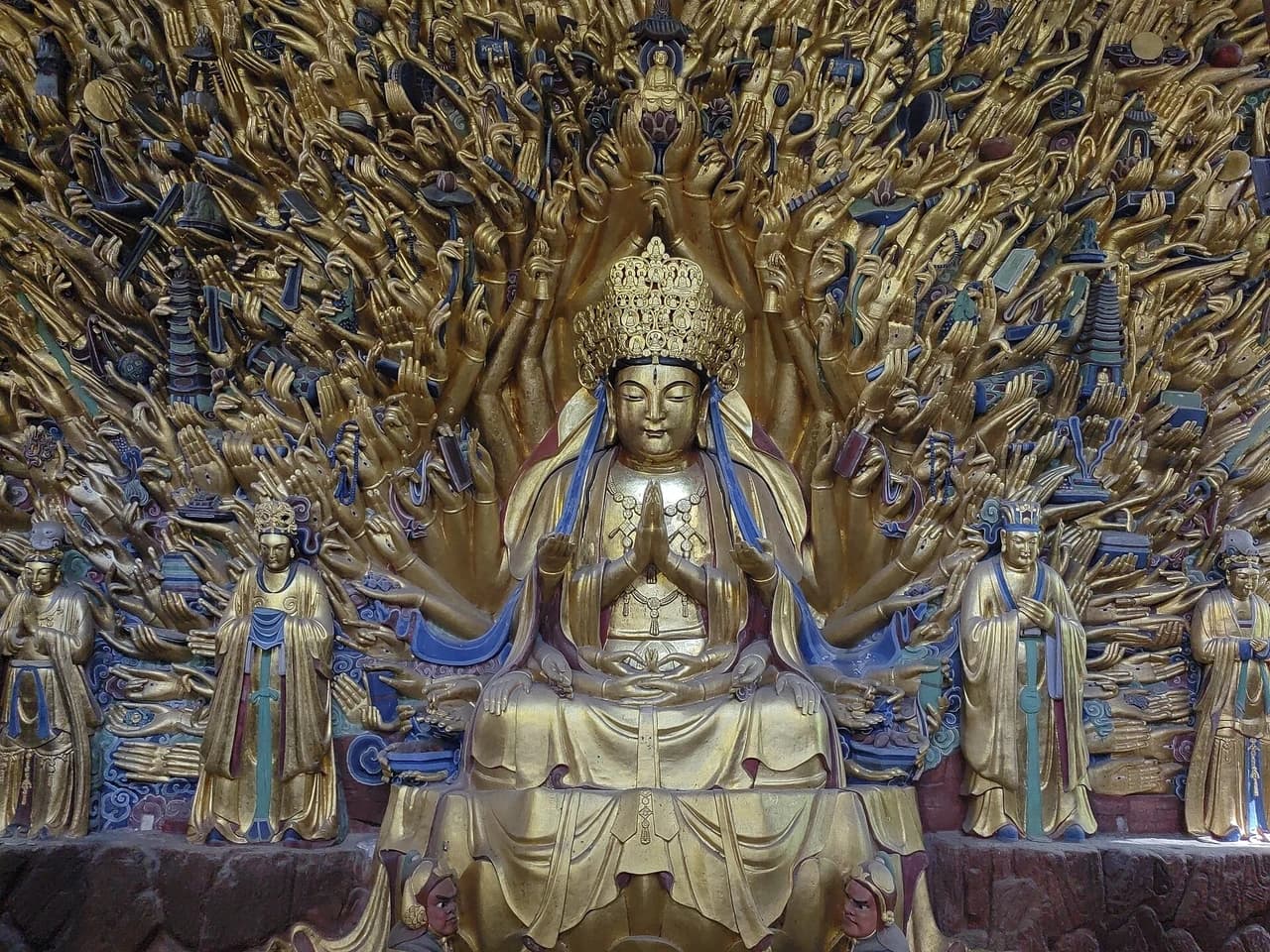
Dazu Rock Carvings
大足石刻
The Dazu Rock Carvings consist of several protected areas and were mainly excavated between the ninth and thirteenth centuries AD. The cliff statues in Baoding Mountain, Beishan and other places use their exquisite art, inscriptions and scenes of daily life to form a unique dialogue between Buddhism, Taoism and Confucianism. The entire series of heritage cannot be summarized by just one famous statue.

Chaotianmen River Confluence
朝天门两江交汇
Chaotianmen is located at the tip of the Yuzhong Peninsula, where the Jialing River merges into the Yangtze River. The confluence of two rivers, shipping, bridges and the steep urban area behind it all explain why Chongqing developed into a port and transportation center. Large modern buildings now redefine historical locations, and the contrast between geographical conditions and contemporary construction becomes part of the experience.

Eling Park and Testbed 2
鹅岭公园与二厂文创公园
Eling is located on a long and narrow ridge between the Yangtze River and the Jialing River. The historical park provides gardens and a high view of the city. The adjacent No. 2 Cultural and Creative Park, which was converted from an old printing factory, houses studios, cafes and cultural businesses. The combination of the two enables simultaneous observation of the topography of the Chongqing Peninsula and the contemporary reuse of industrial space.

Three Gorges Museum
重庆中国三峡博物馆
The China Three Gorges Museum in Chongqing explains Chongqing through regional archeology, Bashu culture, anti-Japanese war history, folk life and the changes in the Three Gorges of the Yangtze River. It is particularly suitable to be arranged before a trip along the river, where artifacts, models and archival materials can add human and environmental context to a river landscape that is easily dismissed as a mere scenery.
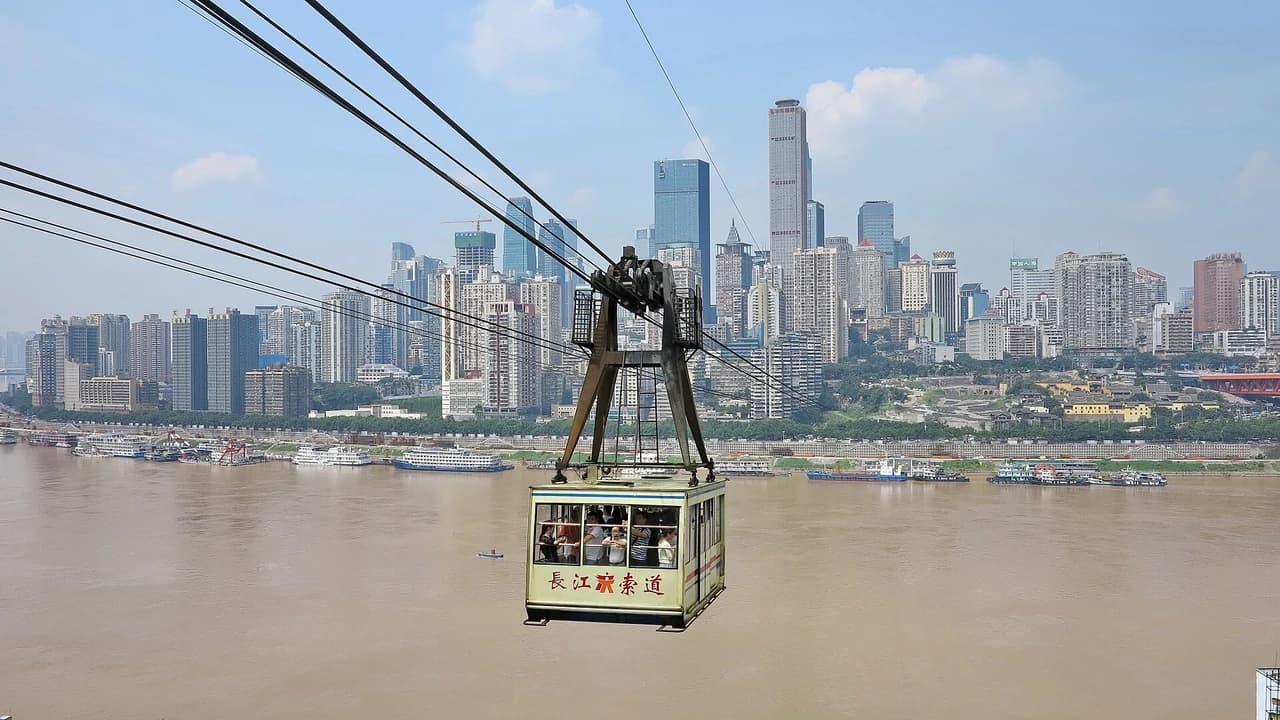
Yangtze River Cableway
长江索道
The Yangtze River Cableway is a short-distance air transportation connecting Yuzhong and the south bank. In the past, it served the daily function of crossing the river. Now it can focus on observing bridges, steep slopes, high-density buildings and river traffic. Its historical transportation role and urban perspective are more important than ride length itself.
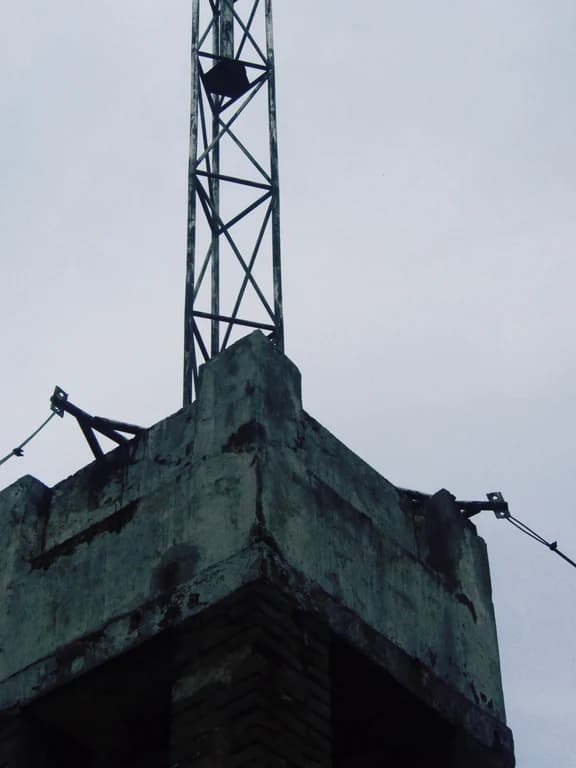
Chongqing War Heritage Museum
重庆抗战遗址博物馆
The Chongqing Anti-Japanese War Relics Museum protects the buildings and sites related to Chongqing as the wartime capital during the Anti-Japanese War. The remains of official residences, offices and diplomatic activities scattered among the forested mountains add to the history of the Anti-Japanese War outside the air-raid shelters in the central city from the perspectives of political decision-making, international exchanges and citizen persistence.
Local snacks
What to eat in Chongqing
These cards describe dishes, not restaurants.

Spicy and delicious
Chongqing noodles
重庆小面
Wheat noodles with red oil, Sichuan peppercorns, sesame seeds and bean sprouts are a fast-paced and richly seasoned daily breakfast.
Indicate the spiciness level when ordering, even regular noodles can be quite spicy.

Hot and sour, chewy vermicelli
Hot-and-sour sweet-potato noodles
酸辣粉
Springy sweet potato noodles are soaked in hot and sour soup, often served with peanuts, mustard and coriander.
If you are allergic to peanuts or do not eat cilantro, please inform us in advance.

Cool and sweet
Brown-sugar ice jelly
红糖冰粉
Cool gel with brown sugar water and a variety of texture ingredients, perfect for cooling down after hot pot or noodles.
Confirm the ingredients item by item if you have any allergies.

Crispy, sweet or salty
Ciqikou twisted dough
陈麻花
The fried twists commonly found in Ciqikou have a crispy texture and come in different versions, such as sweet and salty.
You can buy a small portion first to compare the taste, and you don’t have to choose based solely on the length of the queue.
Traveller community