
杭州
Hangzhou
The West Lake Trail, Tea Mountains and Canal District make Hangzhou a relaxing and green travel option near Shanghai.
At a glance
- Stay
- 2–3 days
- Best seasons
- Mar–May, Sep–Nov
- Airports
- Rail or road access
- Region
- East China
Last updated: 9/29/2026
First visit
Arrive and settle in Hangzhou
Start with arrival and where to stay, then choose your sights. Recheck transport and accommodation details before booking.
Getting there+
Xiaoshan (HGH) is about 45 minutes from the centre by metro. High-speed trains from Shanghai Hongqiao take 45 to 60 minutes to Hangzhou East, which is on the metro. Suzhou is about 1.5 hours.
Rail tip. Your passport is your ticket. Book on 12306 or Trip.com, then go straight to the gate. See Getting around. The Trip.com link earns us a small commission at no cost to you (how that works).
Stay online. Google, WhatsApp and Instagram are blocked on Chinese networks; a travel eSIM that roams gets around it. Install one before you fly — Saily takes US$5 off a first plan with the code CHINA. See Staying online. The code earns us the same amount in Saily credits, at no cost to you (how that works).
Where to stay+
West Lake, east shore
西湖东岸
Walk to the lake in minutes. Busy, central, worth it.
Around Hubin and Nanshan Road. The most convenient base, with the lake at the end of the street and the metro nearby.
first visitlake views
Longjing and the hills
龙井
Tea village guesthouses. Quiet nights, early mornings.
Family-run places among the tea terraces. You will need taxis or bikes to get around, and you will not want to leave.
teaquietnature
Wulin
武林
The commercial centre. Malls, metro, business hotels.
North of the lake around Wulin Square. Convenient for the station and the shops; a short ride to the water.
businessshopping
Booking. Compare hotels in Hangzhou on Trip.com, filtered to its China travel essentials list: English-speaking staff, foreign cards, guest rating 8 or higher. See Where to stay. Booking through this link earns us a small commission at no cost to you (how that works).
Overview+
SHANGHAIANHUIFUJIANJIANGXIHangzhou
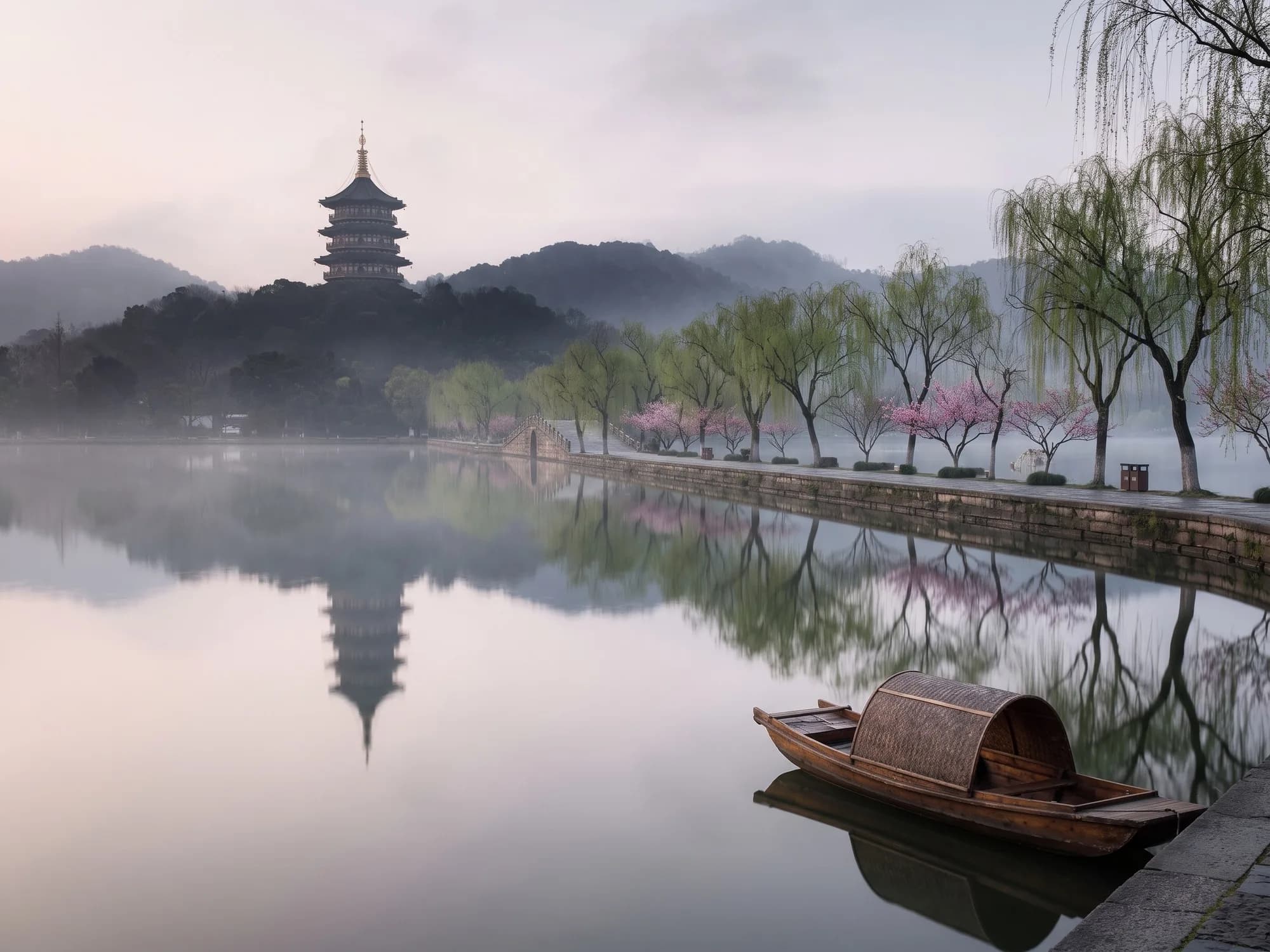
West Lake has been the model for Chinese gardens for a thousand years, and it still works. Walk the causeways early, before the tour groups, and again at dusk. The rest of the day belongs to the hills: tea plantations at Longjing, the temple at Lingyin, the wetlands at Xixi.
The city beyond the lake is a modern tech hub, home to Alibaba, and very comfortable. Bikes are everywhere and the lake loop is flat.
Weekends and holidays bring crowds from Shanghai. Come midweek if you can.
Where next?
Save places you like, then use your saved list to build a trip.
Practical travel guides
Places to explore in Hangzhou

Qiandao Lake Scenic Area
千岛湖风景区
Qiandao Lake is the landscape formed by Xin’anjiang Reservoir, distinguished by scattered islands and continuous ridges. Lake cruises, island visits and lakeside leisure are different experiences. Choose the lake section and departure pier before checking sailings and included islands. Without a boat trip, spend time on open lakeside paths. This is not a quick stop to fit around ordinary central Hangzhou sightseeing; set aside a day or longer.
West Lake
西湖
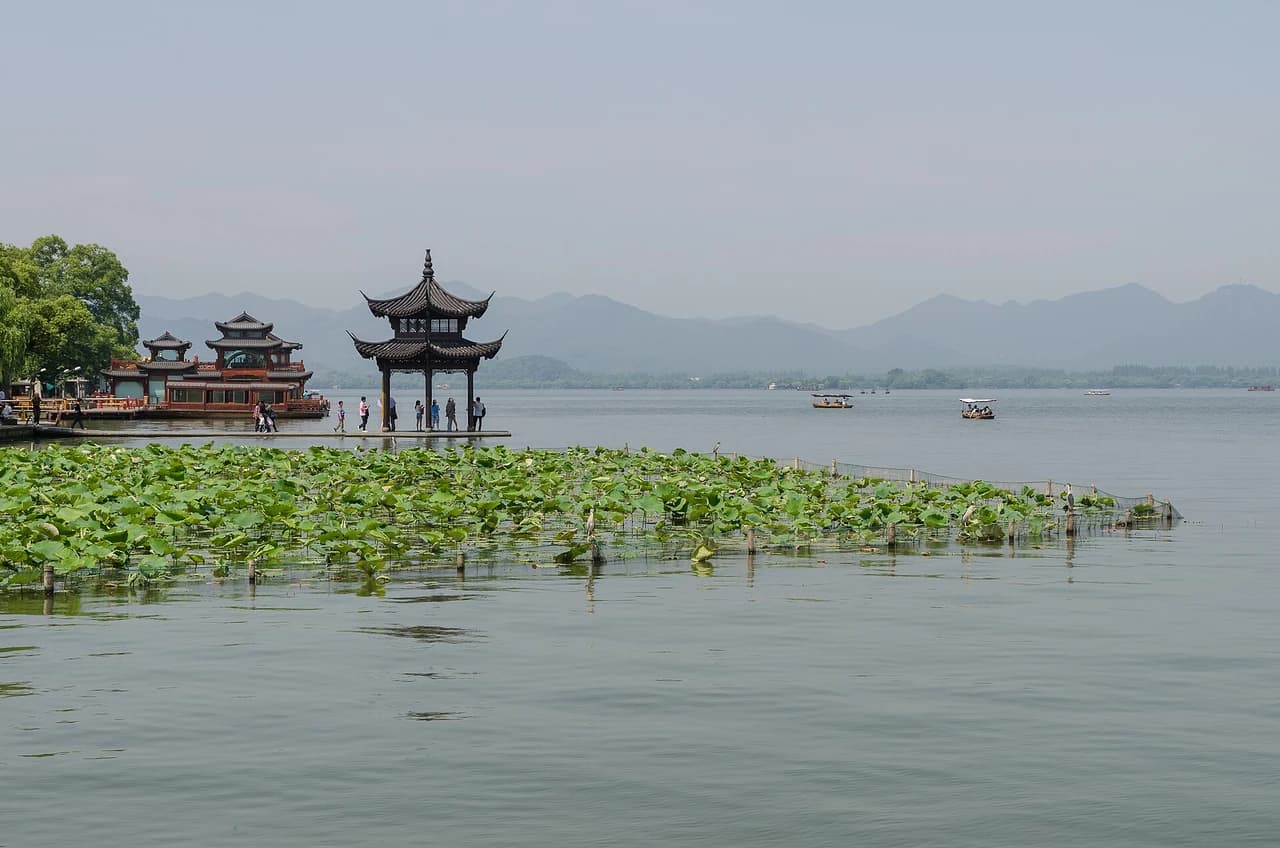
West Lake is a cultural landscape shaped by water, wooded hills, causeways, islands, gardens, temples and carefully framed views. Over centuries, poets, officials and builders developed its celebrated scenic sites, influencing garden design elsewhere in China and in Japan and Korea. Take time to experience the relationship between landscape and culture rather than rushing around the lake in one loop.

Leifeng Pagoda
雷峰塔景区
Leifeng Pagoda is located in Xizhao Mountain on the south bank of West Lake. It is an important component of the traditional famous scenery of West Lake. The current building protects the ruins of the old pagoda while providing an elevated perspective on the relationship between the lake, embankments and surrounding mountains; its cultural influence also comes from the long-standing legend of the White Snake.

Xixi National Wetland Park
西溪国家湿地公园
Xixi is a large urban wetland west of the central city of Hangzhou consisting of rivers, ponds, reed marshes, orchards, villages and local traditions. The water body covers a wide area and provides a foundation for diverse habitats. It also retains the cultural clues of fishery, sericulture, festivals and water town settlements, forming a clear ecological and rhythmic contrast with the West Lake.
Lingyin Temple
灵隐寺
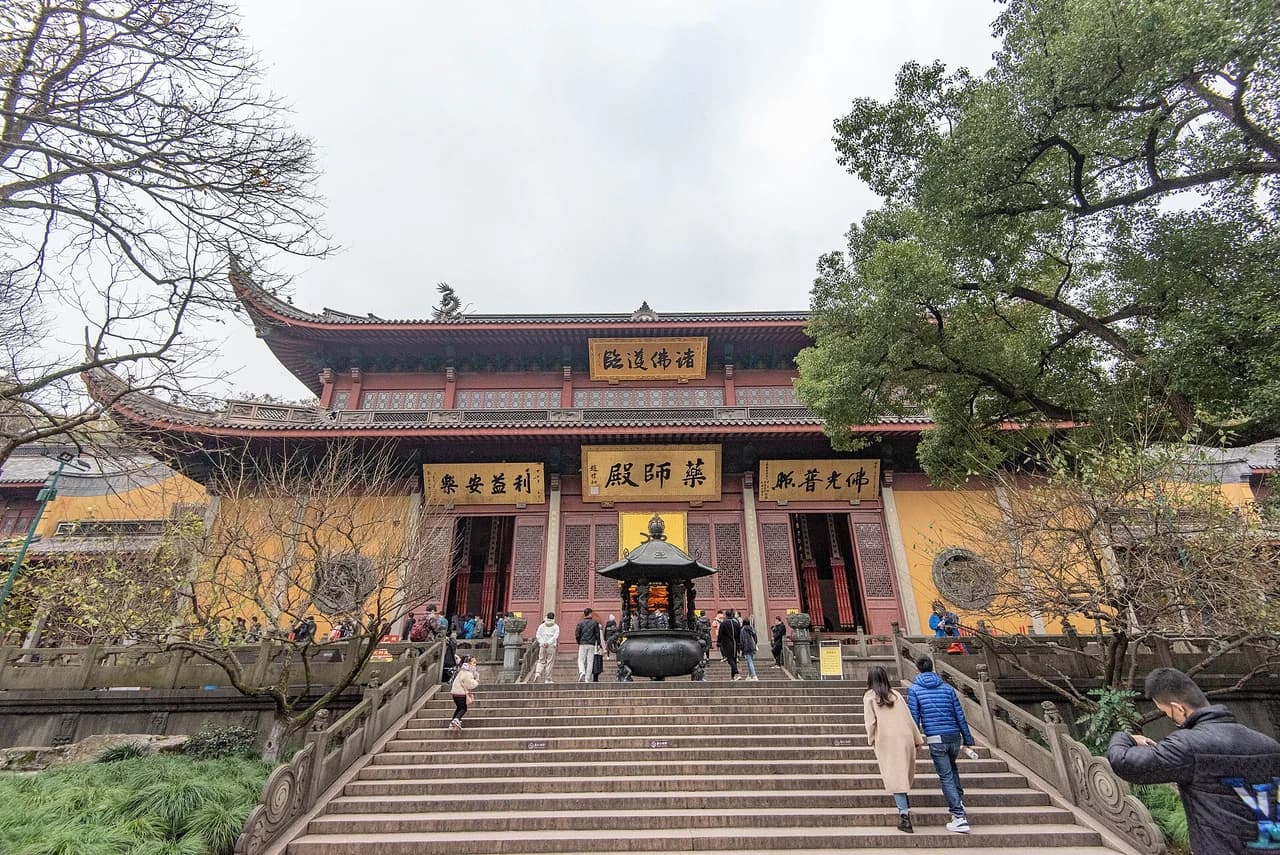
Lingyin Temple is located in a forest-covered valley, next to the Feilaifeng Buddhist statue. Scenic spots, grotto statues and temples that are still in use jointly present centuries of religious support and artistic exchange, but they belong to different spaces in terms of management. From the open-air statues to gradually entering the temple hall, you can better understand its historical level than just visiting the main hall.
Longjing tea village
龙井村
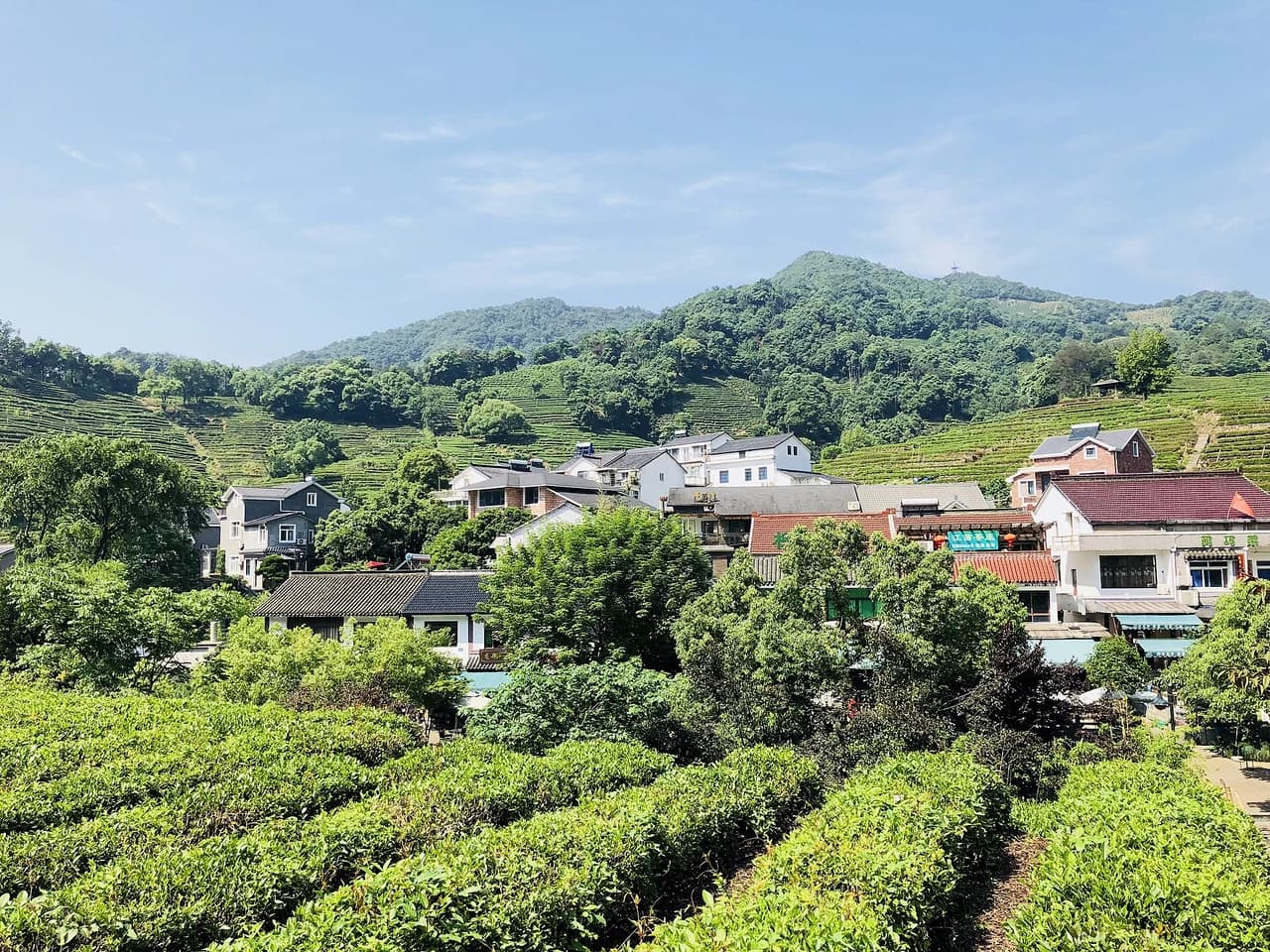
Longjing Village is located between the tea mountains on the southwest side of West Lake, showing the production landscape behind West Lake Longjing tea. The terraced tea gardens, wells, mountain roads and seasonal labor show that tea is first and foremost an agricultural and processing skill, not just a packaged commodity. Combined with walking and understanding the picking seasons and grade differences, the experience is more complete.

Hangzhou Museum
杭州博物馆
The Hangzhou Museum connects prehistoric settlements, the Wuyue Kingdom, the capital of the Southern Song Dynasty, craft traditions and modern urban development on an urban scale. Archeology, ceramics, calligraphy and painting, and daily artifacts connect famous outdoor landscapes with the people and institutions that shaped them, making them suitable as a historical guide before exploring the old city.

China National Silk Museum
中国丝绸博物馆
The China Silk Museum extends from fiber and loom technology to archeology, protection and restoration, clothing and global exchanges. Weaving equipment, fabric structures and preserved clothing help viewers understand how materials, craftsmanship and aesthetics change across regions and eras. They are a very important indoor cultural supplement to Hangzhou's landscape attractions.

Liangzhu Archaeological Site and Museum
良渚古城遗址公园与良渚博物院
The ruins of the ancient city of Liangzhu preserve evidence of early regional states based on the rice farming civilization from about 3300 BC to 2300 BC. The city platform, water conservancy system, and hierarchical cemeteries display planning, social differentiation, and belief systems, while the museum helps understand the low-rise earthen remains through jade and archaeological research. Heritage parks and museums should be complementary parts of the same story.

Southern Song Deshou Palace Site Museum
南宋德寿宫遗址博物馆
The Deshou Palace Ruins Museum of the Southern Song Dynasty displays the residence of the abdicated emperor of the Southern Song Dynasty in Lin'an City. Protected building foundations, archaeological stratigraphy, digital restorations and palace life displays help the audience understand the palace space without disguising the site as a complete ancient building, and add key urban history to the West Lake landscape narrative.

Grand Canal in Hangzhou
京杭大运河杭州段
The Hangzhou section of the Beijing-Hangzhou Grand Canal is a waterway still connected to urban life rather than a single monument. The warehouses, workshops, museums, residential streets and modern public spaces around Gongchen Bridge show how transportation, handicrafts and daily life accumulate along the canal. Observing both sides of the strait on foot makes it easier to see the continuation of history and renewal than just taking a cruise.
Local snacks
What to eat in Hangzhou
These cards describe dishes, not restaurants.

Salty and fresh, with a slight pickle aroma
Pian'erchuan noodles
片儿川
Hangzhou noodle soup is made with sliced meat, pickled vegetables and bamboo shoots in a salty and fresh soup base.
The flavor is more distinct during bamboo shoot season, but different versions are usually available year-round.

Soft, slightly sweet, rice-flavored
Dingsheng rice cake
定胜糕
The soft pink glutinous rice cake contains a slightly sweet bean paste filling and carries an auspicious meaning.
Suitable for fresh consumption, the texture will harden after cooling and drying.

Crisp, salty, and onion-flavored
Scallion pancake roll
葱包桧
Wrap fried dough sticks and scallions into pancakes, press on the iron plate until crispy and fragrant, then brush with sauce.
Eat as soon as possible after taking out the pan to prevent the dough sticks from absorbing moisture and becoming soft.

Smooth, light, slightly sweet
Lotus-root starch pudding
西湖藕粉
Lotus root starch is mixed with hot water into a translucent paste, often paired with osmanthus or nuts, and has a soft sweet taste.
The water temperature needs to be high enough when brewing to achieve the correct consistency.
Traveller community