
兰州
Lanzhou
Lanzhou is a city sandwiched between dry mountains that stretches along a narrow strip of the Yellow River, and its bridges, irrigation technology, and riverside public spaces illustrate how urban life depends on this water corridor. The Provincial Museum and the Slip Museum connect the city to prehistoric painted pottery, Silk Road transportation and frontier fortress administration. Lanzhou is not just a transportation transfer station. Itineraries should be organized along the Yellow River and Metro Line 1 to adapt to its long and narrow geography.
At a glance
- Stay
- 1–2 days
- Best seasons
- May–Oct
- Airports
- Rail or road access
- Region
- Northwest China
Last updated: 9/29/2026
First visit
Arrive and settle in Lanzhou
Start with arrival and where to stay, then choose your sights. Recheck transport and accommodation details before booking.
Getting there+
Lanzhou West is the high-speed station: Xi'an in about three hours, Xining in an hour, Zhangye three. Trains to Dunhuang take seven to eight hours by day or an overnight sleeper. The old Lanzhou station in the centre serves slower trains. Zhongchuan (LHW) airport is 70 kilometres north; the airport rail link to Lanzhou West takes about 45 minutes.
Rail tip. Your passport is your ticket. Book on 12306 or Trip.com, then go straight to the gate. See Getting around. The Trip.com link earns us a small commission at no cost to you (how that works).
Stay online. Google, WhatsApp and Instagram are blocked on Chinese networks; a travel eSIM that roams gets around it. Install one before you fly — Saily takes US$5 off a first plan with the code CHINA. See Staying online. The code earns us the same amount in Saily credits, at no cost to you (how that works).
Where to stay+
Chengguan centre
城关
The river, the bridge, the night market. Where to stay for a night.
Between Zhangye Road and the river. Business hotels of every grade; the noodle shops and the night market are within a walk.
first visitfoodwalking
Qilihe and the west station
七里河·兰州西站
Practical for early trains. Nothing else.
Hotels around Lanzhou West station on metro line 1, twenty minutes from the centre.
transit
Booking. Compare hotels in Lanzhou on Trip.com, filtered to its China travel essentials list: English-speaking staff, foreign cards, guest rating 8 or higher. See Where to stay. Booking through this link earns us a small commission at no cost to you (how that works).
Overview+
HEBEIINNER MONGOLIAHUBEICHONGQINGSICHUANTIBETQINGHAIXINJIANGLanzhou
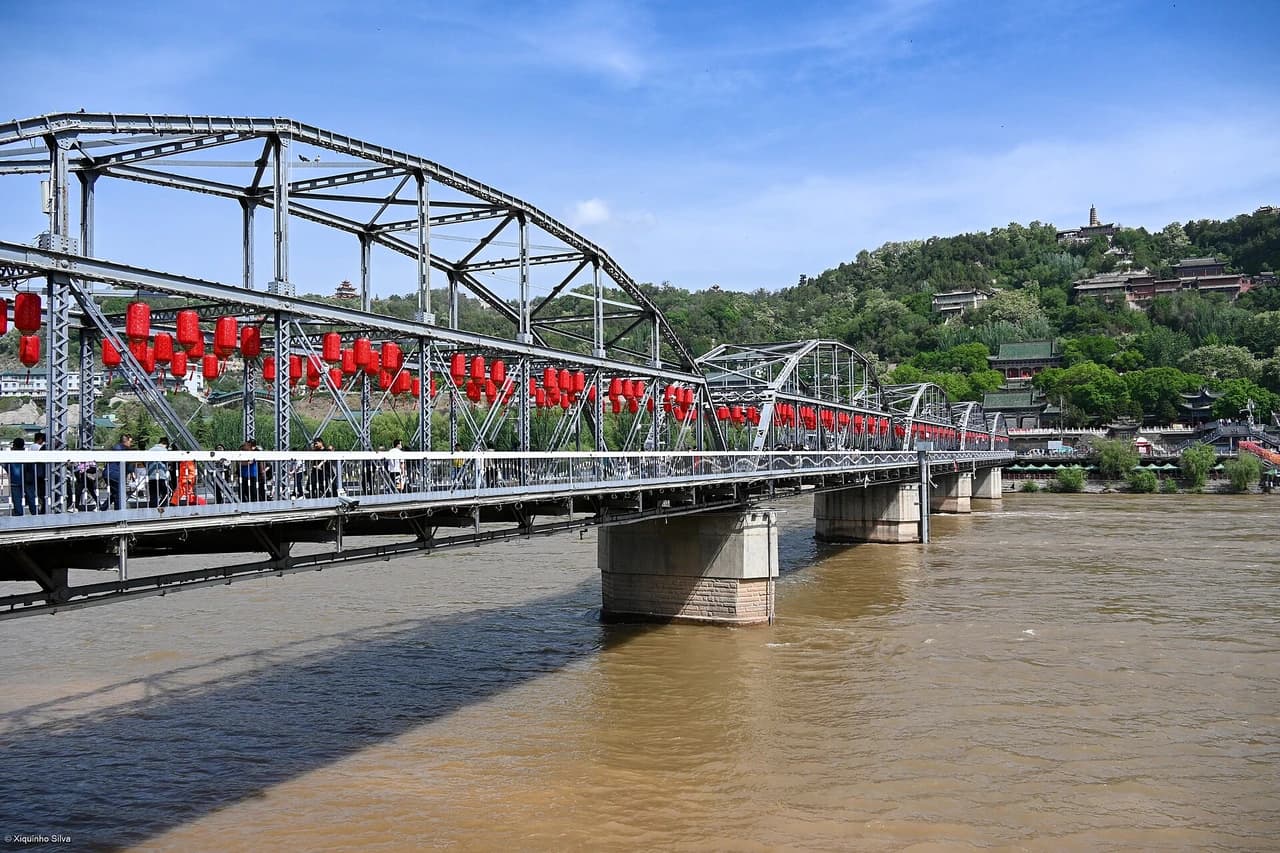
Nobody calls Lanzhou beautiful, but it has a river and a bowl of noodles that both matter. The Yellow River runs brown and fast through the middle of town, crossed by the 1909 iron bridge and ridden by sheepskin rafts, and the beef noodle shops open at six and are the best in China.
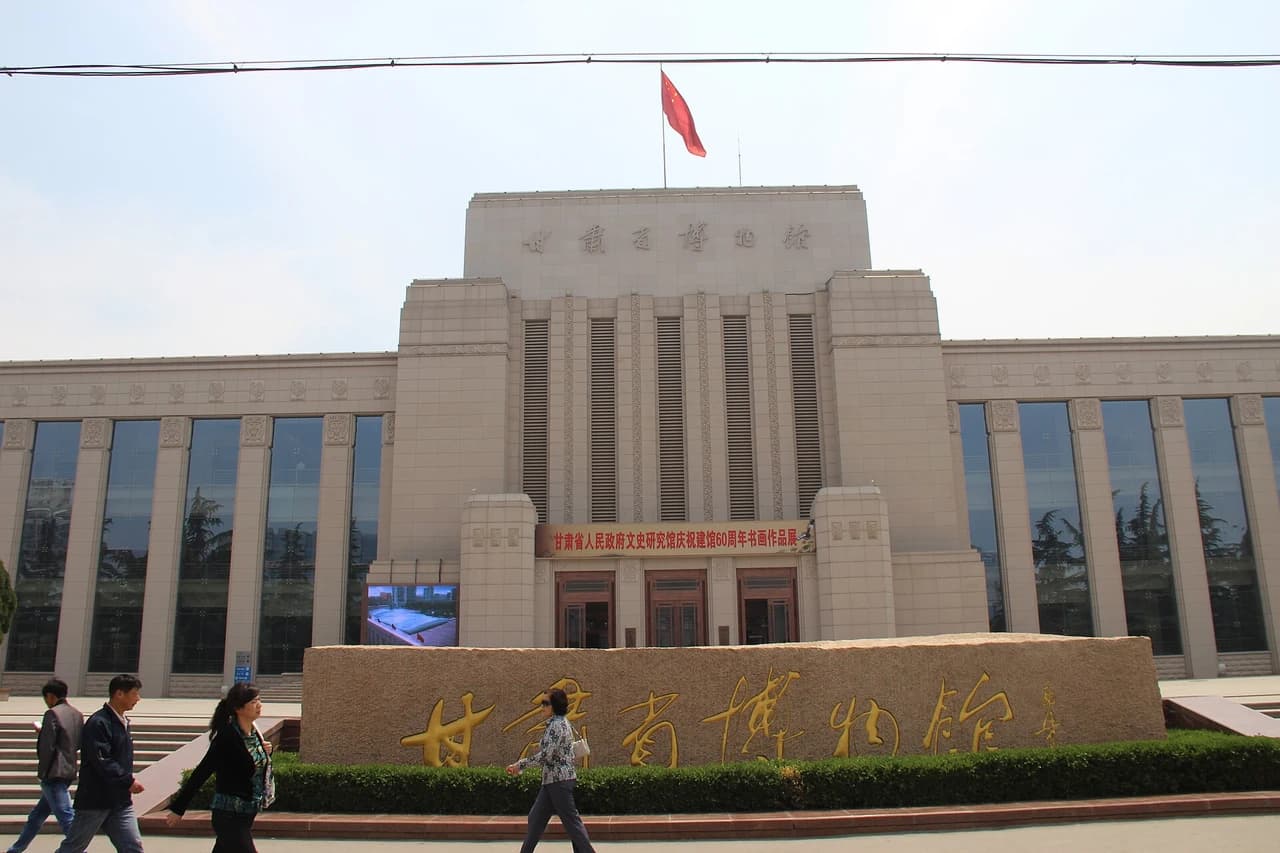
The Gansu Provincial Museum holds the galloping bronze horse from Wuwei and a Silk Road collection that sets up everything you will see further west. The night market on Zhengning Road is where the city eats after dark.
Lanzhou is dry, high and dusty, with cold winters. Spring brings sandstorms; autumn is clear.
Where next?
Save places you like, then use your saved list to build a trip.
Practical travel guides
Places to explore in Lanzhou
Bingling Temple Grottoes
炳灵寺石窟
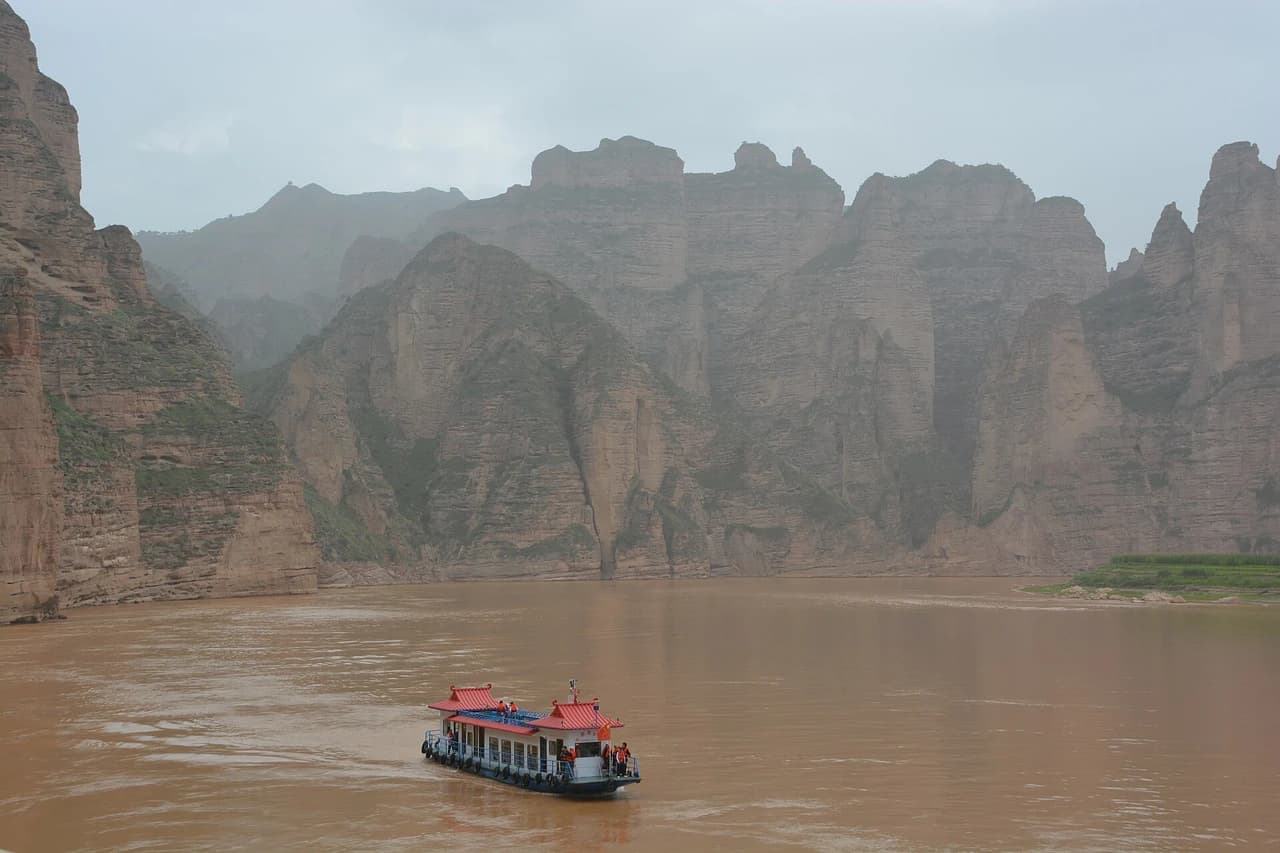
The Bingling Temple Grottoes are located on the bank of the Liujiaxia Reservoir in Yongjing County, Linxia Prefecture. In 2014, they were listed as a World Heritage Site as part of the "Silk Road: Chang'an-Tianshan Corridor Road Network". Highlights include the 27-meter-tall Maitreya Buddha from the Tang Dynasty and Cave 169 with the earliest chronological inscription in China (420 AD, the first year of Jianhong in the Western Qin Dynasty). It is far away from Lanzhou city. It takes about 2-2.5 hours to drive by car and has many winding mountain roads. You can also take a bus from Lanzhou West Bus Station to Yongjing County and transfer there; most tourists take a boat from Liujiaxia Dam Pier or Xiangyang Pier.
Zhengning Road Night Market
正宁路夜市
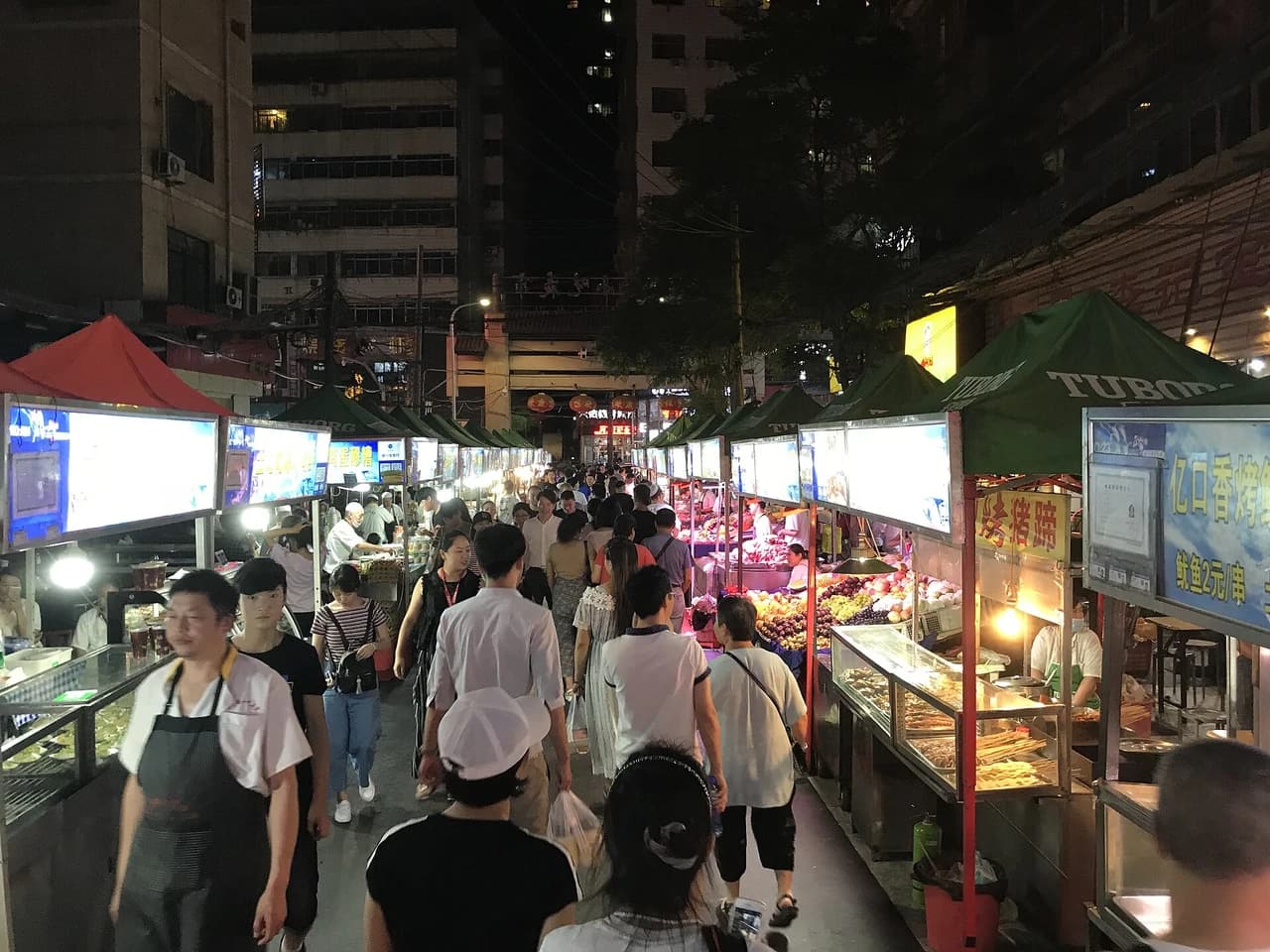
Zhengning Road Night Market is a popular snack night market in the city center. It has been featured on "A Bite of China". Milk and egg fermented glutinous rice is its signature. It takes about 12-15 minutes to walk from Zhongshan Bridge and is near the Xiguan Metro Station. No. 44 Lao Ma’s milk and egg fermented glutinous rice is the king of queues. You can ask him to buy it on your behalf when ordering at No. 40 Lao Zi Barbeque Restaurant to avoid queuing.
Baita Hill
白塔山
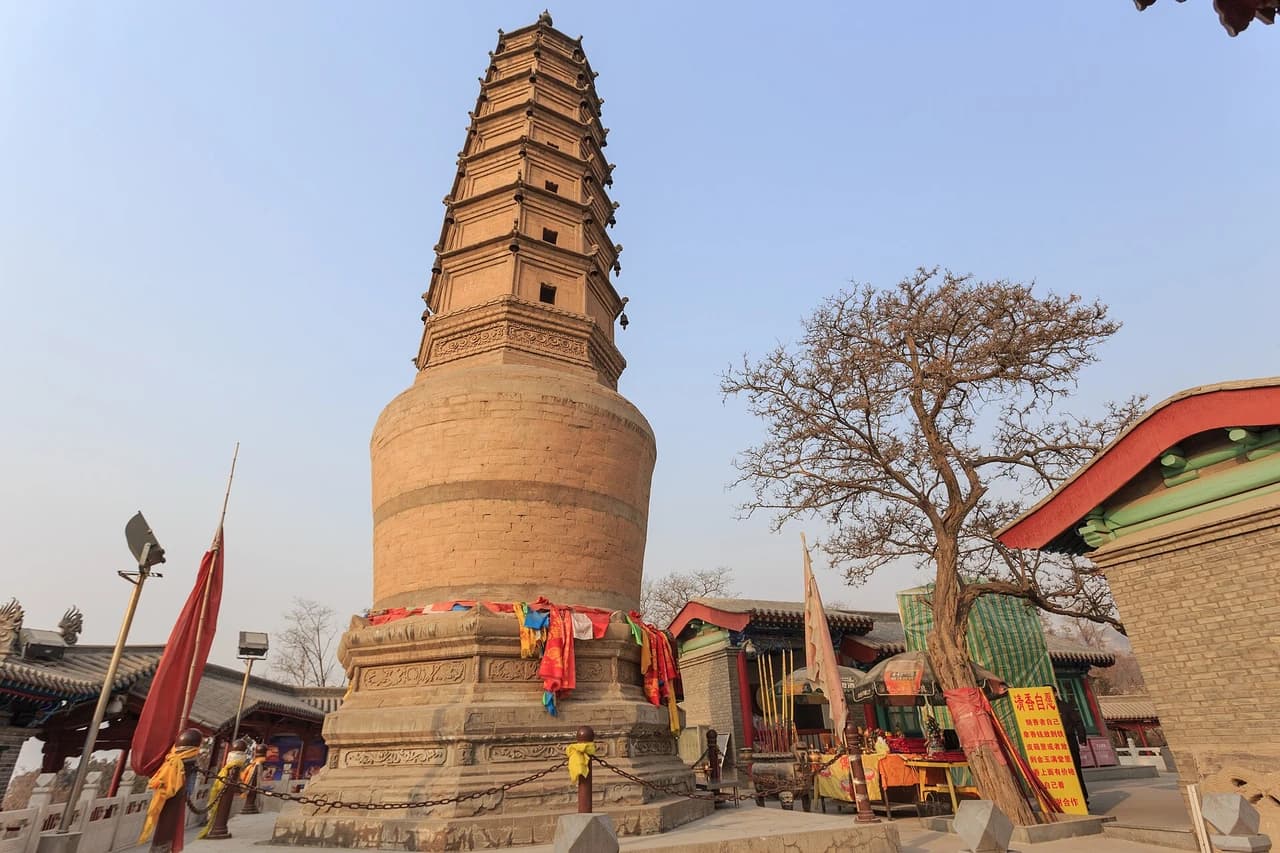
Baitashan Park is located on the north bank of the Yellow River, across the river from Zhongshan Bridge. It is named after the White Pagoda on the top of the mountain. The White Pagoda is a Yuan Dynasty monument and a national 3A scenic spot. The park is free and it takes about 20-30 minutes to climb to the top. The stairs are steep and it is recommended to wear sports shoes. It is windy at the top and bring a jacket. The light and shadow are best one hour before sunset.
Sheepskin rafts
羊皮筏子
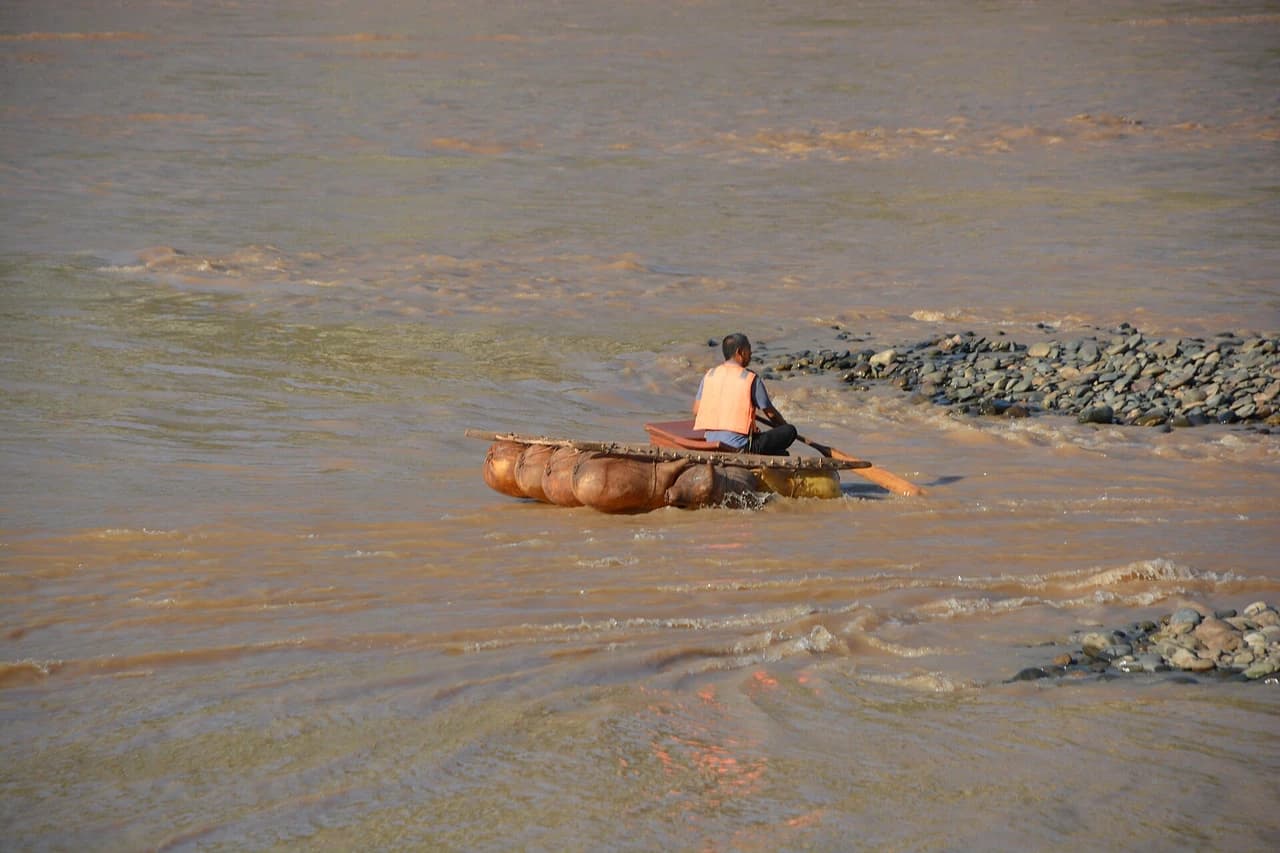
Sheepskin rafting experience on the Yellow River. Sheepskin rafting is an ancient river crossing tool made of inflated sheepskin. It has a history of thousands of years and is a unique intangible cultural heritage experience on the Yellow River in Lanzhou. The wharves are concentrated along the Yellow River style line, such as the Yellow River Mother Wharf, Zhongshan Bridge Wharf, and Waterwheel Expo Park Wharf. It is not recommended to experience it on rainy days or strong winds. Your mobile phone must be hung with a lanyard to prevent it from falling into the water.
Zhongshan Bridge
中山桥
Zhongshan Bridge, "the No. 1 bridge on the Yellow River in the world", was built in 1907 by the German Tellai Company and designed by an American company. It was completed in 1909. In 1928, it was renamed Zhongshan Bridge in commemoration of Sun Yat-sen. In 2004, it was changed to a pedestrian bridge. Take Exit D of Xiguan Station of Metro Line 1 and walk about 600 meters to get there.
Gansu Provincial Museum
甘肃省博物馆
The Gansu Provincial Museum displays a region connecting the Central Plains, the Tibetan Plateau, the northern grasslands and Central Asia. Prehistoric painted pottery, Silk Road cultural relics, Buddhist art, paleontological fossils and the famous bronze galloping horse have put Lanzhou into a long communication network. The scope of the collection is so vast that it’s difficult to understand if you check in hastily. Prioritizing the archeology and Silk Road exhibition halls can create a clearer narrative than chasing all the star cultural relics.

Gansu Bamboo Slips Museum
甘肃简牍博物馆
The Gansu Bamboo Slips Museum specializes in protecting and interpreting wooden slips and bamboo slips unearthed from Gansu frontier fortress sites. Postal records, legal cases, inventory lists, and personal letters illustrate how administration and ordinary life functioned along the Silk Roads during the Han Dynasty, while conservation exhibits also illustrate why writing is fragile in humid or extremely dry environments. It shifts attention from grand artifacts to individual texts and everyday institutions and is an important addition to the provincial museum.

White Pagoda Hill
白塔山公园
Baita Mountain is adjacent to the north bank of the Yellow River, with temples, courtyards, mountain roads and urban viewing spots superimposed above the Zhongshan Bridge. Climbing up can intuitively understand Lanzhou's restricted geography: the city stretches along the river, and dry mountains approach from both sides. Historic buildings are important, but observing bridges, mesas, and urban expansion as the altitude changes is the core experience.

Lanzhou Waterwheel Expo Park
兰州水车博览园
The Waterwheel Expo Park displays the large wooden waterwheel that was used to lift water from the Yellow River to the shore for irrigation canals. Restoration Machinery illustrates how water flow, blades, flumes, and gravity work together to support farmland and urban settlements in arid environments. See it as a practical water conservancy technology rather than a decorative riverfront landscape to understand its true value.
Local snacks
What to eat in Lanzhou
These cards describe dishes, not restaurants.

The soup is clear and meaty, with bright spices and optional spiciness.
Lanzhou Beef Noodles
兰州牛肉面
Hand-pulled wheat noodles are served with clear beef broth, beef slices, white radish, green coriander and garlic sprouts and red chili oil. You can choose the thickness of the noodles according to your preference.
It is often eaten in the morning. When ordering, you should specify the thickness and spiciness of the noodles; the soup base contains beef and the noodles contain gluten.

Chewy, sour, spicy garlic flavor
Lanzhou Niangpizi
兰州酿皮子
The steamed wheat starch skin is cut into wide strips and mixed with gluten, vinegar, garlic, chili and sesame or mustard flavorings to make a refreshing snack.
The strength of chili and mustard should be stated, the food contains gluten, and the sauce may also contain sesame seeds; choose a stall with a steady flow of customers and hygienic cold food operations.

Sweet and grainy aroma, slightly fermented and sour aroma
Sweet Fermented Grains
甜醅子
Ripe oats or highland barley are lightly fermented to make scoopable desserts or drinks with floral floral aroma, soft sweetness and slight natural sourness.
It is often eaten cold in the warm season, and fermentation may produce trace amounts of alcohol; sensitive people should inquire about the amount of added sugar and storage conditions.

Soft bean flavor, mild and sweet
Grey Bean Soup
灰豆子
Sesame peas are slow-cooked with red dates and sugar until thick and soft, forming a hot dessert with an earthy bean flavor. The name comes from its brown-gray appearance.
Usually eaten hot, you can ask about the sweetness and whether other thickening ingredients are used; eating too many beans at one time may cause discomfort.