
南京
Nanjing
Nanjing is a city that has been a capital many times. Its long history is spread out among the Zhongshan Woodlands, Ming City Walls, museums, Republic of China institutions, and neighborhoods along the Qinhuai and Yangtze Rivers. The itinerary lends itself to grouping by historical threads and areas, and allows time for city views between landmarks, rather than compressing multiple dynasties into a crowded list.
At a glance
- Stay
- 2–3 days
- Best seasons
- Mar–May, Oct–Nov
- Airports
- Rail or road access
- Region
- East China
Last updated: 9/29/2026
Plan your visit
Plan Nanjing by area: Qinhuai walks, Zhongshan heritage and a separate memorial visit. Check each venue's reservations, documents and actual entrance.
How should I group the main sights?
Treat the Qinhuai and Confucius Temple area as one cluster and Zhongshan's mausoleum sites as another. Choose a few stops within each instead of assuming a citywide list is a walkable route. Streets, gardens, city-wall sections and boat trips can have separate tickets and operating conditions.
Which reservations need separate attention?
Check the exact venue: Nanjing Museum, the municipal museum and the Nanjing Massacre Memorial Hall are not the same institution. The memorial's exhibition areas require separate reservations. For Zhongshan, use the management authority's current visitor guide and confirm the specific attraction, date and ID requirements rather than treating the whole mountain as one booking.
What should international visitors confirm?
Nanjing's January 2026 municipal report describes foreign-passport ticketing support at Zhongshan. That does not establish the rules for every museum in Nanjing. Confirm your selected attraction and channel, carry the original booking document and verify your arrival railway station before choosing a transfer.
Reviewed 19 October 2026. Passport support is venue-specific; no actual ticket purchase or citywide admission test was performed.
First visit
Arrive and settle in Nanjing
Start with arrival and where to stay, then choose your sights. Recheck transport and accommodation details before booking.
Getting there+
Nanjing South is the high-speed hub on metro lines 1, 3 and S1: Shanghai in about an hour and a quarter, Suzhou under an hour, Hangzhou about an hour and a quarter, Beijing three and a half to four hours. The older Nanjing station on Xuanwu Lake also takes some fast trains. Lukou (NKG) airport is 40 kilometres south; metro line S1 to South station takes about 35 minutes.
Rail tip. Your passport is your ticket. Book on 12306 or Trip.com, then go straight to the gate. See Getting around. The Trip.com link earns us a small commission at no cost to you (how that works).
Stay online. Google, WhatsApp and Instagram are blocked on Chinese networks; a travel eSIM that roams gets around it. Install one before you fly — Saily takes US$5 off a first plan with the code CHINA. See Staying online. The code earns us the same amount in Saily credits, at no cost to you (how that works).
Where to stay+
Gulou and Yihe Road
鼓楼·颐和路
Republican villas, plane trees, cafés. The quiet choice.
The 1930s embassy and villa quarter north-west of the centre. Boutique hotels in old houses, small restaurants, and metro lines 1 and 4 a few streets away.
first visitwalkingquiet
Xinjiekou
新街口
The commercial centre. Every metro line, every hotel chain.
Busy, central and practical. Walking distance to the Presidential Palace and a short ride to the Confucius Temple.
convenienceshopping
Confucius Temple and Qinhuai
夫子庙·秦淮
Lantern-lit canals and the old south city. Lively at night, touristy by day.
The old pleasure quarter along the Qinhuai River. Guesthouses in the lanes of Laomendong, the restored south-city district, are the nicest here.
atmospherenight walks
Booking. Compare hotels in Nanjing on Trip.com, filtered to its China travel essentials list: English-speaking staff, foreign cards, guest rating 8 or higher. See Where to stay. Booking through this link earns us a small commission at no cost to you (how that works).
Overview+
SHANDONGNanjing
The Ming built their first capital here in the fourteenth century and the wall they raised is still mostly standing, the longest city wall in the world. Inside it the city is green and low, its avenues planted with plane trees by the Republican government in the 1920s, and the old villa quarter around Yihe Road is one of the pleasantest places to walk in China.
Purple Mountain holds the Ming tombs, Sun Yat-sen's mausoleum and a forest of paths between them. Give it a full day and take the cable car or a bus back down.
Nanjing is also where the 1937 massacre happened, and the memorial is a serious, well-made place that most visitors should see. Summers are famously hot; spring and autumn are the seasons.
Where next?
Save places you like, then use your saved list to build a trip.
Practical travel guides
Places to explore in Nanjing
Yihe Road
颐和路
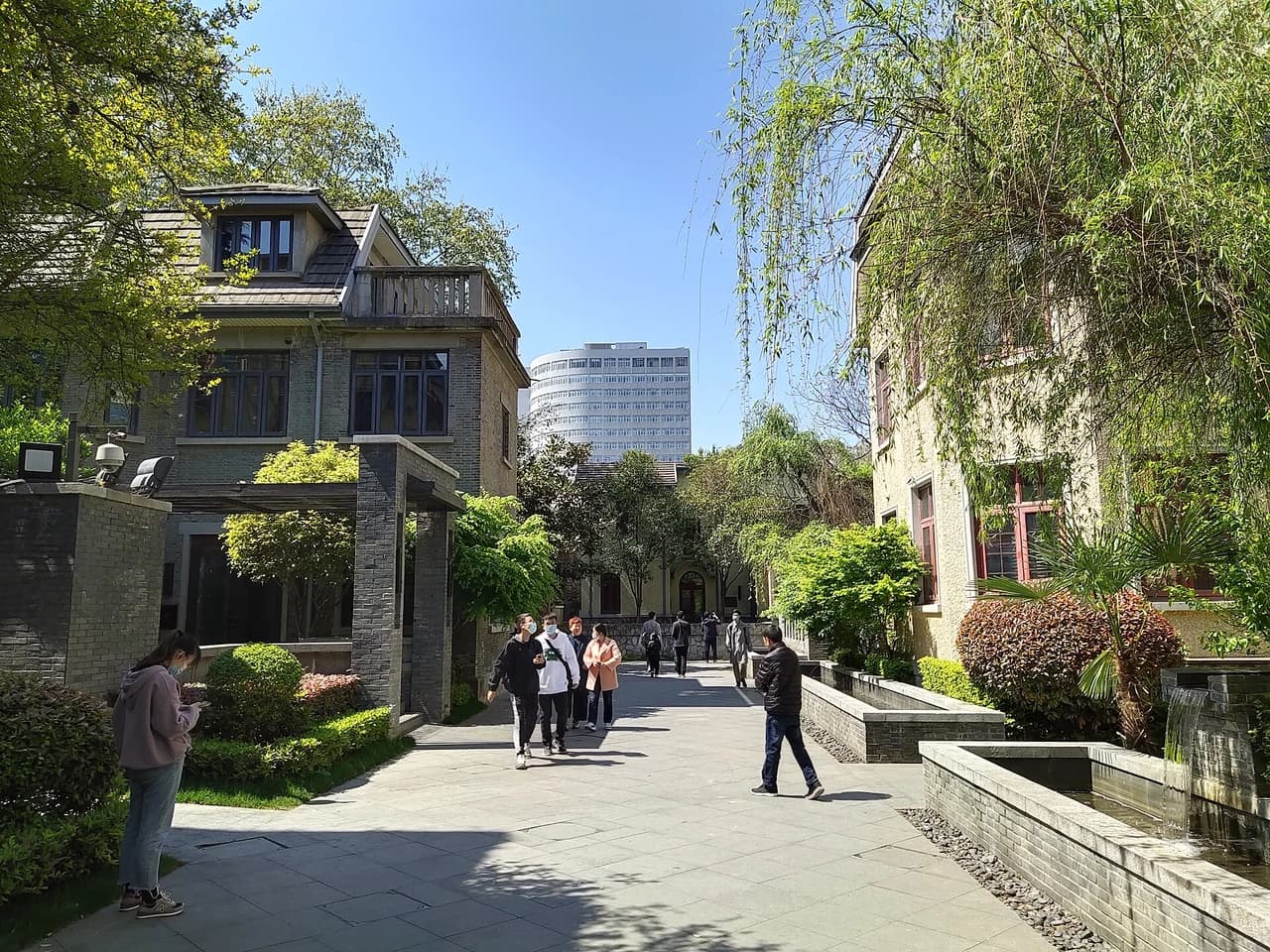
Nanjing's Republic of China Gongguan District was built according to the 1929 "Capital Plan". It retains a large number of old bungalows from the Republic of China and is open to the public for free. It is known as "a Summer Palace Road, half of the history of the Republic of China".
Ming Xiaoling
明孝陵
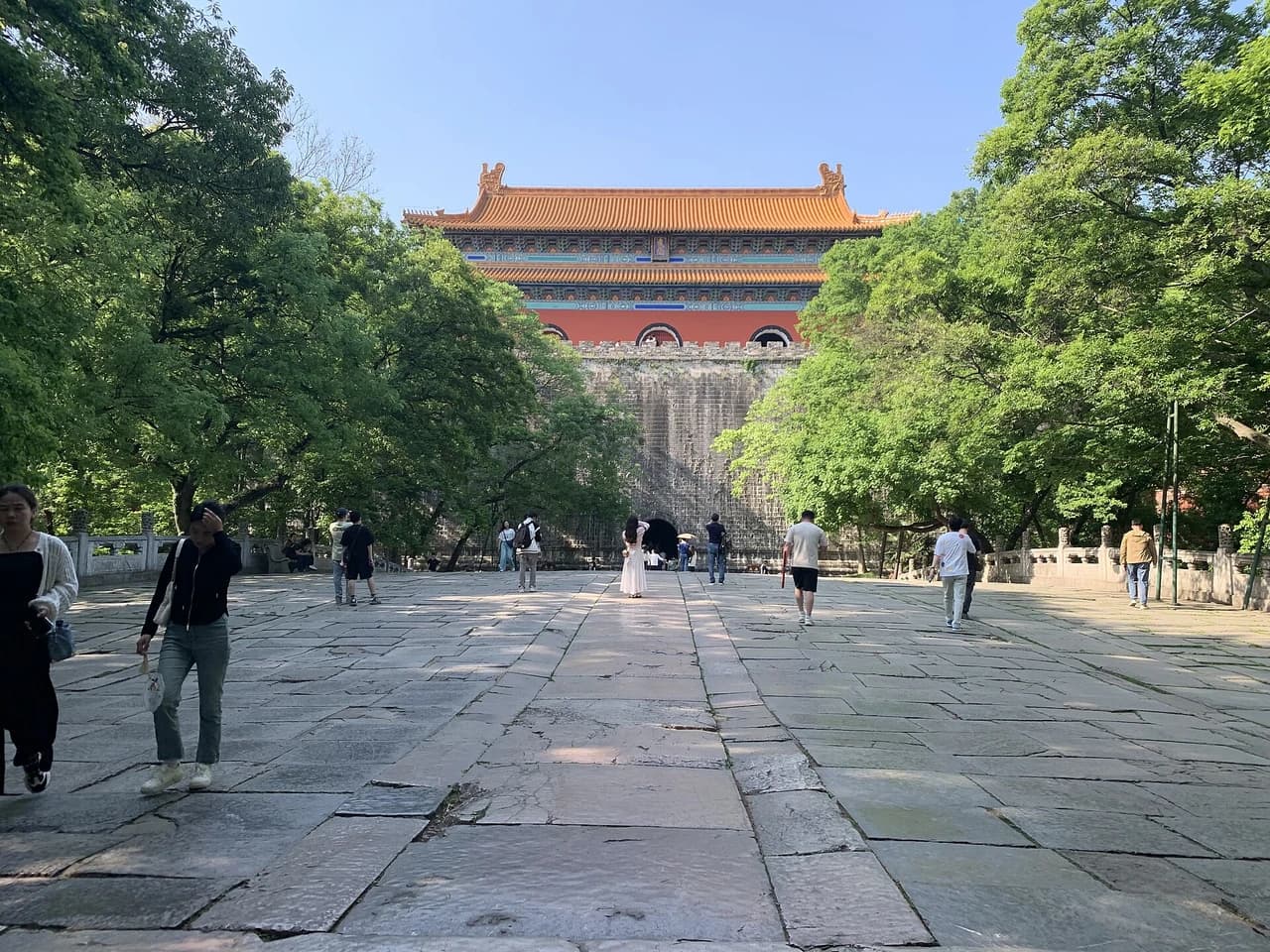
The Ming Xiaoling Mausoleum is the joint burial site of the Hongwu Emperor and Empress Ma. Inscribed as World Heritage in 2003, it helped establish a layout used by later imperial tombs. Highlights include the stone-animal Sacred Way and the Fangcheng-Minglou complex.
Xuanwu Lake
玄武湖
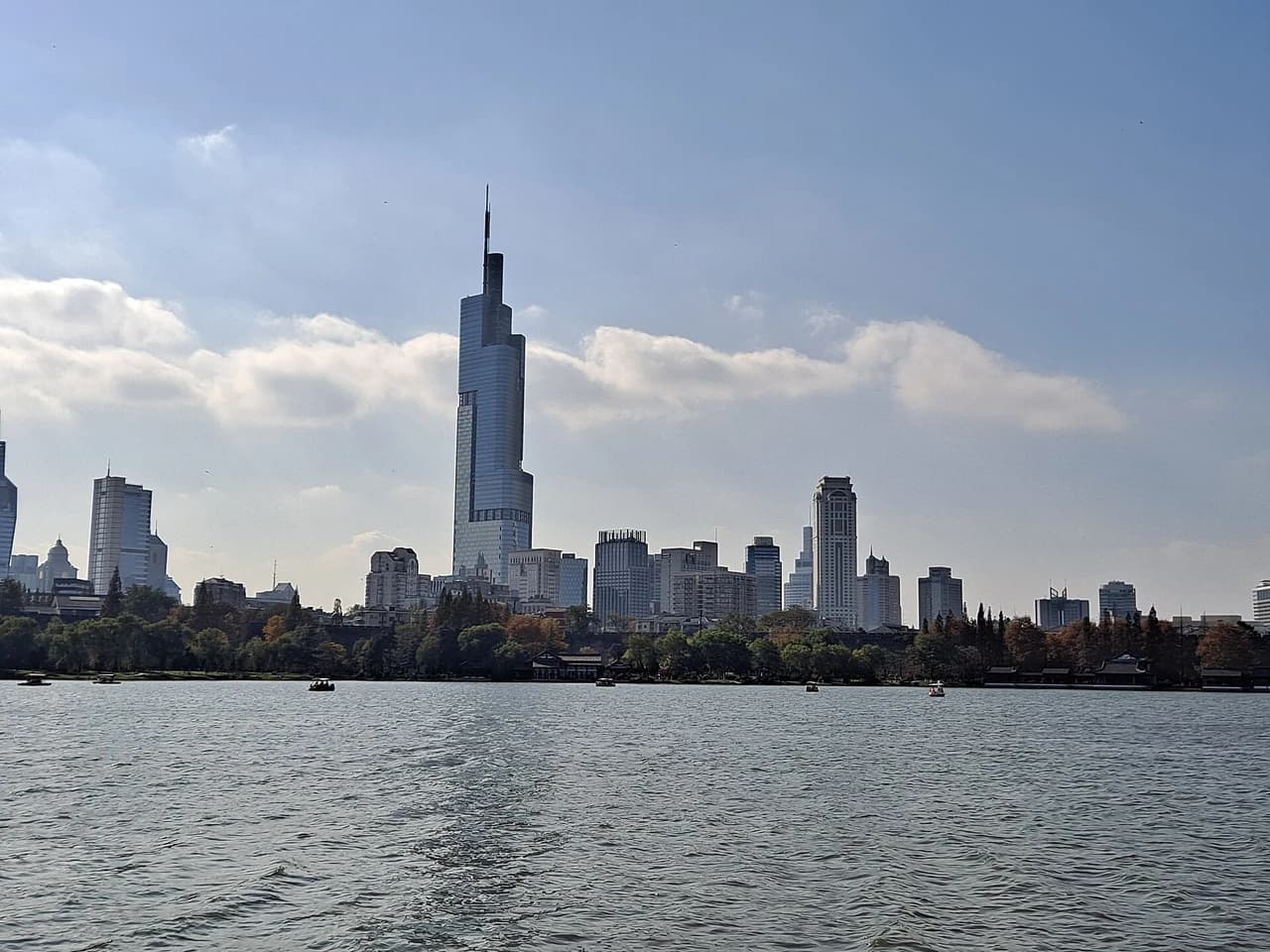
China's largest royal garden lake, known as the "Pearl of Jinling", is open to the public free of charge. The lake can be divided into five continents (Huanzhou, Yingzhou, Liangzhou, Lingzhou and Cuizhou). The Ten Mile Long Causeway is a popular spot to watch the sunset.
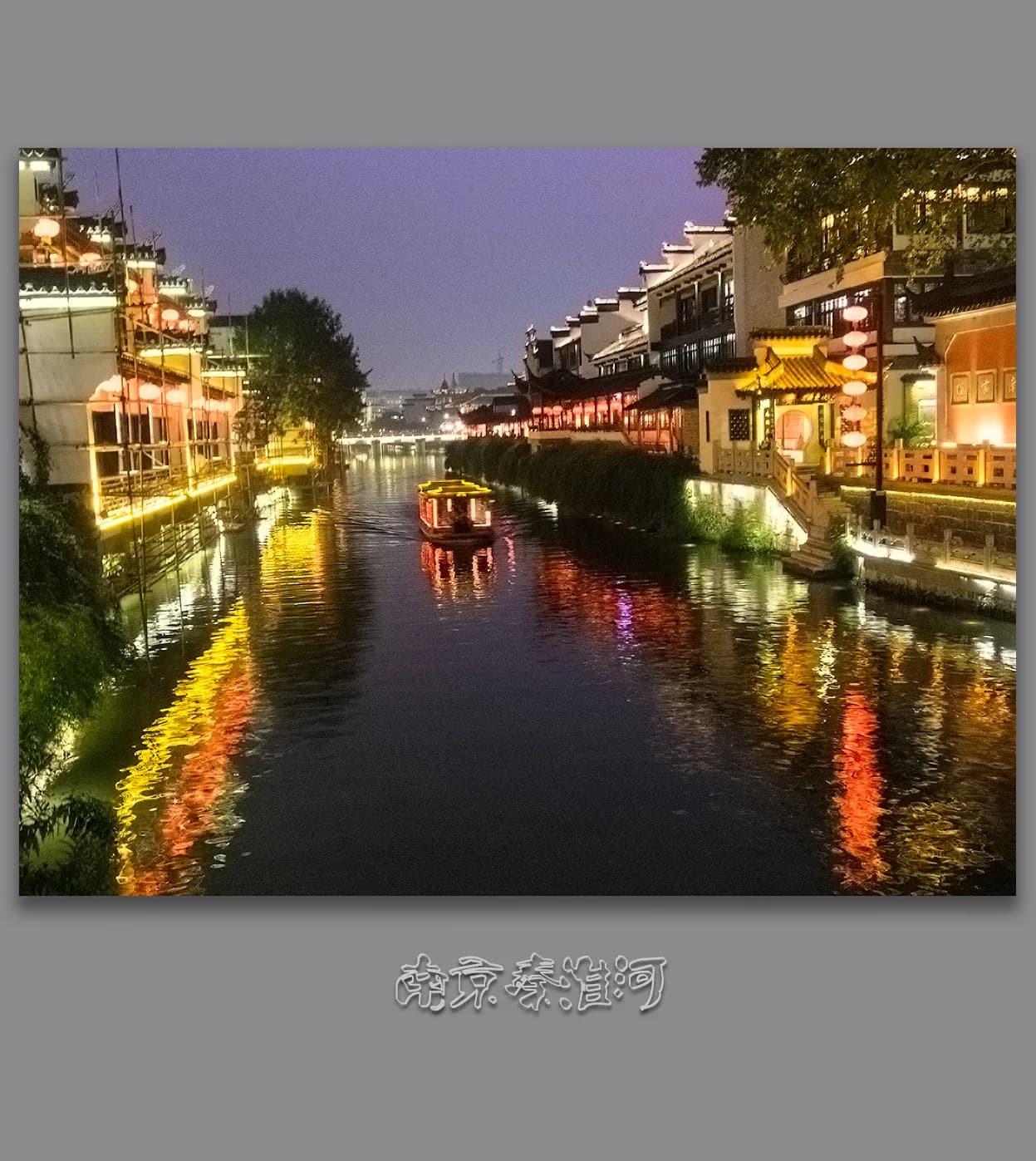
Confucius Temple–Qinhuai Scenic Belt
夫子庙—秦淮风光带景区
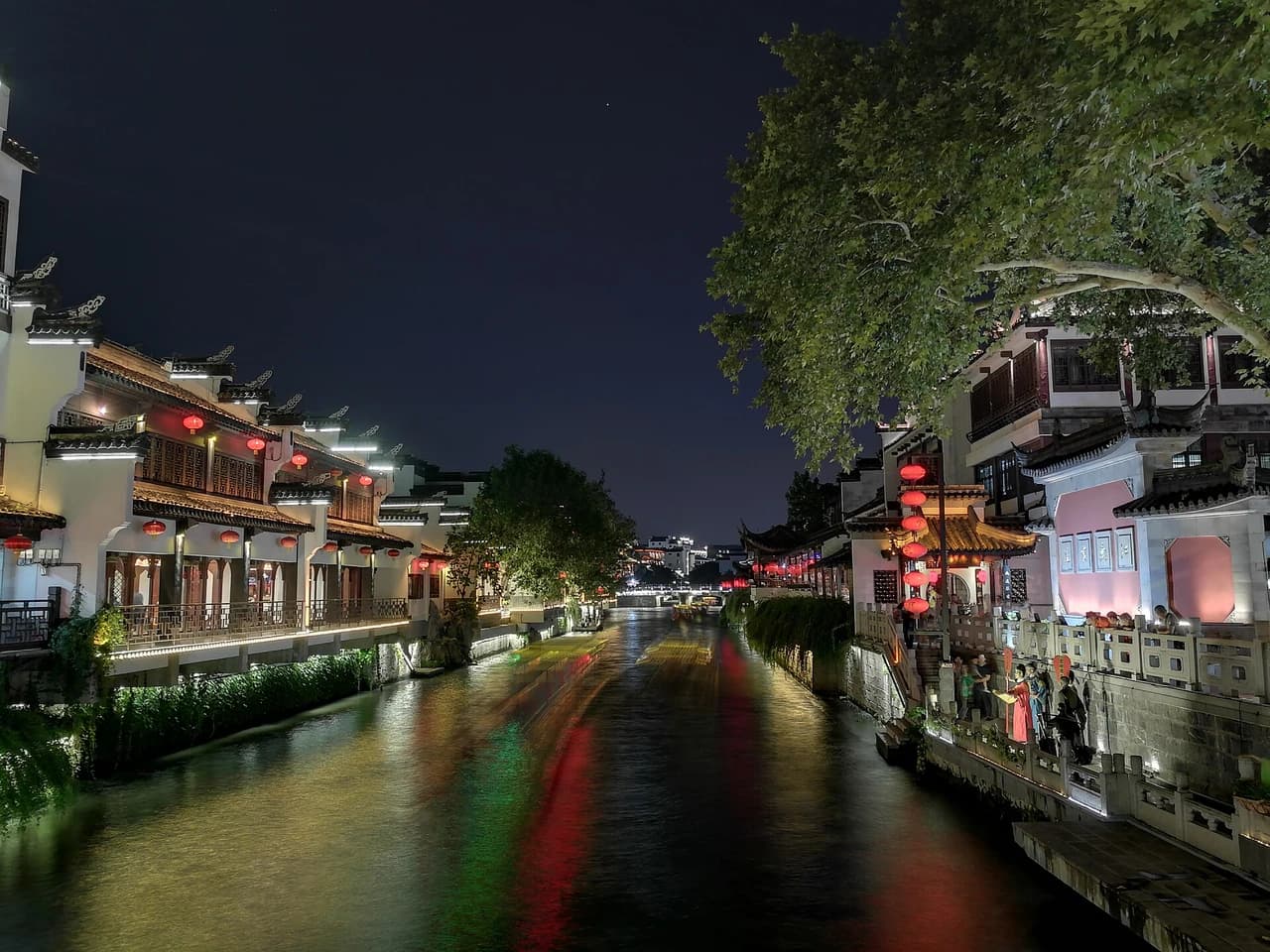
The Confucius Temple–Qinhuai Scenic Belt centers on the Confucius Temple complex and inner Qinhuai River. Sites associated with imperial examinations, gardens and city walls lie along its banks. Walk through riverside streets, then choose Jiangnan Examination Hall, Zhan Garden or boat trips according to your interests, rather than treating the whole belt as an enclosed park. Reference photographs record historical streets and night views, not current events or lantern displays.
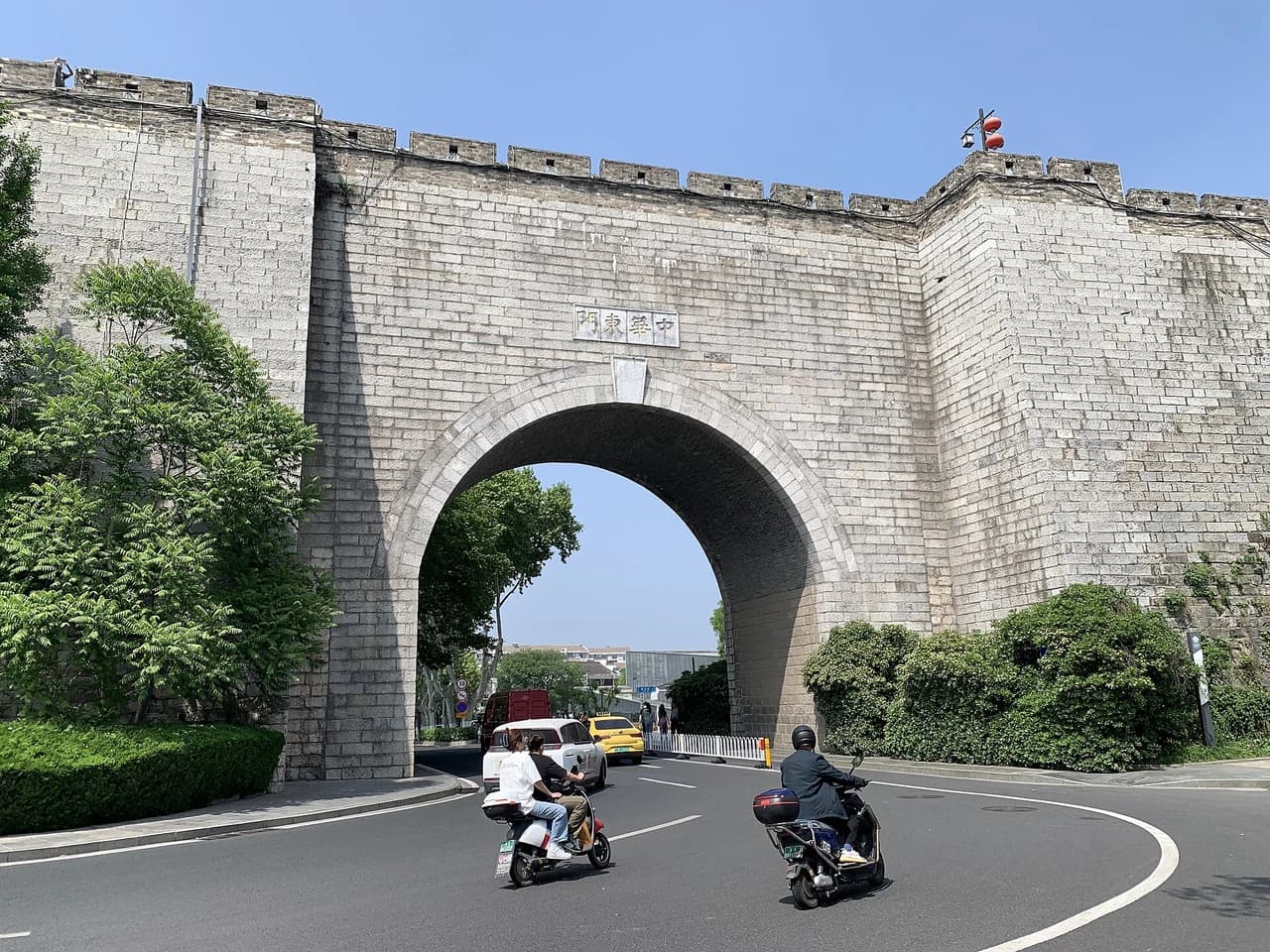
City Wall at Zhonghua Gate
中华门城墙
Formerly known as Jubao Gate, it is the south gate of the Nanjing Ming City Wall. It is known as "the best barbican in the world". It has three urn gates, four gates and 27 soldier caves, which can hide 3,000 soldiers. The city tower was destroyed in the Battle of Nanjing in 1937, and it has a rich history.
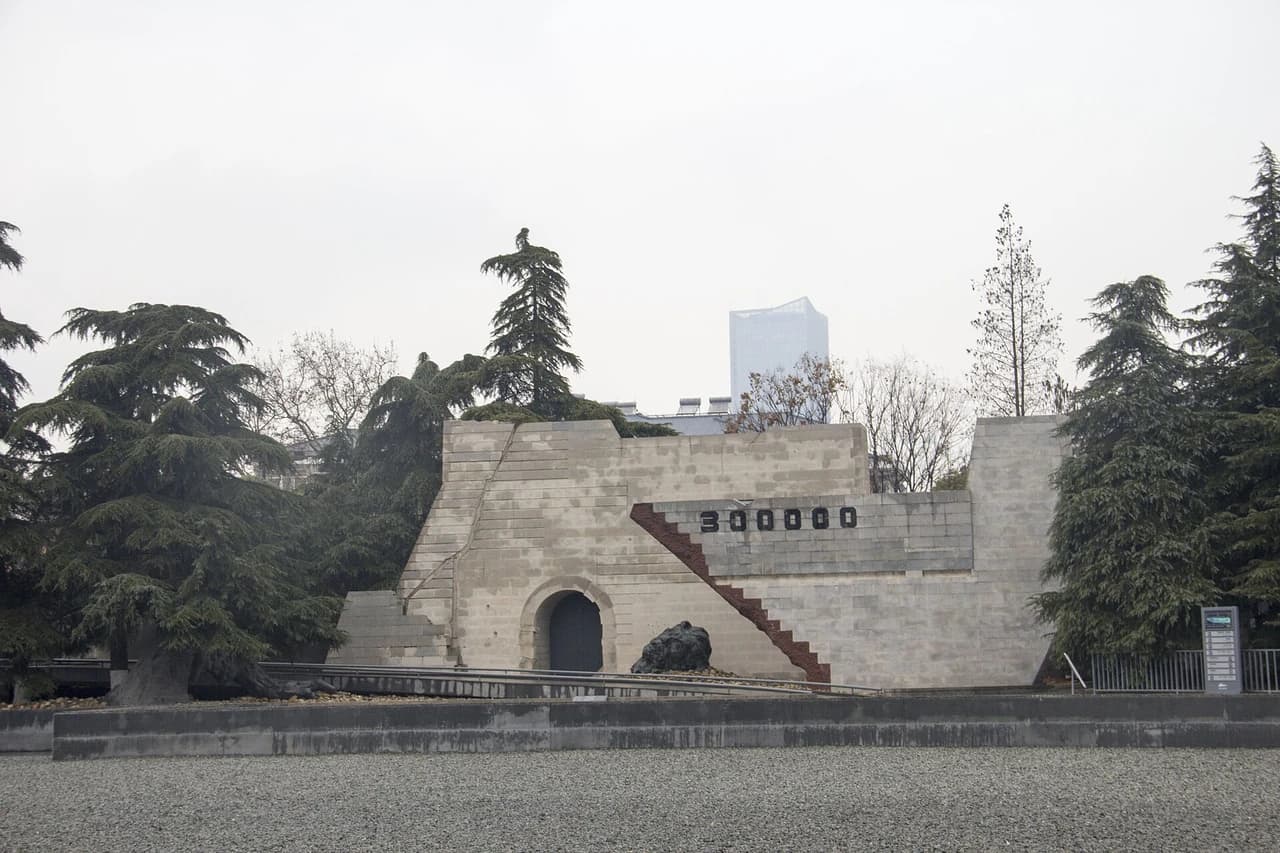
Nanjing Massacre Memorial Hall
侵华日军南京大屠杀遇难同胞纪念馆
The memorial documents the Nanjing Massacre and commemorates its victims at a historic site that includes burial remains. Plan a respectful visit with time to read and reflect. Its exhibition areas have separate reservation arrangements; they should not be treated as one continuous route covered by a single booking.
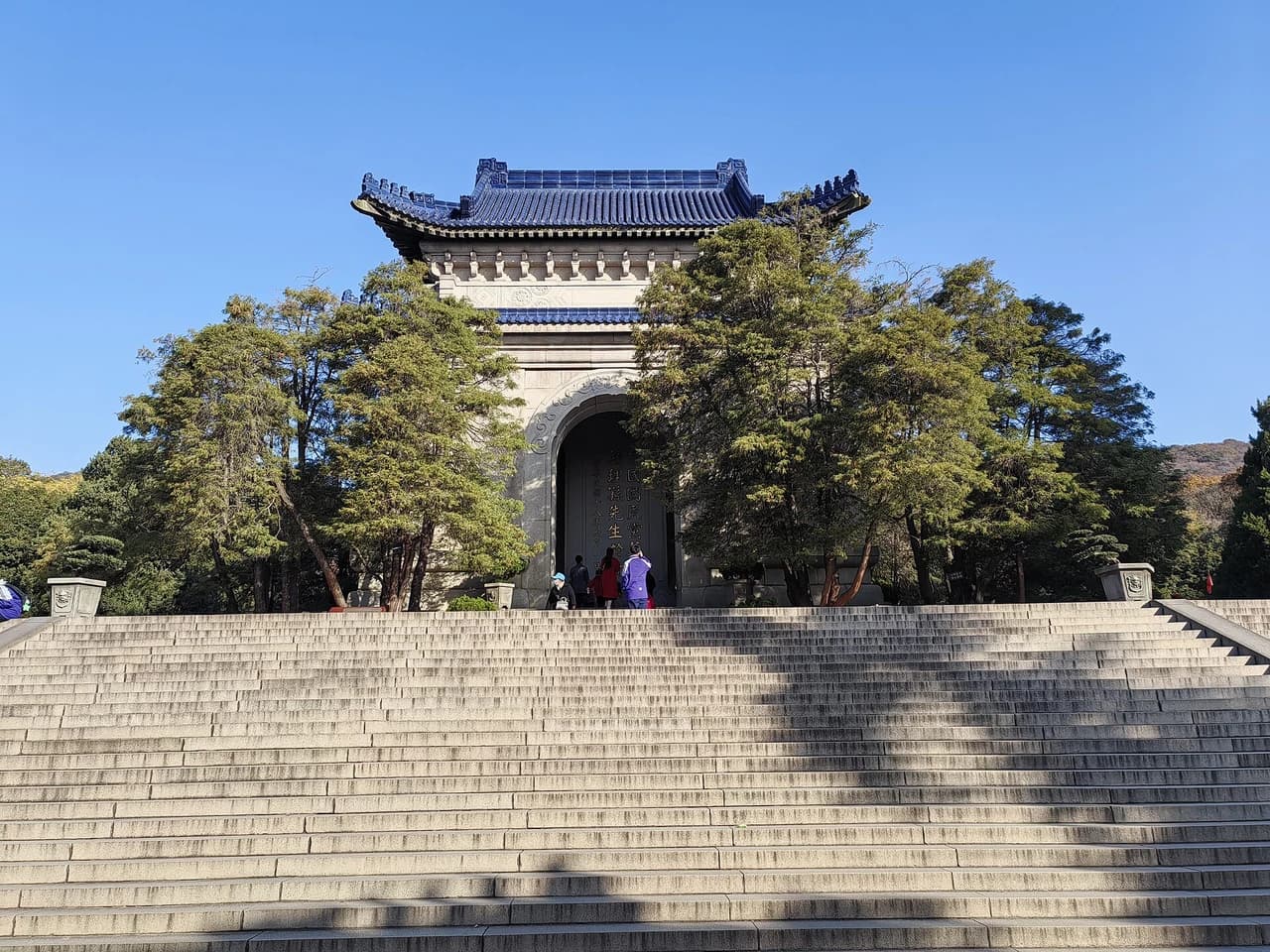
Sun Yat-sen Mausoleum
中山陵
The Sun Yat-sen Mausoleum forms a formal axis along the Zhongshan Mountain through archways, tomb passages, wide steps and sacrificial halls. Built during the Republic of China, it combines modern public memorial architecture with traditional Chinese forms; the long ascent, scale changes, and views back to Nanjing together constitute a preset ritual process.

Nanjing City Wall and Zhonghua Gate
南京城墙与中华门
The Nanjing Ming City Wall conforms to the boundaries of mountains, rivers and palaces. It is not a regular rectangle. It is a brick defense system with outstanding preservation scale. The Zhonghua Gate contains multiple barbican and hidden soldier spaces, while other open sections present different relationships with lakes and communities. The city wall is not a continuous open trail along its entire length, so it is more reasonable to choose a section for an in-depth experience.

Nanjing Museum
南京博物院
Nanjing Museum presents the history of Jiangsu and China through archaeology, calligraphy and painting, crafts, intangible cultural heritage and special exhibitions. The main museum during the Republic of China and subsequent expansions together constitute a museum group rather than a single exhibition. The collections provide key background for various periods of Nanjing's capital city, and it is more effective to choose a theme to delve deeper into than to rush through all the collections.

Nanjing Presidential Palace
南京中国近代史遗址博物馆(总统府)
The presidential palace complex superimposes multiple histories such as the royal palace of the Ming Dynasty, the official offices of the Qing Dynasty, the Taiping Heavenly Kingdom, the Provisional Government of the Republic of China and the National Government. Office areas, gardens and exhibition halls explain why this place has repeatedly become a political center; it should be understood as an architectural landscape that is constantly transformed and reused, rather than the story of a single regime.
Local snacks
What to eat in Nanjing
These cards describe dishes, not restaurants.

Fresh, salty, mild spices
Nanjing Salted Duck
南京盐水鸭
The duck meat is dry-marinated, braised and cooked at low temperature to keep it tender and fresh. It is usually left to cool and cut into pieces with the bone in it, and served as a cold dish for many people to share.
You can order according to the portion size and pay attention to the bones. When purchasing take-out packaging, you should check the production and refrigeration dates.

Salty, peppery, and rich soup flavor
Duck Blood Vermicelli Soup
鸭血粉丝汤
Put sweet potato vermicelli into duck soup, add duck blood cubes and optional duck offal, fried tofu and herbs. The soup bowl is warm, salty and fresh. The ingredients vary greatly from store to store.
Indicate if you want duck giblets and chili oil when ordering; this dish is not suitable for vegetarians and may contain various offal.

Juicy, salty and crispy on the bottom
Nanjing Beef Potstickers
牛肉锅贴
Seasoned beef is wrapped in crescent-shaped dough and pan-fried until the bottom is crispy, the top is soft and the filling is juicy. It is more common around the Muslim community in the old city, but if there are strict halal requirements, you should still confirm the qualifications directly.
Let cool slightly before biting into it. If there are dietary regulations, ask about frying fats and whether pots and pans are shared.

Warm and sweet, soft inside and crispy on the edge
Plum-blossom Cake
梅花糕
Pour the batter and common bean paste sweet filling into the plum blossom-shaped mold, then sprinkle with dried fruits, seeds or colorful ingredients, and bake until the edges are slightly crispy and the inside is soft.
Suitable for serving hot, those with allergies should check the nut, seed and colorful ingredient content.