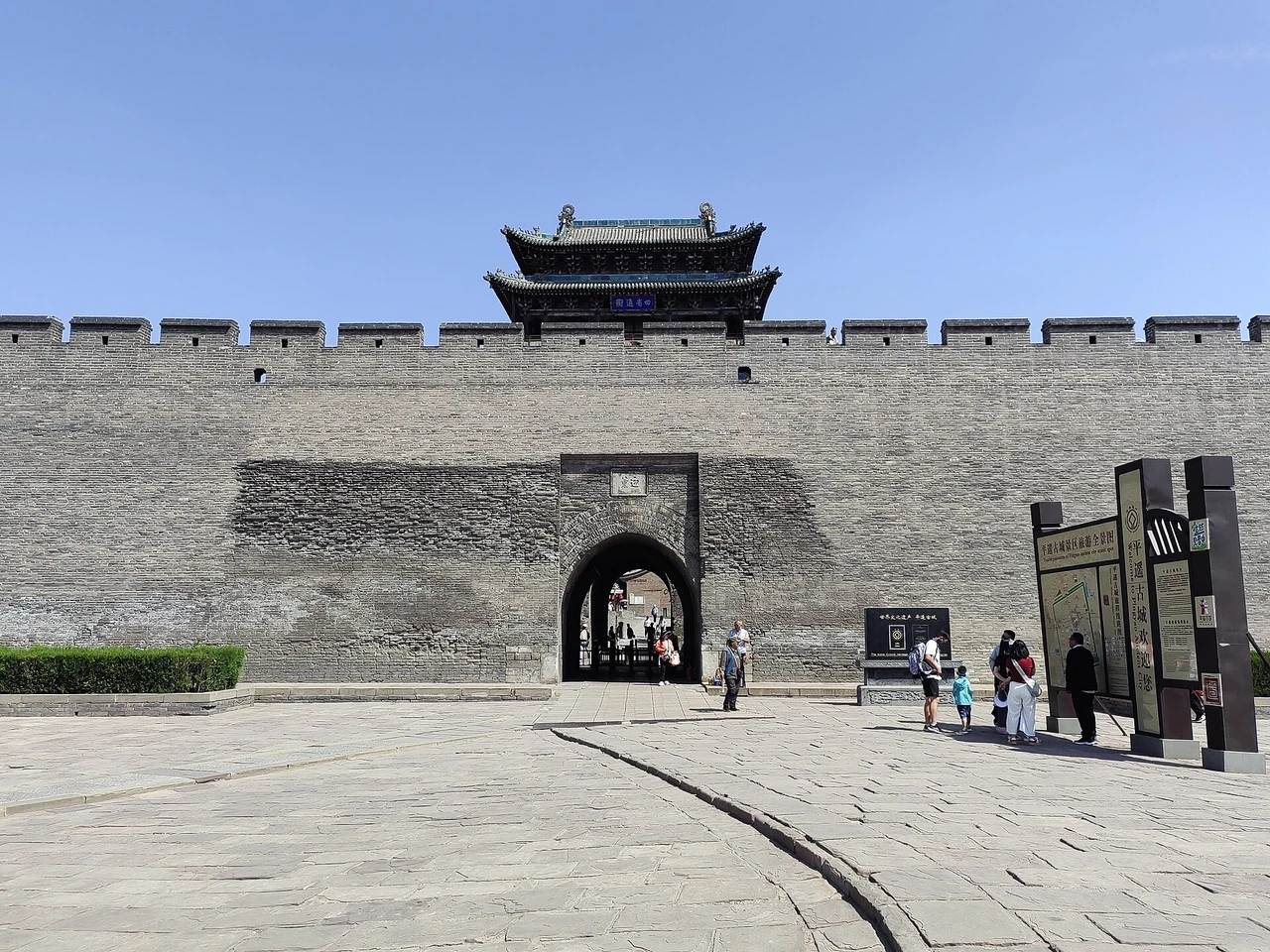
平遥
Pingyao
Pingyao is the best-preserved walled town in China, a grid of grey courtyards inside a six-kilometre wall. Sleep inside the walls and the evenings are yours.
At a glance
- Stay
- 1–2 days
- Best seasons
- Apr–Jun, Sep–Oct
- Airports
- Rail or road access
- Region
- North China
China Unhurried editorial team · Owner-authored
Places to begin
Make the city tangible.
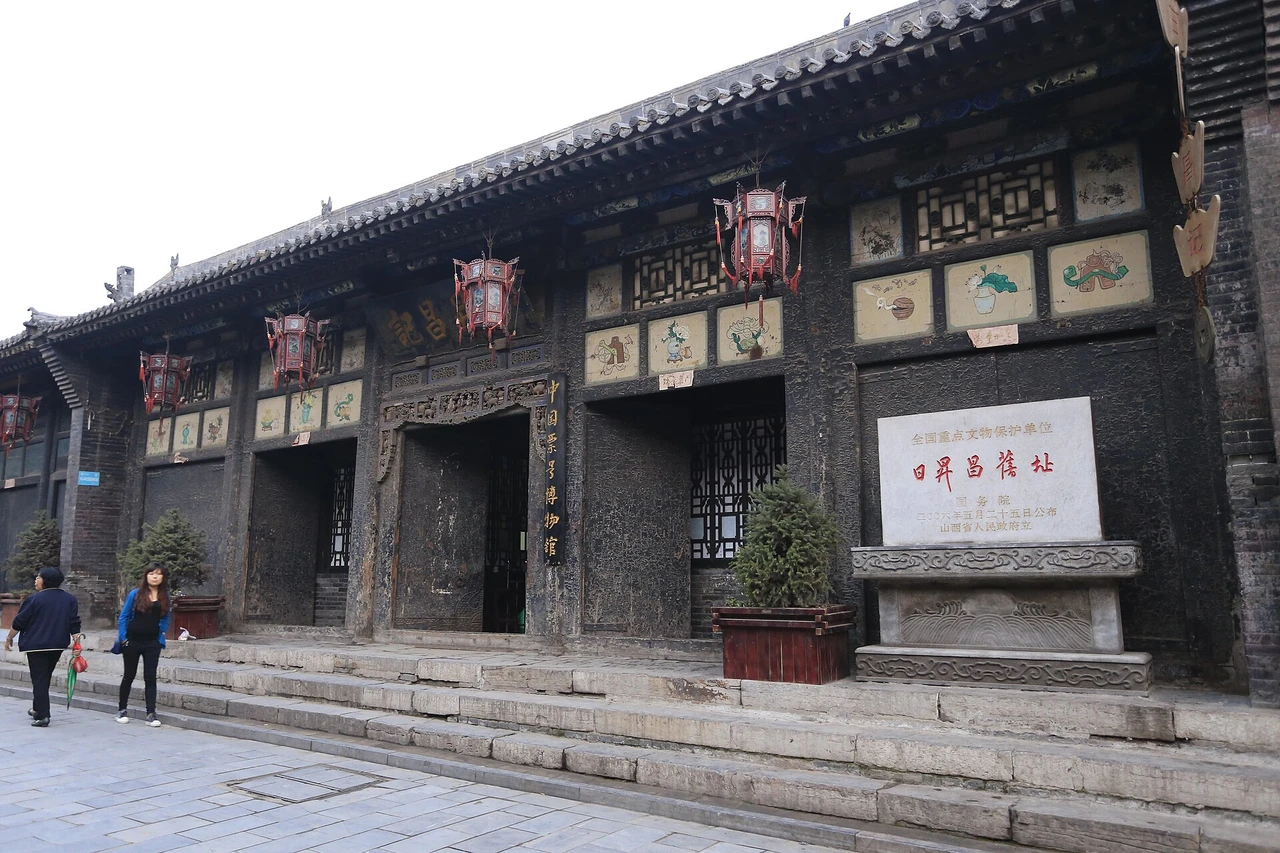
日昇昌
Rishengchang Draft Bank
China's first draft bank, in the courtyard where it started.
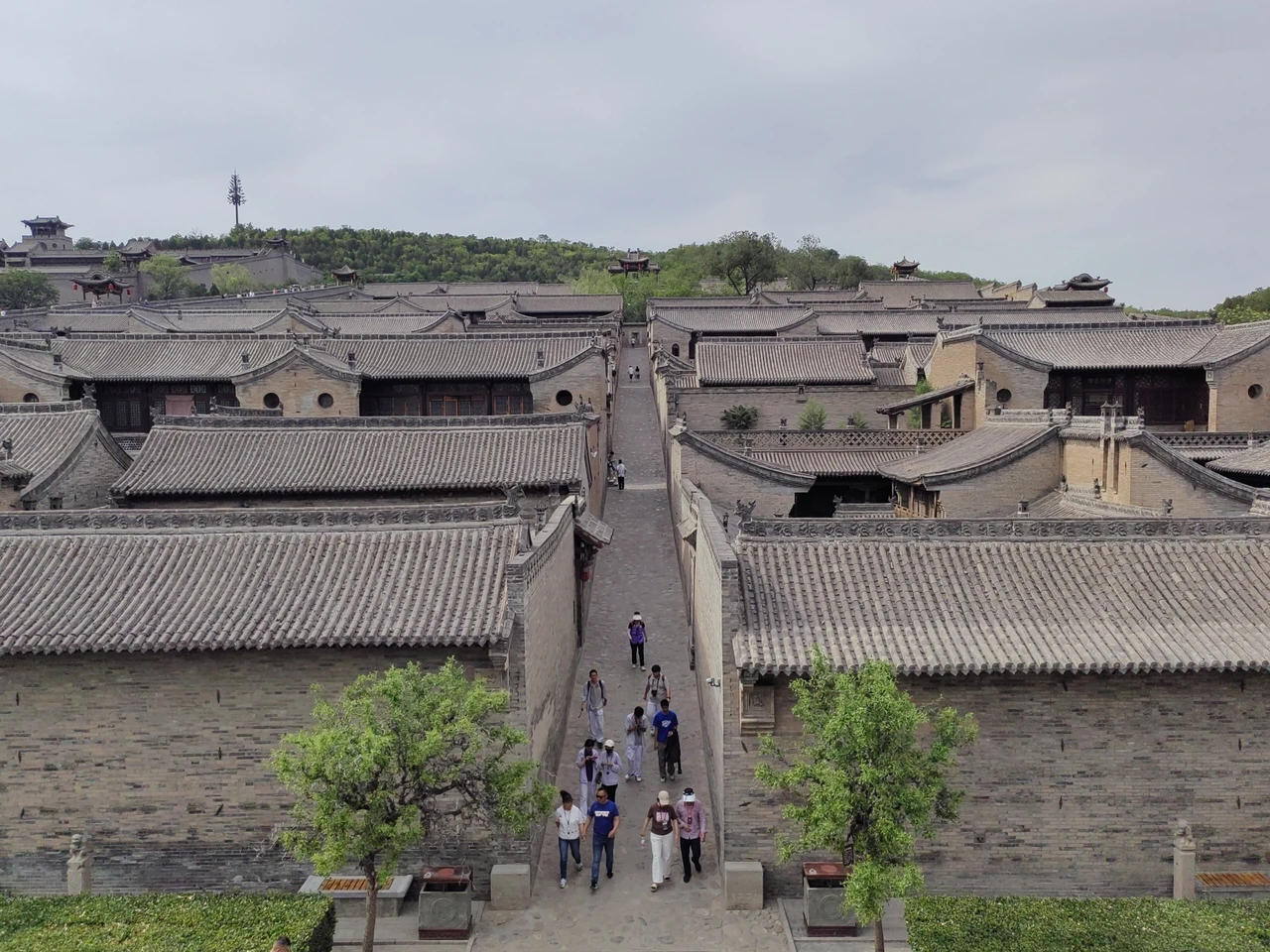
王家大院
Wang Family Compound
A vast Qing merchant estate an hour away. Bigger than the town's own mansions.
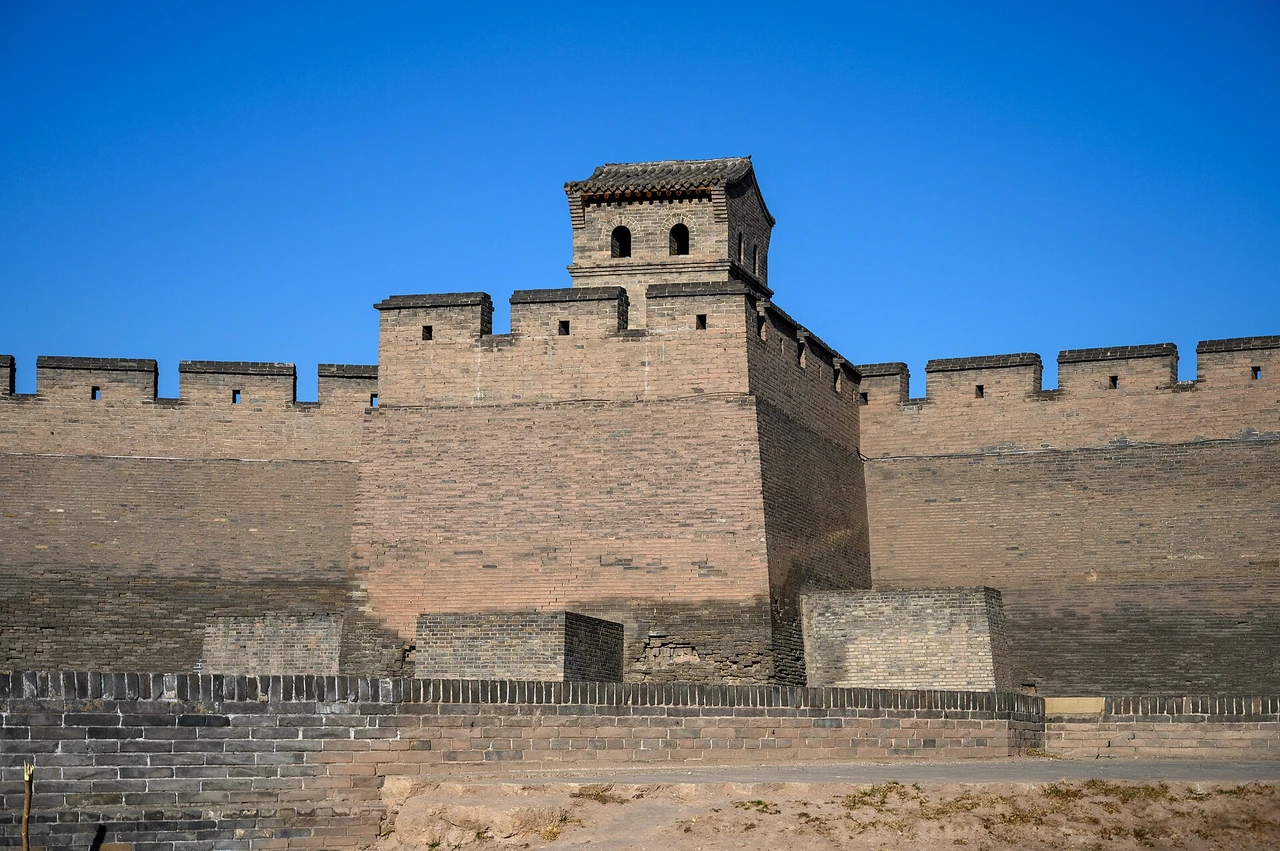
平遥城墙
City Wall
Six kilometres around, with views over every courtyard roof.
日昇昌票号
Rishengchang Exchange Shop
Rishengchang occupied a Shanxi merchant courtyard and became one of the best-known nineteenth-century draft banks, transferring funds through branch networks rather than moving silver over dangerous roads. Offices, account rooms and residential spaces explain why Pingyao developed into a national financial centre. The site works best as an introduction to the wider merchant-house landscape.
平遥县衙
Pingyao County Government Office
The county yamen preserves the spatial logic of local imperial government: ceremonial gates and courts lead through administrative halls toward archives, residential areas and a prison section. Architecture separated public authority, clerical work and private life. Displays help translate the institution, although reconstructed elements should be read alongside the surviving plan rather than as literal scenes.
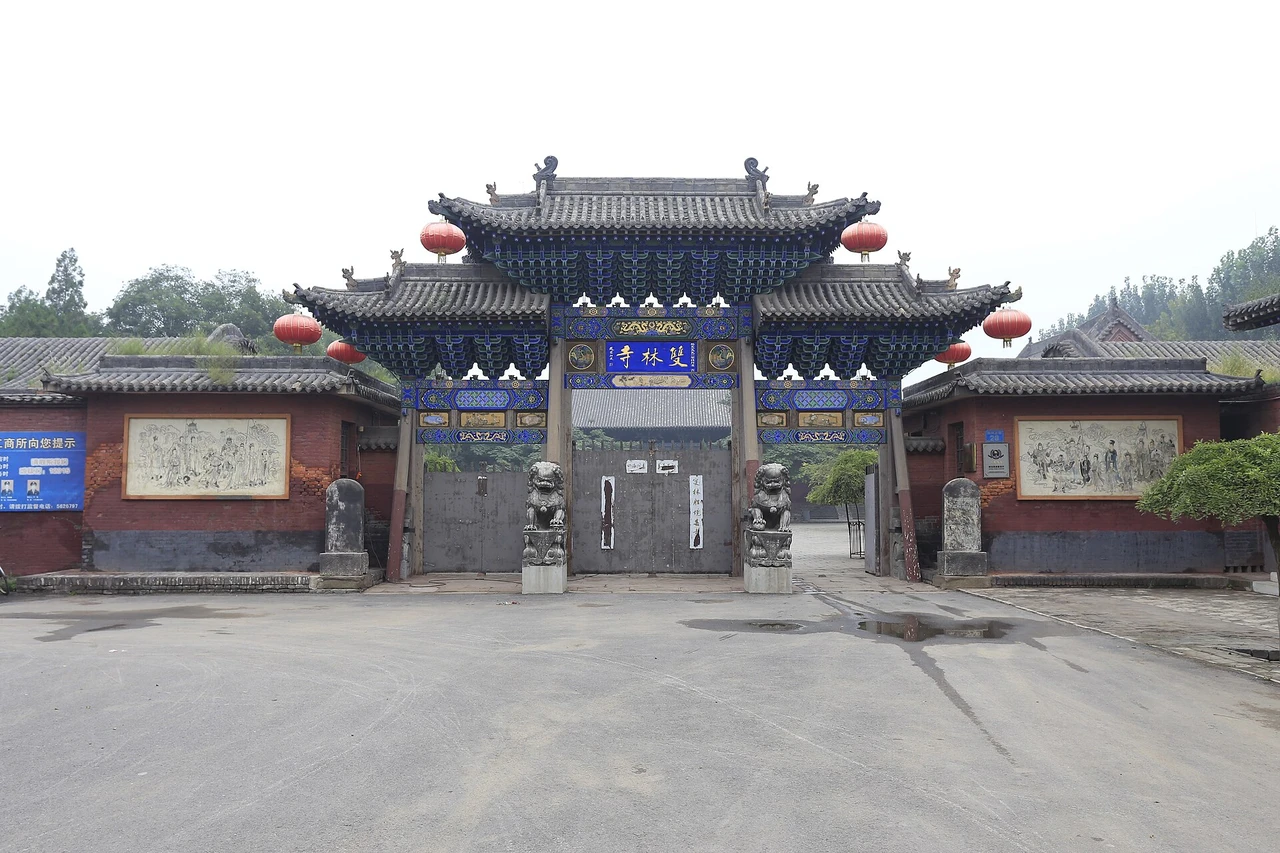
双林寺
Shuanglin Temple
Painted clay sculptures from the Ming, in a fortified temple outside town.
镇国寺
Zhenguo Temple
Zhenguo Temple, the third component of the World Heritage property, is centred on the Ten Thousand Buddha Hall, a rare surviving timber building from the Five Dynasties period. Its bracket sets, low roof profile and early sculpture make the site essential for understanding Chinese wooden architecture before the better-known Ming and Qing fabric of the walled town.
Local snacks
Taste the city, one dish at a time.
These cards describe dishes, not restaurants. Images are added only after their license and attribution are verified.
Clean, savoury and gently spiced
Pingyao Beef
平遥牛肉
Lean beef is salted and slowly cooked until tender, then cooled and sliced to show a dense, rosy interior. The protected local speciality is usually served as a cold shared plate rather than a sauced stir-fry.
Order a small sliced portion to share and verify packaging dates when buying sealed products.
Nutty, wheaty and tangy with sauce
Oat Noodle Honeycombs
莜面栲栳栳
Oat flour dough is rolled into thin pieces, curled into upright honeycomb tubes and steamed, then dipped in a tomato, vinegar or meat-based sauce. The structure gives the coarse-grain noodle a springy bite.
Ask which dipping sauce is provided and whether it contains meat; eat hot before the tubes firm up.
Tangy, garlicky and optionally spicy
Pingyao Wantuo
平遥碗托
Buckwheat or mixed-grain batter is steamed in shallow bowls until set, cut into strips and dressed cold or stir-fried with vinegar, garlic and chilli. It is a humble street food with a smooth, firm texture.
Choose cold or stir-fried service and specify chilli level; allergy-sensitive diners should ask about mixed flours.
Toasty, nutty and lightly savoury
Pingyao Savoury Flour Tea
平遥油茶
Flour is toasted with oil, nuts and aromatics, then whisked with hot water into a thick breakfast drink. Despite its name, this northern oil tea is a roasted grain preparation rather than brewed leaf tea.
Try a small bowl and ask about peanuts, sesame and animal fat when allergies or dietary restrictions apply.
City essentials
The practical details, when you need them.
Places and local food come first. Open these notes for context, arrival and neighbourhood advice.
Overview+
BEIJINGTIANJINJIANGSUHENANSHAANXIGANSUNINGXIAPingyao
Pingyao was the banking capital of Qing China, and the money is still visible in the courtyard mansions and the draft banks that are now museums. The whole town is the sight: walk the wall, wander the lanes, sit on a rooftop terrace.
Day-trippers arrive from Taiyuan at ten and leave at four. Before and after, the streets belong to the people who live here and the few who stayed the night.
Winters are cold and dry; summers hot. It is a courtyard town, so pack for the season.
Getting there+
High-speed trains from Taiyuan take about 30 minutes to **Pingyao Ancient City** station, a short taxi from the walls; from Xi'an about three hours, from Beijing around four. The old **Pingyao** station is closer but serves slow trains.
**Rail tip.** Your passport is your ticket. Book on 12306 or [Trip.com](/go/trip?to=trains&from=city-rail), then go straight to the gate. See [Getting around](/guides/getting-around). The Trip.com link earns us a small commission at no cost to you ([how that works](/about#affiliate)).
**Stay online.** Google, WhatsApp and Instagram are blocked on Chinese networks; a travel eSIM that roams gets around it. Install one before you fly — [Saily](/go/saily?from=city-esim) takes US$5 off a first plan with the code **CHINA**. See [Staying online](/guides/staying-online). The code earns us the same amount in Saily credits, at no cost to you ([how that works](/about#affiliate)).
Where to stay+
Inside the walls
古城内
Courtyard guesthouses, kang beds, rooftop terraces. The only choice.
Stay off South Street, the main tourist lane, and the nights are silent. Ask for a room with a heated kang in winter.
first visitatmosphere
**Booking.** Compare hotels in Pingyao on [Trip.com](/go/trip?to=hotels&city=pingyao&from=city-stay), filtered to its China travel essentials list: English-speaking staff, foreign cards, guest rating 8 or higher. See [Where to stay](/guides/where-to-stay). Booking through this link earns us a small commission at no cost to you ([how that works](/about#affiliate)).
Traveller community
Real experiences from Pingyao
tip · ♥ 0
Sleep inside the walls; the town is worth the evening, not the day
Coaches from Taiyuan arrive around ten and leave by four, and between those hours the main streets are a souvenir corridor. Before and after, the lanes belong to the people who live in them. Stay in a courtyard guesthouse inside the walls — most have kang beds and a rooftop — and plan the wall walk and the quiet lanes for early morning or the hour before dark. Winter rooms can be cold in a courtyard, so ask about heating before you book.
tip · ♥ 0
Two stations, and the fast one is not the near one
**Pingyao Ancient City** takes the high-speed trains — about half an hour from Taiyuan, three hours from Xi'an, four from Beijing — and is a short taxi from the walls. The old **Pingyao** station is nearer the gate but serves slow trains only. Book the high-speed leg ahead in season and tell your guesthouse which station you are arriving at; most will send someone, because taxi drivers at the ancient-city station are not always keen on a five-minute fare.