西宁
Xining
Xining is the doorway to the Tibetan plateau: 2,300 metres up, cool in summer, half Hui Muslim and half Tibetan in its streets and food. Kumbum Monastery is half an hour away and Qinghai Lake a long day out.
At a glance
- Stay
- 2–2 days
- Best seasons
- Jun–Sep
- Airports
- Rail or road access
- Region
- Northwest China
China Unhurried editorial team · Owner-authored
Places to begin
Make the city tangible.
北禅寺
Beishan Temple
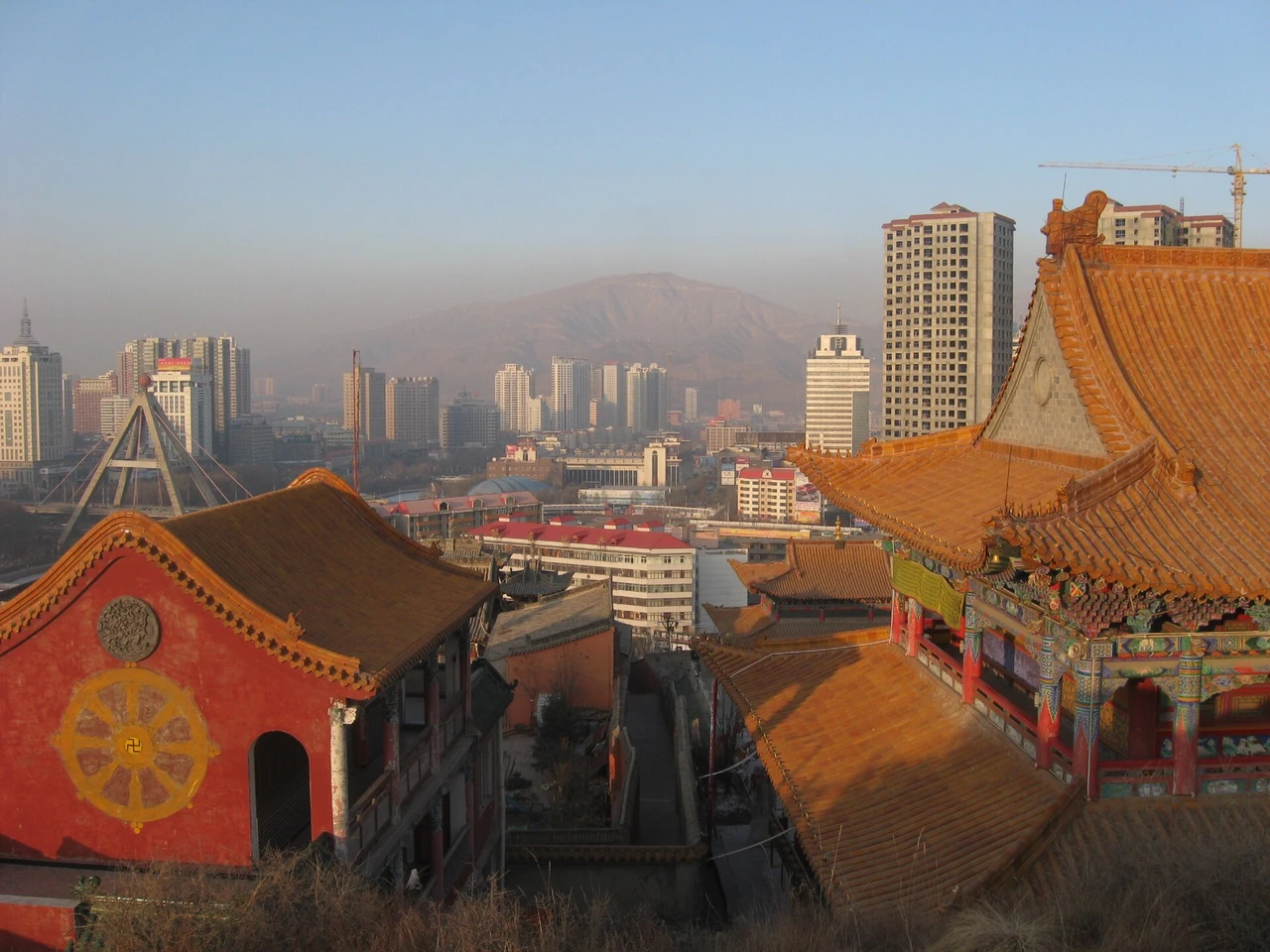
A Taoist temple built into the cliff face north of the city, with the valley view from the walkways.
东关清真大寺
Dongguan Great Mosque
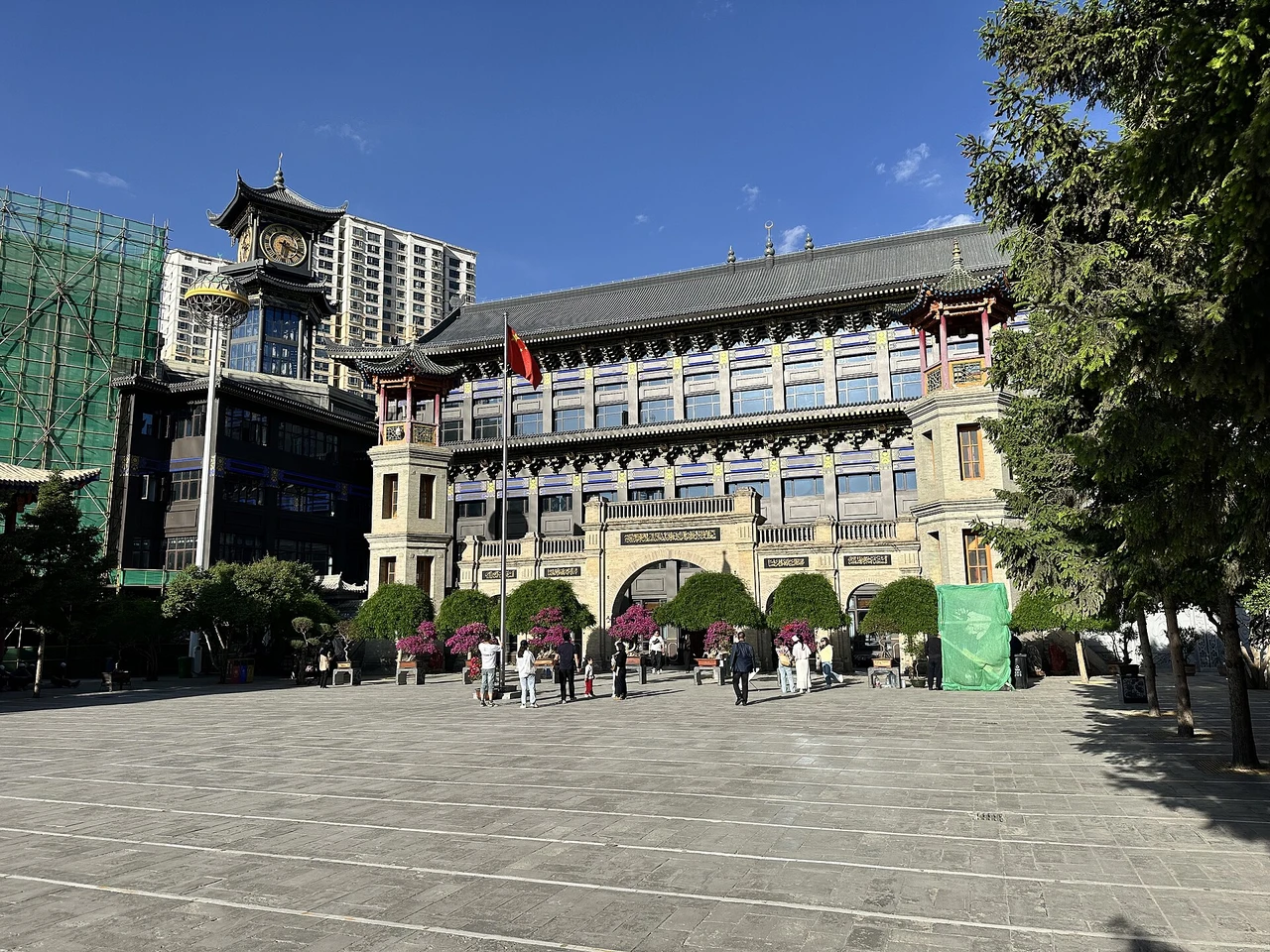
A fourteenth-century mosque at the centre of the Hui quarter, filling the street at Friday prayers.
莫家街
Mojia Street
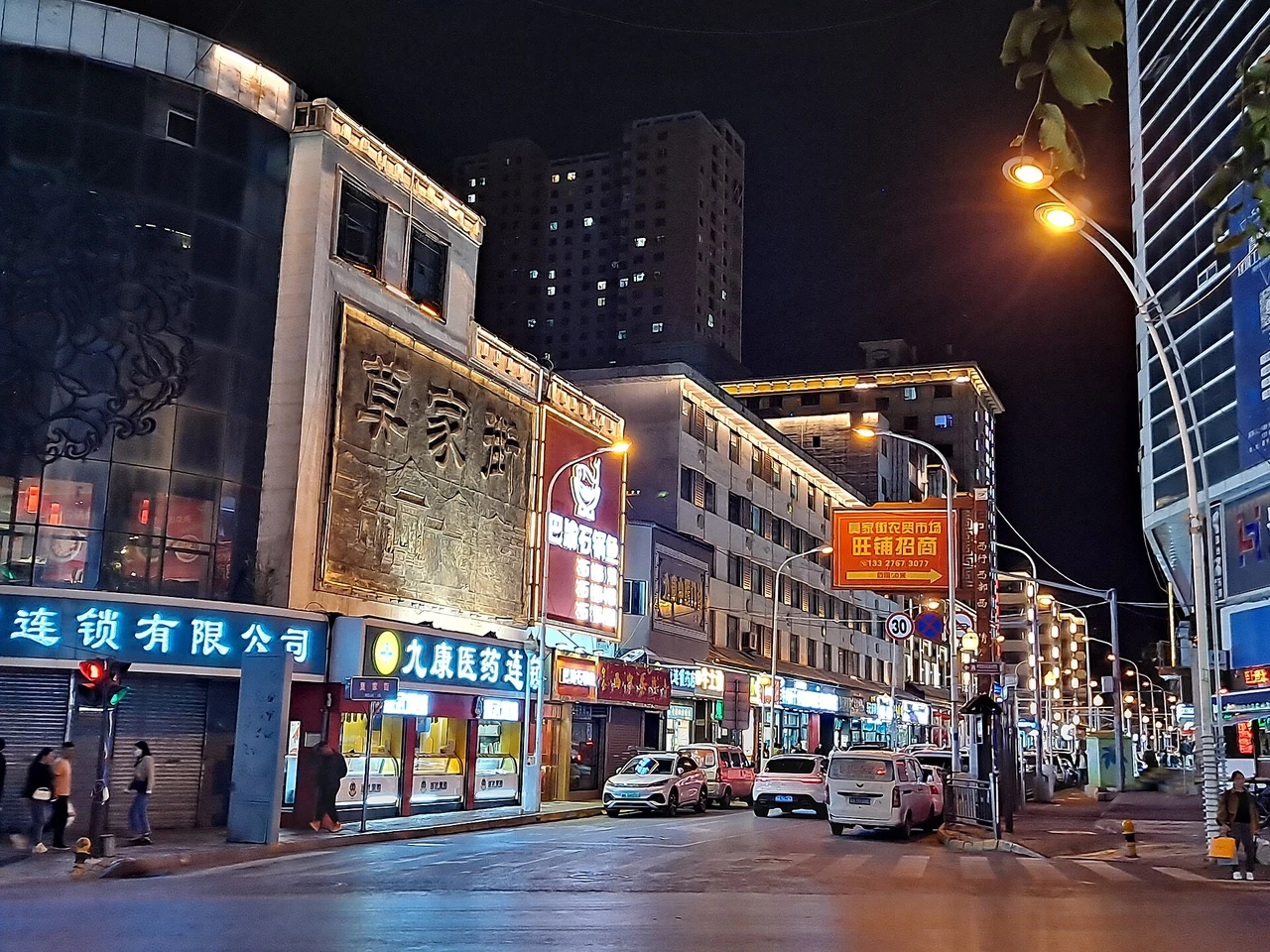
The old food street: yoghurt, lamb, noodles, dried fruit. All day and late.
藏医药文化博物馆
Tibetan Medicine Museum
A 618-metre painted thangka scroll and the history of Tibetan medicine, in the Biotech park north of the city.
塔尔寺
Kumbum Monastery
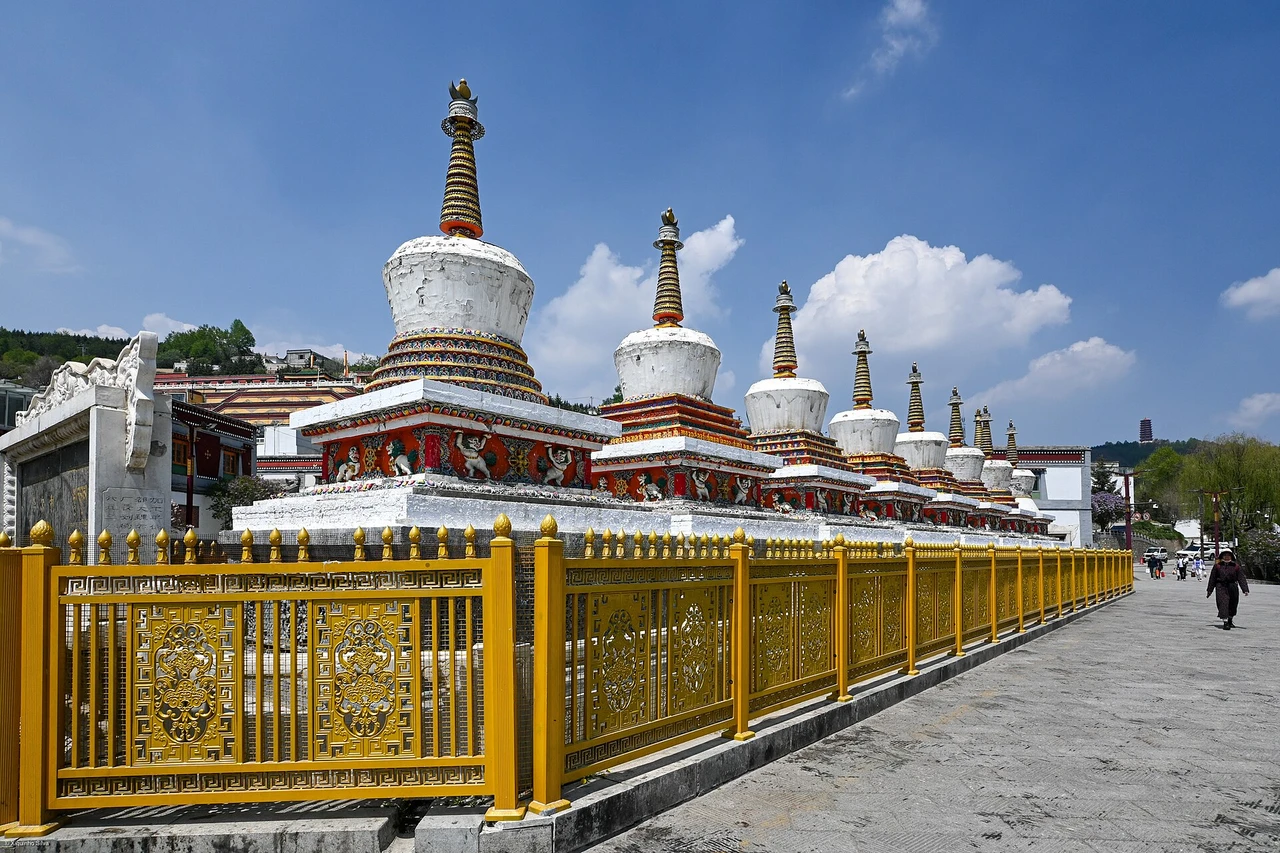
One of the great Gelug monasteries, with a row of eight white stupas at the gate and halls of butter sculpture.
青海省博物馆
Qinghai Provincial Museum
The provincial museum connects prehistoric archaeology, exchange across the plateau and Hexi corridors, regional religious art, material culture and the modern history of Qinghai. Pottery, metalwork, textiles and site evidence replace the vague idea of an isolated plateau with a long record of movement and contact. It is the best place to build a chronology before visiting monasteries, archaeological landscapes or pastoral regions elsewhere in the province.
青海藏医药文化博物馆
Qinghai Tibetan Medicine and Culture Museum
This specialist museum explains Tibetan medicine through historical physicians, medical texts, diagnostic systems, materia medica and the plateau environment that shaped them. Its wider cultural galleries include calligraphy, architecture, textiles and large painted works. Read medical displays as the history and theory of a living knowledge system rather than personal treatment advice, and recognise that Tibetan culture extends well beyond a single religious or visual stereotype.
西宁东关清真大寺
Dongguan Mosque of Xining
Dongguan Mosque is a prominent centre of Muslim worship and community life in Xining's eastern districts. Its architectural form and changing urban setting reflect the long presence of Hui and other Muslim communities along trade and migration routes through the Huangshui valley. Because it remains a working mosque, the meaningful experience is observing respectful boundaries and neighbourhood rhythms rather than treating prayer as a spectacle.
西宁野生动物园
Xining Wildlife Park
The park focuses attention on plateau wildlife and conservation, including species such as snow leopard, Pallas's cat and black-necked crane that are difficult or inappropriate to seek closely in the wild. Rescue and veterinary stories can support ecological learning, but individual animals may be off display for welfare reasons. A responsible visit values habitat interpretation and conservation work rather than demanding a guaranteed close sighting or viral photograph.
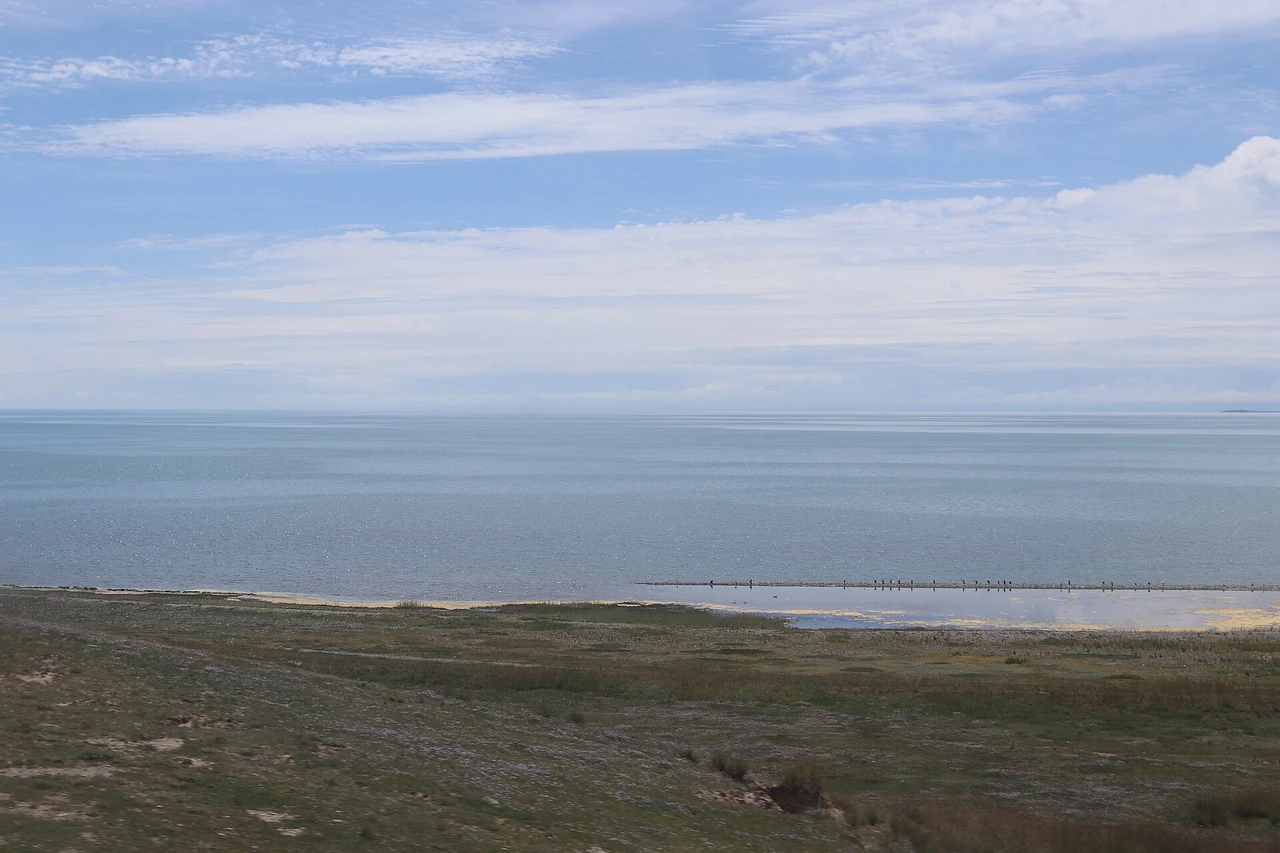
青海湖
Qinghai Lake
A blue inland sea at 3,200 metres, ringed by grassland and rapeseed in July. A long day or an overnight.
Local snacks
Taste the city, one dish at a time.
These cards describe dishes, not restaurants. Images are added only after their license and attribution are verified.
Chewy, sour, garlicky and spicy
Xining Niangpi
西宁酿皮
Steamed wheat-starch sheets are cut into broad strips and mixed with gluten, vinegar, garlic and chilli, producing a cool, springy staple found across the Huangshui valley.
Choose a high-turnover vendor and eat soon after preparation. It contains gluten; sauces may include sesame or peanuts, and cold ingredients require careful hygiene.
Savoury, peppery and rich
Xining Lamb-intestine Noodles
西宁羊肠面
Noodles are served with chopped lamb intestine and a deeply seasoned broth or gravy, making a robust breakfast associated with Xining's halal food traditions.
Eat piping hot at a busy halal shop. It contains offal and gluten; ask about chilli and sodium, and choose thoroughly cooked intestine.
Sweet, grainy, cool and lightly fermented
Qinghai Sweet Fermented Grain
青海甜醅
Highland barley or wheat is lightly fermented until fragrant and sweet, then served with its cool liquid as a spoonable grain dessert or drink.
Ask whether it retains alcohol and how it was stored. It may contain gluten and is unsuitable for people avoiding alcohol if active fermentation remains.
Tangy, creamy and gently sweet
Qinghai Set Yogurt
青海老酸奶
Milk is cultured in individual bowls until firmly set, often finished with a thin yellow cream layer and served plain or with sugar.
Keep refrigerated and choose sealed or freshly handled portions. It contains dairy; ask whether the milk was pasteurised and add sugar gradually.
City essentials
The practical details, when you need them.
Places and local food come first. Open these notes for context, arrival and neighbourhood advice.
Overview+
SICHUANTIBETXINJIANGXining
Xining sits in a valley where the Silk Road, the tea road to Tibet and the Hexi Corridor met, and the mix is still visible: the great mosque at Dongguan, Tibetan pilgrims at Kumbum, yak yoghurt and hand-pulled noodles in the same lane. It is a working provincial city rather than a pretty one, and an easy place to spend two days getting used to the altitude.
Kumbum, the birthplace of Tsongkhapa and one of the six great Gelug monasteries, is 25 kilometres south-west. Qinghai Lake, the largest in China, is a two-and-a-half-hour drive west across yellow rapeseed fields in July.
Summer is the season: the city is cool while the lowlands cook, and the lake is at its bluest. Winter is cold and dry. The trains to Lhasa start here.
Getting there+
**Xining** station is on the high-speed line from Lanzhou, about an hour; Xi'an is four and a half hours, Zhangye two. Trains to Lhasa leave from here and take about 21 hours. **Caojiabao (XNN)** airport is 30 kilometres east with flights from the big cities and Lhasa; the airport bus takes 40 minutes.
**Rail tip.** Your passport is your ticket. Book on 12306 or [Trip.com](/go/trip?to=trains&from=city-rail), then go straight to the gate. See [Getting around](/guides/getting-around). The Trip.com link earns us a small commission at no cost to you ([how that works](/about#affiliate)).
**Stay online.** Google, WhatsApp and Instagram are blocked on Chinese networks; a travel eSIM that roams gets around it. Install one before you fly — [Saily](/go/saily?from=city-esim) takes US$5 off a first plan with the code **CHINA**. See [Staying online](/guides/staying-online). The code earns us the same amount in Saily credits, at no cost to you ([how that works](/about#affiliate)).
Where to stay+
City centre and Dongguan
市中心·东关
Around the mosque and the Mojia Street market. The heart of the city, and its food.
Hotels along Dongguan Street and around the Central Square. The station is fifteen minutes by taxi.
first visitfoodconvenience
Lushar and Kumbum
鲁沙尔·塔尔寺
The monastery town, half an hour out. A night here means the monastery at dawn.
Guesthouses in Lushar, the town at the monastery gate. Morning prayers before the coaches arrive.
quietpilgrims
**Booking.** Compare hotels in Xining on [Trip.com](/go/trip?to=hotels&city=xining&from=city-stay), filtered to its China travel essentials list: English-speaking staff, foreign cards, guest rating 8 or higher. See [Where to stay](/guides/where-to-stay). Booking through this link earns us a small commission at no cost to you ([how that works](/about#affiliate)).
Traveller community