Month and stay filters use editorial recommendations; other dates may still work for your trip.
4 cities found
DCY · 4–6 days
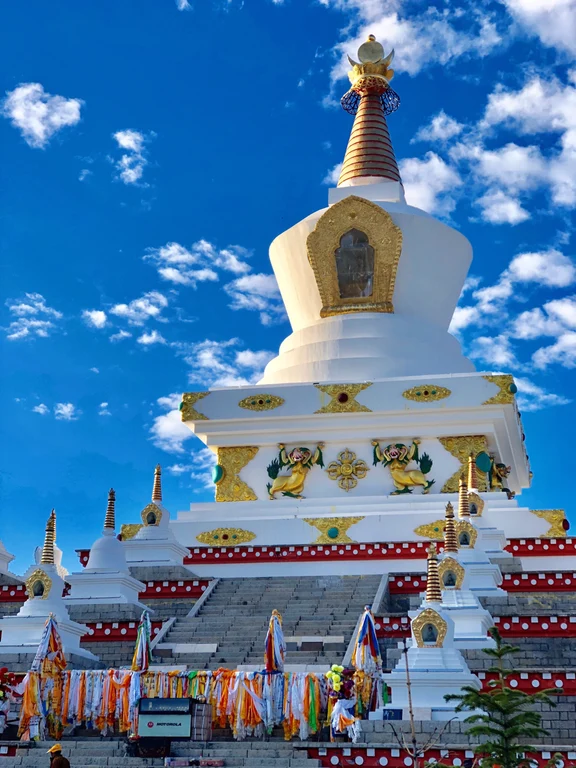
稻城
Daocheng is a high-altitude county where glacial valleys, sacred snow peaks, pasturelands, Tibetan villages and important Paleolithic archaeological research coexist. Aden is the most well-known protected area, but responsible travel should start with acclimatizing to the altitude and respecting living communities, rather than heading straight to Haizi, the highest point. Itineraries should retain maneuver days as weather, health and ecological controls may take precedence over original plans.
LZY · 4–6 days
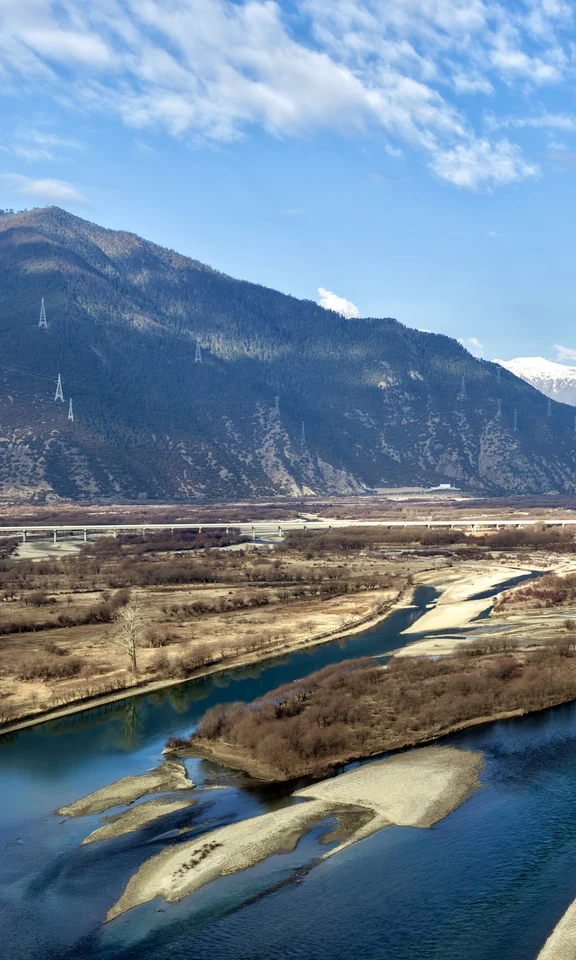
林芝
Linzhi straddles deep river gorges, forest valleys, glacial lakes, sacred snow peaks, and Tibetan, Monba, Lhoba and other communities. It is a vast area in southeastern Tibet. The climate in the low valleys may be milder than in central Tibet, but the route will still pass through high mountain passes and remote areas. It should be planned geographically, respecting community and religious boundaries, and treating all snowy mountain views as weather-affected rather than guaranteed visibility.
· 3–5 days
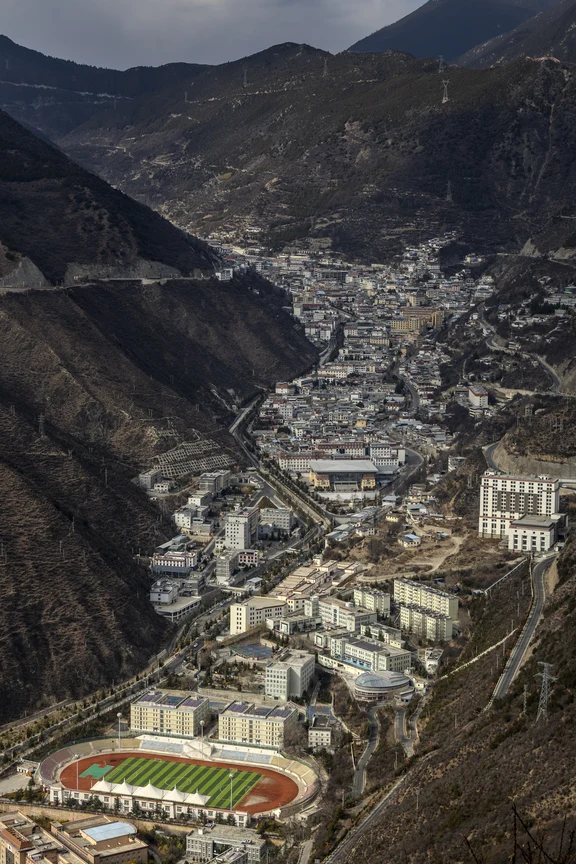
德钦
Deqin is located on the edge of a steep plateau. The Lancang River, Jinsha River and Nujiang River systems cut through the Three Parallel Rivers landscape, and the Meili and Baima Snow Mountains stand among them. Tibetan villages, pilgrimage routes, vineyards and historical religious sites are separated by difficult roads and huge elevation differences. Travel at a slow pace, respect the sacred mountains and living communities, and allow maneuvering time for weather and road disruptions.
AVA · 2–4 days
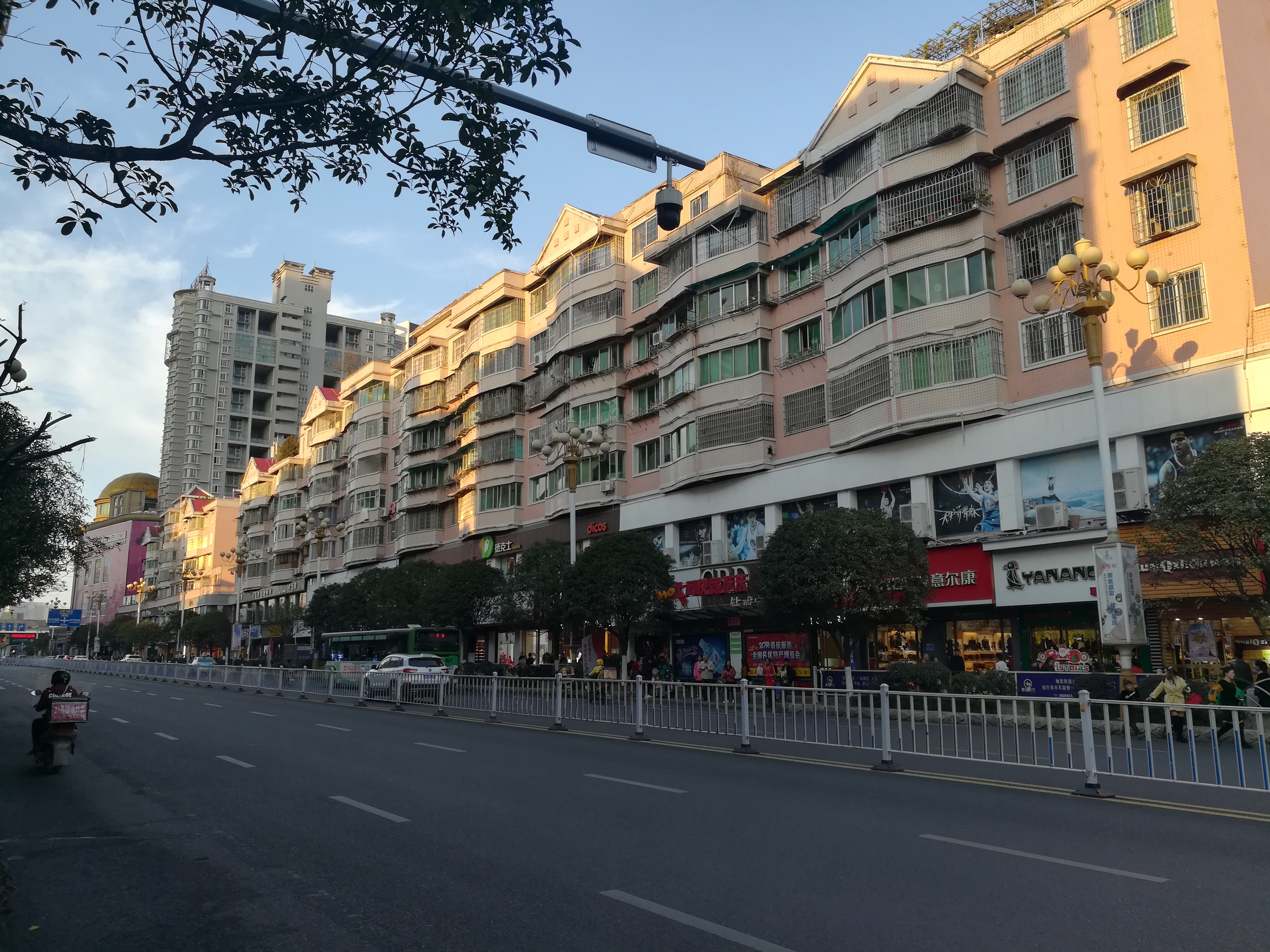
安顺
Anshun connects large waterfalls with karst caves, Ming Dynasty military settlement heritage, urban old streets, and diverse Buyi and Miao communities. Huangguoshu are just part of a scattered landscape. The urban area can be used as a base to group attractions in directions and differentiate between living traditions and tourist-oriented performances.