
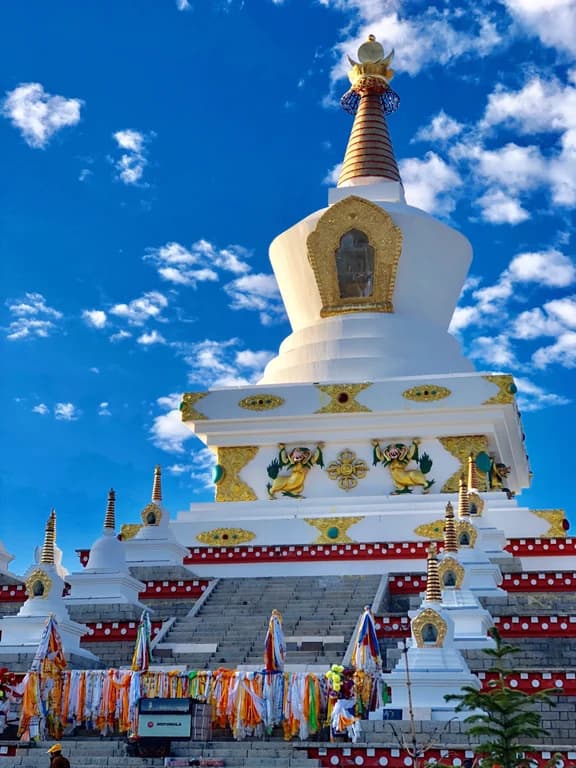
稻城
Daocheng
Daocheng is a high-altitude county where glacial valleys, sacred snow peaks, pasturelands, Tibetan villages and important Paleolithic archaeological research coexist. Aden is the most well-known protected area, but responsible travel should start with acclimatizing to the altitude and respecting living communities, rather than heading straight to Haizi, the highest point. Itineraries should retain maneuver days as weather, health and ecological controls may take precedence over original plans.
At a glance
- Stay
- 4–6 days
- Best seasons
- Summer, Autumn
- Airports
- DCY
- Region
- Southwest China
Last updated: 9/29/2026
First visit
Arrive and settle in Daocheng
Start with arrival and where to stay, then choose your sights. Recheck transport and accommodation details before booking.
Arriving+
Flights use DCY. Confirm the arrival airport before planning your transfer.
Where to stay+
Choose a central neighbourhood near a metro interchange for a first visit, then trade convenience for character on a return trip.
Why go+
High-altitude valleys, sacred peaks and long road journeys define this western Sichuan destination.
Where next?
Save places you like, then use your saved list to build a trip.
Practical travel guides
Places to explore in Daocheng
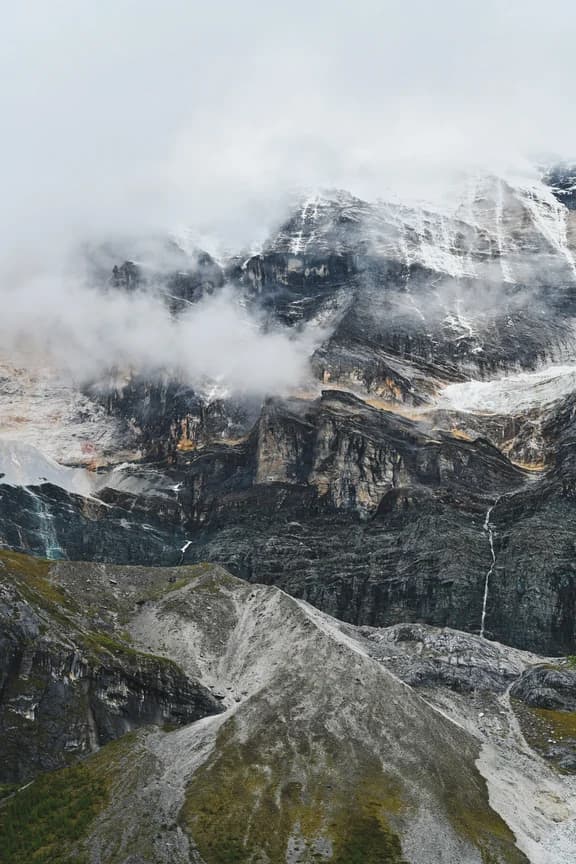
Yading Nature Reserve
稻城亚丁
Daocheng Yading protects the ecology of high-altitude snow mountains, glacial lakes, forests and meadows, and also carries the local sacred geography. Popular routes still face lack of oxygen, strong ultraviolet rays and rapid weather changes. Visitors must use open connections and trails and not cross the line to approach the ice body or close the lake shore.
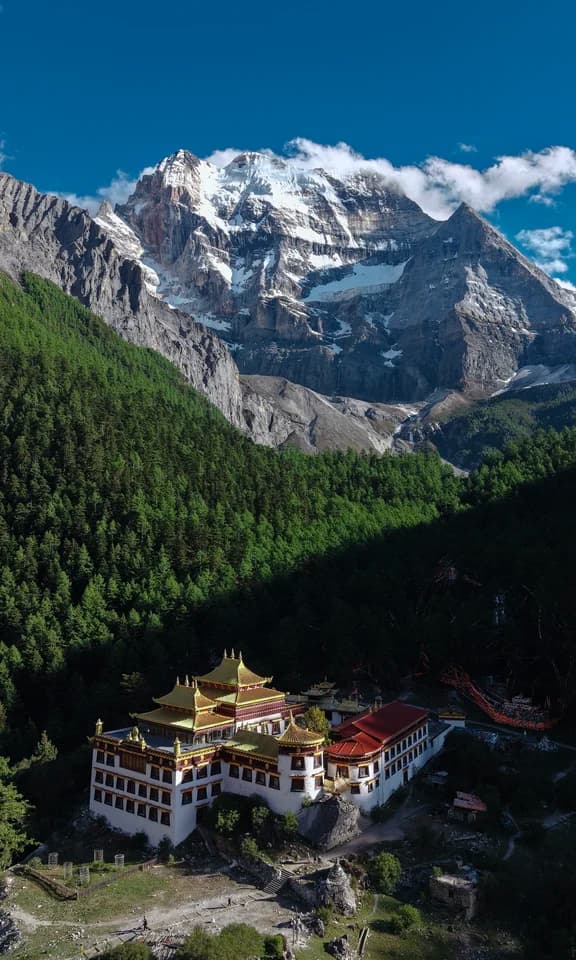
Yading Short Route: Chonggu and Pearl Lake
亚丁冲古寺与珍珠海短线
The Aden Short Line connects the Chonggu area, forest trails and the Pearl Sea under the Xiannairi Snow Peak. You can get a complete plateau landscape without having to complete the longest high valley hike. It is especially suitable for making more responsible choices in the early stages of adapting to altitude. Chonggu is a living Tibetan Buddhist cultural landscape, and wooden planks and lakeside fences are used to protect fragile vegetation and water bodies.
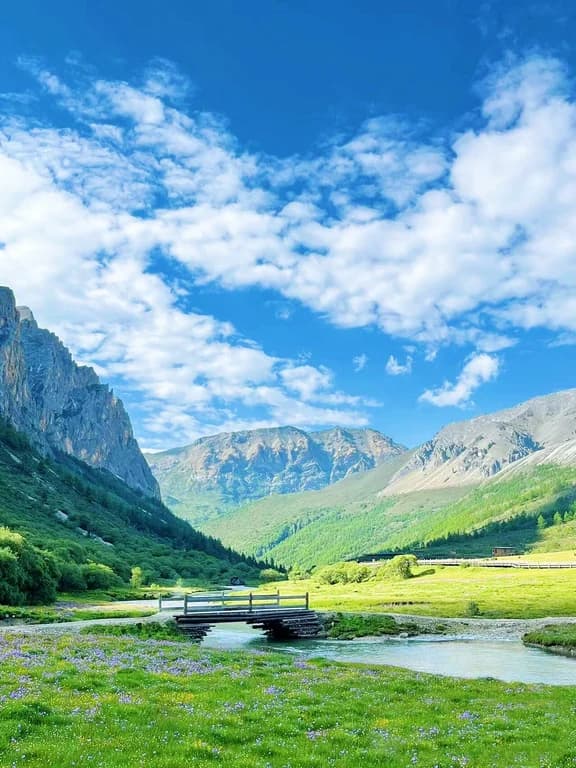
Luorong Pasture
洛绒牛场
Luorong Cattle Farm is located at the foot of three sacred mountains. It is an open high valley composed of meadows, waterways and seasonal pastures. It is both a destination and a decision-making point whether to continue challenging the difficult route above. The boardwalk makes the environment look relaxed, but the altitude pressure is still high and weather can obscure the view in minutes. This pasture has both productive and sacred significance, and is not an empty stage that can be traversed at will.
Milk Lake and Five-color Lake High Route
牛奶海与五色海高线
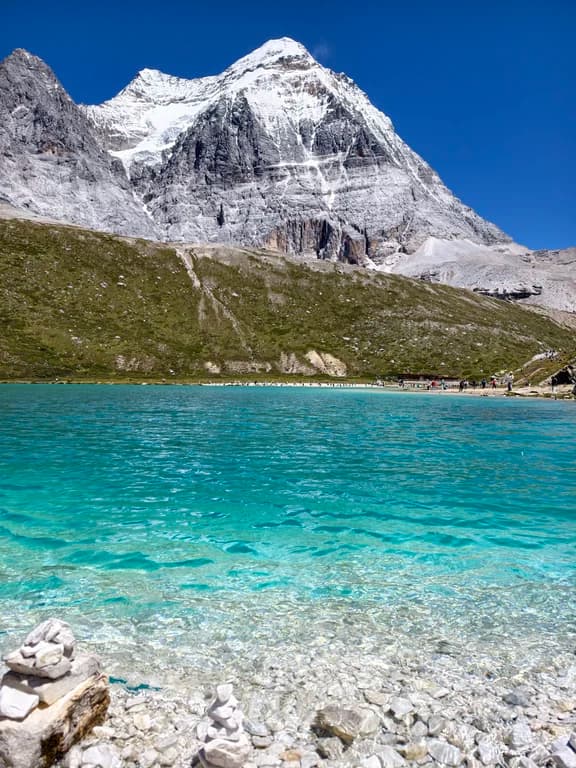
The route to Milk Lake and Five-Color Lake enters a high-altitude glacial basin above Luorong Pasture. Thin air, exposed slopes, fast-changing weather and a long return make this a demanding mountain trip, however popular it may be online. Lake colors vary with light, ice and weather, and routes may close for conservation or safety. A photograph is never more important than your health, the protected landscape or a safe return.
Yading Village Cultural Landscape
亚丁村
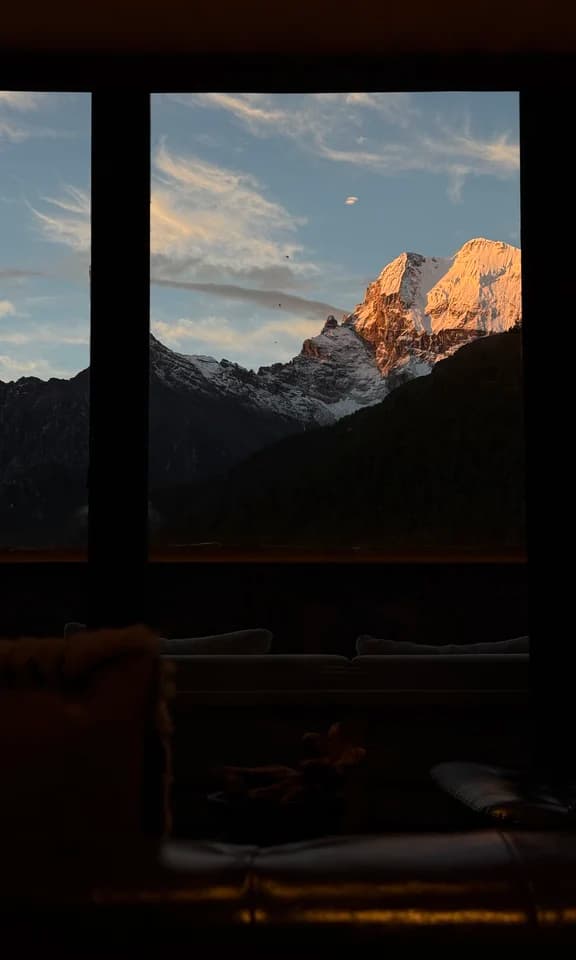
Yading Village is a living Tibetan settlement in the protected area, shaped by farming, animal husbandry, religious life and rapidly growing tourism. Conservation efforts seek to preserve village form, farmland and ancient trees while improving services. Visitors should not treat homes, residents or daily rituals as decorative scenery; what is truly valuable is understanding how communities negotiate their lives between heritage, ecology and tourist pressures.
Haizi Mountain Plateau
稻城海子山
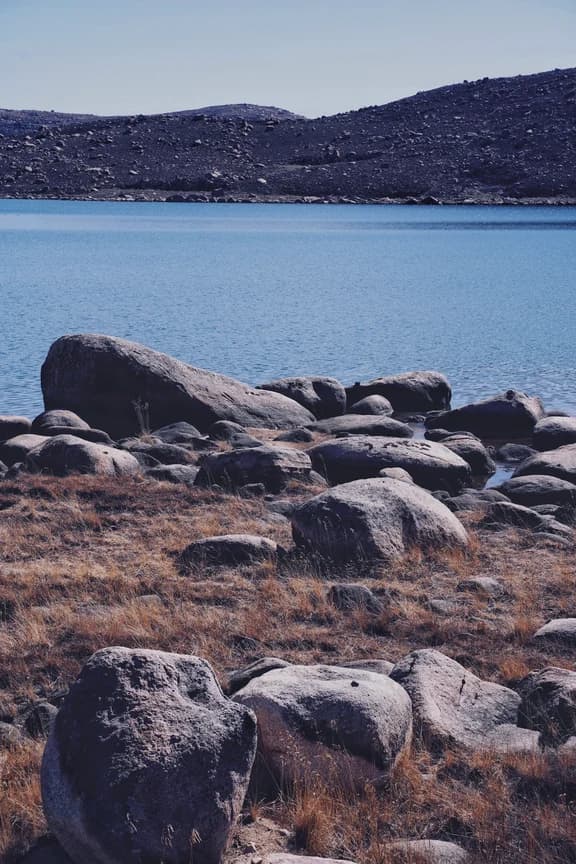
Haizishan is a vast plateau made up of glacially shaped rocks, shallow lakes and sparse vegetation. Its scale and seemingly empty appearance reflect the harsh alpine environment rather than "unused" land; stopping at formal roadside viewpoints is safer than trespassing through wetlands or rocky areas. It's extremely exposed, with little room for error for mechanical failure, health or weather problems.
Local snacks
What to eat in Daocheng
These cards describe dishes, not restaurants.
Salty, oily and strong tea flavor
Daocheng Butter Tea
稻城酥油茶
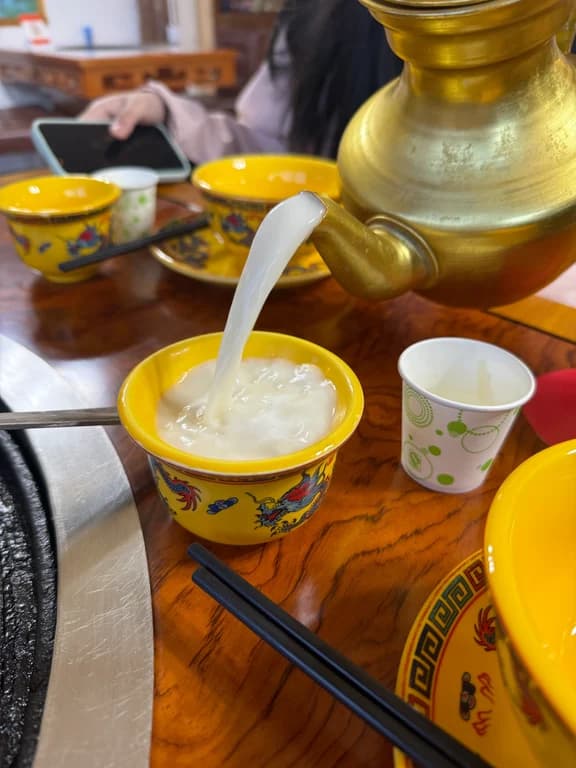
Strong tea, ghee and salt are repeatedly whipped into a warm and high-energy drink, which is adapted to the cold plateau environment and is often used to entertain guests.
Drink slowly and accept refills as prompted by the host. Contains dairy products and may be salty, and should not be used as a way to prevent or treat altitude sickness.
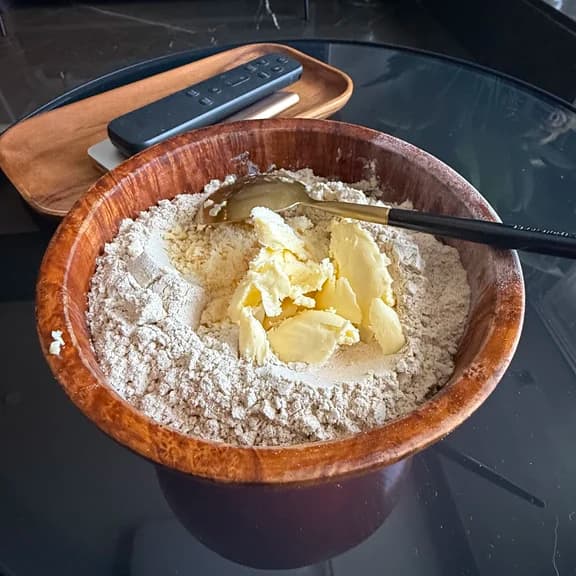
Roasted grain aroma, nutty, soft and salty aroma
Roasted Barley Tsampa
稻城糌粑
The fried highland barley flour is mixed with butter tea or milk and kneaded into small balls by hand. It is a compact staple food suitable for plateau life.
You can mix a small amount according to the owner's instructions to avoid waste. Highland barley contains gluten, and the butter tea version also contains dairy products and salt.
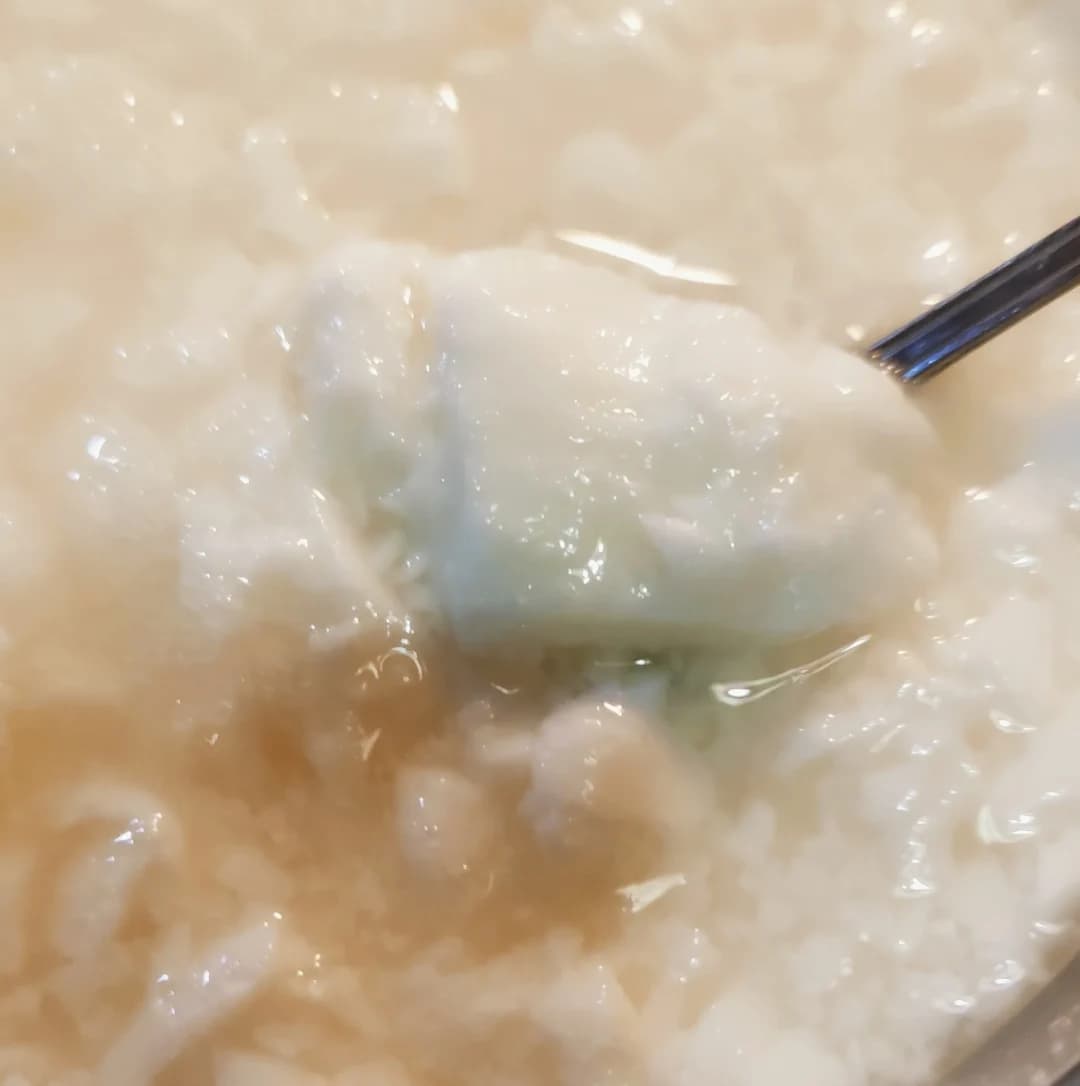
Thick milky aroma and obvious sour taste
Yak-milk Yogurt
牦牛酸奶
Rich yak milk is fermented into thick, tart yogurt, sometimes with sugar added to balance the acidity.
Choose yogurt that has been properly refrigerated, and ask if the source of the milk is pasteurized. Contains dairy products, so add a small amount of sugar and do not rely on roadside products that have been left at room temperature for a long time.
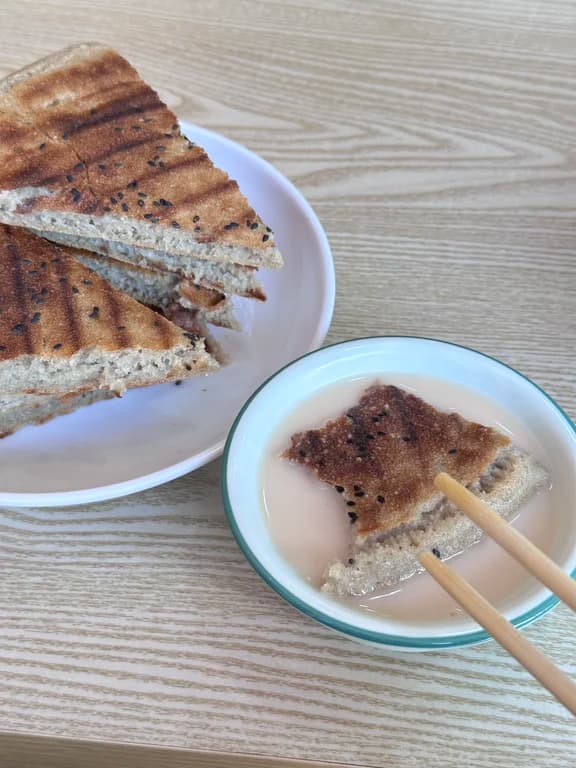
Crispy grain, slightly sweet and chewy
Highland-barley Cake
青稞饼
Highland barley flour is often mixed with wheat and other flours to make flat pancakes and then pancaked or baked. It is an easy-to-carry cereal snack.
It should be eaten warm and only bring what is needed for the day. Usually contains gluten and may contain dairy products; eating dry biscuits at high altitudes should be accompanied by drinking water.