德钦
Deqin
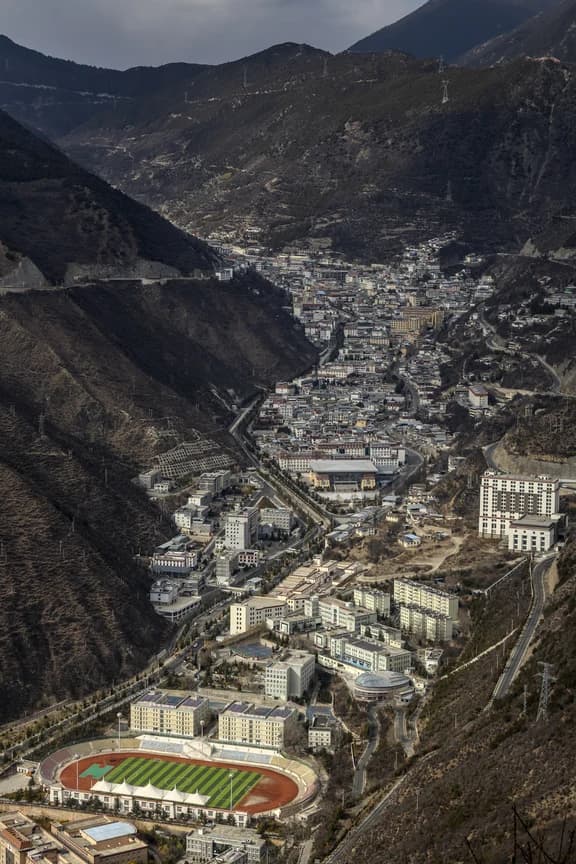
Deqin is located on the edge of a steep plateau. The Lancang River, Jinsha River and Nujiang River systems cut through the Three Parallel Rivers landscape, and the Meili and Baima Snow Mountains stand among them. Tibetan villages, pilgrimage routes, vineyards and historical religious sites are separated by difficult roads and huge elevation differences. Travel at a slow pace, respect the sacred mountains and living communities, and allow maneuvering time for weather and road disruptions.
At a glance
- Stay
- 3–5 days
- Best seasons
- Summer, Autumn
- Airports
- Rail or road access
- Region
- Southwest China
Last updated: 9/29/2026
First visit
Arrive and settle in Deqin
Start with arrival and where to stay, then choose your sights. Recheck transport and accommodation details before booking.
Arriving+
This destination is normally reached by rail or road from a nearby transport hub. Confirm the final connection before departure.
Where to stay+
Choose a central neighbourhood near a metro interchange for a first visit, then trade convenience for character on a return trip.
Why go+
Remote valleys and views of the Meili Snow Mountain range make Deqin a weather-dependent mountain destination.
Where next?
Save places you like, then use your saved list to build a trip.
Practical travel guides
Places to explore in Deqin
Meili Snow Mountain
梅里雪山
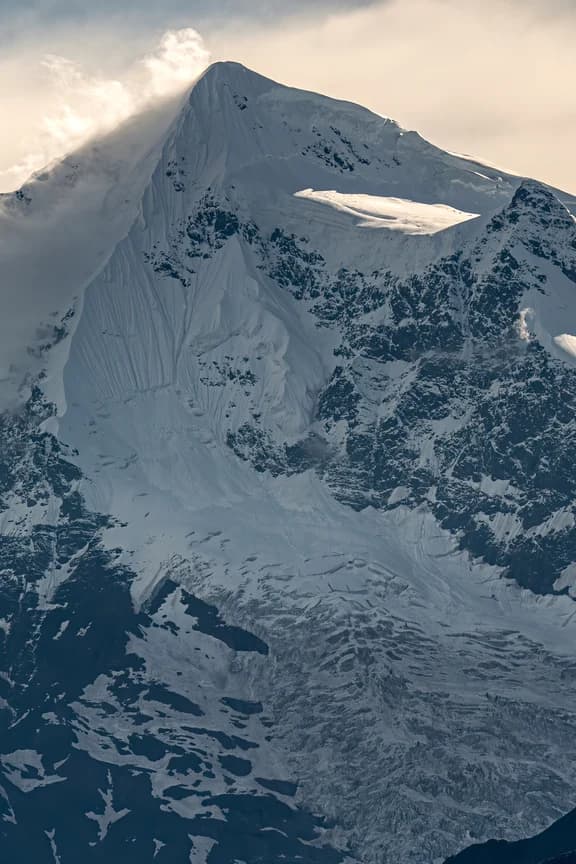
Meili Snow Mountain is a high mountain group with important ecological and sacred significance. Climbing is prohibited in Kawagebo and is suitable for viewing from legal viewing points. Rizhao Jinshan is entirely dependent on cloud cover and light; you should not stop at dangerous locations on the road for chase scenes, or trespass on glaciers or religious restricted areas.
Feilai Temple and Meili Snow Mountain Viewpoints
飞来寺梅里雪山观景带
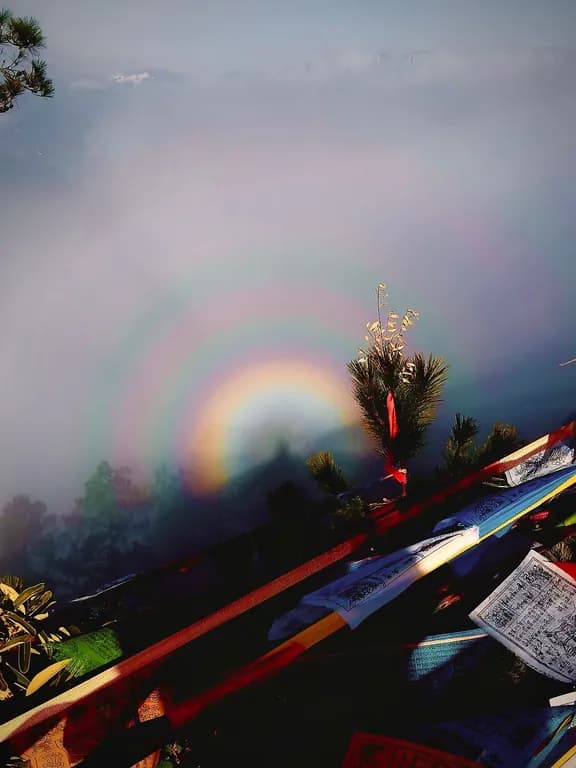
The Feilai Temple viewing zone faces the Meili Snow Mountain across the Lancang River Valley. It is the easiest place to reach to understand the scale and sacred status of Kawagbo. Viewing platforms, village accommodation and religious landscapes are now subject to heavy photography demands. Climbing Kawagbo is prohibited due to cultural protection. Viewing from a distance at legal viewing points is a sign of respect for the border; Rizhao Jinshan completely depends on cloud cover, water vapor and light, and cannot be guaranteed.
Yubeng Village and Open Trails
雨崩村与开放徒步线
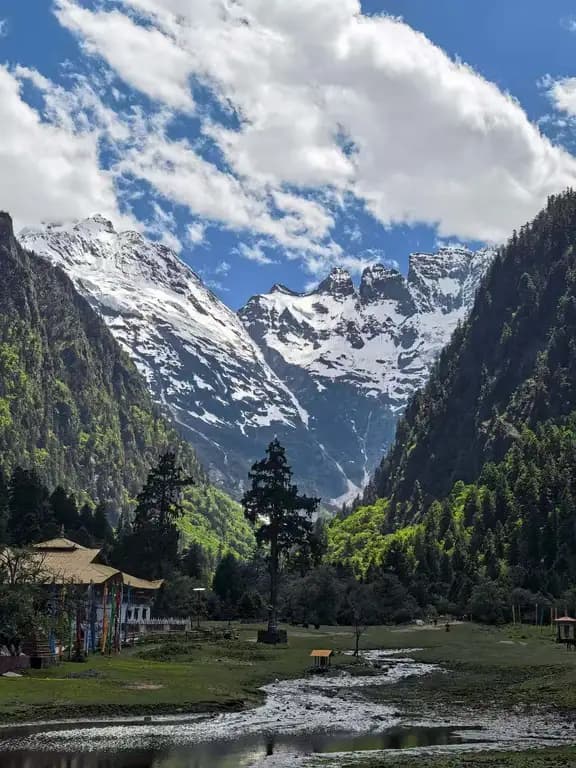
Yubeng is a living Tibetan village under the Meili Snow Mountains. It is also the base for difficult routes leading to divine waterfalls, glacial valleys and alpine lakes. Farming, pastoralism, pilgrimage and tourism share narrow roads and limited waste and water systems. A popular route does not mean the terrain is easy; every time you travel, you must confirm the opening status, retain the sunshine time, wear appropriate shoes, and return before high altitude, storms or fatigue turn into an emergency.
Mingyong Glacier
明永冰川
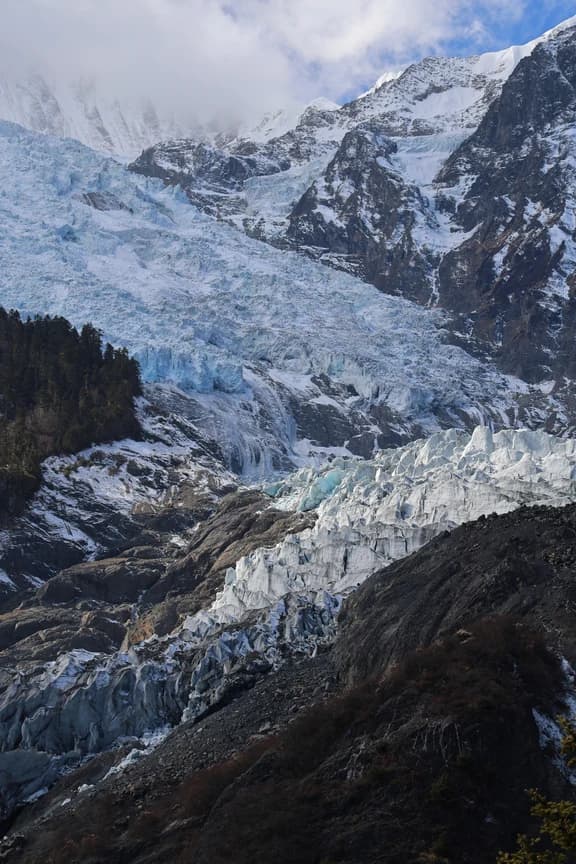
The Mingyong Glacier extends significantly downward from the Meili Mountains to the warm and dry Lancang River Valley, making the vertical climate and glacier retreat particularly intuitive. Modern boardwalks and viewpoints are designed to keep visitors away from unstable ice, moraines and meltwater. The glacier is changing, and the locations in old photos cannot be used as safe targets; current fences, rockfall warnings, and staff instructions define swimable areas.
Baima Snow Mountain Road Corridor
白马雪山公路观景廊道
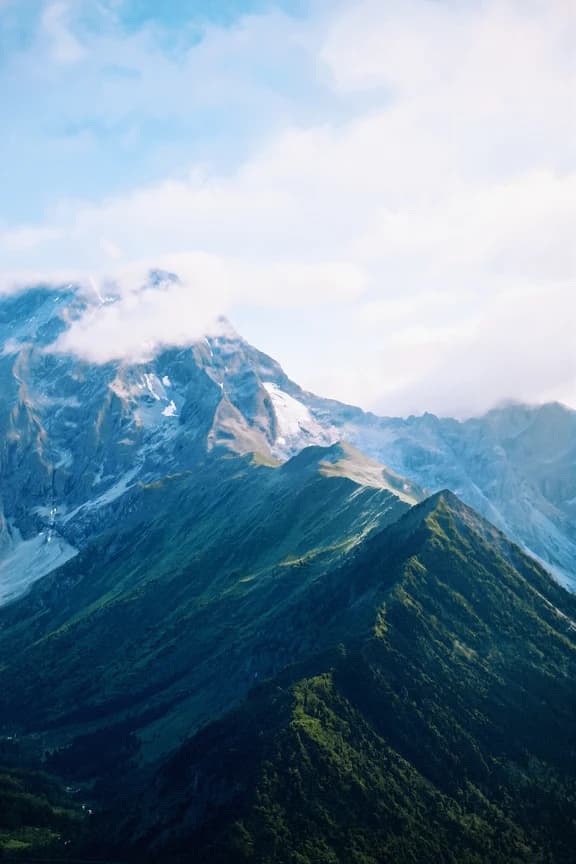
Baima Snow Mountain presents a high-altitude ecological transition between coniferous forests, alpine shrubs, meadows and snow ridges. Highway viewing corridors allow you to observe vertical vegetation and wildlife habitats without climbing, but passes are susceptible to ice, snow, fog, and closures. Protected species and forest ecology are more important than temporary pursuit of roadside animals, and old highway sections do not mean they will be automatically opened.
Cizhong Catholic Church
茨中教堂
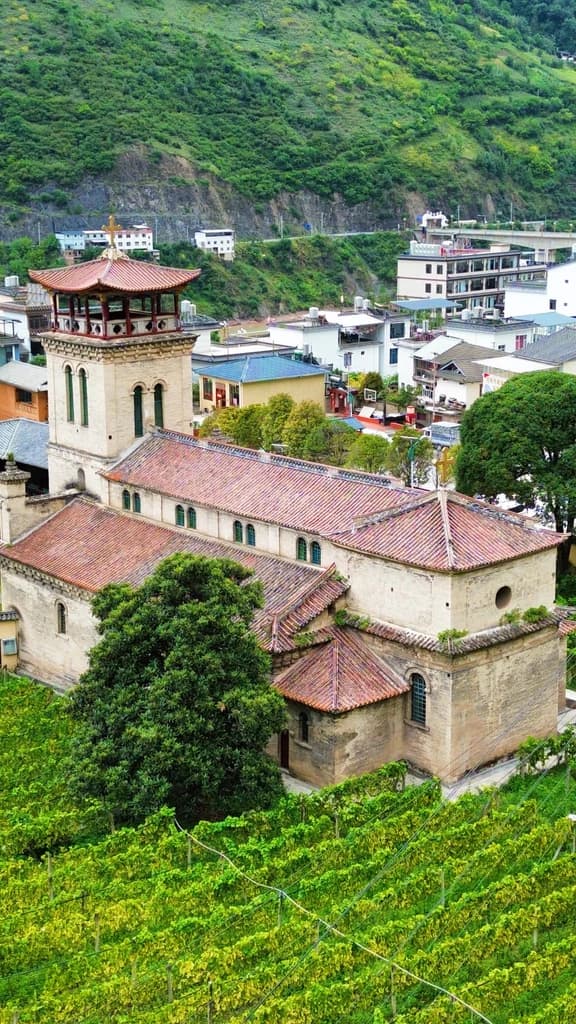
Cizhong Church reflects the complex religious and cultural encounters in the upper reaches of the Lancang River. European-derived church forms, indigenous building practices, vineyards, and Tibetan village settings evolved together rather than as separate spectacles. This remains a space of worship and community memory, and architectural interest cannot override religious activities, privacy, and the rights of residents to use their space normally.
Local snacks
What to eat in Deqin
These cards describe dishes, not restaurants.
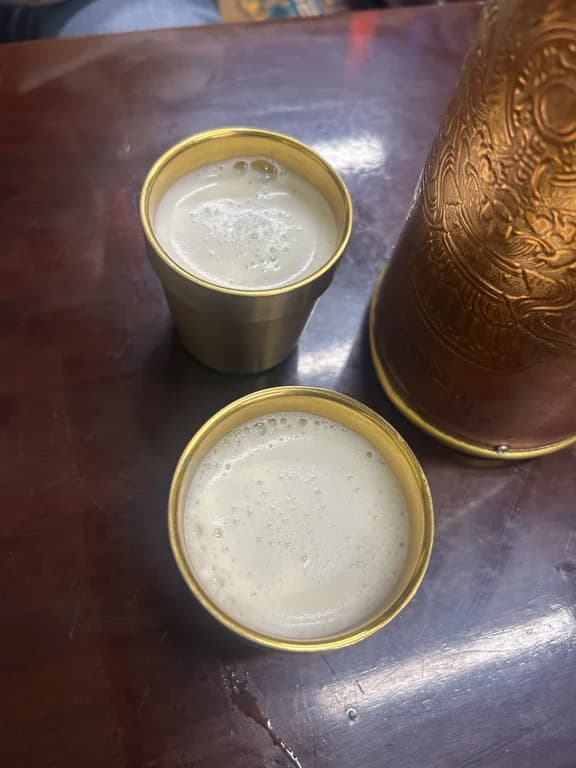
Salty, oily and strong tea flavor
Deqin Butter Tea
德钦酥油茶
Strong tea is mixed with ghee and salt to make a warm drink, which is an important part of hospitality and daily energy replenishment on the plateau.
Drink slowly and follow the host's prompts for refills. Contains dairy products and salt and does not prevent or treat altitude sickness.
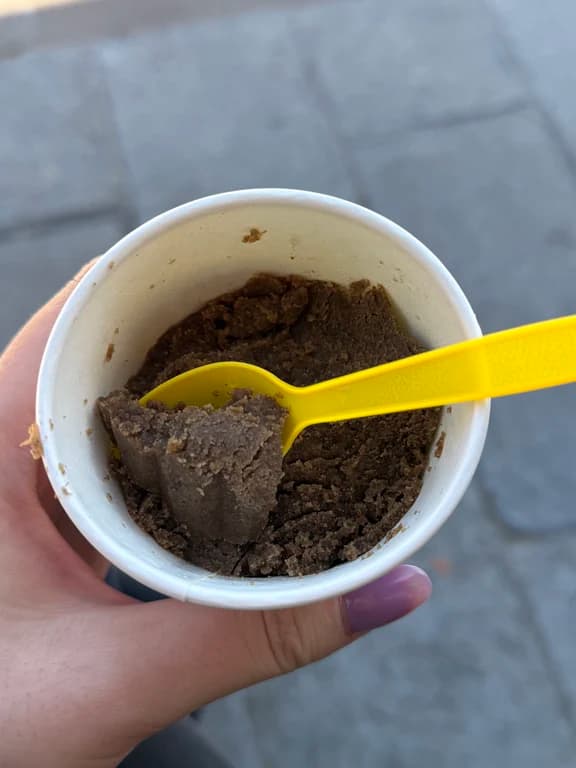
Roasted grain aroma, nutty, soft and salty aroma
Deqin Roasted Barley Tsampa
德钦糌粑
Stir-fried highland barley flour is mixed with butter tea or milk and kneaded into tight balls. It is a practical staple food on the plateau.
Mix a little at a time. The highland barley contains gluten and the butter tea version contains dairy products, so ask before adding sugar.
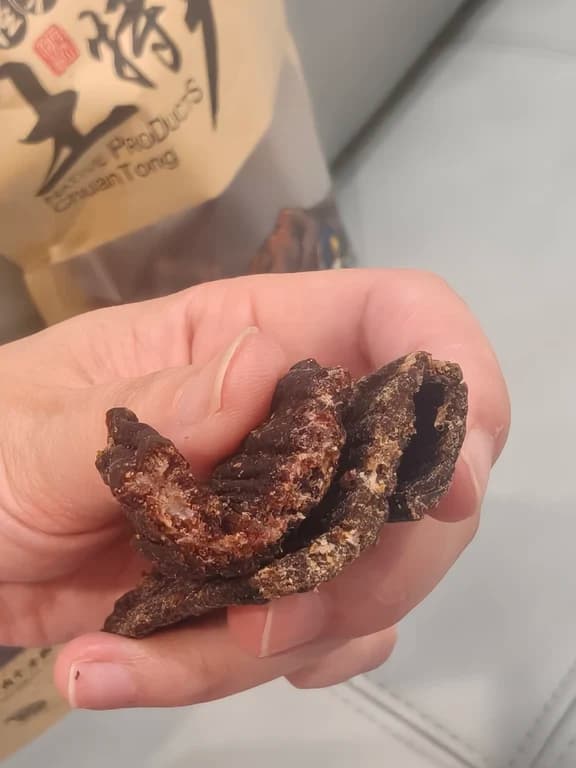
Chewy meaty, salty and spicy
Deqin Yak Jerky
德钦牦牛肉干
The leaner yak meat is salted, seasoned and dried to create a compact snack suitable for eating in small quantities on the road.
Choose sealed, source-traceable products and drink them with water. High in sodium, flavorings may contain soy or gluten and are not a substitute for a balanced meal.
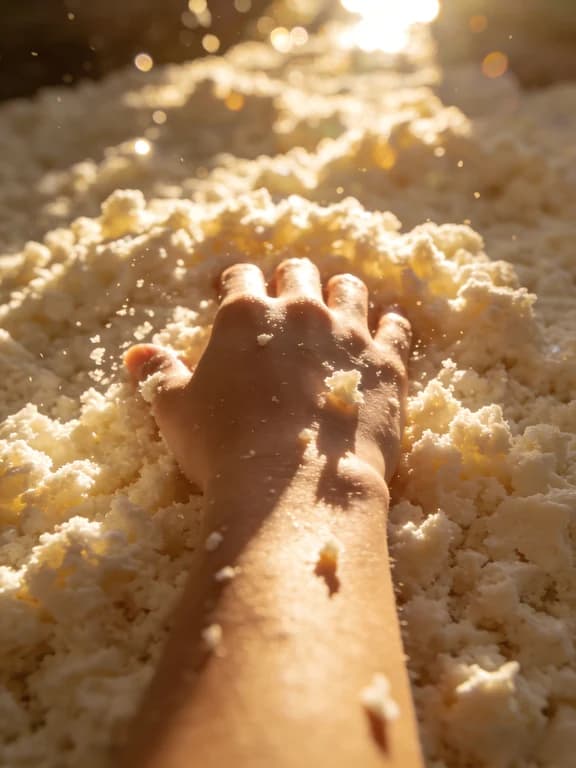
Sour milk flavor, firm texture
Deqin Dried Milk Curd
德钦奶渣
The fermented milk curds are drained and air-dried into small, sour and firm pieces that can be eaten directly or put into tea or porridge to soften.
Taste small pieces first and choose products for hygienic storage. Contains dairy products and will become hard after being completely dried, so chew carefully.