
 Qingdao
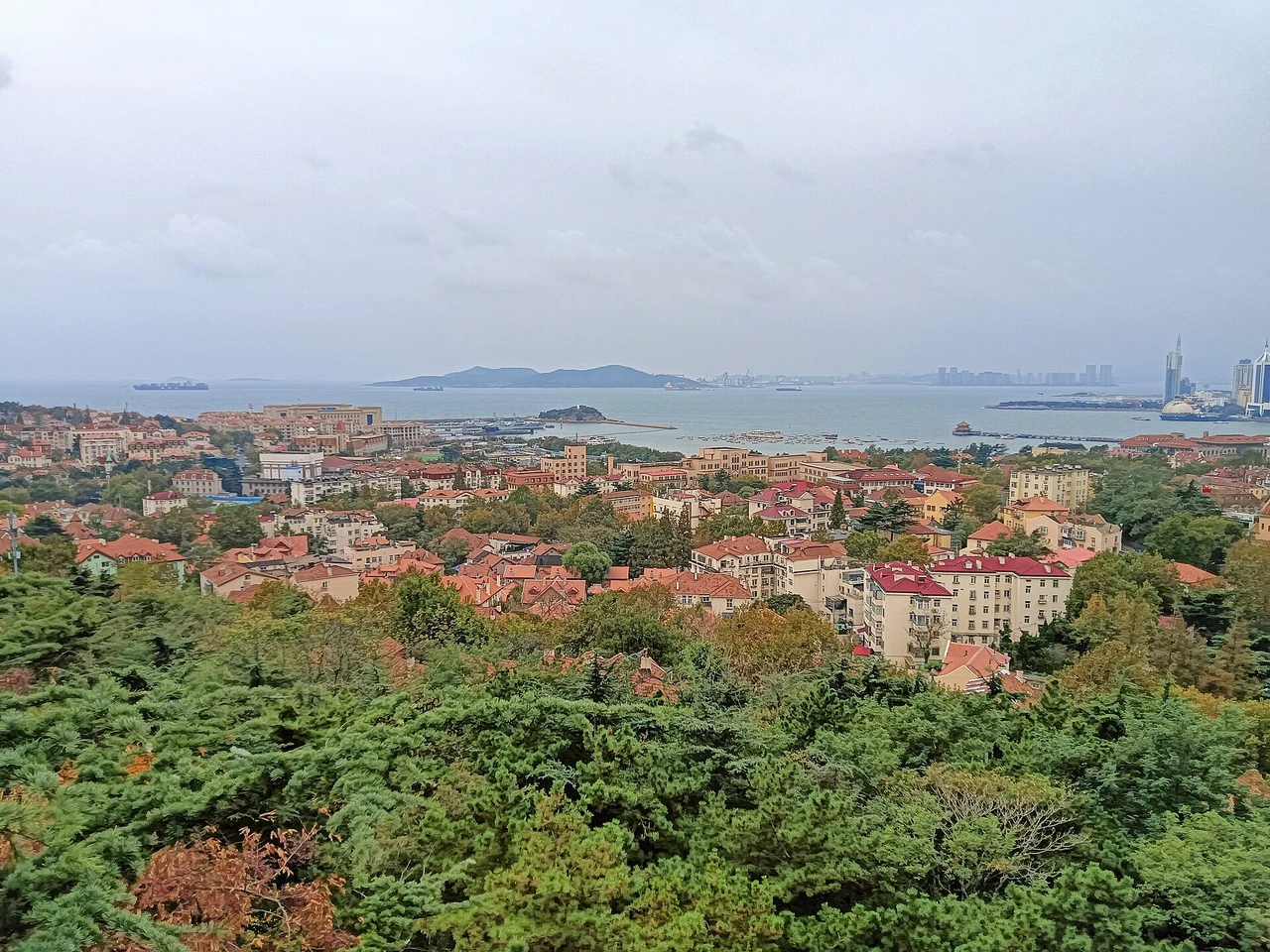
St Michael's Cathedral and Signal Hill
浙江路天主教堂·信号山
Explore places
Browse a mix of cities, or choose one city to see its places in editorial order.
Qingdao浙江路天主教堂·信号山
Zhejiang Road Catholic Church·Signal Hill is a local travel entry. For specific visit information, please refer to official channels.
Explore Qingdao ↗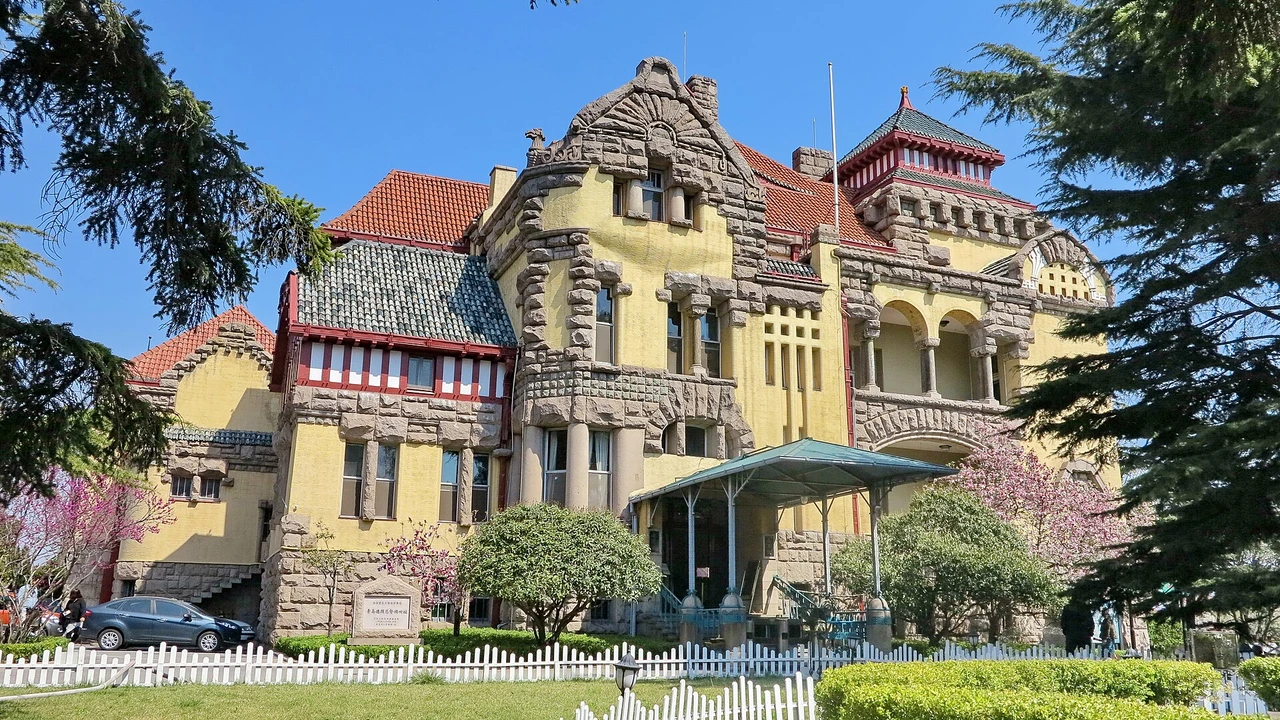 Qingdao
青岛德国总督楼旧址
Founded in 1905, it was the official residence of the Governor of Jiaoao during the German occupation. It is a European castle-style building and is known as the highest representative of "German architectural art in China". It has been opened as a museum since 1999.
Explore Qingdao ↗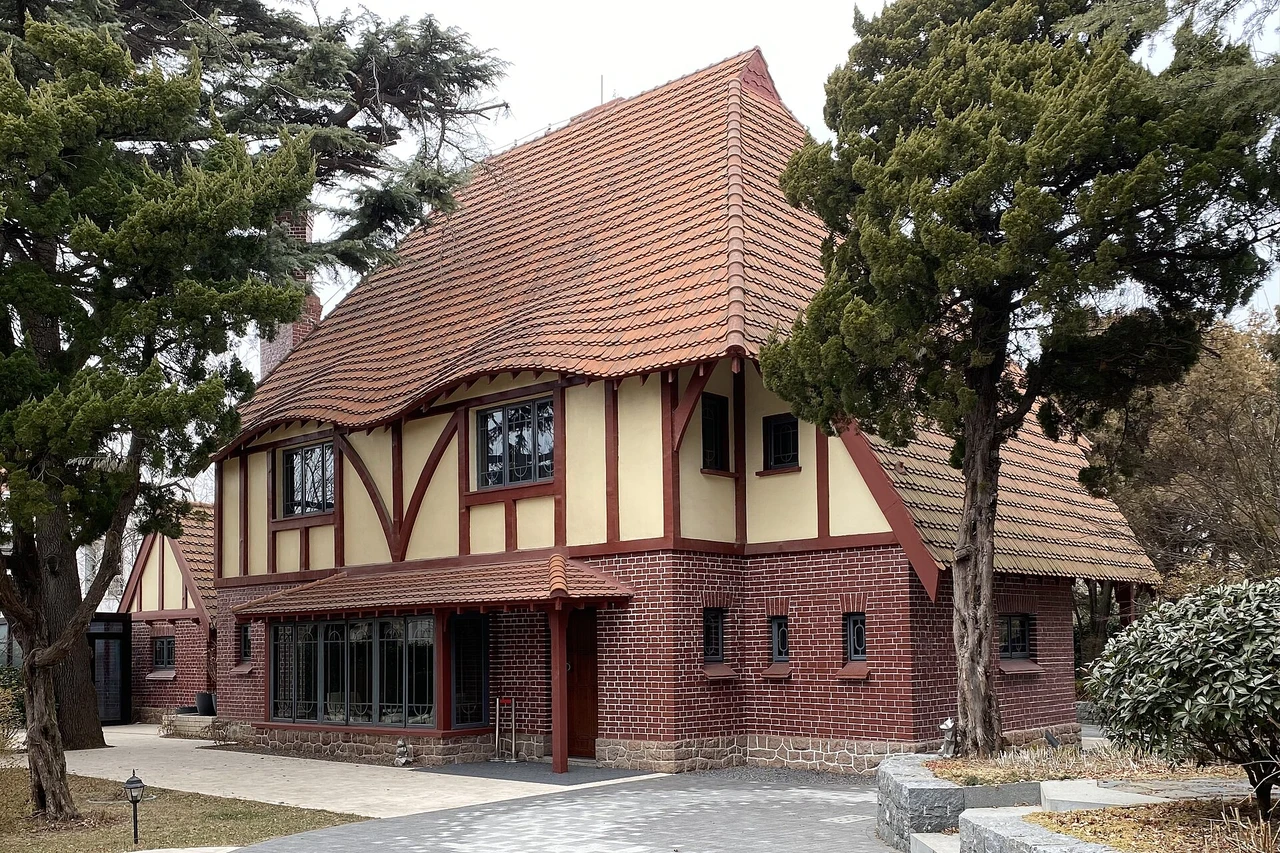 Qingdao
八大关
Badaguan is not a single scenic spot. It is a collection of eight roads named after eight ancient passes such as Shanhaiguan, Juyongguan, and Jiayuguan. It brings together villas with styles from more than 20 countries, including Russia, Britain, France, Germany, and Denmark, and is known as the "Architecture Expo of All Nations."
Explore Qingdao ↗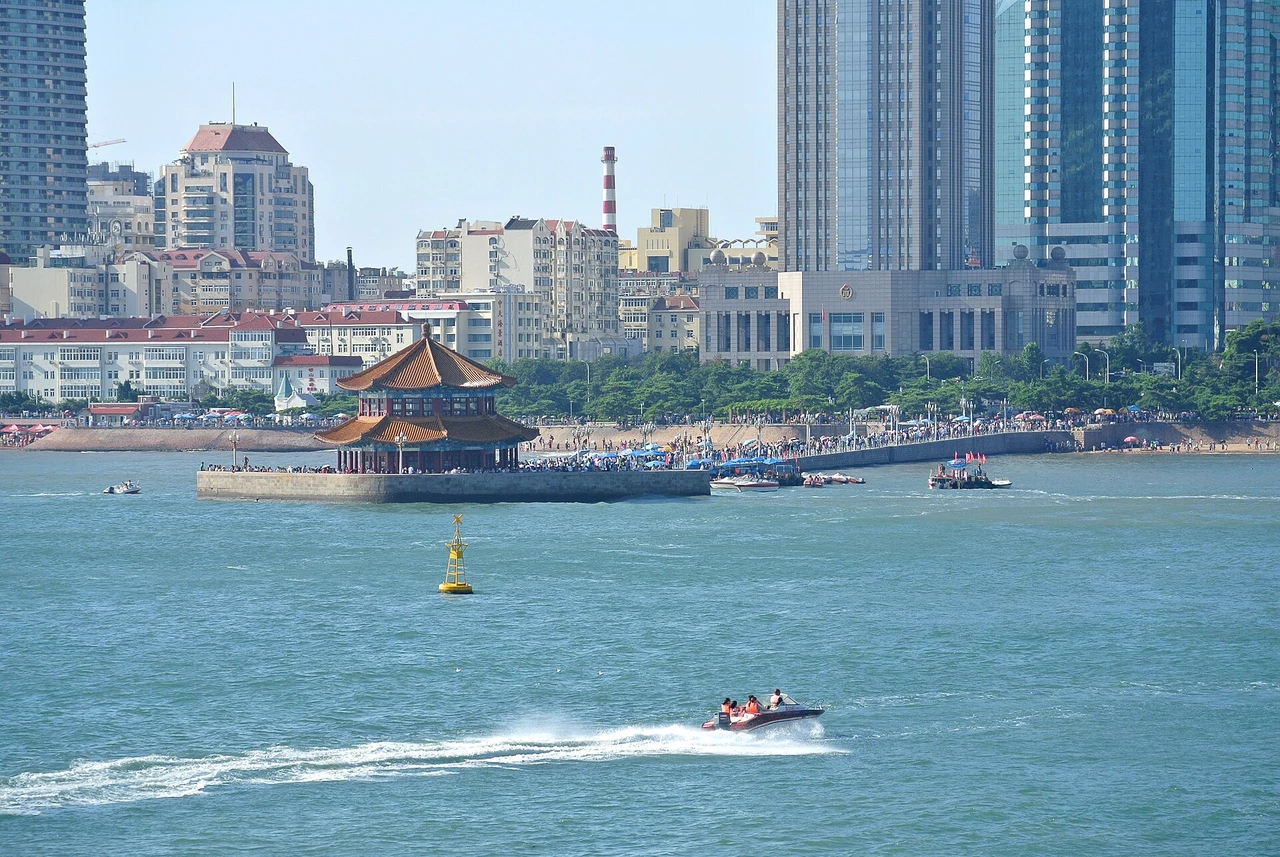 Qingdao
栈桥
First built in 1891, the 440-meter-long bridge stretches into Qingdao Bay, with Huilan Pavilion at the end. It is Qingdao's city card and the first of the ten "Fei Pavilion Huilan" sceneries.
Explore Qingdao ↗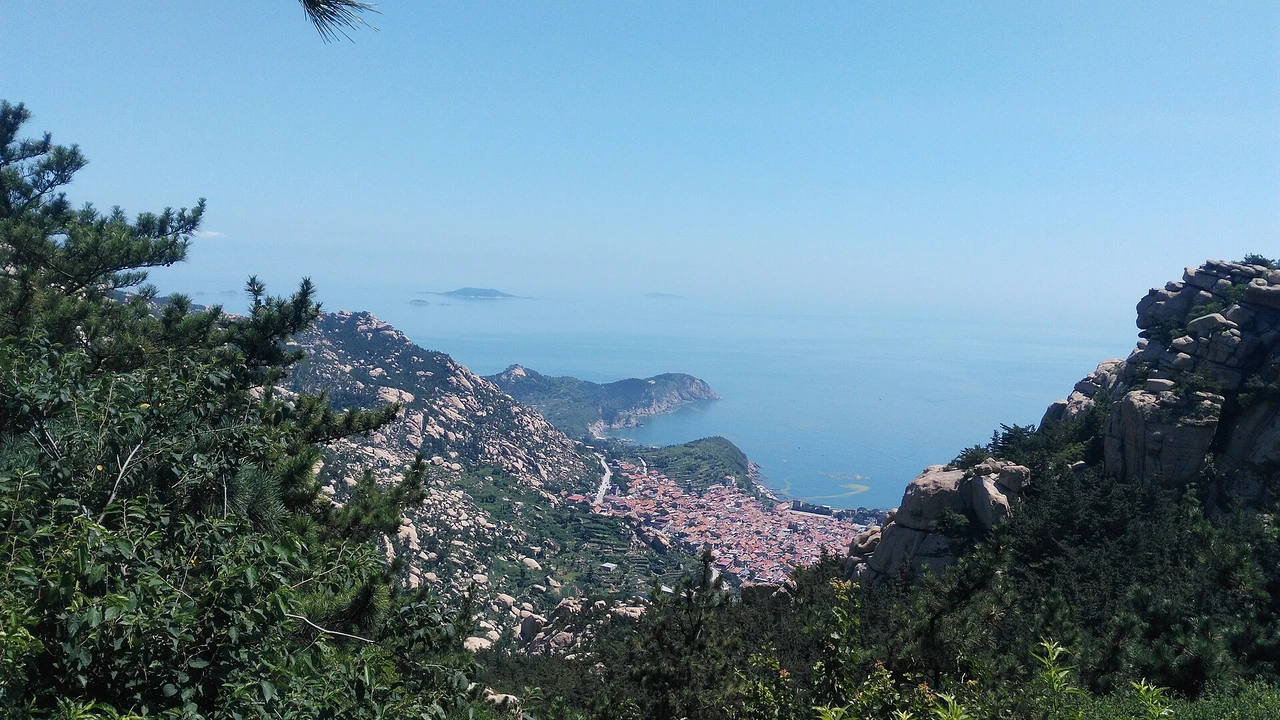 Qingdao
崂山
Mount Laoshan is the highest mountain on China's coastline. It is divided into five tourist areas: Jufeng, Taiqing, Huayan, Yangkou, and Jiushui. They are divided into south line/middle line/north line. For the first time, I recommend the south line (Taiqing + Yangkou + Huayan). The mountains and sea are in the same frame, and the Taoist culture is profound.
Explore Qingdao ↗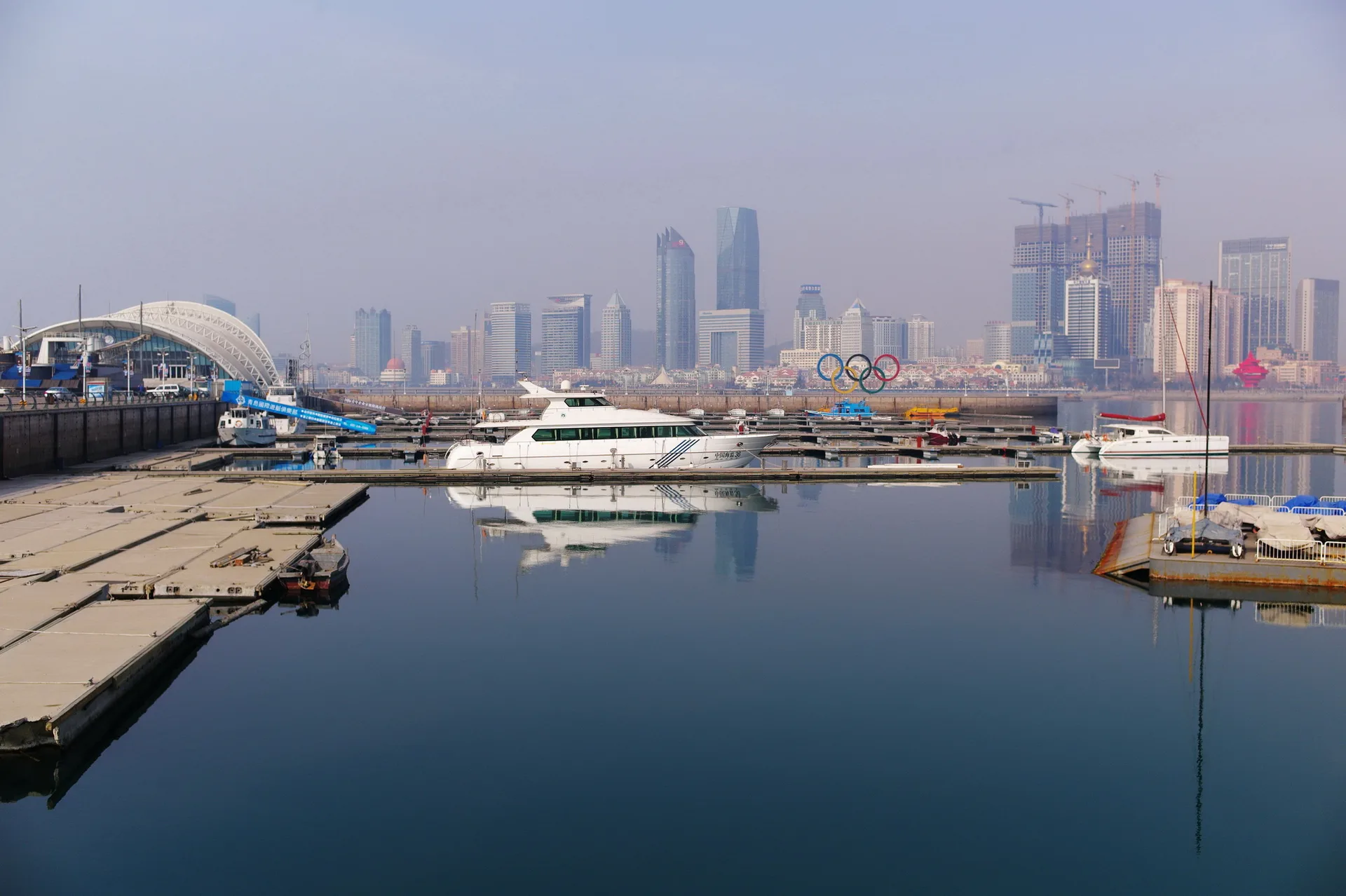 Qingdao
奥帆海洋文化旅游区
This tourism area consists of the Olympic Sailing Center and Qingdao Underwater World. The sailing center offers harbor walks exploring sailing and Olympic culture, while Underwater World provides indoor marine-themed visits. They are not adjoining venues behind one entrance. The current gallery shows the sailing center’s piers, harbor and buildings; Underwater World images are still to be added. Boats in historical photographs do not imply the same trips are offered today.
Explore Qingdao ↗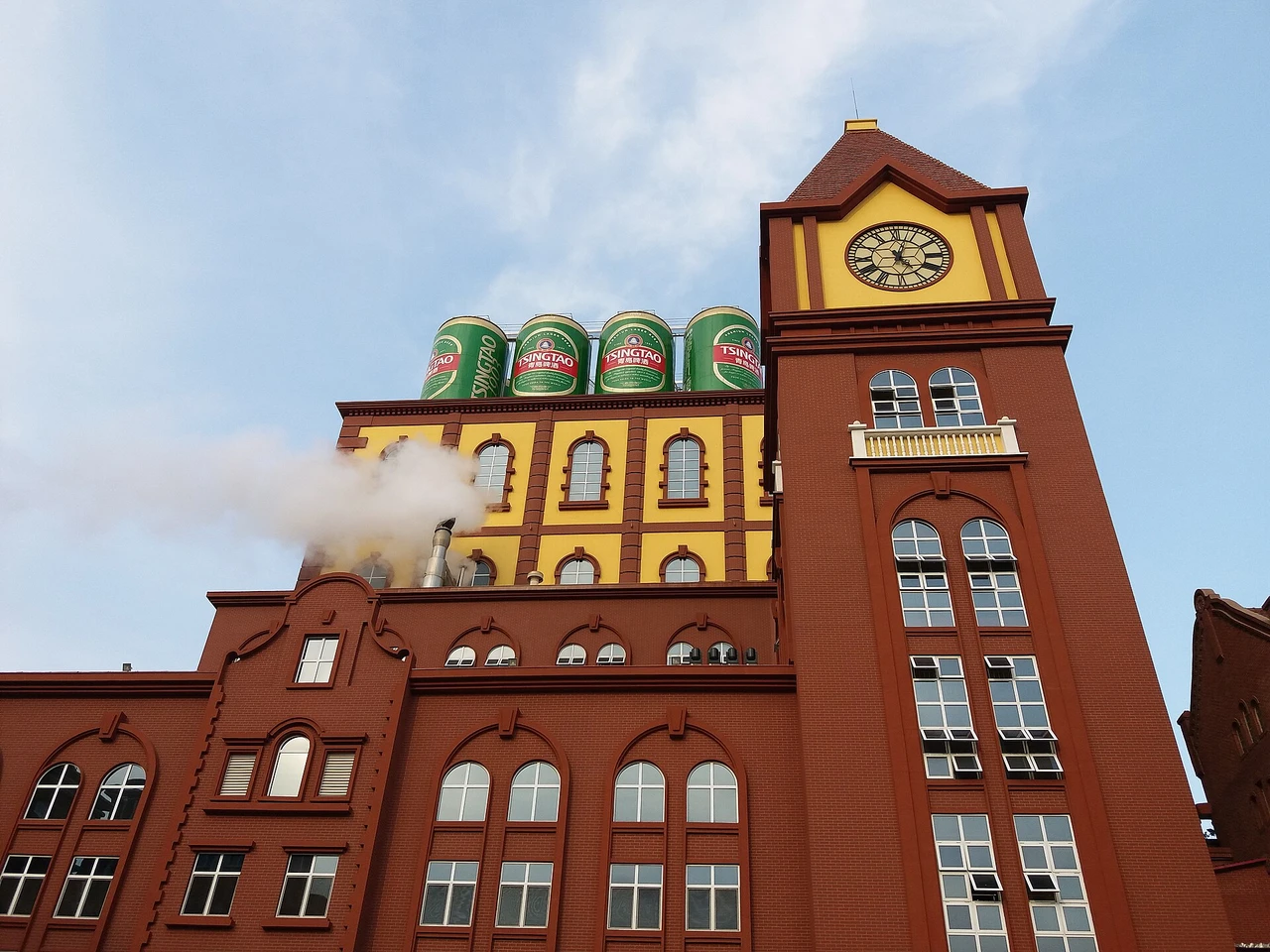 Qingdao
青岛啤酒博物馆
Located at the former site of Qingdao Co., Ltd., a German beer company founded in 1903, it is divided into Hall A (a century-old history) and Hall B (brewing technology). You can see the real filling line and drunken cabin.
Explore Qingdao ↗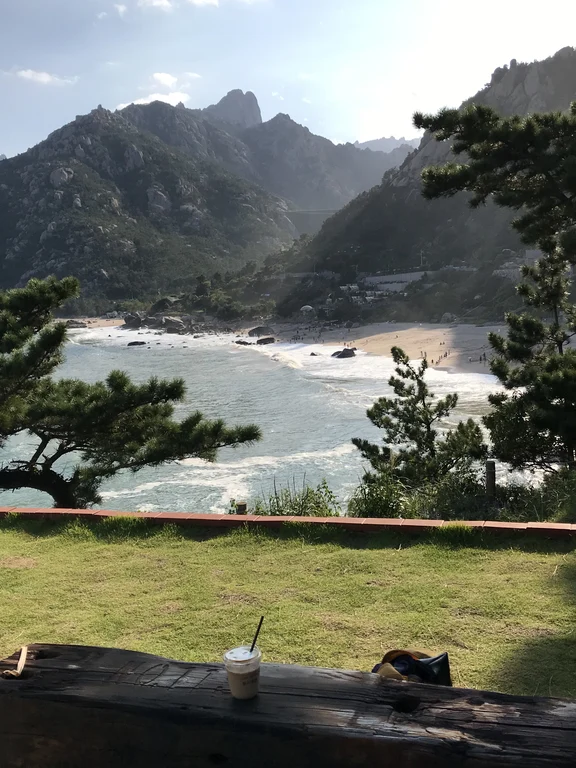 Qingdao
崂山风景区
The granite mountain of Laoshan directly faces the Yellow Sea, and the peaks, sea cliffs, valleys, villages and long-standing Taoist cultural landscapes are combined with each other. Taiqing, Yangkou, Jufeng and Beijiushui belong to a tour system with different entrances, routes and characters, and are not just a few stops on a simple loop; mountain geology, marine weather and community life together constitute its complete value.
Explore Qingdao ↗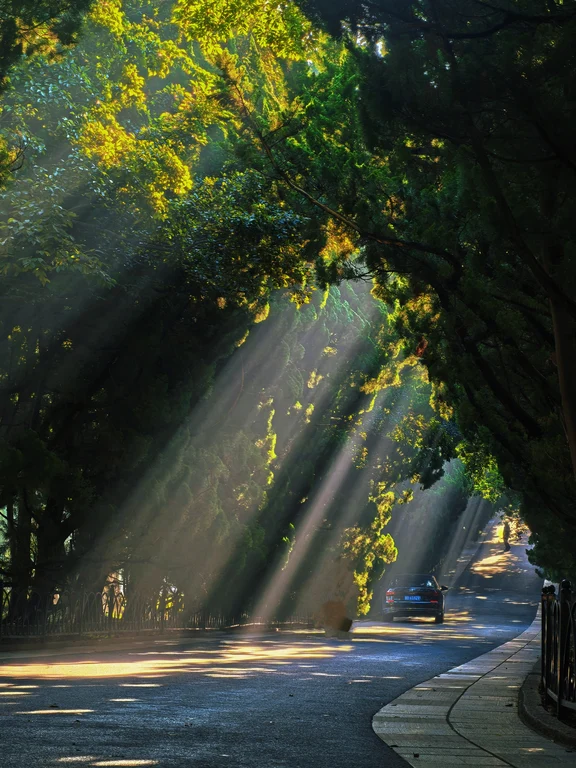 Qingdao
八大关历史文化街区
Badaguan is a landscaped residential area composed of winding roads, mature trees and a variety of early 20th century style villas. The name and street system refer to China's historical passes, while the architecture records Qingdao's complex colonial and modern history. This should be understood as the terrain, plants and buildings as a whole, rather than as several isolated photographed facades.
Explore Qingdao ↗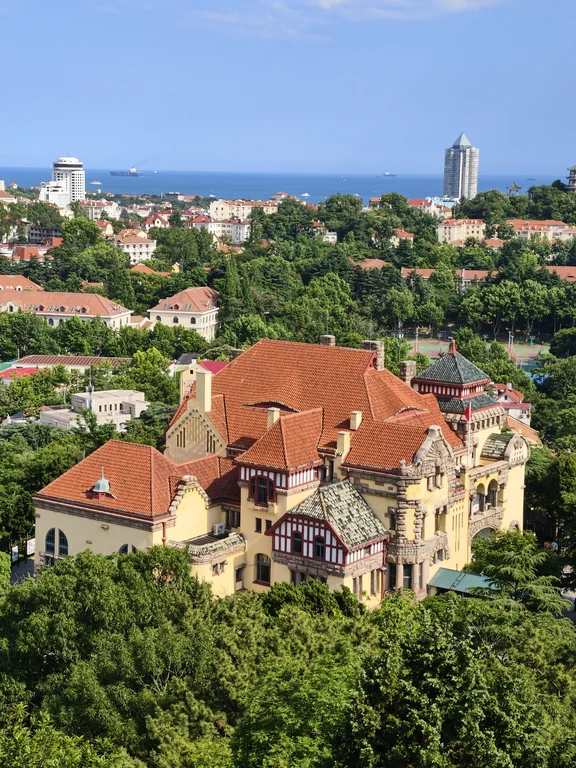 Qingdao
青岛德国总督楼旧址博物馆
The Governor's Building was built from 1903 to 1907. It is located on the signal hillside with its stone, asymmetrical volume and exquisite interior decoration. Subsequent use by political figures added new historical layers. The building was used to demonstrate colonial power, and the materials and room sequences preserved today also illustrate elite residential technology of the time.
Explore Qingdao ↗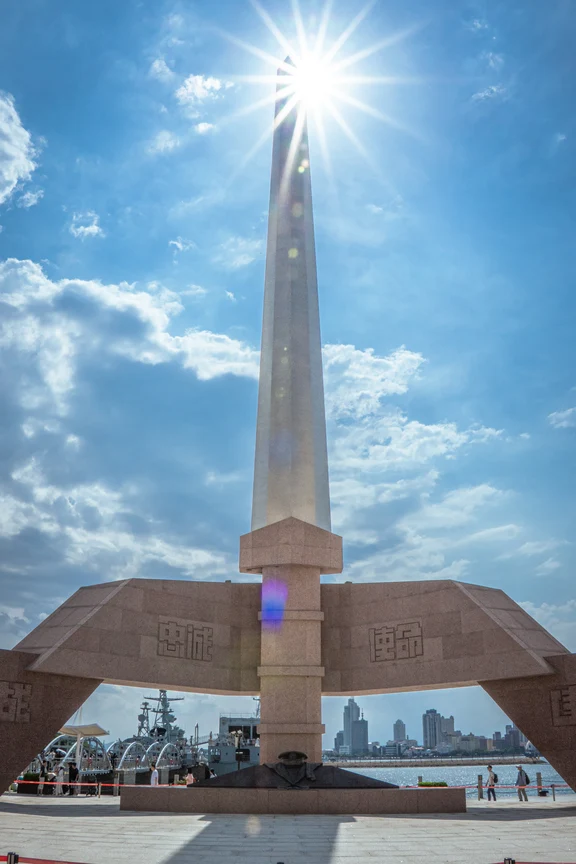 Qingdao
中国人民解放军海军博物馆
The Naval Museum displays the development of China's modern navy through documents, equipment, aircraft and large ships anchored in Qingdao Bay. Outdoor shipboard and indoor historical exhibits connect technology to the nation's maritime history, and the bayfront location makes it easy to compare military, commercial, and public uses of the same harbor.
Explore Qingdao ↗That’s every place. Hope one stays with you.