
北京
Beijing
The imperial city’s landmarks, still-smoking alleys and sumptuous northern cuisine make it a perfect place to take your time to explore between classic attractions.
At a glance
- Stay
- 4–5 days
- Best seasons
- Apr–May, Sep–Oct
- Airports
- PEK
- Region
- North China
Last updated: 9/29/2026
First visit
Arrive and settle in Beijing
Start with arrival and where to stay, then choose your sights. Recheck transport and accommodation details before booking.
Getting there+
Two airports. Capital (PEK) is closer to the centre and has the Airport Express to Dongzhimen; Daxing (PKX) is newer, further south, and connected by the Daxing Airport Express and a high-speed rail link. Both have taxi ranks with meters; ignore anyone approaching you in the hall.
High-speed trains from Shanghai take around four and a half hours and arrive at Beijing South , which is on the metro. Trains from Xi'an take four to five hours to Beijing West.
Rail tip. Your passport is your ticket. Book on 12306 or Trip.com, then go straight to the gate. See Getting around. The Trip.com link earns us a small commission at no cost to you (how that works).
Stay online. Google, WhatsApp and Instagram are blocked on Chinese networks; a travel eSIM that roams gets around it. Install one before you fly — Saily takes US$5 off a first plan with the code CHINA. See Staying online. The code earns us the same amount in Saily credits, at no cost to you (how that works).
Where to stay+
Dongcheng
东城
Hutongs, the Drum Tower and Houhai. First-timers should stay here.
Everything between the Forbidden City and the second ring road on the east side. Courtyard hotels, quiet lanes, and you can walk to most of the sights. The metro is never far.
first visithutongswalking
Sanlitun
三里屯
Bars, embassies, English spoken. Easy but generic.
The expat and embassy district in Chaoyang. Big international hotels, malls, and the highest density of English menus in the city. Convenient, but you could be anywhere.
nightlifeconvenience
Xicheng
西城
Lakes, quieter hutongs, good value.
West of the Forbidden City around the Shichahai lakes. Less polished than Dongcheng, a little cheaper, and very much still Beijing.
valuelakesquiet
Booking. Compare hotels in Beijing on Trip.com, filtered to its China travel essentials list: English-speaking staff, foreign cards, guest rating 8 or higher. See Where to stay. Booking through this link earns us a small commission at no cost to you (how that works).
Overview+
Beijing
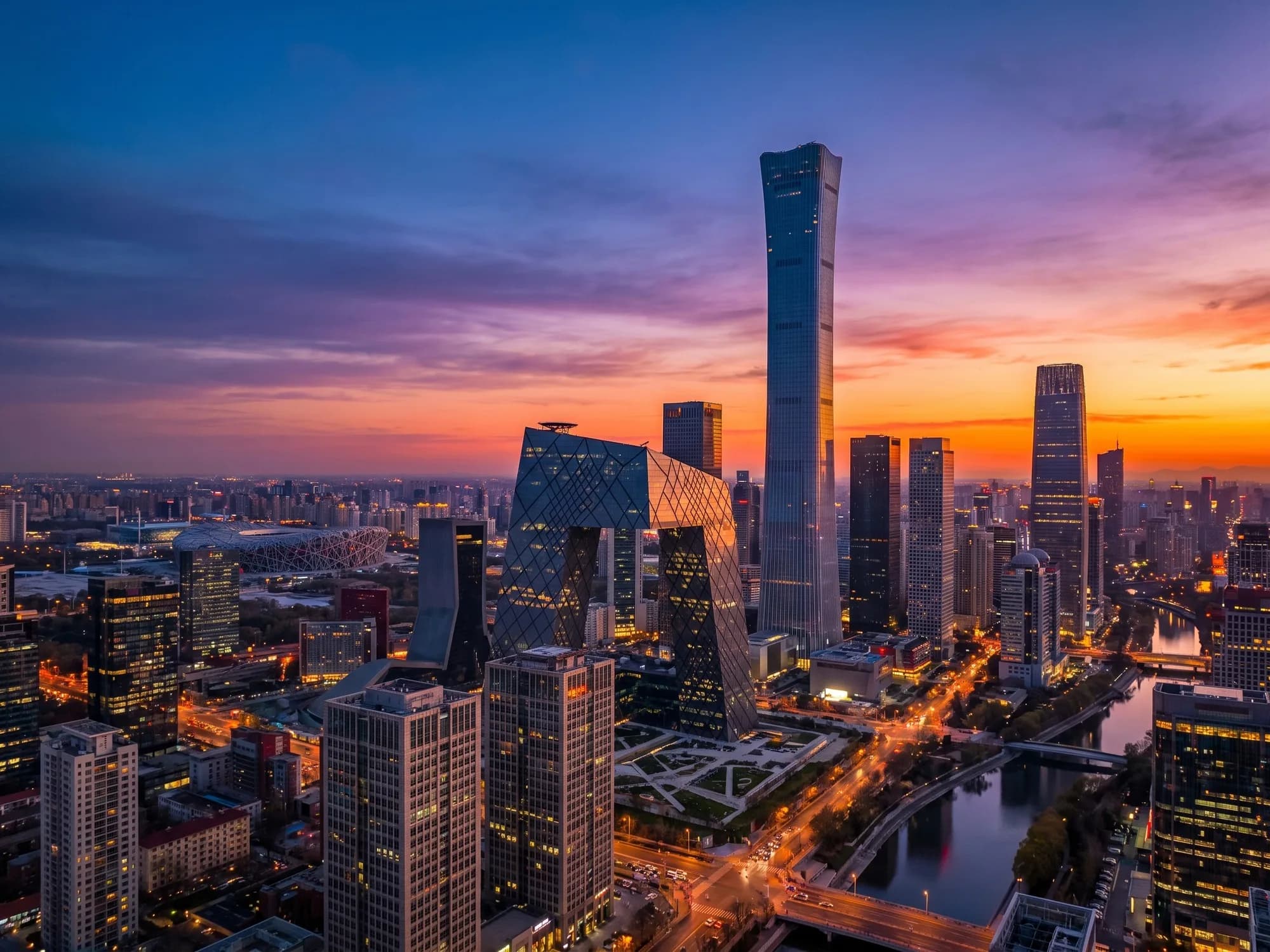
Beijing is laid out on a grid of ring roads around the Forbidden City, and most of what you want sits inside the second ring. The hutong neighbourhoods north of the palace are where the city slows down: breakfast stalls, courtyard cafés, old men with birds.
It is a walking city in short bursts and a metro city in between. Distances that look small on the map are not, so plan one district per half day and stop feeling guilty about it.
The big sights need booking. The Forbidden City, the Great Wall sections with cable cars and most museums use real-name reservation systems that take your passport number, and popular days sell out. Sort this a week ahead and the rest of the trip can stay loose.
Where next?
Save places you like, then use your saved list to build a trip.
Practical travel guides
Places to explore in Beijing
The Forbidden City
故宫
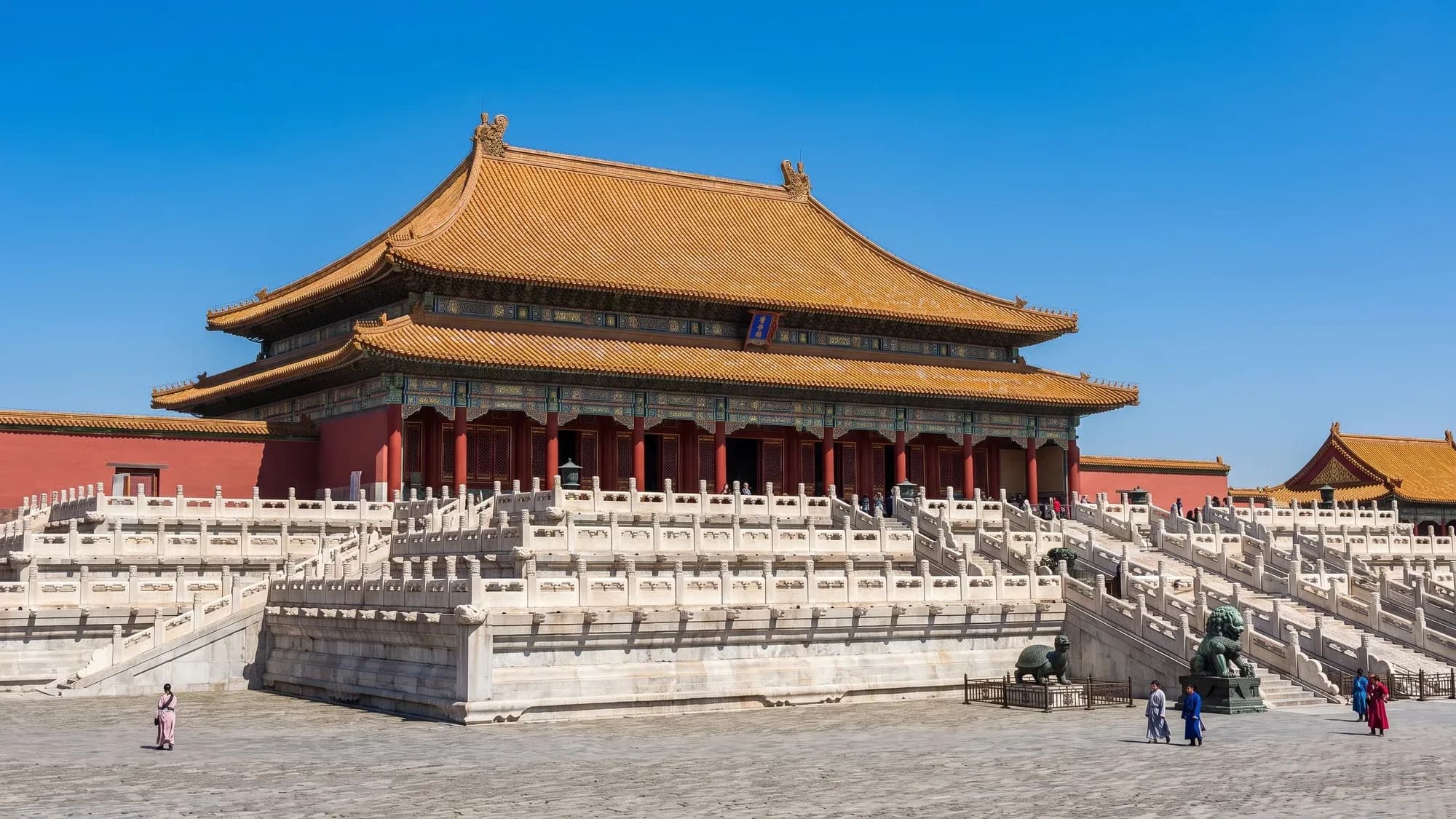
The Forbidden City is located at the core of Beijing's historical axis and is a complex of imperial palace buildings from the Ming and Qing dynasties. The layers of courtyards, ceremonial halls and living spaces jointly display the etiquette, administrative system and palace life of the empire. Touring from south to north makes it easier to understand the overall layout than checking in several halls individually.

Beijing Olympic Park
北京奥林匹克公园
Beijing Olympic Park includes public spaces around Olympic venues and the forest park to the north. The Bird’s Nest and Water Cube area is a popular route for viewing architecture. Walking in the park does not include admission to every venue, and access may change during competitions and events. Reference photographs focus on past views of the central area’s architecture and night scenery; lighting arrangements and facilities may change.
Houhai and the hutongs
后海
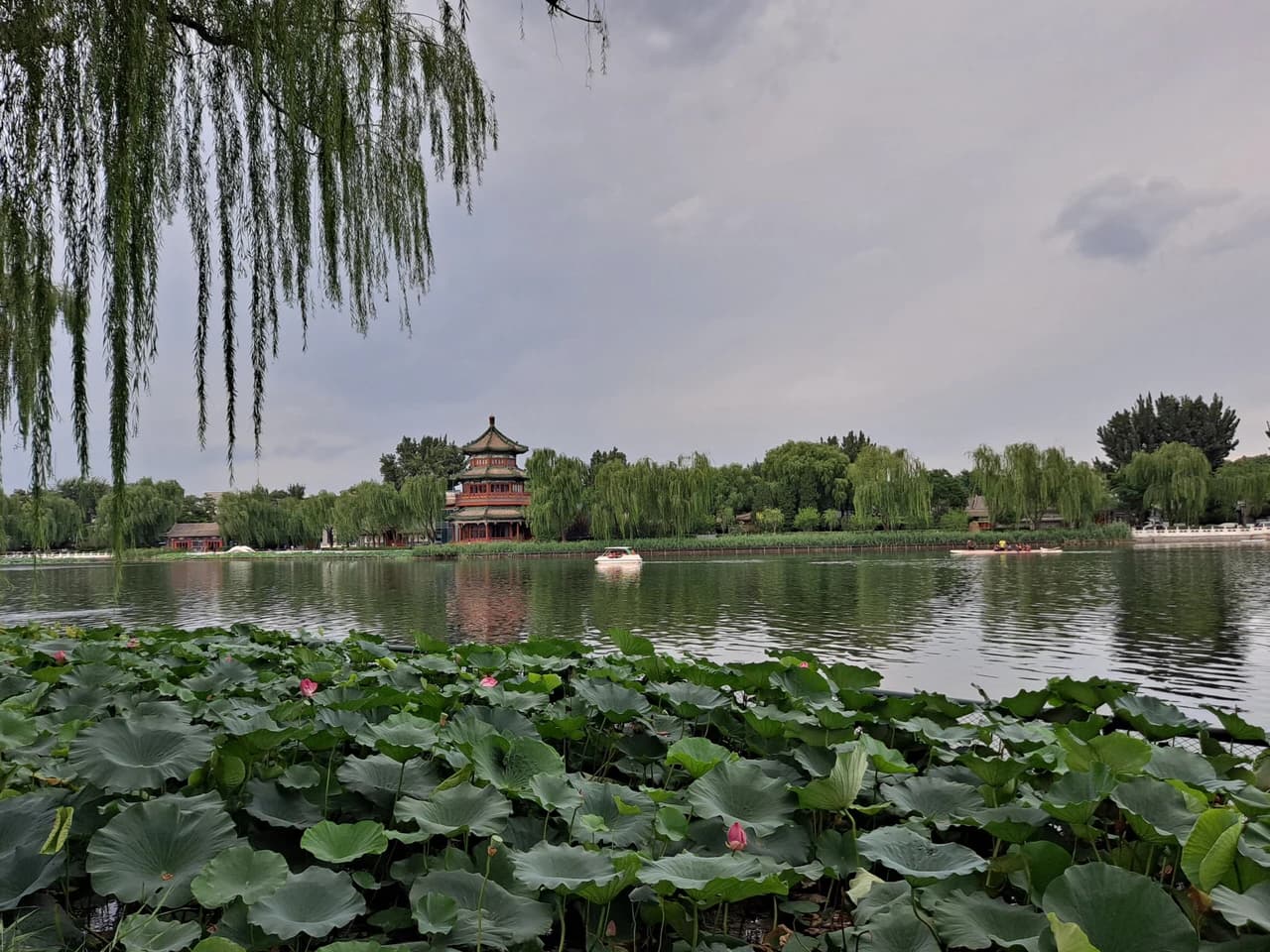
Houhai is one of the three waters of Shichahai (Qianhai, Houhai, and Xihai). It is located in Xicheng District. It used to be the terminal terminal of the Beijing-Hangzhou Grand Canal in the Yuan Dynasty. Now it is the most smoky lake view and bar district in the old city of Beijing. Houhai is open to the public for free along the lake. Highlights: Yinding Bridge: The boundary between Qianhai and Houhai. It is the "Yinding View Mountain" in old Beijing (one of the eight scenic spots in Yanjing). It is best to watch the sunset in the evening. The northern edge of Houhai and Bar Street: Weeping Willows, Courtyards and Lakeside Bars, with lanterns reflecting the lake at night, are representative of Beijing’s nightlife.

Badaling Great Wall
八达岭长城
Badaling is a commonly visited section of the Great Wall near Beijing. Walk along open sections to observe watchtowers, mountain terrain and defensive architecture. It is jointly listed with Mutianyu as a 5A tourist area, but they do not share an entrance and their tickets and transport are not interchangeable. Reference photographs record autumn walls and mountain scenery; plan around the day’s open sections, crowds and visibility.

Ming Tombs
明十三陵
The Ming Tombs are an imperial burial complex. The sites currently open to visitors form only part of the whole area. Changling, Dingling and the Sacred Way each offer different architecture, remains and displays; do not assume all thirteen mausoleums can be freely entered. Reference photographs mainly show Dingling’s buildings and underground spaces. Check entrances and tickets for other tomb areas separately.

Yuanmingyuan Ruins Park
圆明园遗址公园
Yuanmingyuan Ruins Park preserves an imperial garden’s waterways, terrain and architectural remains. The Western Mansions and Great Fountain ruins are historical highlights, not the entirety of the visit. Use site interpretation to understand the garden’s construction and destruction, then stroll along open lakeshore paths. Reference photographs show various ruins and water views. Confirm seasonal plants and open routes separately.

Prince Kung’s Palace Museum
恭王府博物馆
Prince Kung’s Palace Museum comprises a princely residence and garden. Its courtyards, rear building, Western-style gate and landscaped spaces illustrate the layout of a Qing princely mansion. Explore how the architecture reflects daily life and ritual rather than seeking photo spots solely through legends. Furnishings and visitor numbers in historical reference images do not represent the day’s exhibitions or conditions.

Beijing Tongzhou Grand Canal Cultural Tourism Scenic Area
北京通州大运河文化旅游景区
Tongzhou’s Grand Canal Cultural Tourism Scenic Area links historical-cultural sites, waterfront spaces and a forest park along the canal. Focus on canal history or ecological leisure according to your interests. The Three Temples and One Pagoda complex, Canal Park and Grand Canal Forest Park are not neighboring attractions behind one entrance. These photographs mainly document the forest park and riverbanks, not every cultural site.
Summer Palace
颐和园
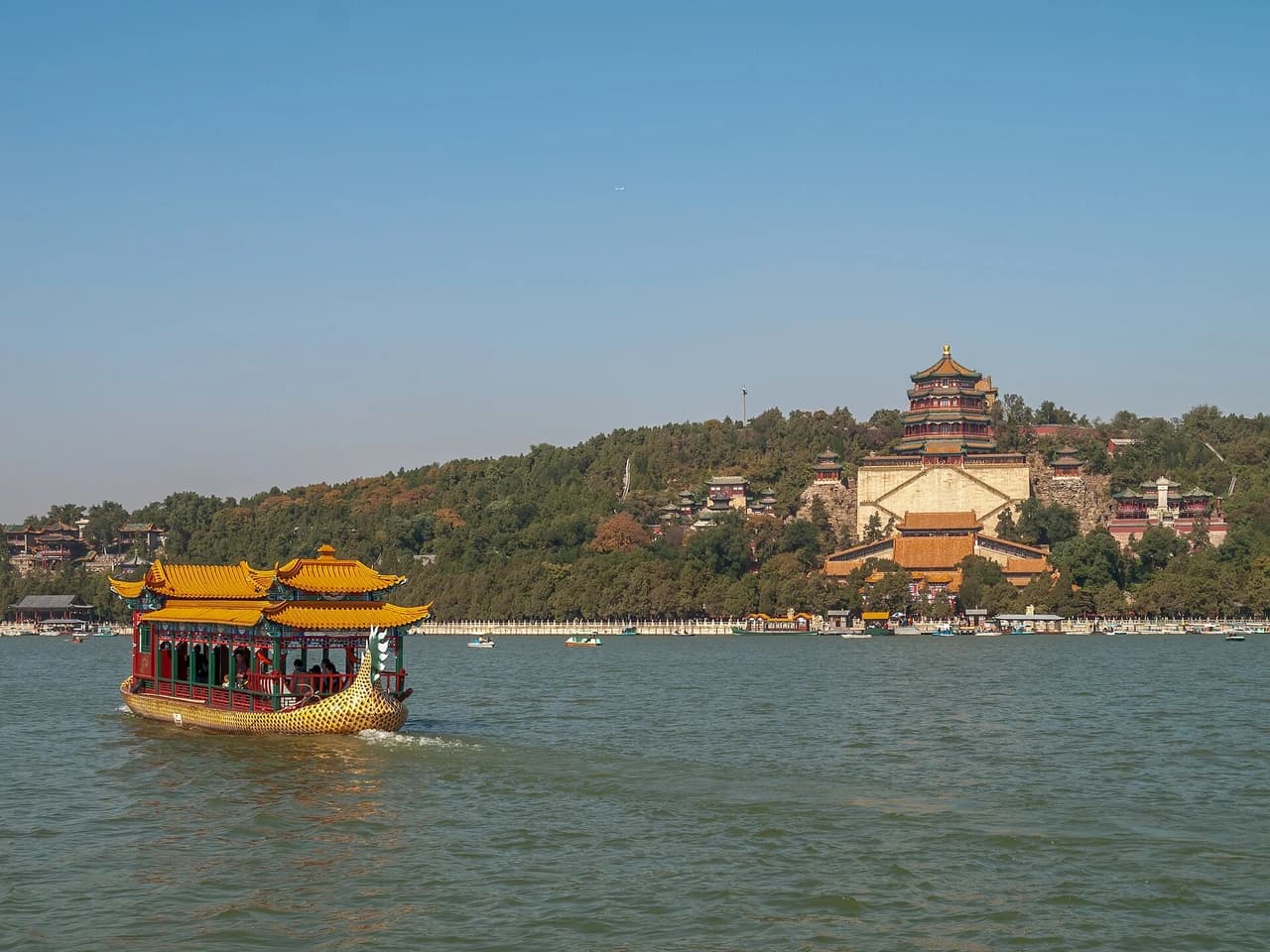
The Summer Palace consists of Wanshou Mountain, Kunming Lake, temples, pavilions and waterfront promenades to form a broad royal garden landscape. The focus of the tour is not just a single building, but the continuous changes in the courtyard, mountain topography and borrowed scenery: the enclosed space will suddenly turn to the lake, and the elevated trails will open up a broad view of western Beijing.
Mutianyu Great Wall
慕田峪长城
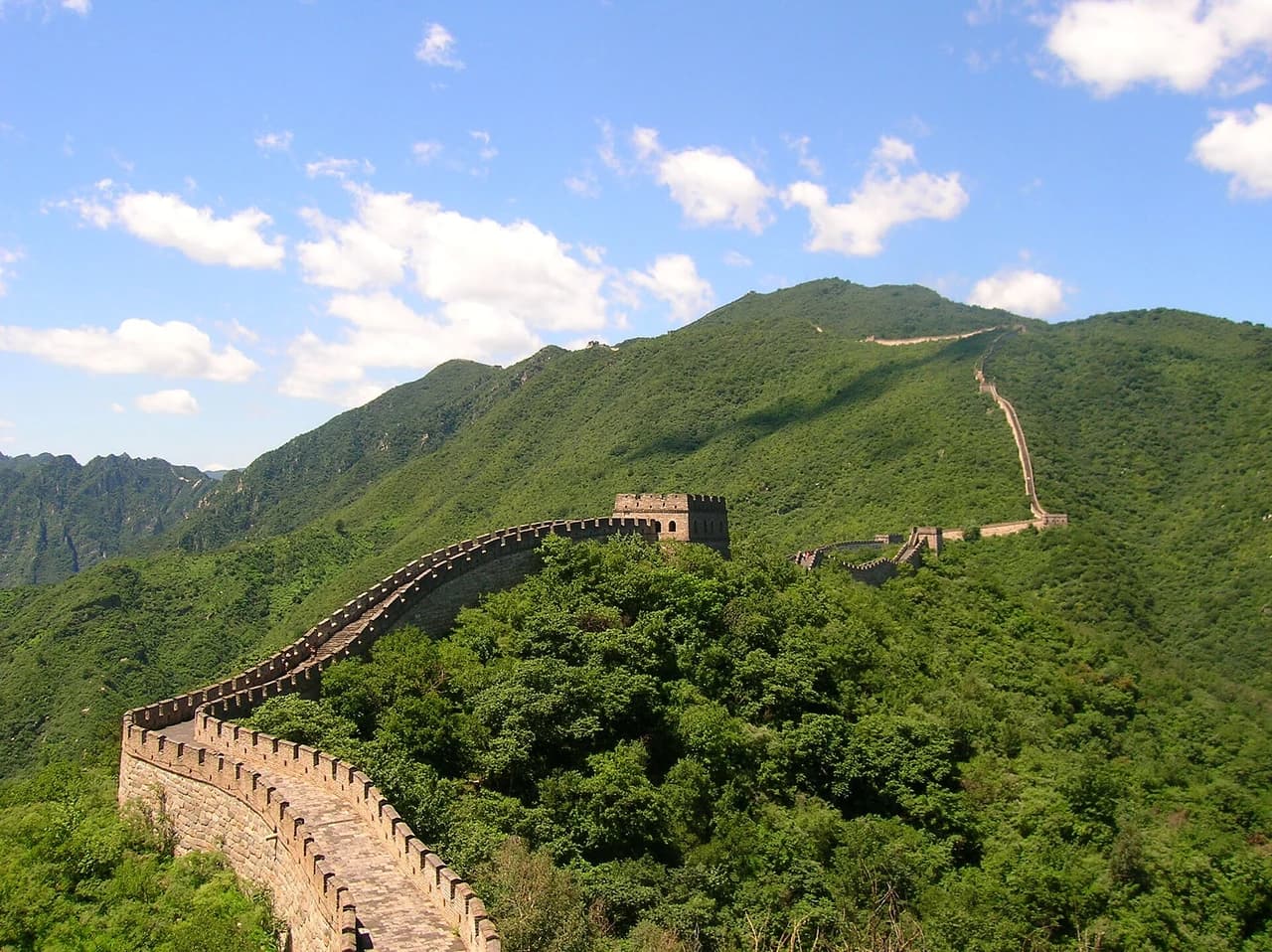
The Mutianyu Great Wall stretches along the ridge northeast of Beijing, with dense watchtowers and obvious slope changes. Here you can not only observe the defense system of the Great Wall, but also experience the Great Wall as a real mountain route, rather than just arriving at an observation deck.
Temple of Heaven
天坛
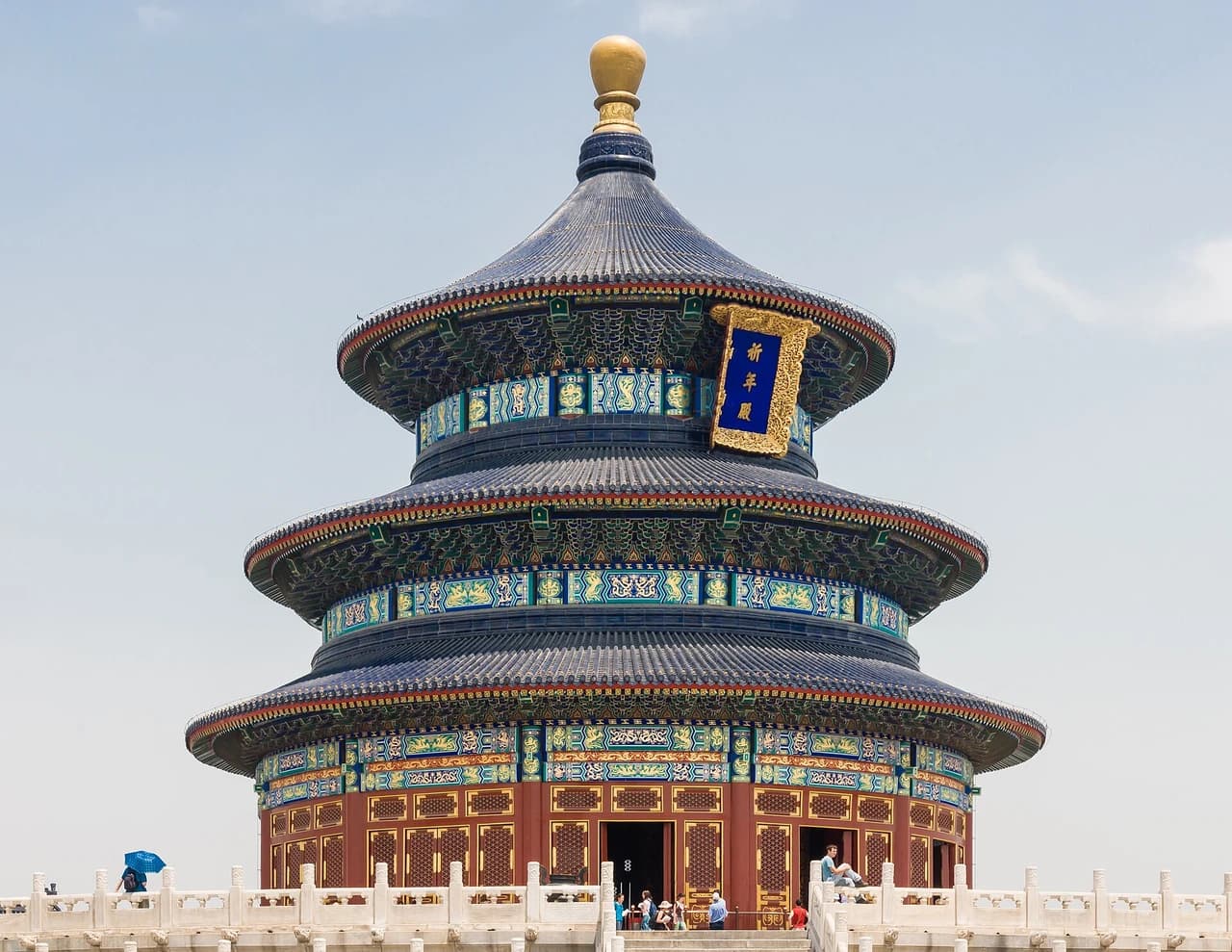
The Temple of Heaven was a ceremonial space where emperors of the Ming and Qing Dynasties worshiped heaven and prayed for grain. The Hall of Prayer for Good Harvests is the most recognizable, but the ceremonial axis, circles, imperial vaults and ancient cypresses that run through the park together form a complete narrative. Only by connecting these nodes on foot can we understand the relationship between architecture and ritual.

National Museum of China
中国国家博物馆
The National Museum of China is located on the east side of Tiananmen Square and presents Chinese history, archeology, art and modern development on a large scale. There are so many permanent exhibitions that it’s difficult to see them all in one visit, so it’s usually more effective to plan your itinerary around two or three key themes.

Jingshan Park
景山公园
Jingshan Park is adjacent to the north side of the Forbidden City and is located on the historical axis of Beijing. The Wanchun Pavilion in the park is a classic location for observing the relationship between the roof of the Forbidden City, the Bell and Drum Towers and the modern city skyline. It can re-understand the scattered landmarks into a complete urban spatial sequence. The climbing distance is not long, but the steps are steep, and the view is best on a clear day.

Beihai Park
北海公园
Beihai Park is a royal garden with the lake as its core, located on the west side of Jingshan Mountain. Qionghua Island and the White Pagoda form the most recognizable landscape, while the painted corridors, temples, stacked stones and gardens on the north bank are suitable for leisurely exploration on foot. The water bodies, islands and borrowed scenery in the garden have been constructed through the ages to present a complete classical garden space.

Beijing Bell and Drum Towers
北京钟鼓楼
The Bell and Drum Tower of Beijing is located at the northern end of the historical central axis. It used evening drums and morning bells to manage the time order of the ancient capital. After climbing the building, you can not only observe the wooden buildings and ancient timekeeping facilities, but also overlook the dense alley roofs, and identify the direction of Jingshan and Miyagi along the central axis to the south.

Shichahai Historic Area
什刹海
Shichahai is composed of Qianhai, Houhai, Xihai and surrounding historical districts. It is one of the relatively well-preserved open spaces in the old city of Beijing. Lakeshores, alleys, former residences of celebrities, temples and royal gardens jointly present multi-level urban life, rather than a single fee-based attraction. There are obvious differences in the atmosphere between early morning, afternoon and night.
Local snacks
What to eat in Beijing
These cards describe dishes, not restaurants.

Savory, crispy and slightly spicy
Jianbing
煎饼
Spread-out pancakes filled with eggs, sauces, cilantro and crispy flakes are a common freshly made breakfast.
Suitable for freshly cooked and eaten at a breakfast stall with a steady flow of customers.

Rich sauce and solid taste
Noodles with fried bean sauce
炸酱面
Wheat noodles are mixed with a salty and rich fried sauce and served with cucumber and other fresh vegetables.
Mix well before eating. Recipes vary greatly between families and restaurants.

Sour, fermented and crispy
Douzhi and fried rings
豆汁儿与焦圈
A mung bean drink with a distinctly fermented flavor, traditionally served with burnt rings and pickles.
The fermentation flavor is very distinct, so it is recommended to order a small portion when trying it for the first time.

Sweet and sour, crispy sugar shell
Candied hawthorn skewers
糖葫芦
Sour hawthorns are wrapped in a crispy sugar shell, and there are also modern versions using other fruits.
Serve while the sugar shell remains crispy, keeping an eye on the bamboo skewers.
Traveller community