
上海
Shanghai
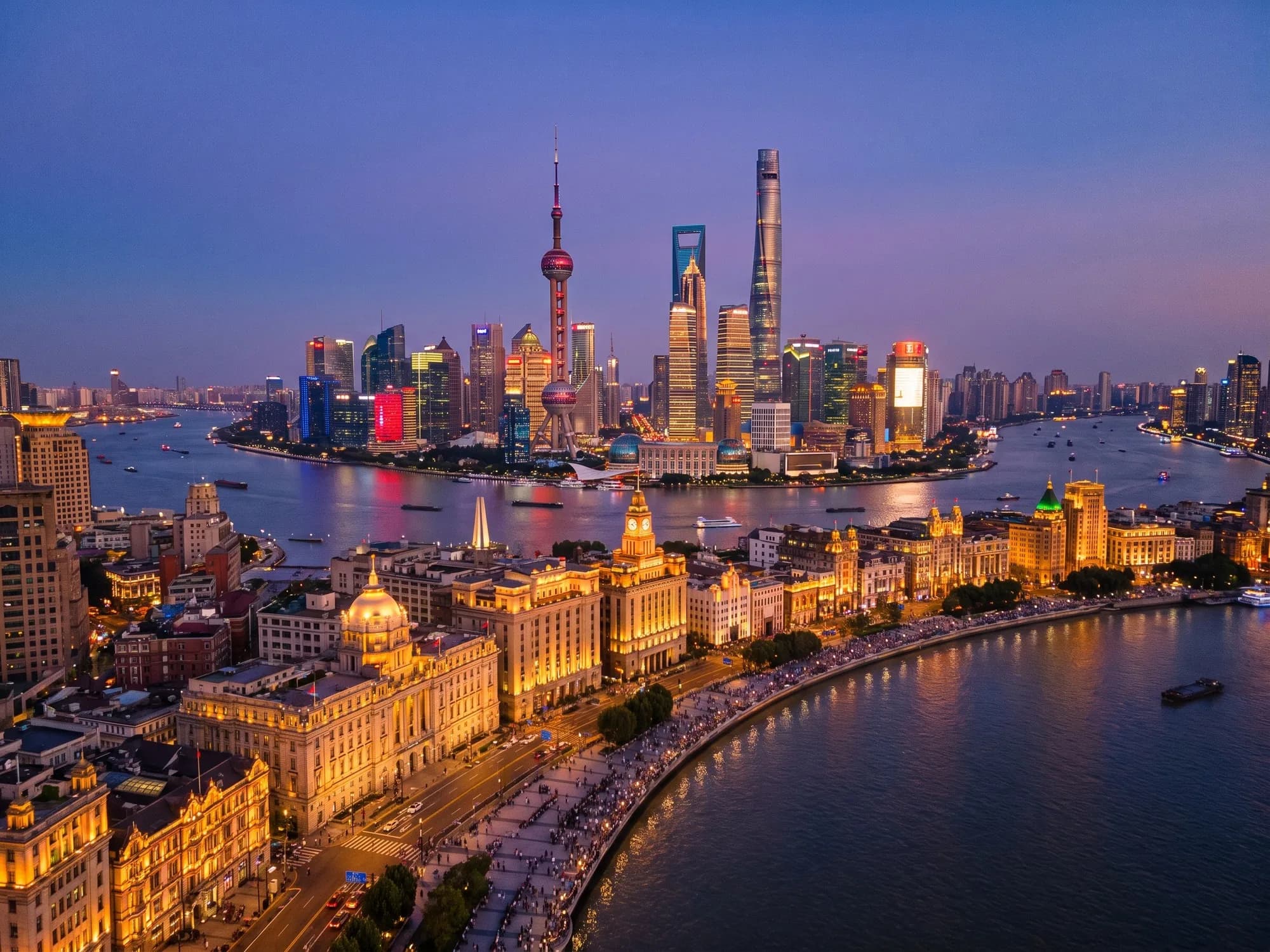
Art Deco neighborhoods, cutting-edge galleries, river views and late-night neighborhood eateries combine to create a city perfect for discovery on foot.
At a glance
- Stay
- 3–4 days
- Best seasons
- Mar–May, Oct–Nov
- Airports
- PVG
- Region
- East China
Last updated: 9/29/2026
Plan your visit
Build a Shanghai itinerary around the Bund, Lujiazui and museums. Compare neighbourhoods, separate river crossings and check the right airport and museum branch.
How can I organise three days without rushing?
Suggested plan: group the Bund with an old-city walk on day one; explore Lujiazui on day two, choosing one ticketed observation deck if it interests you; reserve day three for a museum and a neighbourhood walk. Keep the order flexible for weather and reservations. This is an editorial plan, not a package or a promise that all stops fit every traveller.
Which museum and neighbourhood should I choose?
Choose the institution before choosing the map pin. Shanghai Museum East, the People's Square museum and China Art Museum have different collections, addresses and arrangements. For accommodation, compare the actual metro journey to your planned stops: a riverside view does not automatically mean a convenient walk to the opposite bank.
What should I check on arrival and at the river?
Read the airport or railway station name on your booking, including whether you arrive at Pudong or Hongqiao. Allow a separate transfer to the hotel. The Bund and Lujiazui face each other across the river, but are not one continuous walk; choose a suitable crossing and check the final return service before an evening visit.
Reviewed 19 October 2026. The three-day plan and accommodation advice are editorial suggestions; check current admissions and transport before travel.
First visit
Arrive and settle in Shanghai
Start with arrival and where to stay, then choose your sights. Recheck transport and accommodation details before booking.
Getting there+
Pudong (PVG) handles most international flights; the Maglev gets you to Longyang Road in eight minutes, then it is the metro. Hongqiao (SHA) is closer and shares a hub with the high-speed rail station, so domestic connections are painless.
Trains from Beijing arrive at Hongqiao in around four and a half hours. Suzhou is 25 minutes, Hangzhou under an hour.
Rail tip. Your passport is your ticket. Book on 12306 or Trip.com, then go straight to the gate. See Getting around. The Trip.com link earns us a small commission at no cost to you (how that works).
Stay online. Google, WhatsApp and Instagram are blocked on Chinese networks; a travel eSIM that roams gets around it. Install one before you fly — Saily takes US$5 off a first plan with the code CHINA. See Staying online. The code earns us the same amount in Saily credits, at no cost to you (how that works).
Where to stay+
Former French Concession
法租界
Plane trees, lane houses, cafés. Stay here.
Roughly the area around Wukang Road, Anfu Road and Fuxing Park. Quiet at night, walkable to everything on the west side, and the metro is a few minutes away.
first visitwalkingcafés
Jing'an
静安
Central, well connected, a mix of old and new.
Around the temple and West Nanjing Road. Big hotels, good restaurants, and lines 2, 7 and 13 all pass through.
convenienceshopping
The Bund
外滩
The view. Expensive to sleep next to, easy to visit.
The riverfront hotels are grand and priced accordingly. Most people are happier staying west and coming here for the evening.
viewssplurge
Booking. Compare hotels in Shanghai on Trip.com, filtered to its China travel essentials list: English-speaking staff, foreign cards, guest rating 8 or higher. See Where to stay. Booking through this link earns us a small commission at no cost to you (how that works).
Overview+
JIANGSUShanghai
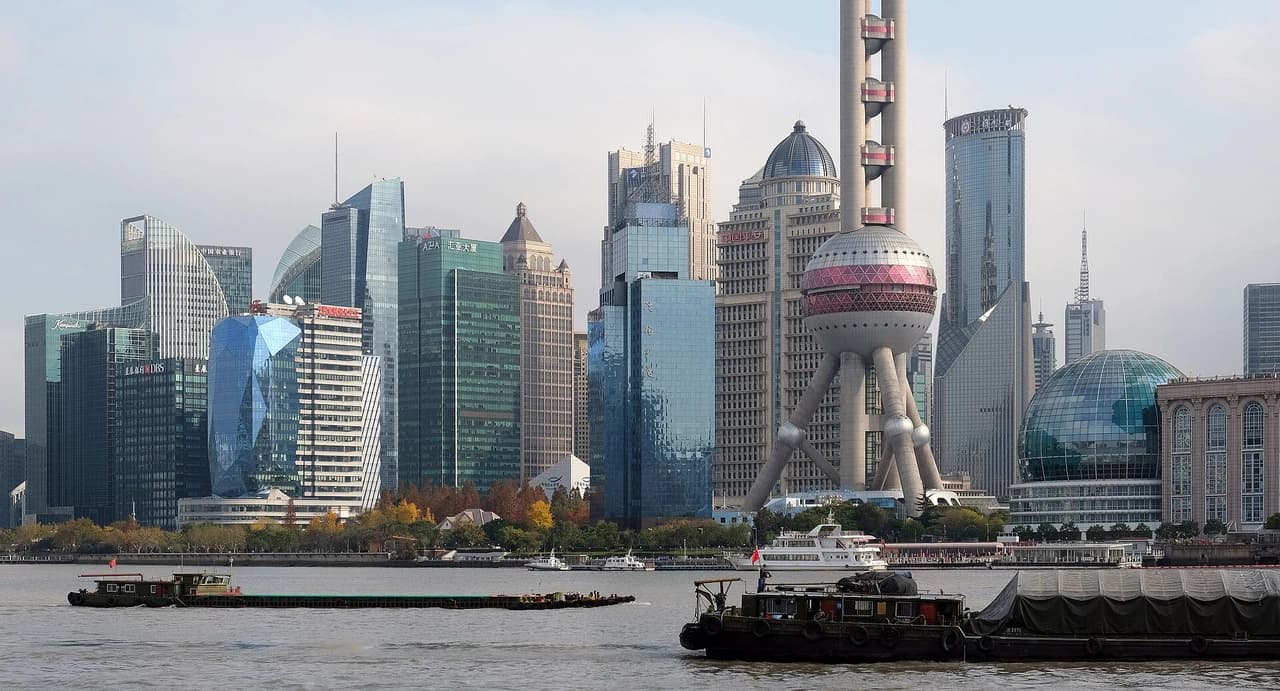
The Bund and Pudong skyline are what you came for, and they take an evening. The rest of Shanghai is the former French Concession: low-rise, tree-lined, full of cafés and old lane houses. Base yourself there and walk.
Shanghai works. Payment, metro, taxis, English menus, all easier than anywhere else in the mainland. If it is your first stop, use it to set up the apps and get comfortable before heading inland.
The city is best in the shoulder seasons. Summer is humid and stormy; the plum-rain weeks in June can wash out whole days.
Where next?
Save places you like, then use your saved list to build a trip.
Practical travel guides
Places to explore in Shanghai
Zhujiajiao water town
朱家角
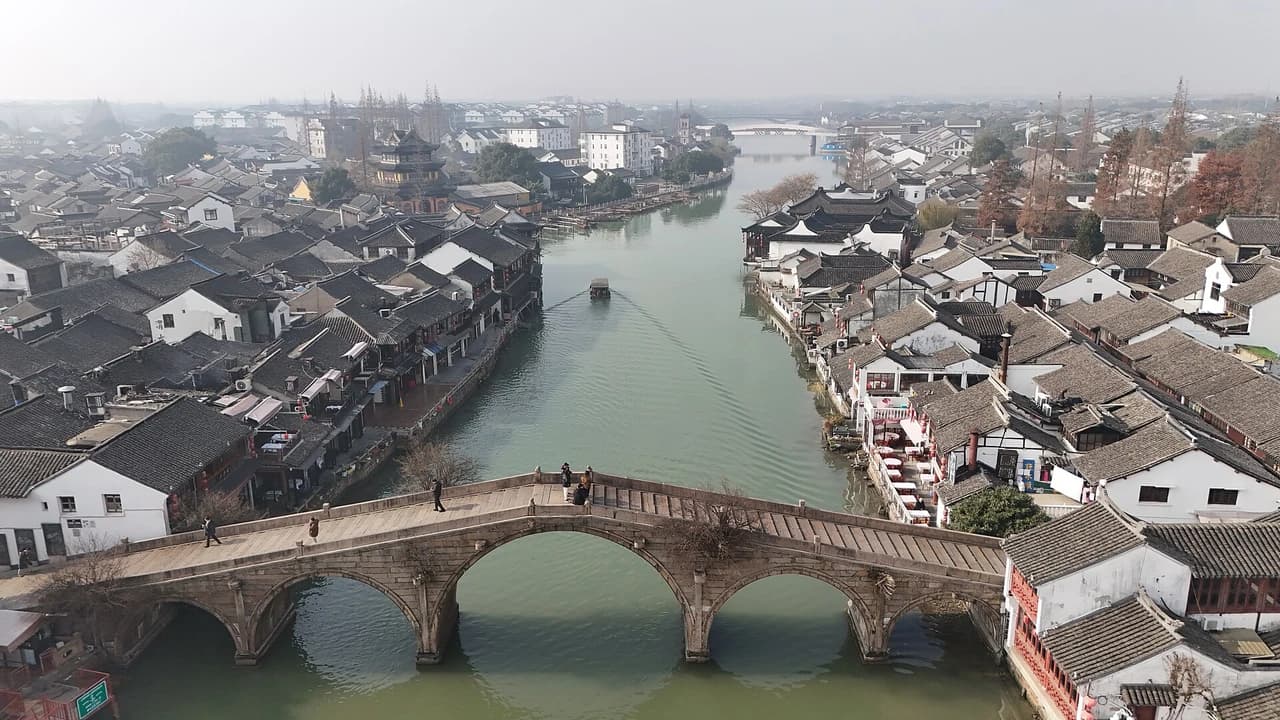
Zhujiajiao is the most well-preserved ancient water town in the south of the Yangtze River in Shanghai. It is located on the bank of Dianshan Lake in Qingpu District. It became a village during the Three Kingdoms period and was officially established as a town during the Wanli period of the Ming Dynasty. It is known as "the first water town in Shanghai" and "the Venice of Shanghai". This project focuses on the style of the water town itself: the Caogang River passes through the town, with white walls and black tiles on both sides of the river built near the water, and oar boats passing slowly through it. It is a typical picture of "people with small bridges and flowing water". Key attractions: Fangsheng Bridge: The largest existing five-hole stone arch bridge in Shanghai, spanning the Caogang River. Standing on the top of the bridge, you can overlook the panoramic view of the ancient town. It is the most classic filming location.

Memorials of the First, Second and Fourth National Congresses of the CPC
中国共产党一大·二大·四大纪念馆景区
This joint scenic area comprises memorials of the First, Second and Fourth National Congresses of the CPC. Meeting-site buildings, historical displays and surrounding streets introduce the history of these congresses. The three venues do not share an entrance; check reservations and closure arrangements separately. These reference photographs cover buildings at the First and Second Congress sites and some historical displays, not a complete record of the Fourth Congress memorial or each venue’s latest exhibitions.

Shanghai Wild Animal Park
上海野生动物园
Shanghai Wild Animal Park combines walking and vehicle-viewing areas, each with its own routes and visiting requirements. Focus on observing animals and learning about them, choosing key areas according to what is open that day. Reference photographs show historical views of ring-tailed lemurs, pelicans and other animals in the park. They do not mean all species are still displayed in the same enclosures or guarantee particular animal behavior.
Shanghai Museum East
上海博物馆东馆
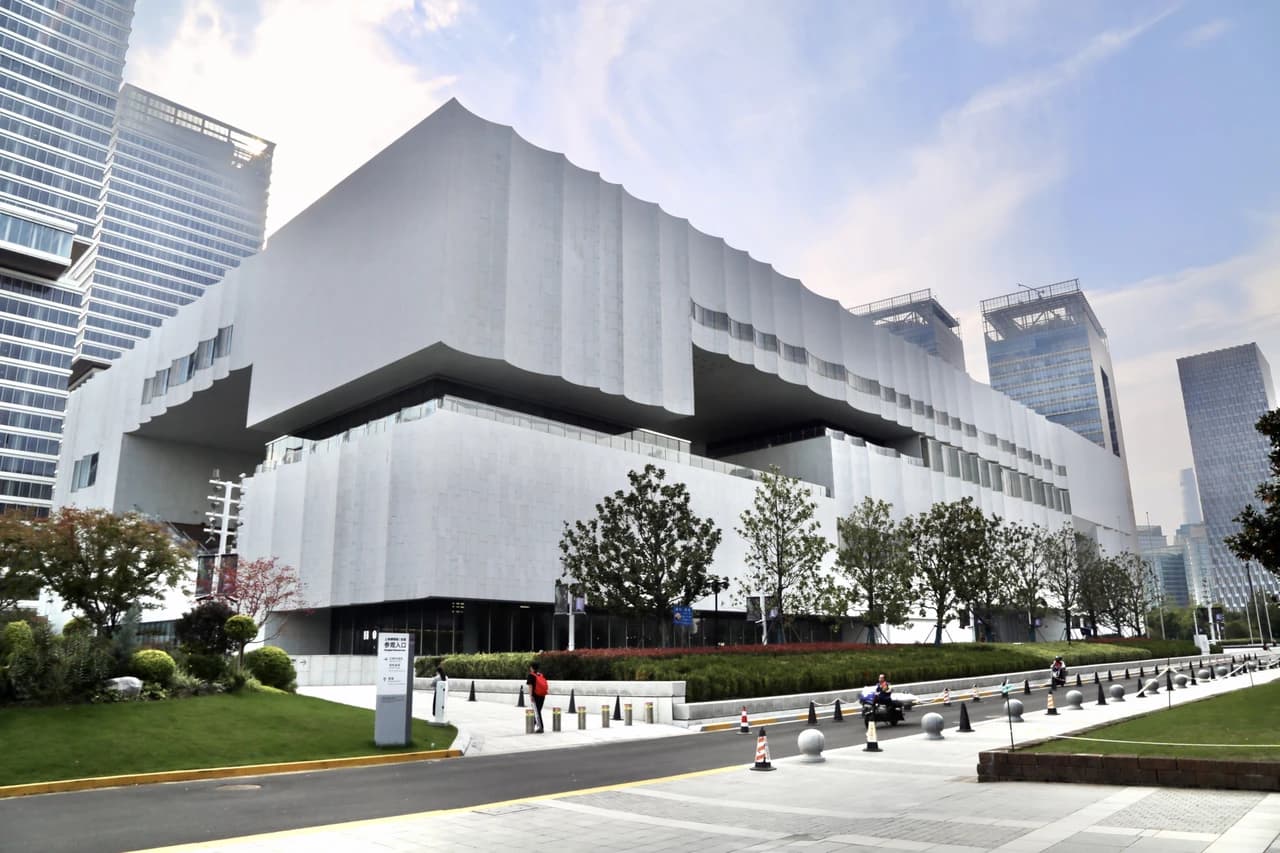
Shanghai Museum East in Pudong presents ancient Chinese art through galleries devoted to bronzes, ceramics and other collections. It is a separate venue from the People's Square branch. Choose exhibitions by interest and check their actual venue and current display status rather than assuming every famous object is permanently on view here.

Shanghai Science and Technology Museum
上海科技馆
Shanghai Science and Technology Museum focuses on science communication and interactive exploration. Its central glass sphere and plaza give the building a distinctive exterior. Plan around the museum’s current exhibition descriptions rather than lists of halls in older guides. Reference photographs here are historical architectural exterior material. Use current official website information for exhibitions, entrance routes and opening arrangements.

Oriental Pearl Radio and Television Tower
东方明珠广播电视塔
The Oriental Pearl stands beside the Huangpu River in Lujiazui, its spheres and columns forming a highly recognizable skyline. Admire the architecture from riverside walks or select a ticket for observation decks and exhibitions. Viewing it from ground level does not include attractions inside. Reference photographs mainly show historical exterior views, not current visibility or operations on the observation decks.
Yu Garden and the old town
豫园
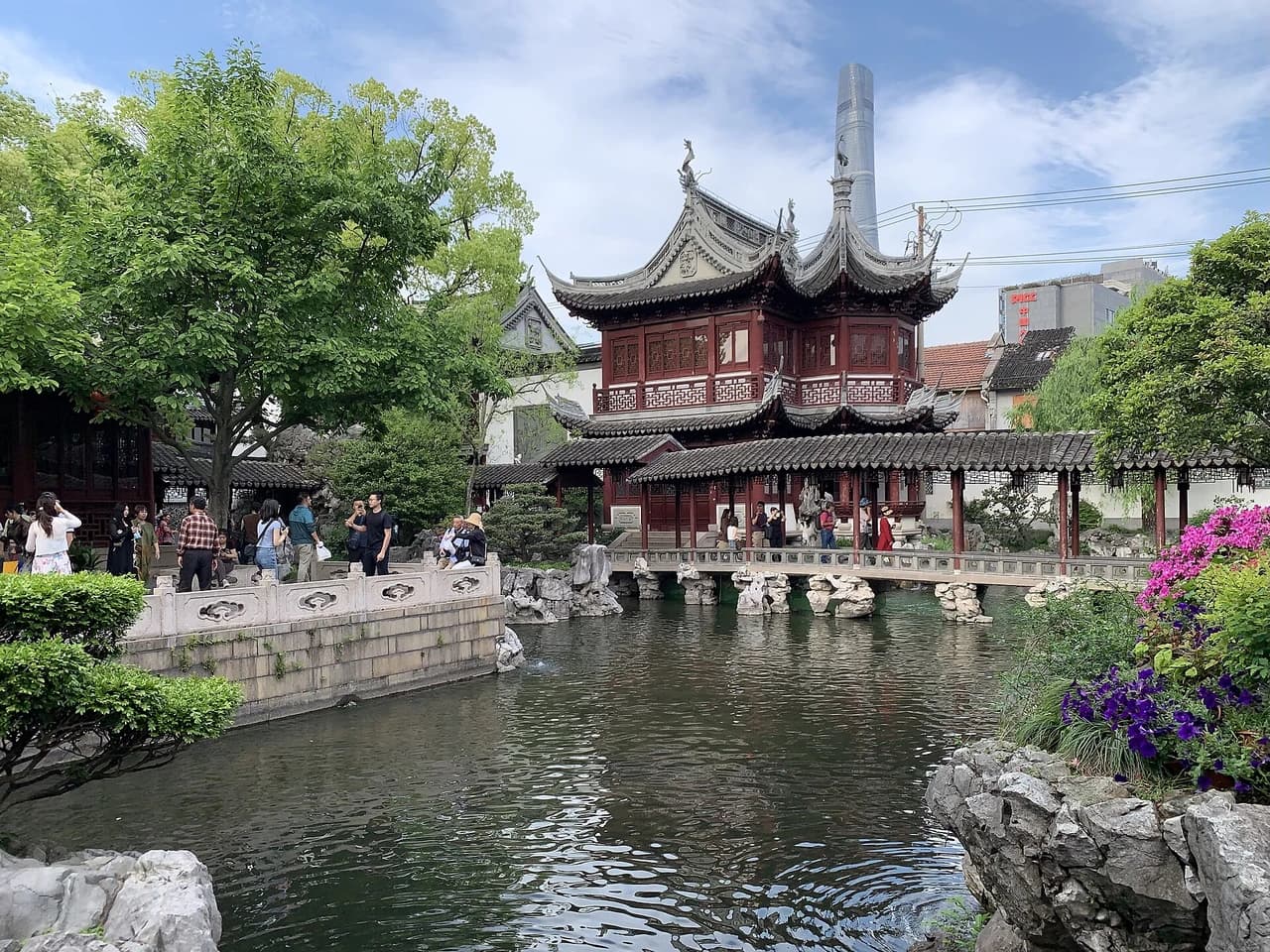
Yuyuan Garden is located in the old city of Huangpu District, Shanghai. It was a private garden built by Pan Yunduan during the Jiajing period of the Ming Dynasty for "Old Relatives of Yuyue". It is known as "the most beautiful garden in the southeast" and is the only garden in Shanghai that can be called "Famous Garden in the South of the Yangtze River". It consists of three parts: garden, temple and city: the Ming Dynasty Garden for a fee, the Yuyuan Mall and Jiuqu Bridge for free, and the adjacent City God Temple. Highlights are concentrated in: The Yuyuan garden itself: Zhang Nanyang’s stacked stones in the Ming Dynasty, Linglong Jade (one of the three famous stones in Jiangnan), large rockery, Sansui Hall, Diancun Hall, etc., each step creates a scene.

Xisha–Mingzhu Lake Scenic Area
西沙明珠湖景区
Xisha–Mingzhu Lake comprises Xisha Wetland and Mingzhu Lake. Wetland boardwalks, woodland and lakeshores offer opportunities to observe estuarine ecology. Check entrances and activities separately for each section. Lakeside leisure does not mean access to every wetland area. Reference images show historical boardwalks, lake views and birds; tides, seasons and management arrangements alter what can be seen.
The Bund
外滩
The Bund is the most intuitive space for understanding Shanghai’s urban development: the approximately 1.5-kilometer Huangpu River Trail faces the modern skyline of Pudong, with former banks, banks, and public buildings scattered behind it. Walking along the river towards Waibaidu Bridge, you can understand modern Shanghai from the relationship between river transportation, finance and architecture, rather than just taking a night view photo.

Shanghai Museum
上海博物馆
The Shanghai Museum presents ancient Chinese art and material culture with important collections such as bronzes, ceramics, calligraphy, paintings, sculptures, seals, coins and ethnic minority crafts. People's Square Pavilion and Pudong East Pavilion host different exhibitions. Before visiting, you must first confirm the location of the target exhibition hall.
Wukang Road
武康路
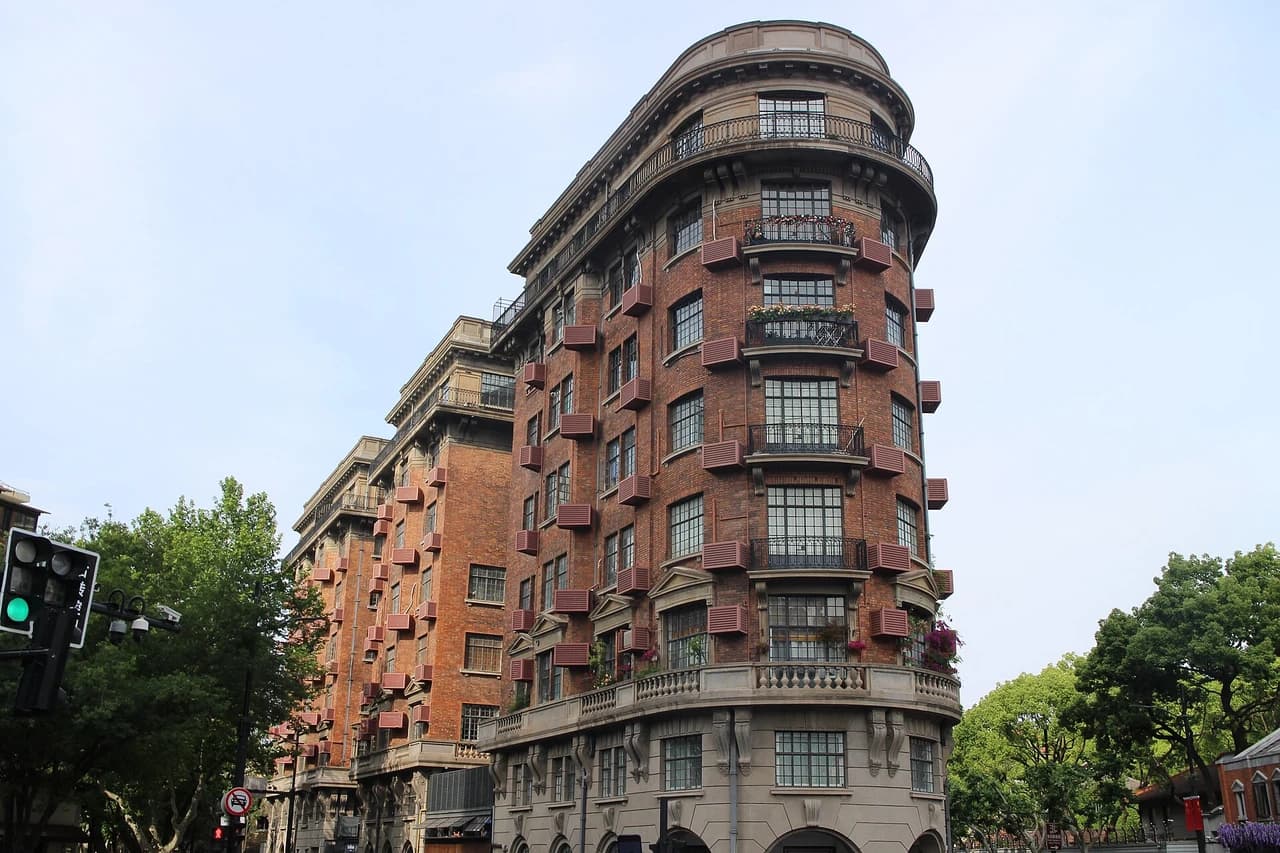
Wukang Road and the surrounding Hengshan-Fuxing Road historical and cultural area are one of the richest pedestrian areas in Shanghai. Indus trees, alleys, garden houses, apartments and former residences of celebrities jointly demonstrate the changes in urban living styles and architectural concepts in the 20th century. Their value lies in continuous blocks, not in a single crowded location.

West Bund Riverside
西岸滨江
The West Bank Riverside transforms old industrial and transportation land along the Huangpu River into a continuous public space, connecting parks, running and cycling trails, preserved industrial structures, art galleries, and contemporary buildings. Compared with the Bund, it is more open and quiet, and you can also observe Shanghai's transformation from industrial coastline to cultural coastline at the street level.

Shanghai Tower
上海中心大厦
The Shanghai Tower is the core landmark of the Lujiazui Financial District. From a height, you can observe the bend of the Huangpu River, the dense neighborhoods of Puxi and the urban expansion of Pudong. The twisting and rising double-story structure of the building is also an example of contemporary super high-rise design. First understand the overall relationship between the three high-rise buildings in Lujiazui on the Bund, and then climb up to see the city in a more layered way.

Zhujiajiao Ancient Town
朱家角古镇
Zhujiajiao is located in the west of Shanghai and is a water town in the south of the Yangtze River that still retains a sense of life. The river network, stone bridges, waterside dwellings and streets and lanes form a completely different scale from that of the central city. Fangsheng Bridge is the most representative, but Quiet Alley, Kezhi Garden and water perspective can better present the complete structure of the water town settlement.

Longhua Temple and Pagoda
龙华寺与龙华塔
Longhua Temple and the seven-story Longhua Pagoda together constitute an important Buddhist historical space in Shanghai. The existing tower retains the architectural features of the Song Dynasty. It adds an earlier historical layer to the Shanghai itinerary that is often dominated by modern narratives, and the surrounding neighborhoods can also naturally connect to the West Bank Riverside.

Suzhou Creek Urban Walk
苏州河城市漫步
Walking along the Suzhou River, one can understand Shanghai through bridges, warehouses, apartment buildings and newly connected waterfront spaces. The downstream section near Waibaidu Bridge and the Postal Museum is densely populated with modern urban history, while different sections upstream show how infrastructure and industrial land are transformed into daily public spaces.

China Art Museum, Shanghai
中华艺术宫
The China Art Palace is located in the China Pavilion at the 2010 Shanghai World Expo. The large exhibition hall focuses on Chinese modern and contemporary art, Shanghai-style art and special exhibitions. The building itself also records an important stage in Shanghai's recent urban development. The museum is quite large, making it more suitable to choose a themed route rather than trying to see all the floors.
Local snacks
What to eat in Shanghai
These cards describe dishes, not restaurants.

Fresh, juicy and thin-skinned
Soup dumplings
小笼包
Thin dough wrapped around pork filling and hot broth, traditionally steamed in a bamboo basket.
Gently put it on a spoon, let it cool slightly and then take a small bite before tasting the soup.

Juicy, salty and crispy on the bottom
Pan-fried pork buns
生煎馒头
The juicy meat filling is wrapped in a yeast bun, fried until crispy on the bottom, and then simmered in a pan.
The soup inside the filling is very hot, so you need to be careful with the first bite.

Onion, salty, slightly sweet
Scallion-oil noodles
葱油拌面
The thin noodles are seasoned with scallion sesame oil and soy sauce, making it a simple and classic Shanghai noodle dish.
Mix well before serving so that the oil and sauce adhere evenly.

Sweet, salty, crispy and chewy
Pork chop with rice cakes
排骨年糕
The fried pork ribs are served with chewy sliced rice cakes and a thick sweet and salty sauce.
The portion size is more solid than it looks, making it suitable for sharing when you try back-to-back snacks.
Traveller community