

成都
Chengdu
Teahouses, greenways and rich Sichuan flavors make Chengdu an easy starting point for slowly understanding western China.
At a glance
- Stay
- 3–4 days
- Best seasons
- Mar–Jun, Sep–Nov
- Airports
- TFU
- Region
- Southwest China
Last updated: 9/29/2026
Plan your visit
Plan Chengdu around a panda visit and relaxed neighbourhood walks. Check the correct panda site, reservation documents and arrival station before booking.
How can I balance pandas and time in the city?
Choose your panda visit first, then keep a separate, flexible block for teahouses and neighbourhood walks. The Chengdu Research Base and Panda Valley are not interchangeable locations. Use the venue and gate shown on your booking when planning transport, rather than searching only for 'pandas in Chengdu'.
What should I check for the panda base?
The Research Base's official ticket page describes real-name reservations and entry with the original valid ID used for the booking, with listed exceptions. Check the rules for your party and whether your passport details are accepted before paying. A ticket is not a promise that a particular panda will be visible; exhibits and animal activity can vary.
What should I settle before planning the arrival day?
Check whether your flight uses Tianfu or Shuangliu airport, or which railway station is on your ticket. Match that arrival point to your accommodation and onward route. Leave time for the transfer instead of scheduling a tightly timed attraction immediately after landing.
Reviewed 19 October 2026. Panda admission comes from the operator; city scheduling is editorial advice. No passport purchase was submitted.
First visit
Arrive and settle in Chengdu
Start with arrival and where to stay, then choose your sights. Recheck transport and accommodation details before booking.
Getting there+
Tianfu (TFU) is the main airport now, about an hour from the centre by metro line 18. Shuangliu (CTU) still handles some flights and is closer. High-speed trains from Chongqing take a little over an hour to Chengdu East; from Xi'an about three and a half hours.
Rail tip. Your passport is your ticket. Book on 12306 or Trip.com, then go straight to the gate. See Getting around. The Trip.com link earns us a small commission at no cost to you (how that works).
Stay online. Google, WhatsApp and Instagram are blocked on Chinese networks; a travel eSIM that roams gets around it. Install one before you fly — Saily takes US$5 off a first plan with the code CHINA. See Staying online. The code earns us the same amount in Saily credits, at no cost to you (how that works).
Where to stay+
Around Kuanzhai Alley
宽窄巷子
Central, touristy, walkable. Fine for a first visit.
The restored alleys themselves are busy, but the streets around them are ordinary Chengdu with good hotels and easy metro access.
first visitwalking
Yulin
玉林
Where locals eat and drink. The bar street from the song.
South of the centre. Low-rise, dense with small restaurants, and the best neighbourhood in the city for eating your way through Sichuan.
foodnightlifelocal life
Tianfu New Area
天府新区
New, spacious, near the airport line. Business travellers.
Wide roads and new towers in the south. Convenient for the airport, less so for wandering.
businessmodern
Booking. Compare hotels in Chengdu on Trip.com, filtered to its China travel essentials list: English-speaking staff, foreign cards, guest rating 8 or higher. See Where to stay. Booking through this link earns us a small commission at no cost to you (how that works).
Overview+
HENANHUNANGUANGXIGUIZHOUYUNNANSHAANXIGANSUQINGHAININGXIAChengdu
The pandas are the reason most people come, and they are worth it. But the city's real draw is the pace. Spend a morning at the research base, then an afternoon in People's Park doing nothing in particular with a lidded cup of tea.
Food here is the best in the country for many travellers. Sichuan cooking is more than heat: the numbing pepper, the sweet-sour, the smoky. Order widely and ask for wei la (mildly spicy) until you know your limit.
The city is flat and the metro is excellent. Taxis are cheap. The sky is often grey, which locals will tell you is why the women here have such good skin.
Where next?
Save places you like, then use your saved list to build a trip.
Practical travel guides
Places to explore in Chengdu

Qionglai Tiantai Mountain Scenic Area
邛崃天台山景区
Qionglai Tiantai Mountain’s terraced terrain connects streams, waterfalls and forest paths, with water scenery changing according to rainfall and season. Firefly watching is available in some seasons, but sightings are not guaranteed on any date or in any area. Waterside activities shown in historical photographs are not current safety or access guidance; follow on-site rules.

Anren Ancient Town Scenic Area
安仁古镇景区
Anren Ancient Town combines western Sichuan lanes, mansion architecture and museums. Places such as the Liu Family Manor and Jianchuan Museum Cluster require plans based on their own rules. Town walks, exhibitions and events do not share one set of access or ticketing conditions. Reference photographs mainly show historical streets and building exteriors, without guaranteeing that pictured transport or shops still operate.
Leshan Giant Buddha
乐山大佛
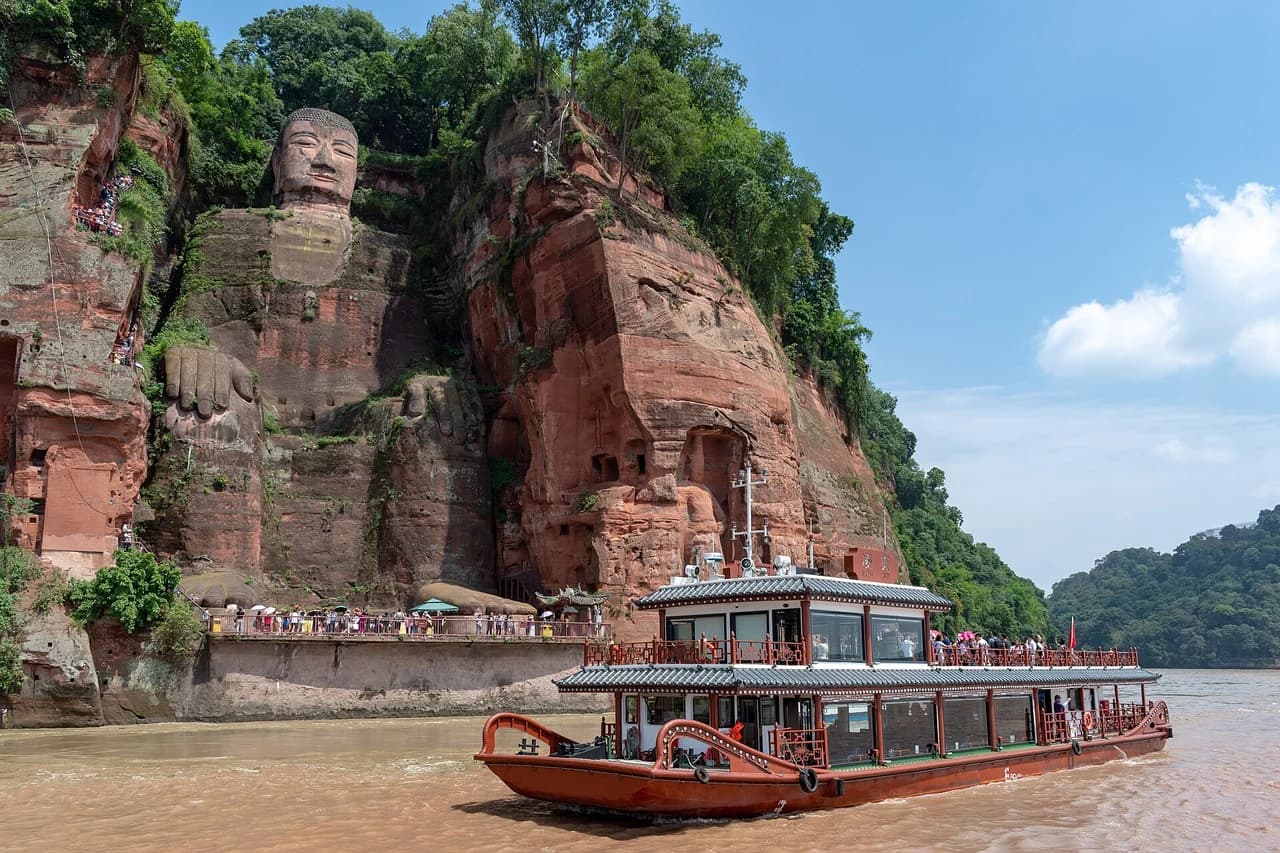
The seated Maitreya statue excavated in the Tang Dynasty is about 71 meters high. It is the largest cliff-carved statue in China. It sits at the confluence of the Minjiang River, the Qingyi River and the Dadu River. It took about 90 years and three generations of craftsmen to complete it. Core attractions: Lingyun Temple, Buddha Head Observation Deck (1051 snails), and the Jiuqu Plank Road to the Buddha’s feet for a panoramic view. You can also take a boat to see the complete panorama.

Chengdu Wuhou Shrine
成都武侯祠
Wuhou Temple in Chengdu is an important museum that focuses on the history of Shu Han and the cultural memories of the Three Kingdoms. The palaces, mausoleums, inscriptions and later gardens commemorating figures such as Liu Bei and Zhuge Liang together illustrate how real history, political ideals and folk narratives have been intertwined over a long period of time.
Chengdu Research Base of Giant Panda Breeding
成都大熊猫繁育研究基地
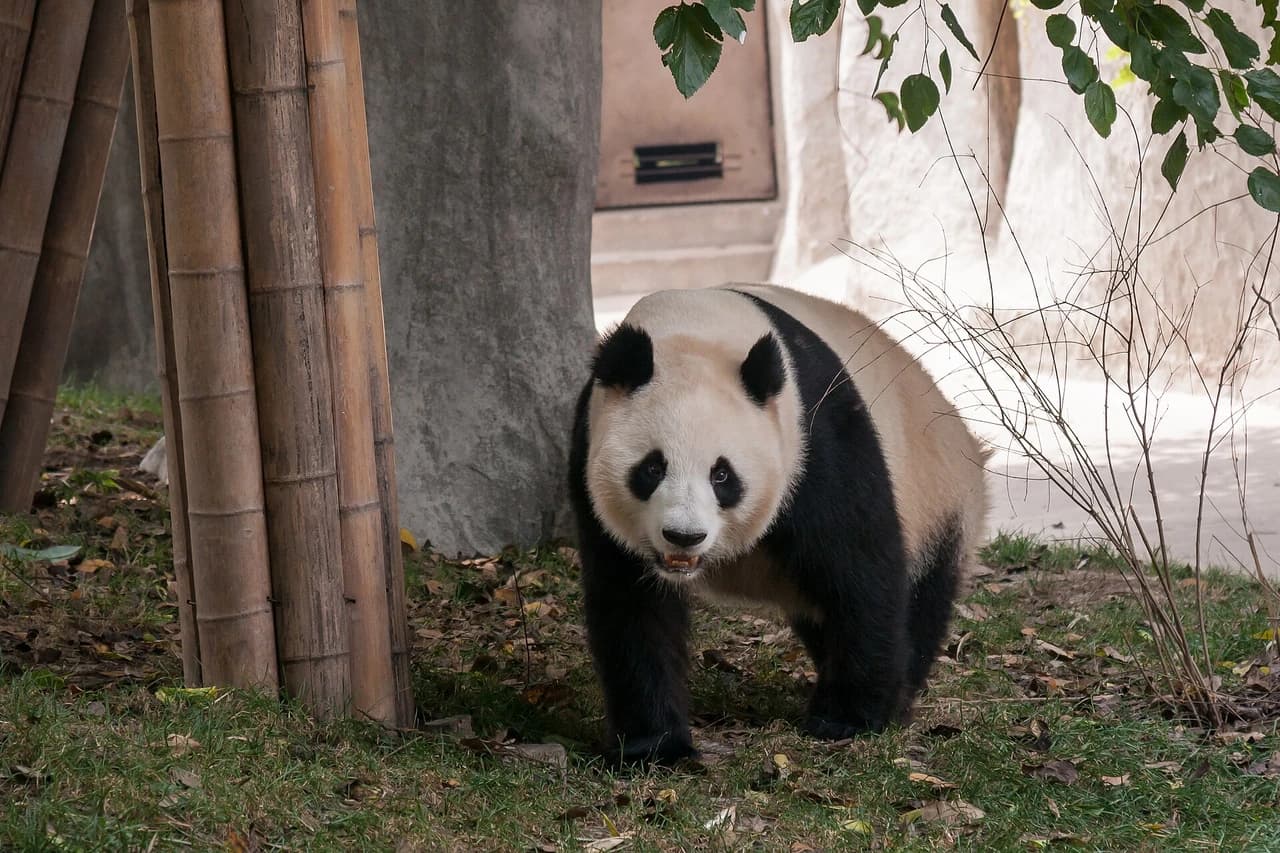
The world's largest giant panda ex-situ conservation and scientific research breeding base houses more than 200 giant pandas in captivity. The core attractions include the cub villa (No. 6) where the internet celebrity "Huahua" lives, the cubs in the Sun/Moon/Star delivery room, the indoor venues in the new area's Panda Valley, as well as the red pandas and golden monkeys. Pandas like coolness and are afraid of heat. They will go indoors when the temperature exceeds 26°C. If you want to see them active, be sure to get there early.

Du Fu Thatched Cottage
杜甫草堂
Du Fu Thatched Cottage is a garden-style memorial museum located on the site of the former residence of Tang Dynasty poet Du Fu in Chengdu. He wrote more than 240 poems while living in Chengdu. The restored huts, traditional courtyards, gardens, inscriptions and literary displays transform the characters' lives into a spatial experience. A visit combined with several representative poems will be more meaningful than just looking at the buildings.

Mount Qingcheng
青城山
Qingcheng Mountain is a famous forest-type mountain closely related to the formation and development of Taoism in China. The palaces and mountain paths are distributed among moist woodlands, rather than concentrating on a single building, so the tour includes religious history, traditional architecture and authentic mountain walking; only by allowing time between each node can you appreciate its tranquil character.
Sichuan Opera at Shufeng Yayun
蜀风雅韵
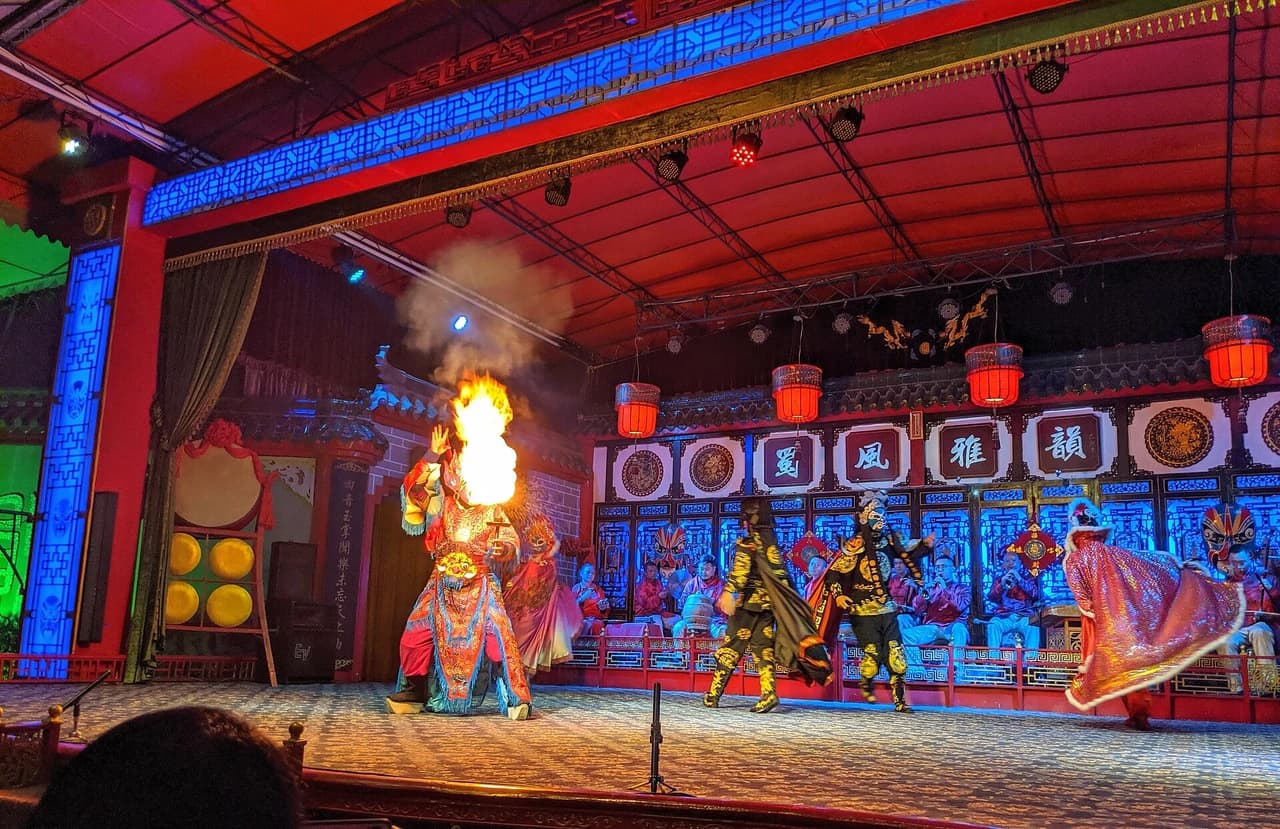
Located at the century-old Liyuan Opera Stage in the Qintai Road Cultural Park, the intangible cultural heritage Sichuan Opera performance lasts about 90 minutes and integrates face-changing, spitting fire, rolling lanterns, hand shadow play, and stick puppets. The actors will come off the stage to interact and watch the show while drinking bowls of tea. The atmosphere of old Chengdu is strong.
Wenshu Monastery
文殊院
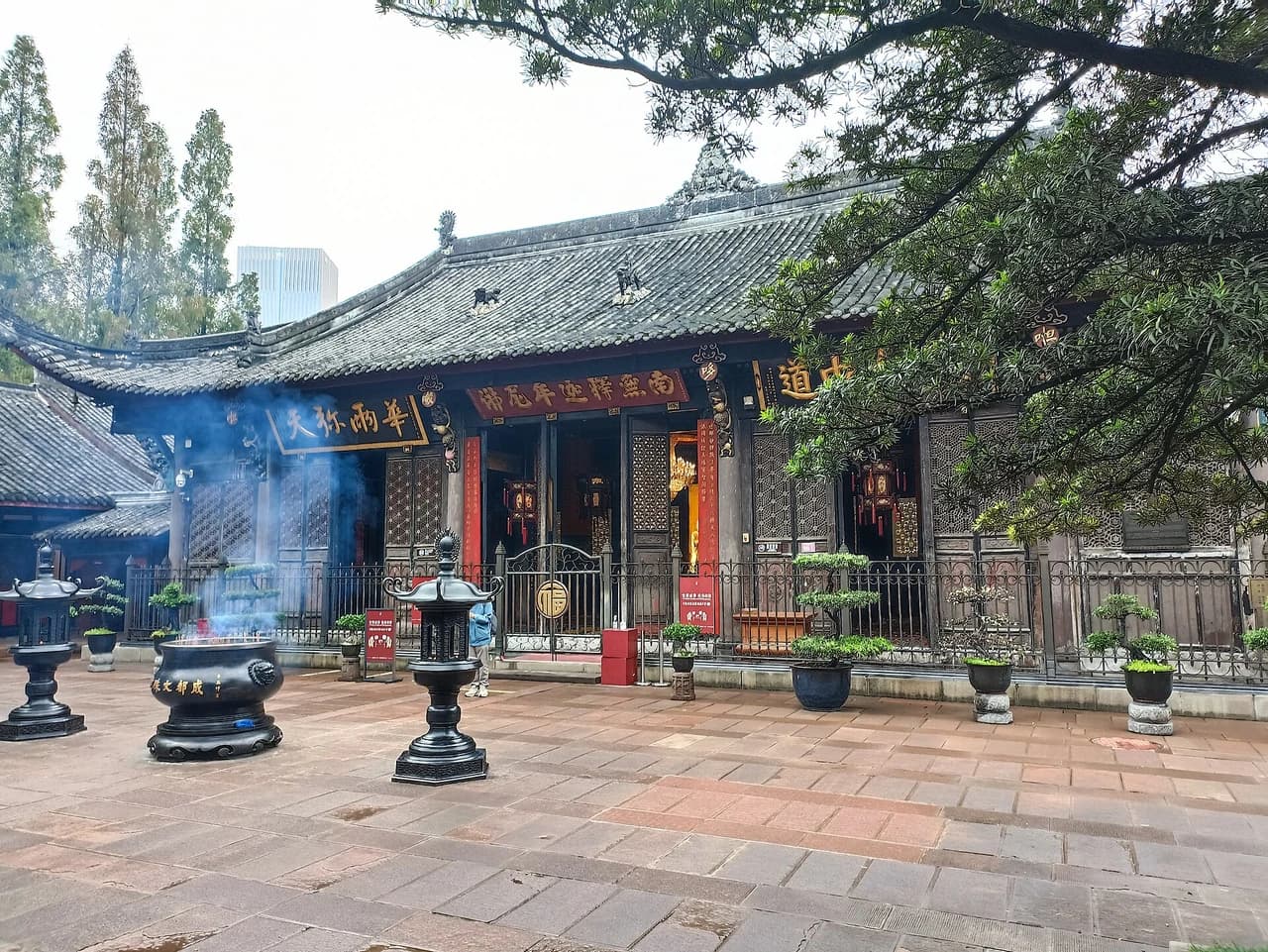
Wenshu Monastery is a Buddhist temple still in use located in the center of Chengdu. It consists of halls, courtyards, gardens and cultural collection spaces. The cascading roofs form a clear contrast with the quiet inner courtyard and outer commercial streets, but first of all, this should be regarded as a real religious place, not a simple ancient setting.
People's Park
人民公园
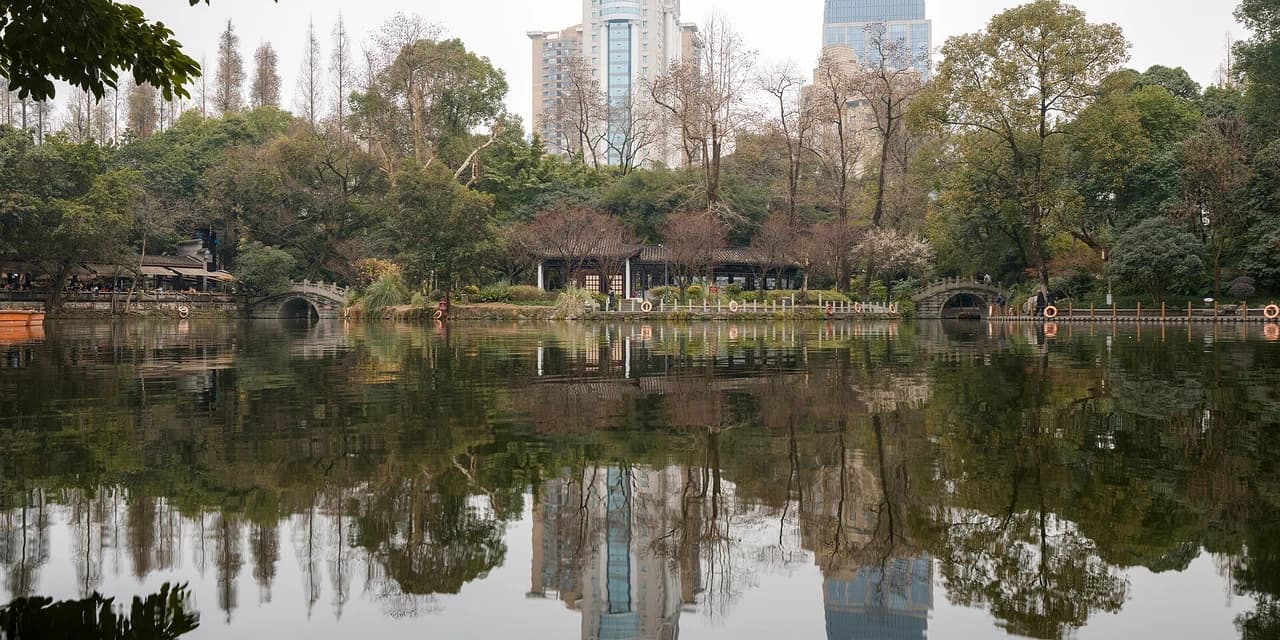
A long-established park that has been in existence for more than a century, it is a representative of Chengdu’s slow life. Its core is the century-old Heming Teahouse (founded in 1923) where you can drink tea in a bowl, pick ears, and watch the long-spout pot tea ceremony. It also has an internet celebrity dating corner, a monument to the death of Xinhai Qiubao Road, and an artificial lake for boating, etc.

Jinsha Site Museum
金沙遗址博物馆
The Jinsha Site Museum protects archaeological remains at their original site in a modern urban area, and unfolds a narrative centered on the sacrifices, craftsmanship and natural environment of the ancient Shu civilization. The relics museum preserves the excavation site, while the exhibition hall puts gold, jade, bronze, and ivory back into their historical context. The combination of the two makes it possible to see more than just isolated treasures.

Sichuan Museum
四川博物院
The Sichuan Museum has established a relatively complete regional historical framework through archaeology, sculpture, ceramics, calligraphy and painting, Tibetan Buddhist art, folk customs and temporary exhibitions. It can connect the remains of ancient Shu, later religious traditions and modern art, and is suitable as a supplement to thematic sites such as Jinsha.

Kuanzhai Alley
宽窄巷子
Kuanzhai Alley retains a group of courtyard streets and alleys in the original Mancheng area of Chengdu's old city. It has now been transformed into a pedestrian commercial area integrating teahouses, snacks, retail and cultural displays. This is a suitable place to observe the scale of the courtyard and the commercial use of heritage, but one should not mistake the uniformly operated tourist block for an unaltered residential alley.
Dujiangyan Irrigation System
都江堰水利工程
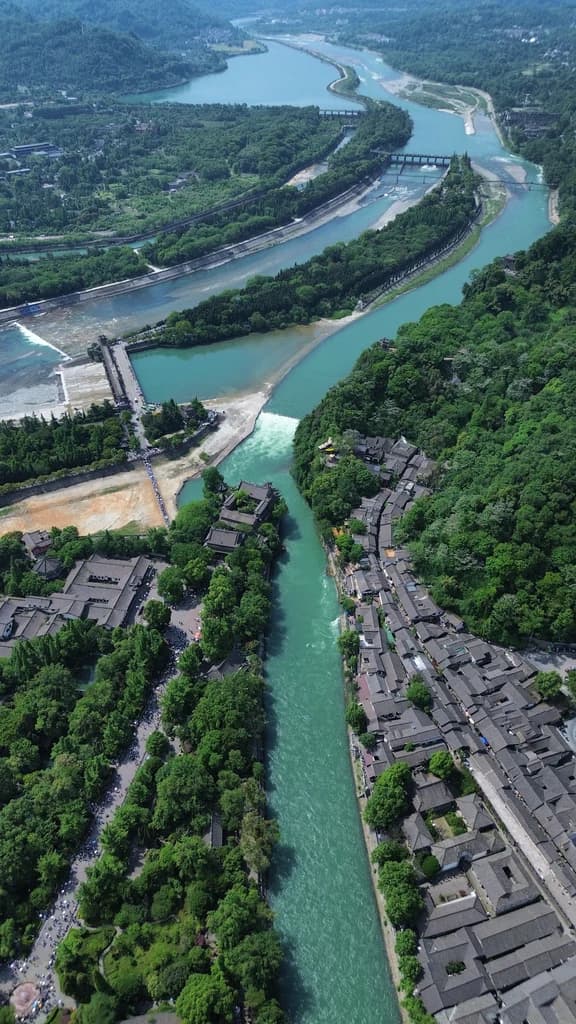
Dujiangyan is a water conservancy system that was built in the third century BC and is still in operation today. It regulates the Min River and distributes water to the Chengdu Plain. Yuzui, Feishayan and Baopingkou show how to use topography, river channels and seasonal flows instead of traditional dams to achieve water diversion, sand discharge and flood control. The surrounding temples and mountain roads also retain the historical memories of those who controlled the water.
Local snacks
What to eat in Chengdu
These cards describe dishes, not restaurants.

Spicy and salty
Dan dan noodles
担担面
The small bowl of noodles is served with chili oil, Sichuan peppercorns, bean sprouts and savory meat sauce, with concentrated layers.
Often served in a small bowl, mix thoroughly from the bottom of the bowl first.

Sweet, salty, garlicky, spicy
Zhong dumplings
钟水饺
The pork dumplings are served without soup and mixed with soy sauce, minced garlic and red oil.
When you are first getting used to the spiciness, pair it with a lighter snack.

Smooth skin and delicious flavor, can be light or spicy
Sichuan wontons
龙抄手
The thin-skinned pork chops can be made in two styles: clear soup or red oil. The same snack has a completely different taste.
When ordering, you need to indicate whether you choose clear soup or red oil.

Cool, sweet and light
Ice jelly
冰粉
Cool and transparent ice powder with brown sugar water, nuts or fruits, often eaten after spicy food.
The ingredients vary a lot, so if you are allergic to peanuts, etc., you should check in advance.
Traveller community