
西安
Xi'an
With its dynastic history, bikeable city walls and plentiful street food, Xi'an is much more than a museum trip.
At a glance
- Stay
- 2–3 days
- Best seasons
- Apr–May, Sep–Oct
- Airports
- Rail or road access
- Region
- Northwest China
Last updated: 9/29/2026
First visit
Arrive and settle in Xi'an
Start with arrival and where to stay, then choose your sights. Recheck transport and accommodation details before booking.
Getting there+
Xianyang (XIY) is about 45 minutes from the centre by metro line 14 or the airport bus. High-speed trains arrive at Xi'an North , on metro line 2; Beijing is around four and a half hours, Chengdu three and a half, Luoyang under two.
Rail tip. Your passport is your ticket. Book on 12306 or Trip.com, then go straight to the gate. See Getting around. The Trip.com link earns us a small commission at no cost to you (how that works).
Stay online. Google, WhatsApp and Instagram are blocked on Chinese networks; a travel eSIM that roams gets around it. Install one before you fly — Saily takes US$5 off a first plan with the code CHINA. See Staying online. The code earns us the same amount in Saily credits, at no cost to you (how that works).
Where to stay+
Inside the wall, south
南门
Near the South Gate and Shuyuanmen. Walkable, atmospheric.
Guesthouses in old courtyard buildings, the calligraphy street, and the wall gate for cycling. Everything within twenty minutes on foot.
first visitwalking
Bell Tower
钟楼
The very centre. Convenient, loud.
Chain hotels around the tower, both metro lines, and the Muslim Quarter a few minutes' walk. Traffic noise is the trade-off.
convenience
Qujiang
曲江
New district by the Big Wild Goose Pagoda. Spacious, family friendly.
South of the wall, with parks, malls and the pagoda's evening fountain show. Quieter, and a metro ride into the centre.
familiesmodern
Booking. Compare hotels in Xi'an on Trip.com, filtered to its China travel essentials list: English-speaking staff, foreign cards, guest rating 8 or higher. See Where to stay. Booking through this link earns us a small commission at no cost to you (how that works).
Overview+
BEIJINGTIANJINHEBEISHANXIANHUISHANDONGHUBEICHONGQINGSICHUANGANSUNINGXIAXi'an
Xi'an is a walled city, and the wall is the frame for everything: the Bell Tower at the centre, the Muslim Quarter to the northwest, the old streets in the south. The Terracotta Army is an hour east and takes most of a day.
Inside the wall the city is compact enough to walk. The metro handles the rest. It is drier and colder than the south, dusty in spring, and the food is wheat-based: noodles, flatbreads, lamb.
Evenings are the best time here. The wall and towers light up, the Muslim Quarter fills, and the night market on Yongxing Fang runs late.
Where next?
Save places you like, then use your saved list to build a trip.
Practical travel guides
Places to explore in Xi'an
Muslim Quarter
回民街
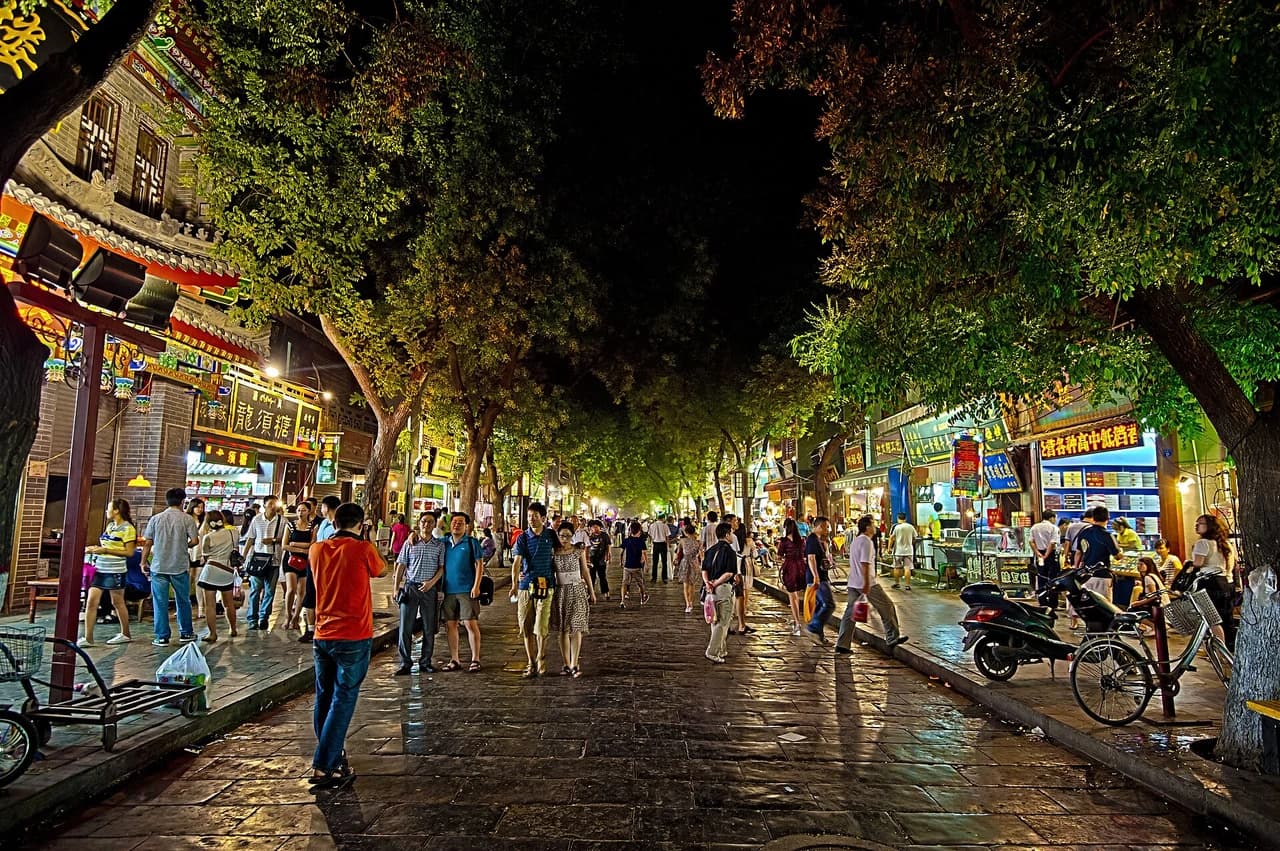
Muslim Street (Huifang) is located in the Bell Tower and Drum Tower area. It is composed of many alleys and is the most popular Muslim snack street in Xi'an. The North Courtyard Gate of the main street is mainly for tourists to check in. Authentic time-honored brands are hidden in the alleys on both sides - Dapiyuan, Beiguangji Street, Miaohou Street and Sajin Bridge. There are many delicacies such as Roujiamo, mutton steamed buns, soup dumplings, steamer cakes, spicy soup, and sesame cold skin. It is the core place to experience Xi'an's carbohydrate culture.

Tang Paradise
大唐芙蓉园
Tang Paradise’s main visitor spaces comprise Tang-style garden architecture, water and paths. It forms part of the Giant Wild Goose Pagoda–Tang Paradise joint 5A scenic area. Reference images show lakeside buildings, lotus ponds, covered bridges and garden sculptures. The Tang-style architecture is not original Tang construction; seasonal flowers and historical event decorations do not represent the current layout.
Terracotta Army
秦始皇兵马俑博物馆
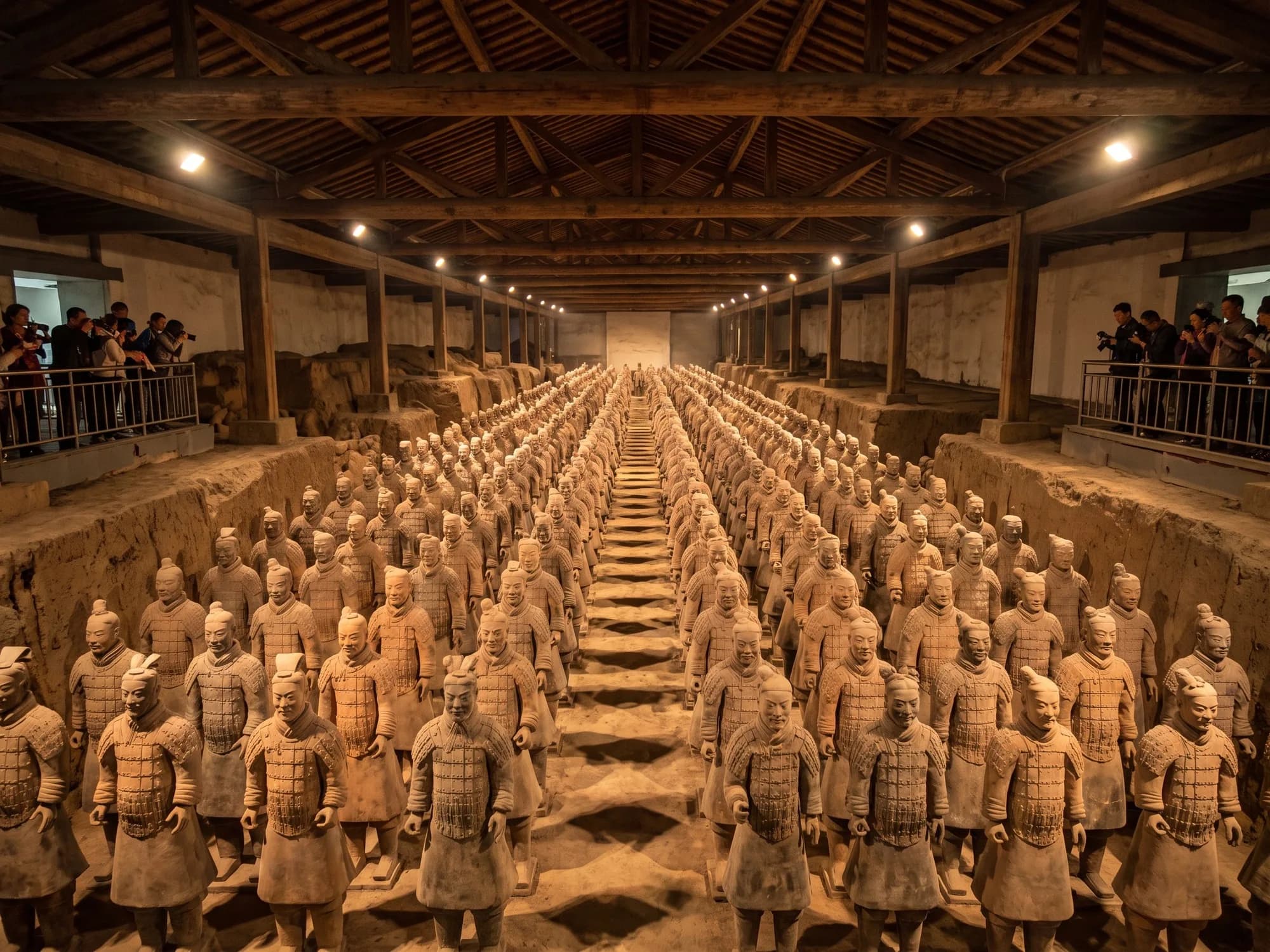
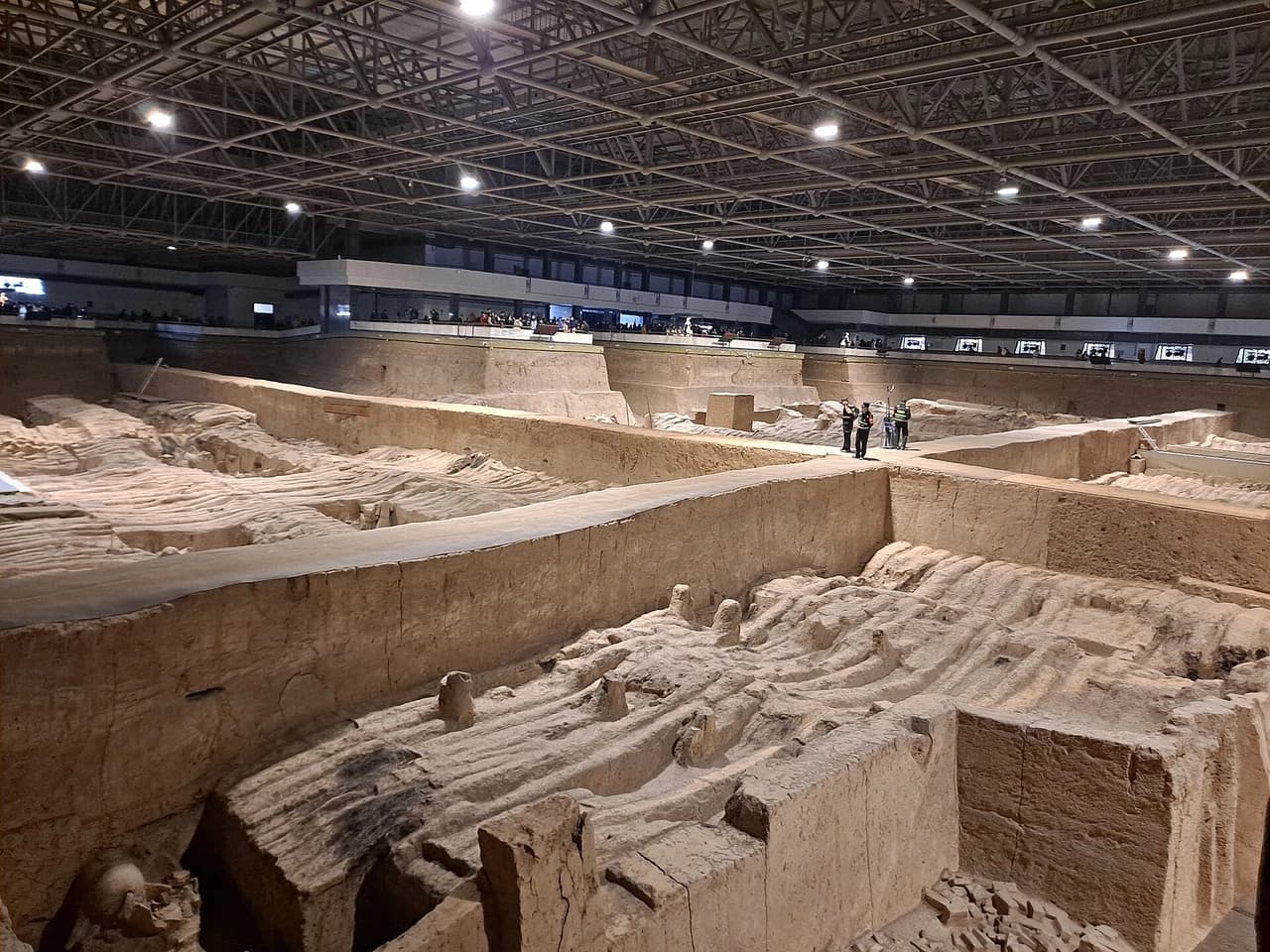
The Mausoleum Museum of the First Emperor of Qin is a large-scale archaeological site, not just a single exhibition hall displaying pottery figurines. The three excavation pits display military formations, pottery horses, chariots and excavation traces at different scales, and the cemetery area puts them back into the overall funeral system of Qin Shihuang's Mausoleum. In addition to observing the individual differences of pottery figurines, one should also understand the military formations, production processes and archaeological context.
City Wall
西安城墙
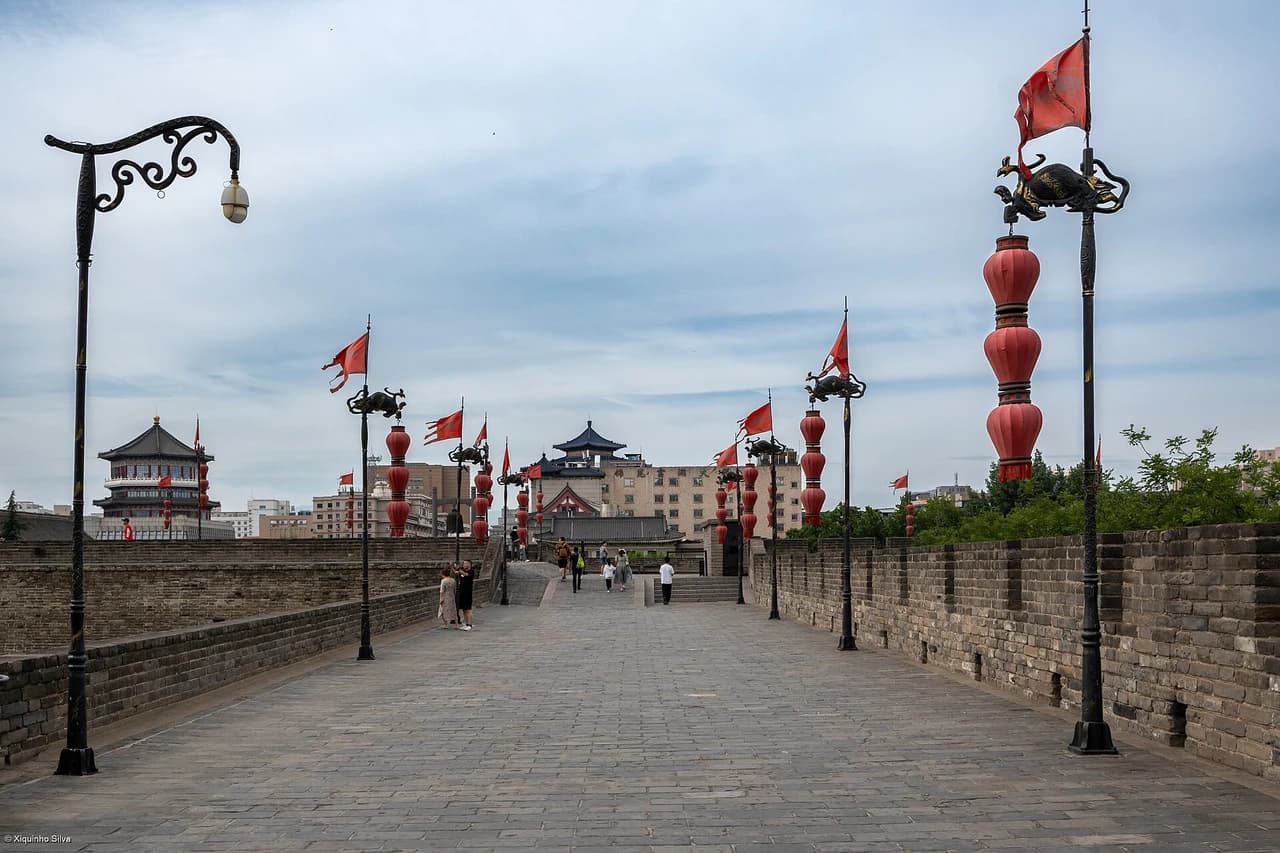
The Xi'an City Wall surrounds the Ming Dynasty city area in a complete rectangle. The city gates, turrets, horse faces and views overlooking the old and new neighborhoods together form defensive buildings and elevated urban routes. Instead of rushing to complete the entire loop, it is often better to choose a slow walk to observe how the city wall connects the axis of the Bell Tower and the Forest of Steles neighborhood.
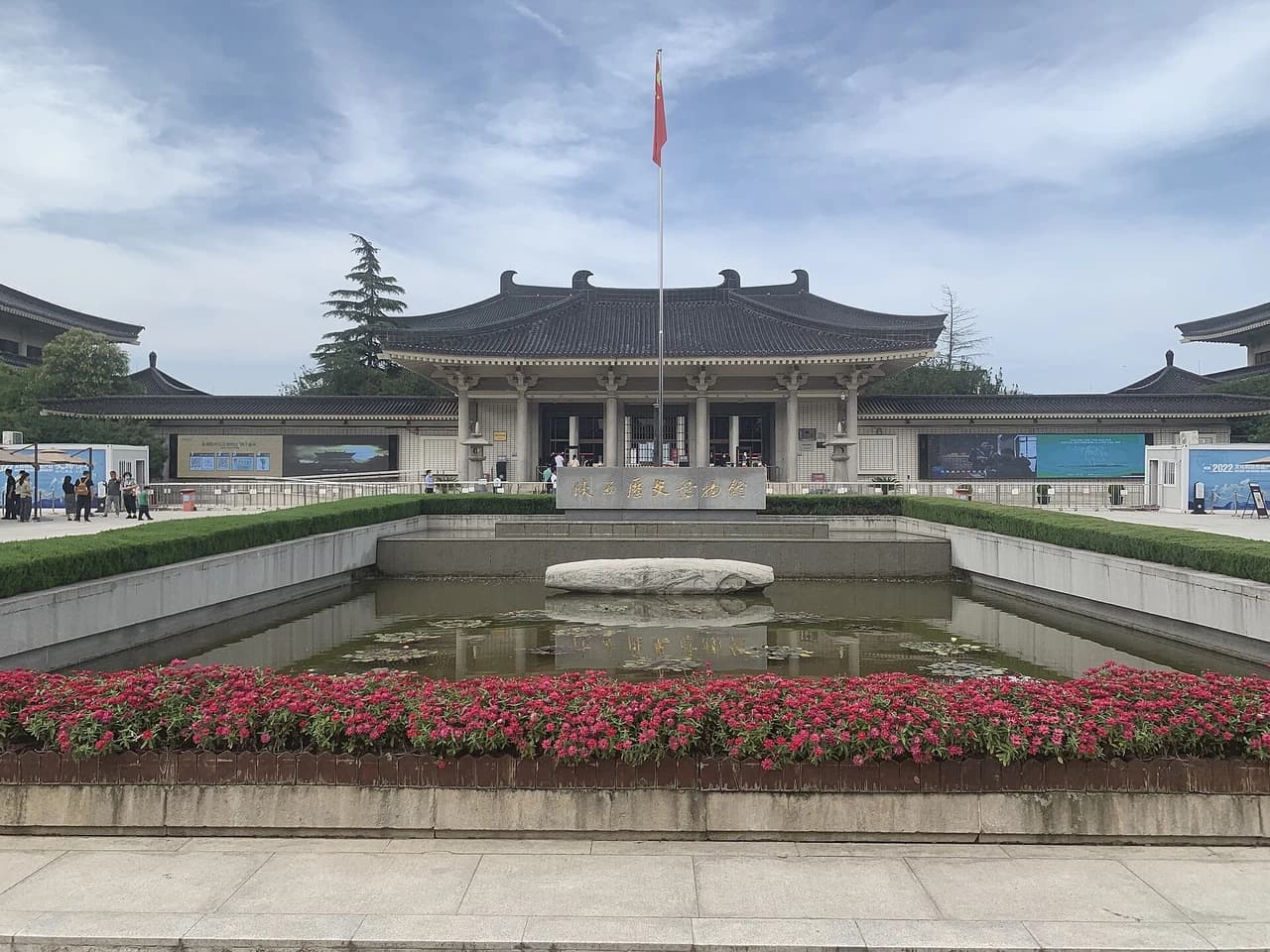
Shaanxi History Museum
陕西历史博物馆
The Shaanxi History Museum connects prehistoric settlements, political centers of Zhou, Qin and Han dynasties, and the open and diverse capital of the Tang Dynasty through a timeline. Bronze, ceramics, gold and silverware, tomb figurines and murals together explain why Guanzhong has become the core of the country many times. It is best to visit before the large-scale ruins and use the framework of the museum to organize what you see later.
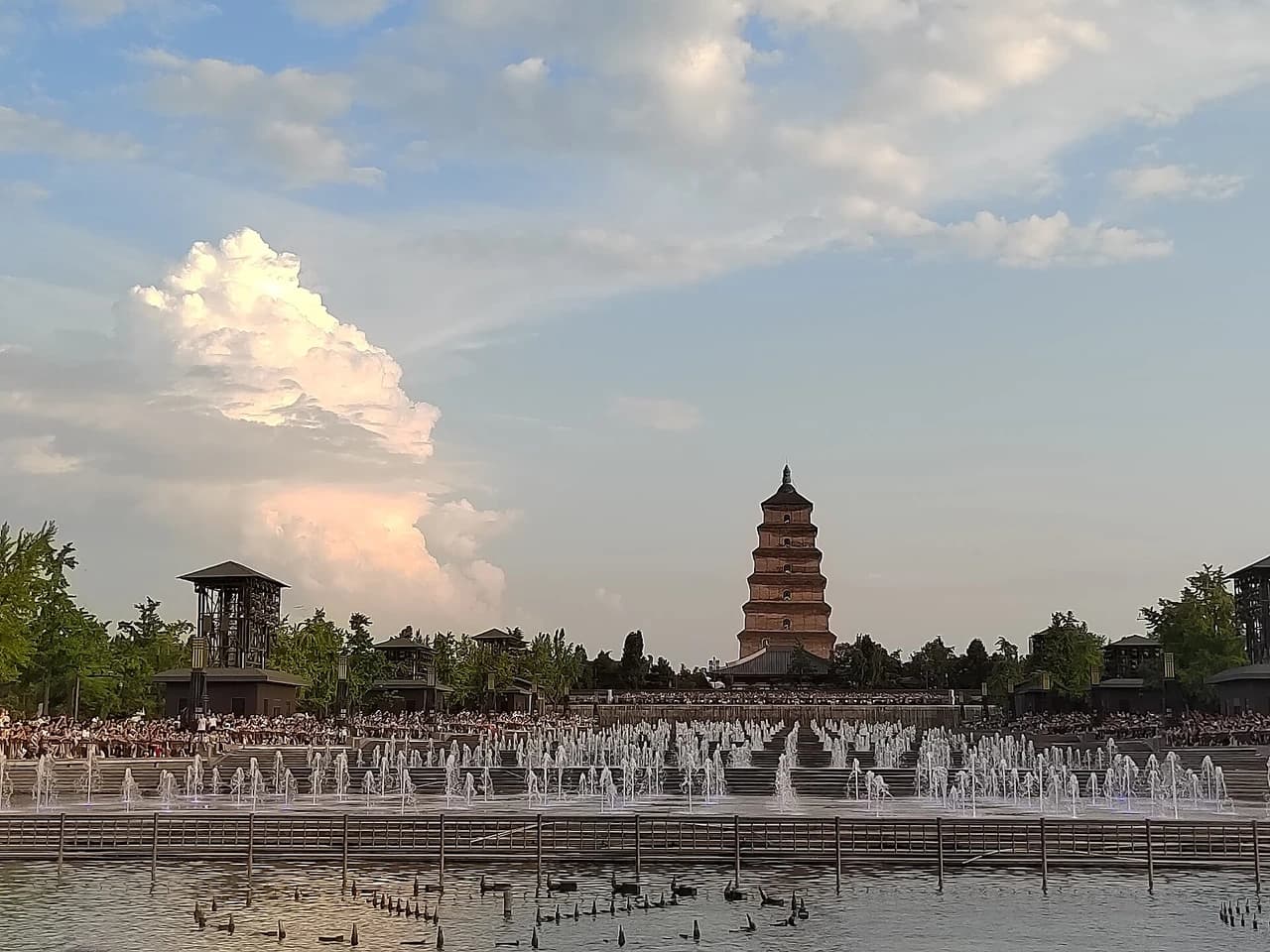
Big Wild Goose Pagoda
大雁塔
The Big Wild Goose Pagoda is located in the Daci'en Temple and is an important relic of Buddhist scripture translation and Silk Road exchanges in the Tang Dynasty. It is closely related to Xuanzang and the preservation of the classics brought back from India, and should be understood in conjunction with the temple space and the history of Chang'an, the international capital, rather than just as a skyline landmark.

Xi'an Museum and Small Wild Goose Pagoda
西安博物院与小雁塔
Xi'an Museum combines the city's historical exhibitions, the ruins of Jianfu Temple and the Small Wild Goose Pagoda of the Tang Dynasty in the same park. The Small Wild Goose Pagoda is one of the relics of Chang'an City in the Silk Road Transnational World Heritage. The cultural relics in the collection explain the development of the capital, and the ancient pagoda and gardens retain a quieter space experience than many popular attractions.

Xi'an Beilin Museum
西安碑林博物馆
Xi'an Forest of Steles Museum consists of the historical Confucius Temple, a large number of inscriptions and important stone carving art. The inscriptions preserve classics, historical materials and famous calligraphy, while the tombs and Buddhist stone carvings show how images and words entered ancient political and social life. Even if you cannot read ancient texts, you can still compare different calligraphy styles, engraving techniques, and layouts.

Hanyangling Museum
汉景帝阳陵博物院
The Han Jing Emperor Yangling Museum protects the remains of the mausoleum of Emperor Jing and his queen in the Western Han Dynasty. The underground exhibition hall overlooks the small pottery figurines, animals and funerary objects related to the palace and production and life in the excavation pit. Its restrained and everyday content forms a valuable contrast with the grand military formation of Qin Shihuang's Mausoleum.

Daming Palace National Heritage Park
大明宫国家遗址公园
Daming Palace was the main palace of Chang'an City for a long time in the Tang Dynasty. Today's large heritage parks interpret the capital palace complex that no longer exists intact on the surface through architectural foundations, scale restoration, museums and landscape signs. The open distance can present Chang'an's planning and power space more realistically than small antique buildings.

Huaqing Palace
华清宫
Huaqing Palace is located in the hot spring area at the foot of Lishan Mountain, superimposing the royal palace, the memory of the Tang Dynasty court and the political events of the 20th century. The Tang Dynasty Yutang ruins and cultural narratives related to Tang Xuanzong and Yang Guifei coexist with the remains of the 1936 Xi'an Incident. When visiting, you need to distinguish between historical evidence, later literary imagination and performing arts expressions.

Mount Hua
华山
Huashan Mountain is a high-intensity mountain landscape with granite cliffs, narrow ridges and historical Taoist temples. The physical requirements of different peak areas, ropeways and hiking lines vary greatly. Routes should be chosen based on weather and personal abilities, and notices of thunder, lightning, ice and closures should be strictly observed.
Local snacks
What to eat in Xi'an
These cards describe dishes, not restaurants.

Rich meat flavor and crispy bun skin
Roujiamo
肉夹馍
Chopped braised pork sandwiched with crispy-edged white buns, it is a classic portable snack in Shaanxi.
Eat it while it's hot to retain the crispy texture on the outside and soft on the inside.

Sour, spicy and refreshing
Cold skin noodles
凉皮
Cool, stretchy dough or rice crust tossed with vinegar, chili peppers, garlic and vegetables.
If you want to avoid gluten, you should confirm the raw materials. Not all cold pis are made from rice.

The soup is rich, warm and solid
Lamb paomo
羊肉泡馍
The solid steamed buns are broken into pieces to absorb the mutton soup, and then served with mutton, vermicelli and spices.
Some shops require you to break the buns yourself, and break them into small pieces to make it easier to absorb the soup evenly.

Chewy, hot and sour
Biangbiang noodles
𰻝𰻝面
The generous handmade noodles are served with chili, vinegar, garlic and vegetables, giving them a chewy texture and bright flavor.
The portion in one bowl is usually quite large, so mix the hot oil and seasonings thoroughly before serving.
Traveller community