Month and stay filters use editorial recommendations; other dates may still work for your trip.
4 cities found
· 2–2 days
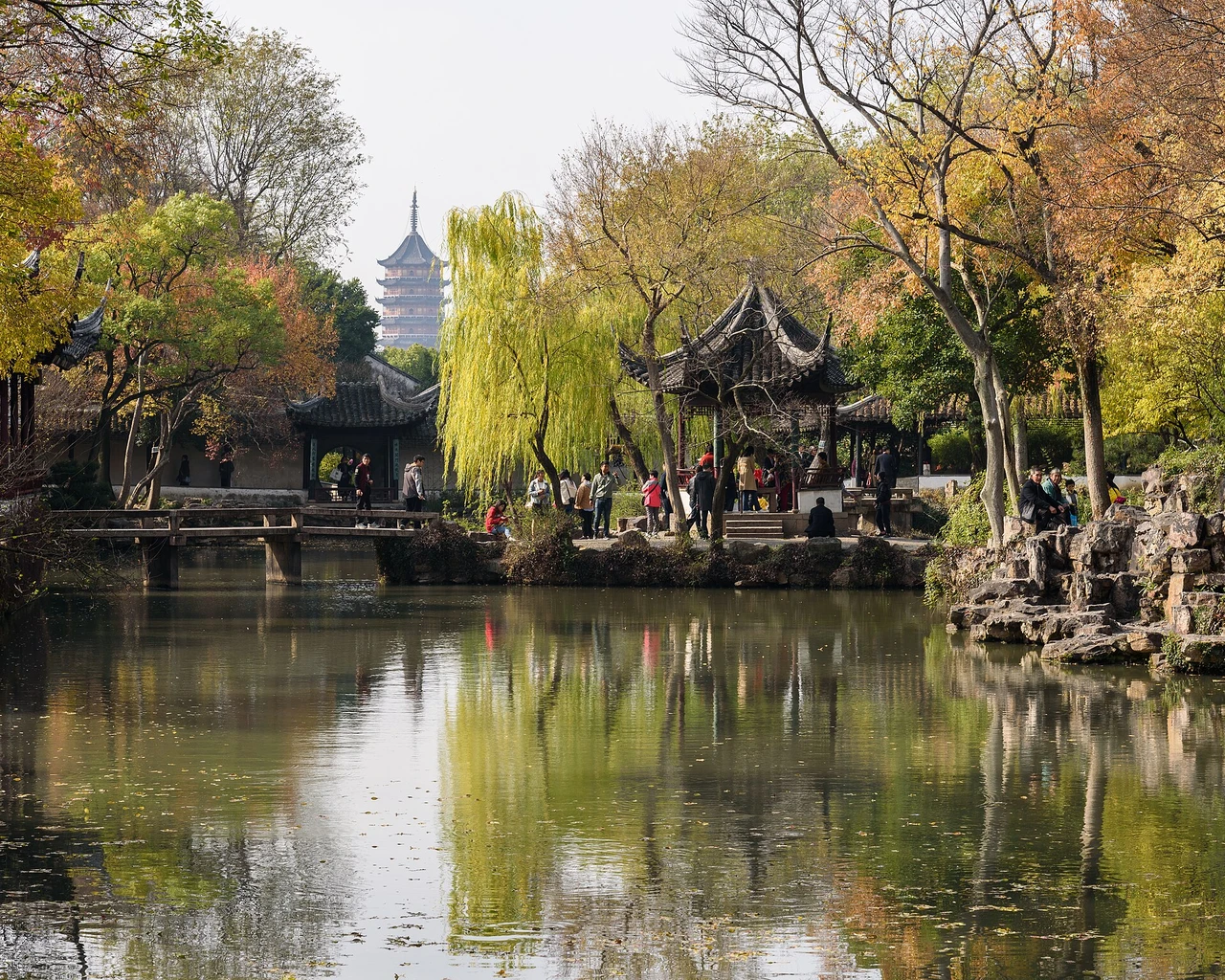
苏州
Suzhou is suitable for slowing down and observing: private gardens condense the landscape into a limited space, while canals, bridges, museums and streets where people still live extend the story beyond the pavilions. Staying one night allows you to see the gardens before the day visitors arrive, and you can also experience a quieter community in the evening.
· 2–3 days
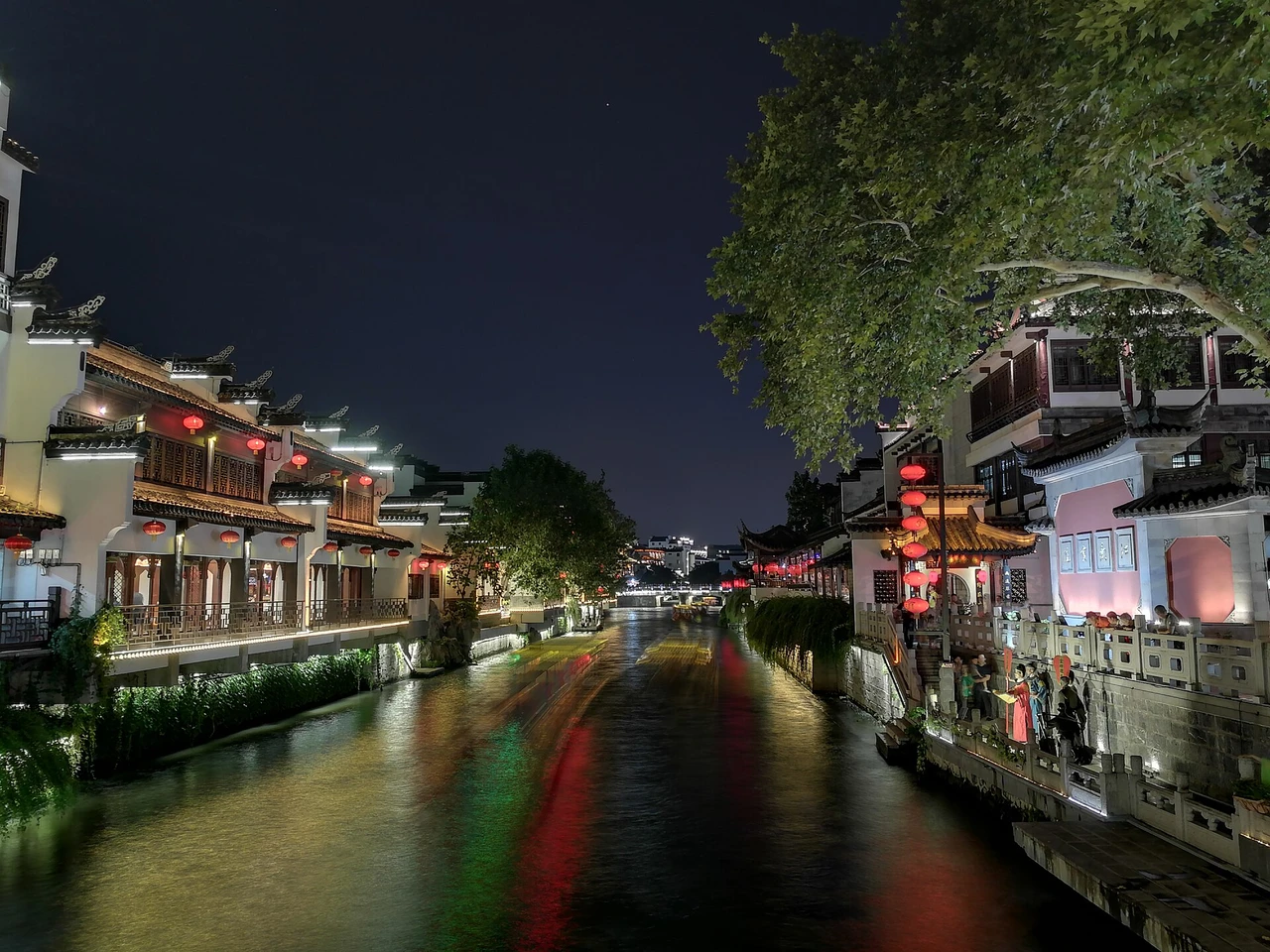
南京
Nanjing is a city that has been a capital many times. Its long history is spread out among the Zhongshan Woodlands, Ming City Walls, museums, Republic of China institutions, and neighborhoods along the Qinhuai and Yangtze Rivers. The itinerary lends itself to grouping by historical threads and areas, and allows time for city views between landmarks, rather than compressing multiple dynasties into a crowded list.
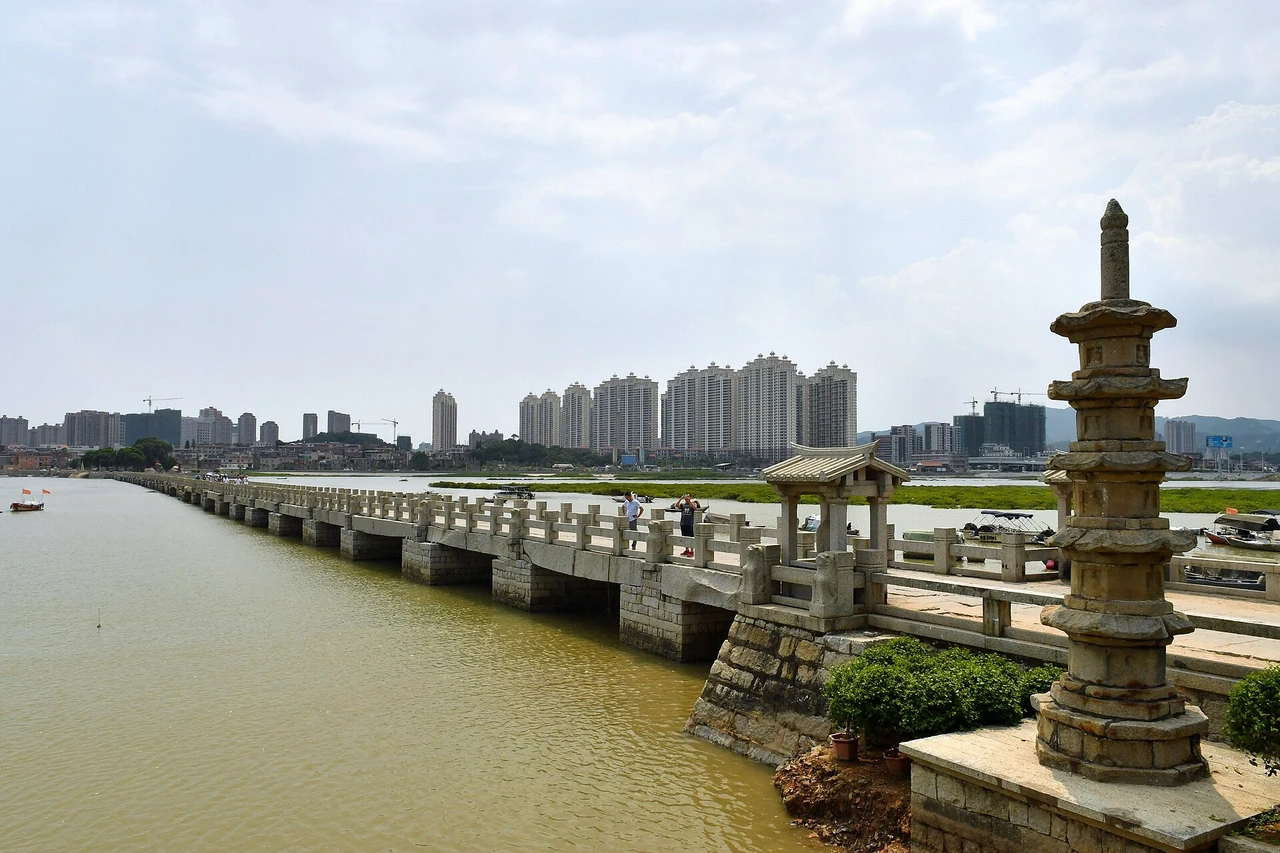
泉州
To understand Quanzhou, one should not just view it as a group of isolated monuments, but should see a set of interconnected maritime trade systems. Management institutions, docks, bridges, kilns and warehouses during the Song and Yuan Dynasties supported the international port, and Buddhism, Islam, Hinduism and folk belief groups also left visible marks. The ancient city is still a living space, suitable for walking slowly and respecting the local daily order.
· 1–2 days
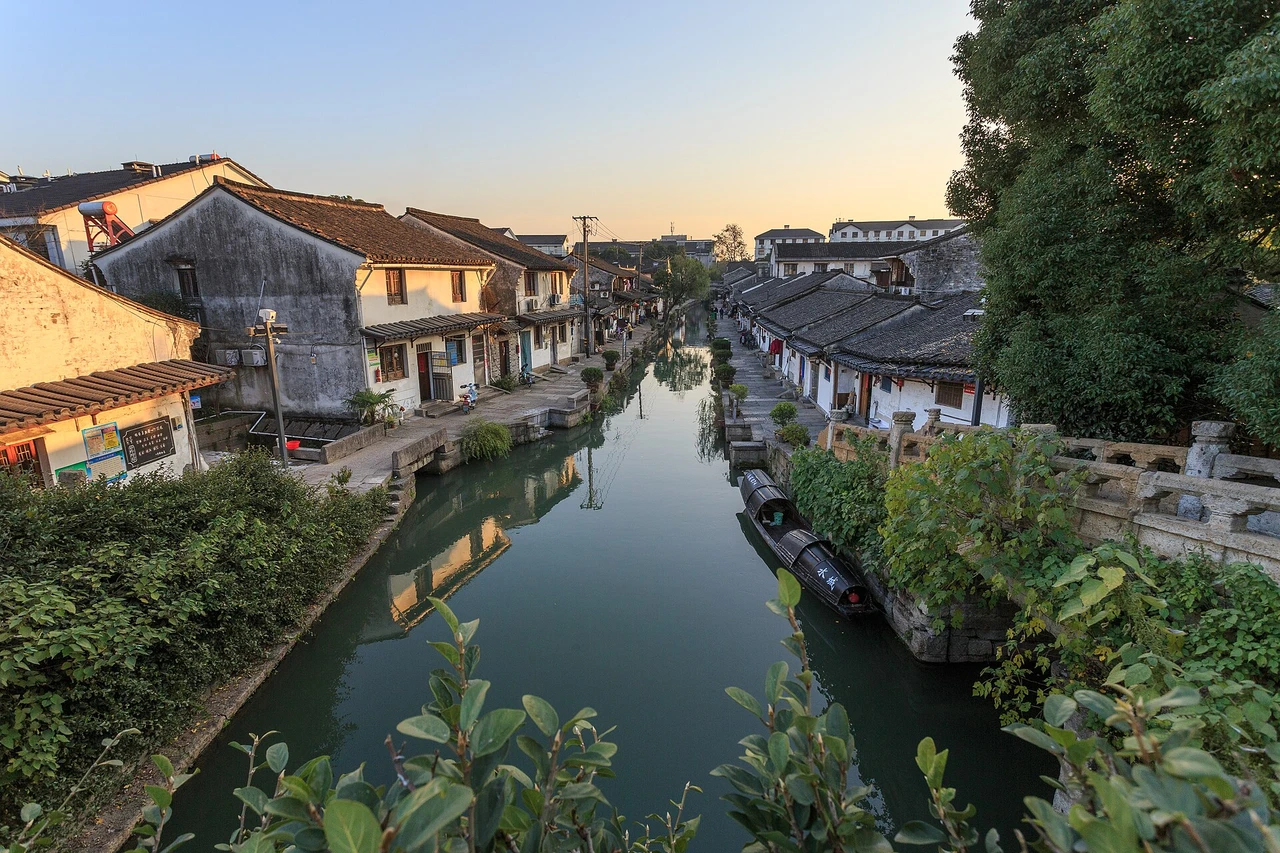
绍兴
Shaoxing is a canal city where Vietnamese archeology, calligraphy, classical gardens, modern literature and rice wine culture are still embedded in the living neighborhoods. The famous former residences and landscapes span completely different eras, from the legend of Dayu, Wang Xizhi's calligraphy to Lu Xun's 20th century world. The ancient city is suitable for slow travel, but peripheral points such as Lanting require the use of transportation.