Month and stay filters use editorial recommendations; other dates may still work for your trip.
8 cities found
TFU · 3–4 days
成都
Teahouses, greenways and rich Sichuan flavors make Chengdu an easy starting point for slowly understanding western China.
· 3–5 days
大理
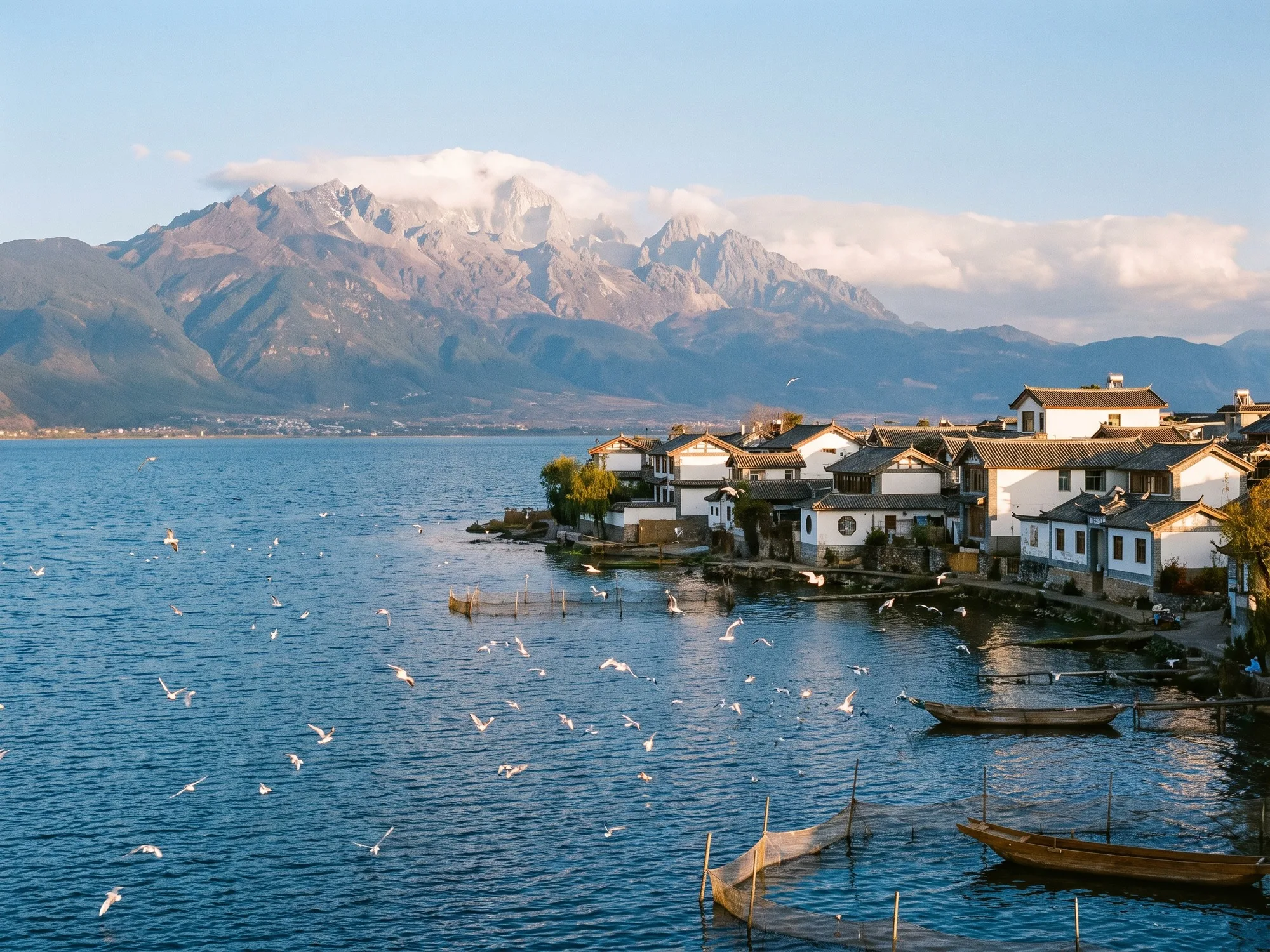
Dali is not just an ancient city, but a travel area spread between the high ridges of Cangshan Mountain and Erhai Lake. Bai ethnic communities, the history of Nanzhao and Dali, lakeside wetlands and mountain routes are suitable for a few days to slowly understand. The Erhai Lake Loop is very long, so you should choose a section of the lakeshore or a group of villages for an in-depth tour instead of completing the circle in a hurry.
· 2–3 days
丽江
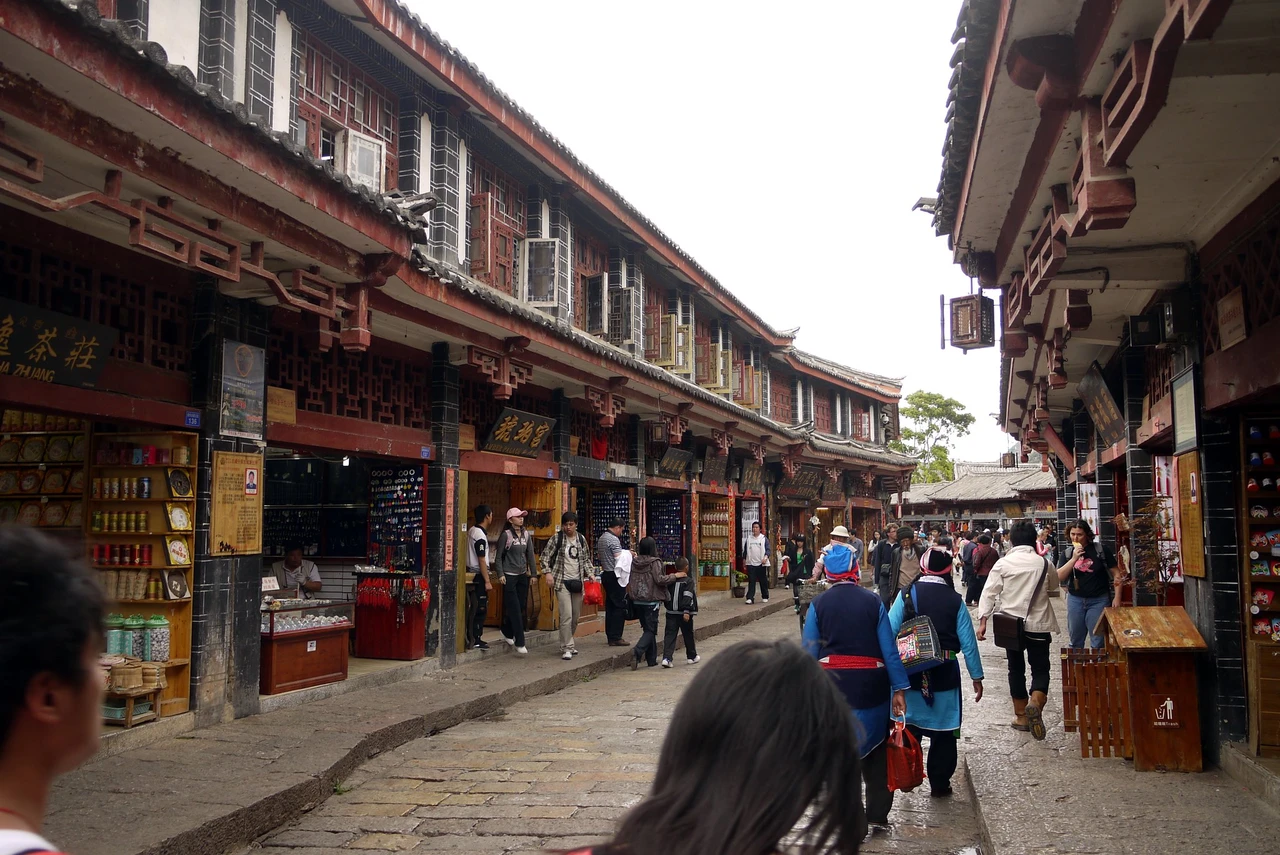
Lijiang is a plateau travel area, not just an ancient city. Dayan, Shuhe and Baisha preserve different levels of Naxi settlements and water system management, while Jade Dragon Snow Mountain and long-distance Lugu Lake require independent transportation and high-altitude preparation. The itinerary should revolve around two or three connected areas, and leave the most crowded commercial streets as early as possible to observe the living heritage that continues.
· 2–2 days
贵阳
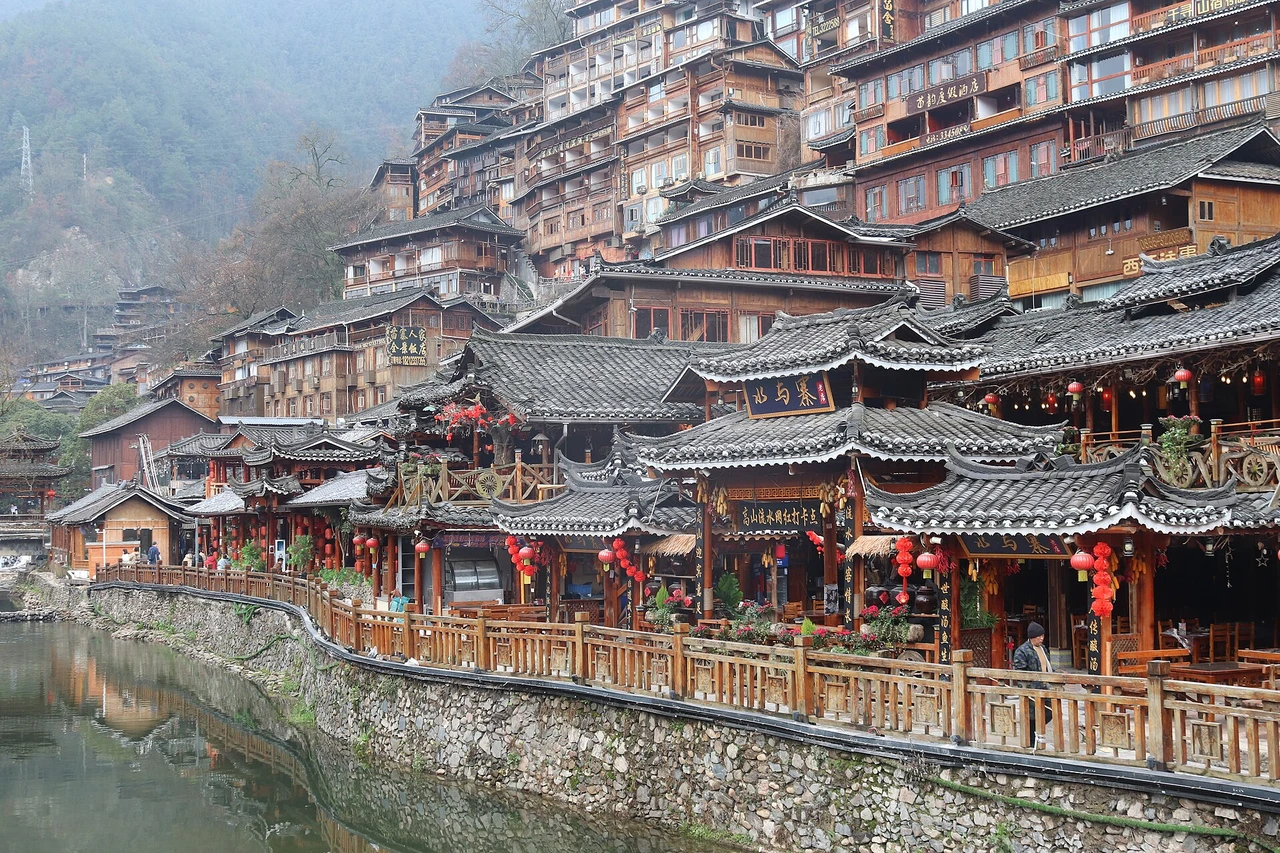
Guiyang is a cool, mountainous provincial capital with a close proximity to forested ridges, karst water systems, Ming Dynasty landmarks and vibrant Guizhou culinary traditions. It is not only a transportation base for traveling to various places in Guizhou, but it is also worth a separate stop: the urban area is suitable for visiting museums and riverside monuments, while Qingyan or Tianhetan require half a day each.
LXA · 4–6 days
拉萨
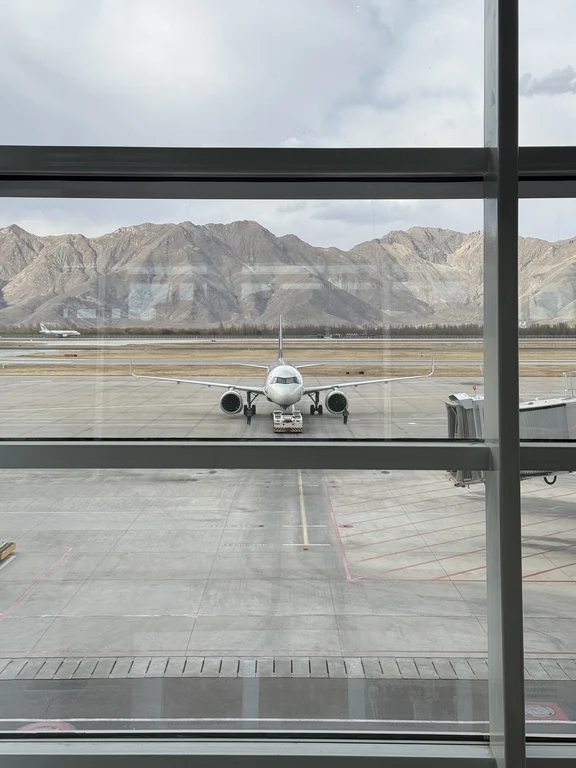
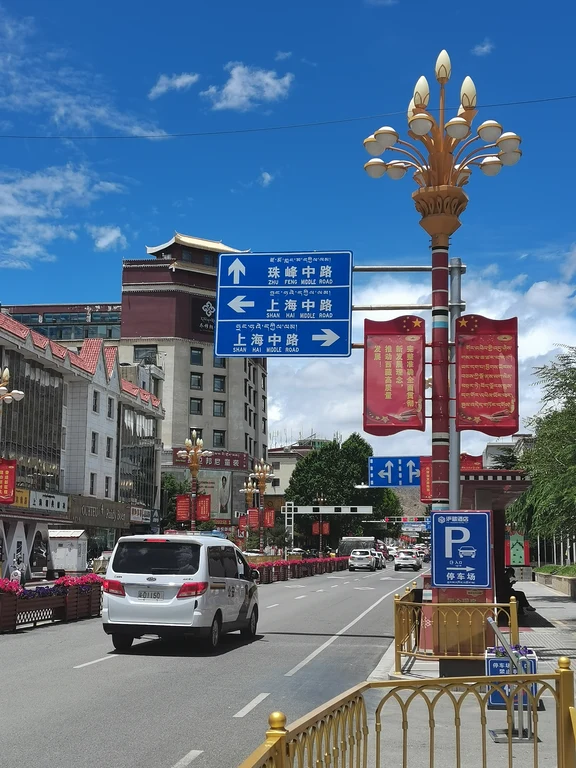
Lhasa is both a high-altitude regional capital and a living center of Tibetan Buddhism. The Potala Palace, Jokhang Temple and Norbulingka form a World Heritage ensemble, while monasteries, museums, neighborhood teahouses and everyday city life extend far beyond its postcard skyline. Allow time to acclimatize, use official booking channels and be considerate of pilgrims and residential areas.
RKZ · 4–7 days
日喀则
Shigatse stretches from the agricultural valley of the Brahmaputra River to the Himalayas, the world's highest reaches. Important temples, dzong towns, highland barley culture and border landscapes are separated by long, high-altitude roads; before traveling, you should adapt to the altitude in the city and treat temples as living institutions.
KGT · 3–6 days
康定
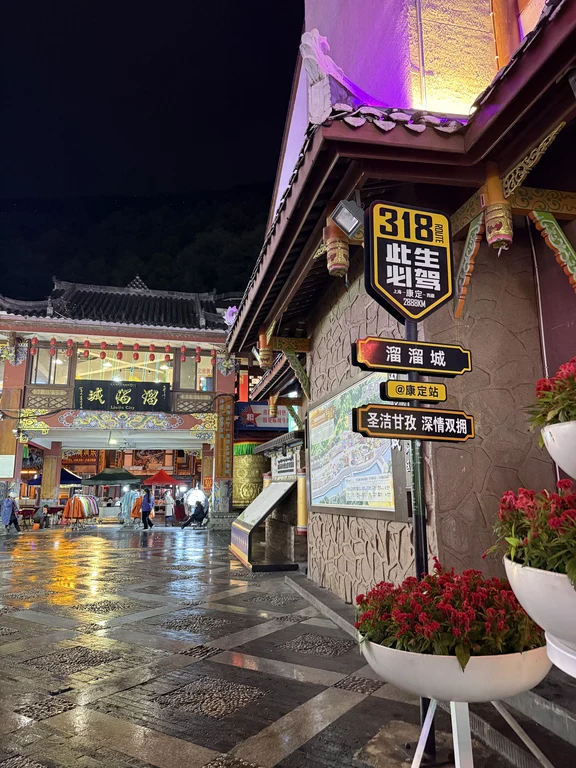
Kangding is located where the road from the Sichuan Basin rises to the eastern edge of the Qinghai-Tibet Plateau, connecting the history of the Dadu River, Tibetan Buddhist monasteries, trade traditions and the alpine landscape around Gonggar. Municipal areas are much more than compact urban areas, and itineraries should be grouped geographically and respect the privacy of pastures, worship and villages.
JZH · 4–7 days
阿坝
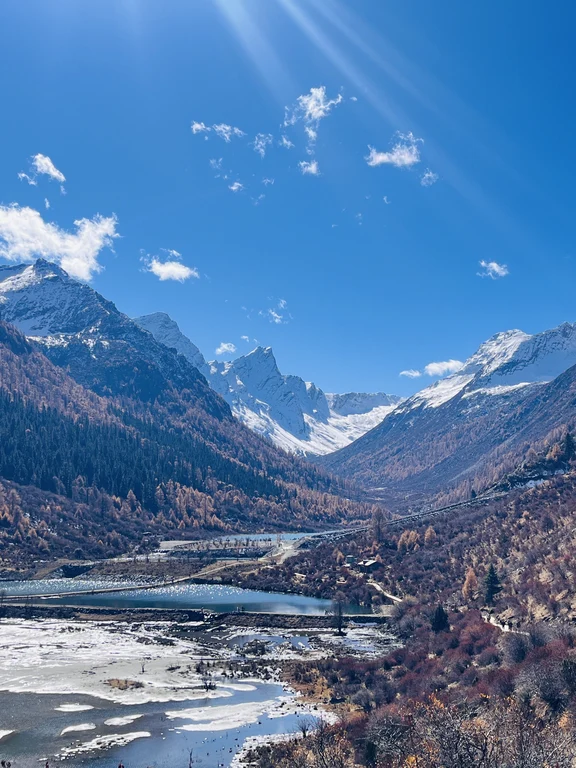
Aba Prefecture connects the world-famous travertine with lakes, mountains, grassland wetlands, Tibetan and Qiang communities and earthquake memories. Jiuzhaigou, Huanglong, Siguniang Mountain and Ruoergai are located in different corridors. Slow transitions, ecological bearings and community boundaries must determine the itinerary.