Month and stay filters use editorial recommendations; other dates may still work for your trip.
23 cities found
· 2–3 days
百色
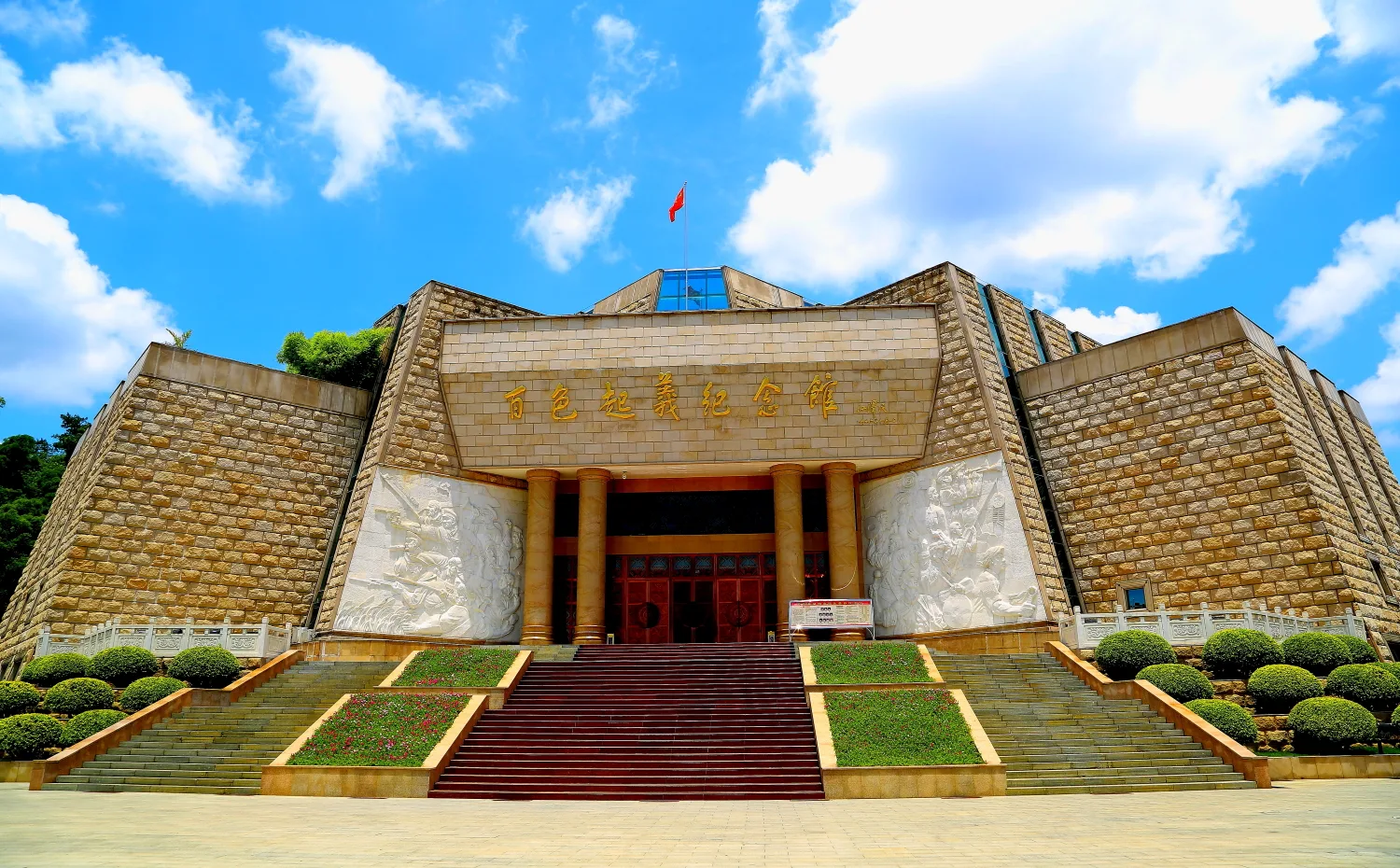
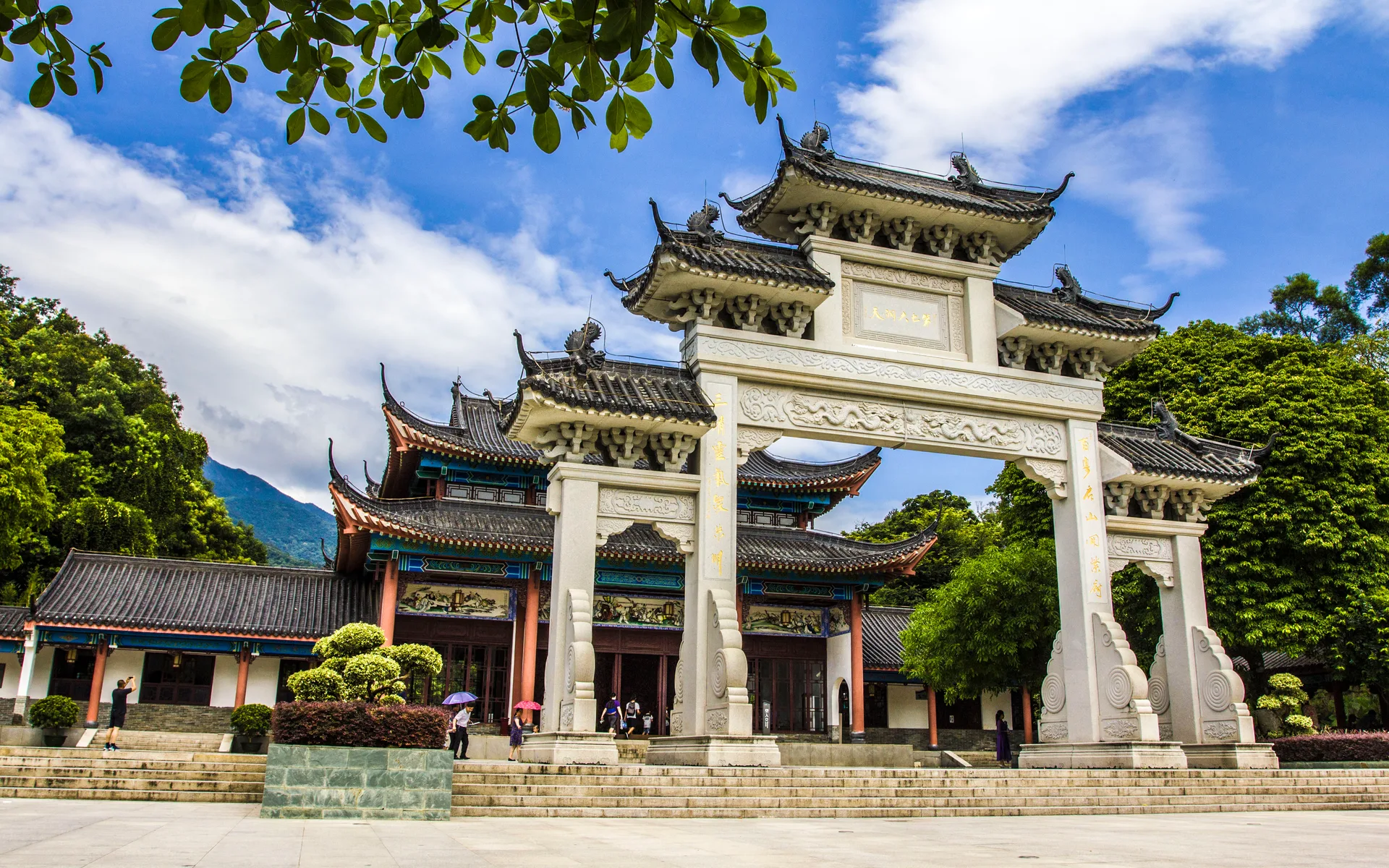
The Baise Uprising Memorial Park connects historical exhibitions and memorial buildings with the urban setting. Check opening arrangements, reservations and transport before visiting indoor galleries and historic sites in different locations.
保亭
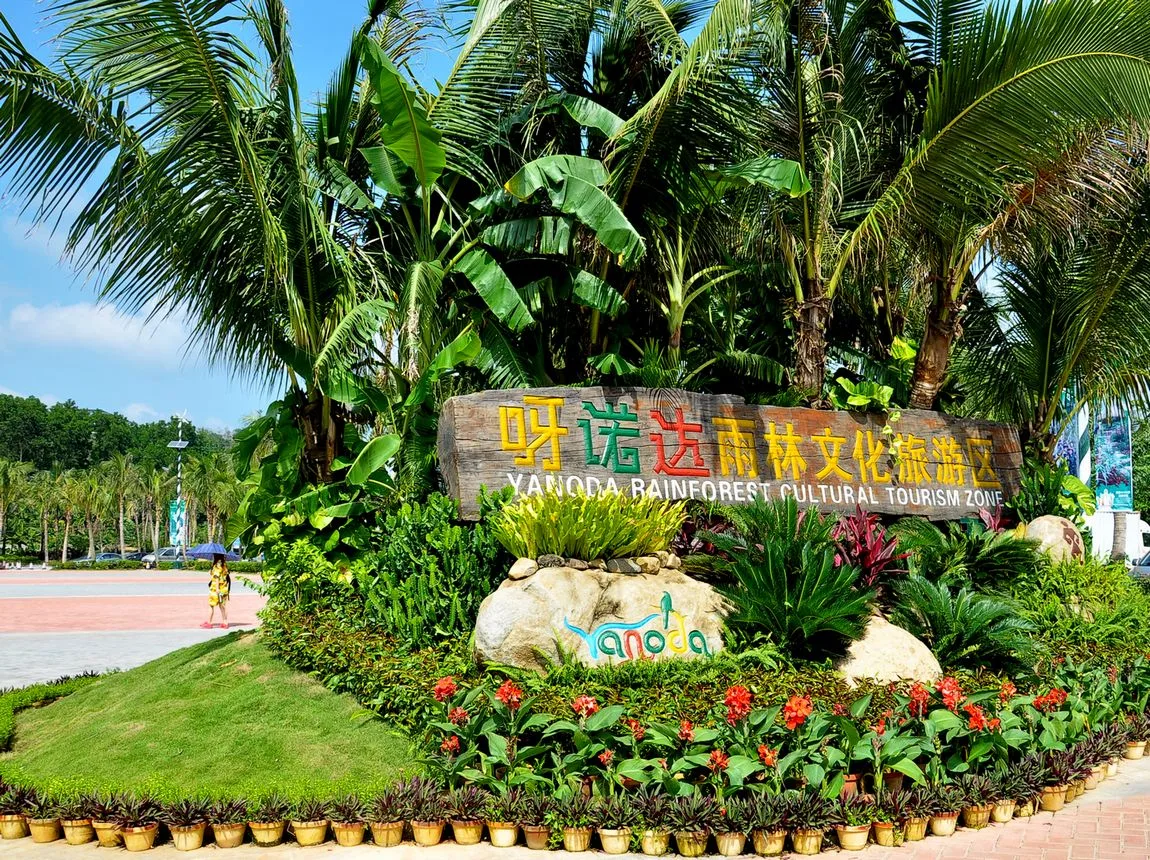
Baoting’s rainforest and Li and Miao cultural attractions offer a different Hainan experience from the coast. It lies inland in southern Hainan; check road connections when planning return trips from places such as Sanya.
北海
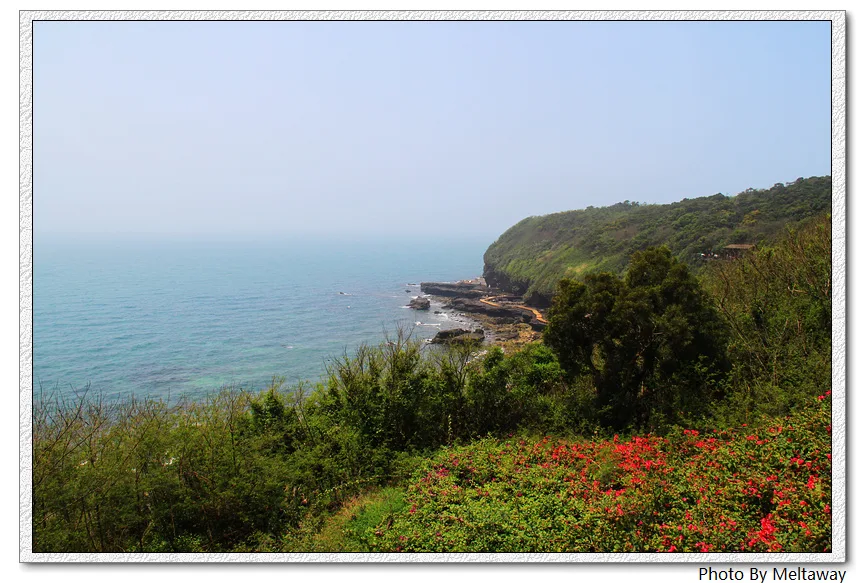
Weizhou Island in Beihai offers volcanic landforms and coastal scenery. Travel to the island depends on sea conditions, so allow flexibility for ferry schedule changes when planning accommodation and sightseeing.
崇左
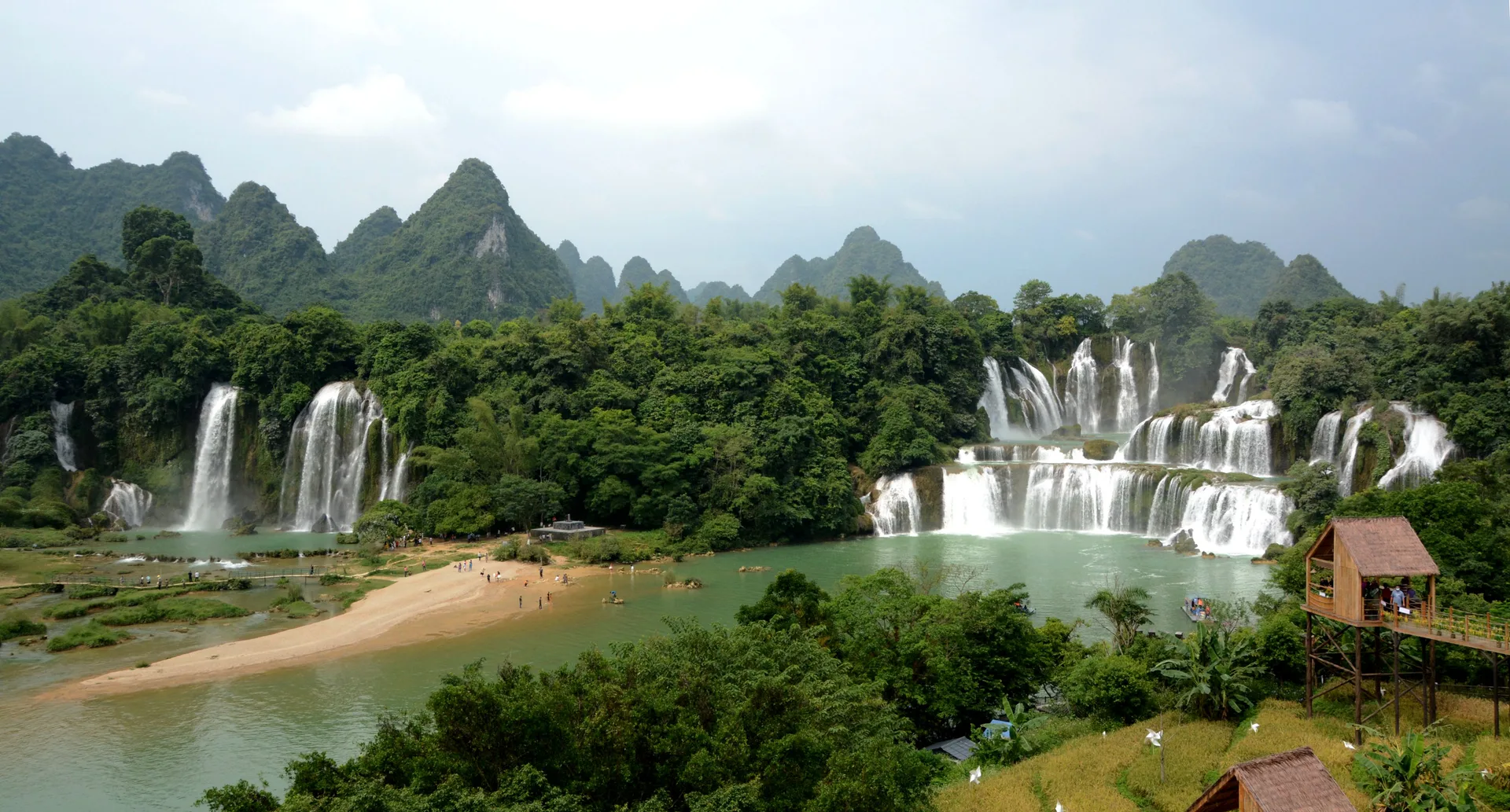
Chongzuo’s border landscapes include Detian Waterfall and the Huashan rock paintings in Ningming. The scenic areas are in different counties. Allow time for road journeys and identity-document checks when planning multiple stops.
佛山
Nanhai, Shunde and central Foshan each have distinct places to visit. Xiqiao Mountain offers mountain scenery and cultural routes. Check transport for trips between districts in advance rather than assuming all attractions lie within walking distance of one another.
· 3–4 days
桂林
Guilin is a compact landscape city surrounded by protruding limestone peaks, caves and urban lakes. It is not only suitable for observing the urban karst landscape, but also a transportation base to the Li River, Longji Rice Terraces and the northern Guangxi region; when planning, the actual driving distance and seasonal water levels are often as important as the distance on the map.
河源
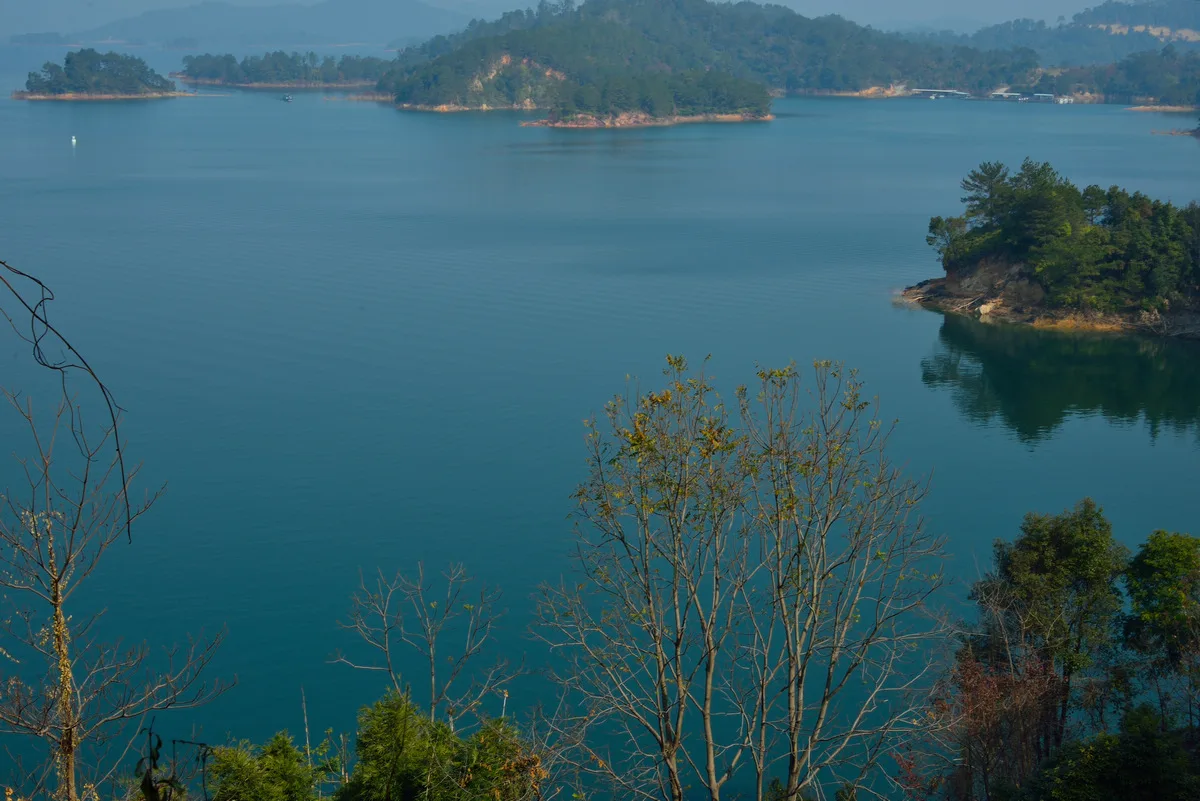
Wanlü Lake in Heyuan combines lake islands with wooded mountain scenery. The lake area is extensive. Before choosing a lakeside walk or boat route, identify the pier, entrance and transport for both the outward and return journeys.
贺州
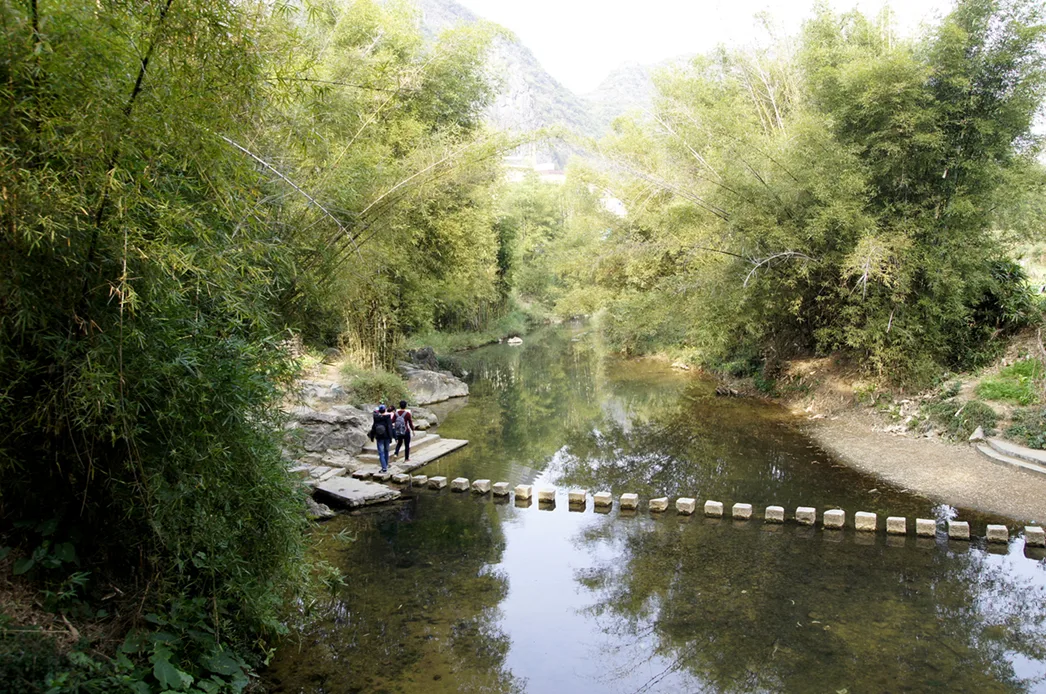
Huangyao Ancient Town in Hezhou is known for its streams, old banyan trees and traditional lanes. Located in Zhaoping County, it requires a transfer from central Hezhou and the station. Allow time to explore on foot at a relaxed pace.
惠州
Huizhou’s urban lakes and the mountains of Boluo are in different sightseeing areas. Allow separate time for transfers and mountain sightseeing when visiting Luofu Mountain; do not assume the scenic area is in central Huizhou.
江门
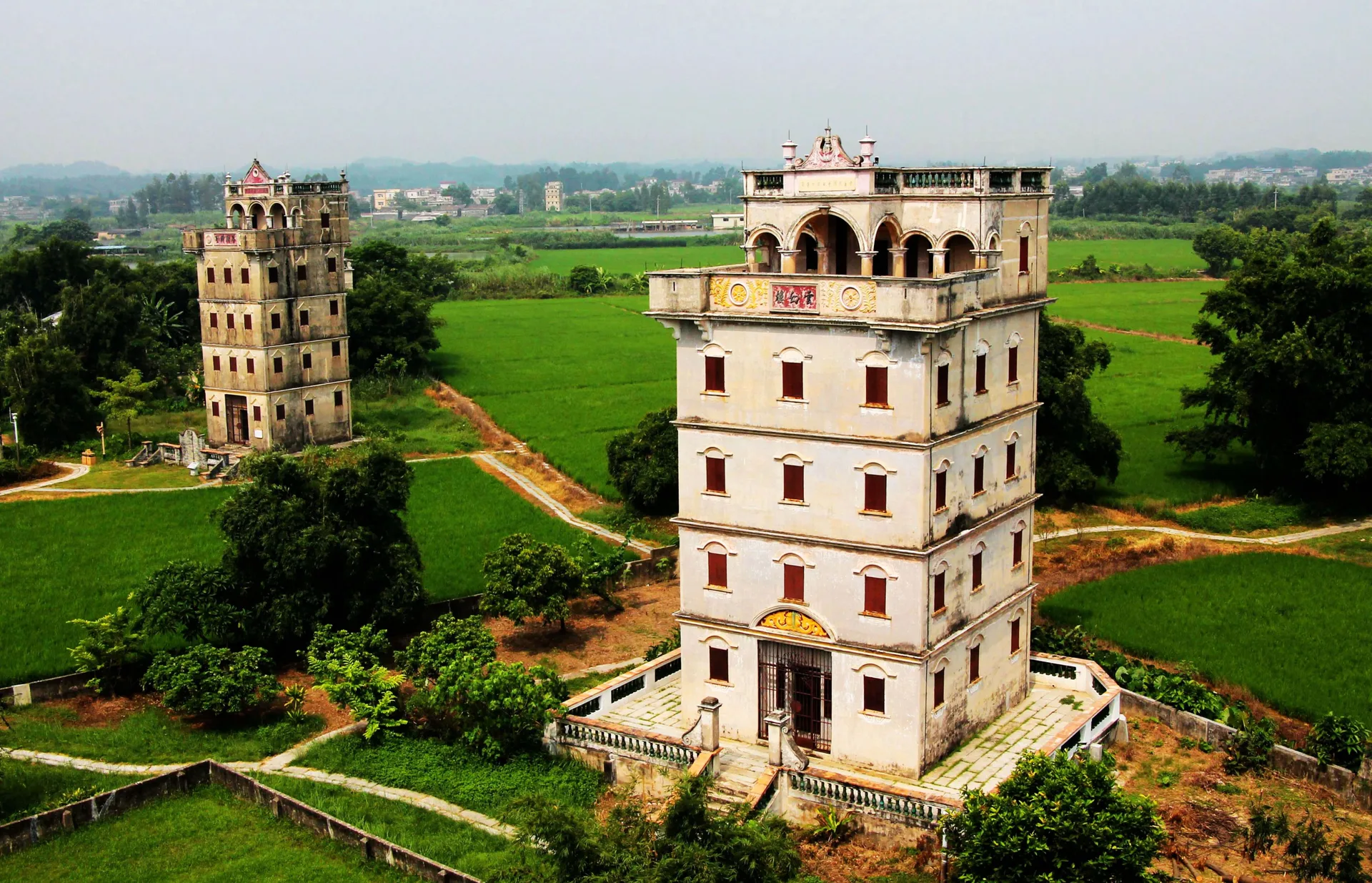
The Kaiping diaolou in Jiangmen connect overseas Chinese heritage, architecture and rural villages. Kaiping is not the same place as central Jiangmen. Visiting multiple areas requires road transport; explore villages and gardens in separate stages.
陵水
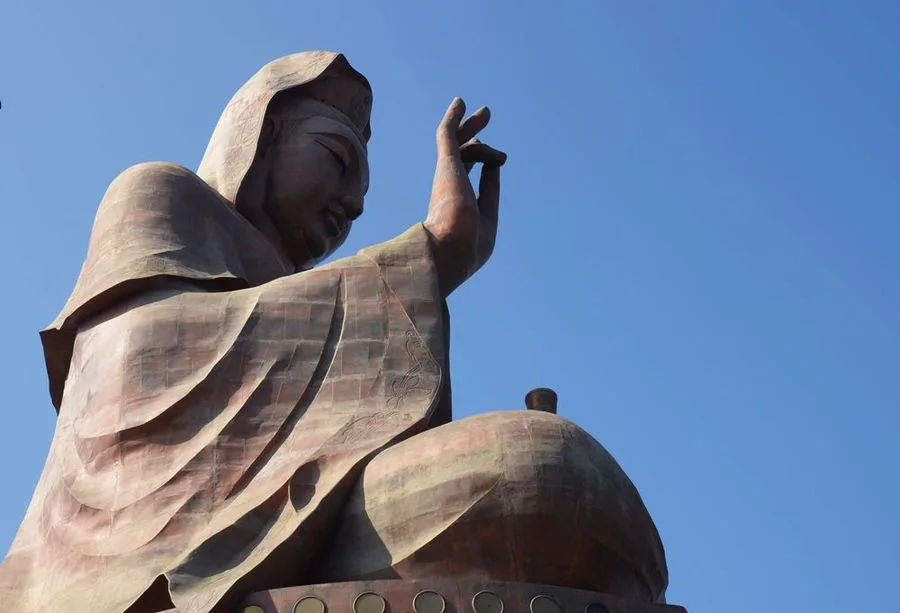
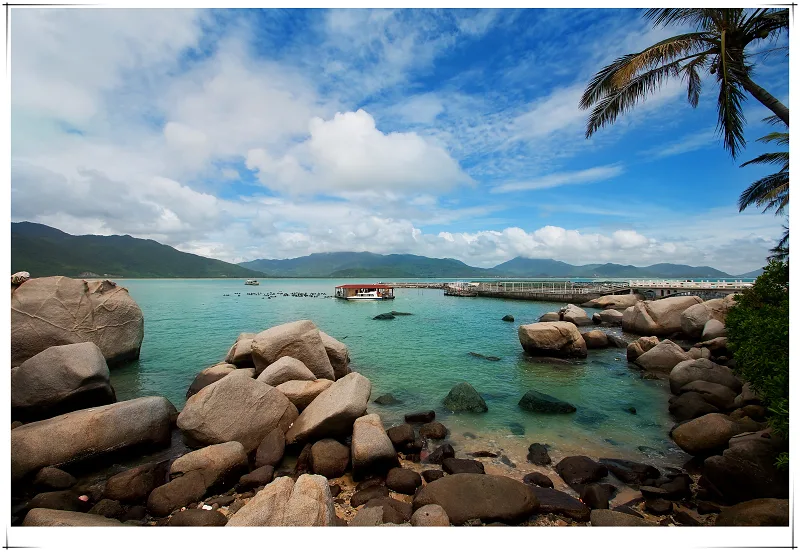
Lingshui’s islands and coast offer tropical seaside experiences. Boundary Island requires a boat crossing; allow flexibility for changing sea conditions when arranging accommodation and your return journey.
柳州
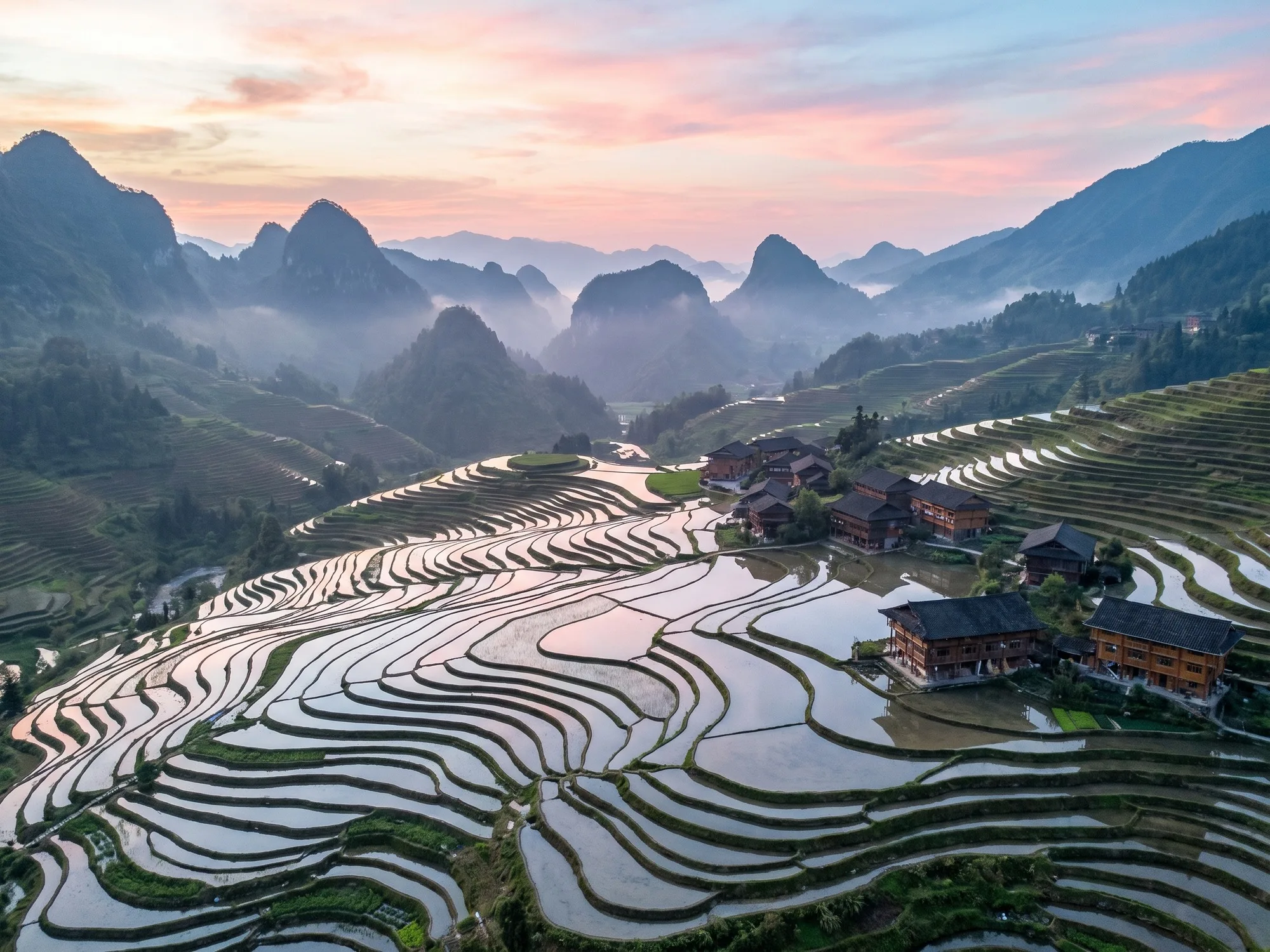
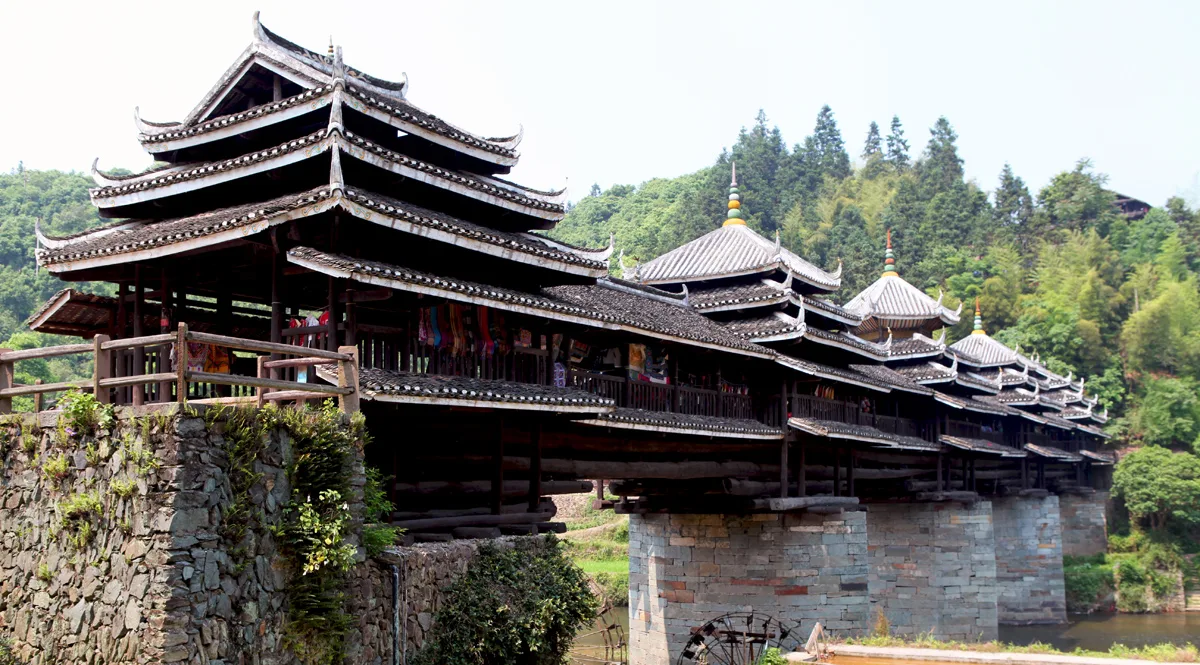
Chengyang Eight Villages is in Sanjiang Dong Autonomous County, not central Liuzhou. Wooden village architecture, rivers and farmland combine here; account separately for travel within the county when planning your visit.
梅州
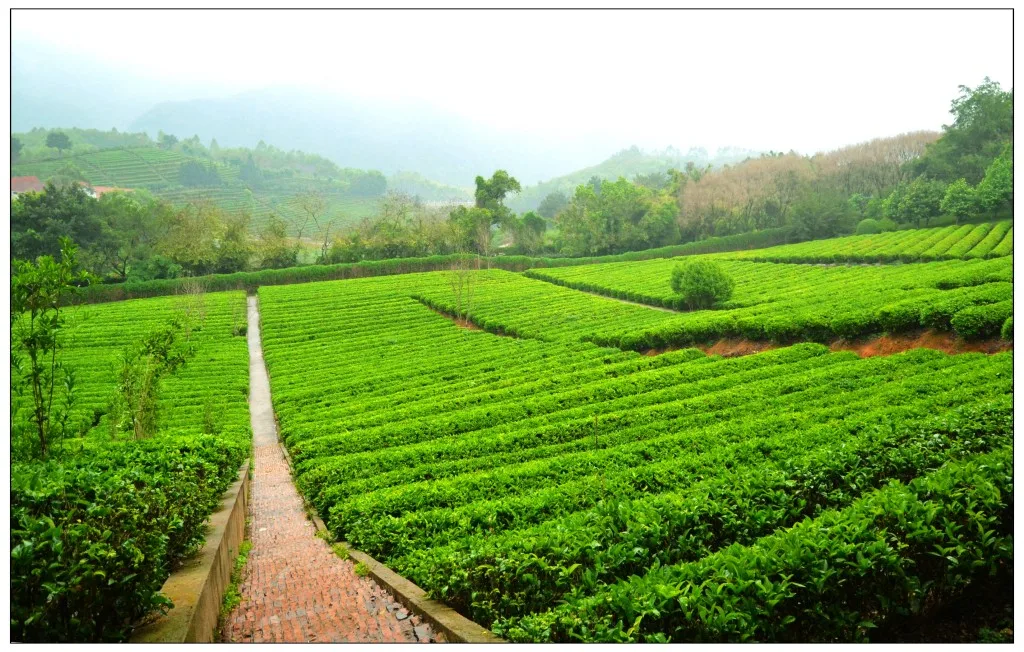
The Yanyang area of Meizhou offers an introduction to tea-field landscapes and Hakka culture. The tea-field scenic areas are separate from the urban centre and stations. Checking transport and accommodation in advance allows for a more relaxed countryside visit.
南宁
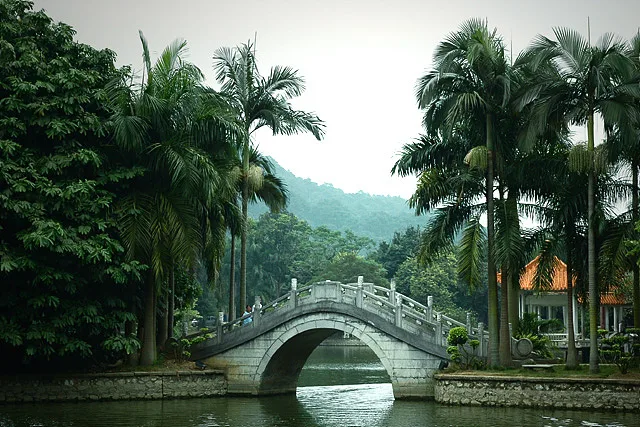
Qingxiu Mountain in Nanning lies around the Yong River and offers garden and hillside walks that can be combined with a city visit. In hot weather, plan time for rest and drinking water. Arrange transport according to your chosen entrance and route.
清远
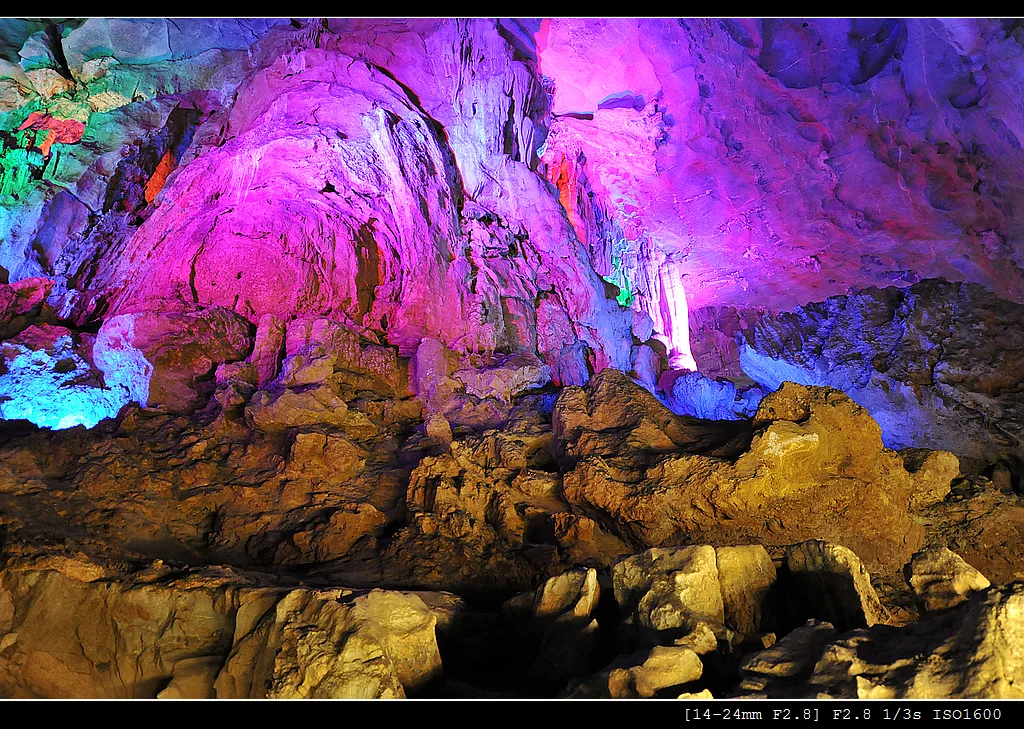
The Lianzhou Underground River is in the northern county-level area of Qingyuan, not a short walk from the city centre. Plan the cave visit around transport towards Lianzhou, allowing time for the transfer from the town to the scenic area.
三亚
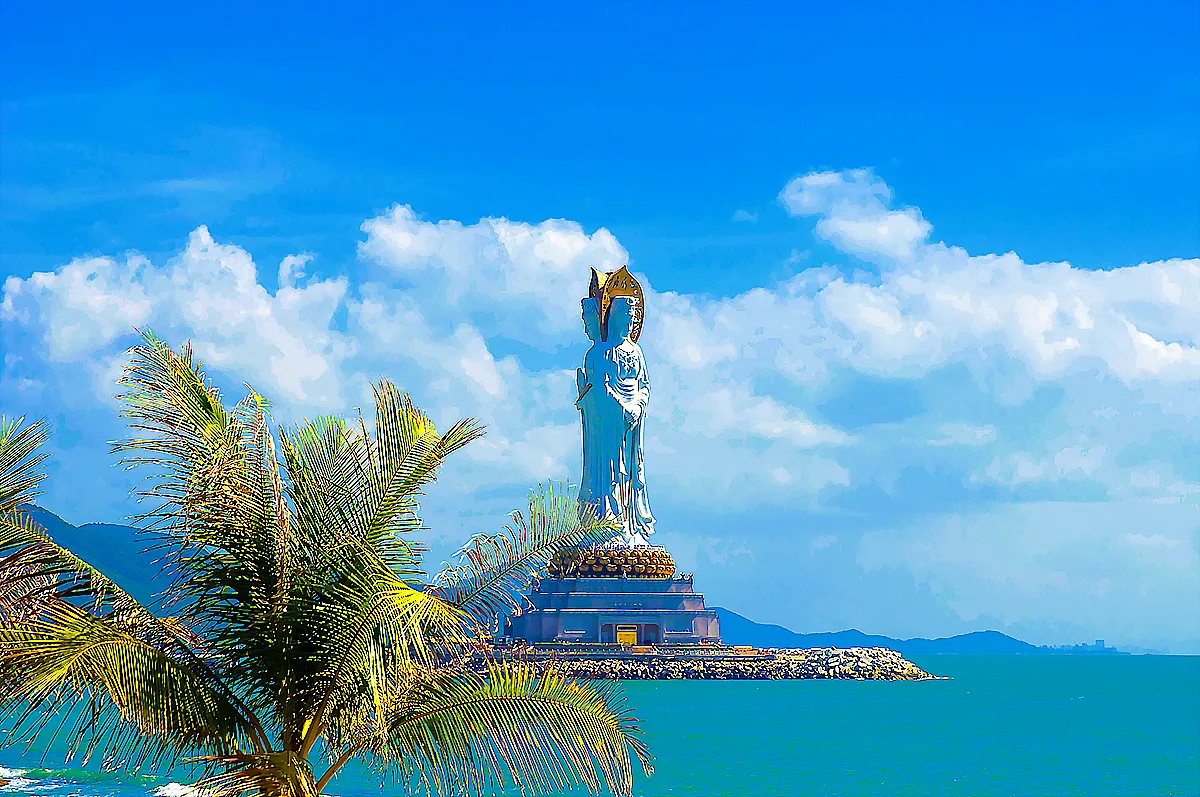
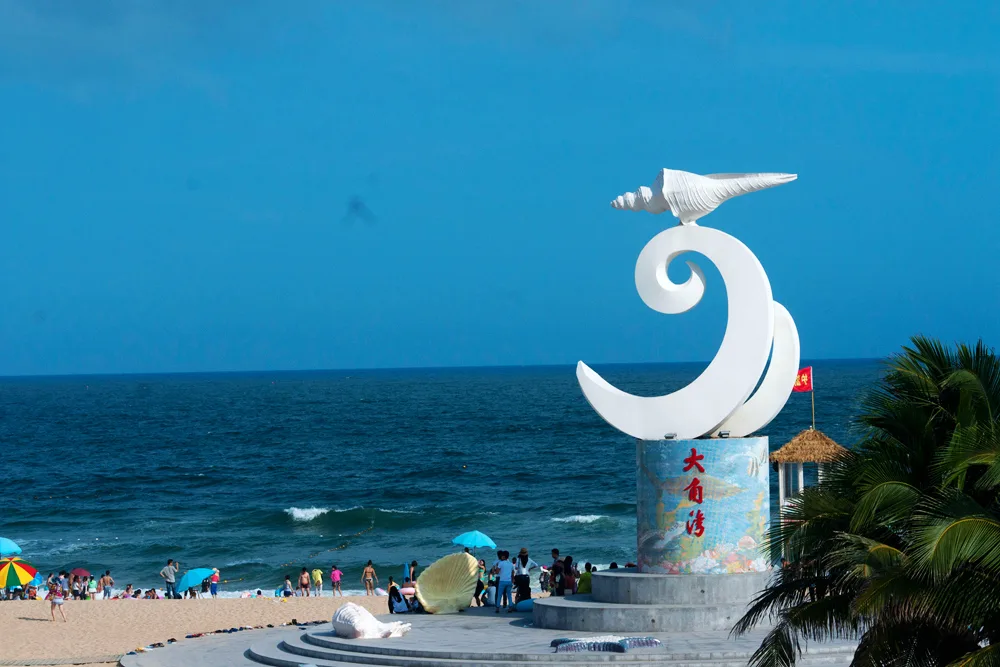
Sanya’s coastal attractions are spread across several bays and urban areas. Nanshan and Daxiao Dongtian are in the west, while Wuzhizhou Island is in the Haitang area. Group visits by geographical area to avoid crossing the city repeatedly in one day.
韶关
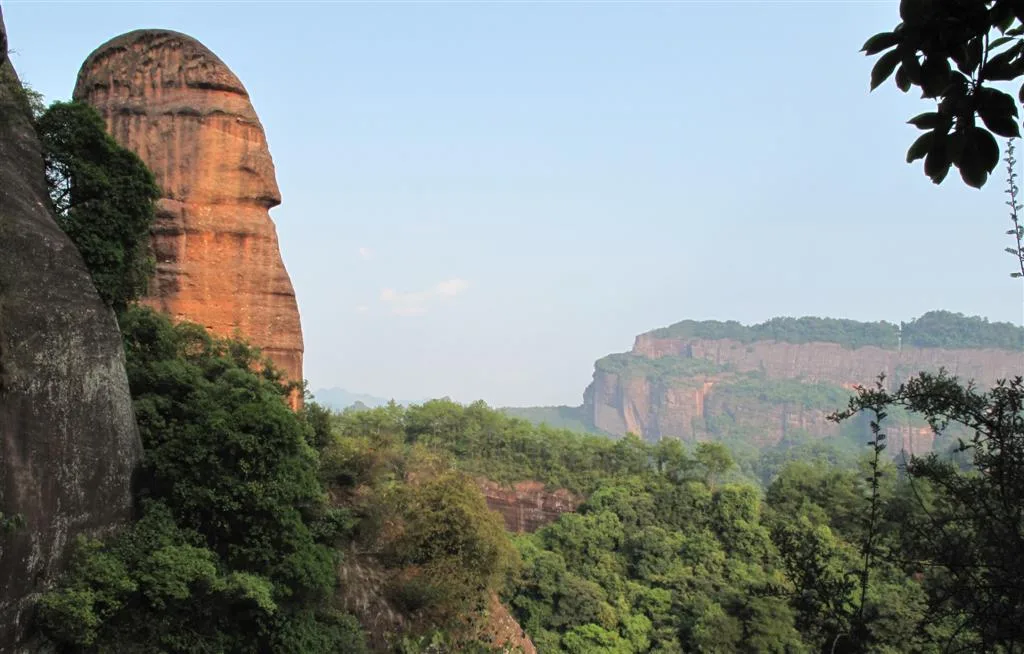
Shaoguan lies in northern Guangdong, with Danxia Mountain a major destination for mountain trips. The scenic area is separate from the city centre and stations. Allow plenty of time for both mountain walks and transfers in each direction.
阳江
Hailing Island in Yangjiang combines beaches, coastal life and Maritime Silk Road culture. Road transport is needed between the island and central Yangjiang. Identify accommodation, beaches and museums separately when planning, and keep an eye on weather and sea conditions.
肇庆
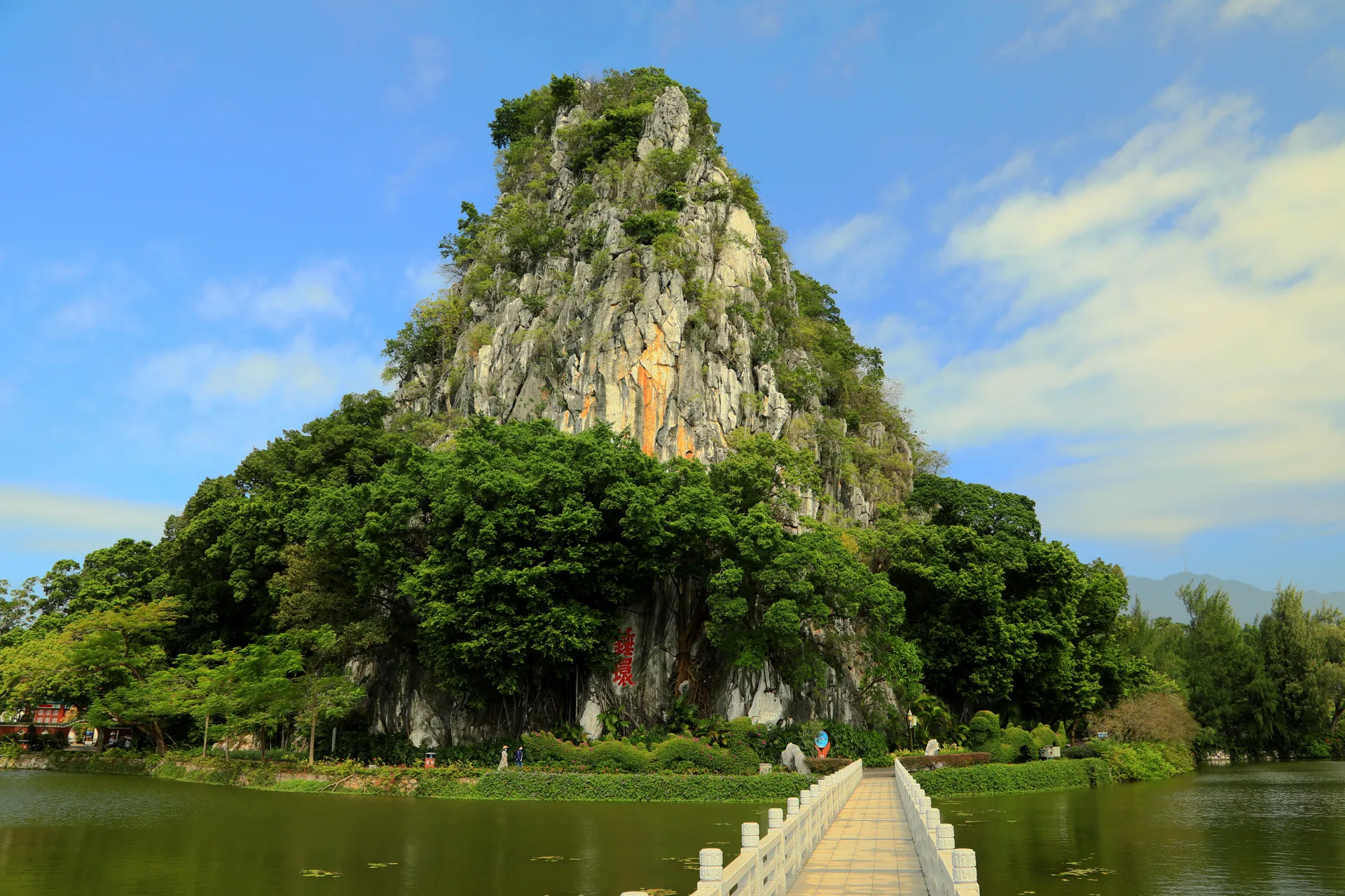
Zhaoqing’s Xinghu tourist area includes Seven Star Crags and Dinghu Mountain. Lakes and clusters of rocky peaks offer a different experience from mountain forests. Transport is needed between the two areas; plan separate stages according to your time and physical ability.
中山
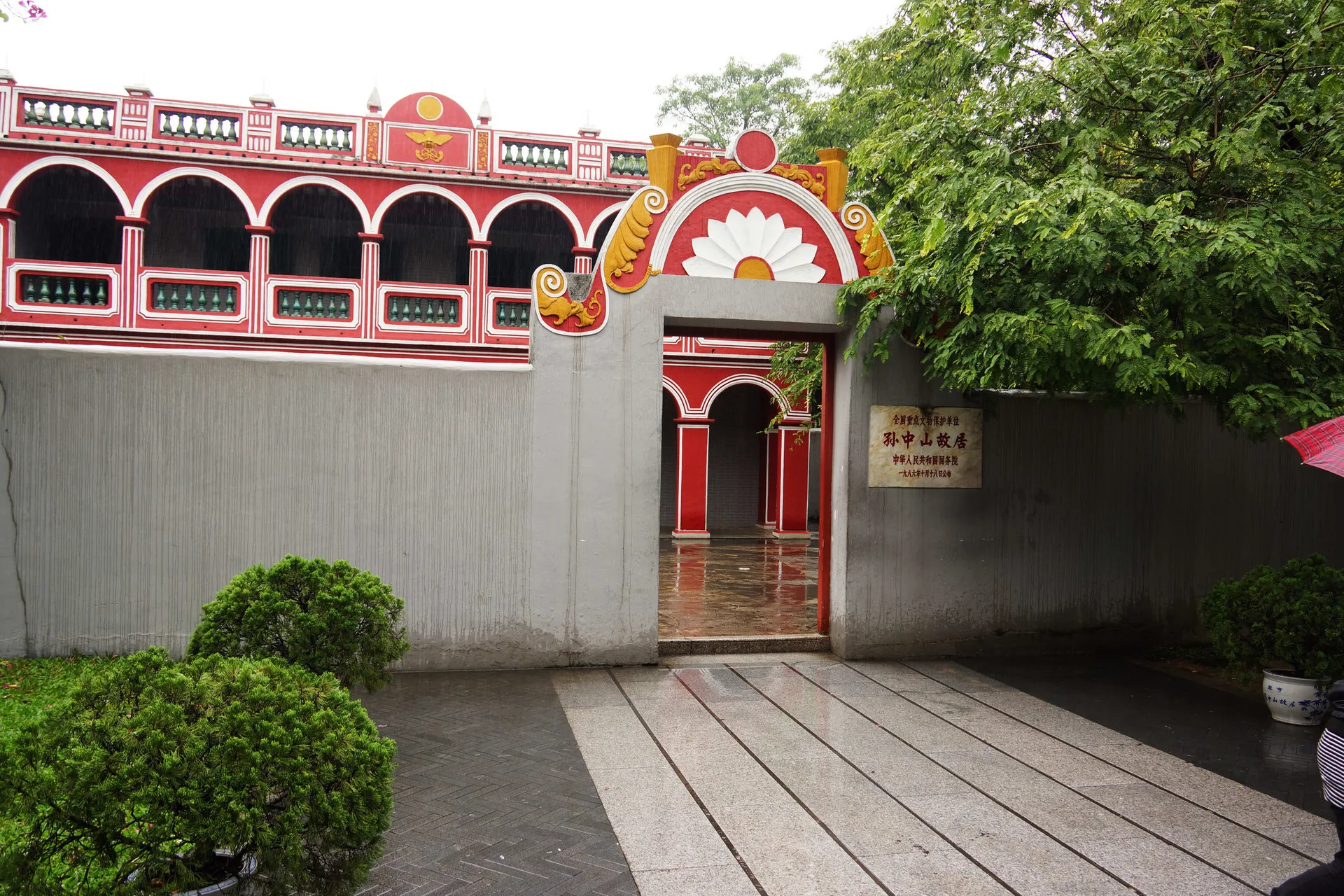
Cuiheng Village in Zhongshan offers an introduction to Sun Yat-sen’s life, modern history and Lingnan villages. The hometown area is separate from central Zhongshan. Compare transfer distances when choosing accommodation and an arrival station.
广州
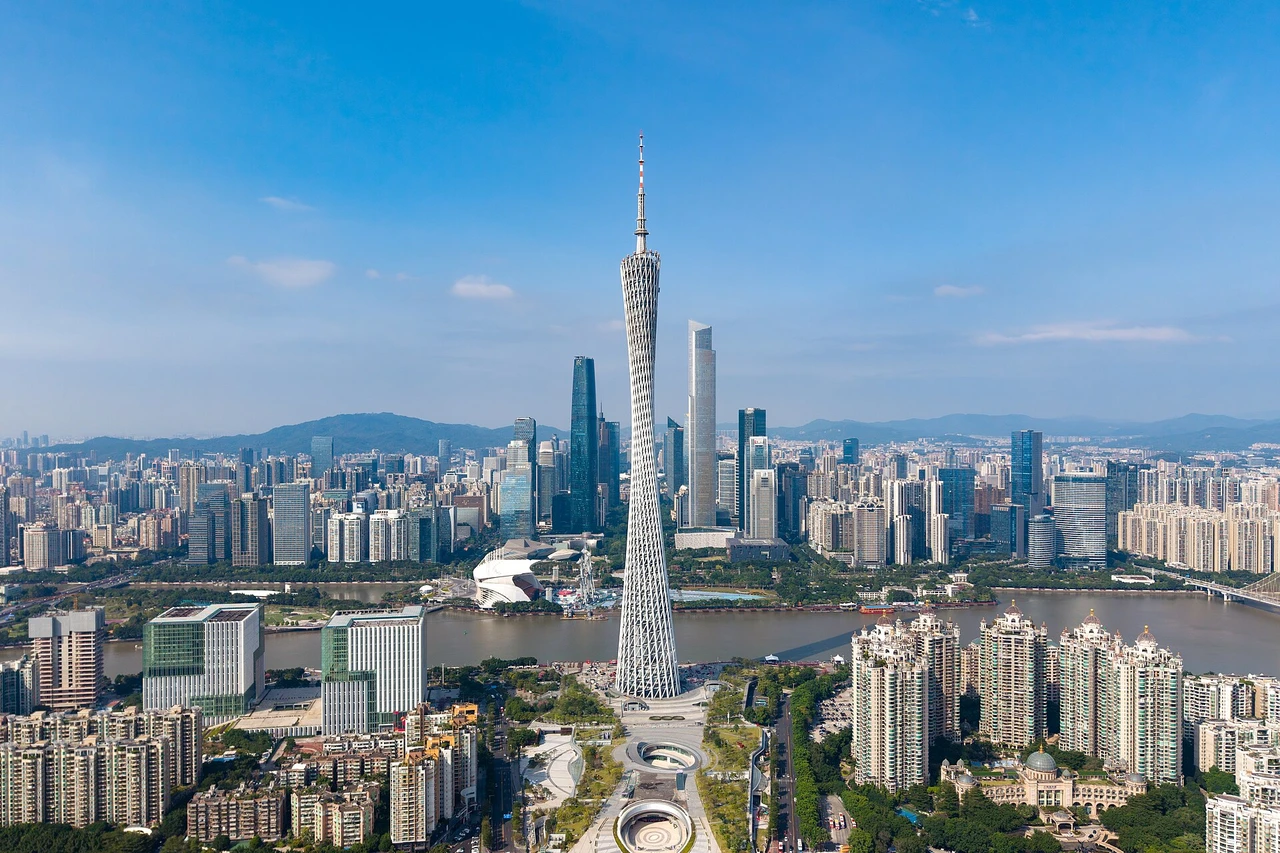
Guangzhou is a Pearl River trading city with more than 2,000 years of maritime exchange history coexisting with high-density modern urban areas. Lingnan ancestral halls, archaeological sites, arcades, markets, gardens and Cantonese cuisine culture are suitable for in-depth exploration by area. With high humidity and cross-city travel time consuming, it’s often more reasonable to focus on one or two areas each day rather than chasing a list of landmarks.
阳朔
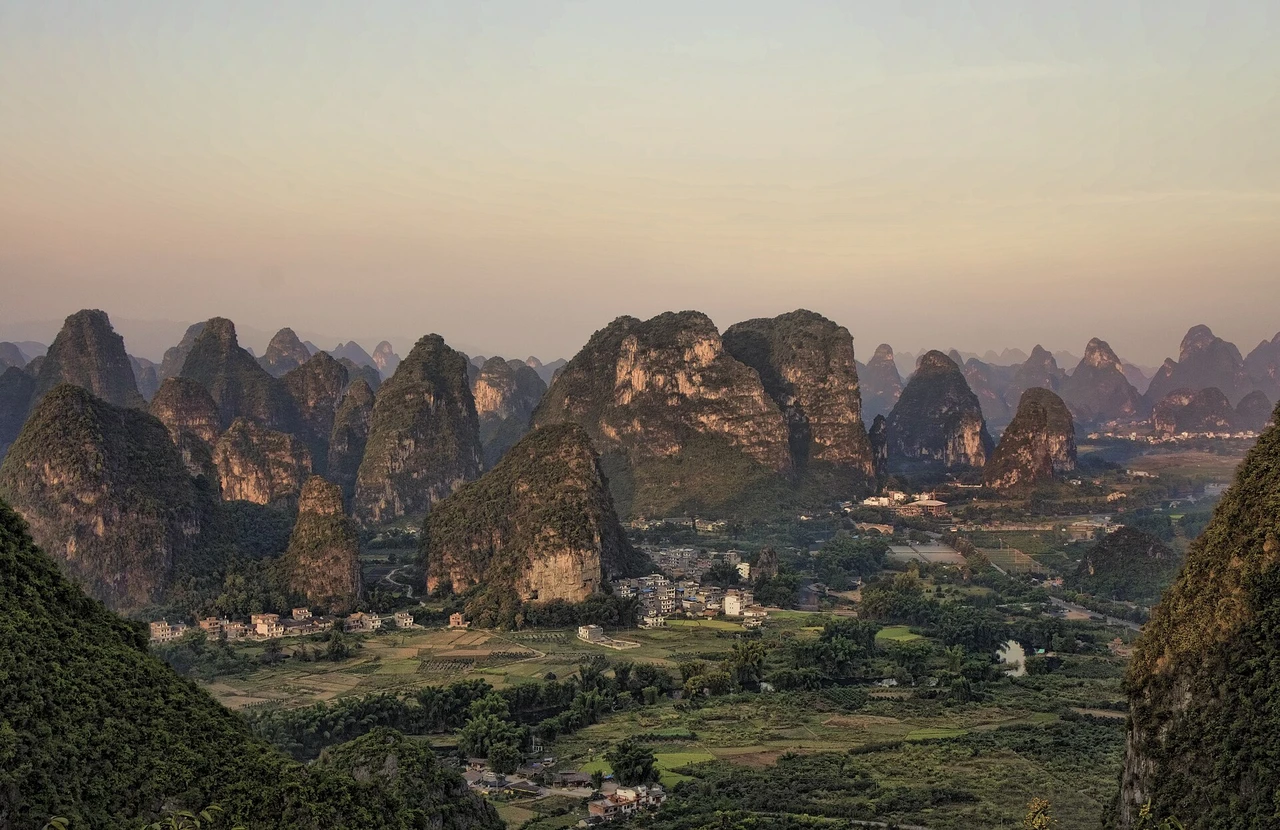
Yangshuo is located in the core of Guilin's karst landscape, with limestone peaks rising from the Li River, the Yulong River Valley and farmland villages. The whole county is not a compact scenic spot. Xingping, Yulong River Corridor, different river sections and mountain viewing spots need to be arranged separately for transportation and weather judgment. Slowing down the pace of cycling and walking can help you understand the landscape better than a day full of commercial projects.
· 2–2 days
深圳
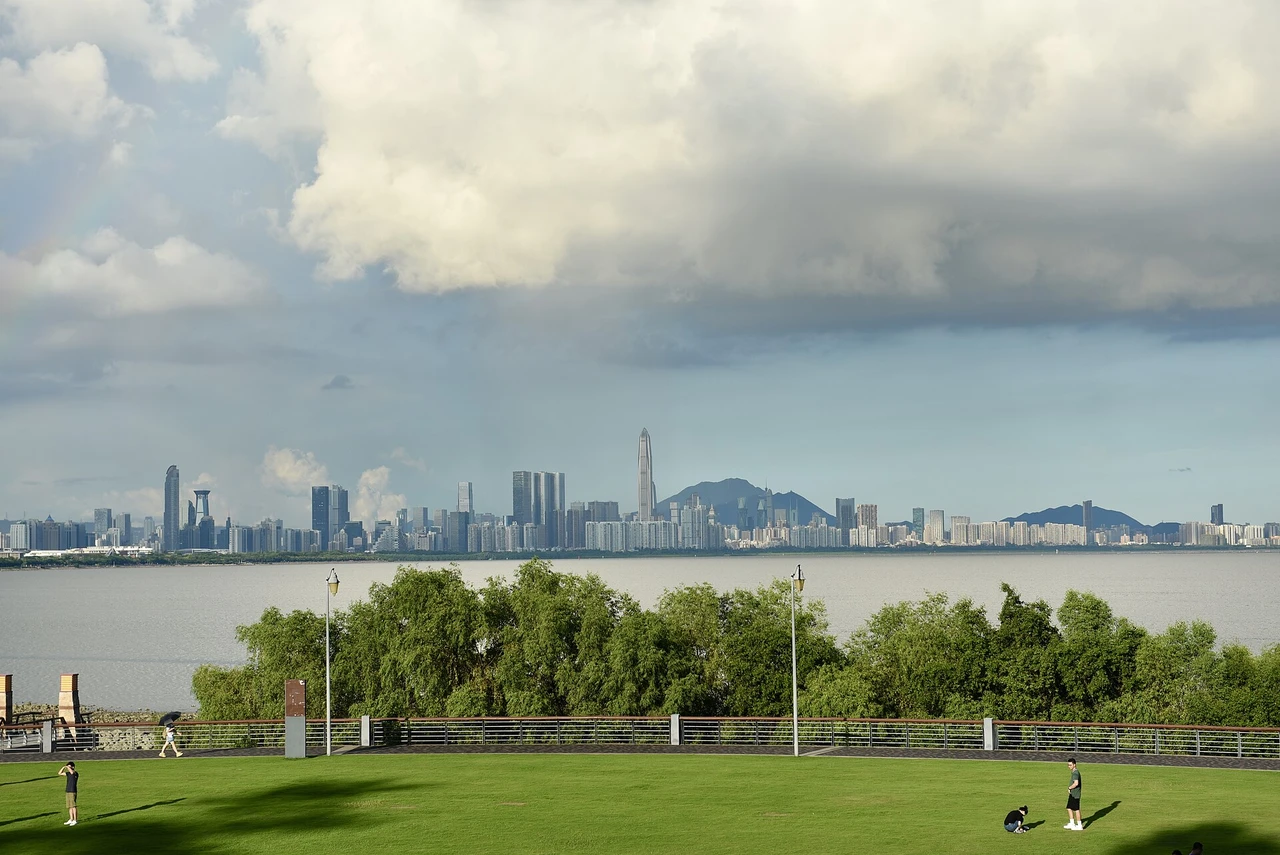
Shenzhen is often summed up by speed, technology and skyscrapers, but the fuller story also includes Ming Dynasty coastal defense, Cantonese and Hakka settlements, Oyster communities, population migration and special economic zone experiments. Understanding this city requires crossing different scales: starting with the physical history of reform and opening up, observing contemporary culture in design neighborhoods accessible by the subway, and then going to wetlands, geological landscapes and old villages.