Explore China
Cities for every pace.
Compare practical essentials first, then open a city for neighbourhoods, arrival notes and local context.
Filter by region
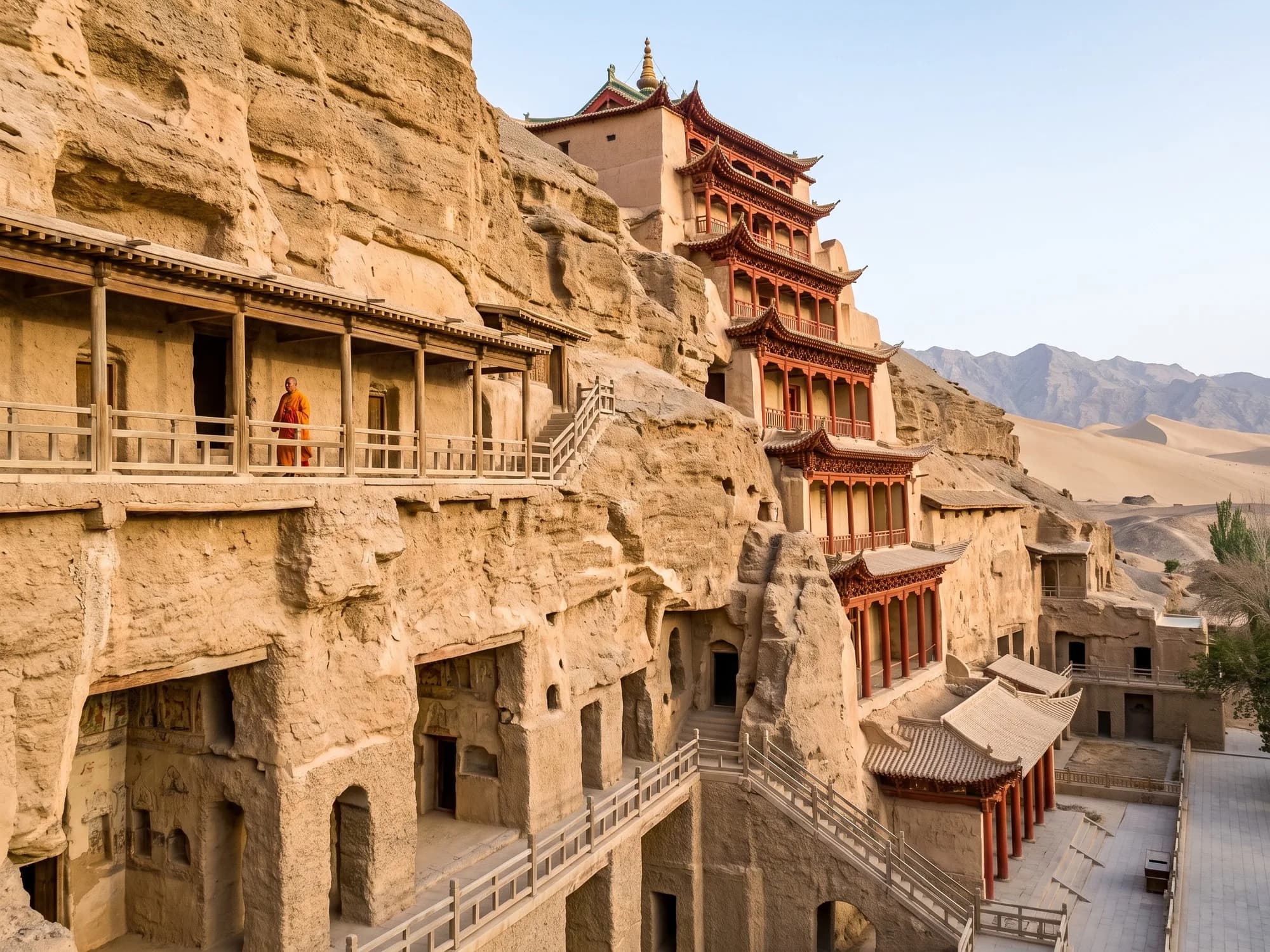 Northwest China敦煌
Dunhuang
· 2–2 days
Dunhuang is a small town at the end of the Hexi Corridor, with the Mogao Caves on one side and the singing dunes on the other. It is far from everywhere and worth the journey.
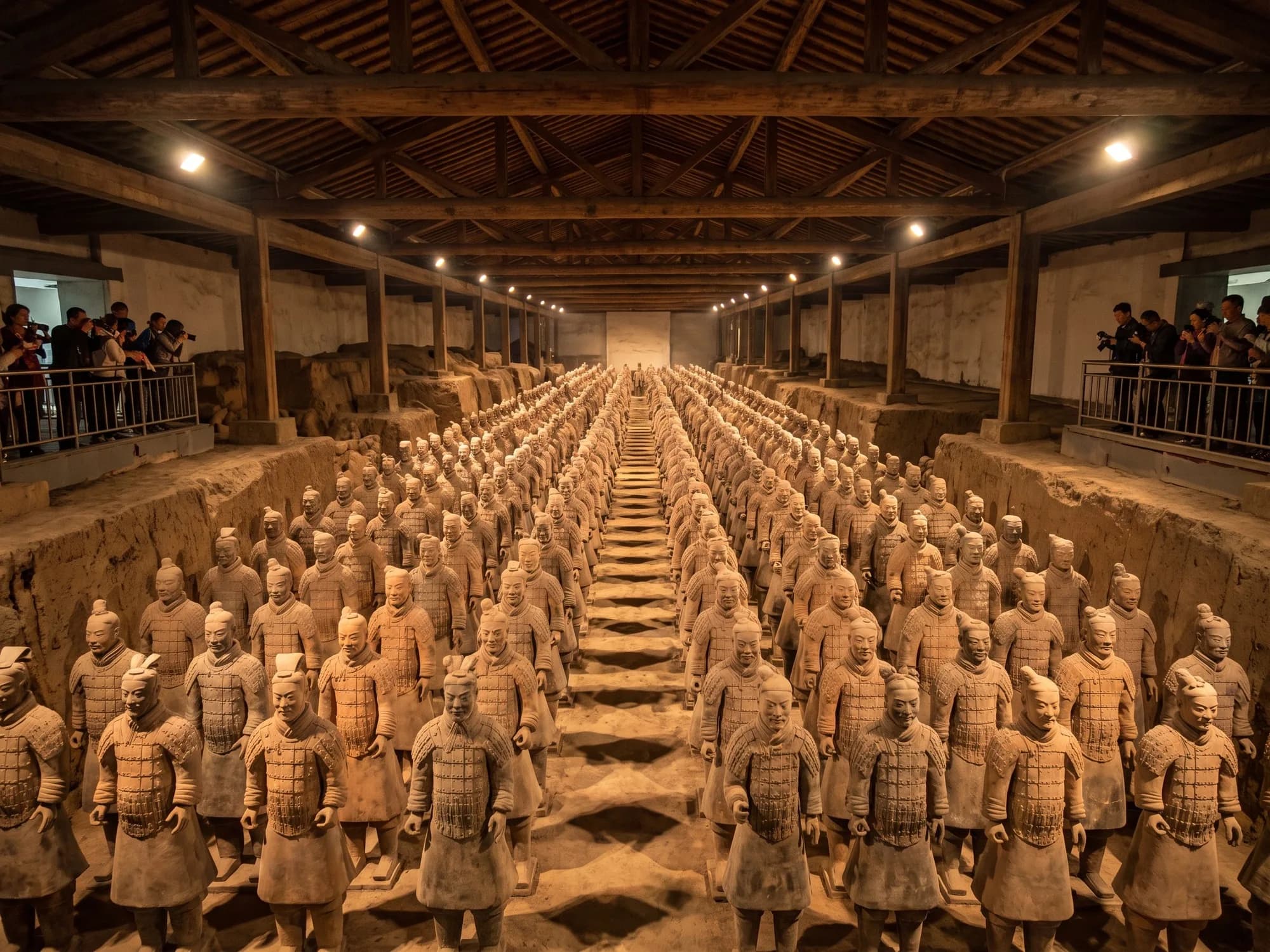 Northwest China西安
Xi'an
· 2–3 days
The old capital of thirteen dynasties has one world-famous sight and a lot of quieter ones. Two full days covers it; a third lets you slow down.
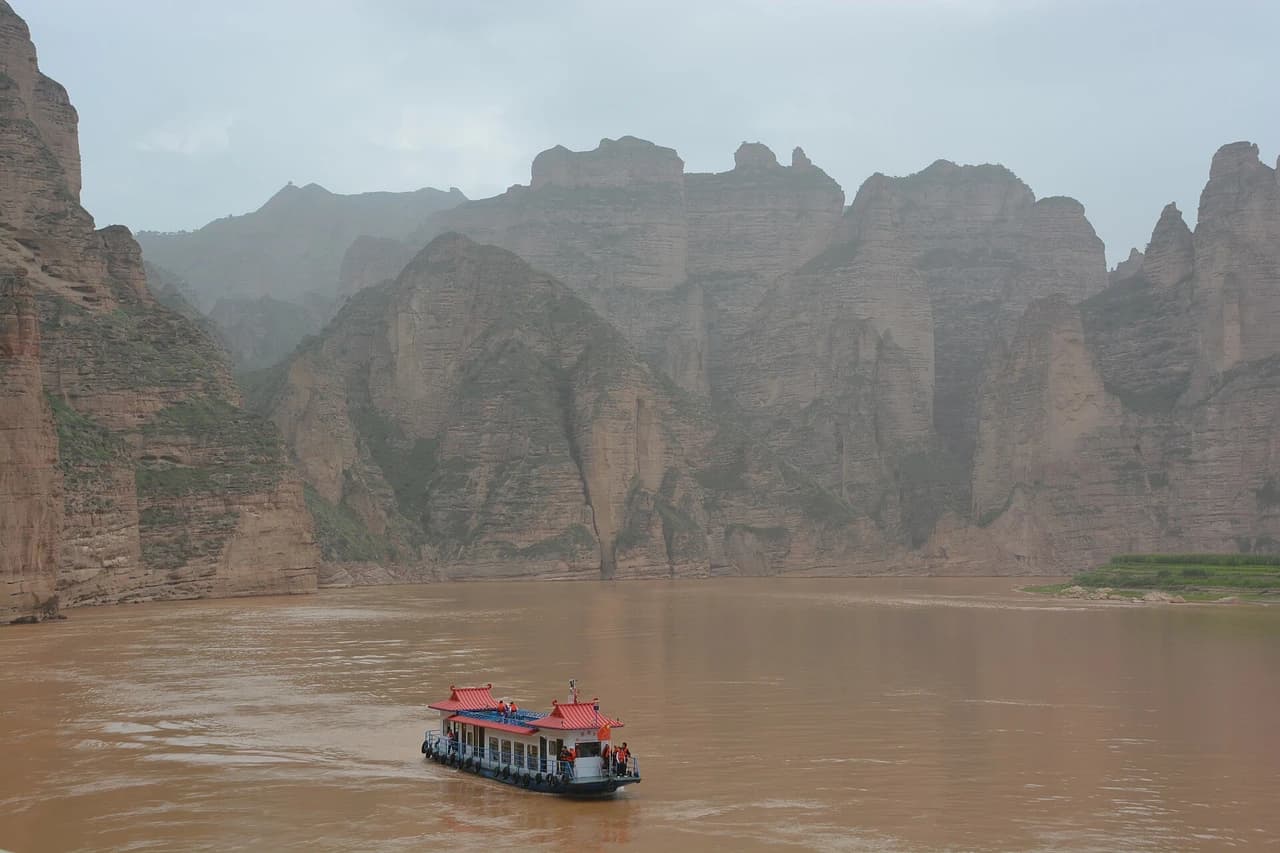 Northwest China兰州
Lanzhou
· 1–2 days
Lanzhou is a long thin city squeezed between hills along the Yellow River, and the place the Silk Road routes west begin. Come for a night on the way to Dunhuang or Xining, eat the noodles, walk the river, and see the museum.
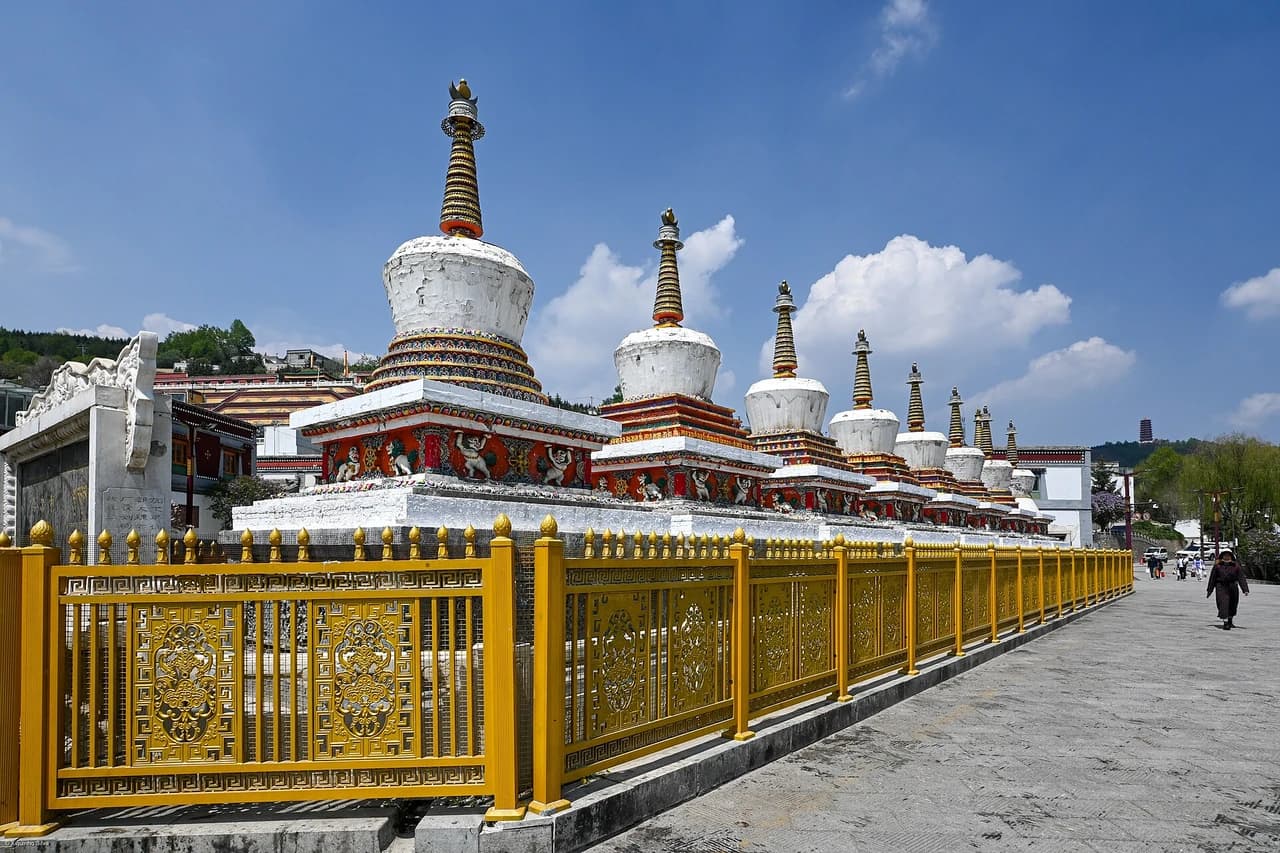 Northwest China西宁
Xining
· 2–2 days
Xining is the doorway to the Tibetan plateau: 2,300 metres up, cool in summer, half Hui Muslim and half Tibetan in its streets and food. Kumbum Monastery is half an hour away and Qinghai Lake a long day out.
Ili
YIN · 5–8 days
Ili is a broad Tianshan river-valley region rather than one compact destination. Kazakh pastoral landscapes, multi-ethnic urban quarters, grasslands, spruce forests, border trade and historic settlements are separated by long mountain roads. Choose one geographic cluster at a time and treat working pastures and neighbourhoods as lived places, not open-air sets.
Altay
AAT · 5–8 days
Altay is a vast northern Xinjiang region of the Altai Mountains, Irtysh watershed, taiga, steppe, villages and winter snow culture. Kanas, Hemu and Keketuohai are separate long-distance destinations, not suburbs of Altay city. Plan by corridor, use official transfers and respect pastoral and forest communities.
Golog
GMQ · 4–7 days
Guoluo lies in the Sanjiangyuan highlands around the upper Yellow River, Animaqing range and extensive Tibetan pastoral landscapes. Ecological protection and sacred geography take priority over sightseeing. Settlements are far apart, services are limited and several formerly promoted areas now have strict or closed access.