Month and stay filters use editorial recommendations; other dates may still work for your trip.
36 cities found
· 2–3 days
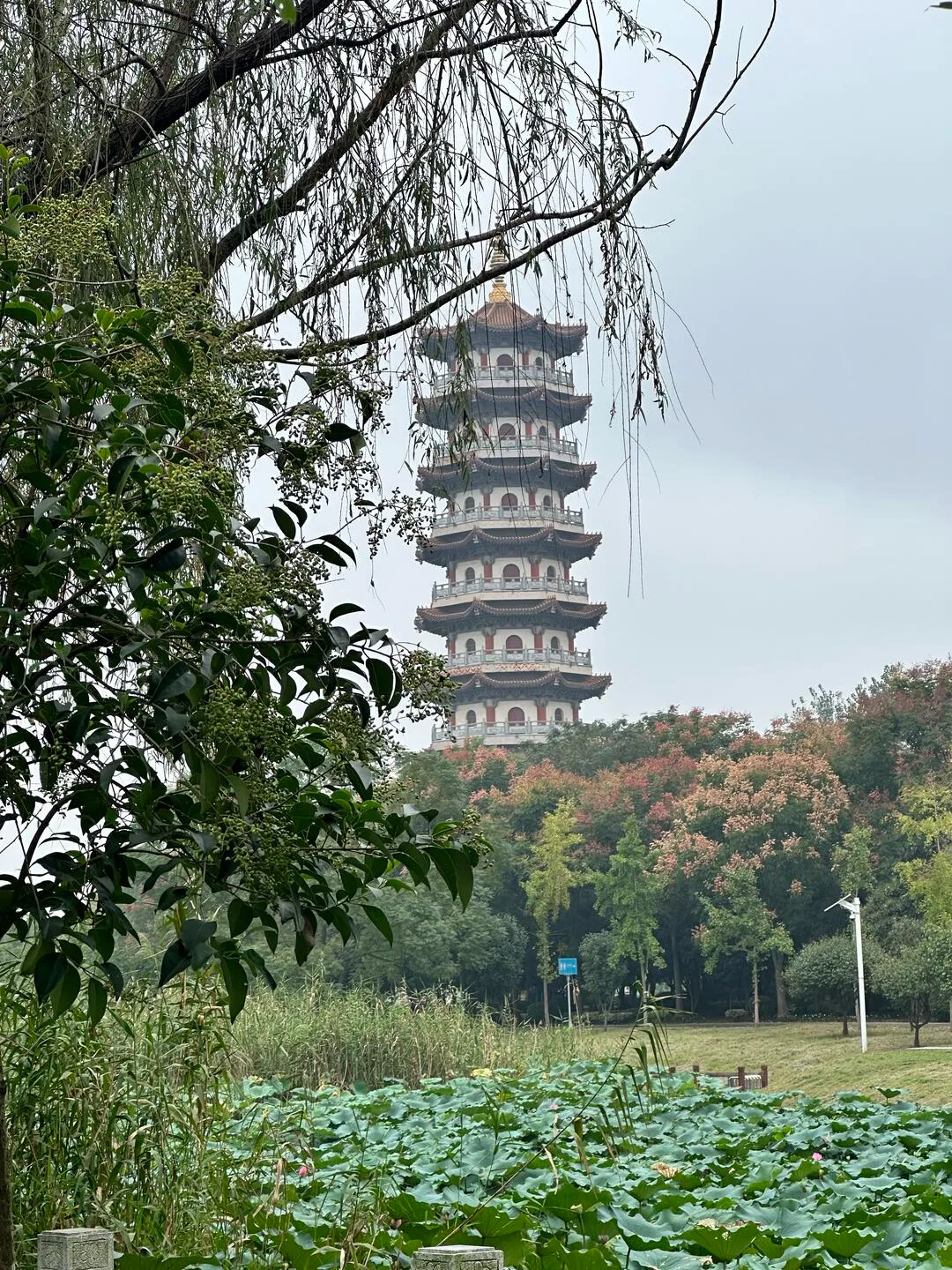
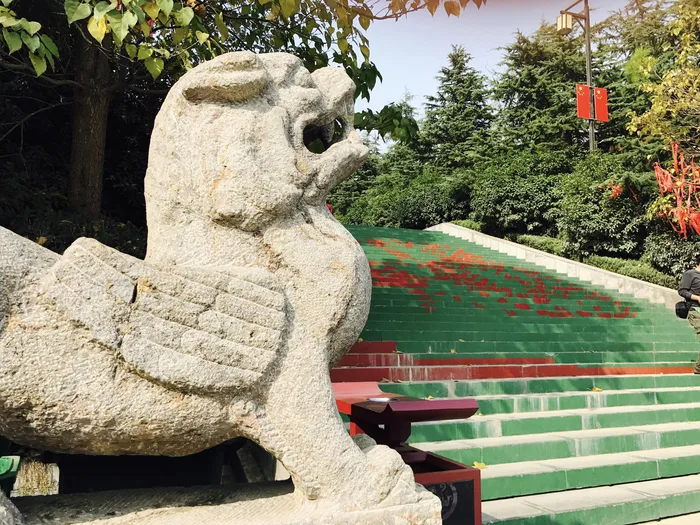
安阳
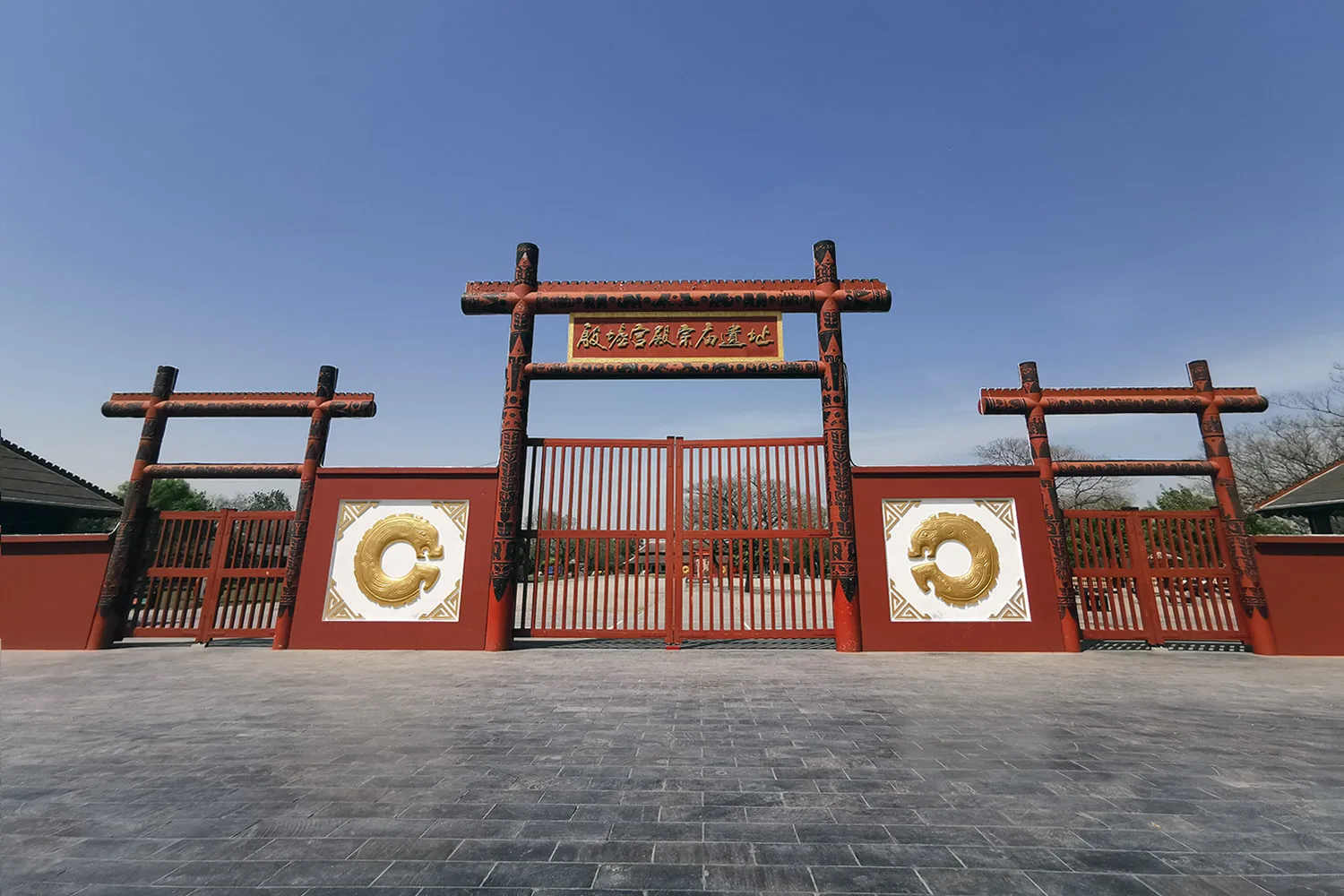
Plan an Anyang trip around Shang-dynasty archaeology, historic architecture and the mountains of Linzhou. Estimate transport time separately for the urban area and Linzhou.
常德
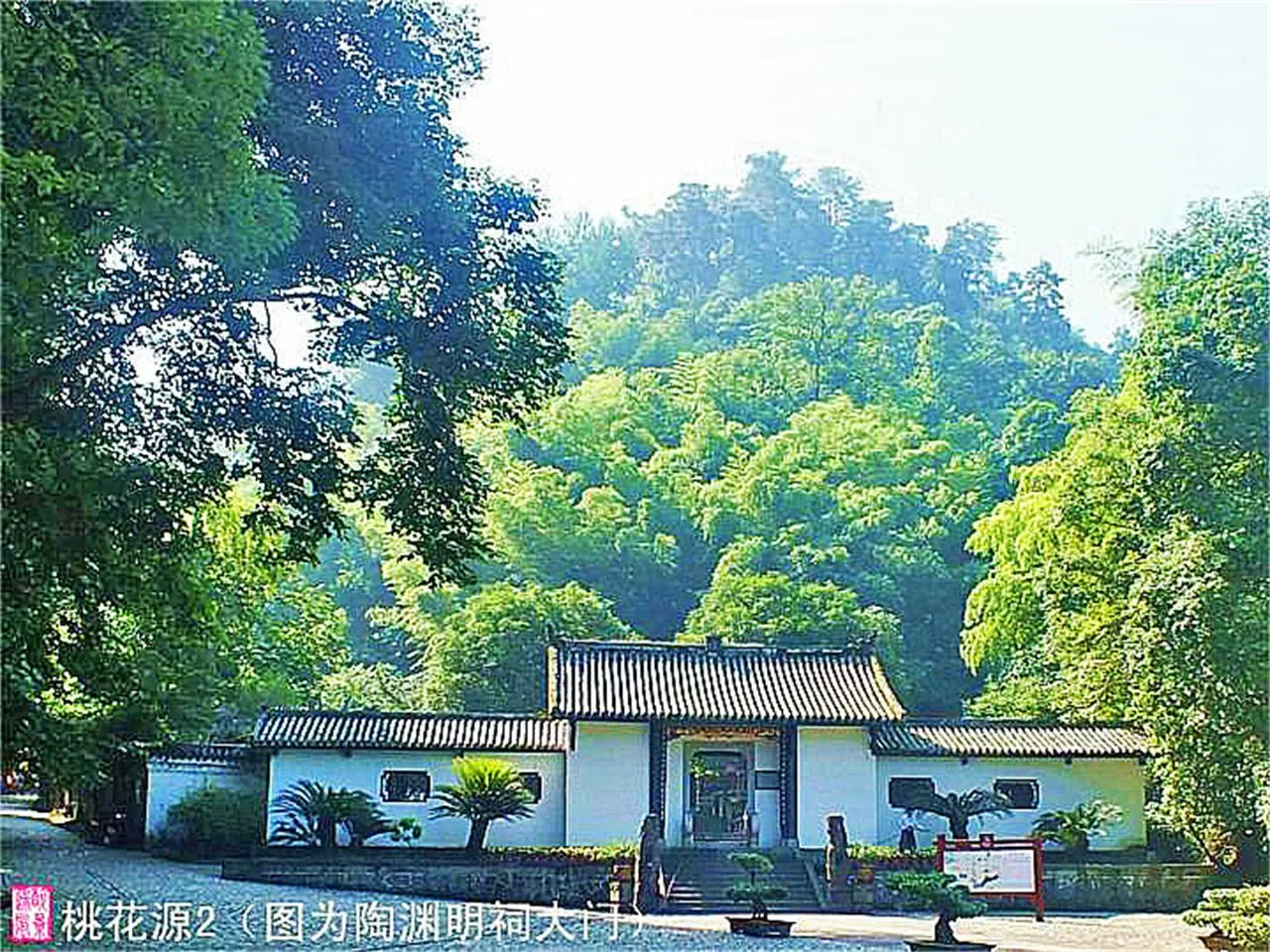
This collection focuses on the Taohuayuan tourist area in Changde, combining cultural attractions with natural surroundings. Check the locations of the different sightseeing areas, the urban centre and transport hubs separately.
郴州
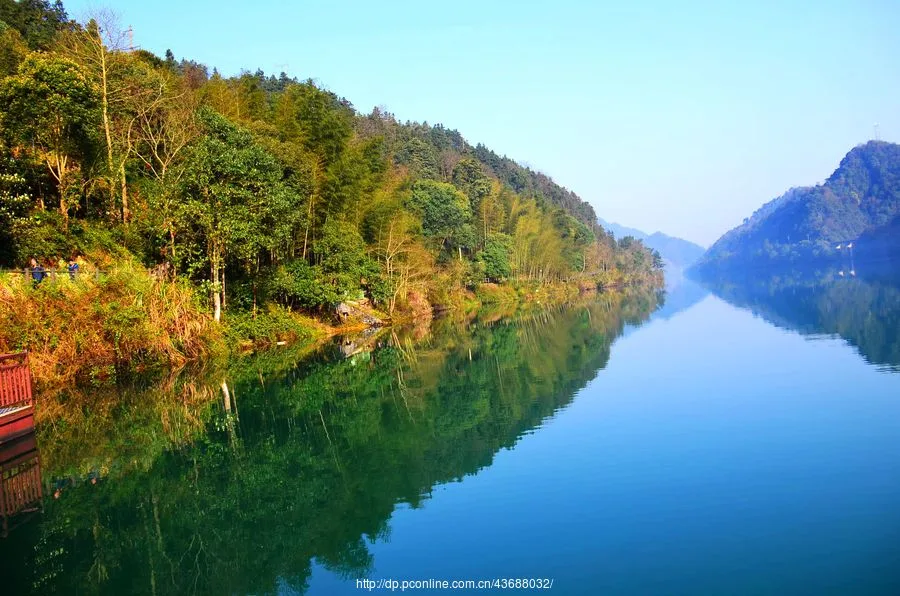
Chenzhou’s lake and mountain destinations are widely dispersed, with Dongjiang Lake towards Zixing. Plan arrival in Chenzhou, accommodation location and sightseeing within the scenic area separately. Allow extra transport time, especially for early-morning views and the return journey.
· 3–5 days
恩施
Mountain travel in Enshi features gorges, caves and scenery along the Qing River. This page covers different county-level areas within Enshi Prefecture. Enshi Grand Canyon, Tenglong Cave in Lichuan and Shennong Stream in Badong are not neighbouring attractions; plan them by area rather than squeezing them into one day.
鄂州
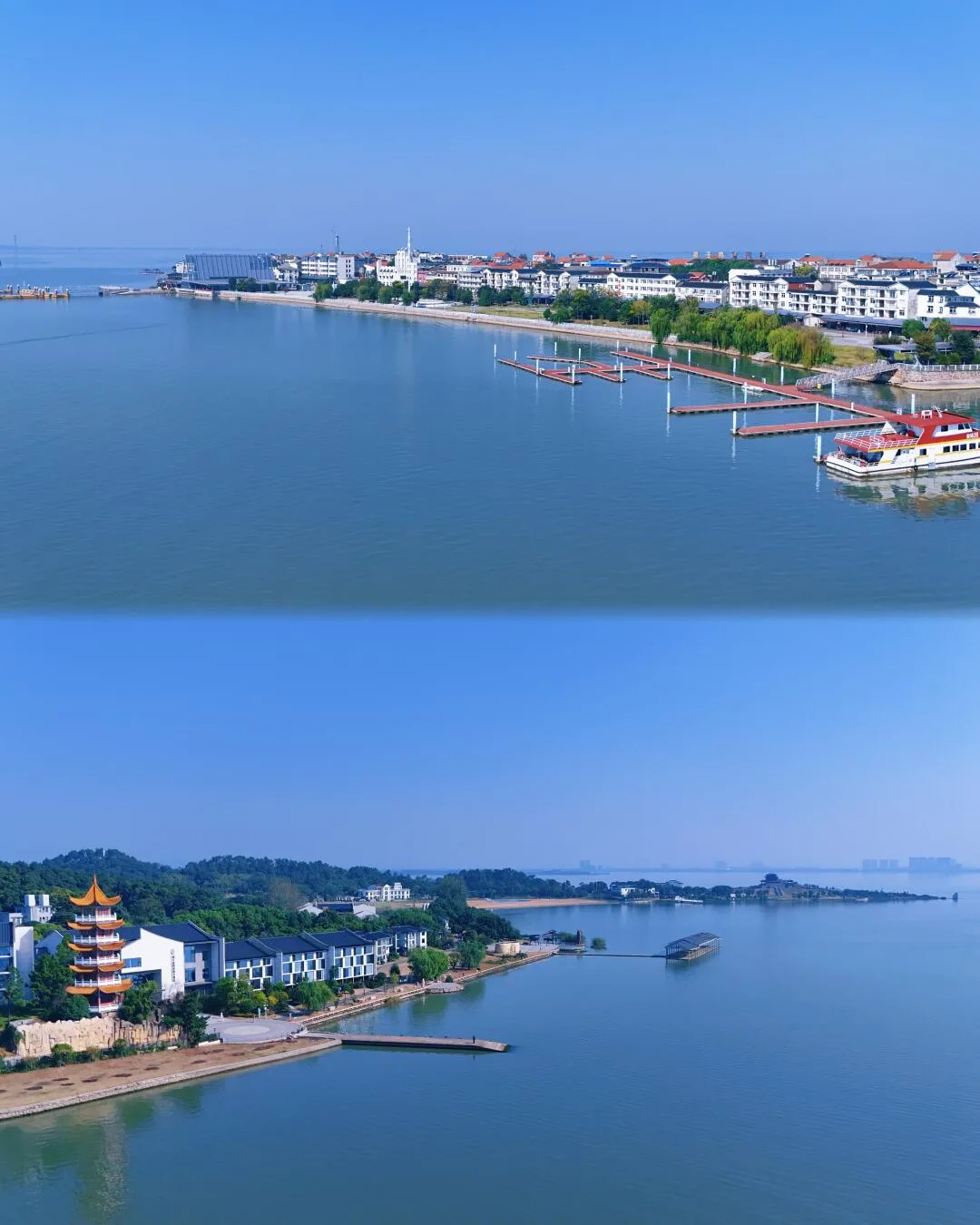
Ezhou’s travel themes fall into two areas: cultural and natural sights in the urban centre, and lakeside leisure around Liangzi Lake. Xishan and Lianhua Mountain can be combined with city walks, while Liangzi Island, Fengqi Oasis and Xingfu Garden need separate travel and visiting time. Organise routes by area to avoid repeatedly crossing between areas in one day. Transport and opening information still needs verification; confirm current arrangements before travelling.
衡阳
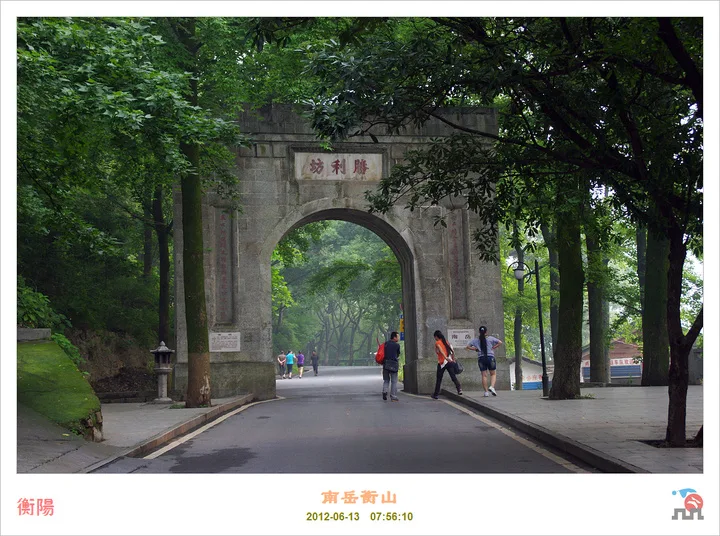
Mount Heng, the Southern Sacred Mountain in Hengyang, combines mountain scenery with cultural sights. Plan separately for the Nanyue urban area, temples at the mountain base and the mountain scenic area. Decide whether to ascend based on your physical ability, the weather and your transport options, allowing enough time to descend and return.
黄冈
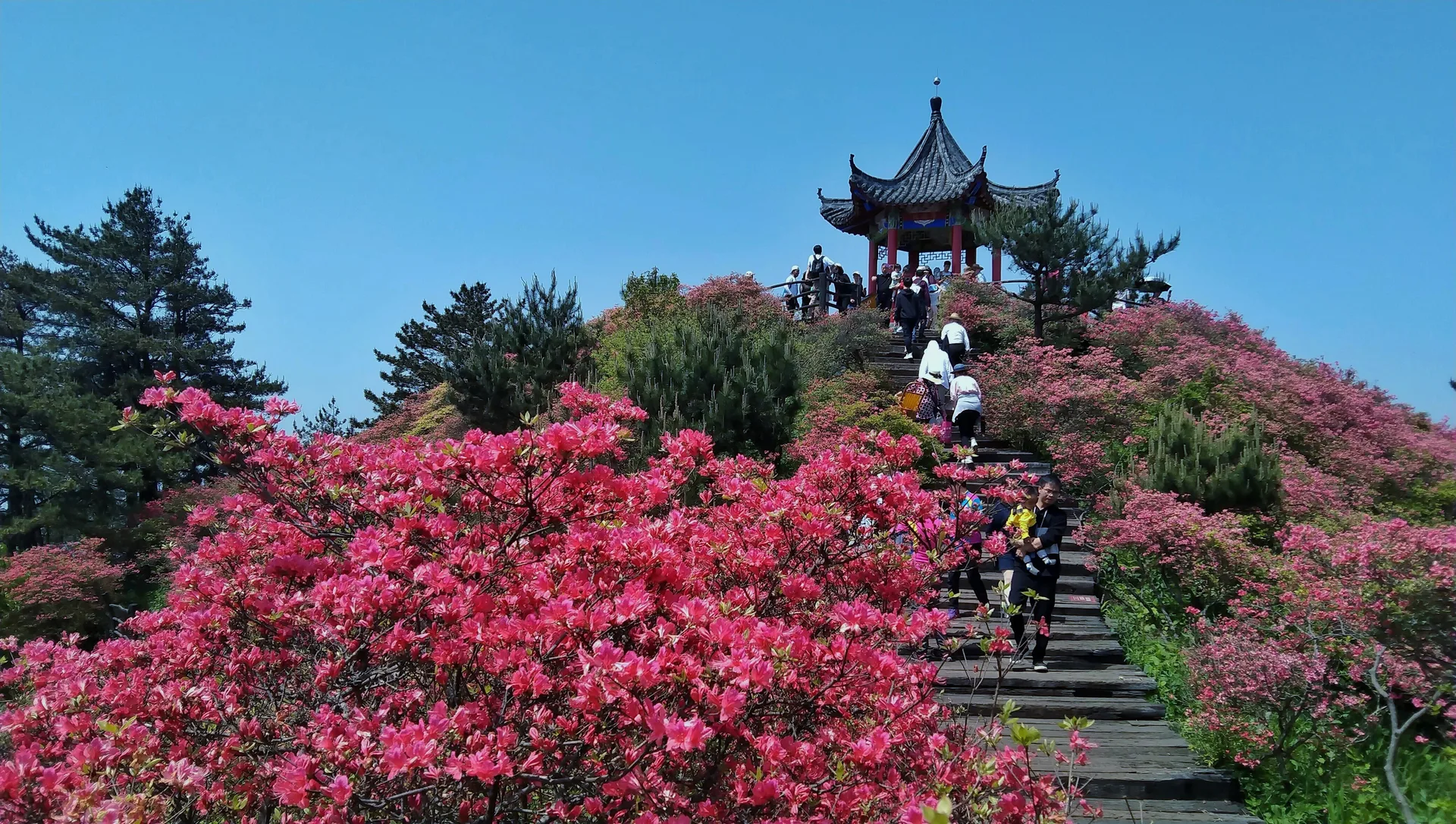
Huanggang lies in eastern Hubei, with destinations spanning the urban centre and several county-level areas along the Dabie Mountains. If your focus is flower viewing and mountain sightseeing at Guifeng Mountain in Macheng, plan transport and accommodation around Macheng. It is not a nearby walking outing from central Huanggang.
· 3–4 days
黄石
Huangshi lies in southeastern Hubei. Its travel themes connect urban lakes and mining and metallurgy heritage with rural landscapes and old villages in Daye and Yangxin. Plan city walks, historic-site visits and countryside outings separately to reduce repeated travel between areas. Practical information still needs verification; confirm current arrangements before travelling.
焦作
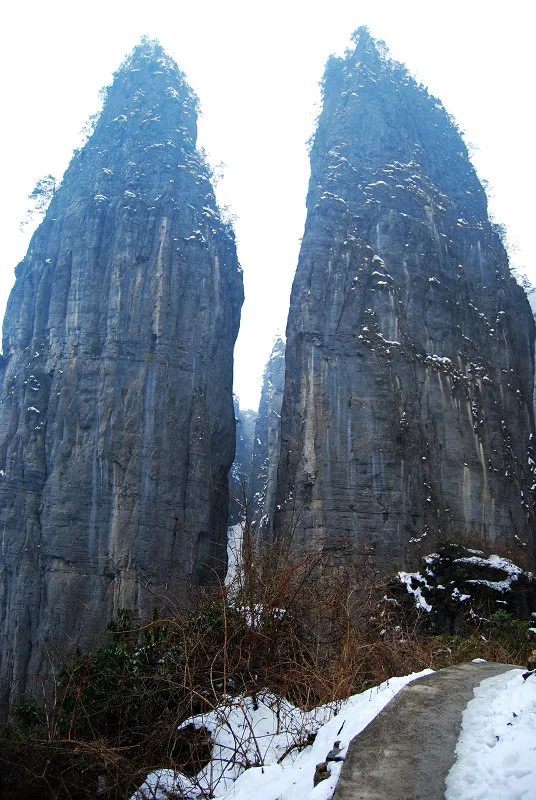
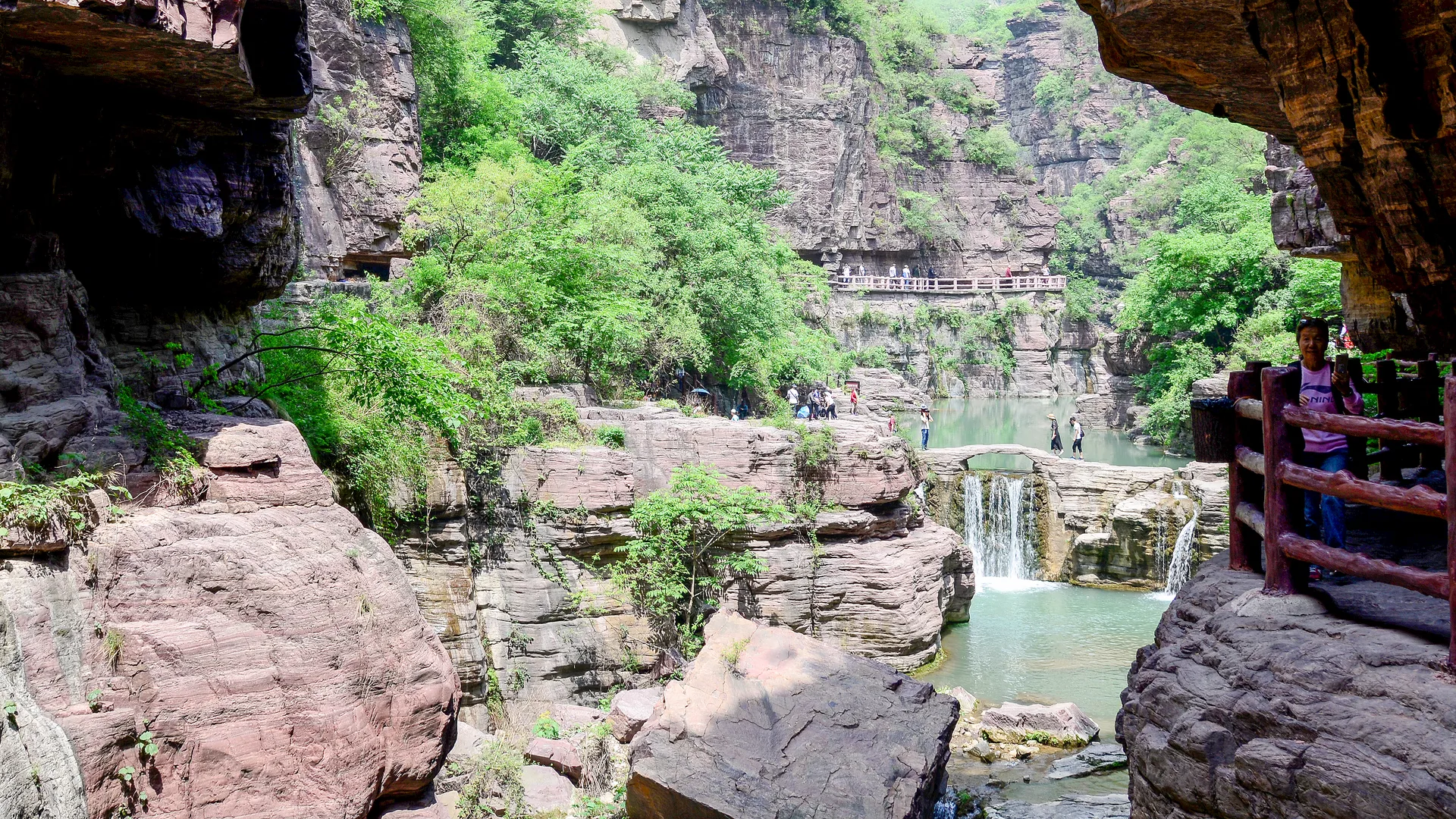
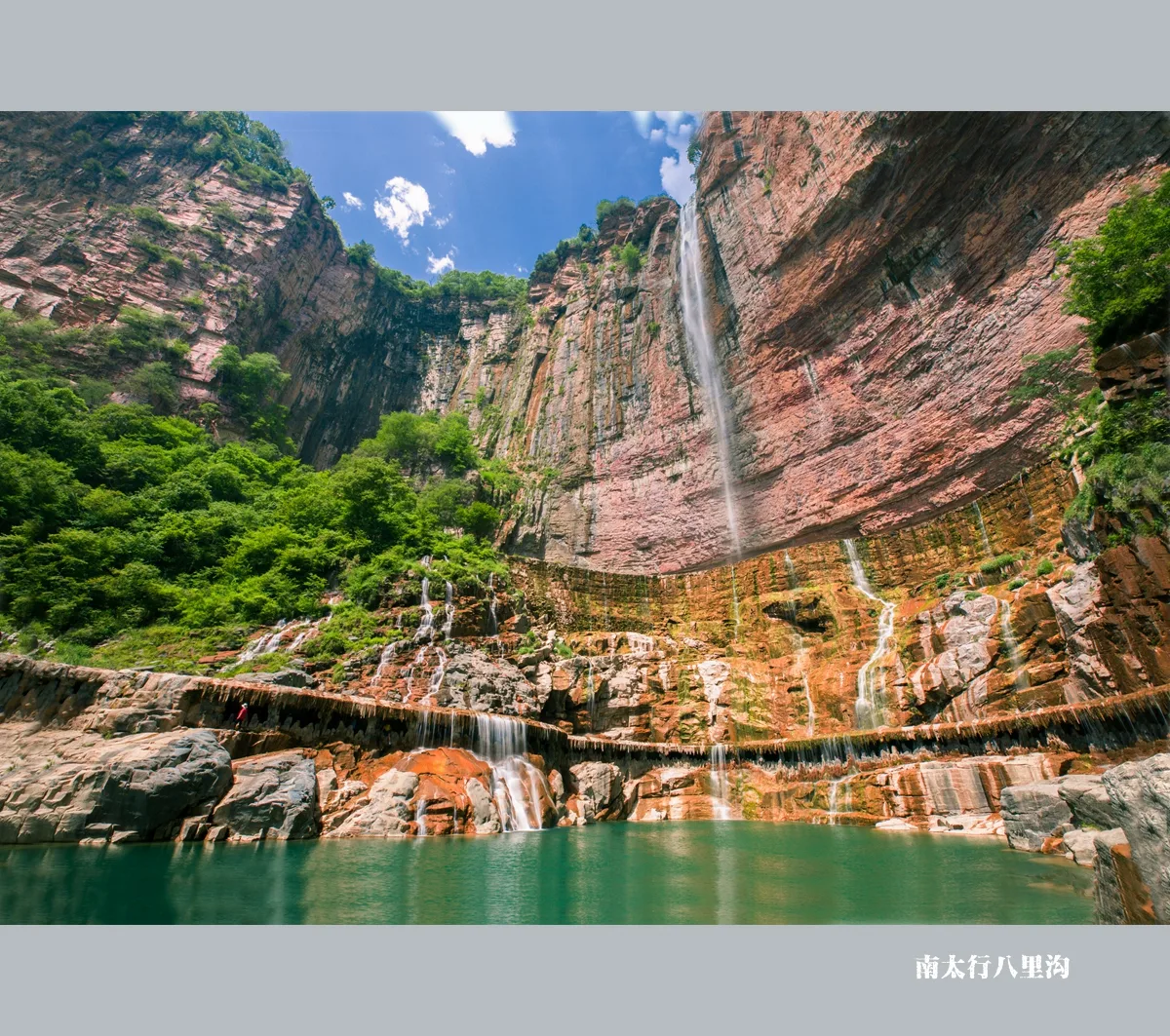
Trips into the Taihang Mountains around Jiaozuo take in gorges, peaks and waterscapes. Scenic areas are spread across different county-level areas, so plan visits on separate days.
荆门
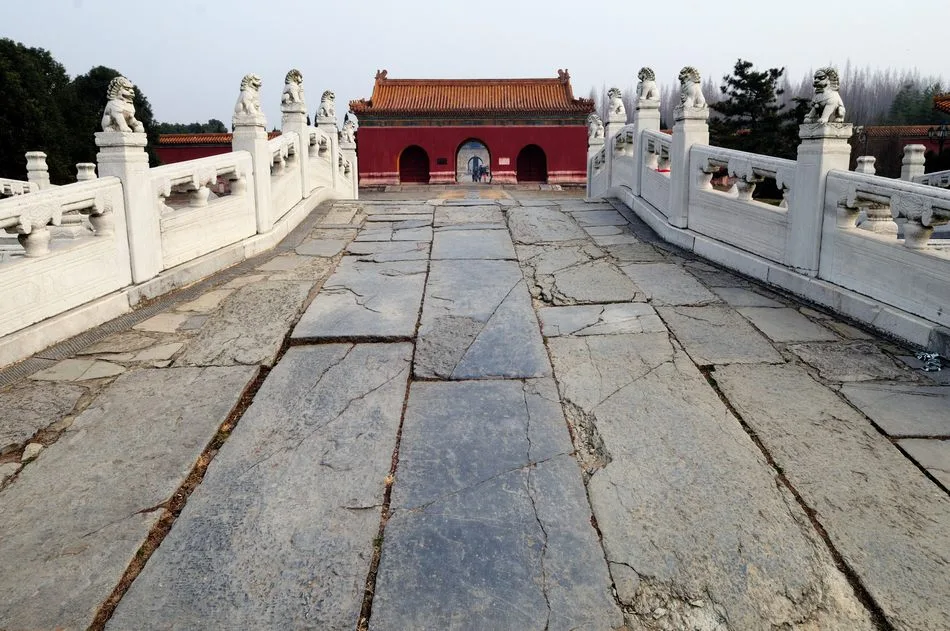
Jingmen lies in central Hubei. If your focus is the Ming Xianling Mausoleum cultural tourism area, your destination is Zhongxiang, a city under Jingmen’s administration. Plan transport and accommodation around Zhongxiang. Mausoleum architecture, local cultural displays and relaxed village visits can form an unhurried cultural trip.
南阳
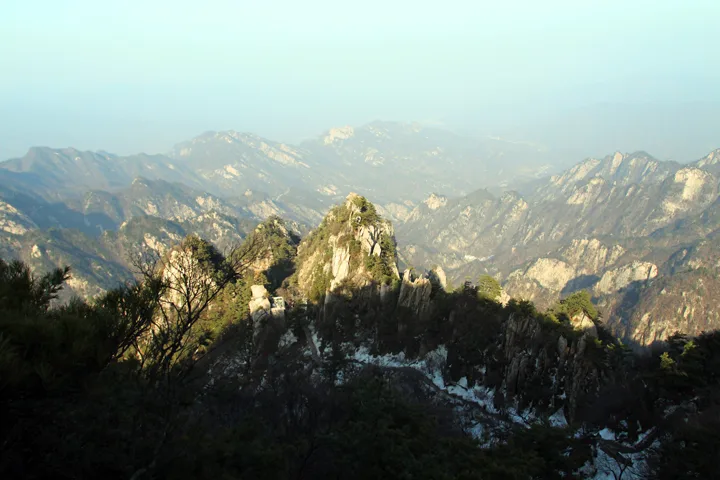
Xixia in Nanyang combines geological education with the mountain scenery of the Funiu range. Distinguish the entrances to the different scenic areas within the county when planning your visit.
平顶山
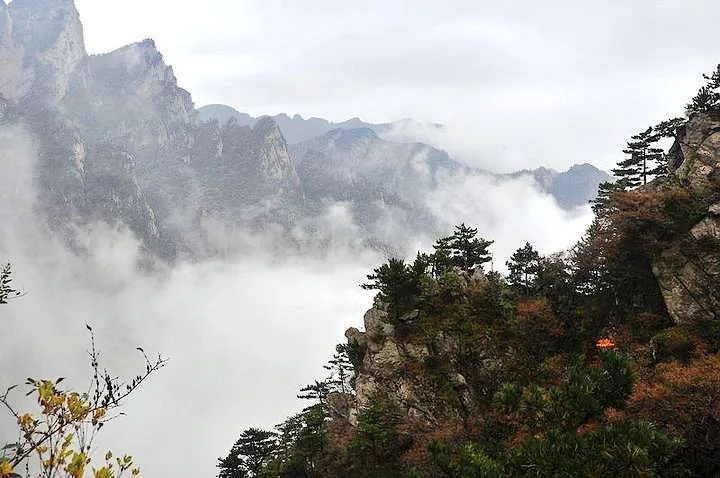
Lushan County in Pingdingshan offers opportunities to combine Funiu Mountain scenery with cultural sights. Arrange transport between the city, the county town and mountain entrances.
· 1–2 days
潜江
Qianjiang lies on the Jianghan Plain, where a trip can lead from crayfish meals to Chu cultural sites and theatrical heritage. The Cao Yu cultural tourism area in the urban centre suits a relaxed stroll, while Longwan National Archaeological Site Park introduces the history behind the Zhanghua Terrace remains. Allow one to two days, planning the urban area and Longwan separately with ample time for meals, exhibitions and return transport.
商丘
The old city in the Shangqiu area and the Han cultural attractions in Yongcheng are far apart. Arrange transport and accommodation separately for the specific city or county you will visit.
邵阳
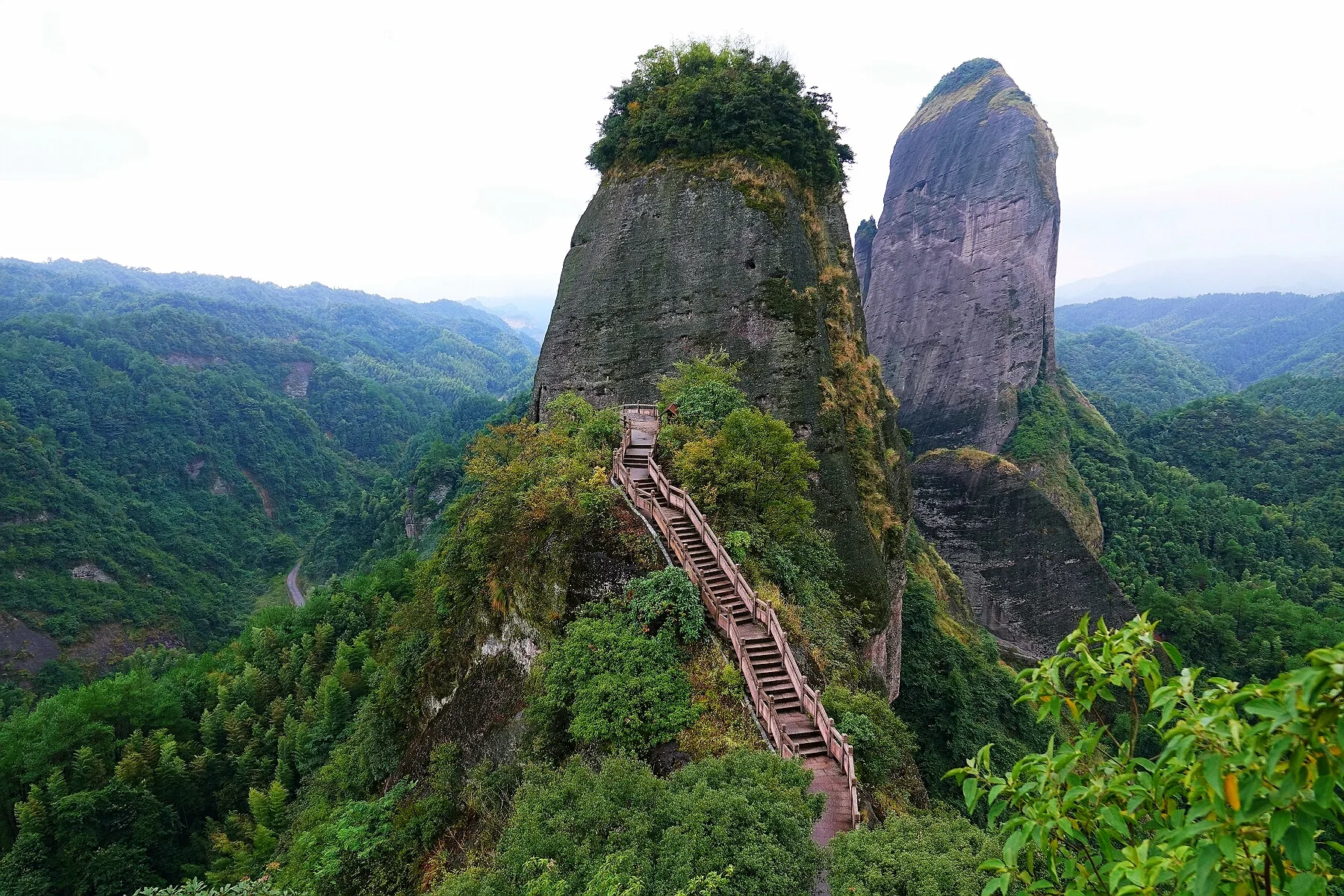
This collection focuses on the Langshan scenic area in Shaoyang. Plan the journey from the city centre, the entrance and your visit separately; a city-level destination should not be treated as a single sightseeing spot.
神农架
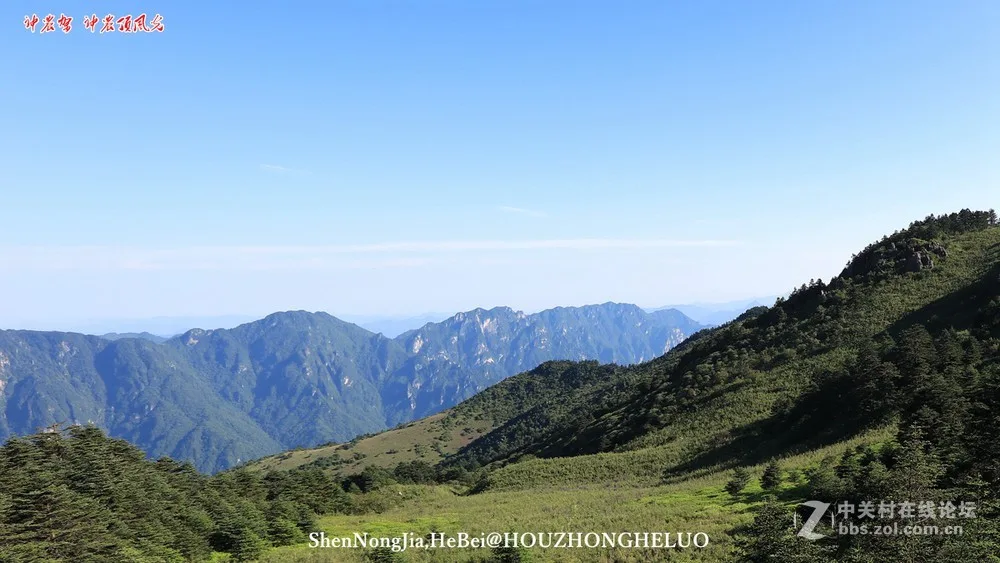
Shennongjia suits trips focused on forests, mountains and nature observation. Attractions are scattered and mountain roads take time; distinguish the wider forest district from individual scenic areas when planning. With Shennong Peak and Guanmen Mountain as focal points, spread mountain sightseeing and nature education across separate days rather than trying to visit every location in one day.
十堰
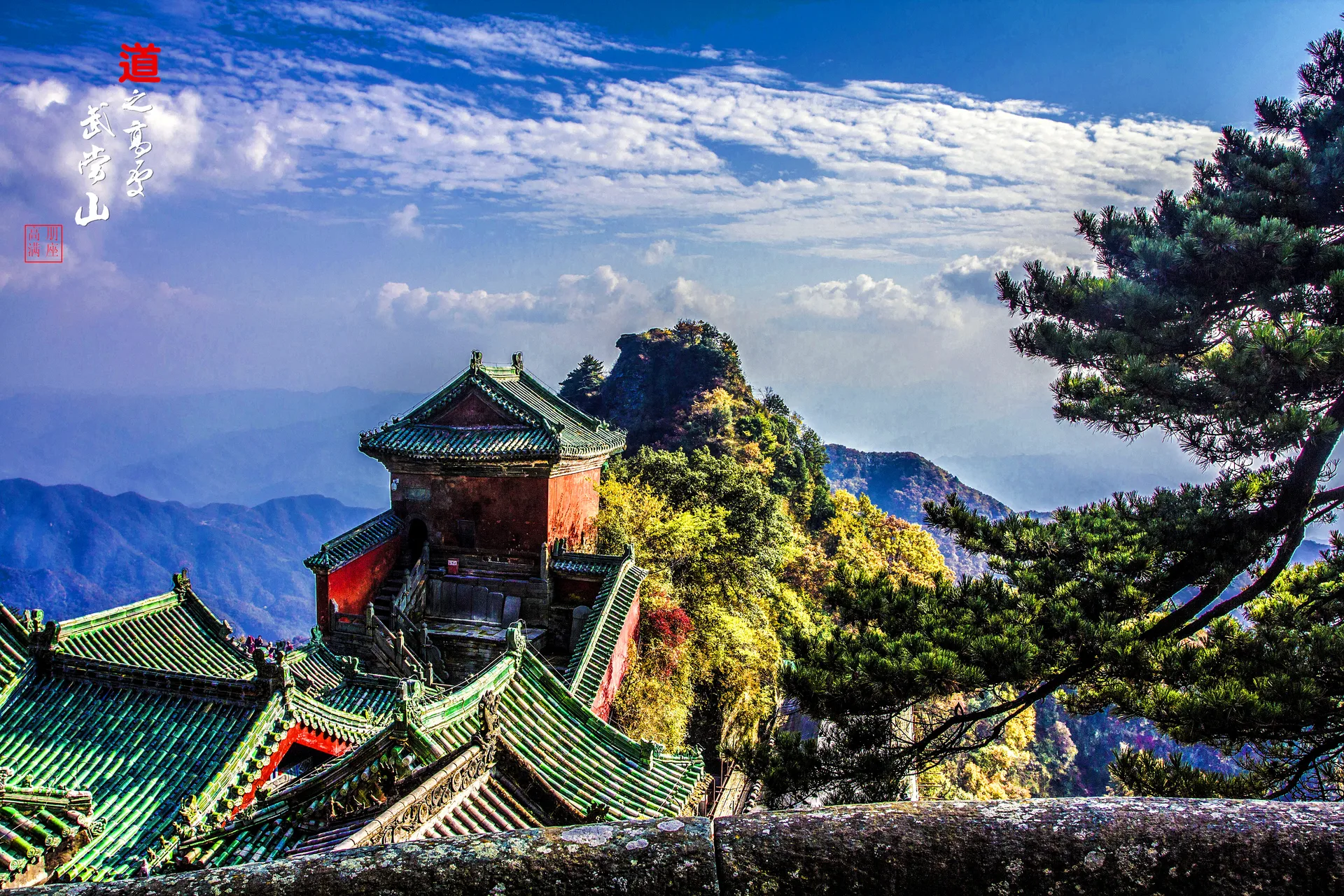
Shiyan lies in northwestern Hubei and is one of the main gateways to Wudang Mountain. A trip focused on historic mountain architecture and Taoist culture benefits from a slower pace, with time for mountain-road journeys and rest as well as sightseeing. The Wudang Mountain scenic area is not adjacent to central Shiyan; decide where to base yourself before booking transport and hotels.
天门
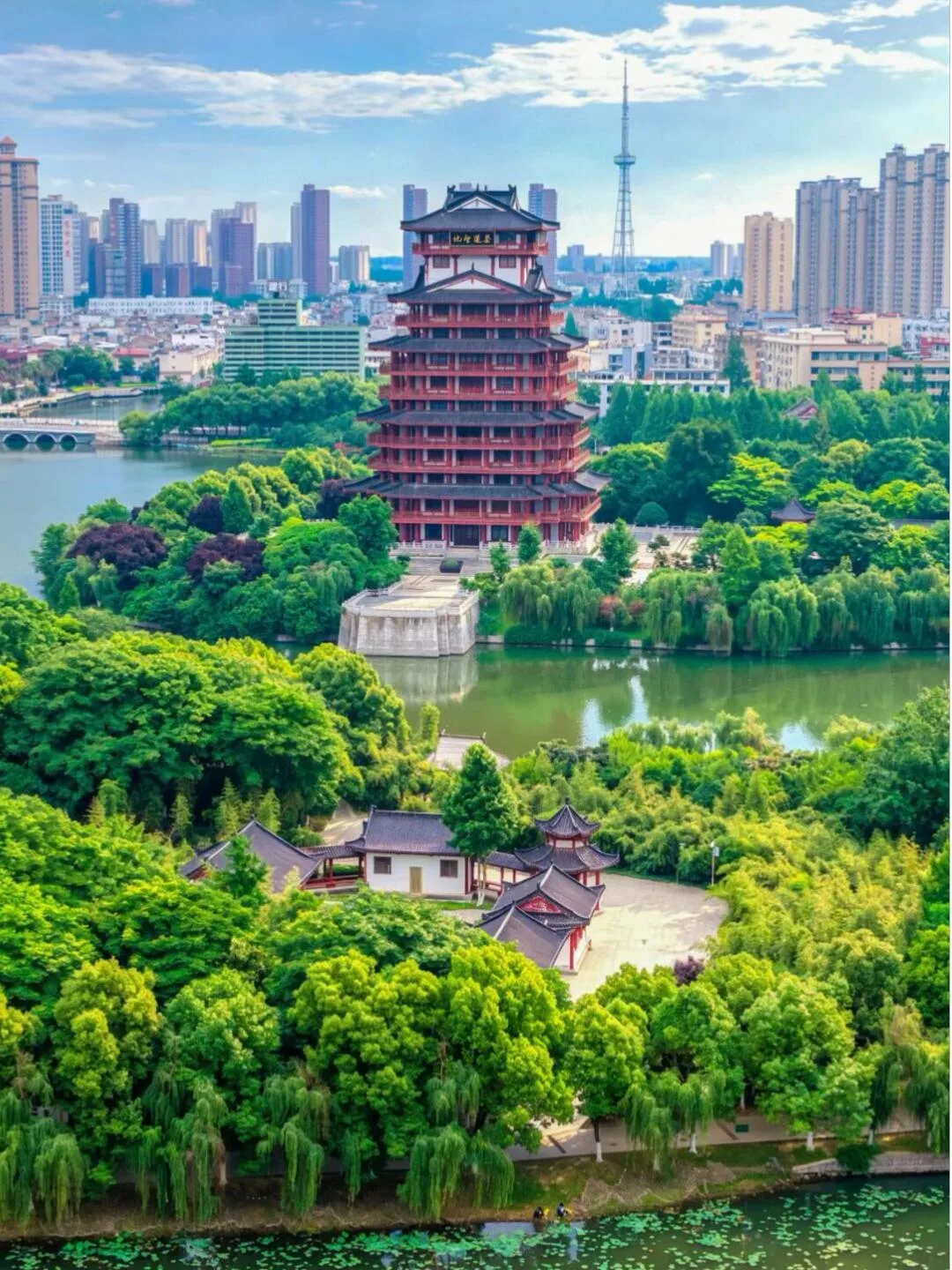
Tianmen lies on the Jianghan Plain and was historically known as Jingling. Sites associated with Lu Yu around West Lake, the Hu Family Garden in the old town and the Shijiahe archaeological site offer three distinct experiences: tea culture, historic architecture and prehistoric civilisation. Spend a day exploring the urban area at a relaxed pace, then allow another half-day to a full day for Shijiahe. Try Tianmen’s steamed dishes for a taste of local life.
湘潭
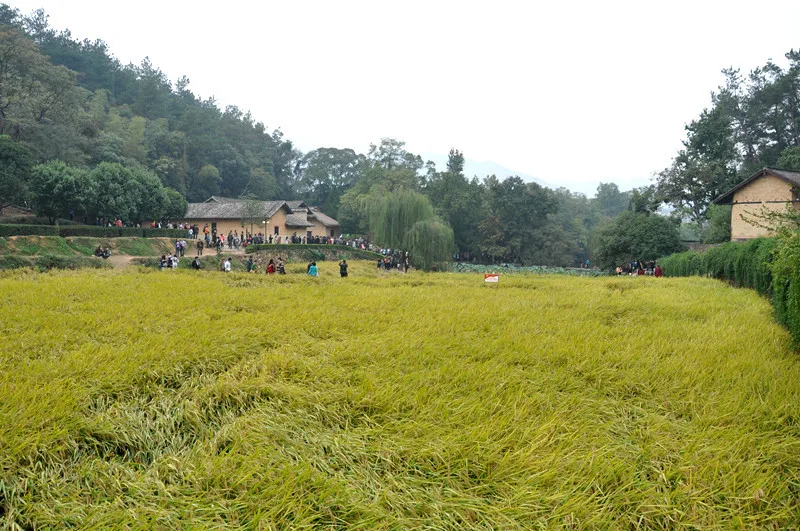
This collection focuses on the Shaoshan tourist area in Xiangtan. Plan the journey from the city centre, the entrance and your visit separately; a city-level destination should not be treated as a single sightseeing spot.
湘西
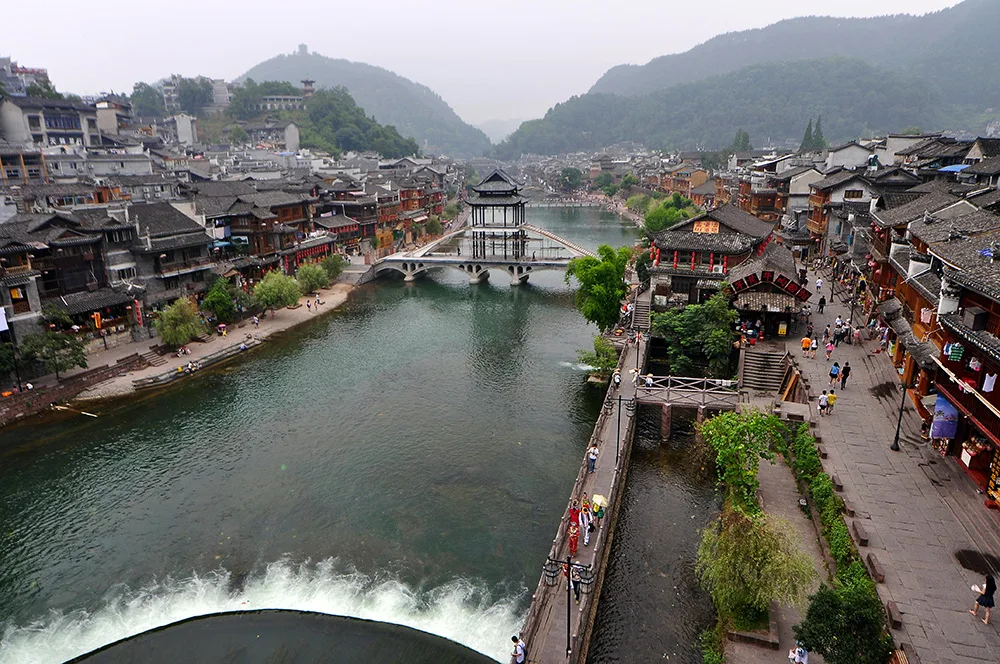
Destinations such as Fenghuang, Jishou and Huayuan are spread across Xiangxi Tujia and Miao Autonomous Prefecture. Transport is needed between old towns, villages and gorges. Organising your itinerary by county-level area and entrance is clearer than simply stringing together scenic-area names.
襄阳
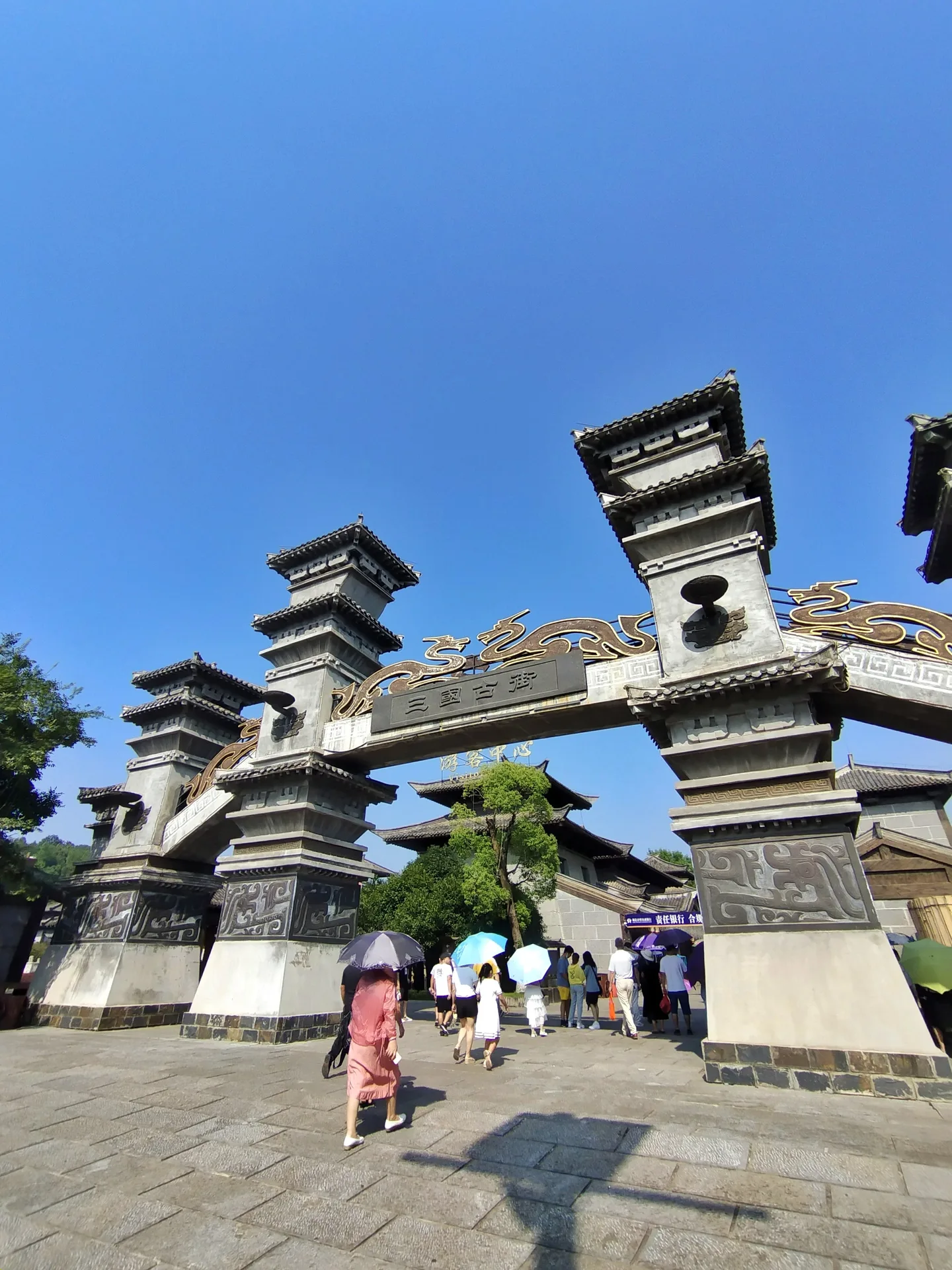
Explore Xiangyang through urban life on both banks of the Han River and the history of the Three Kingdoms. Ancient Longzhong lies west of the city; set aside half a day for it, then combine the visit with walks and meals in the urban area. There is no need to rush through historic sites as a tightly packed checklist.
咸宁
Xianning lies in southeastern Hubei. Enjoy relaxed trips around hot springs and natural landscapes, or head to Chibi to explore history through riverside sites and Three Kingdoms cultural attractions. Destinations within the administrative area are scattered. Choose your main sightseeing area before selecting a station and accommodation.
仙桃
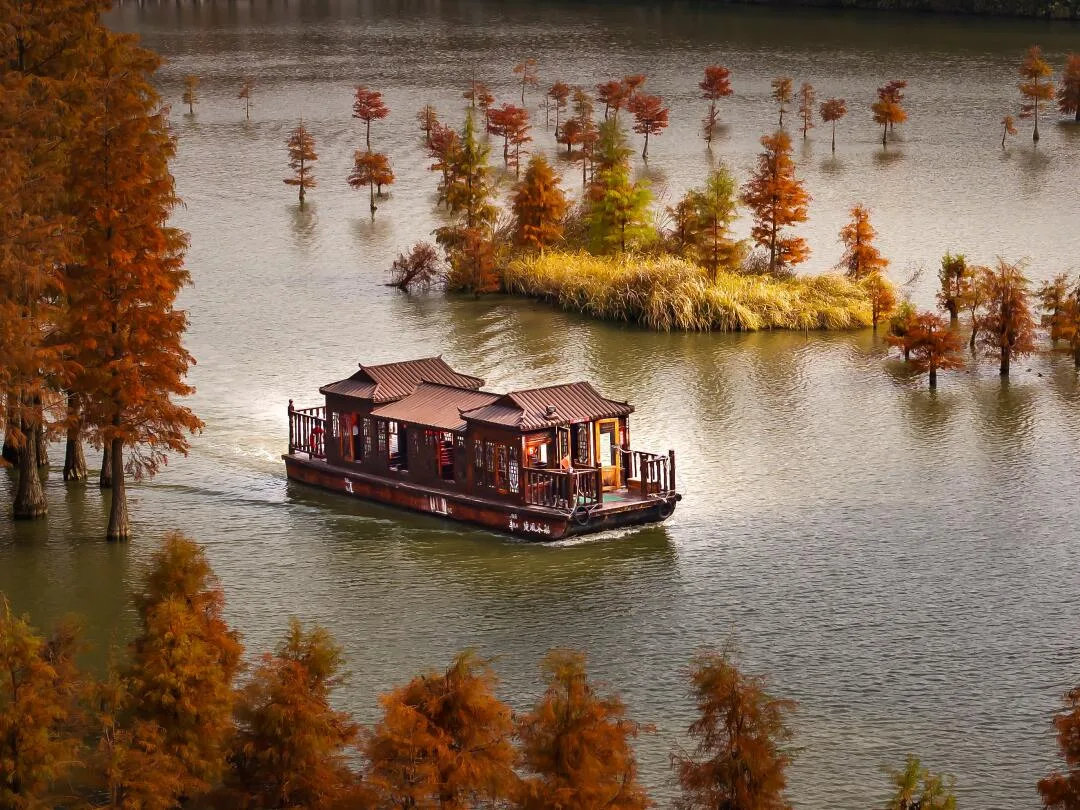
Discover Xiantao at a relaxed pace among the lakes, groves and waterside lanes of the Jianghan Plain. Mianyang Town combines garden walks with local cultural experiences, while Mengli Shuixiang offers a different rural landscape with its water forest. Allow one to two days to combine sightseeing with local dishes such as Mianyang’s “three steamed dishes”, exploring Mianyang culture and life in the water towns.
新乡
The southern Taihang scenic areas in Huixian, Xinxiang, each have their own entrances and transfer arrangements. Plan the trip in stages suited to your physical ability.
信阳
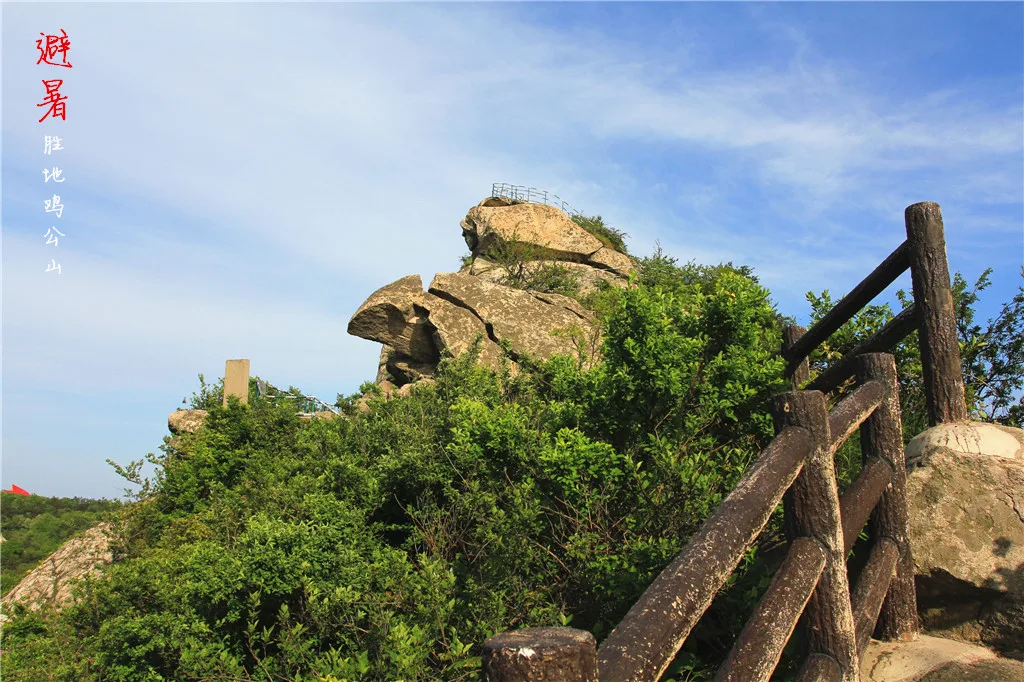
Xinyang offers trips combining the wooded hills of southern Henan with historic architecture. Allow for travel outside the urban area when visiting mountain destinations such as Jigong Mountain.
岳阳
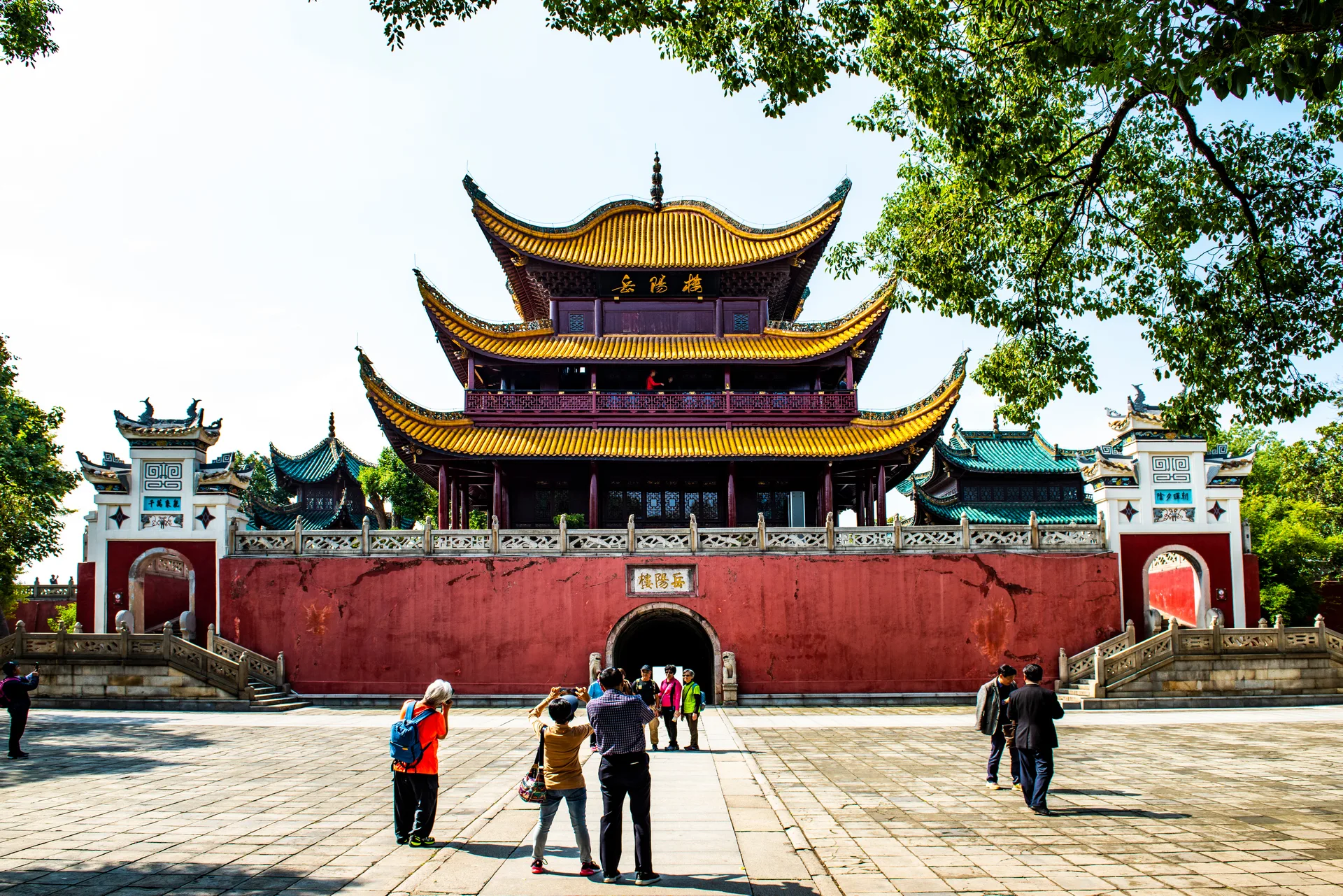
This collection focuses on the Yueyang Tower–Junshan Island scenic area, combining cultural sights with natural surroundings. Check the locations of the sightseeing areas, the urban centre and transport hubs separately.
张家界
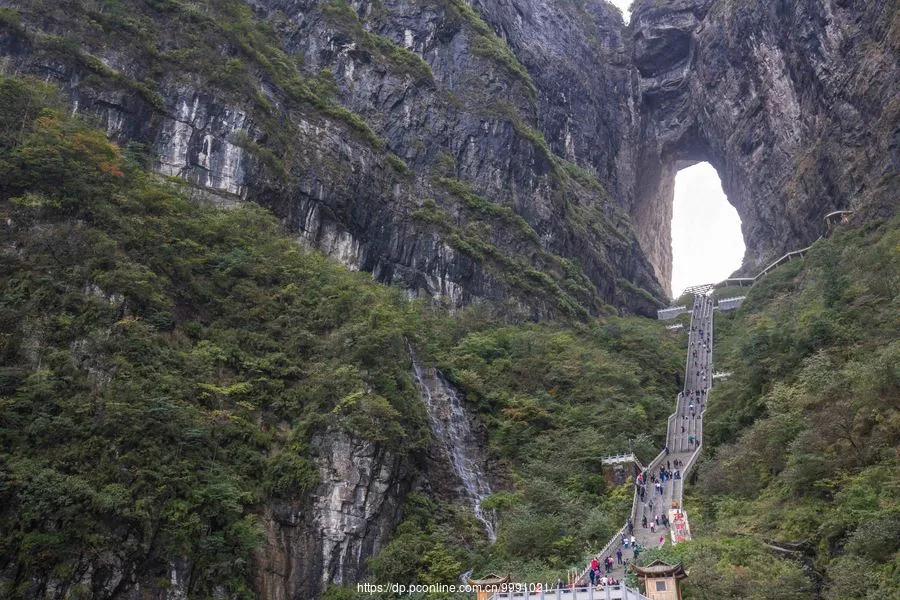
Distinguish the city of Zhangjiajie from its scenic areas. Wulingyuan is characterised by sandstone peaks and stream valleys, while Tianmen Mountain is in the Yongding District area; they do not share an entrance. Arrange accommodation and transport by area, allowing extra time for mountain weather, queues and the return journey.
· 2–2 days
郑州
Zhengzhou is the capital of Henan Province and the central city of the country. It is located in the hinterland of the Central Plains and the middle and lower reaches of the Yellow River. It is an important birthplace of Chinese civilization. Zhengzhou has a history of 3,600 years of unchanging capital. The Shang Dynasty established its capital here (Zhengzhou Mall). It is a representative city of the "city upon city" phenomenon. Locals call it the key to "understanding China". Zhengzhou is a "city brought by trains" and an important comprehensive transportation hub in the country. The two main railway lines of Longhai and Beijing-Guangzhou meet here.
周口
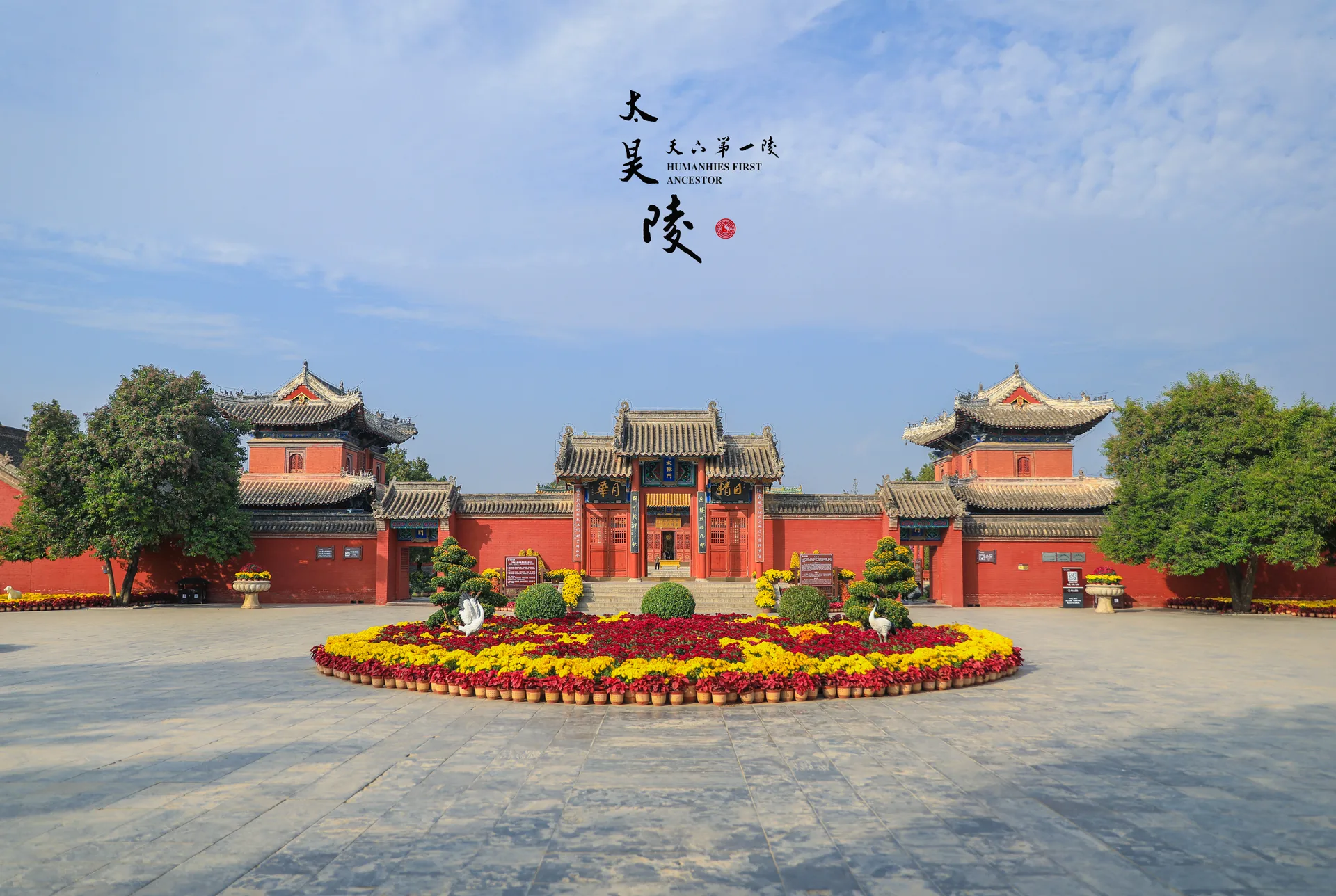
Huaiyang in Zhoukou offers an introduction to Fuxi culture, mausoleum and temple architecture, and local folk traditions. Arrange transport in advance during festivals and events.
驻马店
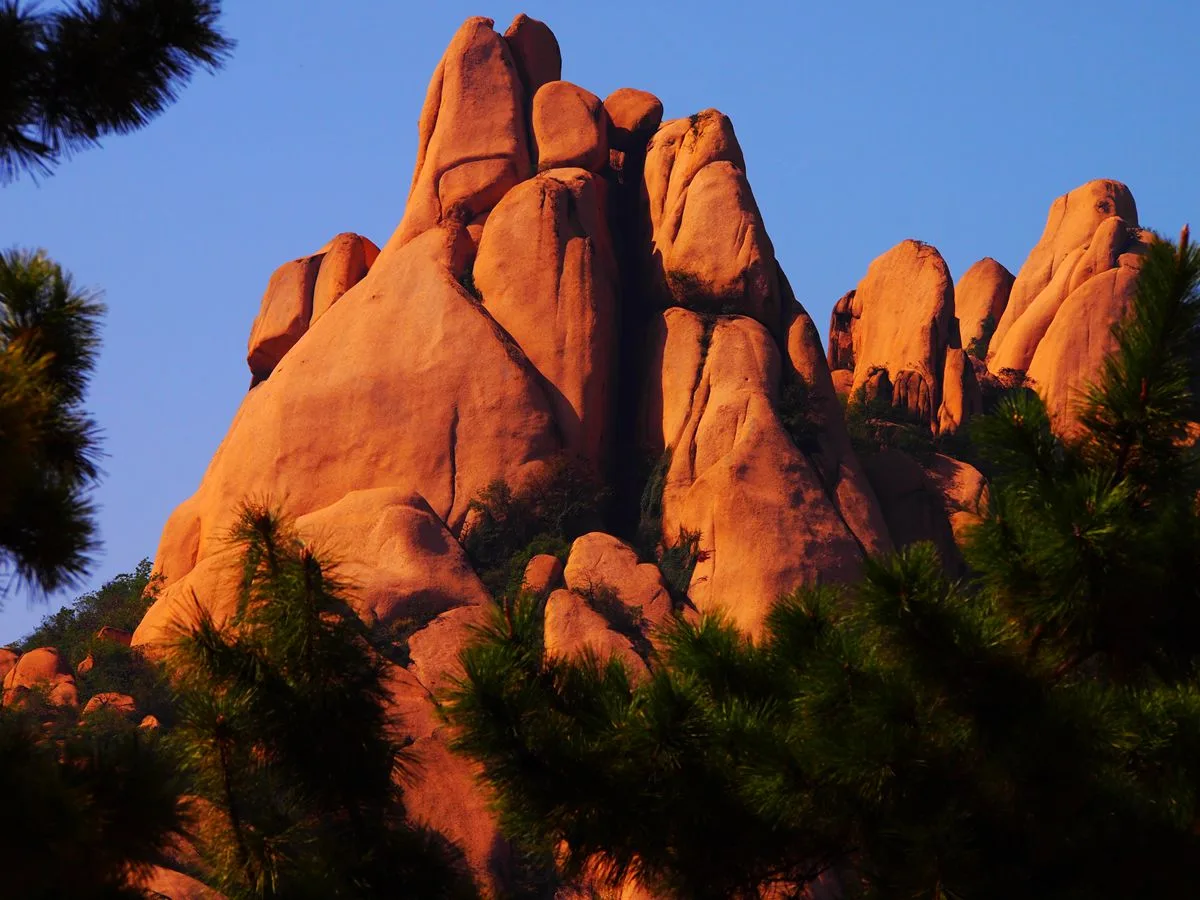
Chaya Mountain in Zhumadian offers granite rock formations and lake-and-mountain scenery. Choose a hiking route suited to your physical ability before setting out.
株洲
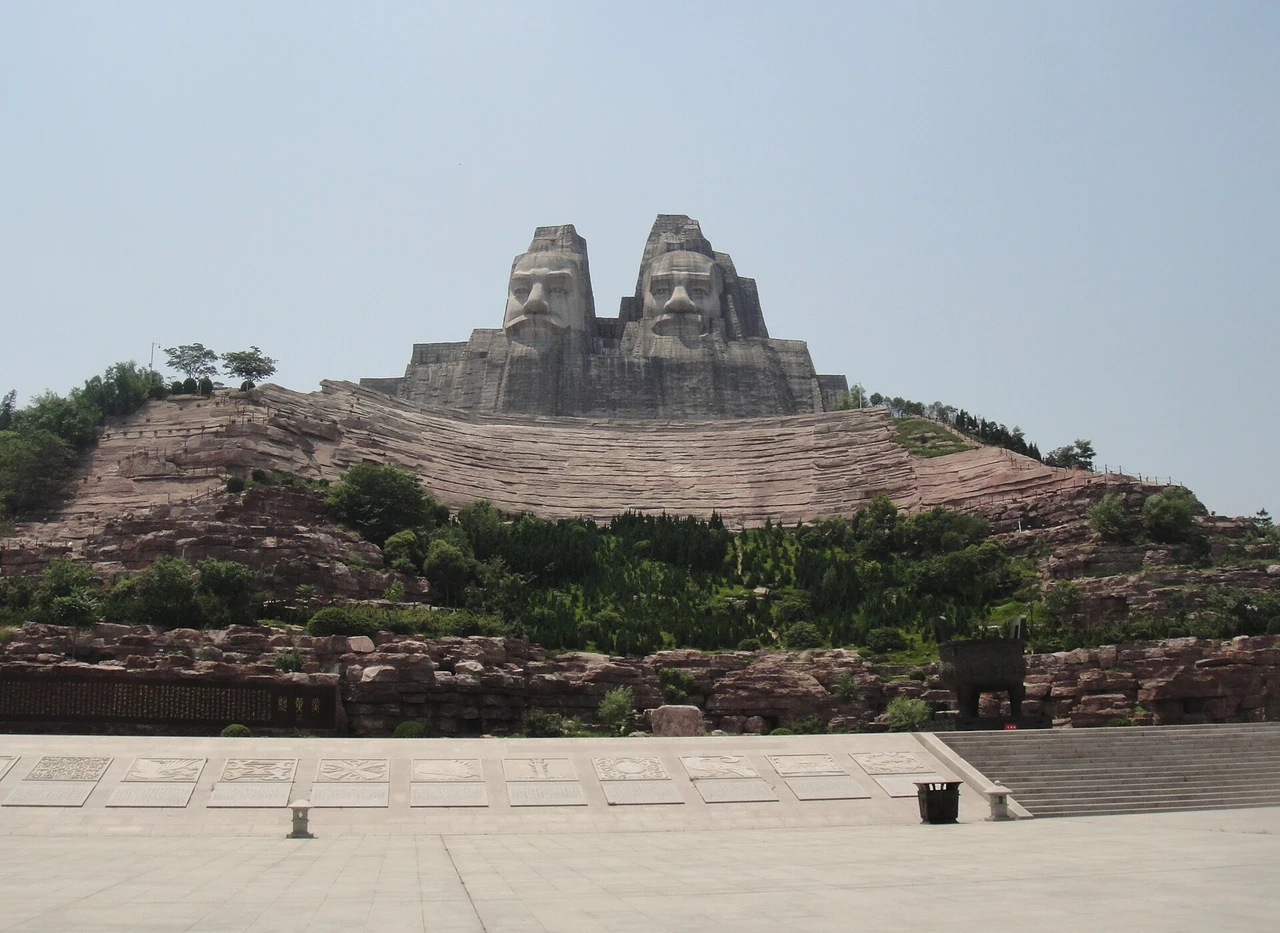
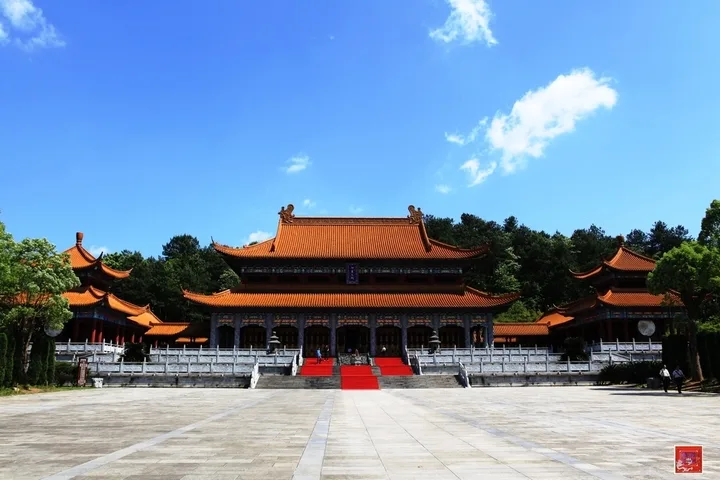
This collection focuses on the Mausoleum of Emperor Yan scenic area in Zhuzhou. Plan the journey from the city centre, the entrance and your visit separately; a city-level destination should not be treated as a single sightseeing spot.
武汉
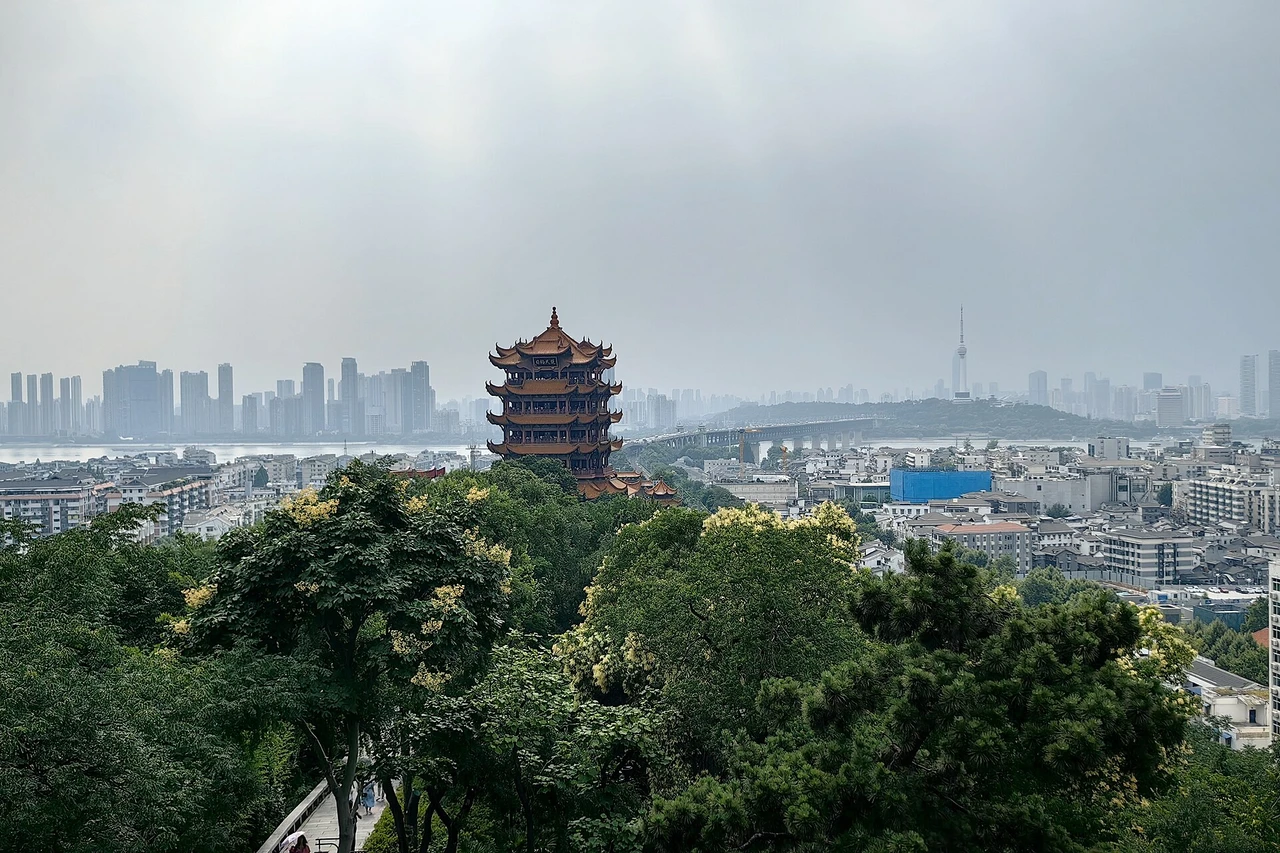
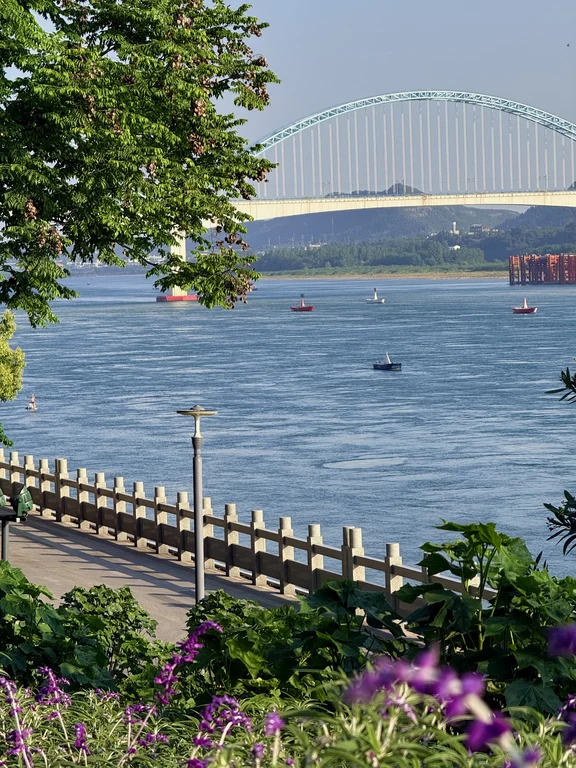
Wuhan developed from the three towns of Wuchang, Hankou, and Hanyang at the intersection of the Yangtze River and the Han River. Ferries, bridges, opening blocks, universities, museums, and the vast East Lake jointly make the water system the core of the urban structure. The itinerary should be arranged according to river banks and areas, because places that appear to be very close across the water may require longer bridges or subway transfers.
长沙
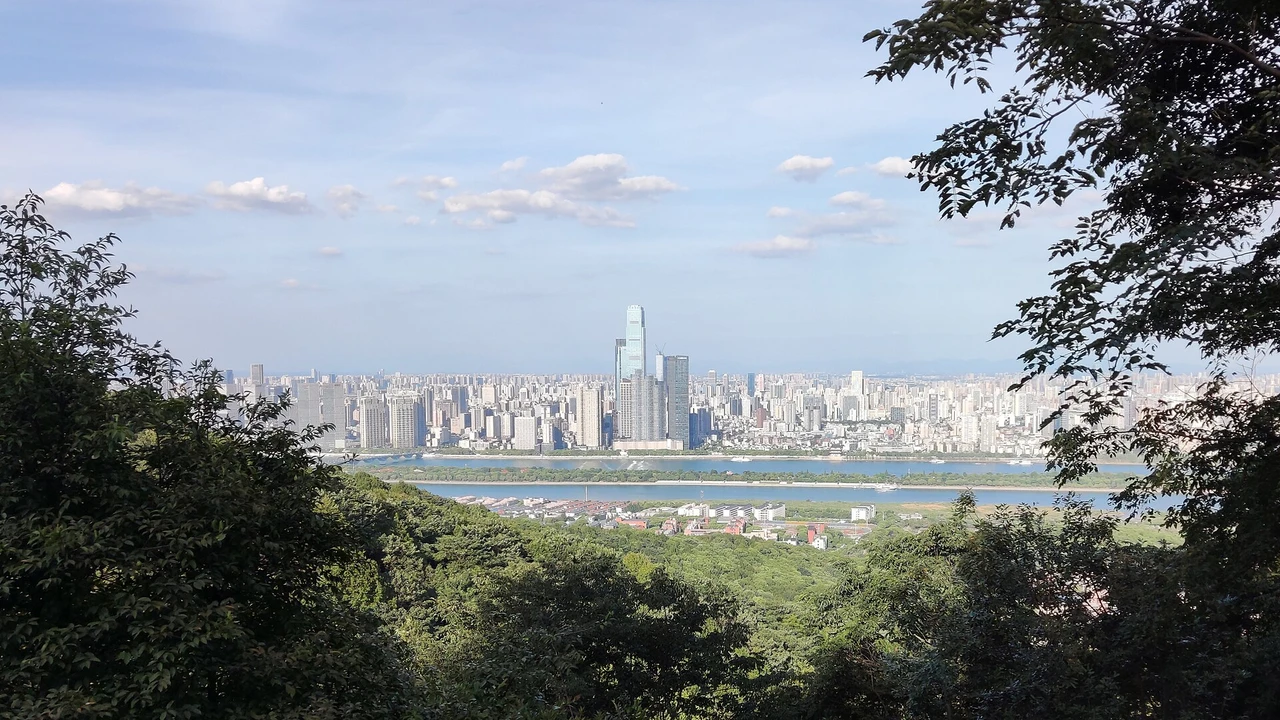
Changsha is a vibrant Xiangjiang city where archeology, millennium academies, modern history, media culture and nighttime food economy overlap. The Xiangjiang River separates the main areas, but the subway connection is convenient; museums, Yuelu Mountain woodlands and community early mornings should be arranged outside the busy commercial core to avoid only seeing high-volume nightlife images.
洛阳
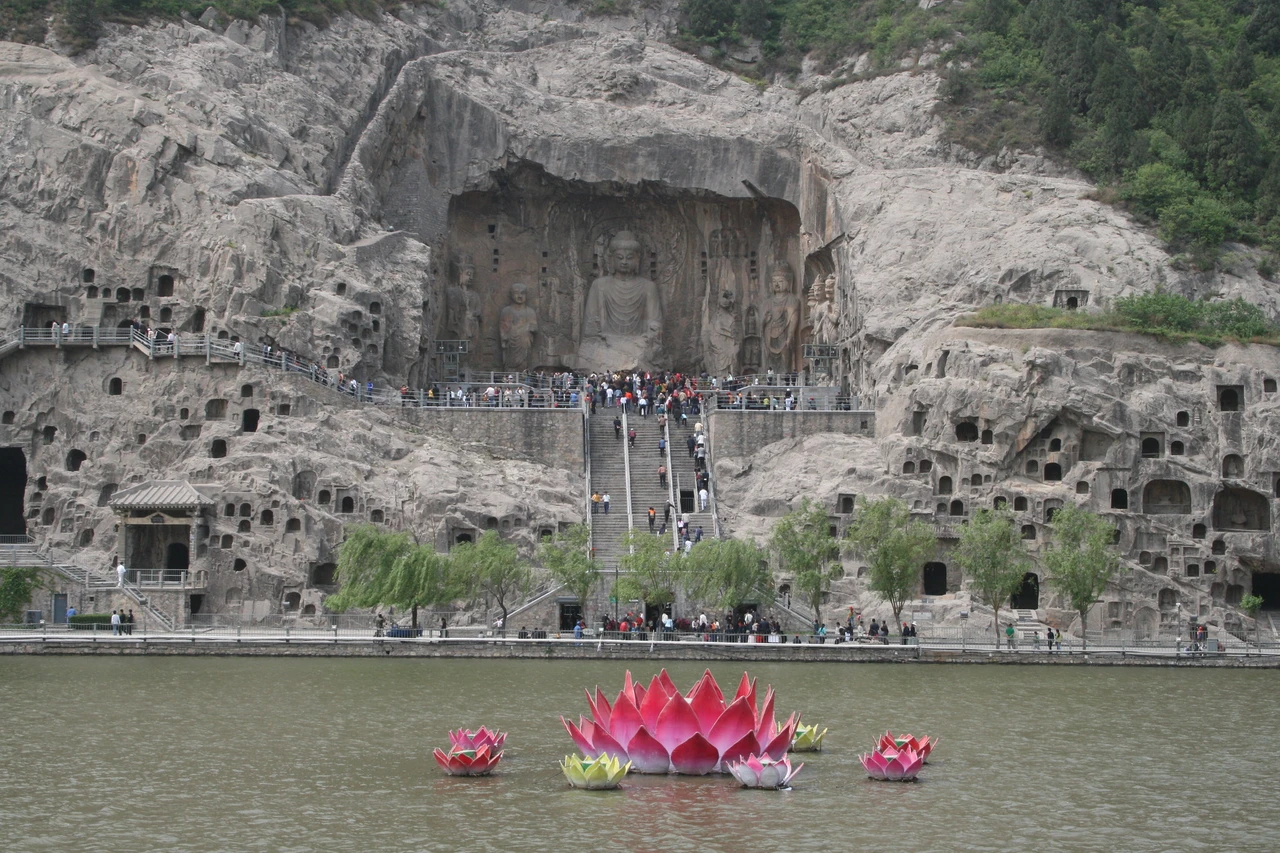
The importance of Luoyang comes from the many capital constructions and repeated reconstructions in the Yellow River Civilization, rather than from a completely preserved ancient city. Longmen records Buddhist patronage in the Northern Wei and Tang dynasties, Erlitou discusses early state formation, and the museum and archaeological site park explain the subsequent capital structure. Archaeological remains, protected grotto art and modern display reconstructions should be distinguished, and sufficient travel time should be reserved for dispersed points.
开封
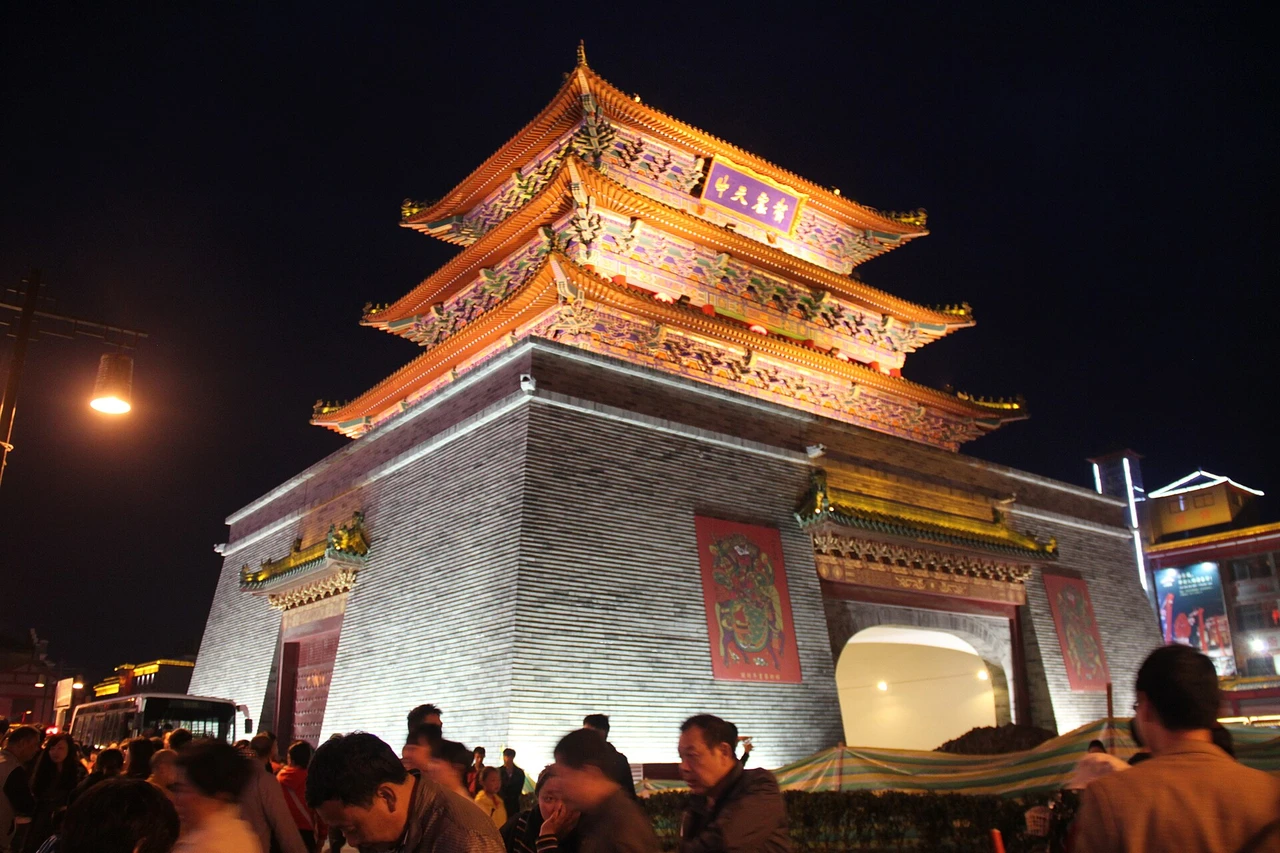
Kaifeng was once the capital of the Northern Song Dynasty, but repeated Yellow River floods, wars, and reconstructions left that metropolis largely archaeologically layered beneath later cities. Museums, evidence of city stacks, ancient pagodas, guild halls, and Ming and Qing city walls can provide better historical anchors than simple modern Song-style landscapes. The central city is more walkable, but the monuments visible everywhere belong to different eras.
YIH · 2–4 days
宜昌
Yichang is the gateway to the Yangtze River, where the Three Gorges landscape, modern hydropower projects, relocated cultural relics, Qu Yuan traditions and Tujia communities meet. Different reservation and security systems are used in dam areas, cruise ships, museums and rural scenic spots. Each day should have a clear focus on engineering, landscape, or cultural history, rather than a hasty focus on all three.