Explore China
Cities for every pace.
Compare practical essentials first, then open a city for neighbourhoods, arrival notes and local context.
Filter by region
 Southwest China成都
Chengdu
TFU · 3–4 days
Chengdu is the unhurried capital of China. People sit in teahouses for whole afternoons, dinner takes three hours, and nobody minds. Three days in the city, then the mountains.
 Southwest China重庆
Chongqing
· 2–3 days
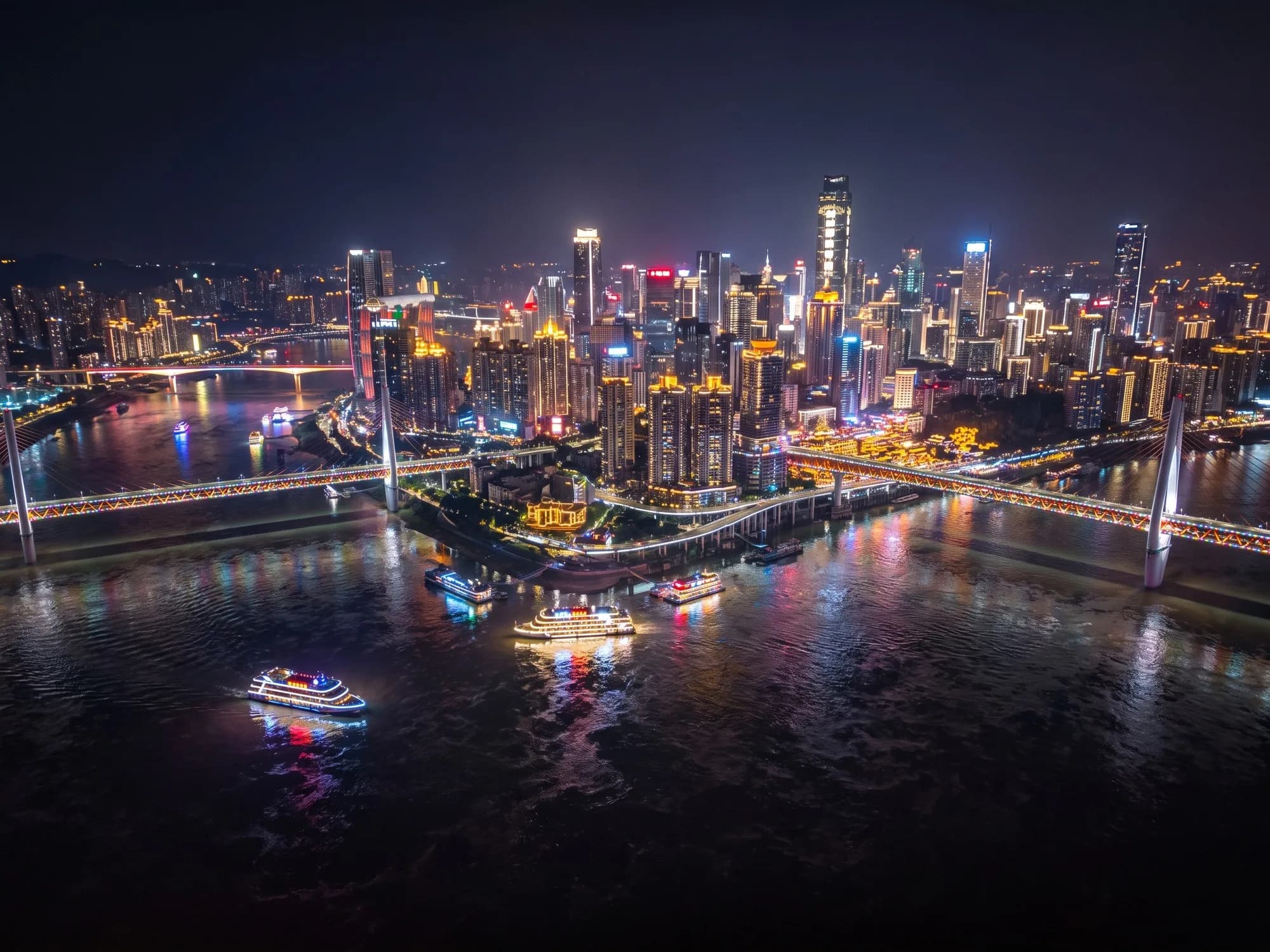
Chongqing stacks itself up the hillsides where the Yangtze meets the Jialing. It is disorienting, dramatic and delicious. Two days, and eat hot pot on the first night.
 Southwest China大理
Dali
· 3–5 days
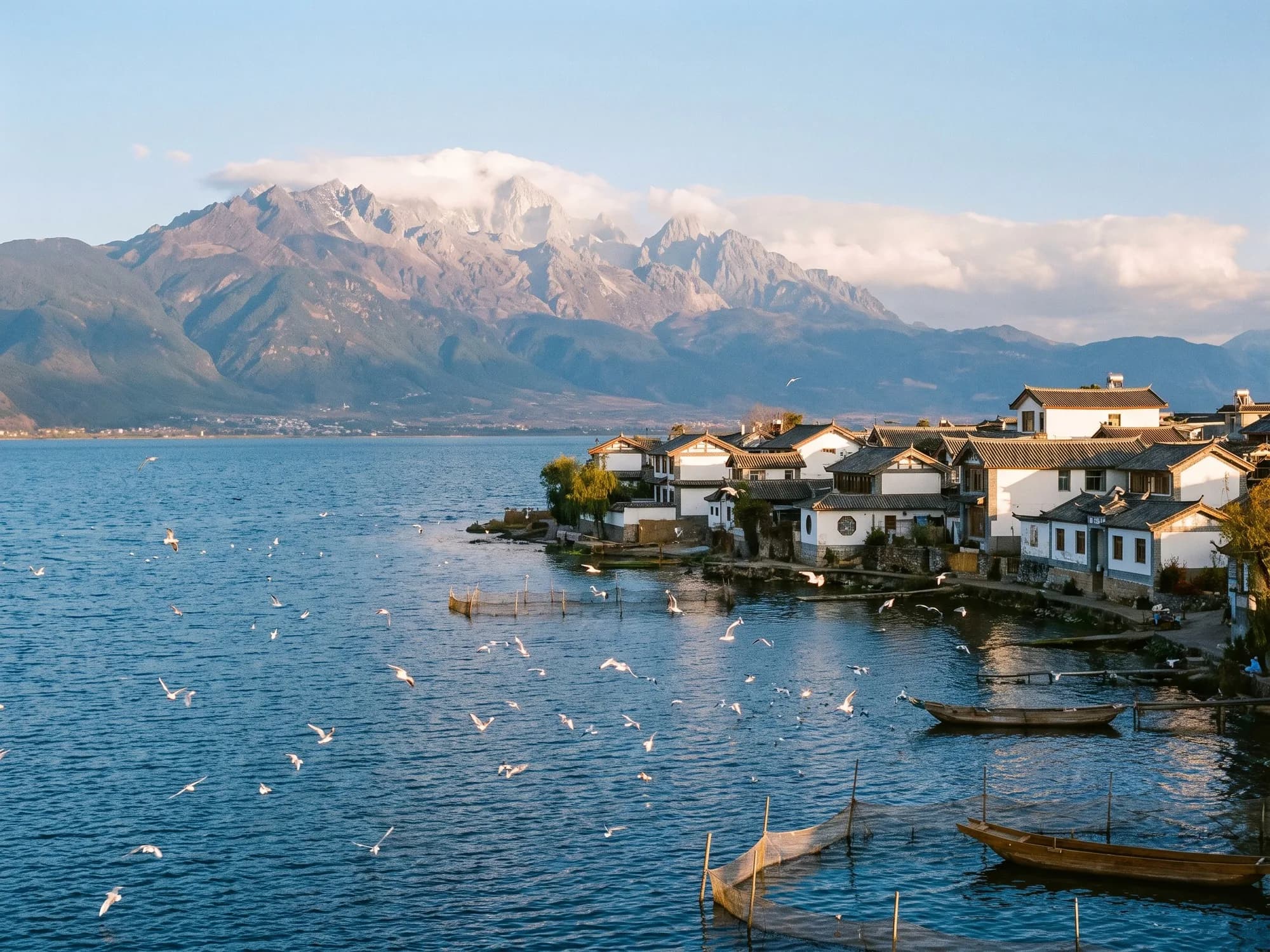
Dali sits between Erhai Lake and the Cangshan range, and people who came for two days stay for two weeks. Cycle the lake, walk the mountain, do very little.
 Southwest China昆明
Kunming
· 2–2 days
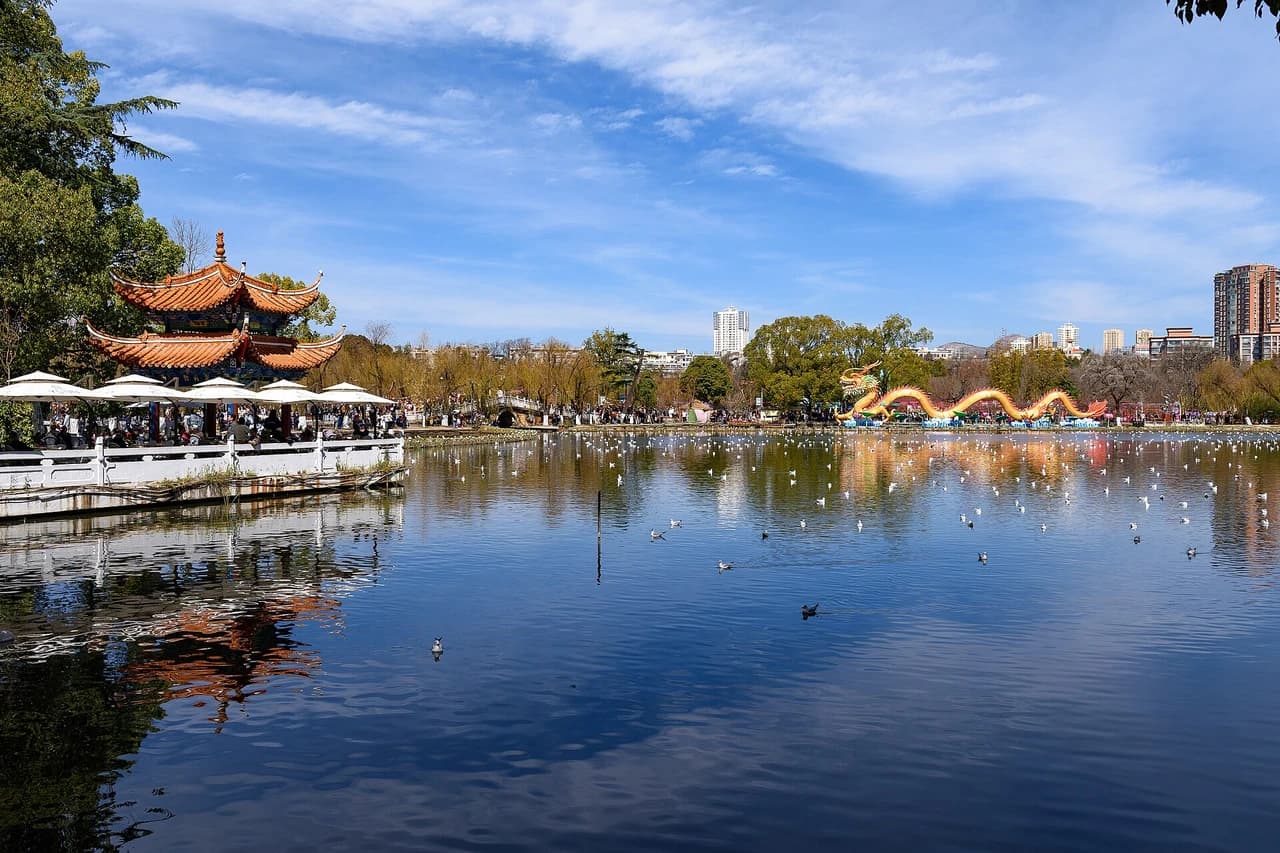
Kunming is the gateway to Yunnan and a good city in its own right, at two thousand metres with weather that never gets extreme. Give it a day or two around Green Lake before heading west to Dali and Lijiang.
 Southwest China丽江
Lijiang
· 2–3 days
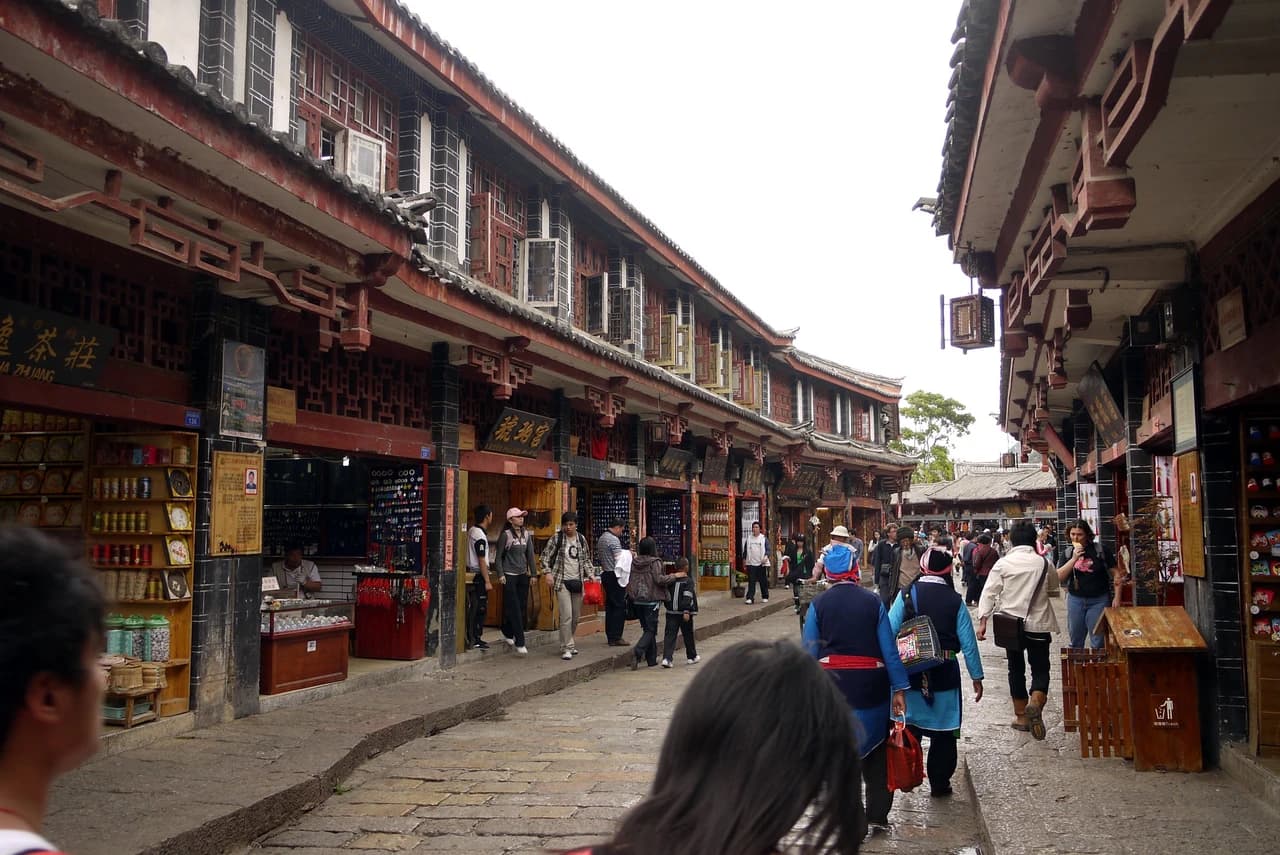
Lijiang is three Naxi towns on a plain under Jade Dragon Snow Mountain. Dayan, the famous one, is beautiful and overrun; Shuhe and Baisha next door are the same architecture at a fraction of the volume.
 Southwest China贵阳
Guiyang
· 2–2 days
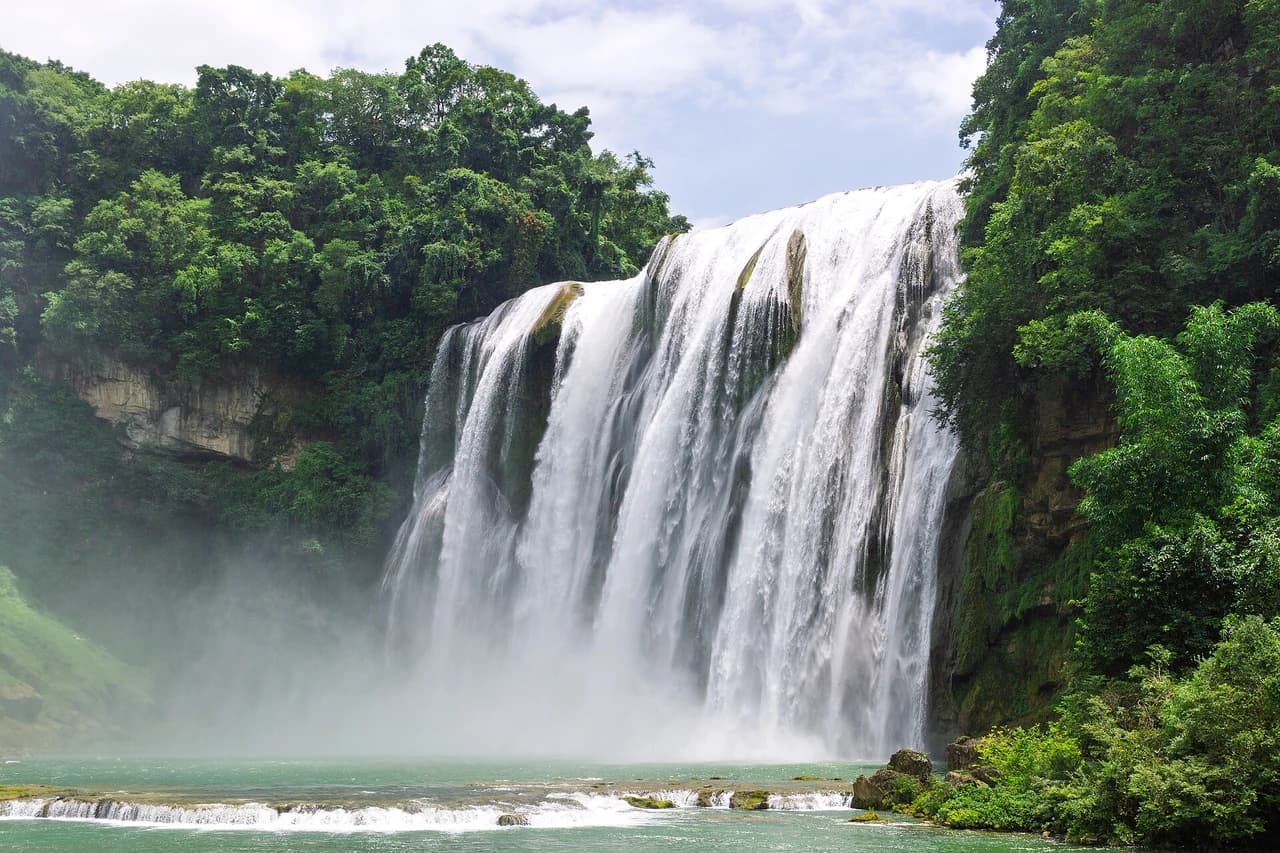
Guiyang is the mountain capital of Guizhou, cool in summer and set among green hills, and the gateway to the Miao and Dong villages, the Huangguoshu falls, and a province most travellers still miss. Two days here, then out.
Daocheng
DCY · 4–6 days
Daocheng is a high-altitude county of glacial valleys, sacred peaks, pastoral land, Tibetan villages and important Palaeolithic research. Yading is its best-known protected landscape, but a responsible visit begins with acclimatisation and respect for living communities rather than racing directly to the highest lakes. Build spare days into the route because weather, health and ecological controls can override plans.
Nyingchi
LZY · 4–6 days
Nyingchi spans deep river gorges, forested valleys, glacial lakes, sacred peaks and living Tibetan, Monpa and Lhoba communities across a large southeastern Tibetan region. Its lower valleys can feel gentler than central Tibet, but routes still cross high passes and remote terrain. Plan separate geographic clusters, respect community and religious boundaries, and treat every mountain view as weather-dependent rather than guaranteed.
Deqin
· 3–5 days
Deqin occupies a steep highland borderland where the Lancang, Jinsha and Nu river systems cut through the Three Parallel Rivers landscape beneath Meili and Baima snow mountains. Tibetan villages, pilgrimage routes, vineyards and historic religious sites are separated by demanding roads and large elevation changes. Travel slowly, respect sacred mountains and living communities, and keep spare time for weather and road disruption.
Lhasa
LXA · 4–6 days
Lhasa is both a high-altitude regional capital and a living centre of Tibetan Buddhism. The Potala Palace, Jokhang Temple and Norbulingka form a UNESCO-listed ensemble, while monasteries, museums, neighbourhood tea houses and contemporary civic life extend far beyond the postcard skyline. Build in acclimatisation time, use official reservation channels and approach worshippers and residential streets with restraint.
Nujiang
· 4–7 days
Nujiang Prefecture follows one of China's deepest river gorges between the Gaoligong and Biluo mountains. Lisu, Nu, Dulong, Tibetan and other communities, suspension bridges, churches, terraces and forests share a landscape of extreme relief and fragile roads. Distances are slow, villages are private communities, and weather must control the itinerary.
Anshun
AVA · 2–4 days
Anshun combines major waterfall systems and karst caves with Ming military-settlement heritage, old urban lanes and diverse Buyi and Miao communities. Huangguoshu is only one part of a dispersed landscape. Use the city as a base, group sites by direction and distinguish living traditions from staged visitor programmes.
Shigatse
RKZ · 4–7 days
Shigatse stretches from fertile Yarlung Tsangpo farming valleys to the world's highest Himalayan terrain. Major monasteries, fortress towns, barley culture and border landscapes are separated by long high-altitude roads; acclimatise in the city before remote travel and treat monasteries as living institutions.
Kangding
KGT · 3–6 days
Kangding sits where Sichuan basin routes climb into the eastern Tibetan plateau, linking Dadu River history, Tibetan monasteries, trading traditions and the high landscapes around Gongga. The municipality covers valleys and passes far beyond the compact town; group outings geographically and respect pasture, worship and village privacy.
Ngari
NGQ · 7–12 days
Ngari occupies an immense, sparsely settled high plateau of sacred mountains and lakes, wildlife habitat, earth forests and archaeological remains. Distances, altitude and permits define every journey. Travel with authorised logistics, respect pilgrimage practices and protected areas, and never treat remoteness as permission to go off-route.
Aba
JZH · 4–7 days
Aba Prefecture combines world-famous travertine and lake systems with high mountains, grassland wetlands, Tibetan and Qiang communities and earthquake memory. Jiuzhaigou, Huanglong, Siguniang and Ruoergai lie in different corridors. Slow transfers, conservation capacity and community boundaries must shape the plan.