Explore China
Cities for every pace.
Compare practical essentials first, then open a city for neighbourhoods, arrival notes and local context.
Filter by region
 East China杭州
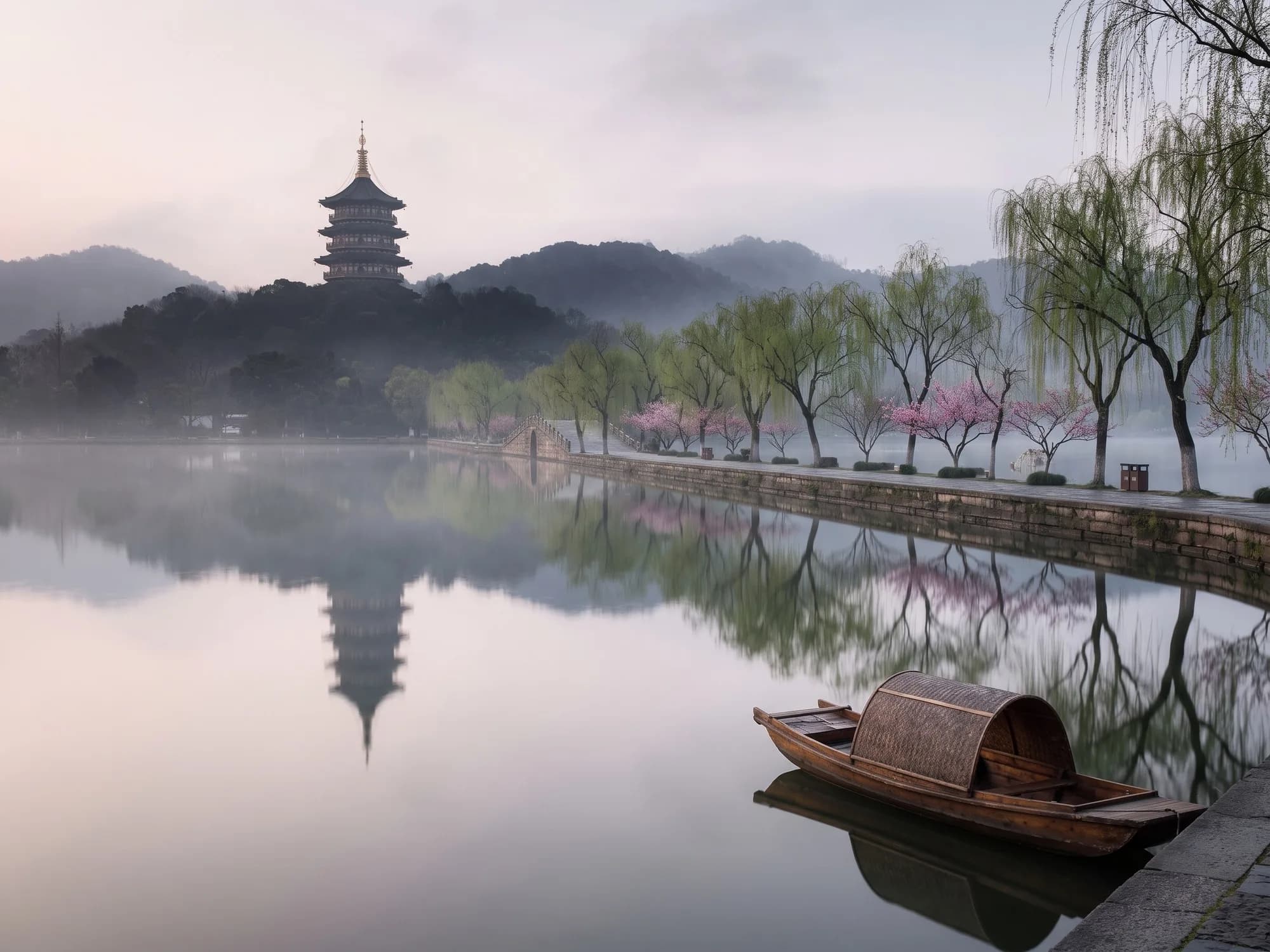
Hangzhou
· 2–3 days
Hangzhou is the lake and the hills around it. Two days lets you walk the lake, cycle to the tea villages and drink a lot of Longjing.
 East China上海
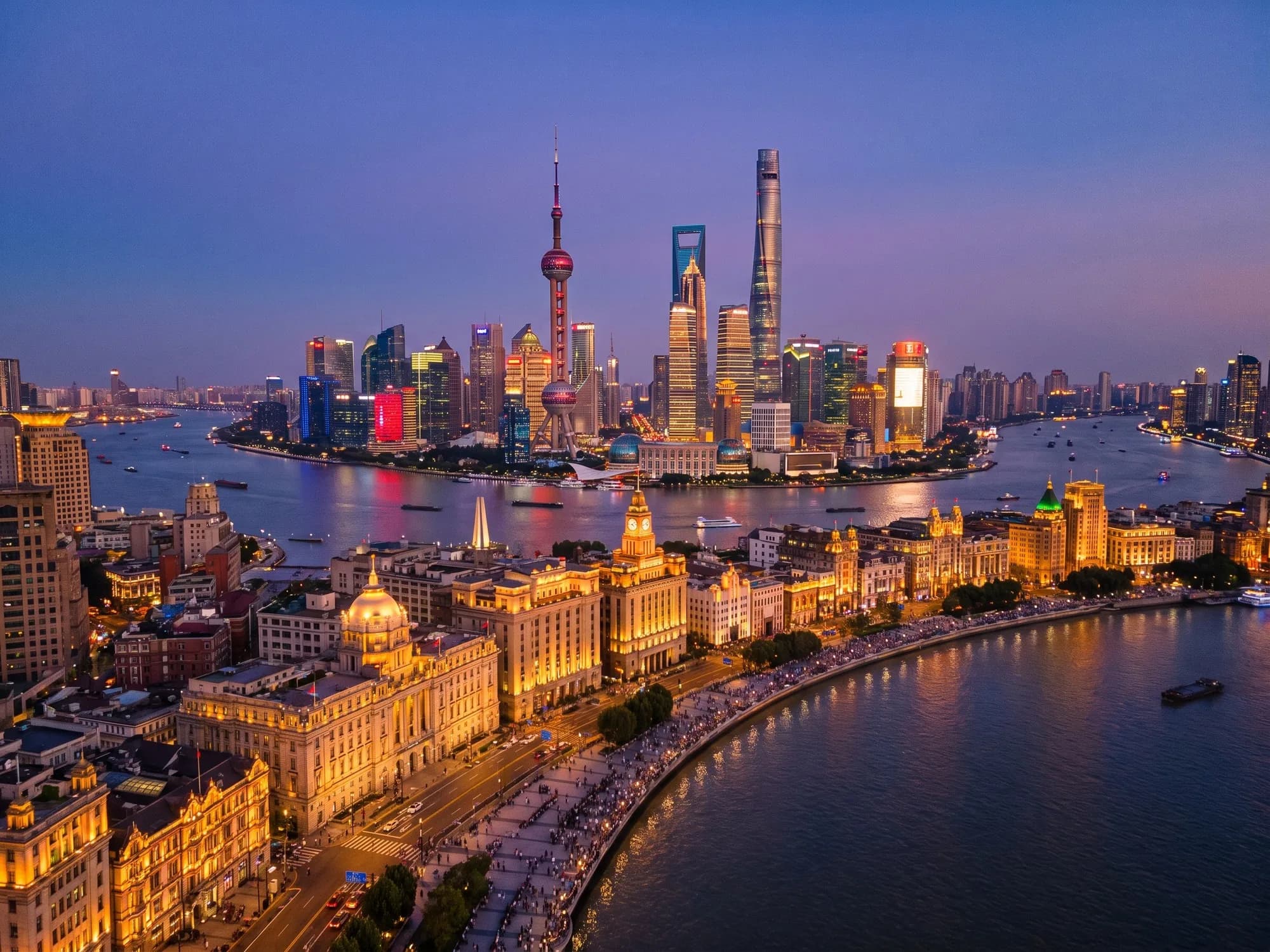
Shanghai
PVG · 3–4 days
Shanghai is the easy entry point: signage in English, a metro that goes everywhere, and neighbourhoods built for walking. Three days is enough for the city; add Suzhou or Hangzhou as day trips.
 East China苏州
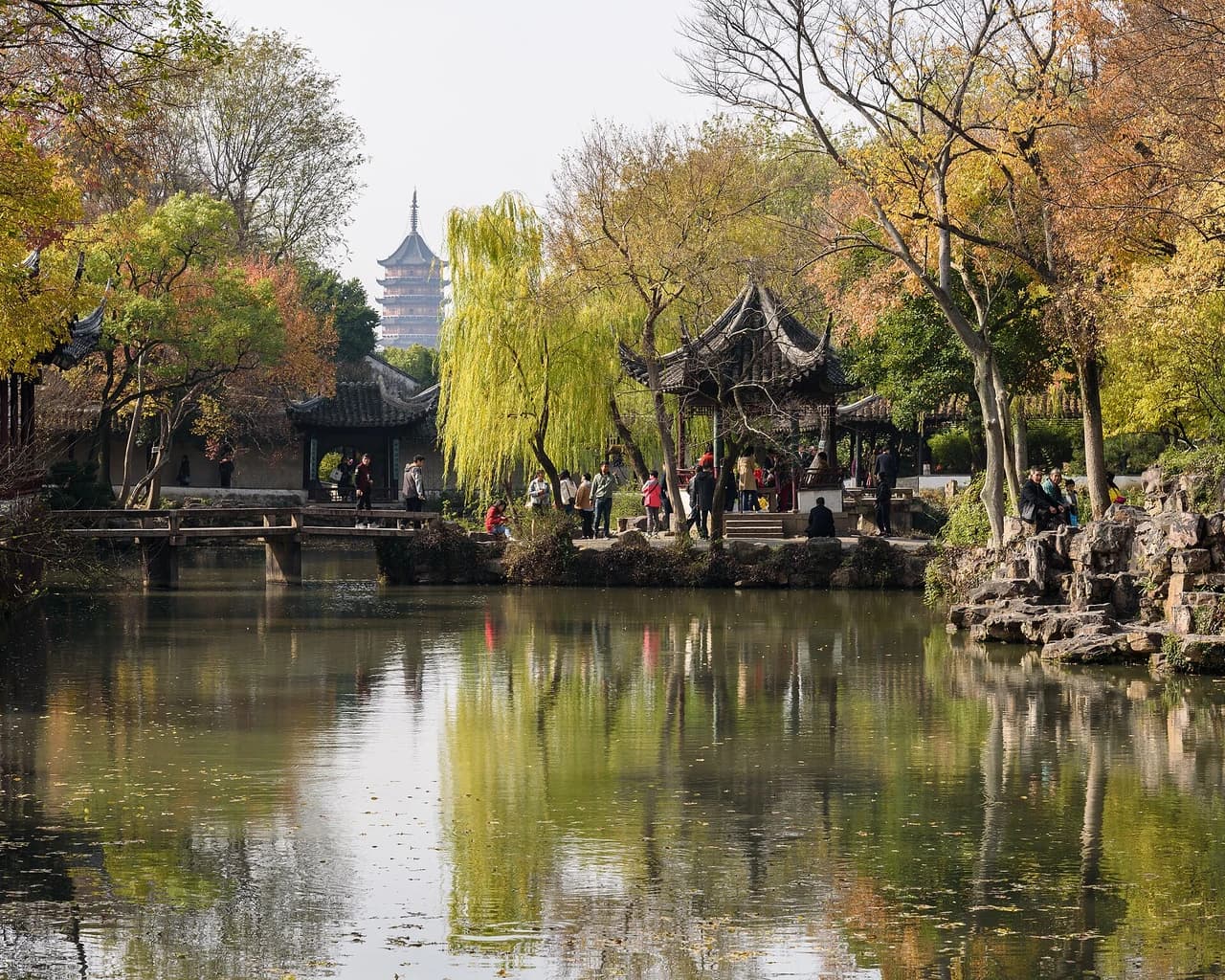
Suzhou
· 2–2 days
Suzhou's gardens are small, perfect and best seen one or two at a time. Stay a night in the old town rather than day-tripping, and see them at opening before the groups.
 East China南京
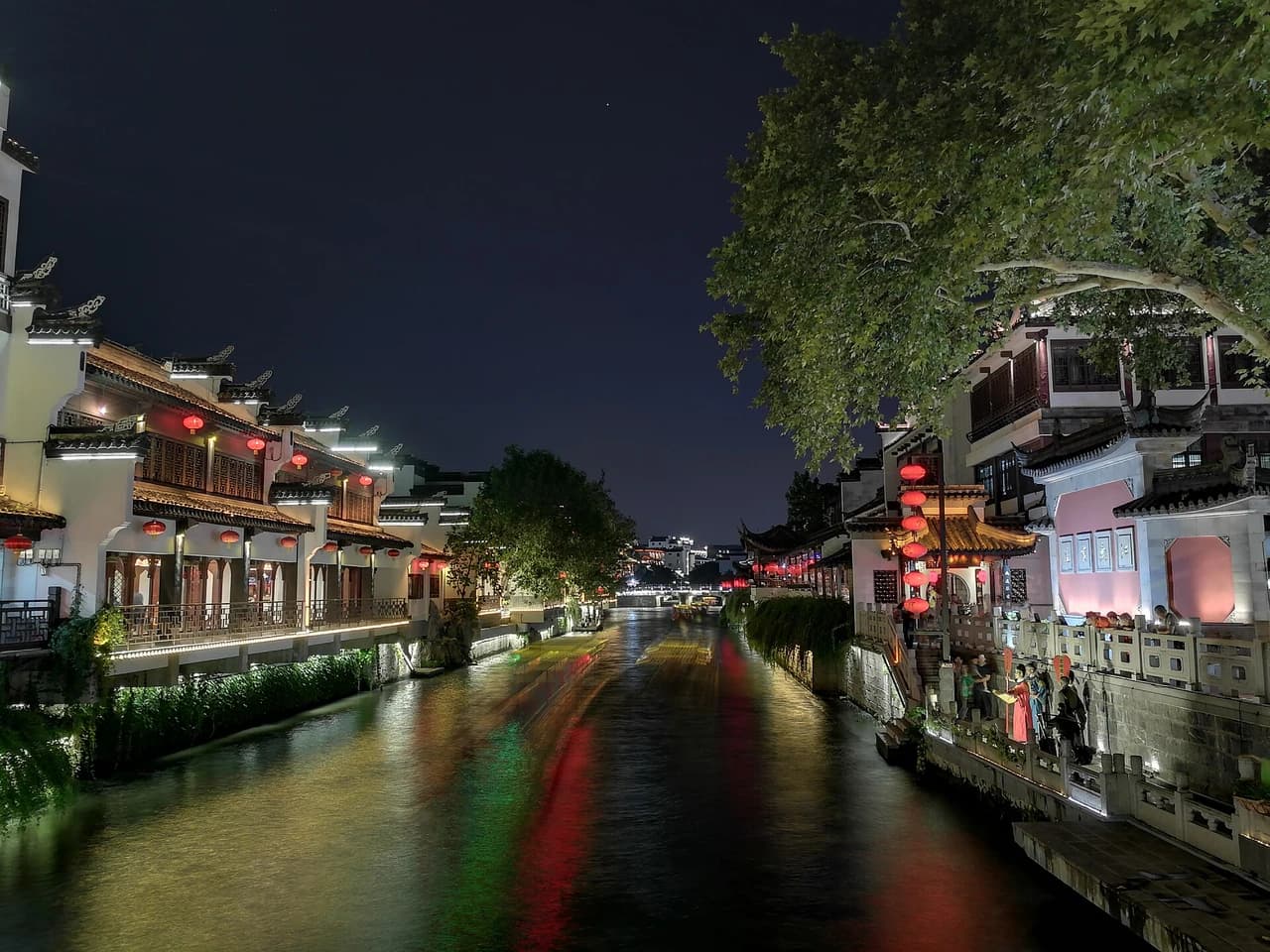
Nanjing
· 2–3 days
Nanjing was the capital six times and keeps the scale of one: a thirty-kilometre city wall, boulevards under plane trees, and Purple Mountain rising at the east gate. An hour from Shanghai, and a different tempo.
 East China厦门
Xiamen
· 2–3 days
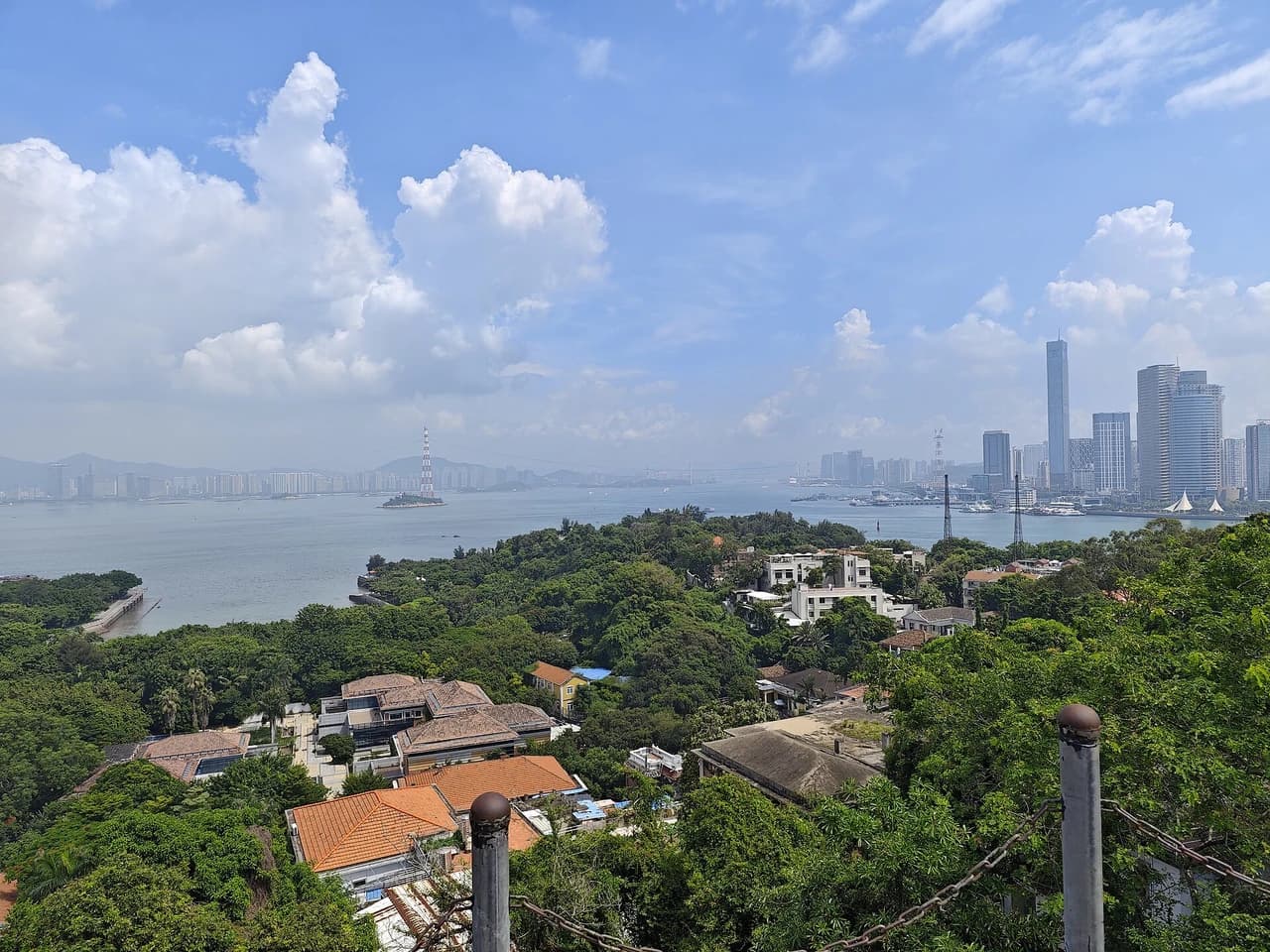
Xiamen is the gentlest city on the south-east coast: a walkable island of arcaded streets and seafront paths, with Gulangyu, a car-free island of colonial villas, five minutes away by ferry. Come for the pace, not a checklist.
 East China青岛
Qingdao
· 2–3 days
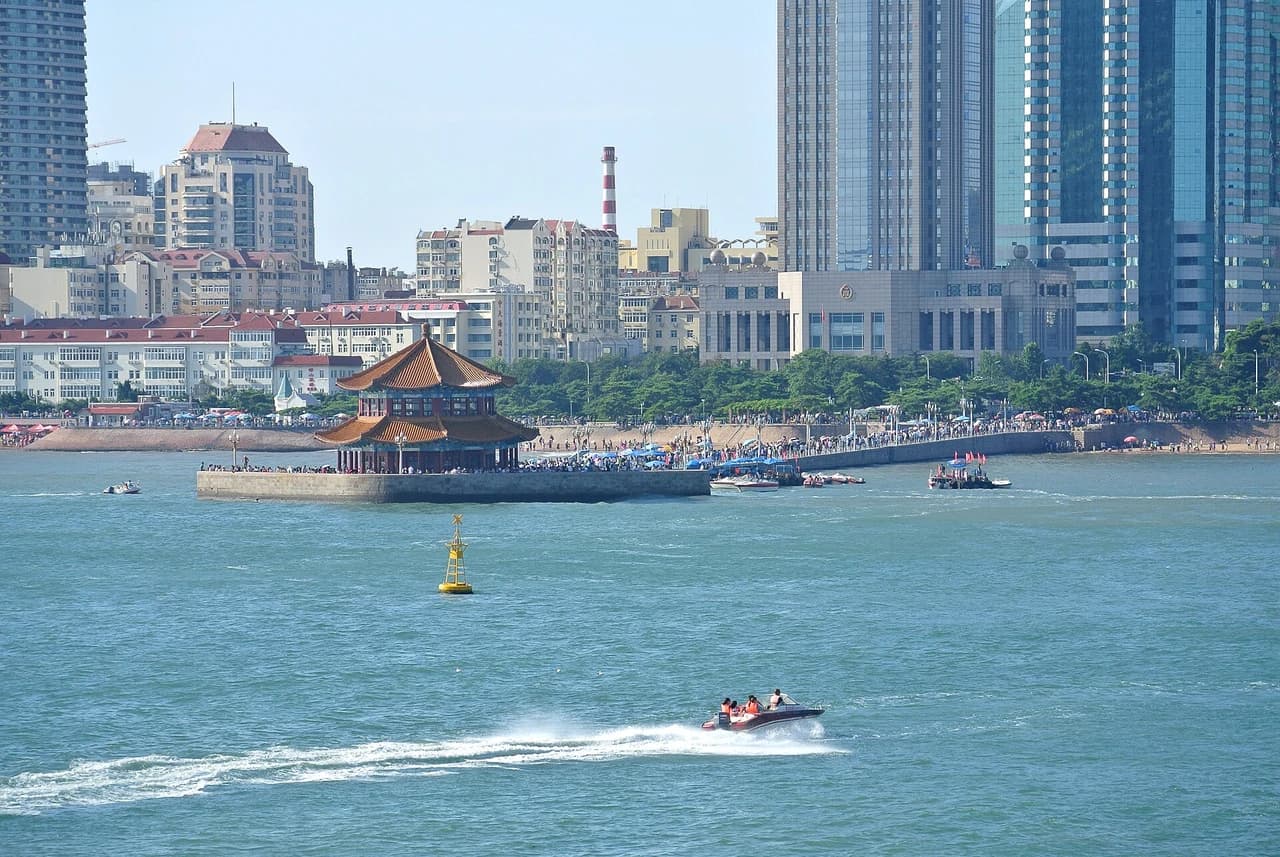
Qingdao is the seaside city of the north: a hilly German-built old town of red tiles and granite, beaches along the bay, and Laoshan's Taoist mountain at the end of the coast road. Three hours from Beijing and a different climate.
 East China泉州
Quanzhou
· 2–2 days
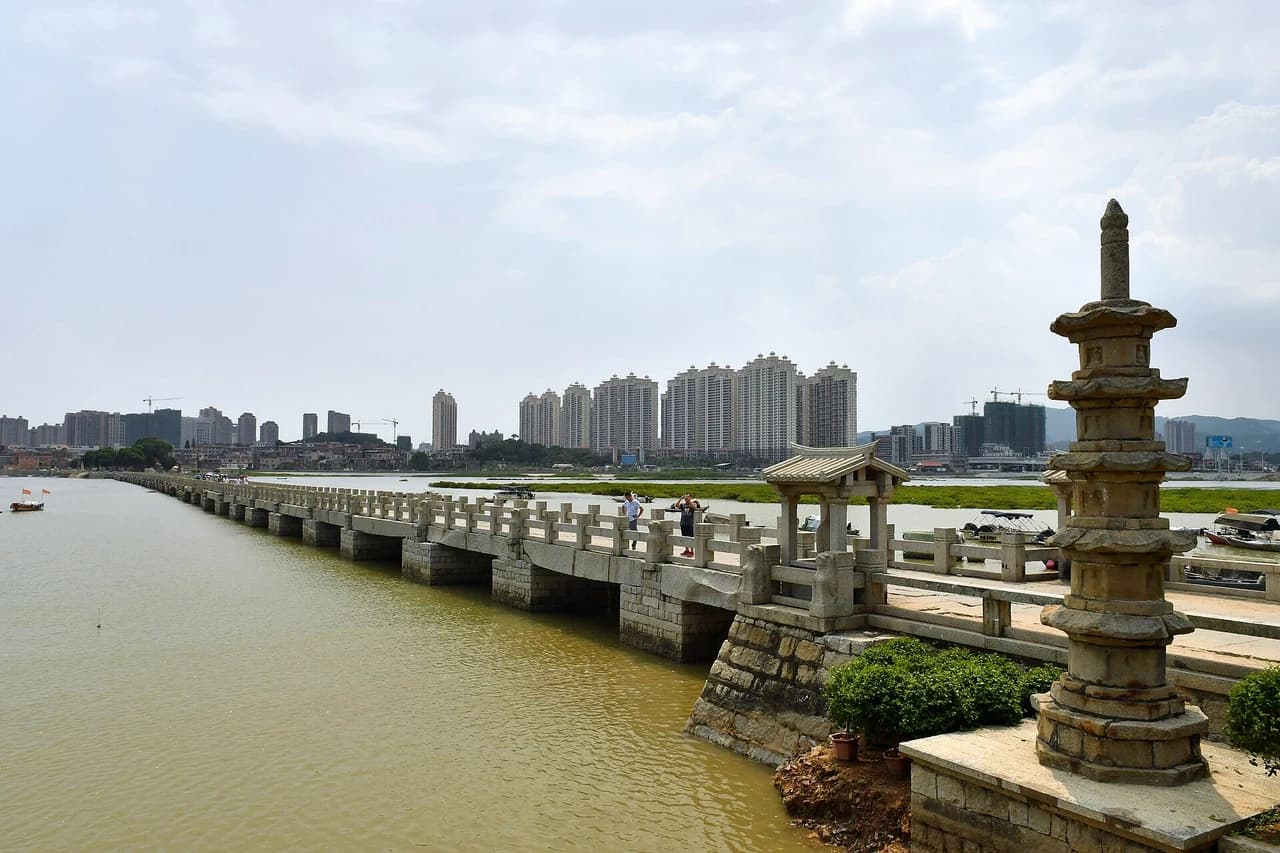
Quanzhou was the largest port in the world in the Song and Yuan, and the old town keeps the evidence: a Tang Buddhist temple, a Song mosque, Manichaean and Hindu carvings, and a living street culture of temple fairs and noodle stalls. Half an hour from Xiamen and almost no foreign visitors.
 East China绍兴
Shaoxing
· 1–2 days
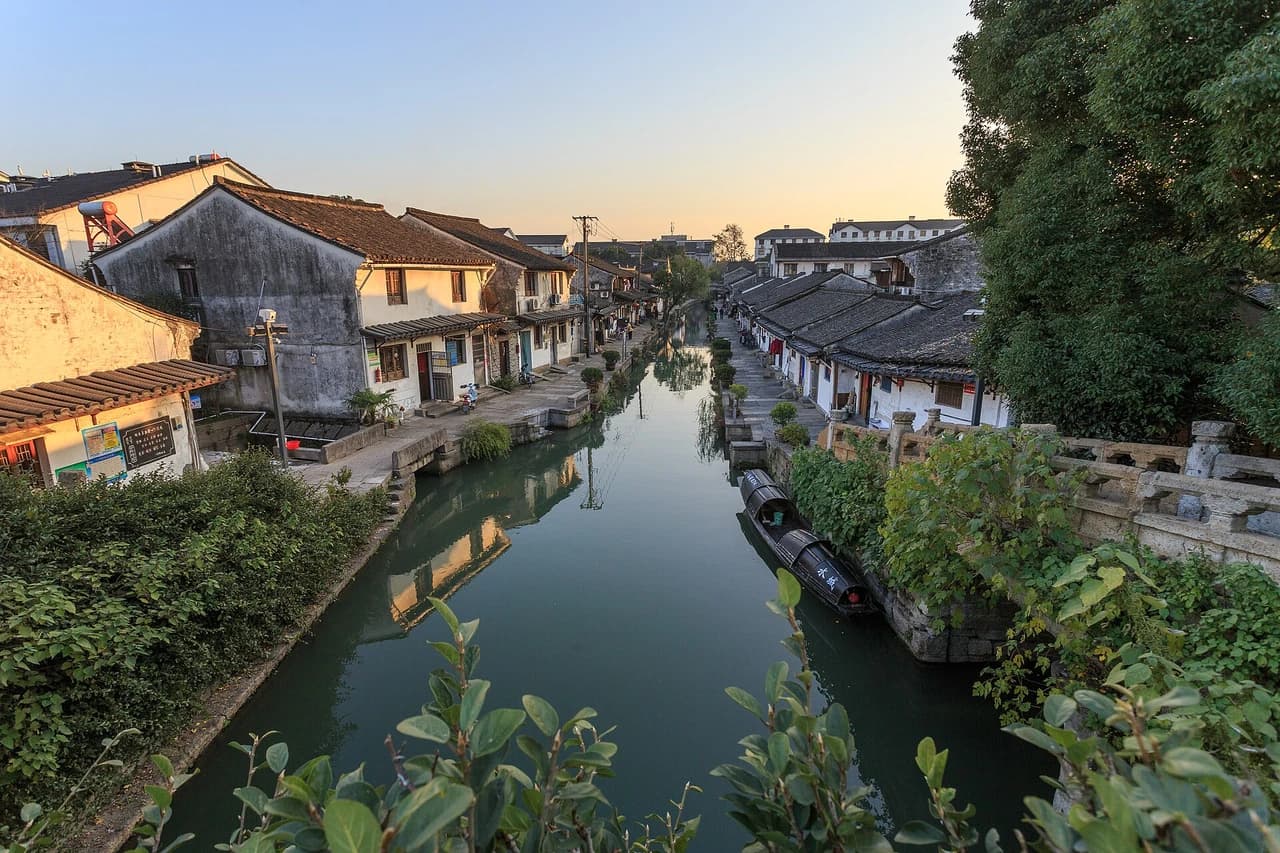
Shaoxing is a canal city of the old Jiangnan kind, twenty minutes from Hangzhou, where people still live along the water. It has the writer Lu Xun's childhood, the calligrapher Wang Xizhi's pavilion, and the wine that carries its name.
Tai'an
· 2–3 days
Tai'an grew at the foot of Mount Tai, where geology, imperial ritual, popular pilgrimage, inscriptions and modern tourism occupy the same landscape. The city is not merely a place to sleep before a sunrise climb: Dai Temple explains the ceremonial axis, Dawenkou opens a much earlier archaeological history, and western forest routes offer alternatives to the crowded central stairs.
Huangshan
TXN · 3–5 days
Huangshan joins the granite peaks of Mount Huangshan with Huizhou villages, merchant history, ancestral architecture and the living city of Tunxi. Mountain and village heritage require different rhythms. Spread them across days, use public transfers and read residences as social history rather than decorative façades.