
 Xishuangbanna
Explore places
See where you might go.
Browse a mix of cities, or choose one city to see its places in editorial order.
Xishuangbanna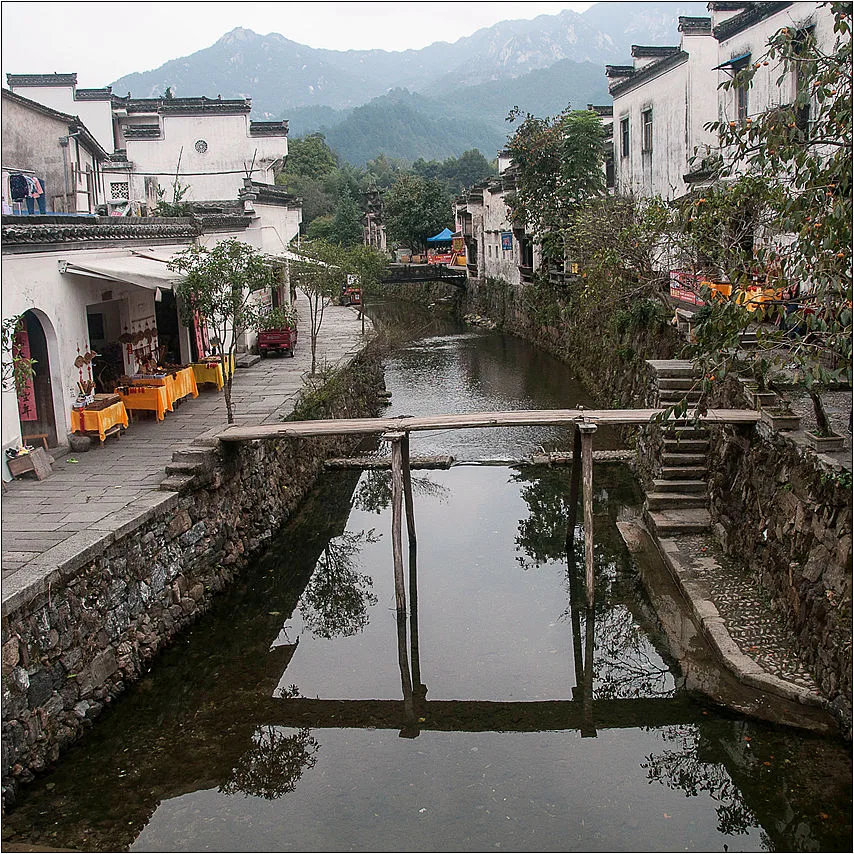 Xuancheng
Longchuan Scenic Area
龙川景区
Longchuan in Jixi is a traditional village largely associated with the Hu clan. Waterside streets and Huizhou-style architecture form the main walking route. The Hu Ancestral Hall and Yishi Shangshu Archway offer insights into woodcarving, stone carving and clan history. Walk slowly along village waterways, entering cultural buildings where open. This page does not refer to Longchuan County in Guangdong or other similarly named places.
Explore Xuancheng ↗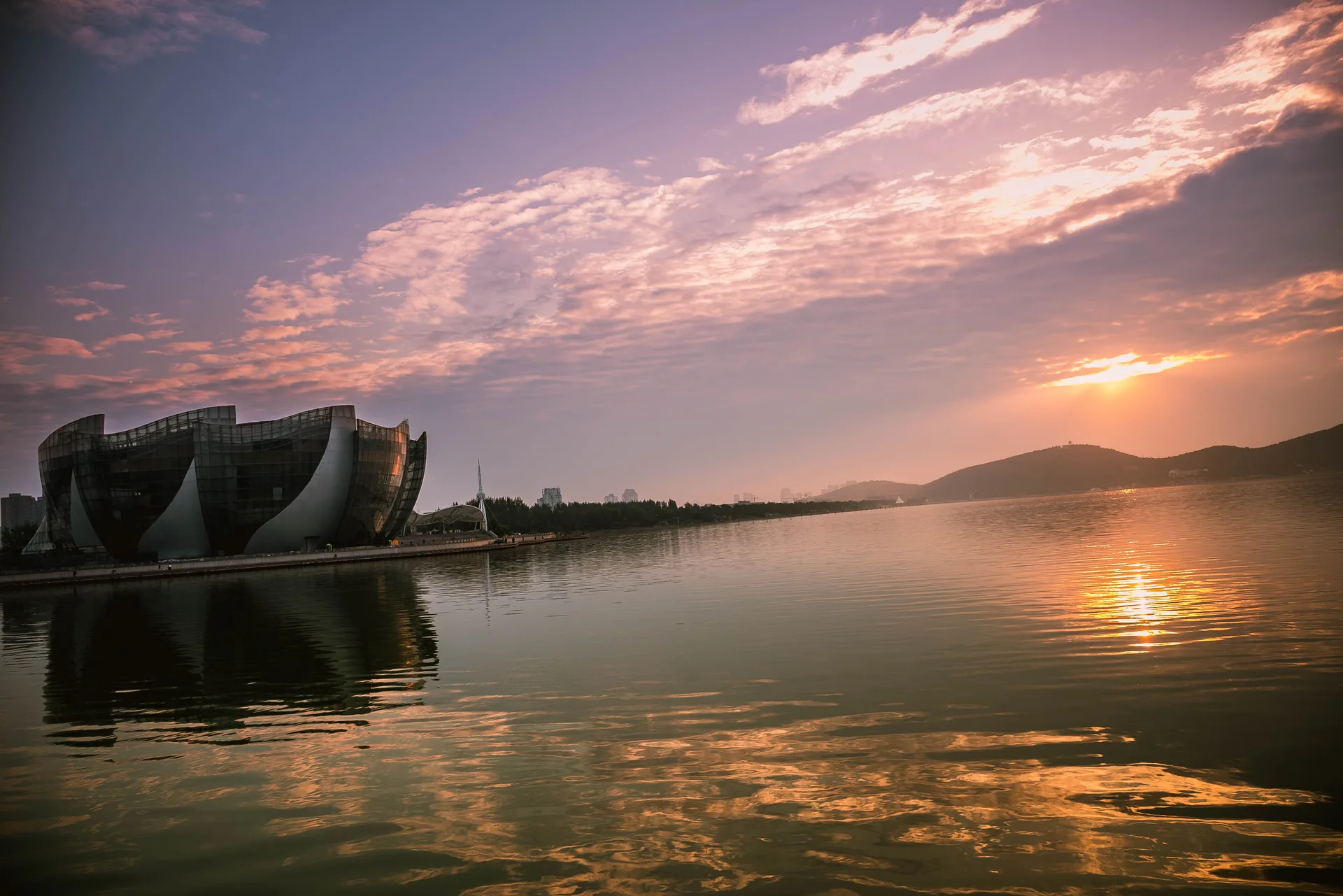 Xuzhou
Yunlong Lake Scenic Area
云龙湖景区
Yunlong Lake and the surrounding hills form an urban landscape of mountains and water in Xuzhou. Lakeside paths, bridges and public cultural spaces provide varied views. Choose a stretch of shore for a leisurely walk or combine it with nearby sites such as Yunlong Mountain; a complete circuit of the lake is not a short stroll. These photographs record the shores in different light and do not guarantee the same sunrise or sunset every day.
Explore Xuzhou ↗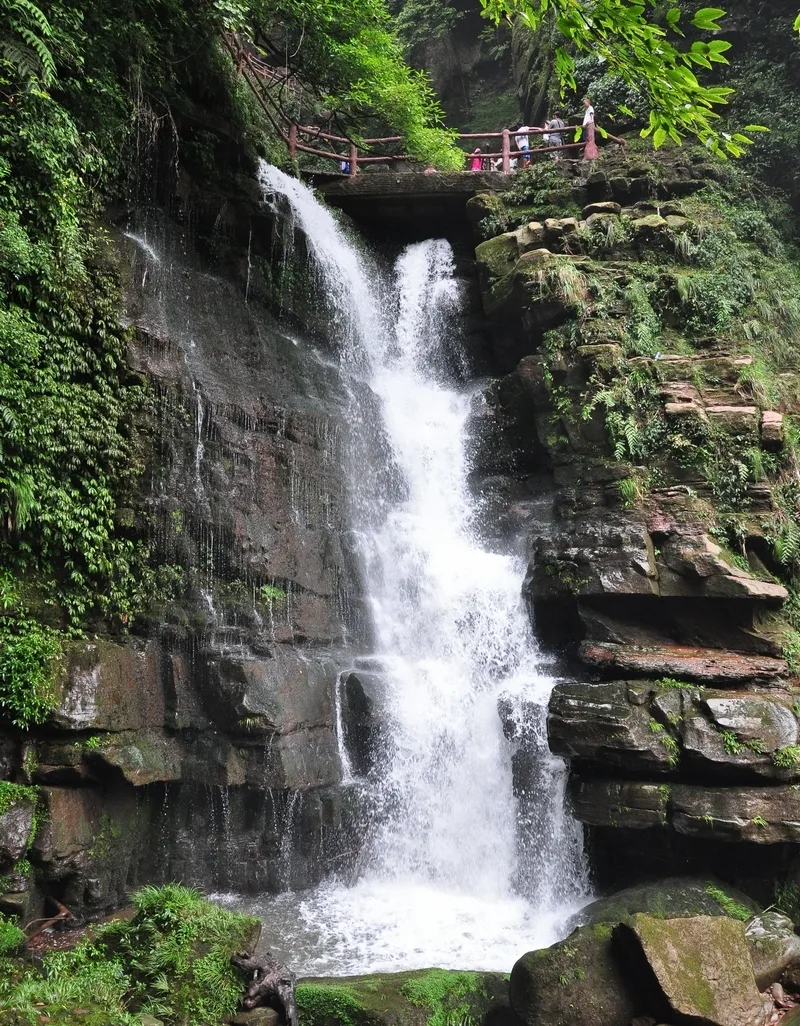 Ya’an
Bifengxia Tourist Scenic Area
碧峰峡旅游景区
Bifengxia Tourist Area includes an ecological gorge, a giant panda base and animal-viewing areas. Waterfalls, streams and vegetation form the gorge’s main natural scenery. Do not conflate tickets and transport for different sections. Identify your main visiting goal before planning. The current gallery focuses on the ecological gorge and does not guarantee access to all animal areas.
Explore Ya’an ↗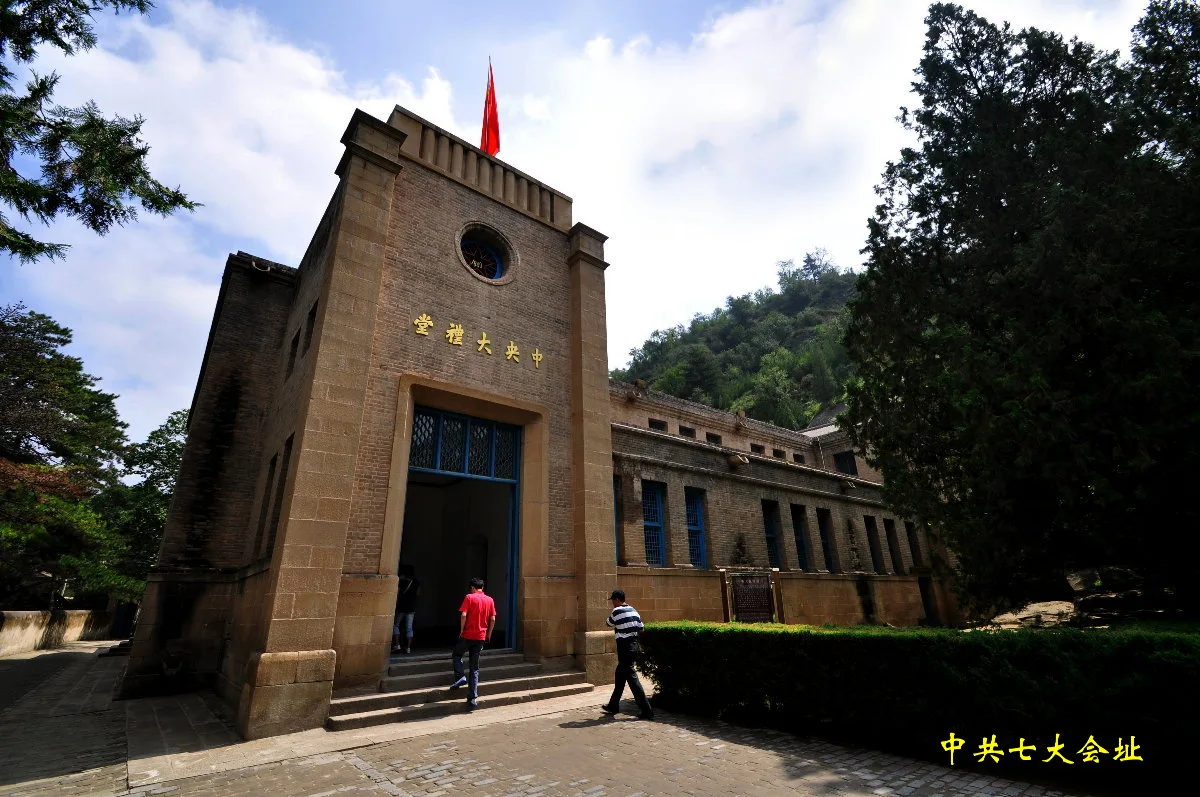 Yan’an
 Revolutionary Memorial Sites
延安革命纪念地景区
Yan’an’s revolutionary memorial area comprises multiple historic sites and commemorative spaces. Baota Mountain, Yangjialing and Zaoyuan present different aspects of modern Chinese history. Read the exhibition background before exploring cave dwellings, assembly halls and historic premises rather than simply photographing buildings. This set of reference photographs shows Yangjialing, not exhibitions in the other areas.
Explore Yan’an ↗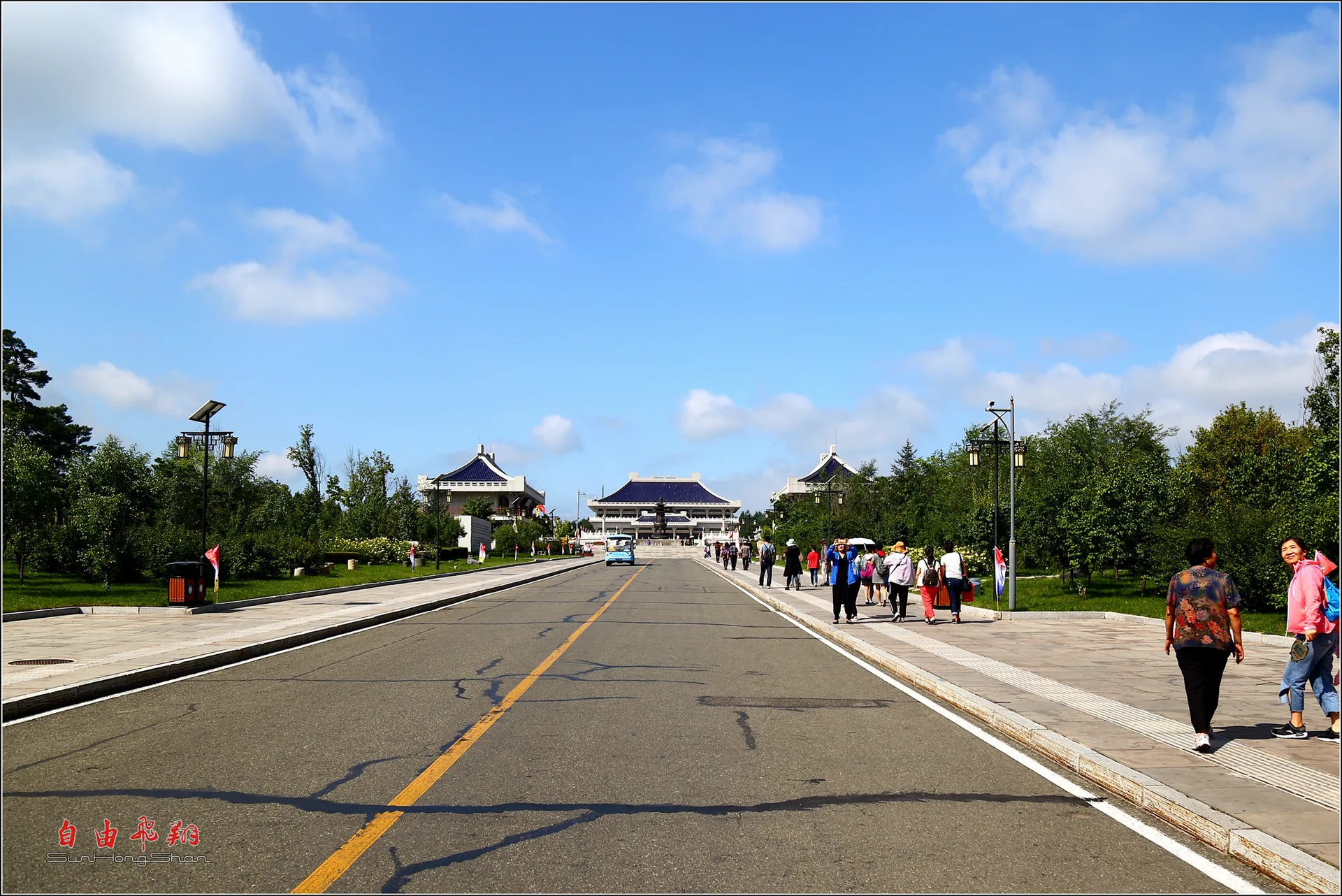 Yanbian
Liudingshan Cultural Tourism Area
六鼎山文化旅游区
Liudingshan Cultural Tourism Area on Dunhua’s southern outskirts brings together Buddhist architecture, Qing ancestral culture and Balhae history. Combine architectural viewing with historical exhibitions according to the areas open. Reference photographs mainly show temples, the large Buddha and surrounding scenery, not the entire ancient tomb complex or all cultural exhibition areas.
Explore Yanbian ↗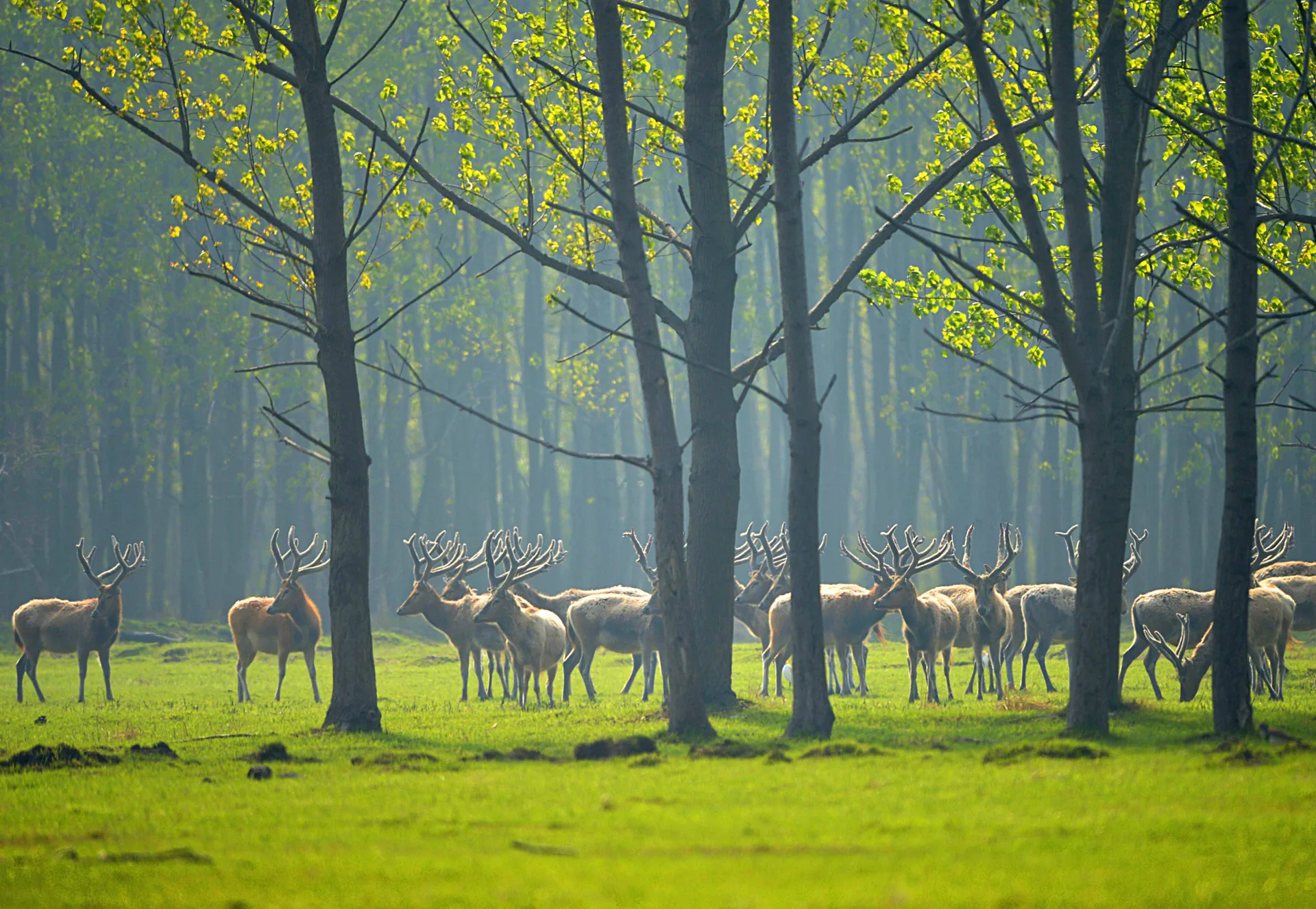 Yancheng
Dafeng Chinese Milu Deer Park
大丰中华麋鹿园
Based in the Dafeng milu deer reserve, Chinese Milu Deer Park introduces visitors to milu deer and coastal wetlands within designated visiting areas. Observe not only the animals but also connections between woodland, water and grassland. Deer distribution, antler condition and vegetation vary seasonally, rewarding patient observation rather than guaranteeing a particular scene at a fixed spot. Reference images come from the reserve’s official photography section and include different seasons and reserve landscapes. Not every pictured area is open to visitors.
Explore Yancheng ↗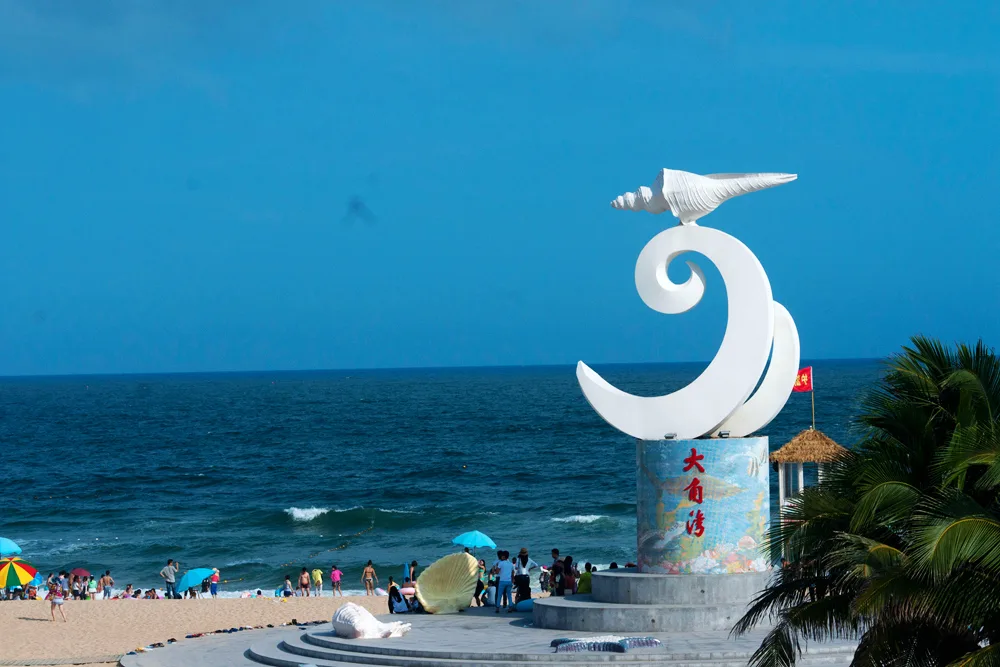 Yangjiang
Hailing Island Dajiao Bay Maritime Silk Road Tourist Area
海陵岛大角湾海上丝路旅游区
Hailing Island Dajiao Bay Maritime Silk Road Tourist Area connects seaside leisure with maritime history. It includes Dajiao Bay and sections such as the Guangdong Maritime Silk Road Museum, themed around Nanhai I. Reference photographs show Dajiao Bay and surroundings near Shili Silver Beach. They do not mean the whole coast is open for swimming or falls within one ticketed area.
Explore Yangjiang ↗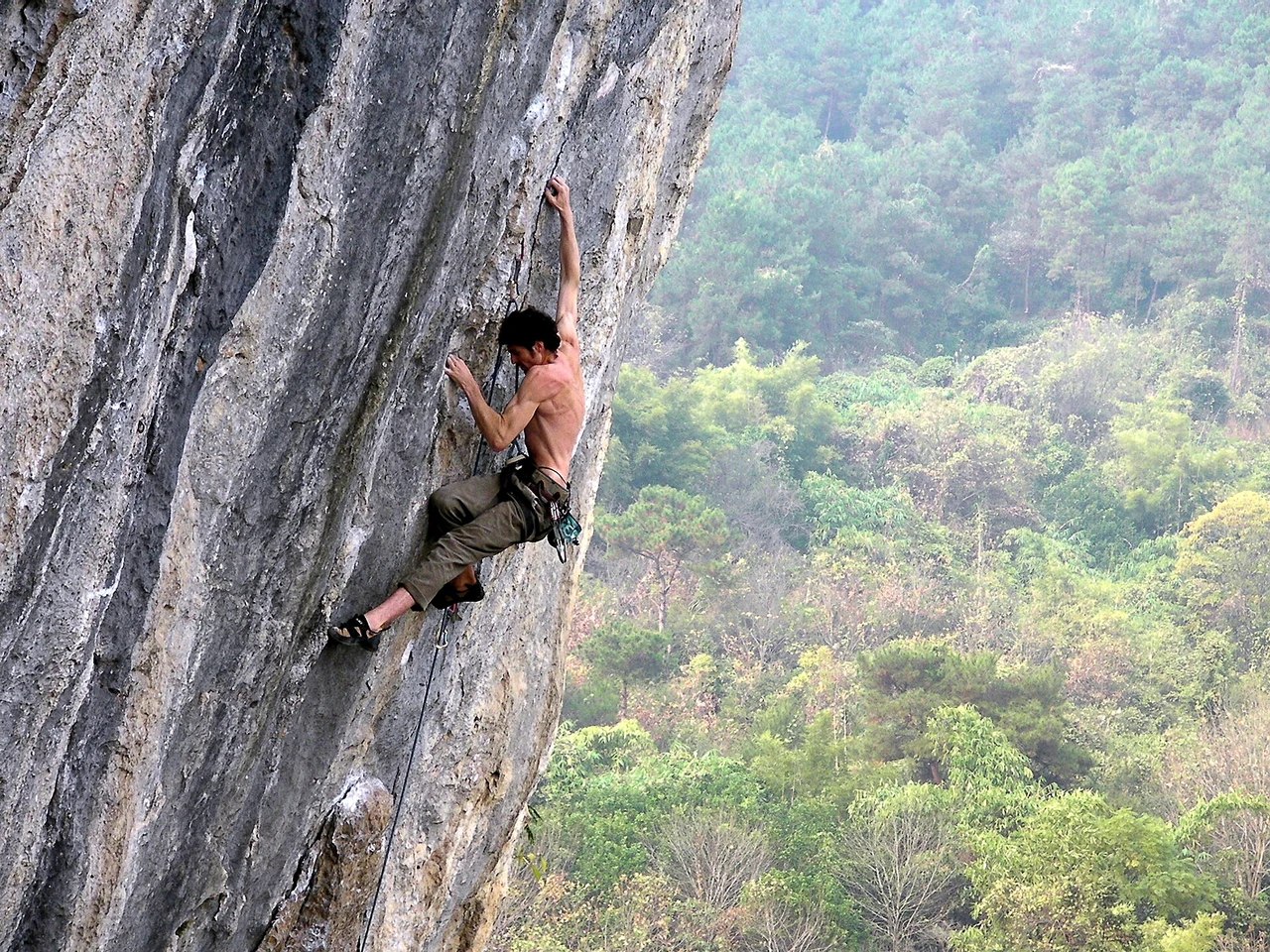 Yangshuo
Rock climbing
攀岩
Yangshuo Rock Climbing Yangshuo is a well-known rock climbing resort in China. There are various karst rock walls, caves and pastoral rock walls. The difficulty ranges from zero to advanced. It is suitable for novices and advanced climbers. Transportation: Most of the rock sites are around the county, and you can rent an electric car to get there; the Swiss Cheese Rock Site is very accessible and can be reached directly by bicycle, and the Egg Mountain Rock Site is almost accessible from the roadside. Be sure to purchase insurance that covers outdoor extreme sports 1-2 days in advance; the rock walls will be slippery after rain, so try to avoid climbing in rainy days; some rock sites will charge a small sanitation fee.
Explore Yangshuo ↗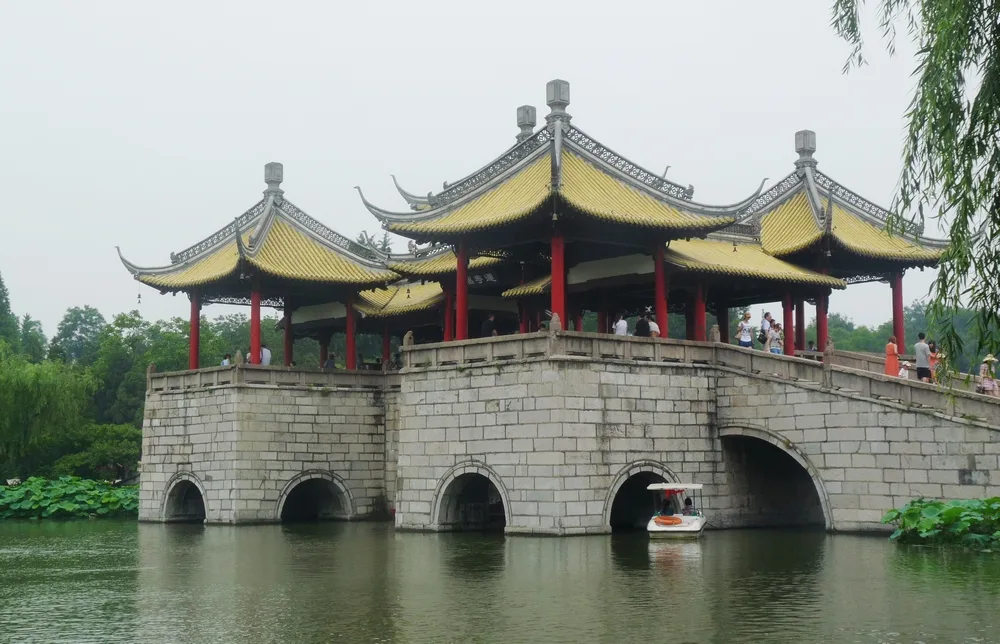 Yangzhou
Slender West Lake Scenic Area
瘦西湖风景区
Slender West Lake’s gardens extend along a narrow stretch of water. Five-Pavilion Bridge, the White Pagoda, Xu Garden and other sights link bridges, water, trees and architecture. Explore slowly on foot or choose a boat trip according to the day’s arrangements. Walking distances vary considerably between entrances and routes. During flower-viewing seasons in particular, allow extra time for crowds and transport.
Explore Yangzhou ↗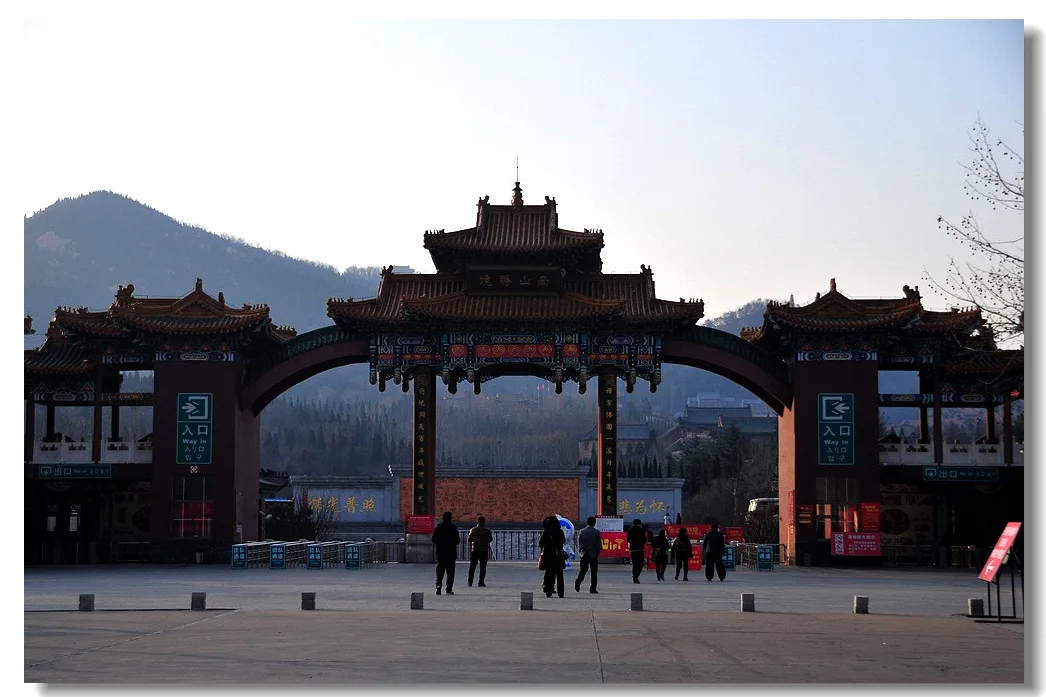 Yantai
Nanshan Scenic Area
南山景区
Yantai’s Nanshan Scenic Area lies in Longkou, with religious culture, architectural displays and leisure spaces forming different visiting themes. Combine the large Buddha and nearby buildings with the cultural park, but consider the steps and distances between sections when assessing your fitness. Reference photographs focus on the religious and historical cultural park, not every leisure or resort activity. Do not confuse this with Nanshan scenic areas in other cities.
Explore Yantai ↗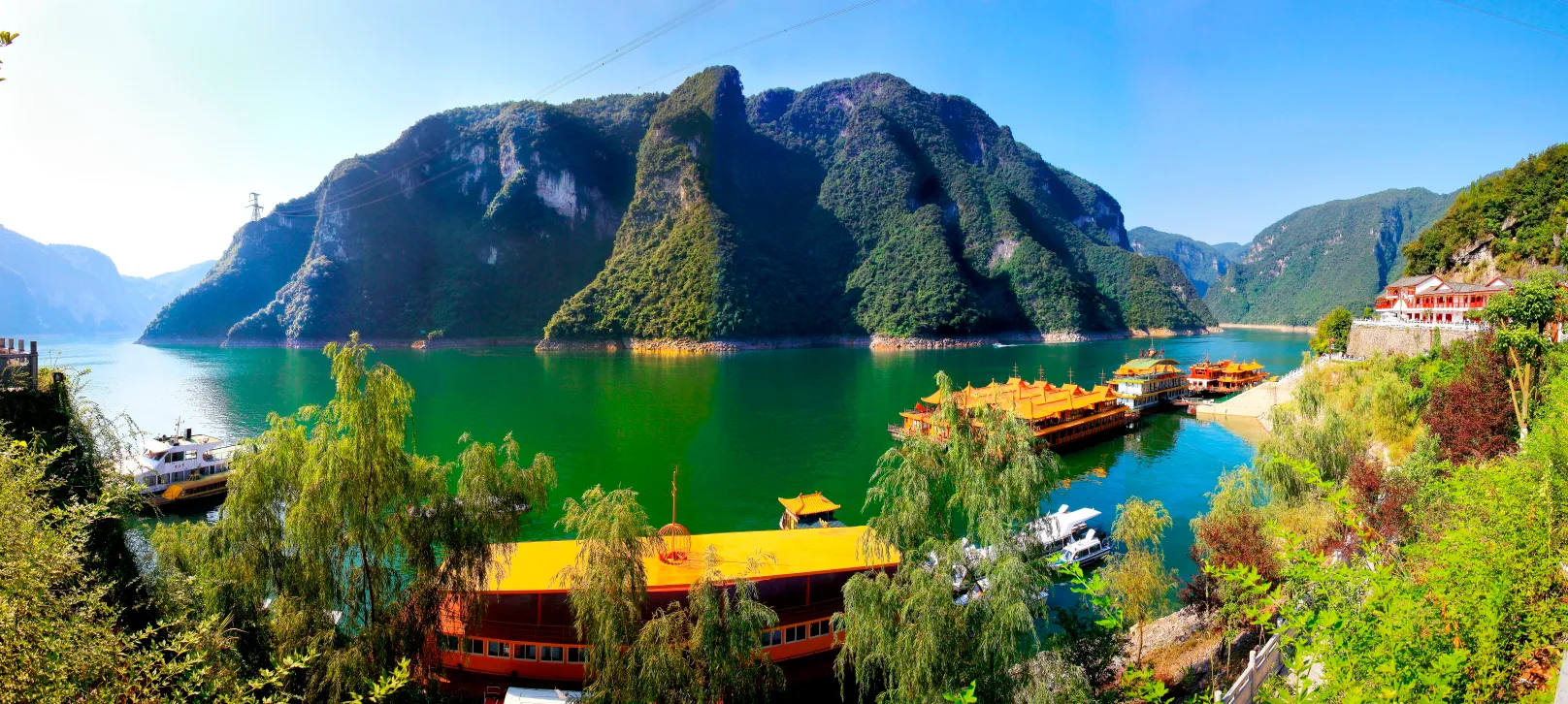 Yichang
Qingjiang Gallery Scenic Area
清江画廊景区
Qingjiang Gallery in Changyang focuses on the Qingjiang River, peaks along its banks and Tujia cultural landscapes. Different boat routes link sites such as Wuluo Zhongli Mountain and Reflection Gorge. Mountains, water and riverside villages together form the sightseeing experience from the river. This is Qingjiang Gallery in Changyang, Yichang, not other Qingjiang-named boat-tour areas in Enshi.
Explore Yichang ↗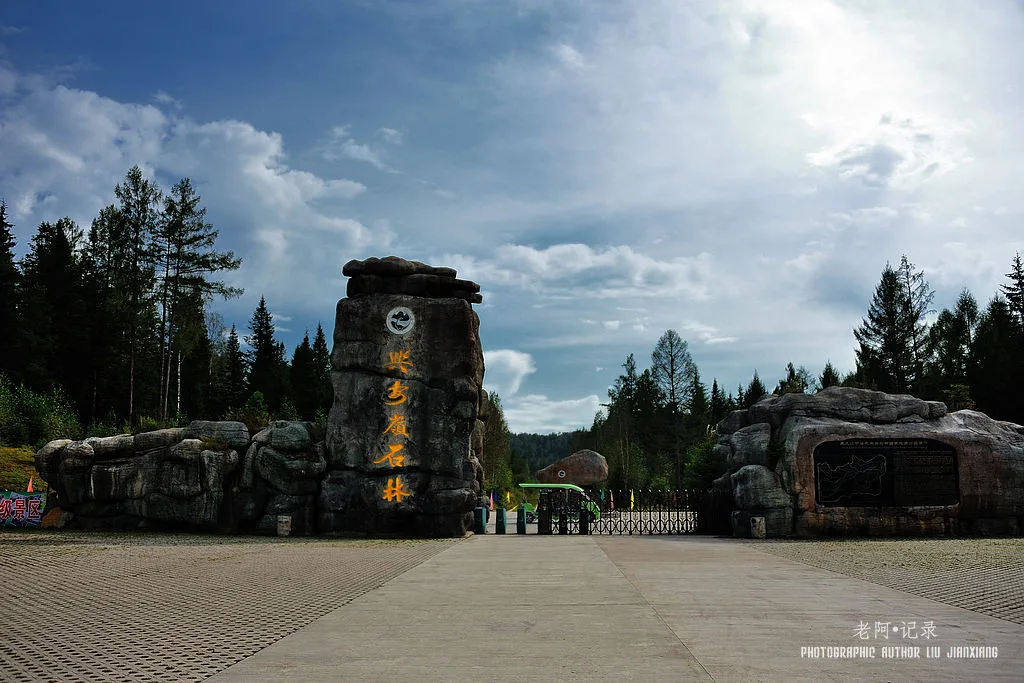 Yichun
Tangwang River Forest and Stone Landscape
汤旺河林海奇石
Tangwang River’s forest and stone landscape features granite rock towers amid the Lesser Khingan forest. Rock walls, trees and paths intertwine, inviting slow exploration of the landforms. Choose open routes suited to your fitness, combining rock scenery with the forest experience. Reference images include historical paths and visitor facilities; actual routes and facility conditions depend on the situation on site.
Explore Yichun ↗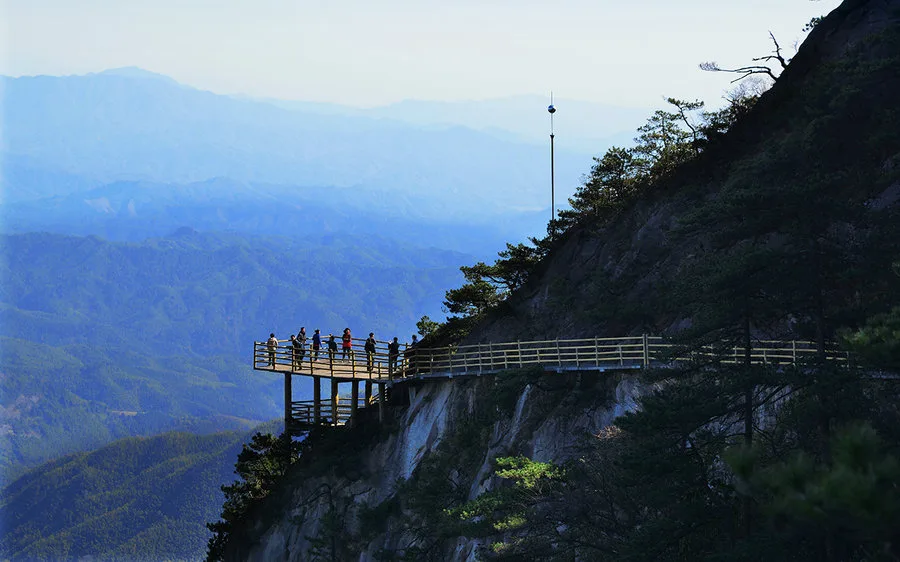 Yichun
Mingyue Mountain Tourism Area
明月山旅游区
Mingyue Mountain combines peaks, waterfalls, mountain lakes and elevated paths. According to fitness and open routes, combine cable cars and walking to observe woodland and cliffs rather than fitting every activity into one day. The reference gallery includes walkways, winter icefalls, lakes and bamboo groves. Ice and snow are not present year-round, nor do they mean paths remain open when frozen.
Explore Yichun ↗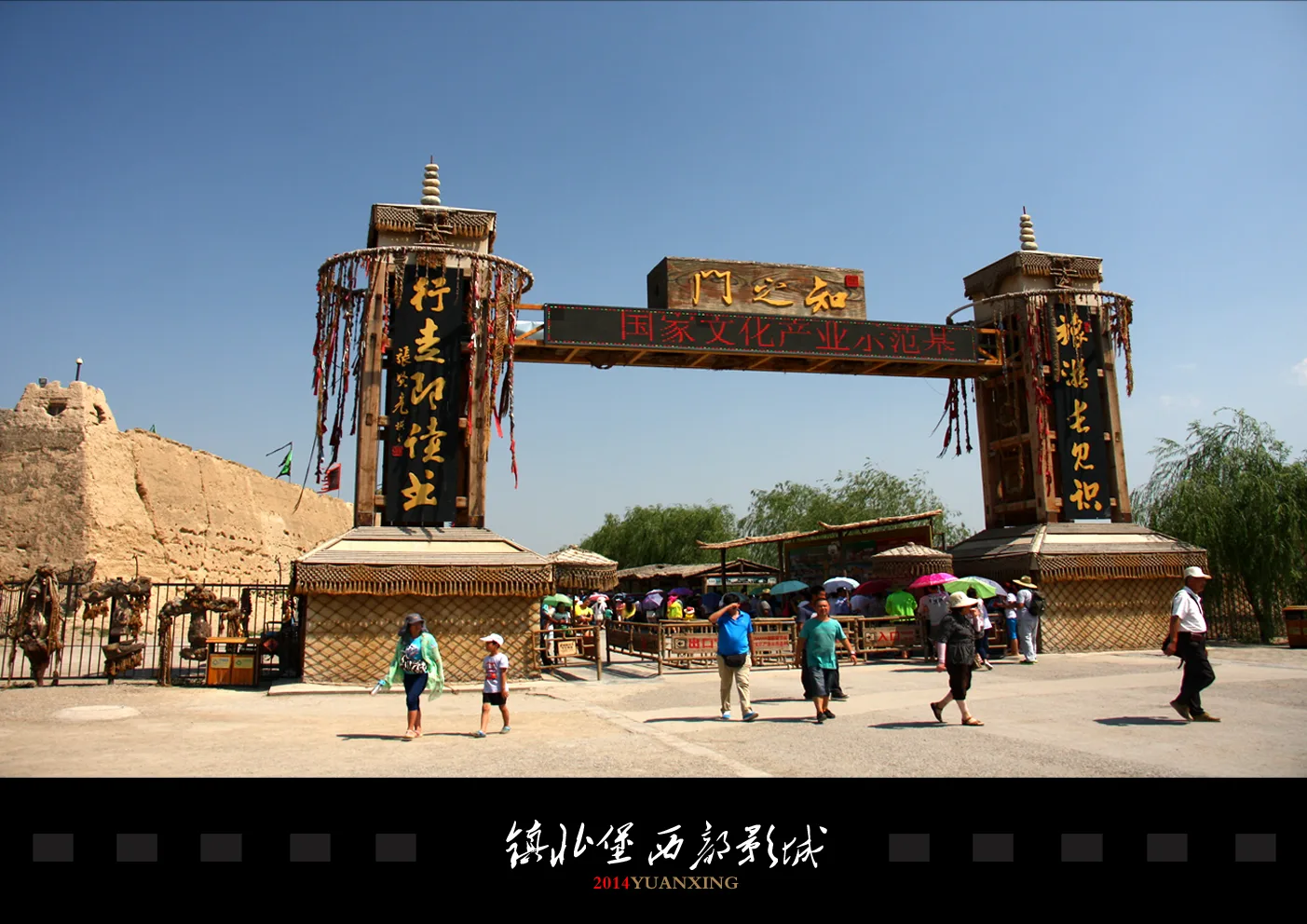 Yinchuan
Zhenbeibu Western Film Studio
镇北堡西部影城
Zhenbeibu Western Film Studio uses fortress spaces, film sets and recreated streets for a western-China-themed visitor experience. Its main areas include Ming City, Qing City and Old Yinchuan Street. There is historical background alongside film and tourism displays; not every set should be treated as an original historic building on its original site.
Explore Yinchuan ↗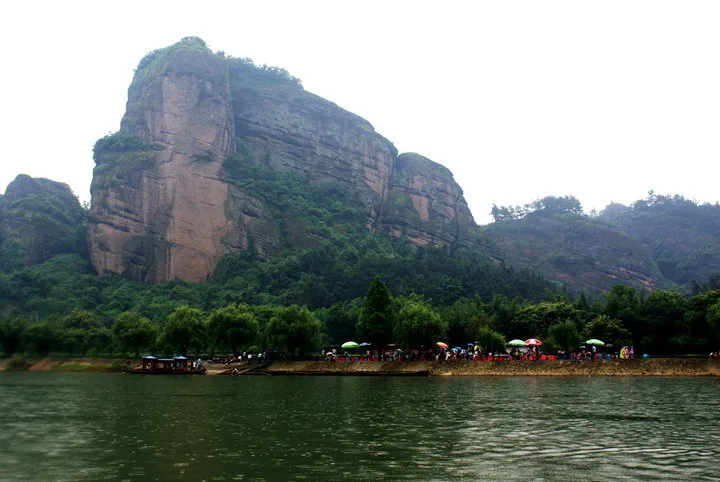 Yingtan
Longhu Mountain Scenic Area
龙虎山风景名胜区
Longhu Mountain combines Danxia cliffs, Luxi River scenery, Taoist culture and cliff-burial remains. Choose land-based views or water excursions along open routes, distinguishing historic remains from demonstrations staged for visitors. These reference images come from the cliffs and coffin-hoisting performance area. They document a historical demonstration, not an actual funeral or current performance schedule, and do not cover all Taoist buildings.
Explore Yingtan ↗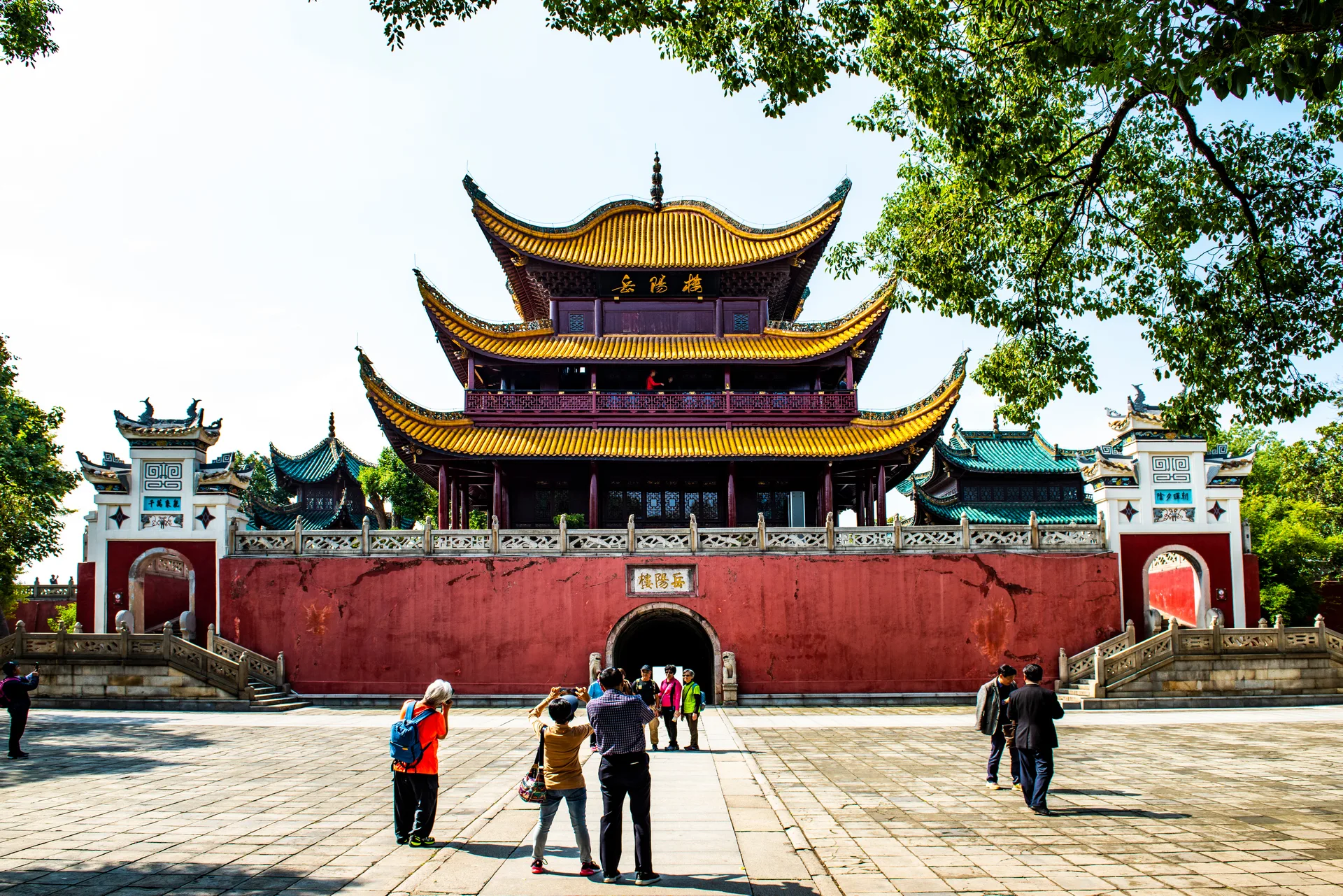 Yueyang
 Tower–Junshan Island Scenic Area
岳阳楼—君山岛景区
Yueyang Tower–Junshan Island consists of two spatially separate areas. Yueyang Tower focuses on lakeside pavilion architecture, gardens and inscriptions. Junshan Island combines lake surroundings, woodland, tea culture and sites associated with legends. Transport is needed between them; do not assume one ticket or walking route covers both.
Explore Yueyang ↗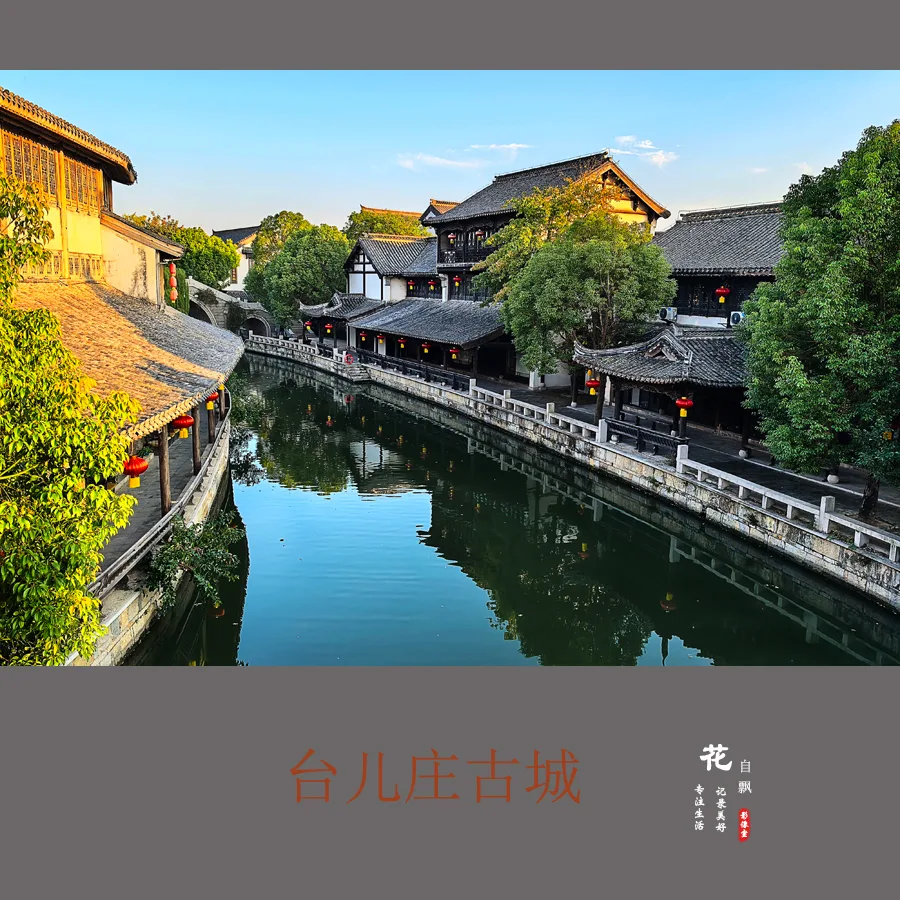 Zaozhuang
Tai’erzhuang Ancient Town Scenic Area
台儿庄古城景区
Tai’erzhuang Ancient Town unfolds around canals and lanes. Stroll past bridges, riverbanks and courtyards to observe varied architectural styles. Today’s visitor spaces include restoration and reconstruction; not every building should be considered an unchanged historic structure. Daytime suits examining streetscape details, while evenings emphasize lights and water views. Night photographs do not promise daily performances or illumination.
Explore Zaozhuang ↗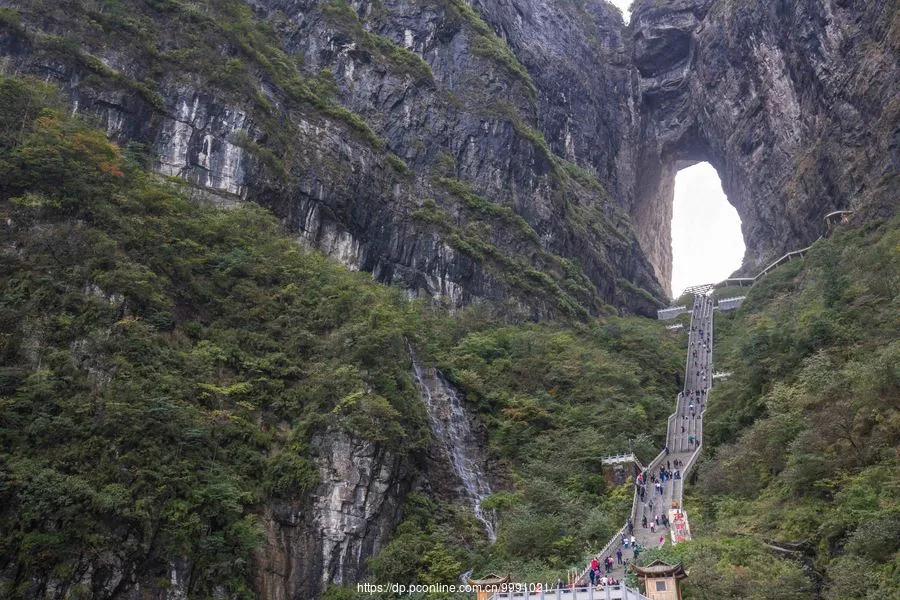 Zhangjiajie
Tianmen Mountain National Forest Park
天门山国家森林公园
Tianmen Mountain’s main scenery comprises a natural opening through the mountain, steep rock walls and summit woodland. It is separate from Wulingyuan’s sandstone-peak area and requires its own transport and entry plan. Reference photographs show Tianmen Cave, stairs, mountain roads and seas of clouds. Mist and visibility change with weather, and the photographs do not establish which facilities are currently open.
Explore Zhangjiajie ↗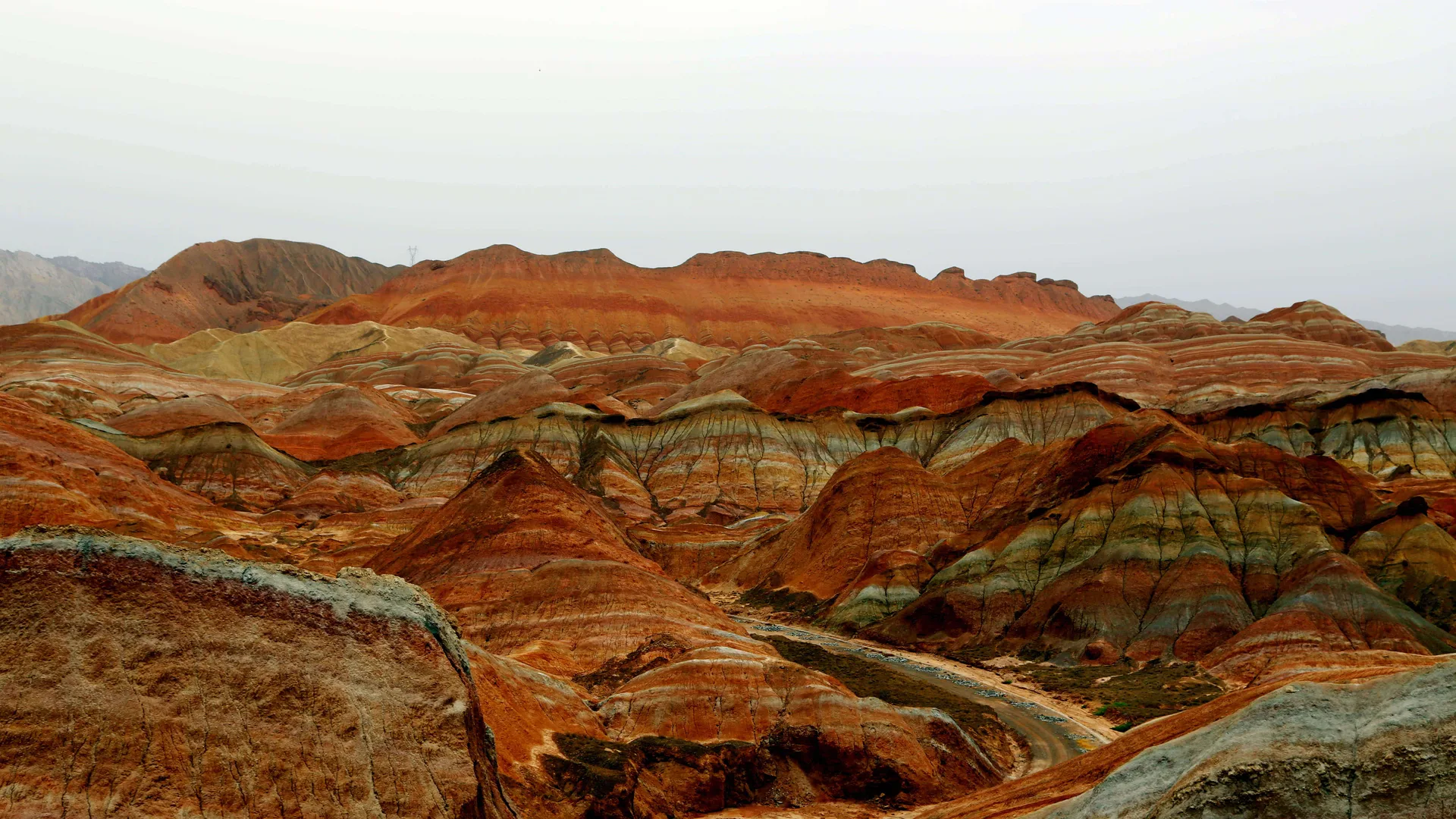 Zhangye
Rainbow Danxia Scenic Area
七彩丹霞景区
Rainbow Danxia features colorful hills and layered rock formations, with platforms providing views in different directions. Colors vary with light, weather and image processing; do not expect the landscape always to match highly saturated photographs. This page should not be confused with other Danxia scenic areas around Zhangye.
Explore Zhangye ↗Showing 20 of 701 places