
 Aba
AbaExplore places
See where you might go.
Browse a mix of cities, or choose one city to see its places in editorial order.
Aba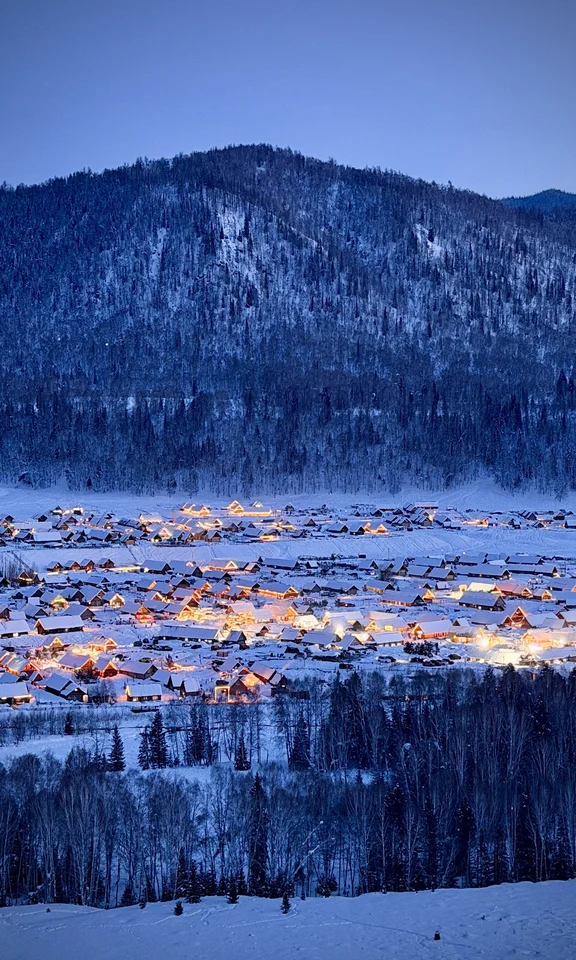 Altay
Altay禾木村
Hemu VillageHemu is a still living mountain village in the Kanas region. Its wooden houses, pastures and forest routes are affected by seasonal tourism. The viewing point does not mean that the residence is open to the public, and you need to use official transportation instead of temporary self-driving to enter during the snow season.
Explore Altay ↗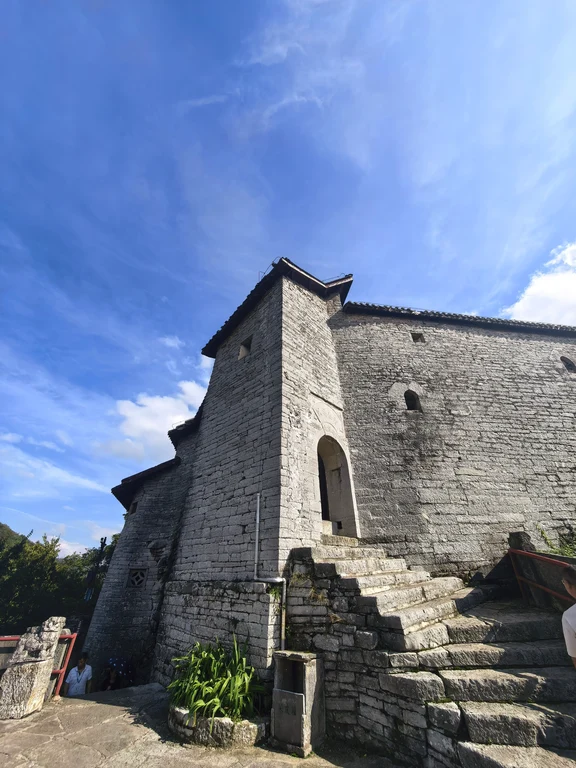 Anshun
天龙屯堡
Tianlong TunpuTianlong is a community related to the history of military settlements in the Ming Dynasty in central Guizhou. The stone houses, costumes, rituals and local operas show the co-evolution of immigrant traditions and the plateau environment over hundreds of years; this is still a living space, not a stage set.
Explore Anshun ↗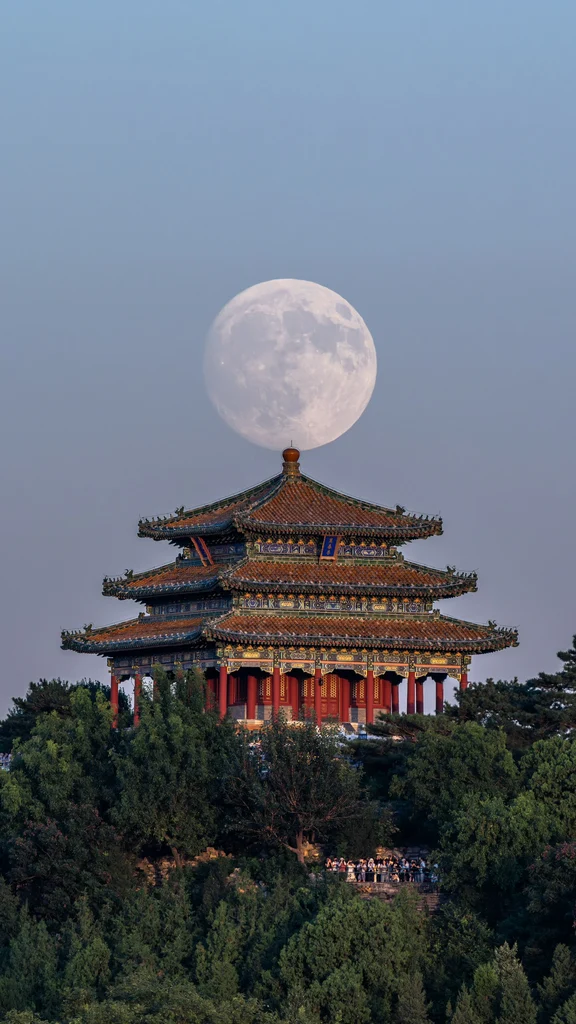 Beijing
景山公园
Jingshan ParkJingshan Park is adjacent to the north side of the Forbidden City and is located on the historical axis of Beijing. The Wanchun Pavilion in the park is a classic location for observing the relationship between the roof of the Forbidden City, the Bell and Drum Towers and the modern city skyline. It can re-understand the scattered landmarks into a complete urban spatial sequence. The climbing distance is not long, but the steps are steep, and the view is best on a clear day.
Explore Beijing ↗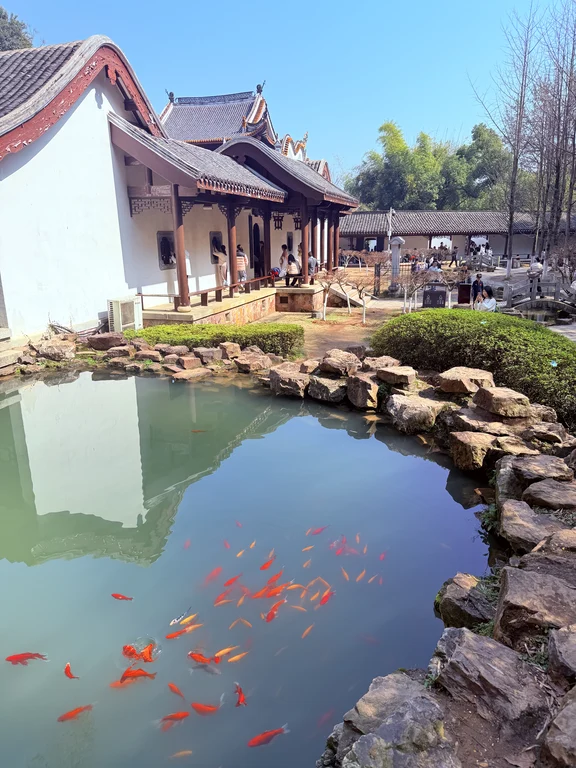 Changsha
岳麓书院
Yuelu AcademyFounded in 976, Yuelu Academy has continued the Confucian educational tradition through the generations and gradually developed into the educational context of Hunan University. The gate, lecture hall, ancestral hall, inscriptions and gardens reflect how learning, etiquette and landscape are combined; the ongoing academic environment makes it different from the static restoration attractions, and also requires visitors to respect the university campus that is still in use.
Explore Changsha ↗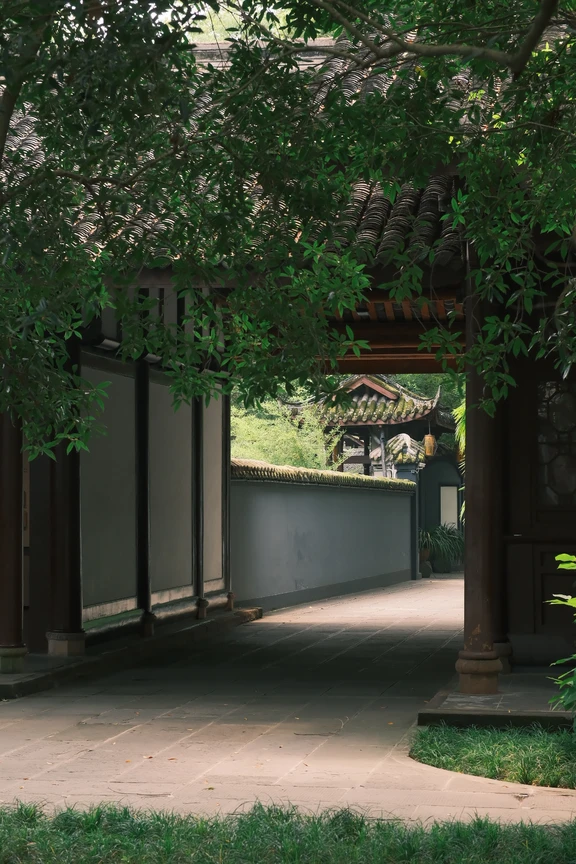 Chengdu
杜甫草堂
Du Fu Thatched CottageDu Fu Thatched Cottage is a garden-style memorial museum located on the site of the former residence of Tang Dynasty poet Du Fu in Chengdu. He wrote more than 240 poems while living in Chengdu. The restored huts, traditional courtyards, gardens, inscriptions and literary displays transform the characters' lives into a spatial experience. A visit combined with several representative poems will be more meaningful than just looking at the buildings.
Explore Chengdu ↗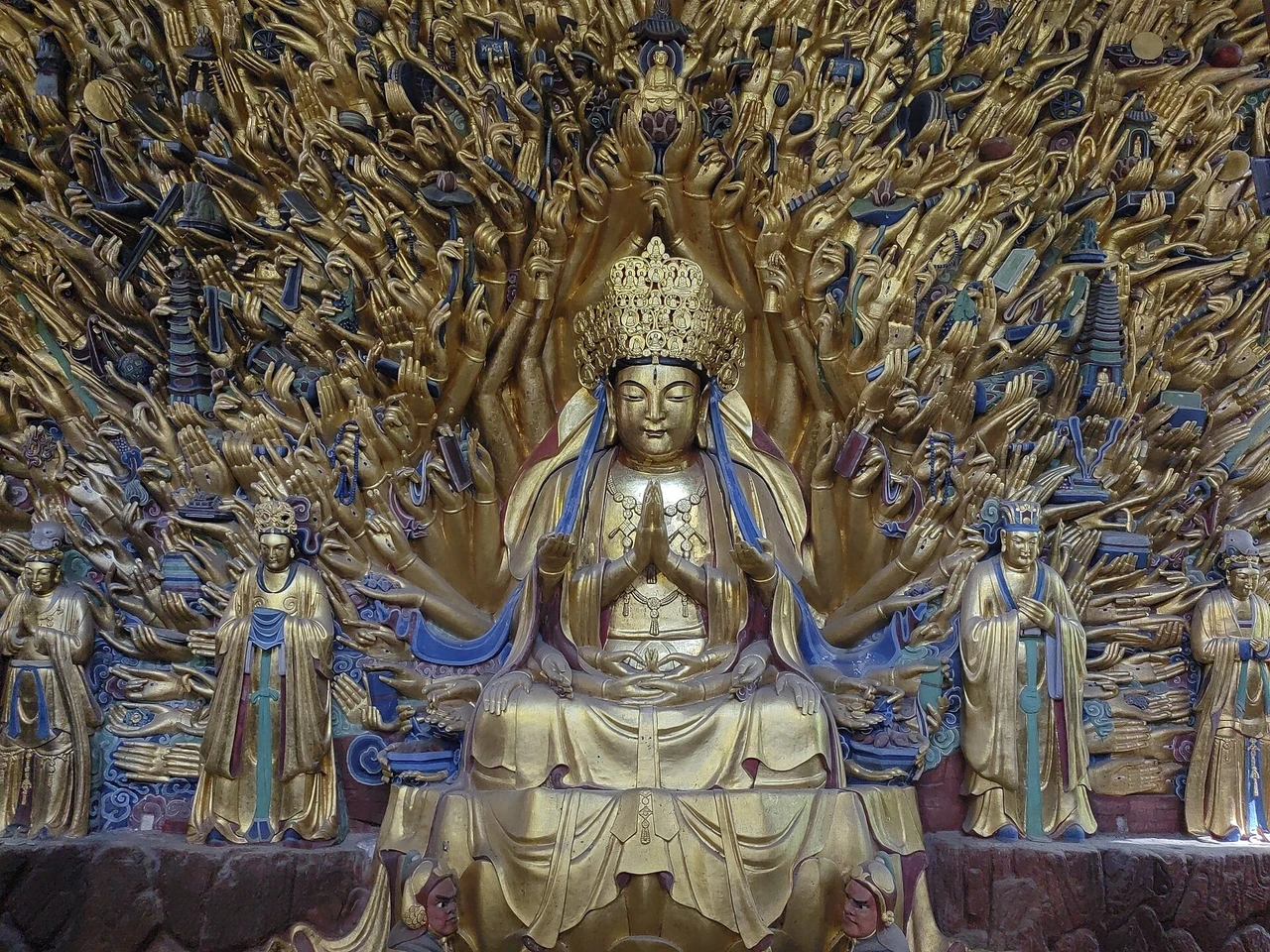 Chongqing
大足石刻
Dazu Rock CarvingsThe Dazu Rock Carvings consist of several protected areas and were mainly excavated between the ninth and thirteenth centuries AD. The cliff statues in Baoding Mountain, Beishan and other places use their exquisite art, inscriptions and scenes of daily life to form a unique dialogue between Buddhism, Taoism and Confucianism. The entire series of heritage cannot be summarized by just one famous statue.
Explore Chongqing ↗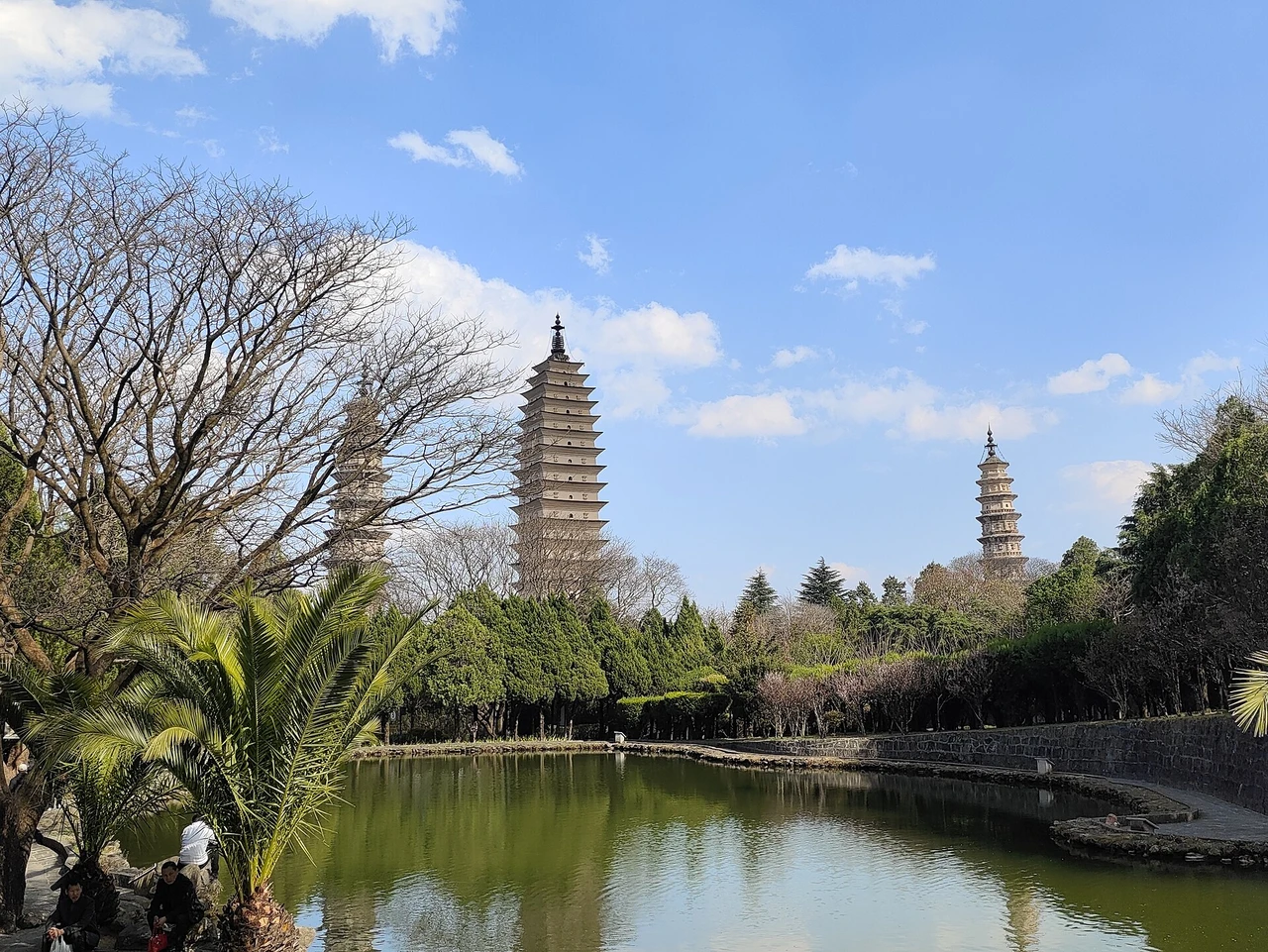 Dali
Dali崇圣寺三塔
Three PagodasThe Three Pagodas of Chongsheng Temple are located about 1 km northwest of the ancient city of Dali. They are the only 5A scenic spot in Dali and a symbol of "a famous country with literature". The Three Pagodas were built in the Nanzhao period. The main tower, the Qianxun Pagoda, is about 60 meters high and is one of the tallest existing ancient pagodas. The Three Pagodas still stand after the 1925 earthquake. The words "Eternal Shake the Mountains and Rivers" are engraved under the towers to express the people of Dali's wish for good weather. The "Tianlong Temple" in Jin Yong's "Tianlong Babu" is based on this.
Explore Dali ↗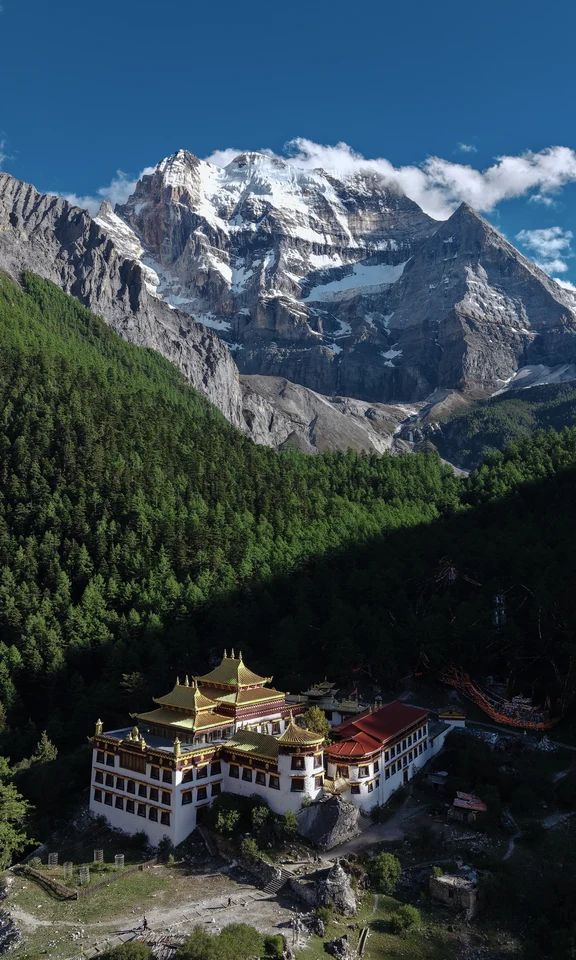 Daocheng
亚丁冲古寺与珍珠海短线
Yading Short Route: Chonggu and Pearl LakeThe Aden Short Line connects the Chonggu area, forest trails and the Pearl Sea under the Xiannairi Snow Peak. You can get a complete plateau landscape without having to complete the longest high valley hike. It is especially suitable for making more responsible choices in the early stages of adapting to altitude. Chonggu is a living Tibetan Buddhist cultural landscape, and wooden planks and lakeside fences are used to protect fragile vegetation and water bodies.
Explore Daocheng ↗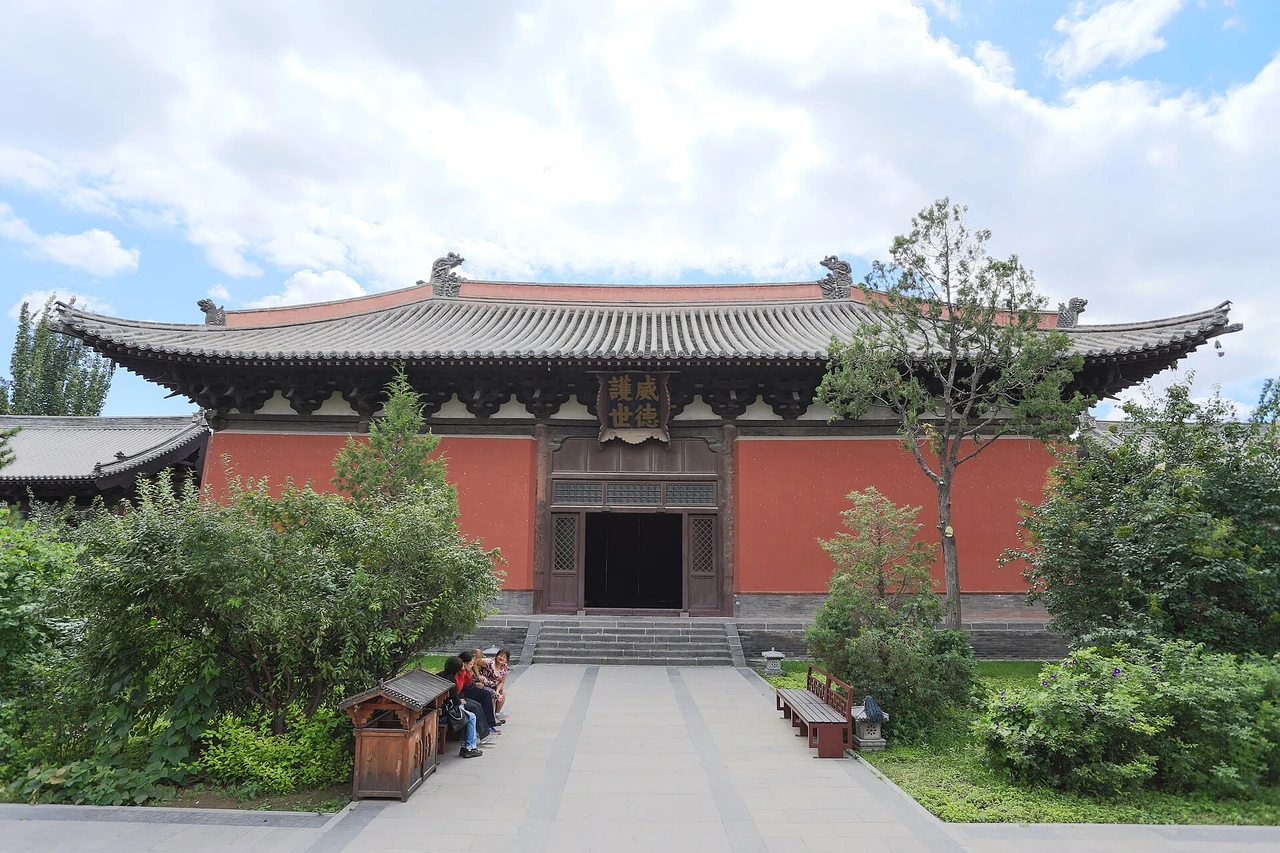 Datong
善化寺
Shanhua MonasteryShanhua Temple History, Humanities and Geography: Shanhua Temple is located at No. 6 Nansi Street in the ancient city of Datong. It was built in the Tang Dynasty and flourished in the Liao and Jin Dynasties. It is the most complete preserved Liao and Jin architectural complex in China. The temple has four original Liao and Jin structures including Qishanmen (Tianwang Hall), Sansheng Temple, Main Hall and Puxian Pavilion. The mountain gate is the largest existing Jin Dynasty mountain gate in China. The three holy halls have Jin Dynasty lotus oblique arches. The Main Hall is one of the eight major Liao structures. The Auspicious Goddess (Great Auspicious Merit Heaven) in the hall is known as the most beautiful statue of the Liao and Jin Dynasties. Public transportation: The ancient city is within walking distance, and the ancient city ring bus has the "Shanhua Temple" stop.
Explore Datong ↗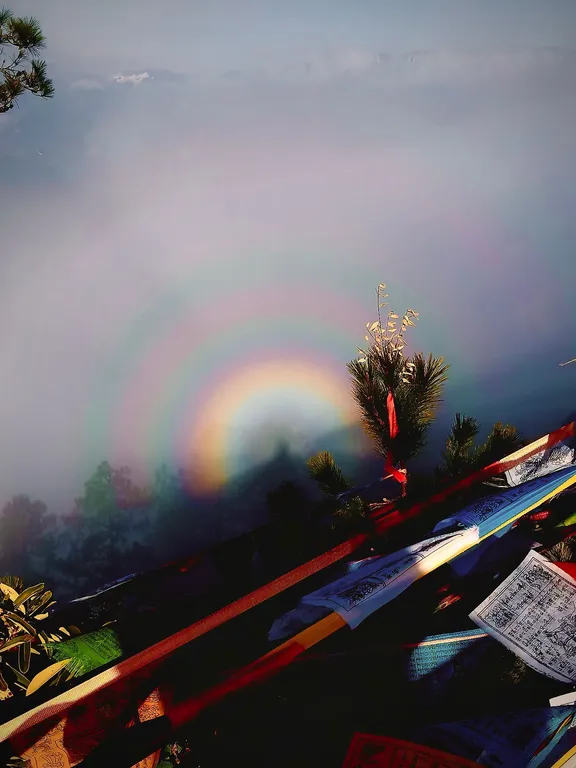 Deqin
Deqin飞来寺梅里雪山观景带
Feilai Temple and Meili Snow Mountain ViewpointsThe Feilai Temple viewing zone faces the Meili Snow Mountain across the Lancang River Valley. It is the easiest place to reach to understand the scale and sacred status of Kawagbo. Viewing platforms, village accommodation and religious landscapes are now subject to heavy photography demands. Climbing Kawagbo is prohibited due to cultural protection. Viewing from a distance at legal viewing points is a sign of respect for the border; Rizhao Jinshan completely depends on cloud cover, water vapor and light, and cannot be guaranteed.
Explore Deqin ↗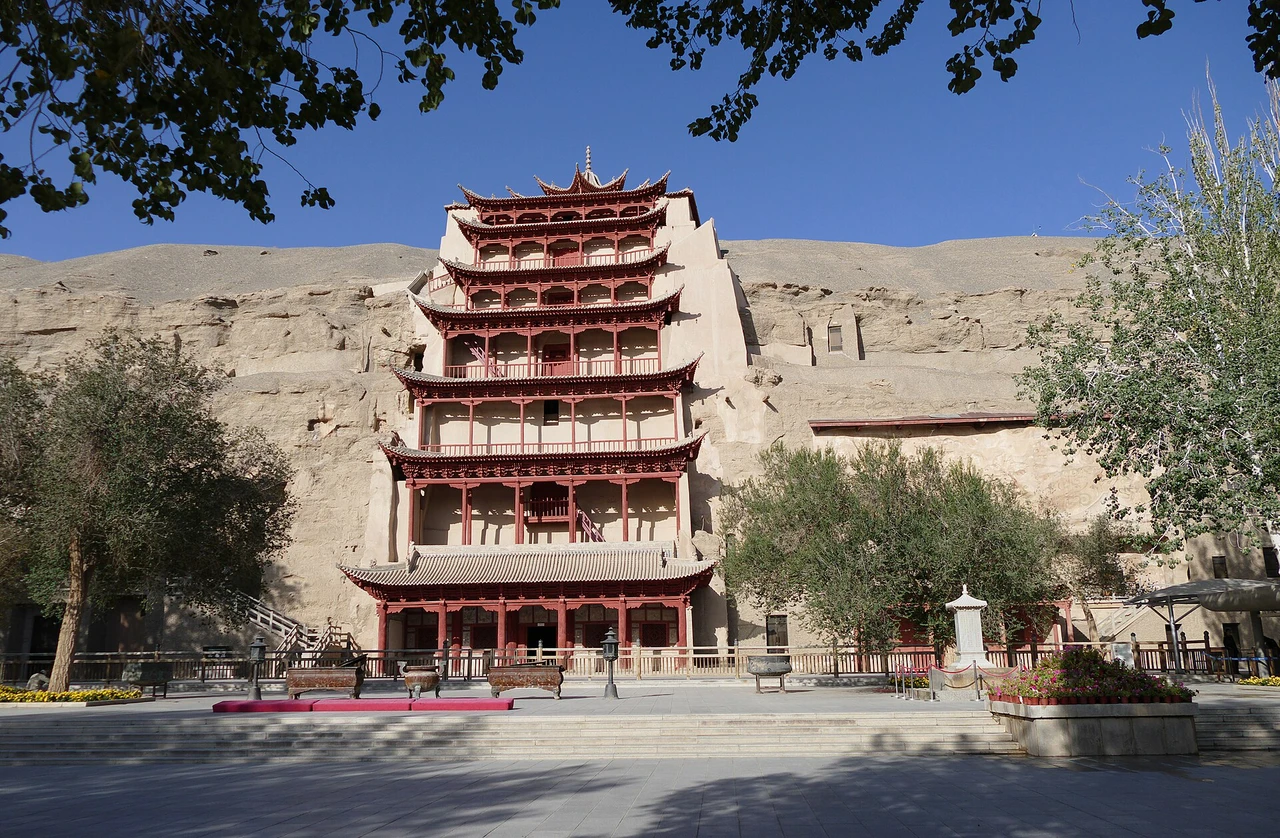 Dunhuang
莫高窟
Mogao CavesThe Mogao Grottoes preserve Buddhist murals, painted sculptures and cave architecture that have lasted for thousands of years since the 4th century AD. They are important archives of cultural exchanges in the Silk Road oasis. Subject to the protection of cultural relics, the tour starts from the Digital Exhibition Center, and then takes the official shuttle bus into the cave area, where the guide will lead you to view some of the caves that are open on a rotating basis. This is not a gallery that you can walk through freely, but an extremely fragile religious art heritage.
Explore Dunhuang ↗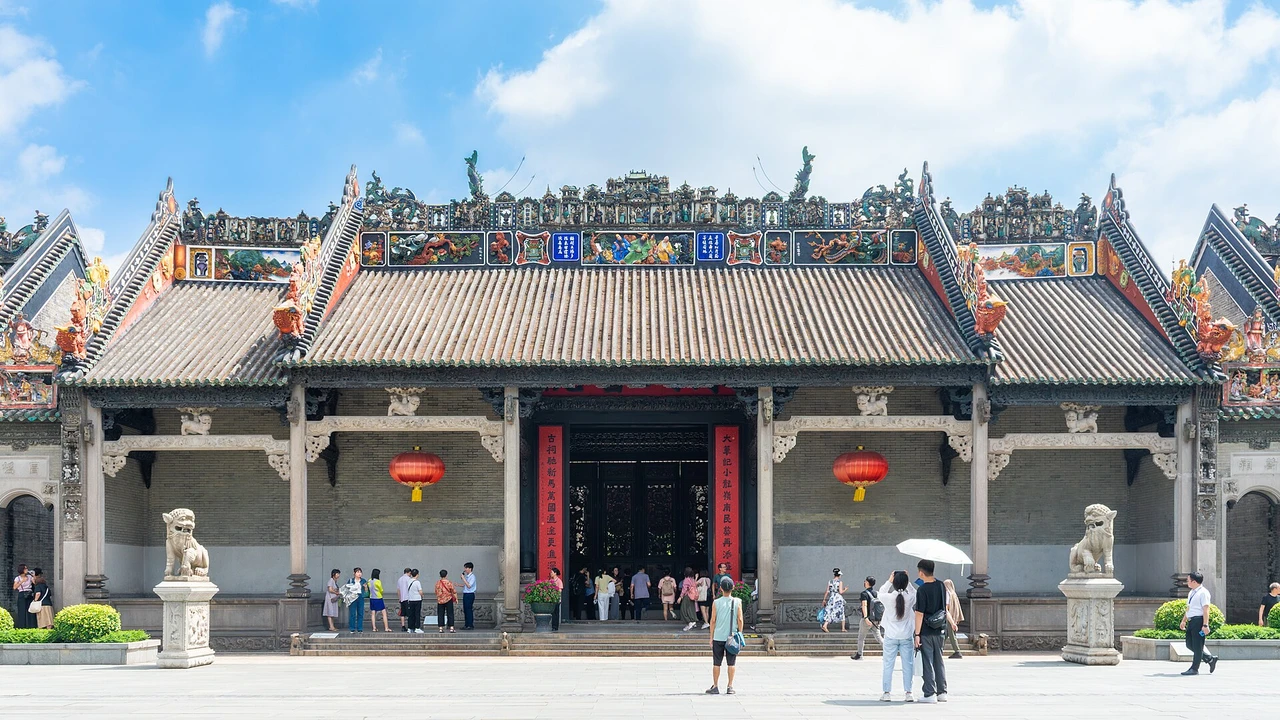 Guangzhou
陈家祠
Chen Clan Ancestral HallThe Chen Family Ancestral Hall was jointly built by Chen clans from all over Guangdong in the late Qing Dynasty. It has the functions of both an ancestral hall and an academy. The courtyard focuses on displaying Lingnan wood carvings, stone carvings, brick carvings, pottery sculptures and gray sculptures, and is now used as a Guangdong Folk Craft Museum. Visiting should not only look at a single piece of decoration, but also understand the ceremonial sequence composed of the roof, hall and patio.
Explore Guangzhou ↗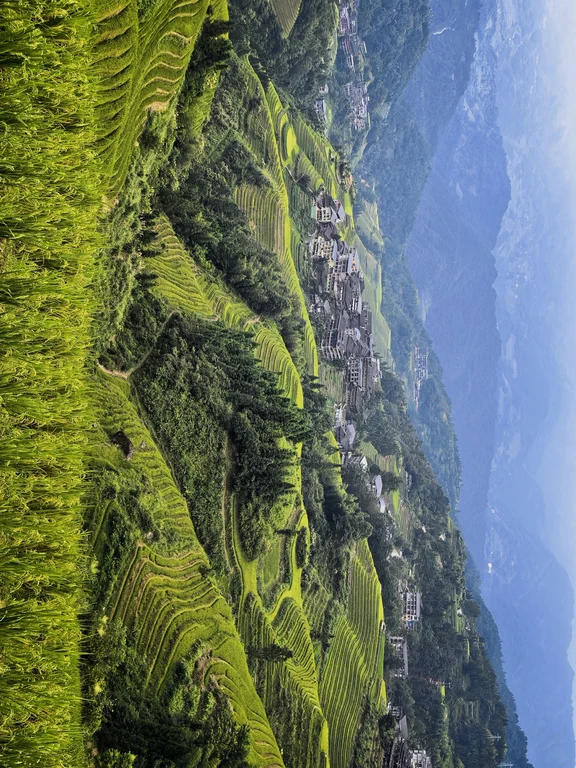 Guilin
龙脊梯田
Longji Rice TerracesThe Longji Rice Terraces are spread out in layers along the steep hillsides surrounding Zhuang and Yao villages. The irrigation of paddy fields, green rice seedlings, golden harvests and winter fallows change with the farming season, so this is first and foremost a farmland continuously cultivated by the community, rather than a postcard that remains unchanged throughout the year. The routes and viewing spots of Ping'an Rice Terraces and Jinkeng Dazhai are also different.
Explore Guilin ↗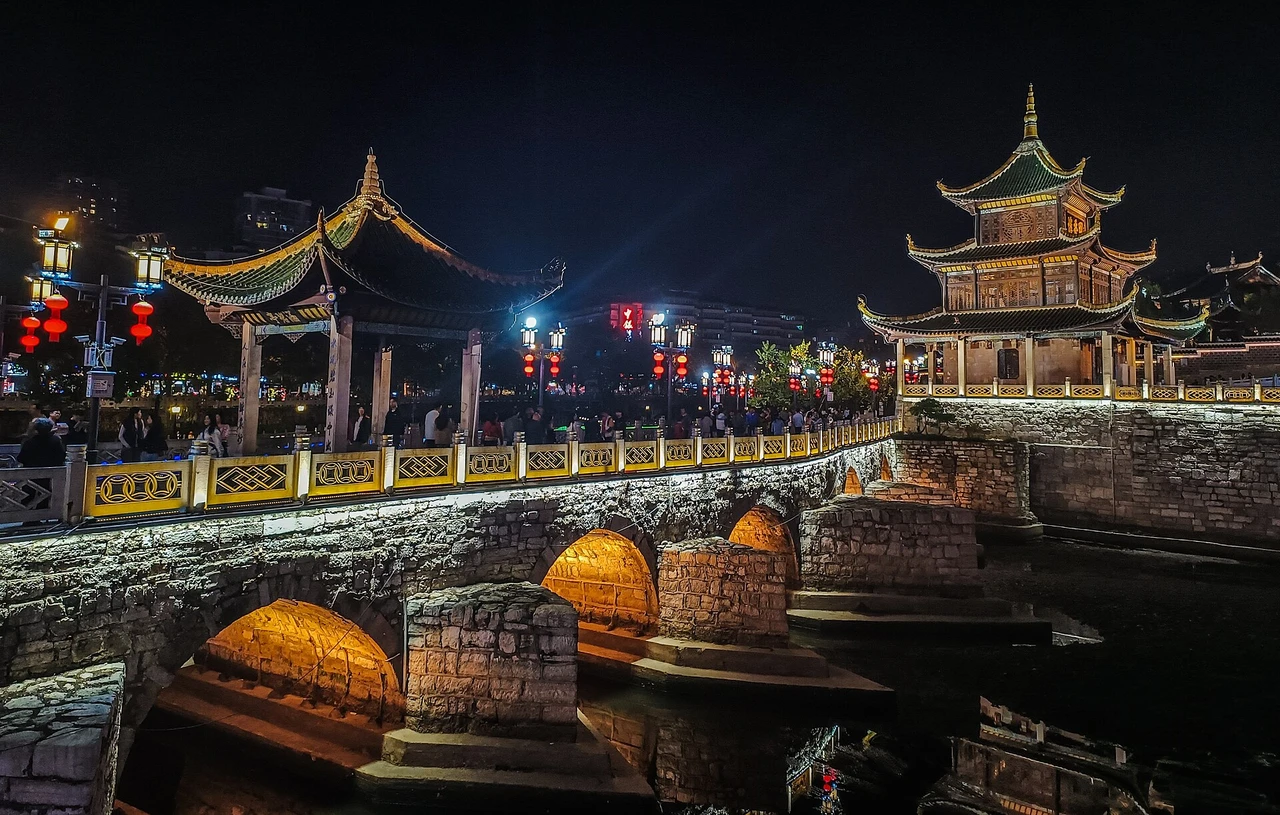 Guiyang
甲秀楼
Jiaxiu TowerJiaxiu Tower was built in the 26th year of Wanli in the Ming Dynasty (1598). It is located on the Aoji Rock in the Nanming River. It means "Kejia Tingxiu". It is a Guiyang city landmark and a national key cultural relics protection unit. It is a three-story wooden structure with three eaves and four corners and a pointed roof, about 20 meters high. The floating jade bridge connects the two sides of the bank, with Bitan under the bridge. The Cuiwei Garden on the south side is a Ming Dynasty garden. There are 206 long couplets hidden in the building. Guizhou talents emerged in large numbers during the Ming and Qing dynasties.
Explore Guiyang ↗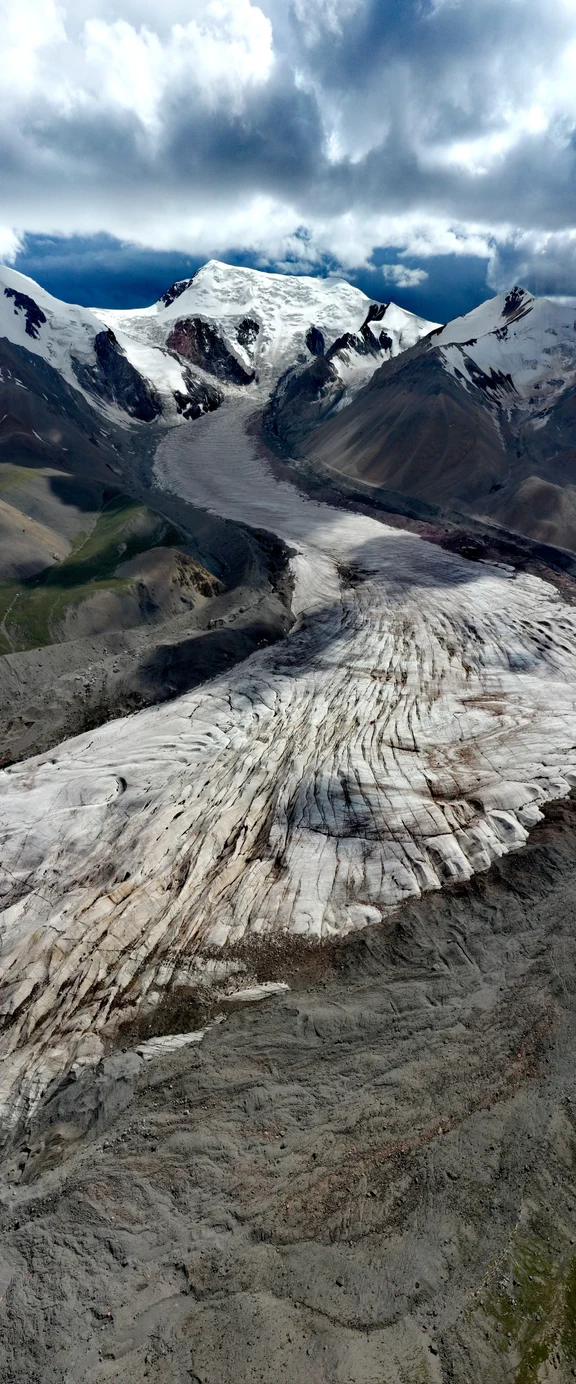 Golog
Golog阿尼玛卿开放观景廊道
Animaqing Open ViewpointsAnimaqing is a sacred snow mountain group and an important ecological core. Visitors can only use currently open public roads and viewpoints; sacred status, glaciers and wildlife habitats preclude summit attempts, off-road shortcuts and drone interference.
Explore Golog ↗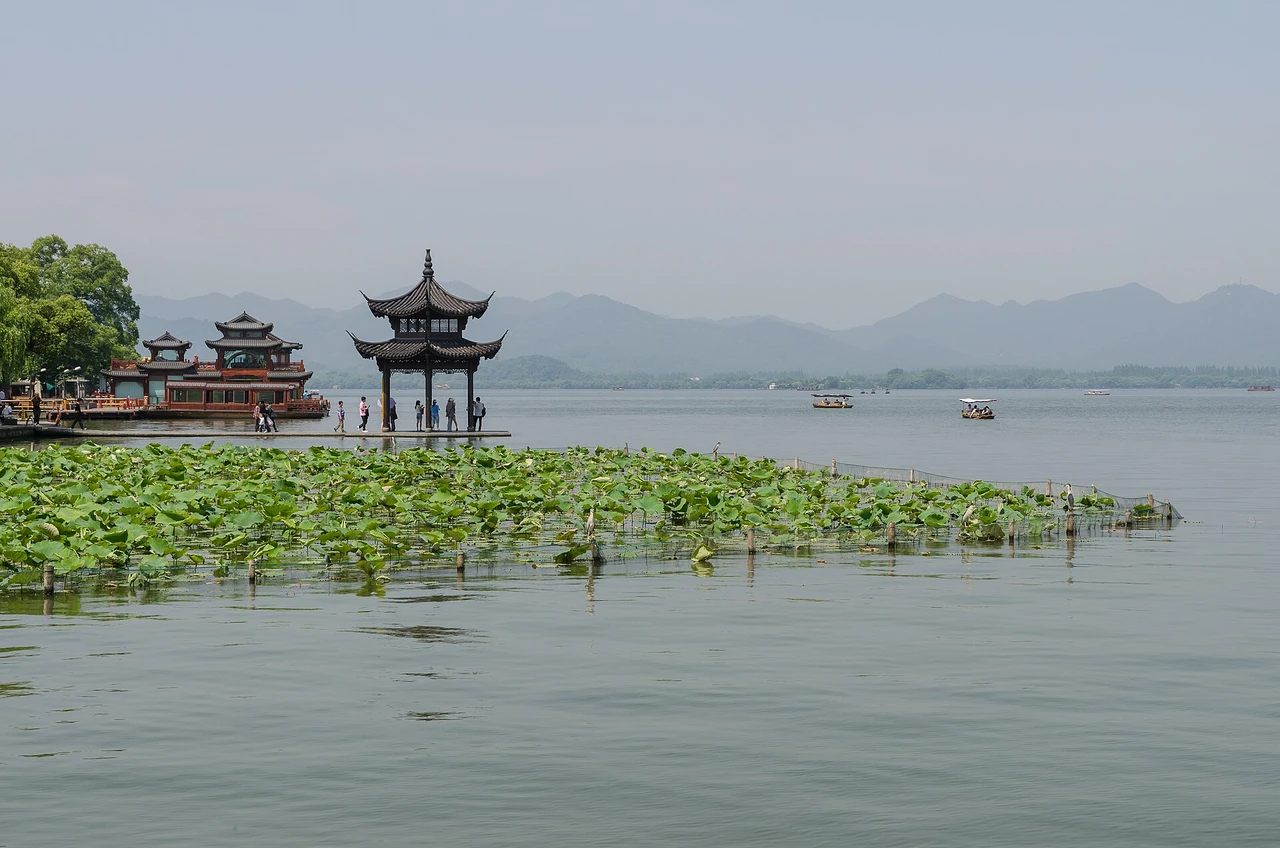 Hangzhou
西湖
West LakeWest Lake is a cultural landscape shaped by water, wooded hills, causeways, islands, gardens, temples and carefully framed views. Over centuries, poets, officials and builders developed its celebrated scenic sites, influencing garden design elsewhere in China and in Japan and Korea. Take time to experience the relationship between landscape and culture rather than rushing around the lake in one loop.
Explore Hangzhou ↗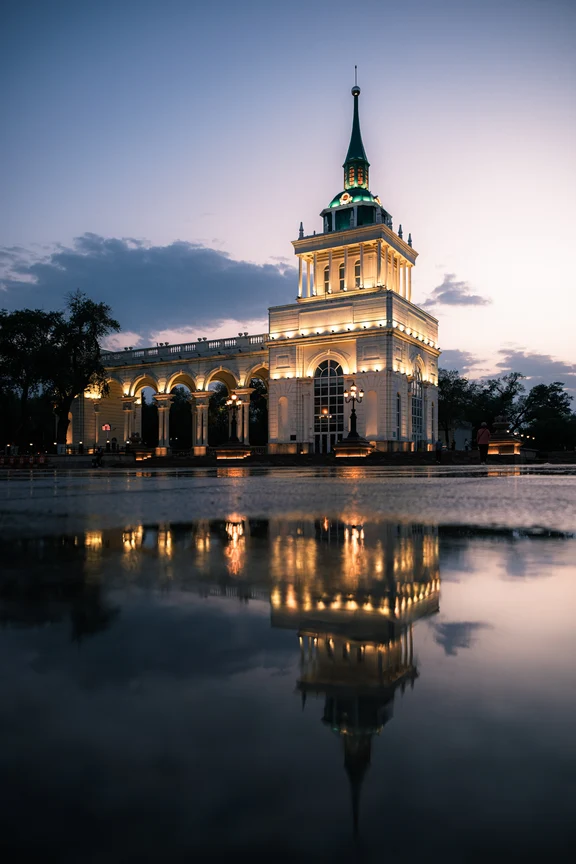 Harbin
圣·索菲亚教堂
Saint Sophia Church and Architectural Art MuseumThe huge green dome and red brick volume of St. Sophia Church record the formation of the Orthodox community in Harbin with the development of the railway era. After conservation and restoration, the original church became an architectural art museum instead of a parish church that is still in use. The photos and urban construction materials in the museum help visitors understand it within the historical landscape composed of railway institutions, synagogues, commercial blocks, and Chinese and foreign residential buildings.
Explore Harbin ↗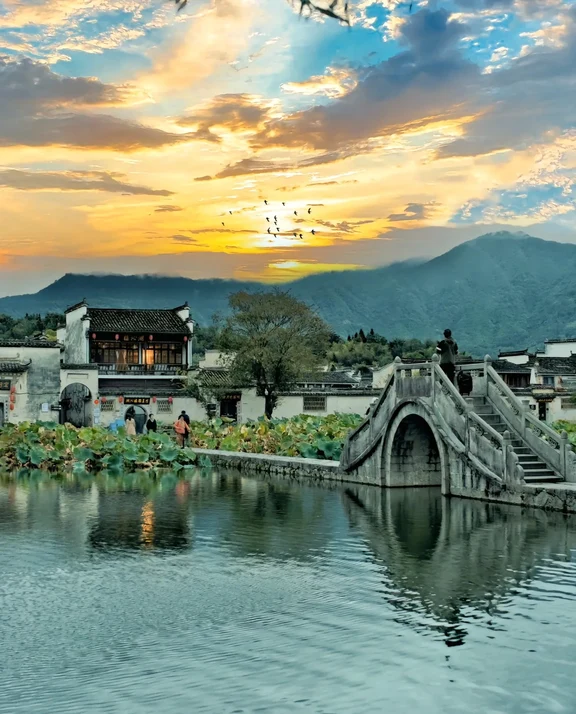 Huangshan
宏村
Hongcun VillageThe Hongcun water system, ancestral halls and Huizhou merchant houses show the planning of Huizhou villages that are still inhabited. The famous reflecting pond is also a community infrastructure and public space, which does not mean it can block roads or enter residences.
Explore Huangshan ↗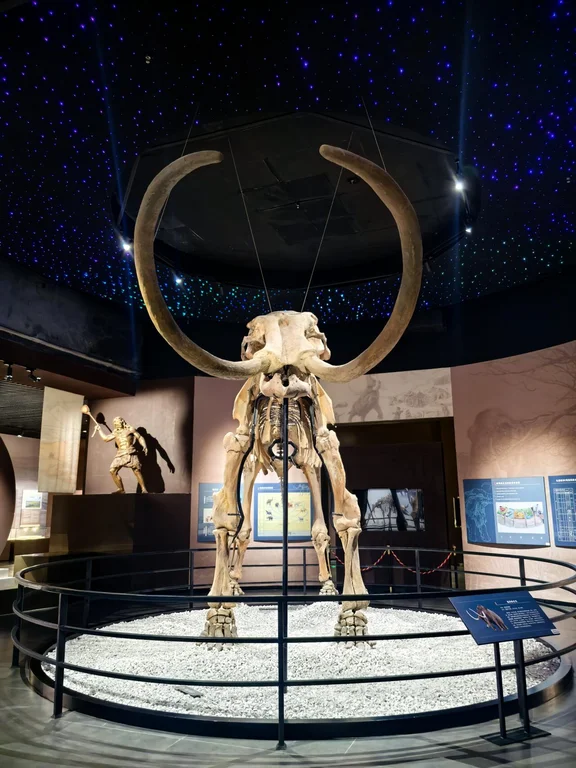 Hulunbuir
海拉尔博物馆
Hailar MuseumThe Hailar Museum introduces the border administration, military affairs and regional exchanges from the Qing Dynasty to the early 20th century through the restored environment and collections of the Deputy Dutong Yamen, and supplements the long-term history of institutions, flows and multi-ethnic communities for grassland travel. Since part of the built environment is a modern restoration, a distinction should be made between historical evidence and cultural relics in the museum, as well as the scene design used for interpretation.
Explore Hulunbuir ↗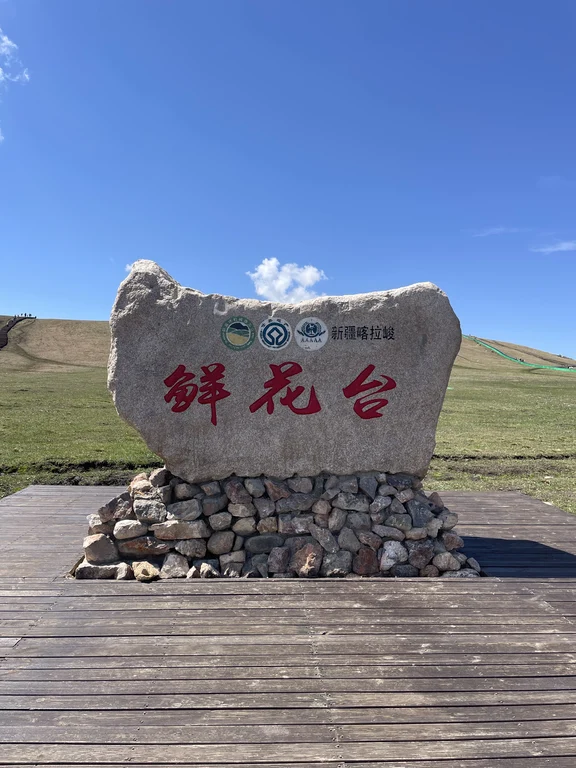 Ili
Ili喀拉峻草原
Kalajun GrasslandThe undulating alpine meadows, deep valleys and snow-capped mountains of the Kalajun Mountains in the background demonstrate the combination of ecology and long-term pastoral utilization of the Western Tianshan Mountains. The scenic area is large and wet soil is highly susceptible to damage, so legal viewpoints and managed trails should be used rather than temporary ruts.
Explore Ili ↗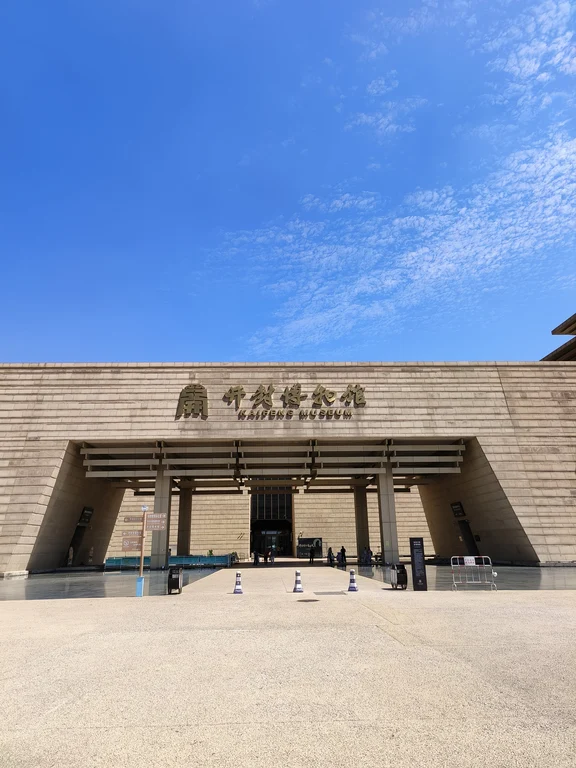 Kaifeng
开封市博物馆
Kaifeng MuseumThe Kaifeng Municipal Museum is the best starting point to distinguish the stages of multiple capital establishments and understand why the remains of the Northern Song Dynasty are often buried deep underground. Archaeological artifacts, models, city maps, and different versions of "Along the River During the Qingming Festival" reconstruct administration, commerce, and daily life without pretending that the modern surface is anything but its original appearance. The subsequent contents of Jewish communities, guild halls, the Yellow River and local crafts also make the urban narrative transcend a single dynasty.
Explore Kaifeng ↗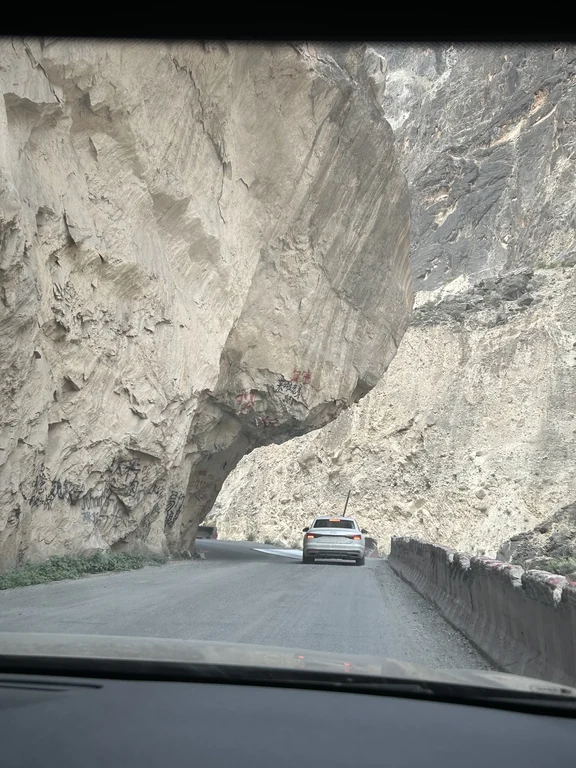 Kangding
318国道川藏段
Sichuan–Tibet Highway (G318)The Kangding section of National Highway 318 is a public transportation corridor used by residents, freight and tourists. It is not a closed landscape route where parking can be done at any time. Conditions at passes, villages and towns, and construction sections vary greatly. Traffic control and parking signs should be observed, and night driving, fatigue driving, and sightseeing on blind bends should be avoided.
Explore Kangding ↗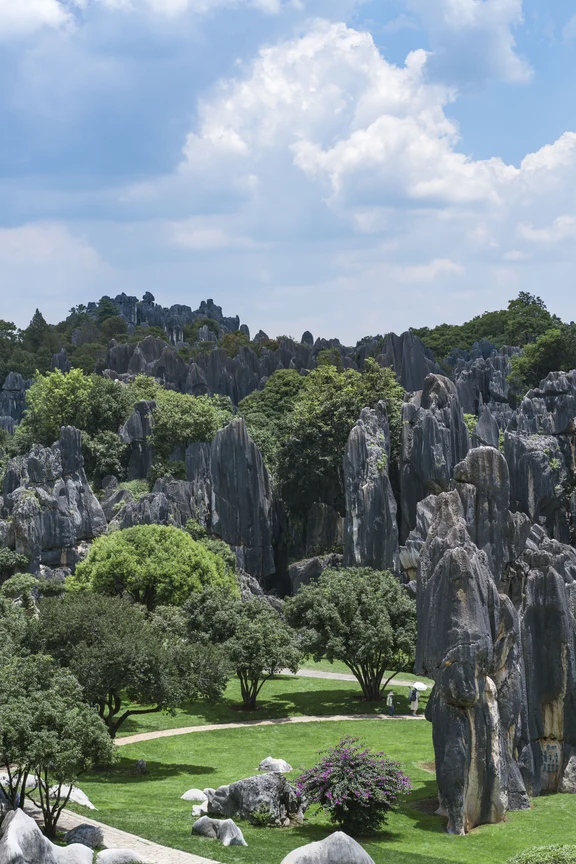 Kunming
石林风景区
Stone Forest Scenic AreaThe stone forest is a large-scale karst landform. Dissolution and erosion have formed dense stone pillars, corridors, caves and terraces. The large and small stone forests and the Naigu Stone Forest differ in rock color and tourist density; when understanding geological processes, we should also combine the narratives and cultural traditions of the Sani Yi people, rather than just looking for pseudo-object names for the rocks.
Explore Kunming ↗Showing 24 of 166 places