
 Aba
Aba若尔盖湿地开放线路
Ruoergai Wetland Open RouteExplore places
Browse a mix of cities, or choose one city to see its places in editorial order.
Aba若尔盖湿地开放线路
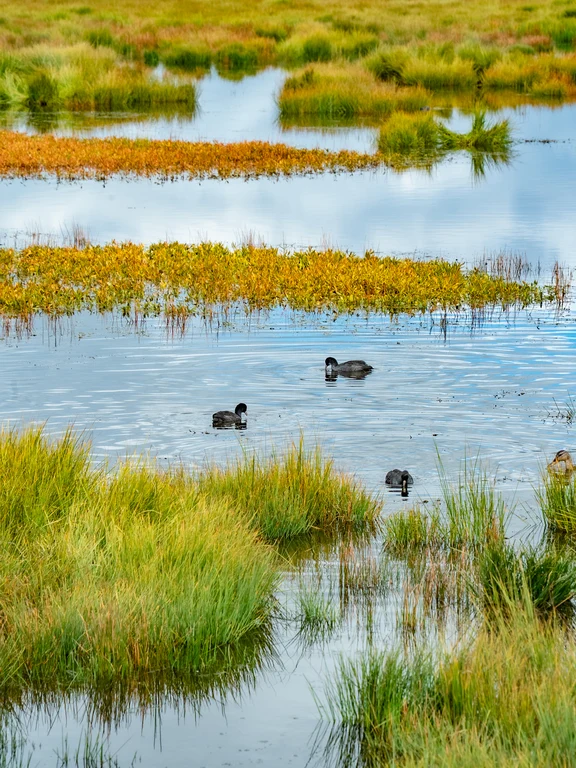
Ruoergai Wetland Open RouteZoige preserves peat wetlands, meandering streams, grasslands and bird habitats on the plateau. Open roads and boardwalks must be used as driving into meadows can compact peat, damage pasture and create rescue risks.
Explore Aba ↗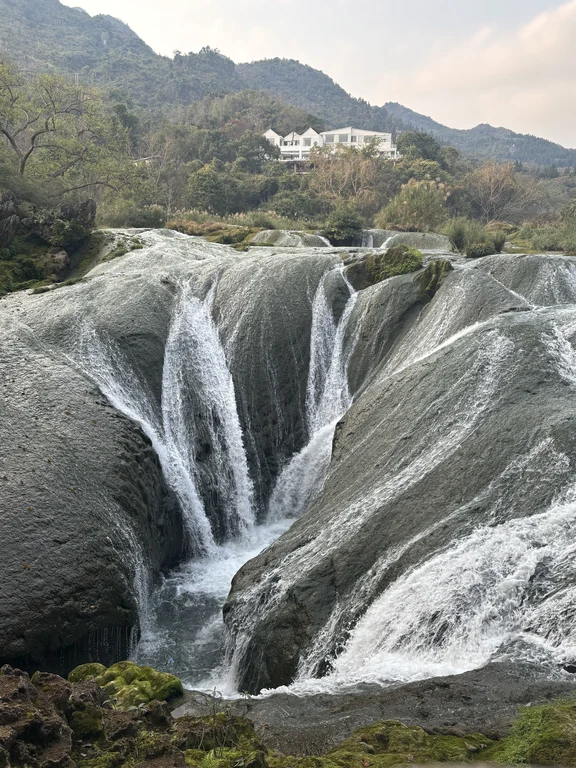 Anshun
黄果树瀑布群
Huangguoshu Waterfall SystemHuangguoshu is a waterfall system formed by rivers and karst, rather than a single frontal viewing point. The Great Falls, Tianxing Bridge and Doupo Pond respectively present different relationships between water flow, limestone, caves and vegetation; water mist, queues, water levels and one-way flow lines will all affect the experience.
Explore Anshun ↗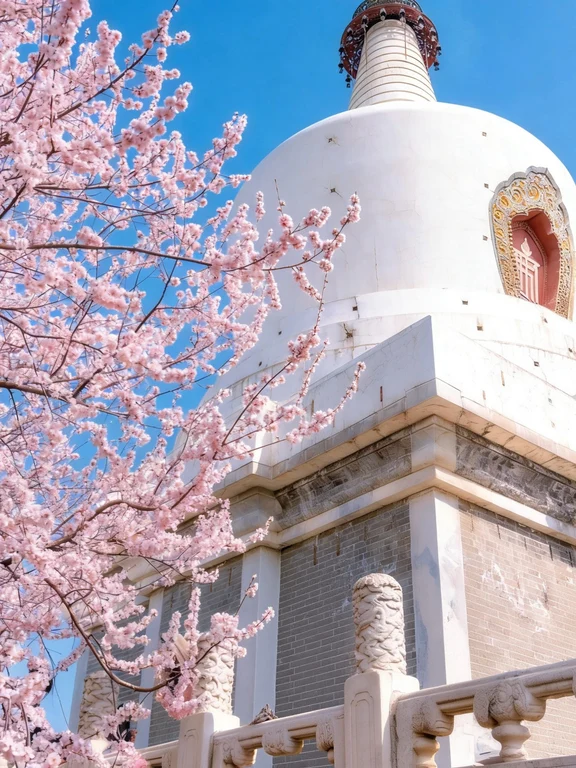 Beijing
北海公园
Beihai ParkBeihai Park is a royal garden with the lake as its core, located on the west side of Jingshan Mountain. Qionghua Island and the White Pagoda form the most recognizable landscape, while the painted corridors, temples, stacked stones and gardens on the north bank are suitable for leisurely exploration on foot. The water bodies, islands and borrowed scenery in the garden have been constructed through the ages to present a complete classical garden space.
Explore Beijing ↗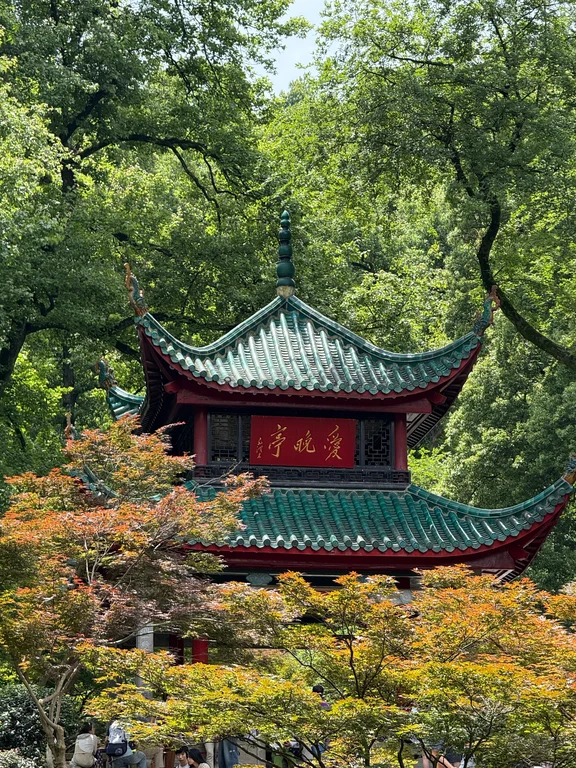 Changsha
岳麓山
Yuelu MountainYuelu Mountain is an urban mountainous area with lush forests. Trails connect Yuelu Academy, Aiwan Pavilion, historical tombs and modern memorial sites. The dense cultural relics reflect the educational and political history of Changsha, and the forest provides a refreshing contrast to the hot river city; different mountain gates and ridge routes have their own experiences, and should not be compressed into a rush to the summit.
Explore Changsha ↗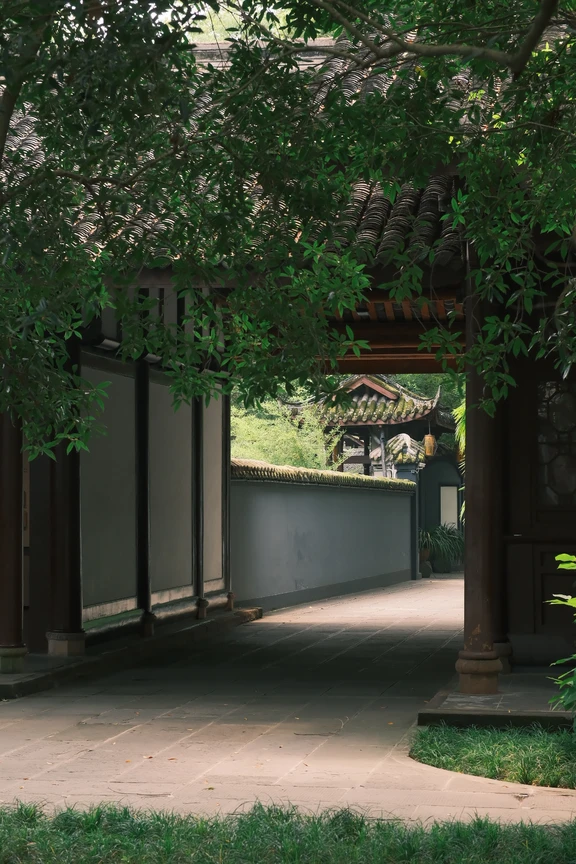 Chengdu
杜甫草堂
Du Fu Thatched CottageDu Fu Thatched Cottage is a garden-style memorial museum located on the site of the former residence of Tang Dynasty poet Du Fu in Chengdu. He wrote more than 240 poems while living in Chengdu. The restored huts, traditional courtyards, gardens, inscriptions and literary displays transform the characters' lives into a spatial experience. A visit combined with several representative poems will be more meaningful than just looking at the buildings.
Explore Chengdu ↗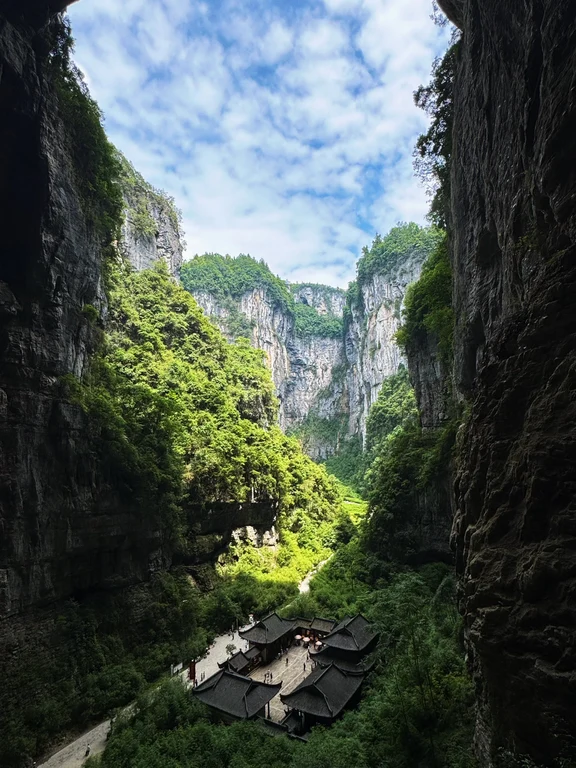 Chongqing
武隆喀斯特
Wulong KarstWulong is part of the Karst World Natural Heritage in South China. The high-level inland karst has been uplifted and eroded to form huge sinkholes, natural bridges, canyons and caves. Landscapes such as Tiansheng Sanqiao can intuitively represent the geological scale, but Wulong's scenic spots are distributed in vast mountainous areas and are not a compact park.
Explore Chongqing ↗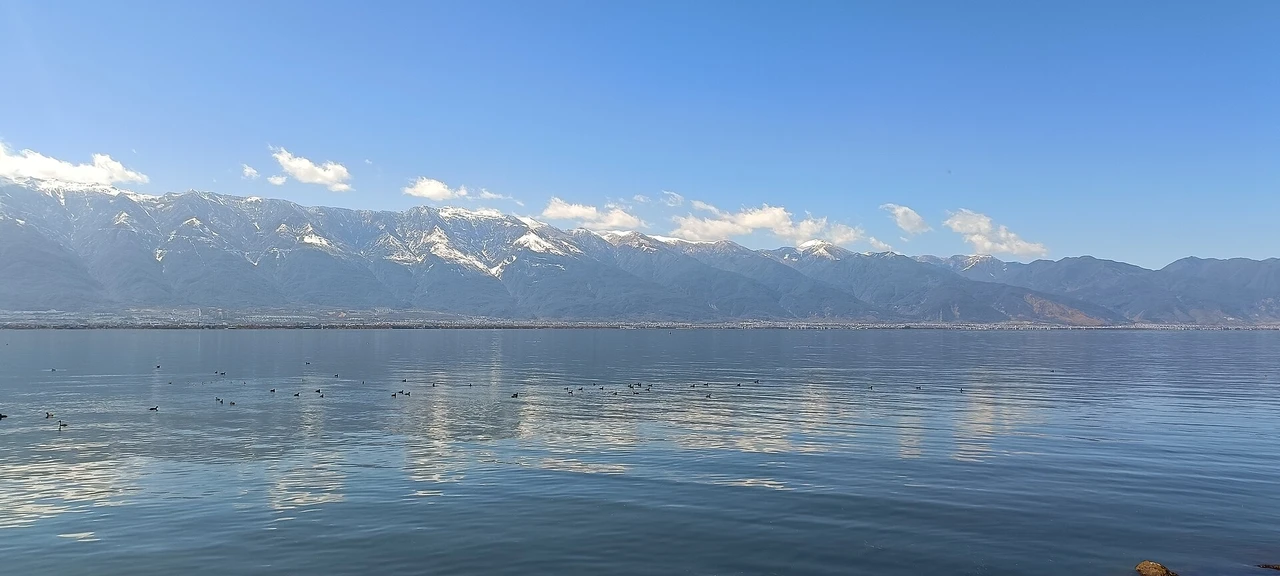 Dali
Dali洱海
Erhai Lake loopErhai Lake is the second largest plateau lake in Yunnan, located in the north of Dali City. It is named because it looks like a human ear and is the location of the "moon" in "Wind, Flowers, Snow and Moon". The lake is about 1972 meters above sea level. The nineteen peaks of Cangshan Mountain are reflected in the lake, forming a classic scene of "Snow on Cangshan Mountain and Moon on Erhai Lake". Dotted around the lake are Longchun Wharf, Fengxi S Bay, Covered Bridge, Shuanglang Ancient Town, Wenbi Village and other internet celebrity spots. There are ecological corridors in Haixi (motor vehicles are not allowed), and the scattered scenic spots in Haidong are more suitable for self-driving.
Explore Dali ↗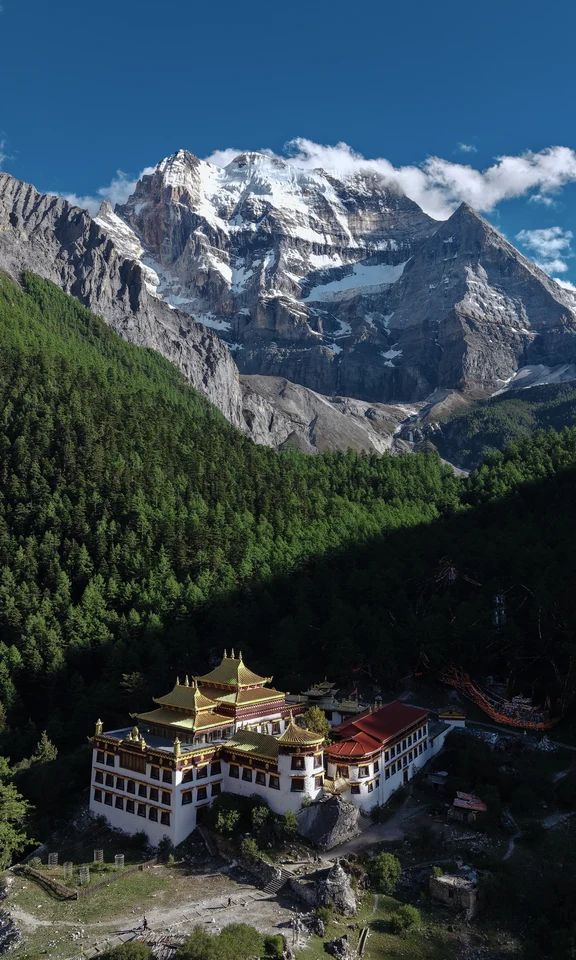 Daocheng
亚丁冲古寺与珍珠海短线
Yading Short Route: Chonggu and Pearl LakeThe Aden Short Line connects the Chonggu area, forest trails and the Pearl Sea under the Xiannairi Snow Peak. You can get a complete plateau landscape without having to complete the longest high valley hike. It is especially suitable for making more responsible choices in the early stages of adapting to altitude. Chonggu is a living Tibetan Buddhist cultural landscape, and wooden planks and lakeside fences are used to protect fragile vegetation and water bodies.
Explore Daocheng ↗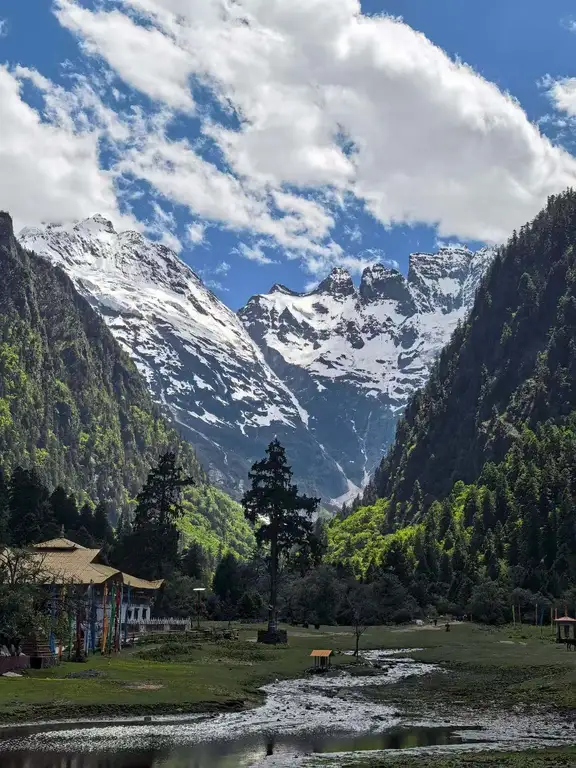 Deqin
Deqin雨崩村与开放徒步线
Yubeng Village and Open TrailsYubeng is a living Tibetan village under the Meili Snow Mountains. It is also the base for difficult routes leading to divine waterfalls, glacial valleys and alpine lakes. Farming, pastoralism, pilgrimage and tourism share narrow roads and limited waste and water systems. A popular route does not mean the terrain is easy; every time you travel, you must confirm the opening status, retain the sunshine time, wear appropriate shoes, and return before high altitude, storms or fatigue turn into an emergency.
Explore Deqin ↗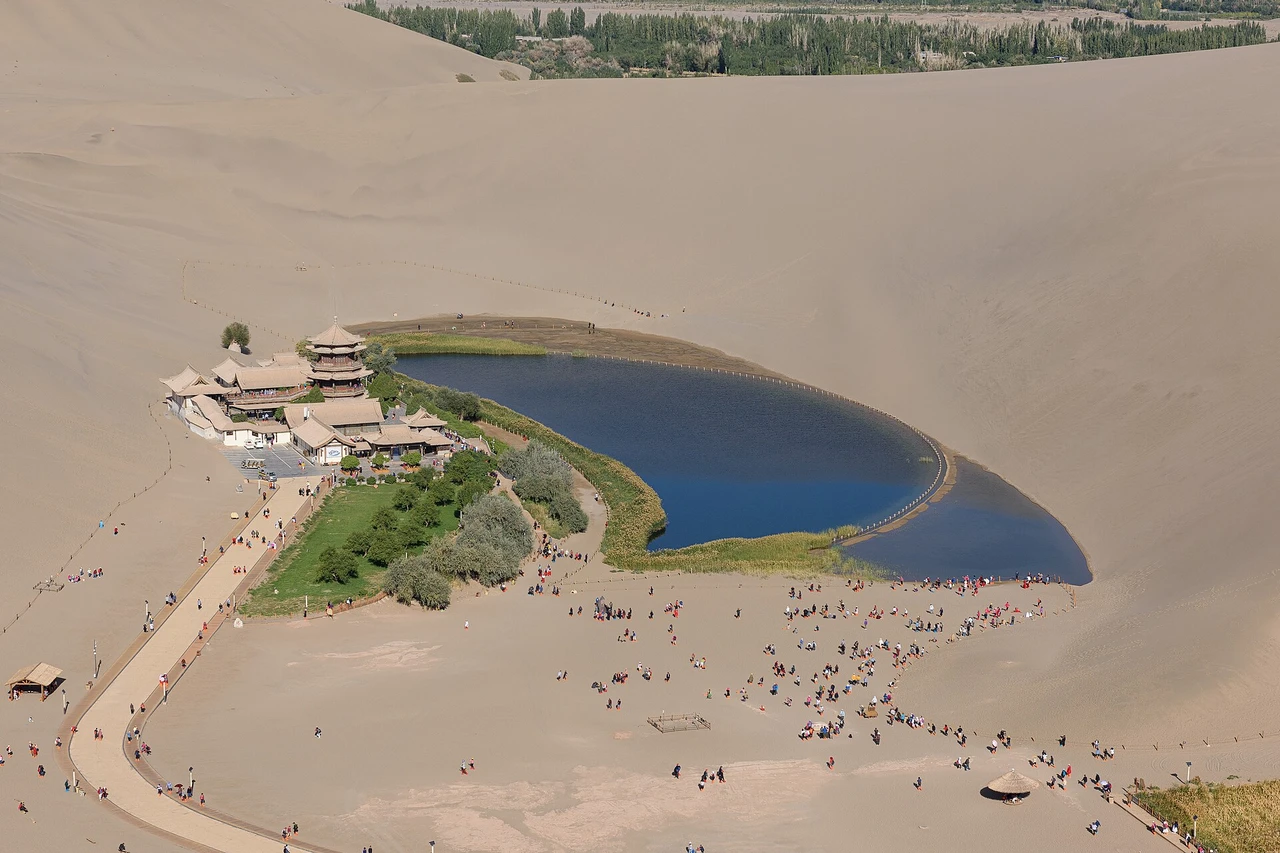 Dunhuang
鸣沙山月牙泉
Mingsha Mountain and Crescent LakeMingsha Mountain Crescent Spring is located about 5 kilometers south of Dunhuang City. The sand mountains surround the crescent spring. The sand and springs have coexisted for thousands of years and are known as "the most beautiful scenery outside the Great Wall". The highlights are: Crescent Moon Spring: a crescent-shaped spring in the desert. The Yuequan Pavilion beside the spring stands next to the water, which is the soul of the scenic spot. Mingsha Mountain: Climb the sand mountain to the top for a panoramic view of the Crescent Spring, and watch the sunset in the desert in the evening. This is the best filming location.
Explore Dunhuang ↗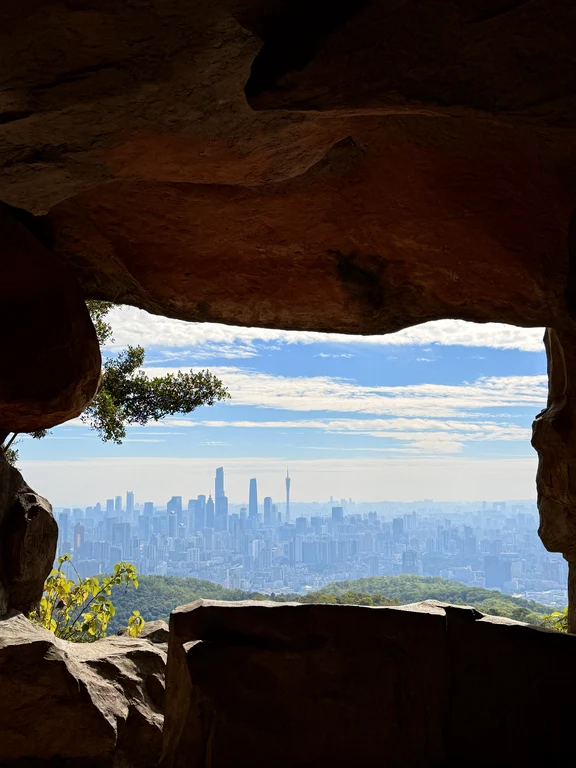 Guangzhou
白云山
Baiyun MountainBaiyun Mountain is the main urban mountain on the north side of the central city of Guangzhou. Forest trails, reservoirs, gardens, temples and scenic spots are distributed over a large area. The altitude of the mountain is not extreme, but the hot and humid weather and the scale of the scenic spot make route selection important; the daily mountaineering lifestyle of local citizens is also part of the experience.
Explore Guangzhou ↗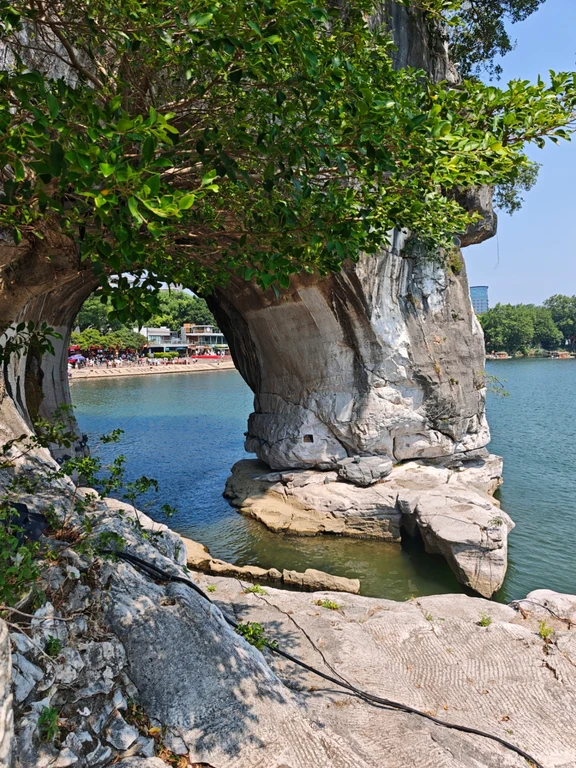 Guilin
象鼻山
Elephant Trunk HillElephant Trunk Hill is located where the Taohua River merges into the Li River. The entrance to the waterfront forms an outline that resembles an elephant drinking water, and has long been a symbol of Guilin. Shuiyue Cave, the inscriptions of past dynasties and the Ming Dynasty Puxian Pagoda on the top of the mountain add a humanistic layer to the compact peak; observing the overall landscape from the surrounding river banks is usually clearer than just rushing up the mountain.
Explore Guilin ↗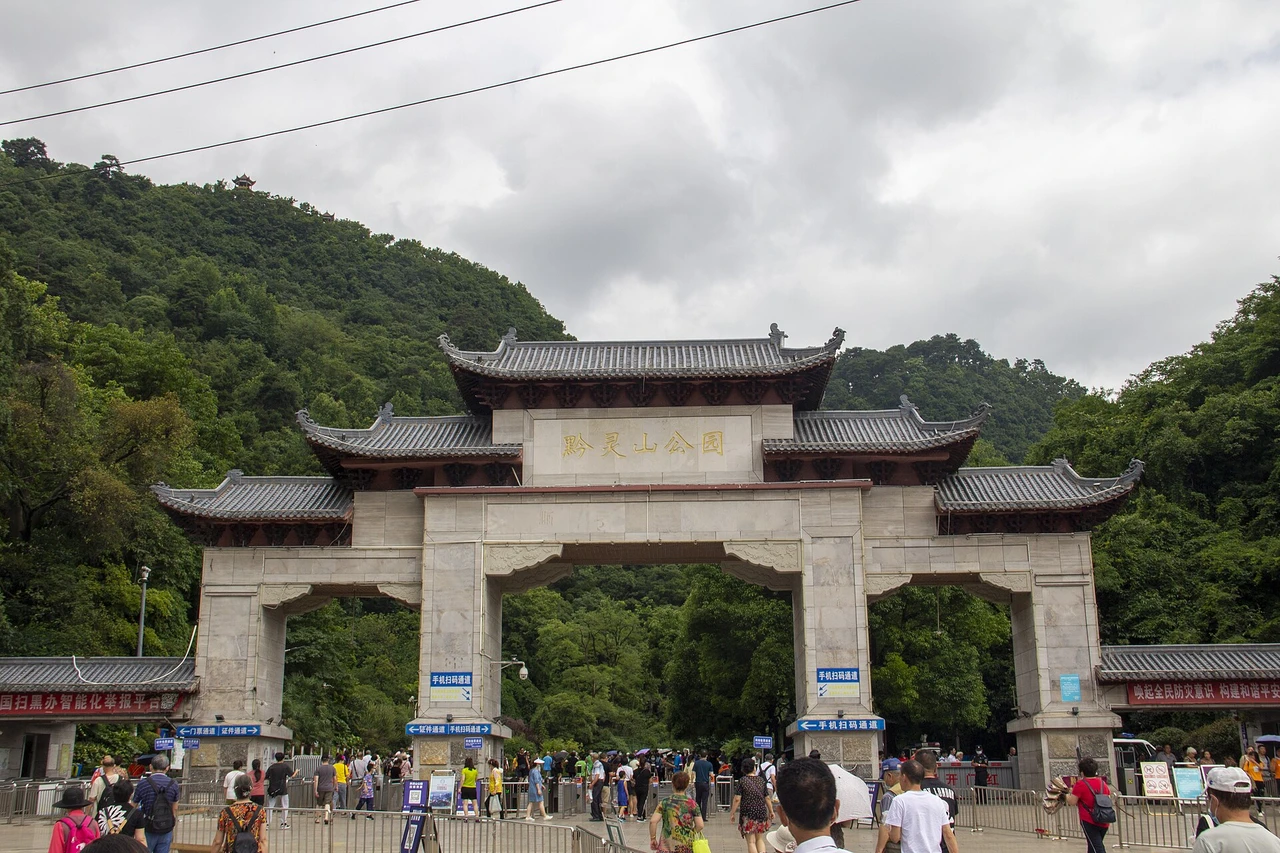 Guiyang
黔灵山公园
Qianling ParkQianling Mountain Park is a large forest park in Guiyang City, a 4A scenic spot, and is known as the "No. 1 Mountain in Southern Guizhou". There are about a thousand wild macaques in the park, as well as free giant panda pavilions (two giant pandas, Xingbao and Haibang), Hongfu Temple (the first temple in Guizhou, 1672), Qianling Lake and Qilin Cave (where Zhang Xueliang and Yang Hucheng were once imprisoned).
Explore Guiyang ↗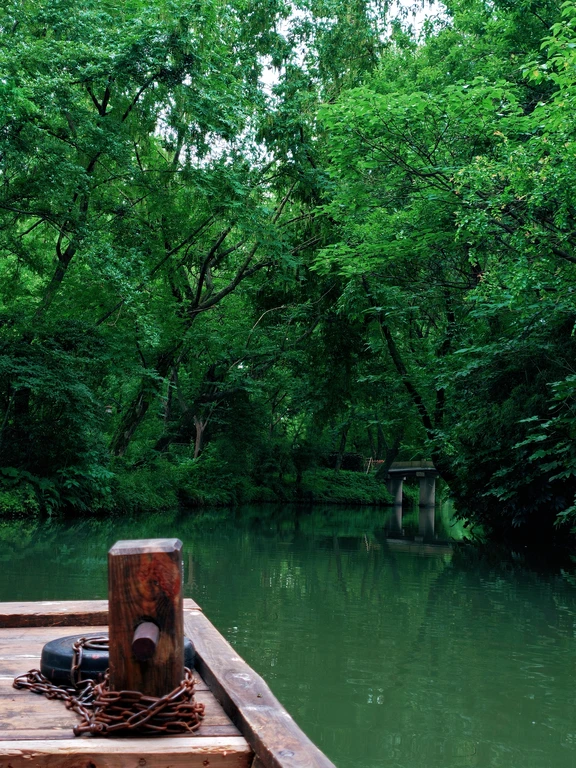 Hangzhou
西溪国家湿地公园
Xixi National Wetland ParkXixi is a large urban wetland west of the central city of Hangzhou consisting of rivers, ponds, reed marshes, orchards, villages and local traditions. The water body covers a wide area and provides a foundation for diverse habitats. It also retains the cultural clues of fishery, sericulture, festivals and water town settlements, forming a clear ecological and rhythmic contrast with the West Lake.
Explore Hangzhou ↗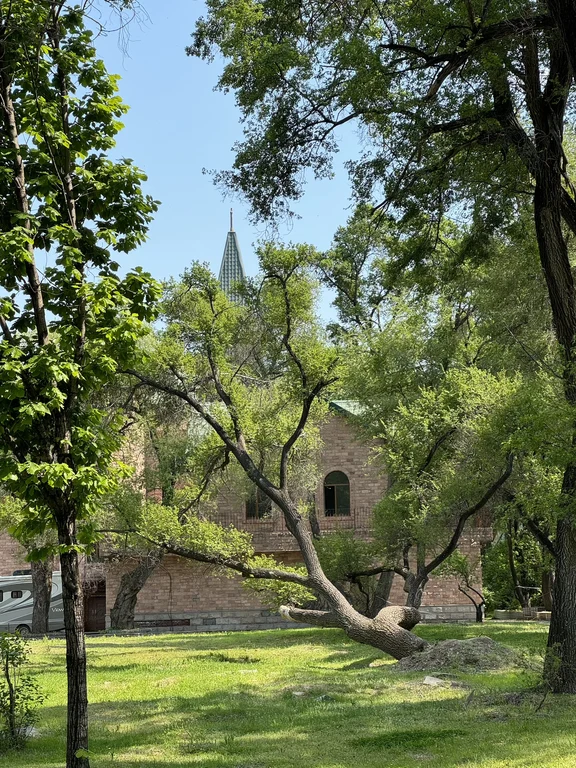 Harbin
太阳岛风景区
Sun Island Scenic AreaSun Island is located on the north bank of the Songhua River. It is a large-scale river island landscape composed of wetlands, woodlands, gardens and cultural facilities. It is a green space outside the central city in summer and hosts important snow sculpture activities in winter, but seasonal products cannot be confused with year-round parks; the broad scale also helps understand the role of Songhua River in urban ecology, leisure and Jiangbei development.
Explore Harbin ↗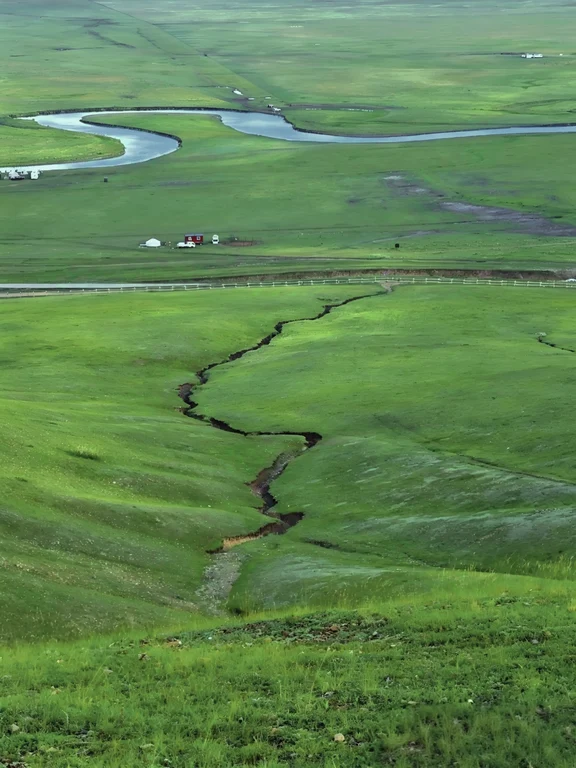 Hulunbuir
莫尔格勒河草原
Morigele River GrasslandThe Morgrad River meanders through vast meadow grasslands, its appearance changing with precipitation, grazing and the seasons. From the formal viewing point, you can see the meanders of the river and the scale of the grassland. In addition to the tourist facilities, animal husbandry production and Mongolian cultural life continue. Designated routes must be used: ruts can compact soil, cut vegetation, and disturb livestock, and no photos will justify trespassing on the prairie.
Explore Hulunbuir ↗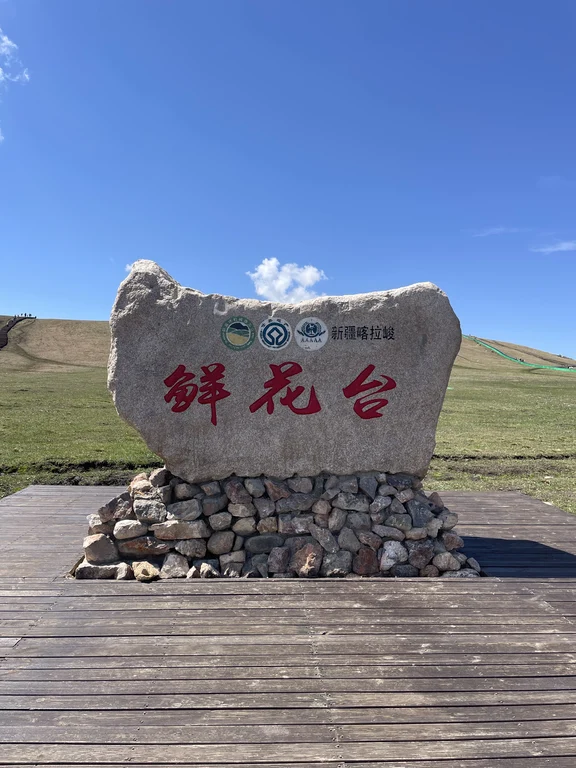 Ili
Ili喀拉峻草原
Kalajun GrasslandThe undulating alpine meadows, deep valleys and snow-capped mountains of the Kalajun Mountains in the background demonstrate the combination of ecology and long-term pastoral utilization of the Western Tianshan Mountains. The scenic area is large and wet soil is highly susceptible to damage, so legal viewpoints and managed trails should be used rather than temporary ruts.
Explore Ili ↗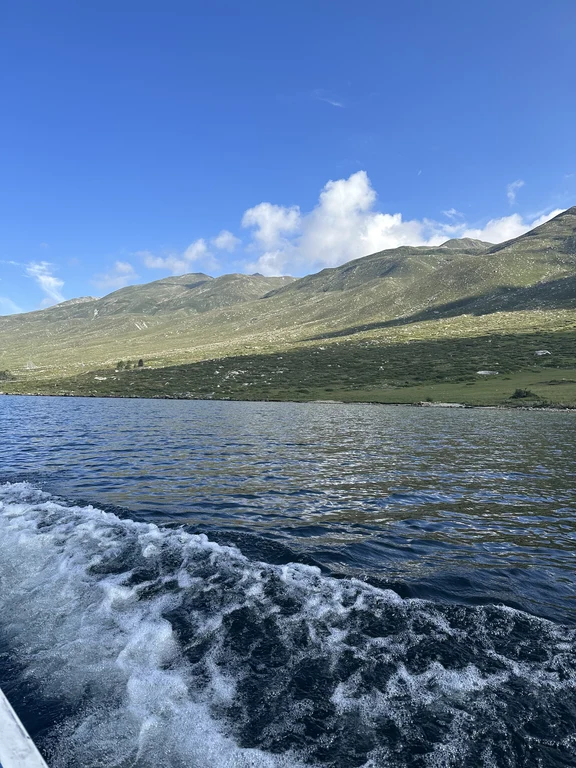 Kangding
木格措景区
Mugecuo Scenic AreaMugecuo connects alpine lakes, forests, hot spring geology and meadows through managed mountain routes. Elevation and rapid weather changes make connections and boardwalks safety frameworks rather than circumventable limitations.
Explore Kangding ↗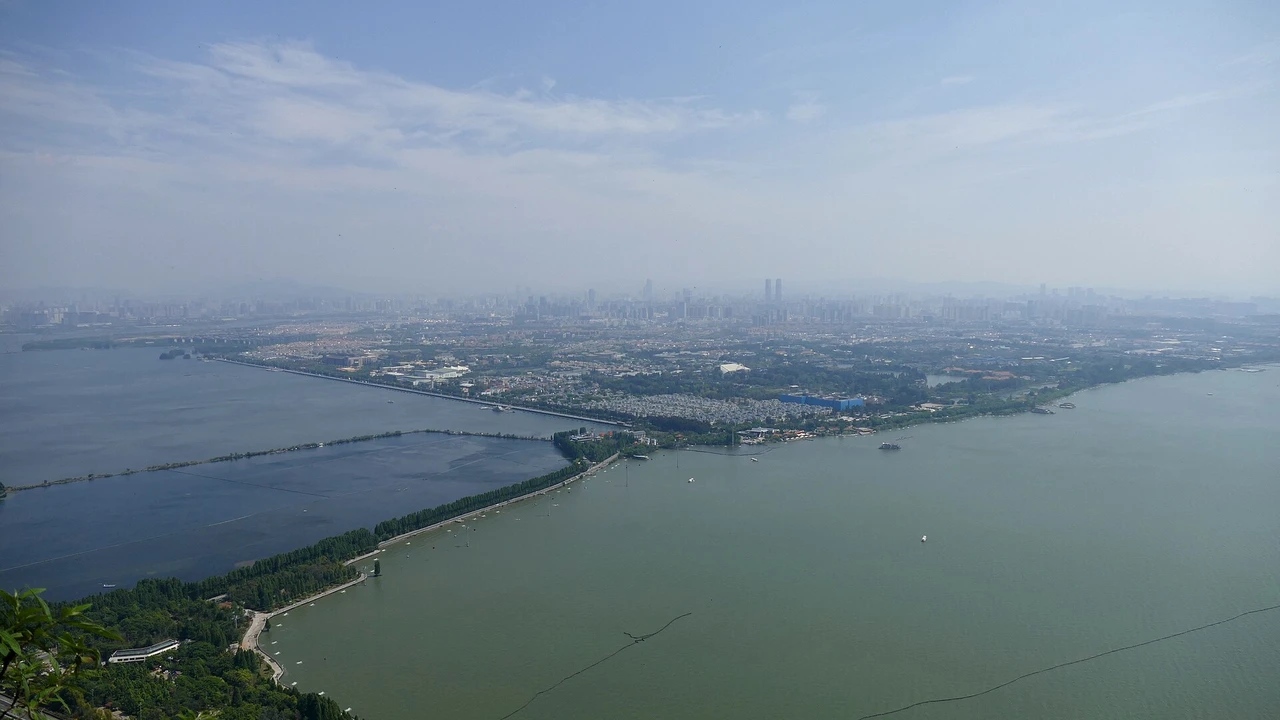 Kunming
西山龙门
Western Hills and the Dragon GateXishan is known as "Sleeping Beauty Mountain". Longmen Grottoes are a group of stone carvings carved on the cliff by craftsmen of the Qing Dynasty. From the top, you can overlook Dianchi Lake and the entire city of Kunming.
Explore Kunming ↗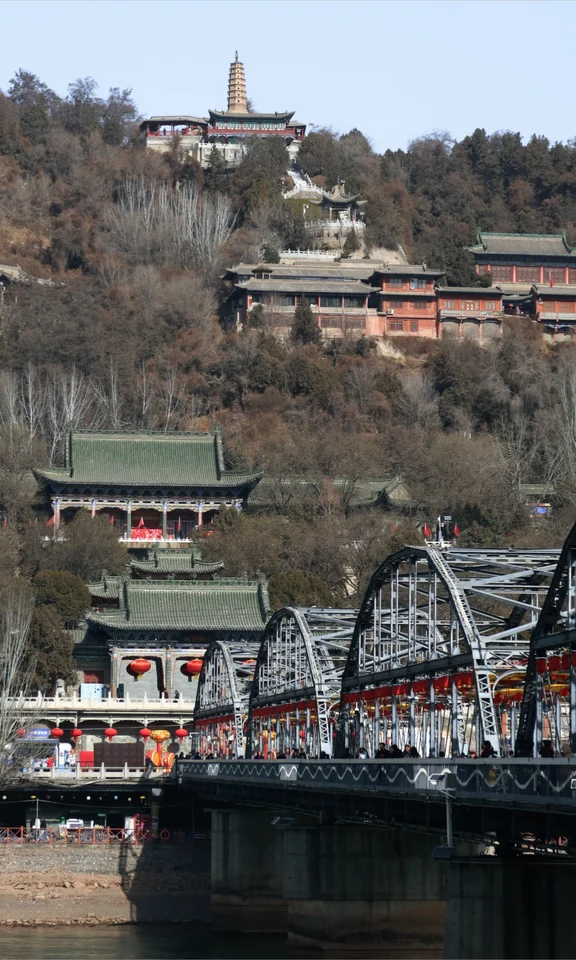 Lanzhou
白塔山公园
White Pagoda HillBaita Mountain is adjacent to the north bank of the Yellow River, with temples, courtyards, mountain roads and urban viewing spots superimposed above the Zhongshan Bridge. Climbing up can intuitively understand Lanzhou's restricted geography: the city stretches along the river, and dry mountains approach from both sides. Historic buildings are important, but observing bridges, mesas, and urban expansion as the altitude changes is the core experience.
Explore Lanzhou ↗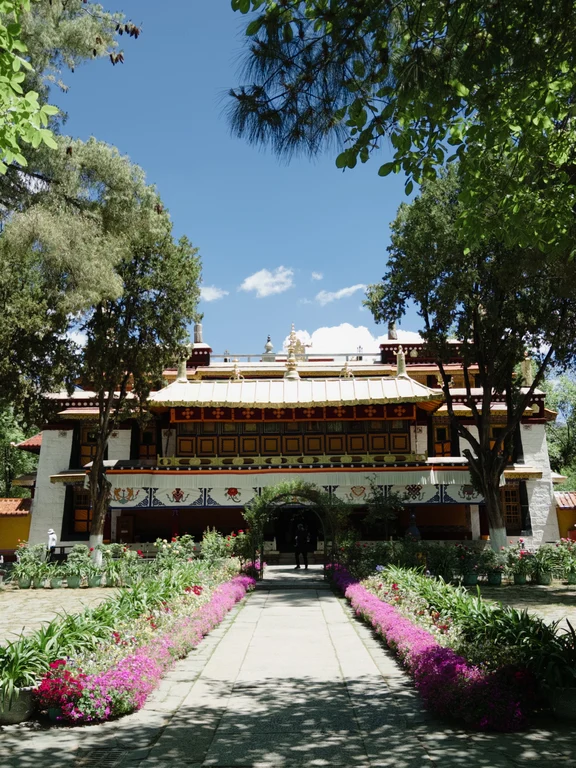 Lhasa
Lhasa罗布林卡
NorbulingkaNorbulingka was developed as the summer palace of the Dalai Lama of the past dynasties. It combines Tibetan palaces, Buddhist halls, gardens and water features in the lush environment of western Lhasa. Together with the Potala Palace and the Jokhang Temple, it constitutes a world heritage historical building complex, but its space is quieter and more life-like. Visiting along the garden road, you can understand the relationship between ceremonial space, summer climate, landscape design and palace life.
Explore Lhasa ↗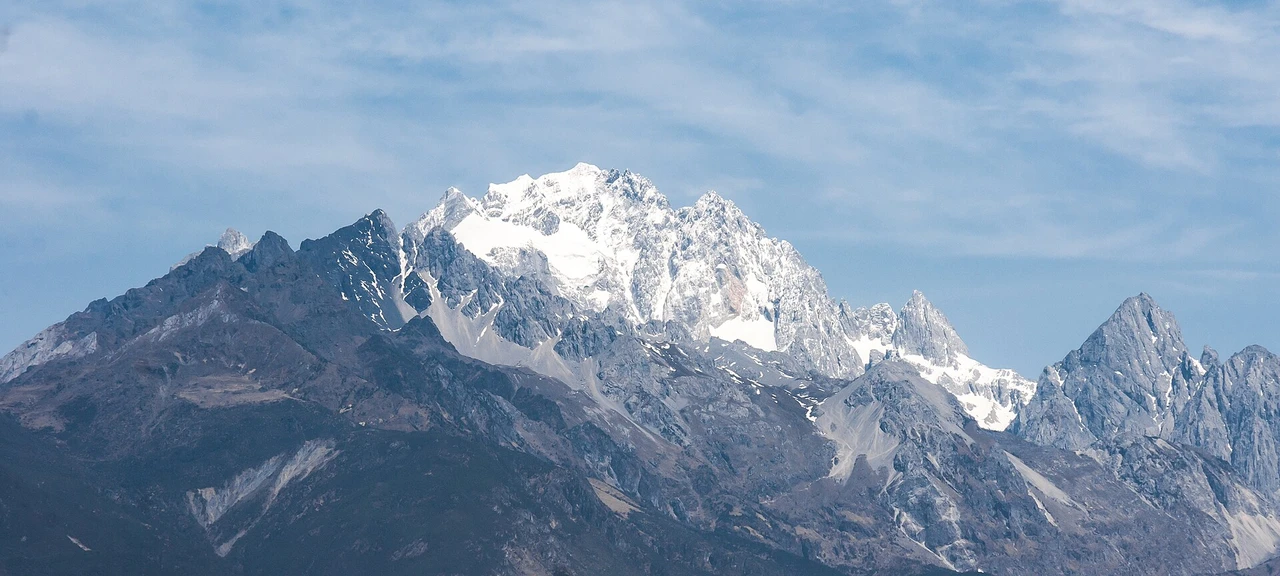 Lijiang
玉龙雪山
Jade Dragon Snow MountainJade Dragon Snow Mountain is an alpine mountain system in the north of Lijiang. Glaciers, meadows, forests and peaks tower above the Naxi cultural landscape. Different ropeways reach completely different altitudes and environments, and the highest conventional tourist platform is a high-altitude area that needs to be taken seriously; weather, ecological protection and ticket amount jointly determine the reachable range on the day.
Explore Lijiang ↗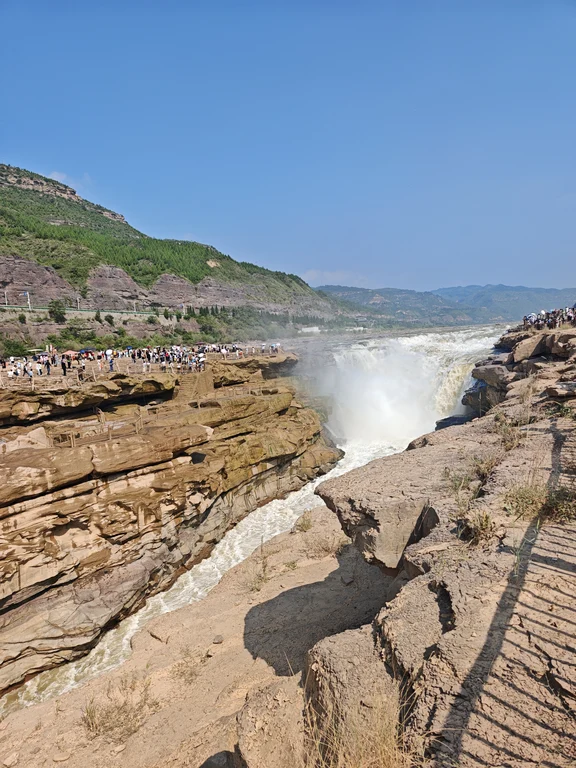 Linfen
黄河壶口瀑布(山西侧)
Hukou Waterfall, Shanxi SideAt Hukou, the broad Yellow River is forced into a narrow rock trough, forming strong falling water, water mist and seasonal ice. The color, volume and available platforms of the water are constantly changing; this is both a geomorphological event and a cultural symbol of the Yellow River, and must be viewed from a managed platform.
Explore Linfen ↗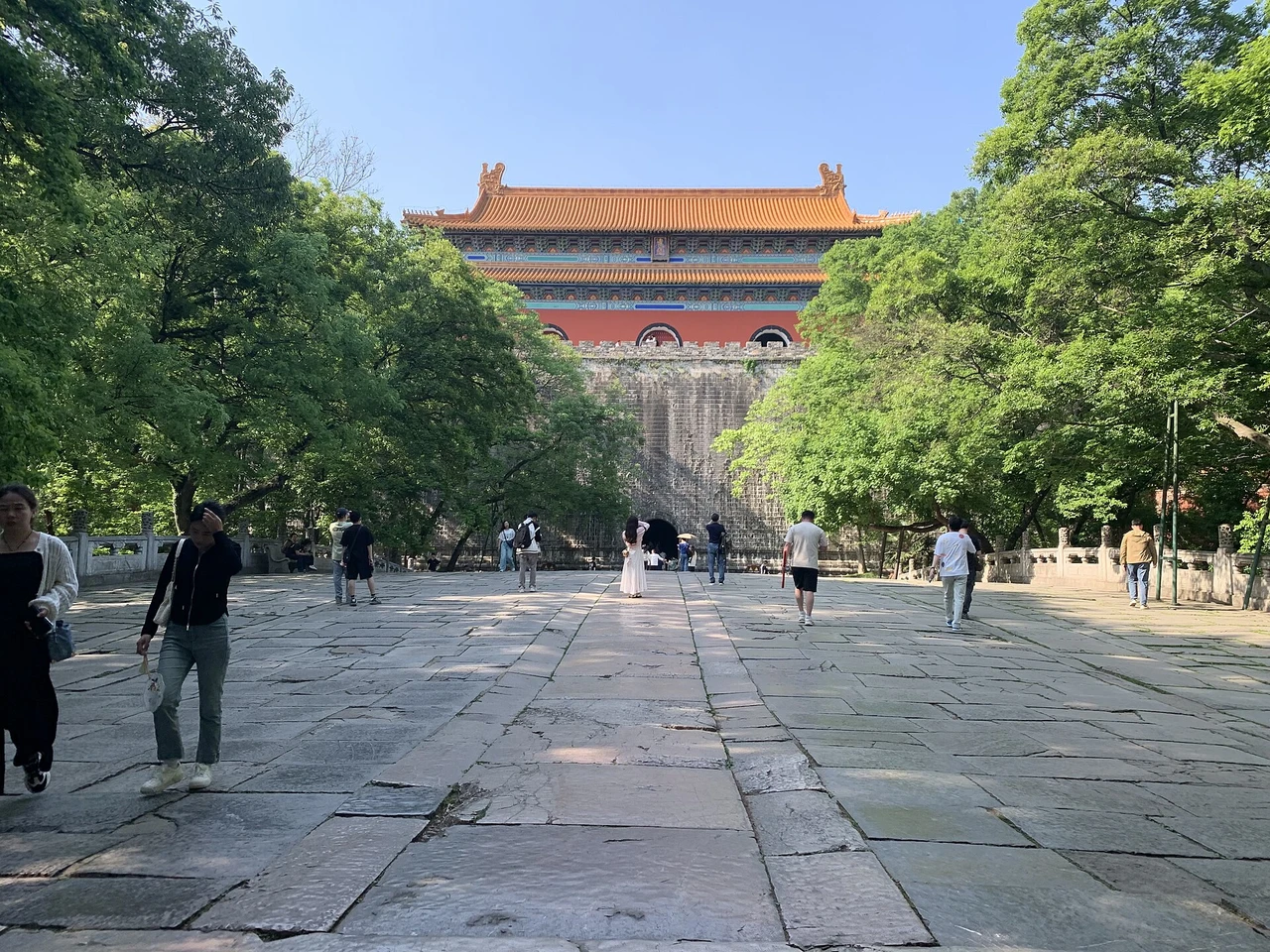 Nanjing
明孝陵
Ming XiaolingThe Ming Xiaoling Mausoleum is the joint burial site of the Hongwu Emperor and Empress Ma. Inscribed as World Heritage in 2003, it helped establish a layout used by later imperial tombs. Highlights include the stone-animal Sacred Way and the Fangcheng-Minglou complex.
Explore Nanjing ↗