
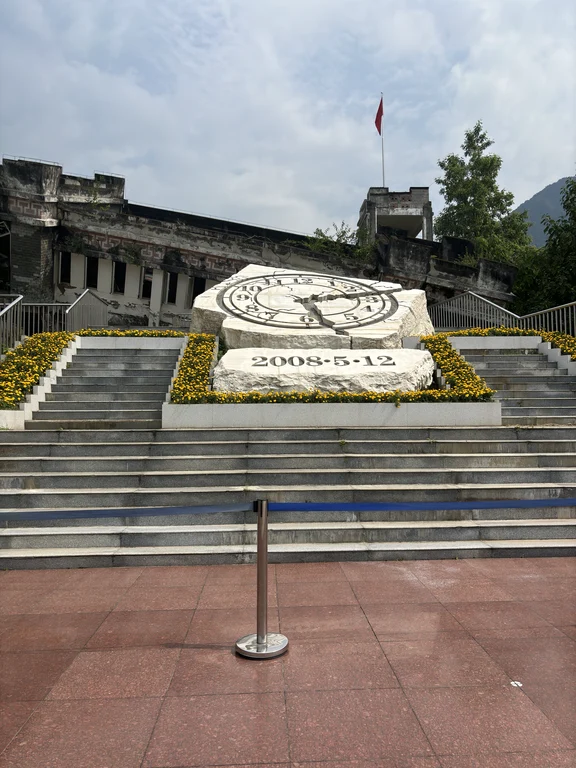
 Aba
AbaExplore places
See where you might go.
Browse a mix of cities, or choose one city to see its places in editorial order.
Aba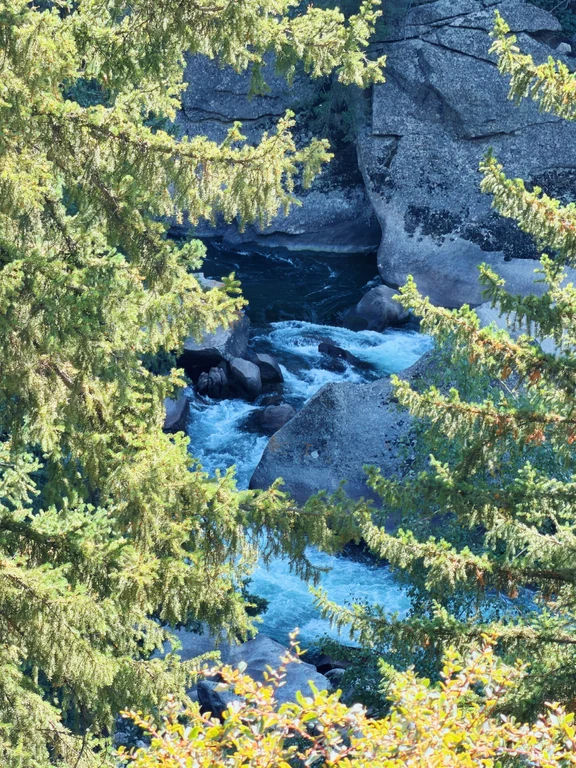 Altay
Altay可可托海地质景区
Keketuohai GeoparkThe Cocoto Sea connects the Irtysh Canyon, granite landforms, mining history and cold forests. The geological and industrial stories are distinct but related, and the long interior corridors require far more time than a single photo spot.
Explore Altay ↗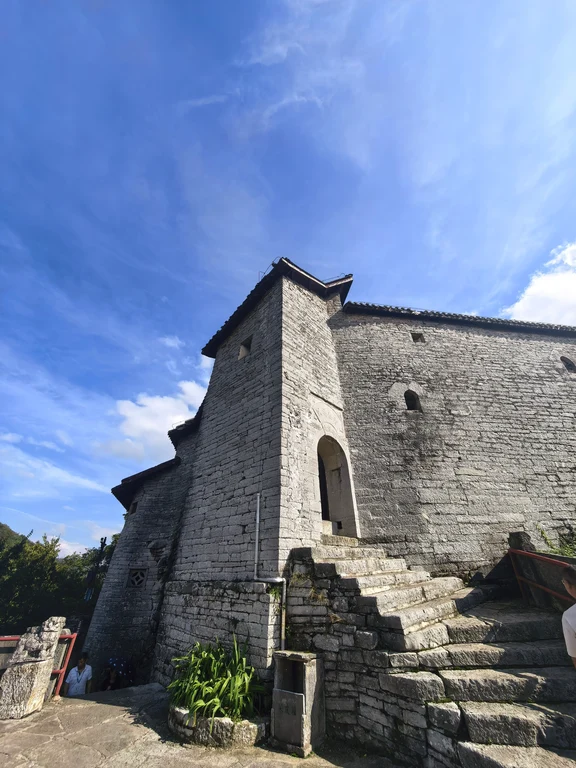 Anshun
天龙屯堡
Tianlong TunpuTianlong is a community related to the history of military settlements in the Ming Dynasty in central Guizhou. The stone houses, costumes, rituals and local operas show the co-evolution of immigrant traditions and the plateau environment over hundreds of years; this is still a living space, not a stage set.
Explore Anshun ↗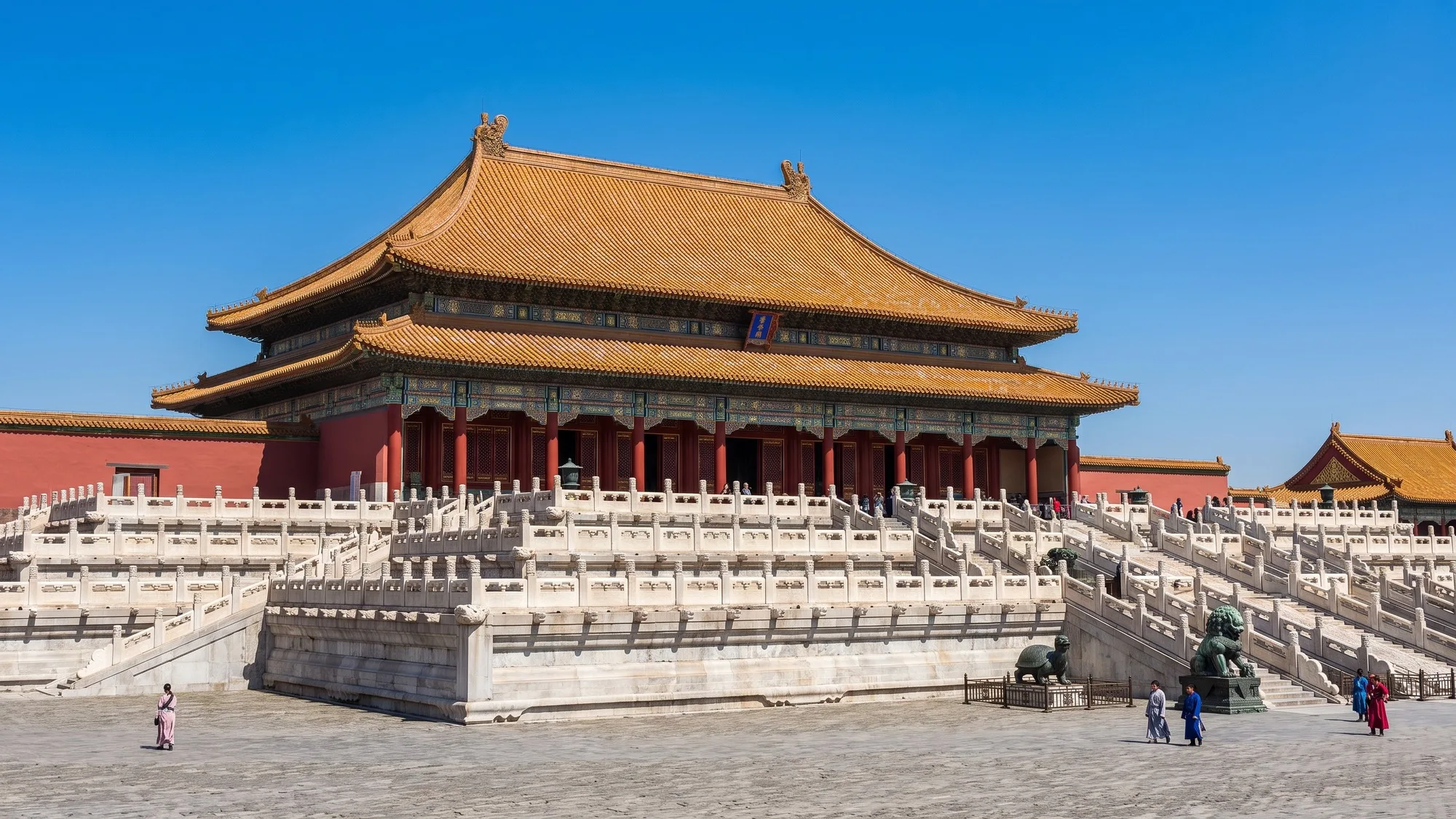 Beijing
故宫博物院
Forbidden CityThe Forbidden City is located at the core of Beijing's historical axis and is a complex of imperial palace buildings from the Ming and Qing dynasties. The layers of courtyards, ceremonial halls and living spaces jointly display the etiquette, administrative system and palace life of the empire. Touring from south to north makes it easier to understand the overall layout than checking in several halls individually.
Explore Beijing ↗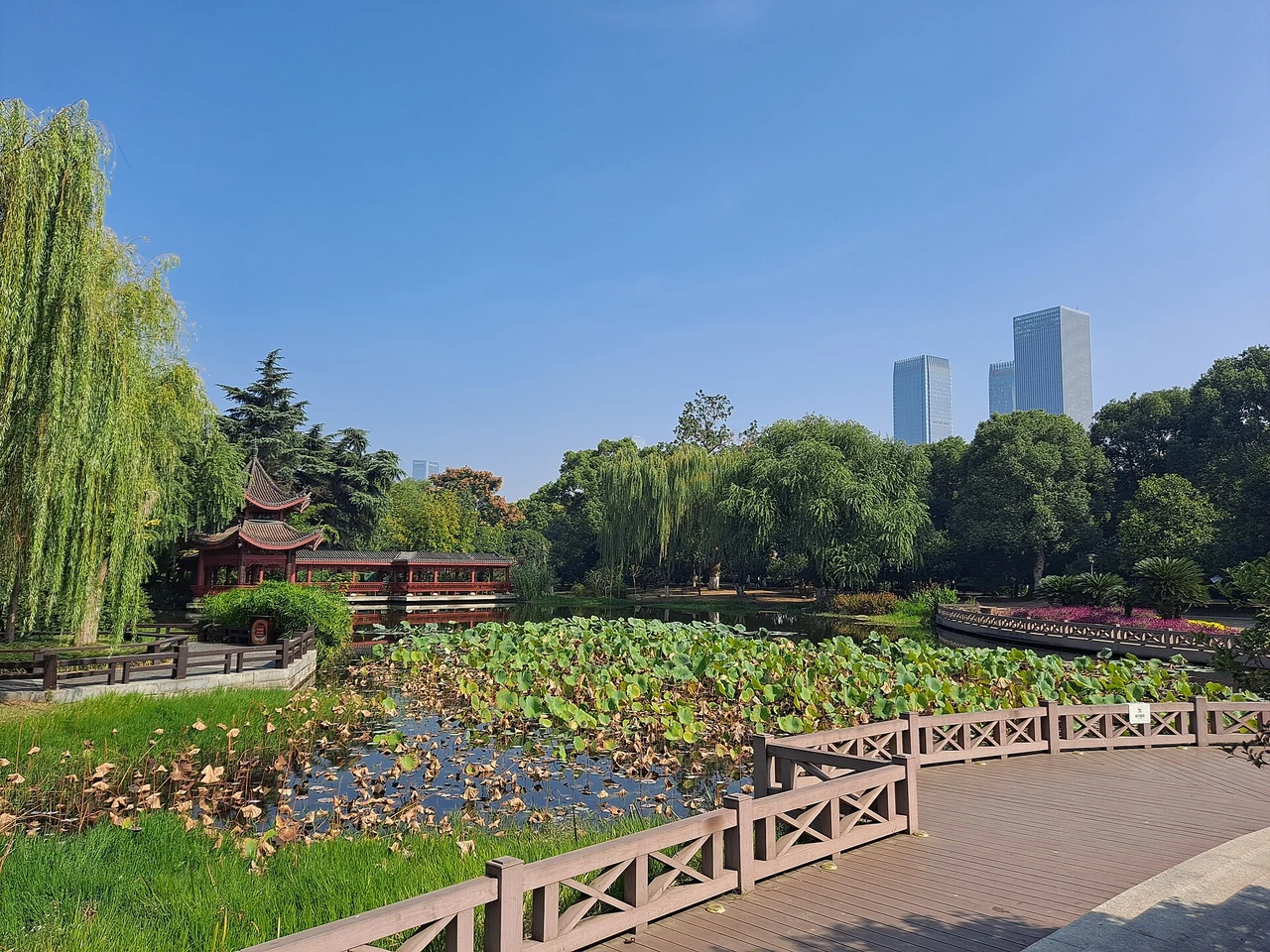 Changsha
橘子洲
Orange IsleOrange Isle is a long sandbar in the Xiang River, closely associated with Mao Zedong's poem 'Changsha'. A large sculpture of the young Mao stands near its tip and is one of the city's best-known landmarks. Metro Line 2 serves the island; check current access and shuttle arrangements, especially during holidays.
Explore Changsha ↗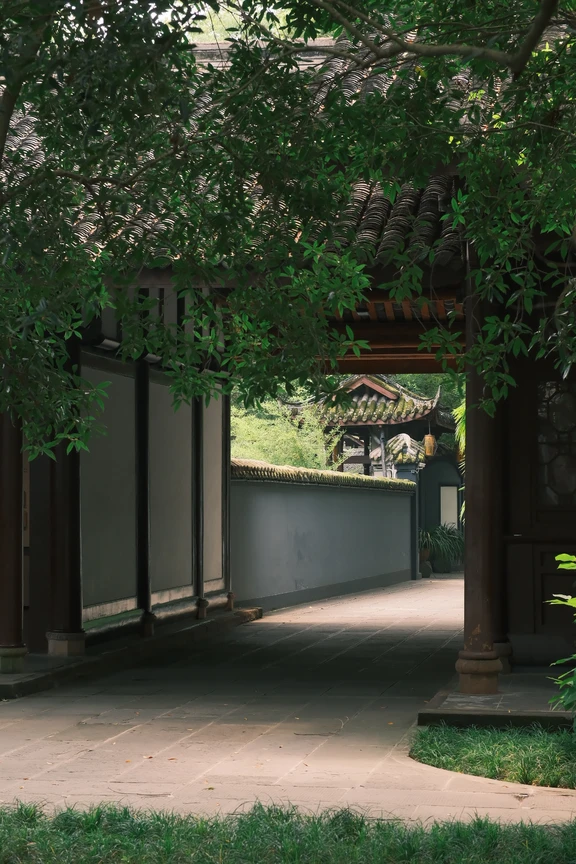 Chengdu
杜甫草堂
Du Fu Thatched CottageDu Fu Thatched Cottage is a garden-style memorial museum located on the site of the former residence of Tang Dynasty poet Du Fu in Chengdu. He wrote more than 240 poems while living in Chengdu. The restored huts, traditional courtyards, gardens, inscriptions and literary displays transform the characters' lives into a spatial experience. A visit combined with several representative poems will be more meaningful than just looking at the buildings.
Explore Chengdu ↗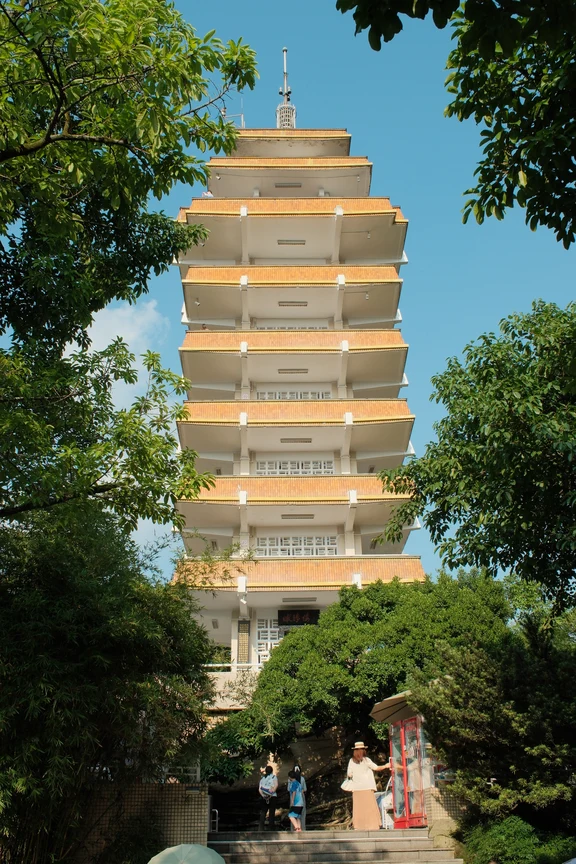 Chongqing
鹅岭公园与二厂文创公园
Eling Park and Testbed 2Eling is located on a long and narrow ridge between the Yangtze River and the Jialing River. The historical park provides gardens and a high view of the city. The adjacent No. 2 Cultural and Creative Park, which was converted from an old printing factory, houses studios, cafes and cultural businesses. The combination of the two enables simultaneous observation of the topography of the Chongqing Peninsula and the contemporary reuse of industrial space.
Explore Chongqing ↗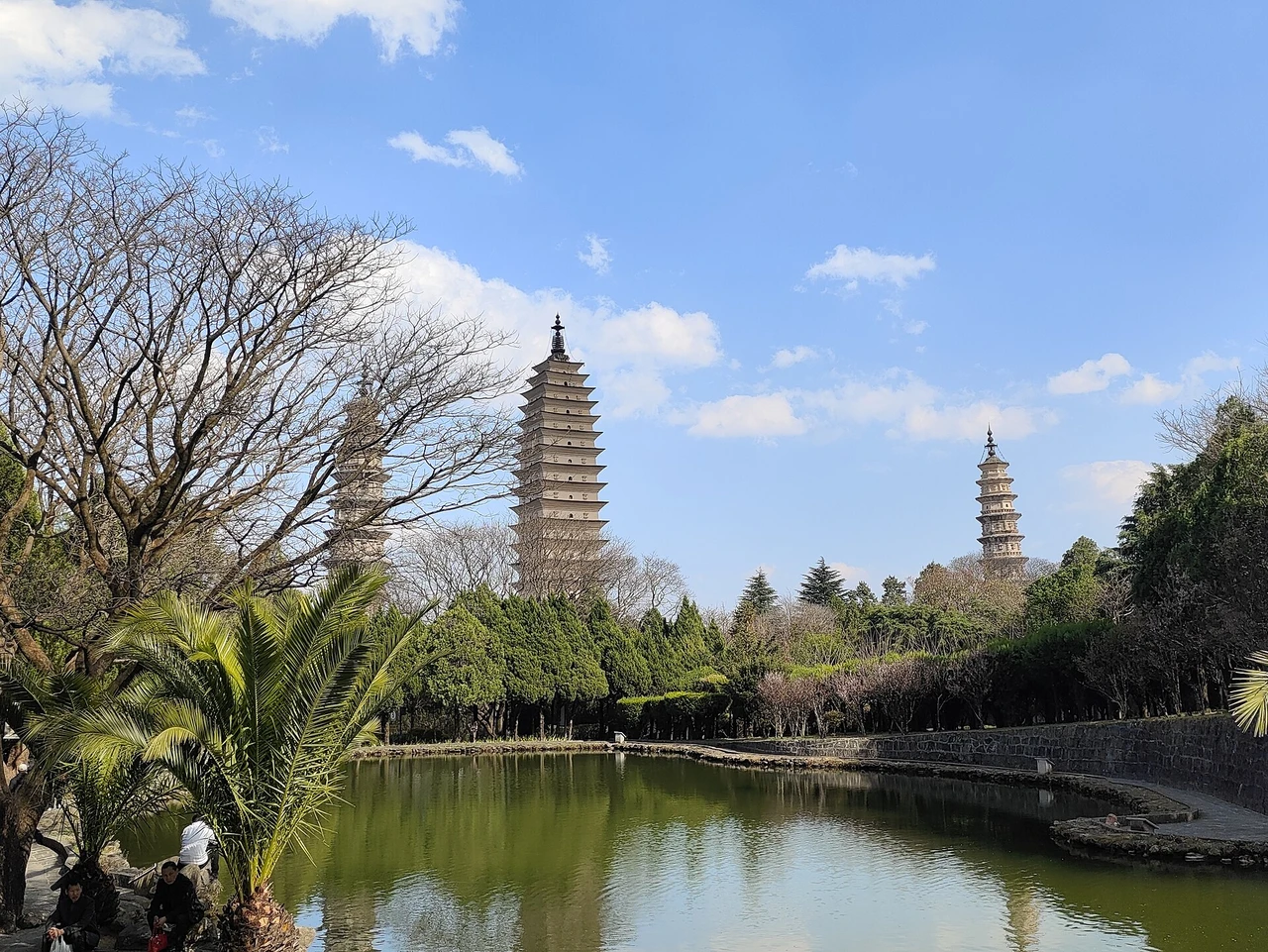 Dali
Dali崇圣寺三塔
Three PagodasThe Three Pagodas of Chongsheng Temple are located about 1 km northwest of the ancient city of Dali. They are the only 5A scenic spot in Dali and a symbol of "a famous country with literature". The Three Pagodas were built in the Nanzhao period. The main tower, the Qianxun Pagoda, is about 60 meters high and is one of the tallest existing ancient pagodas. The Three Pagodas still stand after the 1925 earthquake. The words "Eternal Shake the Mountains and Rivers" are engraved under the towers to express the people of Dali's wish for good weather. The "Tianlong Temple" in Jin Yong's "Tianlong Babu" is based on this.
Explore Dali ↗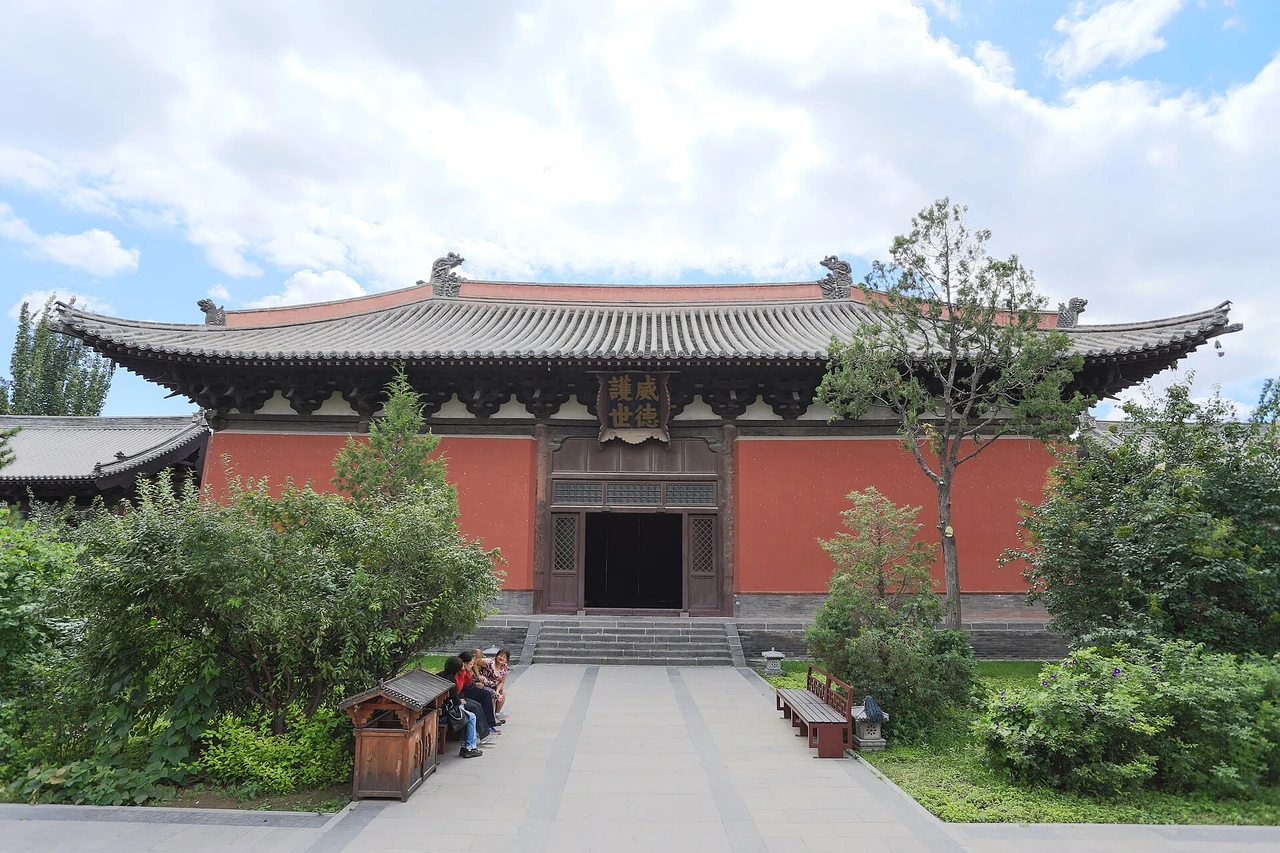 Datong
善化寺
Shanhua MonasteryShanhua Temple History, Humanities and Geography: Shanhua Temple is located at No. 6 Nansi Street in the ancient city of Datong. It was built in the Tang Dynasty and flourished in the Liao and Jin Dynasties. It is the most complete preserved Liao and Jin architectural complex in China. The temple has four original Liao and Jin structures including Qishanmen (Tianwang Hall), Sansheng Temple, Main Hall and Puxian Pavilion. The mountain gate is the largest existing Jin Dynasty mountain gate in China. The three holy halls have Jin Dynasty lotus oblique arches. The Main Hall is one of the eight major Liao structures. The Auspicious Goddess (Great Auspicious Merit Heaven) in the hall is known as the most beautiful statue of the Liao and Jin Dynasties. Public transportation: The ancient city is within walking distance, and the ancient city ring bus has the "Shanhua Temple" stop.
Explore Datong ↗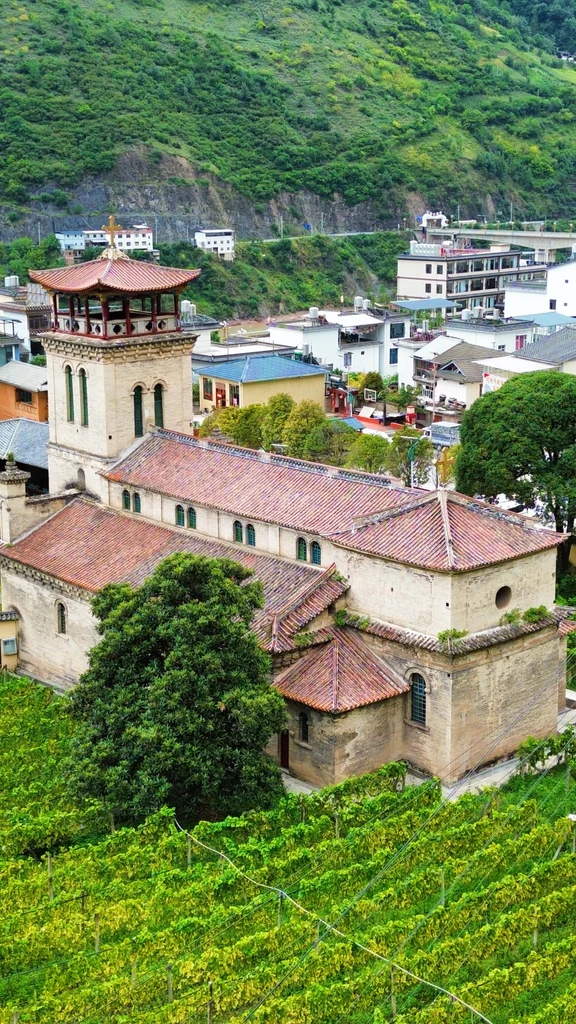 Deqin
Deqin茨中教堂
Cizhong Catholic ChurchCizhong Church reflects the complex religious and cultural encounters in the upper reaches of the Lancang River. European-derived church forms, indigenous building practices, vineyards, and Tibetan village settings evolved together rather than as separate spectacles. This remains a space of worship and community memory, and architectural interest cannot override religious activities, privacy, and the rights of residents to use their space normally.
Explore Deqin ↗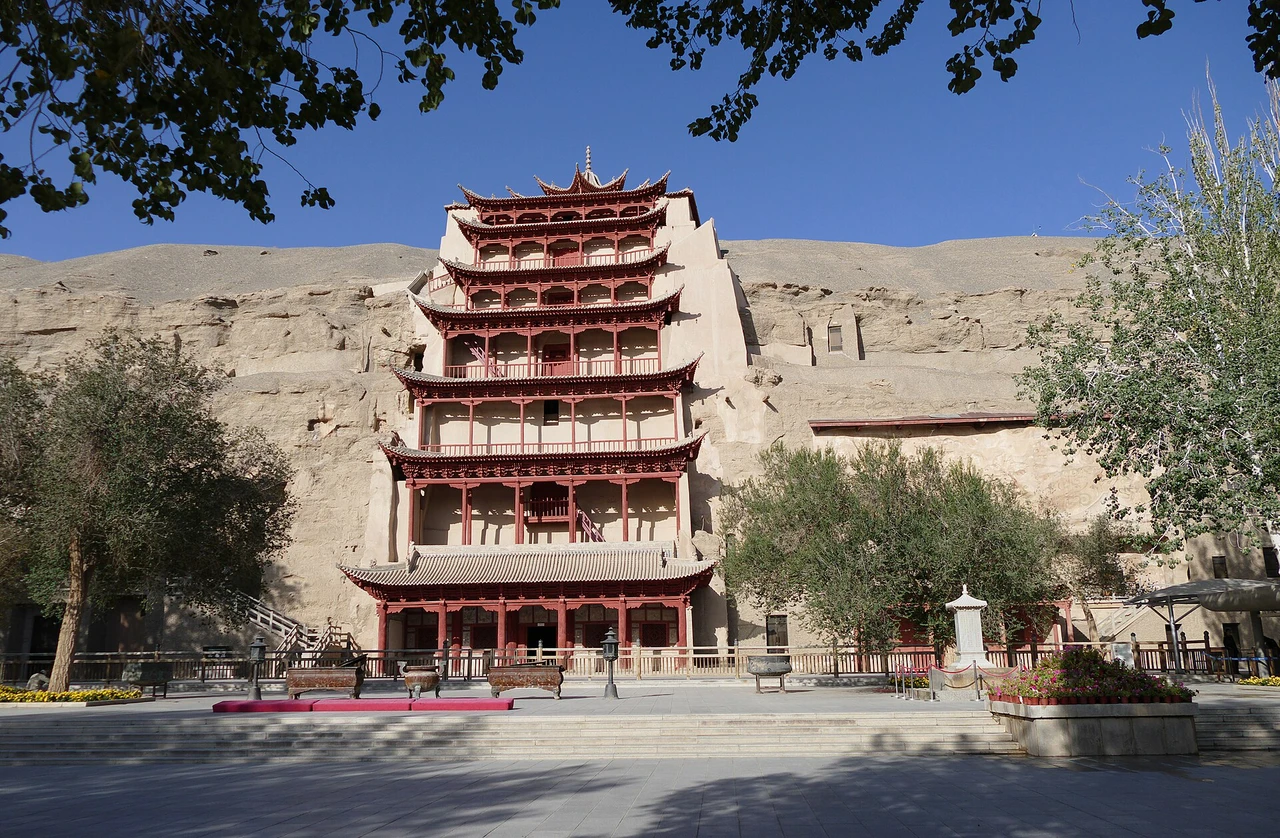 Dunhuang
莫高窟
Mogao CavesThe Mogao Grottoes preserve Buddhist murals, painted sculptures and cave architecture that have lasted for thousands of years since the 4th century AD. They are important archives of cultural exchanges in the Silk Road oasis. Subject to the protection of cultural relics, the tour starts from the Digital Exhibition Center, and then takes the official shuttle bus into the cave area, where the guide will lead you to view some of the caves that are open on a rotating basis. This is not a gallery that you can walk through freely, but an extremely fragile religious art heritage.
Explore Dunhuang ↗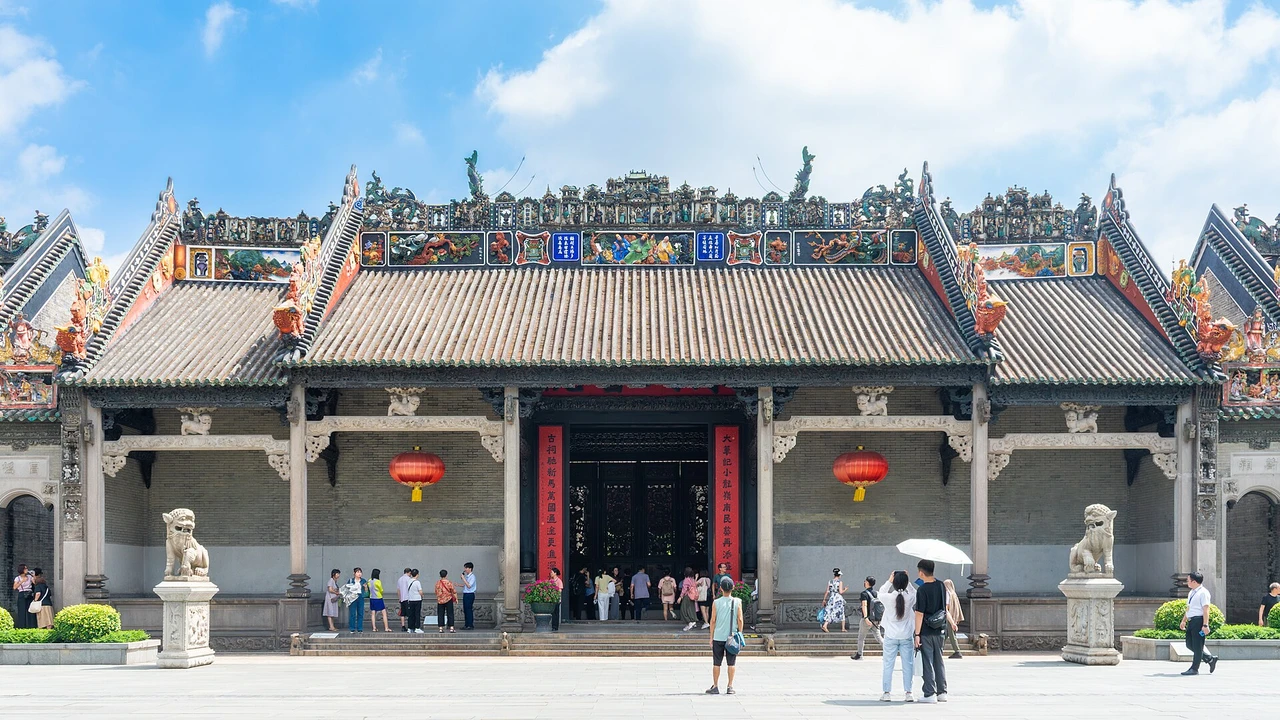 Guangzhou
陈家祠
Chen Clan Ancestral HallThe Chen Family Ancestral Hall was jointly built by Chen clans from all over Guangdong in the late Qing Dynasty. It has the functions of both an ancestral hall and an academy. The courtyard focuses on displaying Lingnan wood carvings, stone carvings, brick carvings, pottery sculptures and gray sculptures, and is now used as a Guangdong Folk Craft Museum. Visiting should not only look at a single piece of decoration, but also understand the ceremonial sequence composed of the roof, hall and patio.
Explore Guangzhou ↗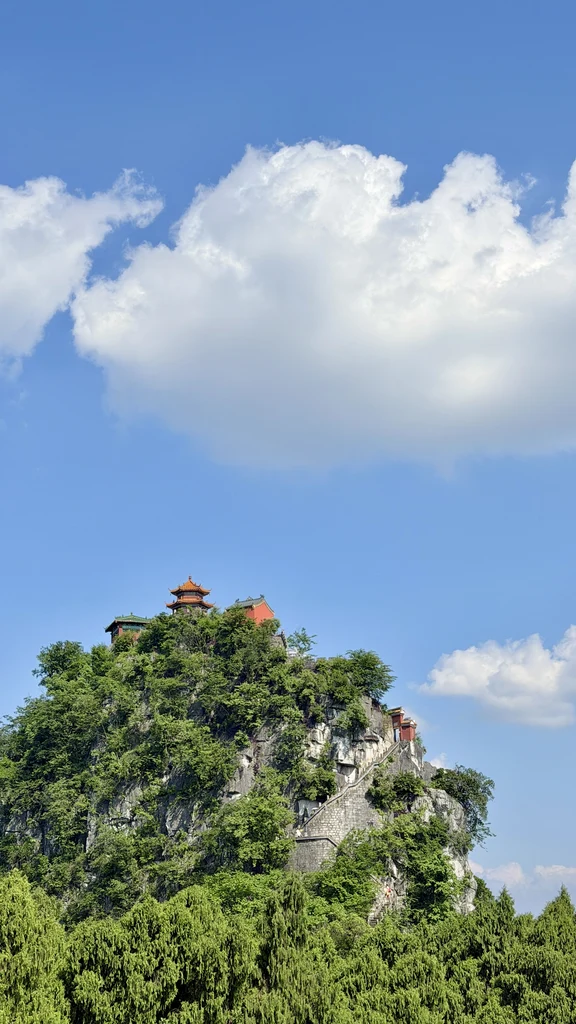 Guilin
靖江王城与独秀峰
Jingjiang Princes' City and Solitary Beauty PeakJingjiang Imperial City was the seat of the Jingjiang Prince's Palace in the Ming Dynasty. It was built with Duxiu Peak in the center of Guilin as its core. Preserving the city walls, gate towers, later institutional uses and mountain inscriptions connects the vassal system with Guilin's karst urban environment; climbing the peak allows you to observe how the historical city developed among the isolated peaks from a compact scale.
Explore Guilin ↗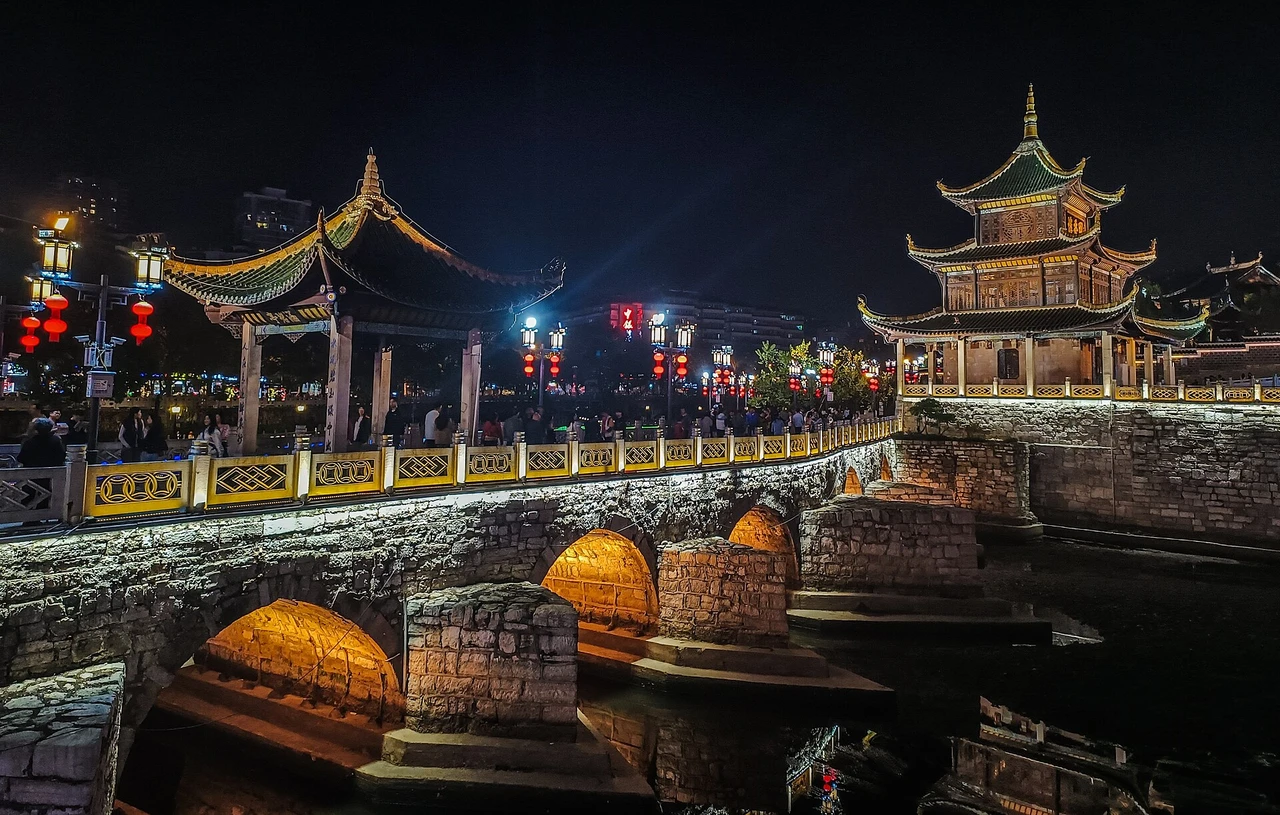 Guiyang
甲秀楼
Jiaxiu TowerJiaxiu Tower was built in the 26th year of Wanli in the Ming Dynasty (1598). It is located on the Aoji Rock in the Nanming River. It means "Kejia Tingxiu". It is a Guiyang city landmark and a national key cultural relics protection unit. It is a three-story wooden structure with three eaves and four corners and a pointed roof, about 20 meters high. The floating jade bridge connects the two sides of the bank, with Bitan under the bridge. The Cuiwei Garden on the south side is a Ming Dynasty garden. There are 206 long couplets hidden in the building. Guizhou talents emerged in large numbers during the Ming and Qing dynasties.
Explore Guiyang ↗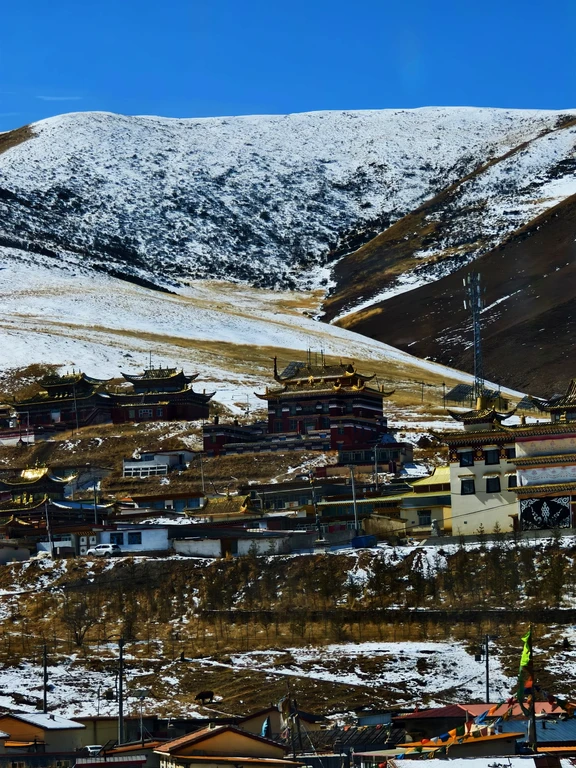 Golog
Golog班玛红军沟
Banma Red Army ValleyThe Banma Forest Valley preserves sites and community memories related to the Long March, and is located among Tibetan villages and the ecology of the upper reaches of the Yangtze River. Interpretation should link national history to local testimonies and landscapes, rather than isolating monuments.
Explore Golog ↗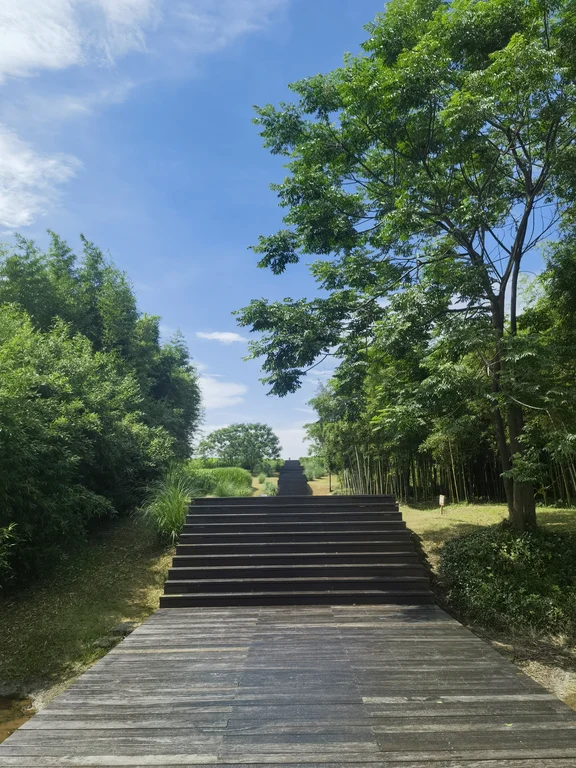 Hangzhou
良渚古城遗址公园与良渚博物院
Liangzhu Archaeological Site and MuseumThe ruins of the ancient city of Liangzhu preserve evidence of early regional states based on the rice farming civilization from about 3300 BC to 2300 BC. The city platform, water conservancy system, and hierarchical cemeteries display planning, social differentiation, and belief systems, while the museum helps understand the low-rise earthen remains through jade and archaeological research. Heritage parks and museums should be complementary parts of the same story.
Explore Hangzhou ↗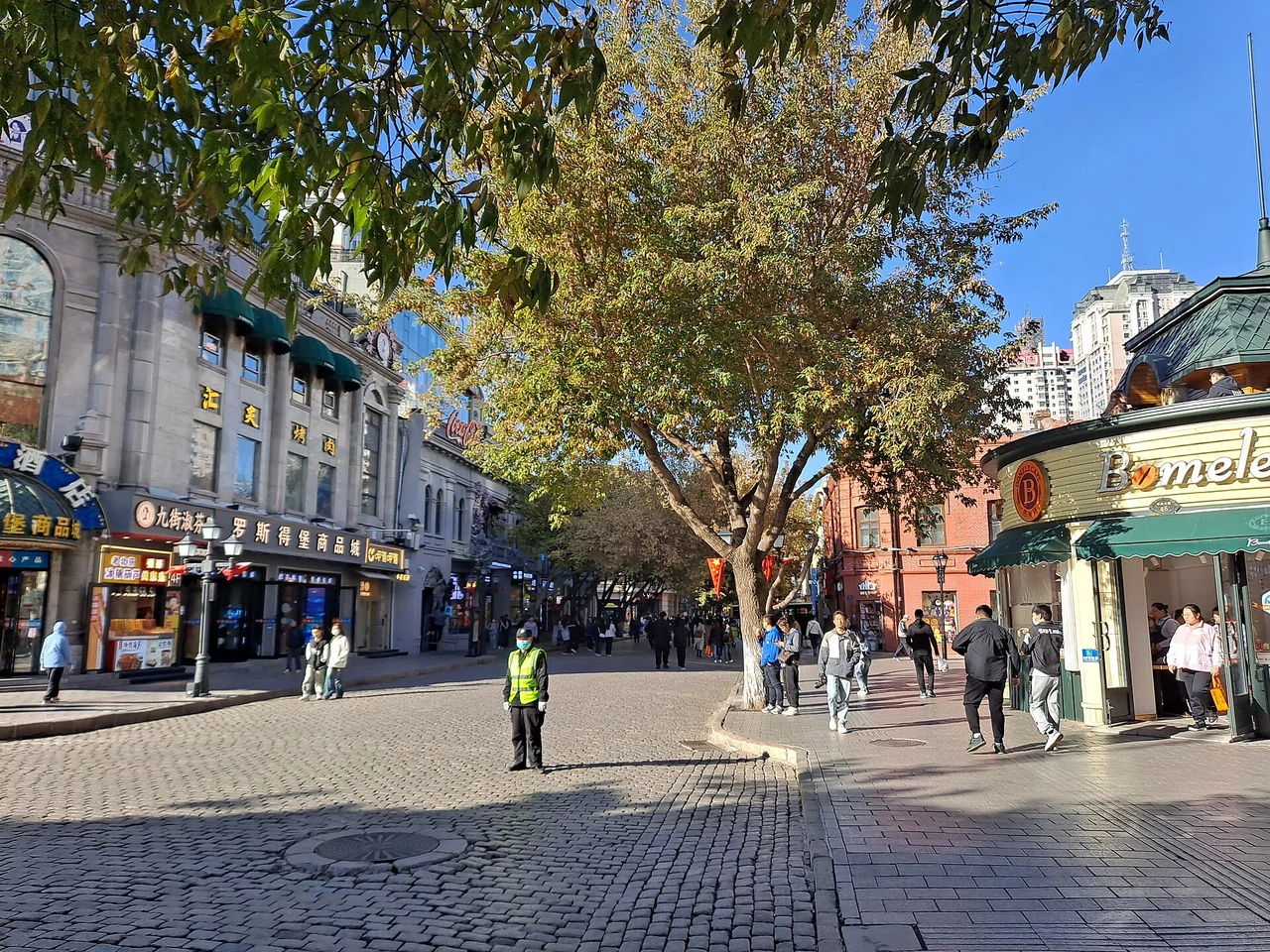 Harbin
中央大街
Central StreetCentral Street Central Street is located in Daoli District. It starts from Jingwei Street in the south and ends at the Flood Control Memorial Tower in the north. It is about 1,450 meters long and paved with about 870,000 "bread stones". It is the first pedestrian street in Asia and is also known as the open-air "Architectural Art Museum". European-style buildings such as Baroque, Renaissance, and Eclecticism are gathered on both sides of the street. Among them, the Madier Hotel (1906), Matsuura Bank, and Wanguo Bank are all century-old buildings, which condense Harbin's modern history of opening up to the outside world. Public transportation: Metro Line 2 "Central Street Station" is within walking distance, or you can take the bus to "Central Street" or "Flood Control Memorial Tower" station.
Explore Harbin ↗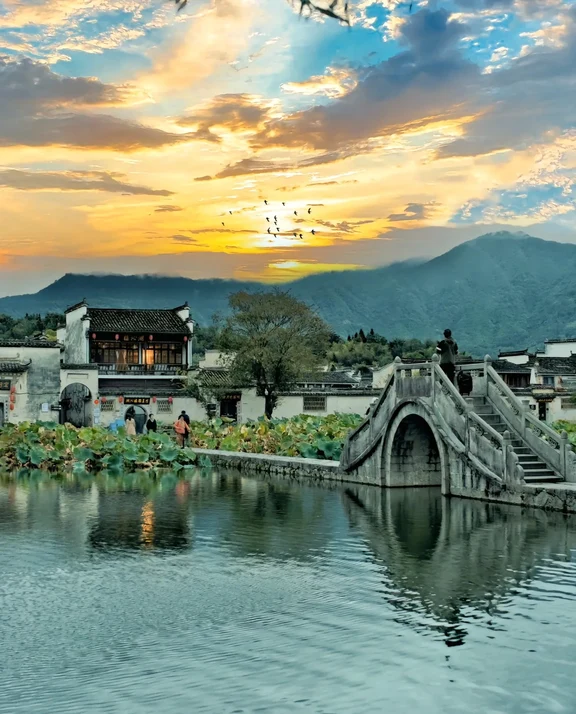 Huangshan
宏村
Hongcun VillageThe Hongcun water system, ancestral halls and Huizhou merchant houses show the planning of Huizhou villages that are still inhabited. The famous reflecting pond is also a community infrastructure and public space, which does not mean it can block roads or enter residences.
Explore Huangshan ↗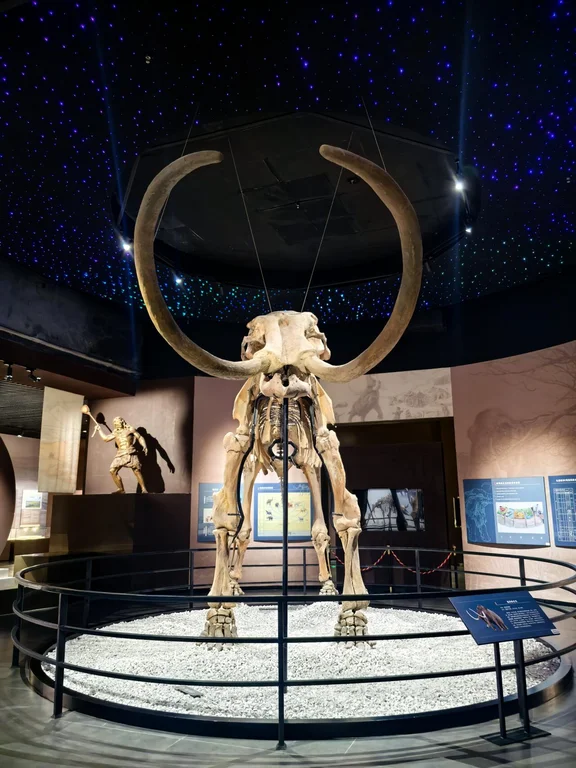 Hulunbuir
海拉尔博物馆
Hailar MuseumThe Hailar Museum introduces the border administration, military affairs and regional exchanges from the Qing Dynasty to the early 20th century through the restored environment and collections of the Deputy Dutong Yamen, and supplements the long-term history of institutions, flows and multi-ethnic communities for grassland travel. Since part of the built environment is a modern restoration, a distinction should be made between historical evidence and cultural relics in the museum, as well as the scene design used for interpretation.
Explore Hulunbuir ↗ Ili
Ili夏塔古道景区
Xiata ValleyXiata is a river valley shaped by meltwater from Tianshan glaciers and is associated with the historic mountain pass and is now visited via a managed corridor. Meadows and forests lead to distant ice and snow, not an easy glacier walk; older routes on the network may pass through areas closed by rivers, weather or protection.
Explore Ili ↗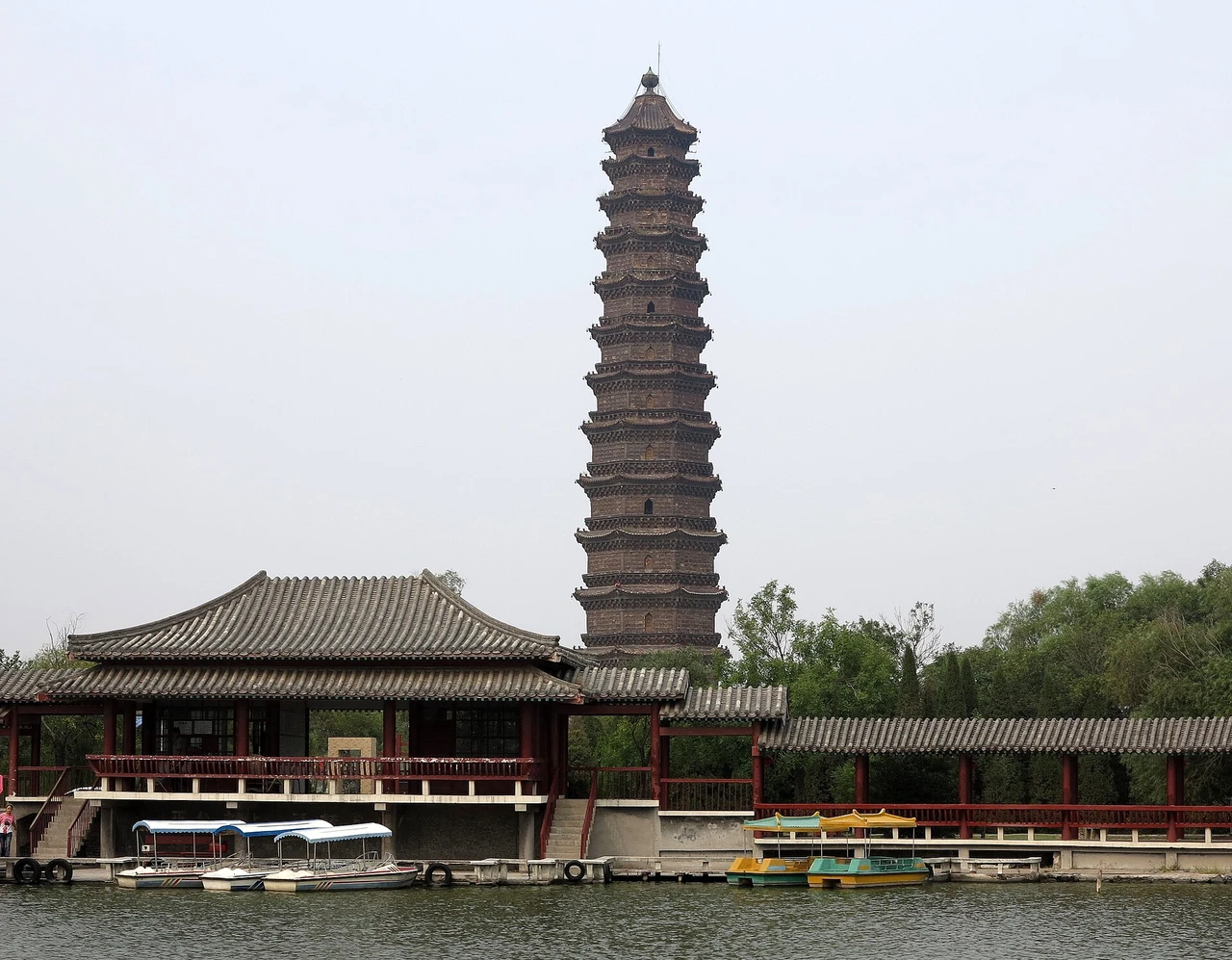 Kaifeng
铁塔
Iron PagodaThe Iron Pagoda is located in the Iron Pagoda Park at No. 210 Beimen Street, Shunhe Hui District. It was originally named Kaibaosi Pagoda. It was built in the first year of Emperor You of the Northern Song Dynasty (1049). It is the earliest, tallest and best-preserved glazed brick pagoda in the Northern Song Dynasty and is known as "the best pagoda in the world". It is not made of iron, but is made of brown glazed bricks, which makes it look like iron from a distance. The tower body is octagonal and has 13 floors, about 55.88 meters high, and is inlaid with more than 50 kinds of glazed bricks such as flying apsaras, unicorns, and bodhisattvas. After earthquakes, Yellow River floods, and anti-Japanese war bombardments, it still stands tall, which is the most faithful testimony of Kaifeng City's "repeated flooding and repeated construction".
Explore Kaifeng ↗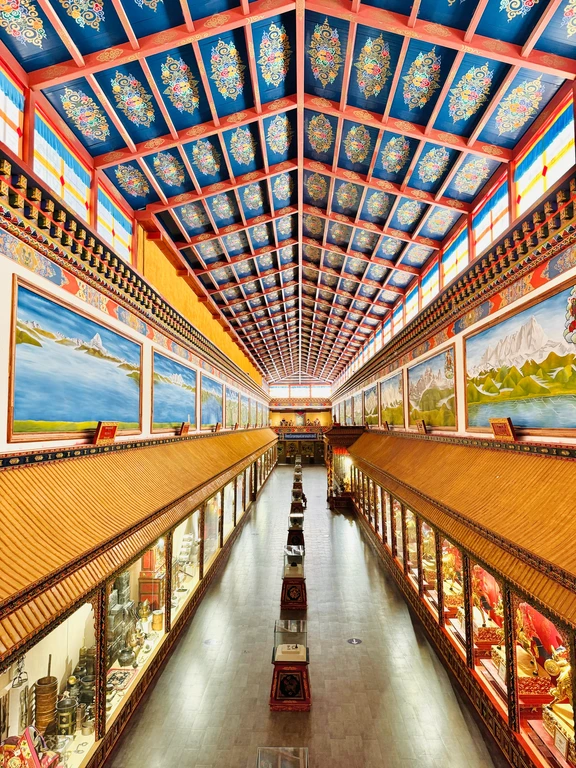 Kangding
康定市博物馆
Kangding MuseumThe Kangding City Museum sorts out the city's role in tea-horse exchanges, local governance, and the intersection of Tibetan and Chinese cultures. This timeline is especially valuable before visitors reduce an area to a landscape highway image.
Explore Kangding ↗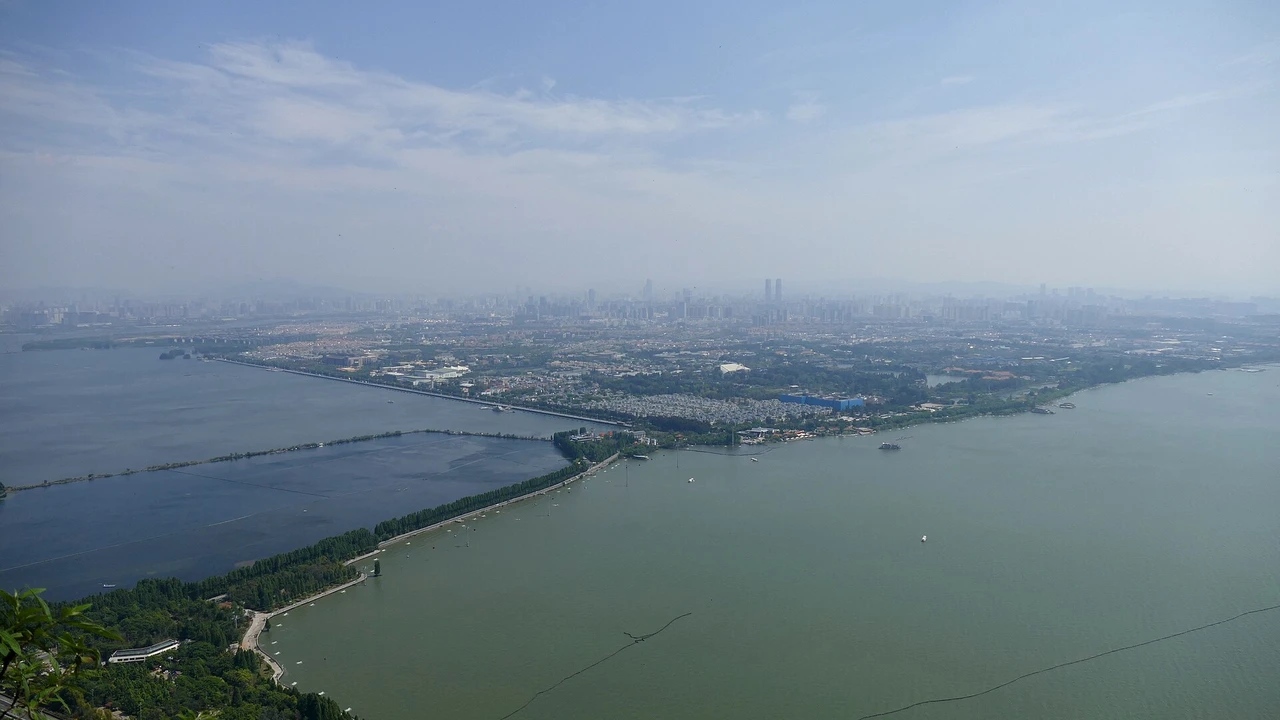 Kunming
西山龙门
Western Hills and the Dragon GateXishan is known as "Sleeping Beauty Mountain". Longmen Grottoes are a group of stone carvings carved on the cliff by craftsmen of the Qing Dynasty. From the top, you can overlook Dianchi Lake and the entire city of Kunming.
Explore Kunming ↗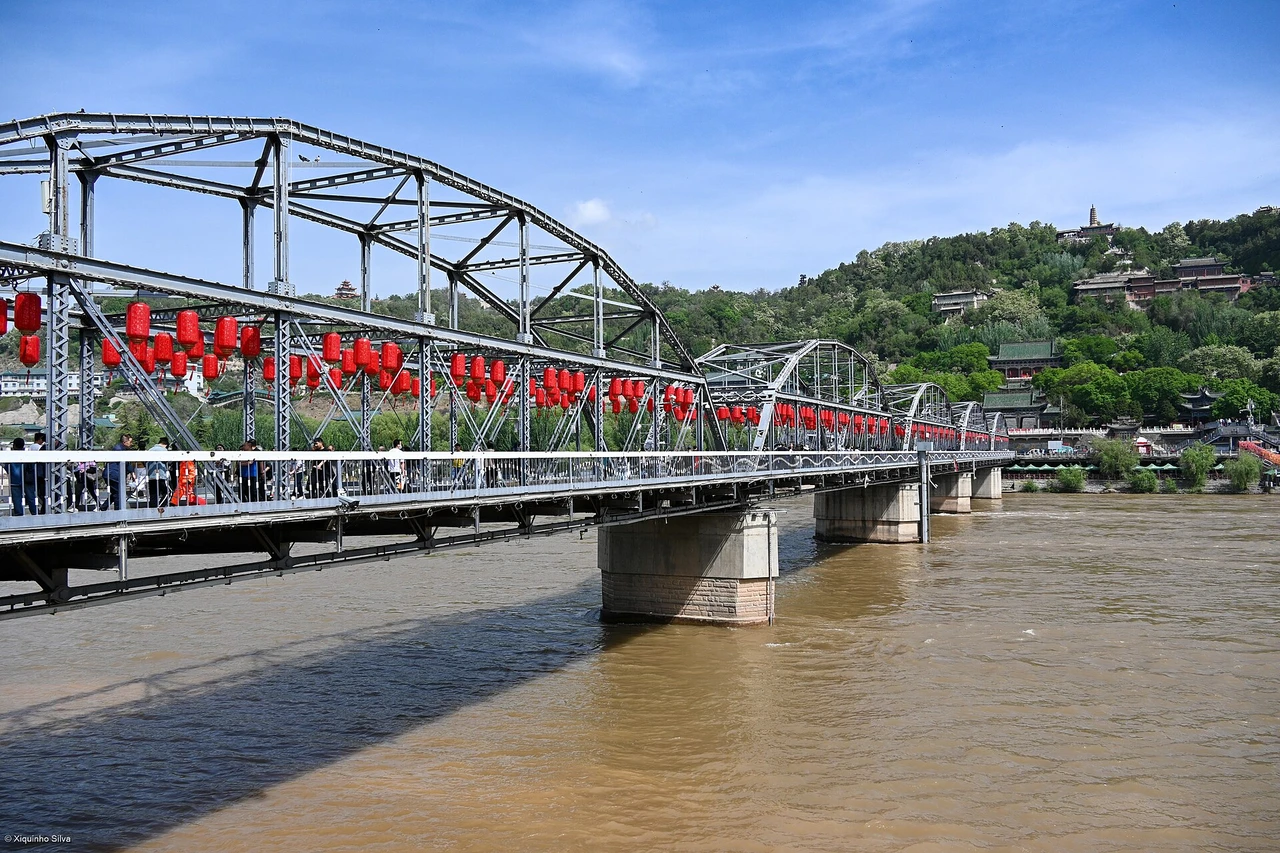 Lanzhou
中山桥
Zhongshan BridgeZhongshan Bridge, "the No. 1 bridge on the Yellow River in the world", was built in 1907 by the German Tellai Company and designed by an American company. It was completed in 1909. In 1928, it was renamed Zhongshan Bridge in commemoration of Sun Yat-sen. In 2004, it was changed to a pedestrian bridge. Take Exit D of Xiguan Station of Metro Line 1 and walk about 600 meters to get there.
Explore Lanzhou ↗Showing 24 of 161 places