
 Aba
AbaExplore places
See where you might go.
Browse a mix of cities, or choose one city to see its places in editorial order.
Aba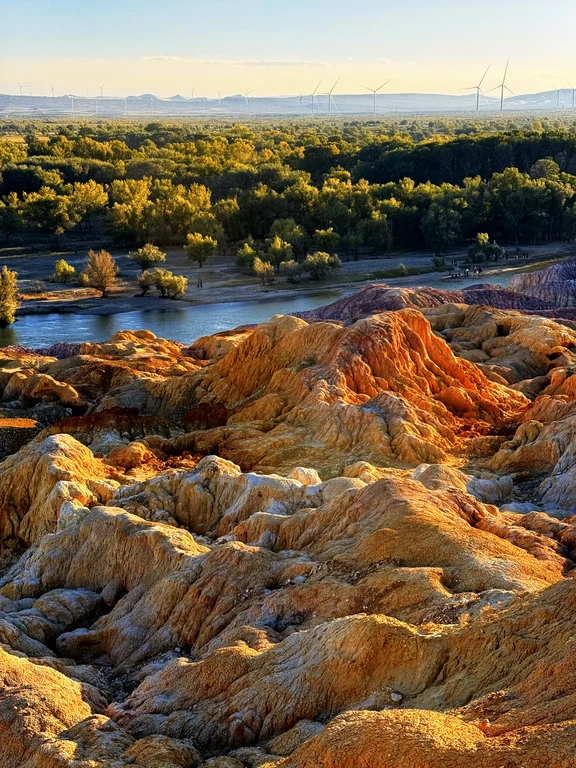 Altay
Altay五彩滩
Wucaitan and the Irtysh RiverThe wind-eroded colorful rock hills form a sharp geological contrast with the poplar forests on the other side of the Irtysh River. The landscape is fragile and the sunset is densely populated, so the suitable viewing space is within the boardwalk and fence.
Explore Altay ↗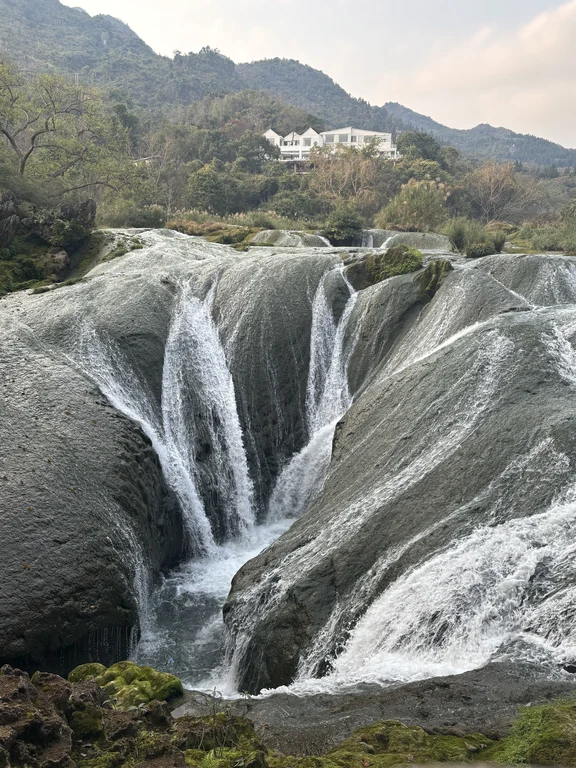 Anshun
黄果树瀑布群
Huangguoshu Waterfall SystemHuangguoshu is a waterfall system formed by rivers and karst, rather than a single frontal viewing point. The Great Falls, Tianxing Bridge and Doupo Pond respectively present different relationships between water flow, limestone, caves and vegetation; water mist, queues, water levels and one-way flow lines will all affect the experience.
Explore Anshun ↗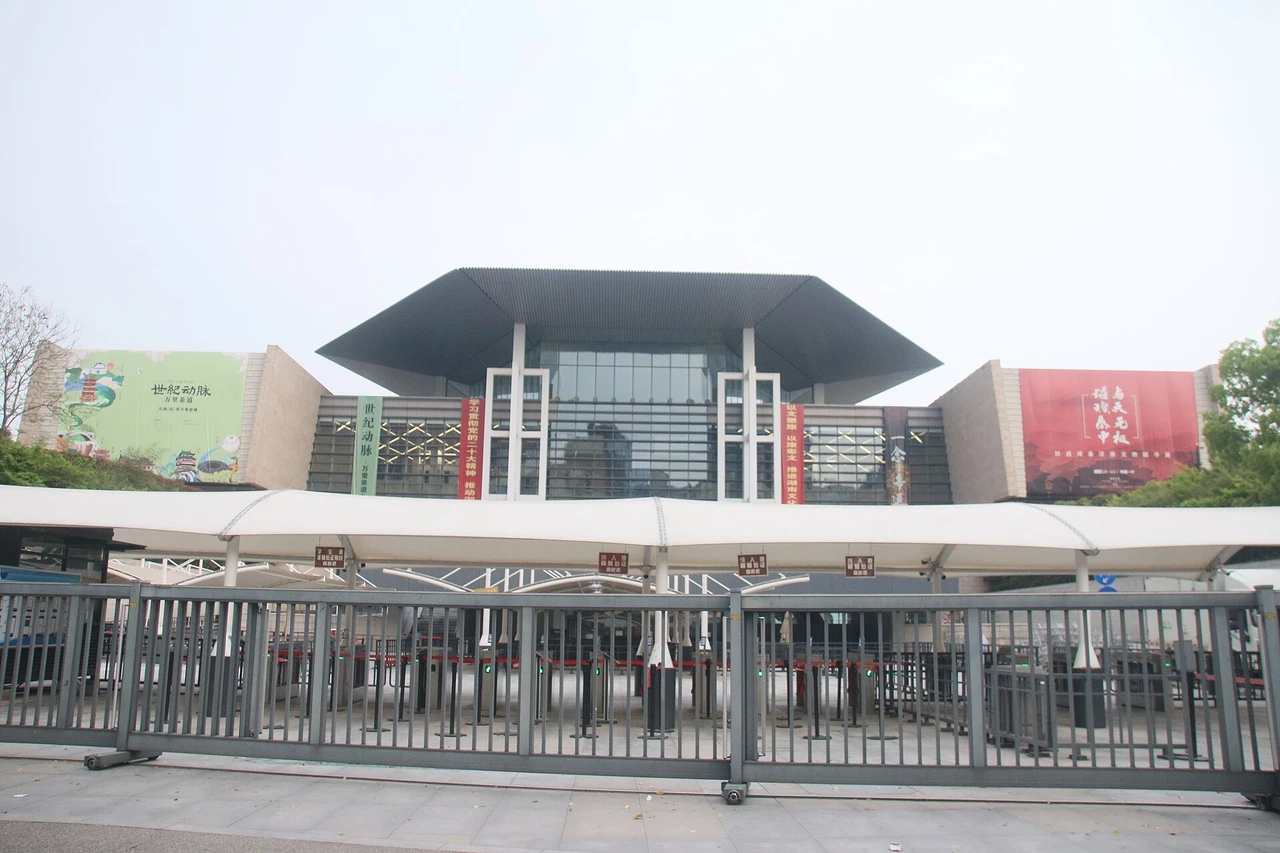 Changsha
湖南博物院
Hunan MuseumThe Hunan Museum takes the discovery of the Mawangdui Han Tomb as the core. Lacquerware, silk fabrics, silk books, painted coffins and the specially preserved remains of Xin Zhui jointly reconstruct the diet, medicine, cosmology and aristocratic life of more than 2,000 years ago. Other galleries place the tomb within the context of Hunan archeology and art history, with value far beyond viewing a famous body.
Explore Changsha ↗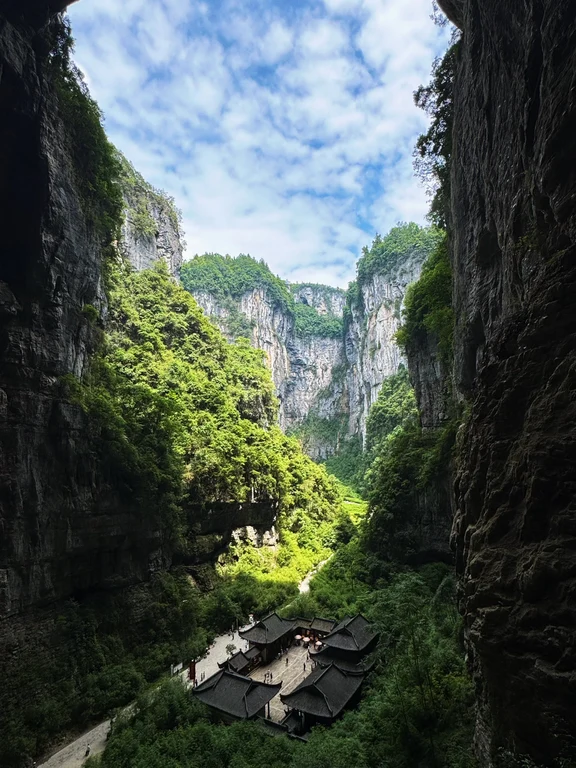 Chongqing
武隆喀斯特
Wulong KarstWulong is part of the Karst World Natural Heritage in South China. The high-level inland karst has been uplifted and eroded to form huge sinkholes, natural bridges, canyons and caves. Landscapes such as Tiansheng Sanqiao can intuitively represent the geological scale, but Wulong's scenic spots are distributed in vast mountainous areas and are not a compact park.
Explore Chongqing ↗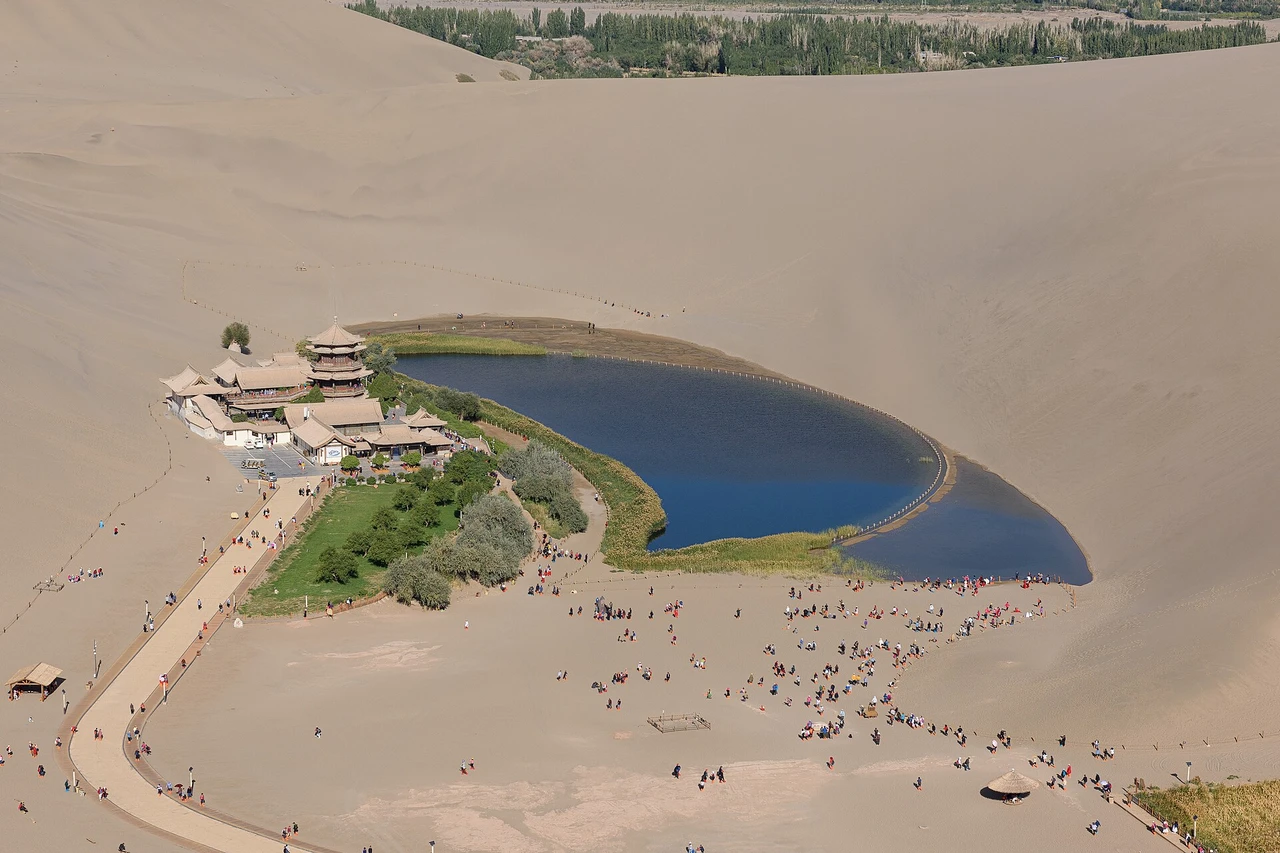 Dunhuang
鸣沙山月牙泉
Mingsha Mountain and Crescent LakeMingsha Mountain Crescent Spring is located about 5 kilometers south of Dunhuang City. The sand mountains surround the crescent spring. The sand and springs have coexisted for thousands of years and are known as "the most beautiful scenery outside the Great Wall". The highlights are: Crescent Moon Spring: a crescent-shaped spring in the desert. The Yuequan Pavilion beside the spring stands next to the water, which is the soul of the scenic spot. Mingsha Mountain: Climb the sand mountain to the top for a panoramic view of the Crescent Spring, and watch the sunset in the desert in the evening. This is the best filming location.
Explore Dunhuang ↗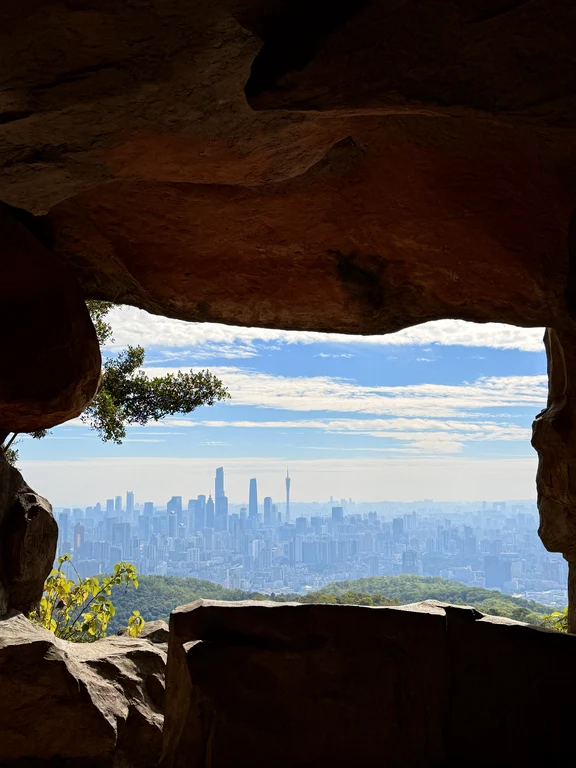 Guangzhou
白云山
Baiyun MountainBaiyun Mountain is the main urban mountain on the north side of the central city of Guangzhou. Forest trails, reservoirs, gardens, temples and scenic spots are distributed over a large area. The altitude of the mountain is not extreme, but the hot and humid weather and the scale of the scenic spot make route selection important; the daily mountaineering lifestyle of local citizens is also part of the experience.
Explore Guangzhou ↗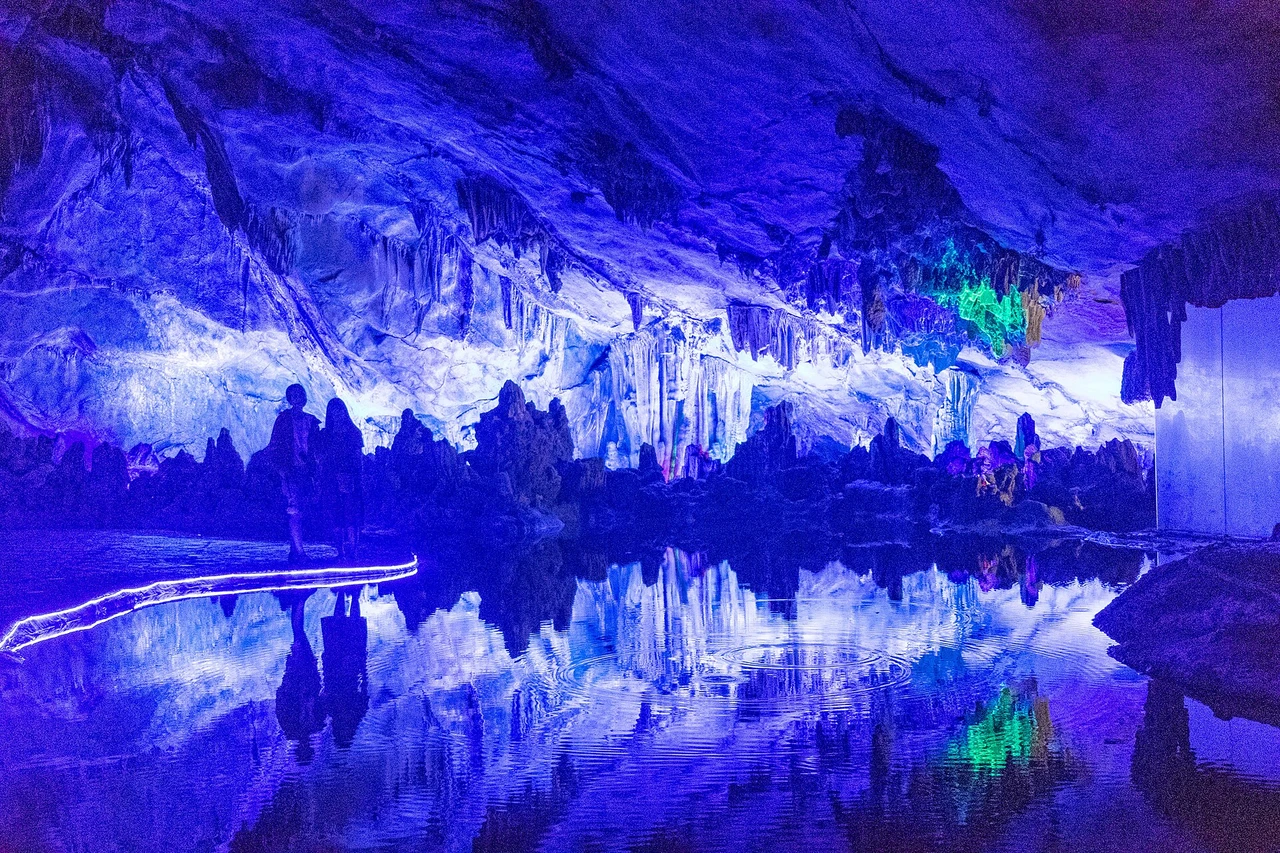 Guilin
芦笛岩
Reed Flute CaveReed Flute Cave is a water-eroded limestone cave in the northwest of Guilin's central city. The controlled walking route passes stalactites, pillars and flowstones, with traditional site names reflecting the imagination of the place, while inscriptions on the cave walls illustrate that this place has attracted visitors for a long time before the advent of modern colored lights. Geological formations and cultural interpretation deserve more attention than lighting effects.
Explore Guilin ↗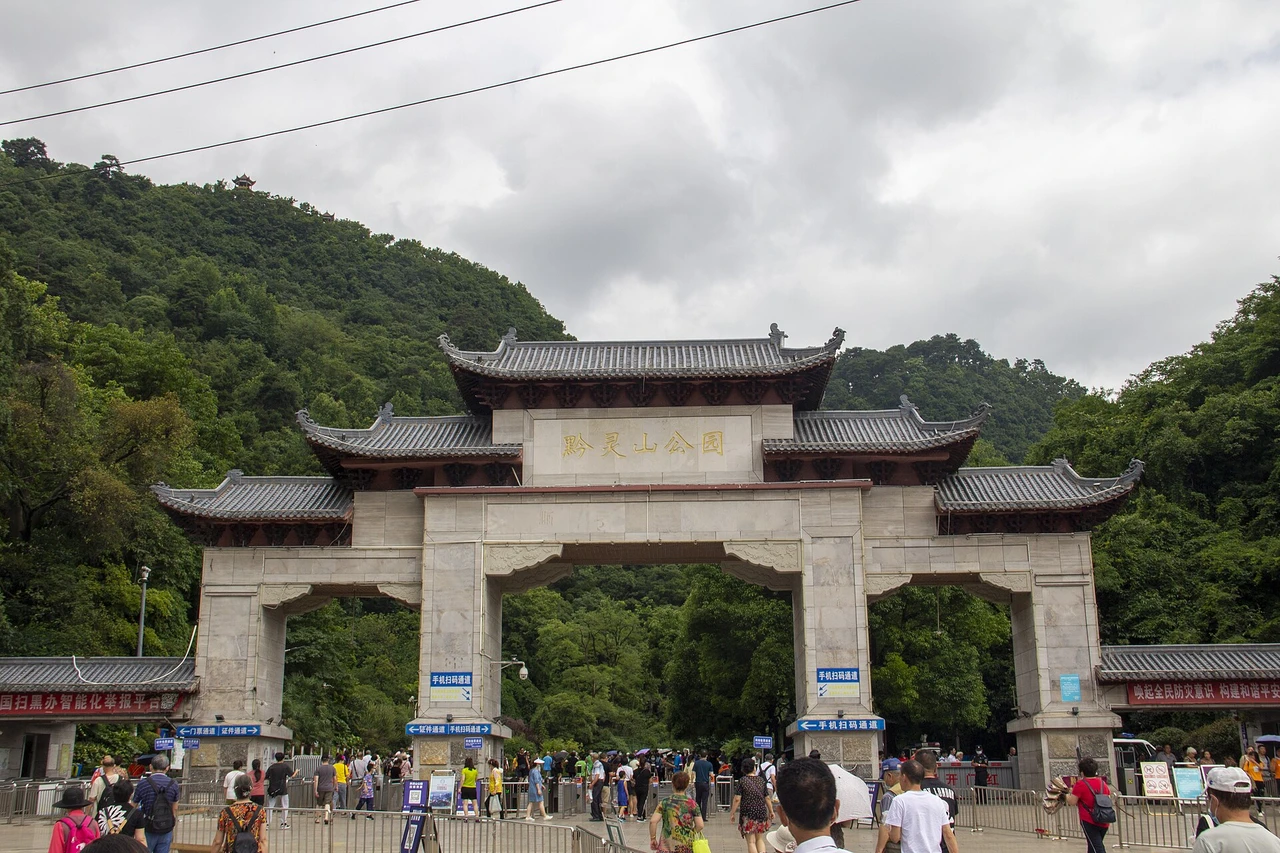 Guiyang
黔灵山公园
Qianling ParkQianling Mountain Park is a large forest park in Guiyang City, a 4A scenic spot, and is known as the "No. 1 Mountain in Southern Guizhou". There are about a thousand wild macaques in the park, as well as free giant panda pavilions (two giant pandas, Xingbao and Haibang), Hongfu Temple (the first temple in Guizhou, 1672), Qianling Lake and Qilin Cave (where Zhang Xueliang and Yang Hucheng were once imprisoned).
Explore Guiyang ↗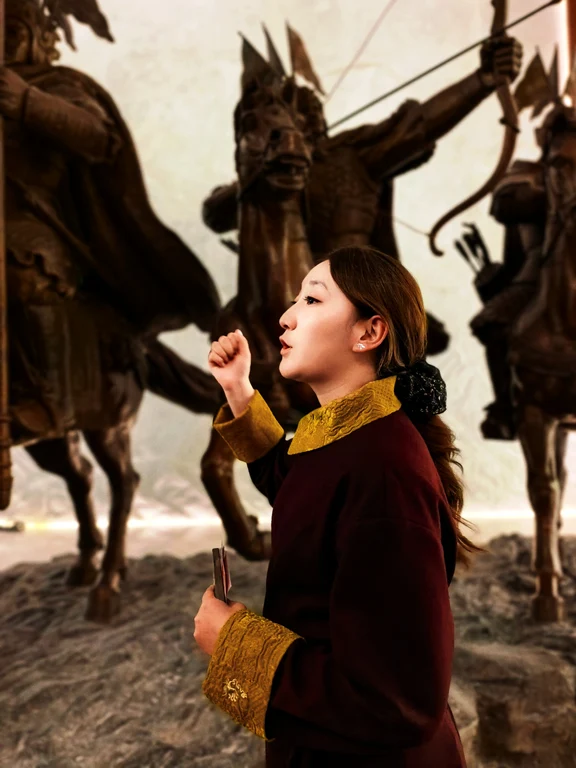 Golog
Golog果洛州博物馆与格萨尔文化展陈
Guoluo Museum and Gesar CultureThe Goluo Prefecture Museum introduces the plateau ecology, pastoral history, and the oral tradition, art, and ritual world surrounding the Gesar Epic, providing a background for respectful travel without freezing the living performance tradition into a folk specimen.
Explore Golog ↗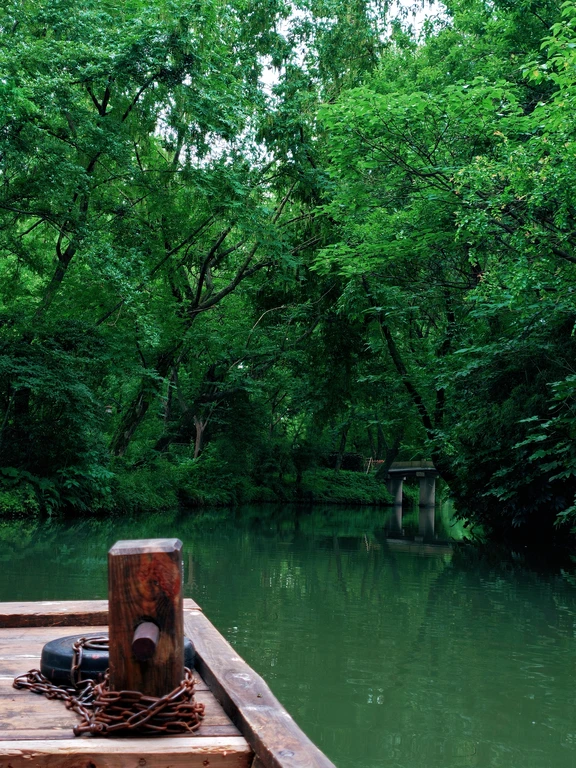 Hangzhou
西溪国家湿地公园
Xixi National Wetland ParkXixi is a large urban wetland west of the central city of Hangzhou consisting of rivers, ponds, reed marshes, orchards, villages and local traditions. The water body covers a wide area and provides a foundation for diverse habitats. It also retains the cultural clues of fishery, sericulture, festivals and water town settlements, forming a clear ecological and rhythmic contrast with the West Lake.
Explore Hangzhou ↗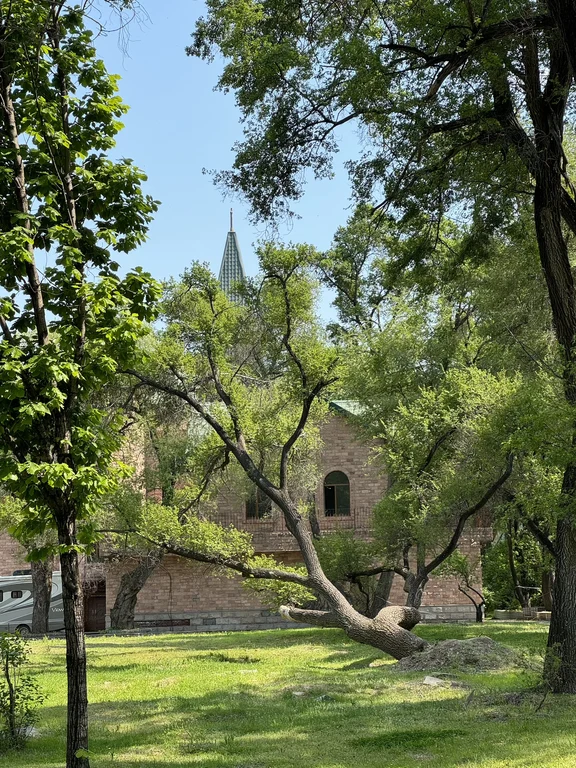 Harbin
太阳岛风景区
Sun Island Scenic AreaSun Island is located on the north bank of the Songhua River. It is a large-scale river island landscape composed of wetlands, woodlands, gardens and cultural facilities. It is a green space outside the central city in summer and hosts important snow sculpture activities in winter, but seasonal products cannot be confused with year-round parks; the broad scale also helps understand the role of Songhua River in urban ecology, leisure and Jiangbei development.
Explore Harbin ↗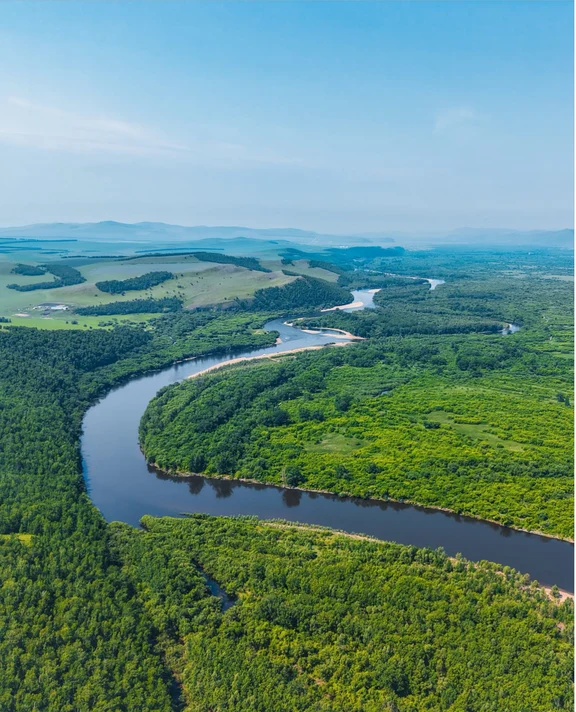 Hulunbuir
额尔古纳湿地
Erguna WetlandThe Ergun Wetland is located in the transition zone between the Daxinganling forest and the Hulunbuir grassland, and consists of rivers, swamps, wet meadows and forest slopes. Elevated walking trails and viewpoints allow visitors to understand water storage and habitat functions without stepping onto waterlogged ground. Common scenic spots are just management windows for larger wetland systems, and fences and seasonal closures are ecological protection rather than inconveniences.
Explore Hulunbuir ↗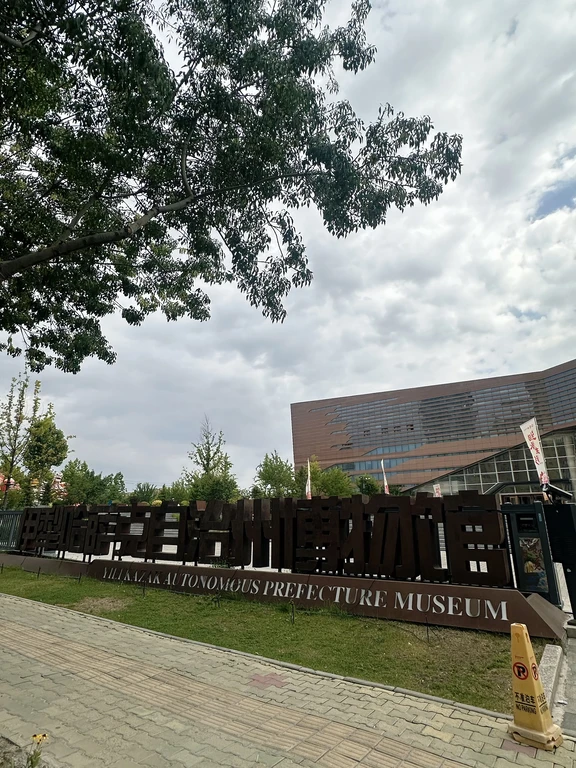 Ili
Ili伊犁州博物馆
Ili Prefecture MuseumThe Yili Prefecture Museum provides context for understanding a river valley shaped by grassland passages, Silk Road exchanges, Qing governance, agriculture, and multiple ethnic groups. Exhibitions of archeology, fabrics, metal tools and local history prevent the grassland trip from leaving only deserted scenery and vague era.
Explore Ili ↗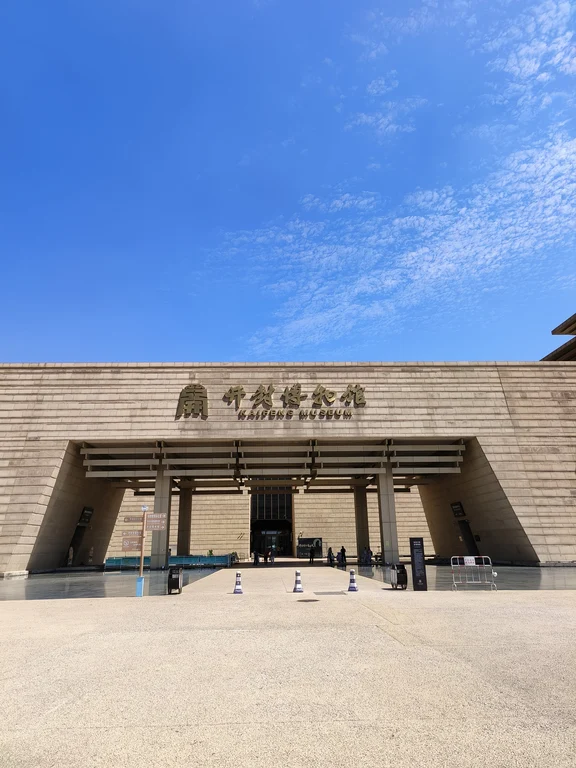 Kaifeng
开封市博物馆
Kaifeng MuseumThe Kaifeng Municipal Museum is the best starting point to distinguish the stages of multiple capital establishments and understand why the remains of the Northern Song Dynasty are often buried deep underground. Archaeological artifacts, models, city maps, and different versions of "Along the River During the Qingming Festival" reconstruct administration, commerce, and daily life without pretending that the modern surface is anything but its original appearance. The subsequent contents of Jewish communities, guild halls, the Yellow River and local crafts also make the urban narrative transcend a single dynasty.
Explore Kaifeng ↗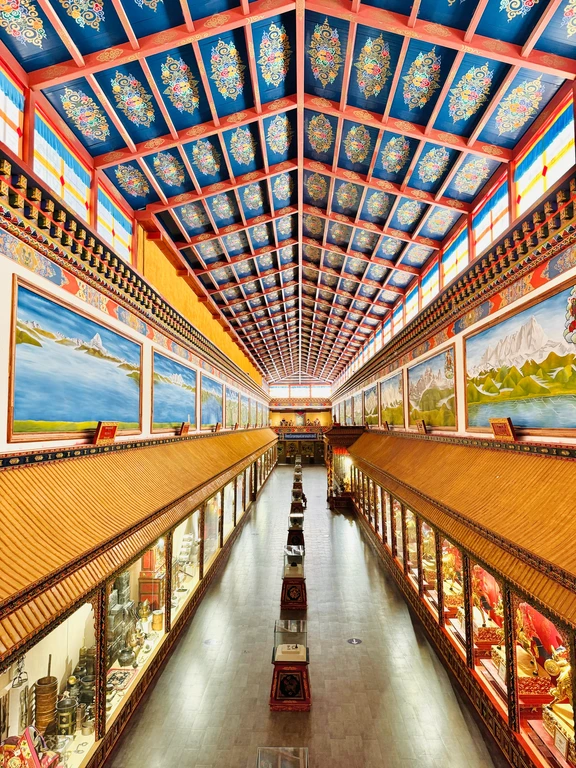 Kangding
康定市博物馆
Kangding MuseumThe Kangding City Museum sorts out the city's role in tea-horse exchanges, local governance, and the intersection of Tibetan and Chinese cultures. This timeline is especially valuable before visitors reduce an area to a landscape highway image.
Explore Kangding ↗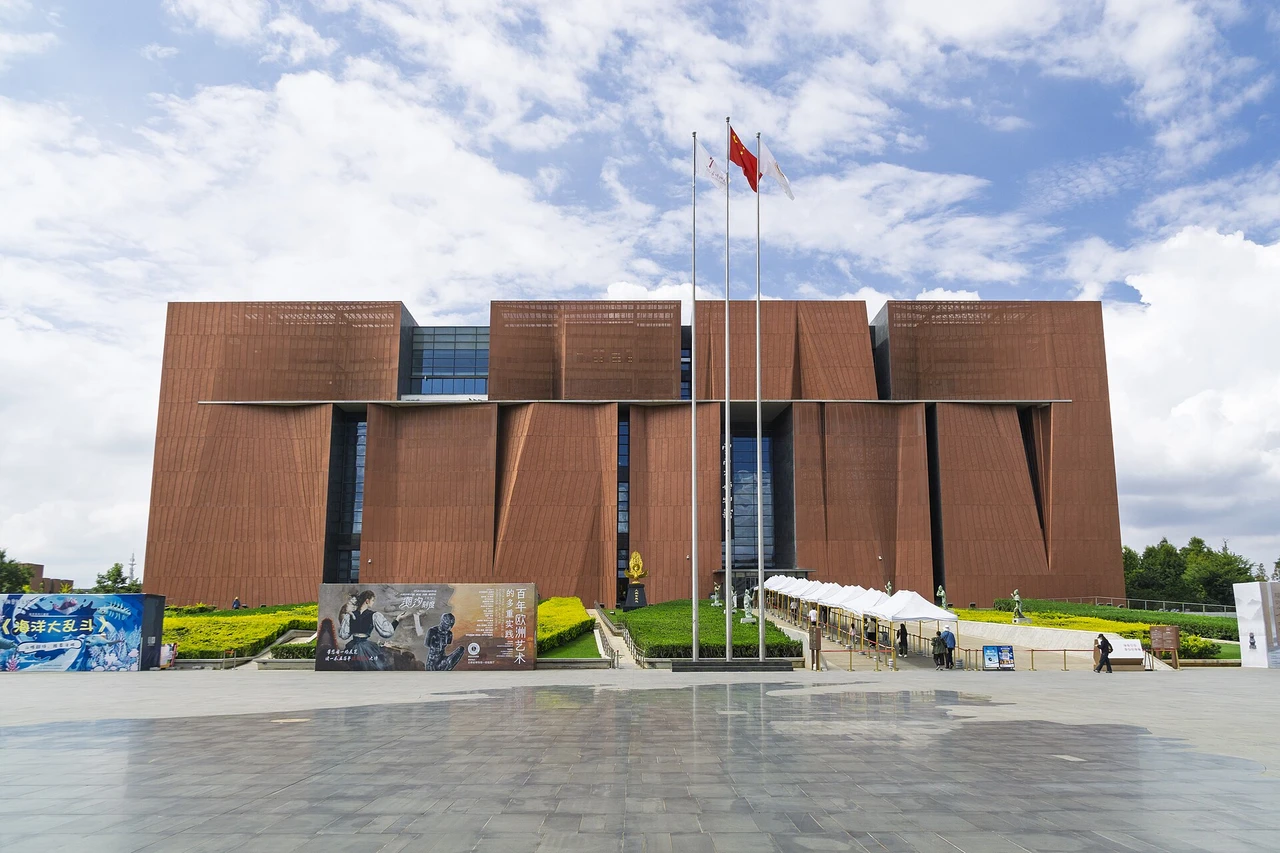 Kunming
云南省博物馆
Yunnan Provincial MuseumThe Yunnan Provincial Museum provides a global context for understanding diverse Yunnan travel. The archeology of Yunnan culture, Buddhist art, bronzes, ceramics, textiles and ethnic collections present the connections between the plateau, southwest China and Southeast Asia; large modern exhibition halls are suitable for establishing a framework before traveling to various ancient cities and natural areas.
Explore Kunming ↗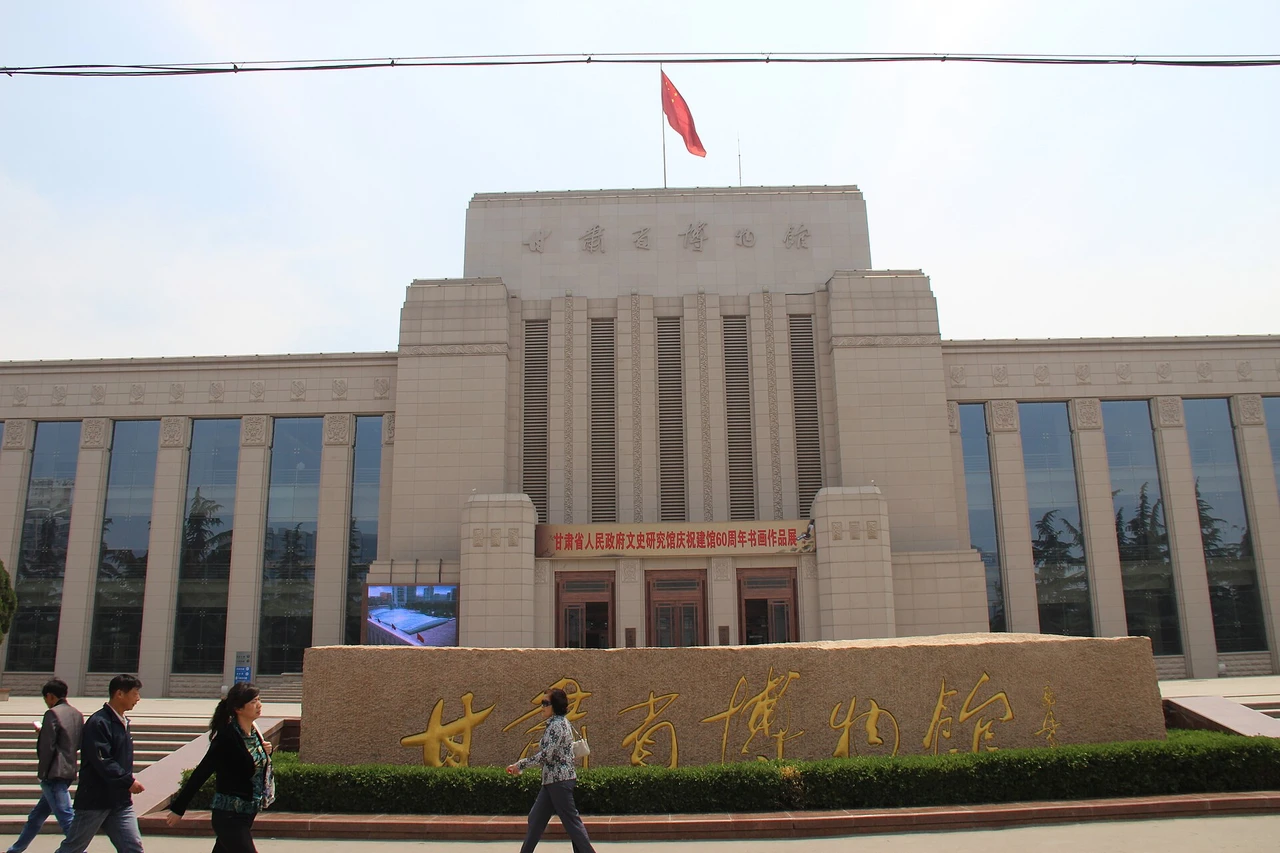 Lanzhou
甘肃省博物馆
Gansu Provincial MuseumThe Gansu Provincial Museum displays a region connecting the Central Plains, the Tibetan Plateau, the northern grasslands and Central Asia. Prehistoric painted pottery, Silk Road cultural relics, Buddhist art, paleontological fossils and the famous bronze galloping horse have put Lanzhou into a long communication network. The scope of the collection is so vast that it’s difficult to understand if you check in hastily. Prioritizing the archeology and Silk Road exhibition halls can create a clearer narrative than chasing all the star cultural relics.
Explore Lanzhou ↗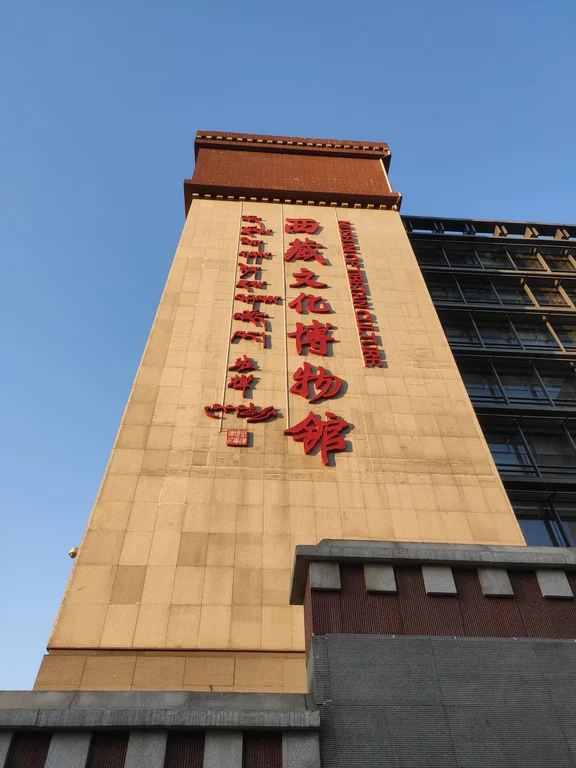 Lhasa
Lhasa西藏博物馆
Tibet MuseumThe Tibet Museum complements the age and material cultural background that is easily missed by looking only at monumental buildings. Exhibitions of archeology, documents, sculpture, fabrics, paintings, folklore and highland environments link artifacts to long-standing exchanges and local practices. During the period of adapting to the altitude, instead of trying to see all the display cabinets, it is better to choose key exhibition halls to read in depth, and carefully understand the explanatory text based on physical evidence.
Explore Lhasa ↗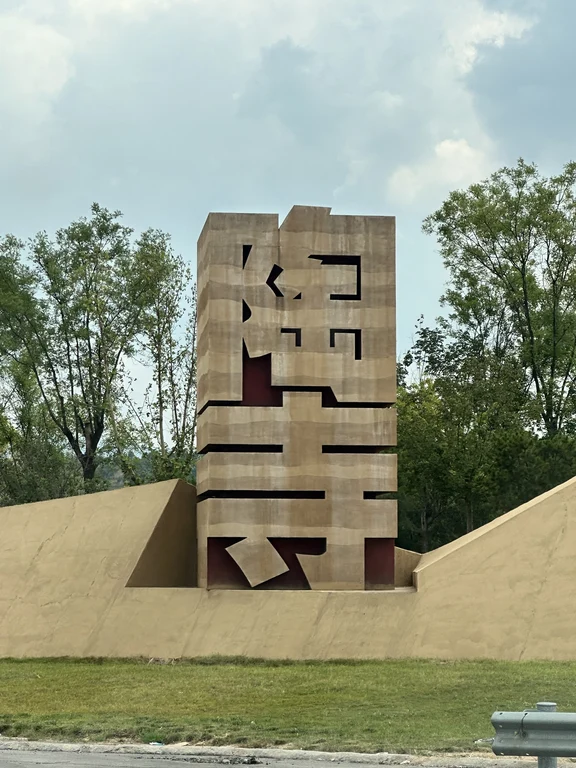 Linfen
陶寺遗址博物馆
Taosi Site MuseumTaosi is an important late Neolithic urban center in the Fen River Basin. Important evidence of high-level tombs, handicrafts, rammed earth buildings and discussions of early complex society have been discovered. Restoration displays explain research hypotheses, and unearthed artifacts and strata are the evidence.
Explore Linfen ↗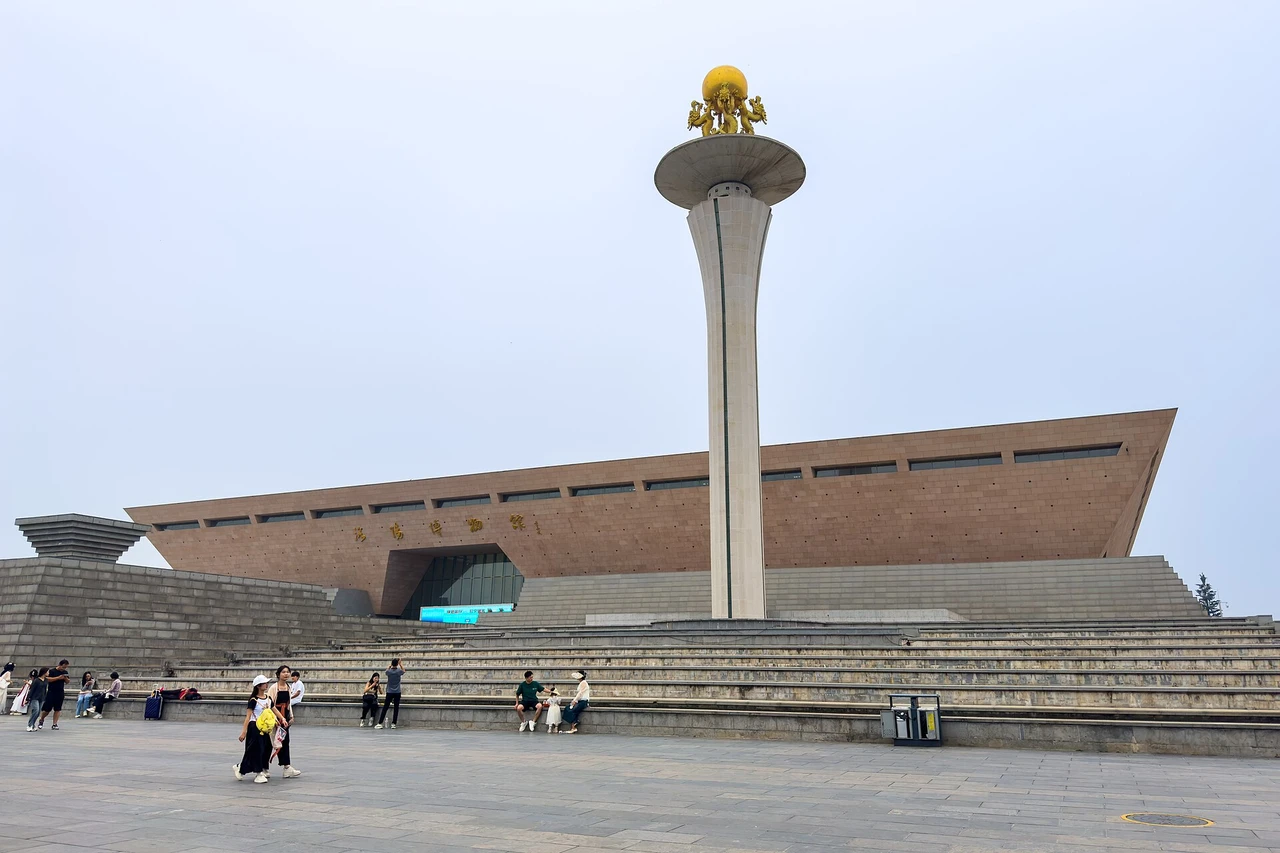 Luoyang
洛阳博物馆
Luoyang MuseumLuoyang Museum organizes the extremely long period of urban archeology according to prehistoric and early state, Han, Wei, Sui and Tang periods. Bronze, pottery, stone carvings and burial artifacts reveal multiple changes in political centres, trade and rituals. The core value lies in the chronological sequence: viewing each layer at the same time can prevent famous dynasties from being reduced to irrelevant labels, and also lay the foundation for understanding the scattered ruins of the city.
Explore Luoyang ↗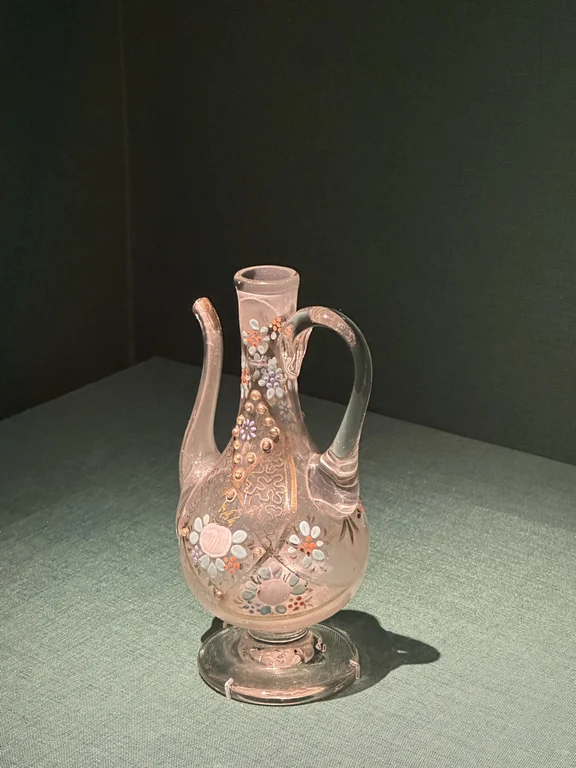 Nanjing
南京博物院
Nanjing MuseumNanjing Museum presents the history of Jiangsu and China through archaeology, calligraphy and painting, crafts, intangible cultural heritage and special exhibitions. The main museum during the Republic of China and subsequent expansions together constitute a museum group rather than a single exhibition. The collections provide key background for various periods of Nanjing's capital city, and it is more effective to choose a theme to delve deeper into than to rush through all the collections.
Explore Nanjing ↗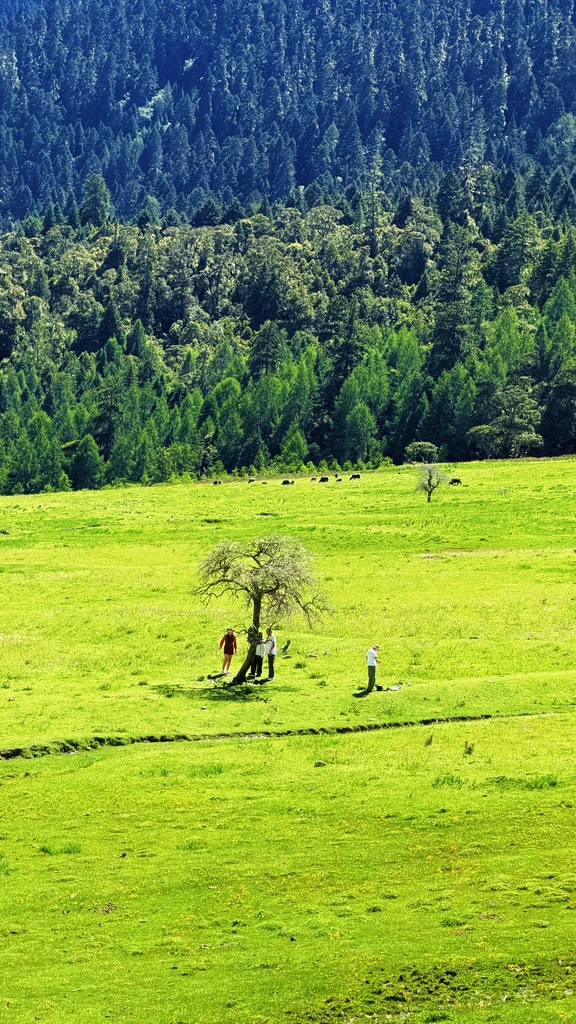 Nyingchi
鲁朗林海
Lulang Forest and ValleyLulang connects spruce and fir forests, meadows, farmland and villages on important transportation lines in southeastern Tibet. The viewing point shows how abundant water vapor supports dense forests under the high snow ridges, while the valley itself is still a land of human life and production. "Natural oxygen bar" is just a metaphor and not a medical conclusion. You still need to adapt to the altitude and pass through the pass with caution.
Explore Nyingchi ↗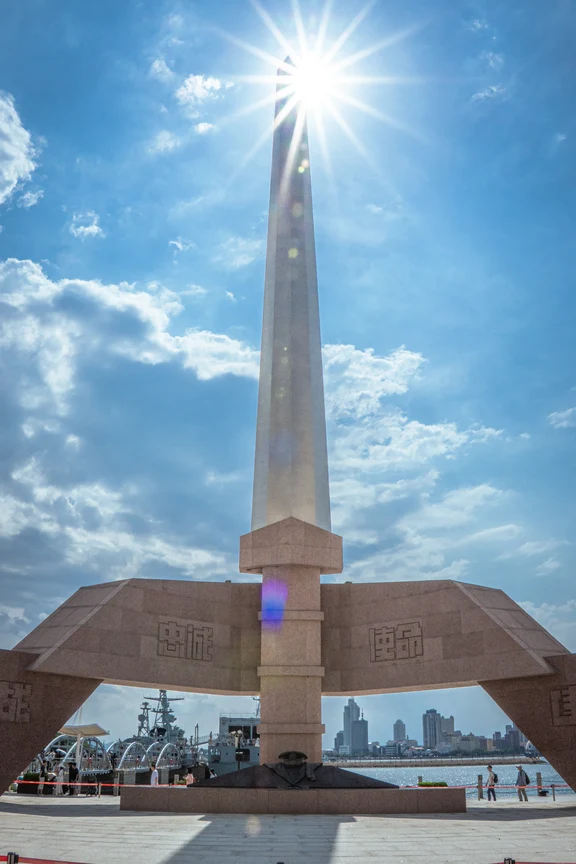 Qingdao
中国人民解放军海军博物馆
PLA Navy MuseumThe Naval Museum displays the development of China's modern navy through documents, equipment, aircraft and large ships anchored in Qingdao Bay. Outdoor shipboard and indoor historical exhibits connect technology to the nation's maritime history, and the bayfront location makes it easy to compare military, commercial, and public uses of the same harbor.
Explore Qingdao ↗Showing 24 of 63 places