
 Yangshuo
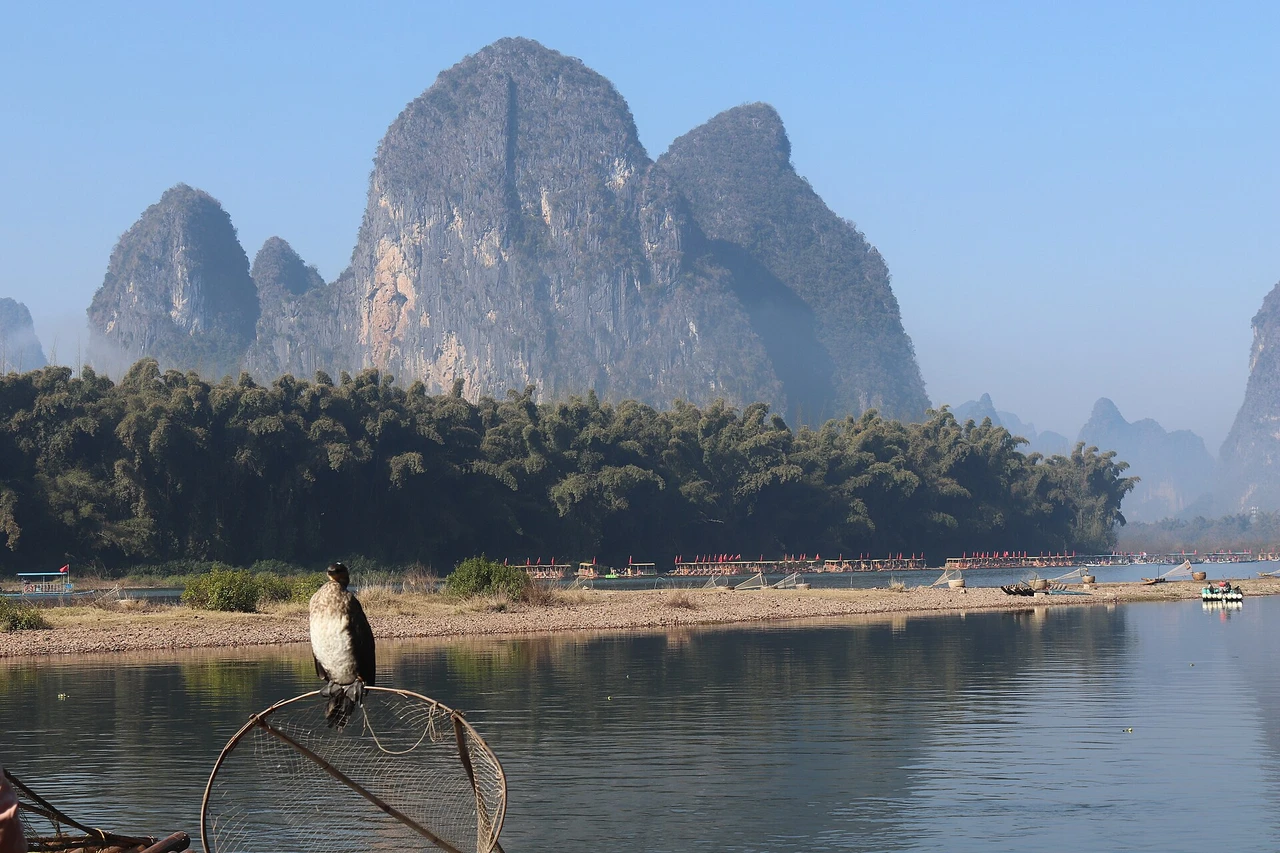
兴坪·二十元人民币背景
Xingping and the twenty-yuan viewExplore places
Browse a mix of cities, or choose one city to see its places in editorial order.
Yangshuo兴坪·二十元人民币背景
Xingping and the twenty-yuan viewThe background of Xingping·Twenty Yuan RMB is a local travel entry. For specific visit information, please refer to official channels.
Explore Yangshuo ↗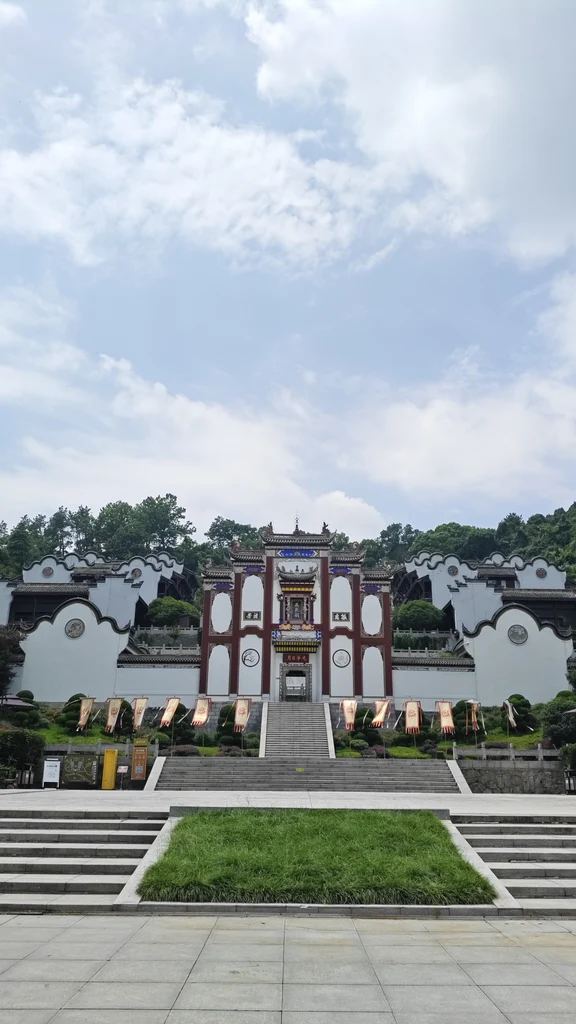 Yichang
屈原故里文化旅游区
Qu Yuan Hometown Cultural AreaHere, the relocation of historical buildings, Qu Yuan's interpretation, Dragon Boat Festival tradition and the landscape of the reservoir area are combined. Visits should distinguish between original, relocated and restored content, while understanding the festival practices that are still being passed down.
Explore Yichang ↗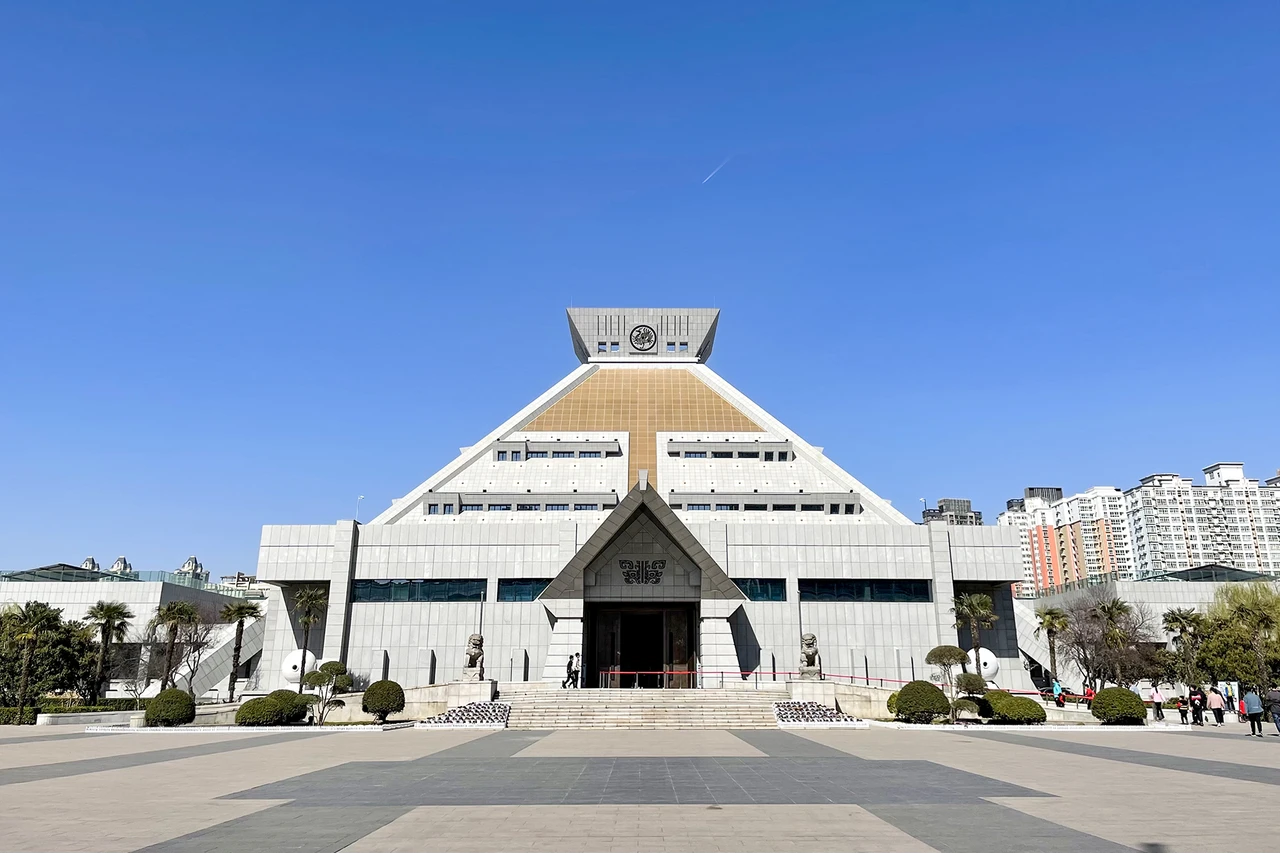 Zhengzhou
河南博物院
Henan MuseumHenan Museum explores the history of the Central Plains through archaeology, bronzes, ceramics and other collections. Highlights include the Jiahu bone flute, the Fu Hao owl-shaped bronze vessel and the lotus-and-crane bronze vessel. Choose a few galleries in advance if your time is limited, and check the current exhibition program before visiting.
Explore Zhengzhou ↗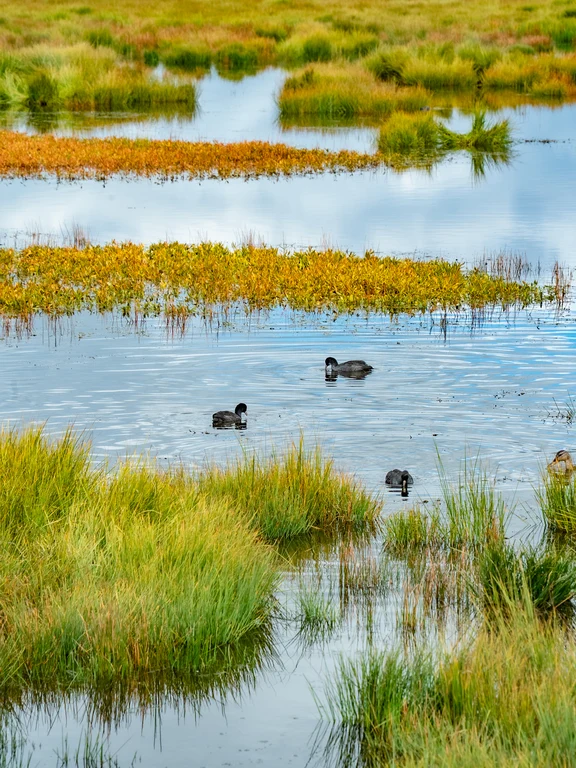 Aba
Aba若尔盖湿地开放线路
Ruoergai Wetland Open RouteZoige preserves peat wetlands, meandering streams, grasslands and bird habitats on the plateau. Open roads and boardwalks must be used as driving into meadows can compact peat, damage pasture and create rescue risks.
Explore Aba ↗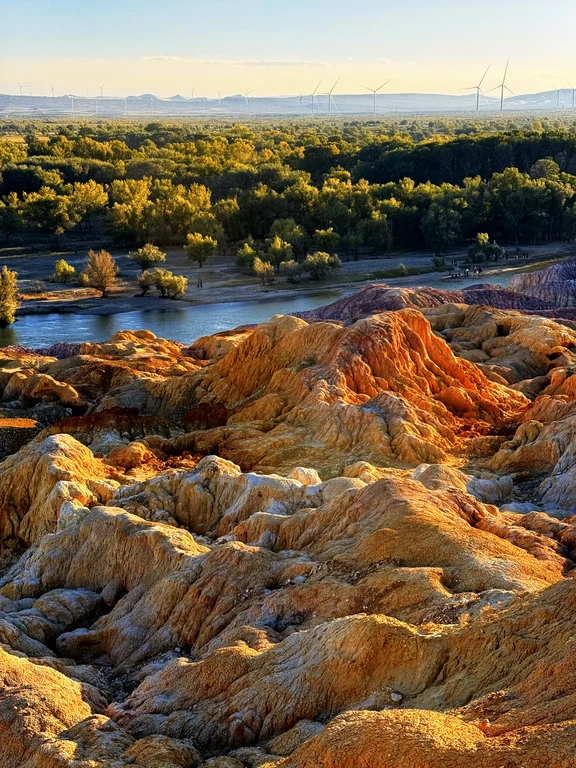 Altay
Altay五彩滩
Wucaitan and the Irtysh RiverThe wind-eroded colorful rock hills form a sharp geological contrast with the poplar forests on the other side of the Irtysh River. The landscape is fragile and the sunset is densely populated, so the suitable viewing space is within the boardwalk and fence.
Explore Altay ↗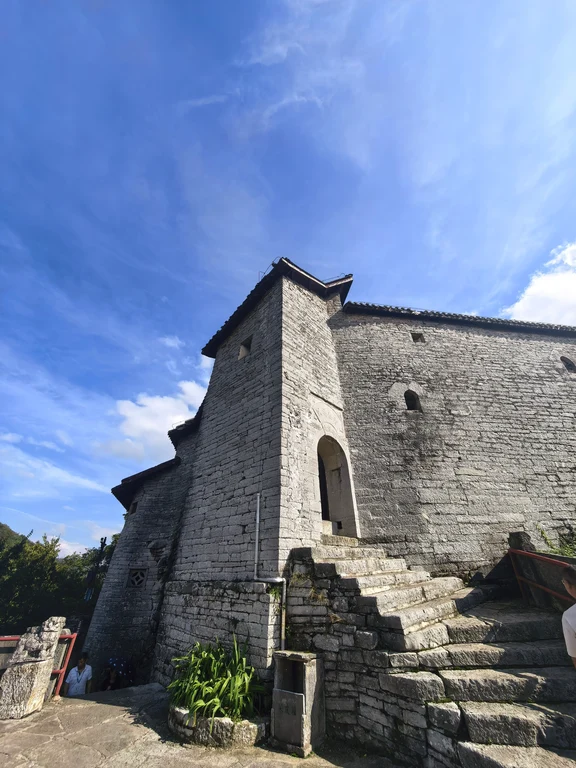 Anshun
天龙屯堡
Tianlong TunpuTianlong is a community related to the history of military settlements in the Ming Dynasty in central Guizhou. The stone houses, costumes, rituals and local operas show the co-evolution of immigrant traditions and the plateau environment over hundreds of years; this is still a living space, not a stage set.
Explore Anshun ↗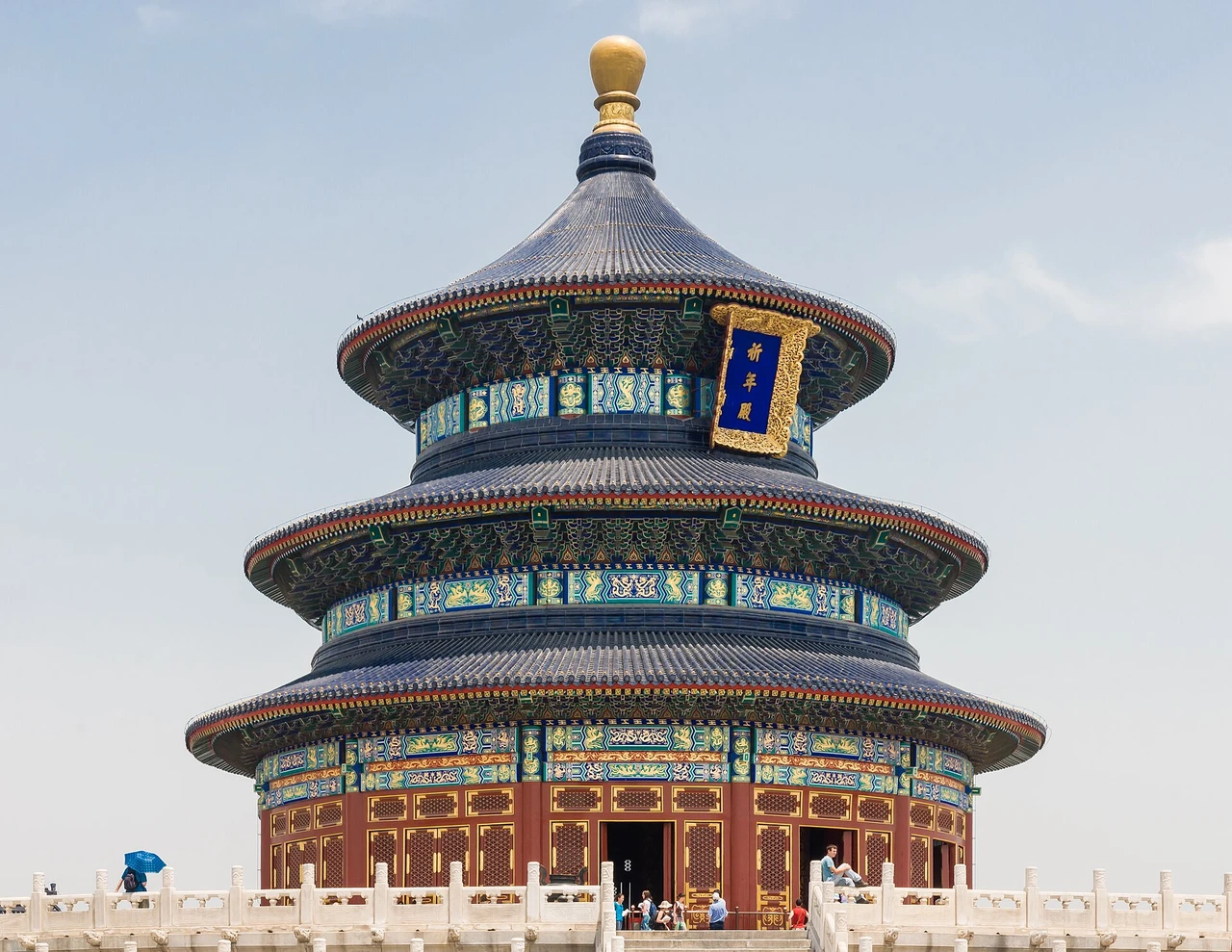 Beijing
天坛
Temple of HeavenThe Temple of Heaven was a ceremonial space where emperors of the Ming and Qing Dynasties worshiped heaven and prayed for grain. The Hall of Prayer for Good Harvests is the most recognizable, but the ceremonial axis, circles, imperial vaults and ancient cypresses that run through the park together form a complete narrative. Only by connecting these nodes on foot can we understand the relationship between architecture and ritual.
Explore Beijing ↗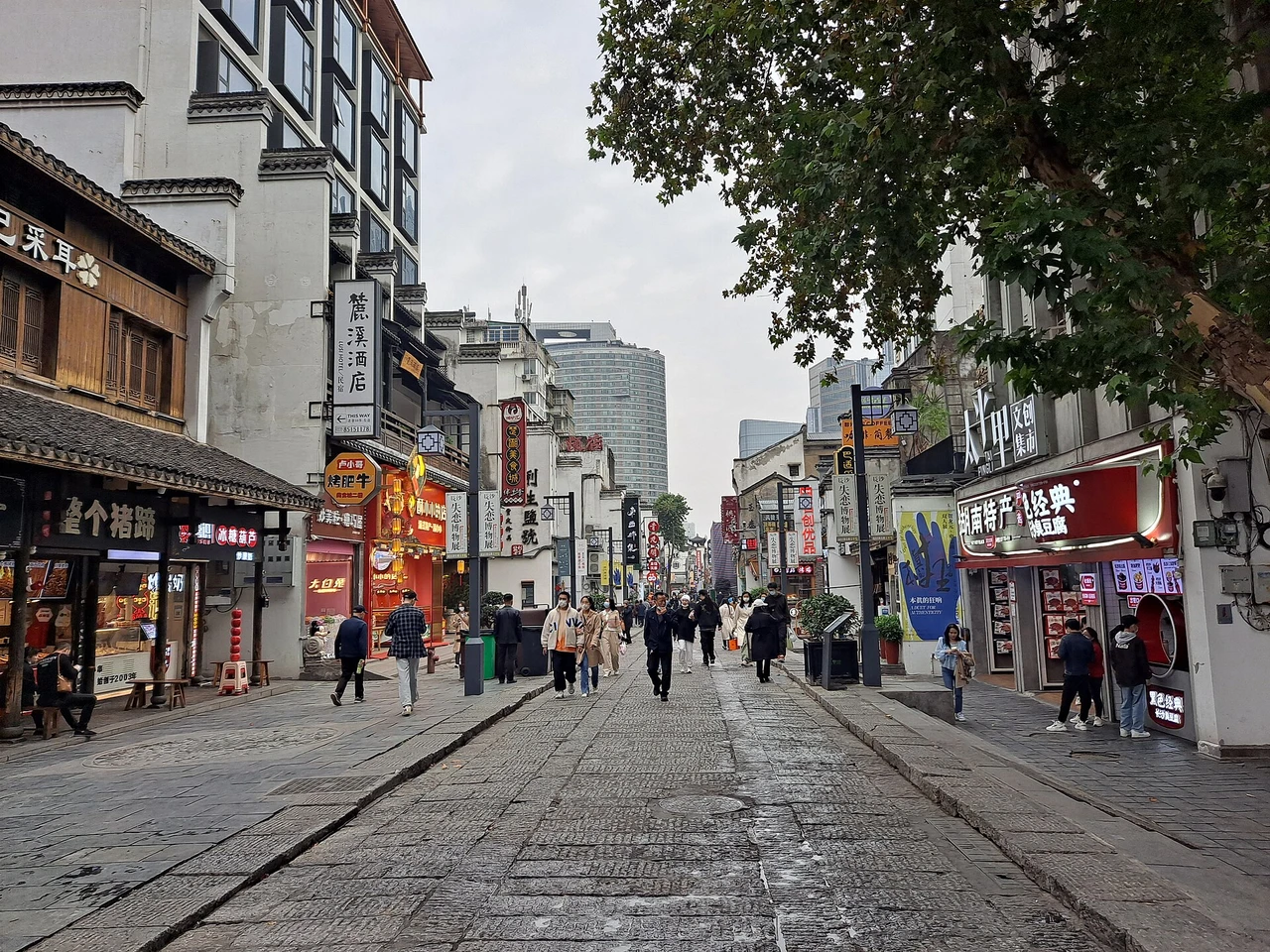 Changsha
太平街
Taiping StreetTaiping Street Taiping Street is one of the most complete thousand-year-old ancient streets in Changsha. The bluestone road, horse head wall, and wooden lattice windows reveal the charm of the Ming and Qing Dynasties. There are historical relics such as Jia Yi's former residence (Taifu Well is the oldest well in Changsha) in the street. You can get there from Huangxing Square Station on Metro Line 1 or Xiangjiang Middle Road Station on Line 2. There are Internet celebrity shops such as Black Classic Stinky Tofu and Cha Yan Yuese on the street, but the snacks on the main street are more tourist-priced. If you want to eat authentically, you can go to Nanmenkou and Dongguashan areas.
Explore Changsha ↗ Chengdu
成都大熊猫繁育研究基地
Chengdu Research Base of Giant Panda BreedingThe world's largest giant panda ex-situ conservation and scientific research breeding base houses more than 200 giant pandas in captivity. The core attractions include the cub villa (No. 6) where the internet celebrity "Huahua" lives, the cubs in the Sun/Moon/Star delivery room, the indoor venues in the new area's Panda Valley, as well as the red pandas and golden monkeys. Pandas like coolness and are afraid of heat. They will go indoors when the temperature exceeds 26°C. If you want to see them active, be sure to get there early.
Explore Chengdu ↗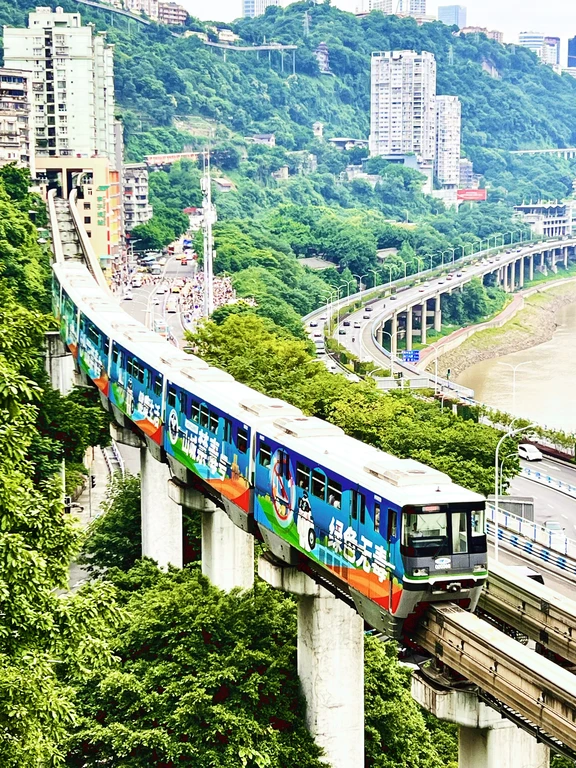 Chongqing
李子坝轨道站
Liziba StationLiziba Station belongs to Chongqing Rail Transit Line 2. The trains pass through the track space designed integrally with the building. It shows how rail infrastructure can adapt to the scarcity of flat land and the steep terrain, where the real place to observe is from the official viewing platform below, rather than disturbing the building's residents and users.
Explore Chongqing ↗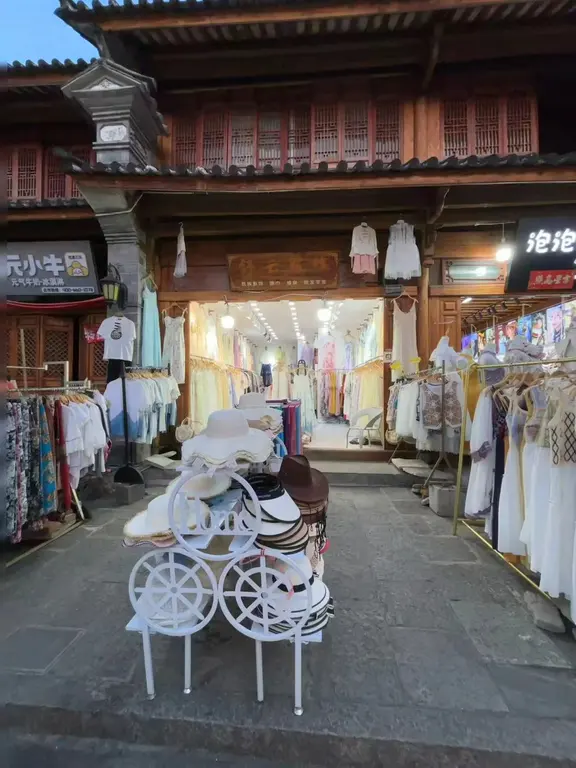 Dali
Dali大理古城
Dali Ancient CityThe ancient city of Dali is located between Cangshan Mountain and Erhai Lake. The current checkerboard pattern was mainly formed during the reconstruction of the Ming Dynasty, and also inherited the earlier history of Nanzhao and Dali Kingdom. The city gates, preserved courtyards, religious buildings and everyday streets and lanes tell a better story about the ancient city than the liveliest commercial main street. Its value also lies in serving as a base for understanding the historical layers of Bai culture and local politics.
Explore Dali ↗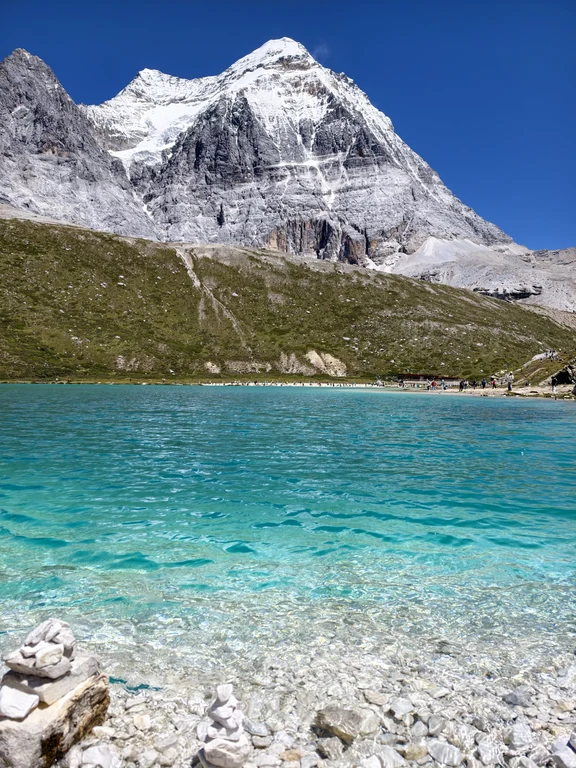 Daocheng
牛奶海与五色海高线
Milk Lake and Five-color Lake High RouteThe route to Milk Lake and Five-Color Lake enters a high-altitude glacial basin above Luorong Pasture. Thin air, exposed slopes, fast-changing weather and a long return make this a demanding mountain trip, however popular it may be online. Lake colors vary with light, ice and weather, and routes may close for conservation or safety. A photograph is never more important than your health, the protected landscape or a safe return.
Explore Daocheng ↗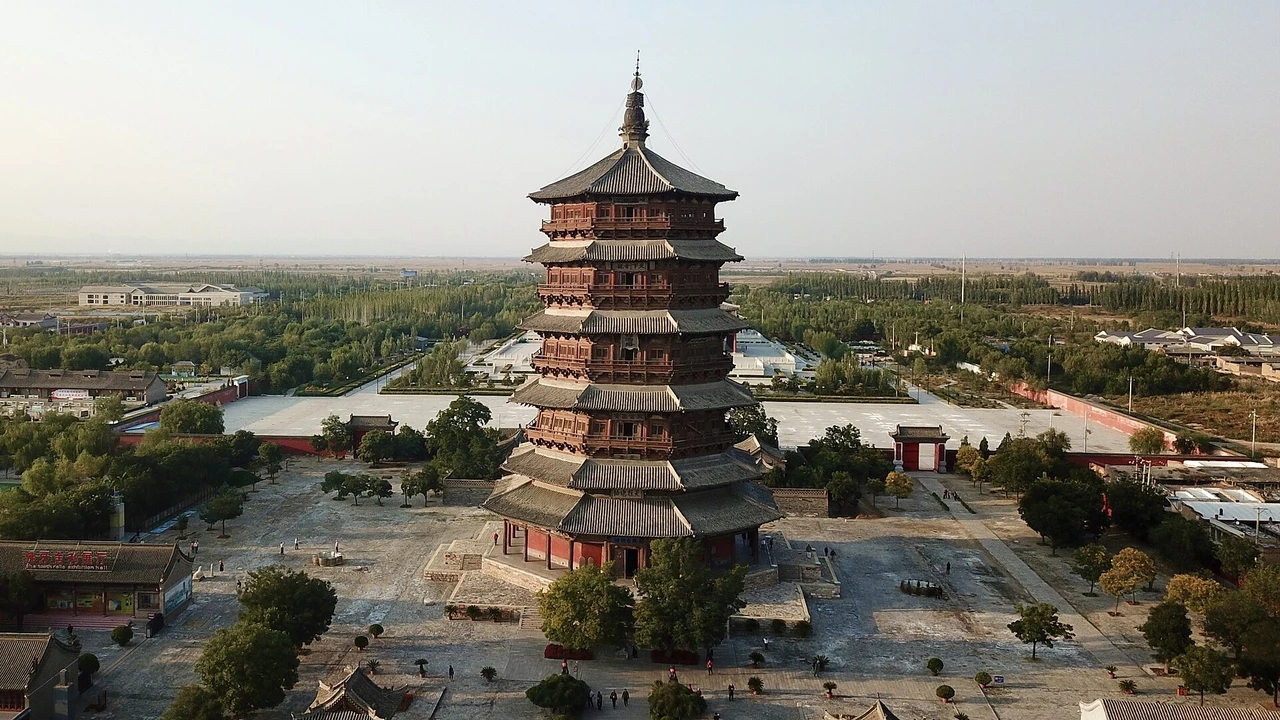 Datong
应县木塔
Yingxian Wooden PagodaYingxian Wooden Pagoda (Yingxian County, Shuozhou City) History, Humanities and Geography: Yingxian Wooden Pagoda (Foggong Temple Sakyamuni Pagoda) is located in Yingxian County, Shuozhou City, and is not part of Datong City, so you need to travel across the city. The wooden pagoda was built in the second year of Qingning in Liao Dynasty (1056), with a height of 67.31 meters. It is the tallest and oldest existing pure wooden structure pavilion-style pagoda in the world. The whole pagoda has no nails or rivets and relies on 54 types of brackets and mortise and tenon joints. It is known as one of the "Three Wonderful Pagodas in the World". At present, the tower body has tilted to the northwest, with only the main hall on the first floor open, and the second floor and above are closed for protection.
Explore Datong ↗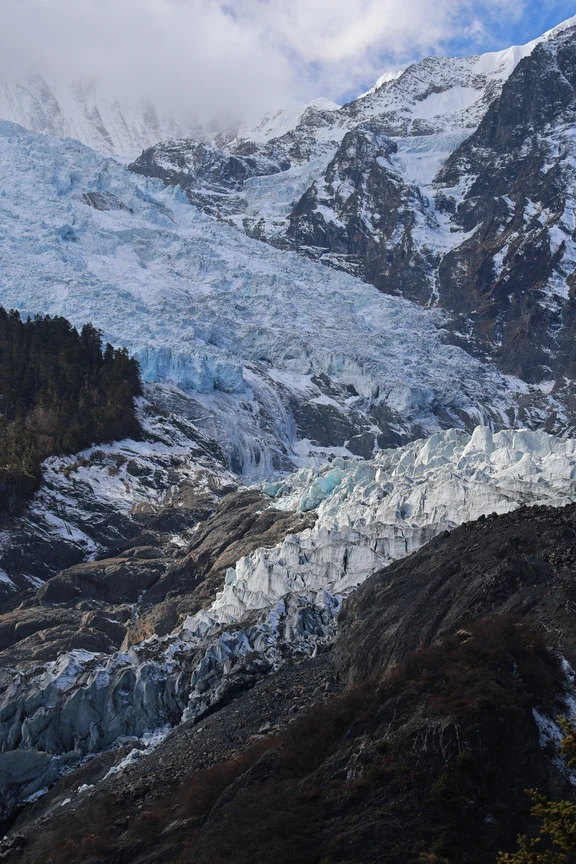 Deqin
Deqin明永冰川
Mingyong GlacierThe Mingyong Glacier extends significantly downward from the Meili Mountains to the warm and dry Lancang River Valley, making the vertical climate and glacier retreat particularly intuitive. Modern boardwalks and viewpoints are designed to keep visitors away from unstable ice, moraines and meltwater. The glacier is changing, and the locations in old photos cannot be used as safe targets; current fences, rockfall warnings, and staff instructions define swimable areas.
Explore Deqin ↗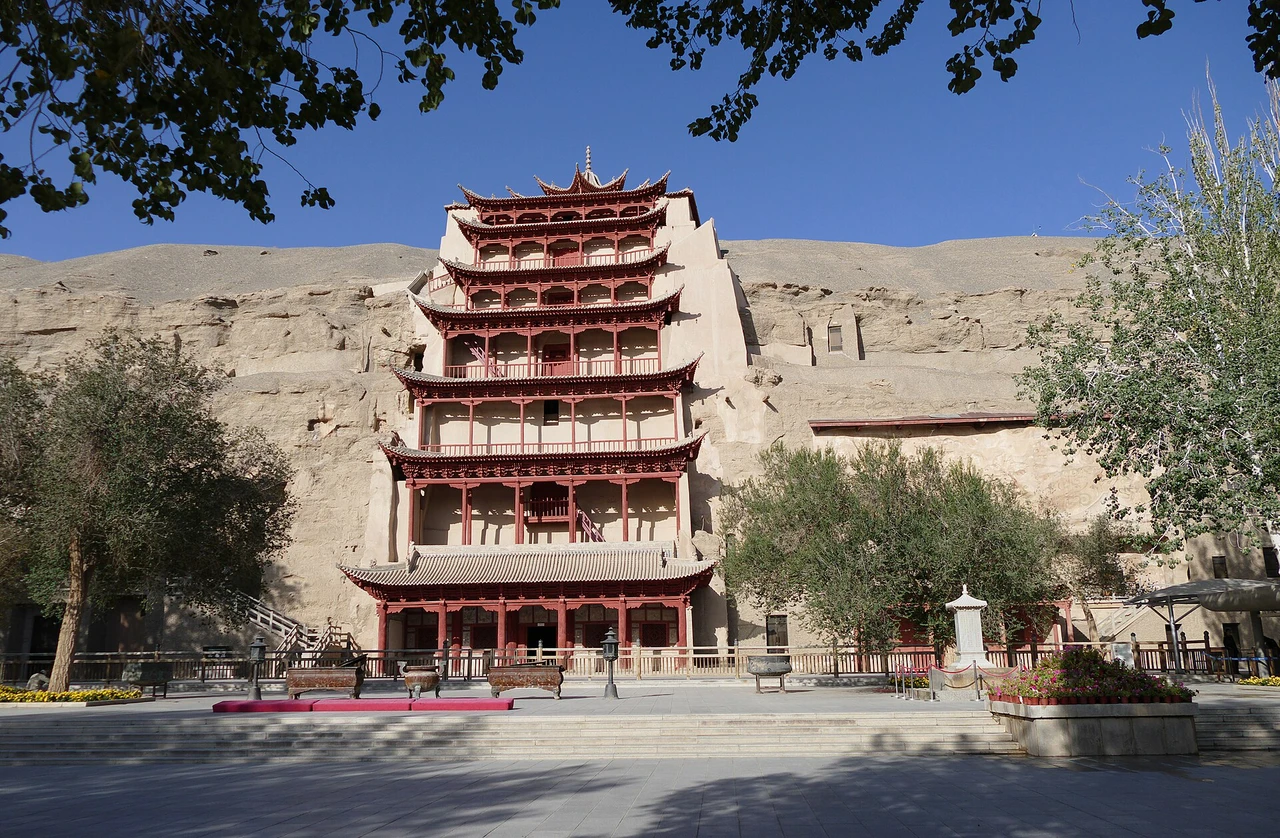 Dunhuang
莫高窟
Mogao CavesThe Mogao Grottoes preserve Buddhist murals, painted sculptures and cave architecture that have lasted for thousands of years since the 4th century AD. They are important archives of cultural exchanges in the Silk Road oasis. Subject to the protection of cultural relics, the tour starts from the Digital Exhibition Center, and then takes the official shuttle bus into the cave area, where the guide will lead you to view some of the caves that are open on a rotating basis. This is not a gallery that you can walk through freely, but an extremely fragile religious art heritage.
Explore Dunhuang ↗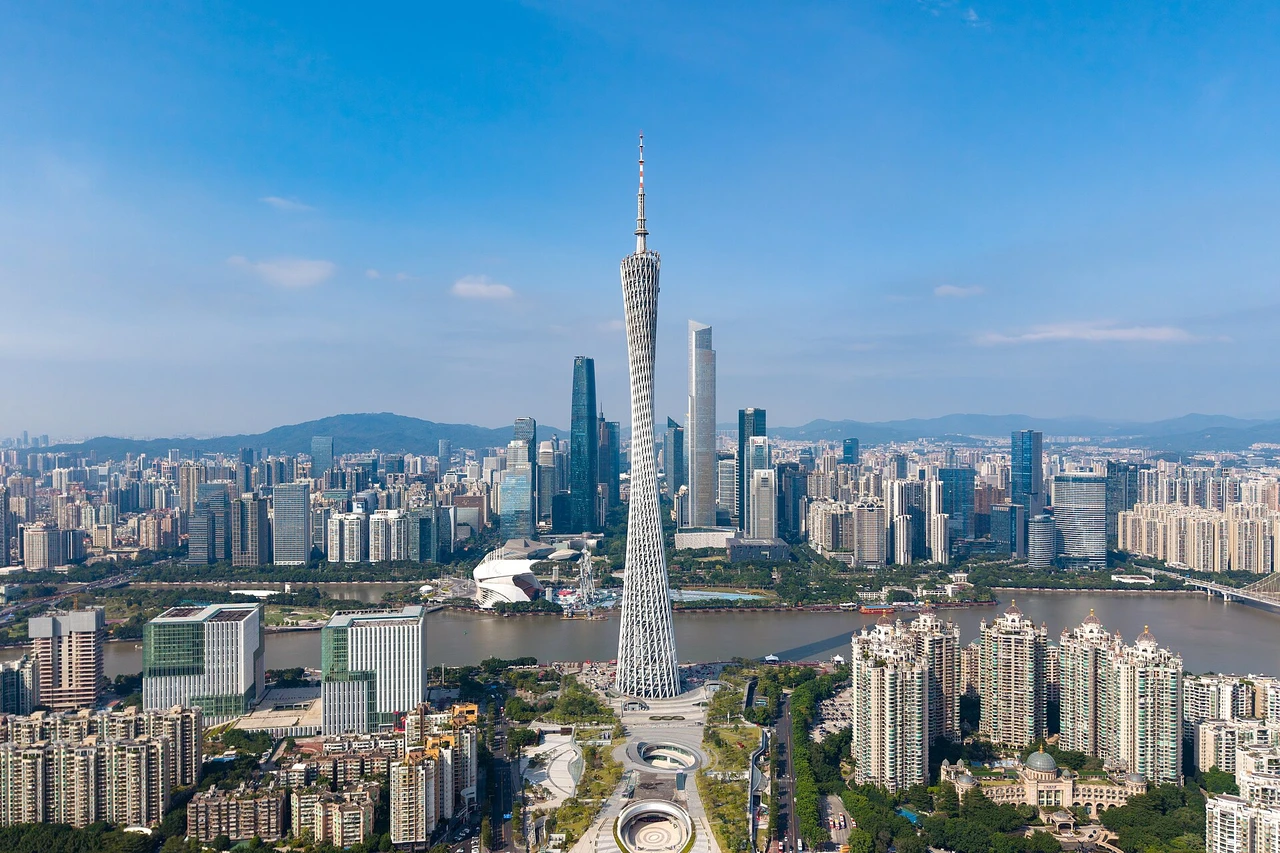 Guangzhou
广州塔
Canton TowerThe landmark "Xiaomanyao" at No. 222 Yuejiang West Road, Haizhu District. Climbing the tower offers a panoramic view of both sides of the Pearl River and Guangzhou City. There are 433-meter white cloud starry sky observation hall, 460-meter Ferris wheel, 480-meter high-speed sky, 488-meter outdoor observation deck and other projects in the tower.
Explore Guangzhou ↗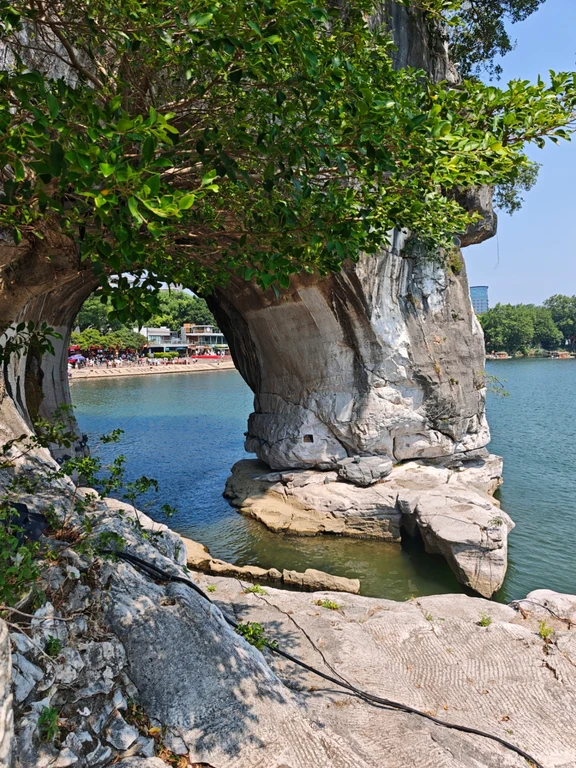 Guilin
象鼻山
Elephant Trunk HillElephant Trunk Hill is located where the Taohua River merges into the Li River. The entrance to the waterfront forms an outline that resembles an elephant drinking water, and has long been a symbol of Guilin. Shuiyue Cave, the inscriptions of past dynasties and the Ming Dynasty Puxian Pagoda on the top of the mountain add a humanistic layer to the compact peak; observing the overall landscape from the surrounding river banks is usually clearer than just rushing up the mountain.
Explore Guilin ↗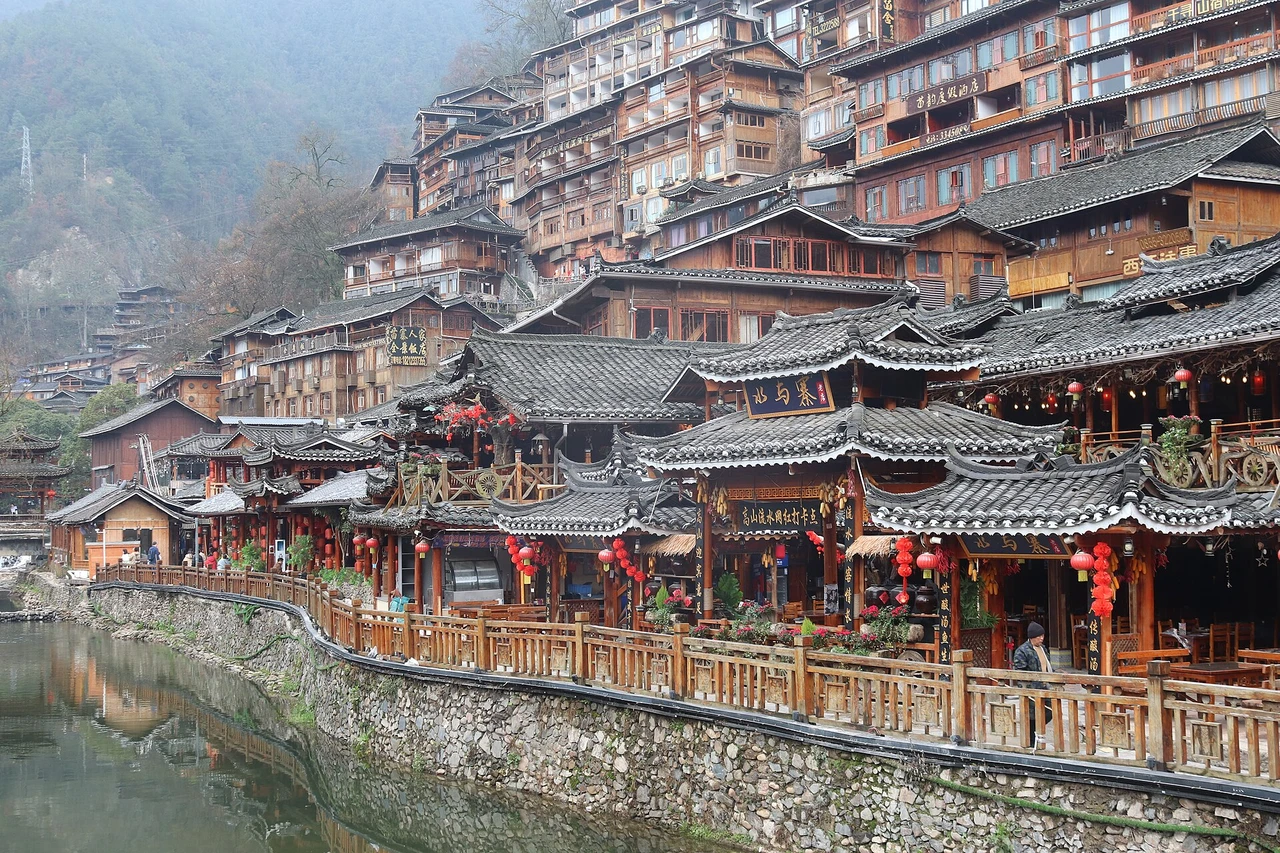 Guiyang
西江千户苗寨
Xijiang Miao VillageXijiang Qianhu Miao Village is located in Leishan County, Qiandongnan Miao and Dong Autonomous Prefecture, not within Guiyang City. It is the largest Miao settlement village in the world and is known as the "living museum" of Miao culture. The panoramic views of the stacked stilted buildings, wind and rain bridges, terraced fields and observation decks are the core attractions.
Explore Guiyang ↗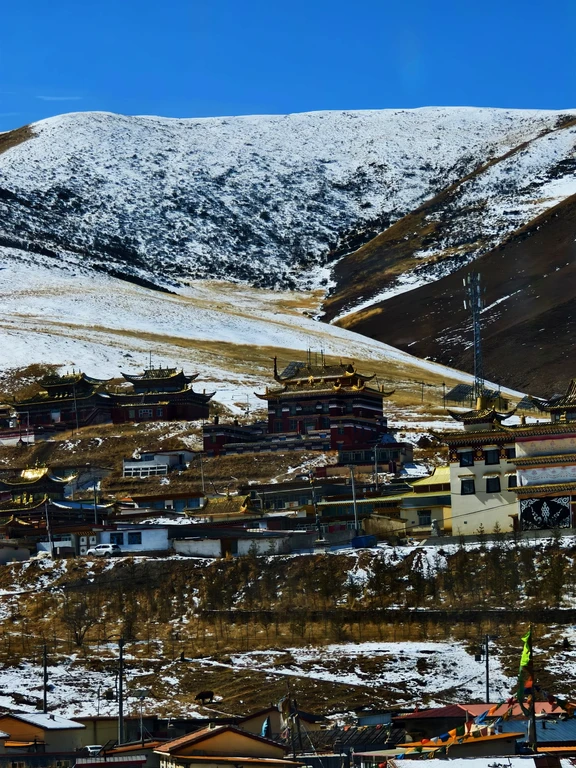 Golog
Golog班玛红军沟
Banma Red Army ValleyThe Banma Forest Valley preserves sites and community memories related to the Long March, and is located among Tibetan villages and the ecology of the upper reaches of the Yangtze River. Interpretation should link national history to local testimonies and landscapes, rather than isolating monuments.
Explore Golog ↗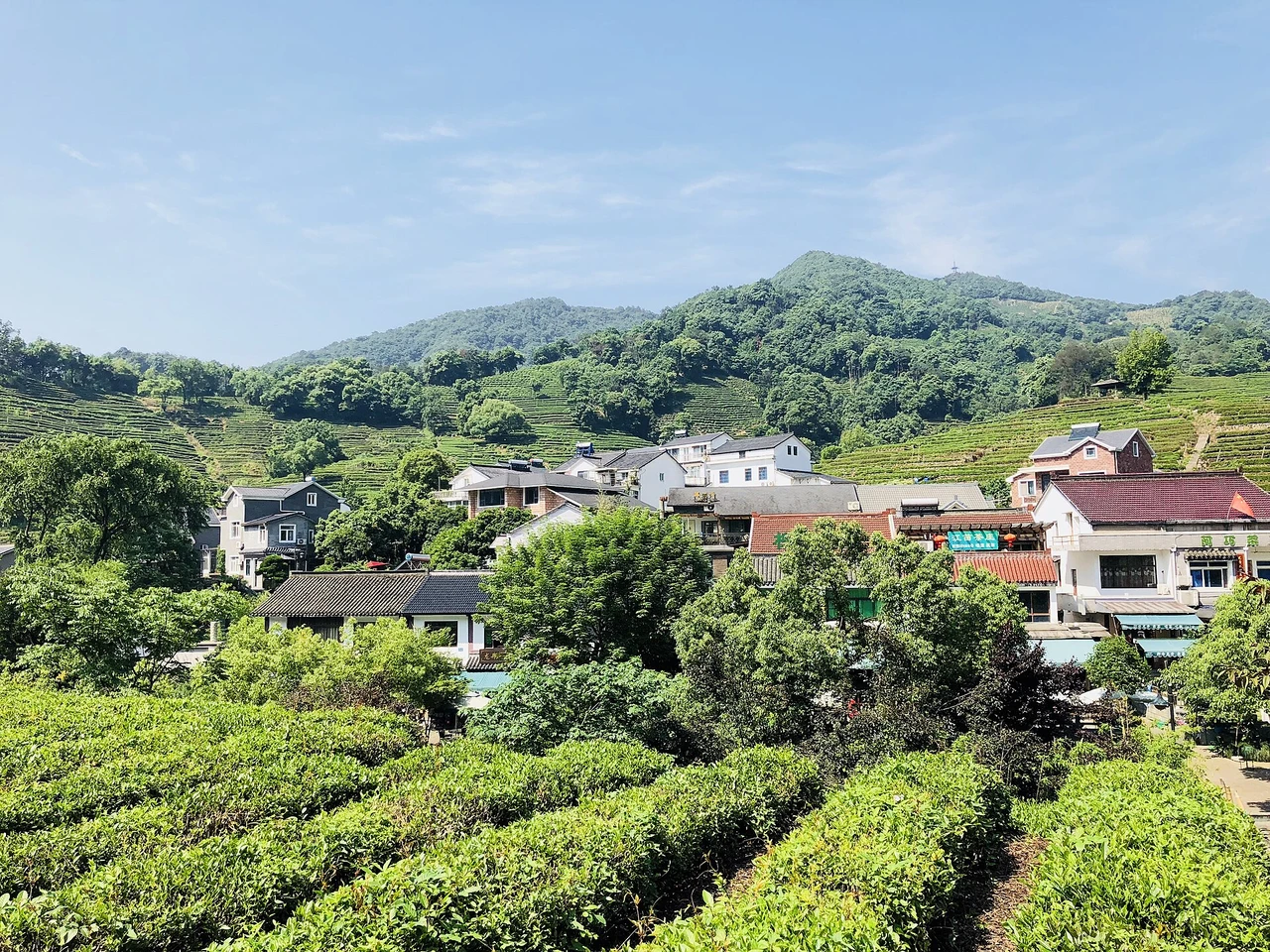 Hangzhou
龙井村
Longjing tea villageLongjing Village is located between the tea mountains on the southwest side of West Lake, showing the production landscape behind West Lake Longjing tea. The terraced tea gardens, wells, mountain roads and seasonal labor show that tea is first and foremost an agricultural and processing skill, not just a packaged commodity. Combined with walking and understanding the picking seasons and grade differences, the experience is more complete.
Explore Hangzhou ↗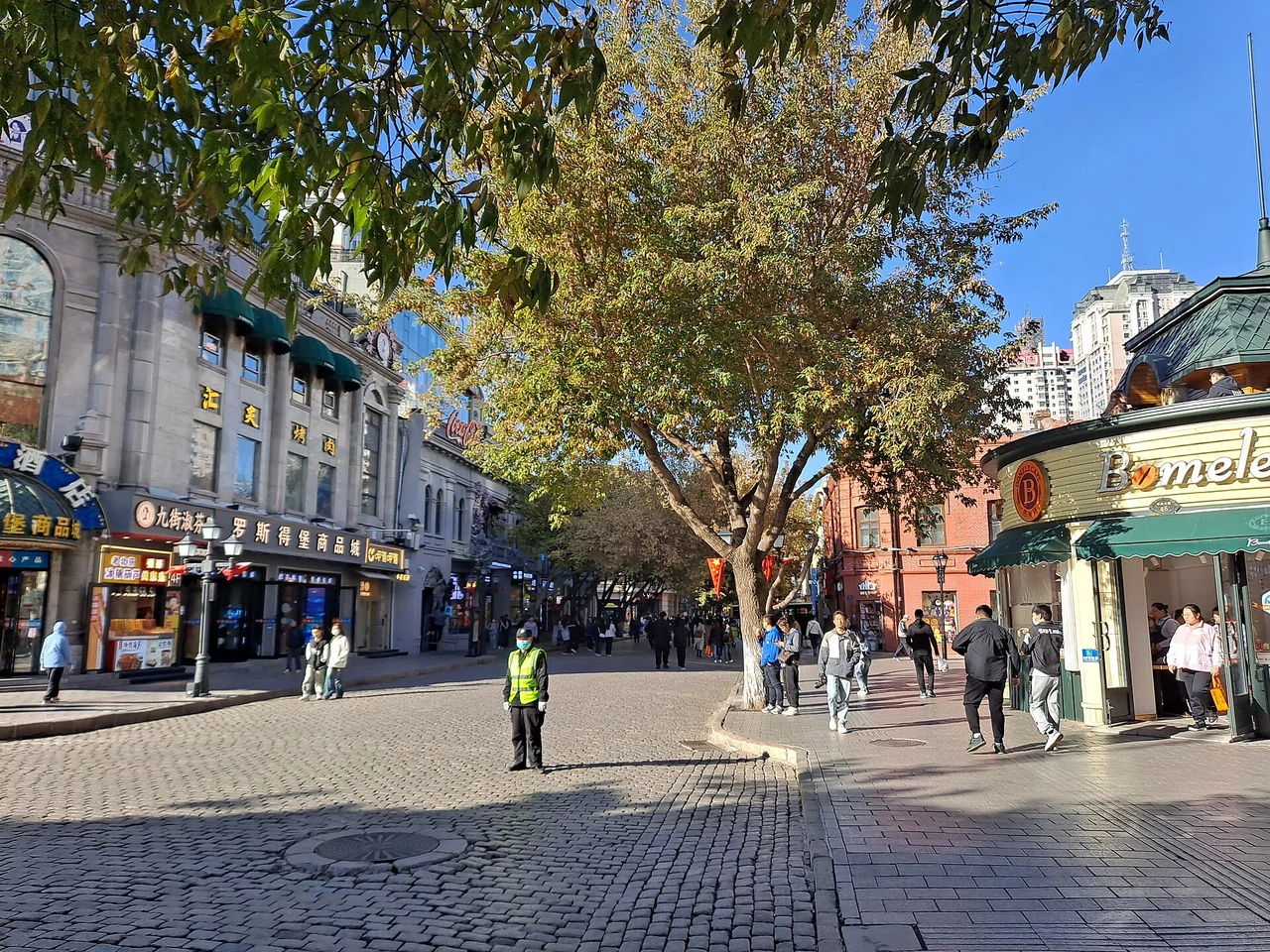 Harbin
中央大街
Central StreetCentral Street Central Street is located in Daoli District. It starts from Jingwei Street in the south and ends at the Flood Control Memorial Tower in the north. It is about 1,450 meters long and paved with about 870,000 "bread stones". It is the first pedestrian street in Asia and is also known as the open-air "Architectural Art Museum". European-style buildings such as Baroque, Renaissance, and Eclecticism are gathered on both sides of the street. Among them, the Madier Hotel (1906), Matsuura Bank, and Wanguo Bank are all century-old buildings, which condense Harbin's modern history of opening up to the outside world. Public transportation: Metro Line 2 "Central Street Station" is within walking distance, or you can take the bus to "Central Street" or "Flood Control Memorial Tower" station.
Explore Harbin ↗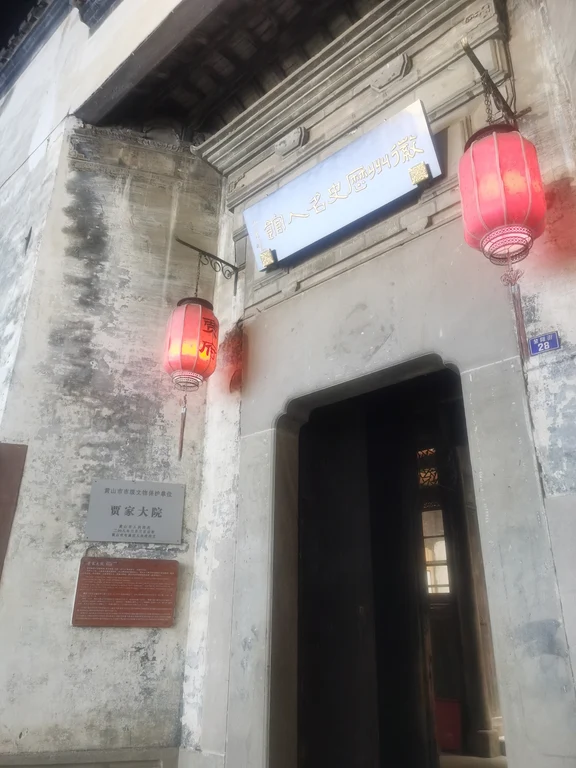 Huangshan
屯溪老街与黎阳片区
Tunxi Old Street and LiyangTunxi Linjiang Commercial Street preserves the Huizhou shophouse style while serving the contemporary city; adjacent streets and alleys can expand the horizon beyond souvenir retail. You can better observe the local rhythm in the early morning or evening, but the upstairs and backyard are still private unless open.
Explore Huangshan ↗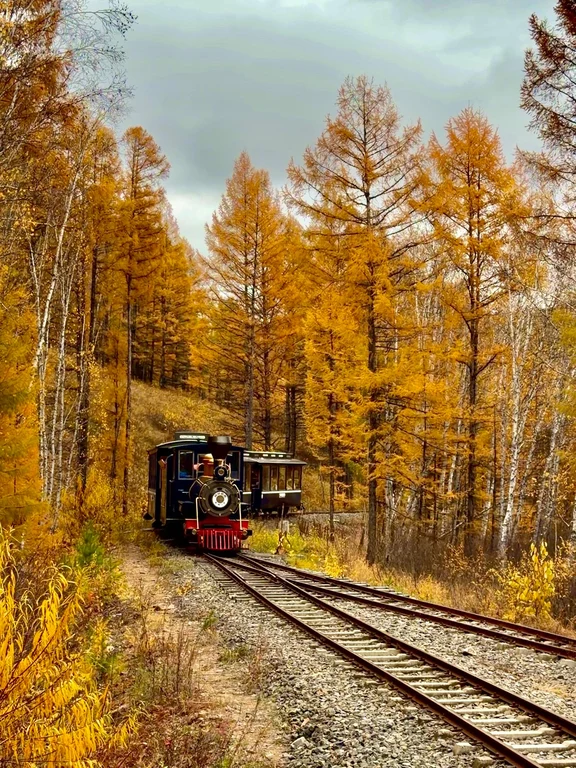 Hulunbuir
莫尔道嘎国家森林公园
Mordaoga National Forest ParkMordaoga protects the larch, birch, river valley and forest scenery that changes color in autumn in the northern part of the Greater Khingan Mountains. Tour roads and sightseeing facilities show only part of the larger productive and protected forest. The history here includes both forestry utilization and ecological protection. Human use and ecological restoration should be understood, rather than simply describing the forest as an untouched wilderness.
Explore Hulunbuir ↗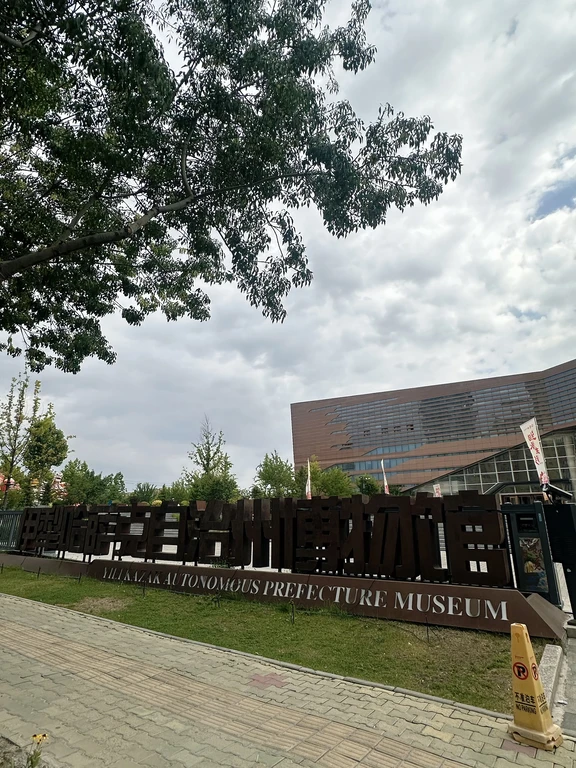 Ili
Ili伊犁州博物馆
Ili Prefecture MuseumThe Yili Prefecture Museum provides context for understanding a river valley shaped by grassland passages, Silk Road exchanges, Qing governance, agriculture, and multiple ethnic groups. Exhibitions of archeology, fabrics, metal tools and local history prevent the grassland trip from leaving only deserted scenery and vague era.
Explore Ili ↗