Explore China
Cities for every pace.
Compare practical essentials first, then open a city for neighbourhoods, arrival notes and local context.
Filter by region
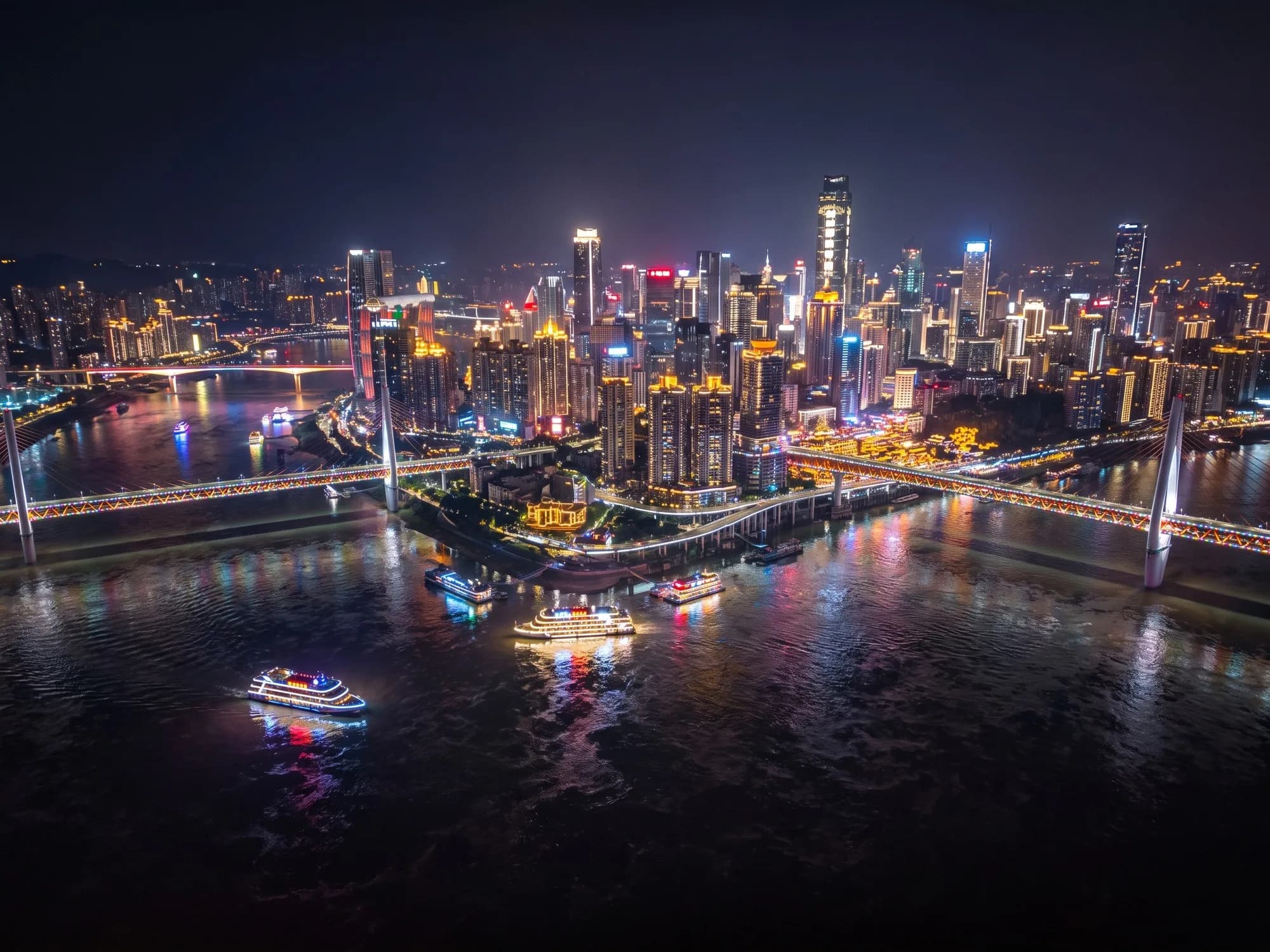 Southwest China重庆
Chongqing
· 2–3 days
Chongqing stacks itself up the hillsides where the Yangtze meets the Jialing. It is disorienting, dramatic and delicious. Two days, and eat hot pot on the first night.
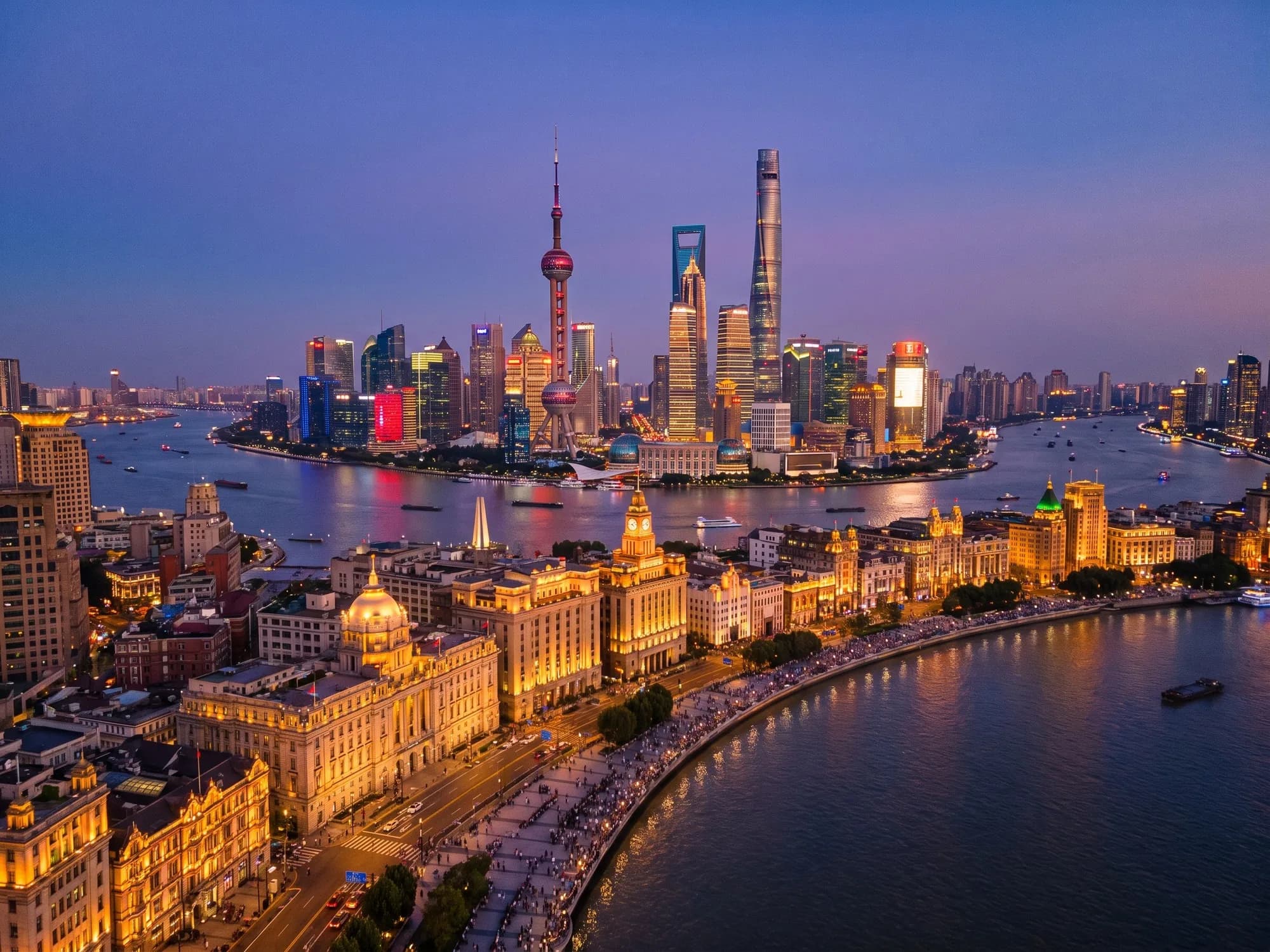 East China上海
Shanghai
PVG · 3–4 days
Shanghai is the easy entry point: signage in English, a metro that goes everywhere, and neighbourhoods built for walking. Three days is enough for the city; add Suzhou or Hangzhou as day trips.
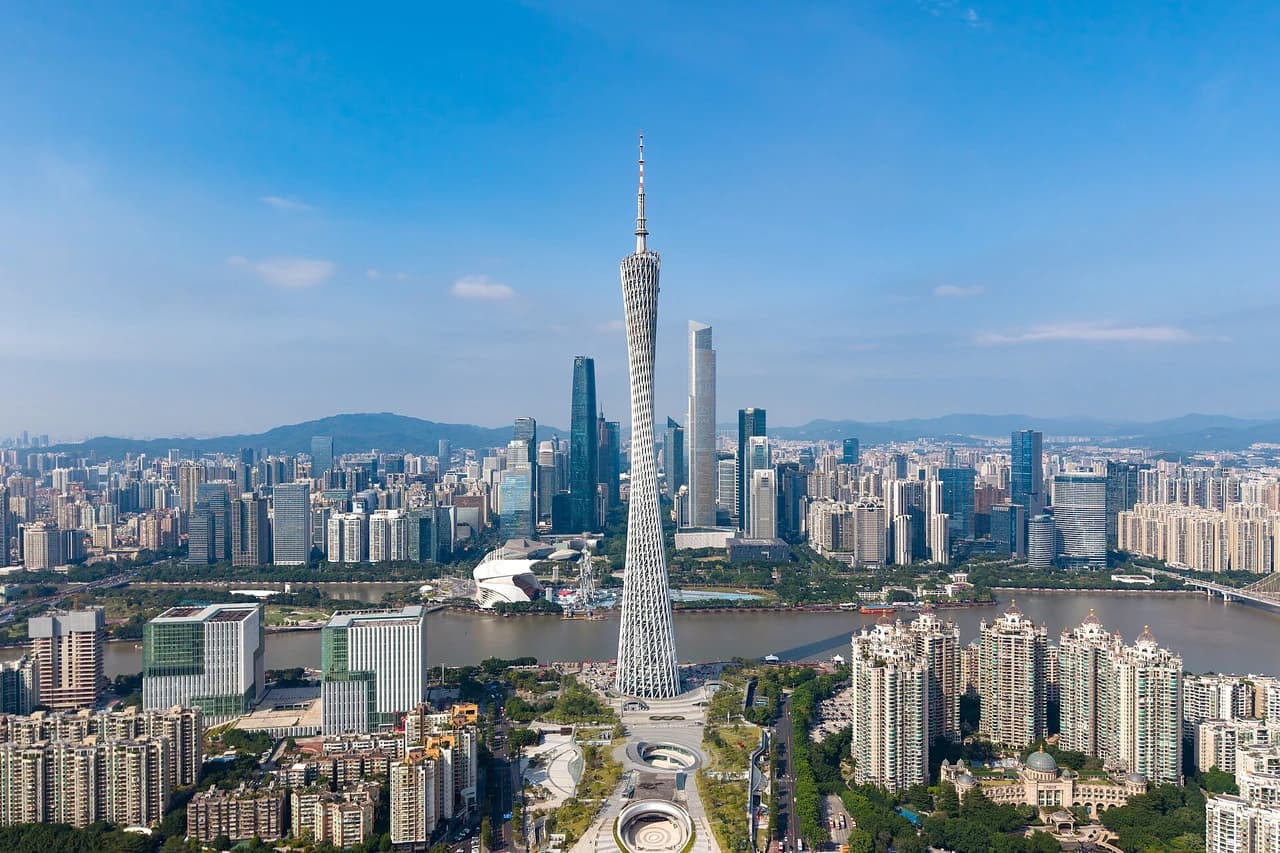 South China广州
Guangzhou
· 2–3 days
Guangzhou is Canton: the old trading port at the head of the Pearl River delta, with a food culture that starts at dawn. Skip the skyline, stay in the old west of the city, and eat.
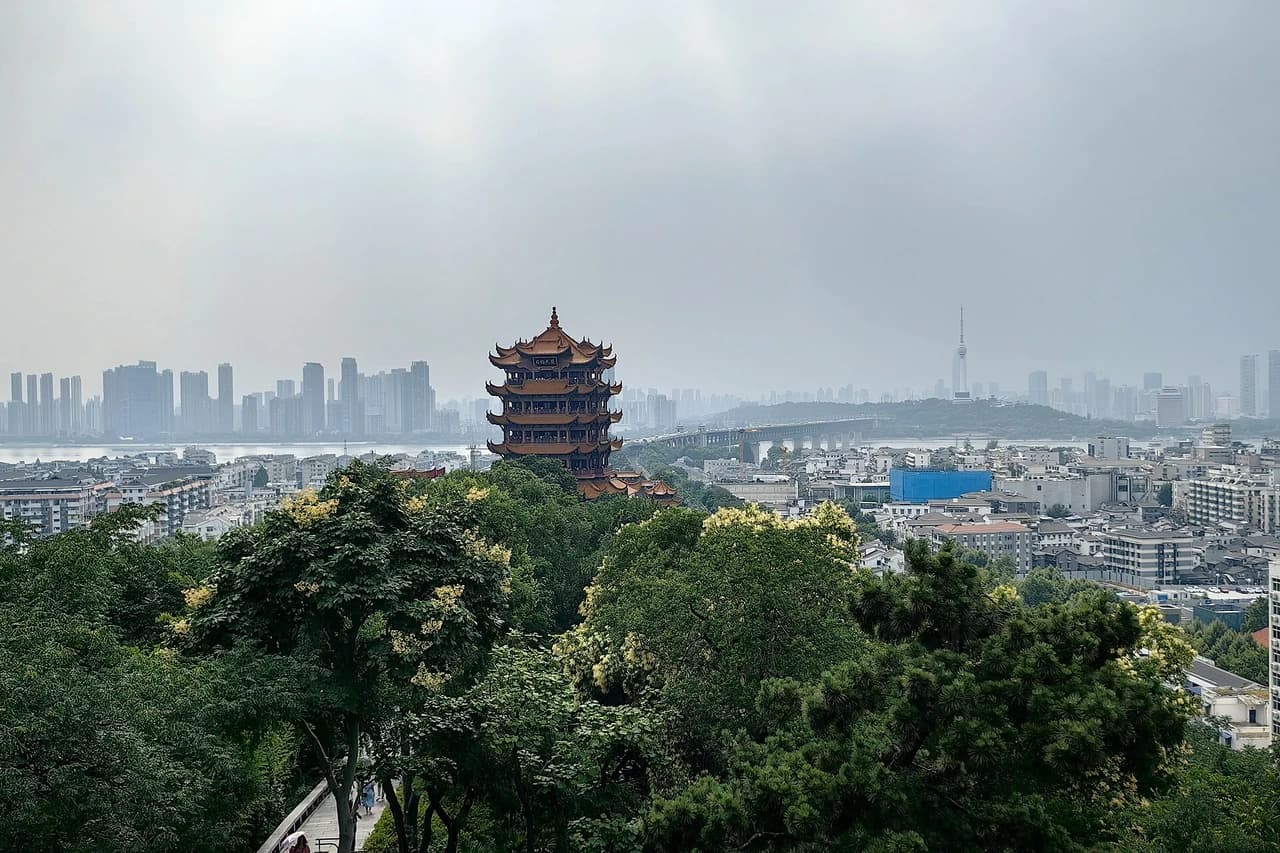 Central China武汉
Wuhan
· 2–3 days
Wuhan is the crossroads of China: every train passes through, and the river that made it is still the point. Come for the breakfast culture, the old concessions of Hankou, the East Lake greenway, and the ferry across the Yangtze at dusk.
 Central China长沙
Changsha
· 2–2 days
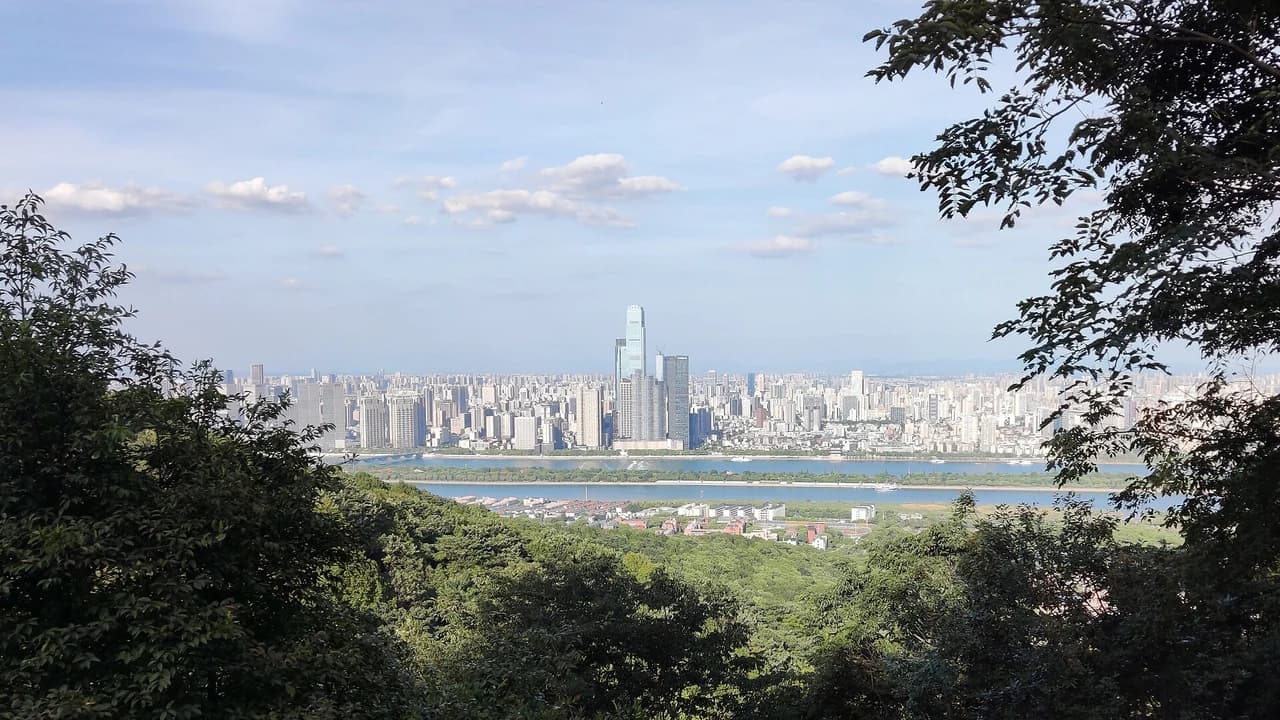
Changsha is Hunan's capital and its kitchen: chillies, stinky tofu, crayfish and milk tea, eaten late. By day there is a museum with a 2,100-year-old woman in it and a wooded mountain across the river with a thousand-year-old academy.
 Northeast China哈尔滨
Harbin
· 2–3 days
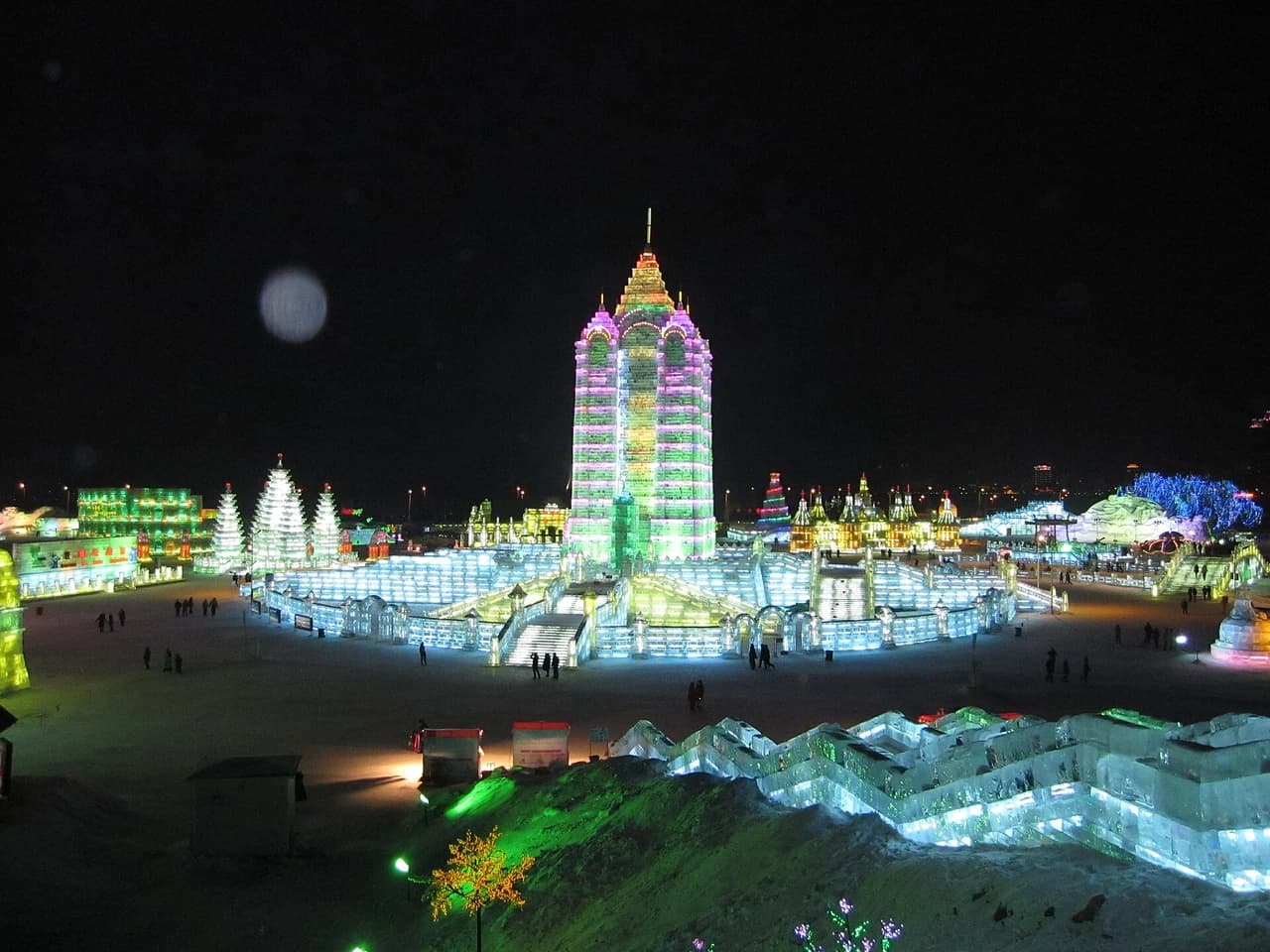
Harbin grew up around a Russian railway and still looks it: onion domes, cobbled Central Street, sausage and black bread. In winter the river freezes and the city builds a town out of ice. Summer is green and mild and nobody comes, which is its own argument.
 South China深圳
Shenzhen
· 2–2 days
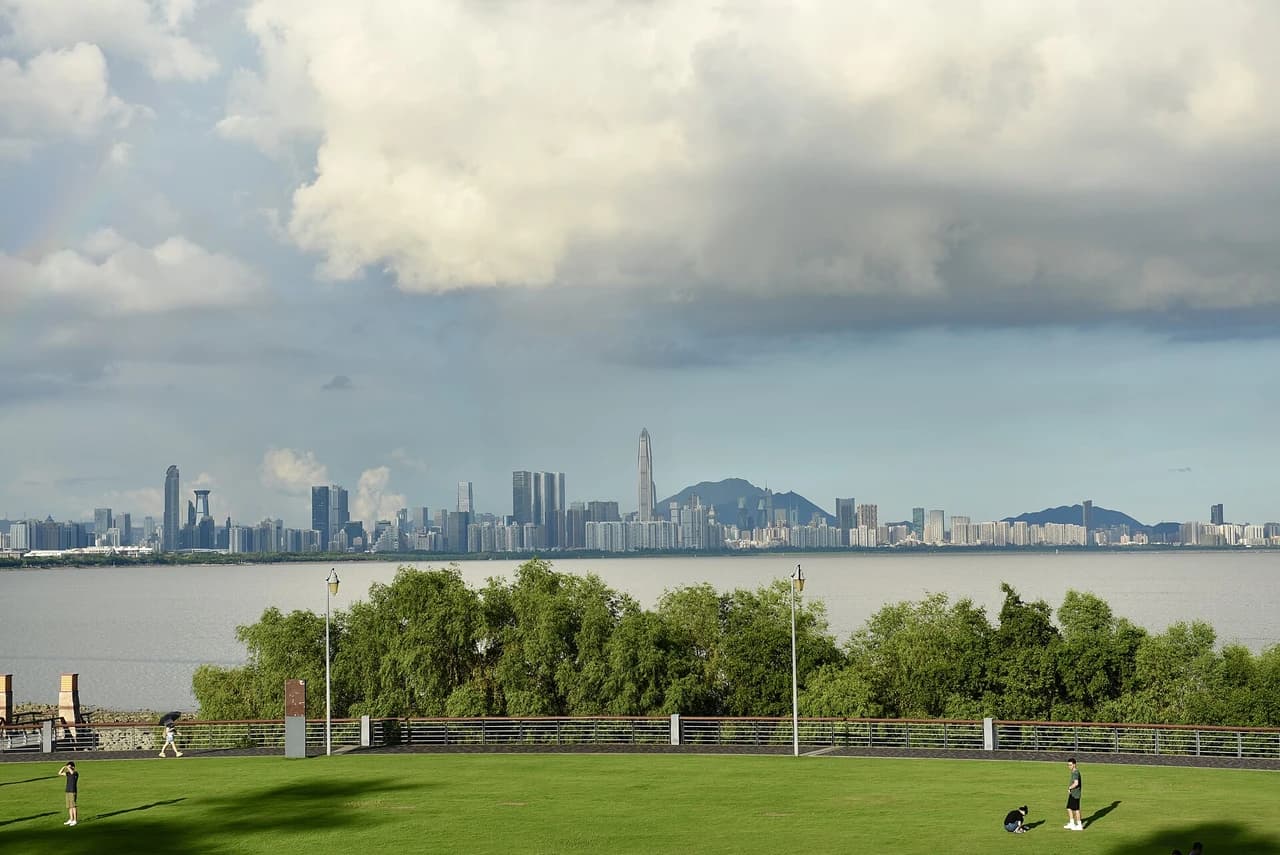
Shenzhen was a county of villages and oyster beds until the zone was drawn in 1980; it now holds eighteen million people, almost none of them born here. Give it two days: one for the coast and the old walled towns the city grew around, one for markets, art and the crossing to Hong Kong.