Month and stay filters use editorial recommendations; other dates may still work for your trip.
17 cities found
PEK · 4–5 days
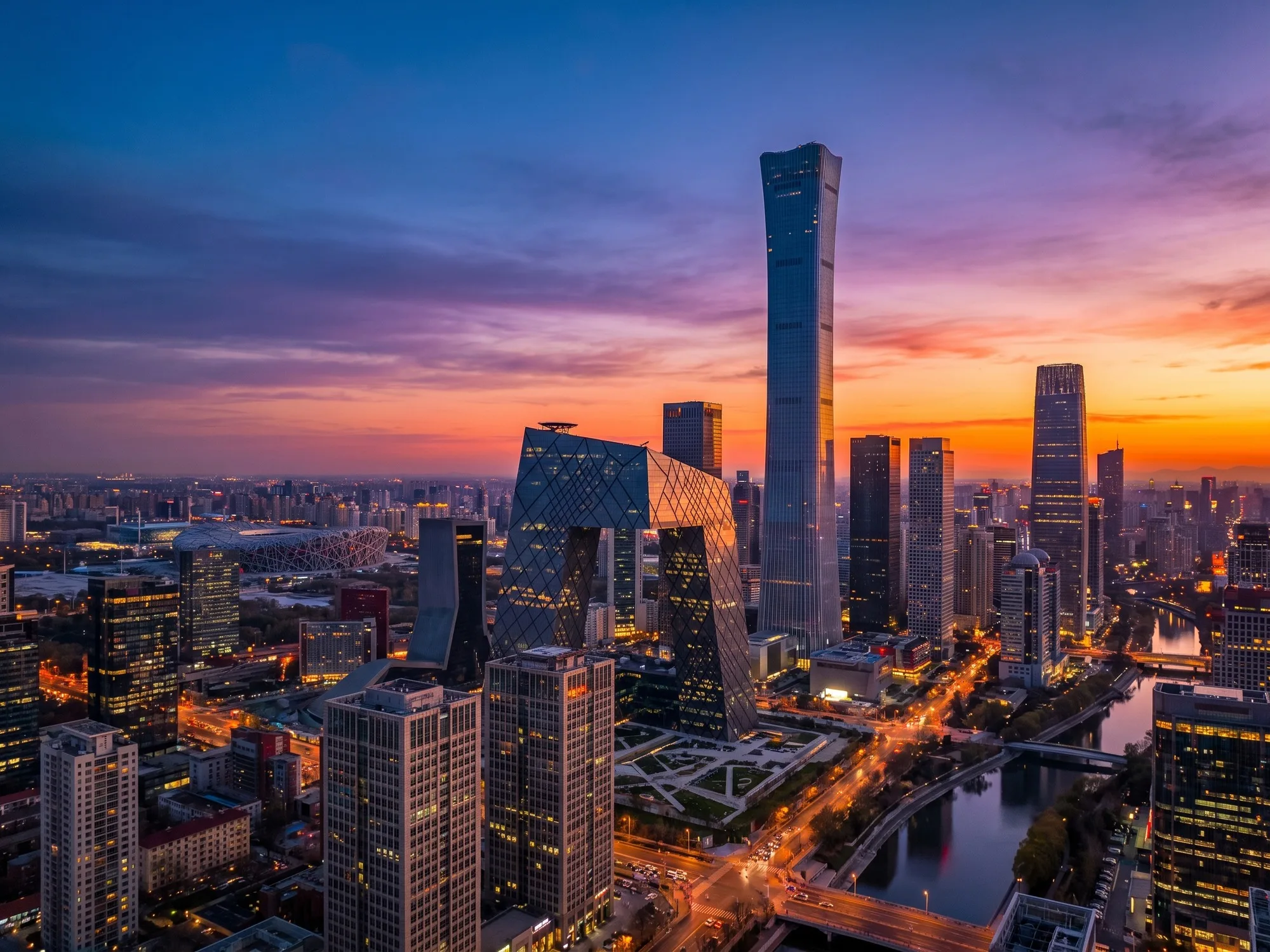
北京
The imperial city’s landmarks, still-smoking alleys and sumptuous northern cuisine make it a perfect place to take your time to explore between classic attractions.
TFU · 3–4 days
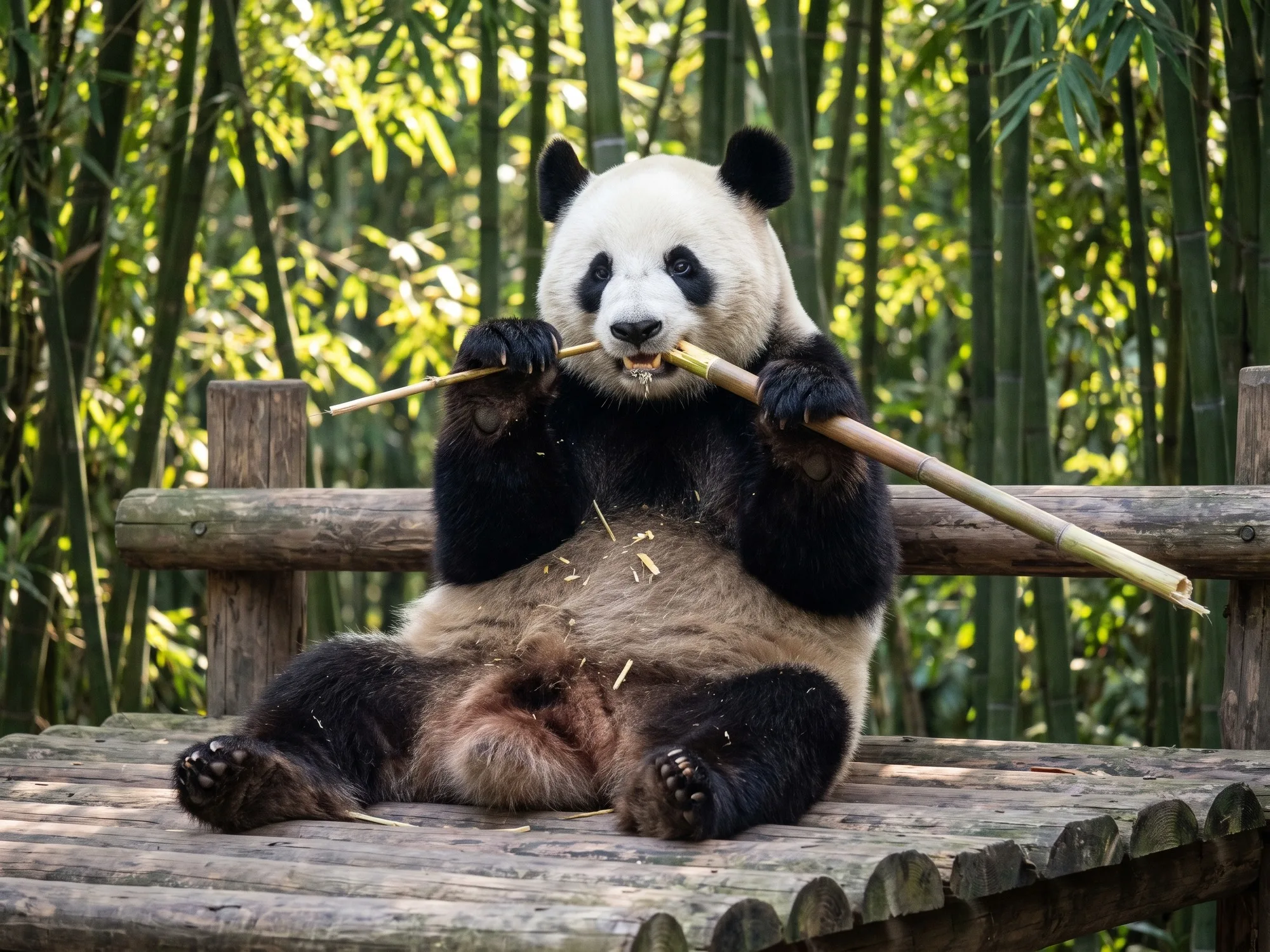
成都
Teahouses, greenways and rich Sichuan flavors make Chengdu an easy starting point for slowly understanding western China.
· 2–3 days
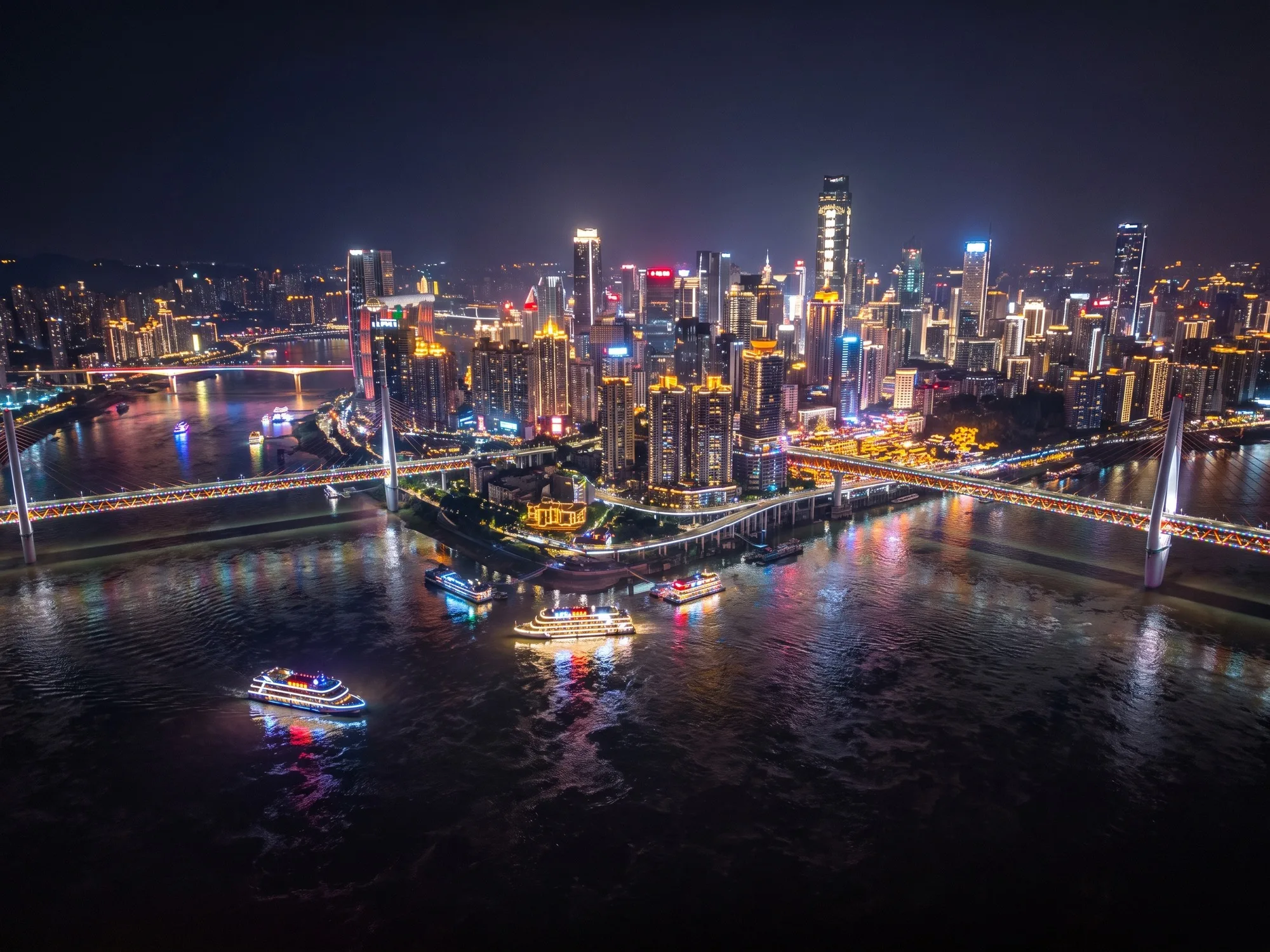
重庆
Steep streets, three-dimensional transportation and night views of the two rivers make traveling in Chongqing itself a part of the travel experience.
PVG · 3–4 days
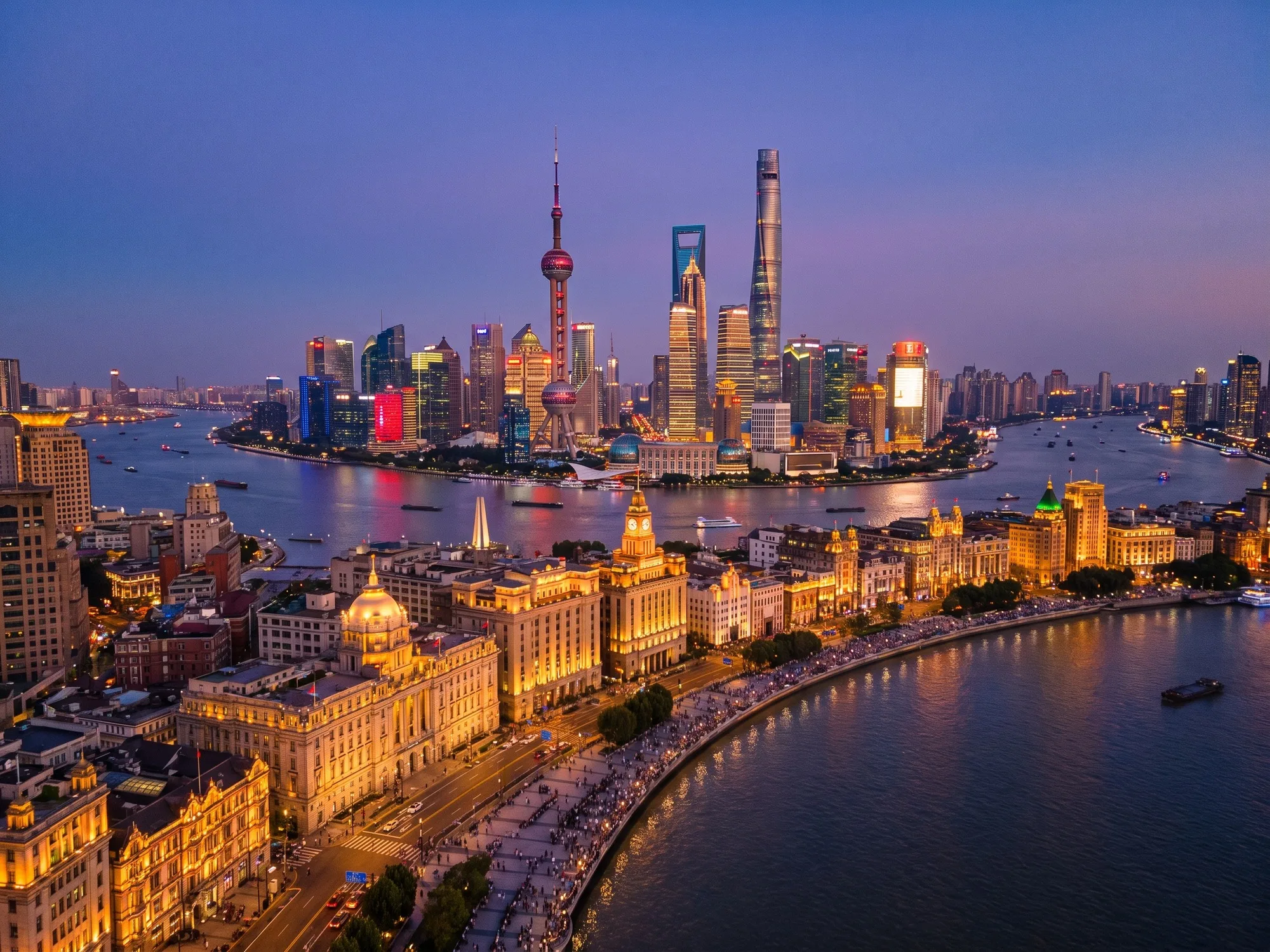
上海
Art Deco neighborhoods, cutting-edge galleries, river views and late-night neighborhood eateries combine to create a city perfect for discovery on foot.
西安
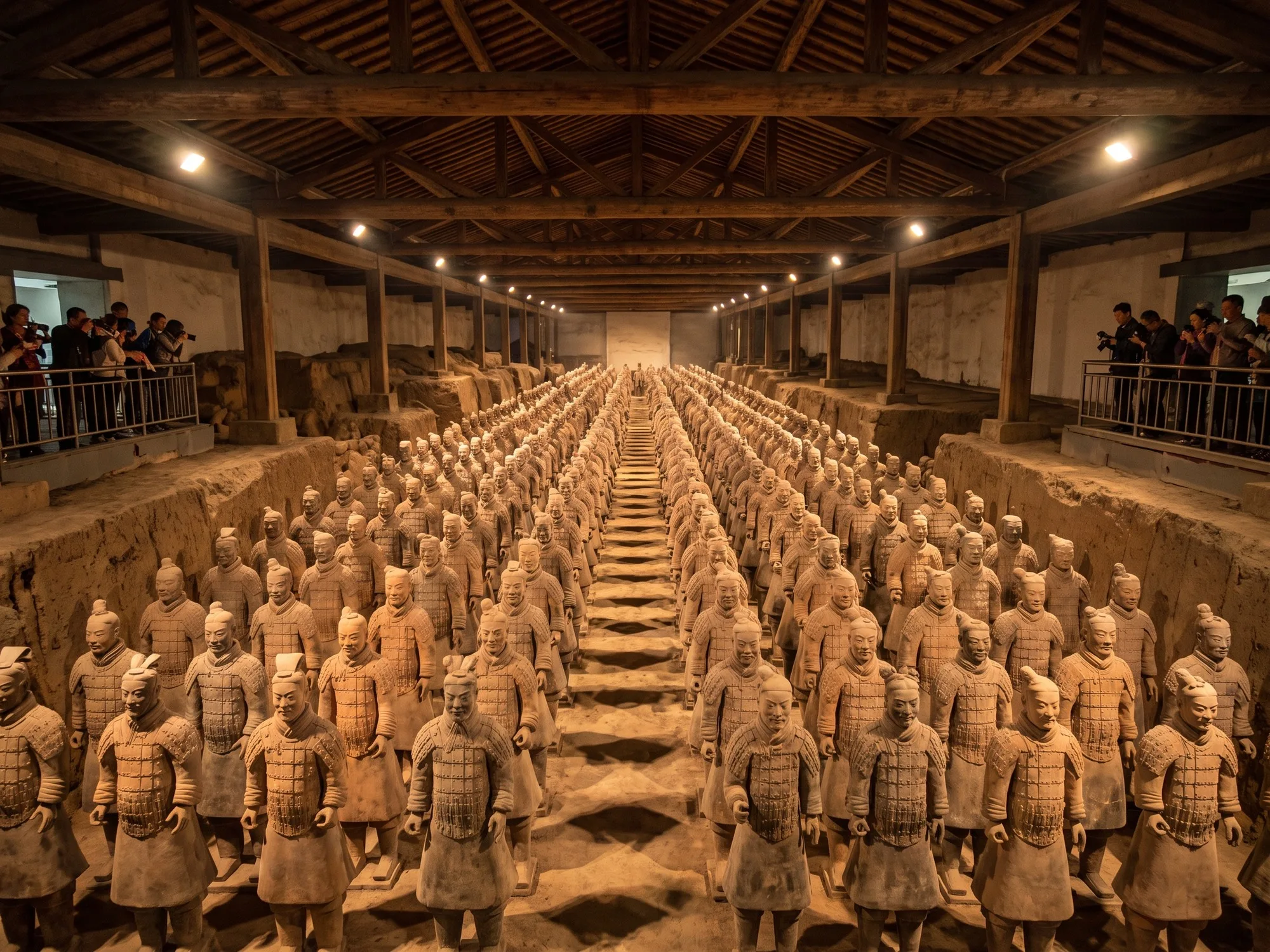
With its dynastic history, bikeable city walls and plentiful street food, Xi'an is much more than a museum trip.
广州
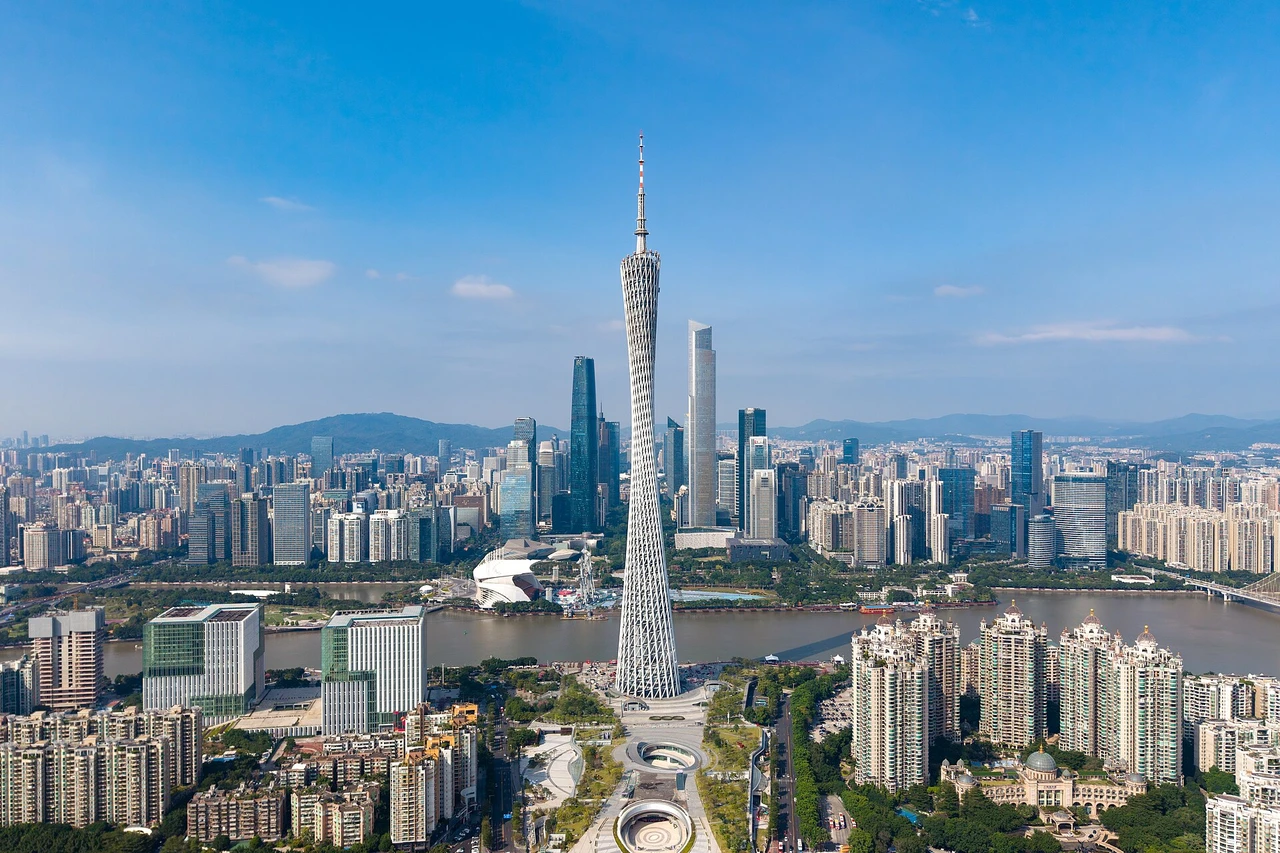
Guangzhou is a Pearl River trading city with more than 2,000 years of maritime exchange history coexisting with high-density modern urban areas. Lingnan ancestral halls, archaeological sites, arcades, markets, gardens and Cantonese cuisine culture are suitable for in-depth exploration by area. With high humidity and cross-city travel time consuming, it’s often more reasonable to focus on one or two areas each day rather than chasing a list of landmarks.
· 2–2 days
昆明
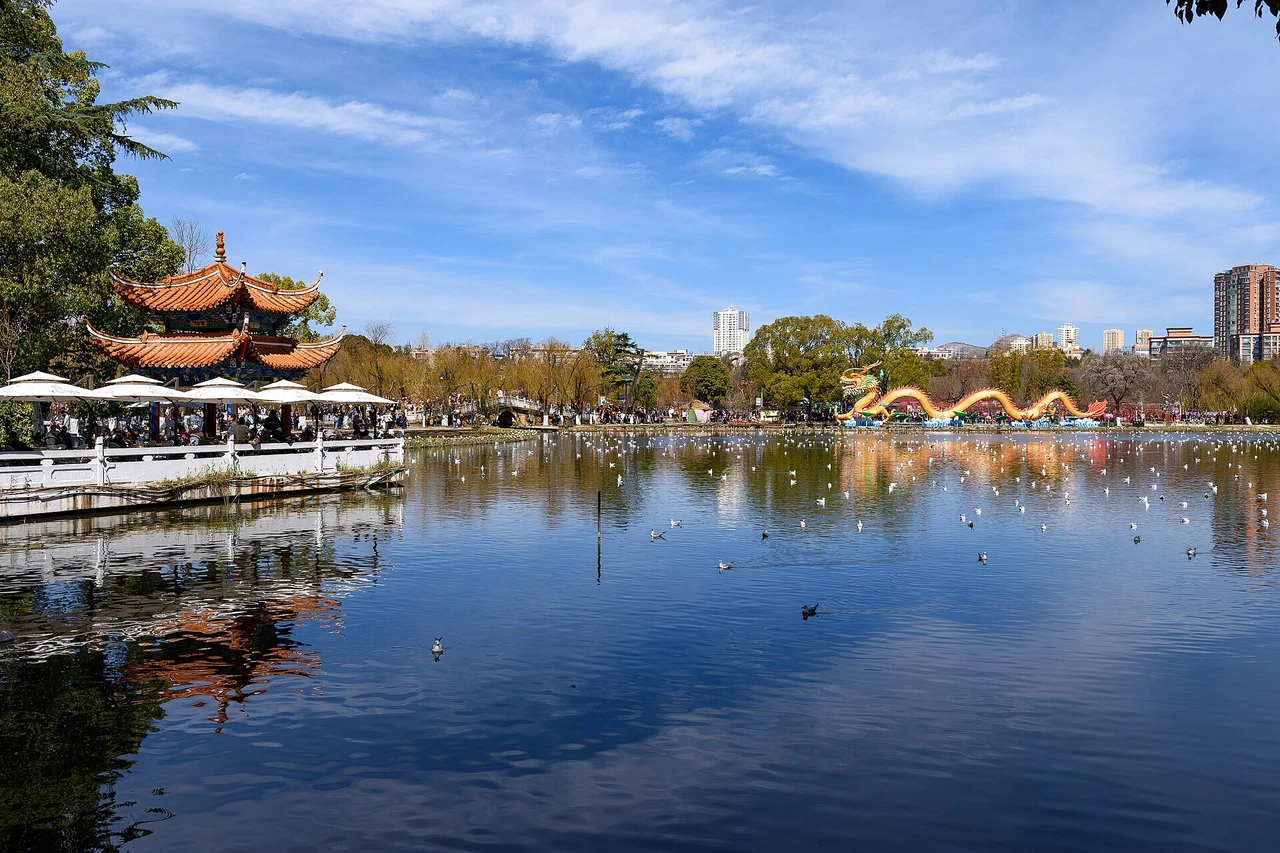
Kunming is a plateau provincial capital where Dianchi Lake, limestone landscapes, flower and food markets, museums and Yunnan's multi-ethnic culture meet in a rapidly developing transportation hub. It’s not just a transit point: you can spend a day understanding the city’s lakes and the history of the province, and then choose a key suburb, rather than mistaking the entire central Yunnan for close-up attractions.
青岛
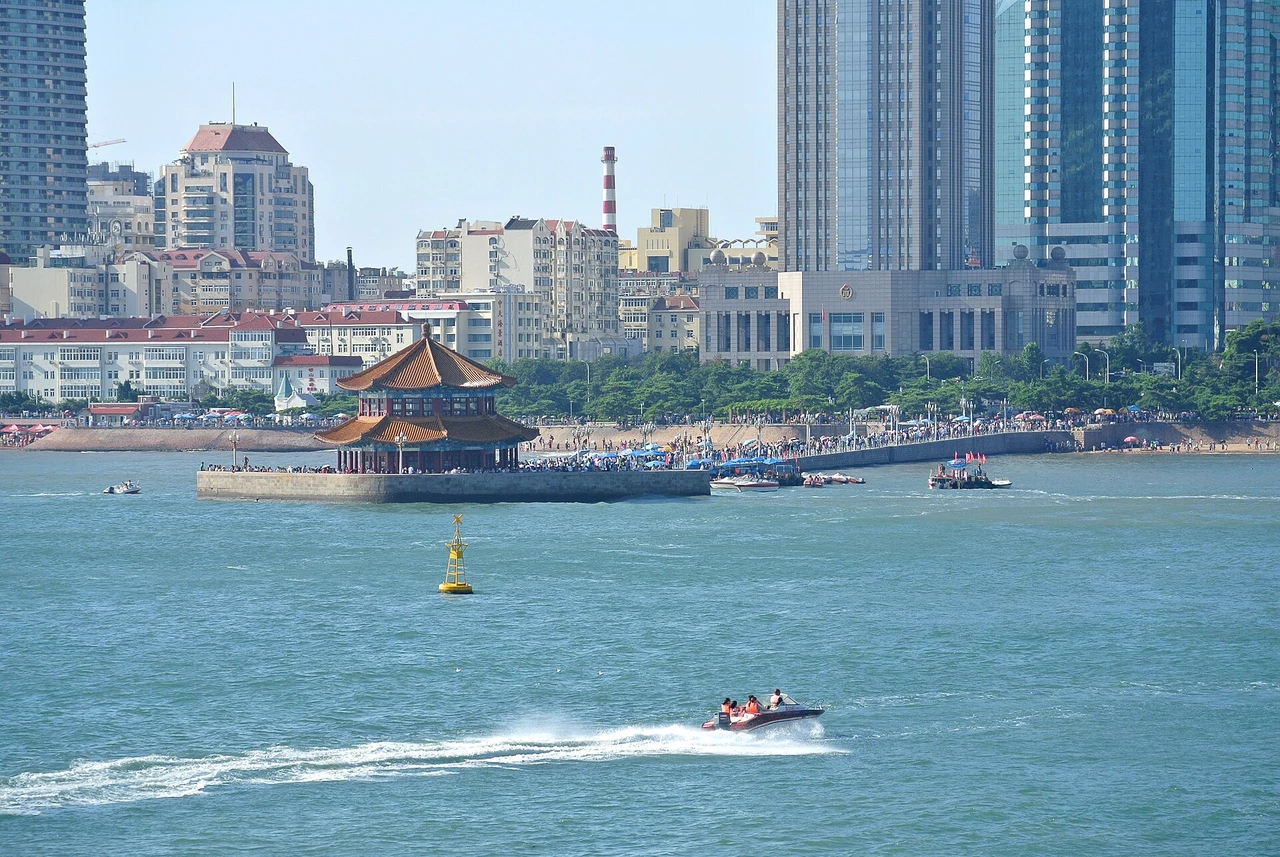
Qingdao is a hilly port city with rocky Yellow Sea shores, fishing traditions, modern architecture and modern marine industries adjacent to each other. The old town is suitable for walking but the slope is obvious, while Laoshan and the outer coast require a full-day schedule. The waterfront should be understood as a functioning maritime urban space, rather than as a strip of beach, beer, and historic buildings compressed into a resort strip.
武汉
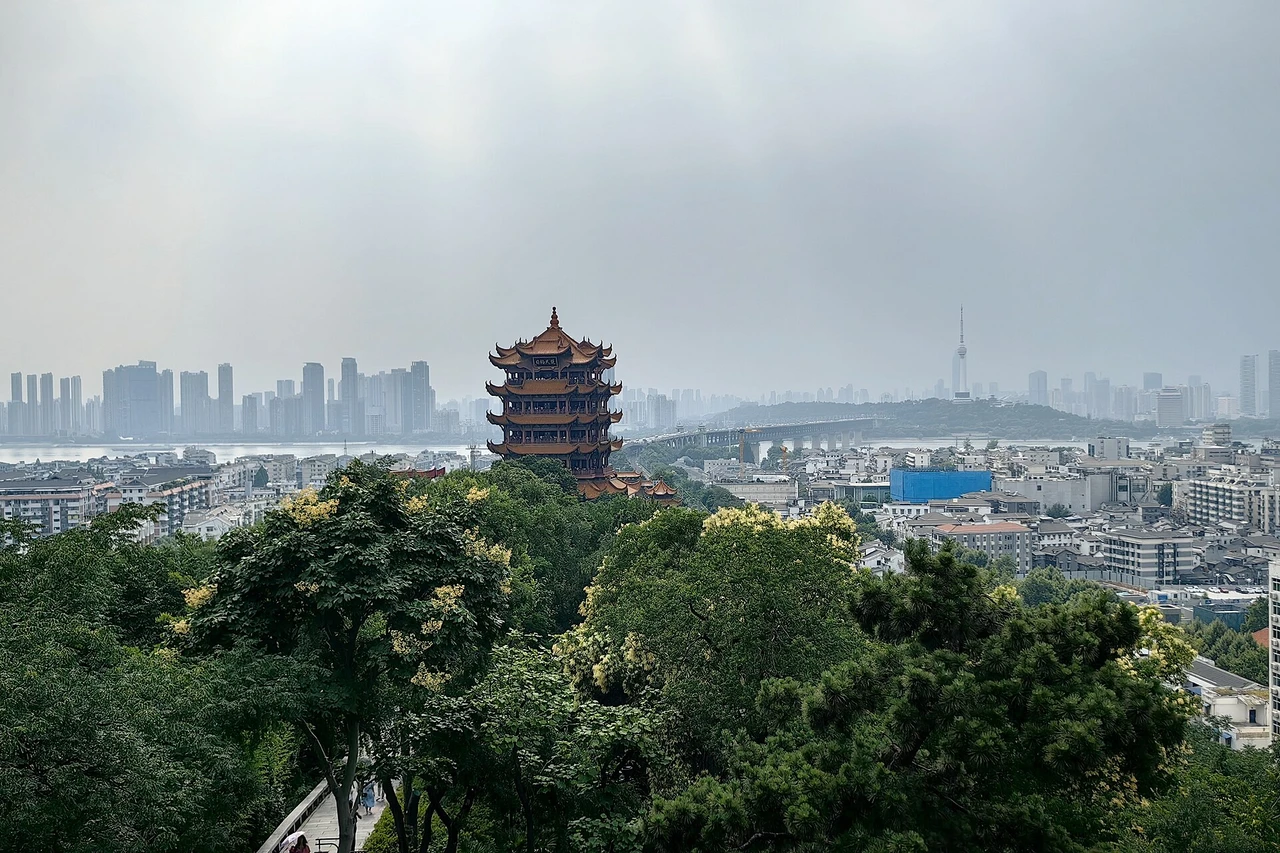
Wuhan developed from the three towns of Wuchang, Hankou, and Hanyang at the intersection of the Yangtze River and the Han River. Ferries, bridges, opening blocks, universities, museums, and the vast East Lake jointly make the water system the core of the urban structure. The itinerary should be arranged according to river banks and areas, because places that appear to be very close across the water may require longer bridges or subway transfers.
长沙
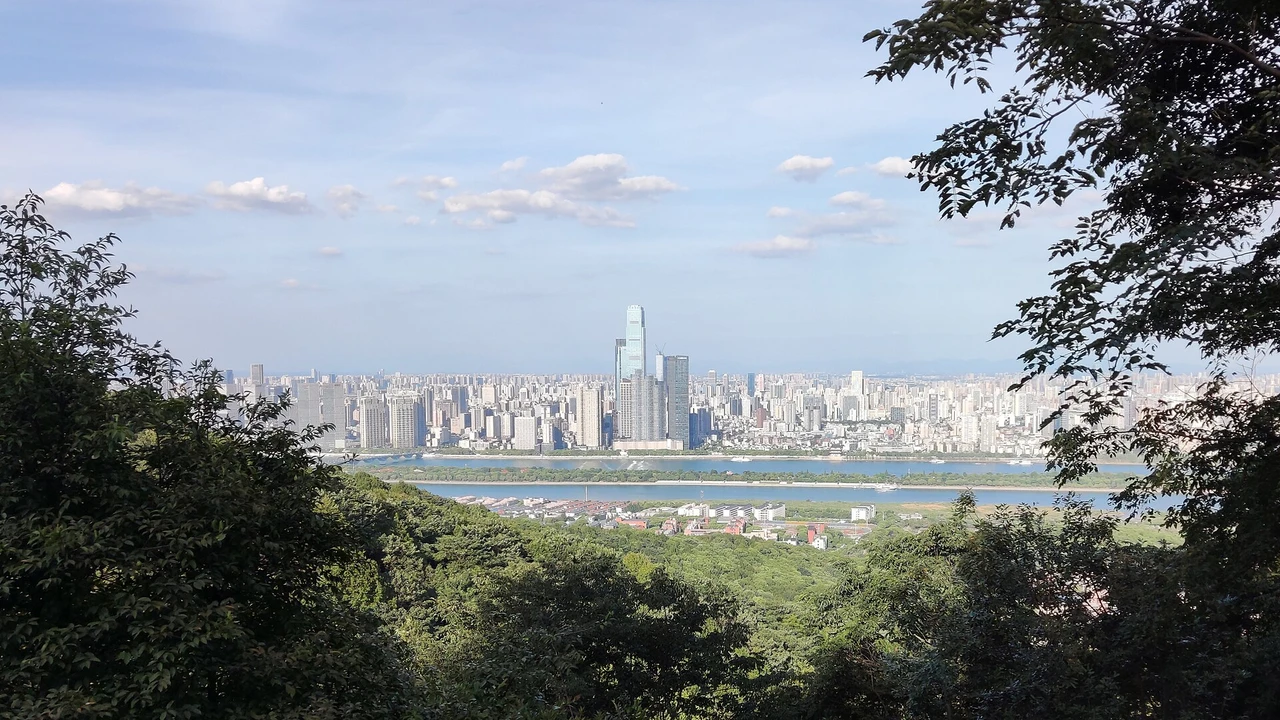
Changsha is a vibrant Xiangjiang city where archeology, millennium academies, modern history, media culture and nighttime food economy overlap. The Xiangjiang River separates the main areas, but the subway connection is convenient; museums, Yuelu Mountain woodlands and community early mornings should be arranged outside the busy commercial core to avoid only seeing high-volume nightlife images.
泉州
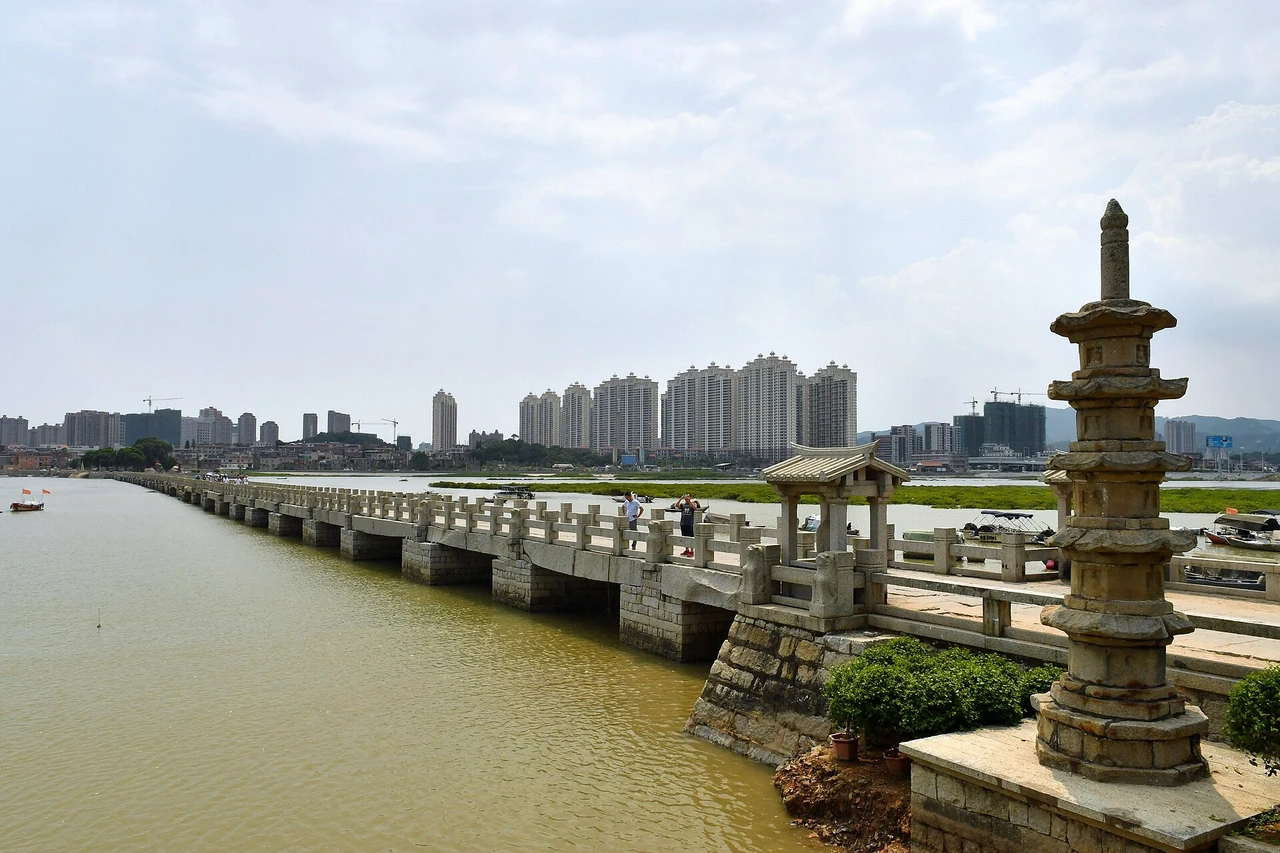
To understand Quanzhou, one should not just view it as a group of isolated monuments, but should see a set of interconnected maritime trade systems. Management institutions, docks, bridges, kilns and warehouses during the Song and Yuan Dynasties supported the international port, and Buddhism, Islam, Hinduism and folk belief groups also left visible marks. The ancient city is still a living space, suitable for walking slowly and respecting the local daily order.
哈尔滨
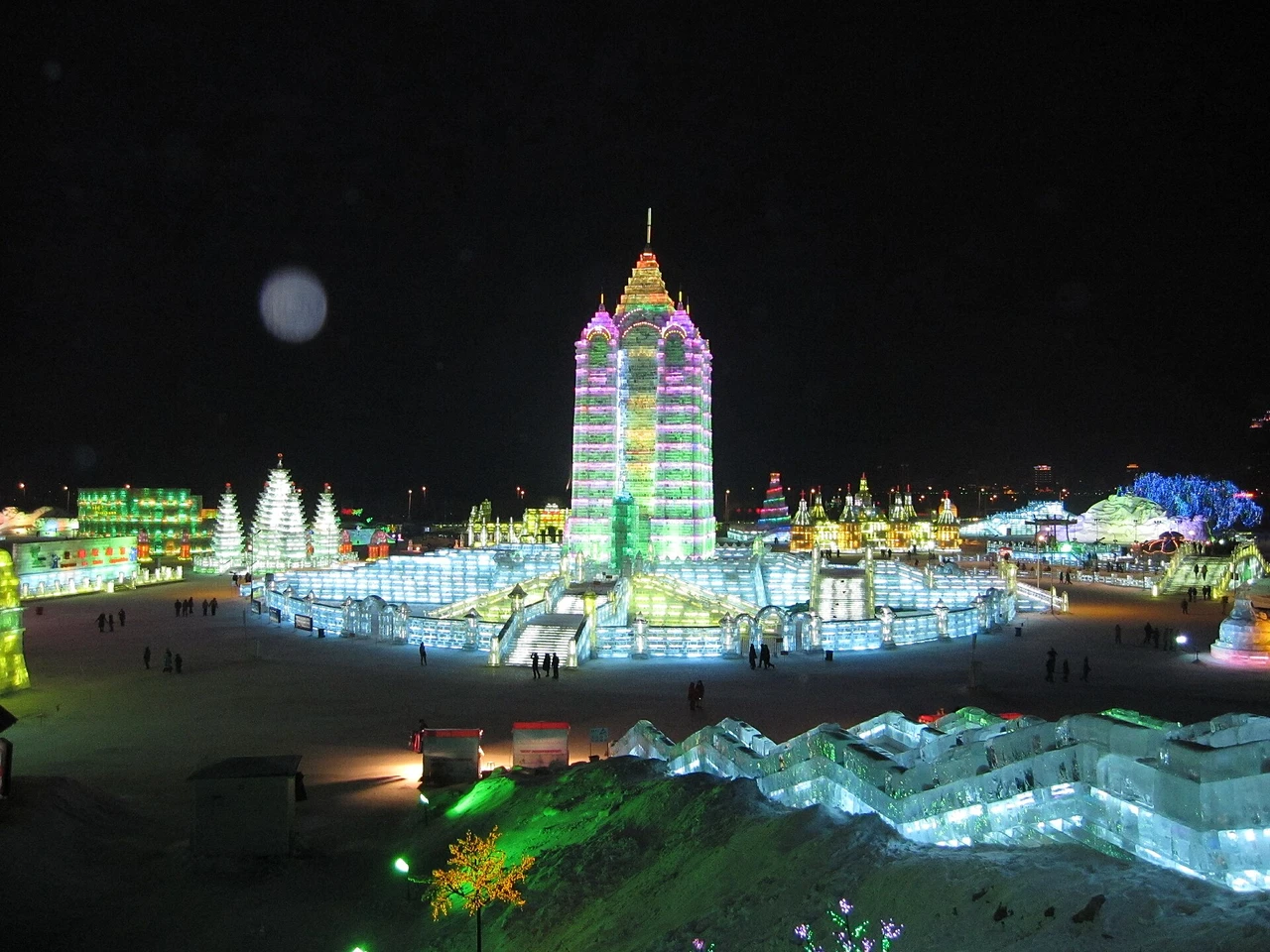
Harbin developed on railroads, immigration, and Northeast Asian trade, and Orthodox churches, commercial and industrial buildings coexisted with distinctive Chinese urban life. While the snow and ice architecture in winter is spectacular but seasonal, the museums, riverfront landscape and 20th-century history are important year-round. The city spans a large area, especially the 731 Site, which is far from the center. The itinerary should be organized according to areas, rather than treating all scenic spots as city center points.
· 1–2 days
兰州
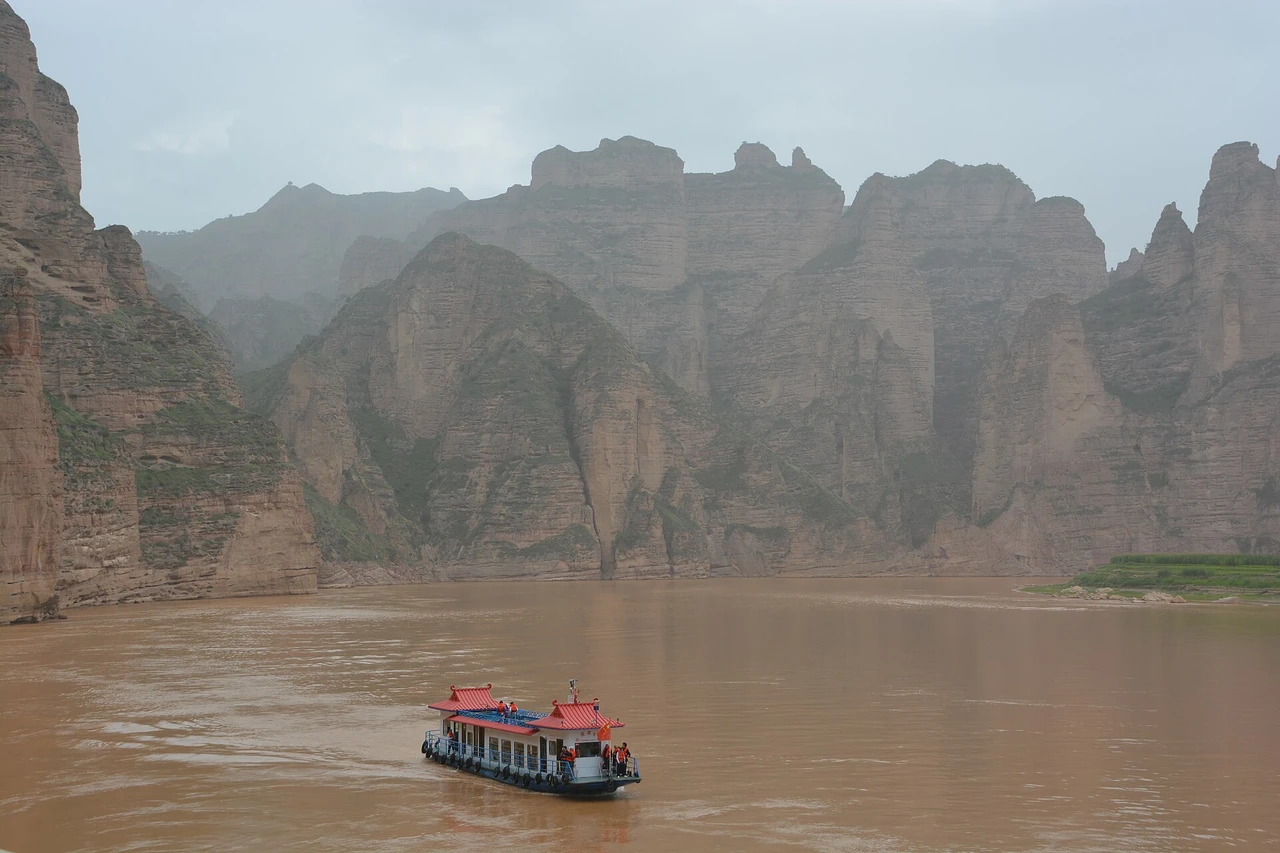
Lanzhou is a city sandwiched between dry mountains that stretches along a narrow strip of the Yellow River, and its bridges, irrigation technology, and riverside public spaces illustrate how urban life depends on this water corridor. The Provincial Museum and the Slip Museum connect the city to prehistoric painted pottery, Silk Road transportation and frontier fortress administration. Lanzhou is not just a transportation transfer station. Itineraries should be organized along the Yellow River and Metro Line 1 to adapt to its long and narrow geography.
开封
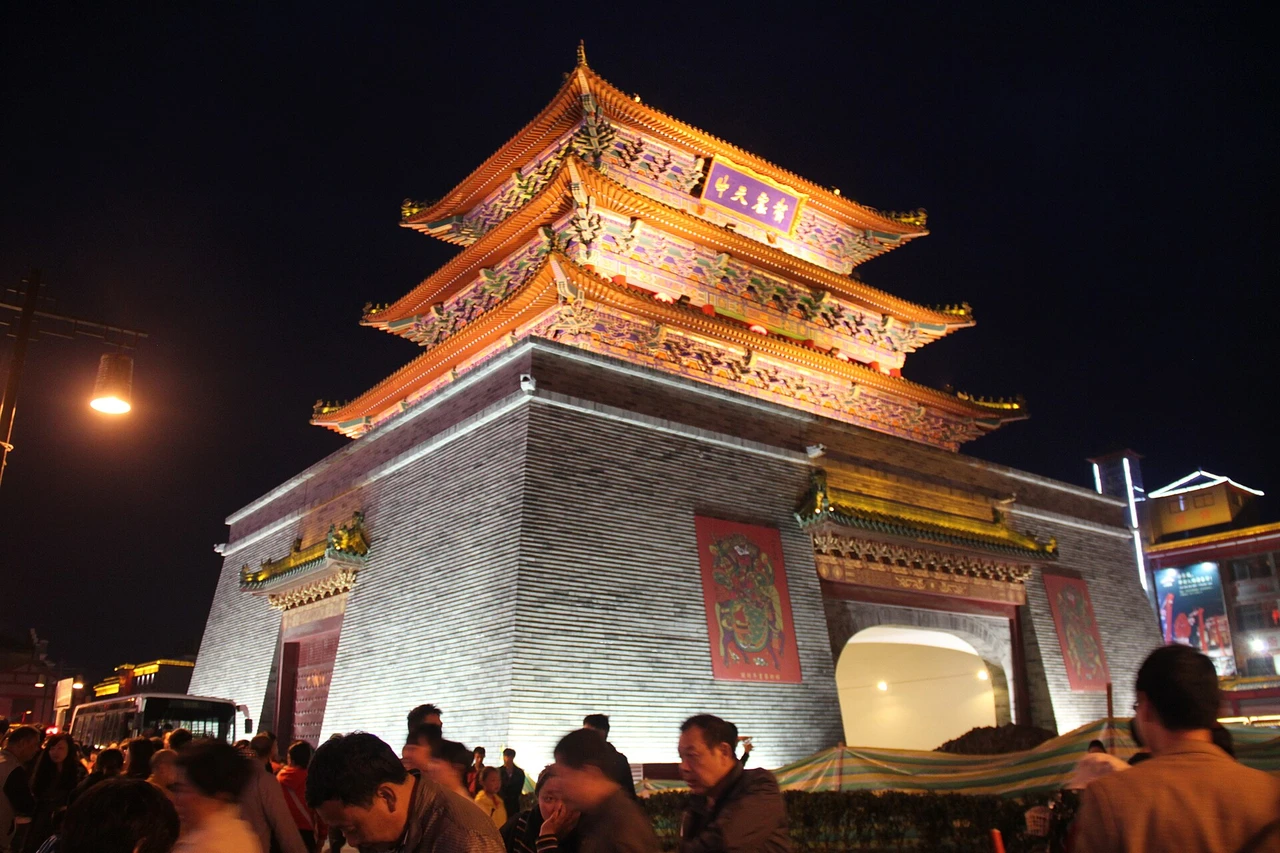
Kaifeng was once the capital of the Northern Song Dynasty, but repeated Yellow River floods, wars, and reconstructions left that metropolis largely archaeologically layered beneath later cities. Museums, evidence of city stacks, ancient pagodas, guild halls, and Ming and Qing city walls can provide better historical anchors than simple modern Song-style landscapes. The central city is more walkable, but the monuments visible everywhere belong to different eras.
绍兴
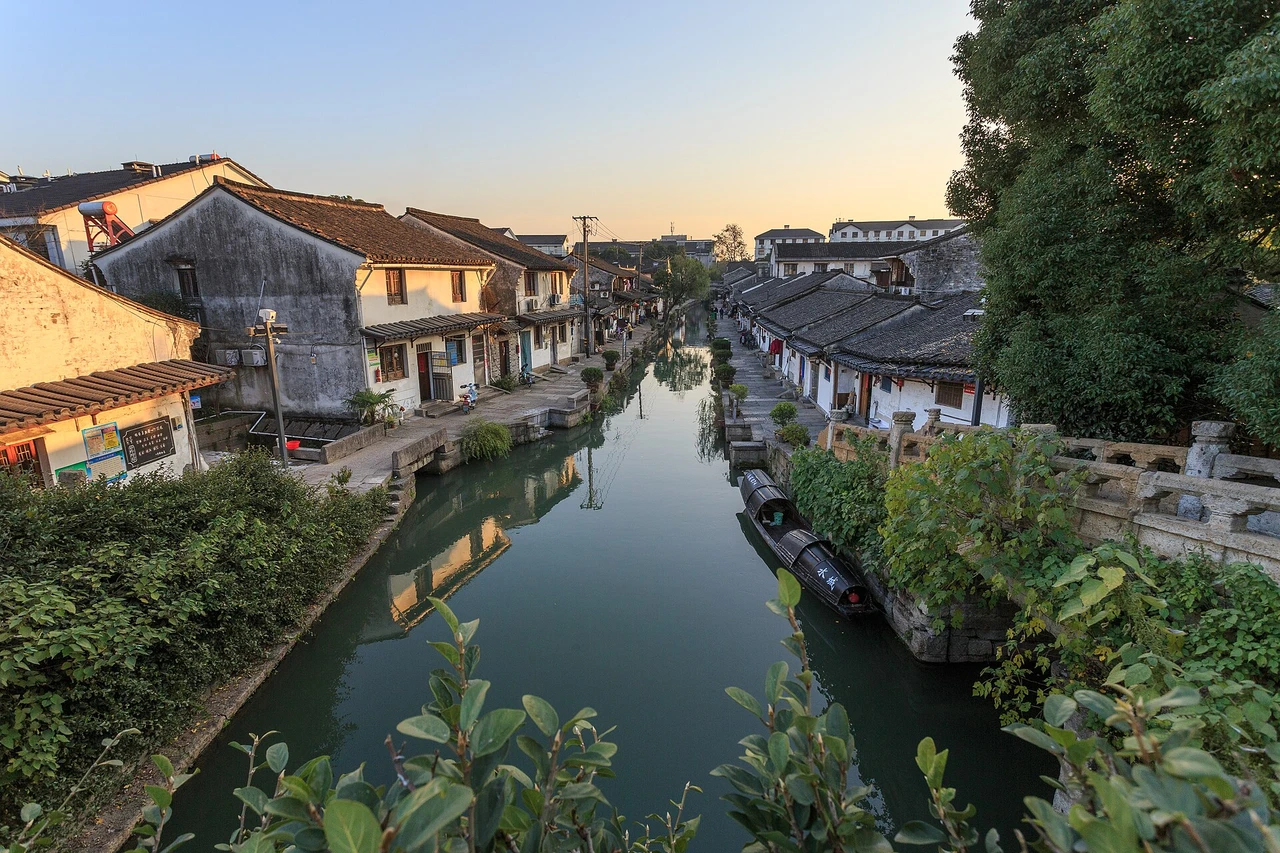
Shaoxing is a canal city where Vietnamese archeology, calligraphy, classical gardens, modern literature and rice wine culture are still embedded in the living neighborhoods. The famous former residences and landscapes span completely different eras, from the legend of Dayu, Wang Xizhi's calligraphy to Lu Xun's 20th century world. The ancient city is suitable for slow travel, but peripheral points such as Lanting require the use of transportation.
贵阳
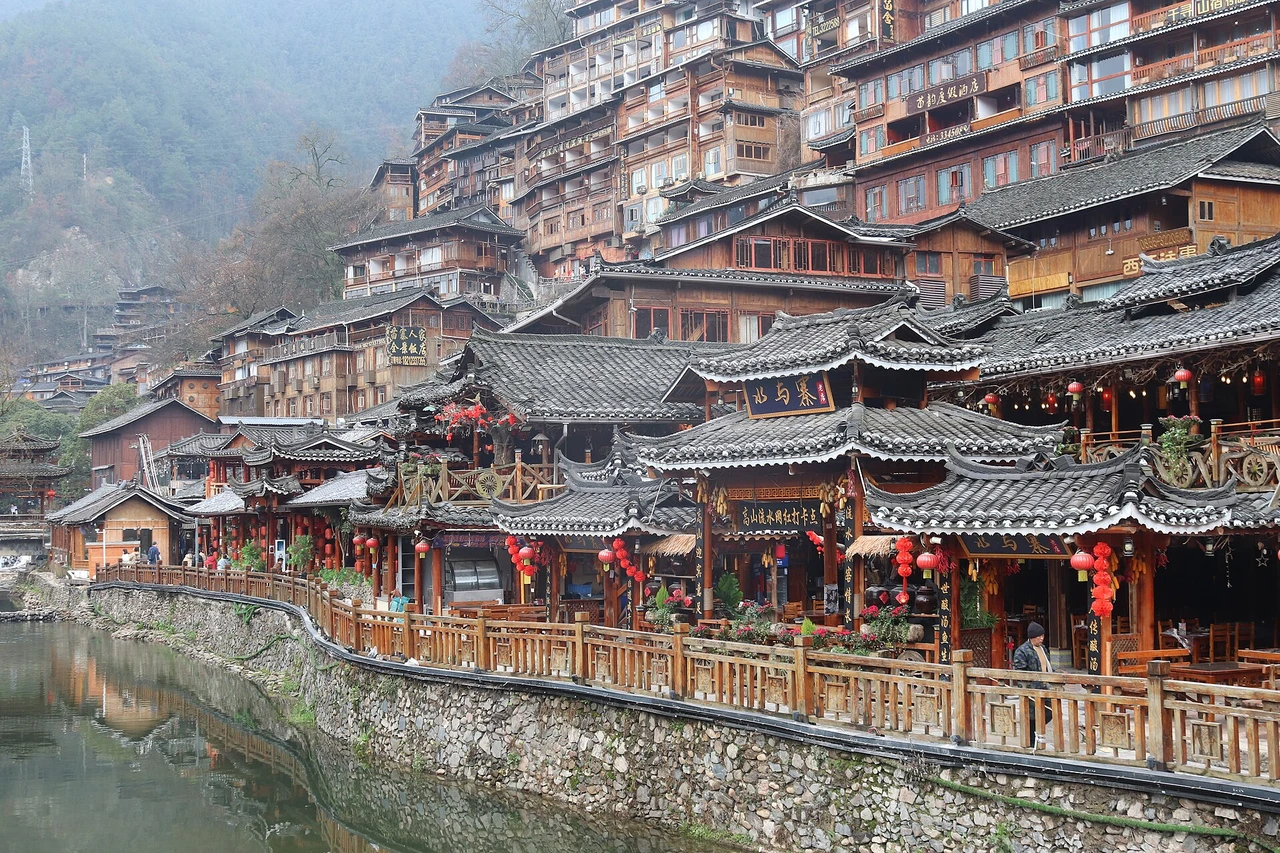
Guiyang is a cool, mountainous provincial capital with a close proximity to forested ridges, karst water systems, Ming Dynasty landmarks and vibrant Guizhou culinary traditions. It is not only a transportation base for traveling to various places in Guizhou, but it is also worth a separate stop: the urban area is suitable for visiting museums and riverside monuments, while Qingyan or Tianhetan require half a day each.
西宁
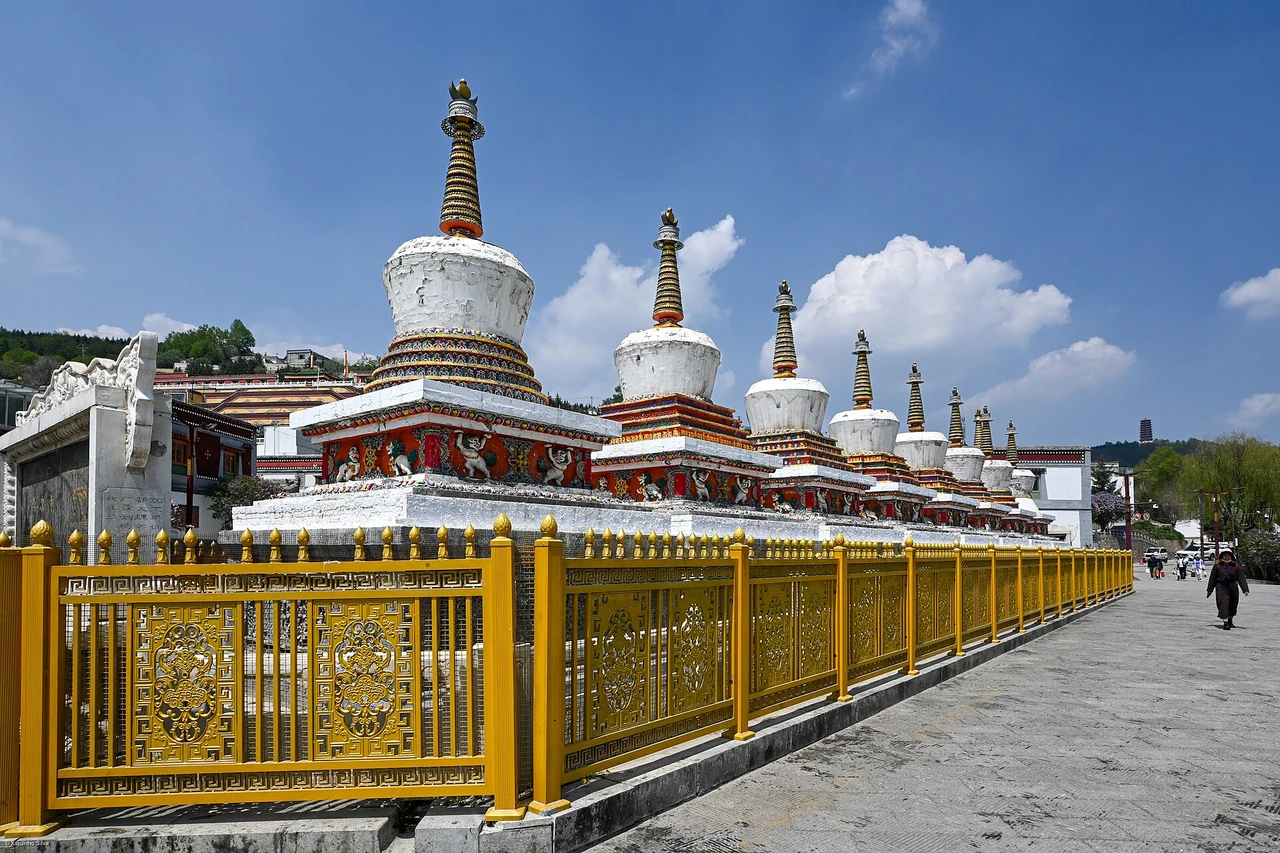
Xining is located in the Huangshui Valley on the northeastern edge of the Tibetan Plateau, where archaeological transportation lines, Tibetan Buddhist academic traditions, Islamic community life, and modern provincial capital institutions intersect. This is not just a gateway to Qinghai Lake; one should first understand the plateau through the museum, maintain respect in the living religious space, and acclimate before heading to higher altitudes.