Month and stay filters use editorial recommendations; other dates may still work for your trip.
14 cities found
PEK · 4–5 days
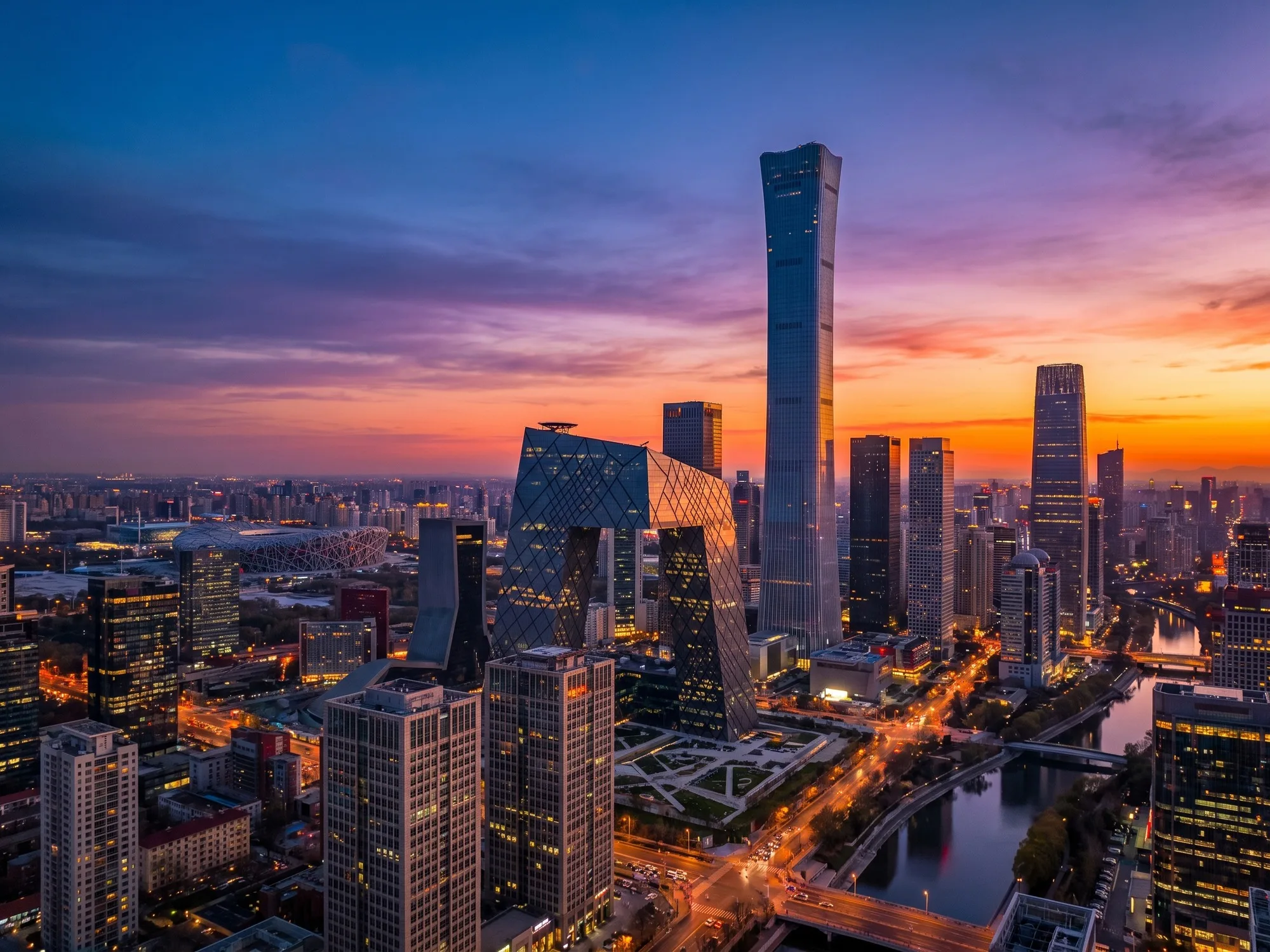
北京
The imperial city’s landmarks, still-smoking alleys and sumptuous northern cuisine make it a perfect place to take your time to explore between classic attractions.
· 2–2 days
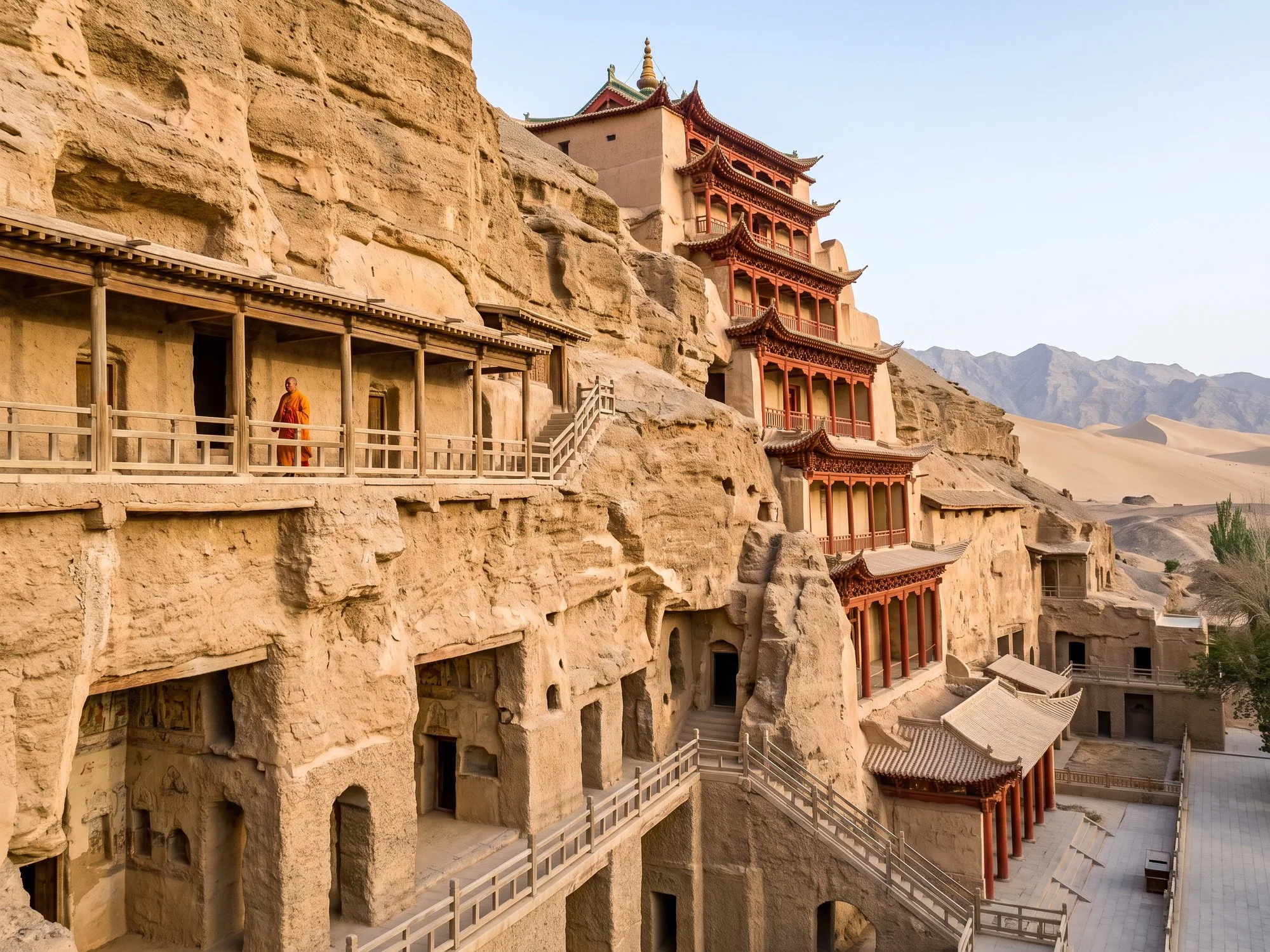
敦煌
Dunhuang is a desert oasis. Buddhist grotto art, Han Dynasty frontier fortress ruins and the still-cultivated oasis landscape jointly present different chapters of the Silk Road. The main attractions are far apart and the reservation systems are independent. A reasonable itinerary should match a cultural site that requires focus with a desert or border route, rather than cramming all landmarks in one day.
· 2–3 days
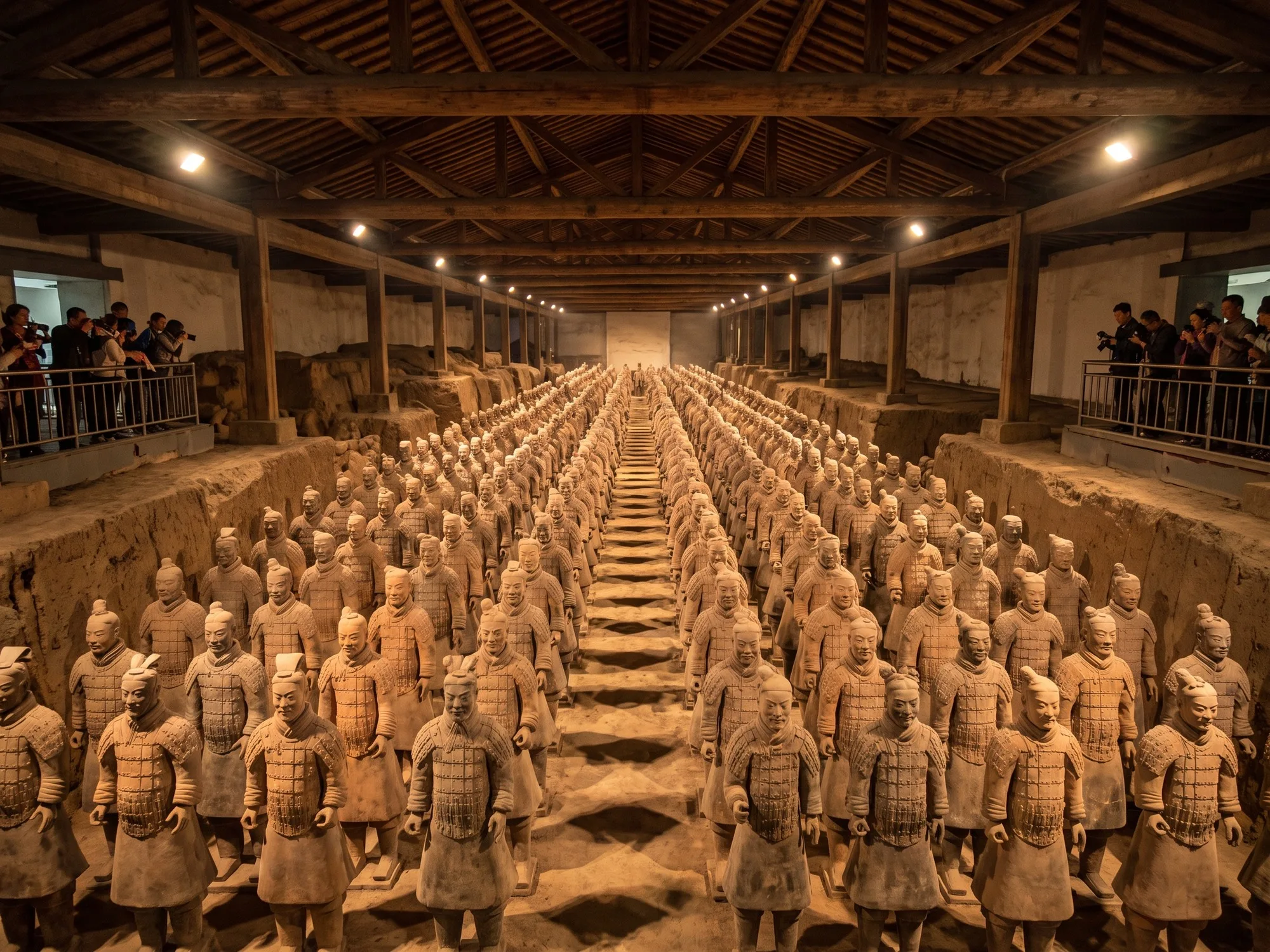
西安
With its dynastic history, bikeable city walls and plentiful street food, Xi'an is much more than a museum trip.
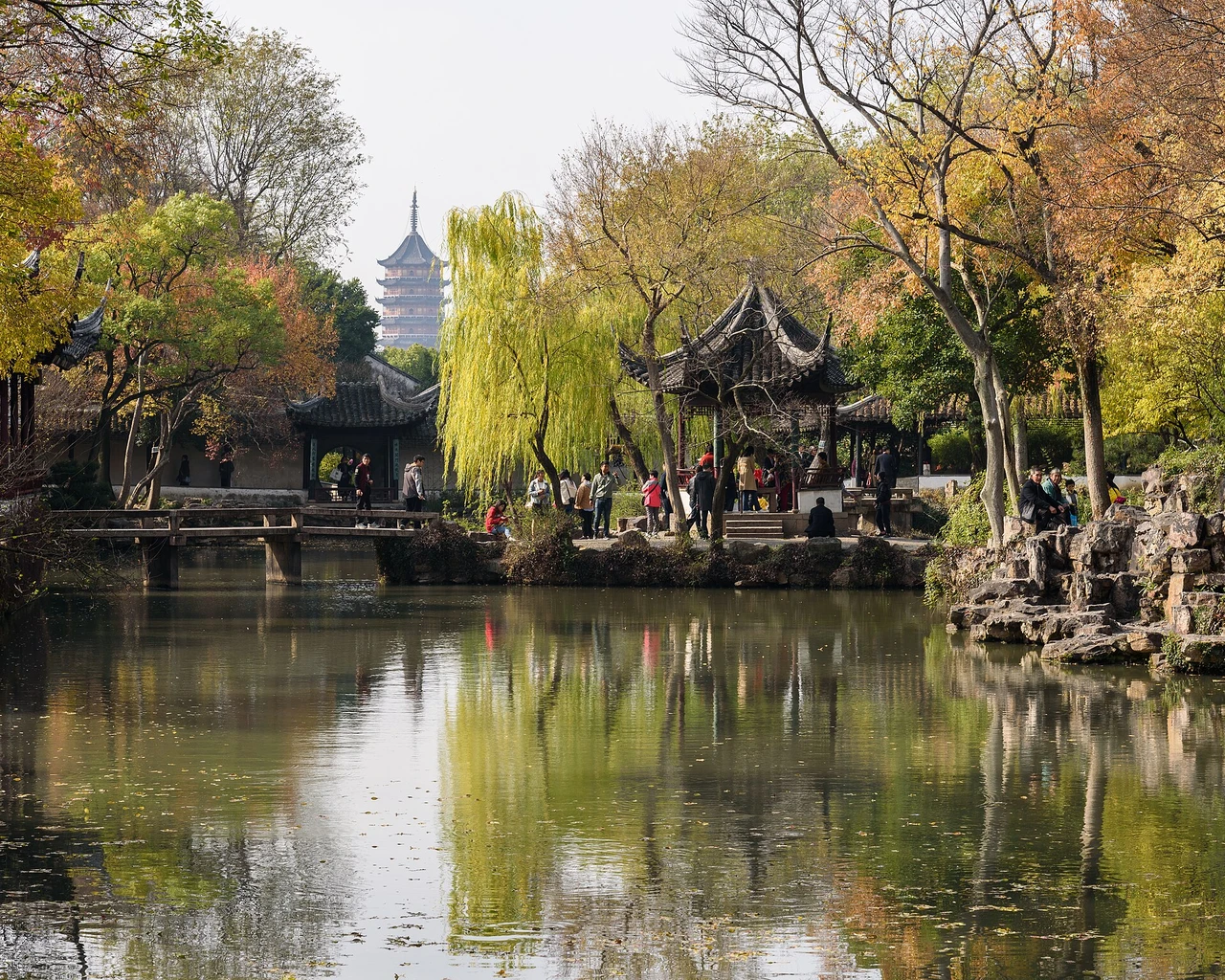
苏州
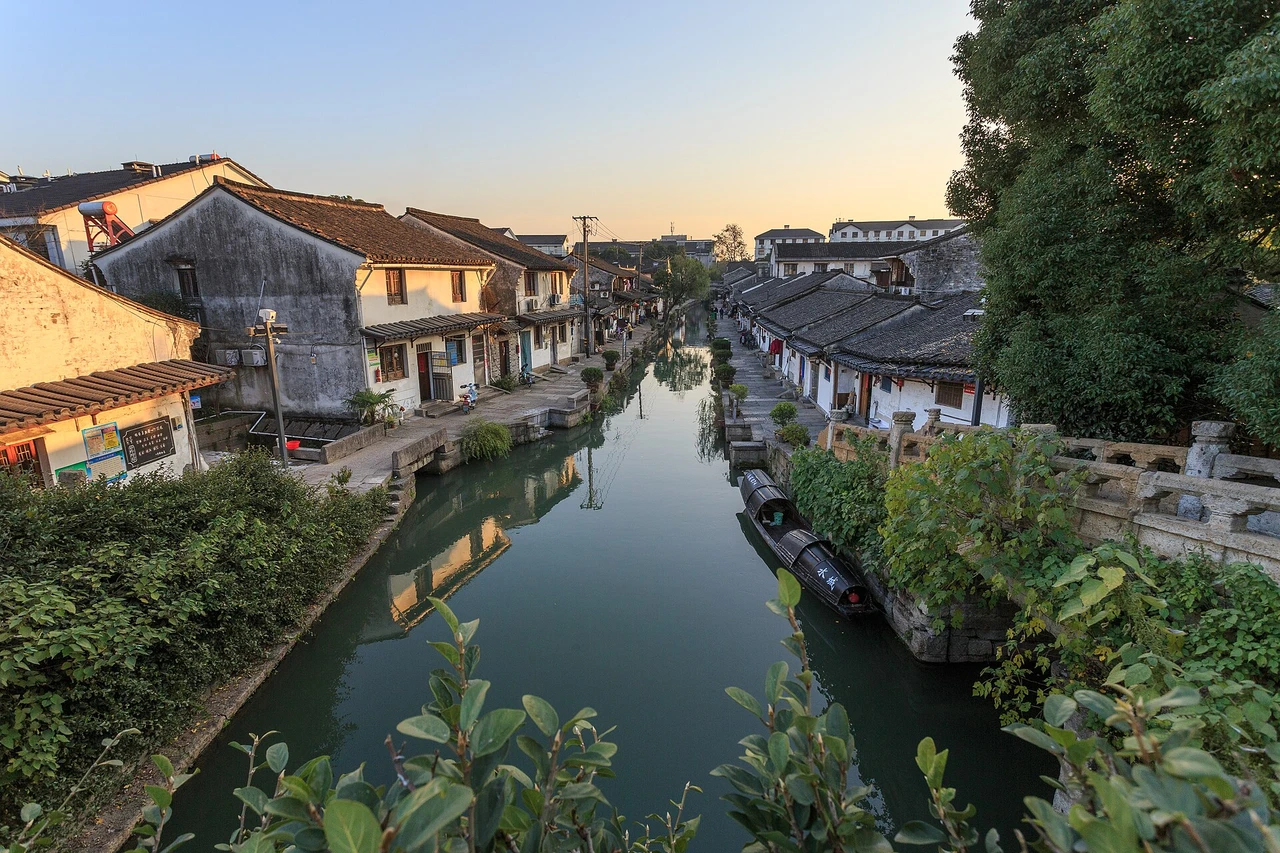
Suzhou is suitable for slowing down and observing: private gardens condense the landscape into a limited space, while canals, bridges, museums and streets where people still live extend the story beyond the pavilions. Staying one night allows you to see the gardens before the day visitors arrive, and you can also experience a quieter community in the evening.
· 1–2 days
平遥
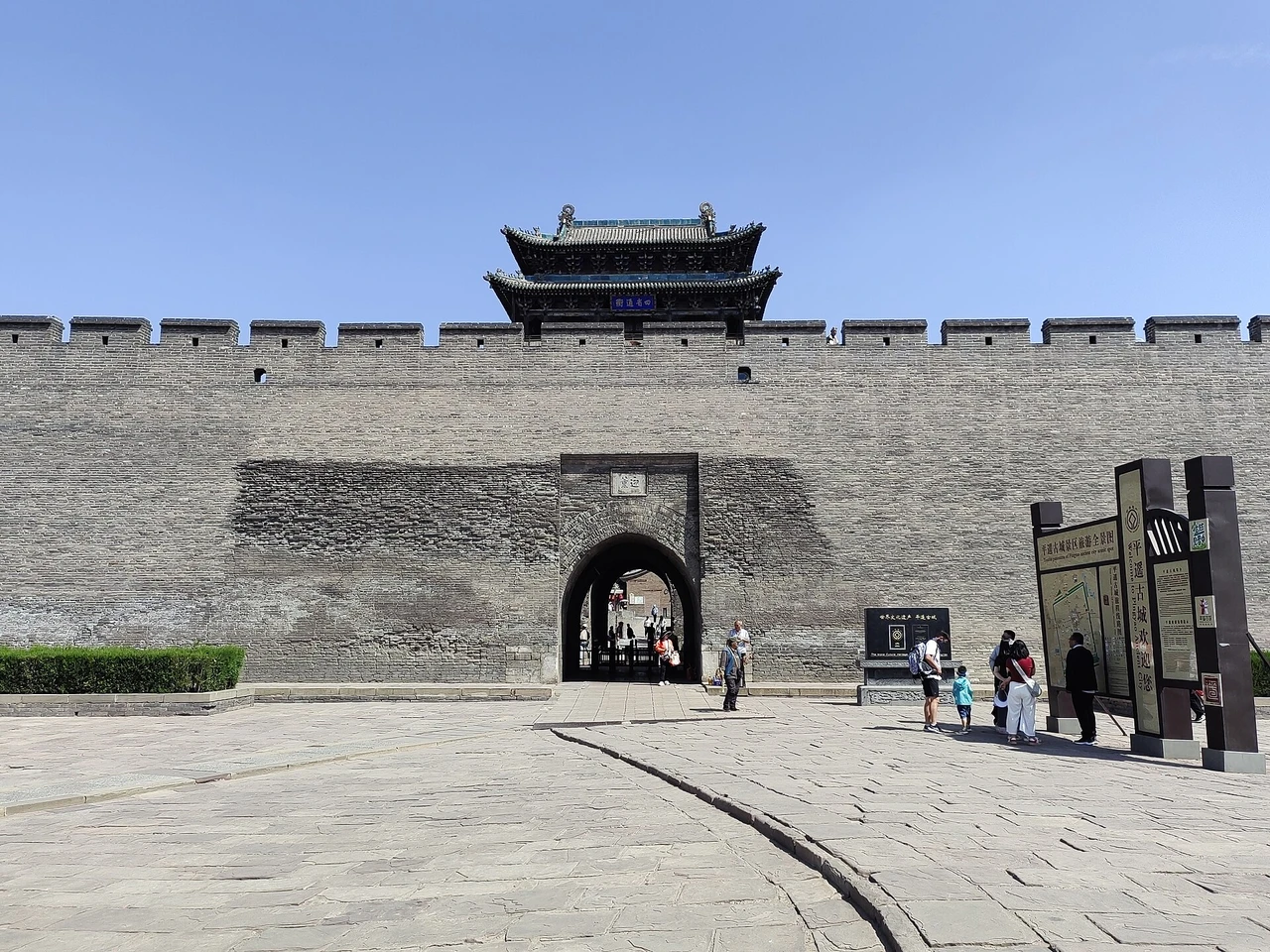
Pingyao is a rare and well-preserved traditional county town. The city walls, streets, courtyard houses, temples and banknotes all retain the ancient Chinese urban structure. The World Heritage Site also includes Shuanglin Temple and Zhenguo Temple outside the city. If conditions permit, you should stay for one night. You can see the still living community outside the popular streets in the early morning and evening.
南京
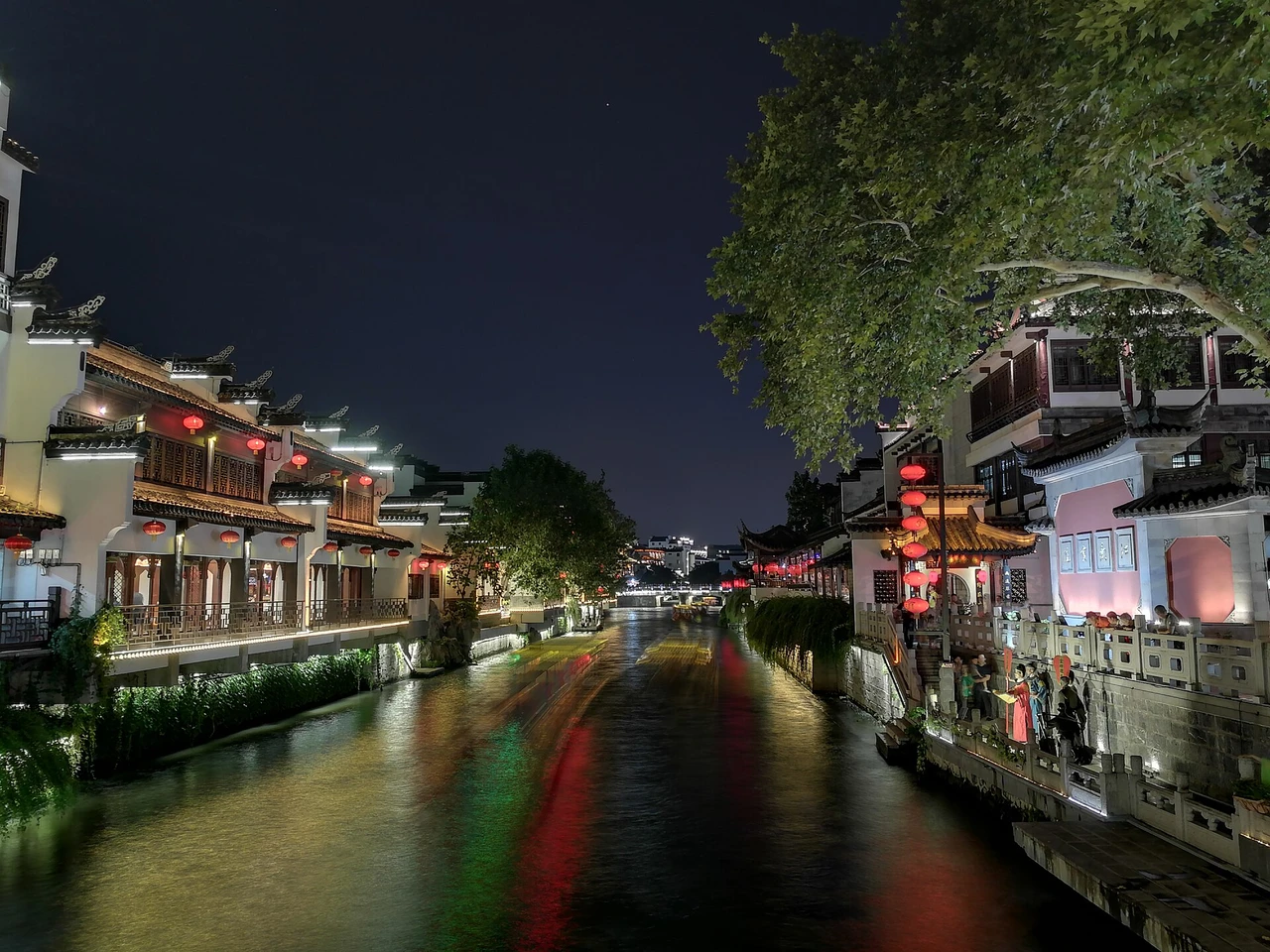
Nanjing is a city that has been a capital many times. Its long history is spread out among the Zhongshan Woodlands, Ming City Walls, museums, Republic of China institutions, and neighborhoods along the Qinhuai and Yangtze Rivers. The itinerary lends itself to grouping by historical threads and areas, and allows time for city views between landmarks, rather than compressing multiple dynasties into a crowded list.
长沙
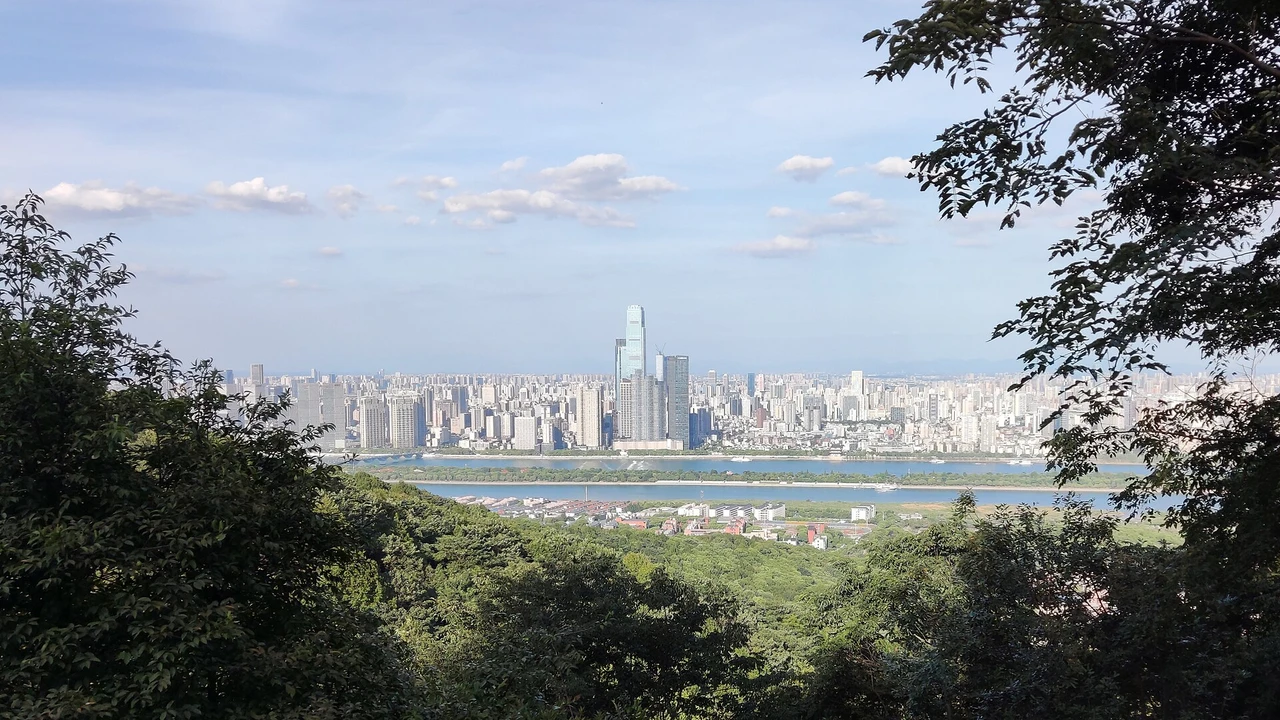
Changsha is a vibrant Xiangjiang city where archeology, millennium academies, modern history, media culture and nighttime food economy overlap. The Xiangjiang River separates the main areas, but the subway connection is convenient; museums, Yuelu Mountain woodlands and community early mornings should be arranged outside the busy commercial core to avoid only seeing high-volume nightlife images.
泉州
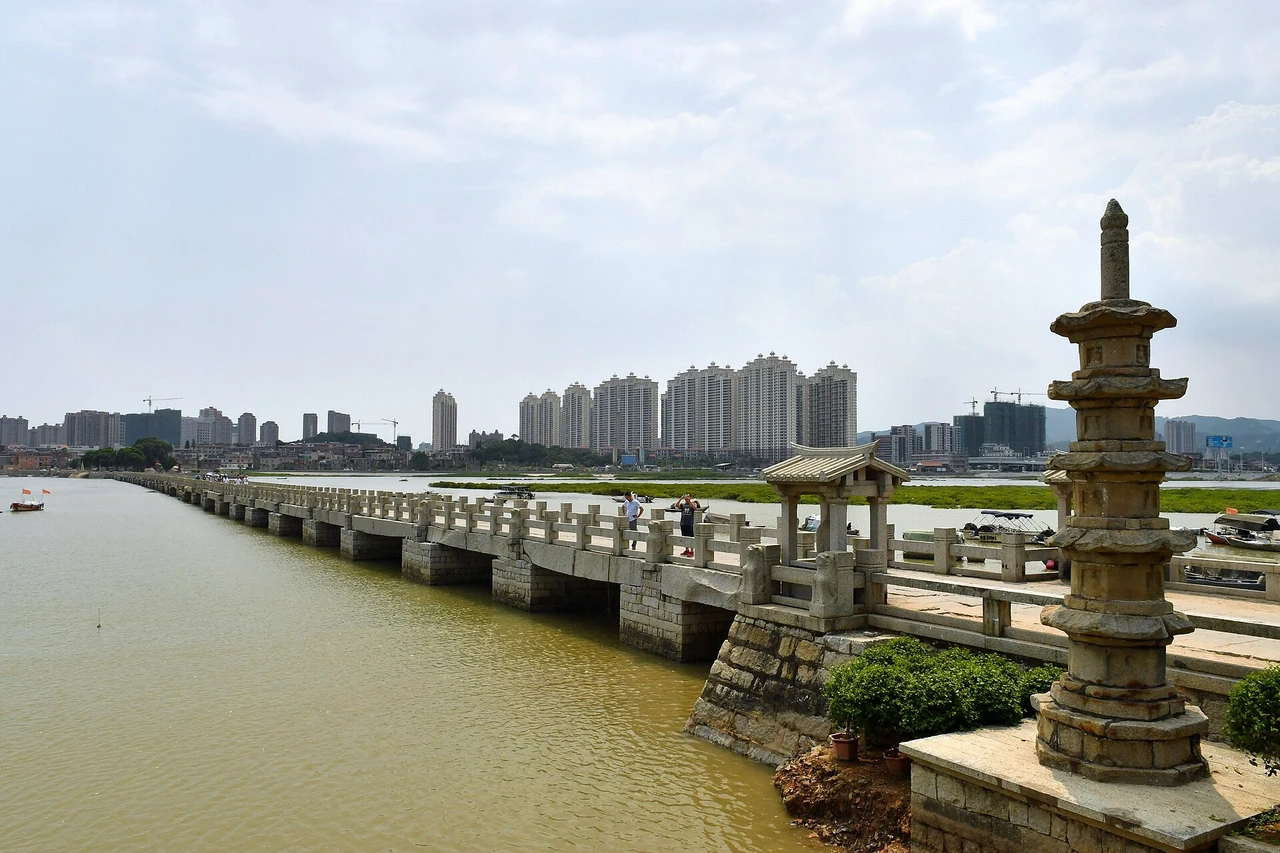
To understand Quanzhou, one should not just view it as a group of isolated monuments, but should see a set of interconnected maritime trade systems. Management institutions, docks, bridges, kilns and warehouses during the Song and Yuan Dynasties supported the international port, and Buddhism, Islam, Hinduism and folk belief groups also left visible marks. The ancient city is still a living space, suitable for walking slowly and respecting the local daily order.
兰州
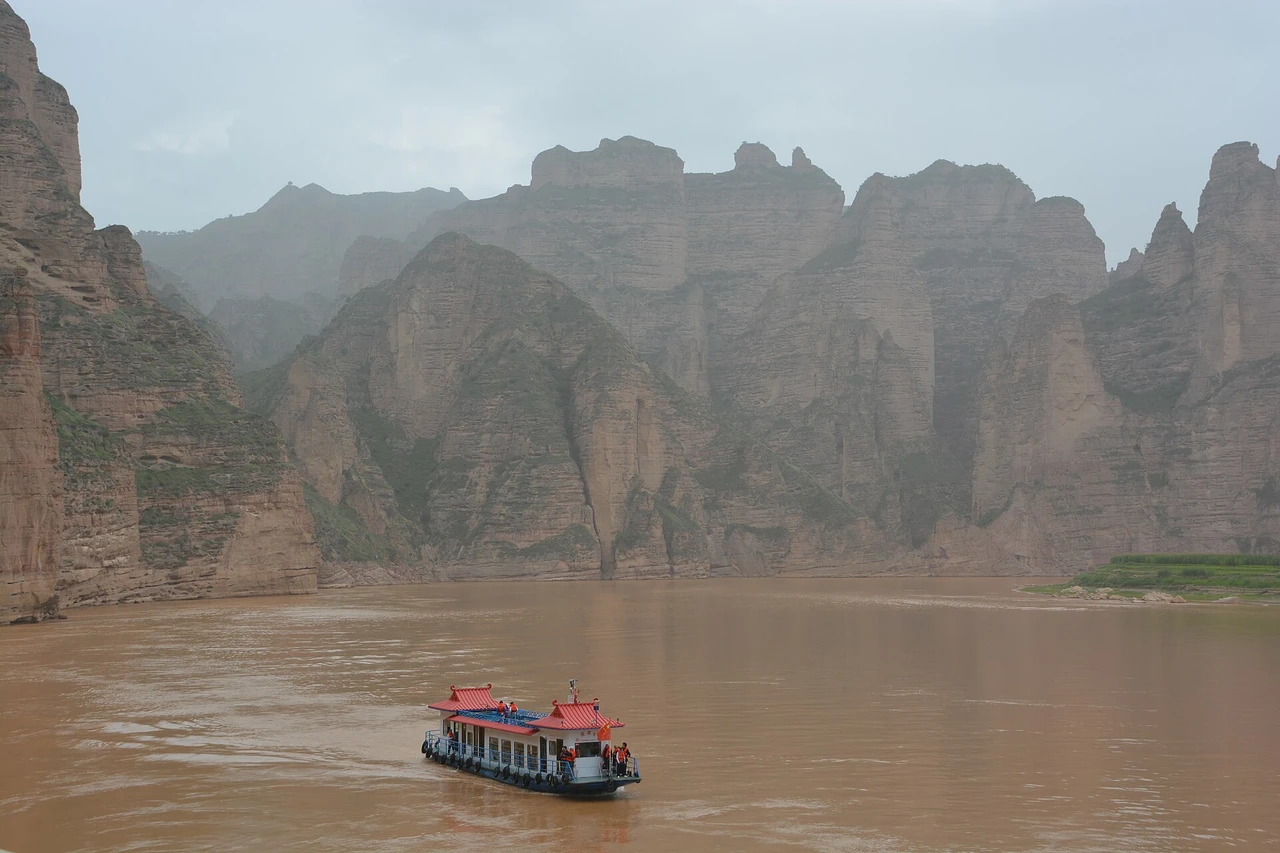
Lanzhou is a city sandwiched between dry mountains that stretches along a narrow strip of the Yellow River, and its bridges, irrigation technology, and riverside public spaces illustrate how urban life depends on this water corridor. The Provincial Museum and the Slip Museum connect the city to prehistoric painted pottery, Silk Road transportation and frontier fortress administration. Lanzhou is not just a transportation transfer station. Itineraries should be organized along the Yellow River and Metro Line 1 to adapt to its long and narrow geography.
大同
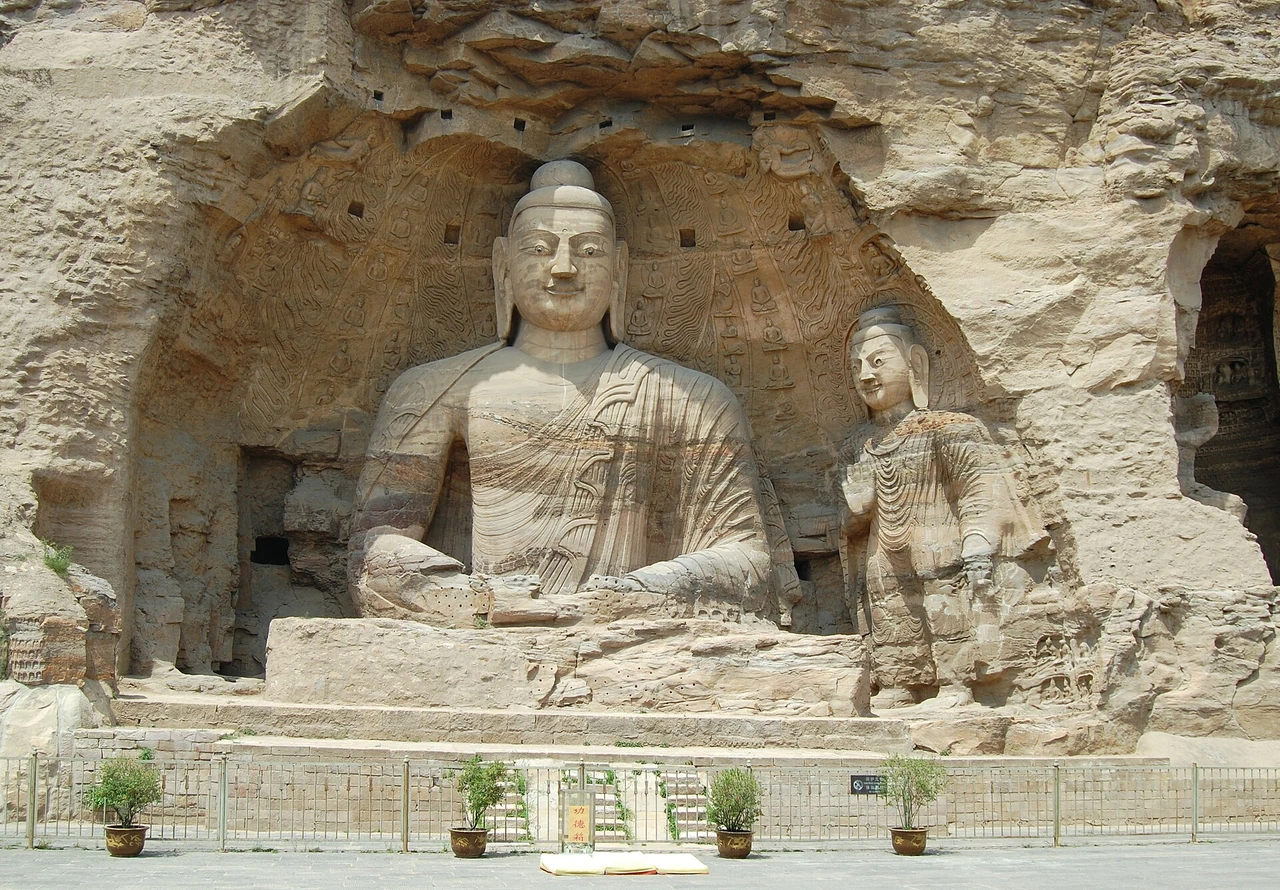
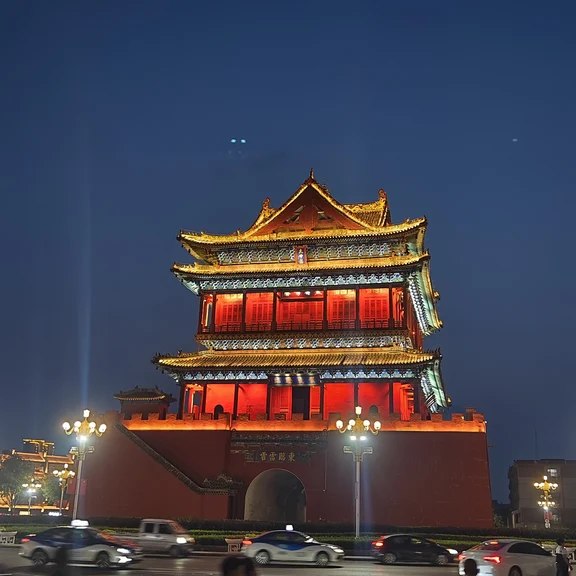
Datong brings together layers of Northern Wei capital history, Liao and Jin Buddhist architecture, Ming-era defenses and a modern coal city in a cold, dry basin. The Yungang Grottoes lie west of the city, while the Hanging Temple is a separate trip to Hunyuan County. Although notable old temples survive within the reconstructed old town, not every street is an original historic structure. Plan visits by period and location.
洛阳
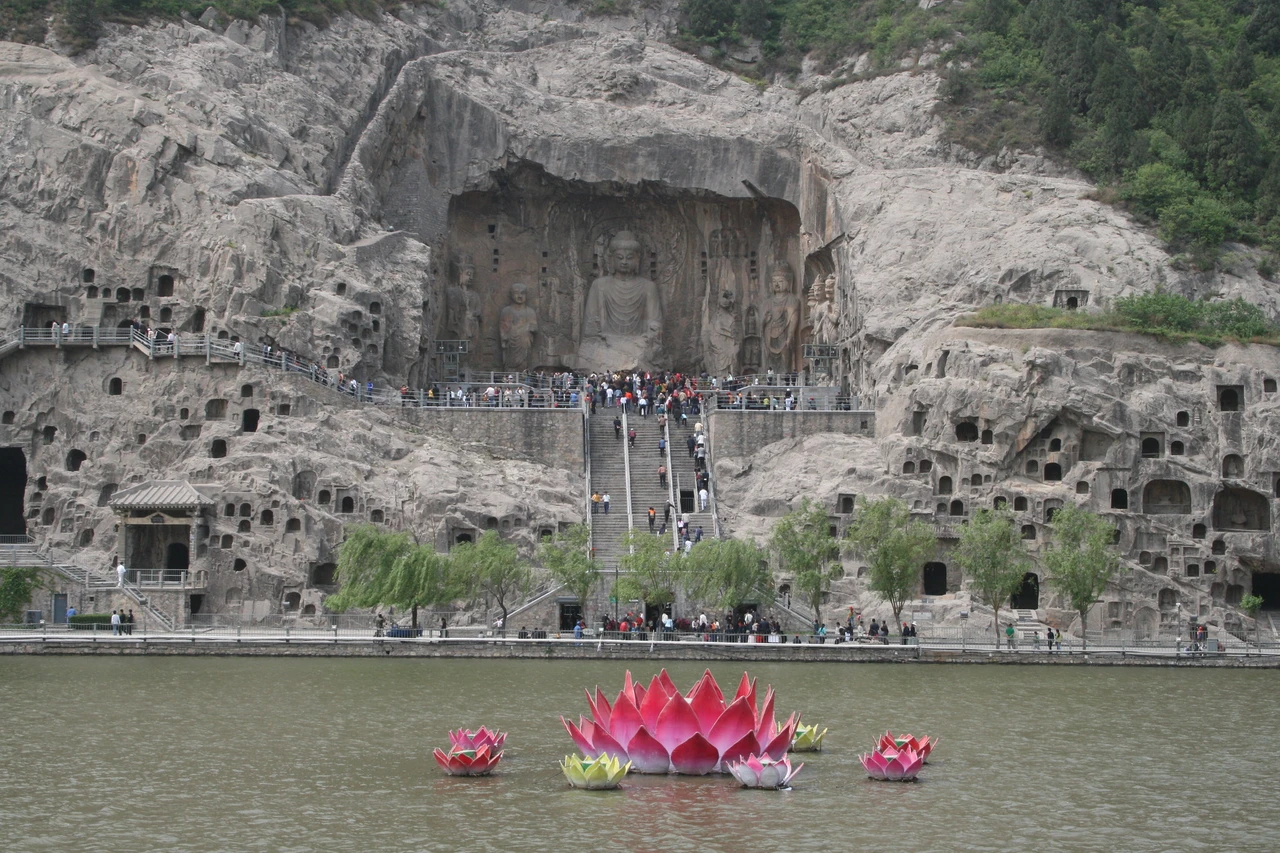
The importance of Luoyang comes from the many capital constructions and repeated reconstructions in the Yellow River Civilization, rather than from a completely preserved ancient city. Longmen records Buddhist patronage in the Northern Wei and Tang dynasties, Erlitou discusses early state formation, and the museum and archaeological site park explain the subsequent capital structure. Archaeological remains, protected grotto art and modern display reconstructions should be distinguished, and sufficient travel time should be reserved for dispersed points.
开封
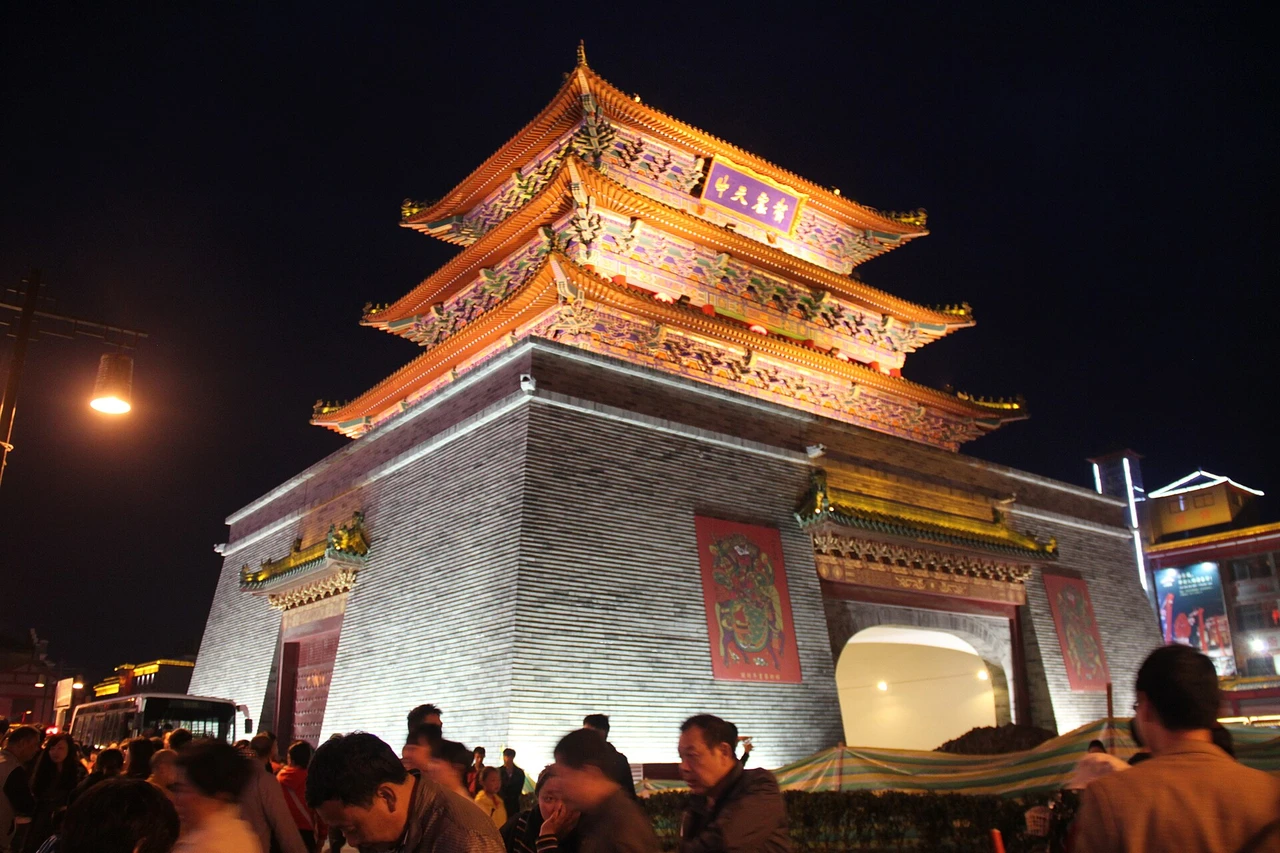
Kaifeng was once the capital of the Northern Song Dynasty, but repeated Yellow River floods, wars, and reconstructions left that metropolis largely archaeologically layered beneath later cities. Museums, evidence of city stacks, ancient pagodas, guild halls, and Ming and Qing city walls can provide better historical anchors than simple modern Song-style landscapes. The central city is more walkable, but the monuments visible everywhere belong to different eras.
绍兴
Shaoxing is a canal city where Vietnamese archeology, calligraphy, classical gardens, modern literature and rice wine culture are still embedded in the living neighborhoods. The famous former residences and landscapes span completely different eras, from the legend of Dayu, Wang Xizhi's calligraphy to Lu Xun's 20th century world. The ancient city is suitable for slow travel, but peripheral points such as Lanting require the use of transportation.
LFQ · 2–4 days
临汾
Linfen straddles the Fenhe Basin and the edge of the Yellow River, linking early national archeology, important Buddhist architecture, immigrant memories and Hukou Falls. The attractions are spread over a vast urban area, not a city center loop. The itinerary should be based on geographical location and conservation status, rather than cramming all the attractions into one day.