Month and stay filters use editorial recommendations; other dates may still work for your trip.
12 cities found
TFU · 3–4 days
成都
Teahouses, greenways and rich Sichuan flavors make Chengdu an easy starting point for slowly understanding western China.
· 3–5 days
大理
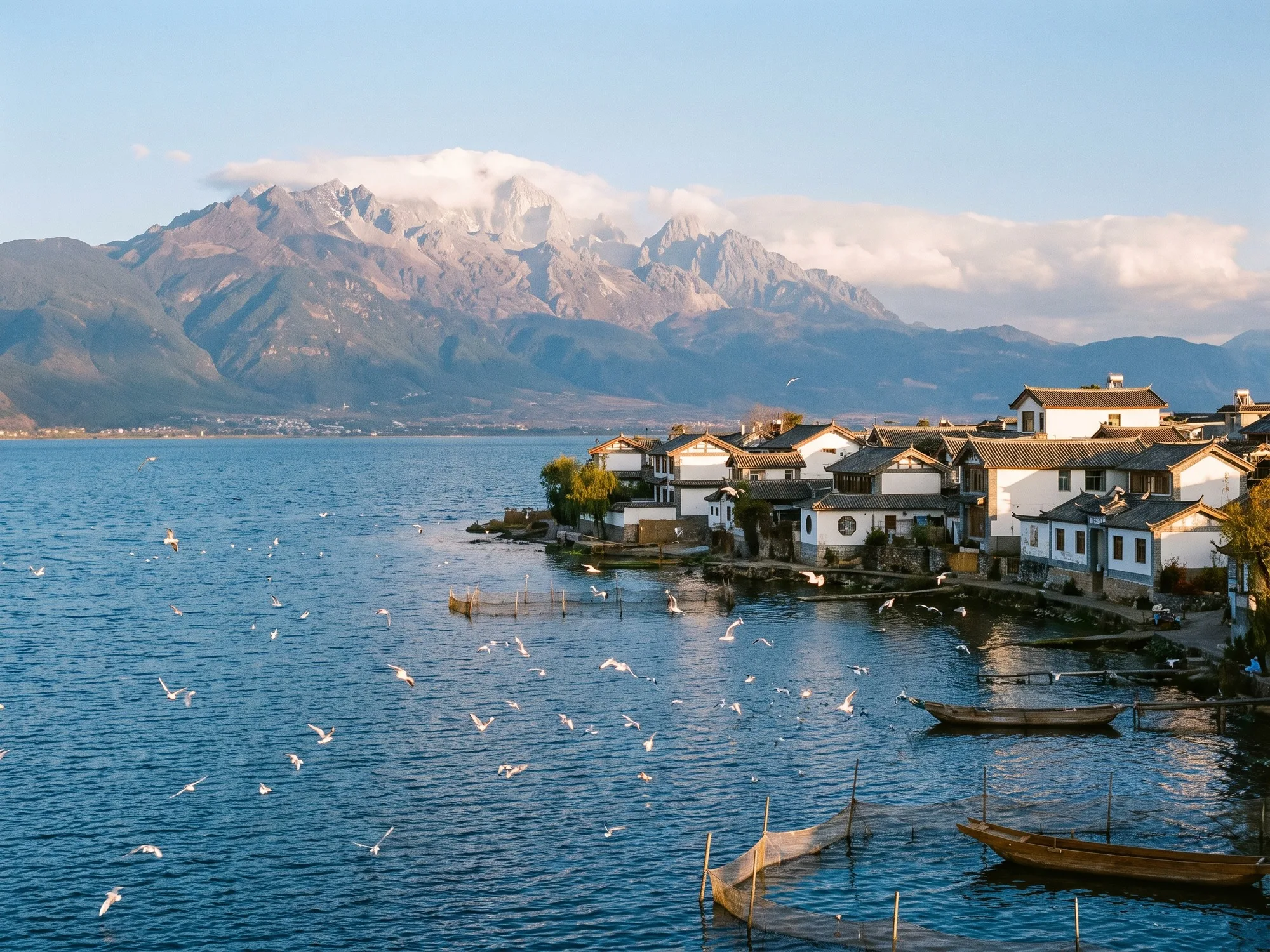
Dali is not just an ancient city, but a travel area spread between the high ridges of Cangshan Mountain and Erhai Lake. Bai ethnic communities, the history of Nanzhao and Dali, lakeside wetlands and mountain routes are suitable for a few days to slowly understand. The Erhai Lake Loop is very long, so you should choose a section of the lakeshore or a group of villages for an in-depth tour instead of completing the circle in a hurry.
· 3–4 days
桂林
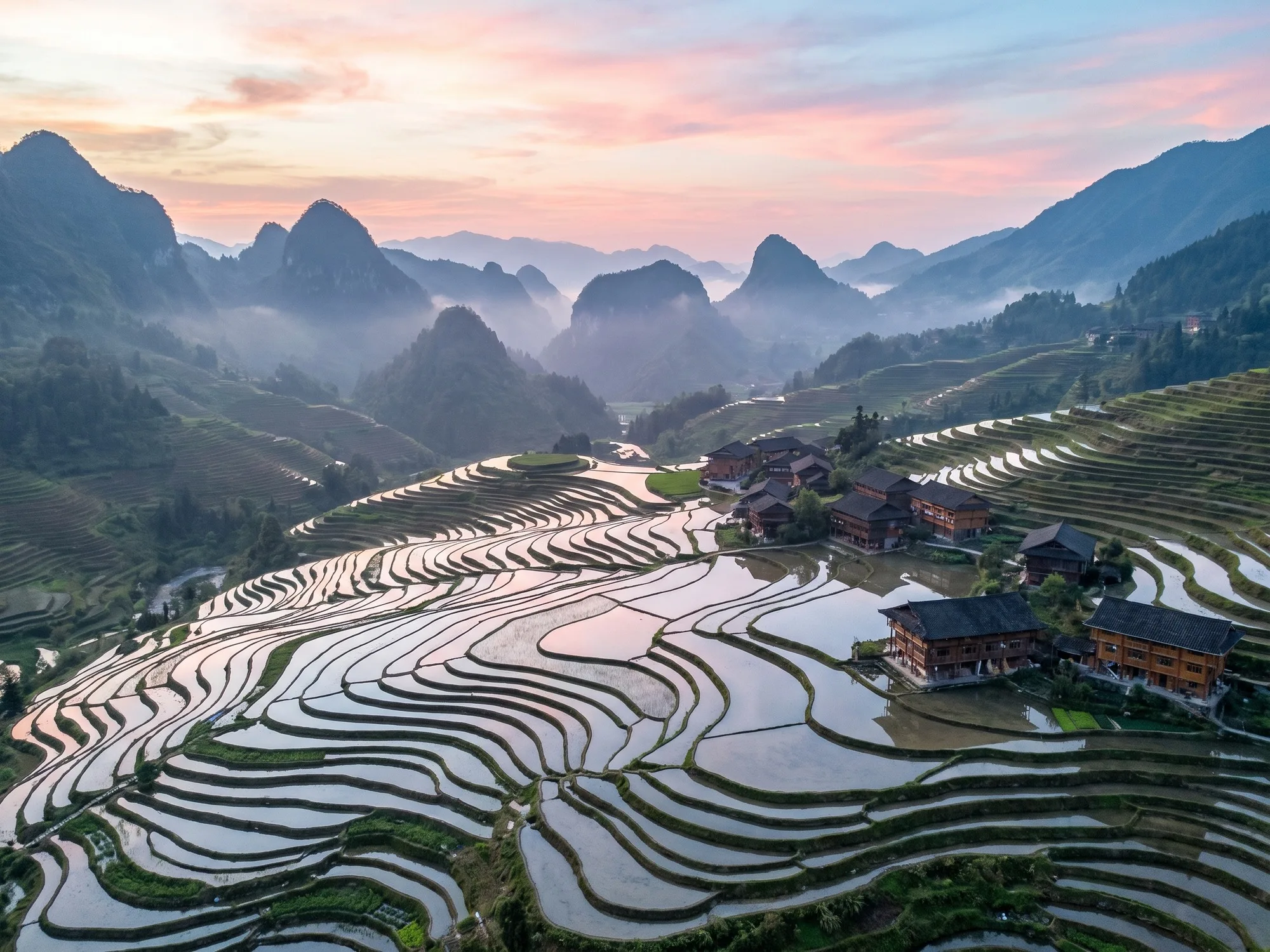
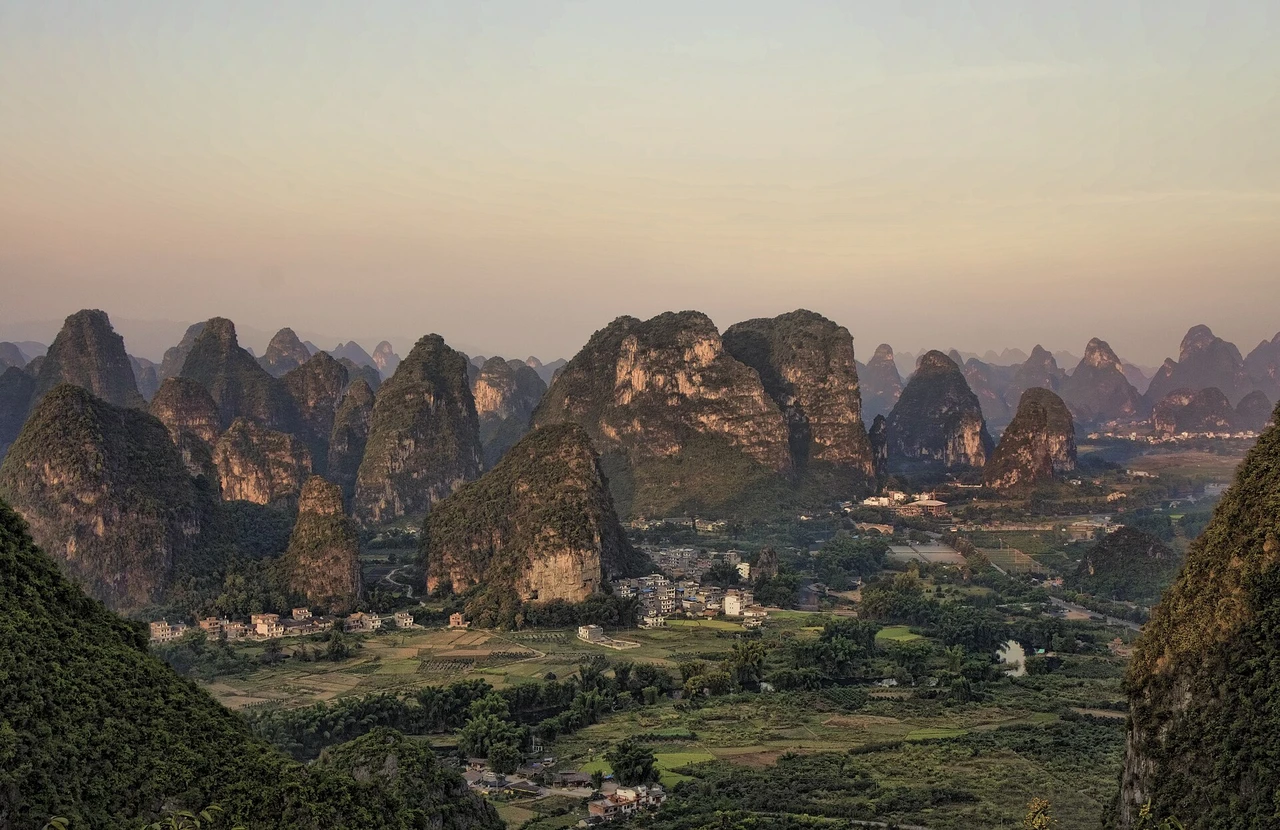
Guilin is a compact landscape city surrounded by protruding limestone peaks, caves and urban lakes. It is not only suitable for observing the urban karst landscape, but also a transportation base to the Li River, Longji Rice Terraces and the northern Guangxi region; when planning, the actual driving distance and seasonal water levels are often as important as the distance on the map.
· 2–3 days
杭州
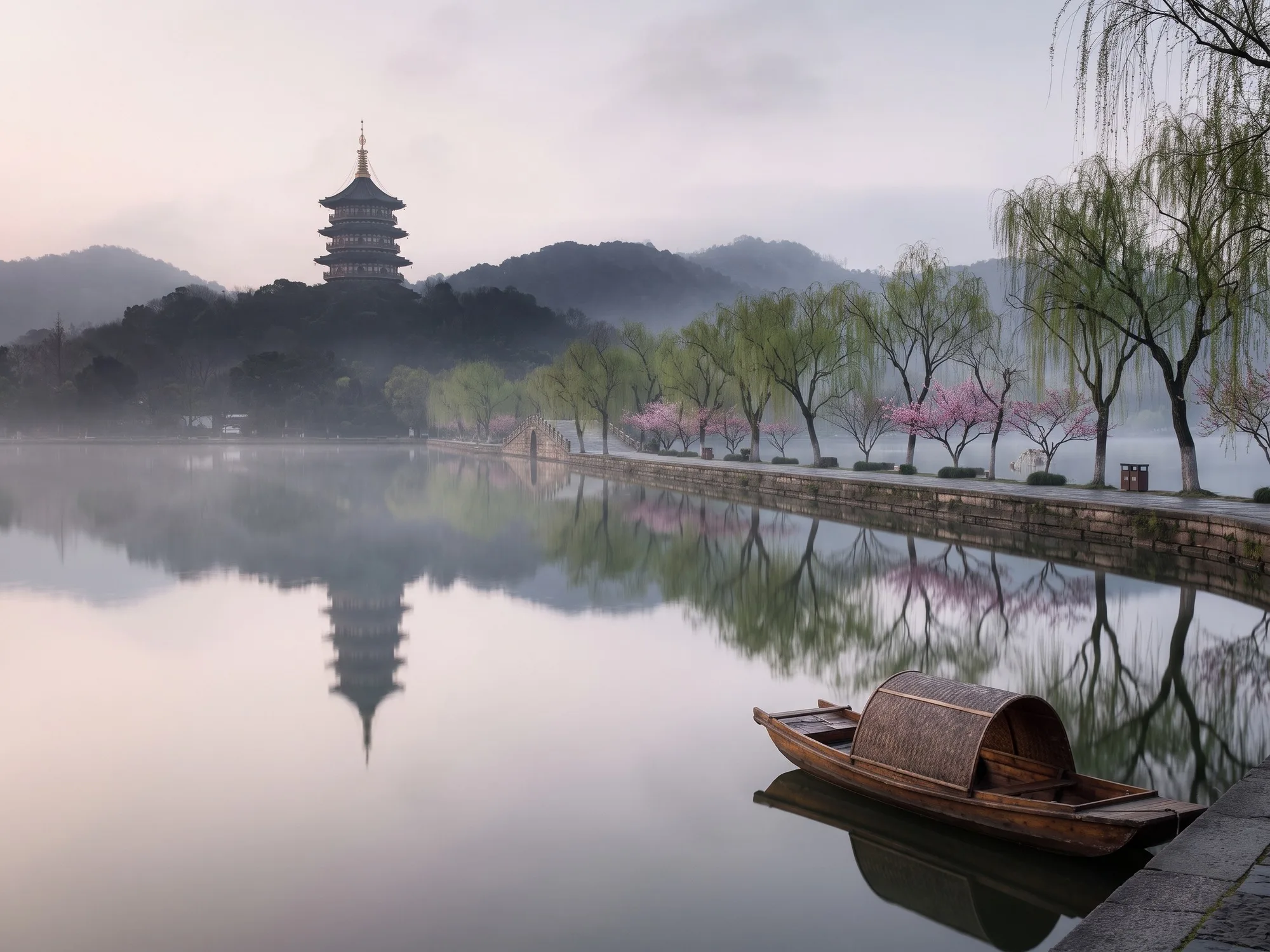
The West Lake Trail, Tea Mountains and Canal District make Hangzhou a relaxing and green travel option near Shanghai.
· 2–2 days
苏州
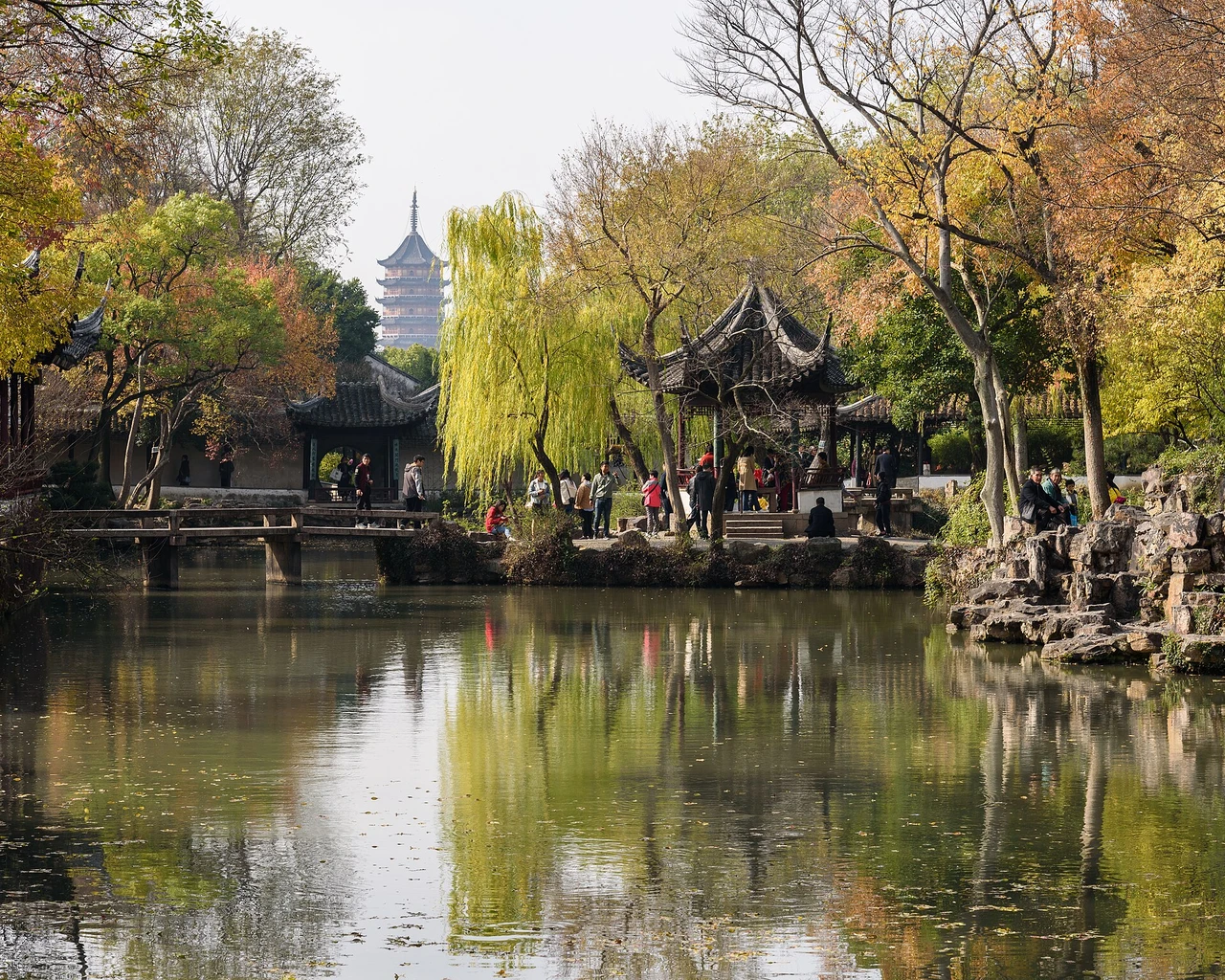
Suzhou is suitable for slowing down and observing: private gardens condense the landscape into a limited space, while canals, bridges, museums and streets where people still live extend the story beyond the pavilions. Staying one night allows you to see the gardens before the day visitors arrive, and you can also experience a quieter community in the evening.
· 1–2 days
平遥
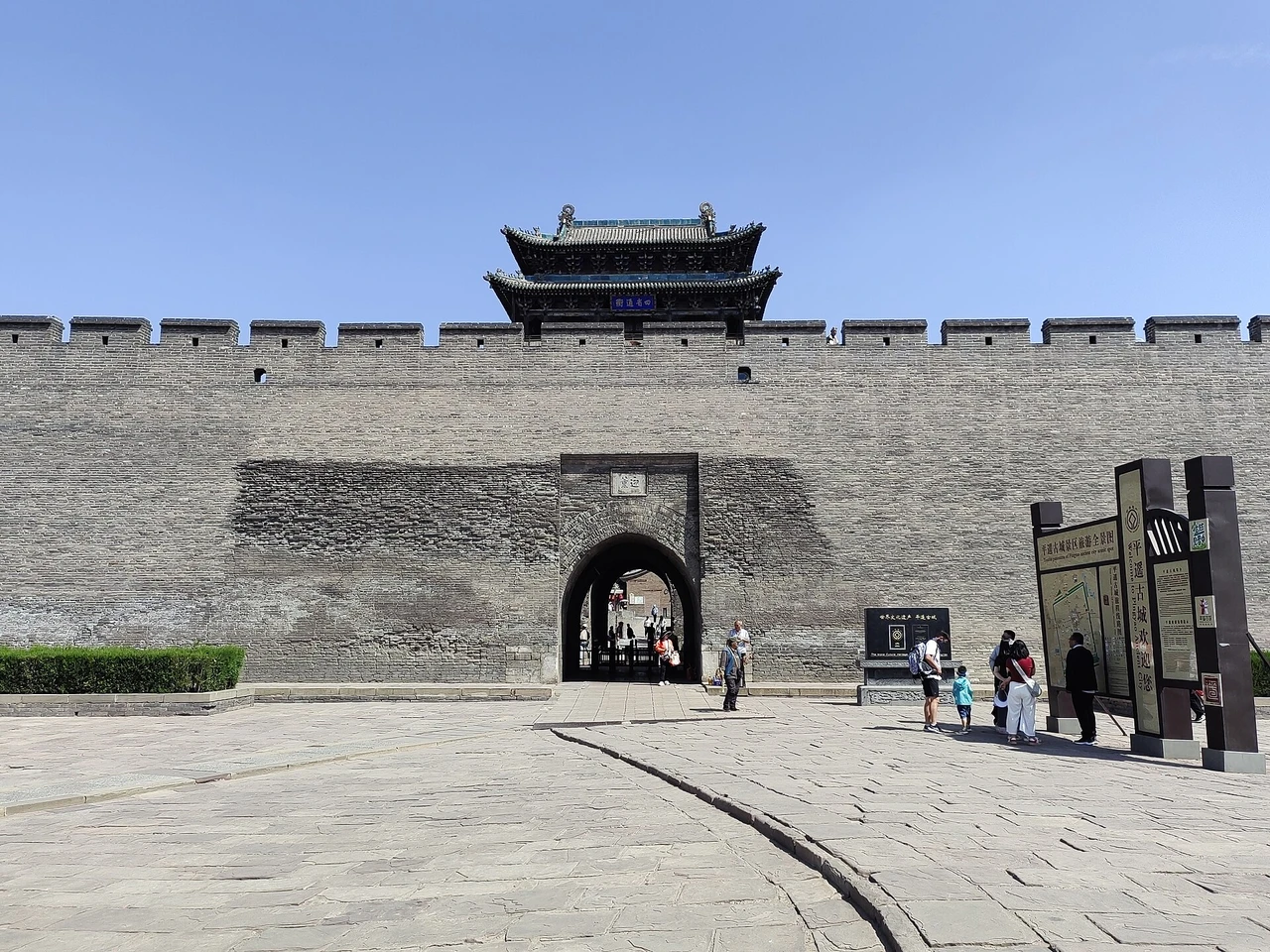
Pingyao is a rare and well-preserved traditional county town. The city walls, streets, courtyard houses, temples and banknotes all retain the ancient Chinese urban structure. The World Heritage Site also includes Shuanglin Temple and Zhenguo Temple outside the city. If conditions permit, you should stay for one night. You can see the still living community outside the popular streets in the early morning and evening.
厦门
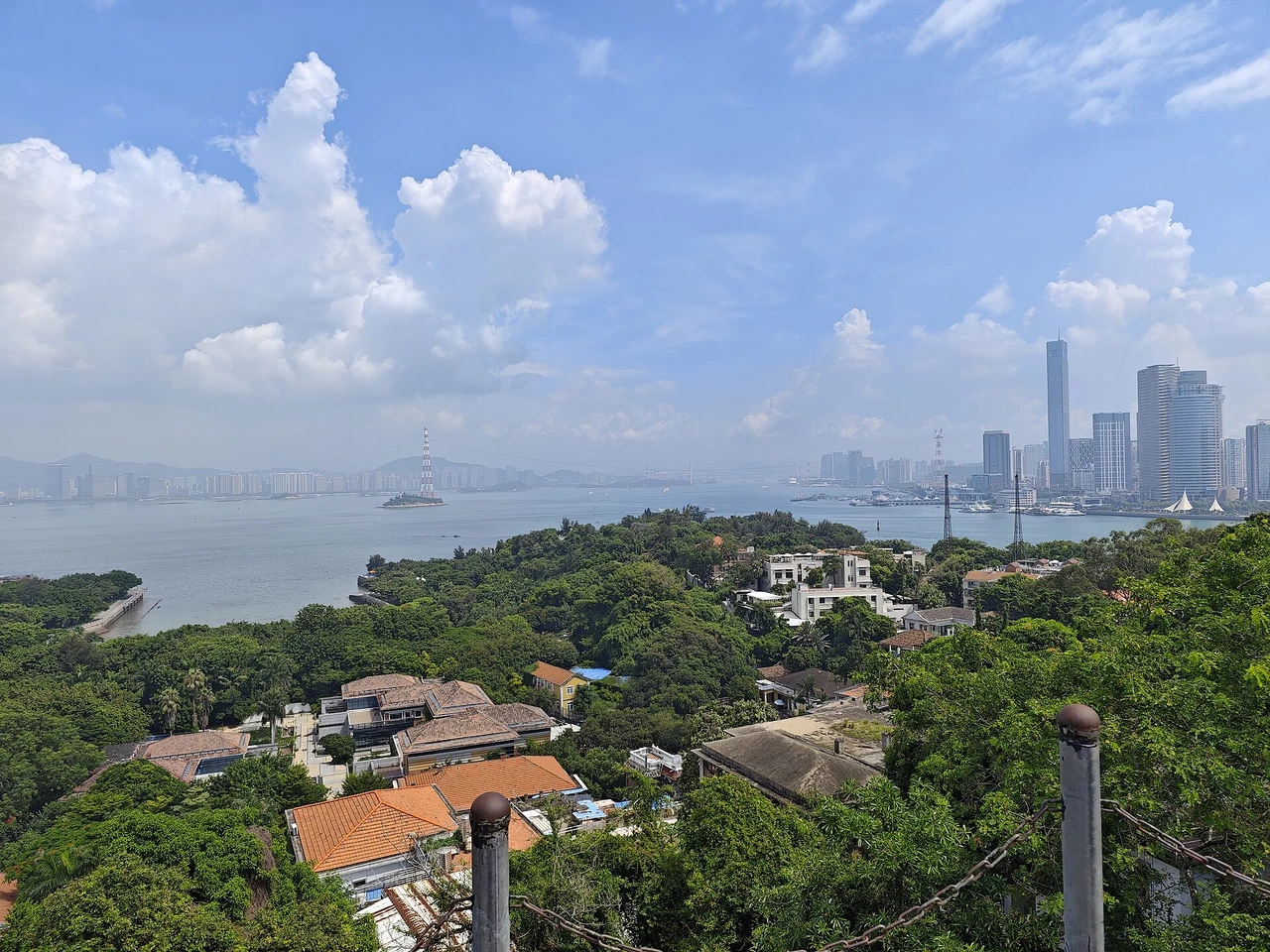
Xiamen is a subtropical port city. The historical international community of Gulangyu Island, Minnan temples and forts, university districts and the still living island coast together form the urban character. Ferry and cross-island transportation require advance planning, but each area is suitable for walking; the beach belongs to the urban coastline, and swimming conditions and the impact of typhoons must be confirmed on site.
昆明
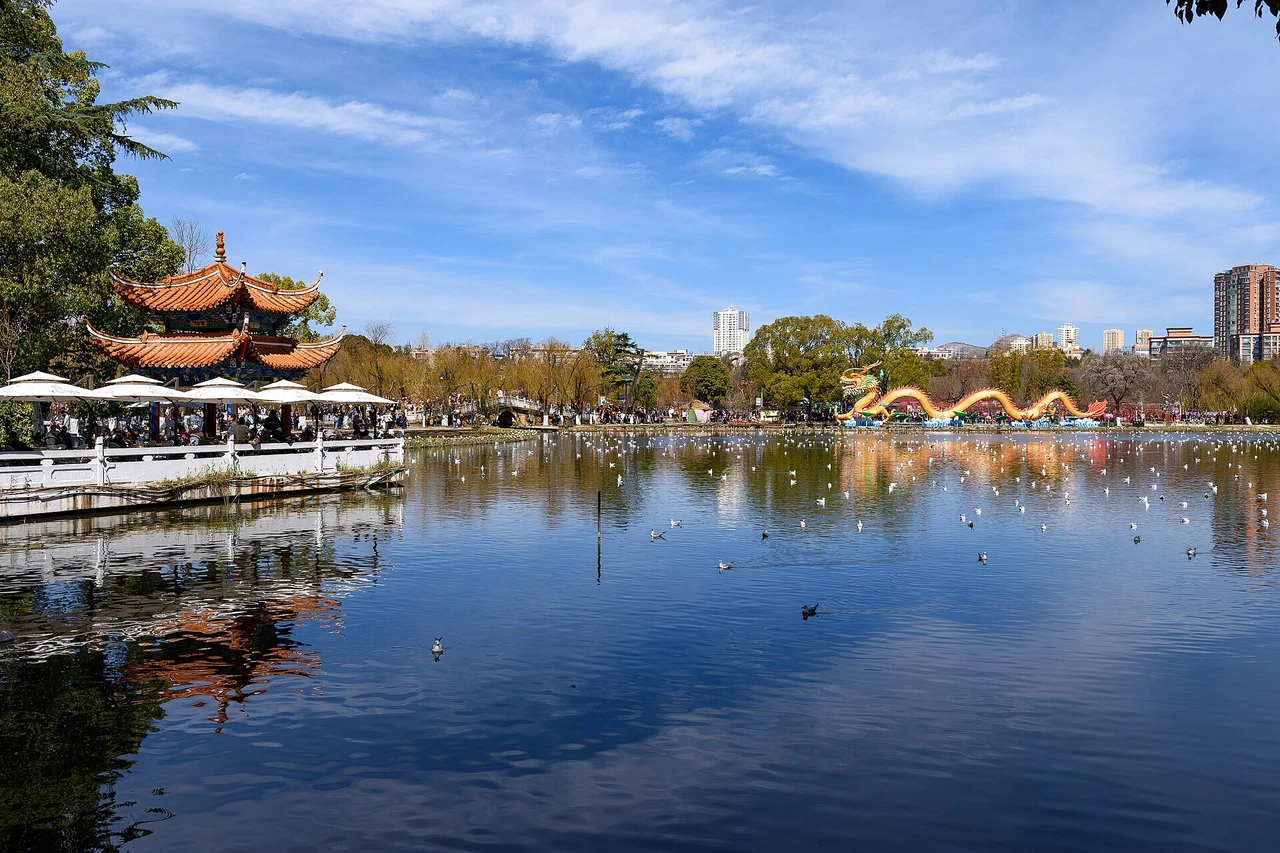
Kunming is a plateau provincial capital where Dianchi Lake, limestone landscapes, flower and food markets, museums and Yunnan's multi-ethnic culture meet in a rapidly developing transportation hub. It’s not just a transit point: you can spend a day understanding the city’s lakes and the history of the province, and then choose a key suburb, rather than mistaking the entire central Yunnan for close-up attractions.
丽江
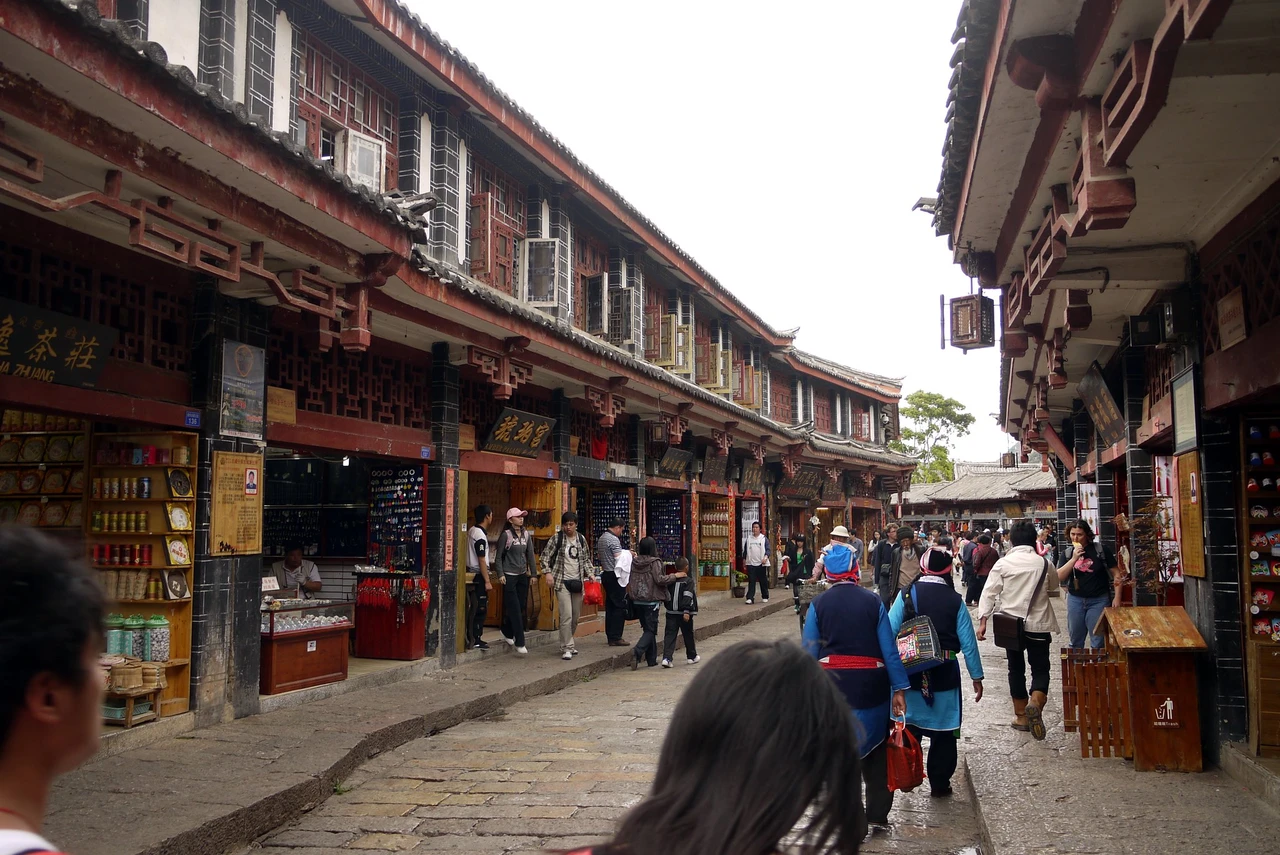
Lijiang is a plateau travel area, not just an ancient city. Dayan, Shuhe and Baisha preserve different levels of Naxi settlements and water system management, while Jade Dragon Snow Mountain and long-distance Lugu Lake require independent transportation and high-altitude preparation. The itinerary should revolve around two or three connected areas, and leave the most crowded commercial streets as early as possible to observe the living heritage that continues.
泉州
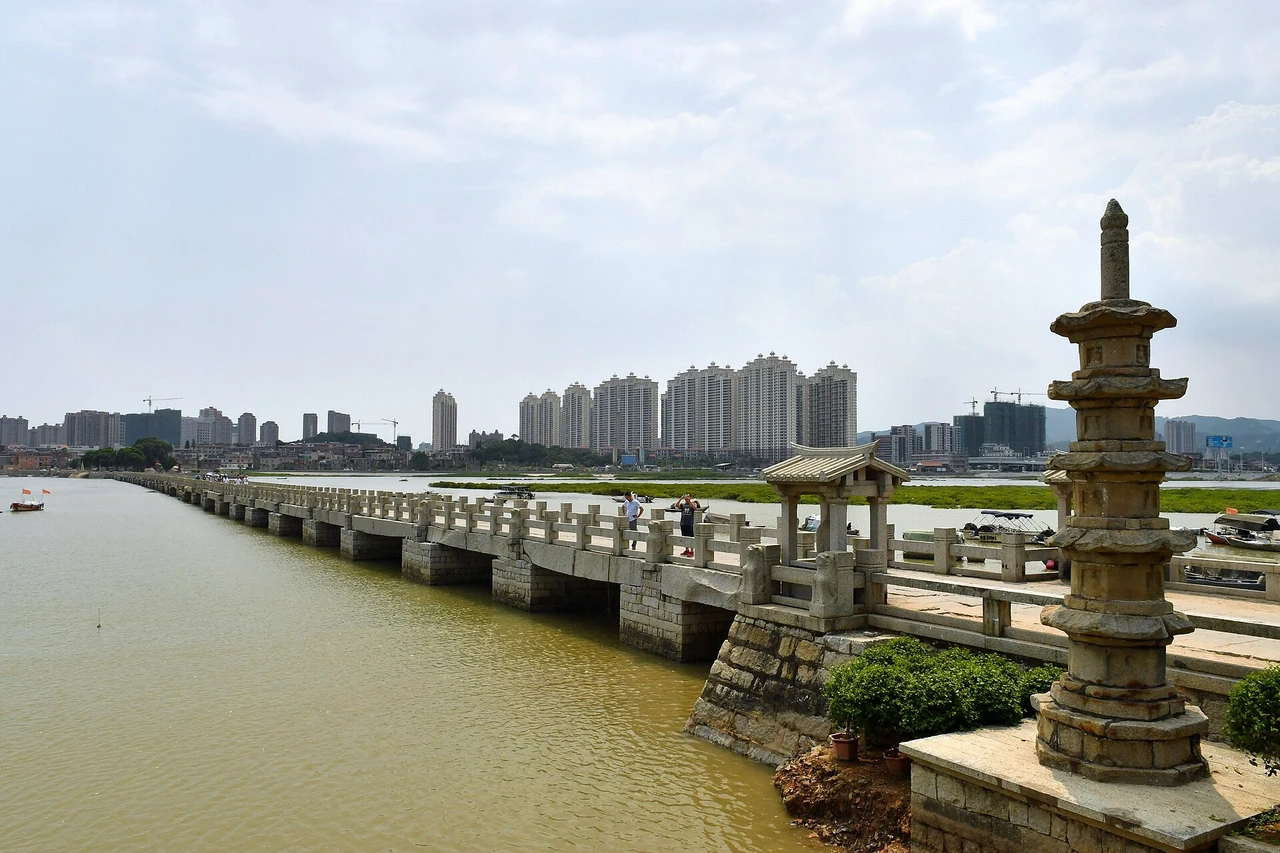
To understand Quanzhou, one should not just view it as a group of isolated monuments, but should see a set of interconnected maritime trade systems. Management institutions, docks, bridges, kilns and warehouses during the Song and Yuan Dynasties supported the international port, and Buddhism, Islam, Hinduism and folk belief groups also left visible marks. The ancient city is still a living space, suitable for walking slowly and respecting the local daily order.
阳朔
Yangshuo is located in the core of Guilin's karst landscape, with limestone peaks rising from the Li River, the Yulong River Valley and farmland villages. The whole county is not a compact scenic spot. Xingping, Yulong River Corridor, different river sections and mountain viewing spots need to be arranged separately for transportation and weather judgment. Slowing down the pace of cycling and walking can help you understand the landscape better than a day full of commercial projects.
绍兴
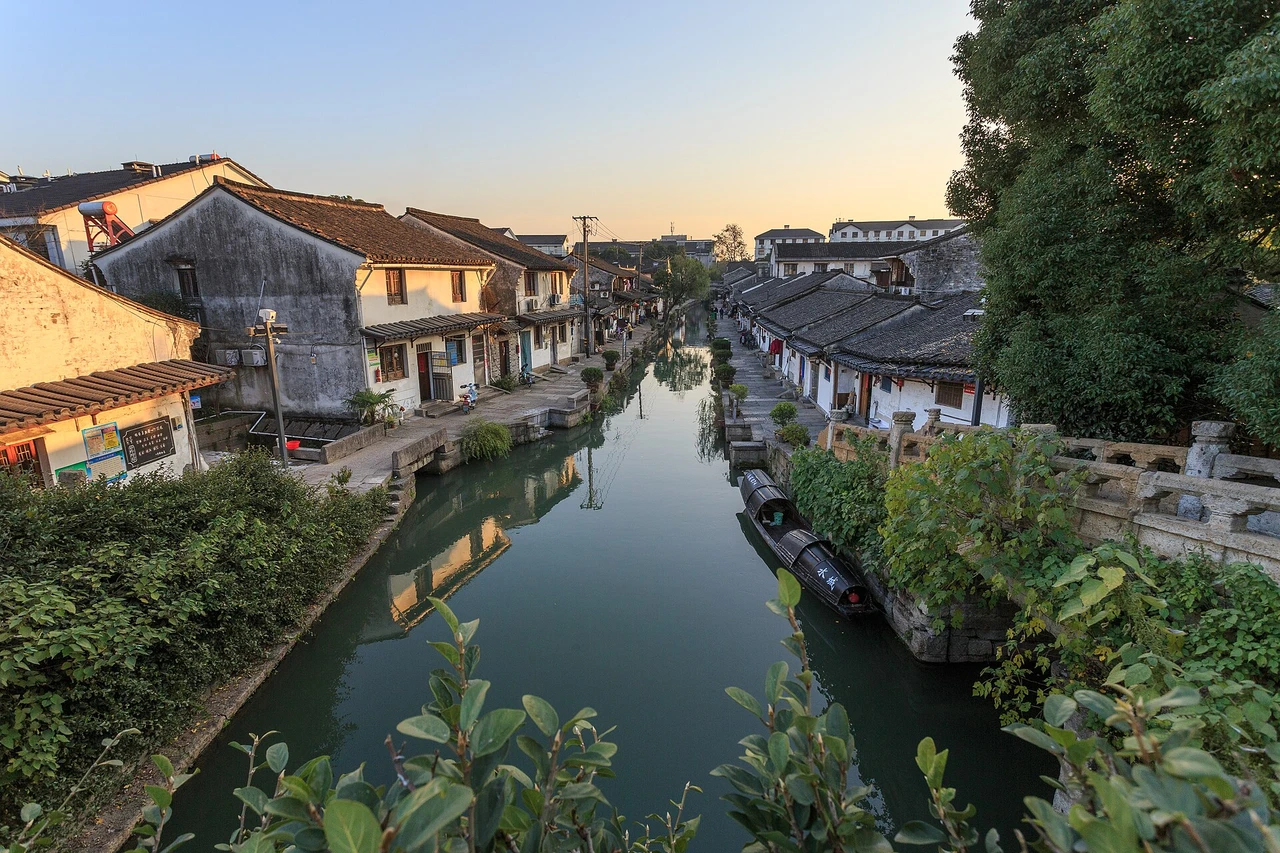
Shaoxing is a canal city where Vietnamese archeology, calligraphy, classical gardens, modern literature and rice wine culture are still embedded in the living neighborhoods. The famous former residences and landscapes span completely different eras, from the legend of Dayu, Wang Xizhi's calligraphy to Lu Xun's 20th century world. The ancient city is suitable for slow travel, but peripheral points such as Lanting require the use of transportation.