Explore China
Cities for every pace.
Compare practical essentials first, then open a city for neighbourhoods, arrival notes and local context.
Filter by region
 North China北京
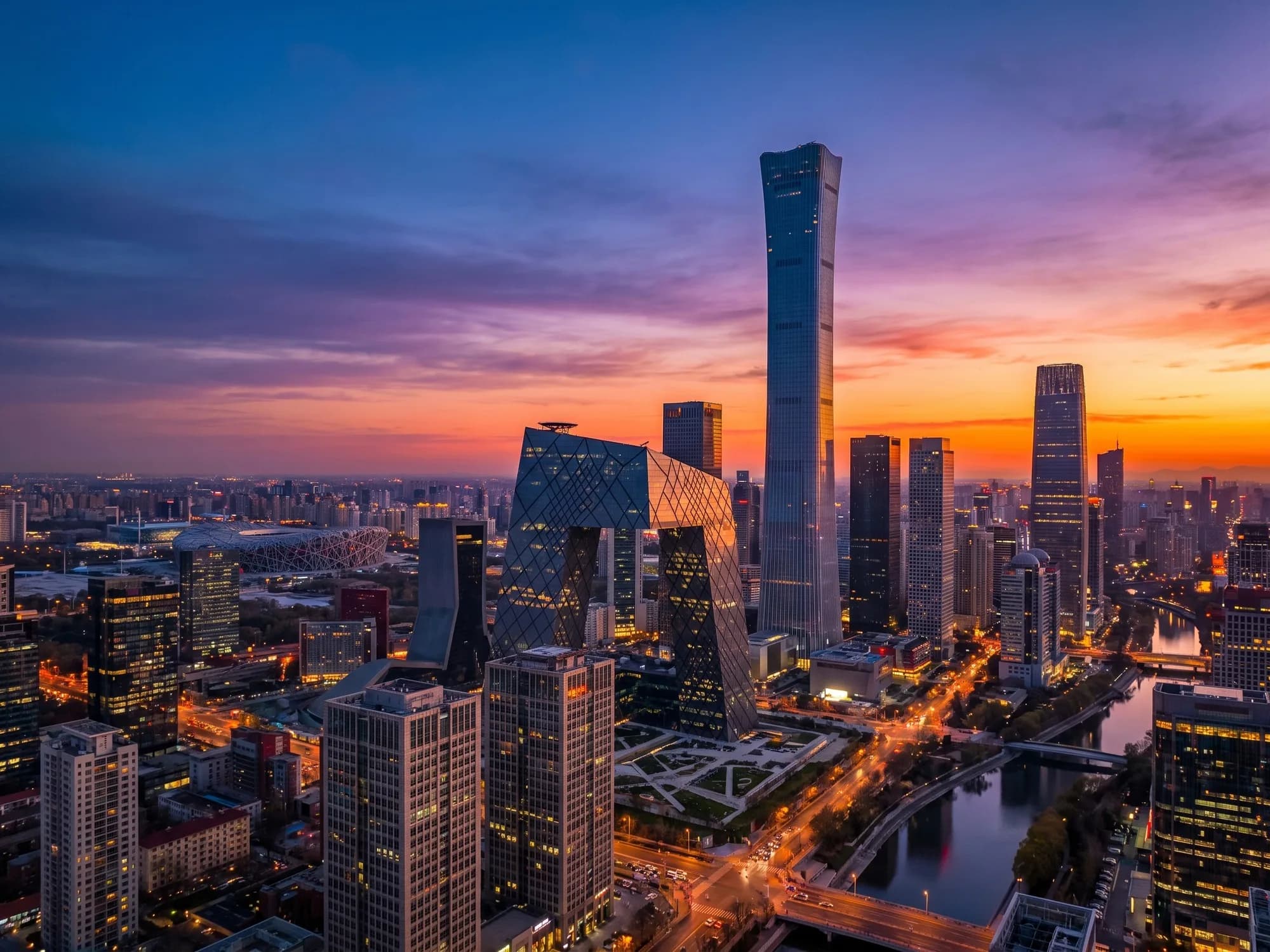
Beijing
PEK · 4–5 days
The capital is vast, formal and surprisingly gentle once you step off the ring roads. Give it four days: one for the palaces, one for the Wall, two for wandering.
 Southwest China成都
Chengdu
TFU · 3–4 days
Chengdu is the unhurried capital of China. People sit in teahouses for whole afternoons, dinner takes three hours, and nobody minds. Three days in the city, then the mountains.
 Southwest China大理
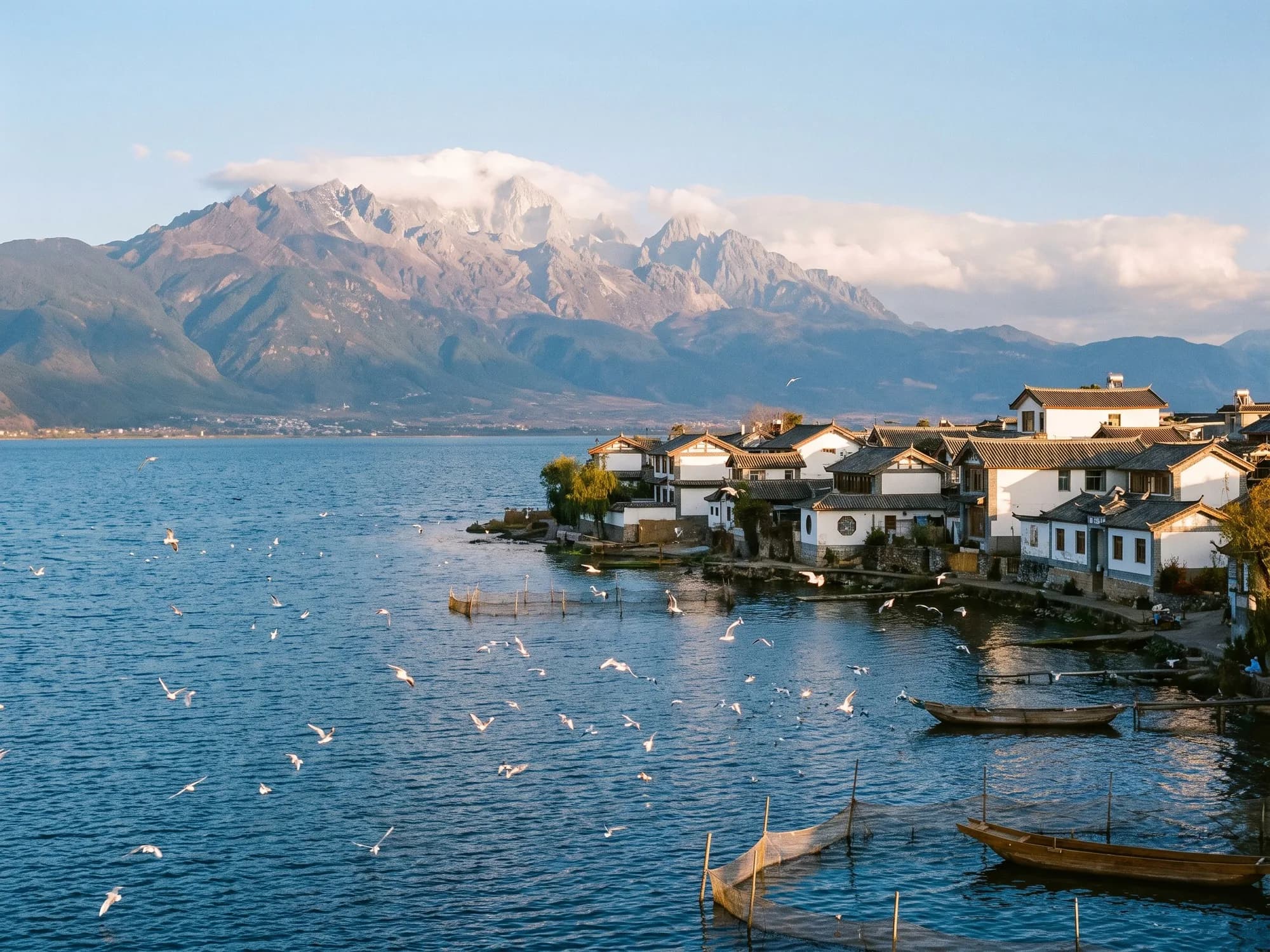
Dali
· 3–5 days
Dali sits between Erhai Lake and the Cangshan range, and people who came for two days stay for two weeks. Cycle the lake, walk the mountain, do very little.
 East China杭州
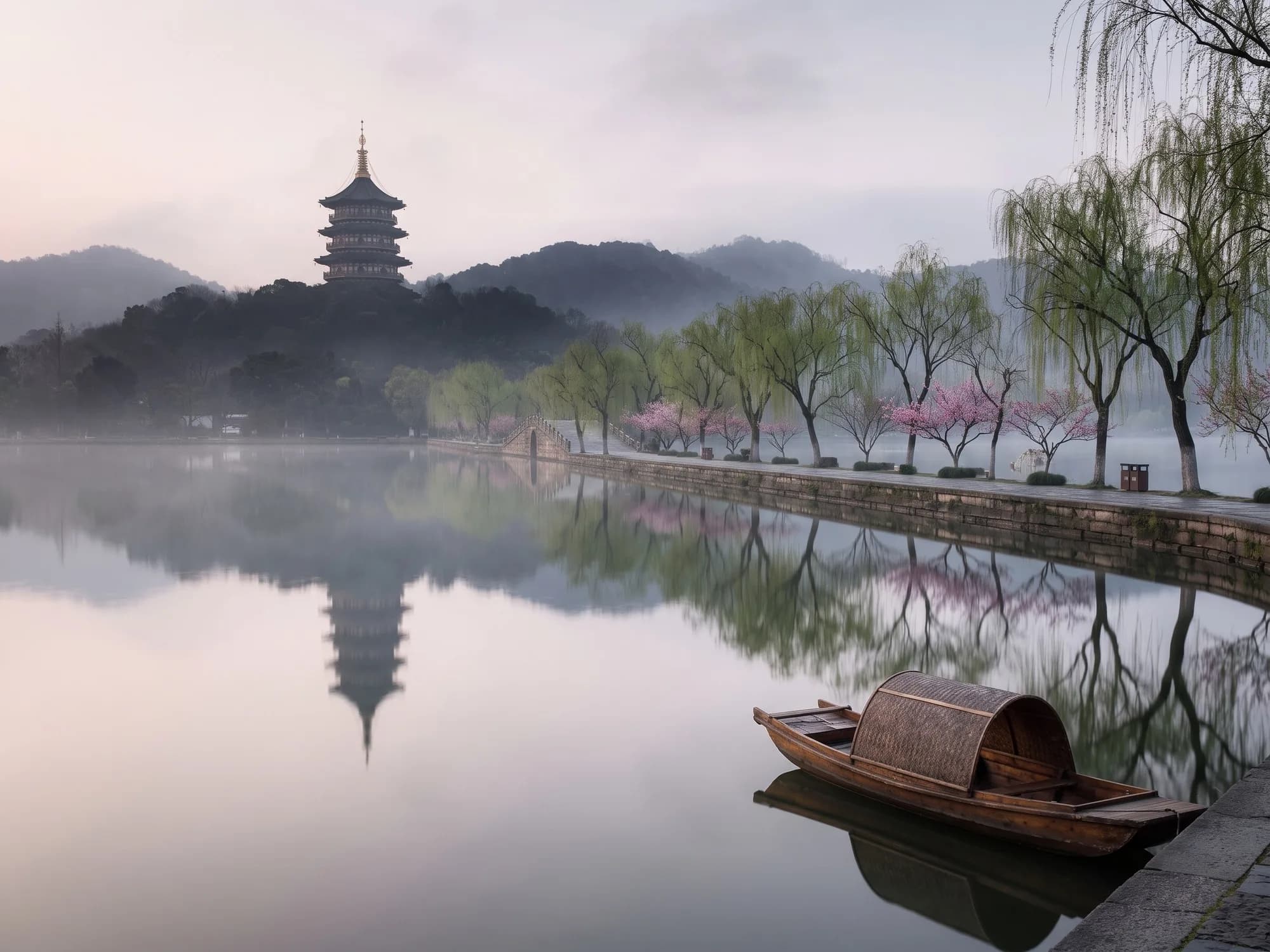
Hangzhou
· 2–3 days
Hangzhou is the lake and the hills around it. Two days lets you walk the lake, cycle to the tea villages and drink a lot of Longjing.
 Northwest China西安
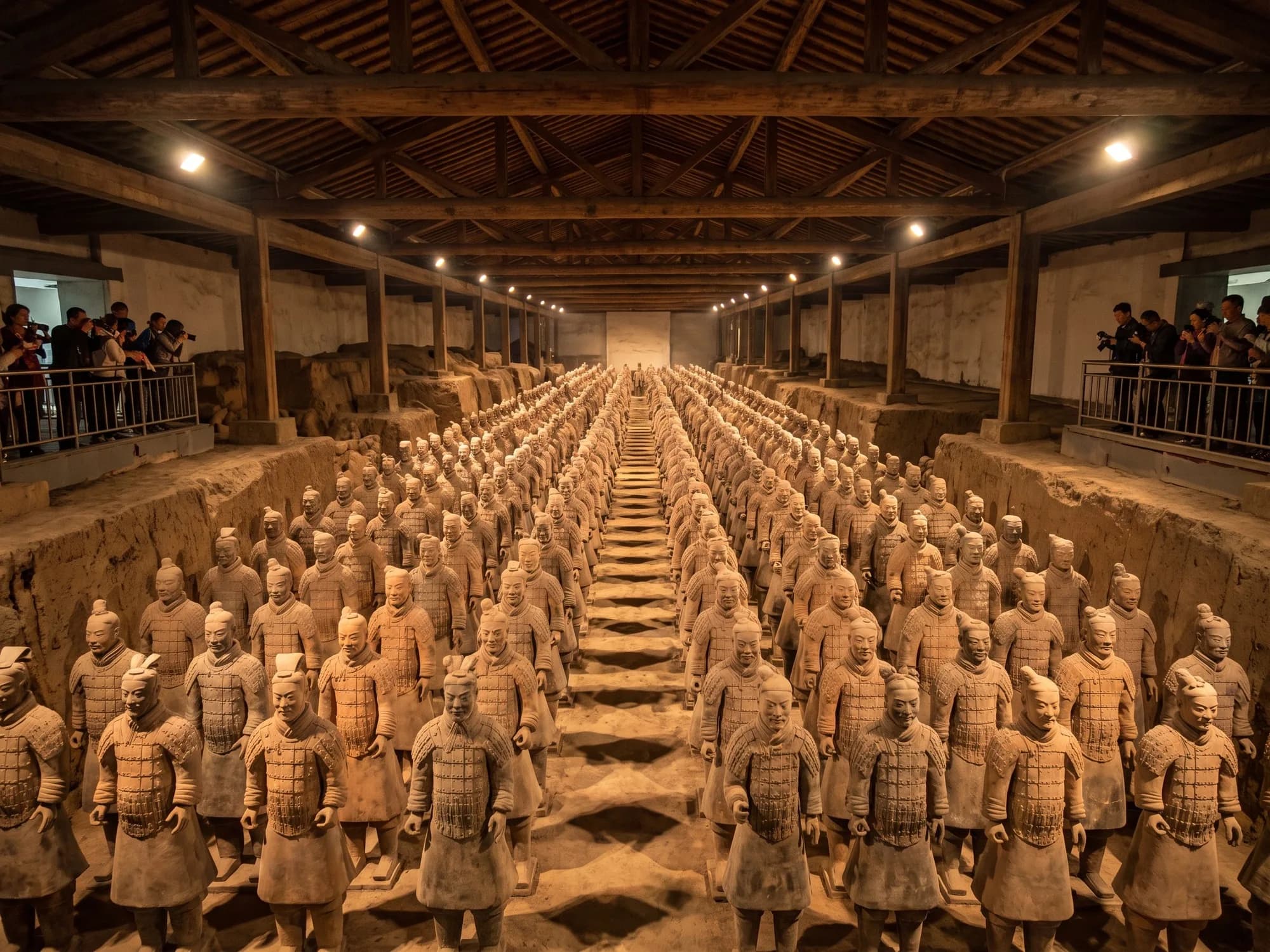
Xi'an
· 2–3 days
The old capital of thirteen dynasties has one world-famous sight and a lot of quieter ones. Two full days covers it; a third lets you slow down.
 East China苏州
Suzhou
· 2–2 days
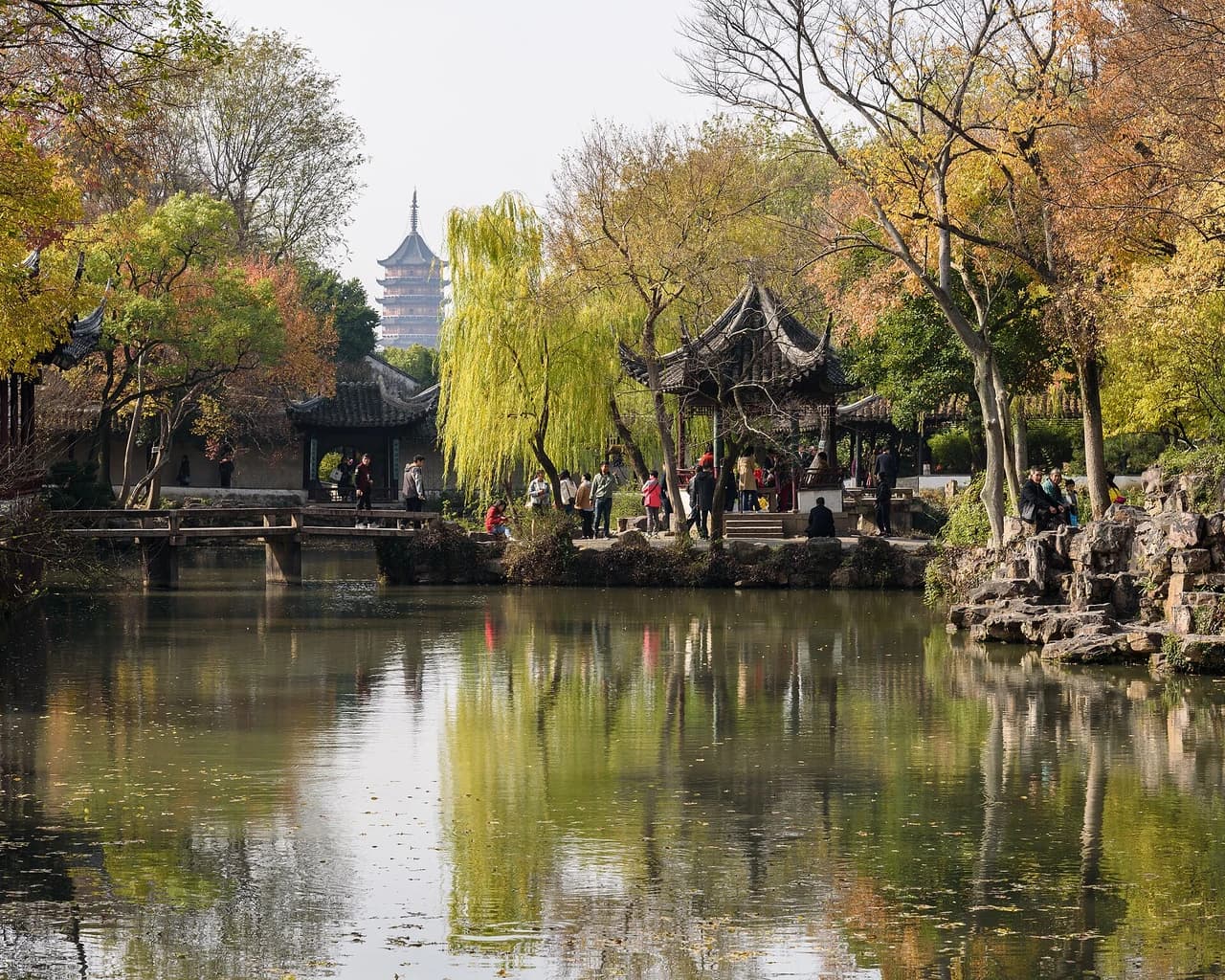
Suzhou's gardens are small, perfect and best seen one or two at a time. Stay a night in the old town rather than day-tripping, and see them at opening before the groups.
 North China平遥
Pingyao
· 1–2 days
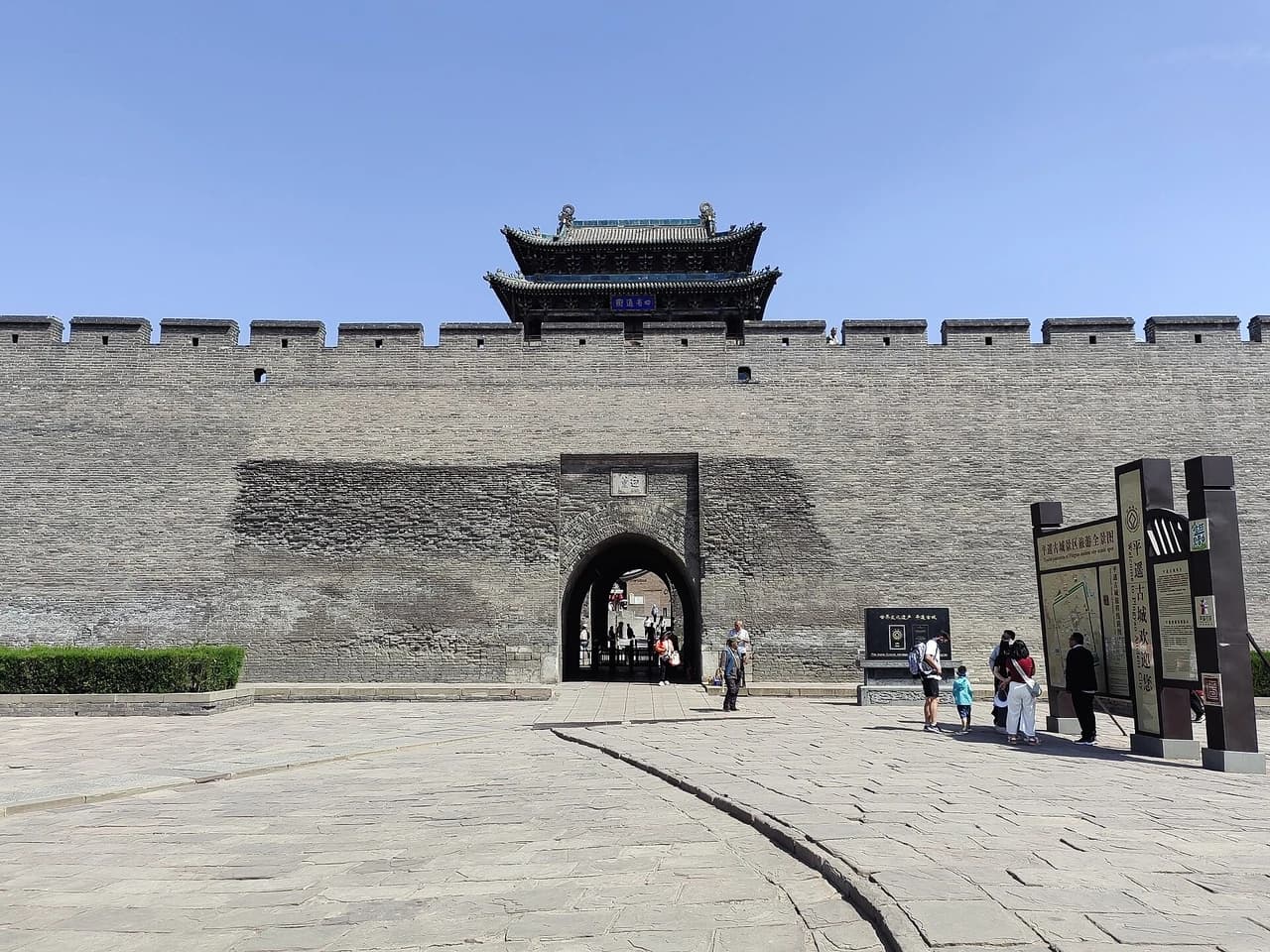
Pingyao is the best-preserved walled town in China, a grid of grey courtyards inside a six-kilometre wall. Sleep inside the walls and the evenings are yours.
 South China广州
Guangzhou
· 2–3 days
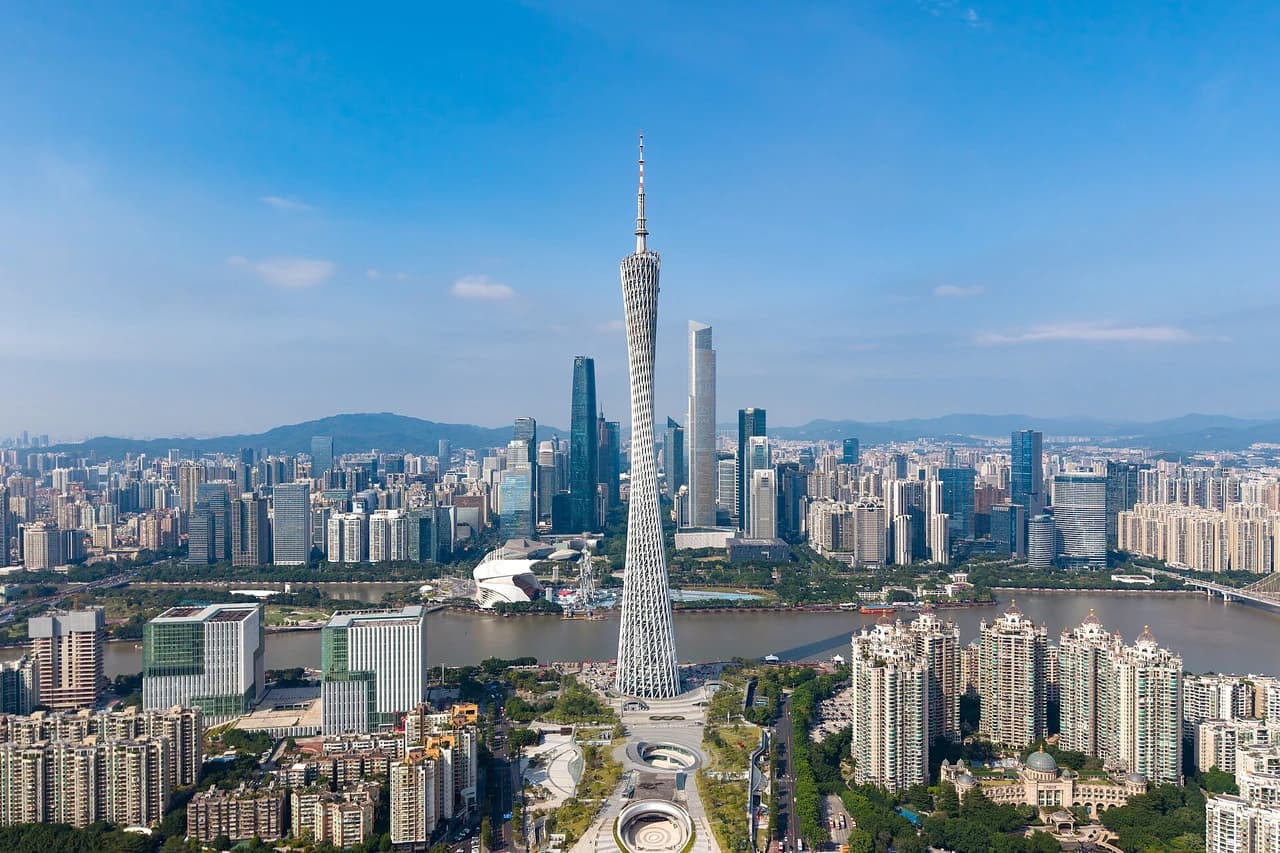
Guangzhou is Canton: the old trading port at the head of the Pearl River delta, with a food culture that starts at dawn. Skip the skyline, stay in the old west of the city, and eat.
 East China南京
Nanjing
· 2–3 days
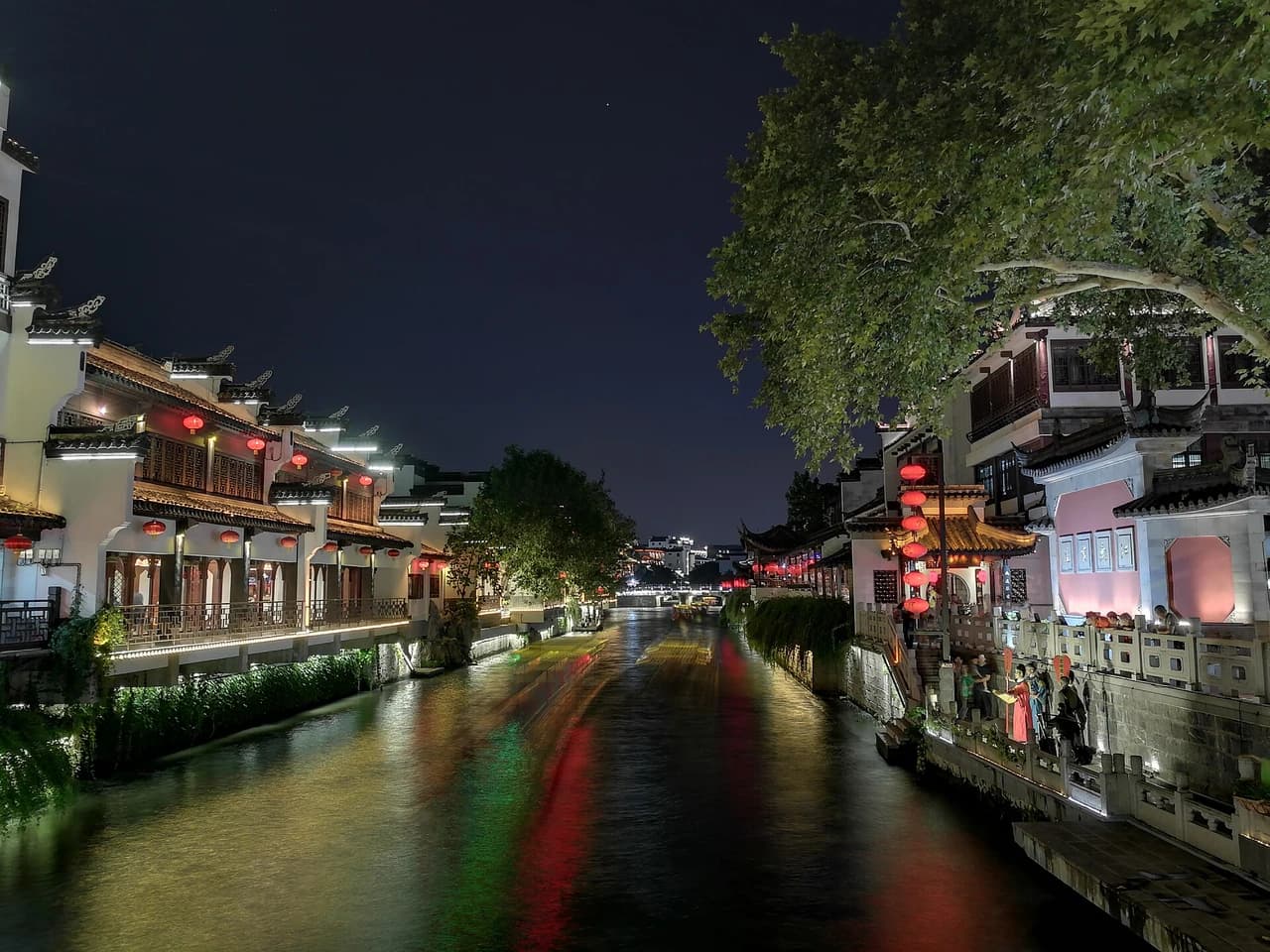
Nanjing was the capital six times and keeps the scale of one: a thirty-kilometre city wall, boulevards under plane trees, and Purple Mountain rising at the east gate. An hour from Shanghai, and a different tempo.
 Southwest China丽江
Lijiang
· 2–3 days
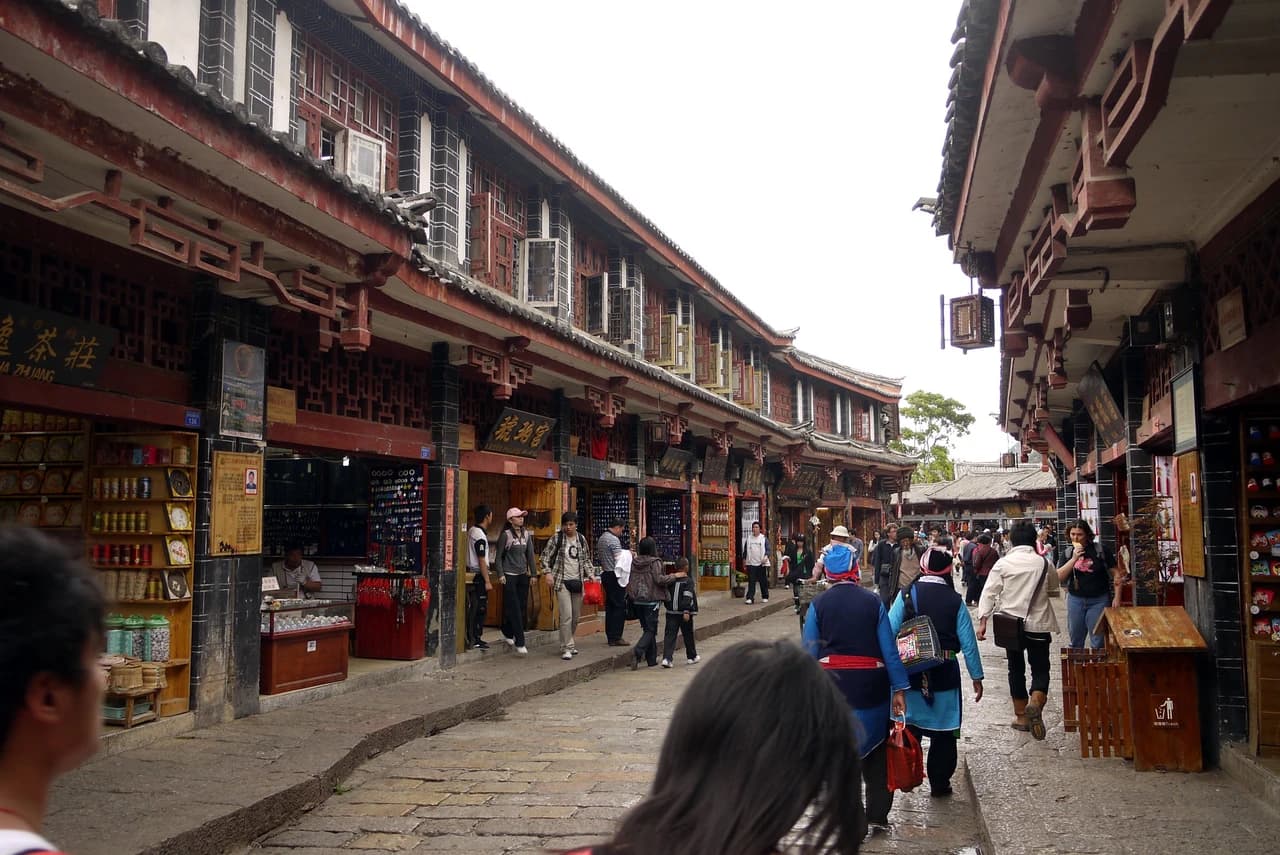
Lijiang is three Naxi towns on a plain under Jade Dragon Snow Mountain. Dayan, the famous one, is beautiful and overrun; Shuhe and Baisha next door are the same architecture at a fraction of the volume.
 Central China武汉
Wuhan
· 2–3 days
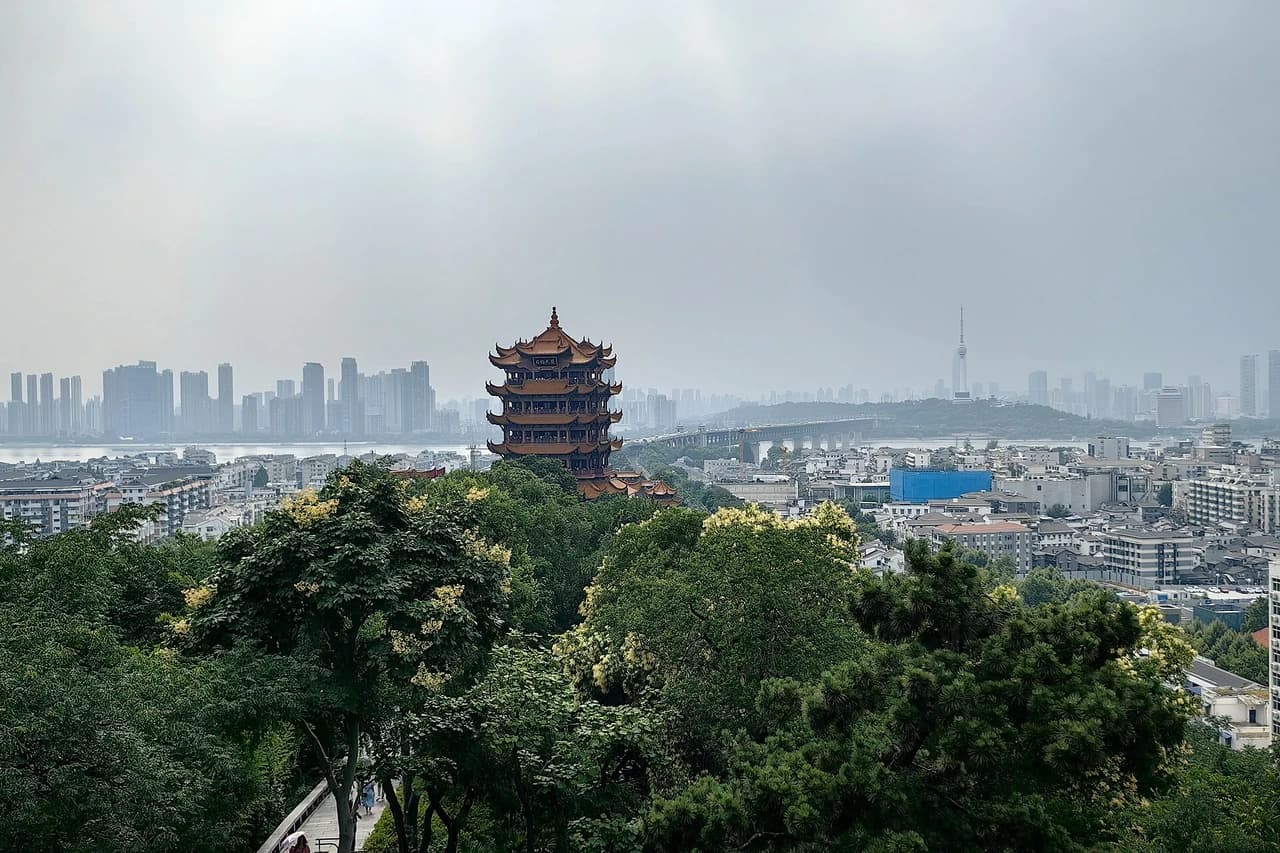
Wuhan is the crossroads of China: every train passes through, and the river that made it is still the point. Come for the breakfast culture, the old concessions of Hankou, the East Lake greenway, and the ferry across the Yangtze at dusk.
 East China泉州
Quanzhou
· 2–2 days
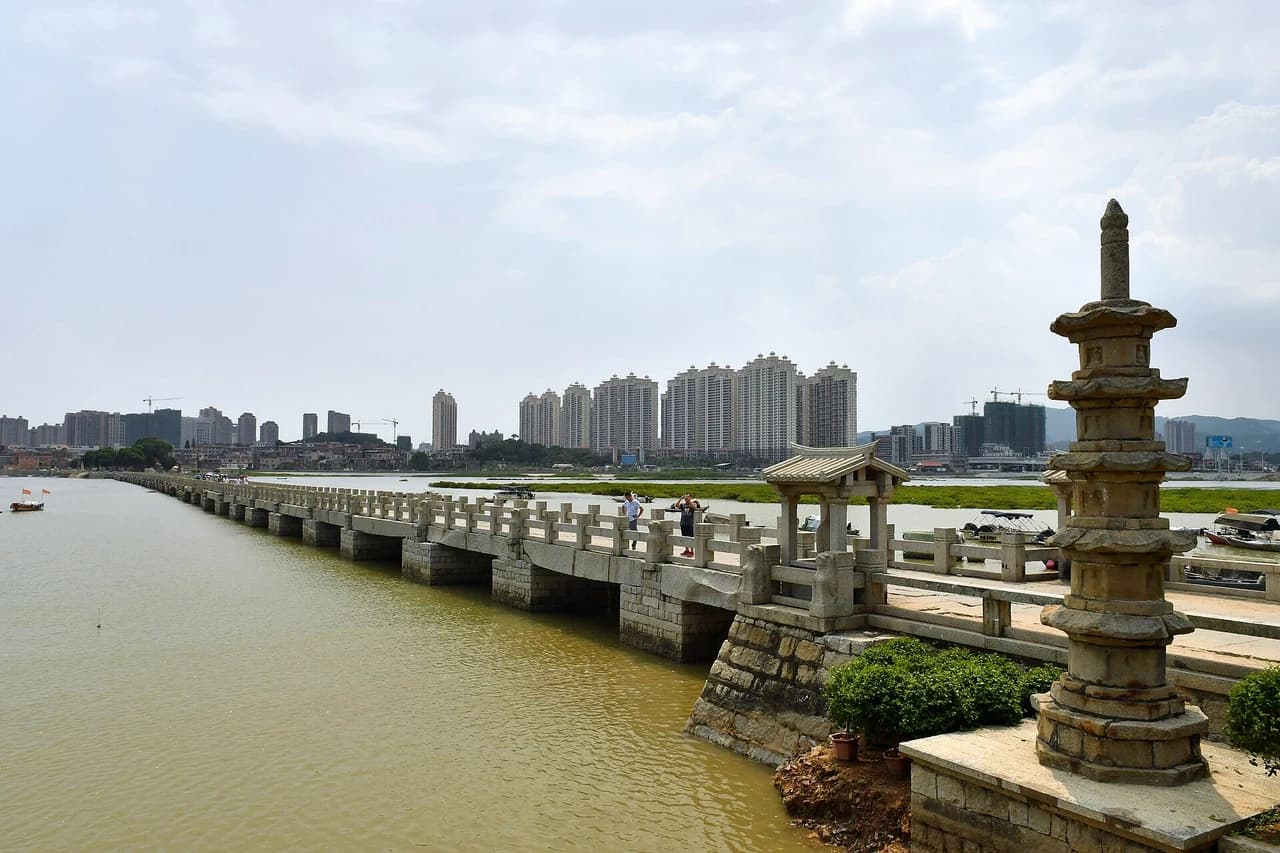
Quanzhou was the largest port in the world in the Song and Yuan, and the old town keeps the evidence: a Tang Buddhist temple, a Song mosque, Manichaean and Hindu carvings, and a living street culture of temple fairs and noodle stalls. Half an hour from Xiamen and almost no foreign visitors.
 Northwest China兰州
Lanzhou
· 1–2 days
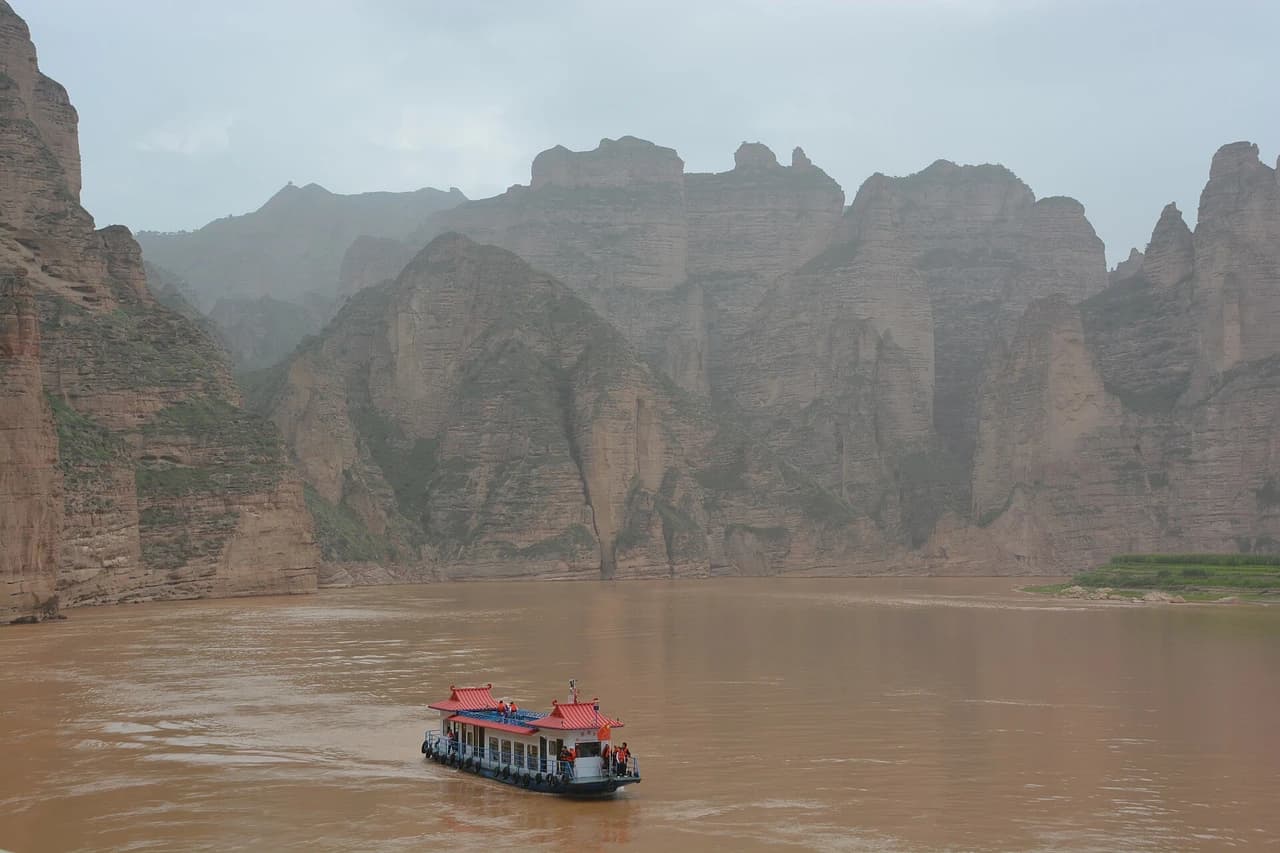
Lanzhou is a long thin city squeezed between hills along the Yellow River, and the place the Silk Road routes west begin. Come for a night on the way to Dunhuang or Xining, eat the noodles, walk the river, and see the museum.
 Central China洛阳
Luoyang
· 2–2 days
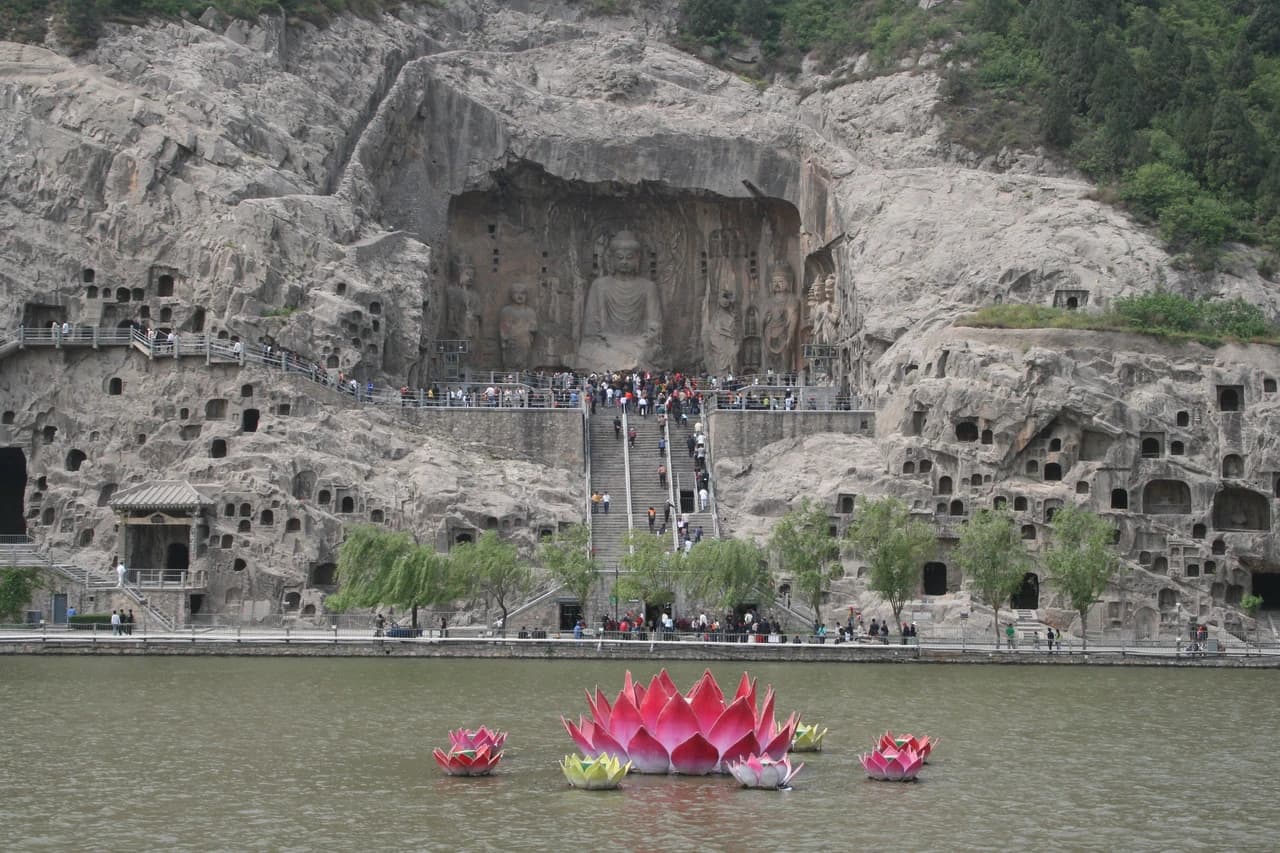
Luoyang was capital to thirteen dynasties and keeps the best of it on the edge of town: the Longmen Grottoes along a river cliff, the White Horse Temple, and a museum of what was dug up in between. Ninety minutes from Xi'an by train.
 Central China开封
Kaifeng
· 1–2 days
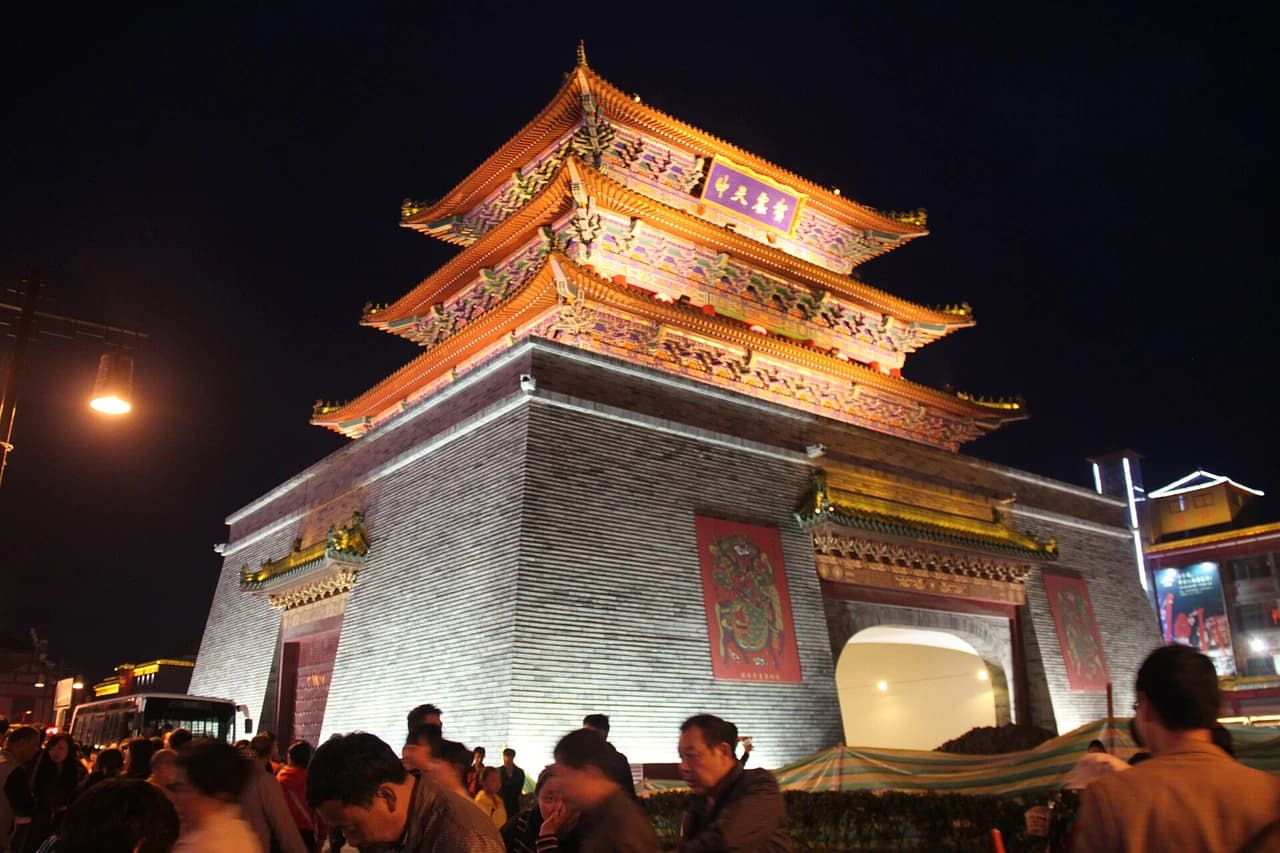
Kaifeng was the largest city in the world a thousand years ago. Floods buried that city metres deep, but the town on top keeps a slow, provincial charm, a great night market, an eleventh-century pagoda, and an old street of bookshops.
 East China绍兴
Shaoxing
· 1–2 days
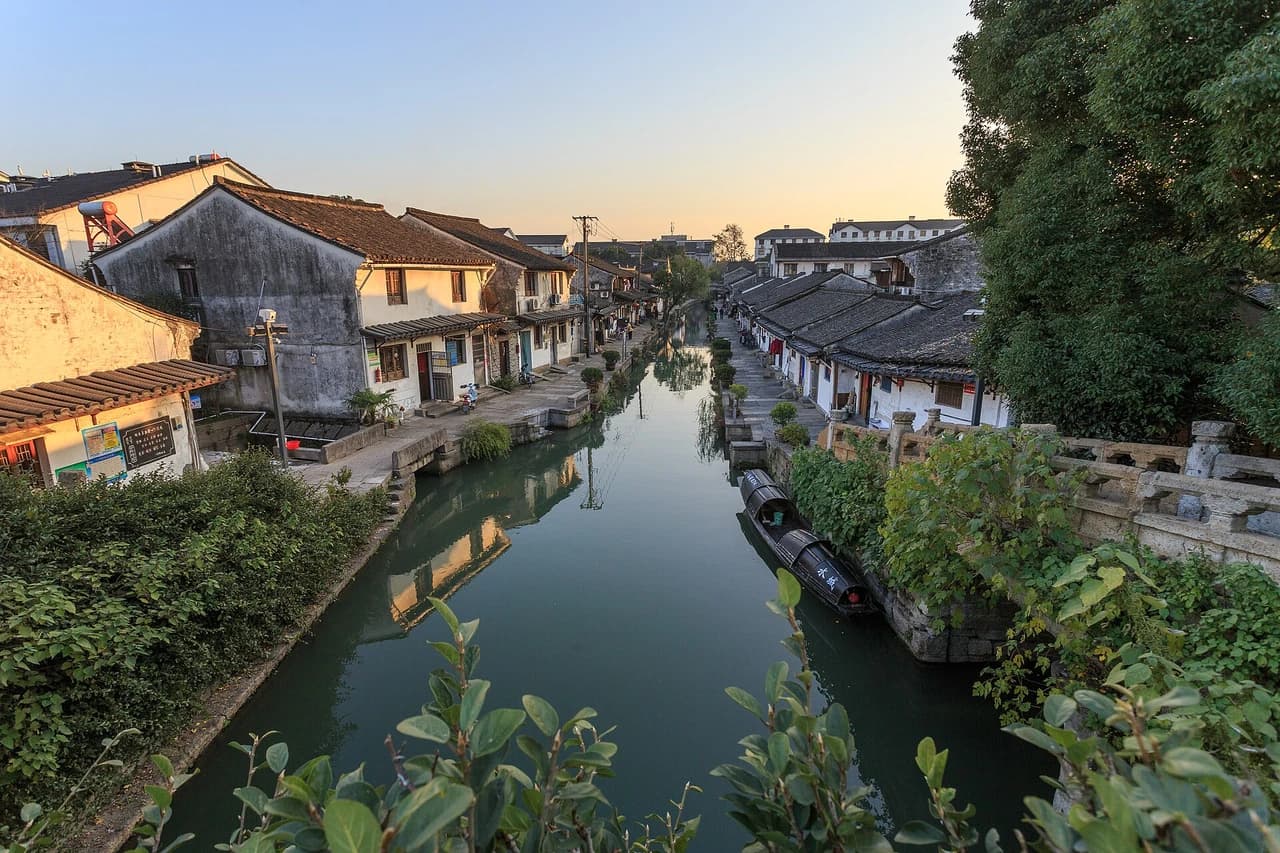
Shaoxing is a canal city of the old Jiangnan kind, twenty minutes from Hangzhou, where people still live along the water. It has the writer Lu Xun's childhood, the calligrapher Wang Xizhi's pavilion, and the wine that carries its name.
 Southwest China贵阳
Guiyang
· 2–2 days
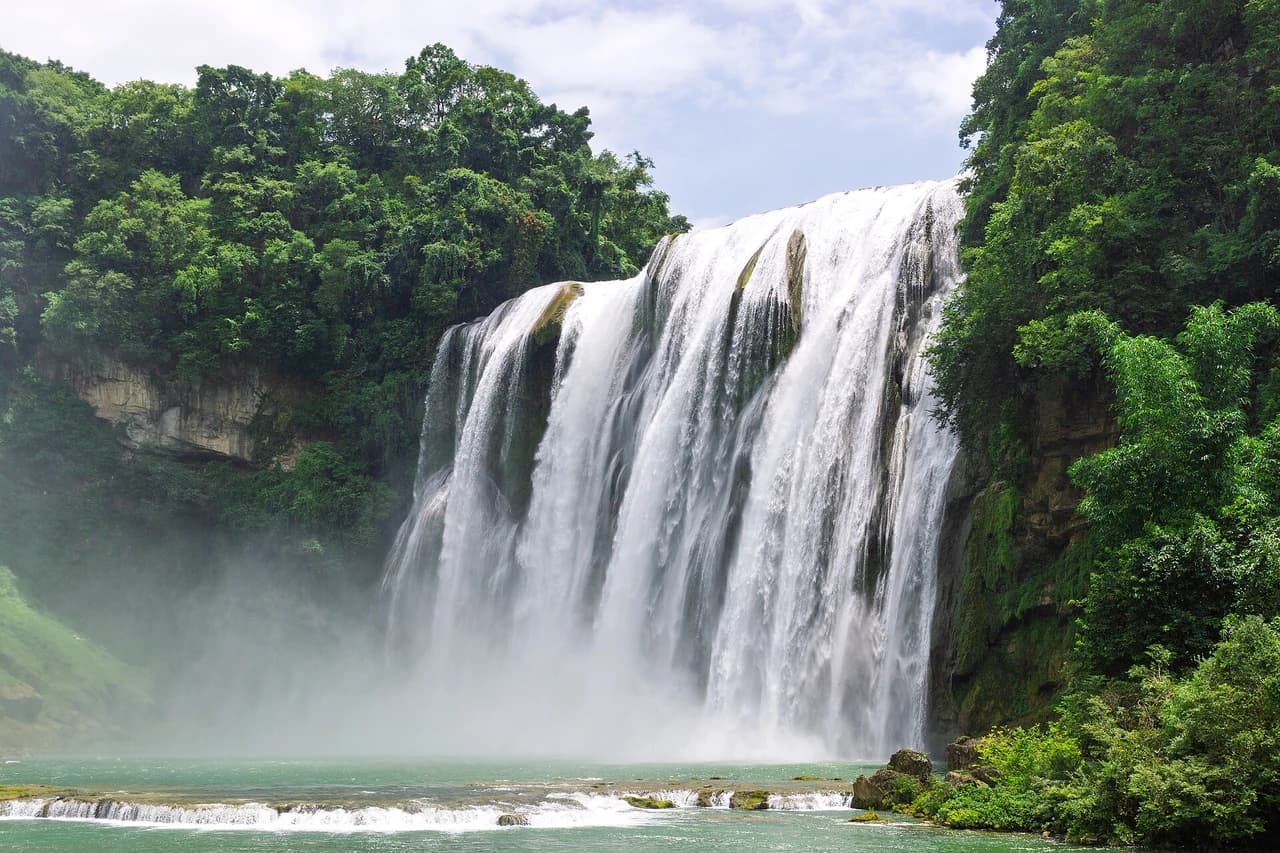
Guiyang is the mountain capital of Guizhou, cool in summer and set among green hills, and the gateway to the Miao and Dong villages, the Huangguoshu falls, and a province most travellers still miss. Two days here, then out.
 Northwest China西宁
Xining
· 2–2 days
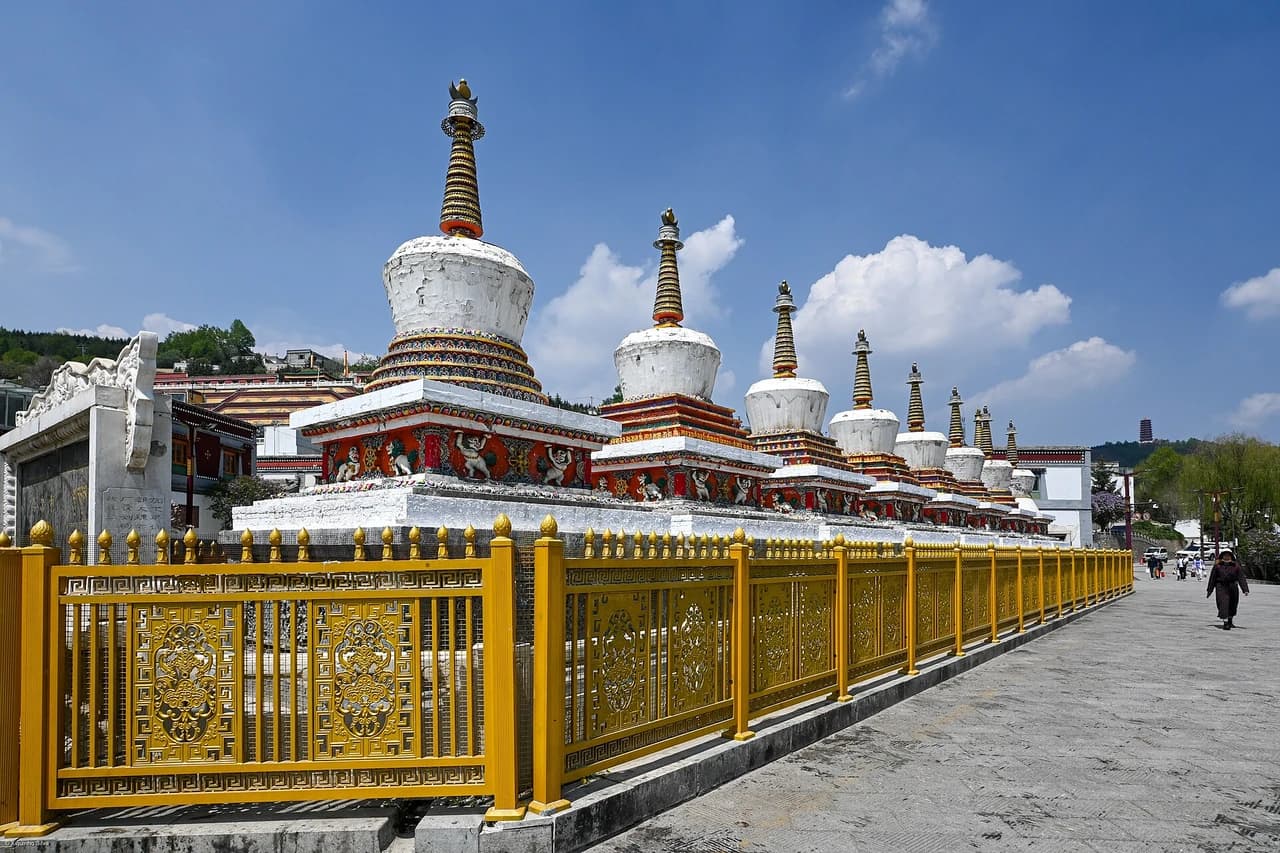
Xining is the doorway to the Tibetan plateau: 2,300 metres up, cool in summer, half Hui Muslim and half Tibetan in its streets and food. Kumbum Monastery is half an hour away and Qinghai Lake a long day out.
Lhasa
LXA · 4–6 days
Lhasa is both a high-altitude regional capital and a living centre of Tibetan Buddhism. The Potala Palace, Jokhang Temple and Norbulingka form a UNESCO-listed ensemble, while monasteries, museums, neighbourhood tea houses and contemporary civic life extend far beyond the postcard skyline. Build in acclimatisation time, use official reservation channels and approach worshippers and residential streets with restraint.
Shigatse
RKZ · 4–7 days
Shigatse stretches from fertile Yarlung Tsangpo farming valleys to the world's highest Himalayan terrain. Major monasteries, fortress towns, barley culture and border landscapes are separated by long high-altitude roads; acclimatise in the city before remote travel and treat monasteries as living institutions.
Kangding
KGT · 3–6 days
Kangding sits where Sichuan basin routes climb into the eastern Tibetan plateau, linking Dadu River history, Tibetan monasteries, trading traditions and the high landscapes around Gongga. The municipality covers valleys and passes far beyond the compact town; group outings geographically and respect pasture, worship and village privacy.
Aba
JZH · 4–7 days
Aba Prefecture combines world-famous travertine and lake systems with high mountains, grassland wetlands, Tibetan and Qiang communities and earthquake memory. Jiuzhaigou, Huanglong, Siguniang and Ruoergai lie in different corridors. Slow transfers, conservation capacity and community boundaries must shape the plan.