Month and stay filters use editorial recommendations; other dates may still work for your trip.
11 cities found
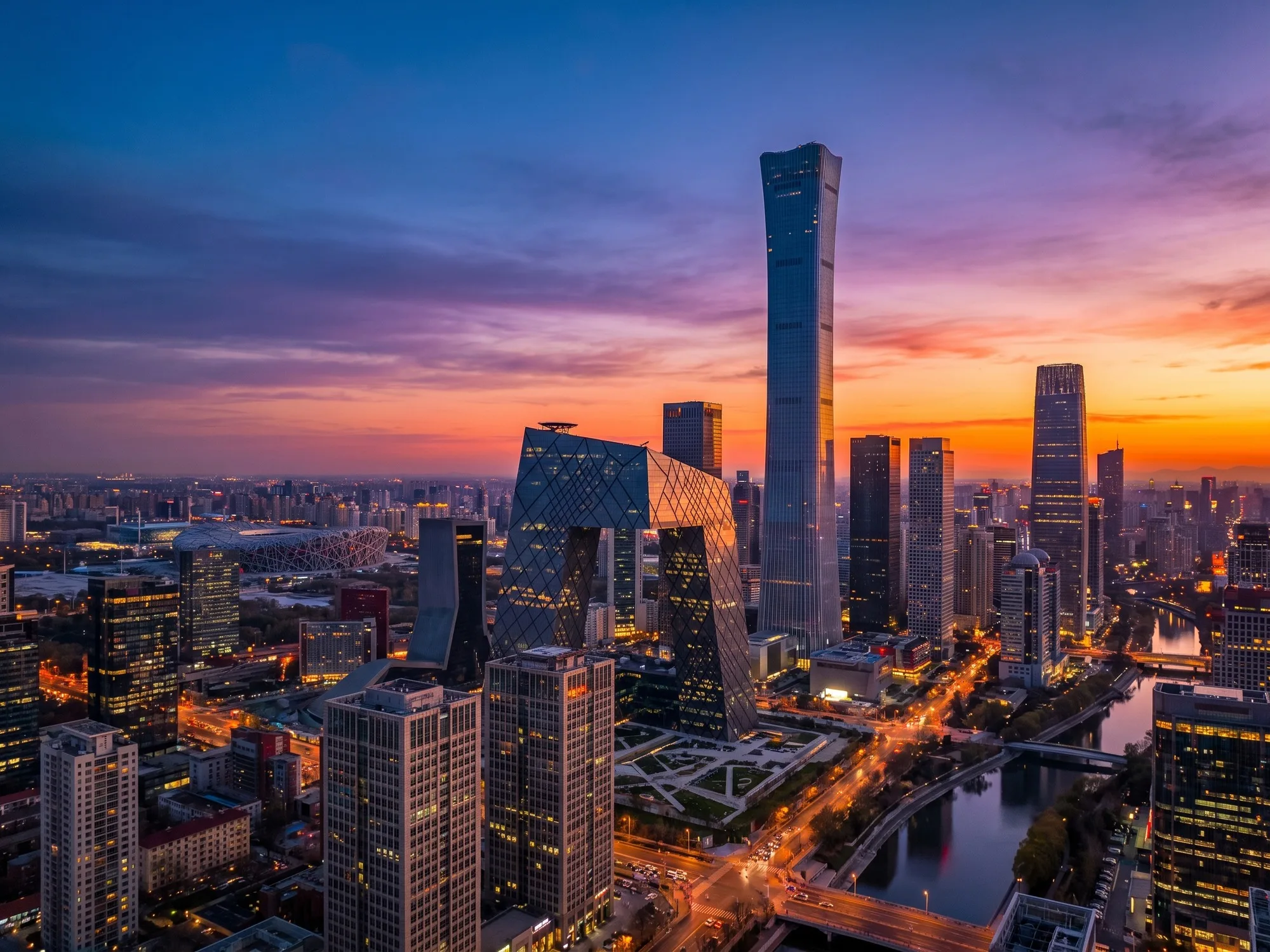
PEK · 4–5 days
北京
The imperial city’s landmarks, still-smoking alleys and sumptuous northern cuisine make it a perfect place to take your time to explore between classic attractions.
· 2–2 days
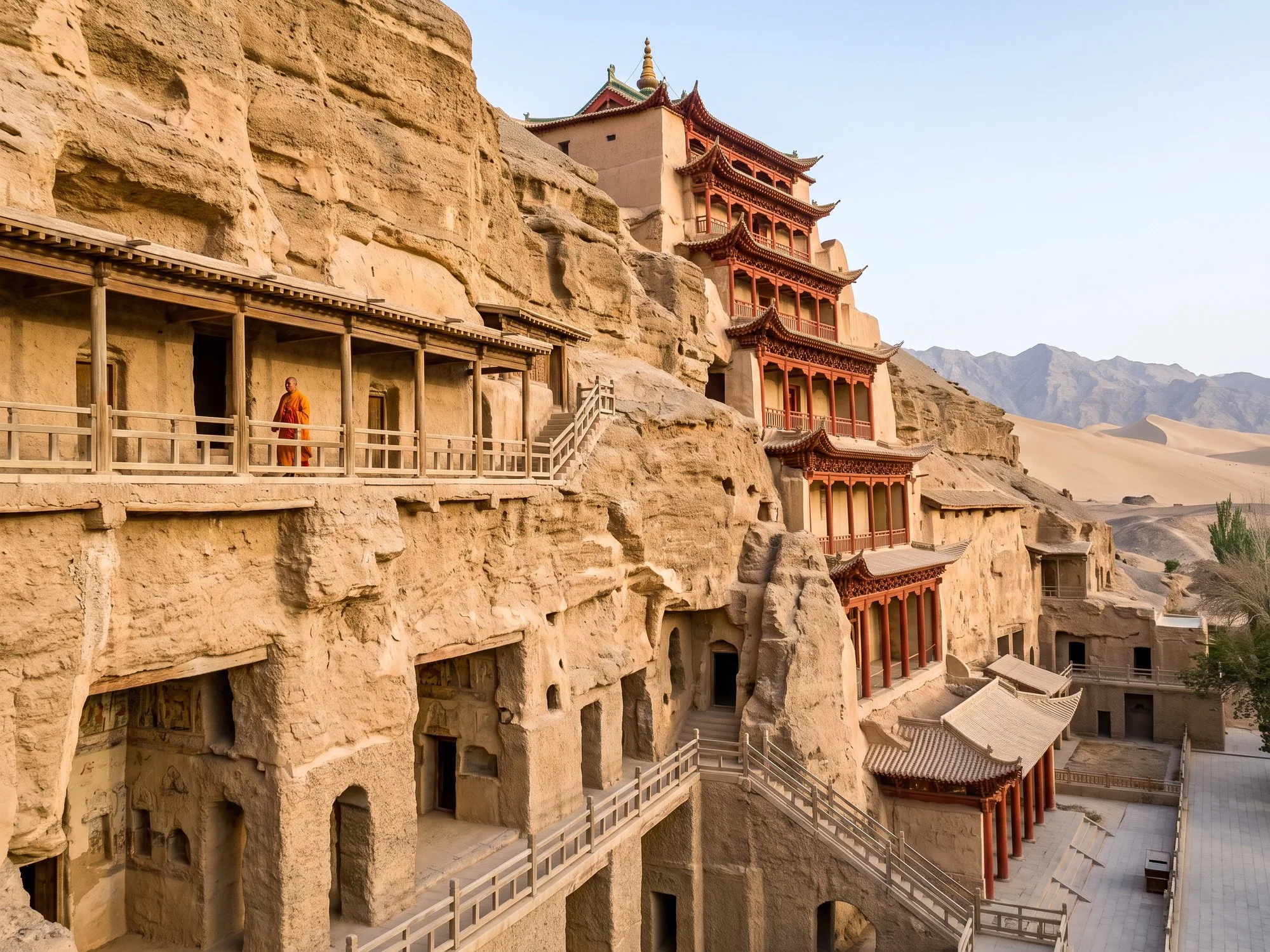
敦煌
Dunhuang is a desert oasis. Buddhist grotto art, Han Dynasty frontier fortress ruins and the still-cultivated oasis landscape jointly present different chapters of the Silk Road. The main attractions are far apart and the reservation systems are independent. A reasonable itinerary should match a cultural site that requires focus with a desert or border route, rather than cramming all landmarks in one day.
PVG · 3–4 days
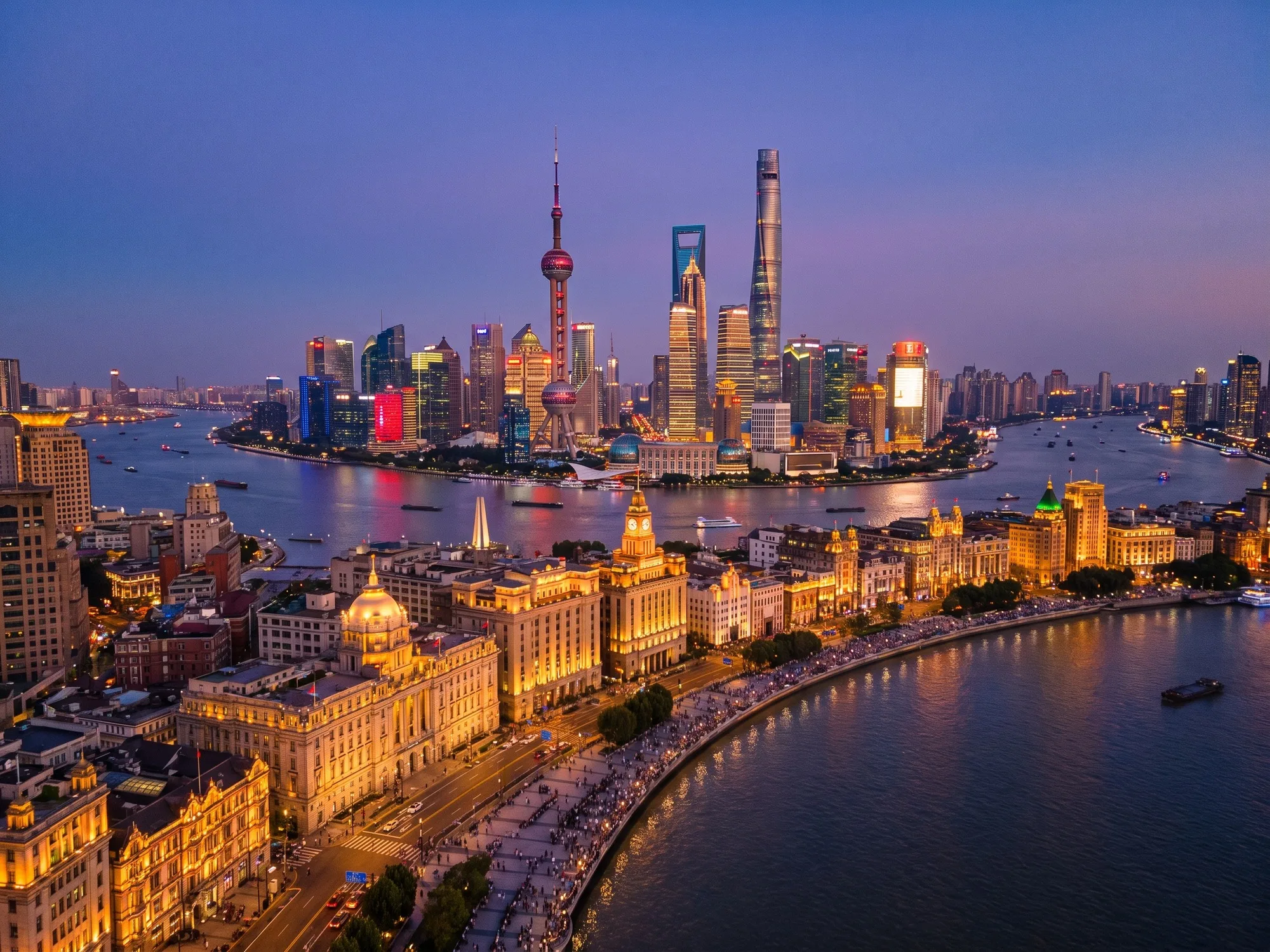
上海
Art Deco neighborhoods, cutting-edge galleries, river views and late-night neighborhood eateries combine to create a city perfect for discovery on foot.
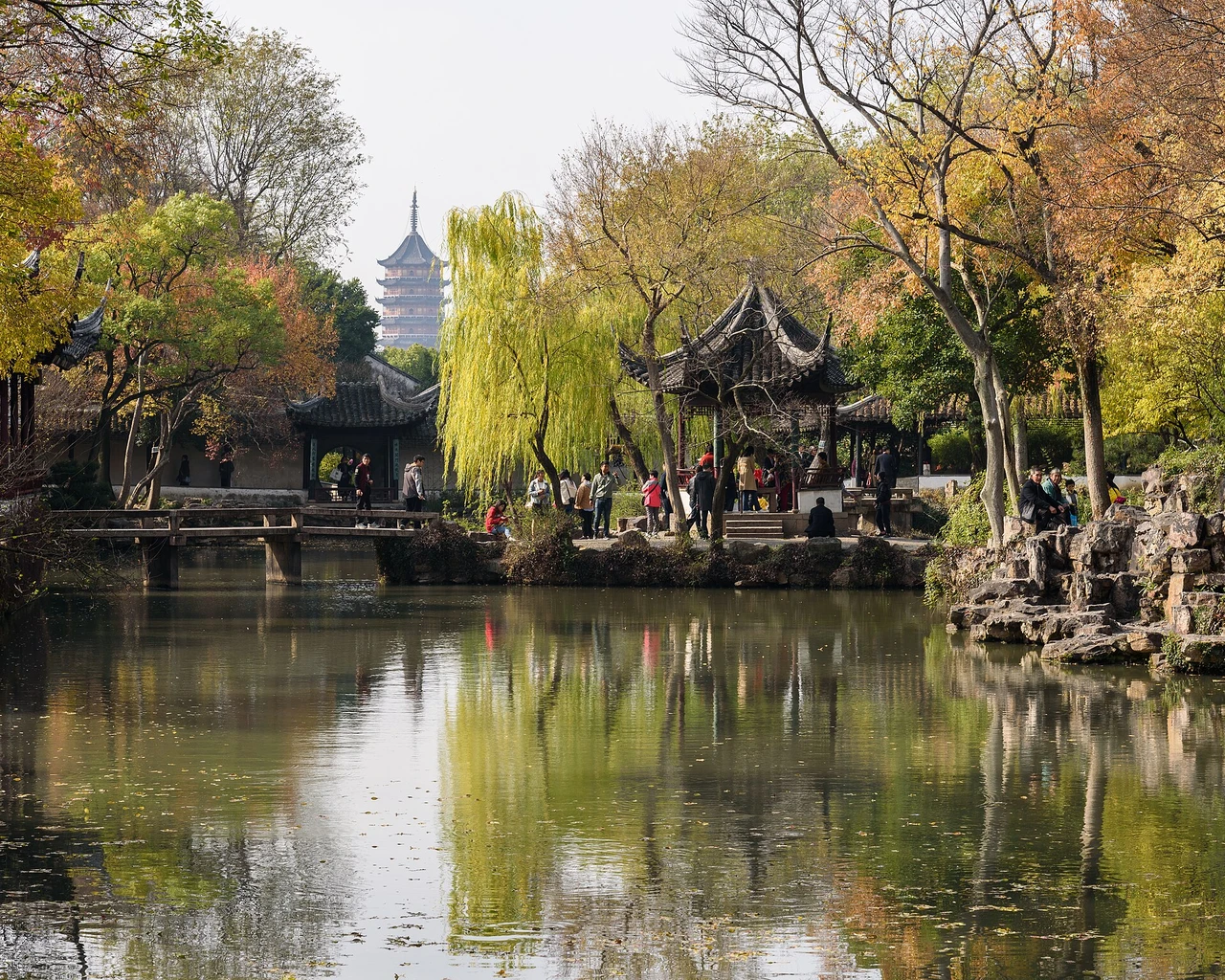
苏州
Suzhou is suitable for slowing down and observing: private gardens condense the landscape into a limited space, while canals, bridges, museums and streets where people still live extend the story beyond the pavilions. Staying one night allows you to see the gardens before the day visitors arrive, and you can also experience a quieter community in the evening.
· 2–3 days
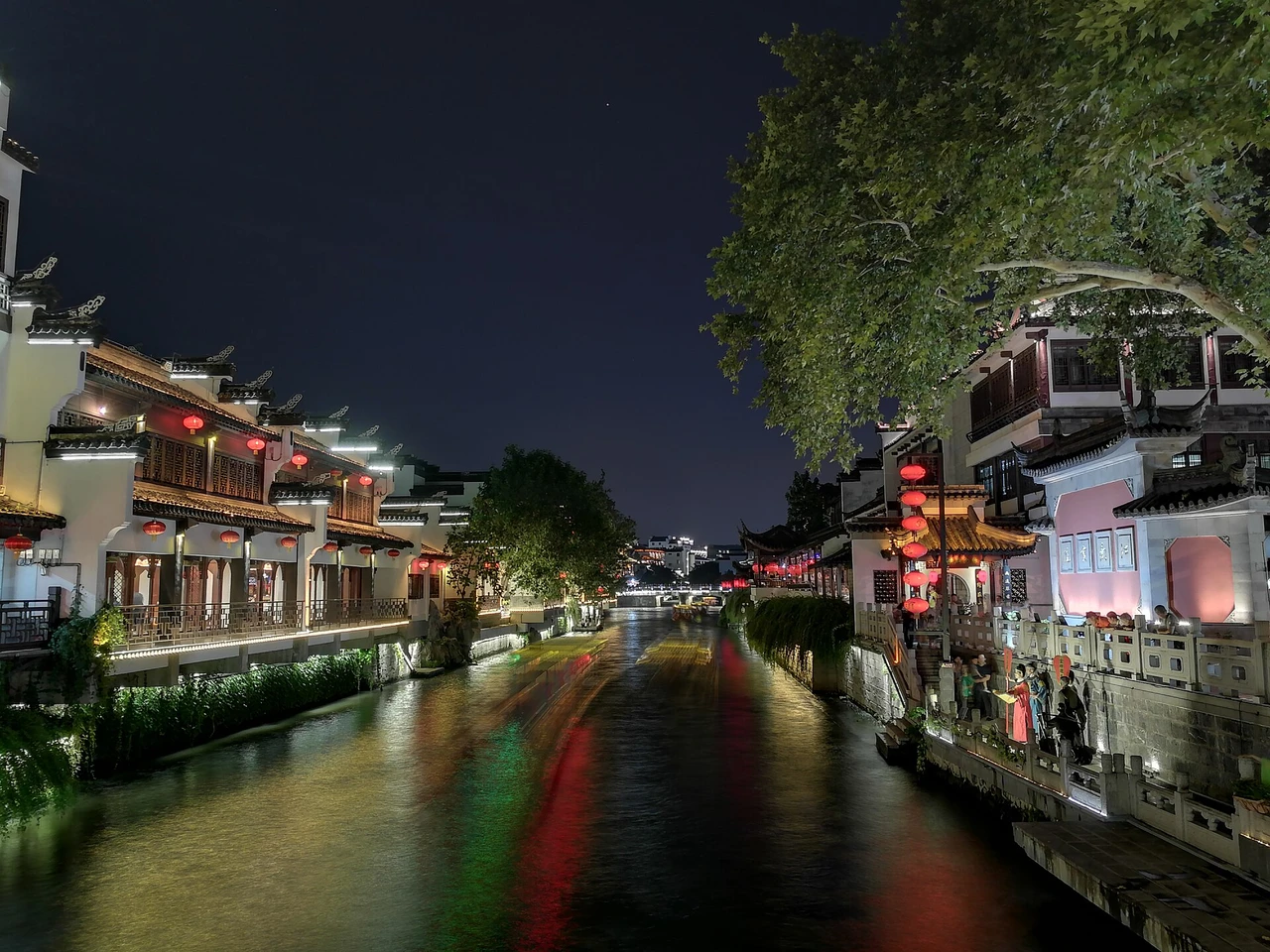
南京
Nanjing is a city that has been a capital many times. Its long history is spread out among the Zhongshan Woodlands, Ming City Walls, museums, Republic of China institutions, and neighborhoods along the Qinhuai and Yangtze Rivers. The itinerary lends itself to grouping by historical threads and areas, and allows time for city views between landmarks, rather than compressing multiple dynasties into a crowded list.
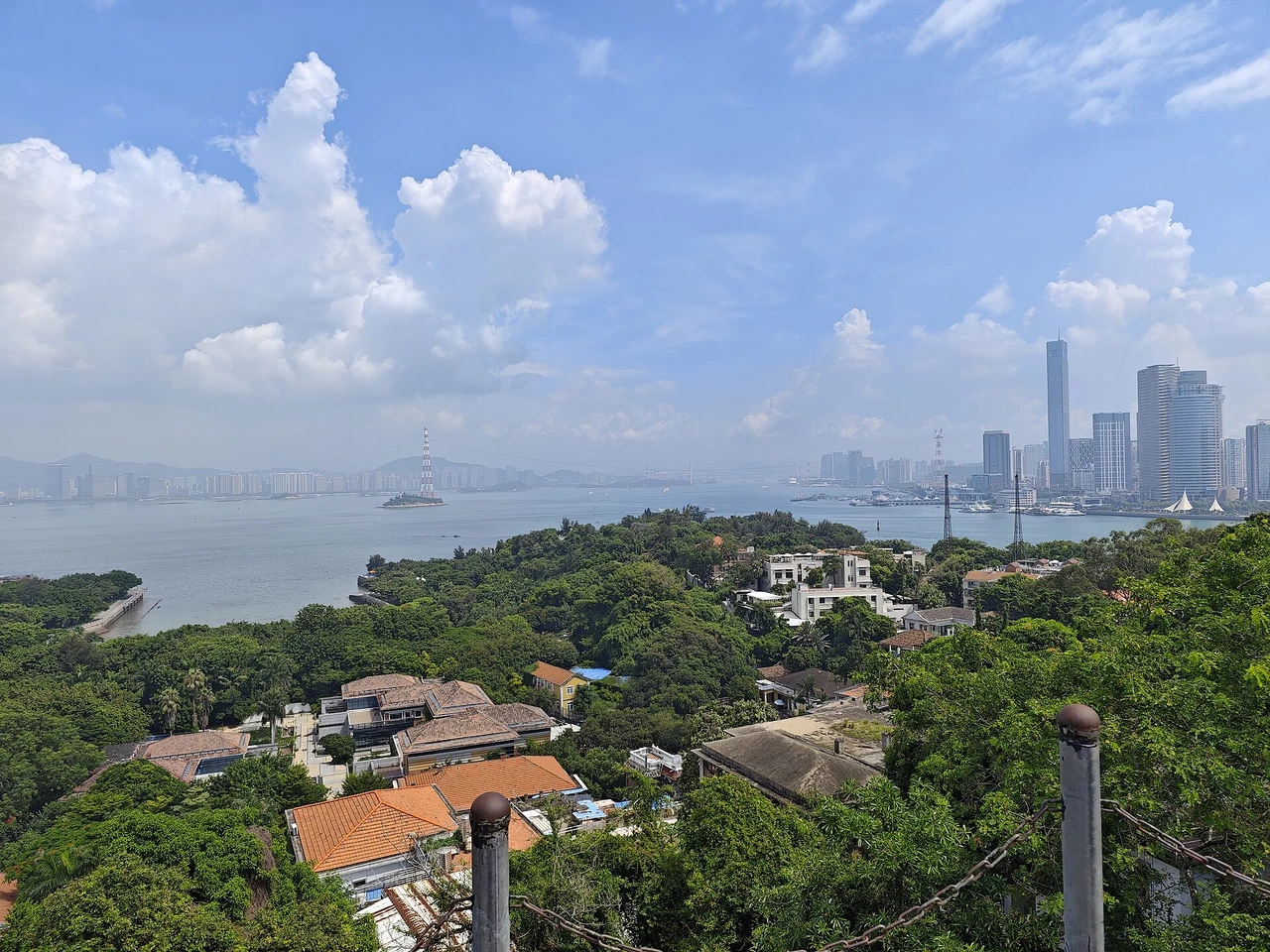
厦门
Xiamen is a subtropical port city. The historical international community of Gulangyu Island, Minnan temples and forts, university districts and the still living island coast together form the urban character. Ferry and cross-island transportation require advance planning, but each area is suitable for walking; the beach belongs to the urban coastline, and swimming conditions and the impact of typhoons must be confirmed on site.
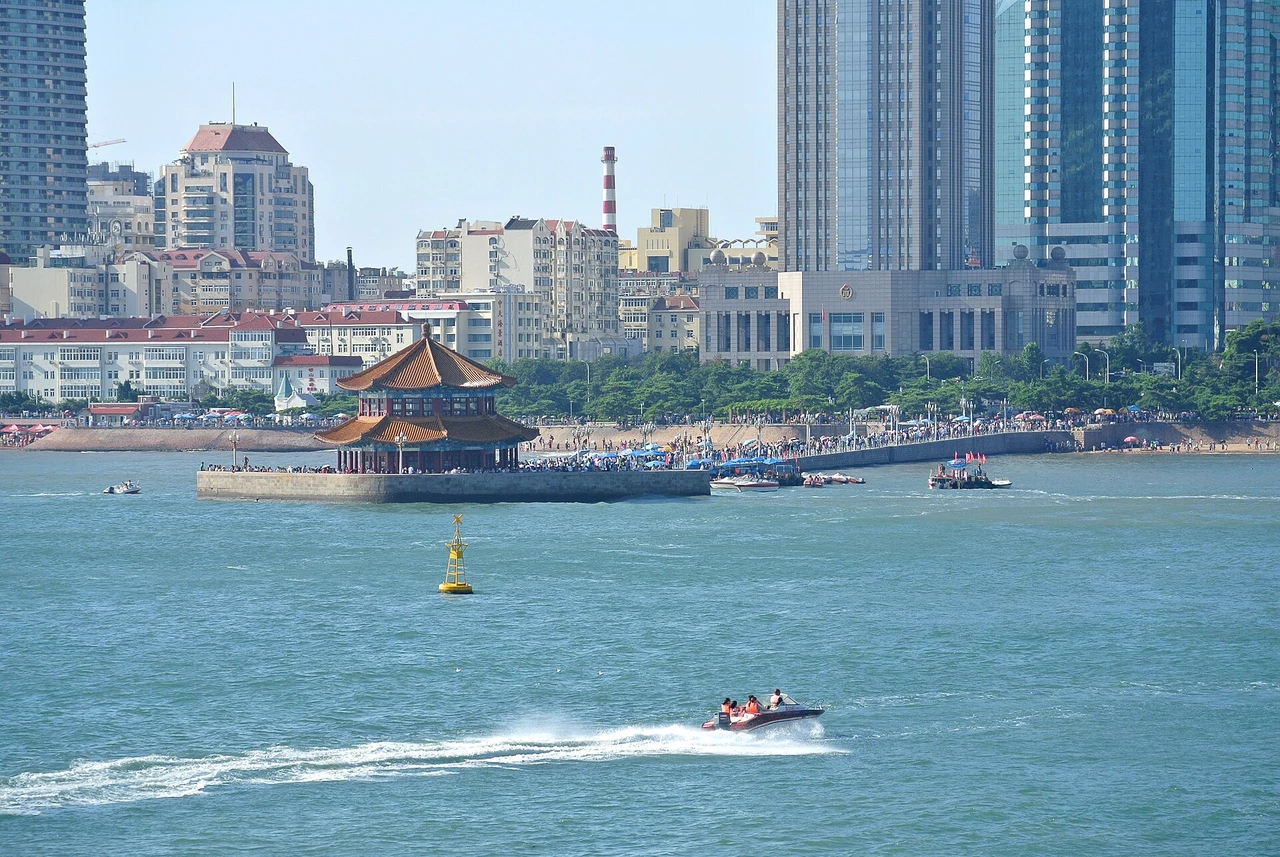
青岛
Qingdao is a hilly port city with rocky Yellow Sea shores, fishing traditions, modern architecture and modern marine industries adjacent to each other. The old town is suitable for walking but the slope is obvious, while Laoshan and the outer coast require a full-day schedule. The waterfront should be understood as a functioning maritime urban space, rather than as a strip of beach, beer, and historic buildings compressed into a resort strip.
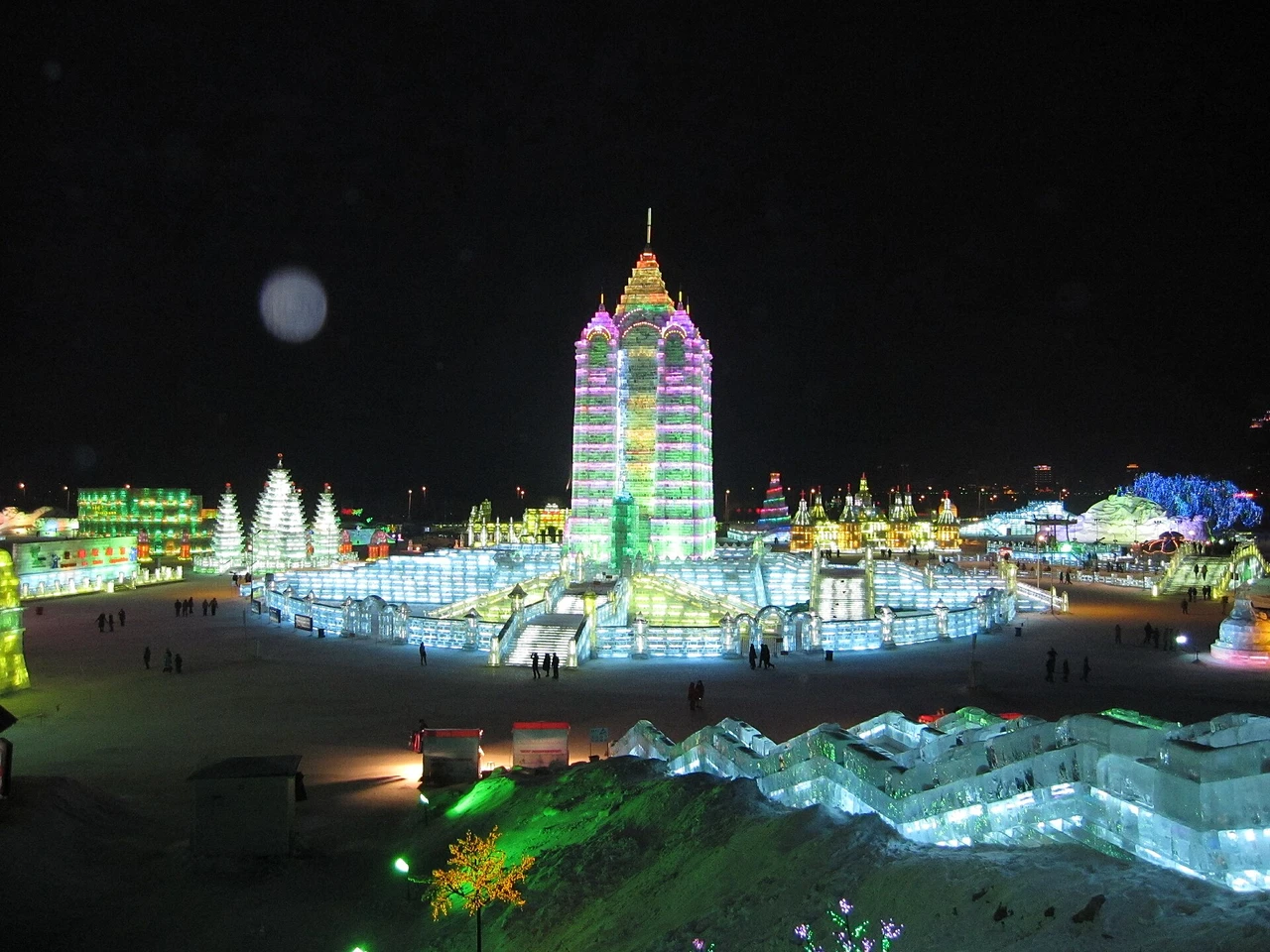
哈尔滨
Harbin developed on railroads, immigration, and Northeast Asian trade, and Orthodox churches, commercial and industrial buildings coexisted with distinctive Chinese urban life. While the snow and ice architecture in winter is spectacular but seasonal, the museums, riverfront landscape and 20th-century history are important year-round. The city spans a large area, especially the 731 Site, which is far from the center. The itinerary should be organized according to areas, rather than treating all scenic spots as city center points.
大同
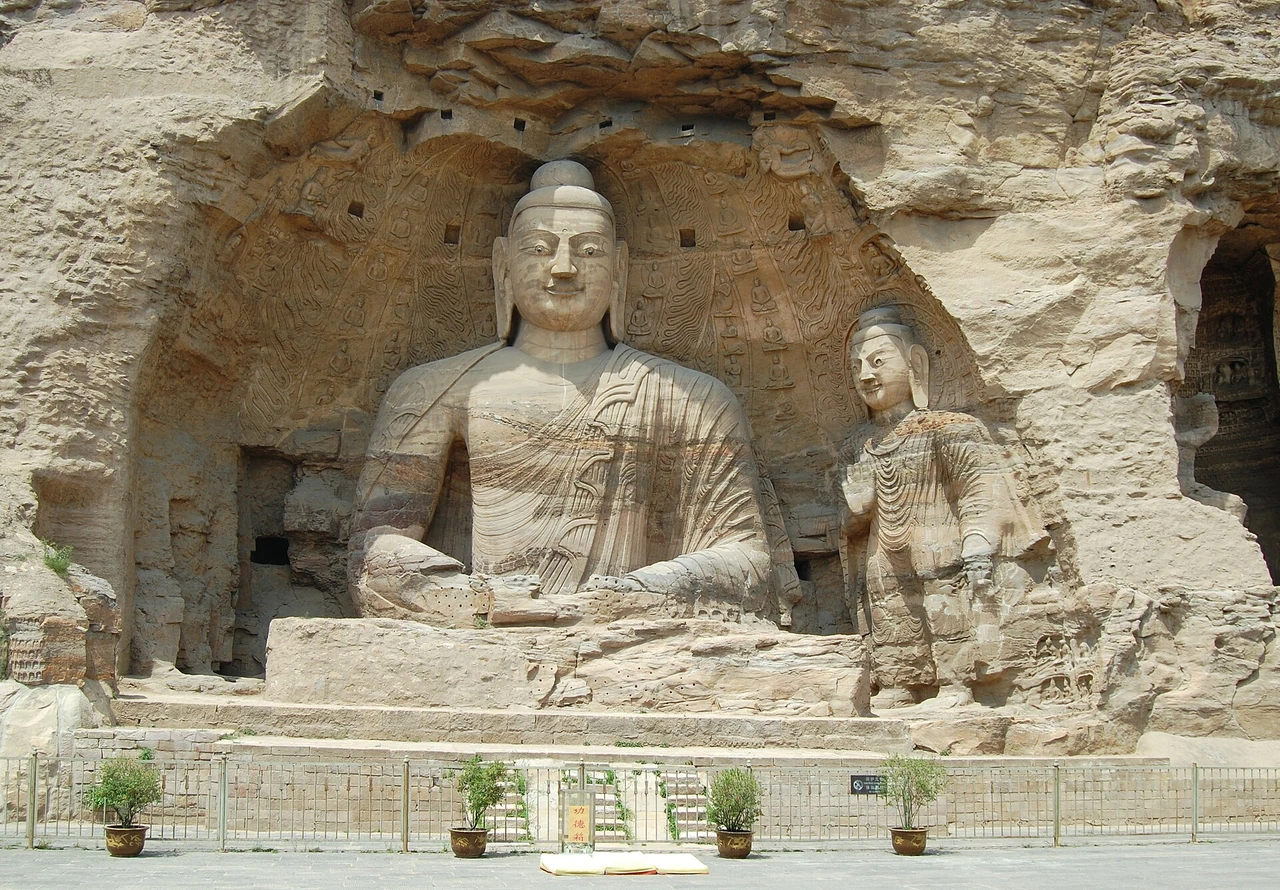
Datong brings together layers of Northern Wei capital history, Liao and Jin Buddhist architecture, Ming-era defenses and a modern coal city in a cold, dry basin. The Yungang Grottoes lie west of the city, while the Hanging Temple is a separate trip to Hunyuan County. Although notable old temples survive within the reconstructed old town, not every street is an original historic structure. Plan visits by period and location.
洛阳
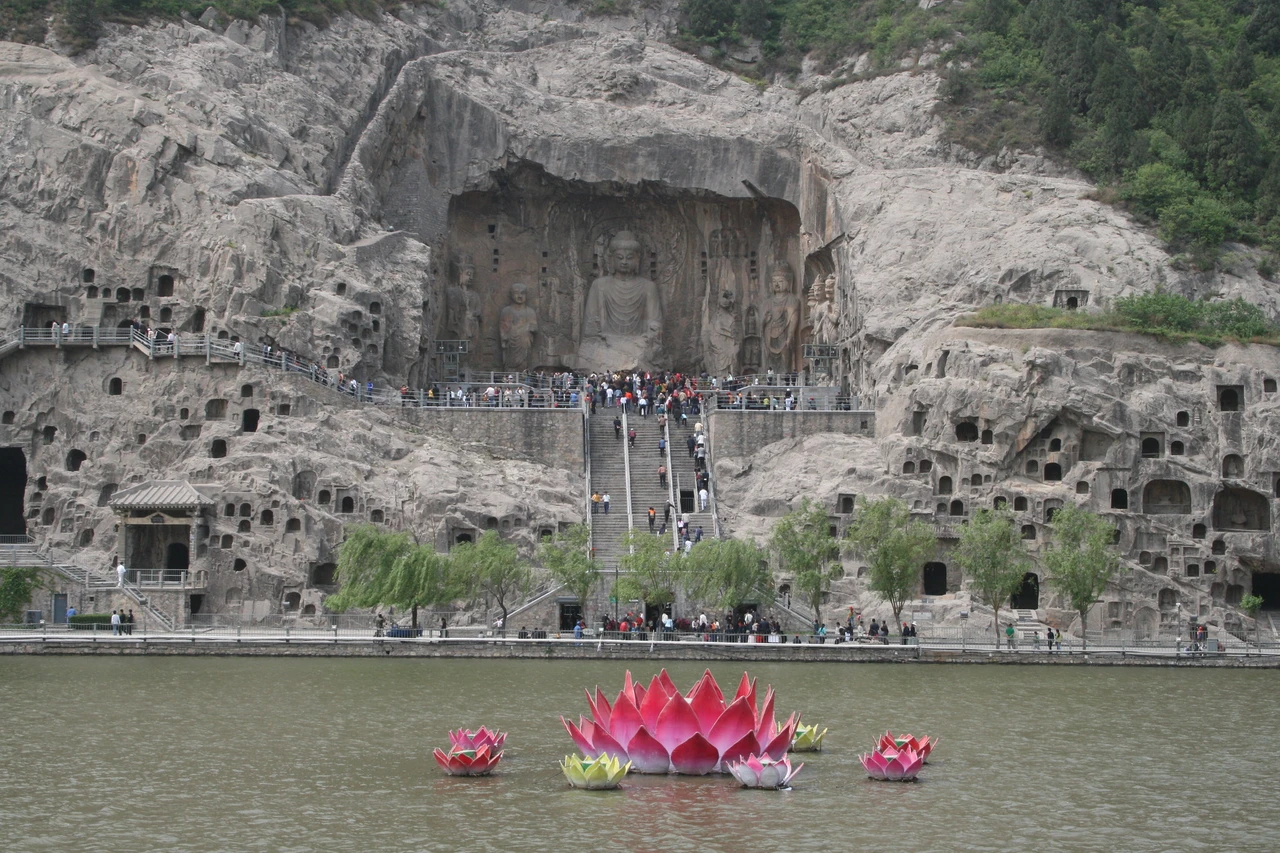
The importance of Luoyang comes from the many capital constructions and repeated reconstructions in the Yellow River Civilization, rather than from a completely preserved ancient city. Longmen records Buddhist patronage in the Northern Wei and Tang dynasties, Erlitou discusses early state formation, and the museum and archaeological site park explain the subsequent capital structure. Archaeological remains, protected grotto art and modern display reconstructions should be distinguished, and sufficient travel time should be reserved for dispersed points.
深圳
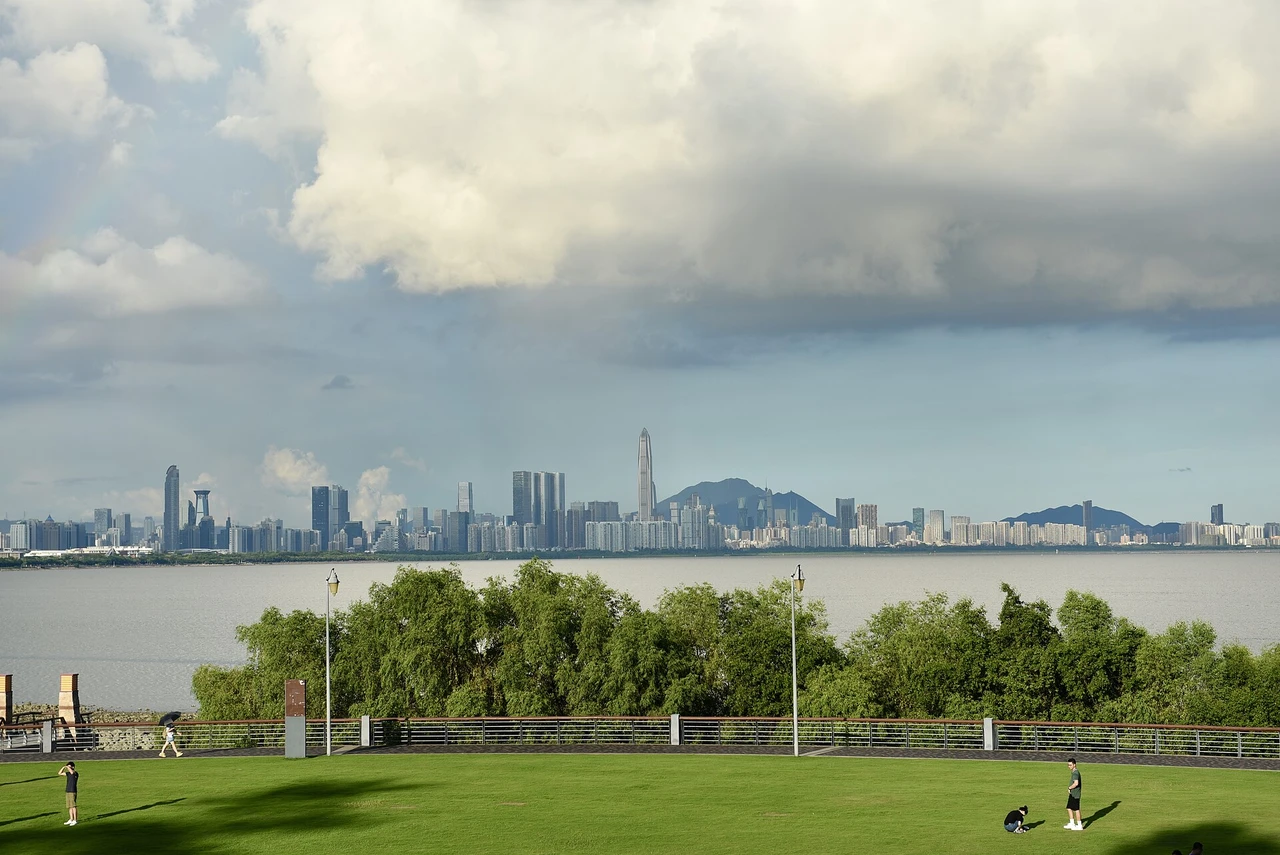
Shenzhen is often summed up by speed, technology and skyscrapers, but the fuller story also includes Ming Dynasty coastal defense, Cantonese and Hakka settlements, Oyster communities, population migration and special economic zone experiments. Understanding this city requires crossing different scales: starting with the physical history of reform and opening up, observing contemporary culture in design neighborhoods accessible by the subway, and then going to wetlands, geological landscapes and old villages.