
 Huangshi
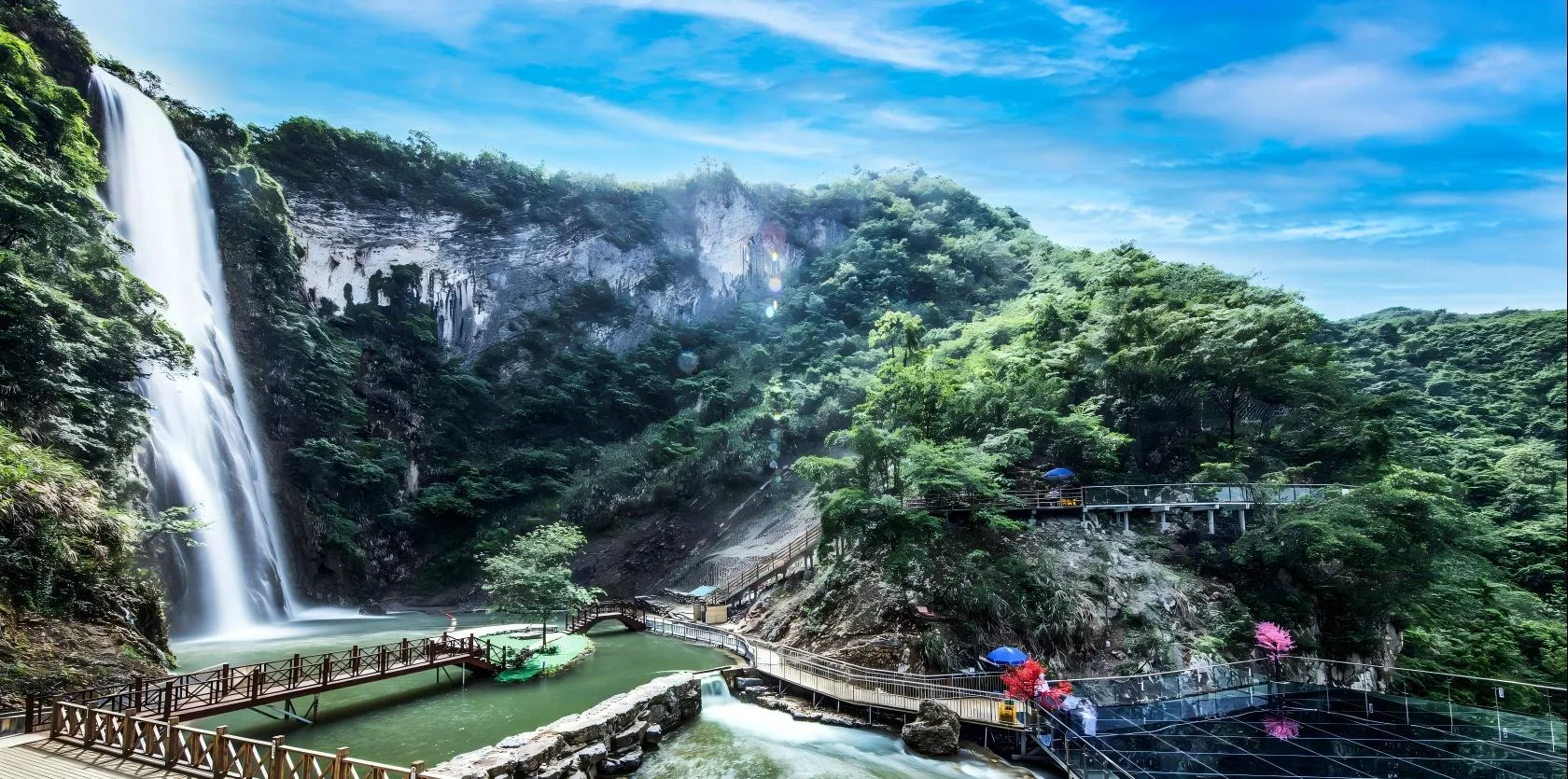
Dishuiya Tourist Area
滴水涯旅游区
Explore places
Browse a mix of cities, or choose one city to see its places in editorial order.
Huangshi滴水涯旅游区
A visitor destination centered on waterfalls and mountain-and-water scenery. Verify seasonal activities such as rafting and rainy-weather safety restrictions before traveling.
Explore Huangshi ↗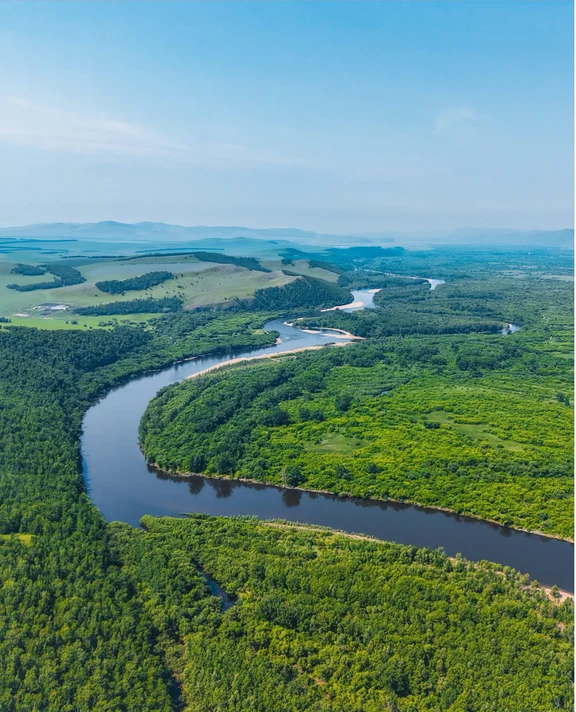 Hulunbuir
额尔古纳湿地
The Ergun Wetland is located in the transition zone between the Daxinganling forest and the Hulunbuir grassland, and consists of rivers, swamps, wet meadows and forest slopes. Elevated walking trails and viewpoints allow visitors to understand water storage and habitat functions without stepping onto waterlogged ground. Common scenic spots are just management windows for larger wetland systems, and fences and seasonal closures are ecological protection rather than inconveniences.
Explore Hulunbuir ↗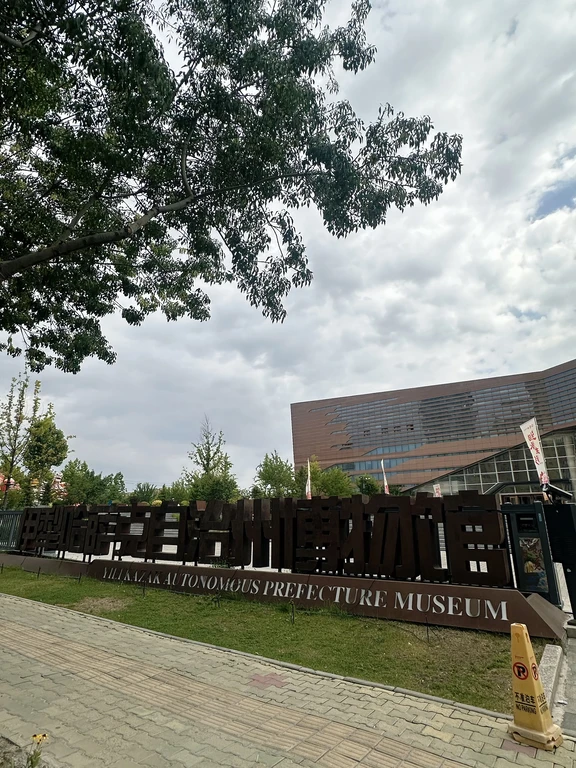 Ili
伊犁州博物馆
The Yili Prefecture Museum provides context for understanding a river valley shaped by grassland passages, Silk Road exchanges, Qing governance, agriculture, and multiple ethnic groups. Exhibitions of archeology, fabrics, metal tools and local history prevent the grassland trip from leaving only deserted scenery and vague era.
Explore Ili ↗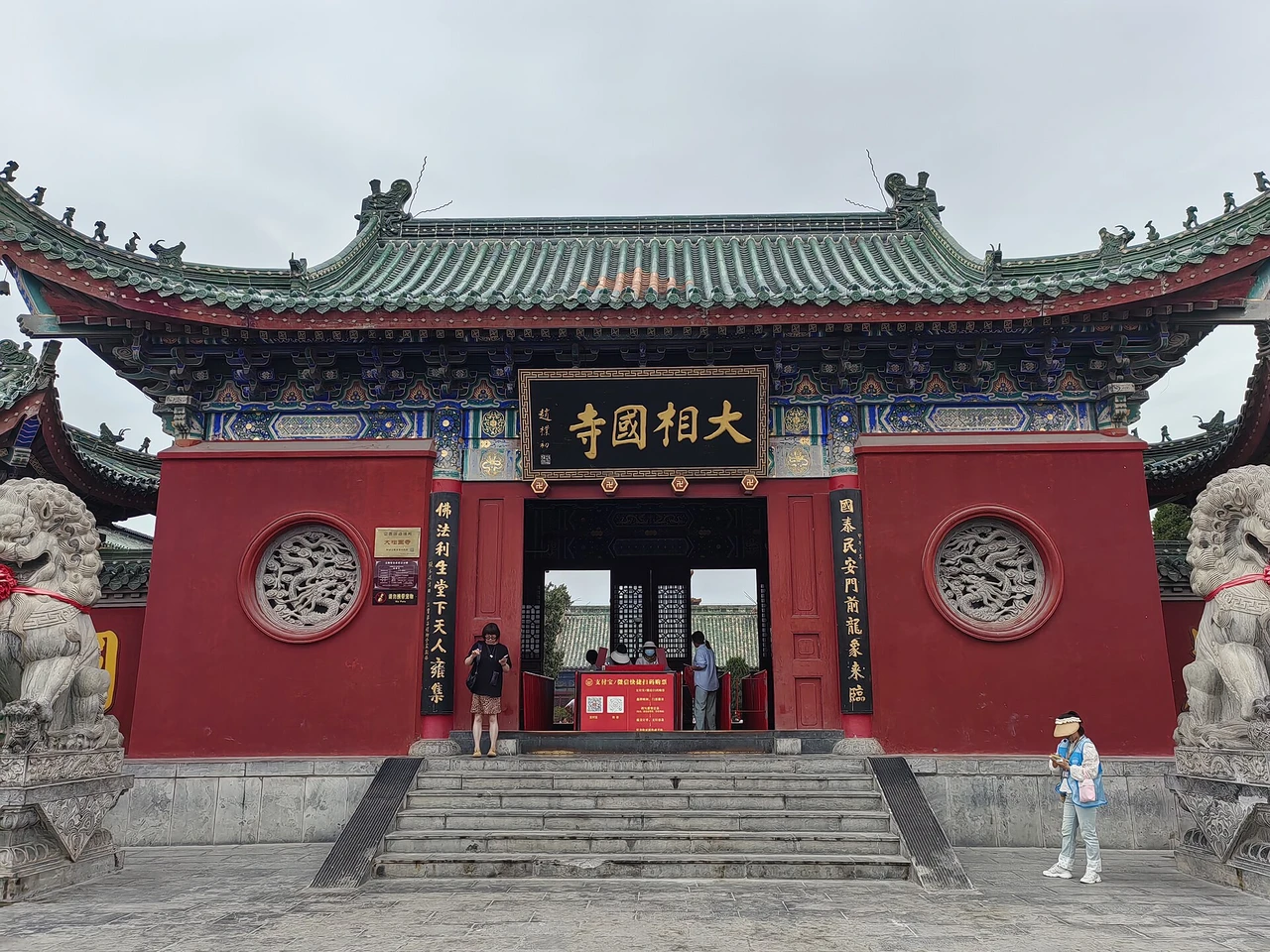 Kaifeng
大相国寺
Located in the west section of Ziyou Road in the city center, it was built in the sixth year of Tianbao in the Northern Qi Dynasty (555). It was originally named Jianguo Temple and was renamed Daxiangguo Temple in the Tang Dynasty. In the Northern Song Dynasty, it was the largest royal temple in the capital and the national Buddhist activity center. The treasures of the temple are the Thousand-Armed and Thousand-Eyed Guanyin carved from a whole ginkgo tree in the Octagonal Glazed Hall, which is exquisitely crafted. There is also the "Xiangguo Frost Bell" weighing more than 10,000 kilograms, which is one of the eight scenic spots in Kaifeng. The Main Hall is known as the "No. 1 Hall in the Central Plains". There is also a scene in the temple where Lu Zhishen uprooted a weeping willow in "Water Margin".
Explore Kaifeng ↗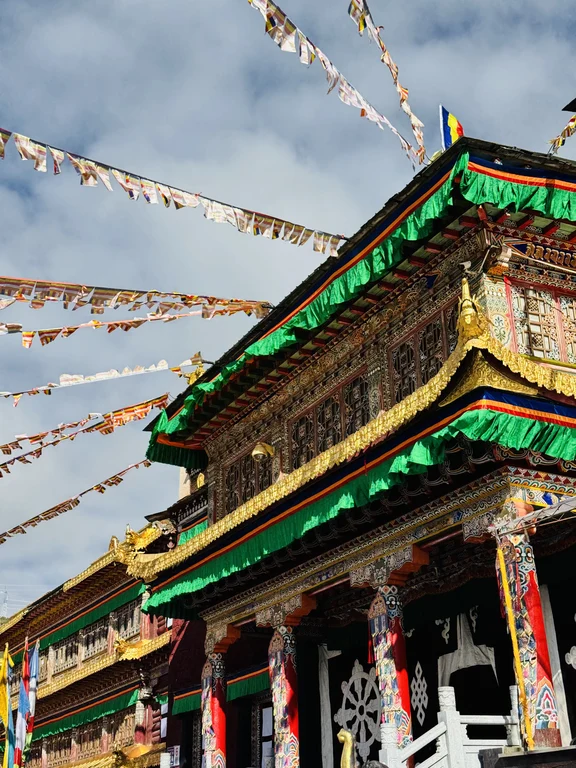 Kangding
塔公寺与草原
Tagong combines living temples, towns and production pastures under the peak. Religious activities, grazing and residential traffic continue, photography and entry require consent, and the grasslands cannot become off-road playgrounds.
Explore Kangding ↗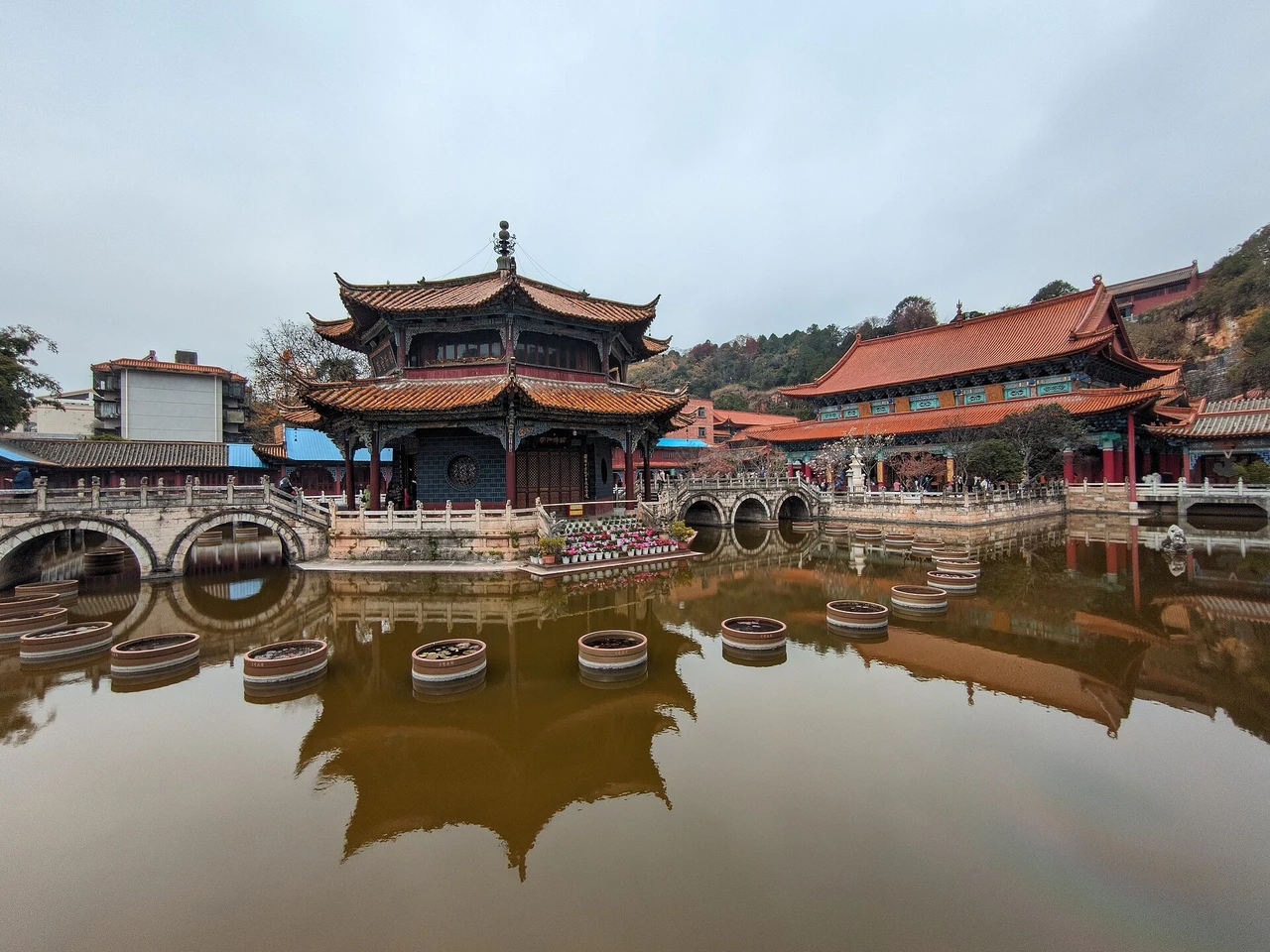 Kunming
圆通寺
It is an ancient temple built more than 1,200 years ago during the Nanzhao period of the Tang Dynasty. It is a rare "inverted slope temple" in the country (all the way downhill when entering the mountain gate). The three sects of Buddhism, Chinese, Tibetan and Southern Buddhism, coexist and have a water courtyard style garden layout.
Explore Kunming ↗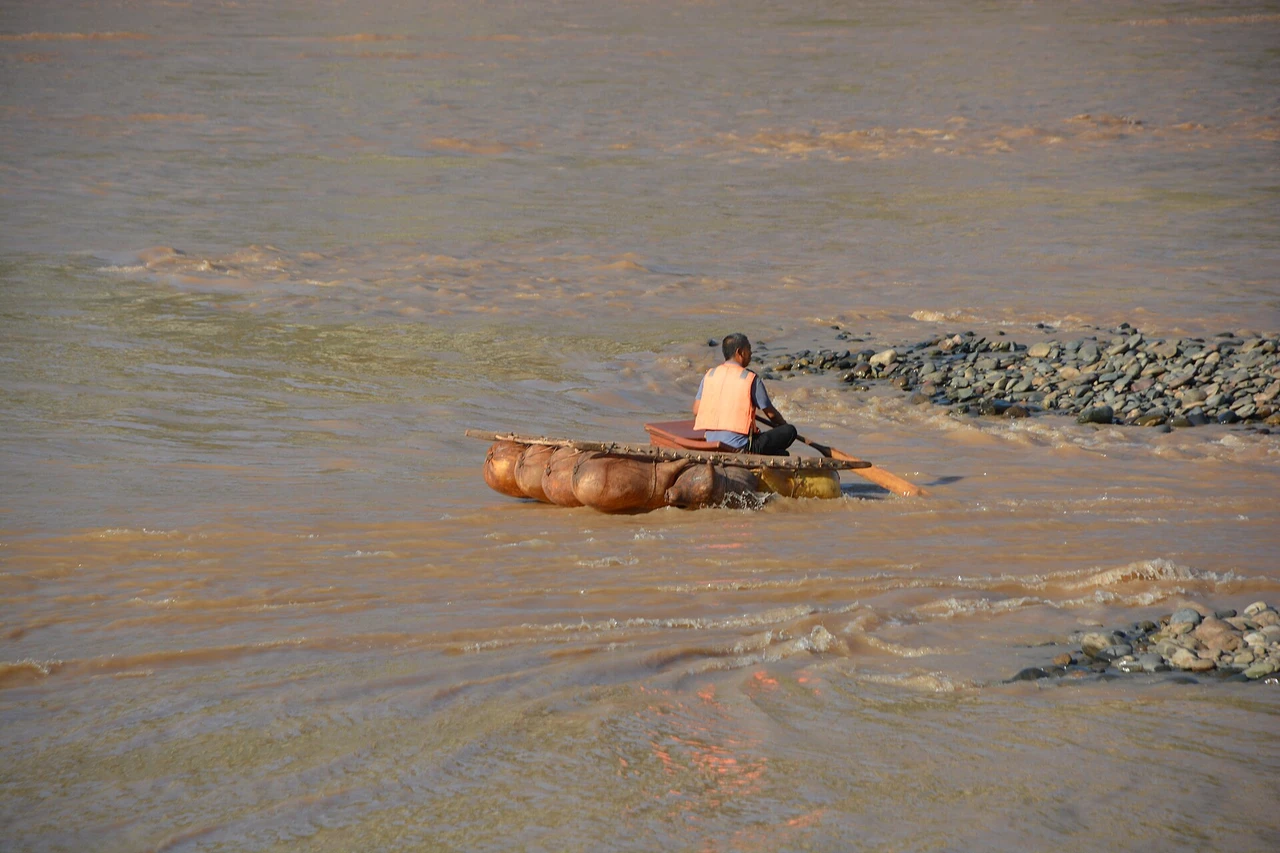 Lanzhou
羊皮筏子
Sheepskin rafting experience on the Yellow River. Sheepskin rafting is an ancient river crossing tool made of inflated sheepskin. It has a history of thousands of years and is a unique intangible cultural heritage experience on the Yellow River in Lanzhou. The wharves are concentrated along the Yellow River style line, such as the Yellow River Mother Wharf, Zhongshan Bridge Wharf, and Waterwheel Expo Park Wharf. It is not recommended to experience it on rainy days or strong winds. Your mobile phone must be hung with a lanyard to prevent it from falling into the water.
Explore Lanzhou ↗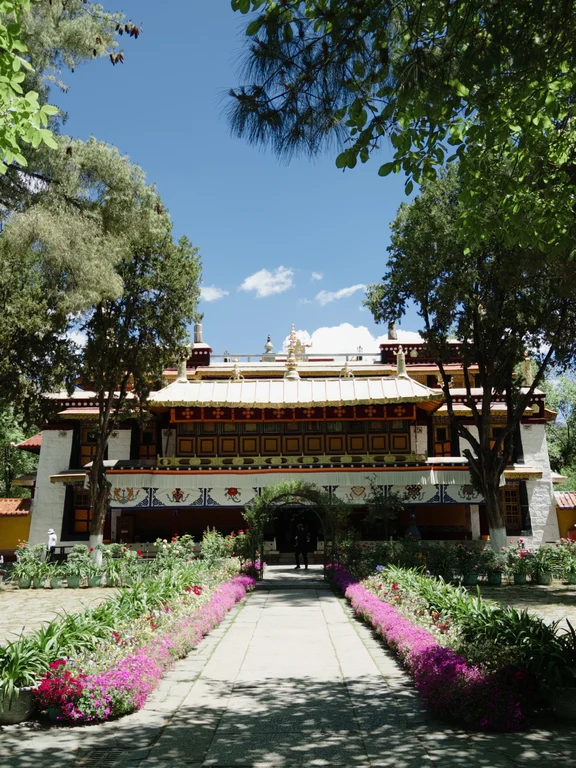 Lhasa
罗布林卡
Norbulingka was developed as the summer palace of the Dalai Lama of the past dynasties. It combines Tibetan palaces, Buddhist halls, gardens and water features in the lush environment of western Lhasa. Together with the Potala Palace and the Jokhang Temple, it constitutes a world heritage historical building complex, but its space is quieter and more life-like. Visiting along the garden road, you can understand the relationship between ceremonial space, summer climate, landscape design and palace life.
Explore Lhasa ↗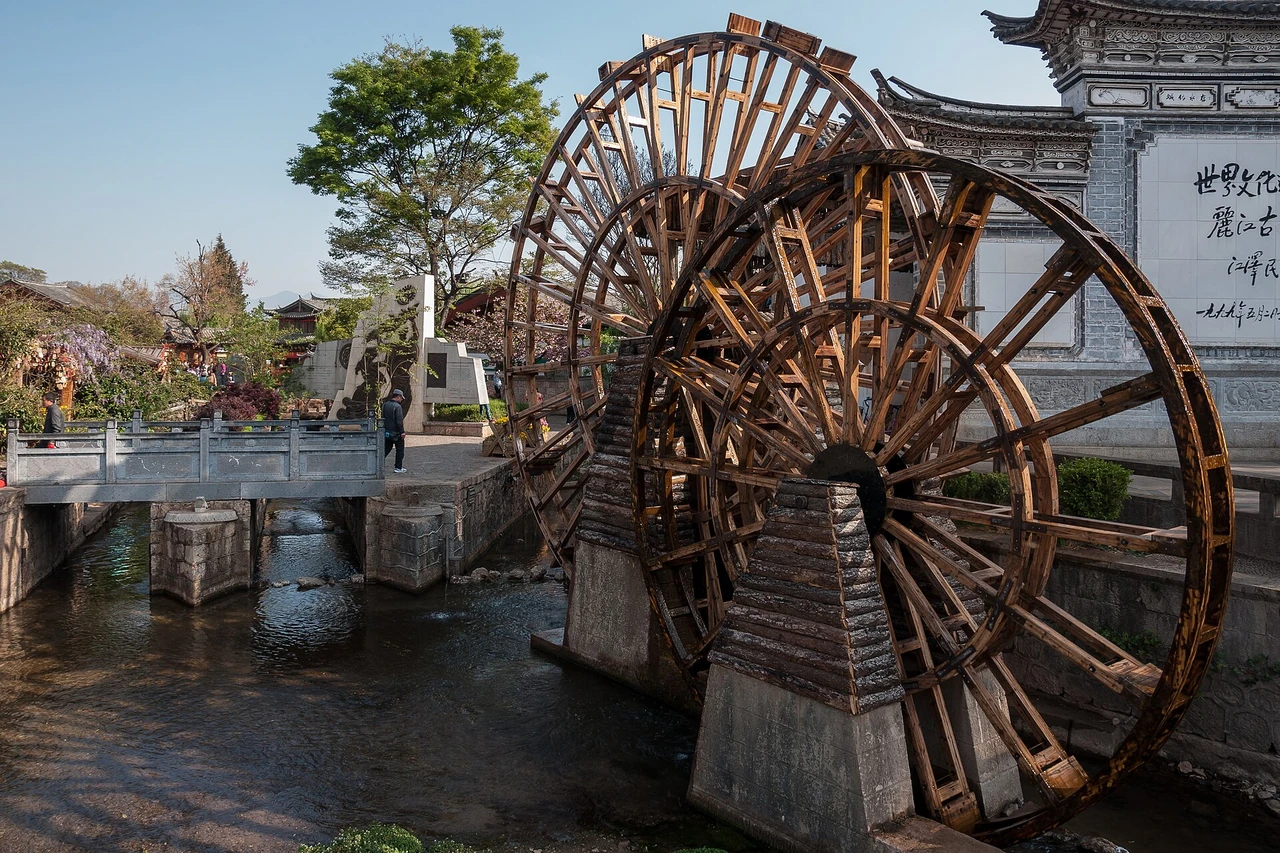 Lijiang
大研古城
Dayan Ancient Town is commonly known as the Old Town of Lijiang. It is surrounded by streams and crisscrossed by streets and alleys. It is lively during the day and gently lit at night. It is the place with the strongest everyday atmosphere in Lijiang.
Explore Lijiang ↗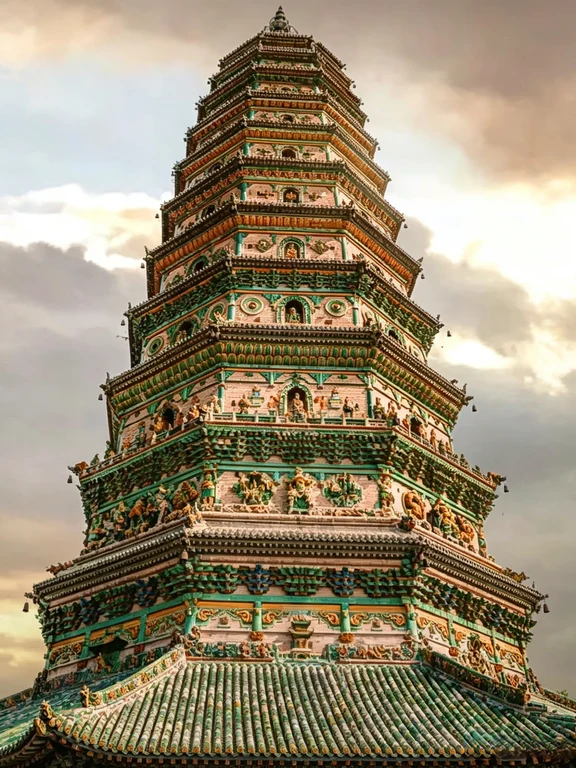 Linfen
广胜寺
The upper and lower temples of Guangsheng Temple are famous for their glazed Feihong Pagoda, historical wooden structures, murals and the relationship between "Zhao Cheng Jin Zang". Its value lies in the relationship between architecture, scriptures, statues and Huoquan landscape, rather than an isolated colorful tower.
Explore Linfen ↗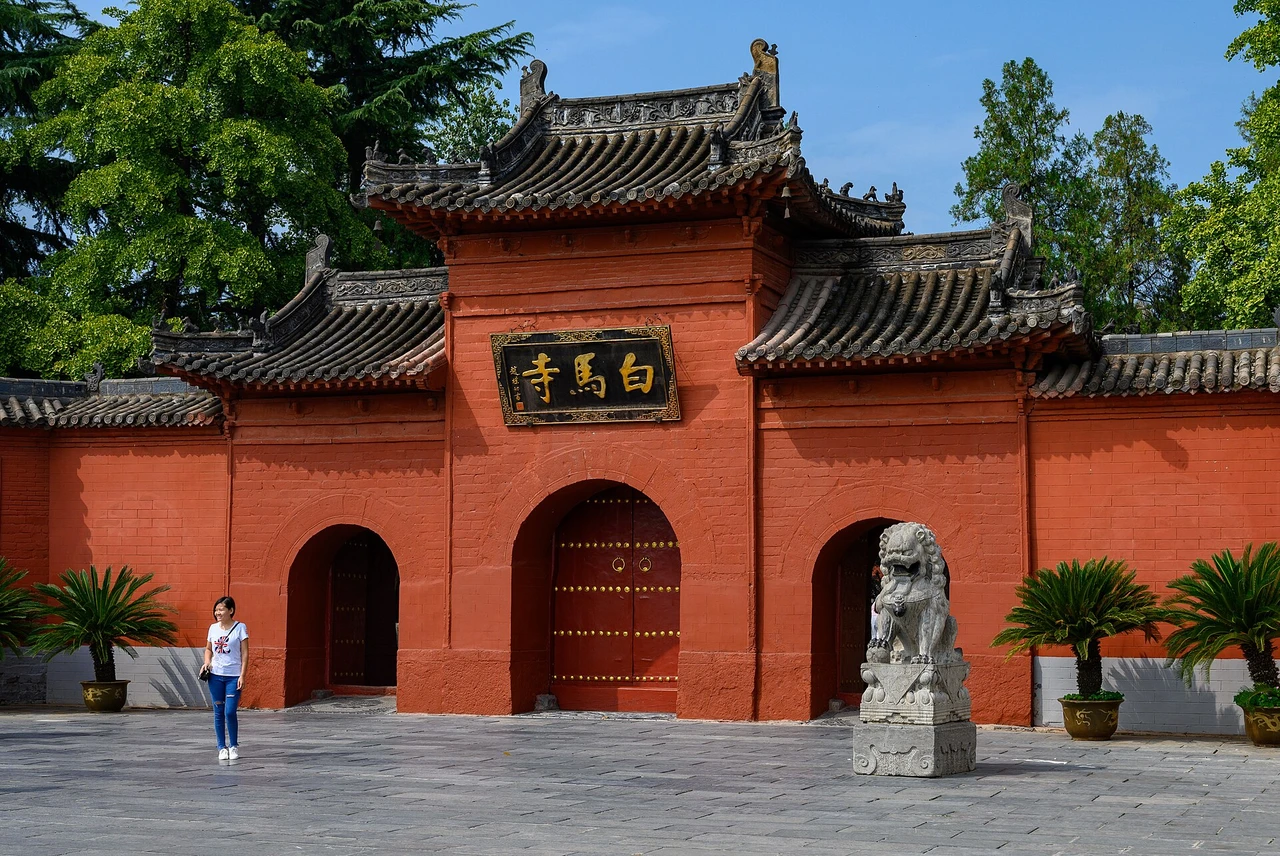 Luoyang
白马寺
3. White Horse Temple History and Culture: White Horse Temple was built in the 11th year of Yongping in the Eastern Han Dynasty (68 years). It was named after the White Horse carrying sutras. It is the first government-run temple in China and is revered as the "source of Buddhism" and "ancestral court". The first Chinese translation of the Buddhist scripture "The Forty-Two Chapter Sutra" was translated here. The temple has a collection of Buddhist temples in the styles of Thailand, Myanmar, and India. It is the only temple in the world that has Buddhist temples in the styles of China, India, Myanmar, and Thailand. Qiyun Pagoda is an ancient brick pagoda from the Jin Dynasty. You can hear the echoes of frogs croaking when you clap. Di Renjie's tomb is also in the temple. You can get 3 sticks of incense for free at the gate, and the Zhiyu Teahouse inside the temple provides free tea. The tour takes about 2.5–3 hours.
Explore Luoyang ↗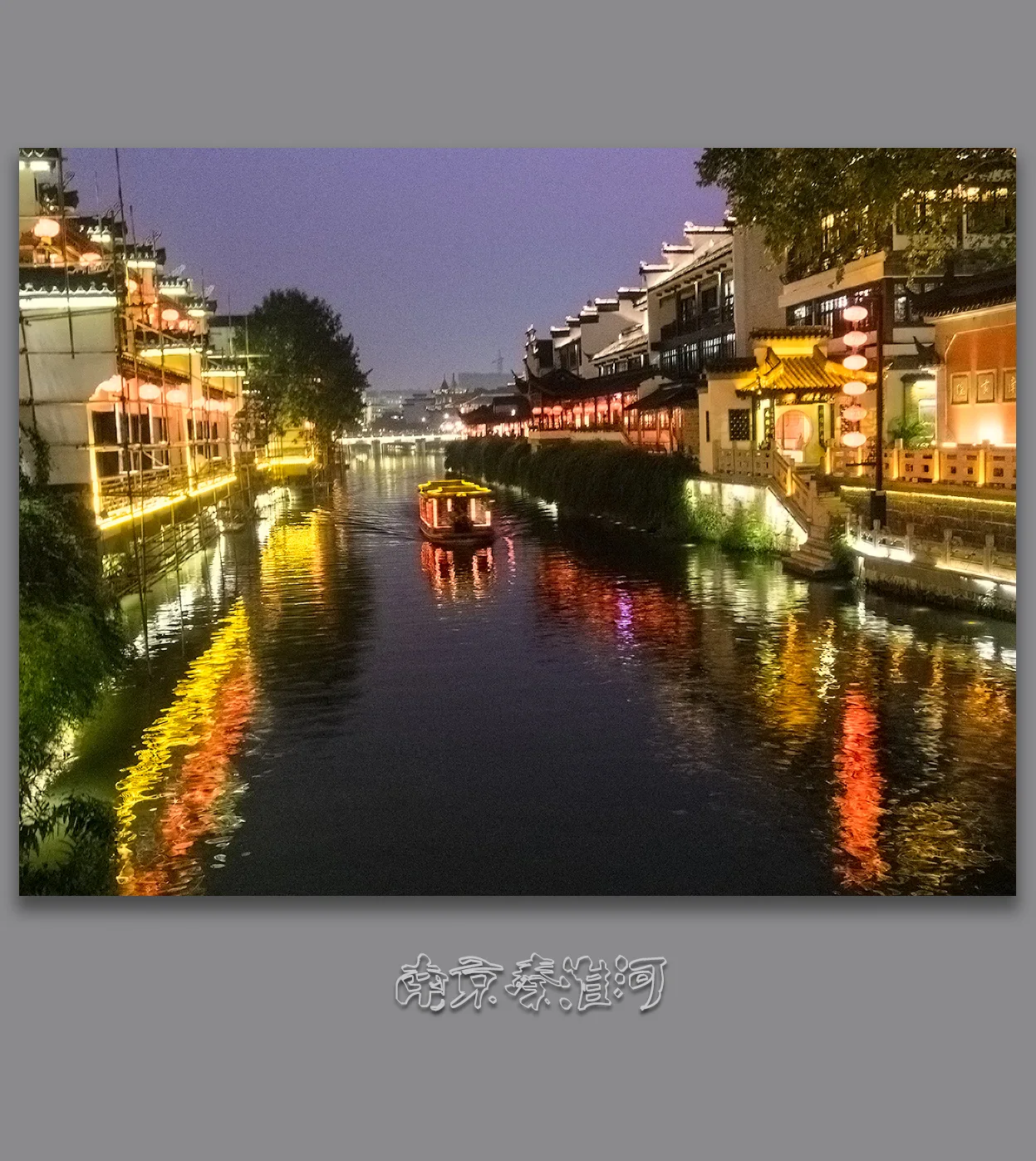 Nanjing
夫子庙—秦淮风光带景区
The Confucius Temple–Qinhuai Scenic Belt centers on the Confucius Temple complex and inner Qinhuai River. Sites associated with imperial examinations, gardens and city walls lie along its banks. Walk through riverside streets, then choose Jiangnan Examination Hall, Zhan Garden or boat trips according to your interests, rather than treating the whole belt as an enclosed park. Reference photographs record historical streets and night views, not current events or lantern displays.
Explore Nanjing ↗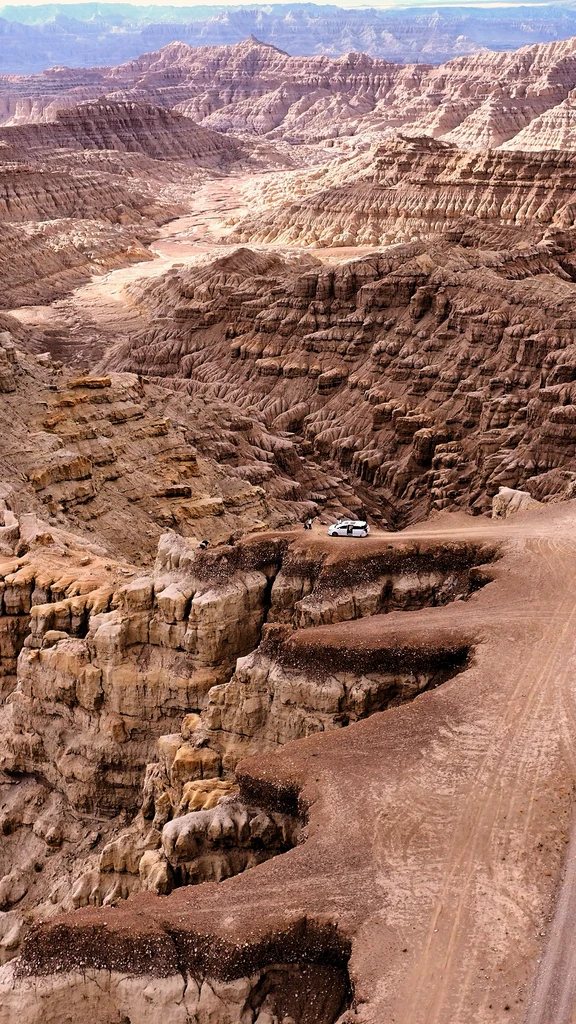 Ngari
札达土林
Erosion has carved the sedimentary layers of the Zada Valley into huge earthen towers, ravines and mesas. They are geologically unstable and not climbable sculptures; marked pathways and viewing platforms protect both visitors and the landscape.
Explore Ngari ↗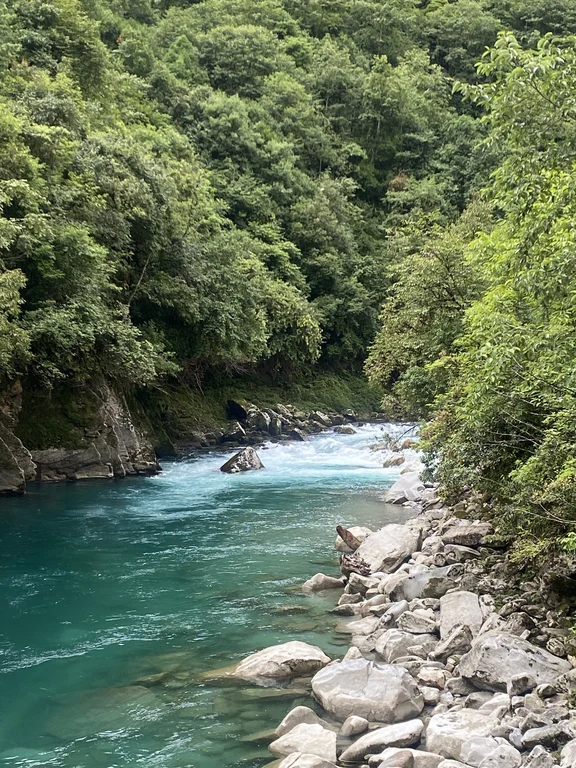 Nujiang
独龙江河谷
The Dulong River Valley is located to the west of Gaoligong Mountain. It is a humid and highly biologically diverse border landscape, and is also the home of the Dulong community. The tunnel improves access but does not eliminate landslides, snowfall, registration or ecological restrictions, so transportation and accommodation must be confirmed.
Explore Nujiang ↗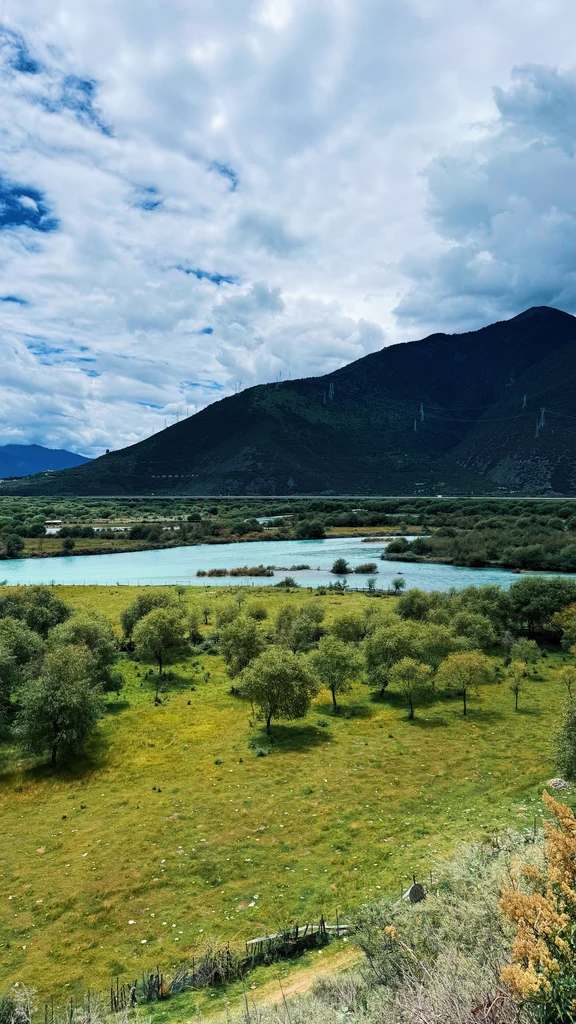 Nyingchi
林芝自然景观区
The Nyingchi landscape is composed of the Brahmaputra River and its tributary valleys, forests, snow-capped mountains, farmland and villages. The huge height difference makes the seasons and weather in different locations significantly different. Travel in open road zones, respect protected areas and community boundaries, and not take peach blossoms, snowy peaks, or clear visibility as a given.
Explore Nyingchi ↗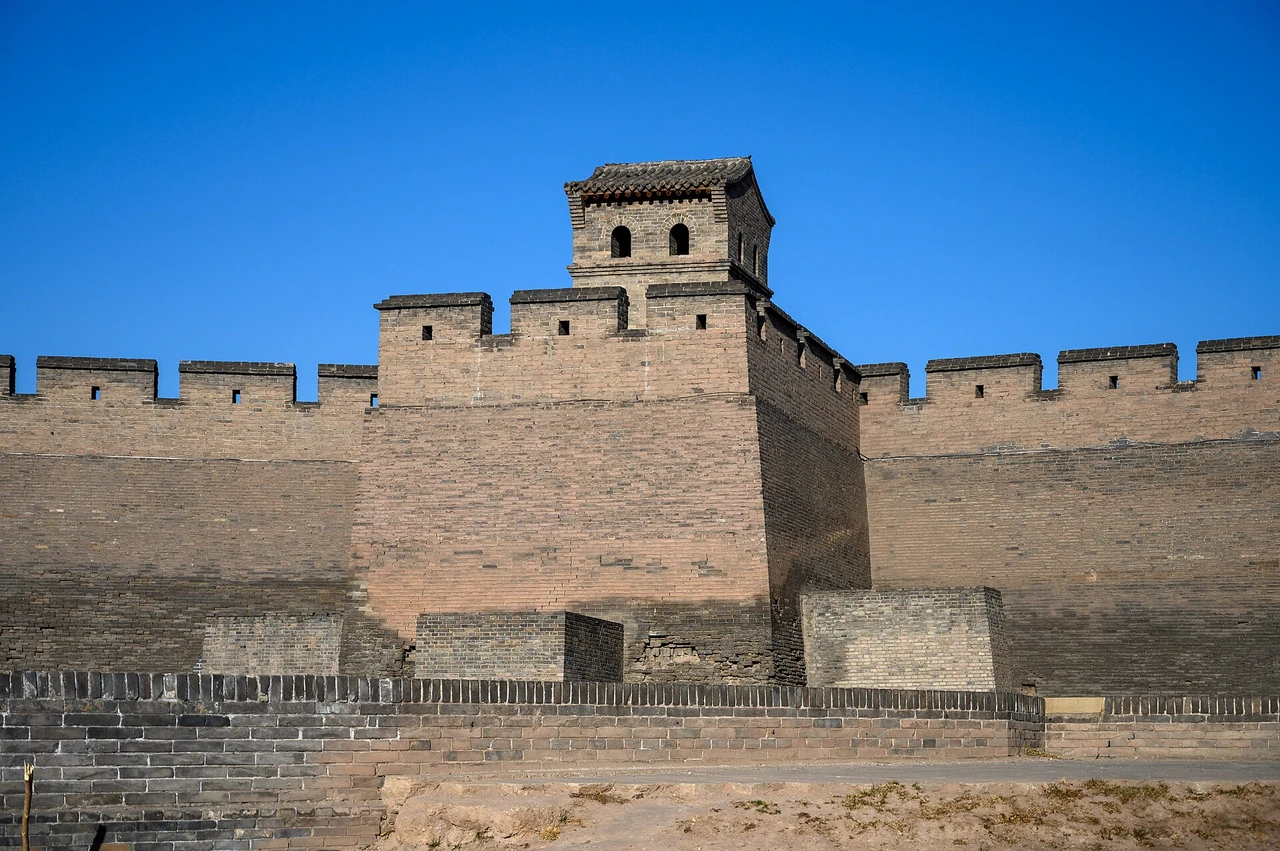 Pingyao
平遥城墙
Pingyao's brick city wall completely defines the outline of the historical county town. After reconstruction and expansion in the early Ming Dynasty, six city gates, defensive towers and continuous crenels were formed, showing how administration, military and street planning were combined. Walking along the open section, you can also understand the symmetrical street network and dense courtyard pattern from a high altitude.
Explore Pingyao ↗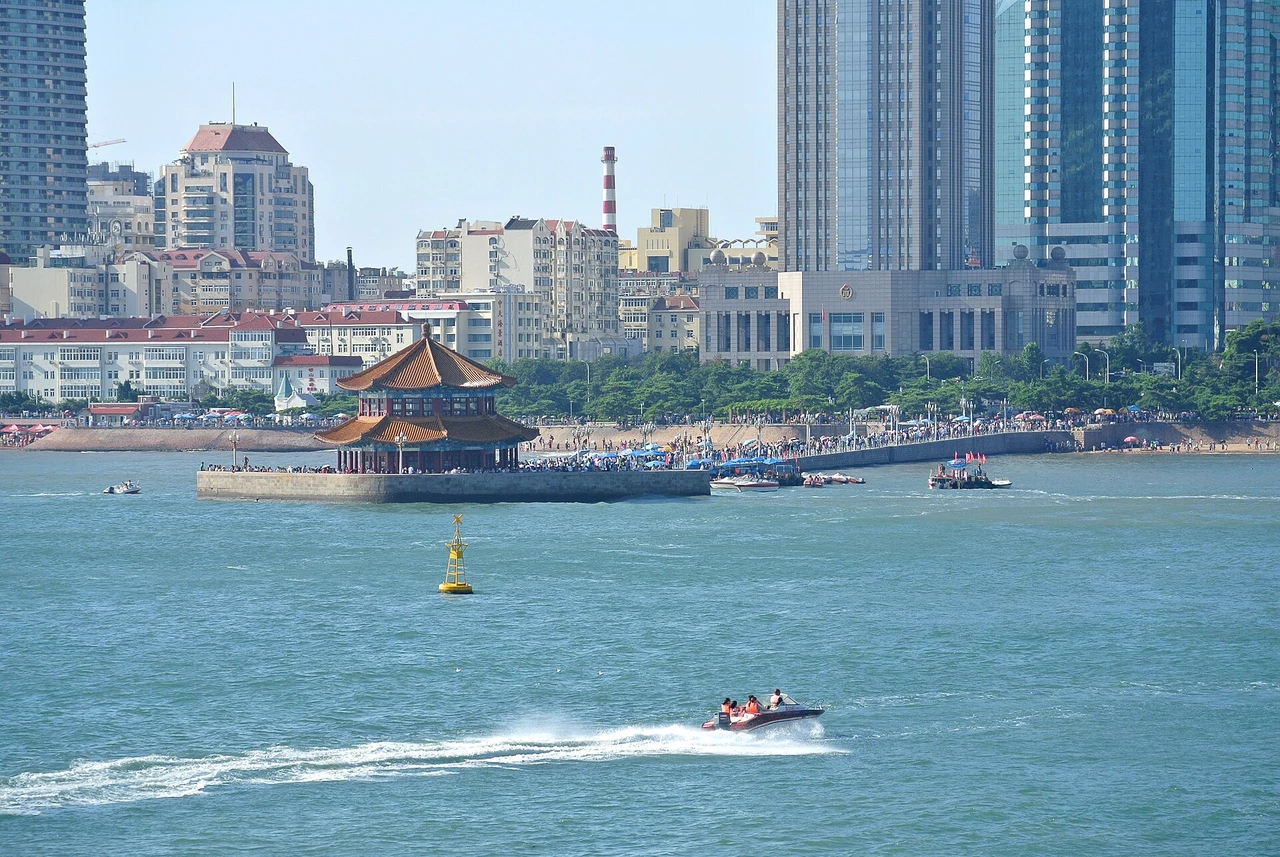 Qingdao
栈桥
First built in 1891, the 440-meter-long bridge stretches into Qingdao Bay, with Huilan Pavilion at the end. It is Qingdao's city card and the first of the ten "Fei Pavilion Huilan" sceneries.
Explore Qingdao ↗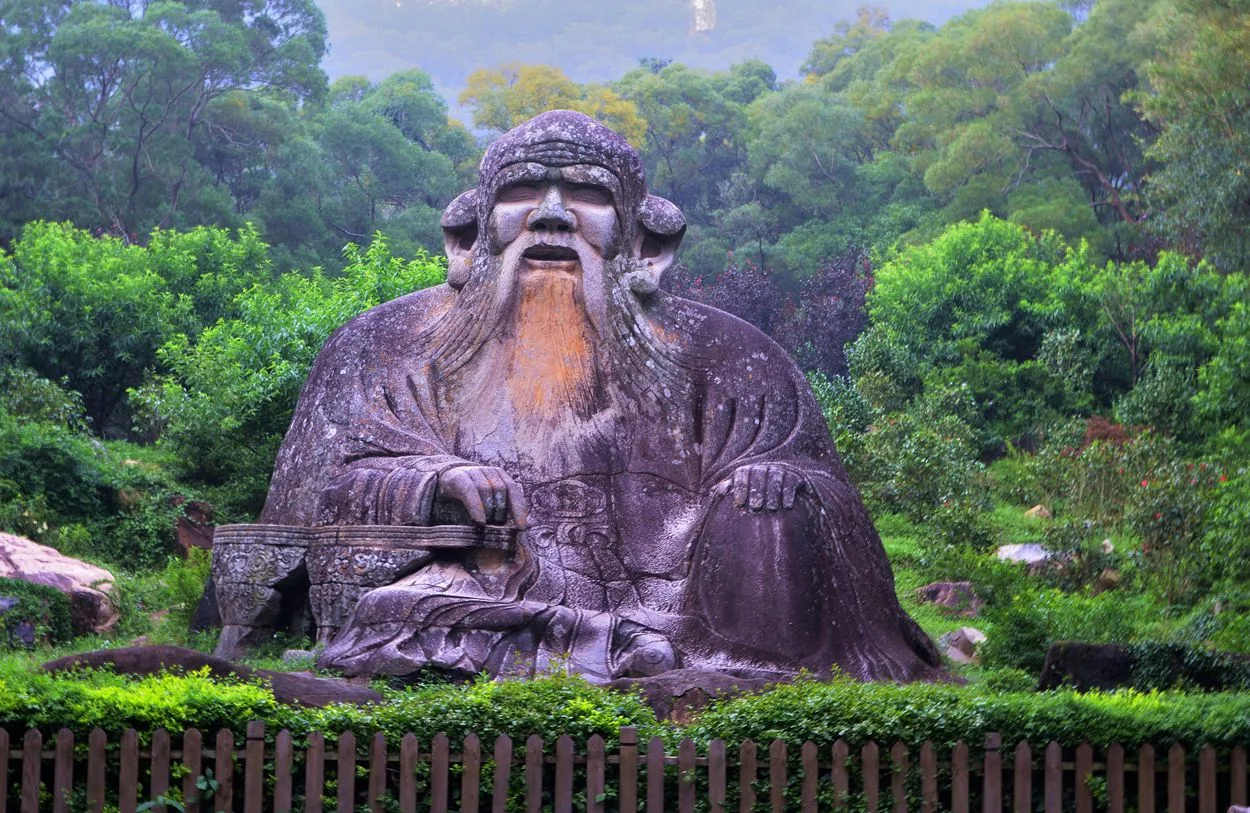 Quanzhou
清源山景区
Qingyuan Mountain Scenic Area combines mountain scenery, religious statues and historic remains. Laojun Rock is an important attraction in the main mountain section. The officially designated area also includes Lingshan Holy Tombs and Jiuri Mountain; these sections do not form one continuous walking route. Reference photographs focus on Laojun Rock and its surroundings, not the other areas.
Explore Quanzhou ↗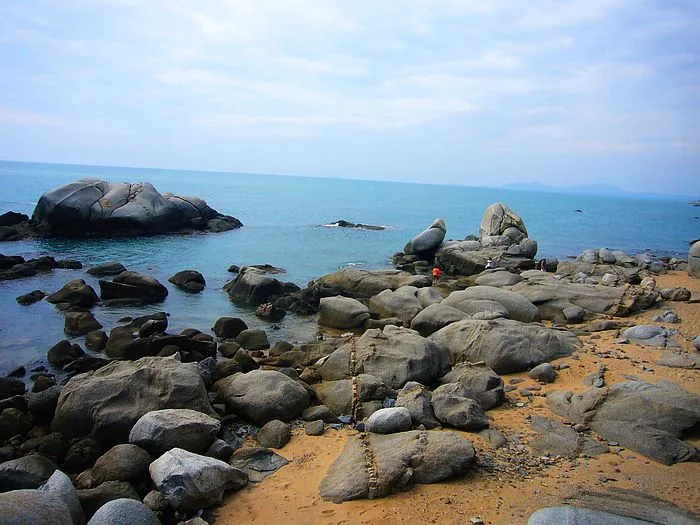 Sanya
大小洞天旅游区
Daxiao Dongtian combines coastal rocks, shoreline vegetation, cliff inscriptions and Taoist cultural landscapes. Sites such as Xiaodongtian help explain the relationship between historical appreciation of scenery and the natural setting. Rocks and shorelines in reference images are not necessarily safe or permitted for climbing or swimming. Follow currently open paths.
Explore Sanya ↗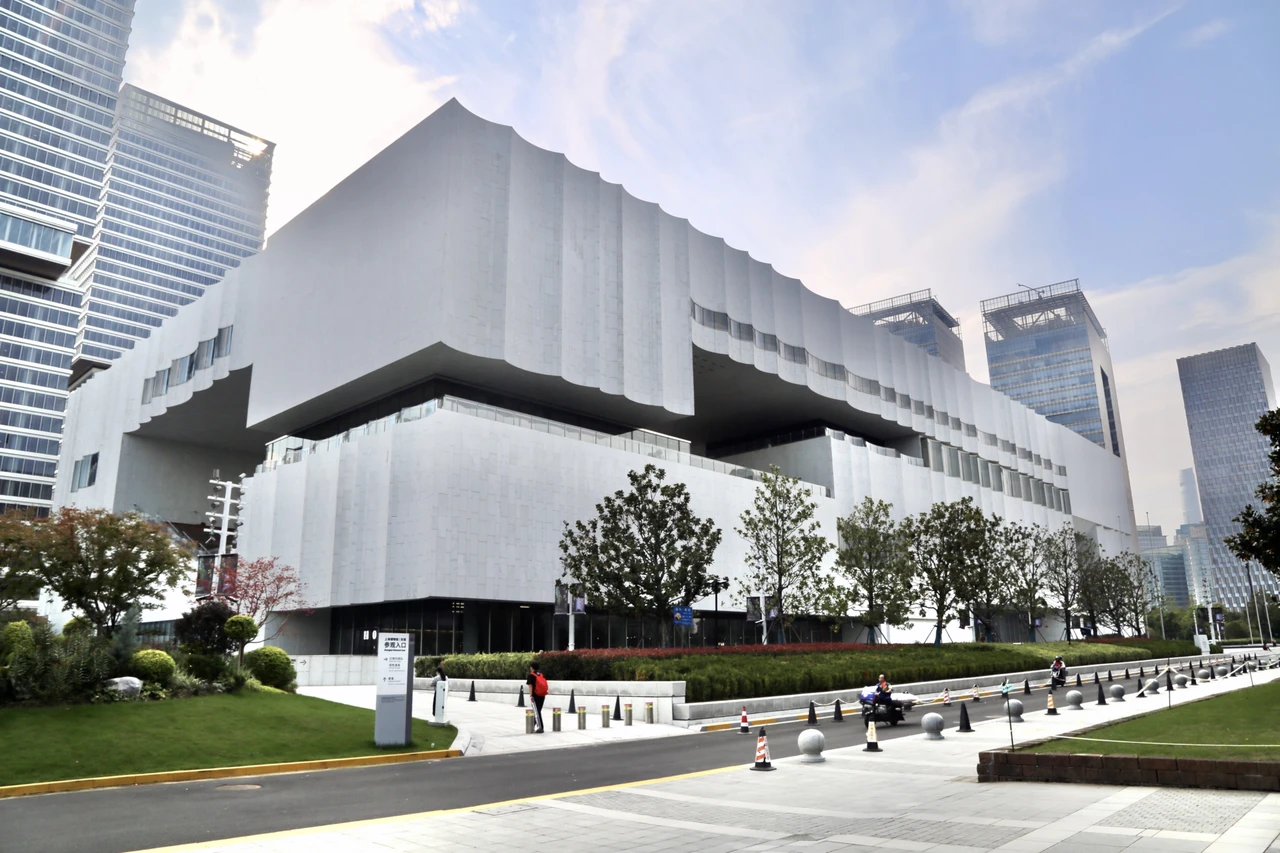 Shanghai
上海博物馆东馆
The East Building of the Shanghai Museum is located on Century Avenue in Pudong. It will be opened in 2024 and is positioned as the "main museum of ancient Chinese art". Most of the core collections and the top ten treasures of the museum will be moved here. It will be a cultural window for "the world to see China". The exhibition is arranged according to the category of cultural relics rather than in chronological order. The exhibition system is complete and the circulation is comfortable. Highlights are concentrated in: Bronze Pavilion: The strongest section of Shanghai Expo, the treasures of the pavilion are the Western Zhou Dynasty Dake Ding (one of the three domestic treasures), Shang Yang Fang Sheng, Zizhong Jiangpan, and Jin Hou Su Zhong.
Explore Shanghai ↗