
 Huangshi
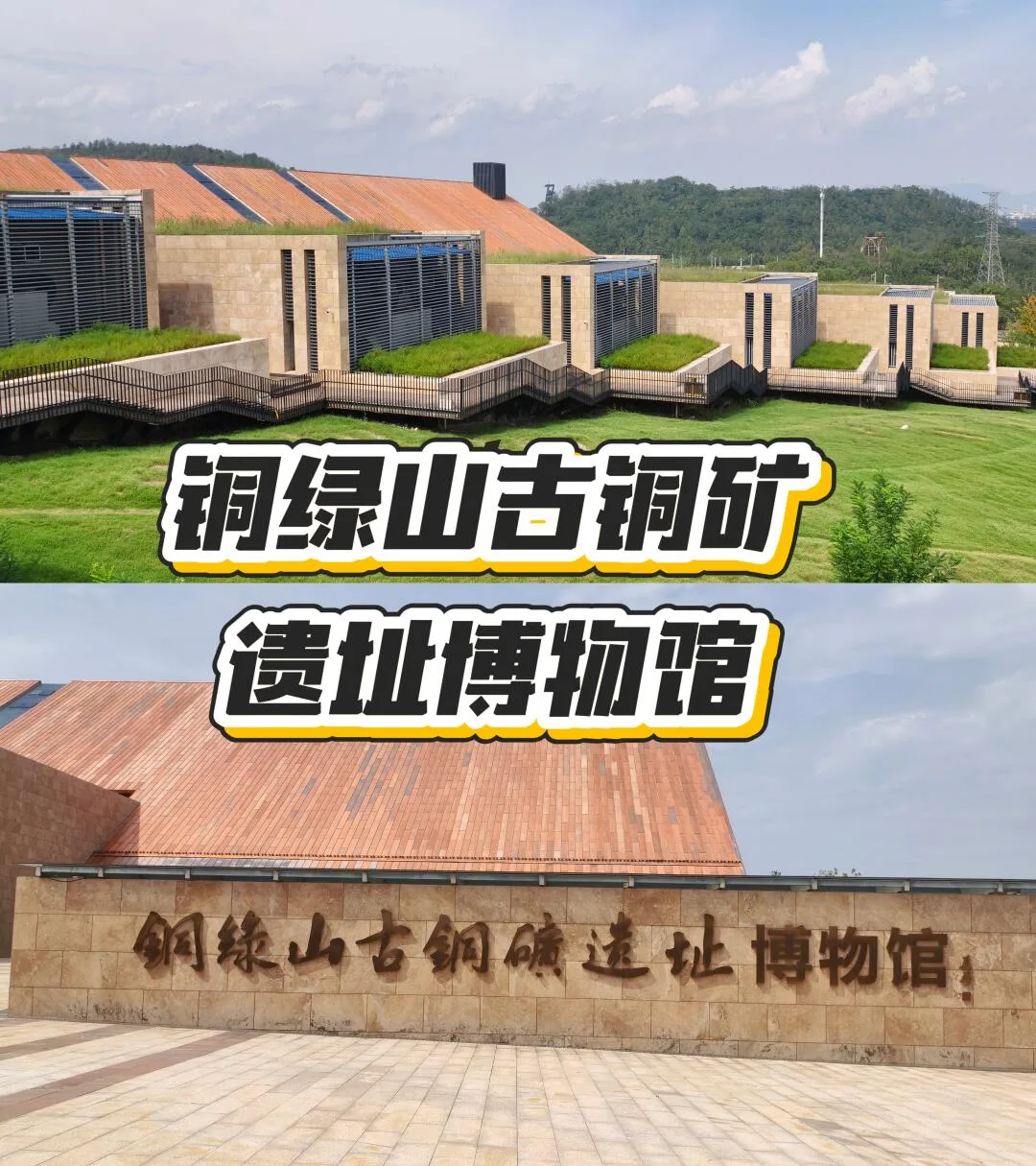
Tonglushan National Archaeological Site Park
铜绿山国家考古遗址公园
Explore places
Browse a mix of cities, or choose one city to see its places in editorial order.
Huangshi铜绿山国家考古遗址公园
A cultural destination centered on ancient copper-mining and smelting remains, suitable for learning about local mining and metallurgical history. Arrangements for visiting the archaeological site and exhibition venues remain to be verified.
Explore Huangshi ↗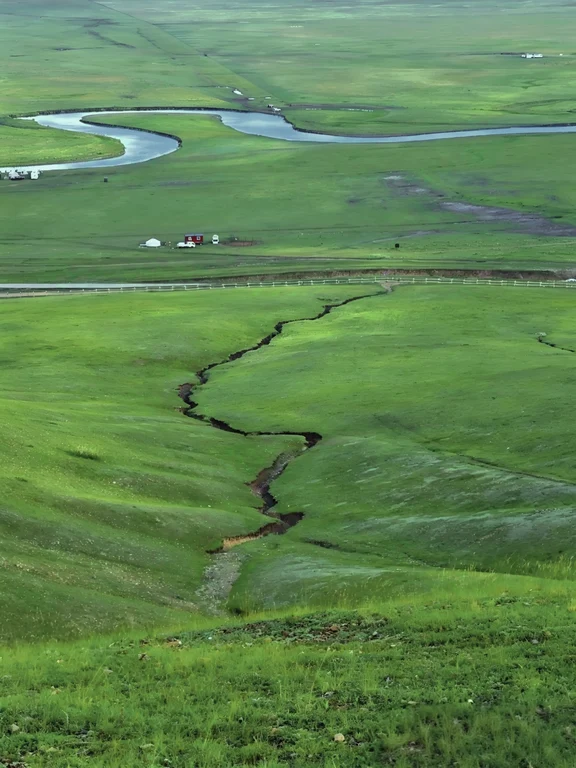 Hulunbuir
莫尔格勒河草原
The Morgrad River meanders through vast meadow grasslands, its appearance changing with precipitation, grazing and the seasons. From the formal viewing point, you can see the meanders of the river and the scale of the grassland. In addition to the tourist facilities, animal husbandry production and Mongolian cultural life continue. Designated routes must be used: ruts can compact soil, cut vegetation, and disturb livestock, and no photos will justify trespassing on the prairie.
Explore Hulunbuir ↗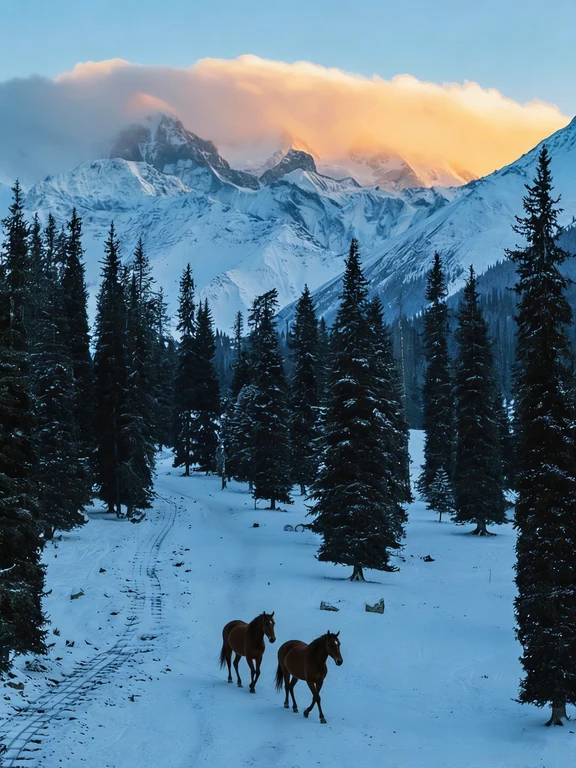 Ili
夏塔古道景区
Xiata is a river valley shaped by meltwater from Tianshan glaciers and is associated with the historic mountain pass and is now visited via a managed corridor. Meadows and forests lead to distant ice and snow, not an easy glacier walk; older routes on the network may pass through areas closed by rivers, weather or protection.
Explore Ili ↗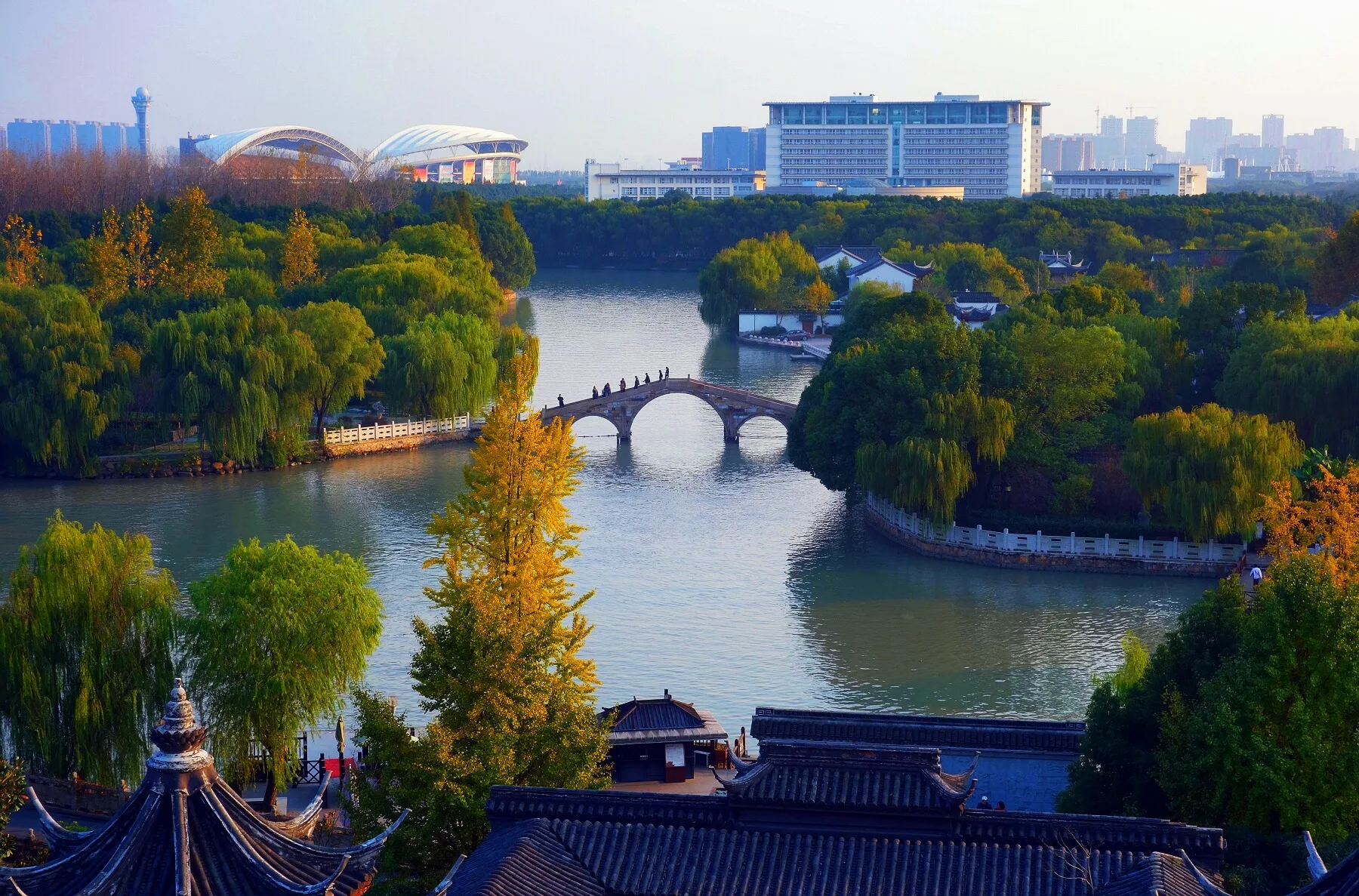 Jiaxing
南湖旅游区
Jiaxing’s South Lake combines urban lake scenery with modern historical themes. Shore walks, boats to the island and memorial-hall visits require separate planning. Reaching the lakeshore does not mean reaching every attraction. First-time visitors can decide whether exhibitions or scenery matter most, then organize a route around opening hours. Interpretive guides help explain Yanyu Tower and Red Boat-related sites. Current photographs mainly show historical lakeshore scenery; actual access follows same-day announcements.
Explore Jiaxing ↗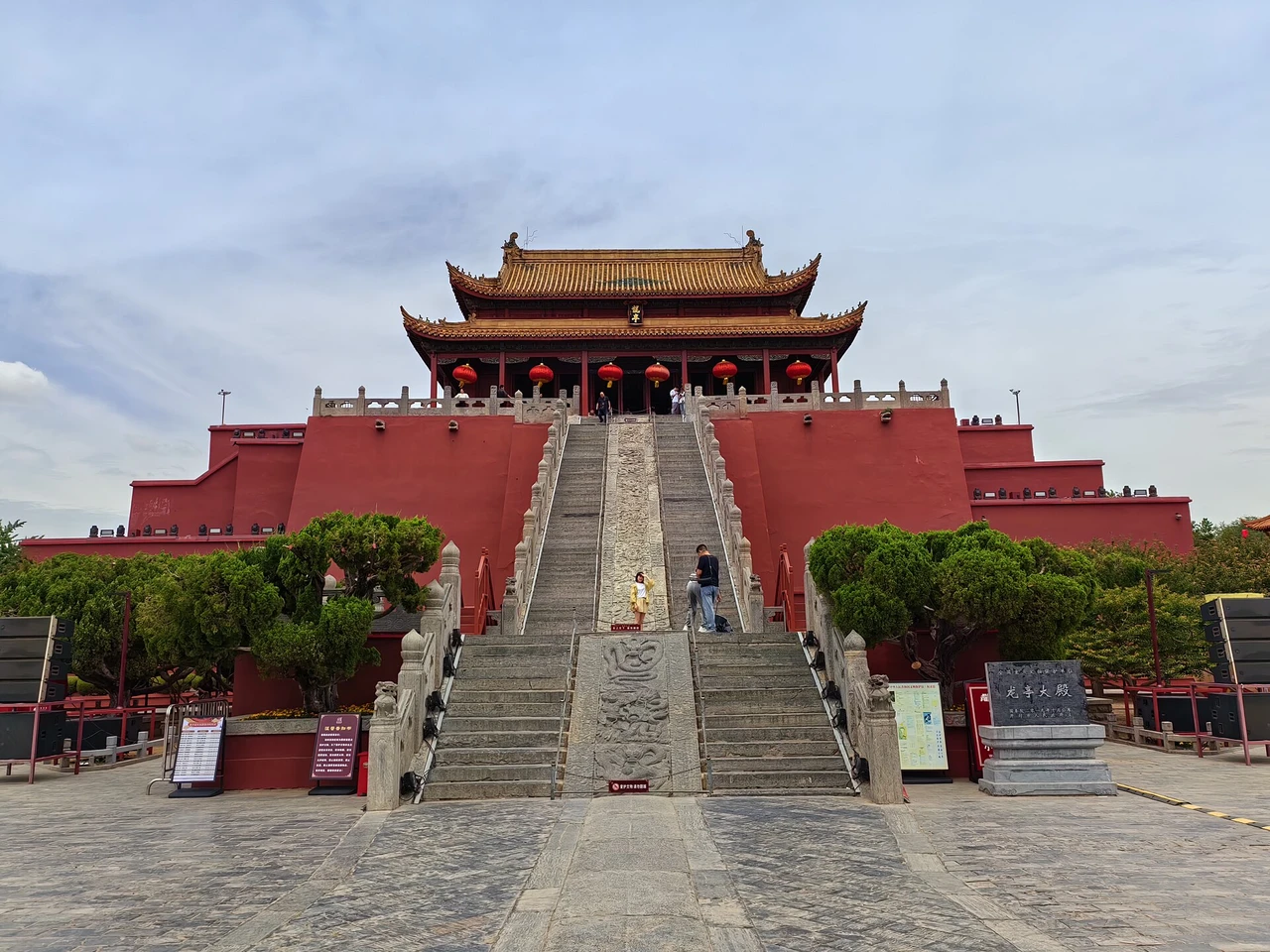 Kaifeng
龙亭公园
Longting Park is located at the north end of Zhongshan Road, Longting District. It is a national AAAA-level scenic spot and a national key cultural relics protection unit built on the royal palace sites of the Later Liang, Later Jin, Later Han, Later Zhou, Northern Song and Jin Dynasties. The core attraction is the Longting Hall - a 13-meter platform with 72 steps. From the top, you can overlook the panoramic view of Panyang Lake and the ancient city. The Panjia Lake and Yangjia Lake in the park have beautiful scenery and are the main venue of the Kaifeng Chrysanthemum Cultural Festival. The main body of the Northern Song Dynasty palace is buried about 9 meters underground. The existing main hall is the remains of the Wanshou Palace of the Qing Dynasty.
Explore Kaifeng ↗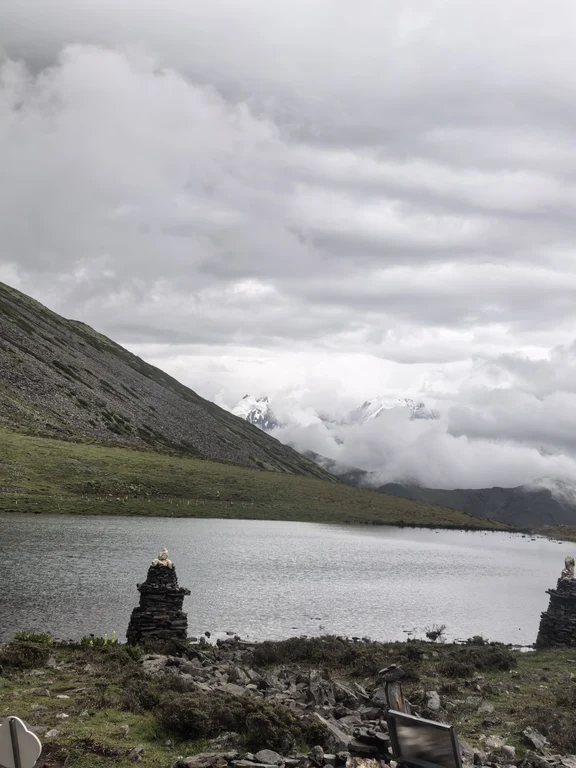 Kangding
贡嘎雪山
Gongga Mountain is a very high mountain group and an important ecological area. Ordinary travelers should understand its scale from long-distance viewing spots on open roads, villages and towns, or formal scenic spots. Clear peak views depend on the weather, and technical climbing and in-depth activities in protected areas require special permits and professional protection.
Explore Kangding ↗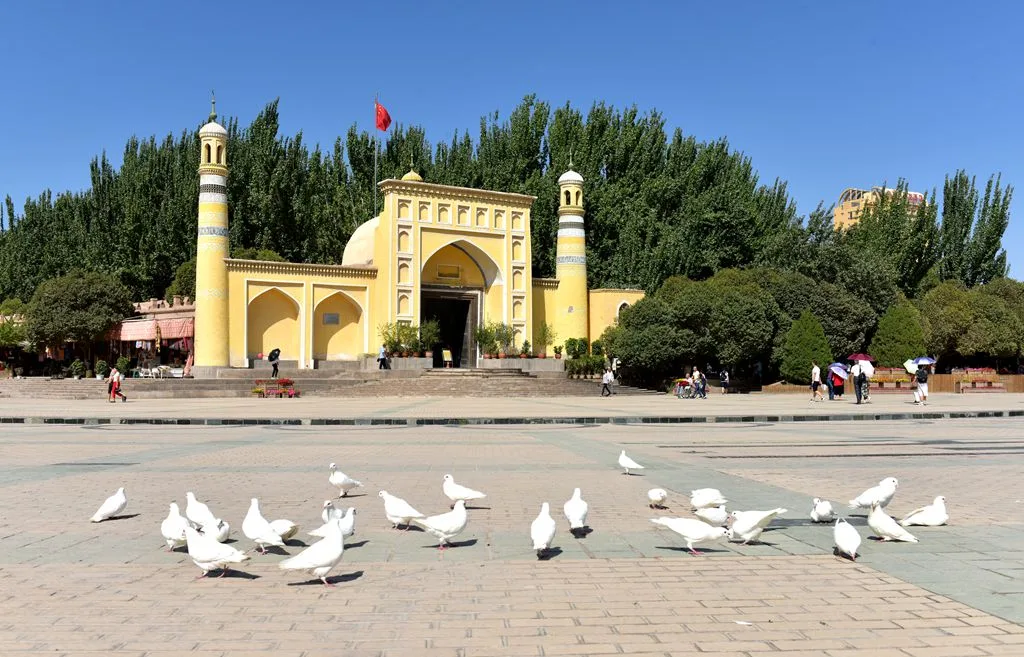 Kashgar
喀什古城
Kashgar Old City comprises interconnected lanes, courtyards and spaces for commerce and daily life. Explore open streets to discover local crafts, food and architecture. This is also residents’ real living environment; courtyards and people are not exhibits that may automatically be photographed. Reference images include exterior views of Id Kah Square, streets and craft objects. Rules for entering religious sites need separate confirmation.
Explore Kashgar ↗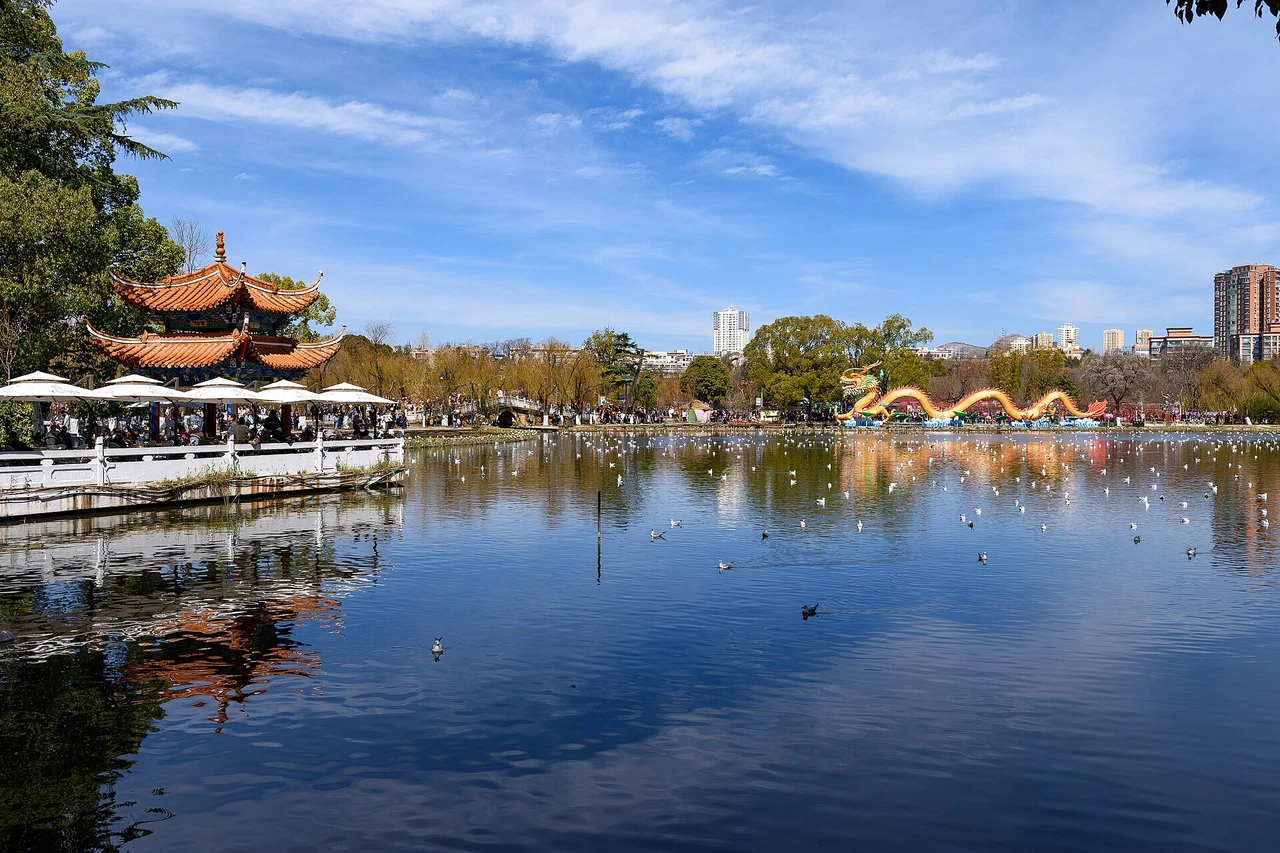 Kunming
翠湖公园
The free city park in the city center is known as the "Eye of Kunming", with a pool of green lake water and half of Kunming city. There are red-billed gulls in winter (November to March) and lotus flowers in summer. It is a back garden for locals to take a walk and relax.
Explore Kunming ↗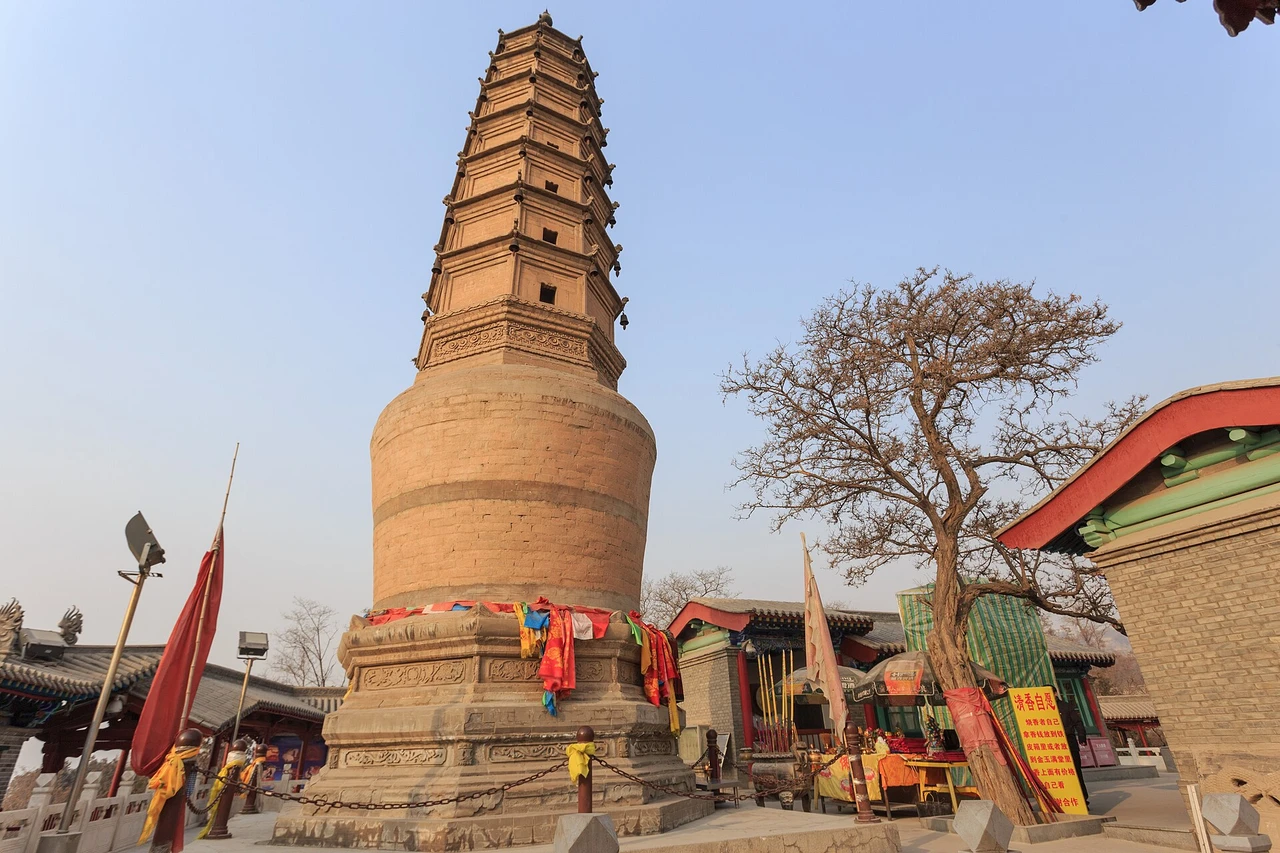 Lanzhou
白塔山
Baitashan Park is located on the north bank of the Yellow River, across the river from Zhongshan Bridge. It is named after the White Pagoda on the top of the mountain. The White Pagoda is a Yuan Dynasty monument and a national 3A scenic spot. The park is free and it takes about 20-30 minutes to climb to the top. The stairs are steep and it is recommended to wear sports shoes. It is windy at the top and bring a jacket. The light and shadow are best one hour before sunset.
Explore Lanzhou ↗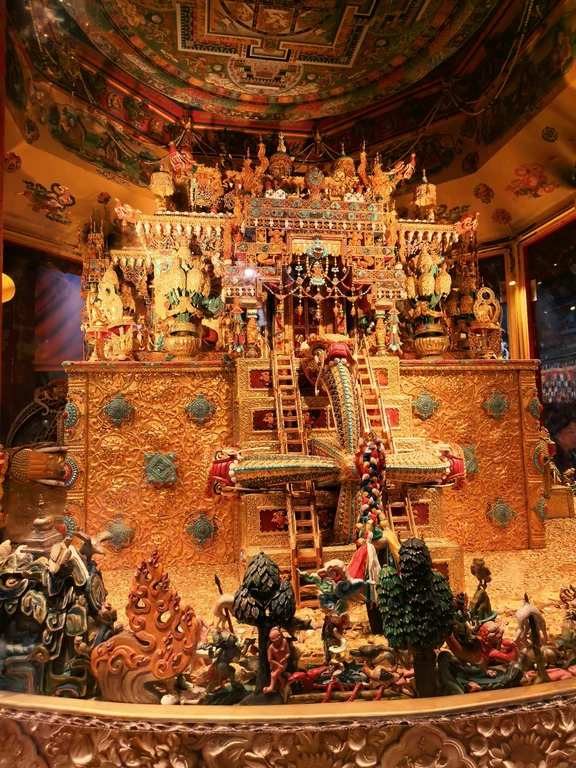 Lhasa
大昭寺与八廓街
The Jokhang Temple is the spiritual core of Lhasa and an important component of the world heritage complex. The barracks surrounding the temple are not only a clockwise pilgrimage route, but also a market, residential area and daily public space. Its significance comes from the worship and community life that continues to this day, not just the historical facade. When visiting, the temple, prayer route and surrounding lanes should be viewed as a living cultural landscape, while leaving space for pilgrims and respecting the privacy of residents.
Explore Lhasa ↗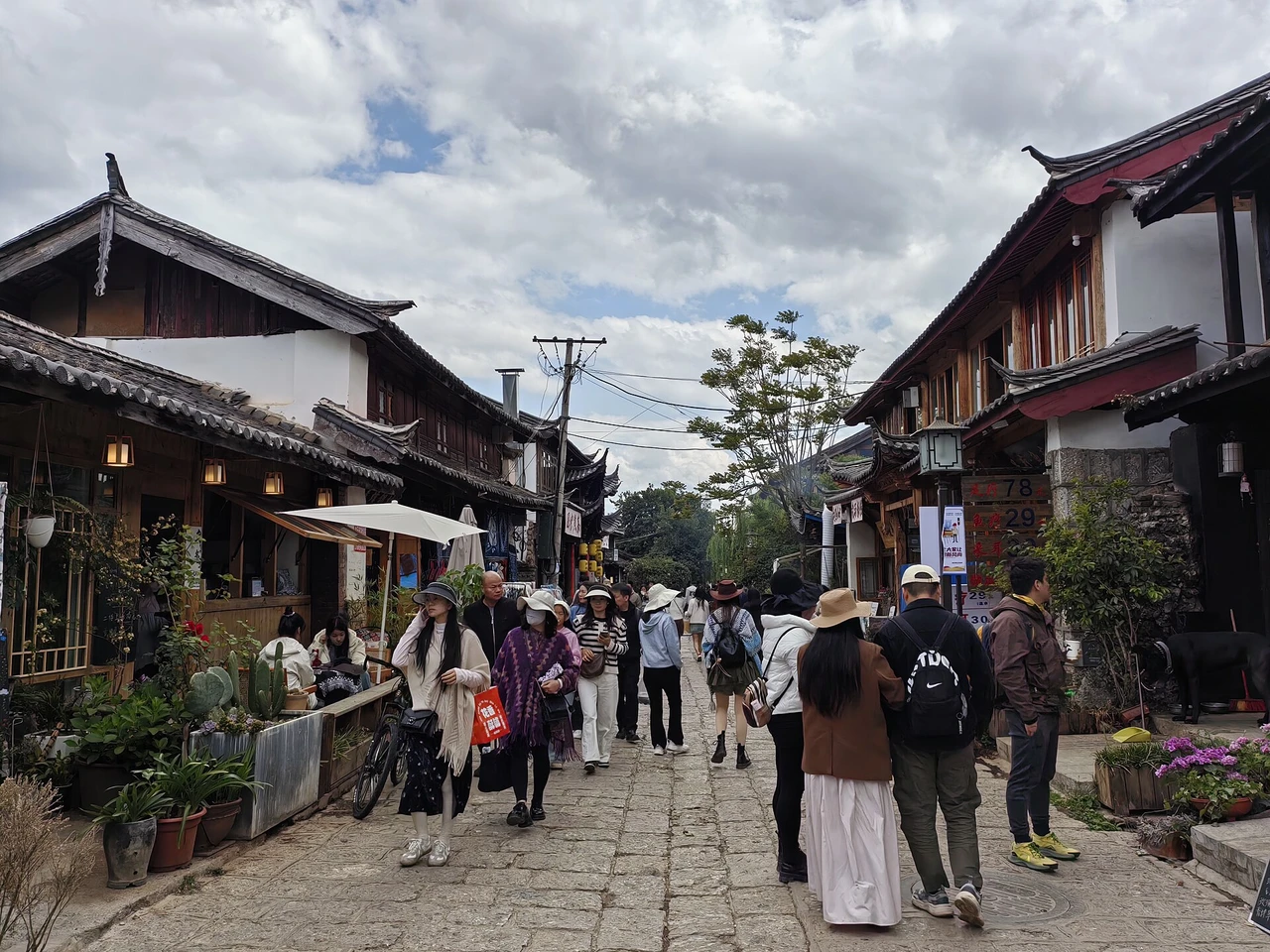 Lijiang
白沙古镇
Baisha Ancient Town is the most pristine of the three ancient towns in Lijiang. You can see the Jade Dragon Snow Mountain when you look up. It retains old Naxi rammed earth houses, copperware, and Dongba handicraft shops. The pace is slow and suitable for a half-day stroll.
Explore Lijiang ↗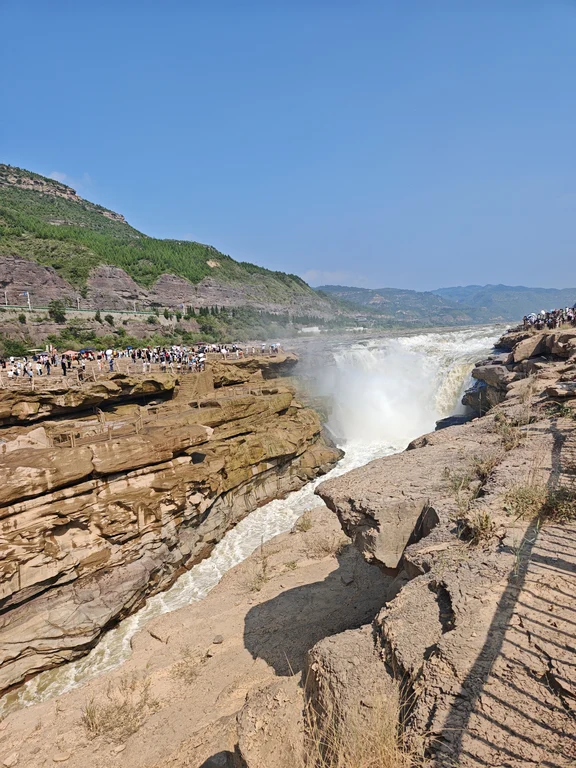 Linfen
黄河壶口瀑布(山西侧)
At Hukou, the broad Yellow River is forced into a narrow rock trough, forming strong falling water, water mist and seasonal ice. The color, volume and available platforms of the water are constantly changing; this is both a geomorphological event and a cultural symbol of the Yellow River, and must be viewed from a managed platform.
Explore Linfen ↗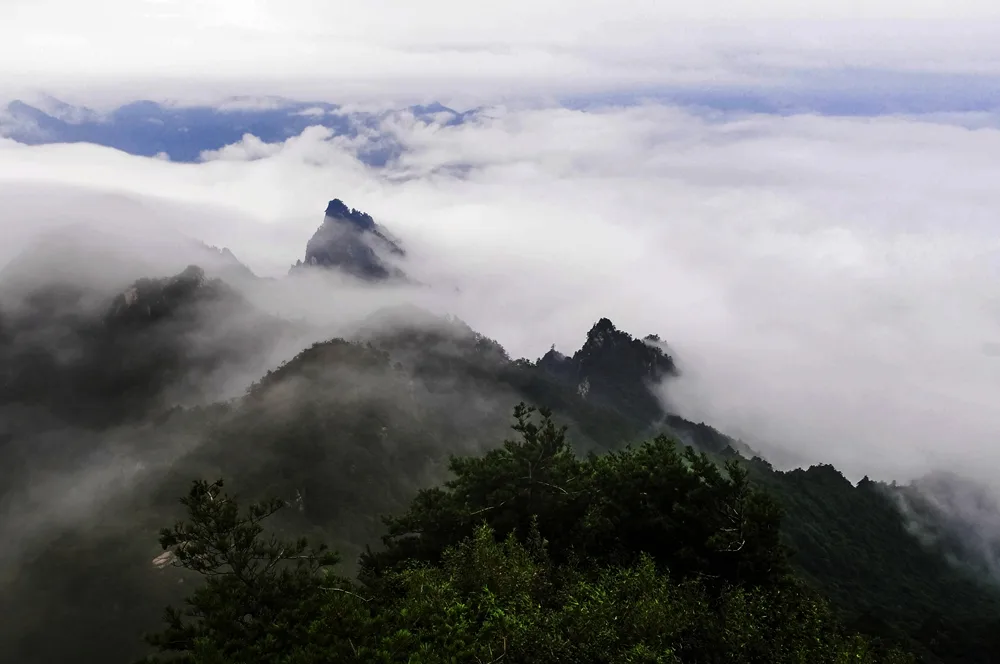 Luoyang
洛阳白云山
Baiyun Mountain in Song County is a forested mountain scenic area in the Funiu range. Combine mountain views at Yuhuang Summit with streams, waterfalls and forest walks. It is not Baiyun Mountain in Guangzhou; specify Song County, Luoyang in your itinerary. Summit views are strongly affected by weather, and seas of clouds in photographs should not be treated as daily sights. Reference photographs mainly show Yuhuang Summit’s mountain scenery.
Explore Luoyang ↗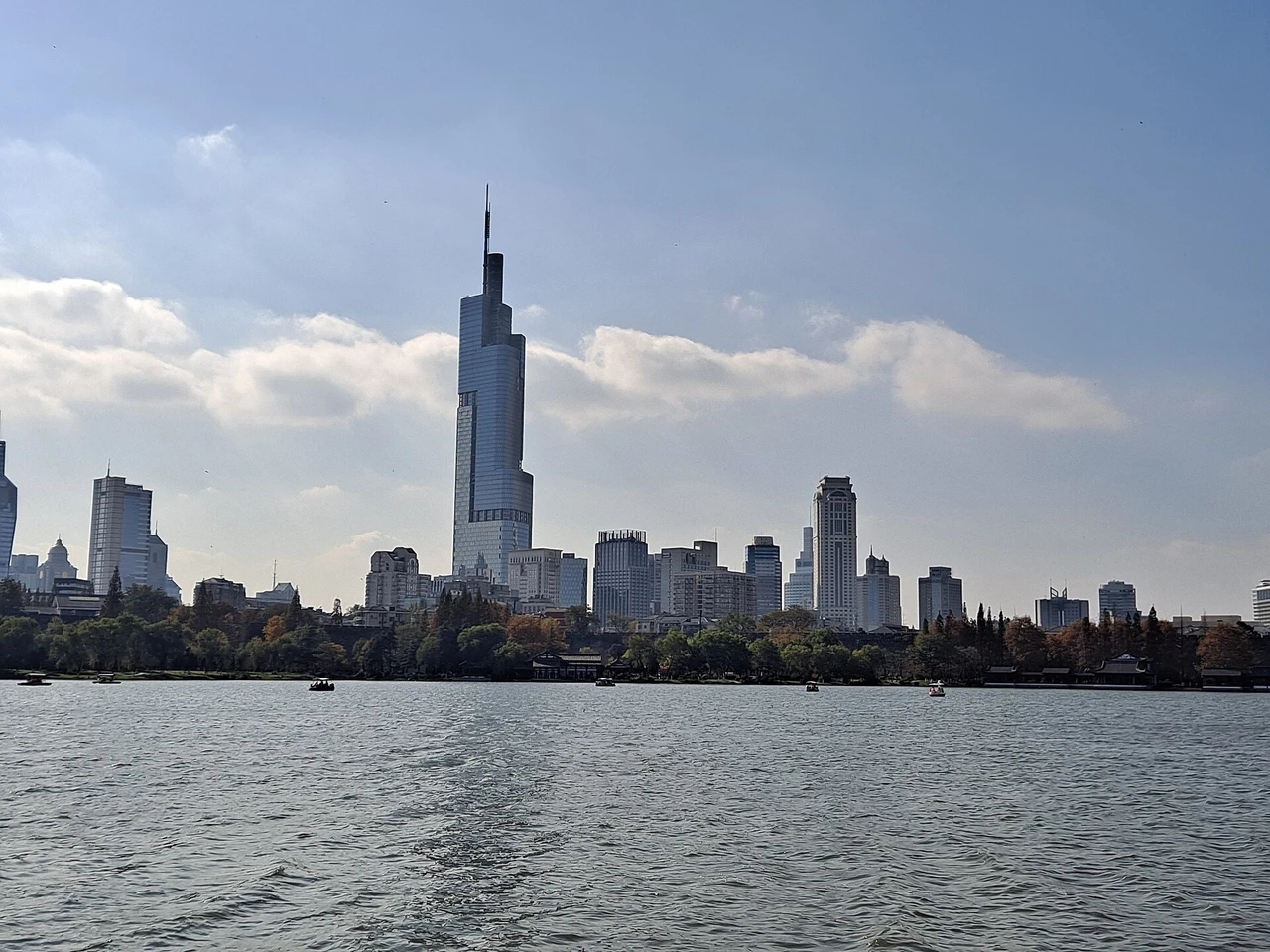 Nanjing
玄武湖
China's largest royal garden lake, known as the "Pearl of Jinling", is open to the public free of charge. The lake can be divided into five continents (Huanzhou, Yingzhou, Liangzhou, Lingzhou and Cuizhou). The Ten Mile Long Causeway is a popular spot to watch the sunset.
Explore Nanjing ↗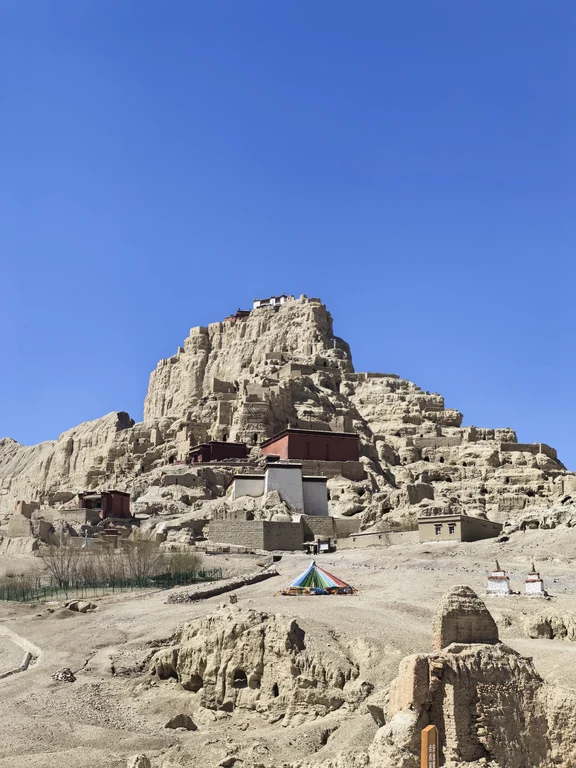 Ngari
古格王国遗址
The castles, caves, monasteries and murals of Guge rise from the eroded plateau, preserving evidence of Tibetan western kingdoms and trans-Himalayan exchanges. Fragile walls, steep paths and sensitive paintings make protective navigation rules indispensable.
Explore Ngari ↗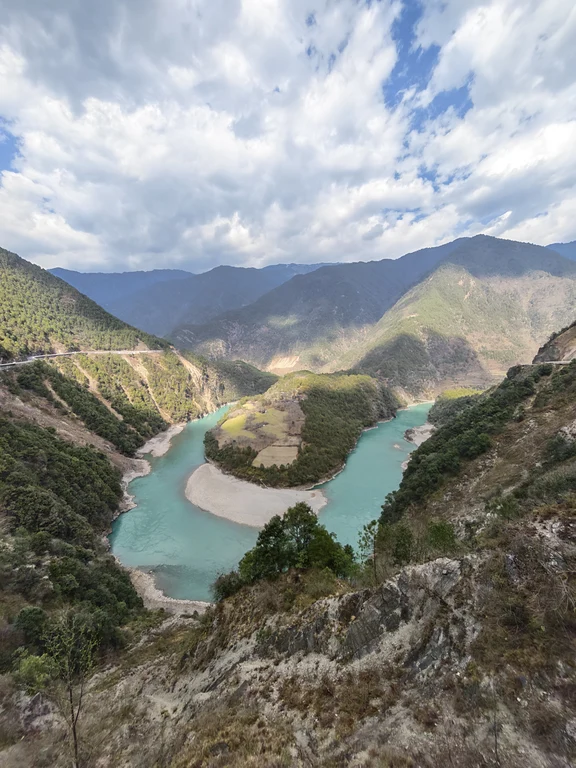 Nujiang
怒江第一湾与雾里村古道
The first bay of the Nujiang River shows the large rotation of the river around the mountain, and the nearby road leading to Wuli Village preserves fragments of the Ancient Tea Horse Road. Viewpoints, narrow historic roads and inhabited villages are spaces with varying boundaries of risk and privacy.
Explore Nujiang ↗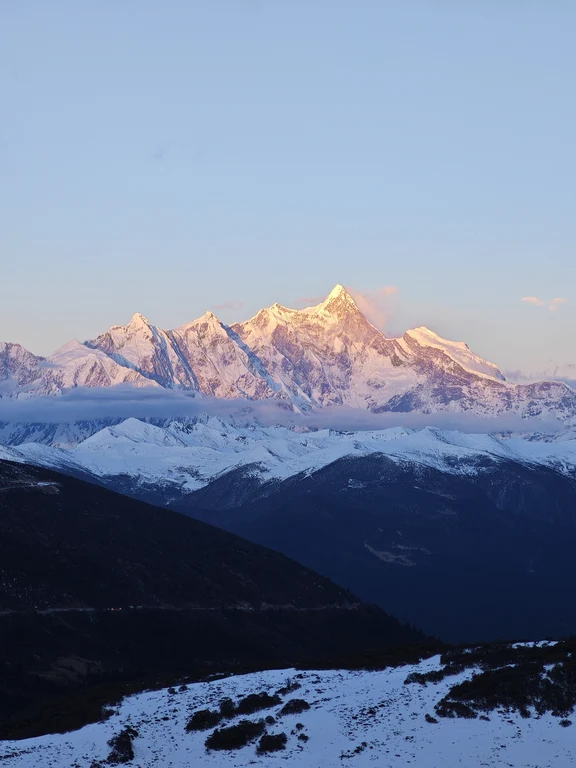 Nyingchi
南迦巴瓦观景带
Namjagbarwa is a sacred and extremely steep Himalayan peak whose summit is often obscured by clouds. Formal viewpoints such as the Grand Canyon and Mount Sejila offer different directions rather than guaranteed views of the snow-capped mountains. It may be worth waiting quietly, but a clear sunset or a sunny day over Jinshan are weather events and are not guaranteed tourism products; even if they are completely invisible, their religious, geological and ecological significance still exists.
Explore Nyingchi ↗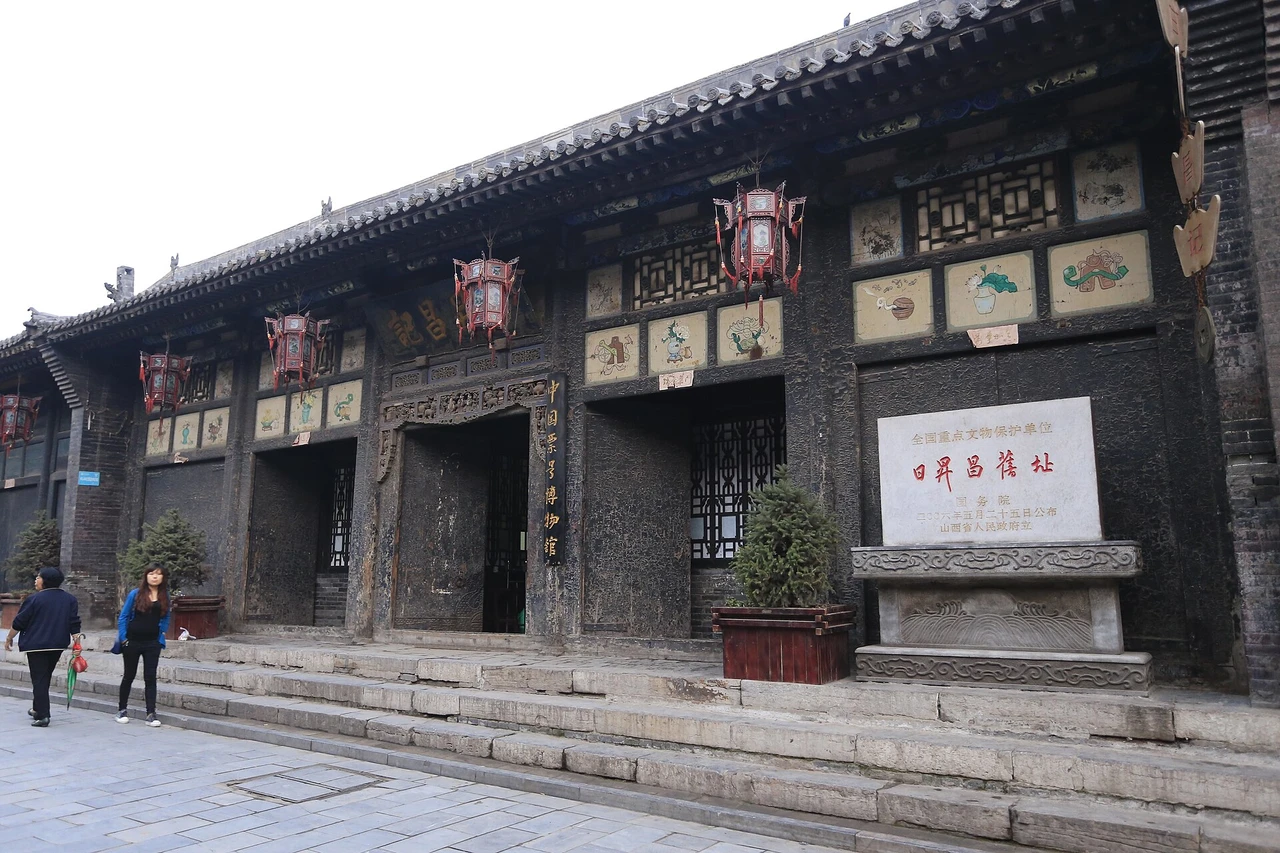 Pingyao
日昇昌
China's first bank account, formerly known as "Xiyucheng" Pigment Store, was restructured in the fourth year of Daoguang reign of the Qing Dynasty (1824). It specialized in deposits, loans, and exchanges. It was known as "Huitong Tianxia" and was hailed as the prototype of China's modern bank. It is now the "China Bank Museum" and is located on West Street in the ancient city.
Explore Pingyao ↗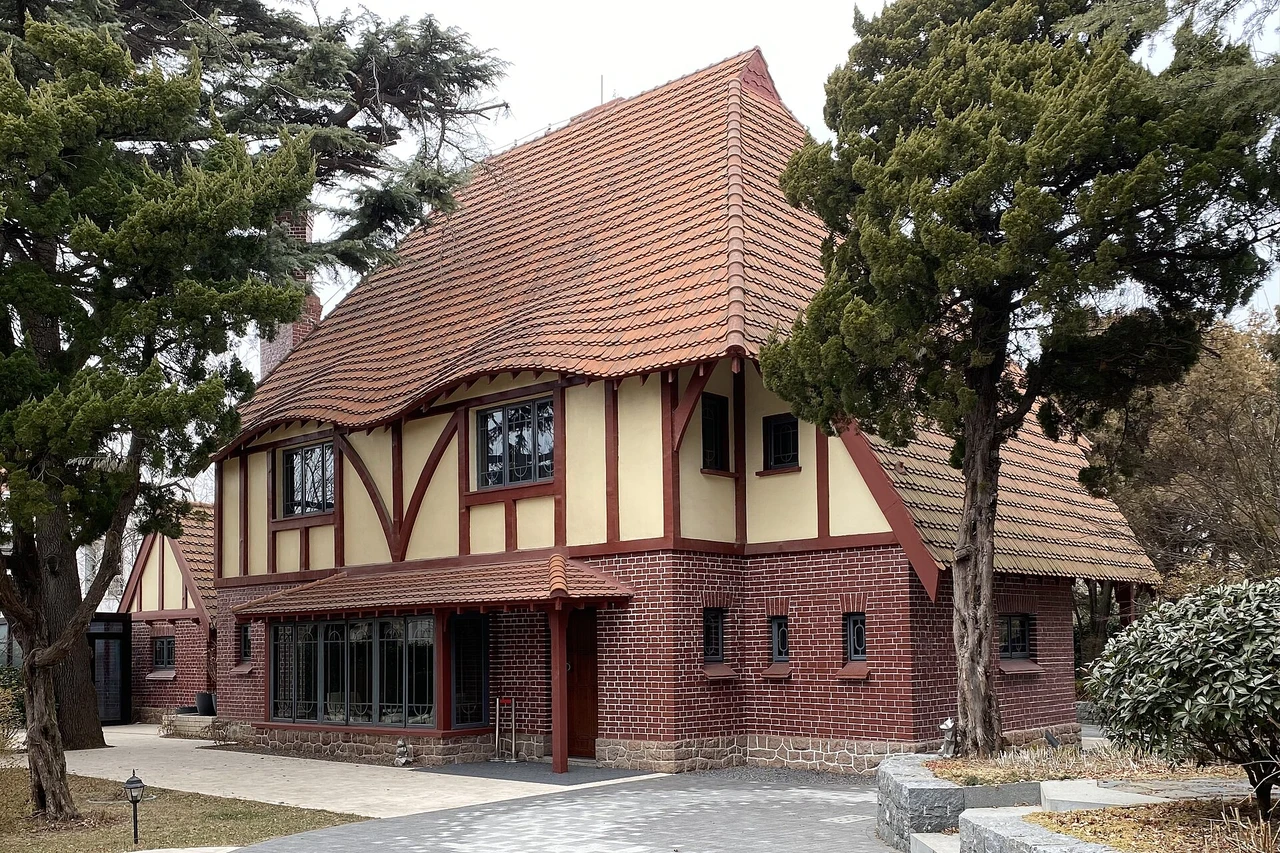 Qingdao
八大关
Badaguan is not a single scenic spot. It is a collection of eight roads named after eight ancient passes such as Shanhaiguan, Juyongguan, and Jiayuguan. It brings together villas with styles from more than 20 countries, including Russia, Britain, France, Germany, and Denmark, and is known as the "Architecture Expo of All Nations."
Explore Qingdao ↗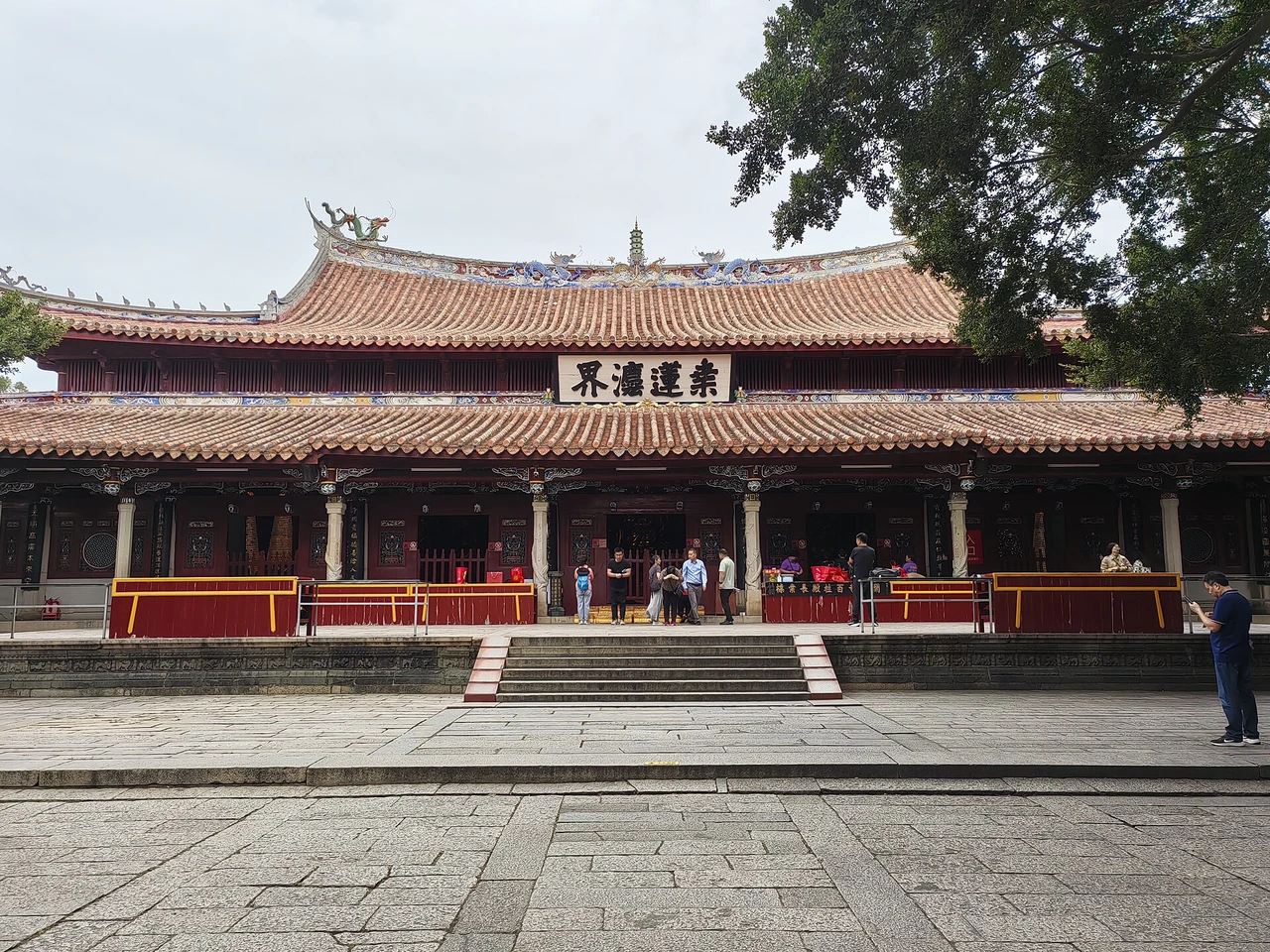 Quanzhou
开元寺
Kaiyuan Temple Kaiyuan Temple is located at No. 176 West Street, Licheng District. It was built in the Tang Dynasty and has a history of more than 1,300 years. It is the largest Buddhist temple in Fujian. The east and west twin pagodas (Zhenguo Pagoda and Renshou Pagoda) in the temple are the tallest existing stone pagodas from the Song Dynasty in China. The pure mortise and tenon structure has stood for thousands of years. The west pagoda also has a "Monkey Walker" relief that is more than 300 years earlier than "Journey to the West". It is one of the filming locations for "Black Myth: Wukong". The 24 flying musicians and Hindu stone carvings in the Main Hall all reflect the integration of multi-cultural cultures along the Maritime Silk Road.
Explore Quanzhou ↗