
 Lijiang
束河古镇
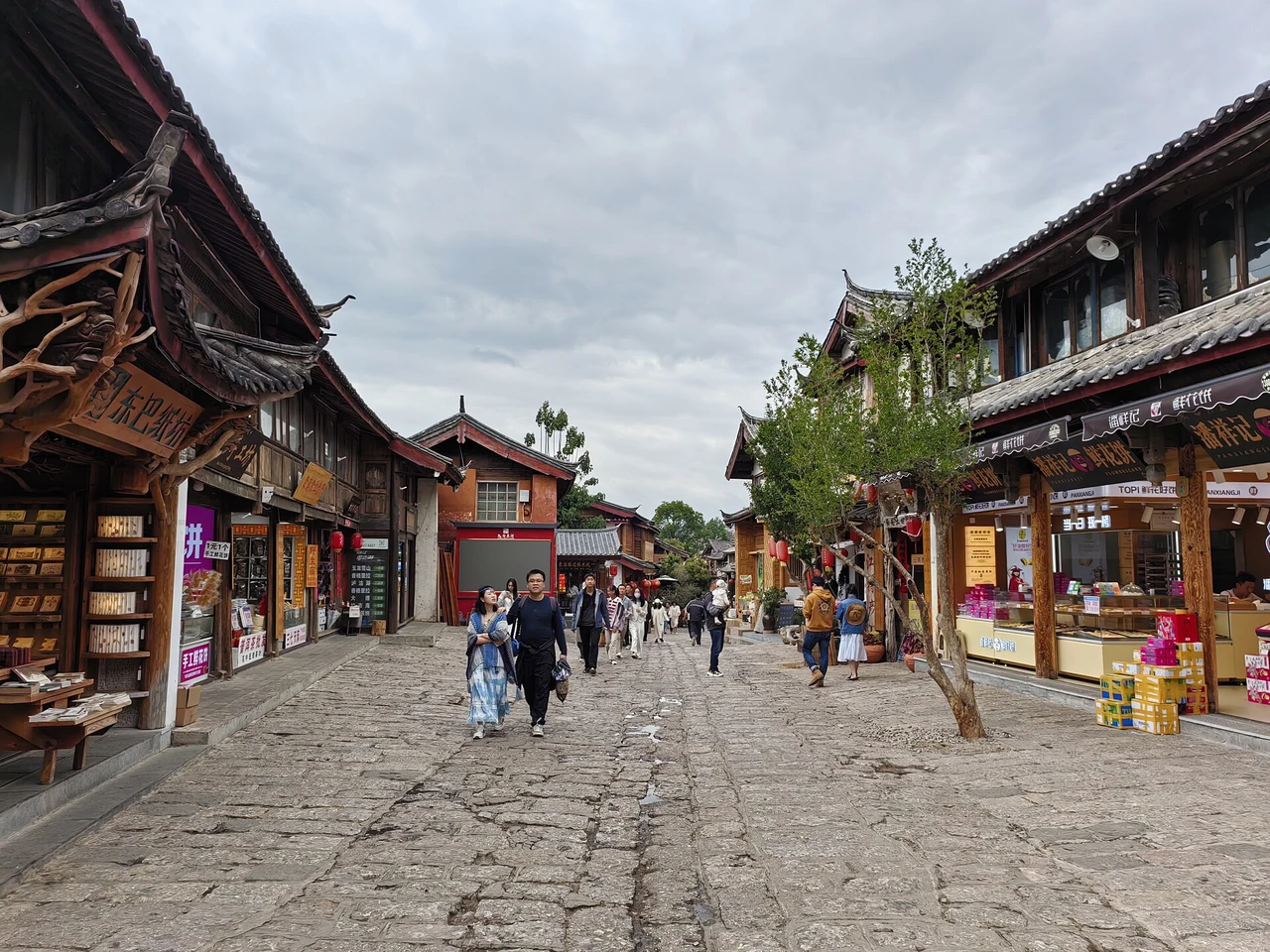
Shuhe old townShuhe is an old Tea Horse Road town where streams run through quiet lanes. It is calmer than Dayan Old Town and suits a relaxed half-day or full-day walk.
Explore Lijiang ↗Explore places
Browse a mix of cities, or choose one city to see its places in editorial order.
Lijiang束河古镇
Shuhe old townShuhe is an old Tea Horse Road town where streams run through quiet lanes. It is calmer than Dayan Old Town and suits a relaxed half-day or full-day walk.
Explore Lijiang ↗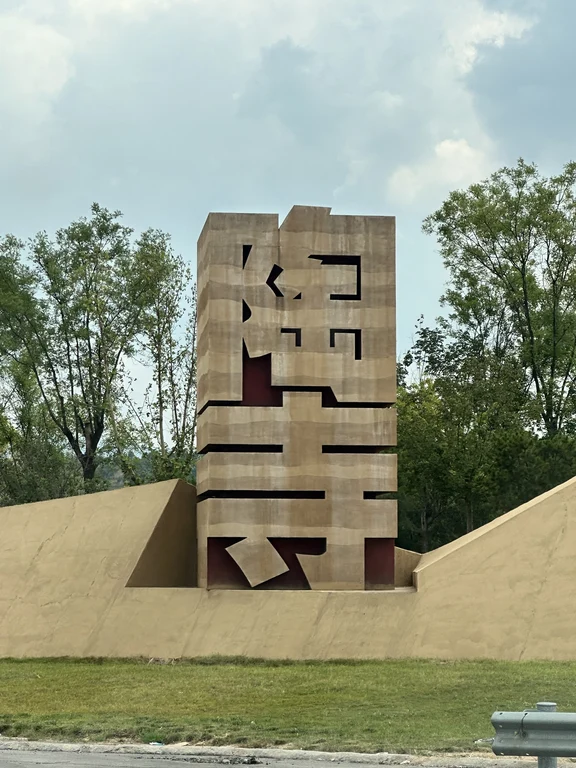 Linfen
陶寺遗址博物馆
Taosi Site MuseumTaosi is an important late Neolithic urban center in the Fen River Basin. Important evidence of high-level tombs, handicrafts, rammed earth buildings and discussions of early complex society have been discovered. Restoration displays explain research hypotheses, and unearthed artifacts and strata are the evidence.
Explore Linfen ↗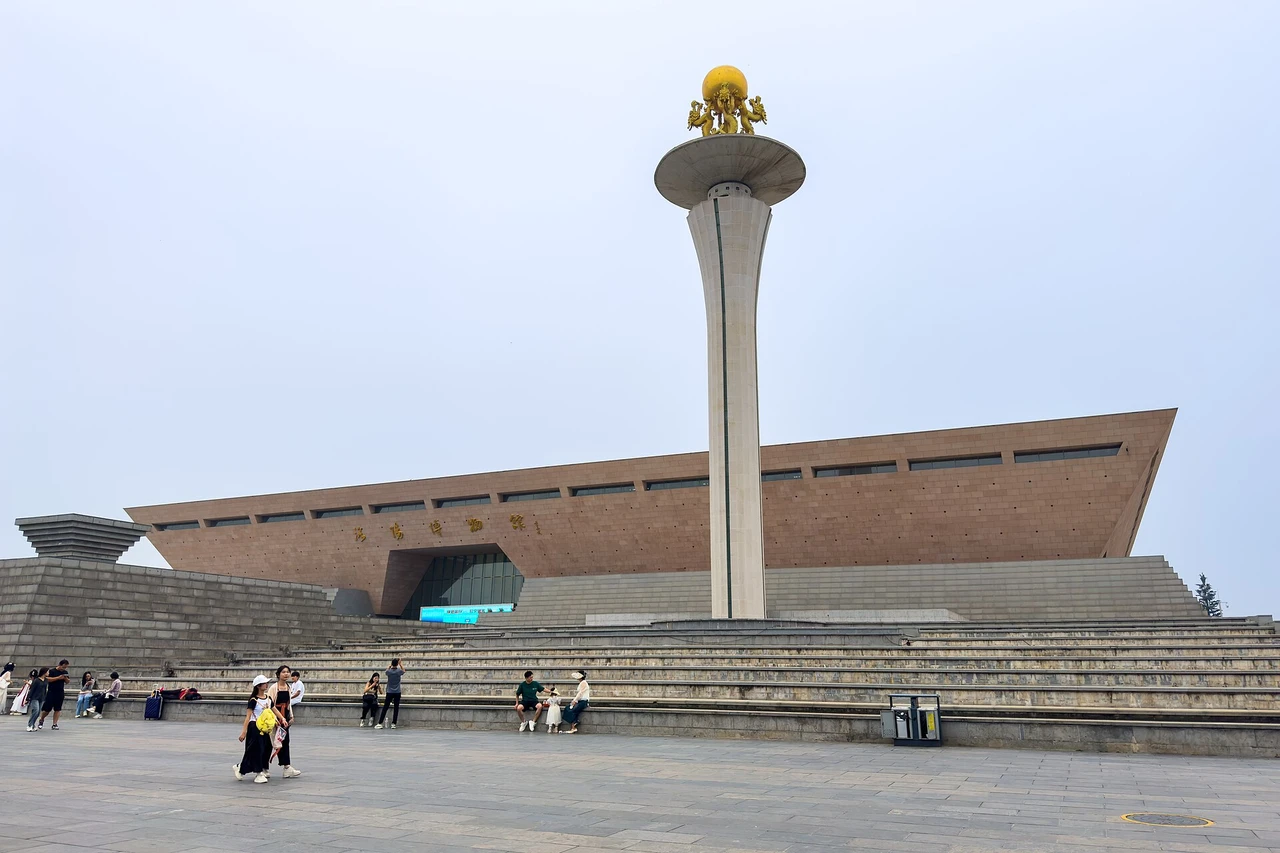 Luoyang
洛阳博物馆
Luoyang MuseumLuoyang Museum organizes the extremely long period of urban archeology according to prehistoric and early state, Han, Wei, Sui and Tang periods. Bronze, pottery, stone carvings and burial artifacts reveal multiple changes in political centres, trade and rituals. The core value lies in the chronological sequence: viewing each layer at the same time can prevent famous dynasties from being reduced to irrelevant labels, and also lay the foundation for understanding the scattered ruins of the city.
Explore Luoyang ↗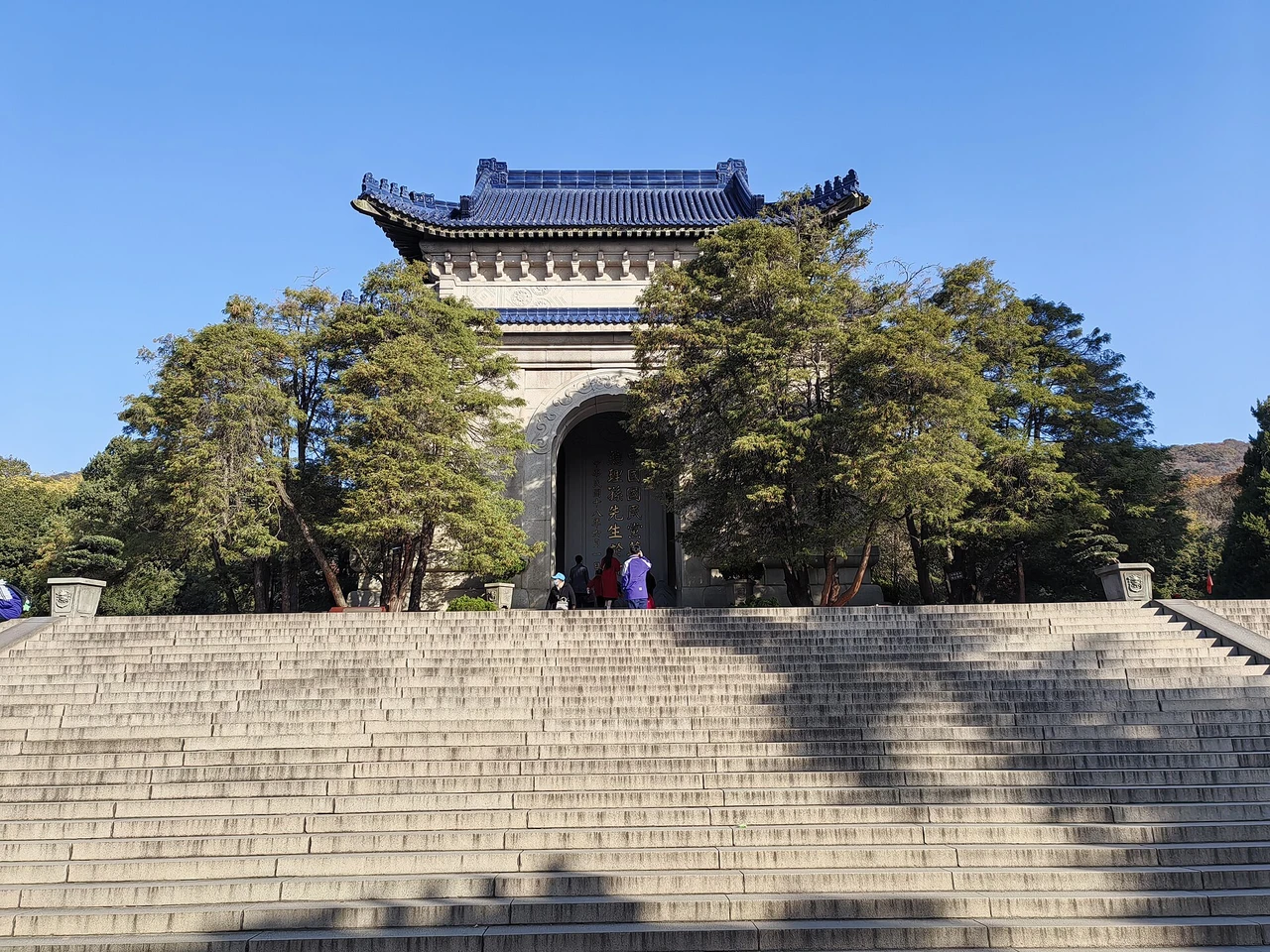 Nanjing
中山陵
Sun Yat-sen MausoleumThe Sun Yat-sen Mausoleum forms a formal axis along the Zhongshan Mountain through archways, tomb passages, wide steps and sacrificial halls. Built during the Republic of China, it combines modern public memorial architecture with traditional Chinese forms; the long ascent, scale changes, and views back to Nanjing together constitute a preset ritual process.
Explore Nanjing ↗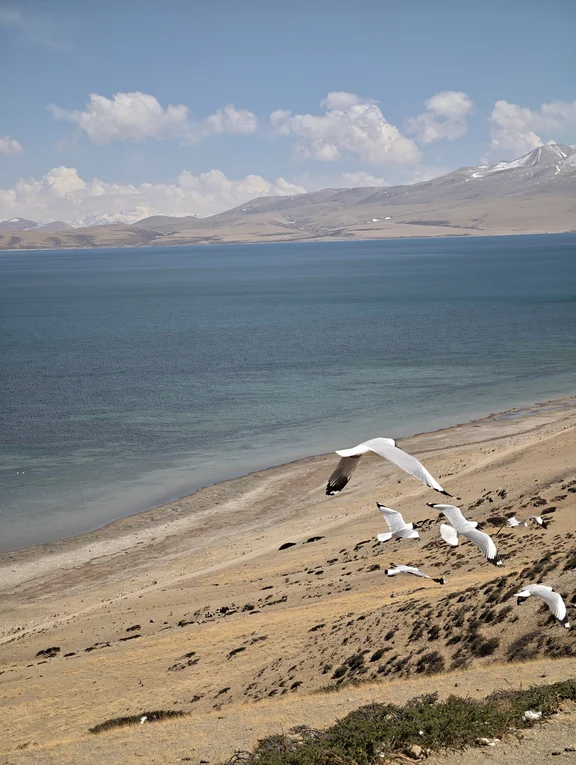 Ngari
Ngari玛旁雍错
Lake ManasarovarManasarovar is a plateau holy lake in a fragile wetland and pilgrimage landscape. Lakeshore access, wildlife protection and road controls are subject to change, and sacred significance does not permit launching, off-road driving, or leaving trash behind.
Explore Ngari ↗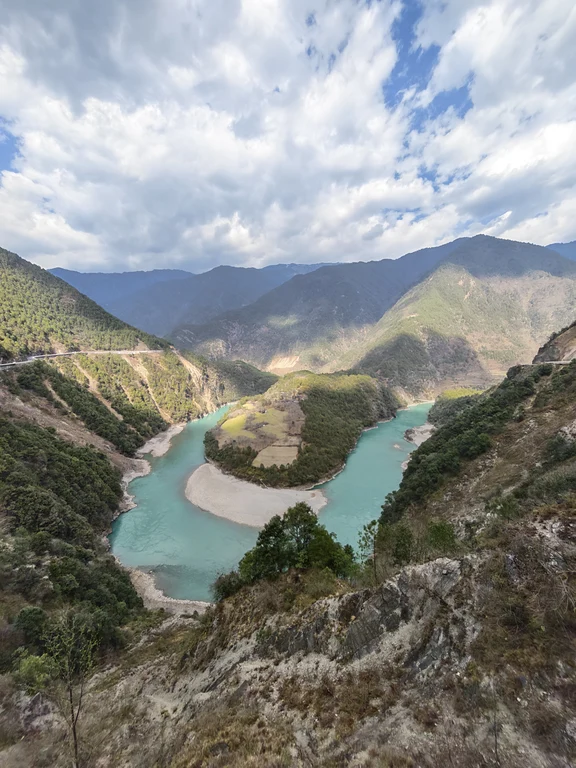 Nujiang
怒江第一湾与雾里村古道
Nujiang First Bend and Wuli Village TrailThe first bay of the Nujiang River shows the large rotation of the river around the mountain, and the nearby road leading to Wuli Village preserves fragments of the Ancient Tea Horse Road. Viewpoints, narrow historic roads and inhabited villages are spaces with varying boundaries of risk and privacy.
Explore Nujiang ↗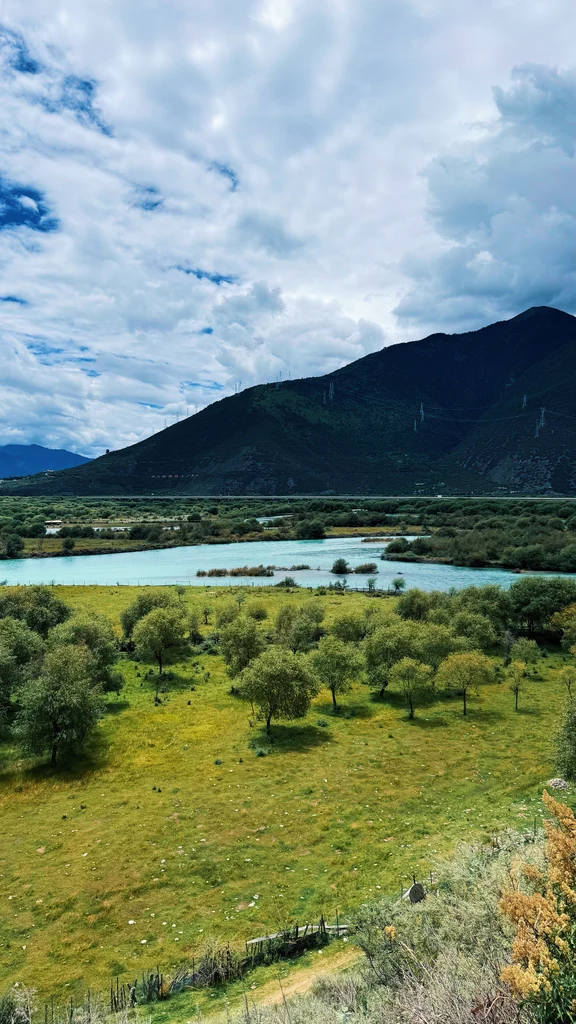 Nyingchi
林芝自然景观区
Nyingchi LandscapesThe Nyingchi landscape is composed of the Brahmaputra River and its tributary valleys, forests, snow-capped mountains, farmland and villages. The huge height difference makes the seasons and weather in different locations significantly different. Travel in open road zones, respect protected areas and community boundaries, and not take peach blossoms, snowy peaks, or clear visibility as a given.
Explore Nyingchi ↗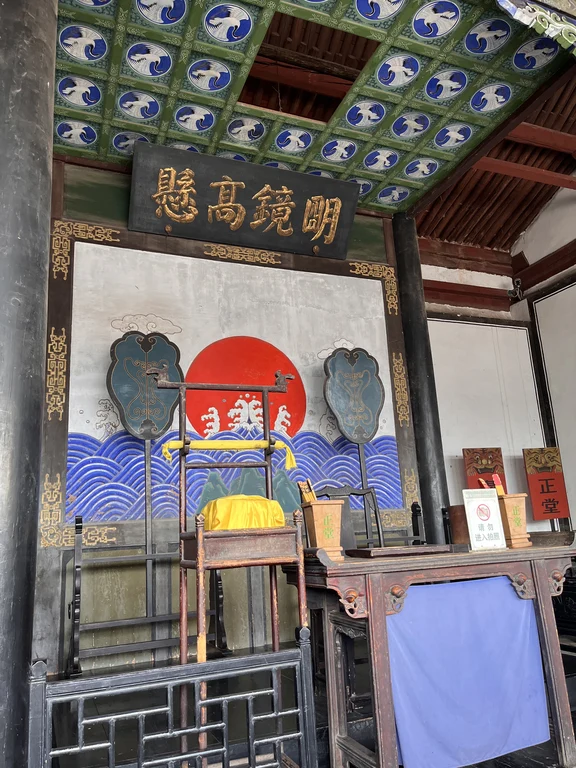 Pingyao
日昇昌票号
Rishengchang Exchange ShopRishengchang, located in the courtyard of Shanxi merchants, was one of the most famous bank accounts in the 19th century. It remitted funds through cross-regional branches and reduced the risk of long-distance transportation of silver. Accounting rooms, offices and living spaces explain why Pingyao developed into a national financial center, and can also serve as the entrance to understanding other business courtyards.
Explore Pingyao ↗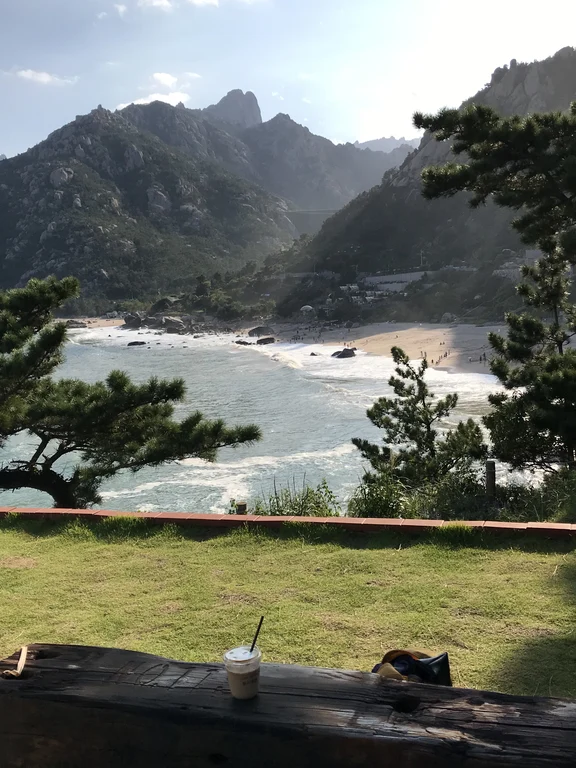 Qingdao
崂山风景区
Laoshan Scenic AreaThe granite mountain of Laoshan directly faces the Yellow Sea, and the peaks, sea cliffs, valleys, villages and long-standing Taoist cultural landscapes are combined with each other. Taiqing, Yangkou, Jufeng and Beijiushui belong to a tour system with different entrances, routes and characters, and are not just a few stops on a simple loop; mountain geology, marine weather and community life together constitute its complete value.
Explore Qingdao ↗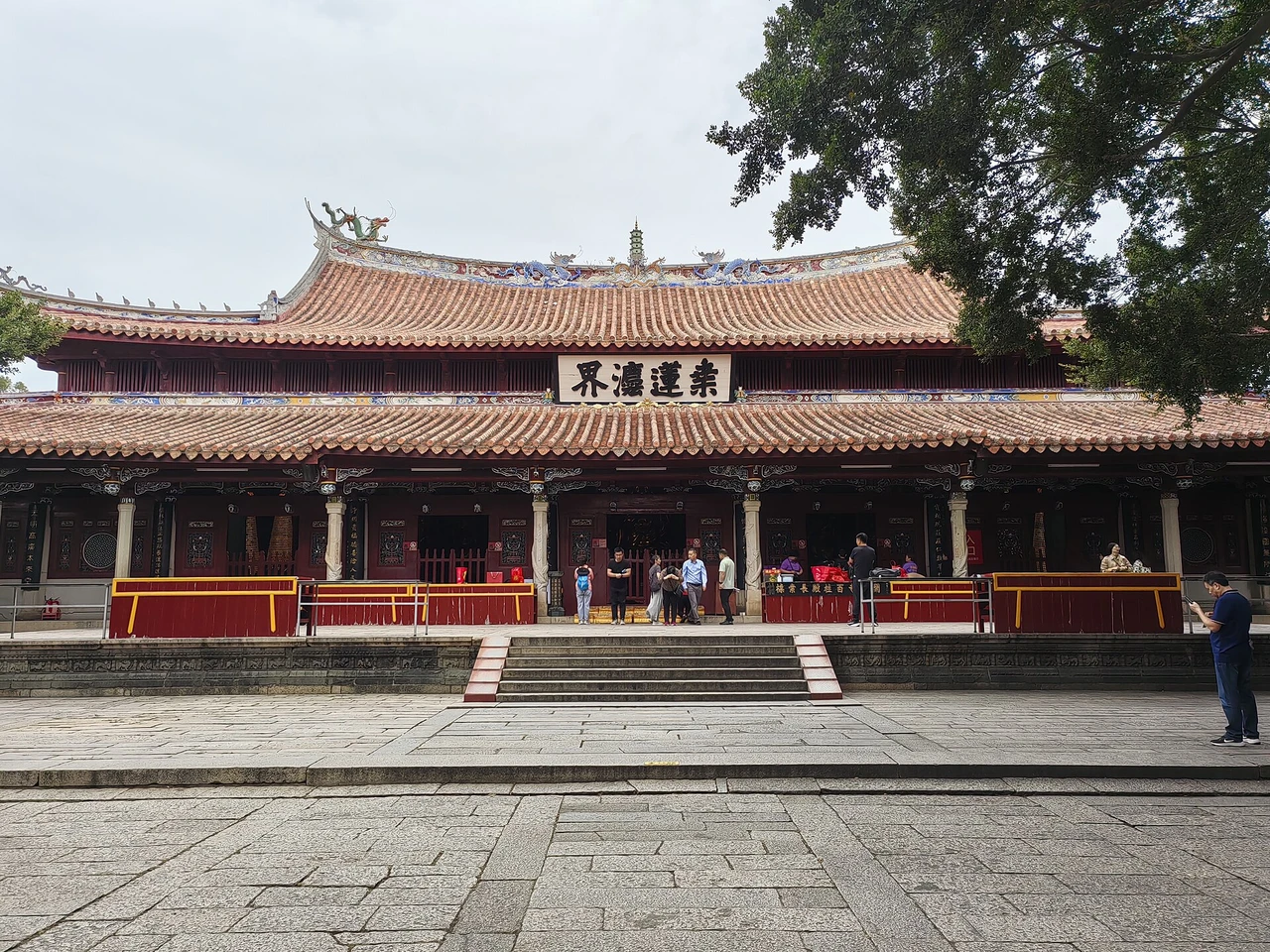 Quanzhou
开元寺
Kaiyuan TempleKaiyuan Temple Kaiyuan Temple is located at No. 176 West Street, Licheng District. It was built in the Tang Dynasty and has a history of more than 1,300 years. It is the largest Buddhist temple in Fujian. The east and west twin pagodas (Zhenguo Pagoda and Renshou Pagoda) in the temple are the tallest existing stone pagodas from the Song Dynasty in China. The pure mortise and tenon structure has stood for thousands of years. The west pagoda also has a "Monkey Walker" relief that is more than 300 years earlier than "Journey to the West". It is one of the filming locations for "Black Myth: Wukong". The 24 flying musicians and Hindu stone carvings in the Main Hall all reflect the integration of multi-cultural cultures along the Maritime Silk Road.
Explore Quanzhou ↗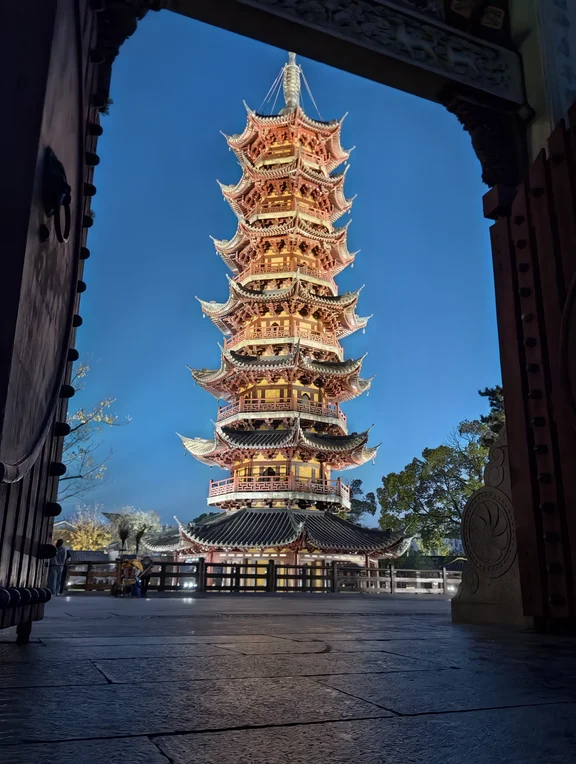 Shanghai
龙华寺与龙华塔
Longhua Temple and PagodaLonghua Temple and the seven-story Longhua Pagoda together constitute an important Buddhist historical space in Shanghai. The existing tower retains the architectural features of the Song Dynasty. It adds an earlier historical layer to the Shanghai itinerary that is often dominated by modern narratives, and the surrounding neighborhoods can also naturally connect to the West Bank Riverside.
Explore Shanghai ↗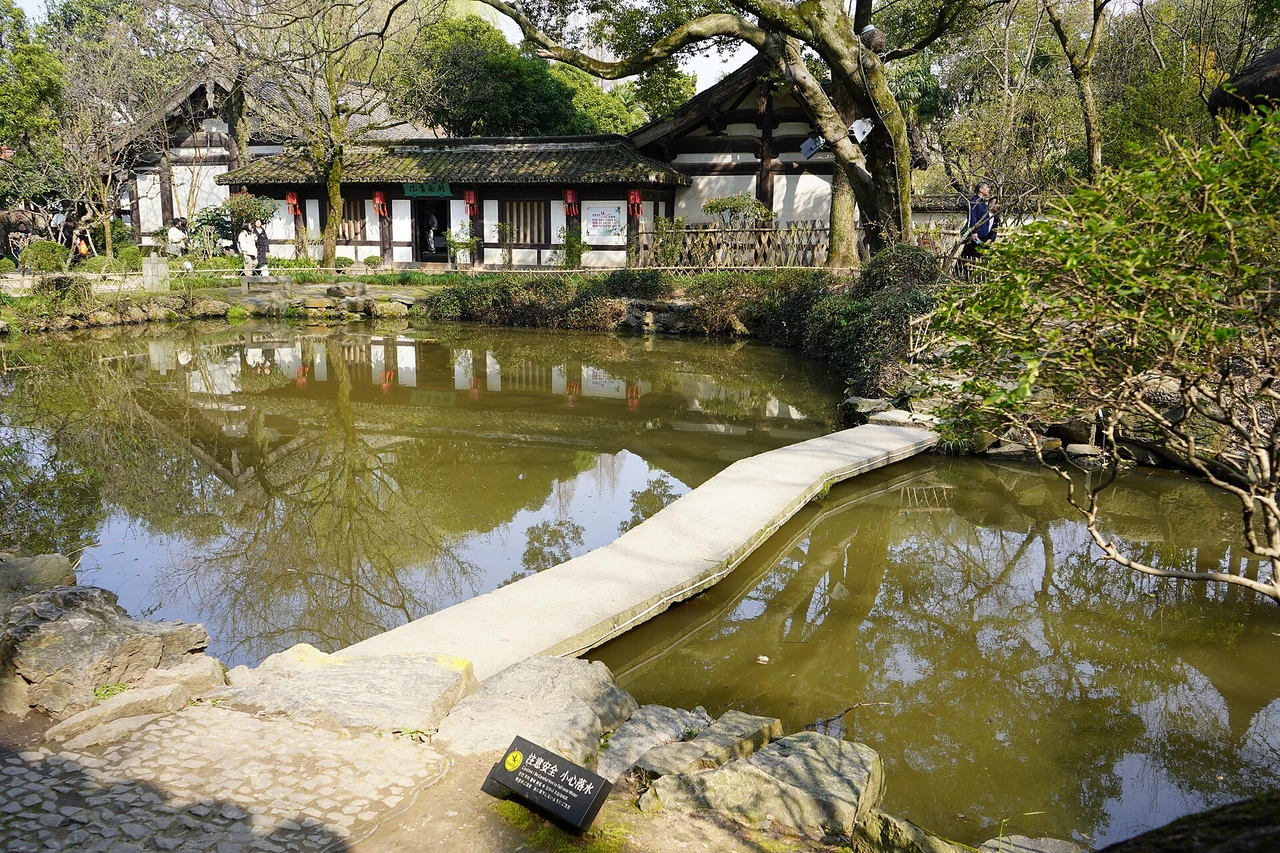 Shaoxing
沈园
Shen GardenShen Garden, also known as Shen's Garden, is located at No. 318 Lu Xun Middle Road, Yuecheng District. It is the only private garden from the Song Dynasty that has been preserved in Shaoxing. It has a history of more than 800 years. It is famous for the love story of Lu You and Tang Wan's "The Hairpin Headed Phoenix", and is called the "Love Garden". There are pavilions, pavilions, Quchi rockery, and each scene is a scene at every step. The core attractions include the Chai Tou Feng Monument, Lu You Memorial Hall, Dongyuan, Nanyuan, etc.; at night, there is also an immersive live performance "Dream Return to Shen Garden·Chai Tou Feng".
Explore Shaoxing ↗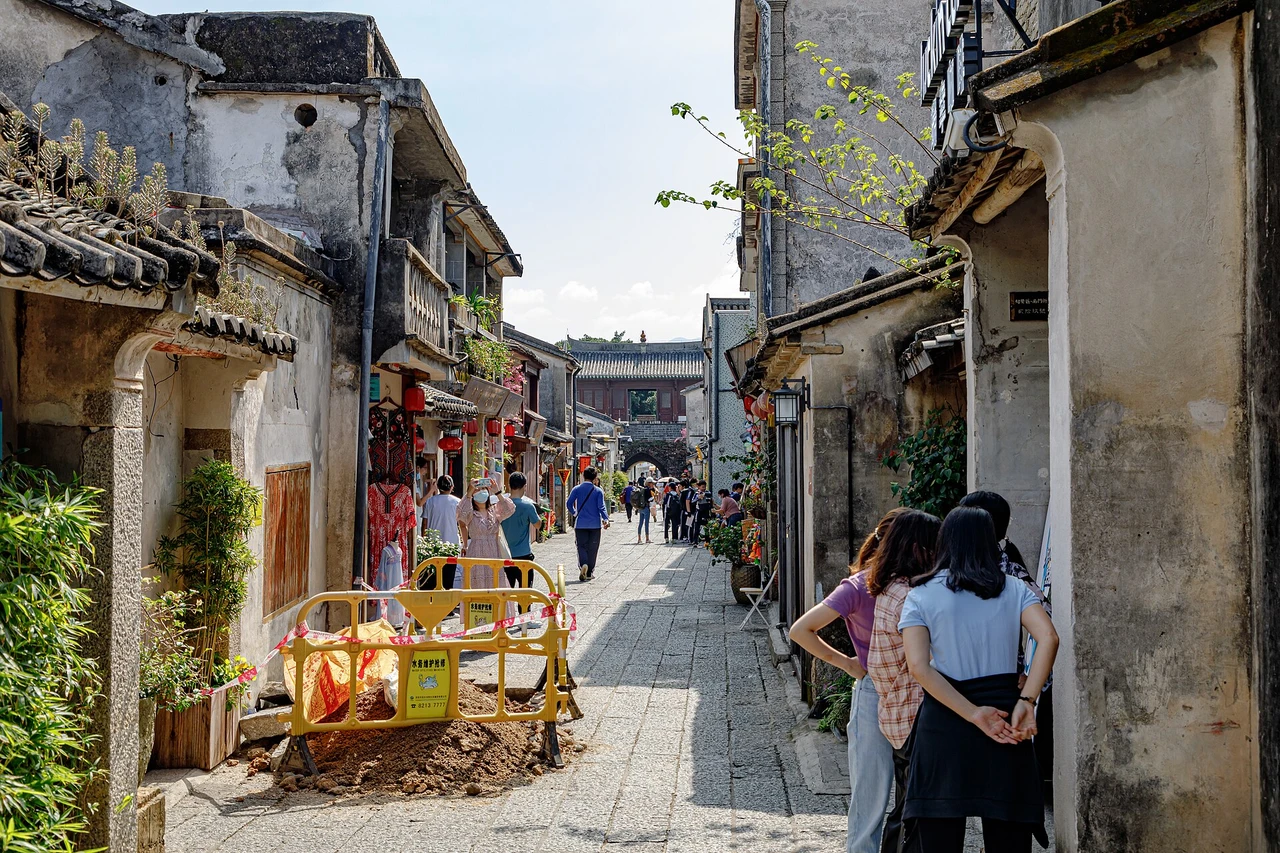 Shenzhen
大鹏所城
Dapeng FortressDapeng Suo City originated from the coastal defense station of the Ming Dynasty and retains the city gates, street pattern, defense relics, temples and later mansions related to the South China Sea. Its space also records defense during the Qing Dynasty, village life in the 20th century, and community use that continues today. The ages of the existing buildings are not consistent. When visiting, you should combine the protection instructions to distinguish between the original structure, the restored part and the revitalized part.
Explore Shenzhen ↗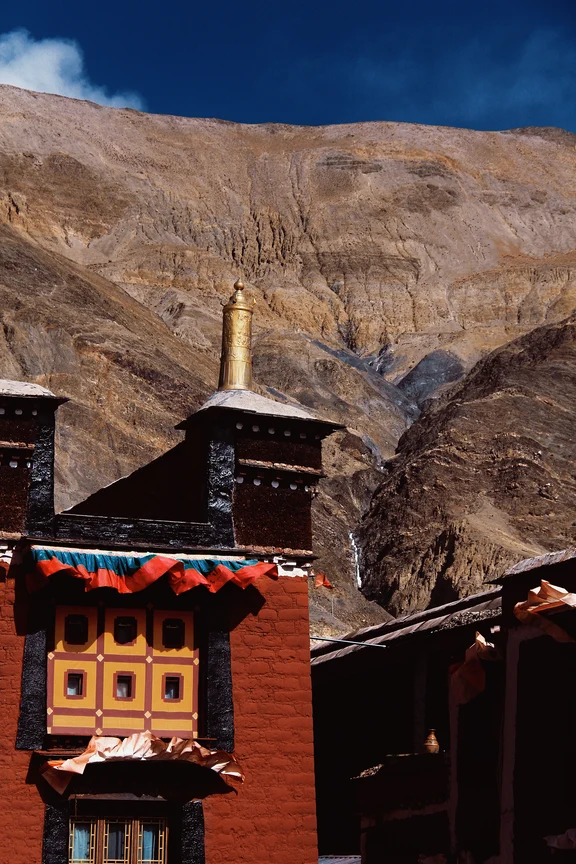 Shigatse
萨迦寺
Sakya MonasteryThe castle-like building of Sakya Nan Temple preserves murals, statues and important classics related to the Sakya Sect. Far away from the urban area of Shigatse, this place is both a protected heritage and a living worship space.
Explore Shigatse ↗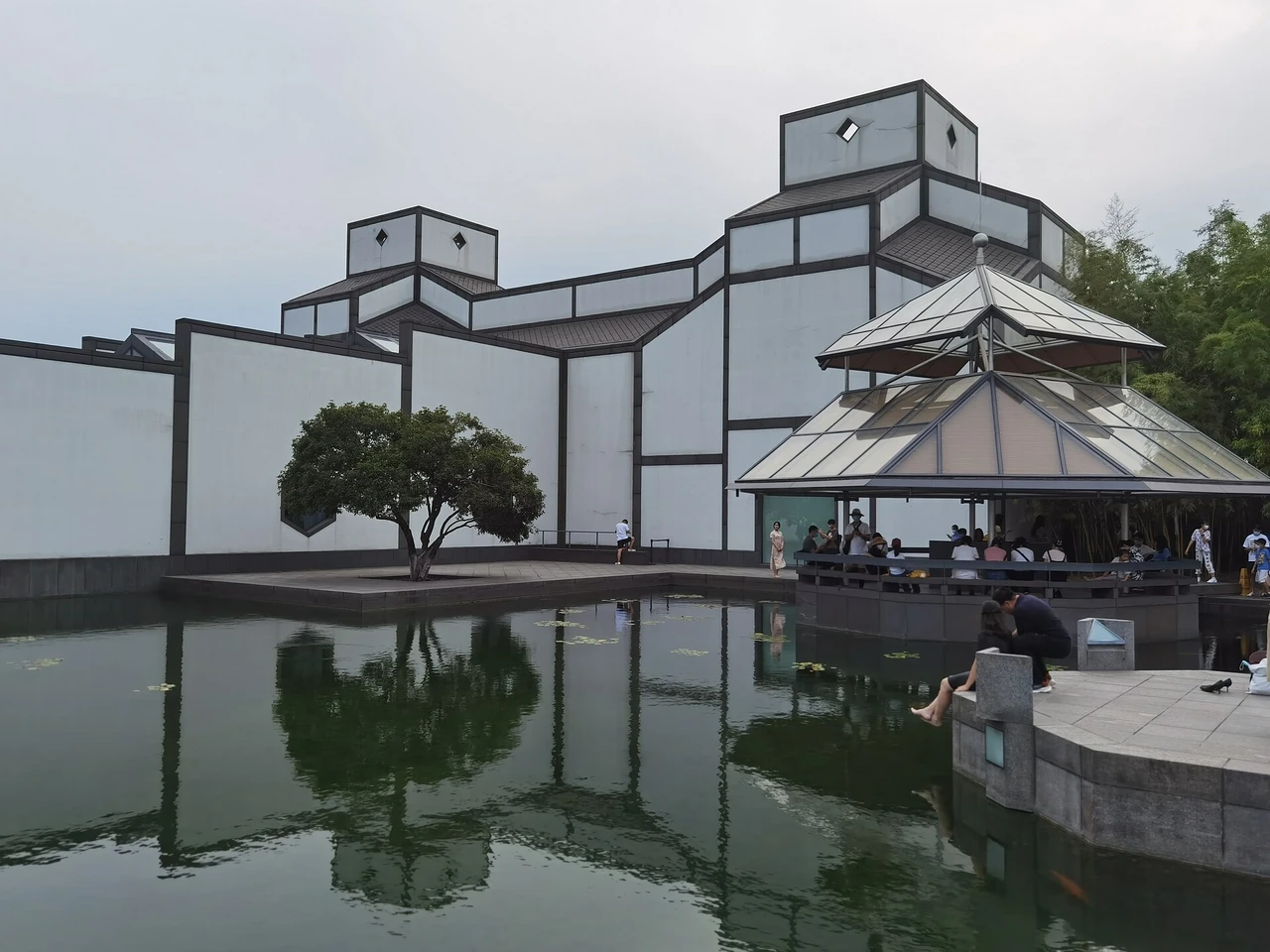 Suzhou
苏州博物馆
Suzhou MuseumThe Suzhou Museum combines Wudi's historical art collection with Pei's modern interpretation of whitewashed walls, dark roofs, courtyards and framed water. Archeology, calligraphy, painting and crafts provide the background for Wu culture, and another layer of historical buildings is preserved adjacent to Prince Zhong's Mansion; the architecture and collections should be understood together.
Explore Suzhou ↗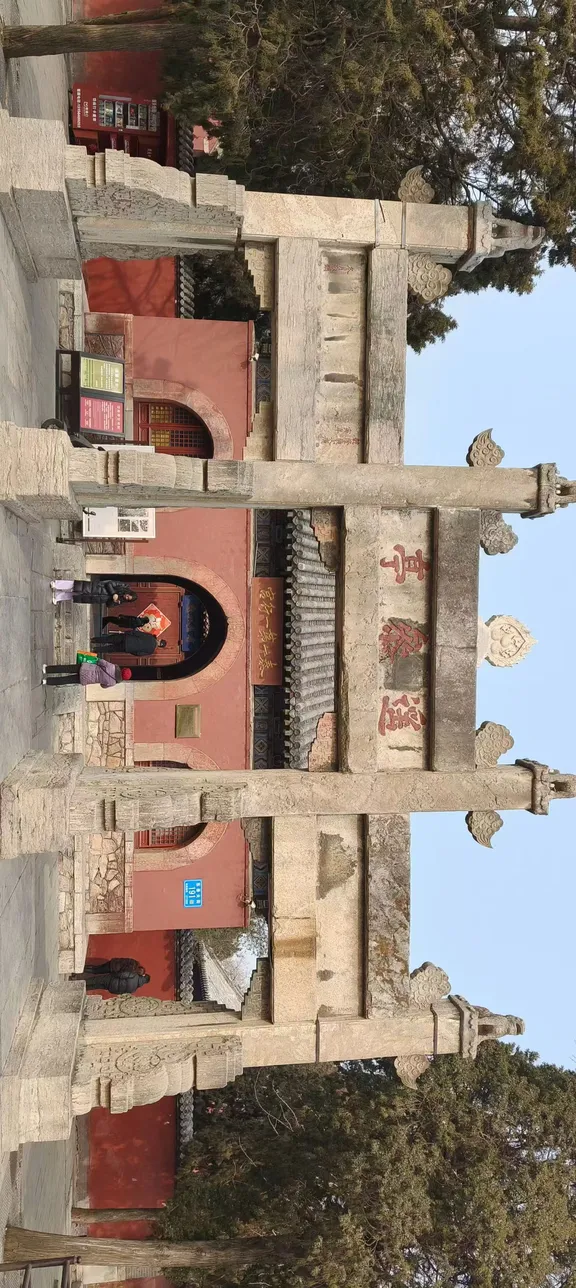 Tai'an
岱庙
Dai TempleDai Temple connects Tai'an City and Mount Tai's sacrificial axis. The palace-style enclosure structure, Tiankuang Hall, courtyards, ancient trees and hundreds of inscriptions preserve evidence of national sacrifices, local beliefs and interpretations of Mount Tai in the past dynasties. This place also serves as the Tai'an City Museum. The building and collection should be read together, rather than just as a photogenic prelude before climbing.
Explore Tai'an ↗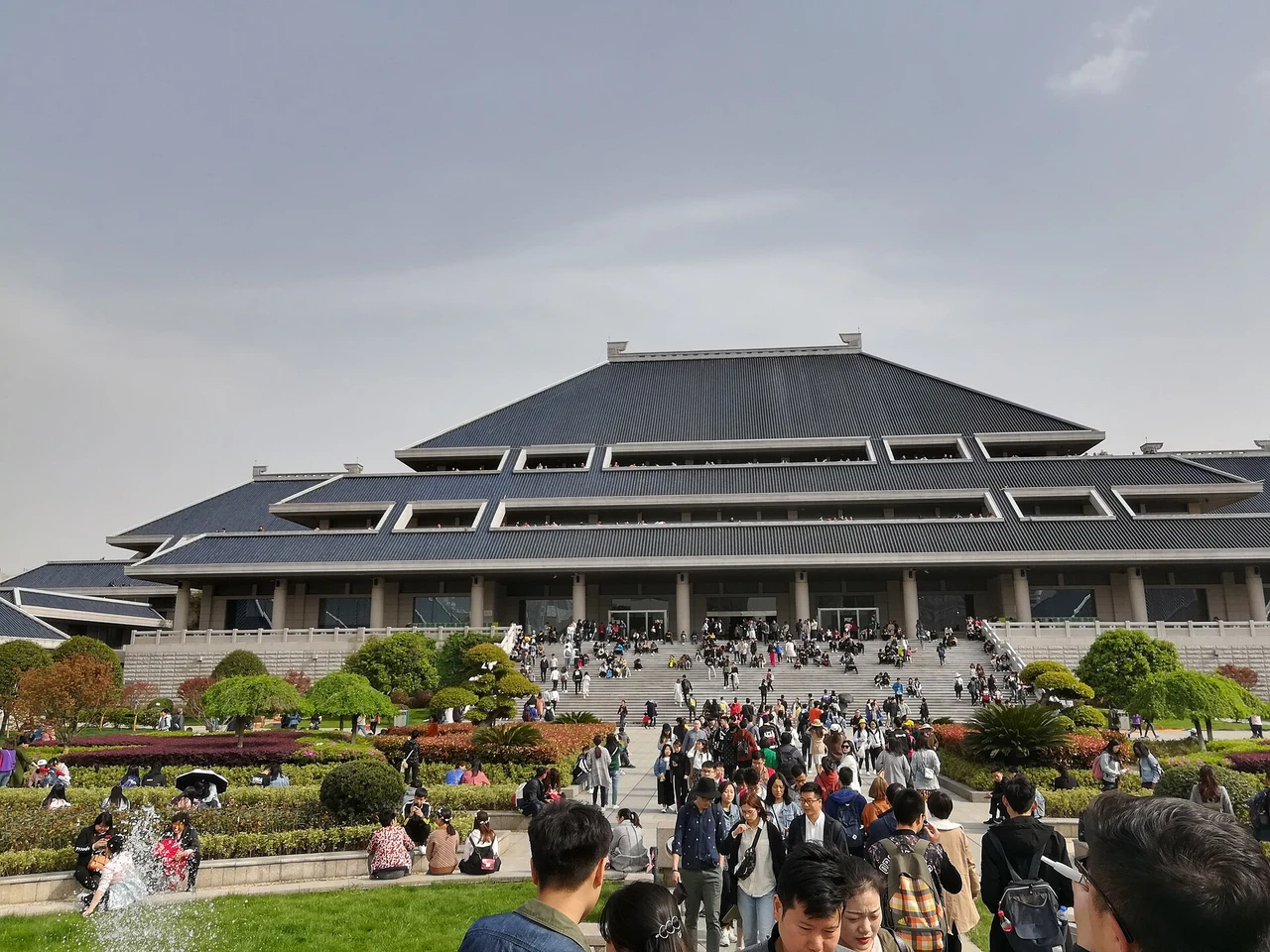 Wuhan
Wuhan湖北省博物馆
Hubei Provincial MuseumThe Hubei Provincial Museum focuses on the archeology of the middle reaches of the Yangtze River. The tomb of Zeng Houyi, chime bells, Chu art, lacquerware and later local history show complex national and cultural exchanges that go beyond the single Central Plains narrative. The exhibition hall is large in size and may have scheduled music displays, so it is suitable for half a day of focused planning rather than a rush to check in.
Explore Wuhan ↗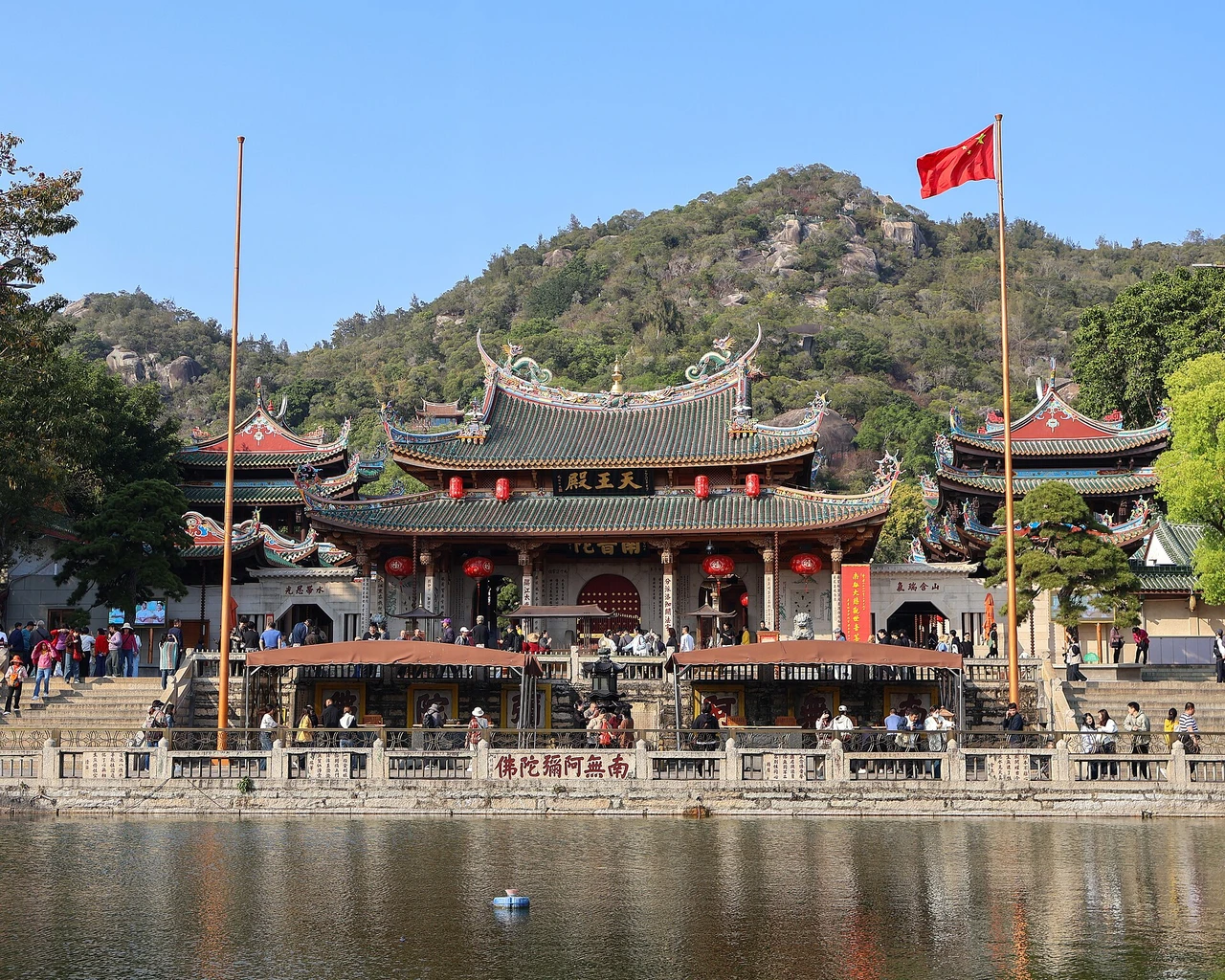 Xiamen
南普陀寺
Nanputuo TempleNanputuo Temple is located at the foot of Wulao Peak. The Buddhist hall is spread out along the rising central axis, with cliff inscriptions and tree-shaded courtyards. The temple has been built many times in the past dynasties, and today it is still a place for religious activities, rather than simply an ornamental attraction. The space for worshiping Buddha, the vegetarian tradition and the mountain background all illustrate its continued influence in Xiamen.
Explore Xiamen ↗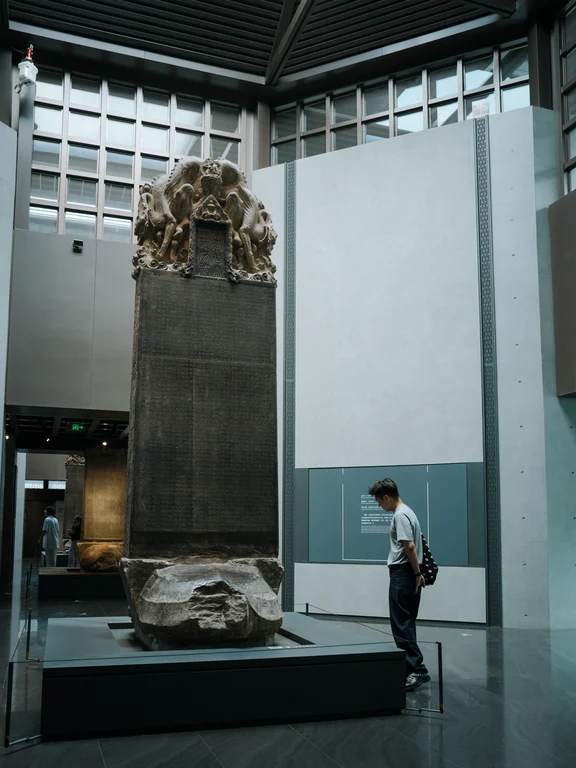 Xi'an
Xi'an西安碑林博物馆
Xi'an Beilin MuseumXi'an Forest of Steles Museum consists of the historical Confucius Temple, a large number of inscriptions and important stone carving art. The inscriptions preserve classics, historical materials and famous calligraphy, while the tombs and Buddhist stone carvings show how images and words entered ancient political and social life. Even if you cannot read ancient texts, you can still compare different calligraphy styles, engraving techniques, and layouts.
Explore Xi'an ↗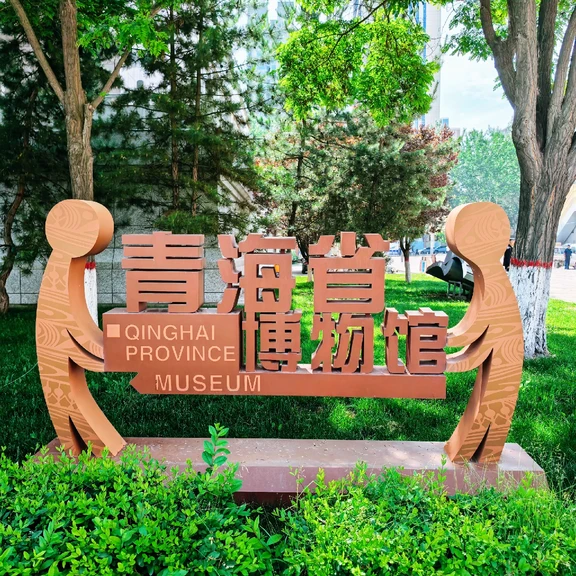 Xining
青海省博物馆
Qinghai Provincial MuseumThe Provincial Museum connects prehistoric archeology, exchanges between the plateau and the Hexi Corridor, regional religious art, material culture and modern Qinghai history. Painted pottery, metalware, textiles and archaeological evidence replace the vague imagination of a "closed plateau" with the fact of long-term flow and contact. This is the perfect place to establish a clear timeline before heading to a monastery, archaeological landscape or pastoral area.
Explore Xining ↗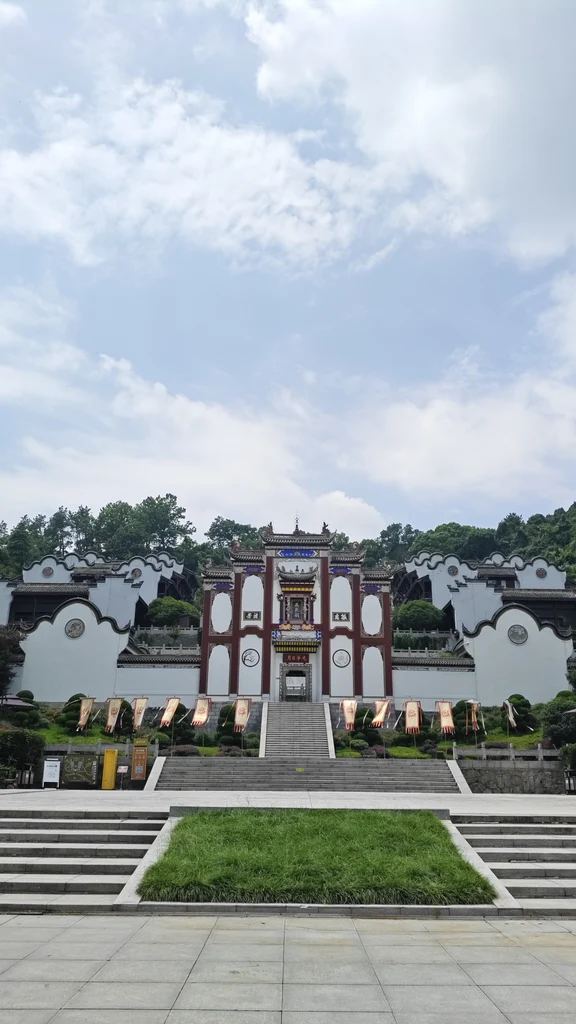 Yichang
屈原故里文化旅游区
Qu Yuan Hometown Cultural AreaHere, the relocation of historical buildings, Qu Yuan's interpretation, Dragon Boat Festival tradition and the landscape of the reservoir area are combined. Visits should distinguish between original, relocated and restored content, while understanding the festival practices that are still being passed down.
Explore Yichang ↗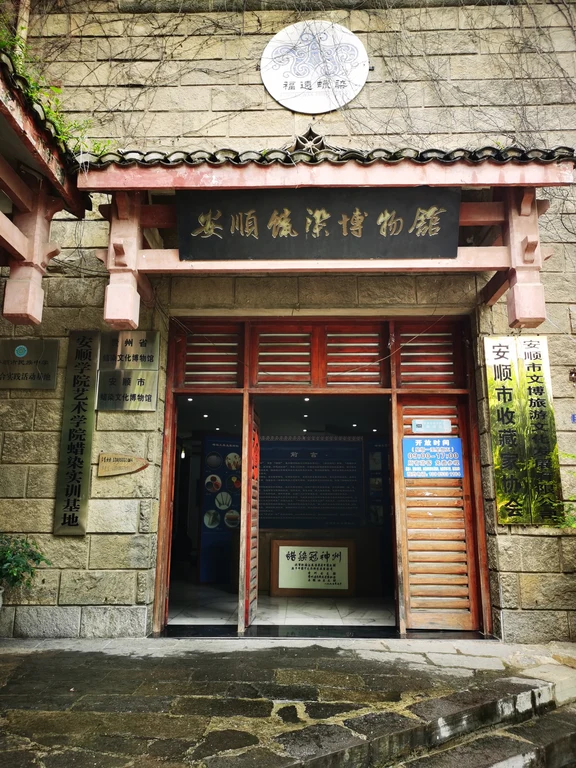 Anshun
安顺市博物馆与古城街巷
Anshun Museum and Old-City LanesThe museum establishes a time frame for Anshun's archeology, commerce, military settlements, and multi-ethnic culture. The adjacent streets, the surroundings of the Confucian Temple, and the market place history back into the living urban fabric, preventing the city from being viewed as just a transit point to distant waterfalls.
Explore Anshun ↗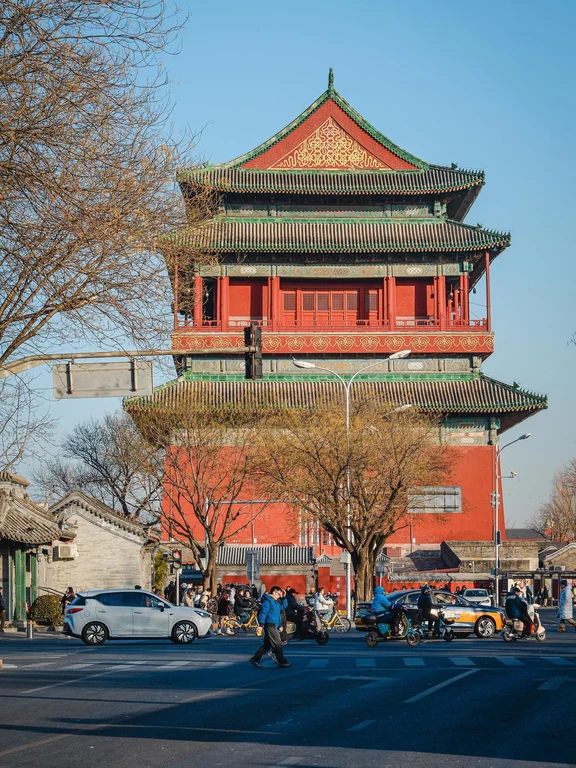 Beijing
北京钟鼓楼
Beijing Bell and Drum TowersThe Bell and Drum Tower of Beijing is located at the northern end of the historical central axis. It used evening drums and morning bells to manage the time order of the ancient capital. After climbing the building, you can not only observe the wooden buildings and ancient timekeeping facilities, but also overlook the dense alley roofs, and identify the direction of Jingshan and Miyagi along the central axis to the south.
Explore Beijing ↗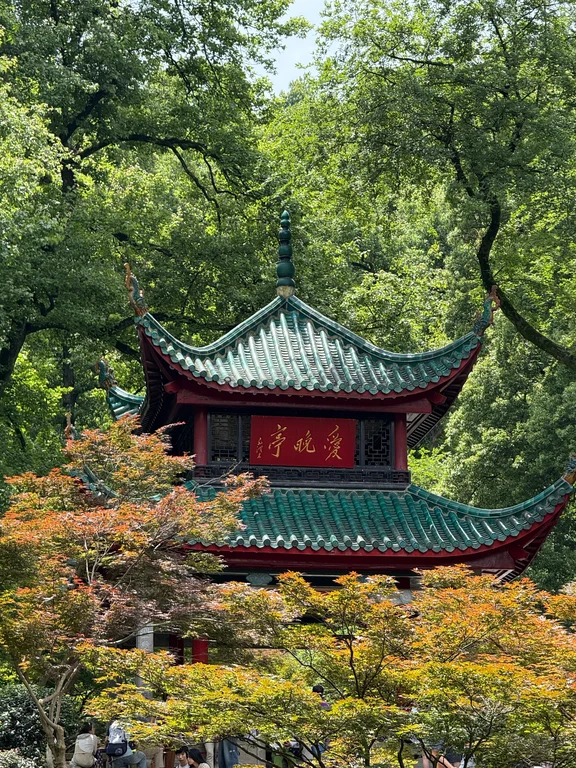 Changsha
岳麓山
Yuelu MountainYuelu Mountain is an urban mountainous area with lush forests. Trails connect Yuelu Academy, Aiwan Pavilion, historical tombs and modern memorial sites. The dense cultural relics reflect the educational and political history of Changsha, and the forest provides a refreshing contrast to the hot river city; different mountain gates and ridge routes have their own experiences, and should not be compressed into a rush to the summit.
Explore Changsha ↗