
 Huangshi
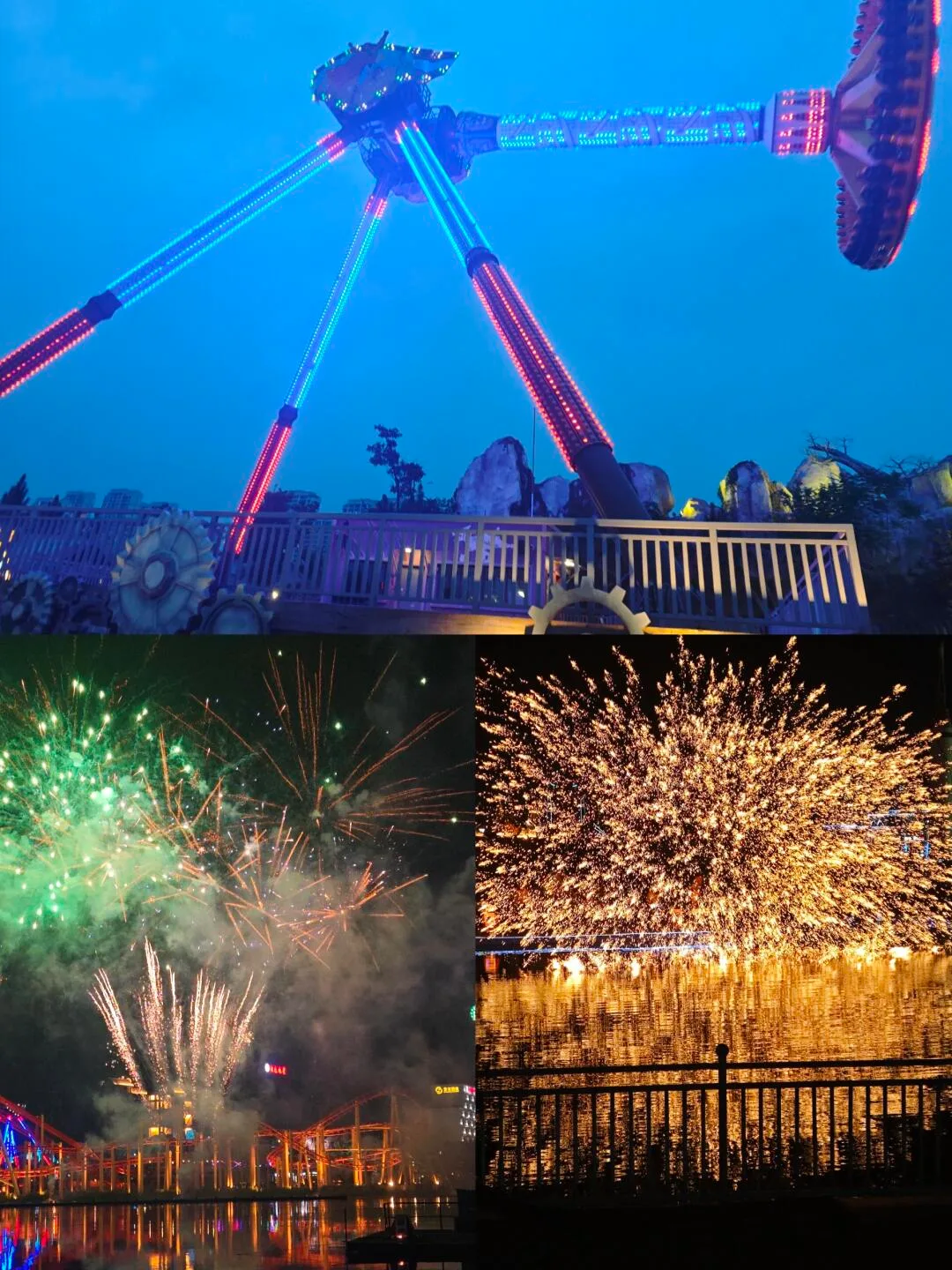
OCT Dinosaur Wonder Scenic Area
华侨城恐龙奇域景区
Explore places
Browse a mix of cities, or choose one city to see its places in editorial order.
Huangshi华侨城恐龙奇域景区
A potential attraction featuring dinosaur-themed entertainment and leisure experiences. Verify individual parks, facility eligibility conditions and opening arrangements separately.
Explore Huangshi ↗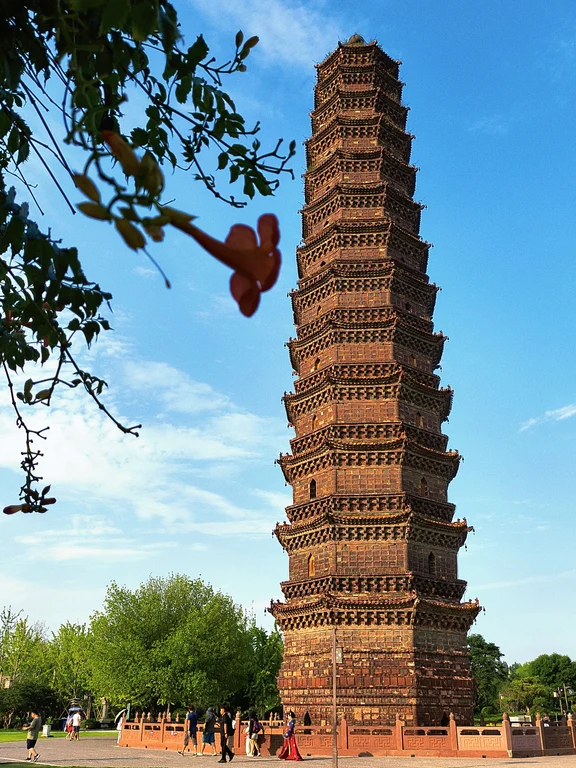 Kaifeng
繁塔
Fan Pagoda was built in the 10th century and is one of the earliest existing buildings in Kaifeng. Only the lower part of the original tower is preserved today. The outer wall is densely covered with glazed bricks with Buddha statues, forming a dense religious surface that is different from the later iron towers. The altered contours directly reveal the damage and reconstruction, rather than diminishing its value.
Explore Kaifeng ↗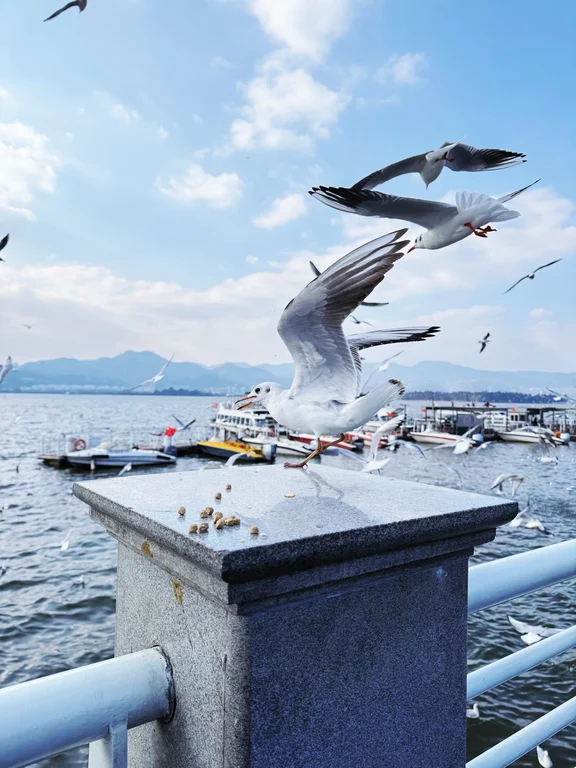 Kunming
滇池海埂片区
Dianchi Lake is a large plateau lake that defines the southern edge of Kunming, and the sea ridge provides convenient lakeside trails and views of the Western Mountains. Wetlands, winter red-billed gulls, and ongoing ecological restoration indicate that this is a real watershed that is still being managed, rather than a static background; the access and ecological conditions of different lakeshore parks are also different.
Explore Kunming ↗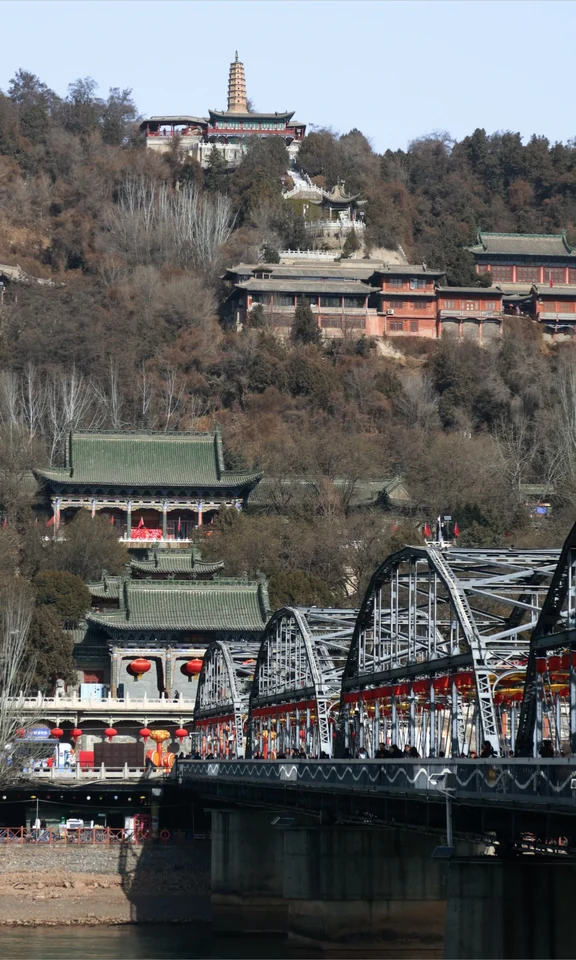 Lanzhou
白塔山公园
Baita Mountain is adjacent to the north bank of the Yellow River, with temples, courtyards, mountain roads and urban viewing spots superimposed above the Zhongshan Bridge. Climbing up can intuitively understand Lanzhou's restricted geography: the city stretches along the river, and dry mountains approach from both sides. Historic buildings are important, but observing bridges, mesas, and urban expansion as the altitude changes is the core experience.
Explore Lanzhou ↗ Lijiang
玉龙雪山
Jade Dragon Snow Mountain is an alpine mountain system in the north of Lijiang. Glaciers, meadows, forests and peaks tower above the Naxi cultural landscape. Different ropeways reach completely different altitudes and environments, and the highest conventional tourist platform is a high-altitude area that needs to be taken seriously; weather, ecological protection and ticket amount jointly determine the reachable range on the day.
Explore Lijiang ↗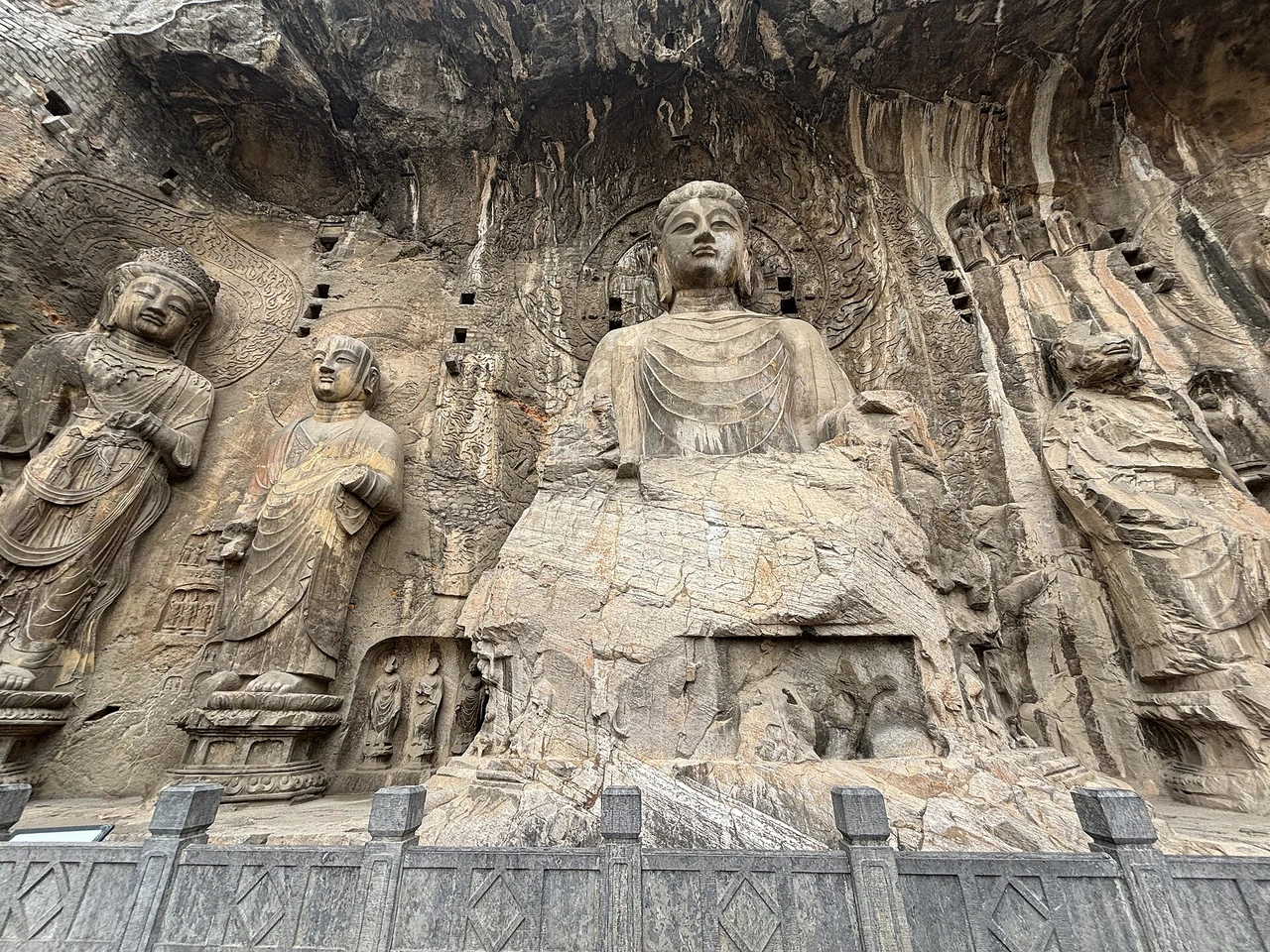 Luoyang
龙门石窟
More than 2,000 caves and niches are spread out along the limestone cliffs of the Yihe River. The most intensive excavation period lasted from the late Northern Wei Dynasty to the prosperous Tang Dynasty. The early works reflect the changes in palace status after the capital was moved to Luoyang, while Fengxian Temple represents the mature royal scale and shape of the Tang Dynasty. The inscriptions, donors and medicinal prescriptions make this place a record of society and belief, rather than just a string of giant Buddhas.
Explore Luoyang ↗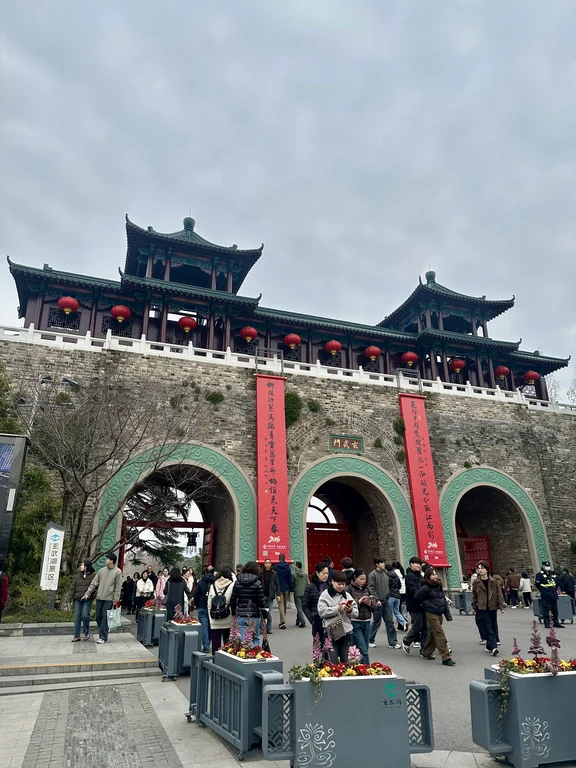 Nanjing
南京城墙与中华门
The Nanjing Ming City Wall conforms to the boundaries of mountains, rivers and palaces. It is not a regular rectangle. It is a brick defense system with outstanding preservation scale. The Zhonghua Gate contains multiple barbican and hidden soldier spaces, while other open sections present different relationships with lakes and communities. The city wall is not a continuous open trail along its entire length, so it is more reasonable to choose a section for an in-depth experience.
Explore Nanjing ↗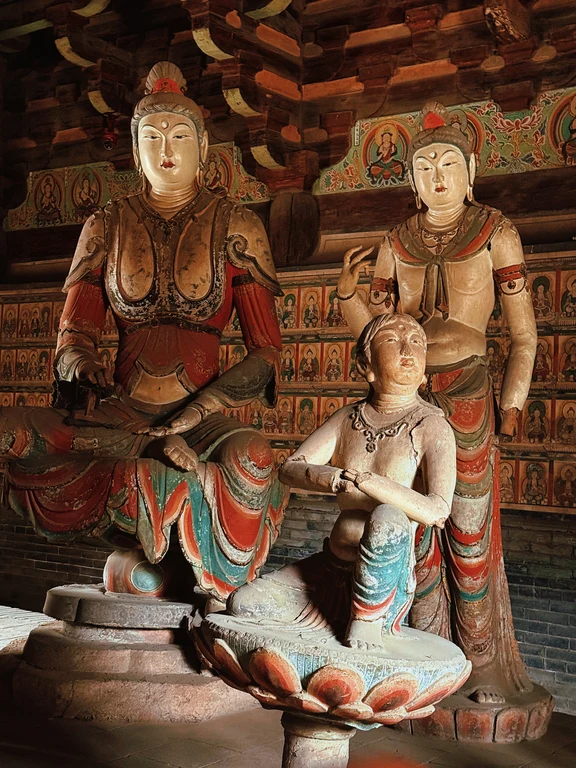 Pingyao
镇国寺
Zhenguo Temple is the third component of Pingyao World Heritage. The core Ten Thousand Buddhas Hall is a rare wooden building from the Five Dynasties that has been preserved to this day. The brackets, low roofs and early statues make this place an indispensable stop for understanding the development of Chinese wooden structures before ancient city architecture in the Ming and Qing Dynasties.
Explore Pingyao ↗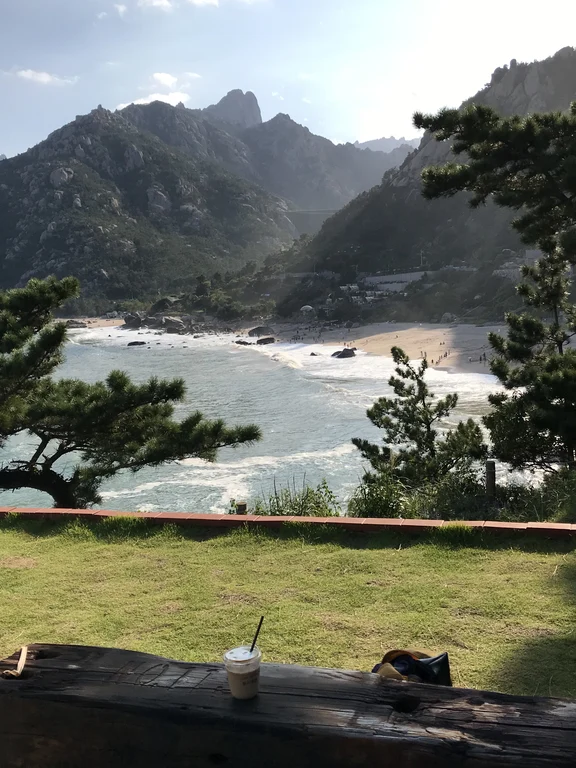 Qingdao
崂山风景区
The granite mountain of Laoshan directly faces the Yellow Sea, and the peaks, sea cliffs, valleys, villages and long-standing Taoist cultural landscapes are combined with each other. Taiqing, Yangkou, Jufeng and Beijiushui belong to a tour system with different entrances, routes and characters, and are not just a few stops on a simple loop; mountain geology, marine weather and community life together constitute its complete value.
Explore Qingdao ↗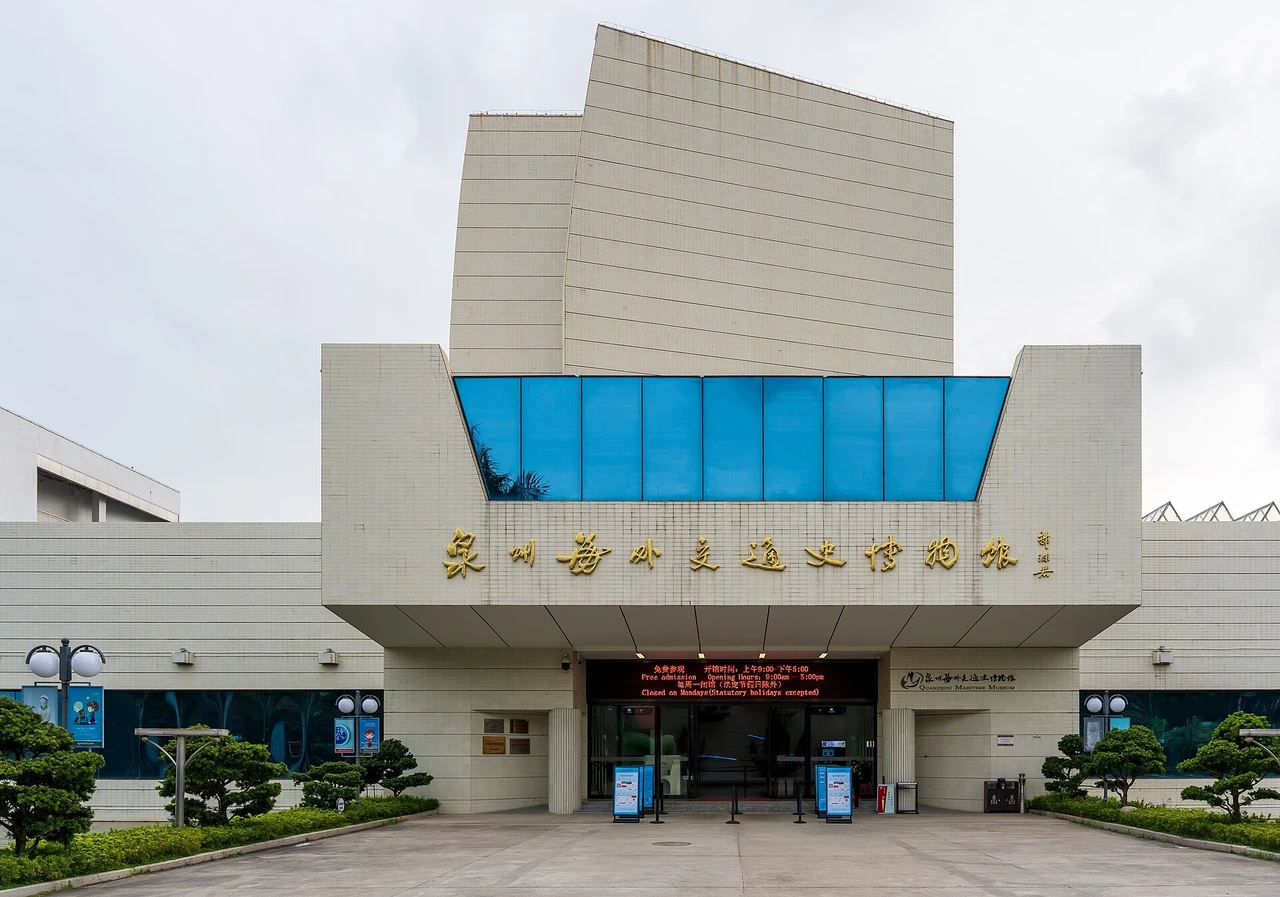 Quanzhou
泉州海外交通史博物馆
The Quanzhou Overseas Transportation History Museum provides a complete framework for understanding scattered heritage sites across the city. Ship models, maritime trade artifacts and religious stone carvings record navigation technology, exchange of goods, and communities from Arabia, Persia, India and other places; Song ship-related materials and multilingual inscriptions unearthed in Houzhu transformed the abstract "Maritime Silk Road" into concrete evidence of ships, people, technology and beliefs.
Explore Quanzhou ↗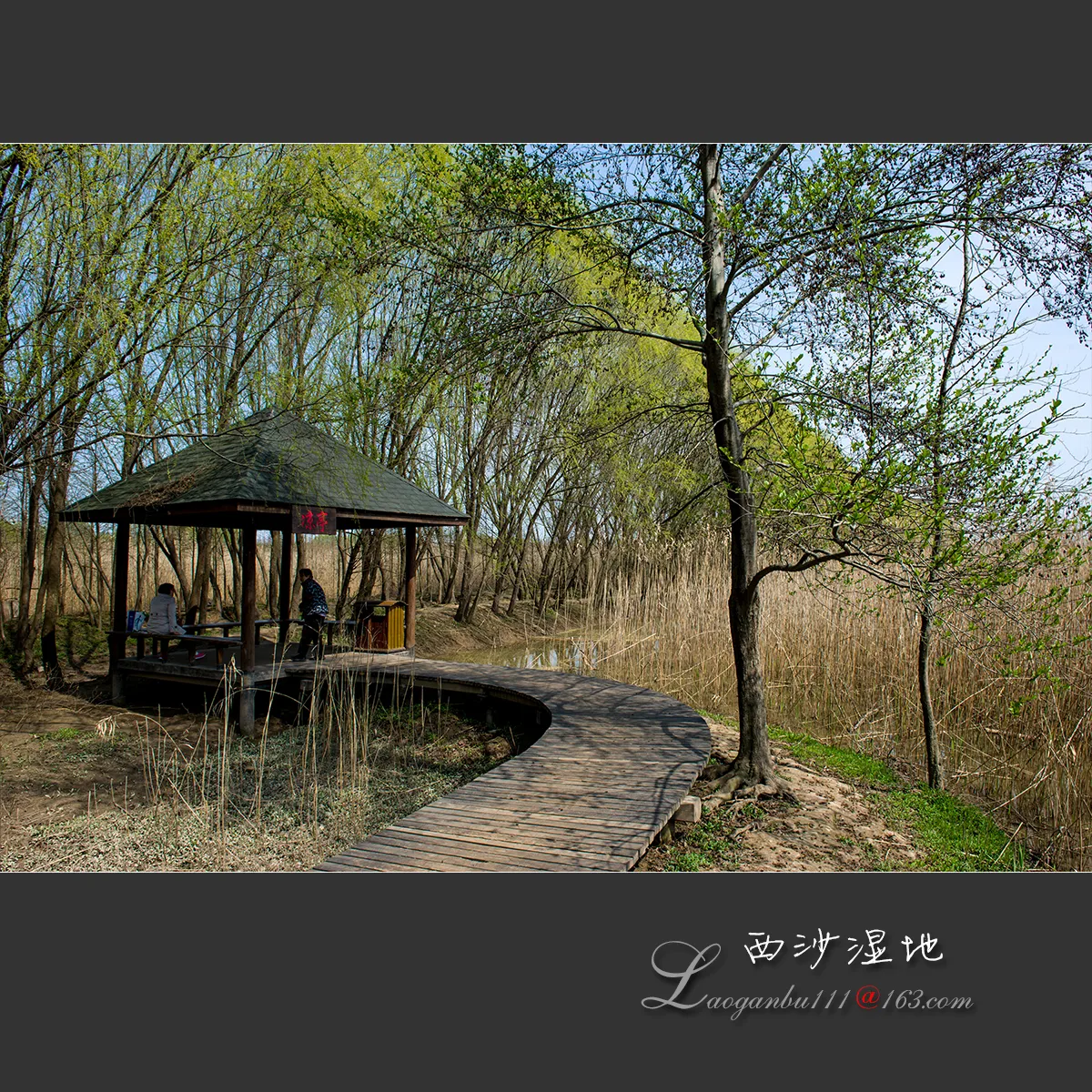 Shanghai
西沙明珠湖景区
Xisha–Mingzhu Lake comprises Xisha Wetland and Mingzhu Lake. Wetland boardwalks, woodland and lakeshores offer opportunities to observe estuarine ecology. Check entrances and activities separately for each section. Lakeside leisure does not mean access to every wetland area. Reference images show historical boardwalks, lake views and birds; tides, seasons and management arrangements alter what can be seen.
Explore Shanghai ↗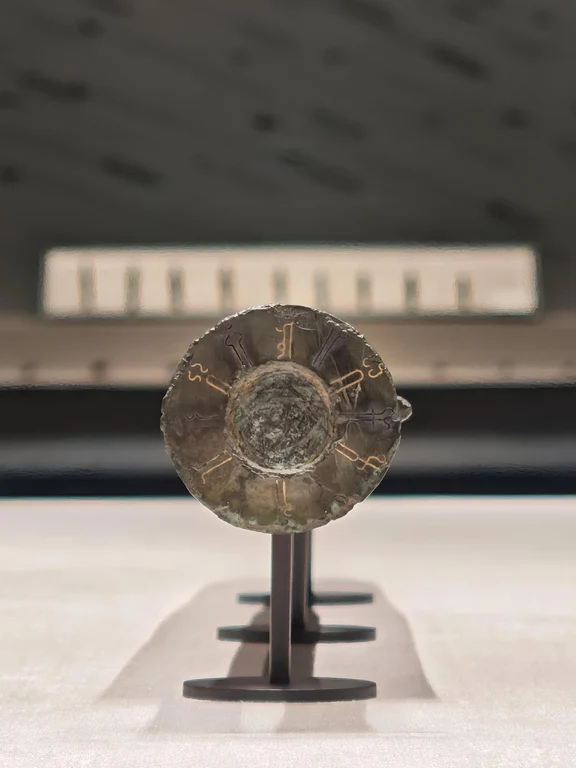 Shaoxing
绍兴博物馆
Shaoxing Museum introduces ancient Yue archaeological culture and urban development through weapons, ritual vessels, ceramics, and regional tomb and settlement materials. The compact chronology explains the political world behind familiar stories such as Gou Jian, and also helps understand later canals, bridges and craft traditions. Museum evidence allows for a deeper presentation of pre-Qin history beyond the tourism of literary celebrities.
Explore Shaoxing ↗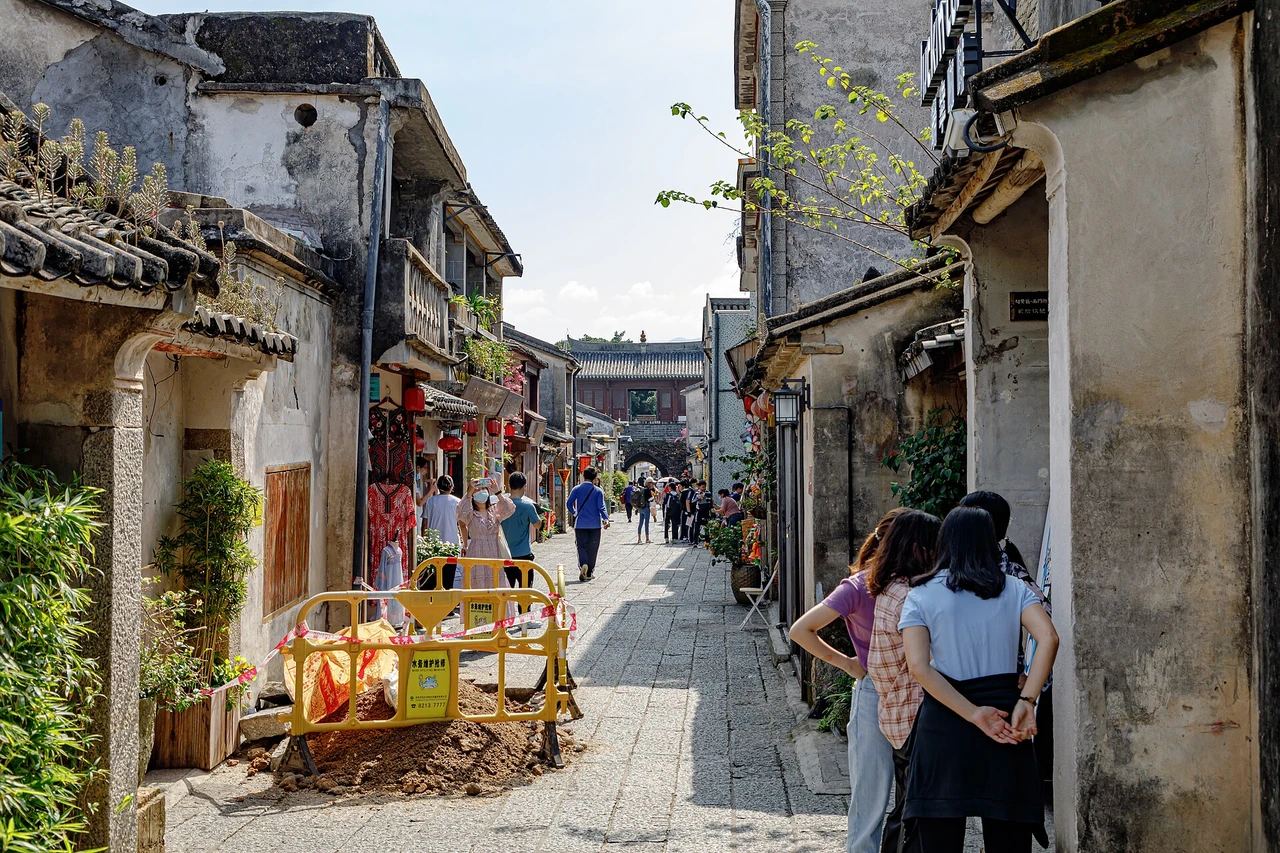 Shenzhen
大鹏所城
Dapeng Suo City originated from the coastal defense station of the Ming Dynasty and retains the city gates, street pattern, defense relics, temples and later mansions related to the South China Sea. Its space also records defense during the Qing Dynasty, village life in the 20th century, and community use that continues today. The ages of the existing buildings are not consistent. When visiting, you should combine the protection instructions to distinguish between the original structure, the restored part and the revitalized part.
Explore Shenzhen ↗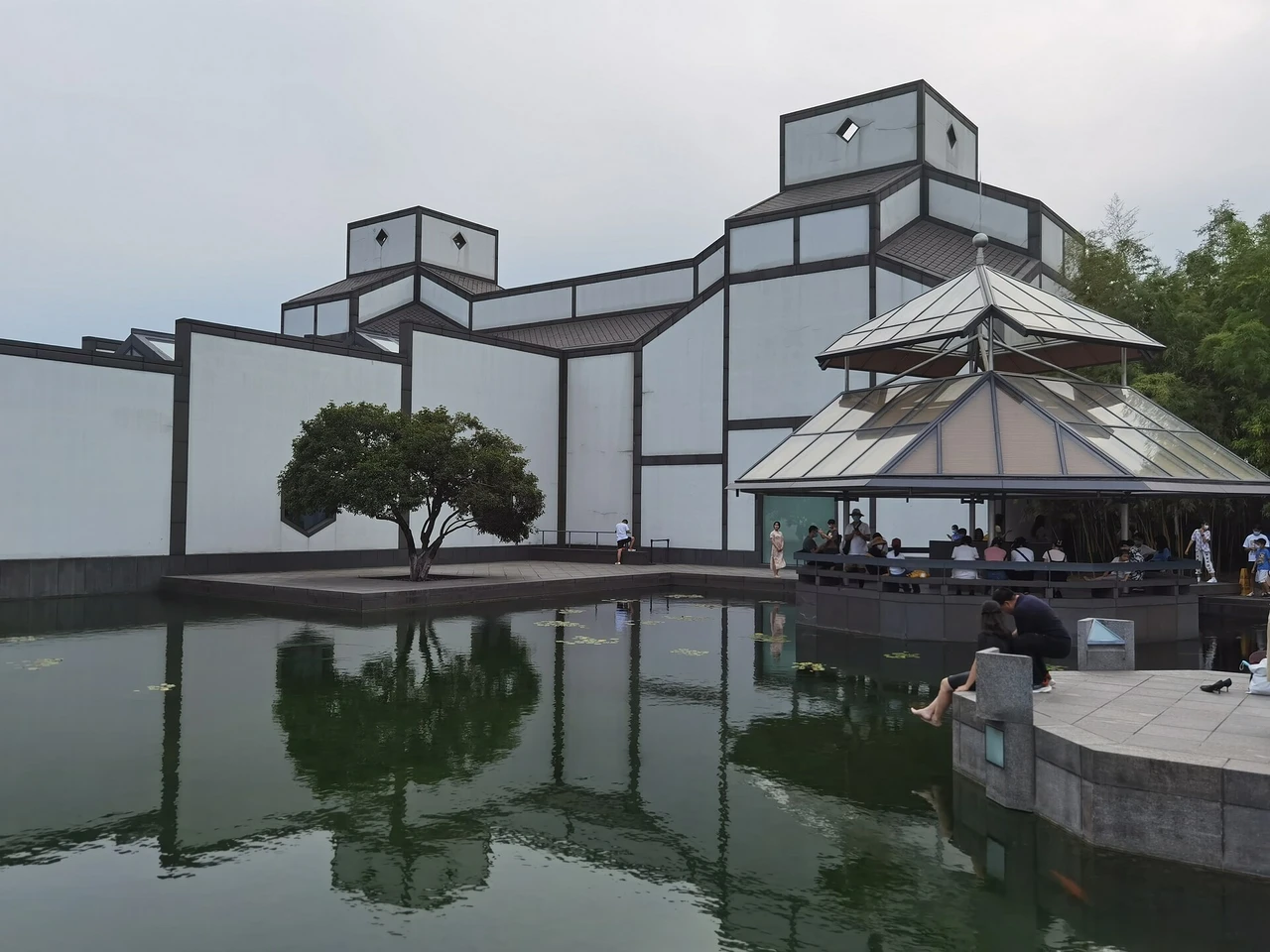 Suzhou
苏州博物馆
The Suzhou Museum combines Wudi's historical art collection with Pei's modern interpretation of whitewashed walls, dark roofs, courtyards and framed water. Archeology, calligraphy, painting and crafts provide the background for Wu culture, and another layer of historical buildings is preserved adjacent to Prince Zhong's Mansion; the architecture and collections should be understood together.
Explore Suzhou ↗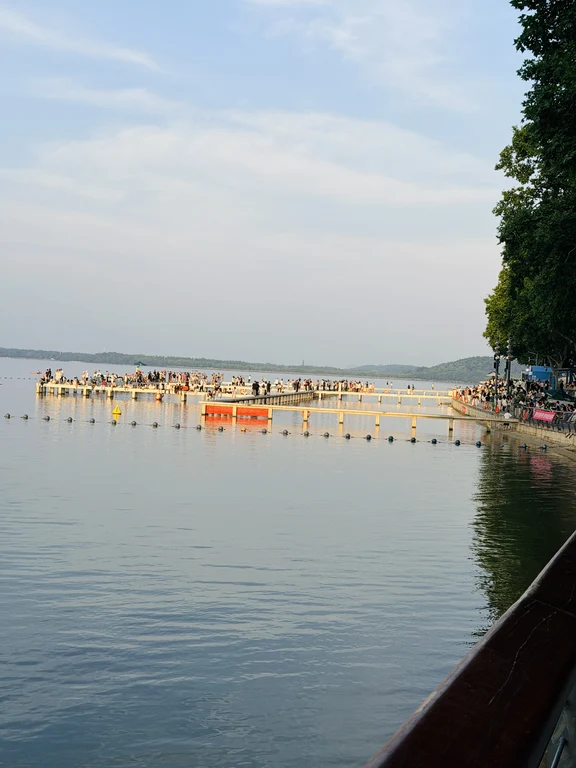 Wuhan
武汉东湖
East Lake is a vast urban lake system with many kilometers of greenways, wetlands, woodland peninsulas, gardens and university boundaries. Tingtao, Moshan and Luoyan areas have different landscapes and entrances, and it is impossible to cover them all in one casual walk; they are not only ecological habitats and urban water environment infrastructure, but also Wuhan's main leisure landscape.
Explore Wuhan ↗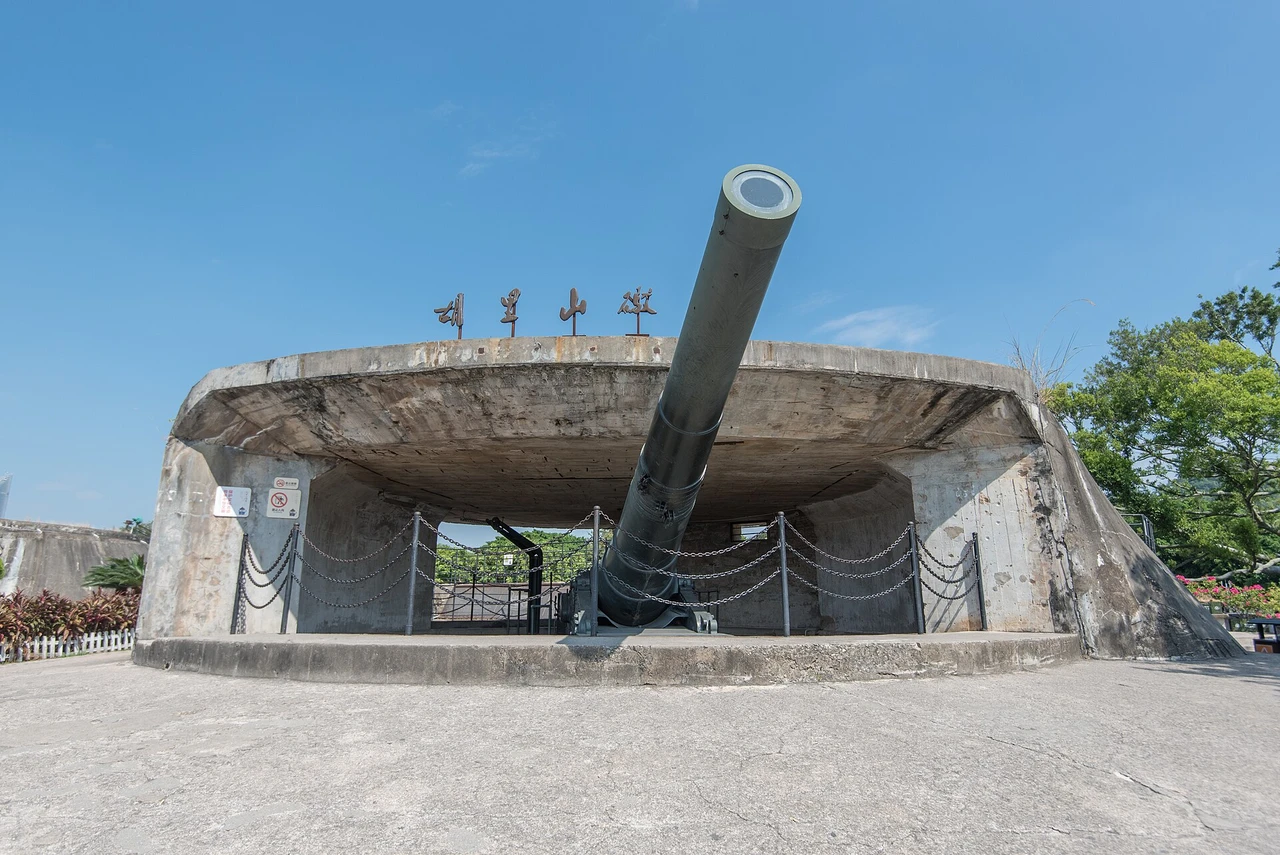 Xiamen
胡里山炮台
Hulishan Fort was built in the late Qing Dynasty and is part of Xiamen's coastal defense system. Granite walls, barracks, tunnels and artillery remains, including the large Krupp gun, show how foreign military technology was embedded in China's coastal defense projects; the location facing the strait links the history of technology with real maritime geography.
Explore Xiamen ↗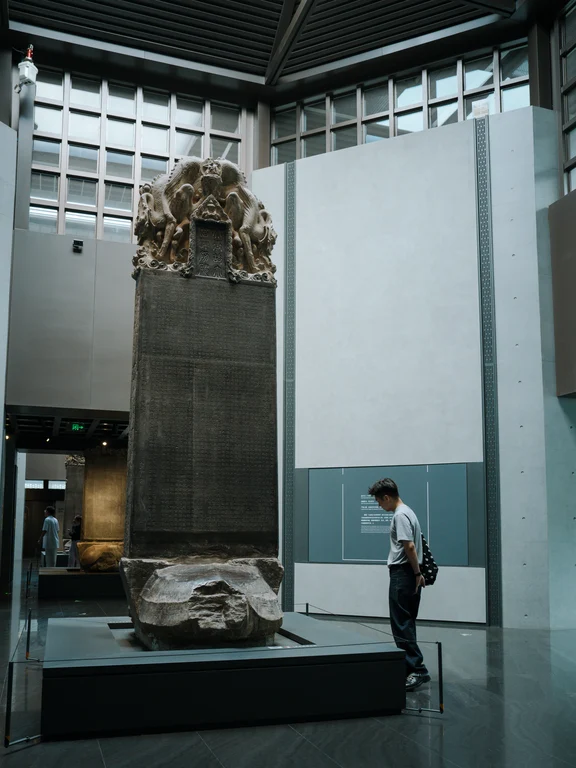 Xi'an
西安碑林博物馆
Xi'an Forest of Steles Museum consists of the historical Confucius Temple, a large number of inscriptions and important stone carving art. The inscriptions preserve classics, historical materials and famous calligraphy, while the tombs and Buddhist stone carvings show how images and words entered ancient political and social life. Even if you cannot read ancient texts, you can still compare different calligraphy styles, engraving techniques, and layouts.
Explore Xi'an ↗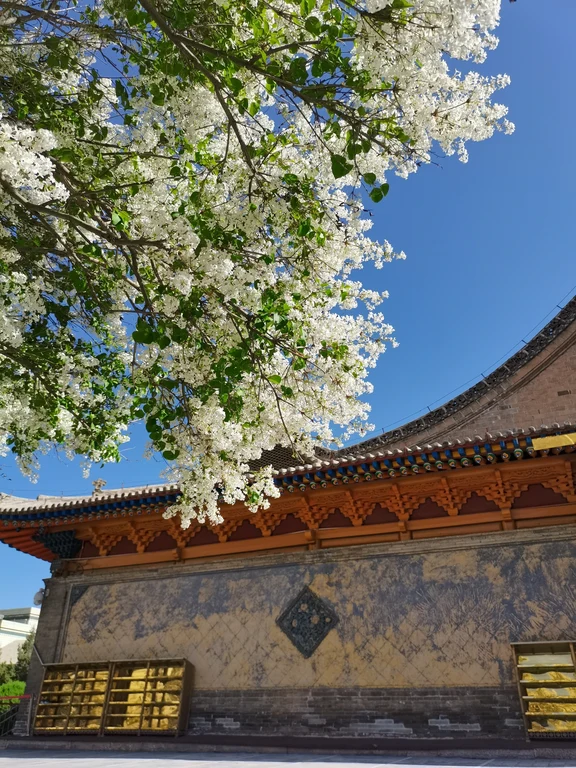 Xining
西宁东关清真大寺
Dongguan Mosque is an important Muslim worship and community life center in eastern Xining. Its architectural form and changing urban environment reflect the long history of Hui and other Muslim communities living along the trade and migration routes of the Huangshui Valley. Since this is still a functioning mosque, the focus of a visit should be on respecting boundaries and understanding the rhythm of the community, rather than viewing worship as a performance.
Explore Xining ↗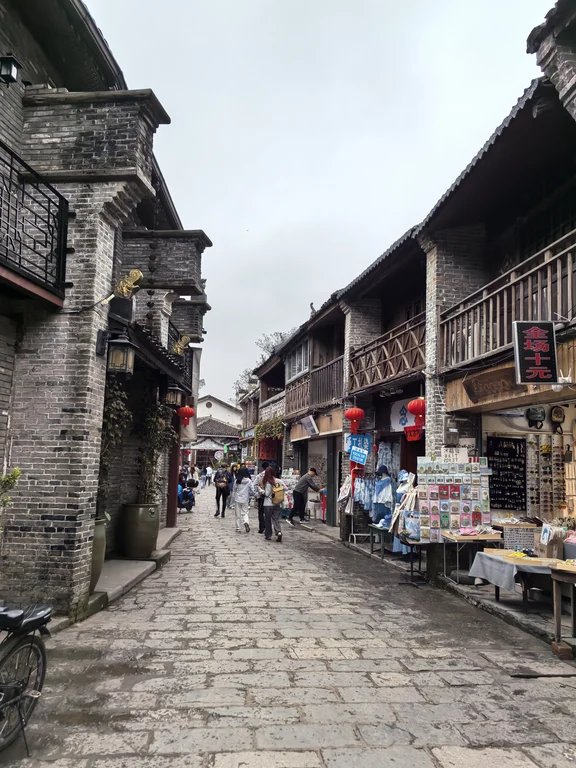 Yangshuo
兴坪古镇
Xingping is a historic settlement on the Li River, with streets, markets and ferry memories squeezed into the narrow strip between the peaks and the river. The neighborhood is popular because of the association with the 20-yuan image, but the ancient town is more suitable as a node for understanding river transportation and village geography. Commercial storefronts coexist with residential spaces, and not every alley is a tourist attraction.
Explore Yangshuo ↗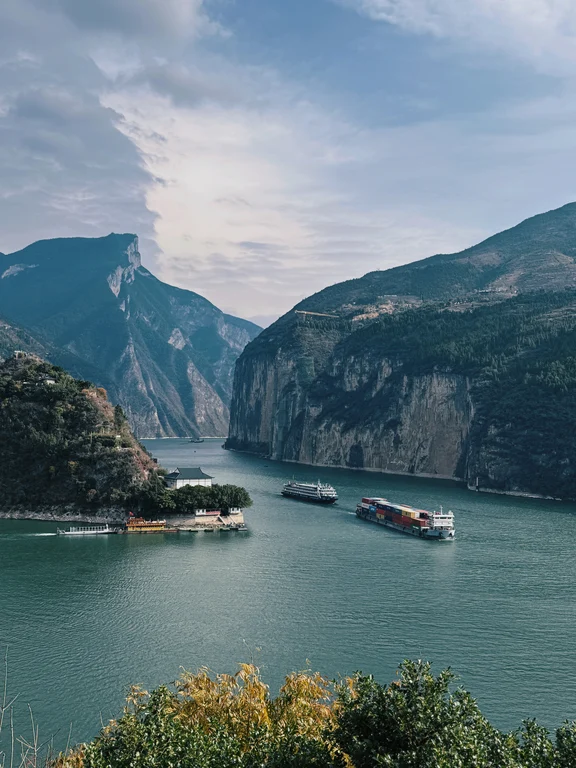 Yichang
长江三峡
The Three Gorges of the Yangtze River is a long-distance cultural landscape composed of canyon landforms, shipping, water conservancy projects, relocation heritage and riverside communities. Different rules apply to cruise ships, highways and shore scenic spots. Water levels and weather will also change the experience. Natural gorges, engineering facilities and performative displays should be distinguished.
Explore Yichang ↗