
 Harbin
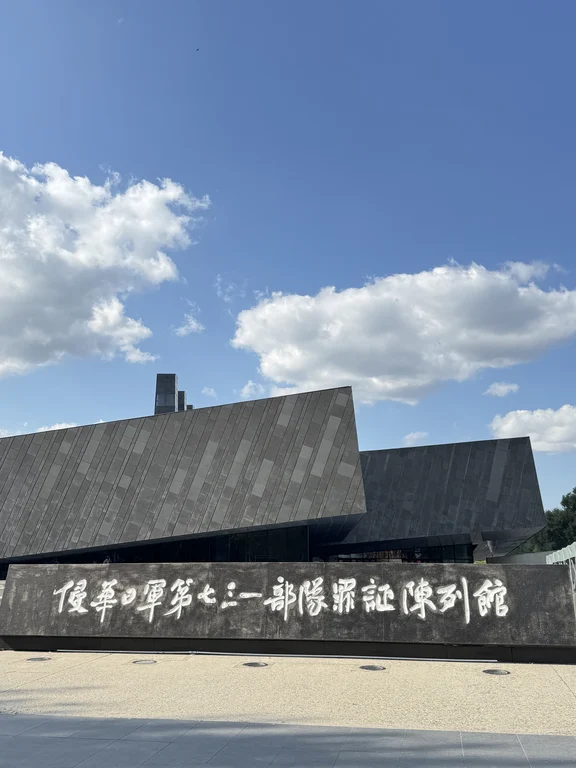
侵华日军第七三一部队罪证陈列馆
Exhibition Hall of Evidence of Crime Committed by Unit 731Explore places
Browse a mix of cities, or choose one city to see its places in editorial order.
Harbin侵华日军第七三一部队罪证陈列馆
Exhibition Hall of Evidence of Crime Committed by Unit 731Through archives, artifacts, archaeology and preserved buildings, this museum and its associated sites document Unit 731's biological-warfare program, human experimentation and war crimes. It is a place of remembrance and historical responsibility, not an entertainment attraction. The exhibits can be distressing; allow enough time, visit quietly and treat the people represented with respect.
Explore Harbin ↗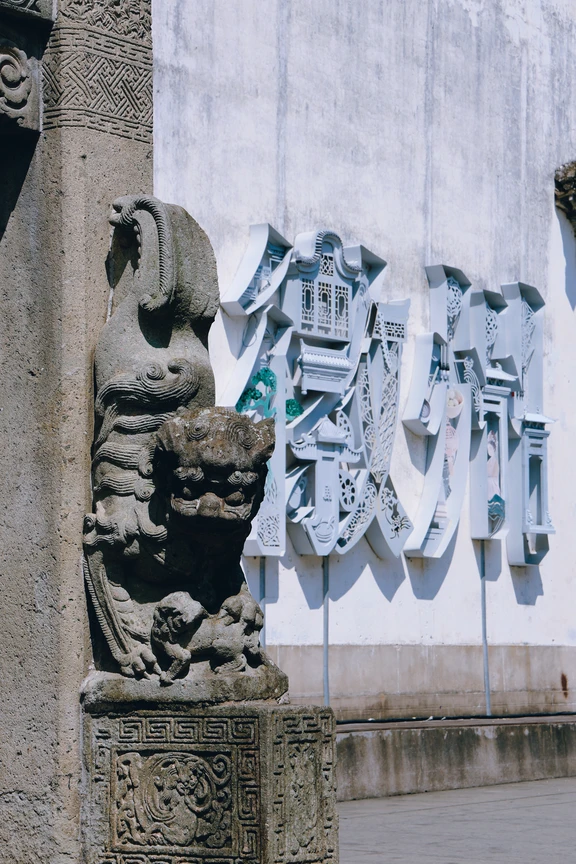 Huangshan
徽州古城
Huizhou Ancient CityThe old city of Shexian County preserves the city gates, streets, archways and living blocks related to Huizhou's administration and commerce. Modern businesses and residents share the historical fabric, so a distinction must be made between public monuments and private courtyards.
Explore Huangshan ↗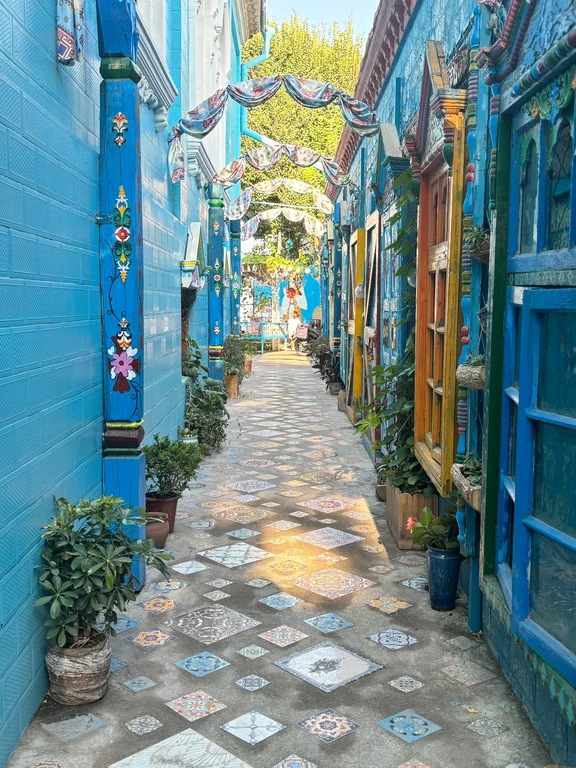 Ili
Ili喀赞其历史文化街区
Kazanchi Historic NeighbourhoodKazanqi is a neighborhood where Yining still lives, with colorful courtyards, mosques, workshops, restaurants and tree-lined lanes intertwined. Some courtyards are open to tourists, but a large number of residences are still private spaces, and access rights must be determined on a door-to-door basis.
Explore Ili ↗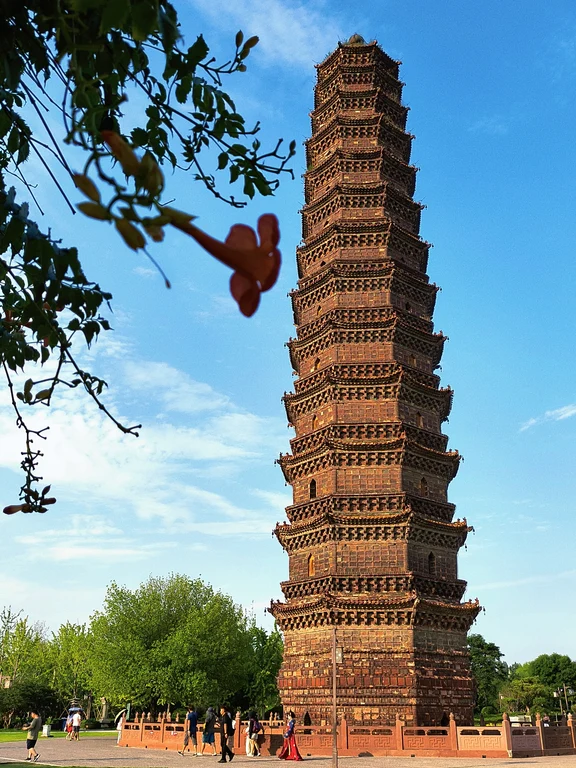 Kaifeng
繁塔
Fan PagodaFan Pagoda was built in the 10th century and is one of the earliest existing buildings in Kaifeng. Only the lower part of the original tower is preserved today. The outer wall is densely covered with glazed bricks with Buddha statues, forming a dense religious surface that is different from the later iron towers. The altered contours directly reveal the damage and reconstruction, rather than diminishing its value.
Explore Kaifeng ↗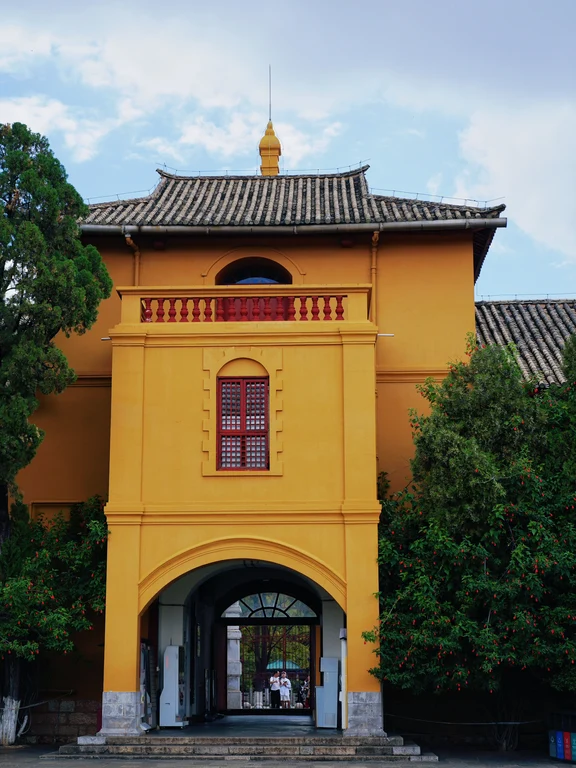 Kunming
翠湖与云南陆军讲武堂
Green Lake and Yunnan Military AcademyCuihu is a compact urban park where daily exercise, music activities and winter migratory birds reflect contemporary Kunming life; the adjacent Yunnan Army Lecture Hall showcases the political changes in the influential military education institution and its trainees in the early 20th century. Parks and museums connect the city's daily life with modern history without having to travel far.
Explore Kunming ↗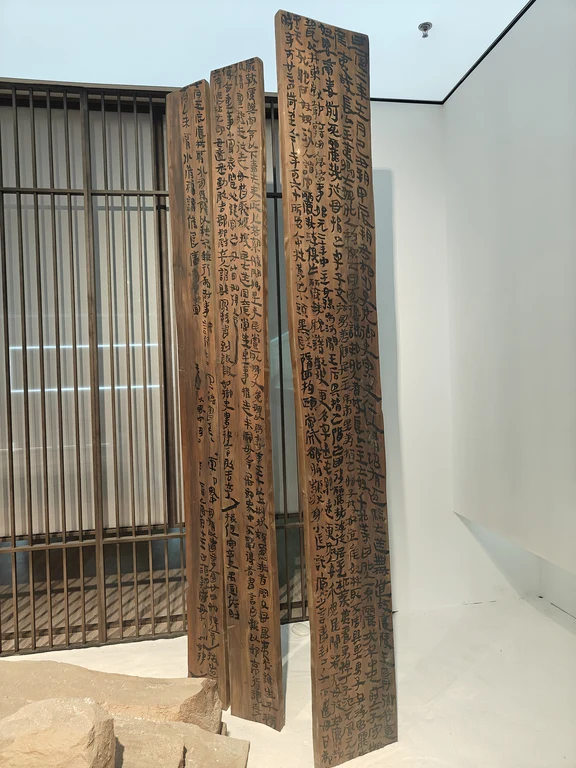 Lanzhou
甘肃简牍博物馆
Gansu Bamboo Slips MuseumThe Gansu Bamboo Slips Museum specializes in protecting and interpreting wooden slips and bamboo slips unearthed from Gansu frontier fortress sites. Postal records, legal cases, inventory lists, and personal letters illustrate how administration and ordinary life functioned along the Silk Roads during the Han Dynasty, while conservation exhibits also illustrate why writing is fragile in humid or extremely dry environments. It shifts attention from grand artifacts to individual texts and everyday institutions and is an important addition to the provincial museum.
Explore Lanzhou ↗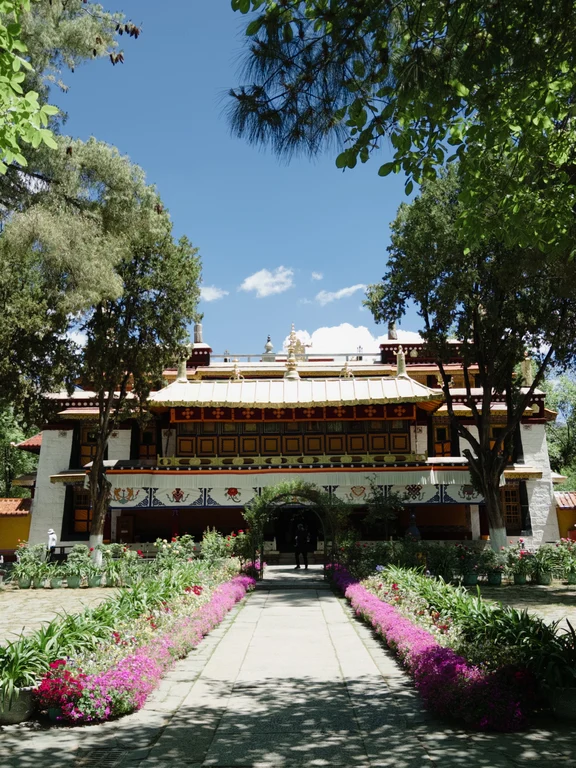 Lhasa
Lhasa罗布林卡
NorbulingkaNorbulingka was developed as the summer palace of the Dalai Lama of the past dynasties. It combines Tibetan palaces, Buddhist halls, gardens and water features in the lush environment of western Lhasa. Together with the Potala Palace and the Jokhang Temple, it constitutes a world heritage historical building complex, but its space is quieter and more life-like. Visiting along the garden road, you can understand the relationship between ceremonial space, summer climate, landscape design and palace life.
Explore Lhasa ↗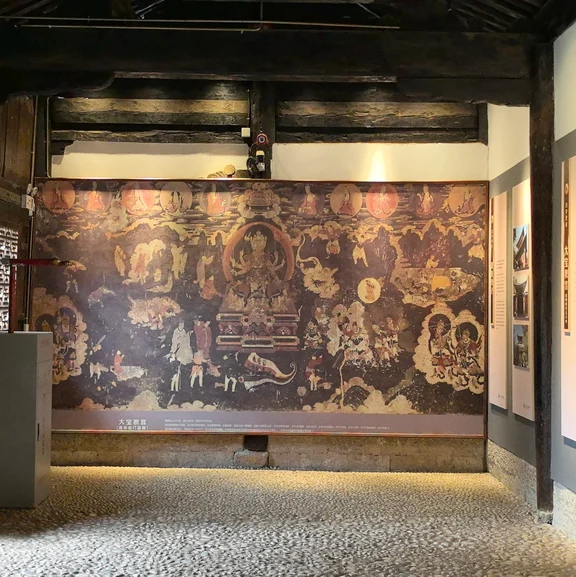 Lijiang
白沙古镇与白沙壁画
Baisha Village and MuralsBaisha is an earlier settlement among the world heritage sites of Lijiang Ancient City, located at the foot of Jade Dragon Snow Mountain. The religious buildings preserve murals that have been gradually formed since the 13th century, integrating Buddhism, Taoism, Naxi and other local image traditions, reflecting cultural exchanges; the surrounding residences and fields retain a smaller-scale settlement pattern than Dayan.
Explore Lijiang ↗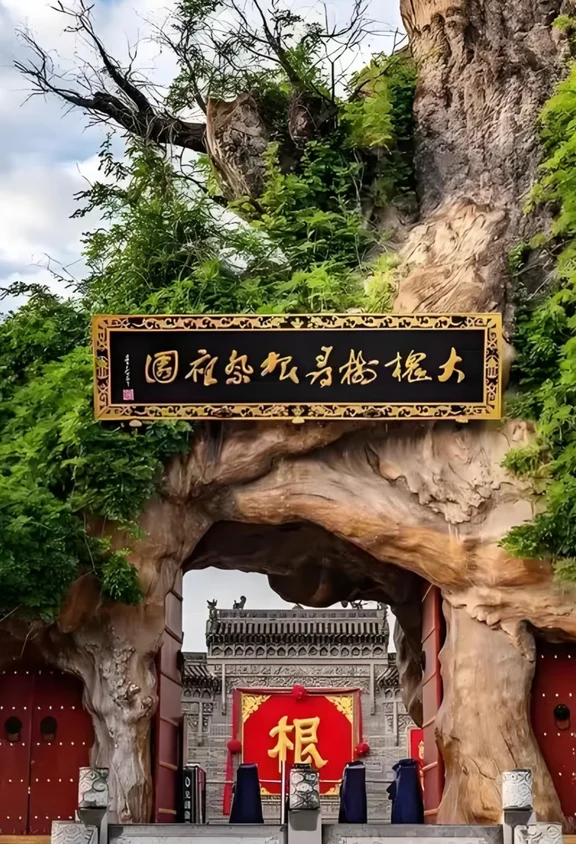 Linfen
洪洞大槐树寻根祭祖园
Hongdong Great Locust Tree Memorial ParkThe commemorative landscape revolves around the collective memory of official immigrants related to Hongdong in the early Ming Dynasty. The existing ancient Sophora japonica imagery and the park serve as symbolic functions for genealogy and homecoming ceremonies, and are not literal evidence of the departure of each family; the exhibition should be read in conjunction with the documented history of immigration.
Explore Linfen ↗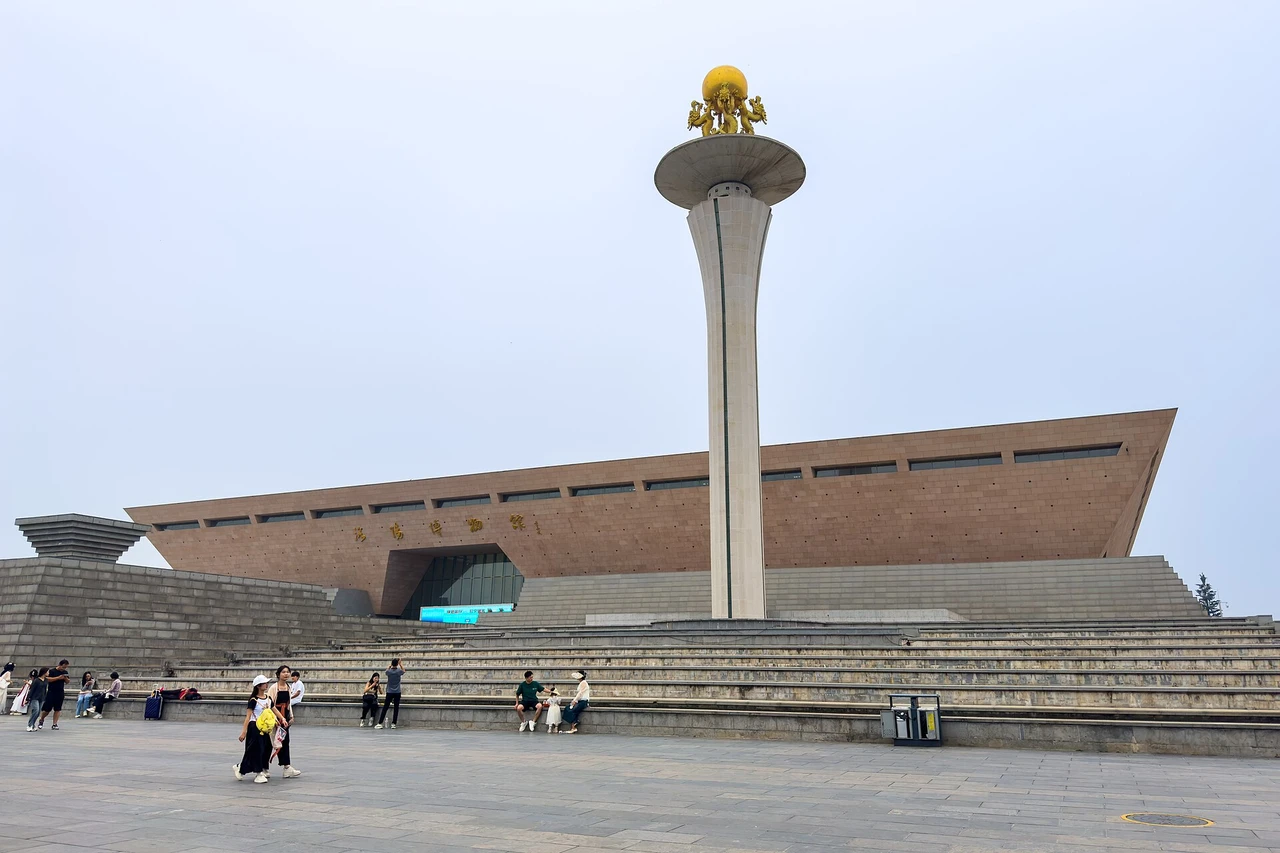 Luoyang
洛阳博物馆
Luoyang MuseumLuoyang Museum organizes the extremely long period of urban archeology according to prehistoric and early state, Han, Wei, Sui and Tang periods. Bronze, pottery, stone carvings and burial artifacts reveal multiple changes in political centres, trade and rituals. The core value lies in the chronological sequence: viewing each layer at the same time can prevent famous dynasties from being reduced to irrelevant labels, and also lay the foundation for understanding the scattered ruins of the city.
Explore Luoyang ↗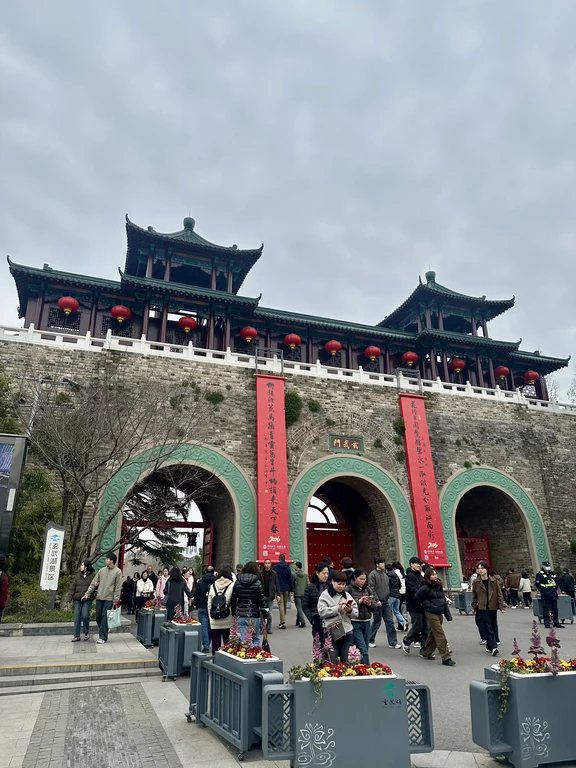 Nanjing
南京城墙与中华门
Nanjing City Wall and Zhonghua GateThe Nanjing Ming City Wall conforms to the boundaries of mountains, rivers and palaces. It is not a regular rectangle. It is a brick defense system with outstanding preservation scale. The Zhonghua Gate contains multiple barbican and hidden soldier spaces, while other open sections present different relationships with lakes and communities. The city wall is not a continuous open trail along its entire length, so it is more reasonable to choose a section for an in-depth experience.
Explore Nanjing ↗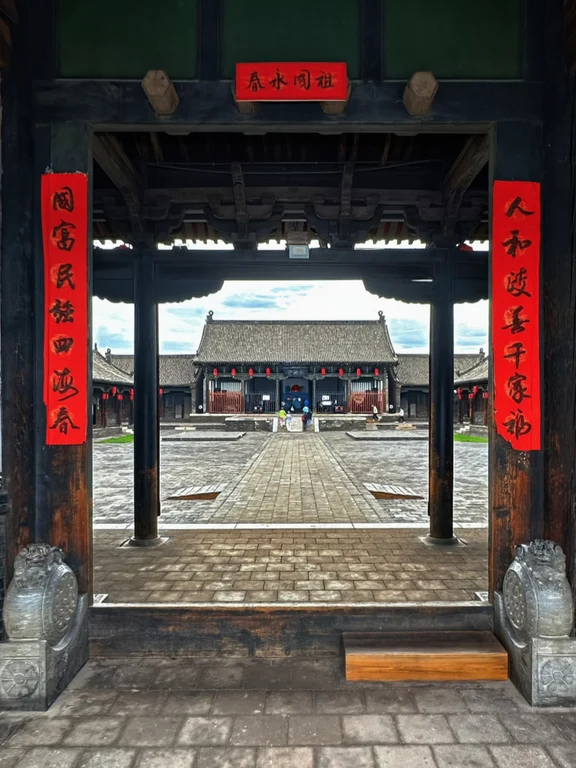 Pingyao
平遥县衙
Pingyao County Government OfficePingyao County Government retains the spatial logic of traditional local government: ceremonial gates and courtyards lead to the trial and administrative halls, with clerical, residential and prison areas at the rear. The building separates public power, official work and private life. Exhibitions are helpful for understanding the system, but the restored scenes should be read in conjunction with the real pattern.
Explore Pingyao ↗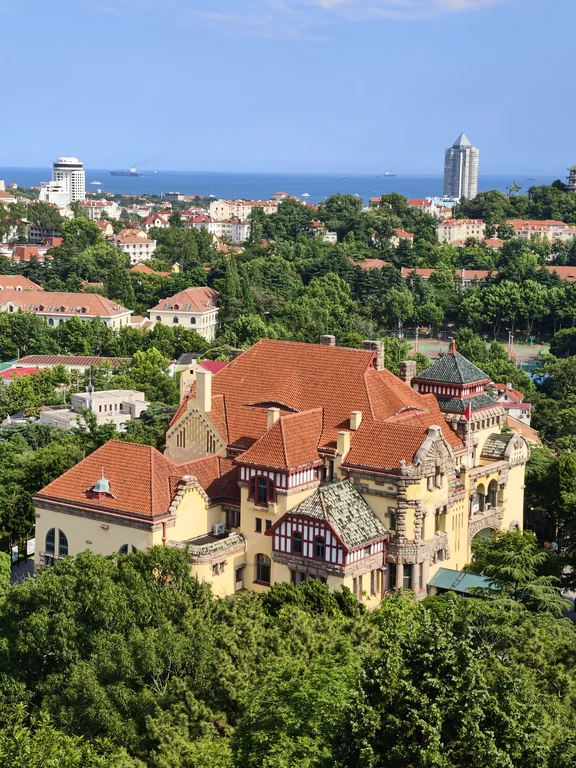 Qingdao
青岛德国总督楼旧址博物馆
Former German Governor's ResidenceThe Governor's Building was built from 1903 to 1907. It is located on the signal hillside with its stone, asymmetrical volume and exquisite interior decoration. Subsequent use by political figures added new historical layers. The building was used to demonstrate colonial power, and the materials and room sequences preserved today also illustrate elite residential technology of the time.
Explore Qingdao ↗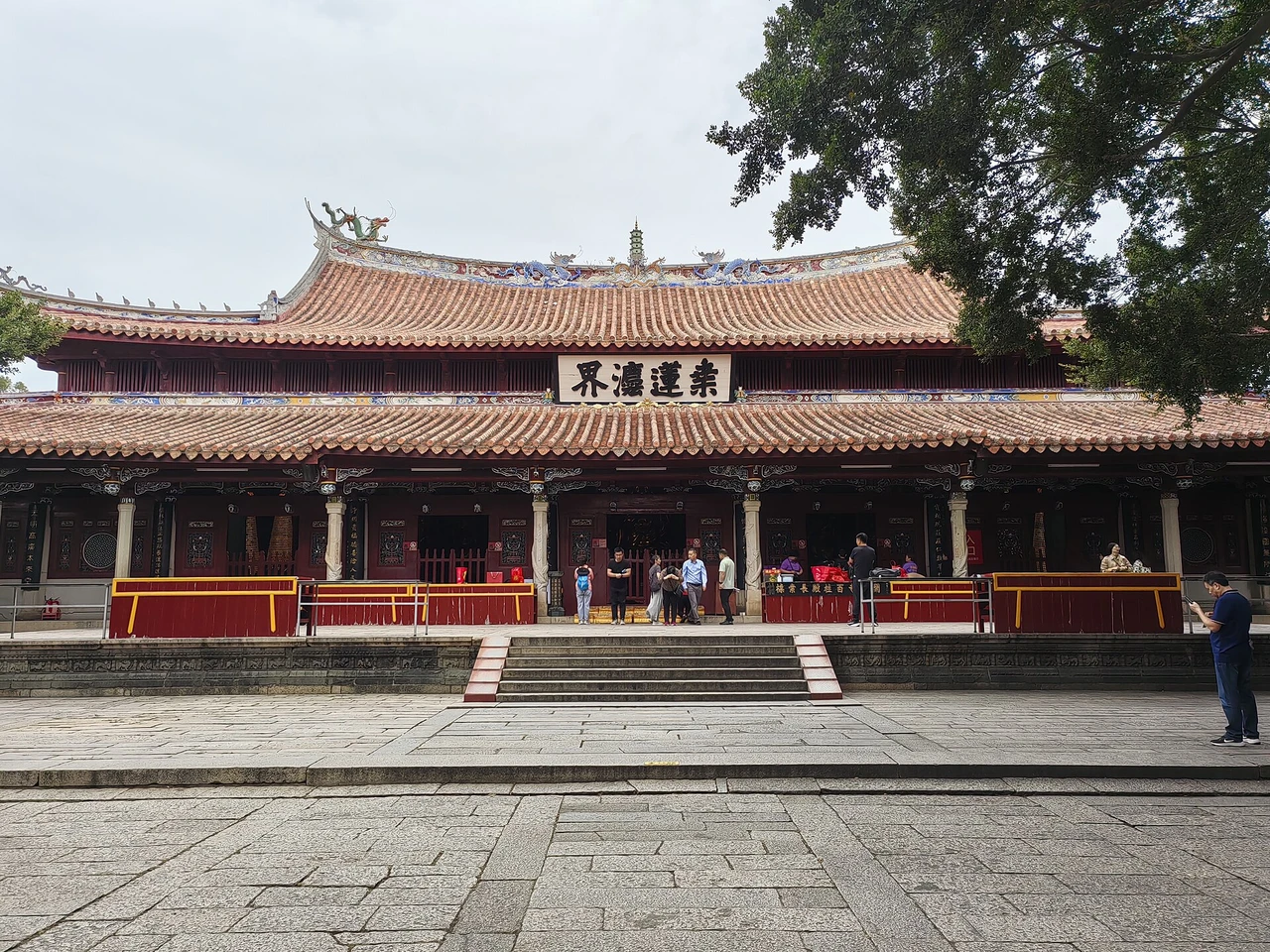 Quanzhou
开元寺
Kaiyuan TempleKaiyuan Temple Kaiyuan Temple is located at No. 176 West Street, Licheng District. It was built in the Tang Dynasty and has a history of more than 1,300 years. It is the largest Buddhist temple in Fujian. The east and west twin pagodas (Zhenguo Pagoda and Renshou Pagoda) in the temple are the tallest existing stone pagodas from the Song Dynasty in China. The pure mortise and tenon structure has stood for thousands of years. The west pagoda also has a "Monkey Walker" relief that is more than 300 years earlier than "Journey to the West". It is one of the filming locations for "Black Myth: Wukong". The 24 flying musicians and Hindu stone carvings in the Main Hall all reflect the integration of multi-cultural cultures along the Maritime Silk Road.
Explore Quanzhou ↗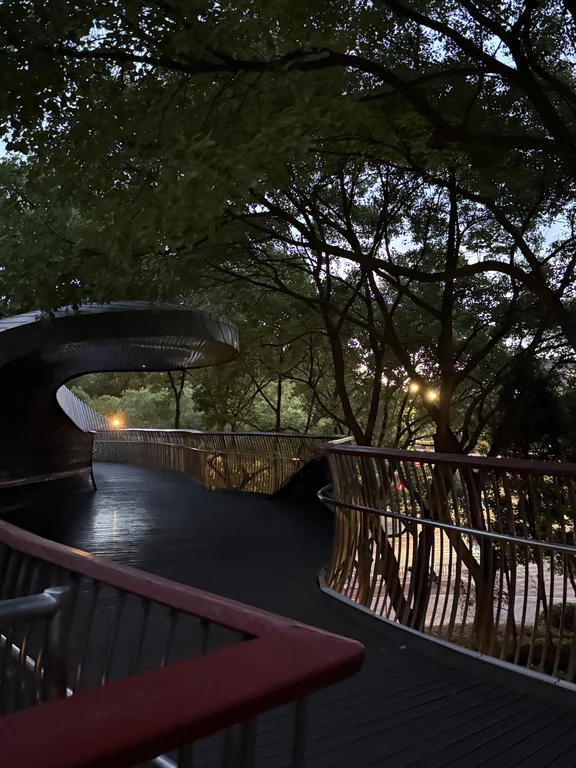 Shanghai
苏州河城市漫步
Suzhou Creek Urban WalkWalking along the Suzhou River, one can understand Shanghai through bridges, warehouses, apartment buildings and newly connected waterfront spaces. The downstream section near Waibaidu Bridge and the Postal Museum is densely populated with modern urban history, while different sections upstream show how infrastructure and industrial land are transformed into daily public spaces.
Explore Shanghai ↗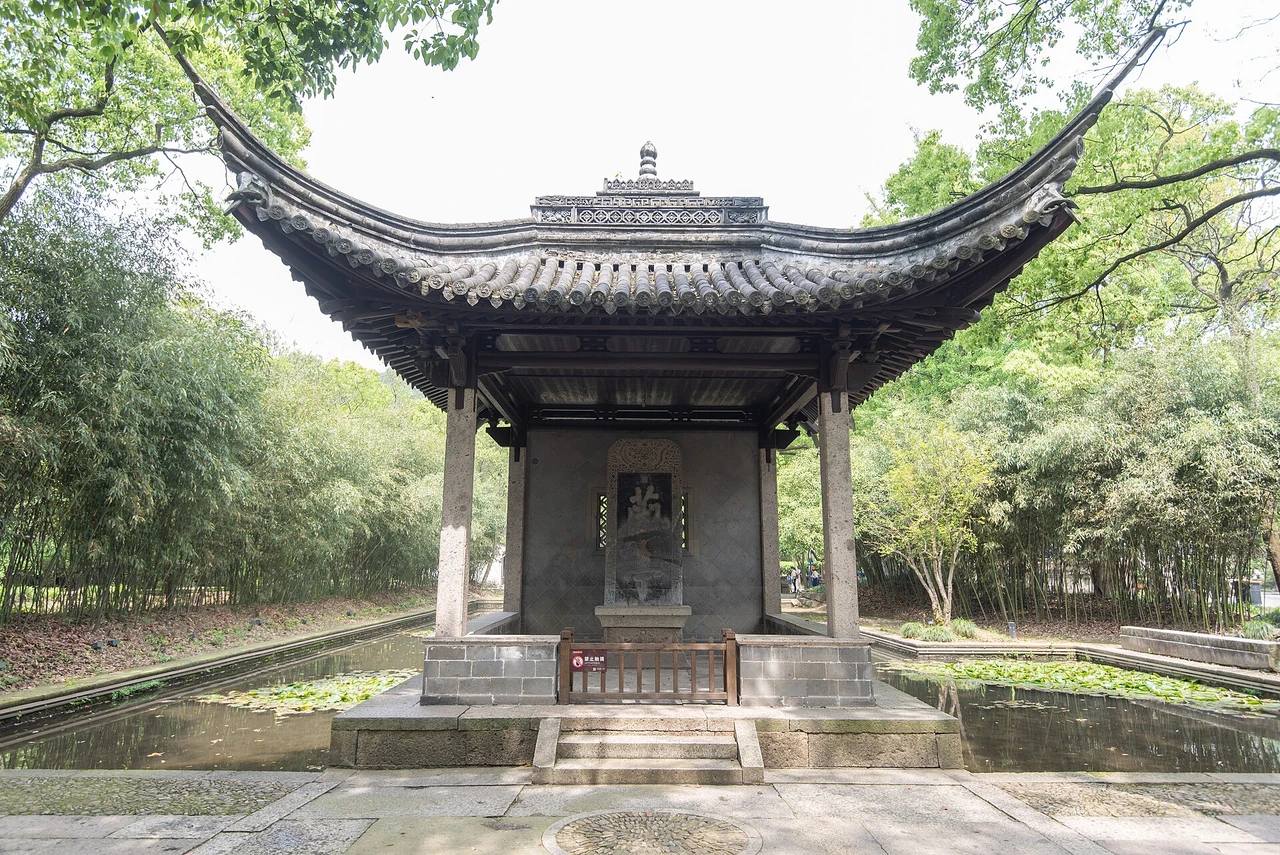 Shaoxing
兰亭
Orchid PavilionLanting is located at the foot of Lanzhu Mountain about 13 kilometers southwest of Shaoxing City. It is famous all over the world because Wang Xizhi of the Eastern Jin Dynasty wrote the "Preface to the Lanting Collection", "the best running script in the world" here. It is a pilgrimage place for calligraphy lovers. The scenic spot is famous for the Chinese garden aesthetics of lush forests and bamboos and winding water bottles. The core attractions include Echi ("Echi" monument of father and son), Lanting Stele Pavilion (Kangxi imperial pen), winding water bottle ruins, Wang Youjun Temple, Imperial Stele Pavilion (the same stele for the ancestors of Kangxi and Qianlong), Linchi Eighteen Tanks, Tianzhang Temple Ruins and Lanting Calligraphy Museum.
Explore Shaoxing ↗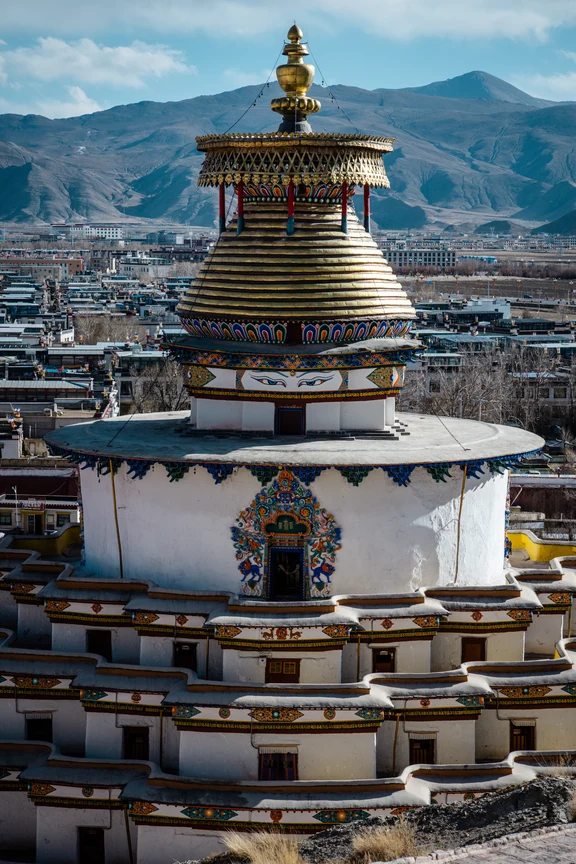 Shigatse
白居寺与十万佛塔
Pelkor Chode and KumbumBaiju Temple and the multi-storey 100,000 pagodas bring together a variety of Tibetan Buddhist traditions, temples, murals and statues in one historic complex. Narrow stairs and fragile interiors require controlled access and strict restraint on photography.
Explore Shigatse ↗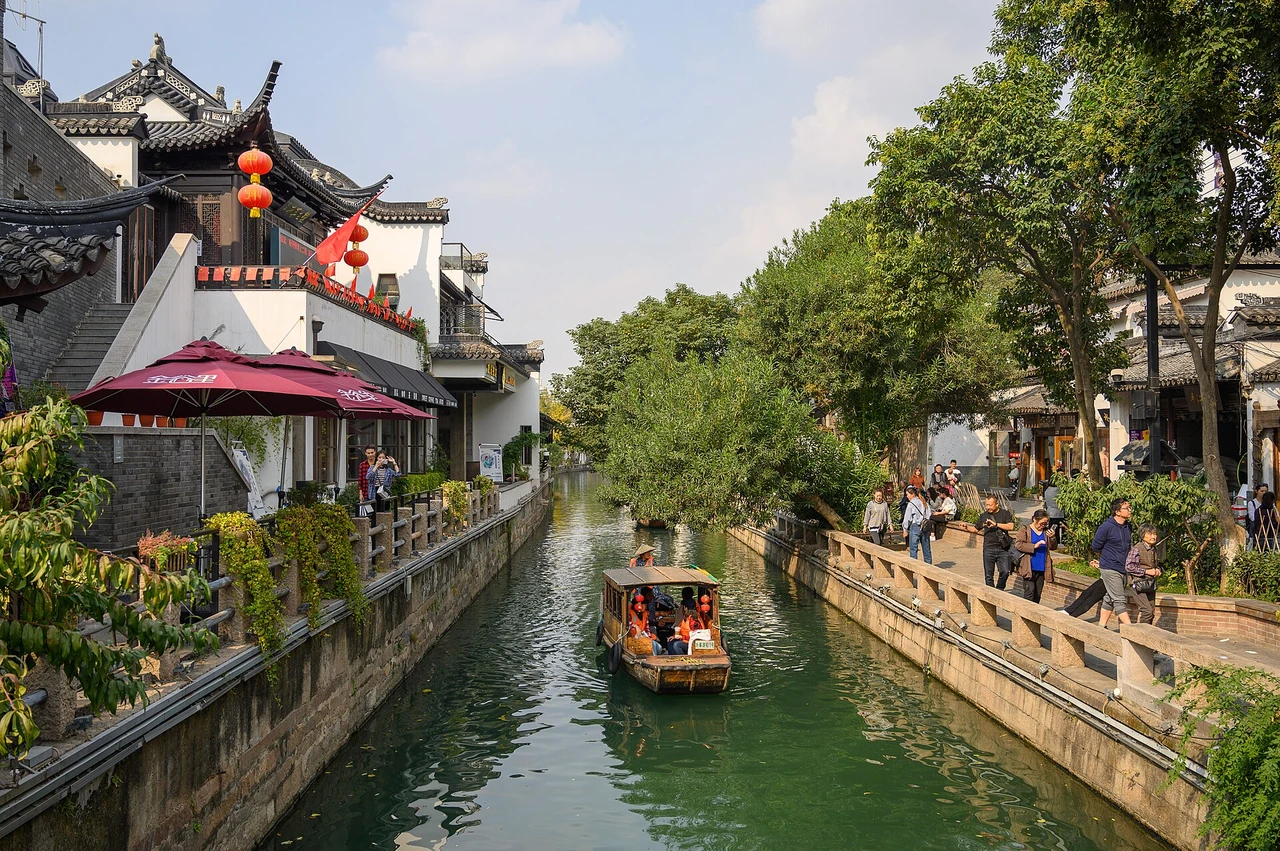 Suzhou
平江路
Pingjiang RoadPingjiang Road runs along the river through the relatively well-preserved old city area of Suzhou. Narrow bridges, laneways, courtyard houses, small museums and residents' lives continue the parallel relationship between streets and rivers in the historical map. The main road is obviously commercialized, but the urban fabric that is quieter and continues to be used as a community can still be seen in the branch lanes.
Explore Suzhou ↗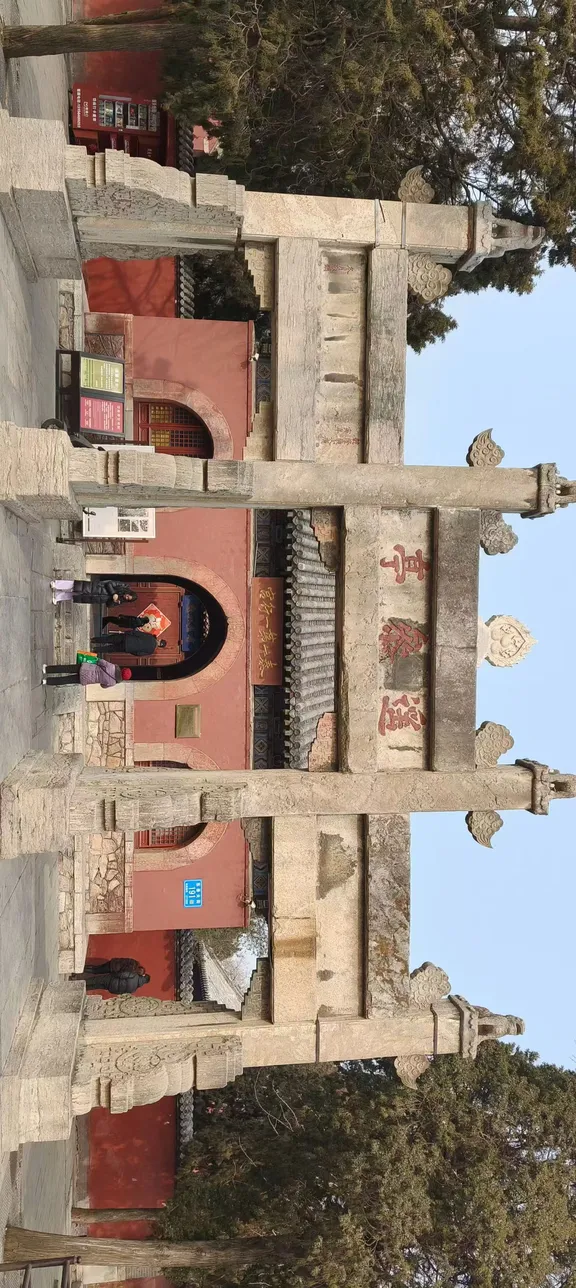 Tai'an
岱庙
Dai TempleDai Temple connects Tai'an City and Mount Tai's sacrificial axis. The palace-style enclosure structure, Tiankuang Hall, courtyards, ancient trees and hundreds of inscriptions preserve evidence of national sacrifices, local beliefs and interpretations of Mount Tai in the past dynasties. This place also serves as the Tai'an City Museum. The building and collection should be read together, rather than just as a photogenic prelude before climbing.
Explore Tai'an ↗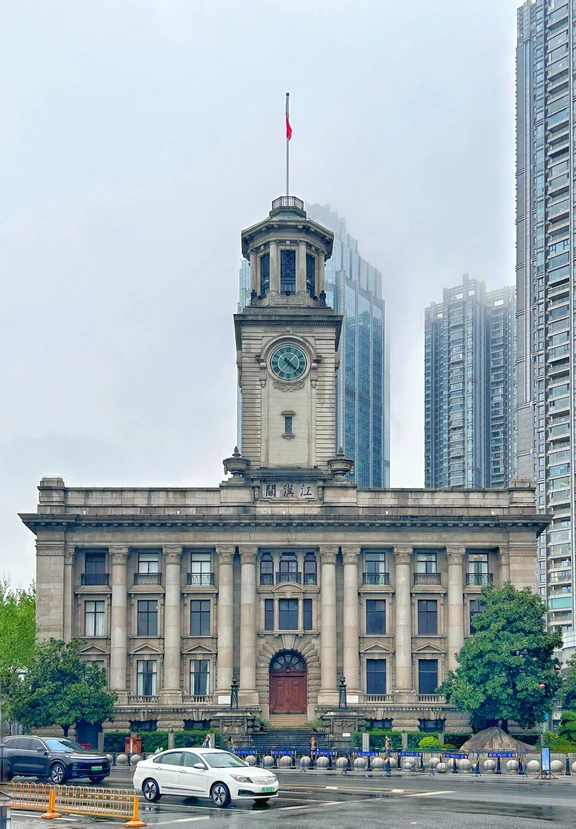 Wuhan
Wuhan汉口历史风貌区与江汉关
Hankou Historic Riverfront and Customs HouseThe Hankou river bank developed into an important commercial port after the opening of the port in the 19th century. Old banks, foreign banks, churches and Jianghan Pass are scattered behind the modern river beach, which not only records the foreign concession space, but also reflects the Chinese commercial network. Walking from the neighborhoods to the river bank, you can understand how trade, flood control and transportation came together to shape modern Wuhan.
Explore Wuhan ↗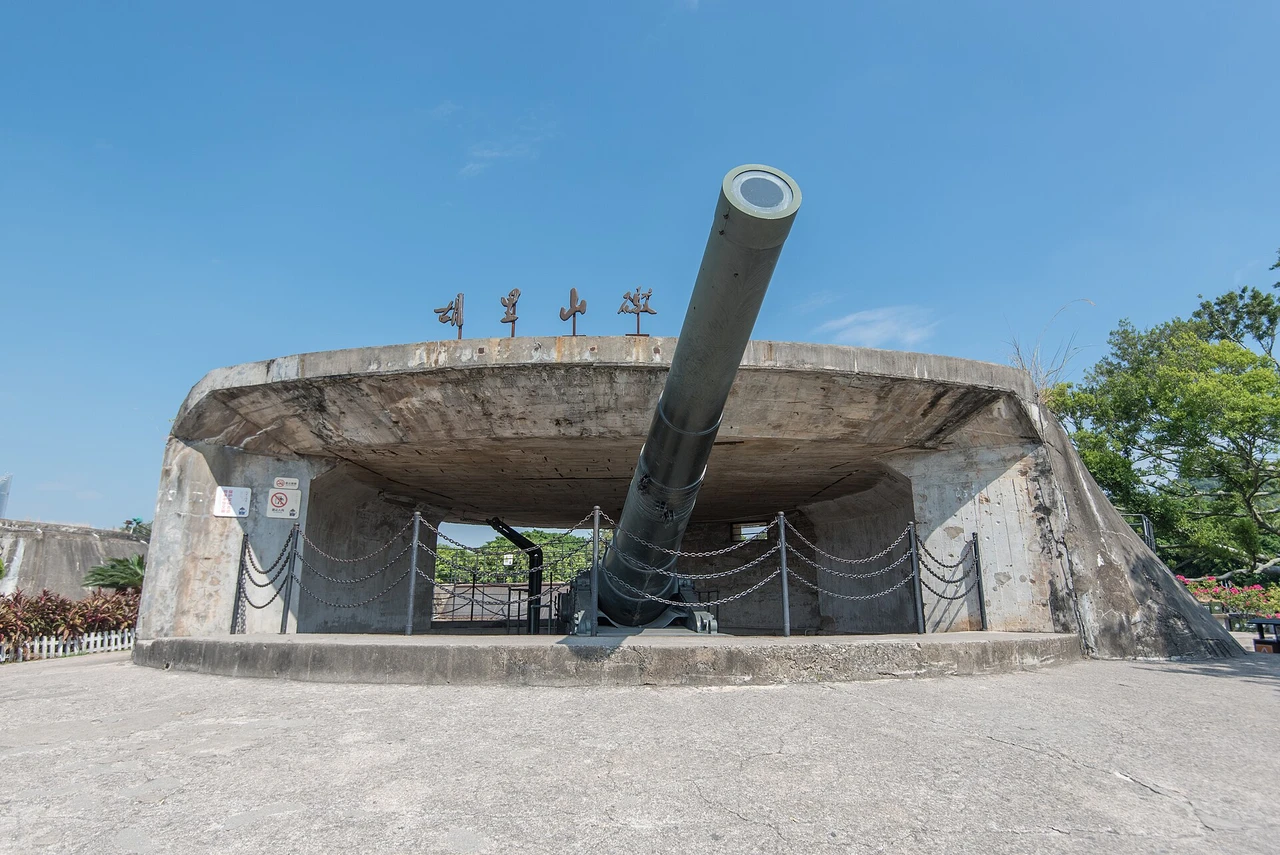 Xiamen
胡里山炮台
Hulishan FortressHulishan Fort was built in the late Qing Dynasty and is part of Xiamen's coastal defense system. Granite walls, barracks, tunnels and artillery remains, including the large Krupp gun, show how foreign military technology was embedded in China's coastal defense projects; the location facing the strait links the history of technology with real maritime geography.
Explore Xiamen ↗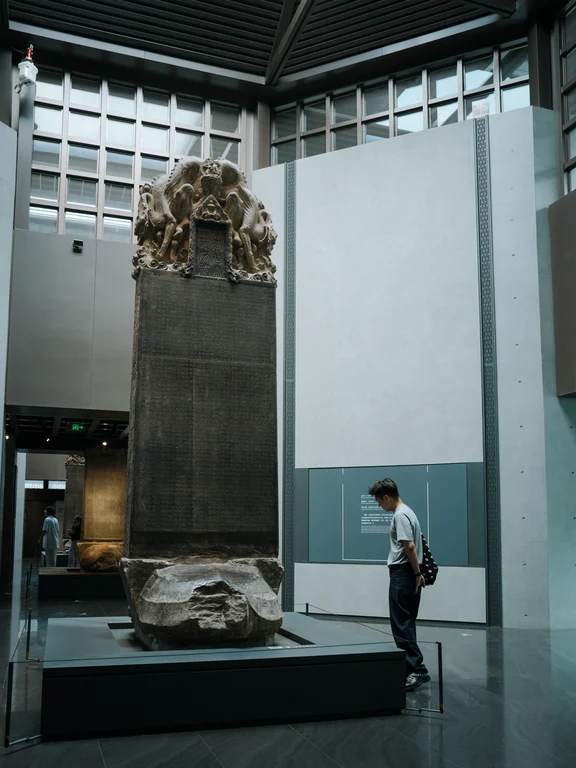 Xi'an
Xi'an西安碑林博物馆
Xi'an Beilin MuseumXi'an Forest of Steles Museum consists of the historical Confucius Temple, a large number of inscriptions and important stone carving art. The inscriptions preserve classics, historical materials and famous calligraphy, while the tombs and Buddhist stone carvings show how images and words entered ancient political and social life. Even if you cannot read ancient texts, you can still compare different calligraphy styles, engraving techniques, and layouts.
Explore Xi'an ↗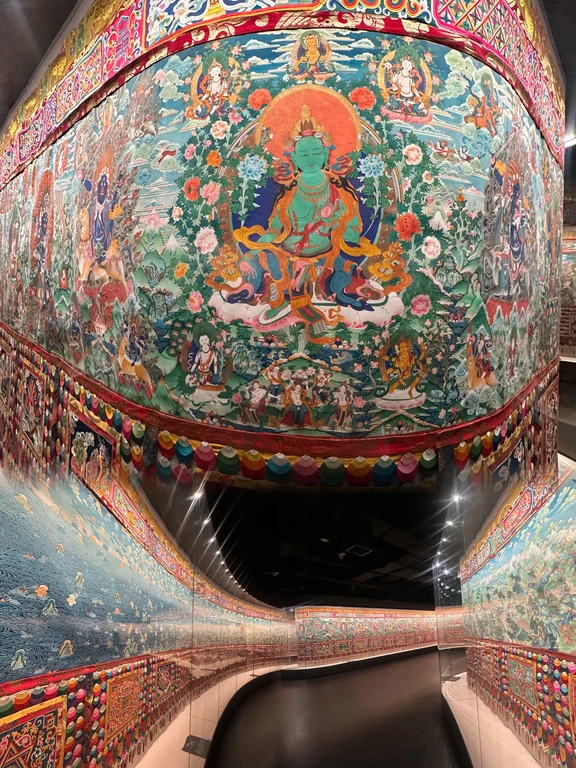 Xining
青海藏医药文化博物馆
Qinghai Tibetan Medicine and Culture MuseumThis thematic museum tells the story of Tibetan medicine through generations of physicians, medical literature, diagnostic systems, pharmaceutical materials and the plateau environment that shaped them. The cultural exhibition hall also covers calligraphy, architecture, textiles and large-scale painted works. Medical exhibitions should be understood as the history and theory of a living knowledge system, rather than personal medical advice; Tibetan culture also goes far beyond a single religion or visual symbol.
Explore Xining ↗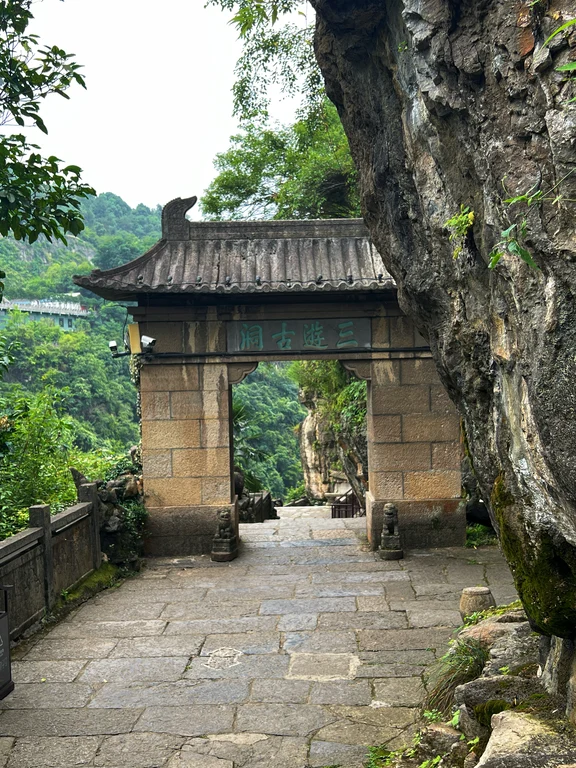 Yichang
三游洞
Sanyou CaveSanyou Cave is located on the limestone cliff at the mouth of Xiling Gorge, connected with literati and inscriptions from past dynasties. The visit connects literary memories, stone carving texts and the geography of the river gorge, but you need to be extra cautious on the cliff steps on rainy days.
Explore Yichang ↗